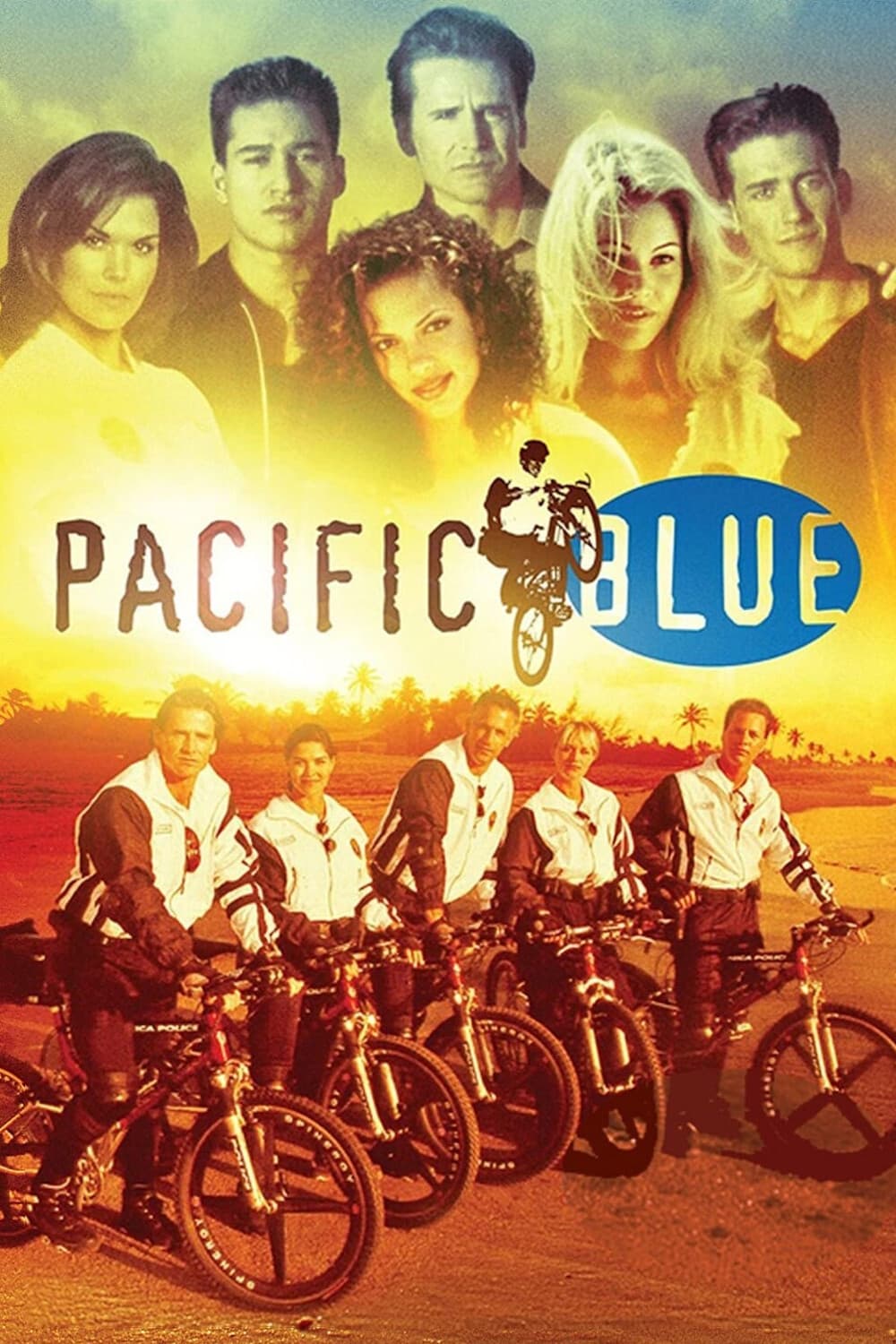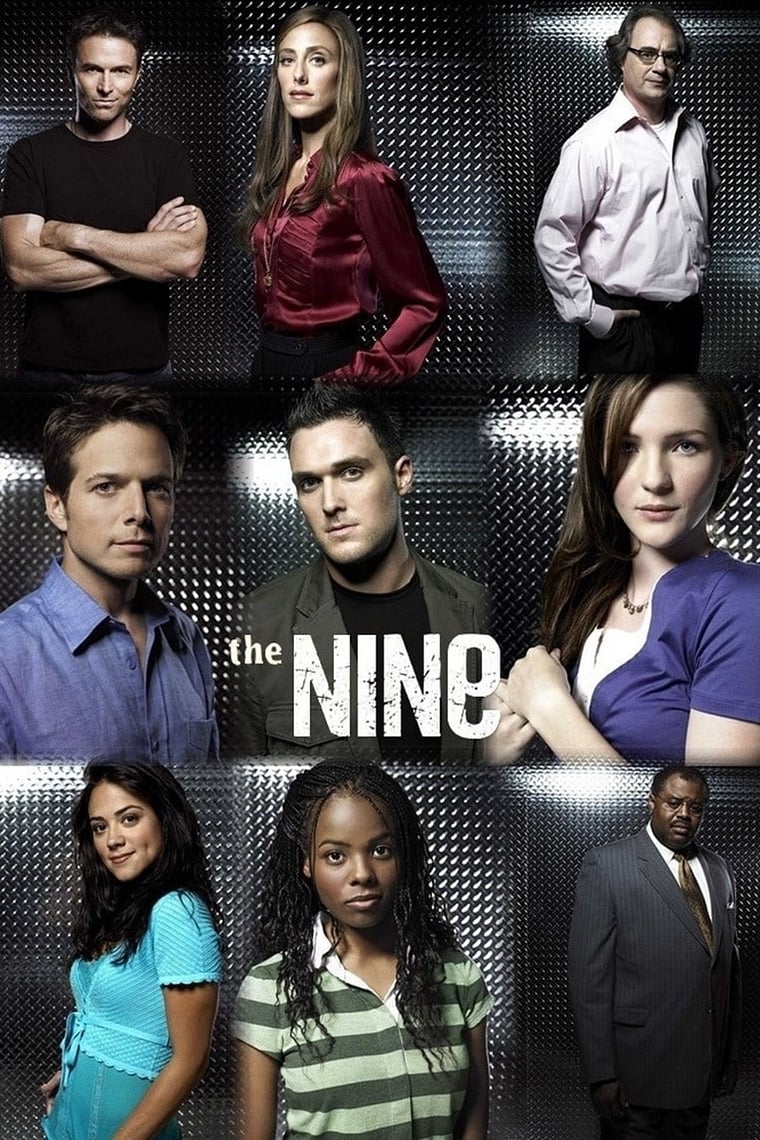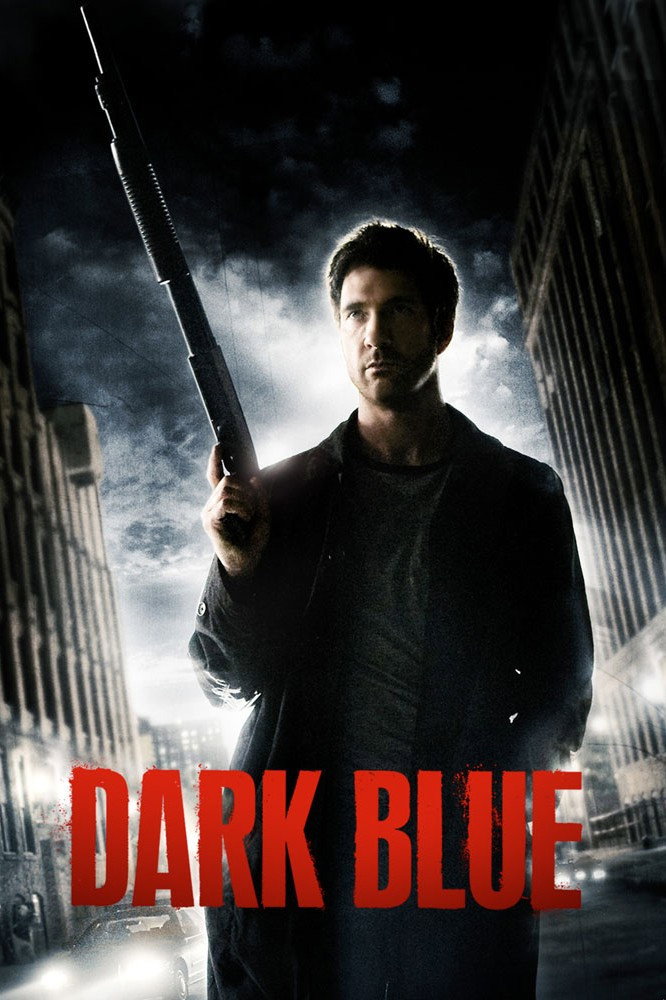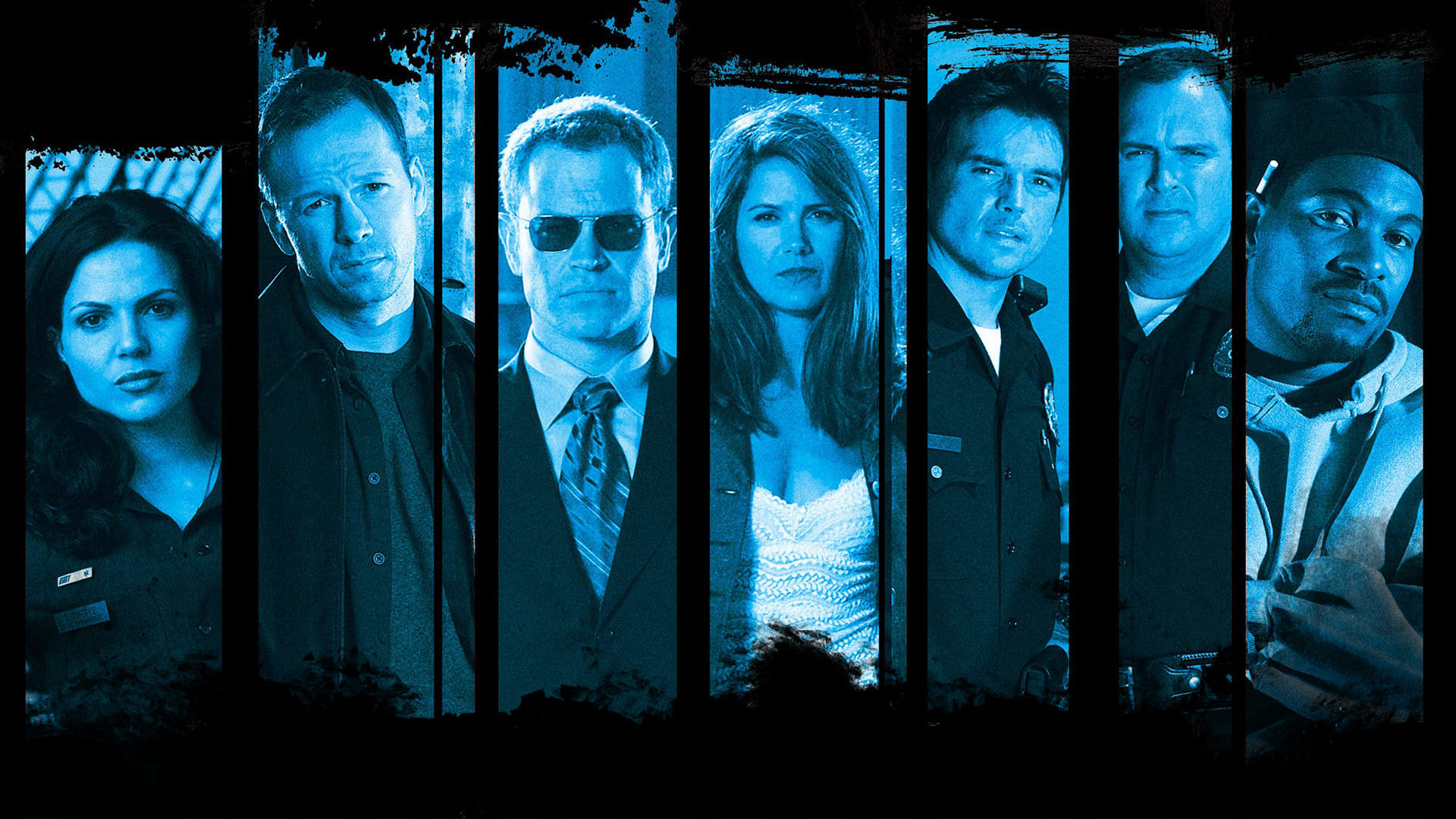
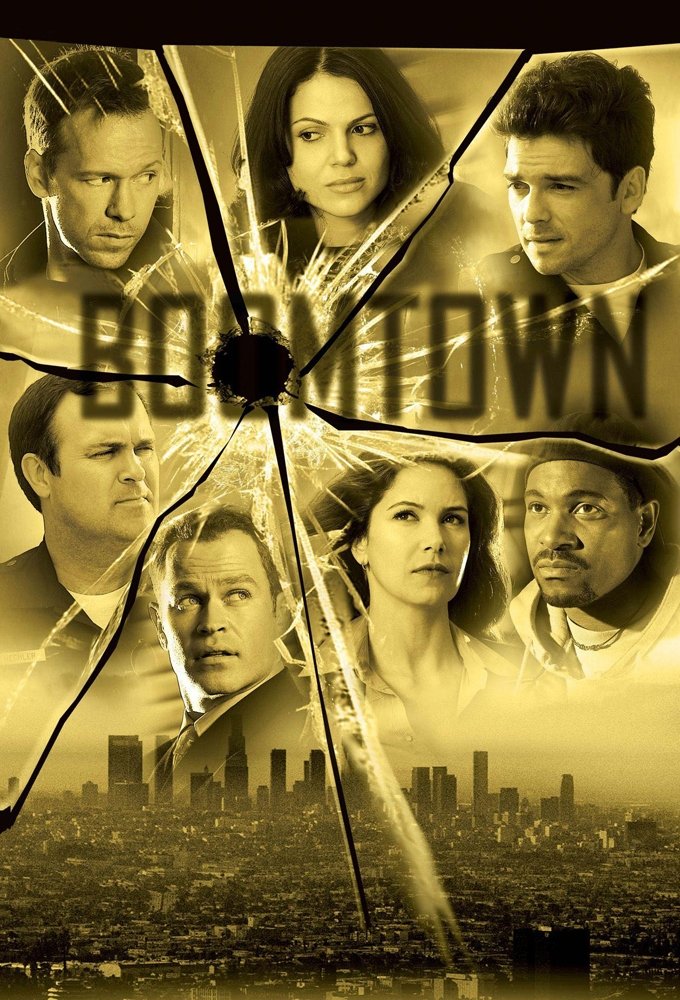
Each episode of this series, set in contemporary Los Angeles, examines one crime from many different viewpoints - uniformed cops, detectives, witnesses, the media, the fire department and rescue squad, even the criminals themselves.
Social & External
The people behind it
Donnie Wahlberg
Detective Joel Stevens
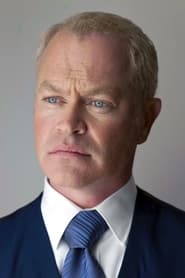
Neal McDonough
Assistant District Attorney David McNorris
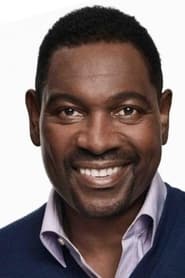
Mykelti Williamson
Police Department Detective II Bobby 'Fearless' Smith
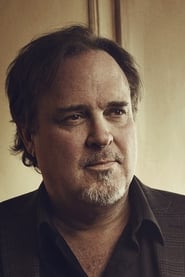
Gary Basaraba
Police Department Police Officer III Ray Hechler
Lana Parrilla
Teresa Ortiz, paramedic in season one, rookie police officer in season two
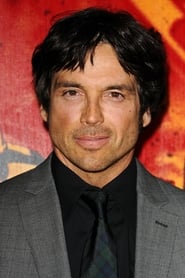
Jason Gedrick
Police Department Police Officer II Tom Turcotte
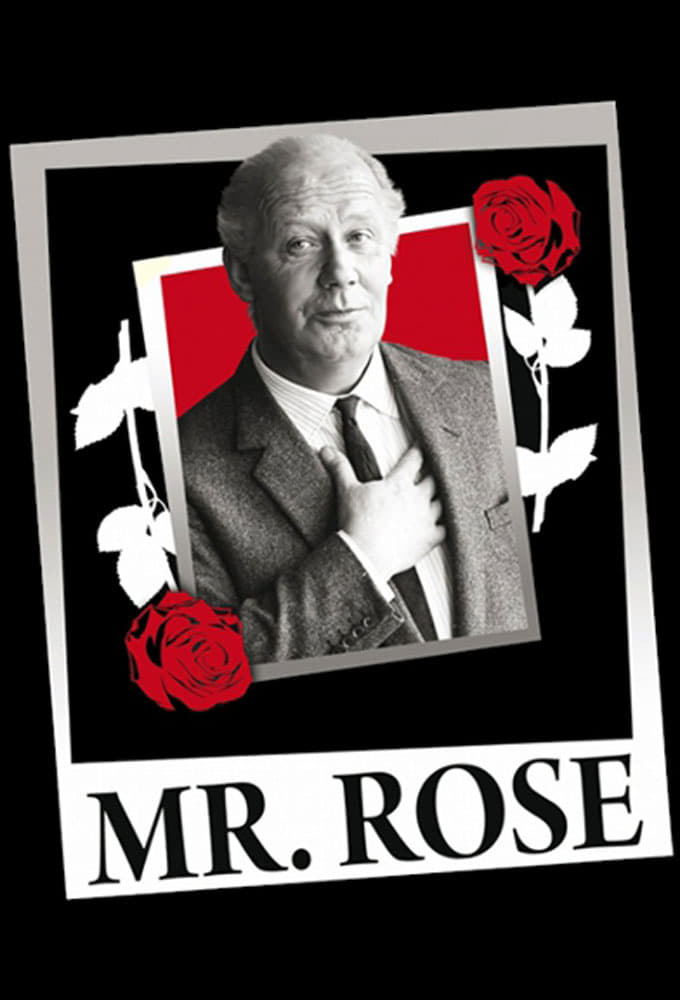
Retirement has given Mr Rose the time not only to cultivate a cottage garden in Eastbourne but also to write his memoirs. And it’s the impending publication of those memoirs that brings a number of figures crawling out of the woodwork and back into his life: criminals and former colleagues alike, who know that his vast personal library of case files holds a wealth of incriminating detail.
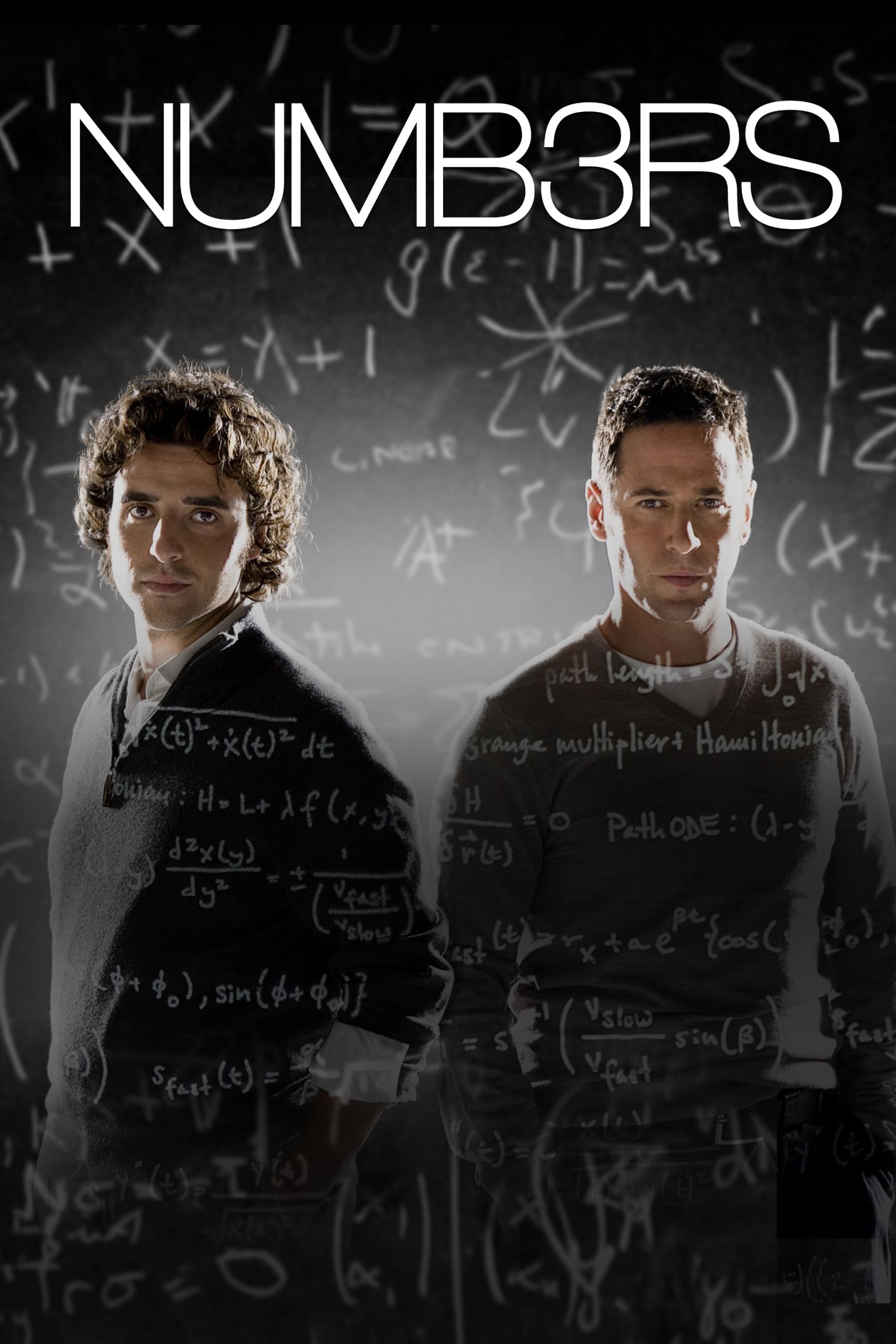
Inspired by actual cases and experiences, Numb3rs depicts the confluence of police work and mathematics in solving crime as an FBI agent recruits his mathematical genius brother to help solve a wide range of challenging crimes in Los Angeles from a very different perspective.
L.A. Law is an American television legal drama series that ran for eight seasons on NBC from September 15, 1986, to May 19, 1994. Created by Steven Bochco and Terry Louise Fisher, it contained many of Bochco's trademark features including a large number of parallel storylines, social drama and off-the-wall humor. It reflected the social and cultural ideologies of the 1980s and early 1990s, and many of the cases featured on the show dealt with hot-topic issues such as abortion, racism, gay rights, homophobia, sexual harassment, AIDS, and domestic violence. The series often also reflected social tensions between the wealthy senior lawyer protagonists and their less well-paid junior staff. The show was popular with audiences and critics, and won 15 Emmy Awards throughout its run, four of which were for Outstanding Drama Series.
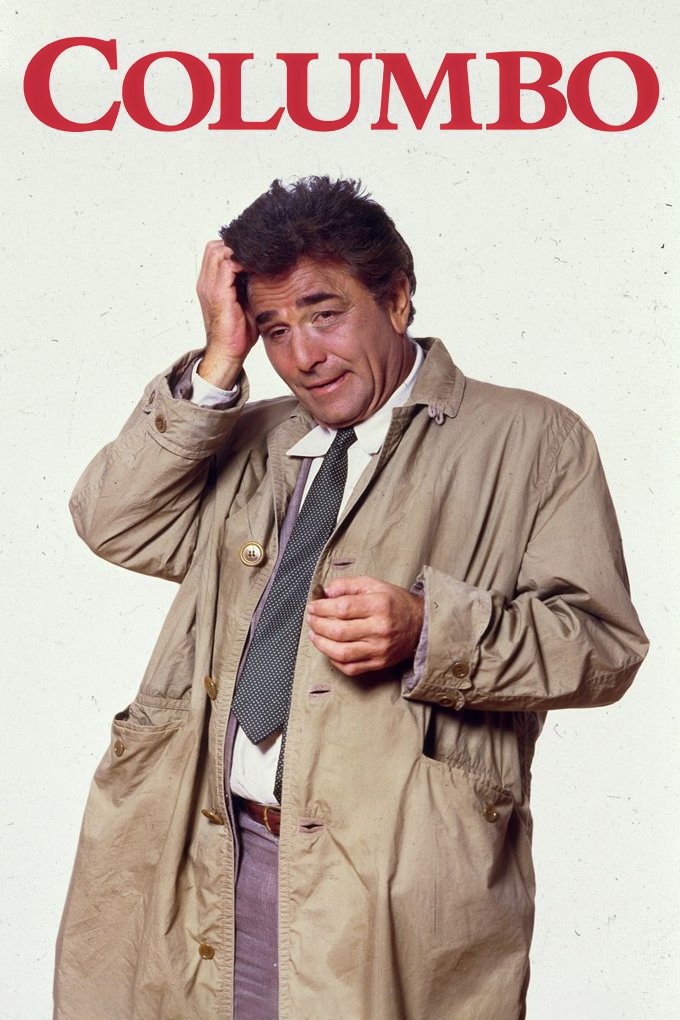
Columbo is a friendly, verbose, disheveled-looking police detective who is consistently underestimated by his suspects. Despite his unprepossessing appearance and apparent absentmindedness, he shrewdly solves all of his cases and secures all evidence needed for indictment. His formidable eye for detail and meticulously dedicated approach often become clear to the killer only late in the storyline.
Eddie Sutton is a dedicated police officer, his wife Jenn, a devoted nurse, but their most important job is as parents to their three teenage children Cassie, Tay and Lizzie. They're your everyday American family living in the suburbs of Southern California, but the Suttons are thrown for a loop when Eddie decides to move his wife and three kids to the inner-city neighborhood where he grew up.
Cranky but likable L.A. PI Jim Rockford pulls no punches (but takes plenty of them). An ex-con sent to the slammer for a crime he didn't commit, Rockford takes on cases others don't want, aided by his tough old man, his lawyer girlfriend and some shady associates from his past.
United States is a short-lived half-hour comedy-drama that NBC added to its Tuesday primetime schedule in March 1980. Larry Gelbart, the show's executive producer and chief writer, said the name United States was not a reference to the country but rather to "the state of being united in a relationship". Gelbart envisioned a series that would be "a situation comedy based on the real things that happen in my marriage and in the marriages of my friends". Episodes tackled such topics as marital infidelity, household debt, friends who drink too much, death within the family, and sexual misunderstandings. United States focused on Richard and Libby Chapin, an upwardly mobile couple who lived in a Los Angeles suburb. Beau Bridges played Richard, and Helen Shaver played Libby. Gelbart reverted to black-and-white script for the show's titles. He said that was to convey the mood of "a sophisticated '30s film." Gelbart also avoided use of background music and a laugh track. Scripts featured dialogue such as, "Just for once I'd like to be treated like a friend instead of a husband," and "Maybe you and Bob can go out and get yourselves one redhead with two straws." United States premiered at 10:30 p.m. on March 11, 1980. NBC pulled it from the schedule within two months, after only six of 13 episodes had aired. The remaining episodes were not broadcast until 1986, when the A&E cable channel aired United States.
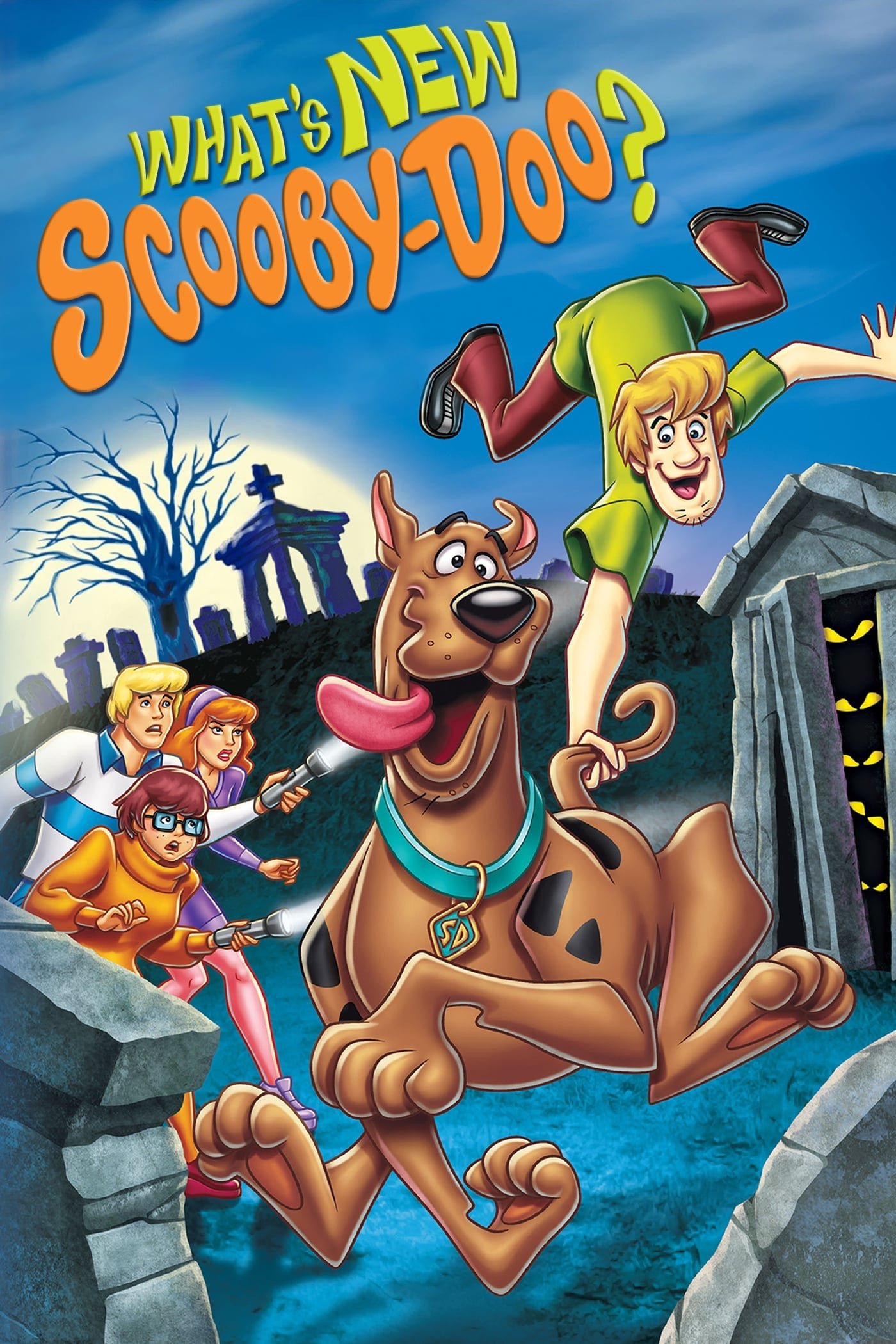
Fred, Daphne, Velma, Shaggy, and the talking dog, Scooby-Doo, travel on the Mystery Machine van, in search of weird mysteries to solve.
A self-loathing, alcoholic writer attempts to repair his damaged relationships with his daughter and her mother while combating sex addiction, a budding drug problem, and the seeming inability to avoid making bad decisions.
Rescue 77 is an American television series about the professional and personal lives of paramedics in Los Angeles, California. The show aired in the spring of 1999 on Monday nights on the WB network. The creator and executive producer was Gregory Widen, a former Southern California firefighter and paramedic, and the writer of the 1991 firefighting drama Backdraft. His goal for the show was to provide a more realistic depiction of the lives of firefighters and paramedics than previous emergency medical television series such as Emergency!.
The City of Angels is falling apart, and crime pervades the city to the core. The mayor is corrupt, the police are inept, the city needs a figure to take control of the situation. Then in the light of day Darcy Walker is a cop, but in the dark of night she becomes the Black Scorpion. She does with a mash what she can't do with a badge. This is vigilante justice, old school style.
When death is your business, what is your life? For the Fisher family, the world outside of their family-owned funeral home continues to be at least as challenging as—and far less predictable than—the one inside.
The Richie Rich/Scooby-Doo Show and Scrappy Too! is a package show produced by Hanna-Barbera Productions in 1980 for ABC Saturday mornings. The program contained segments from Scooby-Doo and Scrappy-Doo and Richie Rich. The Scooby-Doo and Scrappy-Doo shorts represents the sixth show in which Scooby-Doo appears. This was the only Hanna-Barbera package series for which Scooby-Doo was given second billing and also notable for Richie Rich's debut in animation.
Follow 26-year-old Harry Bosch during his earliest days as a rookie cop in 1991 Los Angeles, a city on the edge, teeming with racial tension, gang violence, and a fractured LAPD. Amid routine calls and growing unrest, Bosch finds himself drawn into a high-profile heist and a web of criminal corruption that will test his loyalty to the badge and shape his future as the detective who lives by the code, "Everybody counts or nobody counts."
Kapitan Sowa na tropie is a Polish series from 1965 directed by Stanisław Bareja. It was the first Polish criminal series made after World War II.
In Imperial Beach, California, the Yosts—a dysfunctional family of surfers—intersect with two new arrivals to the community: a dim-but-wealthy surfing enthusiast and man spurned by the Yosts years ago.
A drama chronicling the lives of twentysomethings in the hip L.A. neighborhood of Silverlake.
Doogie Howser is a doctor. He is also a 16-year-old genius who graduated college at age 10 and finished medical school at age 14. But he is still a teenager, with normal teenage friends and problems. But unlike a normal teenager, he is just learning to drive while also consulting on serious medical cases like heart transplants.
Four Los Angeles doctors run a practice in this drama that focuses as much on the problems in the American medical system as it does on the patients.
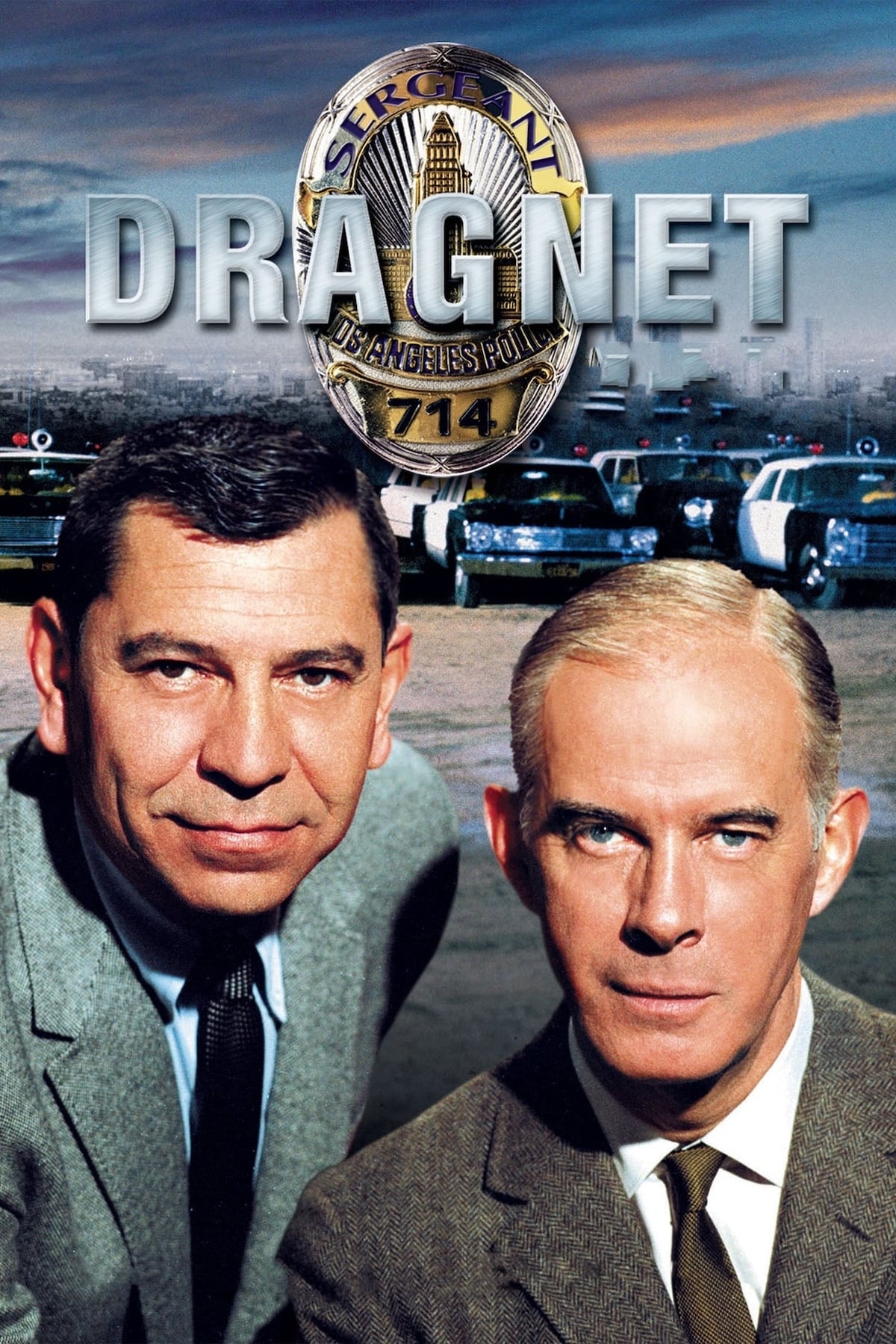
Police Detective Sgt. Joe Friday and his partners investigate crimes in Los Angeles.
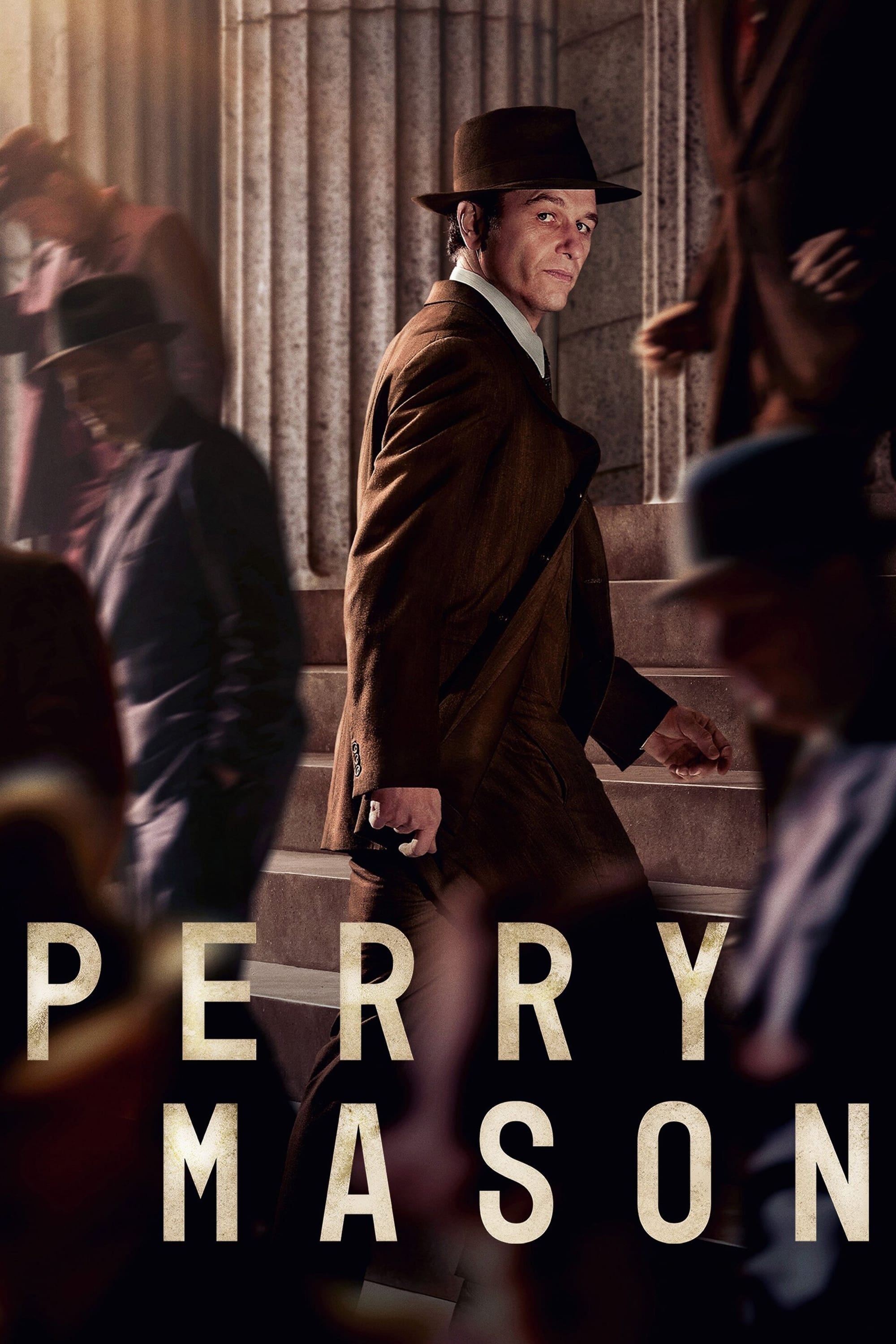
Set in 1932 Los Angeles, the series focuses on the origin story of famed defense lawyer Perry Mason. Living check-to-check as a low-rent private investigator, Mason is haunted by his wartime experiences in France and suffering the effects of a broken marriage. L.A. is booming while the rest of the country recovers from the Great Depression — but a kidnapping gone very wrong leads to Mason exposing a fractured city as he uncovers the truth of the crime.
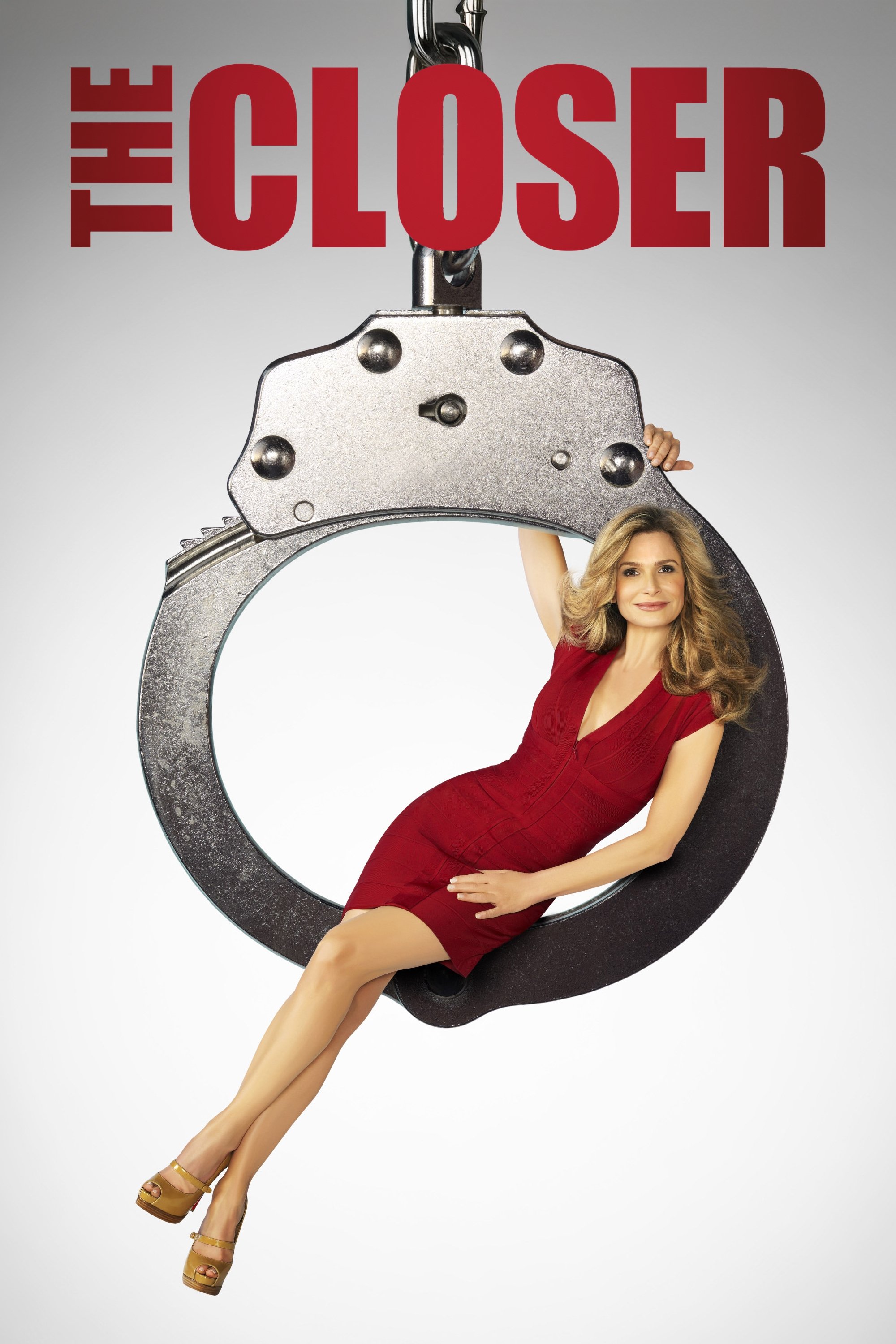
Deputy Police Chief Brenda Leigh Johnson transfers from Atlanta to LA to head up a special unit of the LAPD that handles sensitive, high-profile murder cases. Johnson's quirky personality and hard-nosed approach often rubs her colleagues the wrong way, but her reputation as one of the world's best interrogator eventually wins over even her toughest critics.
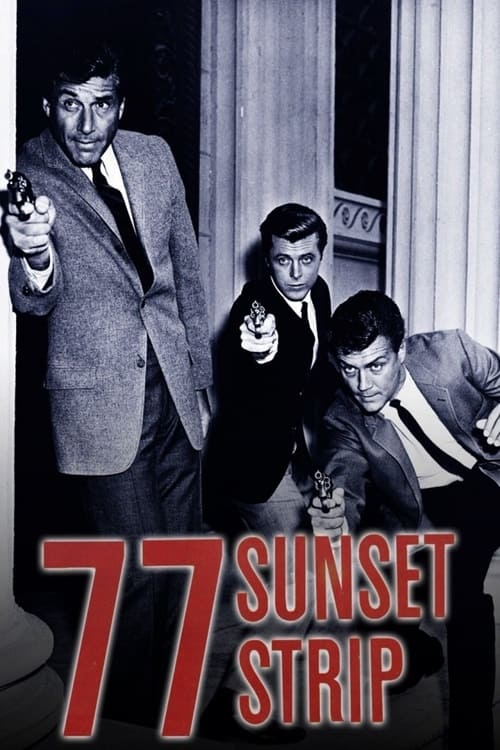
Stu Bailey and Jeff Spencer are the wisecracking, womanizing private-detective heroes of this Warner Brothers drama. They work out of an office located at 77 Sunset Strip in Los Angeles, California, right next door to a snazzy restaurant where Kookie works as a valet. The finger-snapping, slang-talking Kookie occasionally helps Stu and Jeff with their cases, and eventually becomes a full-fledged member of the detective agency. Rex Randolph and J.R. Hale also join the firm, and Suzanne is their leggy secretary.
Wandering in and out of he underbelly of Los Angeles, where criminals roam free under the veil of night or hide in the shadows of day, is routine for Lieutenant Carter Shaw and his special undercover task force. This team understands that to bring down a criminal, one must first get on their level.
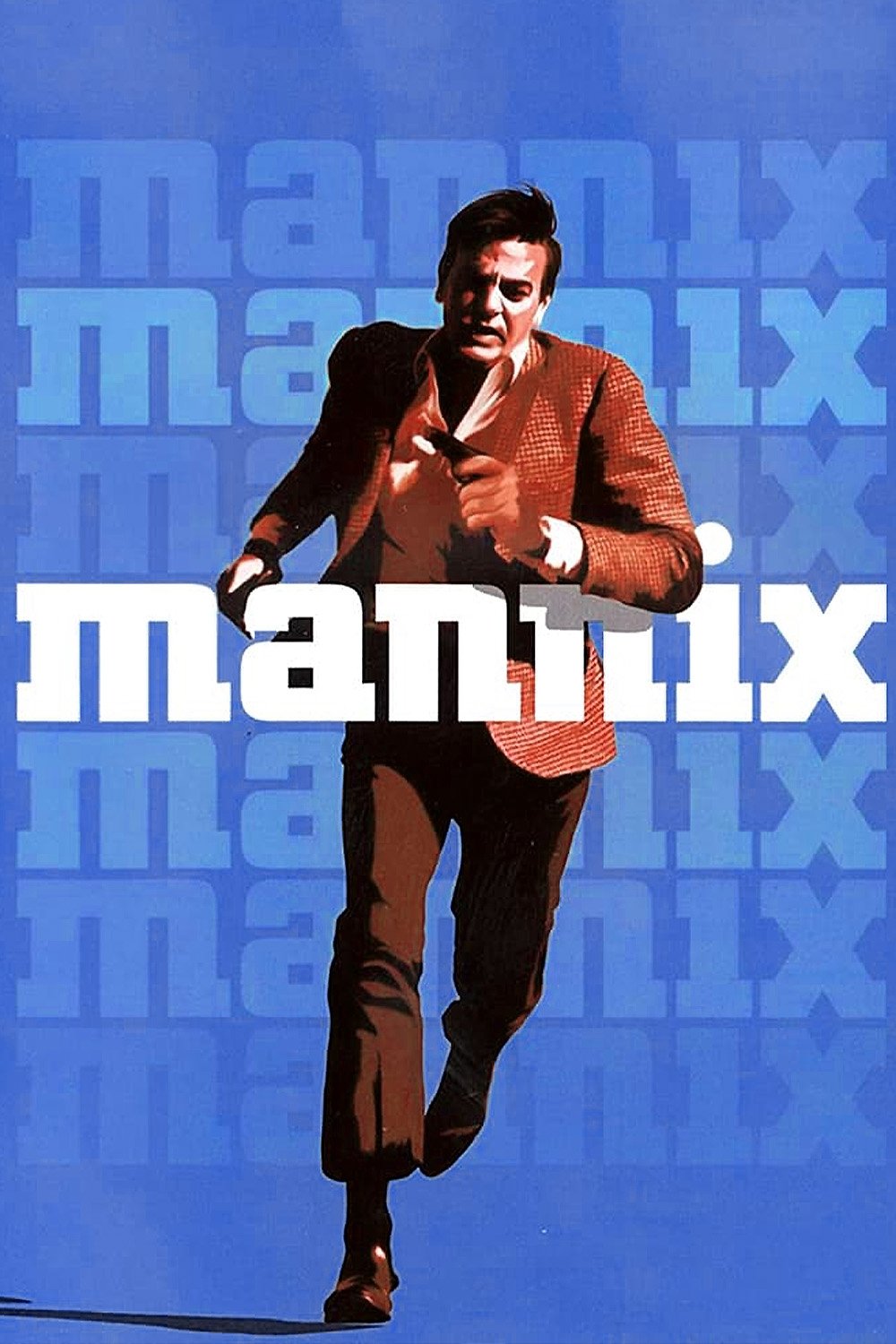
Mannix is an American television detective series that ran from 1967 through 1975 on CBS. Created by Richard Levinson and William Link and developed by executive producer Bruce Geller, the title character, Joe Mannix, is a private investigator. He is played by Mike Connors. Mannix was the last series produced by Desilu Productions.
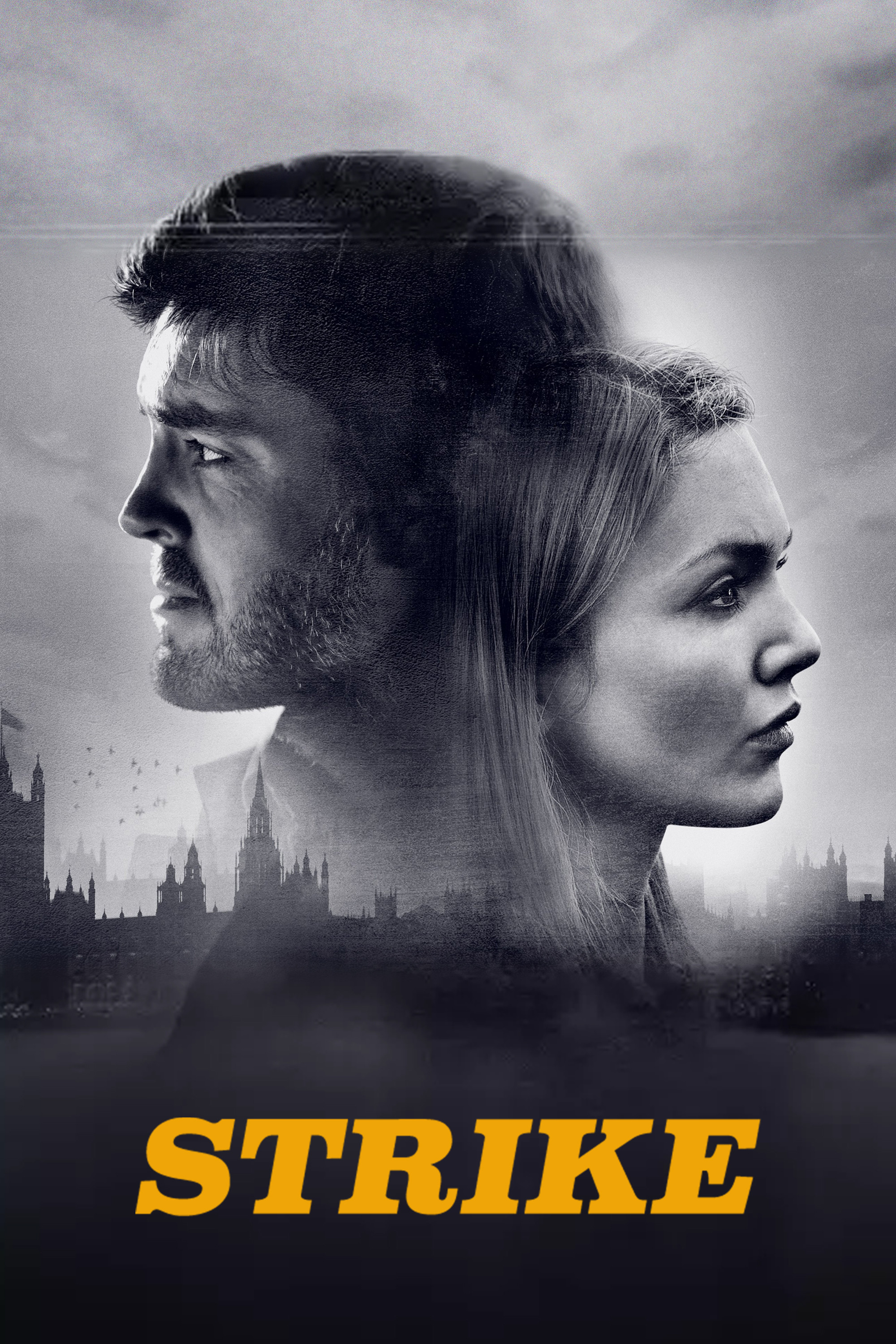
A war veteran turned private detective operates out of a tiny office in London’s Denmark Street. Although wounded both physically and psychologically, his unique insight and background as a military police investigator prove crucial in solving complex crimes that have baffled the police. Based on the bestselling novels written by J.K. Rowling under the pseudonym Robert Galbraith.
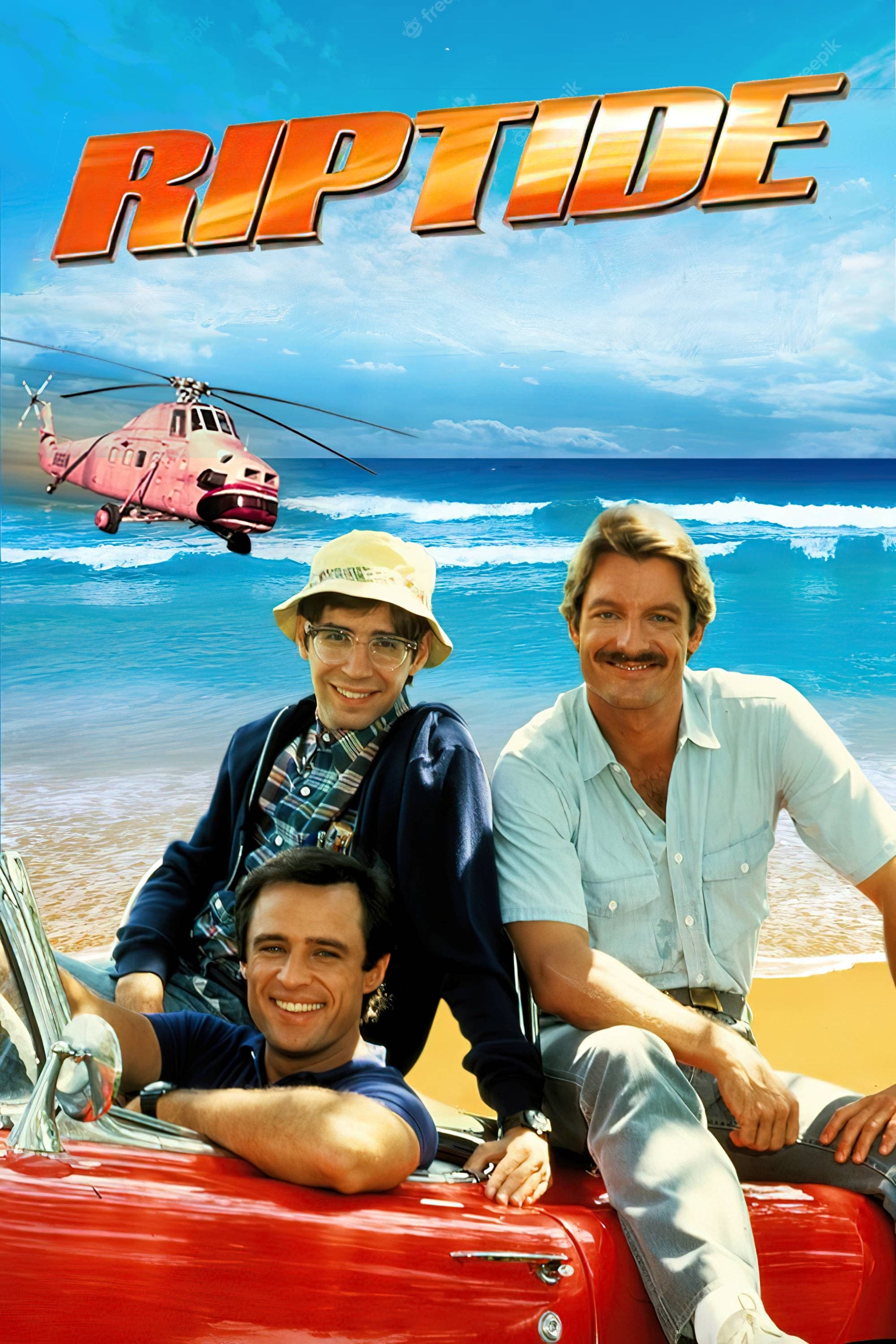
The cases of a private investigations agency run by two Vietnam War veterans and their computer geek friend from high school, armed with toughness, their own helicopter, and the third's technical ability.
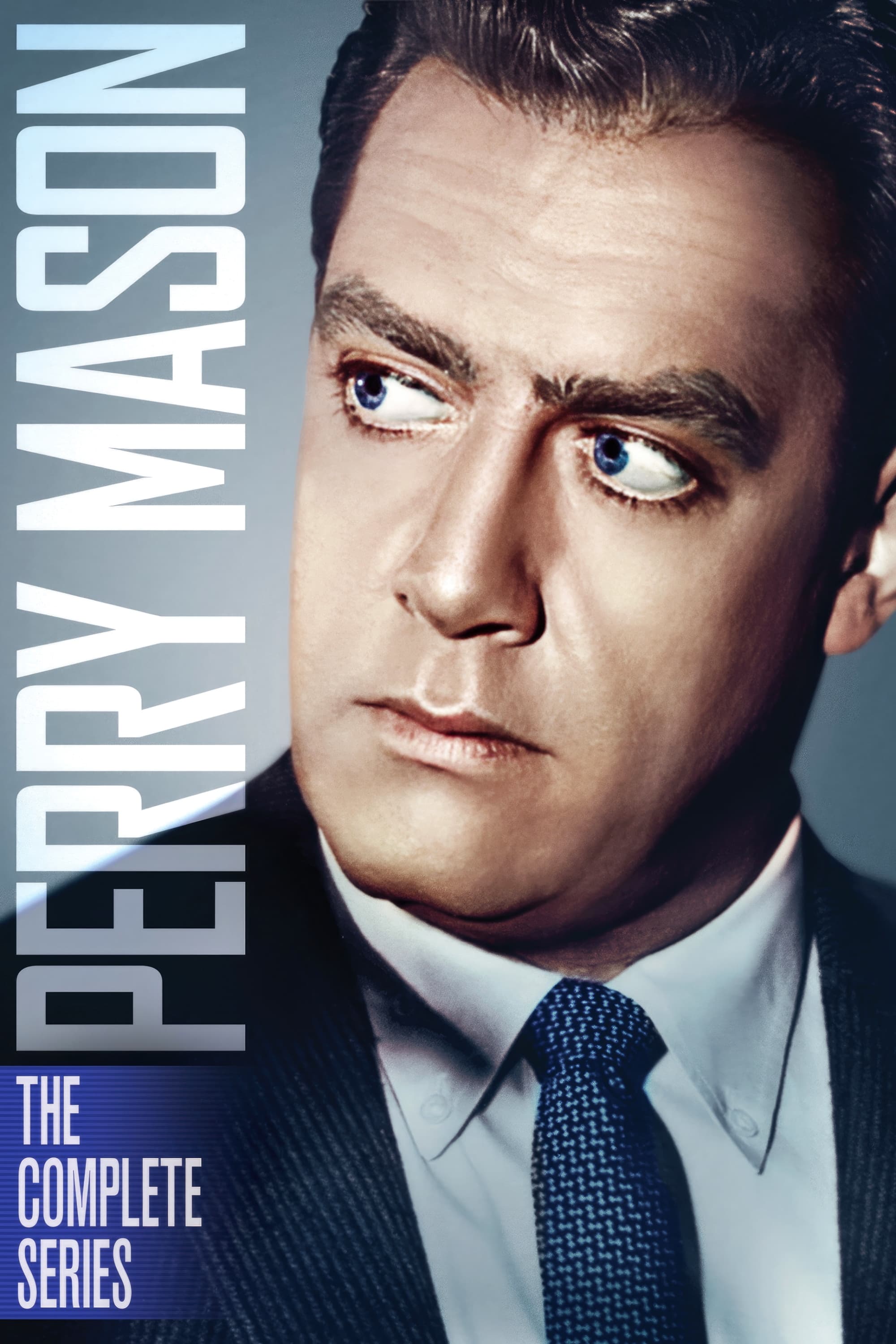
The cases of master criminal defense attorney Perry Mason and his staff who handled the most difficult of cases in the aid of the innocent.
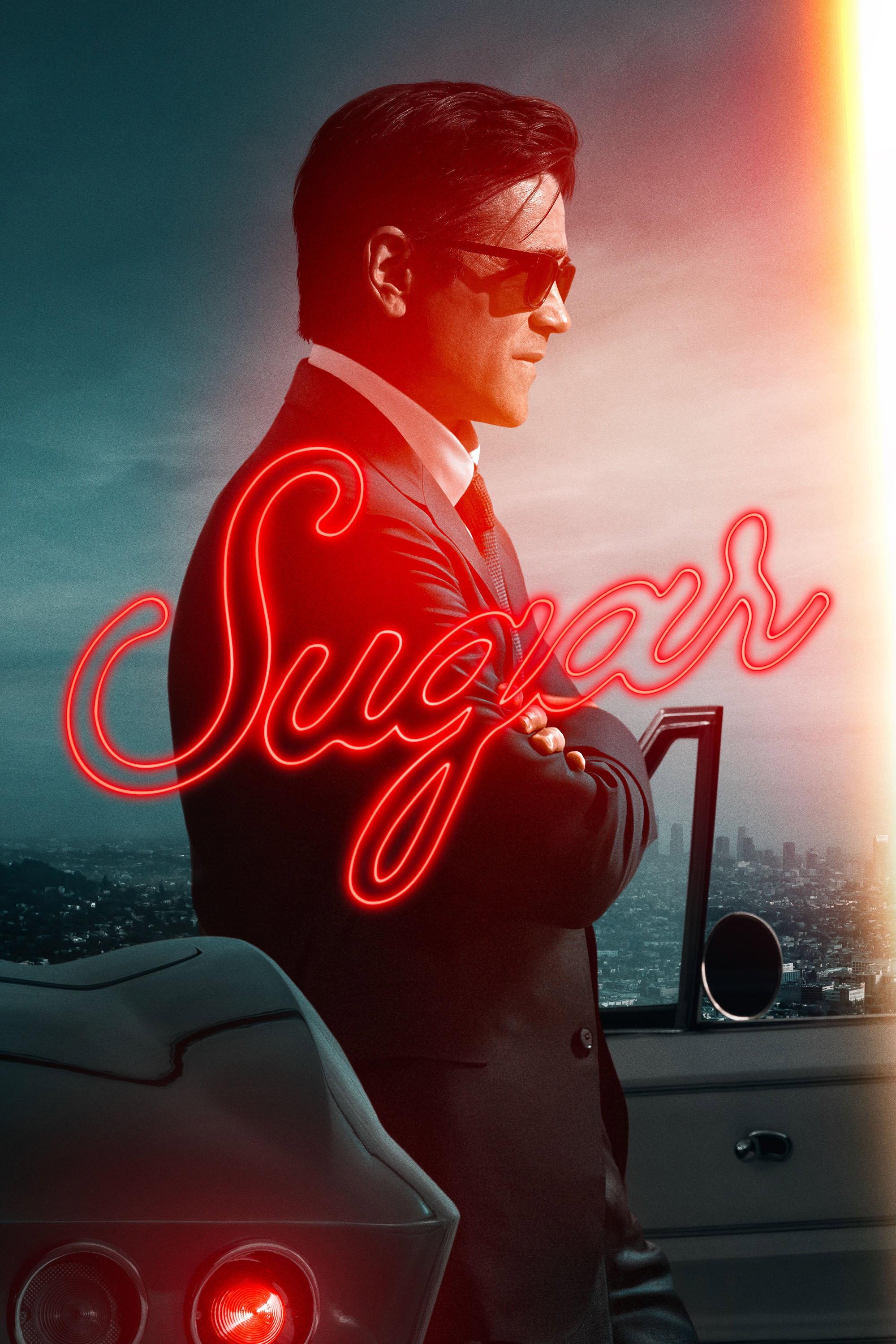
John Sugar is a dashing private eye navigating the dark corners of sunny LA. Though he sees only the good in humanity, Sugar is haunted by a secret too dangerous to expose.
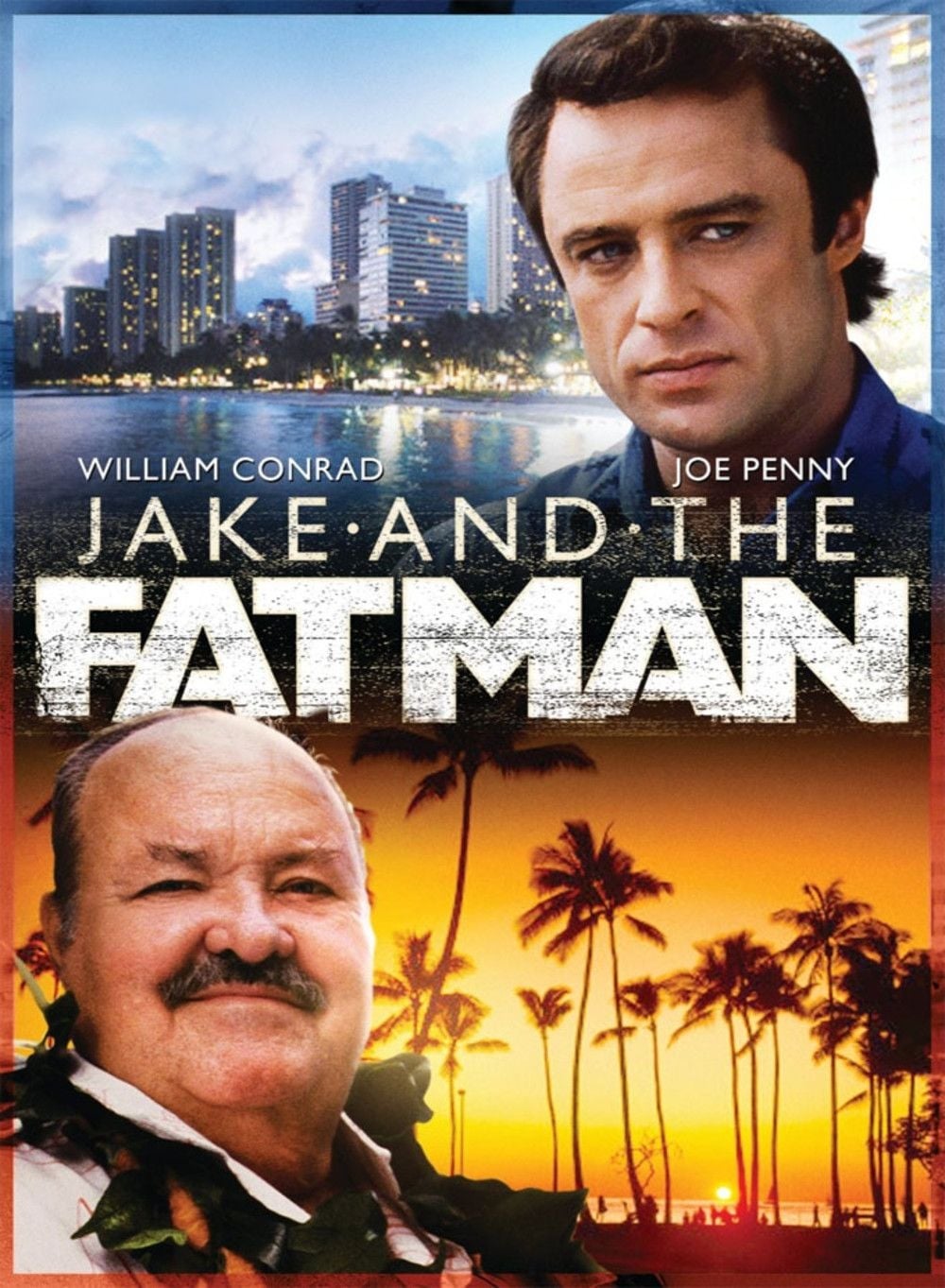
Jake and the Fatman is a television crime drama starring William Conrad as prosecutor J. L. "Fatman" McCabe and Joe Penny as investigator Jake Styles. The series ran on CBS for five seasons from 1987 to 1992. Diagnosis: Murder was a spin-off of this series.
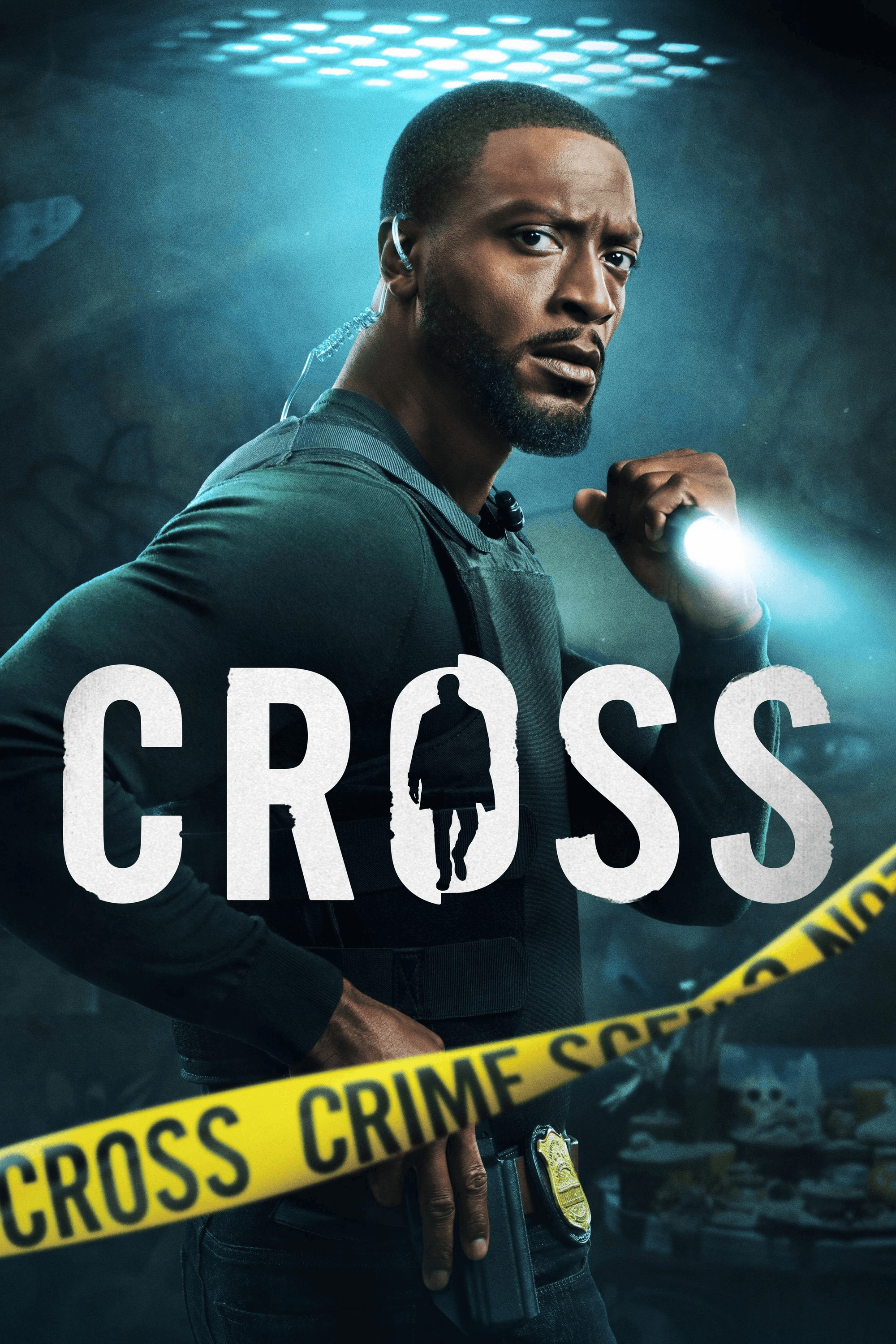
Alex Cross is a brilliant but flawed homicide detective and full of contradictions. A doting father and family man, Cross is single-minded to the point of obsession when he hunts killers. He is desperate for love, but his wife’s murder has left him too damaged to receive it.
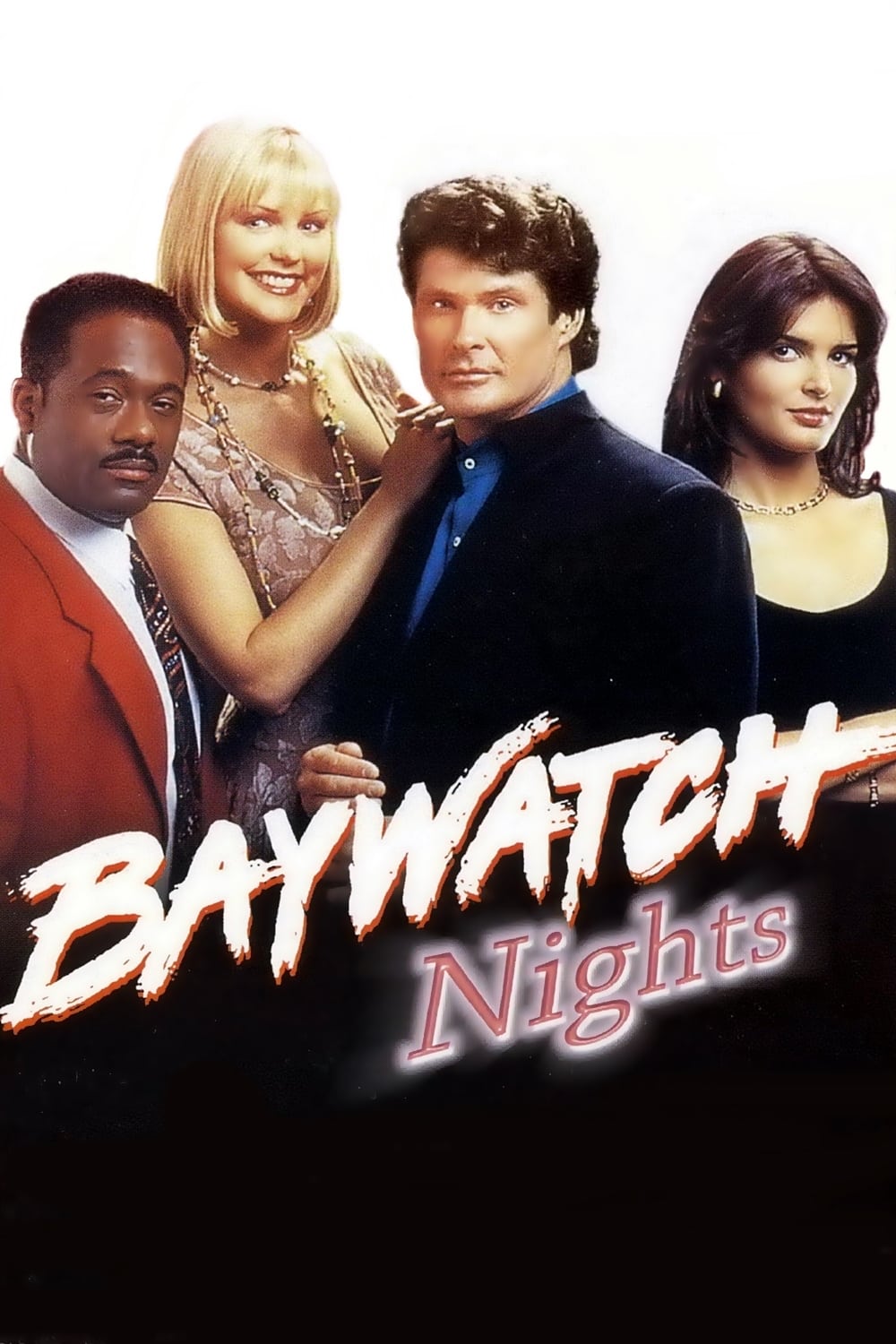
Baywatch Nights is an American police and science fiction drama series that aired in syndication from 1995 to 1997. Created by Douglas Schwartz, David Hasselhoff, and Gregory J. Bonann, the series is a spin-off from the popular television series, Baywatch.
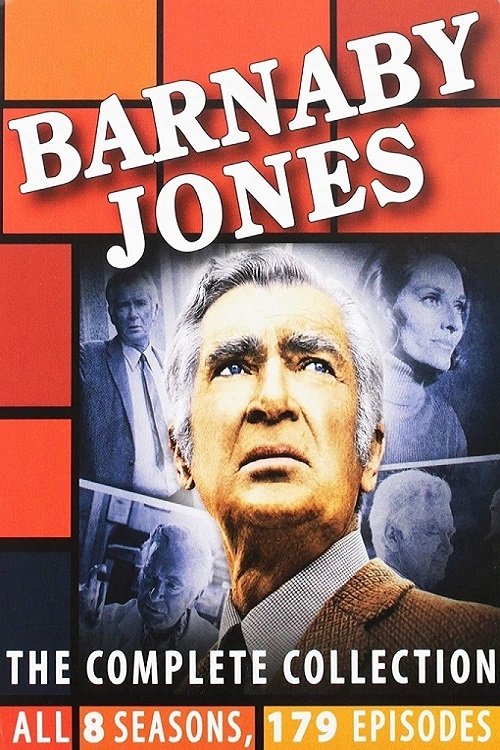
Barnaby Jones is a television detective series starring Buddy Ebsen and Lee Meriwether as father- and daughter-in-law who run a private detective firm in Los Angeles. The show ran on CBS from January 28, 1973 to April 3, 1980, beginning as a midseason replacement. William Conrad guest starred as Frank Cannon of Cannon on the first episode of Barnaby Jones, "Requiem for a Son" and the two series had a two-part crossover episode in 1975, "The Deadly Conspiracy".
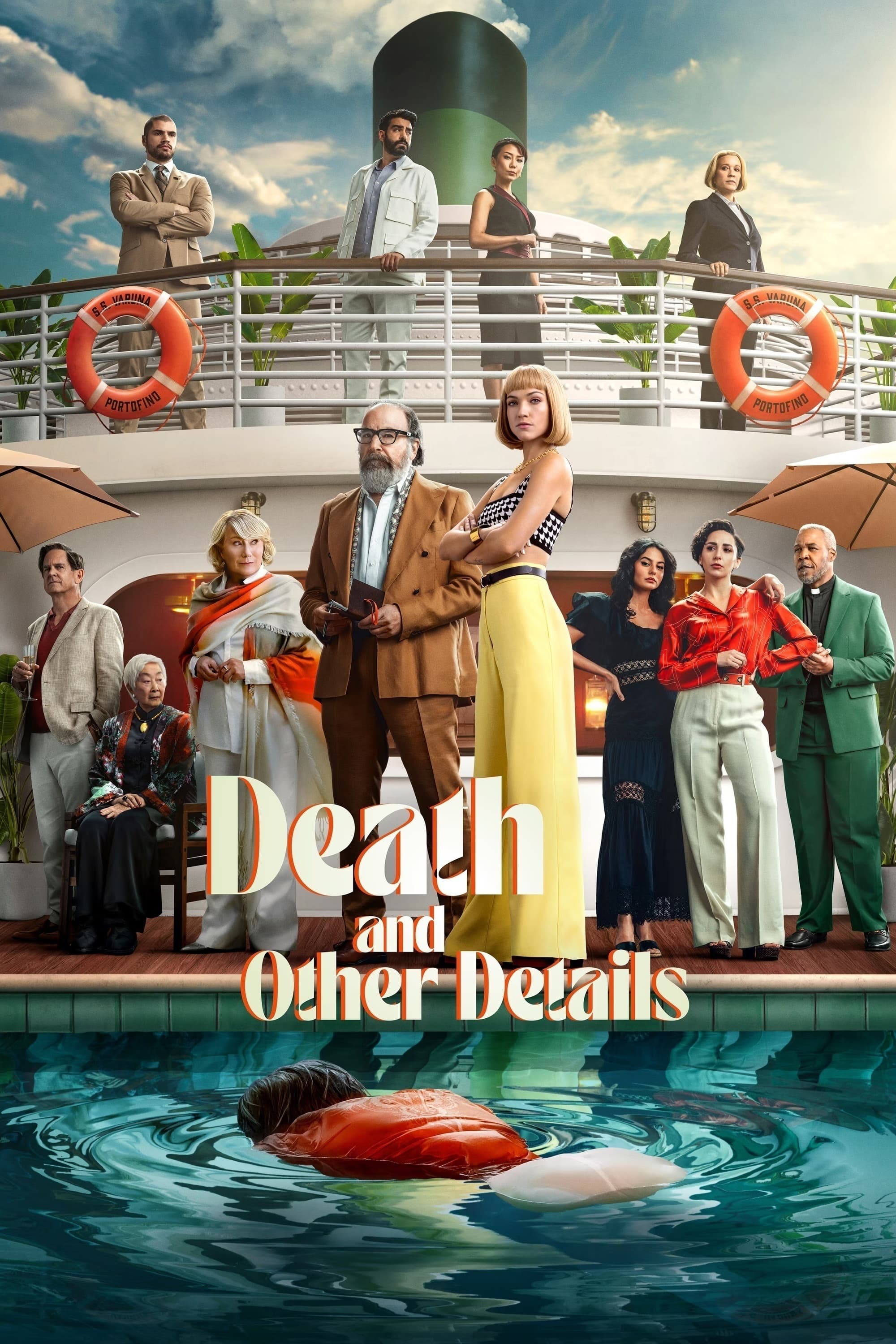
How do you solve a murder in a post-fact world? Especially when sailing the Mediterranean on an ocean liner filled with the wealthy and powerful. Everyone on board is hiding something… but is one of them a killer? That’s what the world’s once greatest detective, Rufus Cotesworth, and his protégée, Imogene, aim to discover.
Sherlock Holmes faces a sinister case risking friends' lives. American Amelia joins, seeking her father after her mother's murder. Despite differences, they solve a conspiracy and her mother's case.
Notorious Los Angeles defense attorney Sebastian Stark becomes disillusioned with his career after his successful defense of a wife-abuser results in the wife's death. After more than a month trying to come to grips with his situation, he is invited by the Los Angeles district attorney to become a public prosecutor so he can apply his unorthodox-but-effective talents to putting guilty people away instead of putting them back on the street.
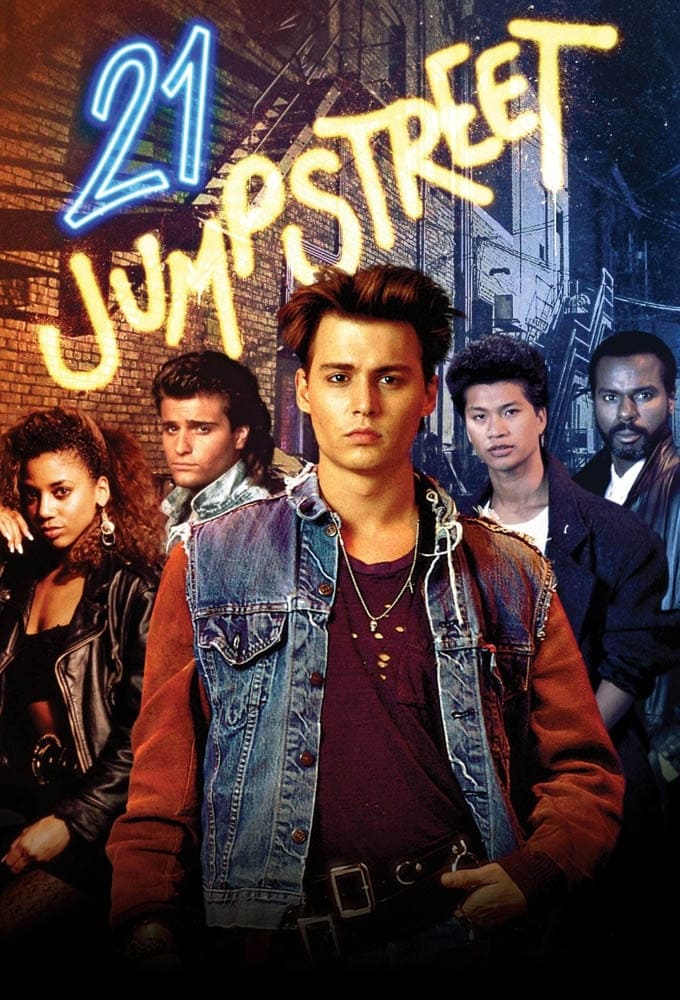
21 Jump Street revolves around a group of young cops who would use their youthful appearance to go undercover and solve crimes involving teenagers and young adults.
Hunter is an American police drama television series created by Frank Lupo, and starring Fred Dryer as Sgt. Rick Hunter and Stepfanie Kramer as Sgt. Dee Dee McCall, which ran on NBC from 1984 to 1991. However, Kramer left after the sixth season to pursue other acting and musical opportunities. In the seventh season, Hunter partnered with two different women officers. The titular character, Sgt. Rick Hunter, was a wily, physically imposing, and often rule-breaking homicide detective with the Los Angeles Police Department. The show's main characters, Hunter and McCall, resolve many of their cases by shooting dead the perpetrators. The show's executive producer during the first season was Stephen J. Cannell, whose company produced the series.