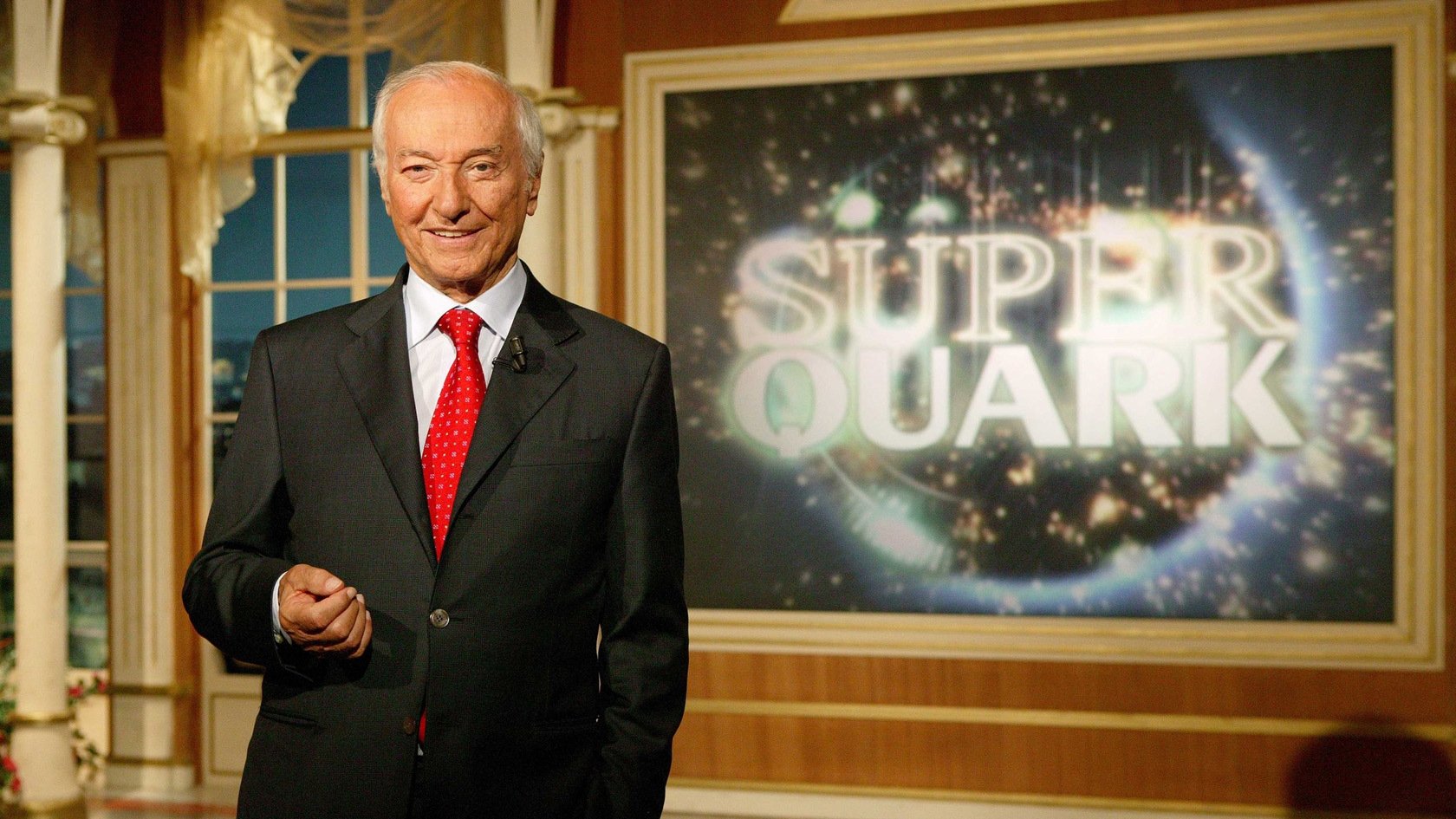
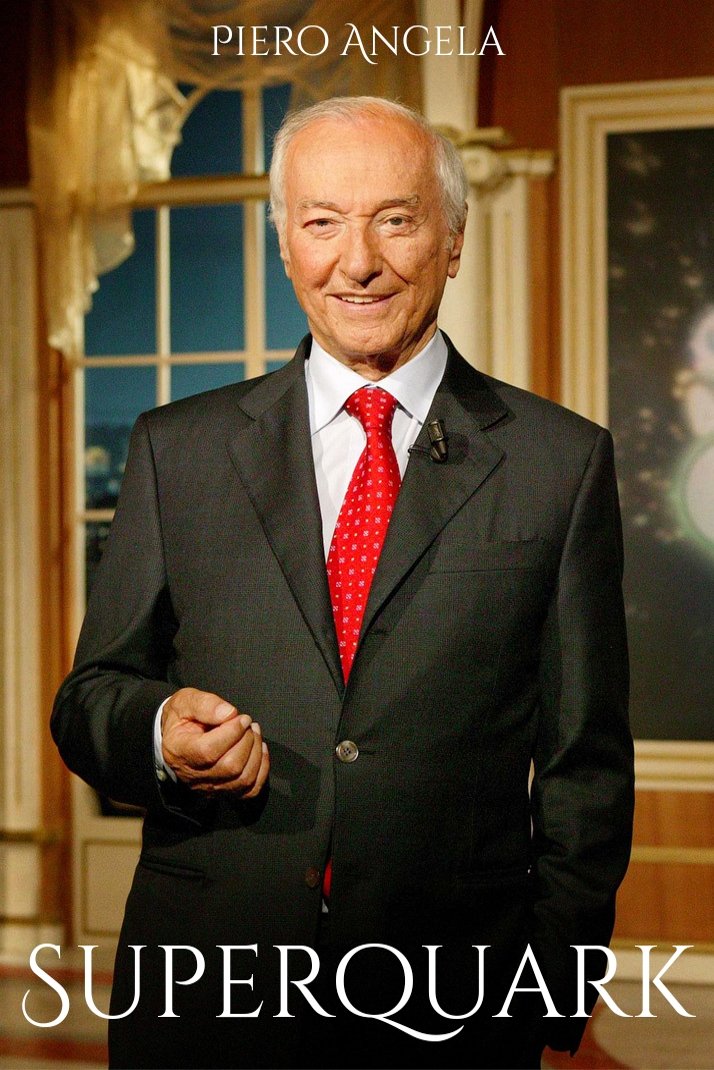
Television program of cultural diffusion, born in September 1995, designed and conducted by Piero Angela, development of transmission appreciated Quark.
Social & External
The people behind it
Piero Angela
Self - Host
Explore the mysterious regions inside the human body. See how vital organs interconnect to make human life possible. Learn how skeletons fit together. Witness the lightness and strength of bone, how muscles work as levers, what it takes to achieve the "perfect" body. See how the heart functions, and learn the roles of white and red blood cells. Discover the complex systems controlling breathing, digestion, glandular changes, and hearing.
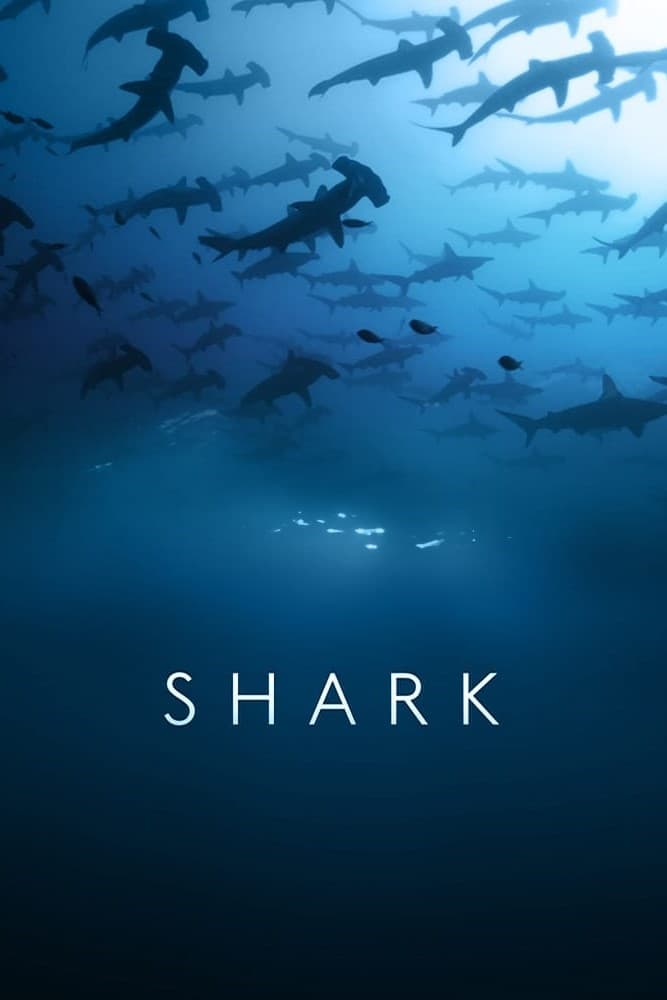
A major wildlife series on the sharks of the world with over thirty species filmed, showing how they hunt, intricate social lives, courtship, growing up and the threats they face.
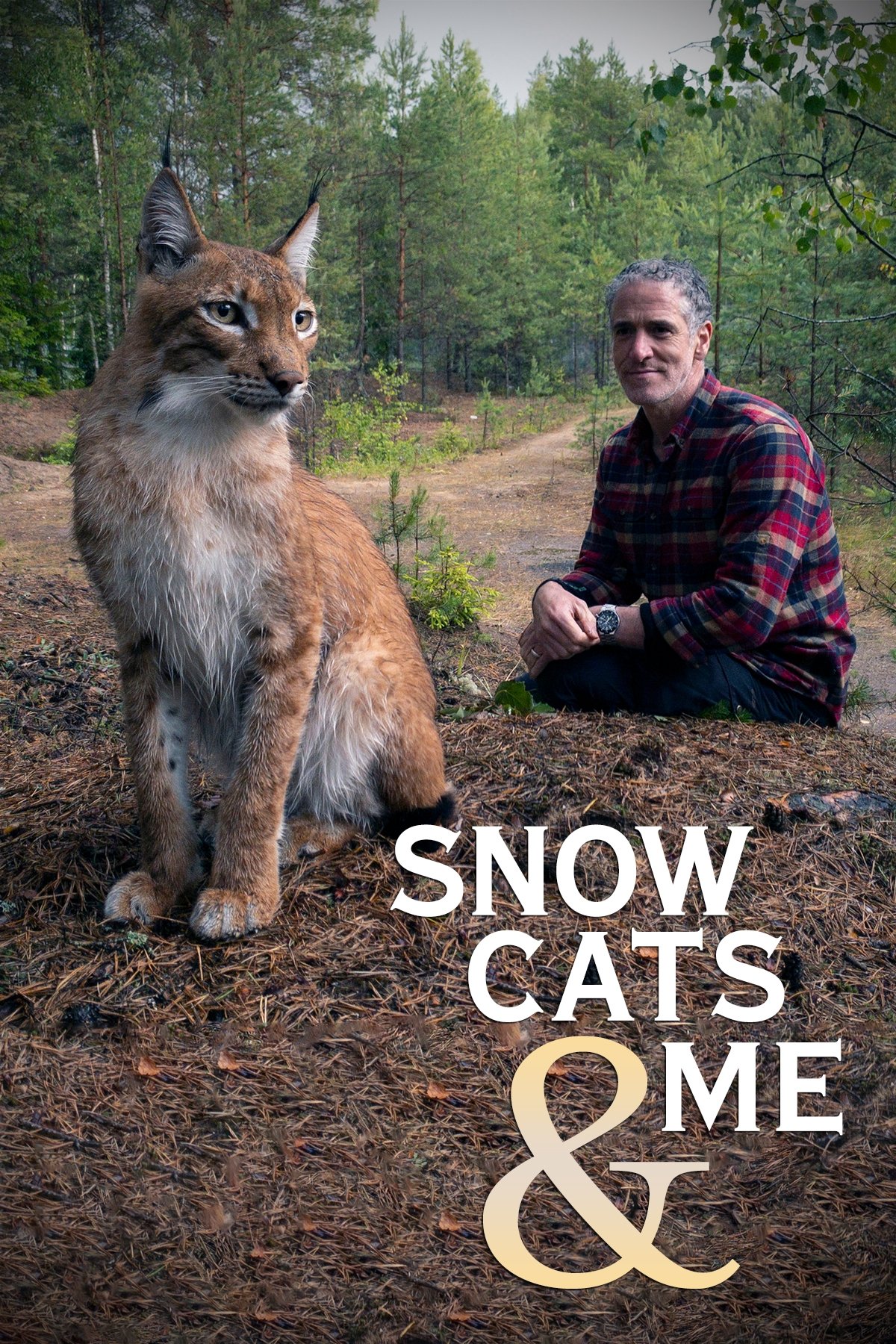
Gordon Buchanan helps cat expert Dr Victor Lukarevsky as he tries - for the first time ever - to rescue and rehabilitate lynx from the lucrative fur and pet trades back to the wild.
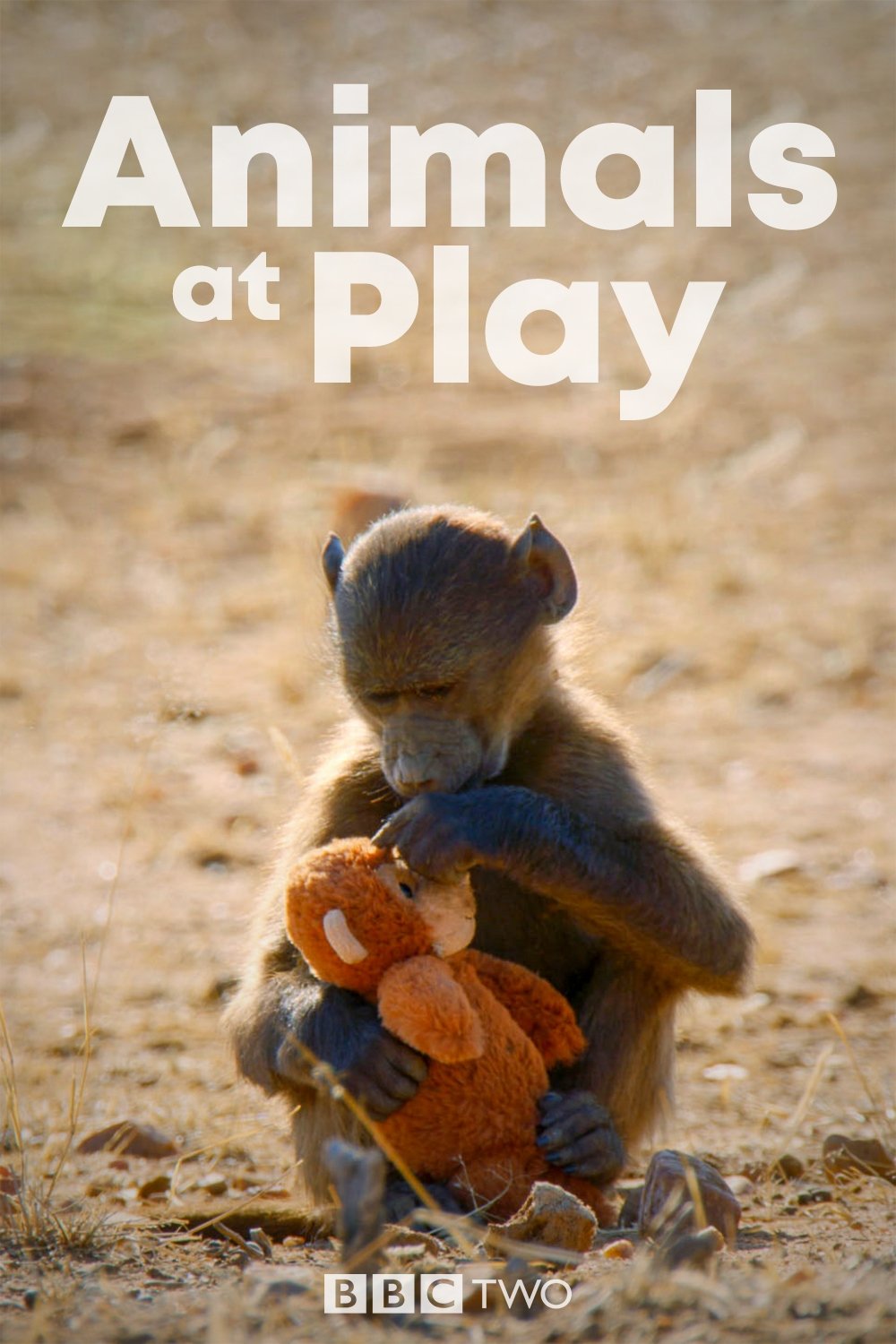
Young animals love nothing more than play. But science is now revealing the astonishing benefits animals gain from it. This series uncovers the secrets behind their games.
The groundbreaking efforts of the team working to save the Scottish wildcat from extinction.
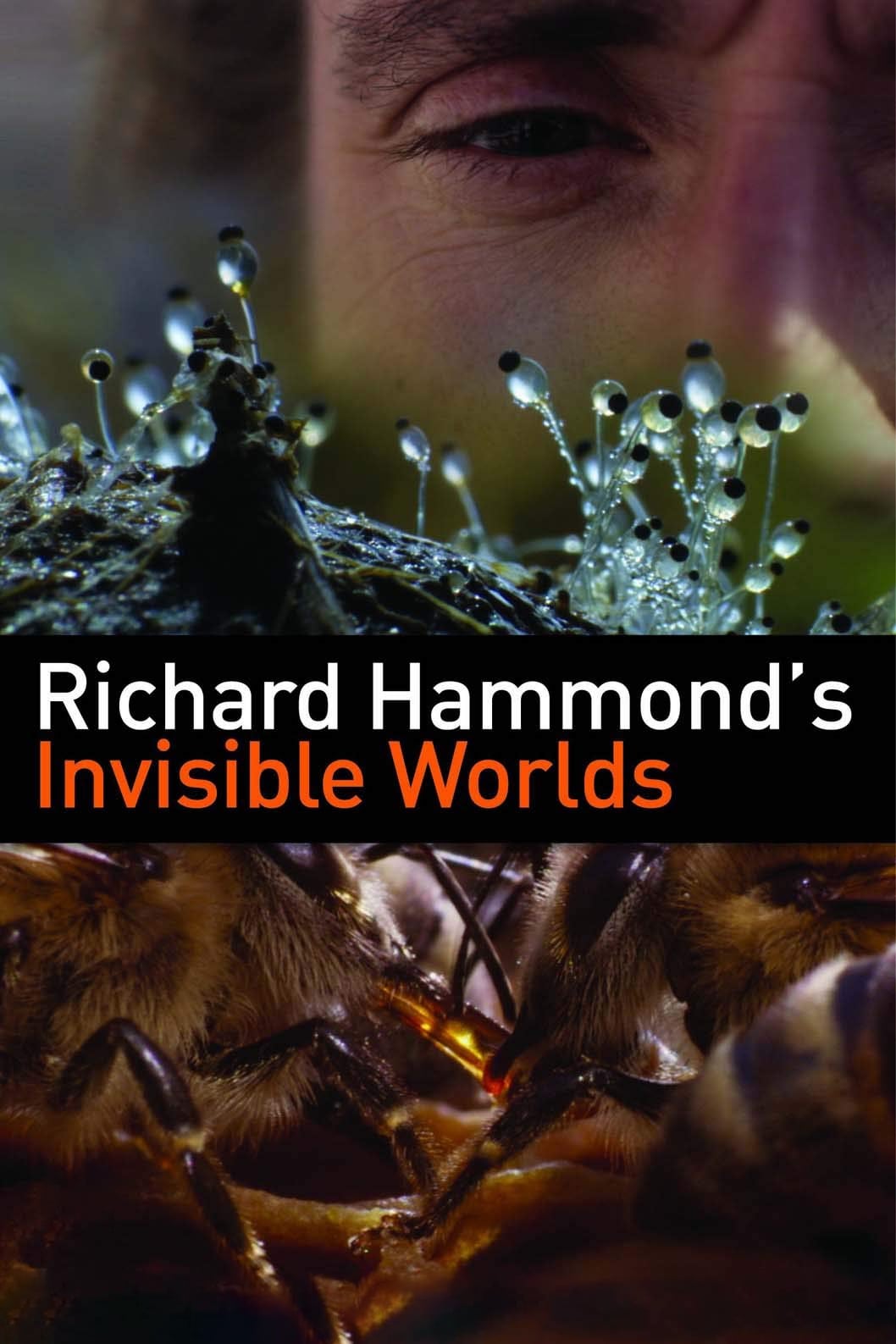
Using state-of-the-art technologies, Richard Hammond goes beyond the limits of the naked eye and explores the hidden secrets of the invisible world around us.
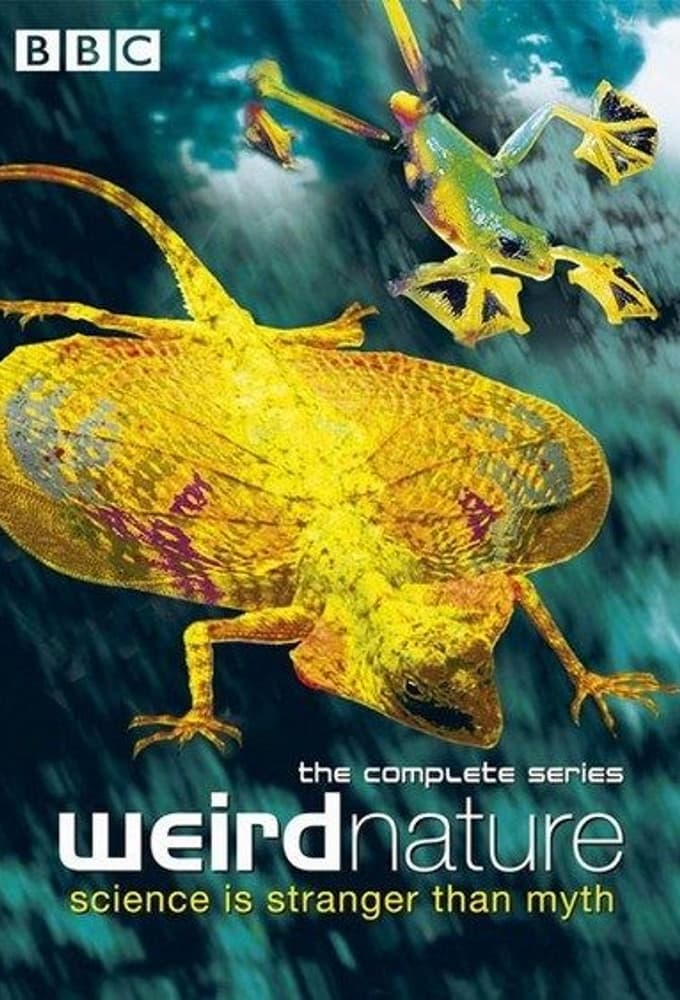
Weird Nature is a 2002 documentary television series produced by John Downer Productions for the BBC and Discovery Channel. The series features strange behavior in nature—specifically, the animal world. The series now airs on the Science Channel. The series took three years to make and a new filming technique was used to show animal movements in 3D. Each episode, however, tended to end with a piece about how humans are probably the oddest species of all. For example, in the end of the episode about locomotion, the narrator states how unusual it is for a mammal to be bipedal. In the episode about defences, the narrator explains that humans have no real natural defences, save for their big brains.
The series investigates Paolo Macchiarini’s claims to have invented a ground-breaking method to create new organs. His method using plastic tracheas sown with stemcells has been operated on patients in the US, Russia, Sweden and the UK. So far, unfortunately, the track record of his plastic organs is not very good. Almost all patients are dead. And several of his former surgeon colleagues in Sweden claim that not only does the method not work, but that his scientific claim to fame is based on falsified and misrepresented data. Some even claim that his patients have been used as human guinea-pigs.
James May takes a look at some of the greatest developments of the 20th century.
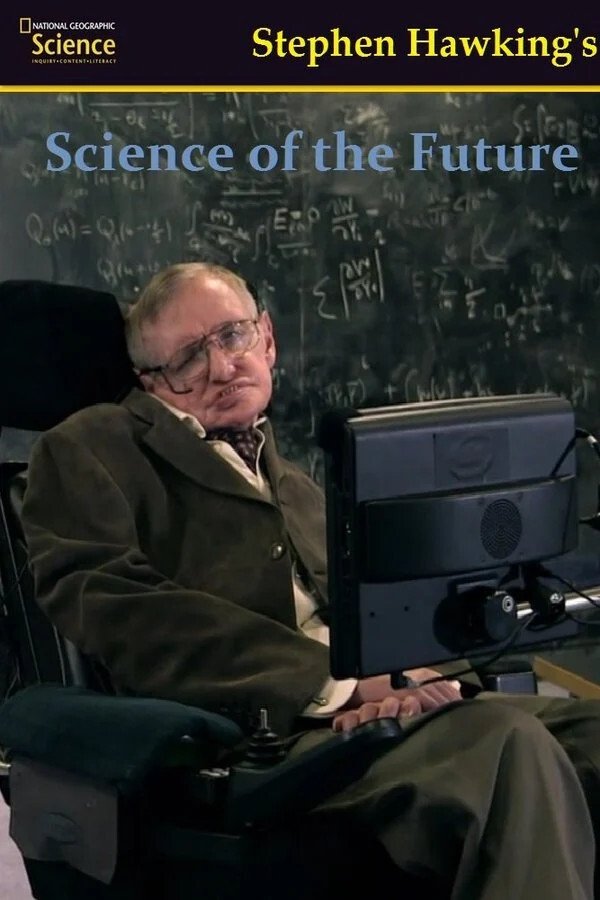
Stephen Hawking’s Science of the Future investigates the very latest game changing innovations. Each episode takes one area of progress and sends five top scientists out to actively test the inventions and breakthroughs that are driving it. The team explore human upgrades, the virtual world, bio-mimicry, high-tech emergency responses, and more. Featuring a wide range of examples, from advanced robotics and breathtaking digital actors, to cutting edge smart homes and electronic brain stimulation, the series reveals how science is delivering astonishing improvements to all our lives. Using the evidence they gather, the team reveals the year when each innovation will be rolled out for us all to benefit from, and Hawking then draws out his own uniquely insightful predictions about what our world will be like in the years to come.
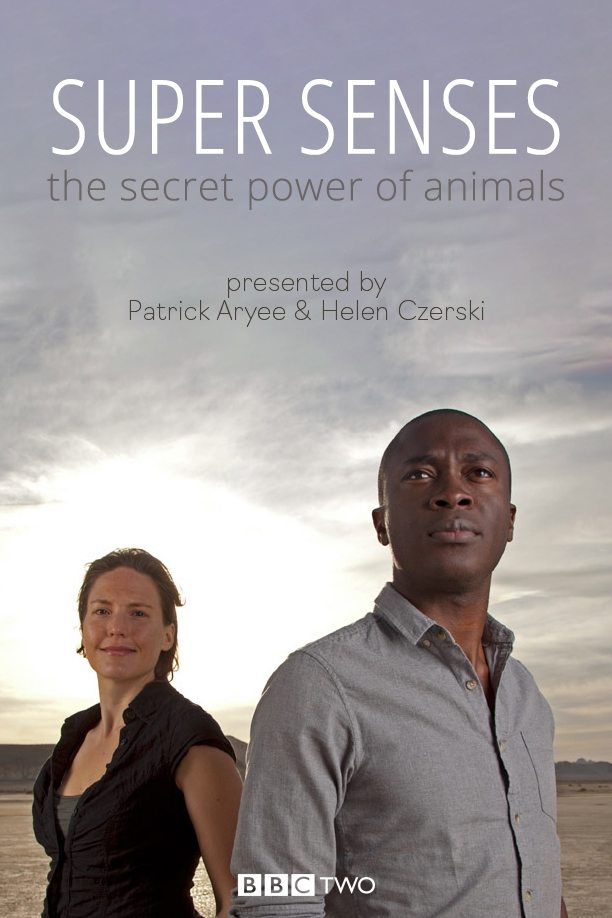
Biologist Patrick Aryee and physicist Helen Czerski go beyond the limits of human perception to explore the extraordinary and surprising world of animal senses.
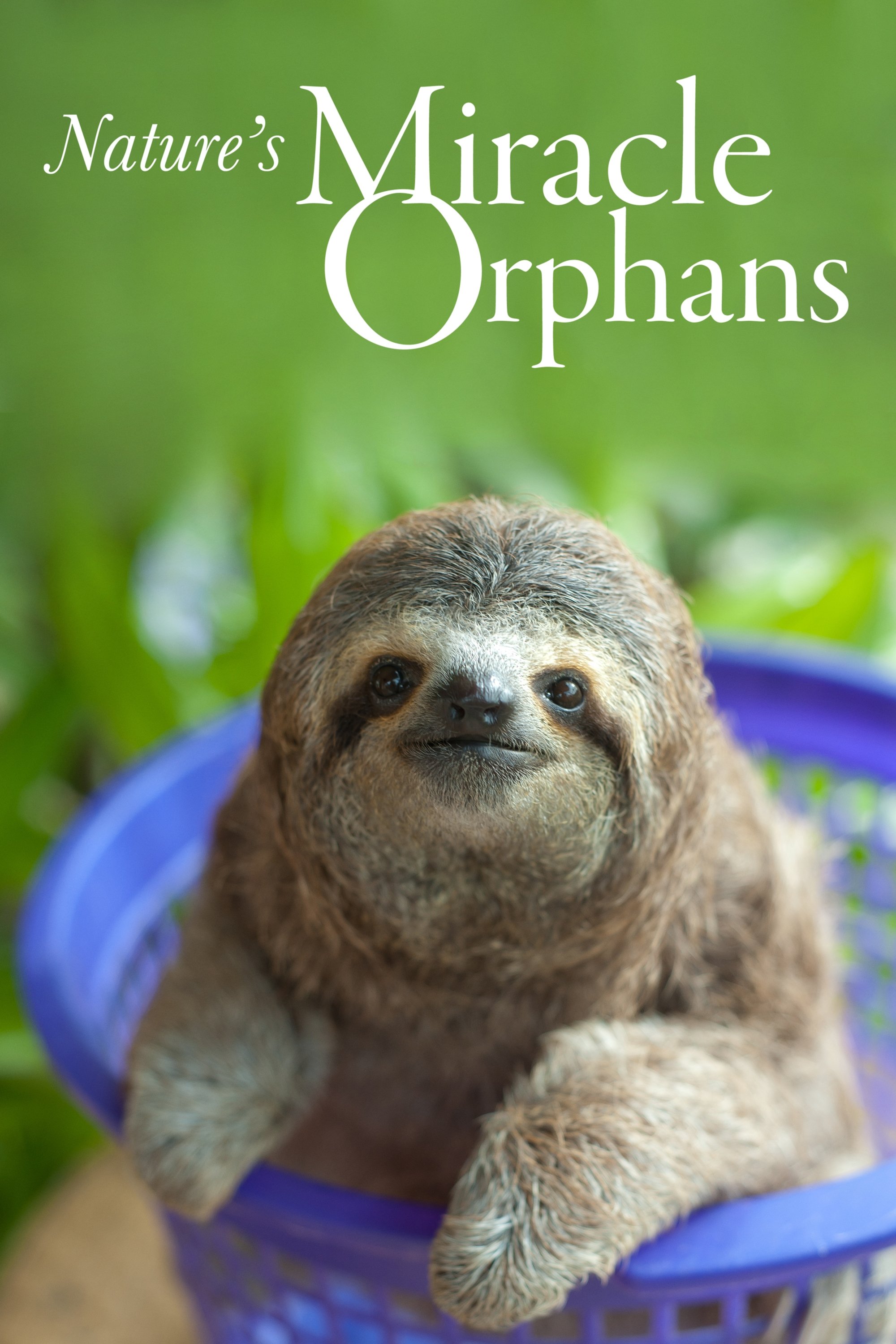
The first months of an animal's life are crucial - if they lose their mothers, they'll need help. Meet the wild orphans getting a second chance, and those devoted to saving them.
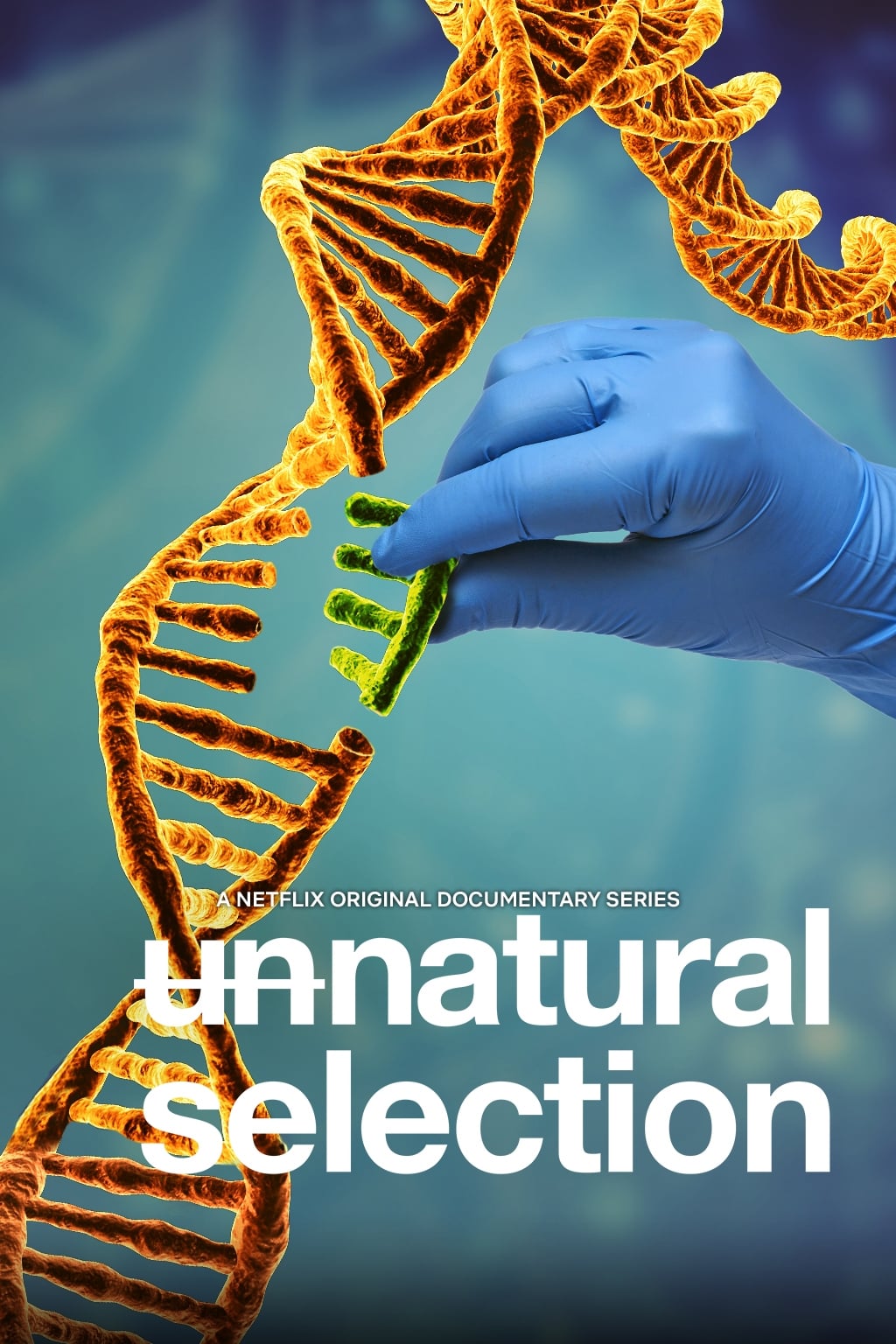
From eradicating disease to selecting a child's traits, gene editing gives humans the chance to hack biology. Meet the real people behind the science.
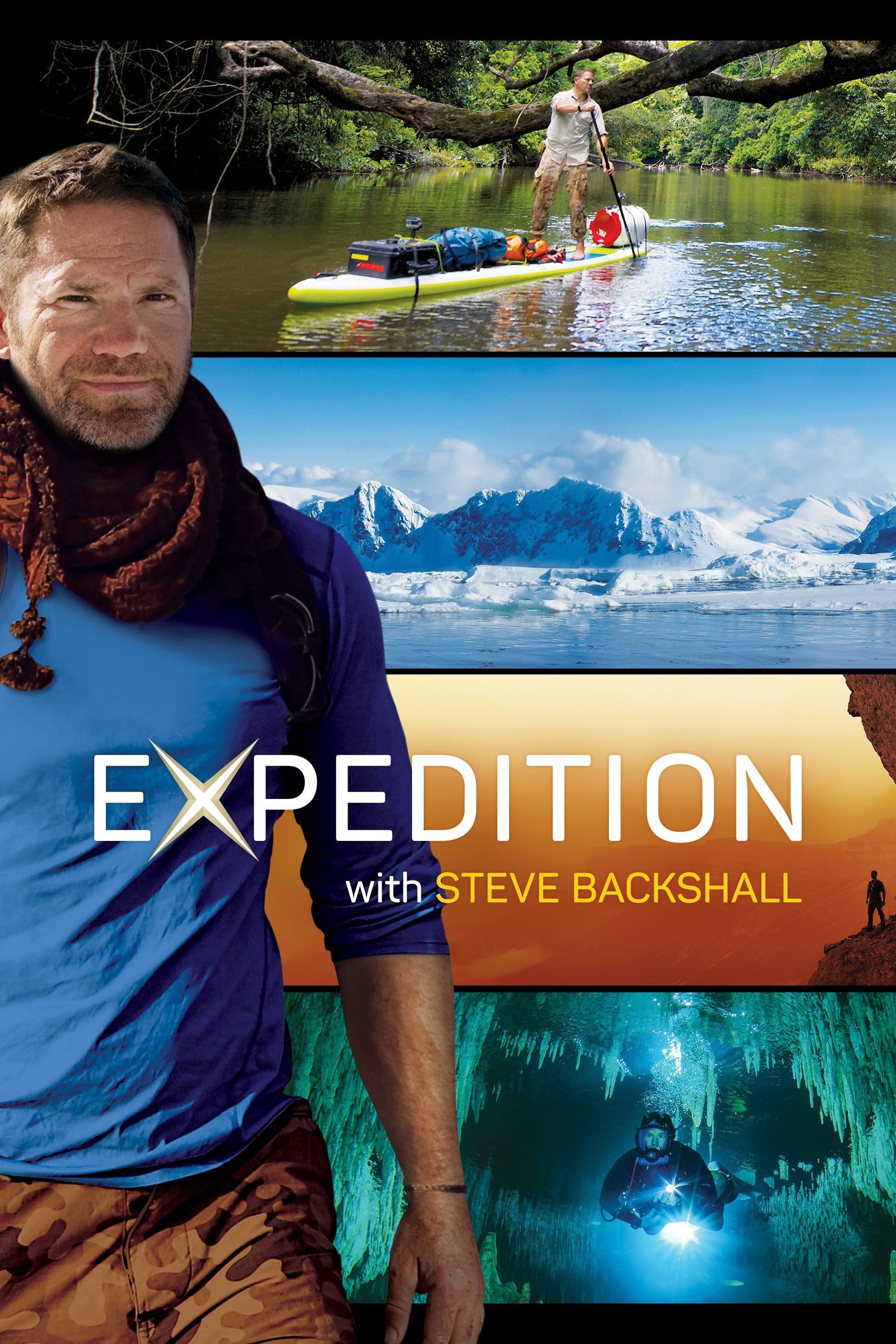
The naturalist visits uncharted territory in pursuit of new discoveries. Steve Backshall takes on physical challenges, encounters extraordinary wildlife and meets remarkable people.
The people, places and stories making news in the British countryside.
A four-part documentary series on ocean life around the world.
The four-part series takes an awe-inspiring look at the world around us, shot with ultra-high-definition cameras that capture sweeping panoramas and extraordinary close-ups of Canada’s majestic terrain and diverse species.
PBS' premier science series helps viewers of all ages explore the science behind the headlines. Along the way, NOVA demystifies science and technology, and highlights the people involved in scientific pursuits.
Filmed across six continents, this docuseries uses cutting-edge camera technology to capture animals' nocturnal lives, revealing new behaviours filmed in full color like never before.
Applying the laws of life on Earth to the rest of the galaxy, this series blends science fact and fiction to imagine alien life on other planets.
This enlightening series from Vox digs into a wide range of topics such as the rise of cryptocurrency, why diets fail, and the wild world of K-pop.
A series of standalone documentaries powered by the unparalleled journalism and insight of The New York Times, bringing viewers close to the essential stories of our time.
Horizon tells amazing science stories, unravels mysteries and reveals worlds you've never seen before.
From the planets to the stars and out to the edge of the unknown, history and science collide in a wondrous yet deadly adventure through space and time.
Experience the wonders of our world like never before in this epic series from Jon Favreau and the producers of Planet Earth. Travel back 66 million years to when majestic dinosaurs and extraordinary creatures roamed the lands, seas, and skies.
Motoring programme featuring reviews of and reports about cars of all types.
Biography is a documentary television series. It was originally a half-hour filmed series produced for CBS by David Wolper from 1961 to 1964 and hosted by Mike Wallace. The A&E Network later re-ran it and has produced new episodes since 1987. The older version featured historical figures such as Helen Keller and Mark Twain, or long-dead entertainment figures such as Will Rogers or John Barrymore. The A&E series has placed the emphasis on such people as Marilyn Monroe, Elvis Presley, Plácido Domingo, Freddie Mercury, Jacqueline Kennedy Onassis, Eric Clapton, Pope John Paul II, Gene Tierney, Selena, Diego Rivera, Mao Zedong and Queen Elizabeth II, and fictional characters like The Phantom, Superman, Hamlet, Betty Boop, and Santa Claus. The program ended up profiling enough figures that in 1999, A&E spun it off into an entire network, The Biography Channel.
Infographics and archival footage deliver bite-size history lessons on scientific breakthroughs, social movements and world-changing discoveries.
Hosted by Morgan Freeman, Through the Wormhole explores the deepest mysteries of existence - the questions that have puzzled mankind for eternity. What are we made of? What was there before the beginning? Are we really alone? Is there a creator? These questions have been pondered by the most exquisite minds of the human race. Now, science has evolved to the point where hard facts and evidence may be able to provide us with answers instead of philosophical theories. Through the Wormhole brings together the brightest minds and best ideas from the very edges of science - Astrophysics, Astrobiology, Quantum Mechanics, String Theory, and more - to reveal the extraordinary truth of our Universe.
Professor Brian Cox explores the dramatic lives of the eight majestic planets/worlds that make up our solar system.
Oscar and Grammy Award-winning producer and artist Mark Ronson explores the intersection of technology and musical innovation with his heroes and fellow hitmakers – including Paul McCartney, DJ Premier, Charli XCX, Dave Grohl, and Questlove.
Famed astrophysicist Neil deGrasse Tyson provides clarity for the vision of the cosmos as he voyages across the universe with never-before-told stories that delve into the scientific concepts of the laws of gravity and the origins of space and time.
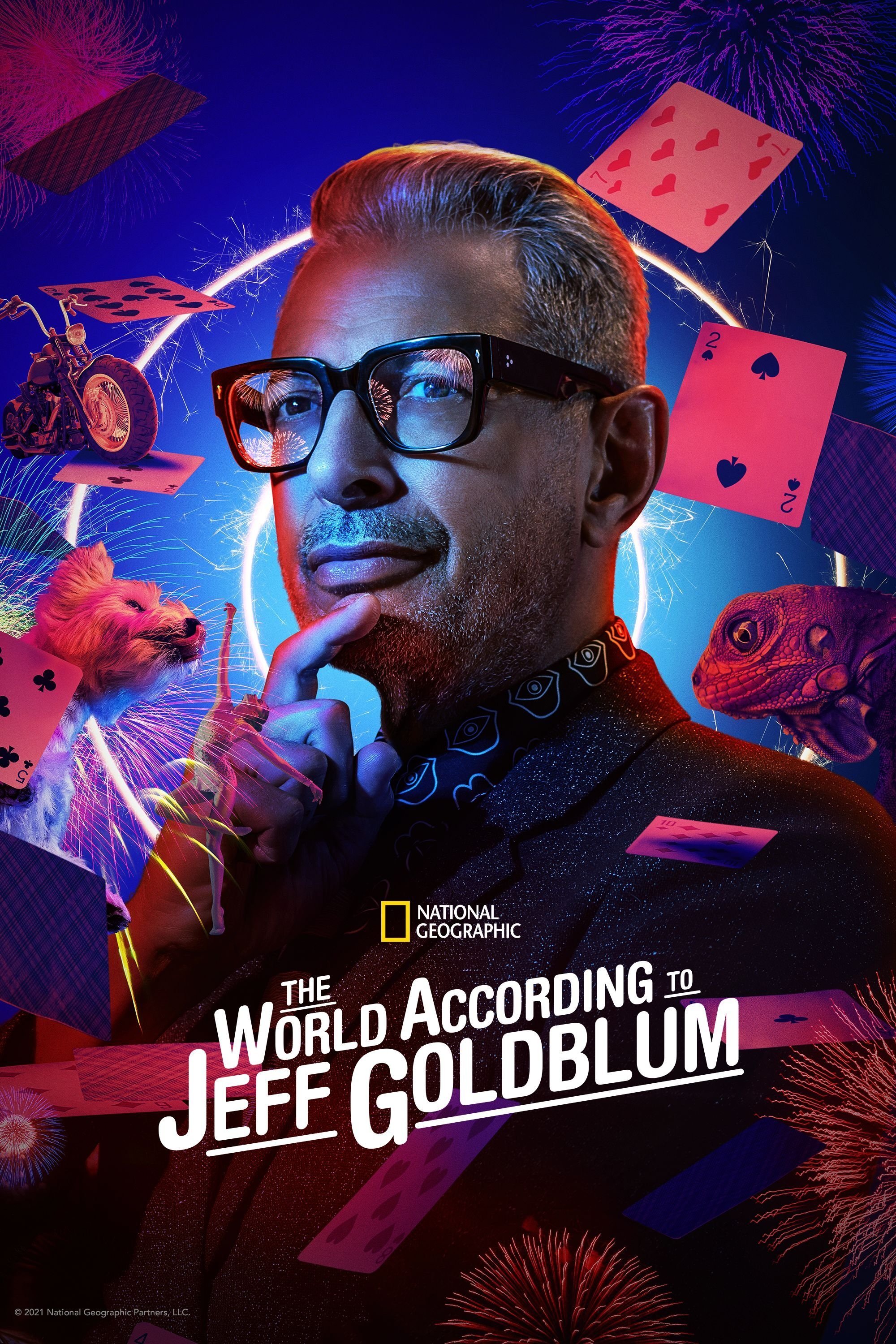
Through the prism of Jeff Goldblum's always inquisitive and highly entertaining mind, nothing is as it seems. Each episode is centered around something we all love — like sneakers or ice cream — as Jeff pulls the thread on these deceptively familiar objects and unravels a wonderful world of astonishing connections, fascinating science and history, amazing people, and a whole lot of surprising big ideas and insights.
Natural World is a nature documentary television series broadcast annually on BBC Two and regarded by the BBC as its flagship natural history brand. It is currently the longest-running series in its genre on British television, with more than 400 episodes broadcast since its inception in 1983. Natural World is produced by the BBC Natural History Unit in Bristol, but individual programmes can be in-house productions, collaborative productions with other broadcasters or films made and distributed by independent production companies and purchased by the BBC. Natural World programmes are often broadcast as PBS Nature episodes in the USA. Since 2008, most Natural World programmes have been shot and broadcast in high definition.
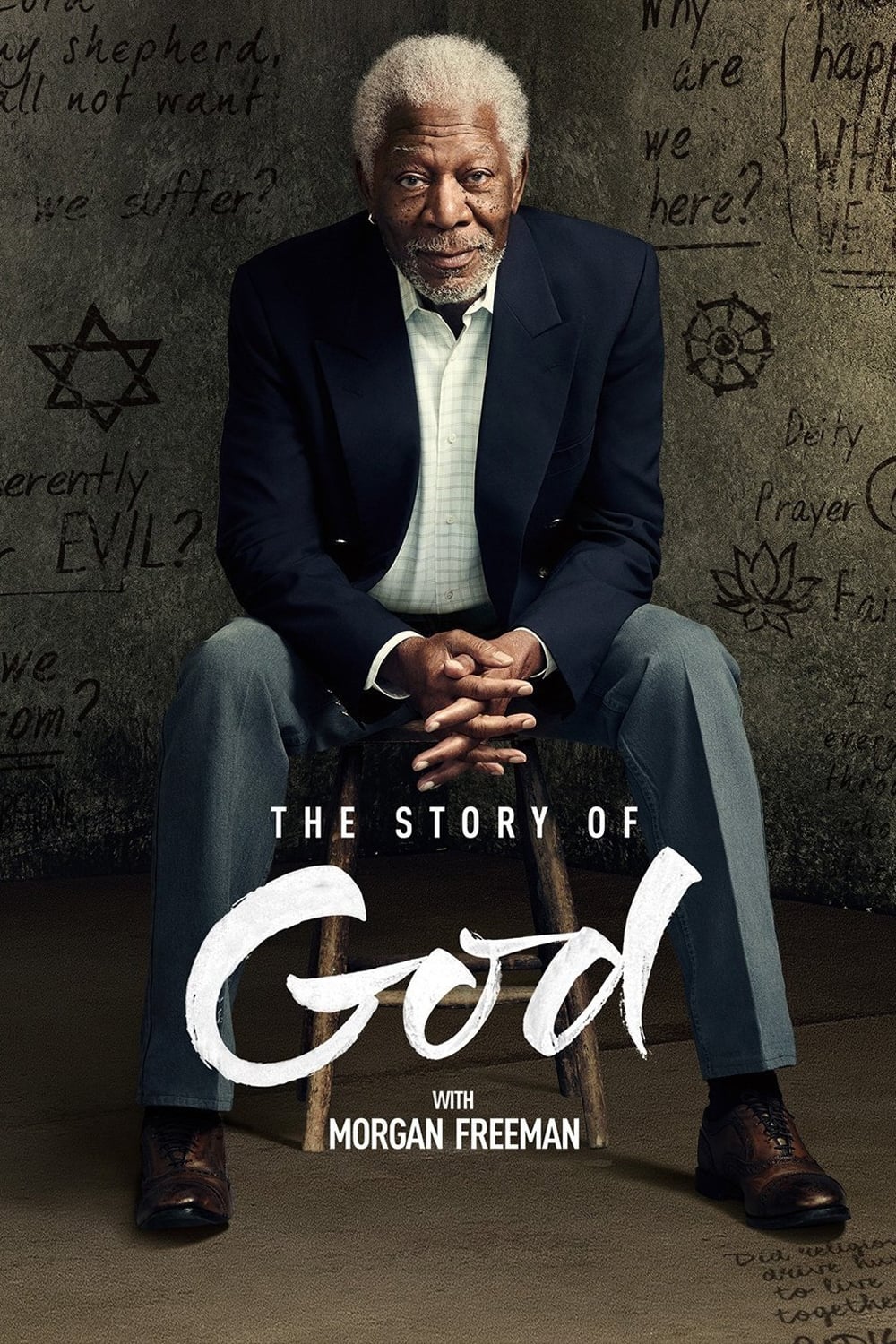
Morgan Freeman presents his quest in order to find how most religions perceive life after death, what different civilizations thought about the act of creation and other big questions that mankind has continuously asked.
British television series which features unusual and often elaborate architectural homebuilding projects.
An insider's look at the engineering and scientific miracles behind the things that form the modern world.