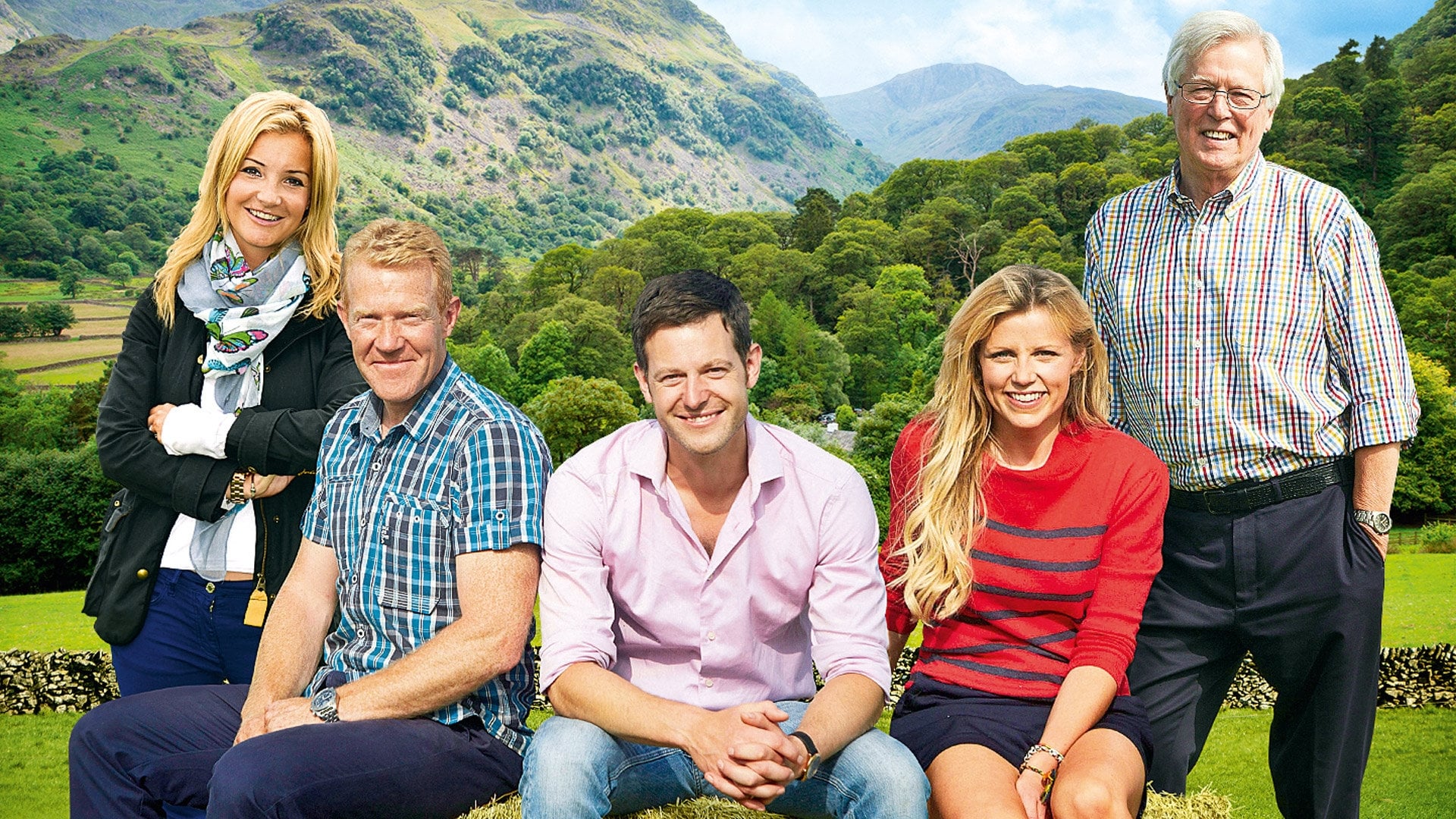
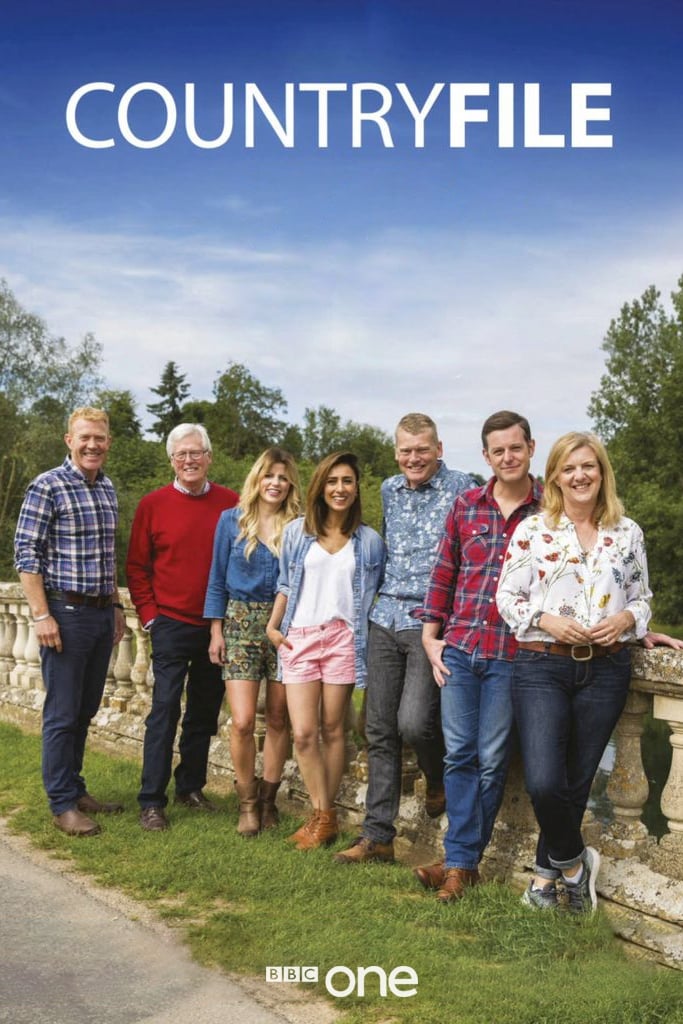
The people, places and stories making news in the British countryside.
Social & External
The people behind it
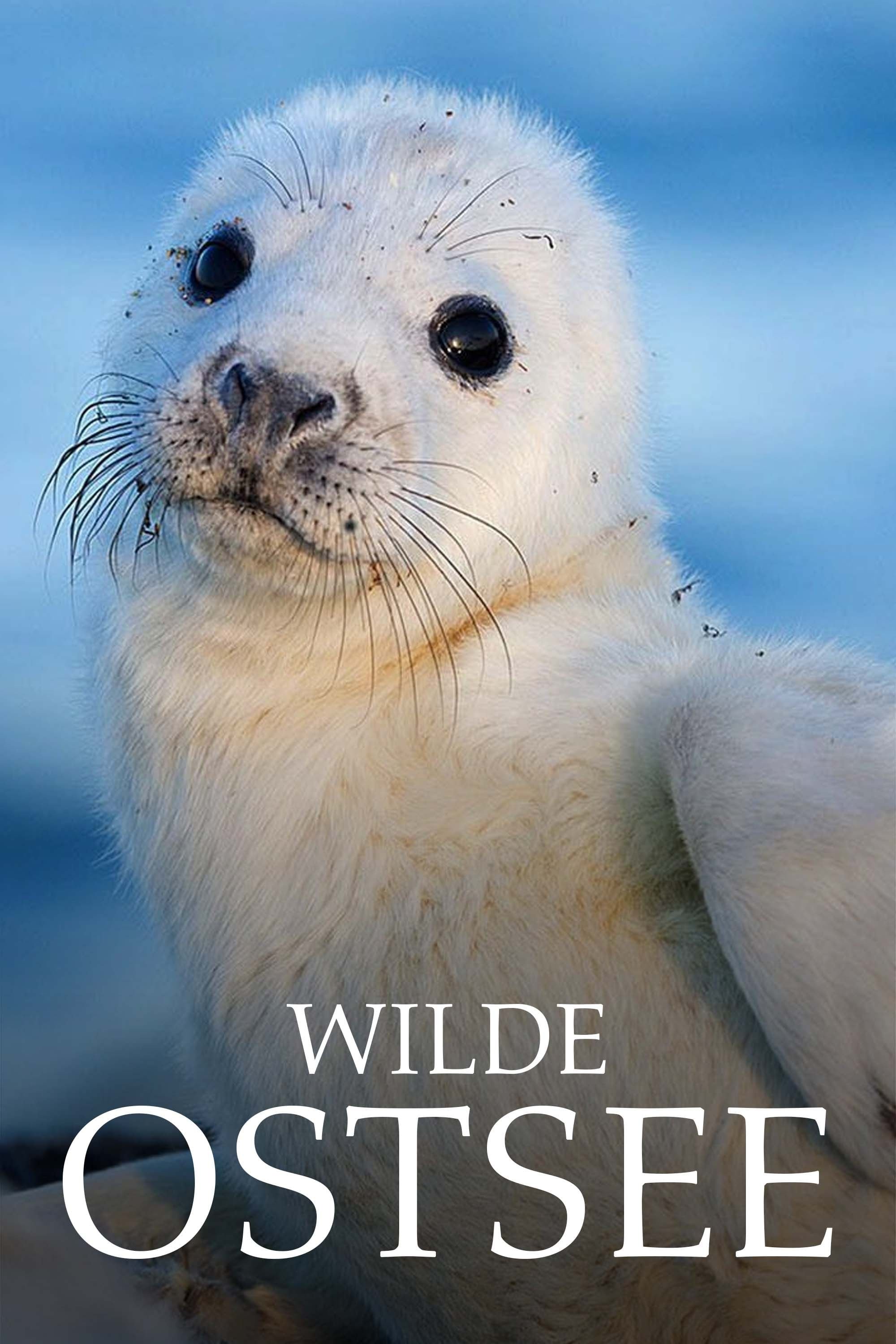
The nature of the Baltic Sea offers many surprises as demonstrated in the three-part series Wild Baltic Sea. From the Northern most tip of Denmark to the Curonian Spit, from the Estonian island world to the Bay of Bothnia. For the first time bottlenose dolphins and a Sowerby's beaked whale could be filmed in the Baltic Sea.
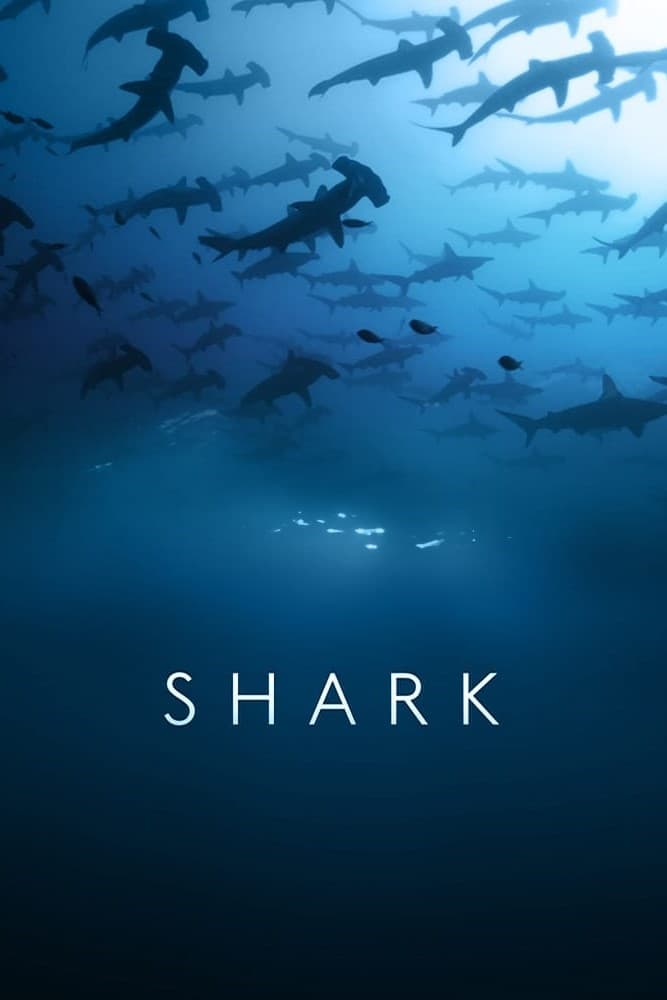
A major wildlife series on the sharks of the world with over thirty species filmed, showing how they hunt, intricate social lives, courtship, growing up and the threats they face.
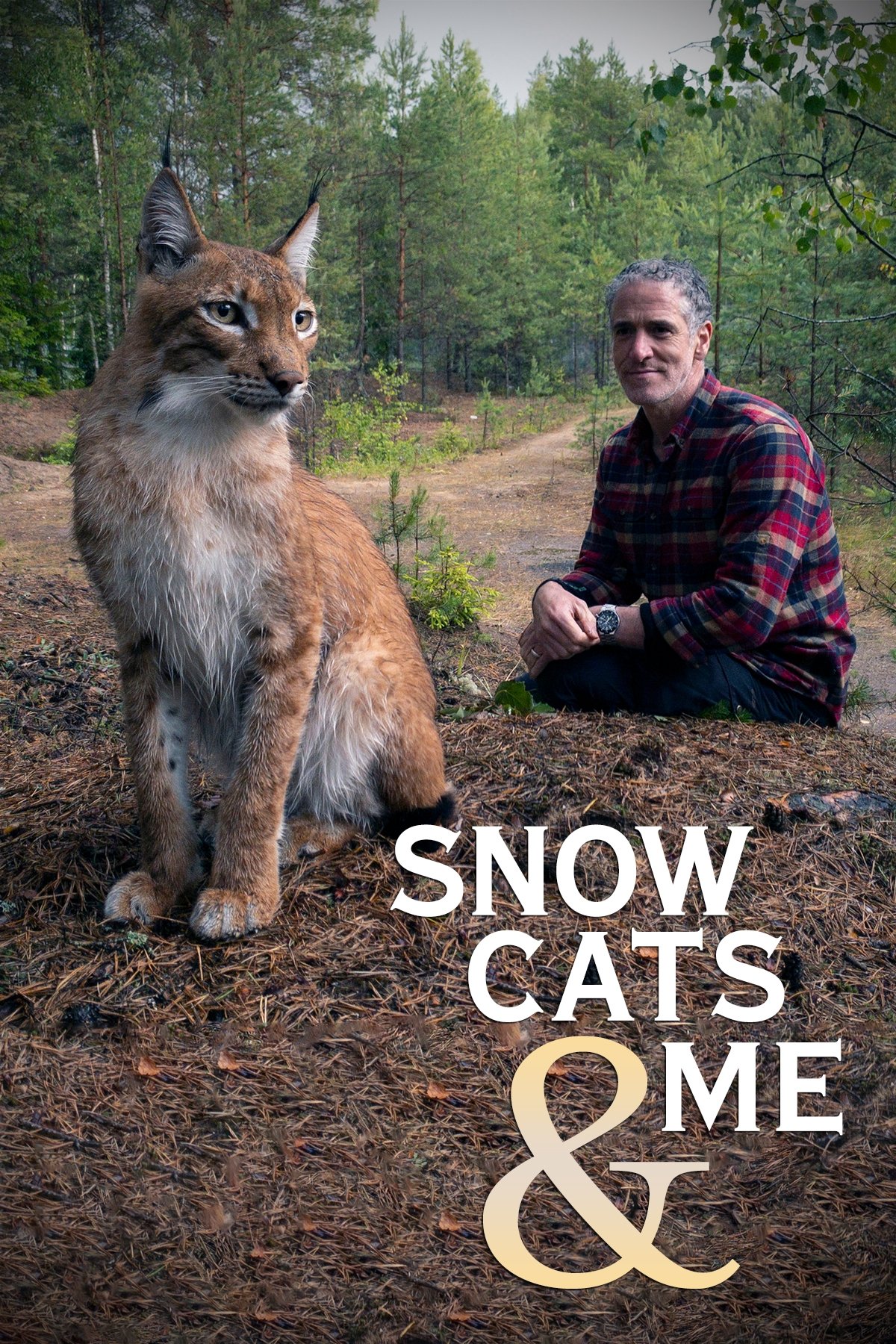
Gordon Buchanan helps cat expert Dr Victor Lukarevsky as he tries - for the first time ever - to rescue and rehabilitate lynx from the lucrative fur and pet trades back to the wild.
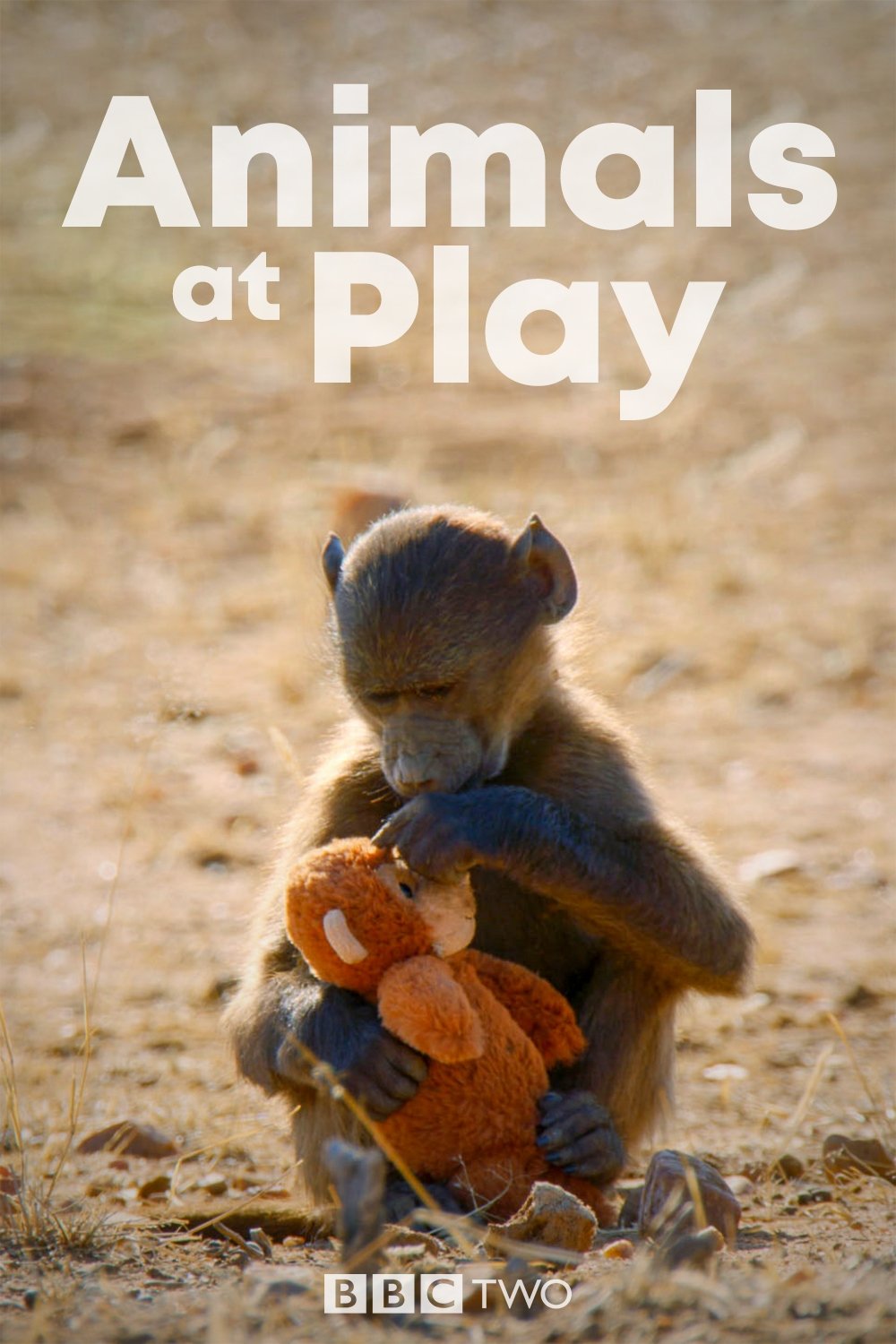
Young animals love nothing more than play. But science is now revealing the astonishing benefits animals gain from it. This series uncovers the secrets behind their games.
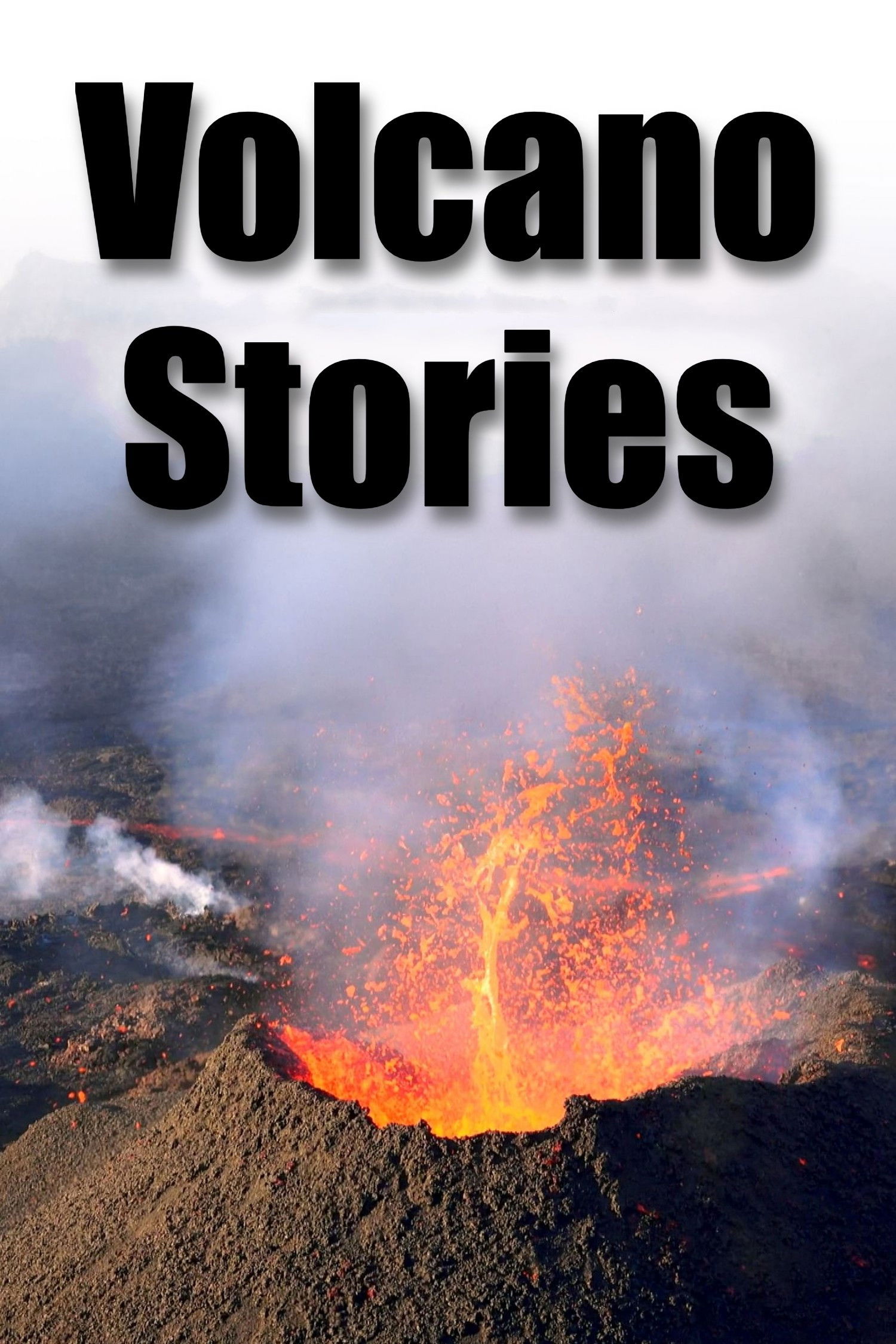
No two volcanoes are alike; each one has its own distinctive landscape, climate, and geological context. Just as unique are the people we meet along the way who help us comprehend how greatly our planet – and our lives – have been shaped by volcanic phenomena. For the scientific aspect of each episode, we explore the very diverse range of questions raised by volcanic phenomena in such varied fields as earth sciences, climatology, biodiversity, oceanography, geography, agronomics, and archaeology. The cultural part of the show delves into mythology, religion, philosophy, folk and artistic traditions, cooking, and ways of life.
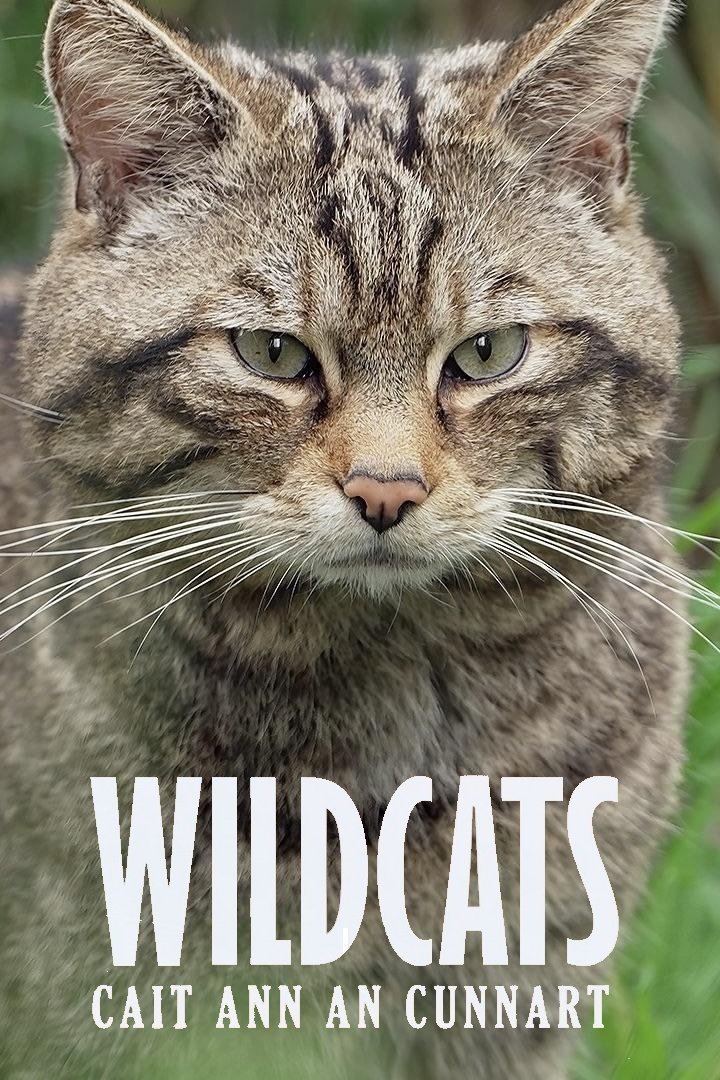
The groundbreaking efforts of the team working to save the Scottish wildcat from extinction.
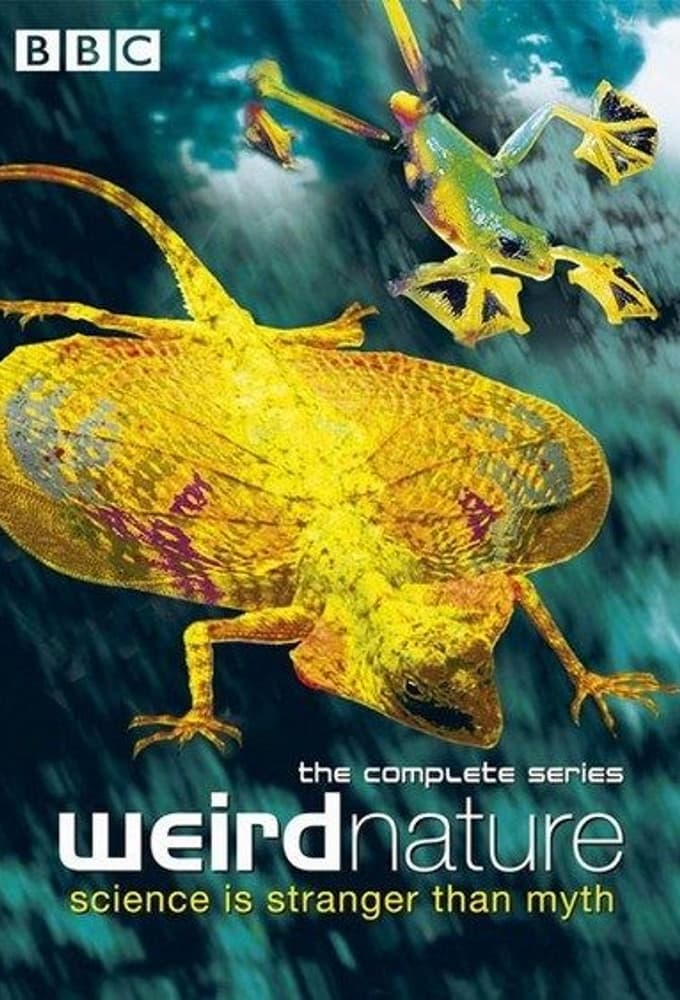
Weird Nature is a 2002 documentary television series produced by John Downer Productions for the BBC and Discovery Channel. The series features strange behavior in nature—specifically, the animal world. The series now airs on the Science Channel. The series took three years to make and a new filming technique was used to show animal movements in 3D. Each episode, however, tended to end with a piece about how humans are probably the oddest species of all. For example, in the end of the episode about locomotion, the narrator states how unusual it is for a mammal to be bipedal. In the episode about defences, the narrator explains that humans have no real natural defences, save for their big brains.
Note: NetWorks Productions Inc. holds the copyrights to this on-line series. We ask that our copyrights be honored. In addition, "Permaculture" is a copyrighted word. Only those who have completed a 72-hour design course are authorized to use the word in commerce. These videos are documents from two design courses taught by Bill Mollison at the Fossil Rim Wildlife Center in Glen Rose Texas in 1994 and 1995. They are a definitive selection from our original 16 part series. These tapes bear many viewings and will benefit anyone who wants to learn how to help regenerate the earth - from back yard to bio-region. Teachers of permaculture have found these tapes to be a valuable coaching tool - edited to one hour. This is an opening lecture. The principles of functional design for sustainability are unique to Permaculture design. Find the rest of the 16-lecture series at networkearth.org http://www.networkearth.org/perma/culture.html
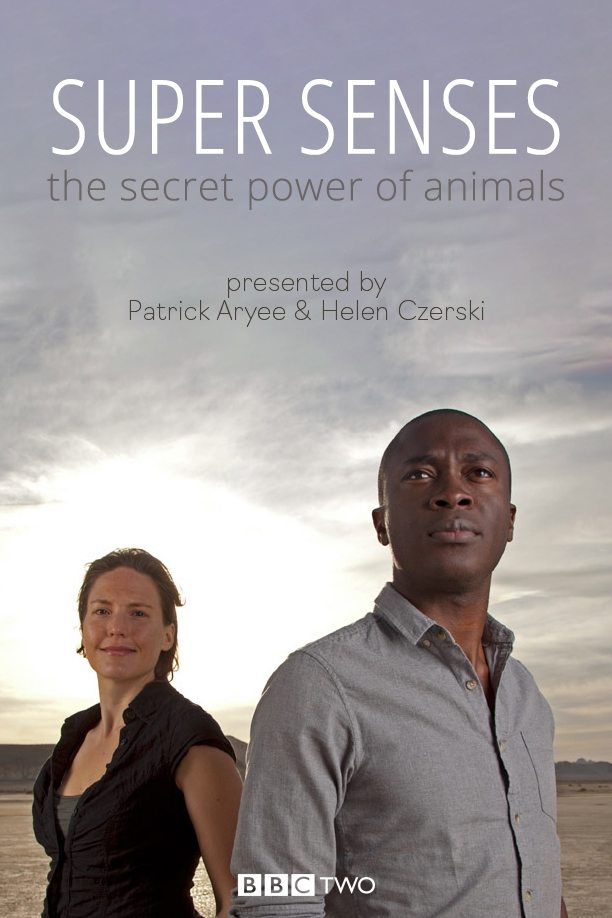
Biologist Patrick Aryee and physicist Helen Czerski go beyond the limits of human perception to explore the extraordinary and surprising world of animal senses.
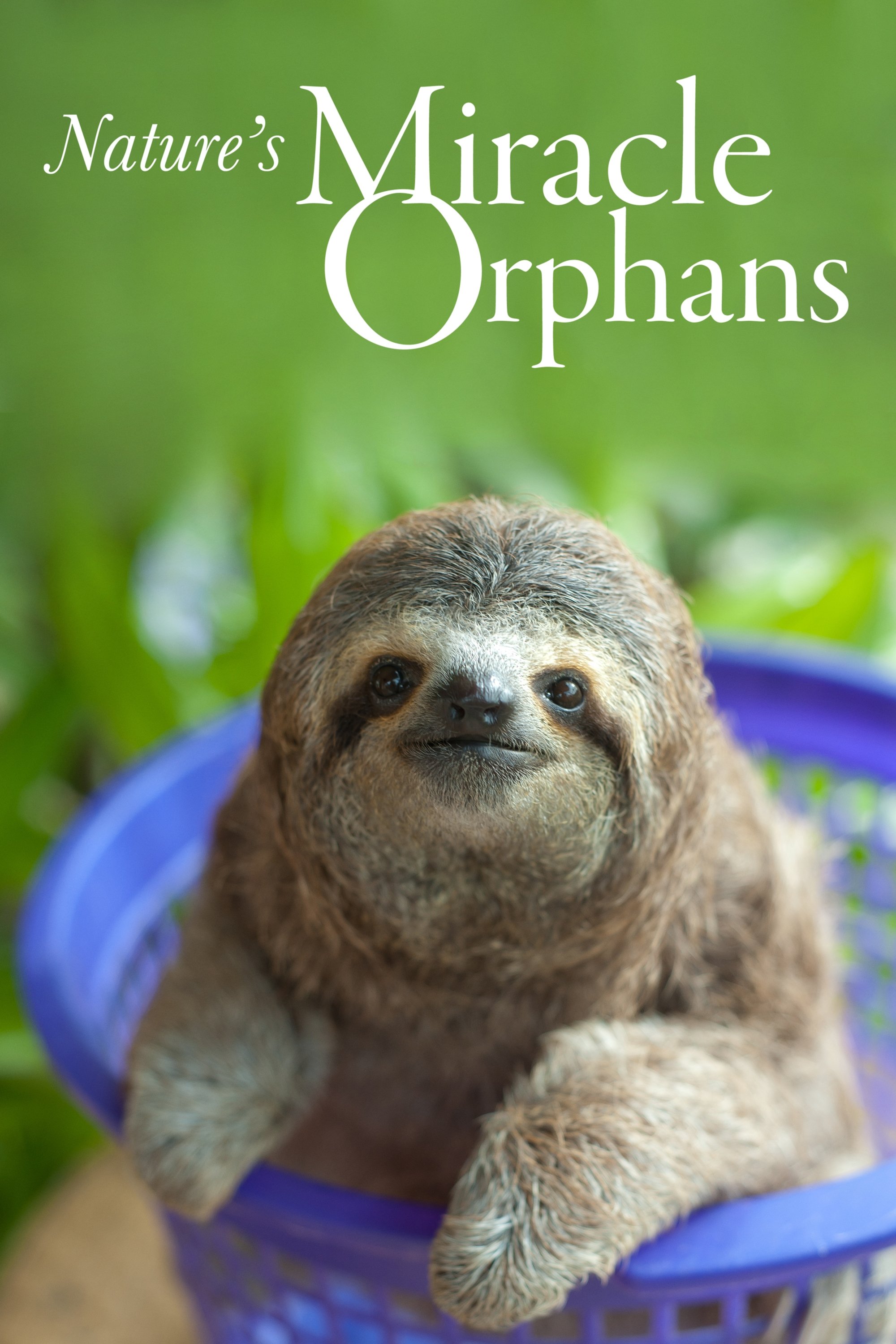
The first months of an animal's life are crucial - if they lose their mothers, they'll need help. Meet the wild orphans getting a second chance, and those devoted to saving them.
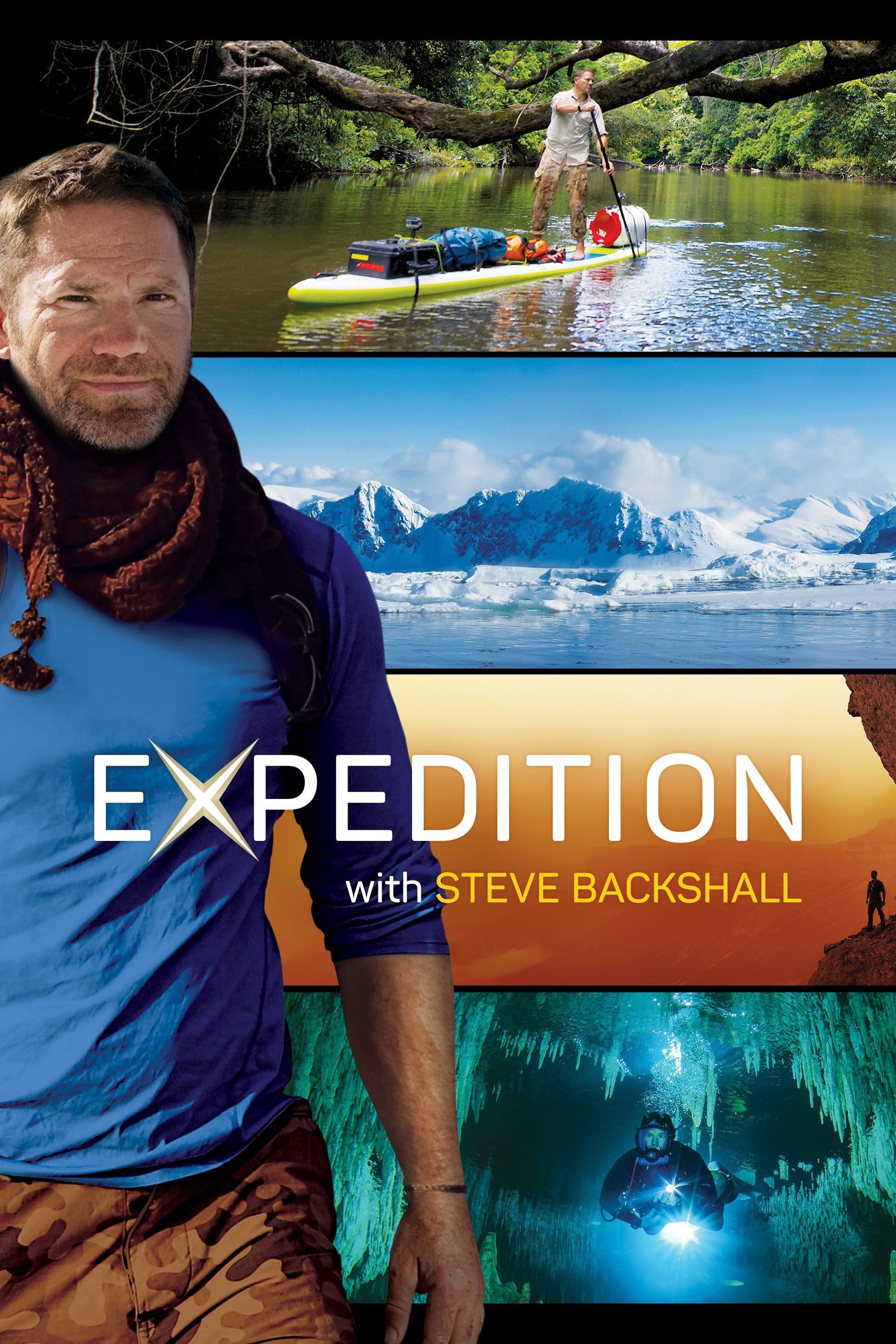
The naturalist visits uncharted territory in pursuit of new discoveries. Steve Backshall takes on physical challenges, encounters extraordinary wildlife and meets remarkable people.
A four-part documentary series on ocean life around the world.
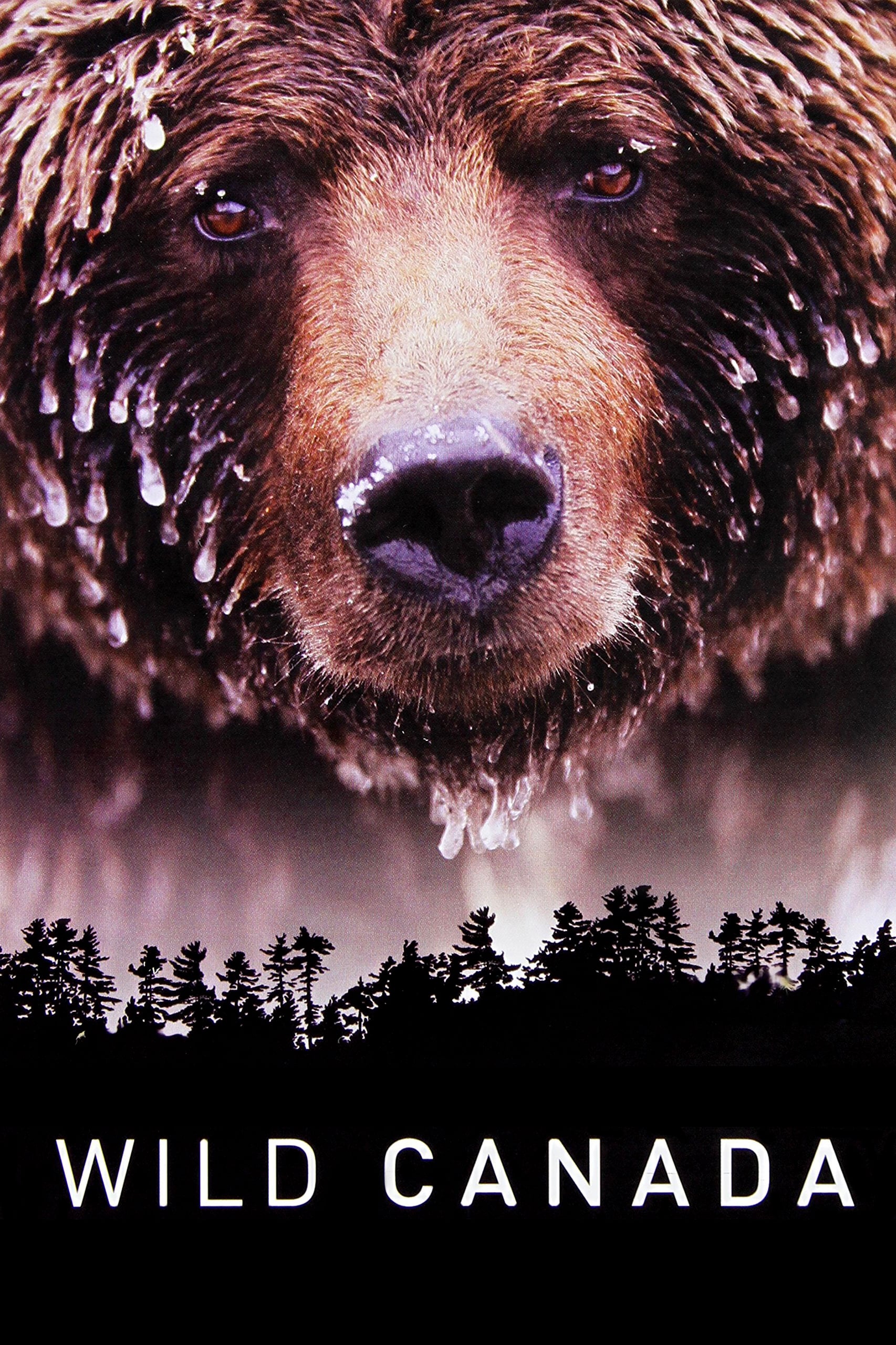
The four-part series takes an awe-inspiring look at the world around us, shot with ultra-high-definition cameras that capture sweeping panoramas and extraordinary close-ups of Canada’s majestic terrain and diverse species.
Delicious food from Tokyo's markets! Learn about the amazing ingredients which are sourced from across Japan and sold at Tokyo's fresh food markets.
Africa is a land sculpted by time where animals have evolved complex weapons to arm them in the battle to live another day. An elephant's tusks can defend, or attack. An octopus uses camouflage to find food, or hide from an enemy. A Cape Fur Seal's speed and agility are valuable tools to catch a penguin, but ineffectual against a Great White Shark. A single hippopotamus holds a pride of twelve lions at bay with his sheer bulk, but backs down when faced with the piercing teeth of another hippo. With lethal weapons wielded by fearsome predators and prey, animals walk a precarious path, here among Africa's Deadliest.
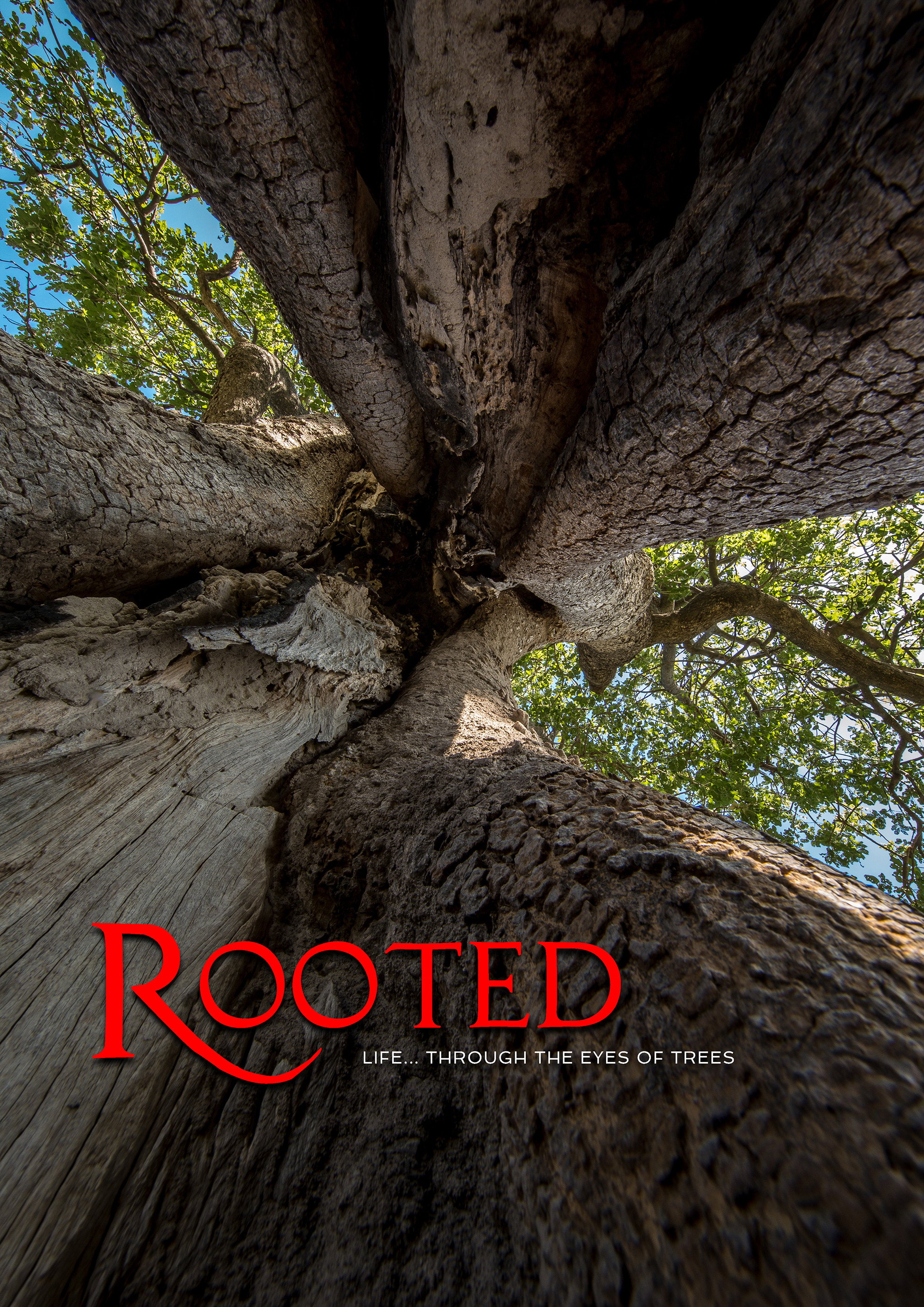
Stories from the perspective of some of the world's oldest living creatures - trees. Each tree is located in a completely unique habitat around the world, and hosts, feeds and shelters an array of animals in its embrace.
Chris Packham uses groundbreaking science and brand-new behaviour to delve deep beneath the skin and discover the unique features that have made certain animal groups successful.
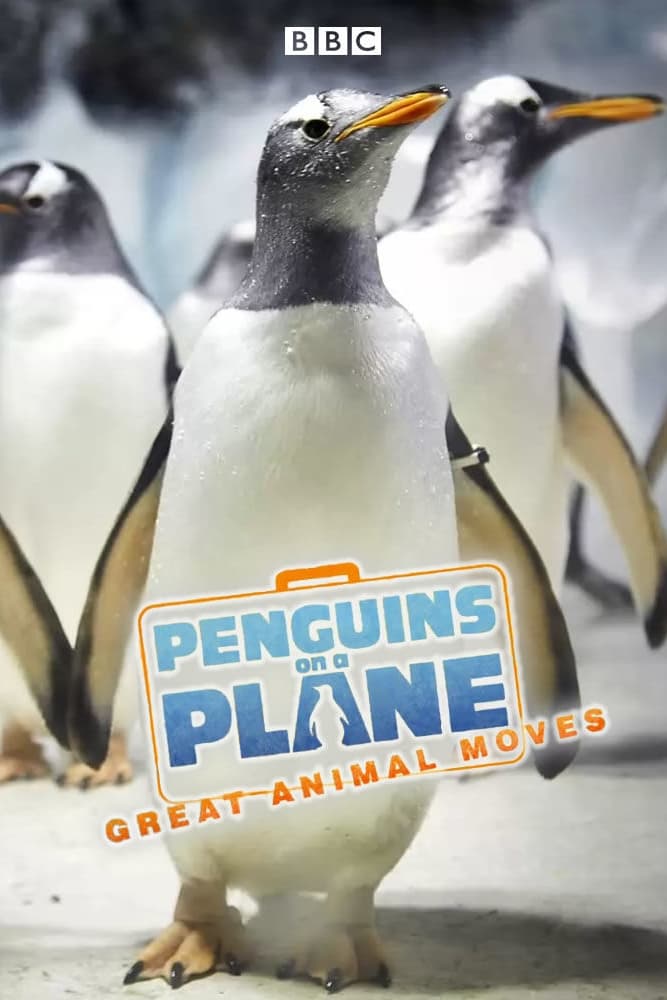
Penguins on a Plane: Great Animal Moves follows the expert handlers entrusted with transporting some of the world's most precious and challenging cargo safely to their destinations.
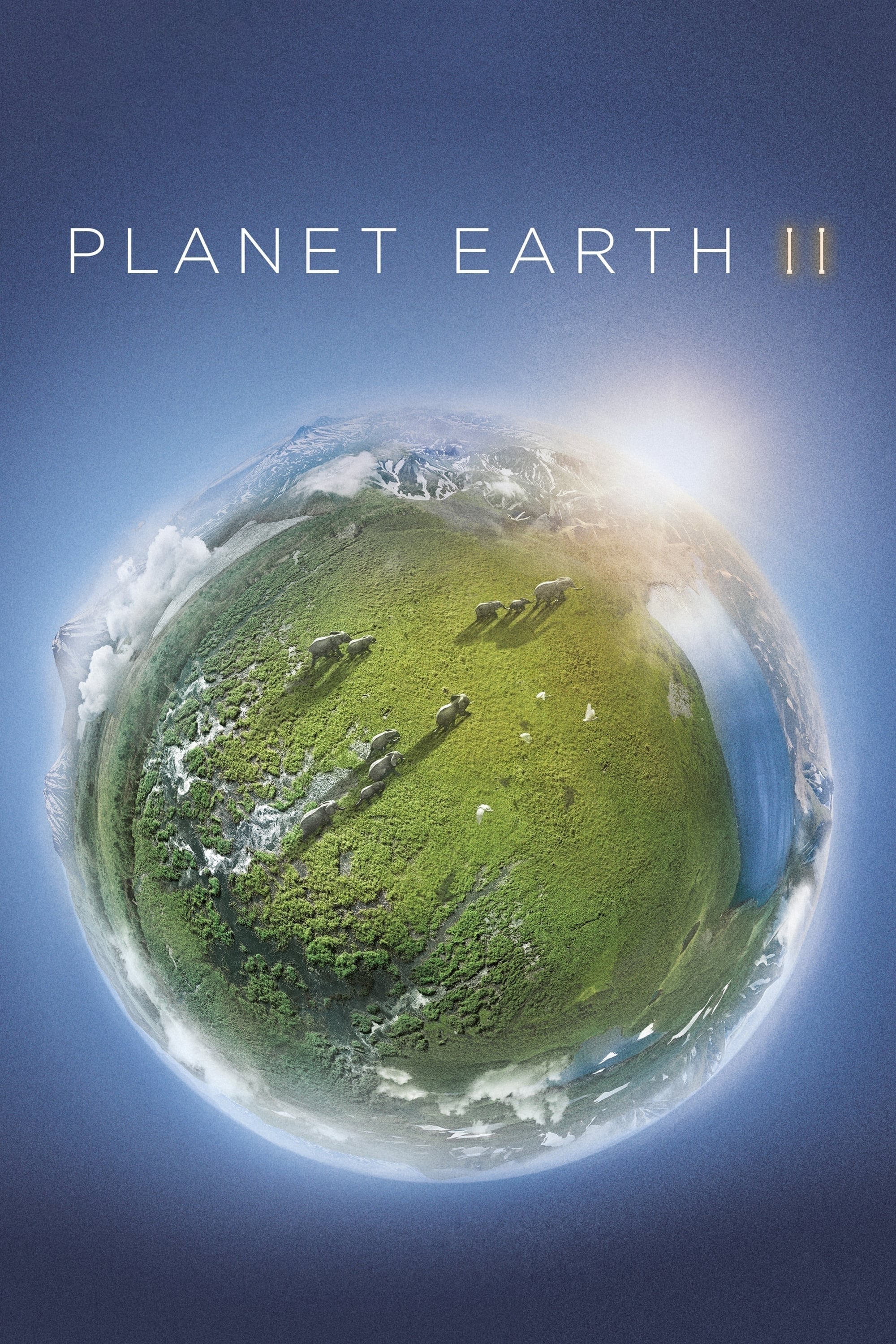
David Attenborough celebrates the amazing variety of the natural world in this epic documentary series, filmed over four years across 64 different countries.
Natural World is a nature documentary television series broadcast annually on BBC Two and regarded by the BBC as its flagship natural history brand. It is currently the longest-running series in its genre on British television, with more than 400 episodes broadcast since its inception in 1983. Natural World is produced by the BBC Natural History Unit in Bristol, but individual programmes can be in-house productions, collaborative productions with other broadcasters or films made and distributed by independent production companies and purchased by the BBC. Natural World programmes are often broadcast as PBS Nature episodes in the USA. Since 2008, most Natural World programmes have been shot and broadcast in high definition.
PBS' premier science series helps viewers of all ages explore the science behind the headlines. Along the way, NOVA demystifies science and technology, and highlights the people involved in scientific pursuits.
Consistently stunning documentaries transport viewers to far-flung locations ranging from the torrid African plains to the chilly splendours of icy Antarctica. The show's primary focus is on animals and ecosystems around the world. A comic book based on the show, meant to be used an as educational tool for kids, was briefly distributed to museums and schools at no cost in the mid-2000s.
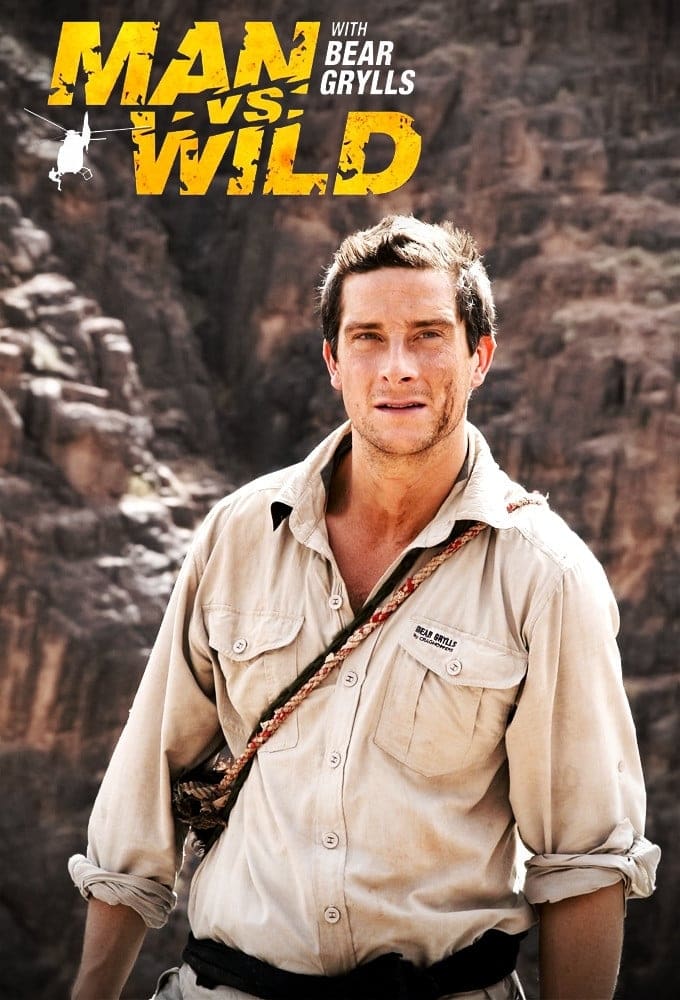
Bear strands himself in popular wilderness destinations where tourists often find themselves lost or in danger.
TV's most-watched history series brings to life the compelling stories from our past that inform our understanding of the world today.
Motoring programme featuring reviews of and reports about cars of all types.
Infographics and archival footage deliver bite-size history lessons on scientific breakthroughs, social movements and world-changing discoveries.
This immersive series follows the world's most magnificent creatures, capturing never-before-seen moments from the heartwarming to the outrageous.
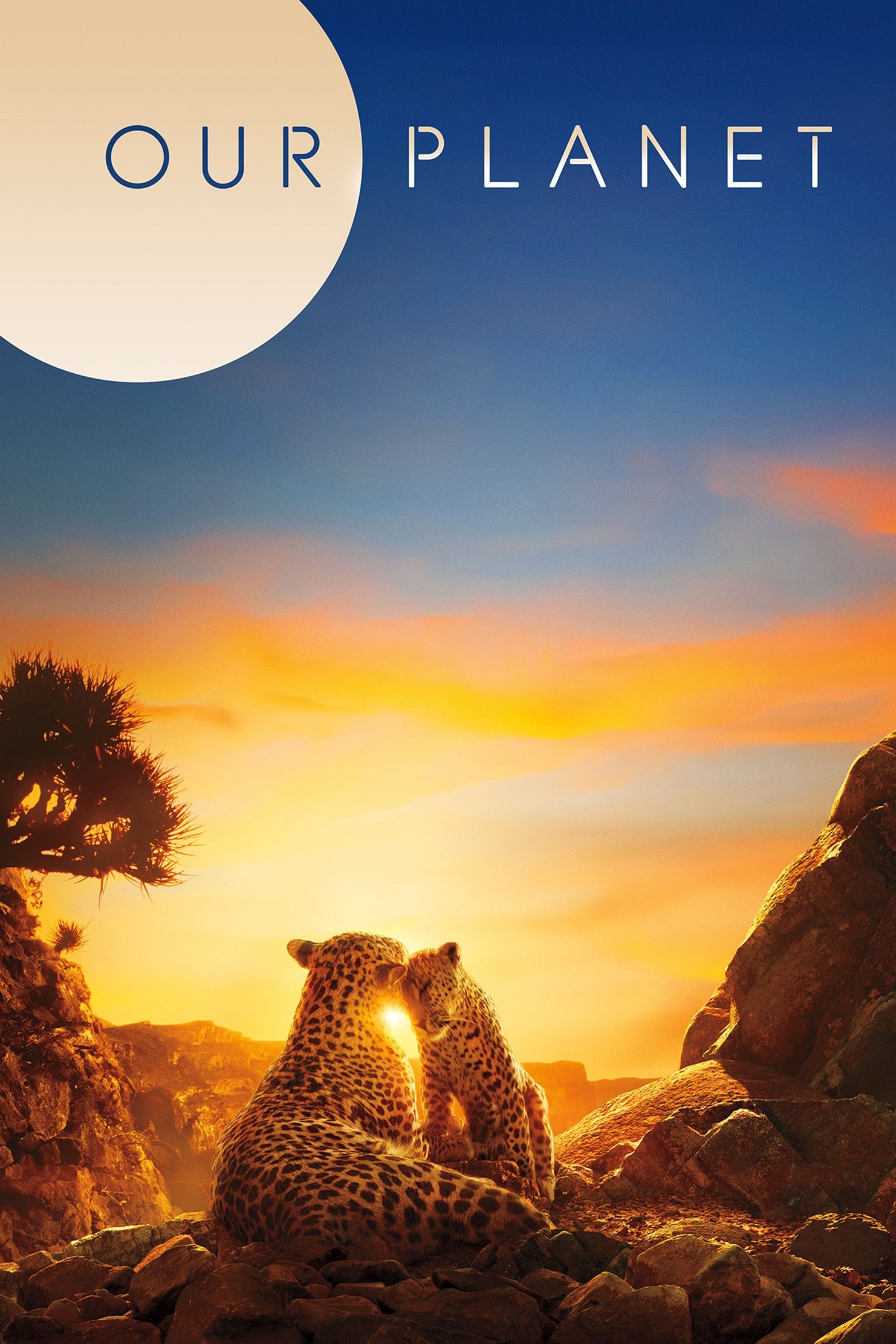
Experience our planet's natural beauty and examine how climate change impacts all living creatures in this ambitious documentary of spectacular scope.
Australian host Steve Irwin and his wife Terri run a wildlife refuge. Their shared passion is educating the world about wildlife, including the much feared crocodile and numerous venomous snakes. Steve's specialty is the capture and relocation of crocodiles. No animal appears too threatening to Steve, his true respect for animals is the foundation for everything he does.
David Attenborough presents a documentary series exploring how animals meet the challenges of surviving in the most iconic habitats on earth.
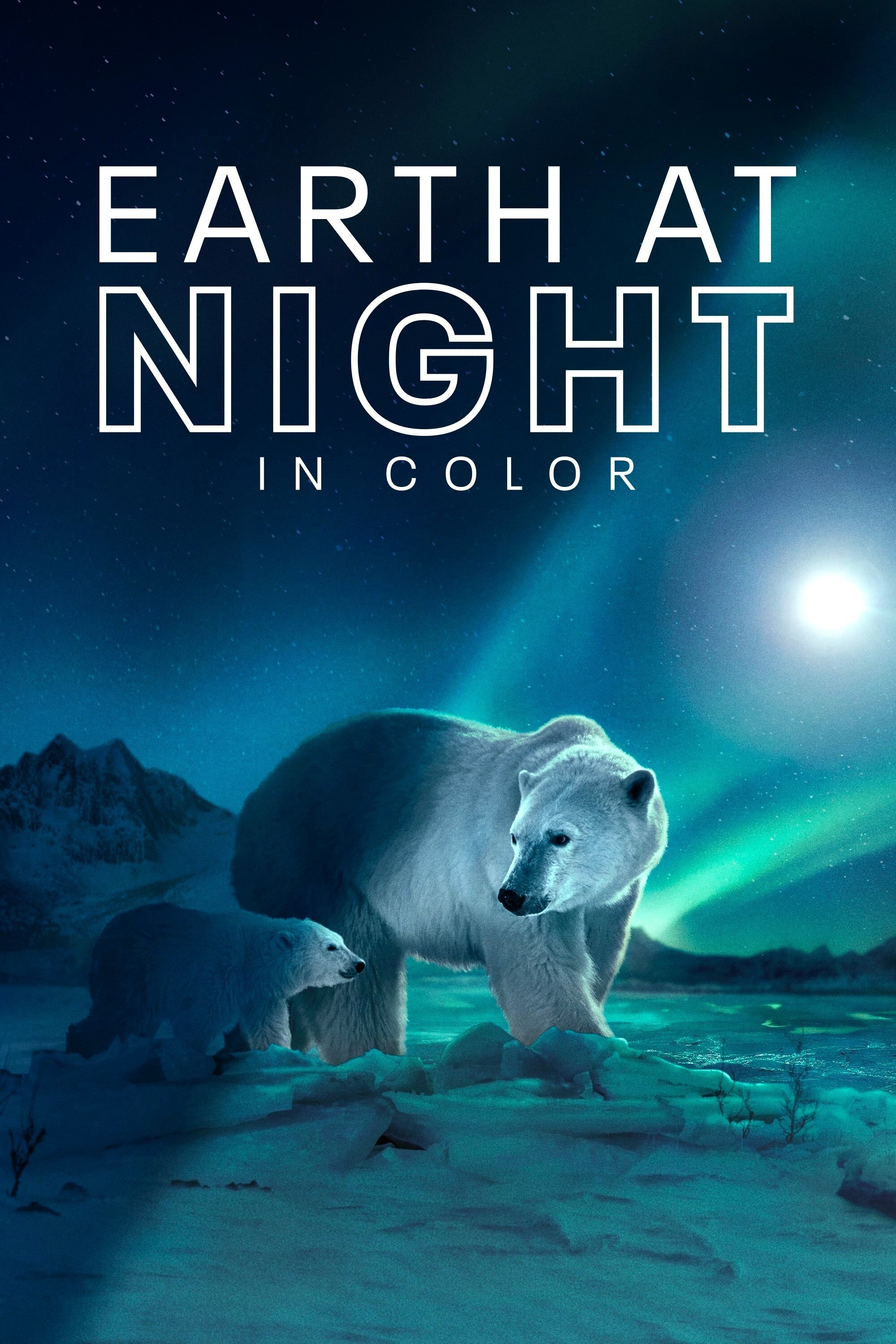
Filmed across six continents, this docuseries uses cutting-edge camera technology to capture animals' nocturnal lives, revealing new behaviours filmed in full color like never before.
A series of standalone documentaries powered by the unparalleled journalism and insight of The New York Times, bringing viewers close to the essential stories of our time.
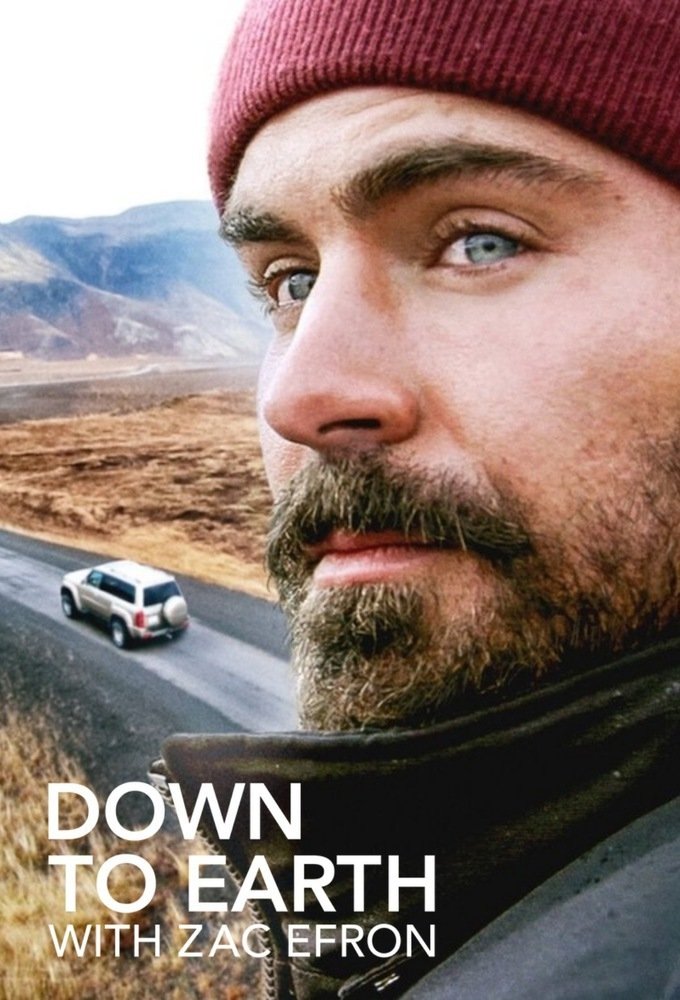
Actor Zac Efron journeys around the world with wellness expert Darin Olien in a travel show that explores healthy, sustainable ways to live.
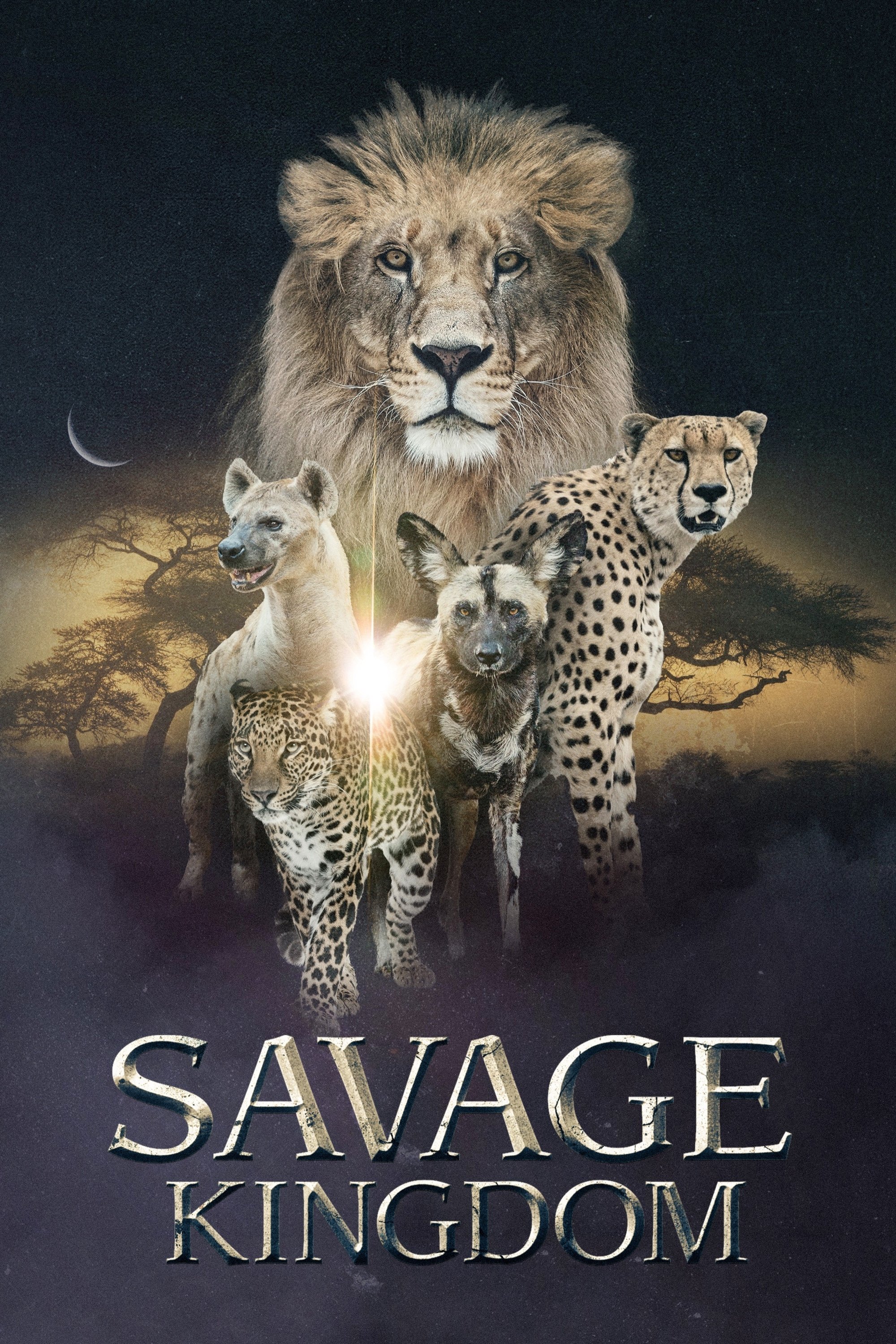
A rare look at warring animal clans battling for survival in a remote region of Africa, which is drying up after years of flood-soaked abundance.
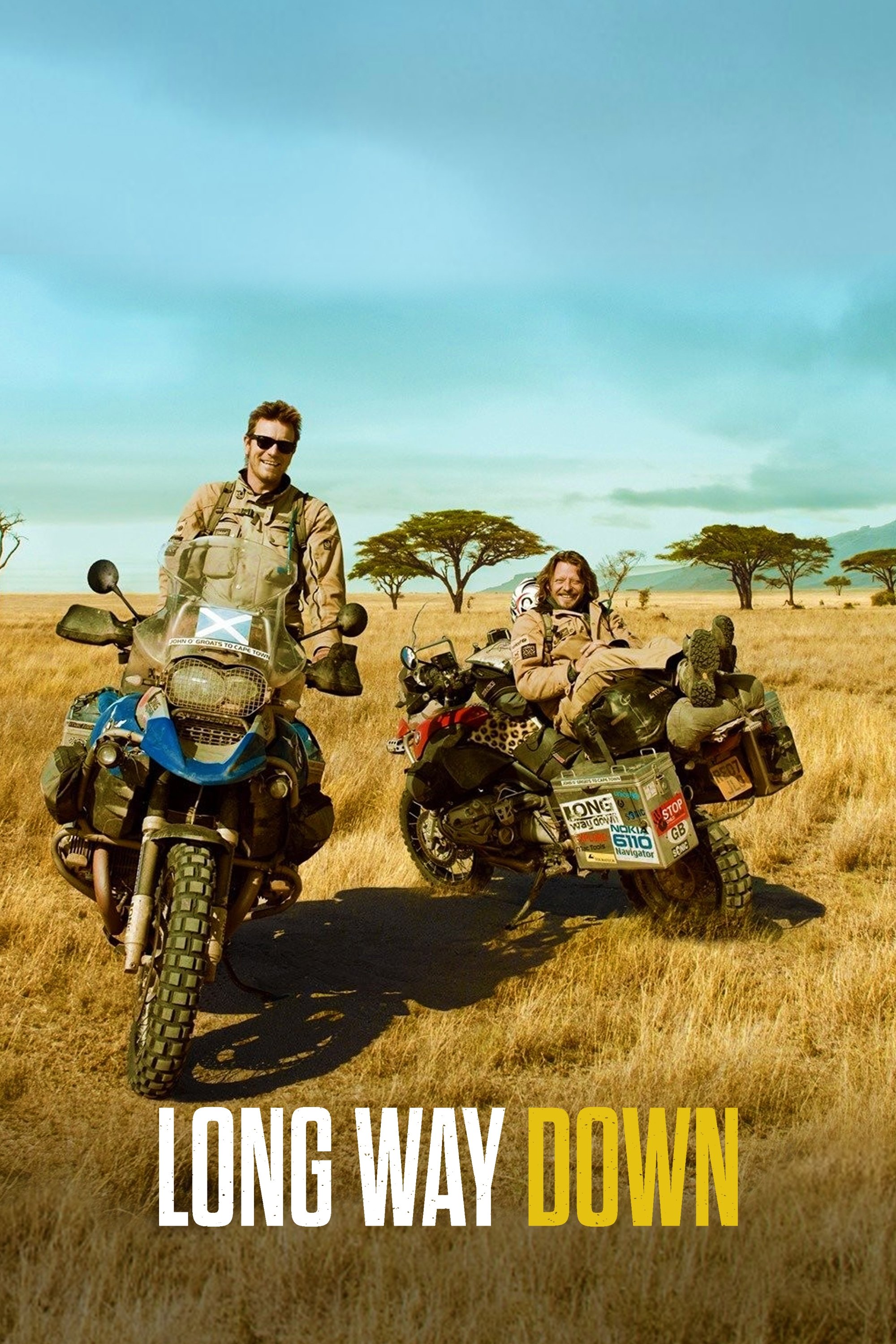
Three years after Long Way Round, Ewan McGregor and Charley Boorman set off on a 15,000-mile journey from the northernmost tip of Scotland to the southernmost tip of South Africa, mixing their love of motorcycles with the lure of far-flung roads.
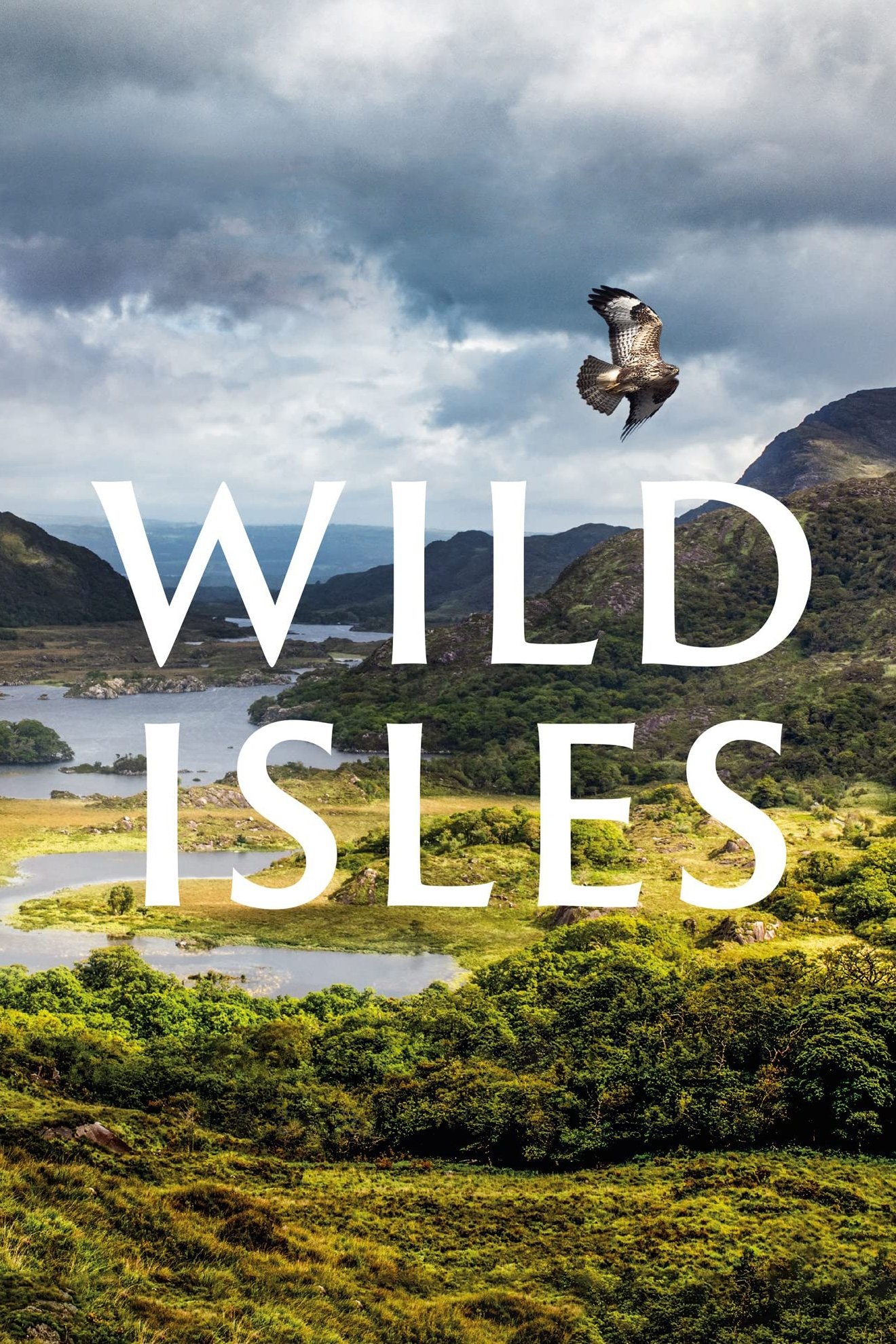
This nature documentary introduces viewers to the fauna and flora of Britain and Ireland across four main areas: woodlands, grasslands, freshwater and marine.
Have you ever wondered how the products you use every day are made? How It's Made leads you through the process of how everyday products, such as apple juice, skateboards, engines, contact lenses, and many more objects are manufactured.
Doctor Who Confidential is a documentary to complement the revival of the long-running British science fiction television series Doctor Who. Each episode was broadcast on BBC Three on Saturdays, immediately after the broadcast of the weekly television episode on BBC One. The running time of the first two series was 30 minutes, being extended to 45 minutes in the third. BBC Three also broadcast a cut-down edition of the programme, lasting 15 minutes, shown after the repeats on Sundays and Fridays and after the weekday evening repeats of earlier seasons.