The most remote and forbidding landscapes, lethal creatures and death-defying stories of survival of the world’s largest island, Australia.
Social & External
The people behind it
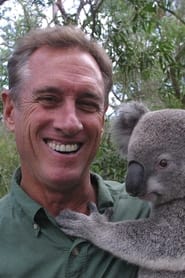
Greg Grainger
Presenter
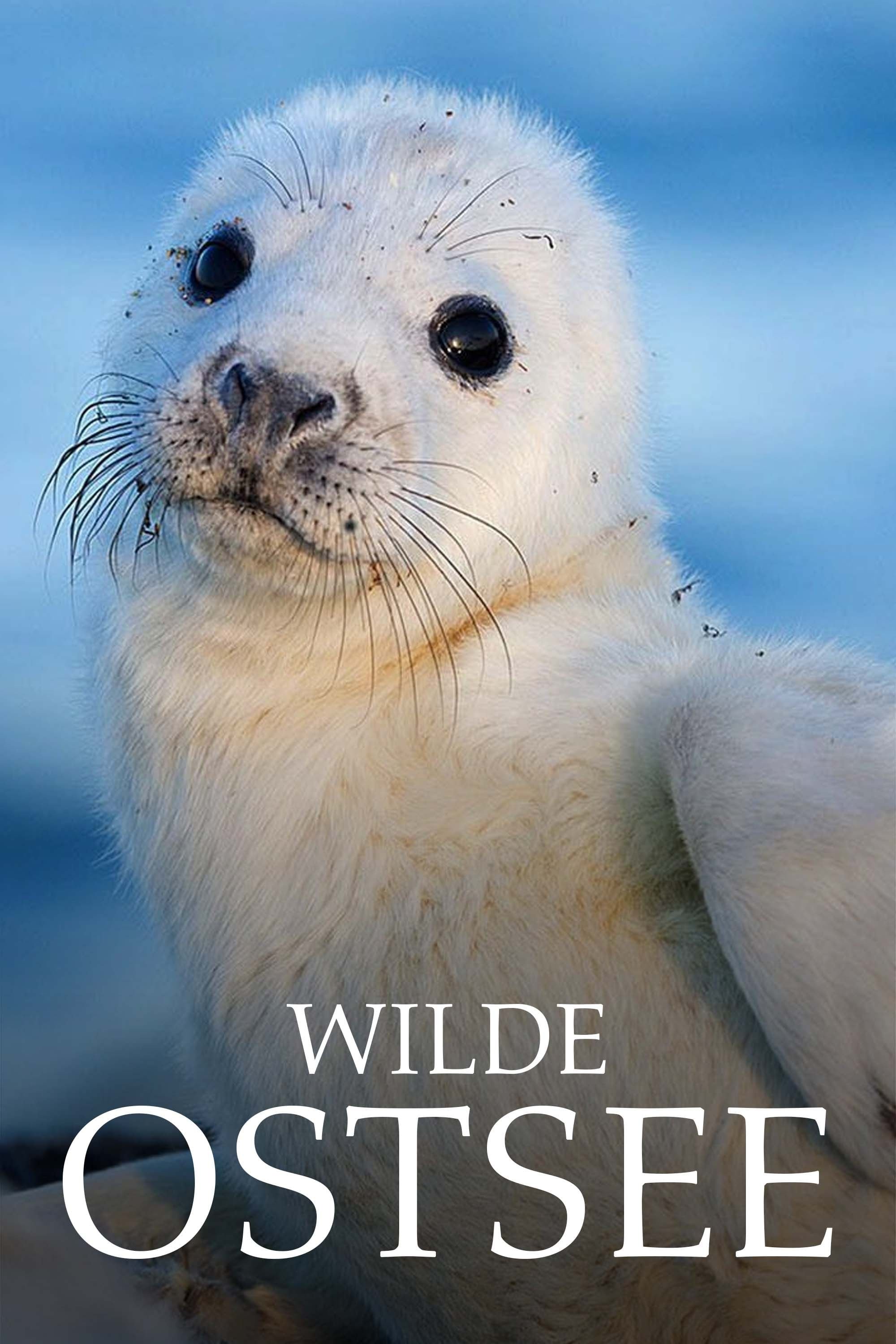
The nature of the Baltic Sea offers many surprises as demonstrated in the three-part series Wild Baltic Sea. From the Northern most tip of Denmark to the Curonian Spit, from the Estonian island world to the Bay of Bothnia. For the first time bottlenose dolphins and a Sowerby's beaked whale could be filmed in the Baltic Sea.
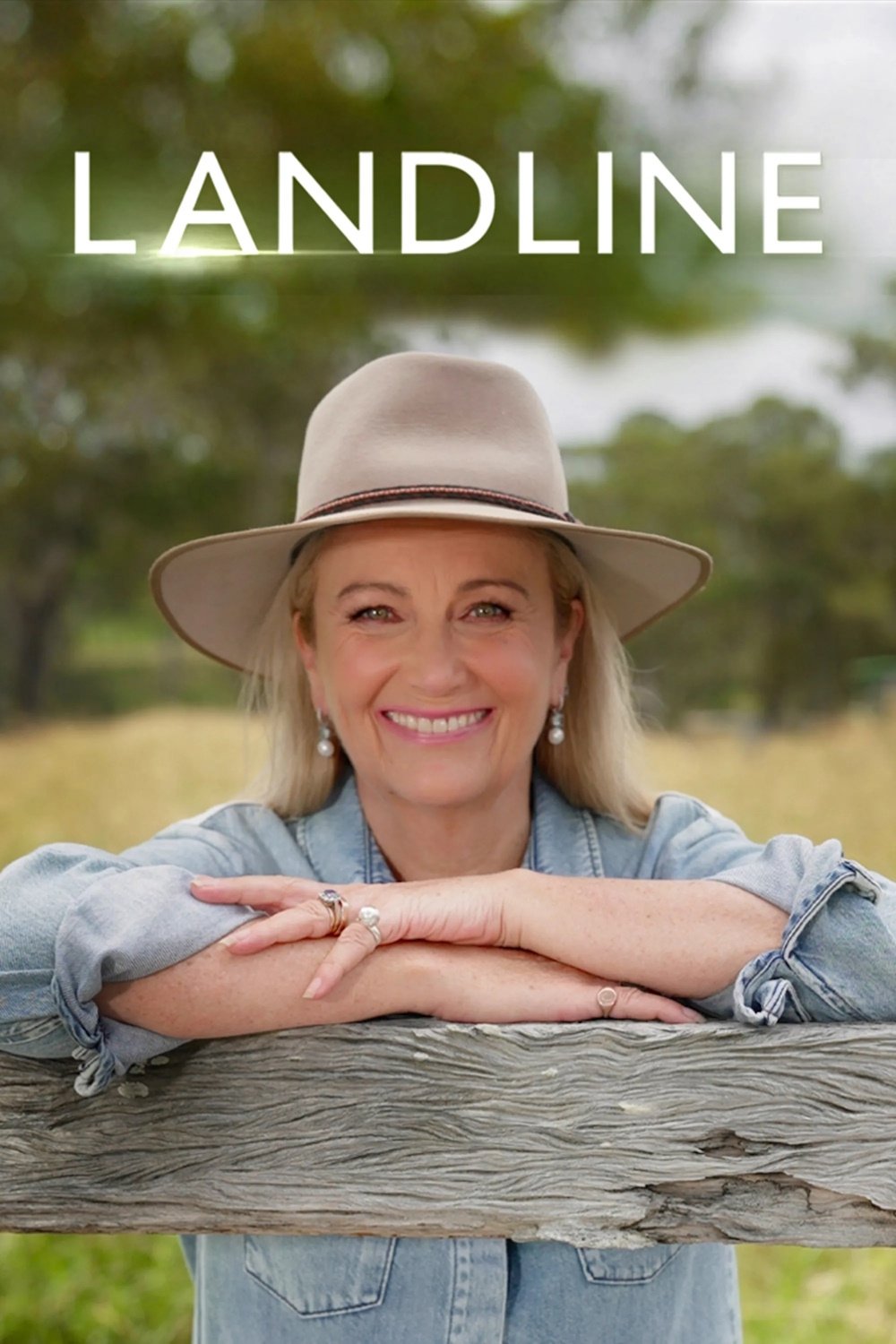
Landline is an Australian national rural issues television program broadcast on ABC1. Presented by Pip Courtney, the program discusses rural issues regarding farming, mining and fisheries from around Australia. Each week the show wraps up with an update on commodity prices for livestock and mining, and detailed national weather rainfall reports. The program premiered on Sunday 2 February 1992 at 12:00 pm and has remained in that timeslot throughout its entire run. The program is also repeated the following Monday at 11:00 am. Landline was the first program that broadcast on ABC2 when the channel was launched at 6.35 am on 7 March 2005. On the newly launched channel, the program is broadcast on Mondays at 6:25 am, 4:00 pm, 7:00 pm and 9:15 pm. Previous presenters include Deborah Knight, Ticky Fullerton, Anne Kruger and Sally Sara.
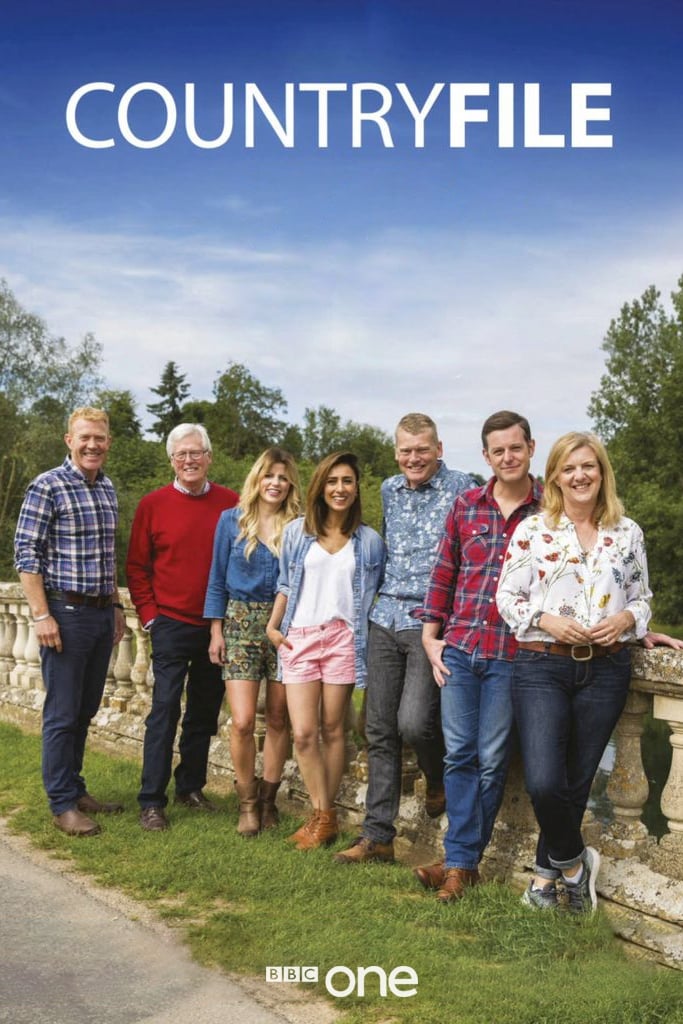
The people, places and stories making news in the British countryside.
Tells the inside story of the challenges the Lebanese Australian community has faced in Australia and how they have fought to overcome them. This landmark documentary series hears from community leaders, police, families and individuals, as they combine to tell the compelling and dramatic story of a proud and resilient community, under intense pressure and scrutiny. The story begins in the 1970s when large numbers of Lebanese migrants flooded into Australia. Many were Muslim, most were traumatised by civil war, all were desperate to build a better future. Over the coming decades, these new Australians struggled to establish a new life in their adopted country.
Africa is a land sculpted by time where animals have evolved complex weapons to arm them in the battle to live another day. An elephant's tusks can defend, or attack. An octopus uses camouflage to find food, or hide from an enemy. A Cape Fur Seal's speed and agility are valuable tools to catch a penguin, but ineffectual against a Great White Shark. A single hippopotamus holds a pride of twelve lions at bay with his sheer bulk, but backs down when faced with the piercing teeth of another hippo. With lethal weapons wielded by fearsome predators and prey, animals walk a precarious path, here among Africa's Deadliest.
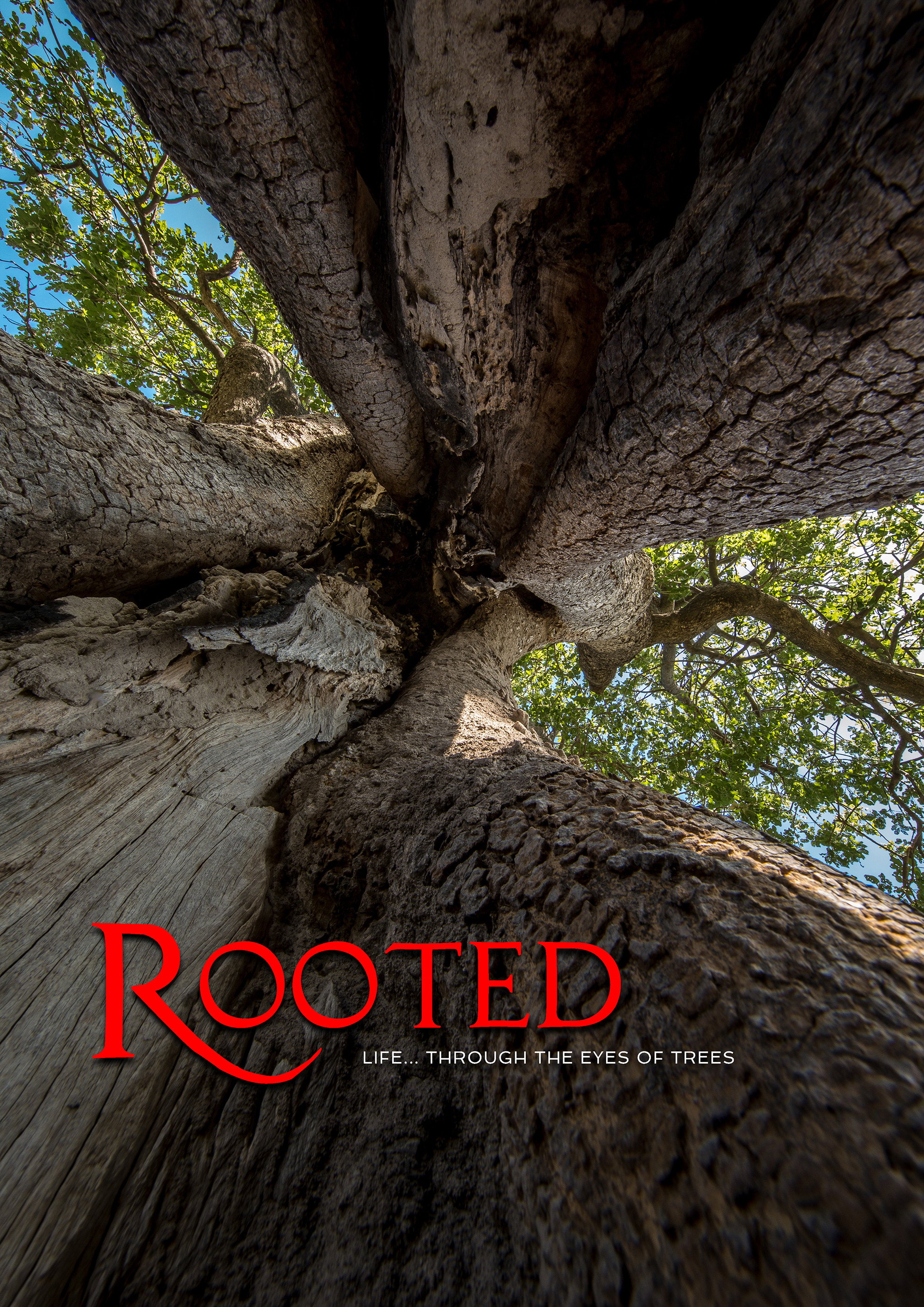
Stories from the perspective of some of the world's oldest living creatures - trees. Each tree is located in a completely unique habitat around the world, and hosts, feeds and shelters an array of animals in its embrace.
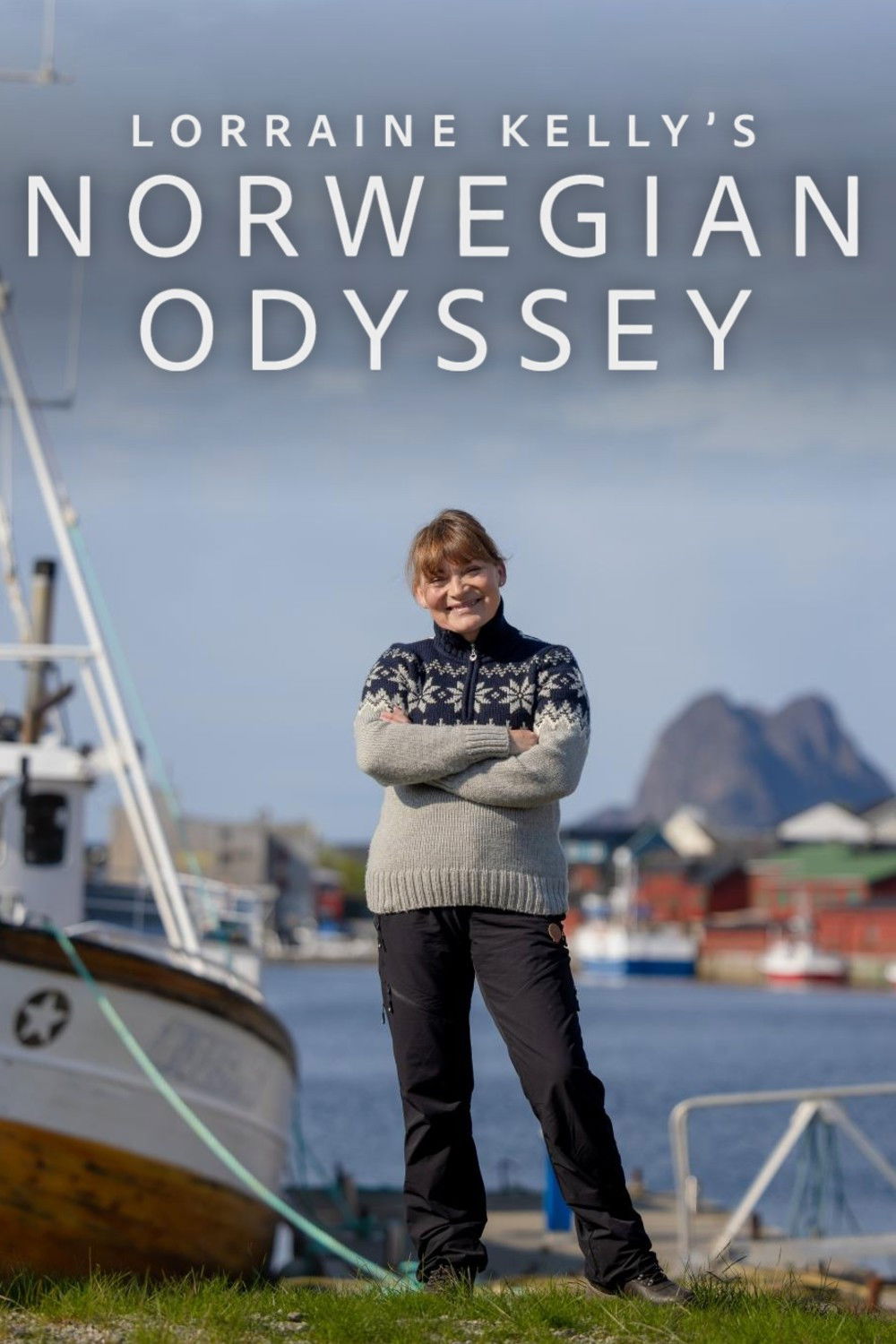
A spectacular journey which uncovers how the Viking era has left its imprint on the way of life and landscape of Norway, and the parallels observed in Lorraine’s home nation of Scotland to this day when it was once sieged under Norse rule. Lorraine will meet people along her travels that are keeping the rich history of Norway alive through folk traditions and Nordic tales, and immerse herself in the crafts and culinary delicacies of the region. The TV icon will sail north along the coast to see what natural beauty it offers, spotting whales and eagles, in hopes to end her journey with a Northern Lights (aurora borealis) spectacle.
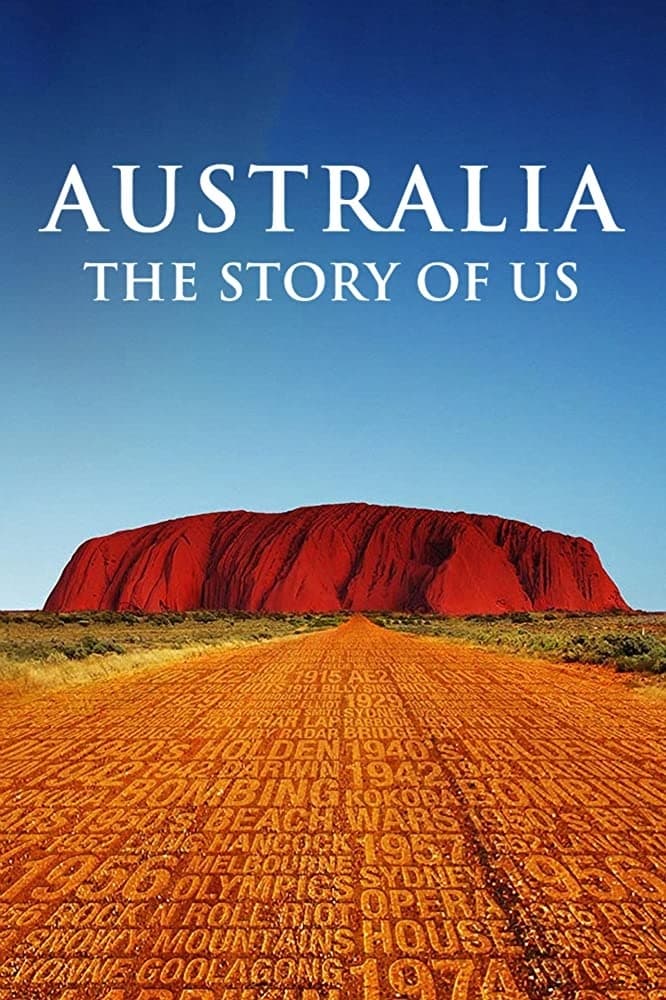
Australia: The Story of Us is an extraordinary journey through the people, places and events that have shaped Australia, from the first footprints on our continent to the present day. Astounding visual sequences, amazing CGI and dramatic re-enactments bring these stories to life and show how we came to be the country we are today.
Living Britain is a six-part nature documentary series, made by the BBC Natural History Unit, transmitted from October to December 1999. It was produced by Peter Crawford. It examines British wildlife over the course of one year. Each of the programs takes place in a different time of year.
This series presents a number of unique vehicles that helped to shape Australia's automotive history. We briefly look at some of the most iconic cars to hit the Australian highways ( goat tracks ) and why we loved or hated them and how they faired on our roads and race tracks. Some of these cars are unique to Australia, while other cars will be instantly recognised in other parts of the world. Some international models were renamed and rebadged for the Australian market, but you may still recognise them just the same. We've asked automotive journalists Mark Oastler, John Wright & Joe Kenwright to present their exclusive articles for the Shannons Club in a television format.
Bill Pullman introduces and narrates this four-part documentary on the world's first national park, Yellowstone.
The stories of iconic Australian animals and the biological and evolutionary factors that link them.
Coast Australia follows renowned Scottish archaeologist and historian Neil Oliver on his very first trip to Australia, as he and a diverse group of co-hosts gather stories about our spectacular coastline: the history, the people, the archaeology, the geography and the marine life, investigating interesting and little known facts along the way. Oliver’s co-hosts, all experts in their field, are journalist and Australian arts and culture specialist Miriam Corowa, environmentalist Professor Tim Flannery, marine scientist Dr Emma Johnston, anthropologist Dr Xanthe Mallett and television presenter and landscape architect Brendan Moar.
One of Australia's favourite comedians Judith Lucy, is out to discover where women are at in modern Australia and what it means to men - talking to people from all walks of life from all over the country.
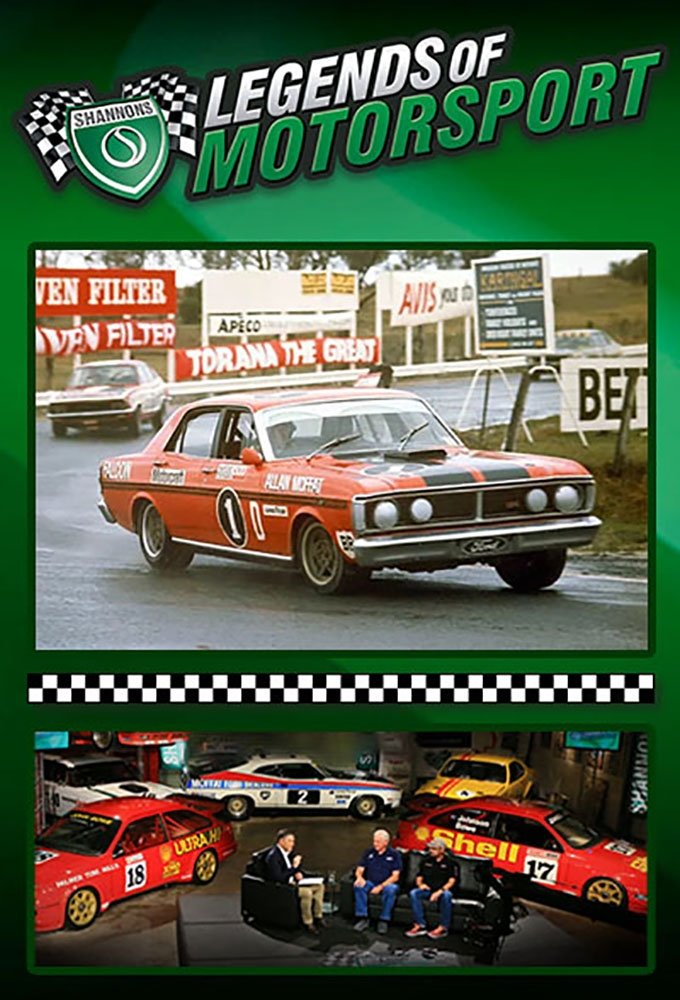
Relive the biggest events of Australian Motorsport history in 'Shannons Legends of Motorsport', hosted by Neil Crompton. In an entertaining 12 part series, Neil Crompton, Australia's premier motoring commentator, brings to life the history of Australian Motorsport with rarely seen historical footage from Seven's extensive archives dating from the '60's to the '90'. In the he second 12 part series, hosted by Bill Woods and Aaron Noonan, they interview many of our Australian motorsport legends and reveal even more historical footage taken from the Network Seven archives. The third 15 part series includes a number of short clips outlining some of the most iconic people, cars and race events in our Australian automotive history.
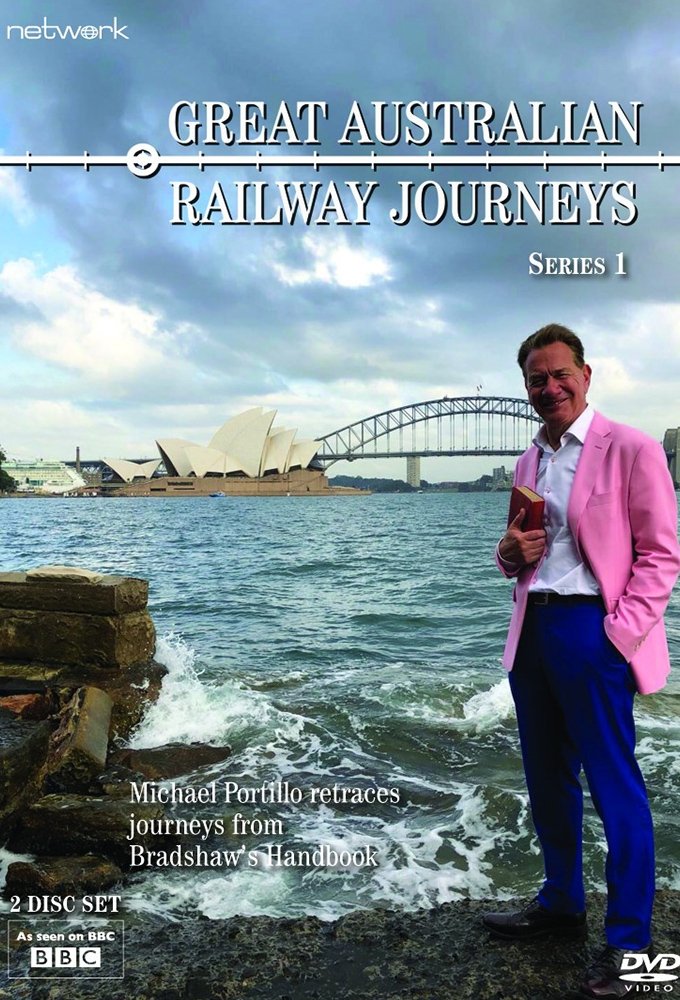
Armed with his 1913 Bradshaw's Handbook to the Chief Cities of the World, Michael embarks on six new railway journeys across spectacular Australia.
Follow the work of Gold Coast police officers from the newly created Rapid Action & Patrols Group (RAP). The elite taskforce is responsible for policing everything from bikie gangs and street violence to drug heists and organised crime.
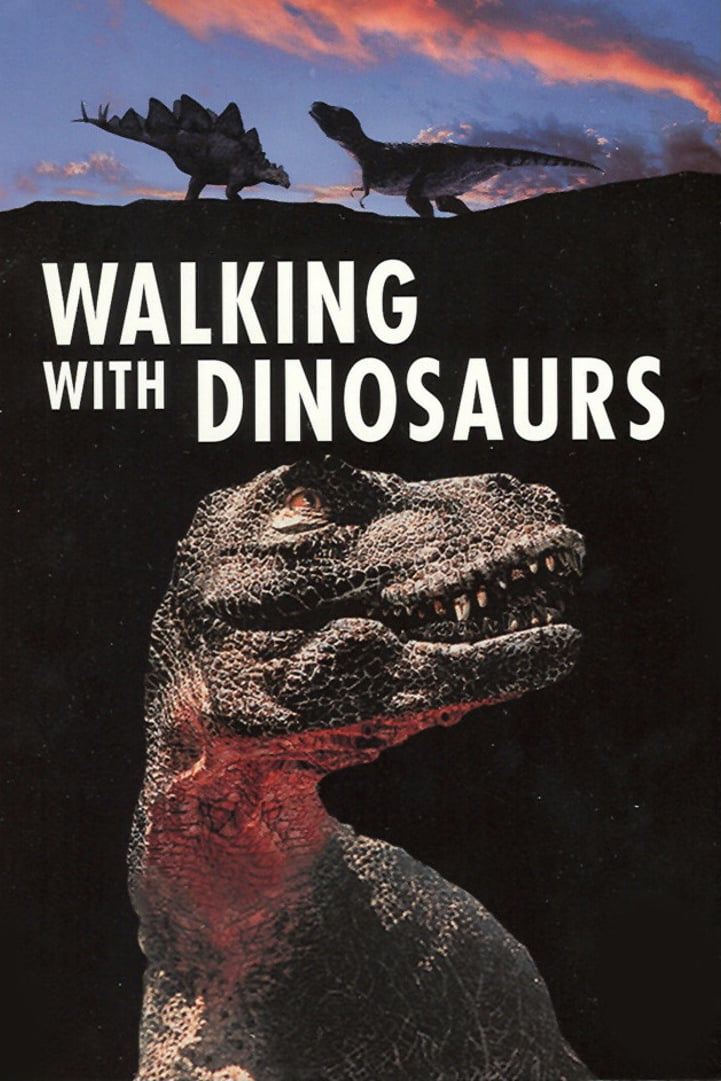
Combining fact and informed speculation with cutting-edge computer graphics and animatronics effects, the series set out to create the most accurate portrayal of prehistoric animals ever seen on the screen.
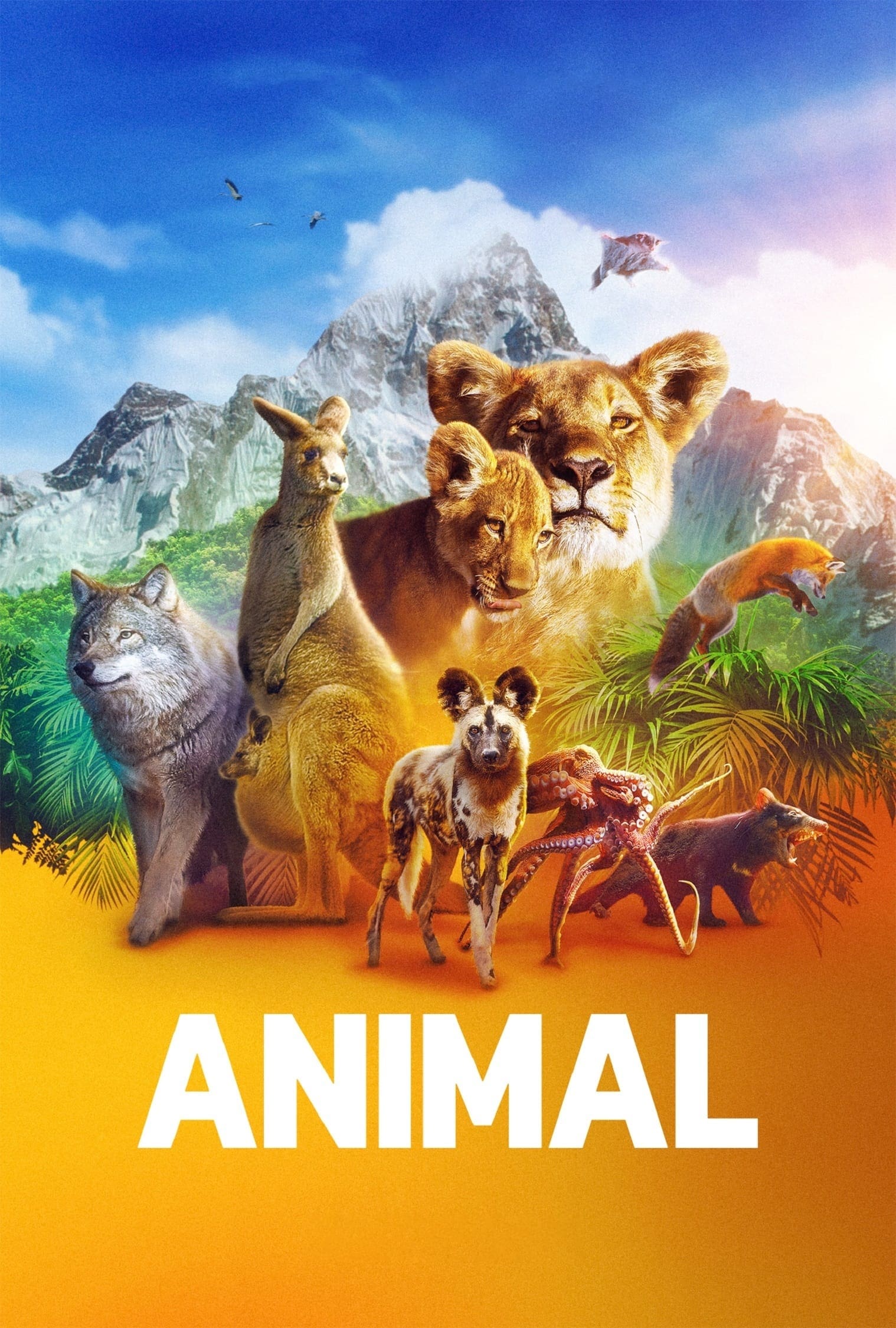
This immersive series follows the world's most magnificent creatures, capturing never-before-seen moments from the heartwarming to the outrageous.
Natural World is a nature documentary television series broadcast annually on BBC Two and regarded by the BBC as its flagship natural history brand. It is currently the longest-running series in its genre on British television, with more than 400 episodes broadcast since its inception in 1983. Natural World is produced by the BBC Natural History Unit in Bristol, but individual programmes can be in-house productions, collaborative productions with other broadcasters or films made and distributed by independent production companies and purchased by the BBC. Natural World programmes are often broadcast as PBS Nature episodes in the USA. Since 2008, most Natural World programmes have been shot and broadcast in high definition.
David Attenborough presents a documentary series exploring how animals meet the challenges of surviving in the most iconic habitats on earth.
David Attenborough celebrates the amazing variety of the natural world in this epic documentary series, filmed over four years across 64 different countries.
Australian host Steve Irwin and his wife Terri run a wildlife refuge. Their shared passion is educating the world about wildlife, including the much feared crocodile and numerous venomous snakes. Steve's specialty is the capture and relocation of crocodiles. No animal appears too threatening to Steve, his true respect for animals is the foundation for everything he does.
Filmed across six continents, this docuseries uses cutting-edge camera technology to capture animals' nocturnal lives, revealing new behaviours filmed in full color like never before.
Consistently stunning documentaries transport viewers to far-flung locations ranging from the torrid African plains to the chilly splendours of icy Antarctica. The show's primary focus is on animals and ecosystems around the world. A comic book based on the show, meant to be used an as educational tool for kids, was briefly distributed to museums and schools at no cost in the mid-2000s.
A rare look at warring animal clans battling for survival in a remote region of Africa, which is drying up after years of flood-soaked abundance.
Shot from land and air, in trees and cliff-blinds, on ice floes and underwater, this documentary tells the powerful stories of many of the planet's species and their movements, while revealing new scientific insights with breathtaking high-definition clarity and emotional impact. The beauty of these stories is underscored by a new focus into these species; fragile existence and their life-and-death quest for survival in an ever-changing world.
Experience our planet's natural beauty and examine how climate change impacts all living creatures in this ambitious documentary of spectacular scope.
PBS' premier science series helps viewers of all ages explore the science behind the headlines. Along the way, NOVA demystifies science and technology, and highlights the people involved in scientific pursuits.
Will Smith whose curiosity and wonder is positively infectious—is guided by National Geographic Explorers traveling to different corners of the world to get up close and personal with the weirdest, most unusual, dangerous and thrilling spectacles of the planet.
Millions of years ago, incredible forces ripped apart the Earth’s crust creating seven extraordinary continents. This documentary series reveals how each distinct continent has shaped the unique animal life found there.
The remarkable and often perilous story of the journey through life. It is a story that unites each of us with every animal on the planet, because we all set out on this journey from the moment we are born. For animals there is just one goal in life – to continue their bloodline in the form of offspring. This series follows that journey through its six crucial stages: first steps, growing up, finding a home, gaining power, winning a mate and succeeding as a parent.
This nature documentary introduces viewers to the fauna and flora of Britain and Ireland across four main areas: woodlands, grasslands, freshwater and marine.
Documentary series looking at the most dramatic wildlife spectacles on our planet, showing how life responds to natural events which can dramatically transform entire landscapes.
Journeying to the far reaches of our planet, this eight part series follows some of the world's most amazing species, telling extraordinary stories that are dramatic, thrilling, funny and sometimes heart-breaking, but always full of hope.
Infographics and archival footage deliver bite-size history lessons on scientific breakthroughs, social movements and world-changing discoveries.
Follow the true stories of five of the world's most celebrated, yet endangered animals; penguins, chimpanzees, lions, painted wolves and tigers. Each in a heroic struggle against rivals and against the forces of nature, these families fight for their own survival and for the future of their dynasties.
Bear strands himself in popular wilderness destinations where tourists often find themselves lost or in danger.