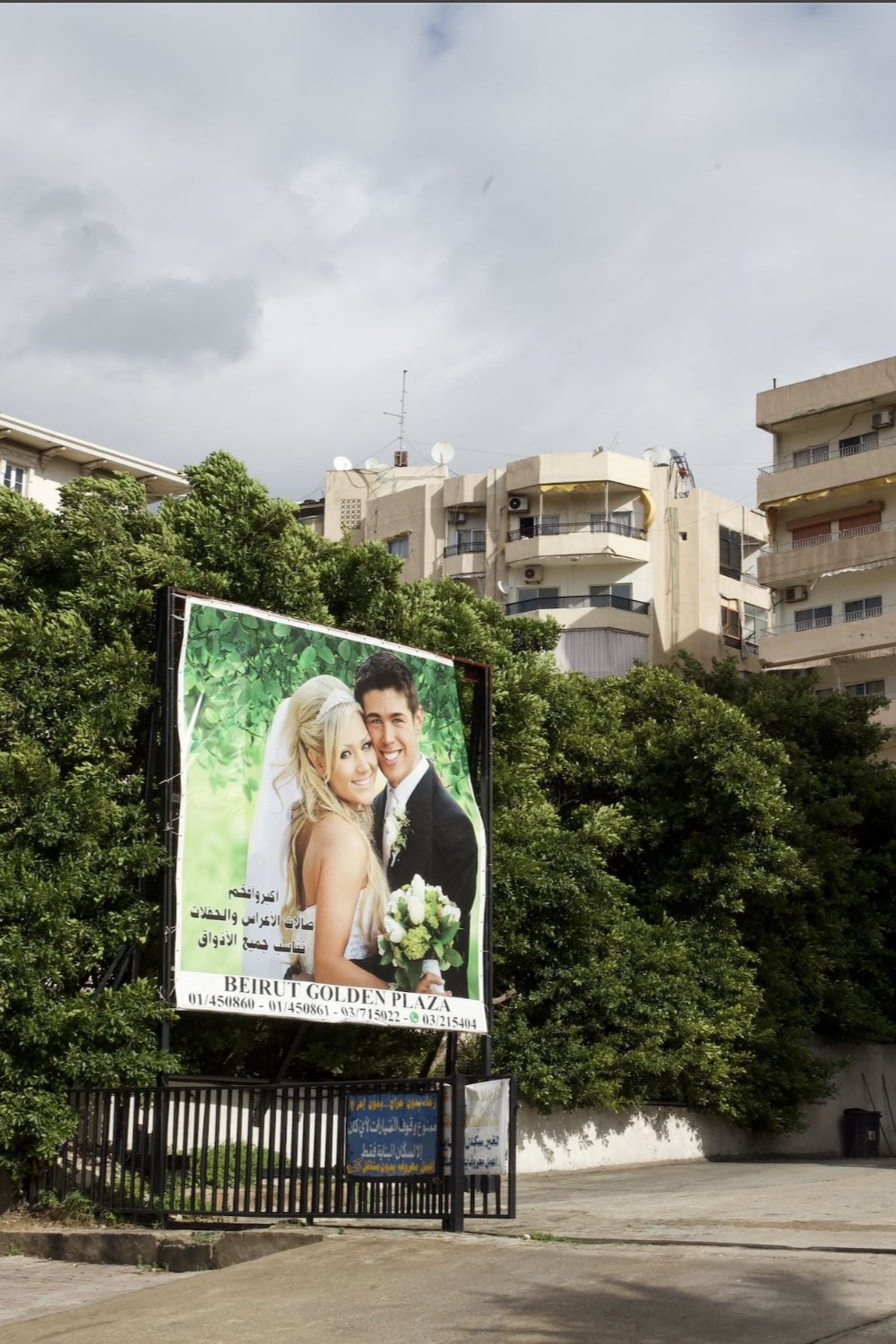
Is it possible to talk about death in war time? This question is exposed through four people who lost friends and relatives in four different Lebanese regions.
Social & External
The people behind it
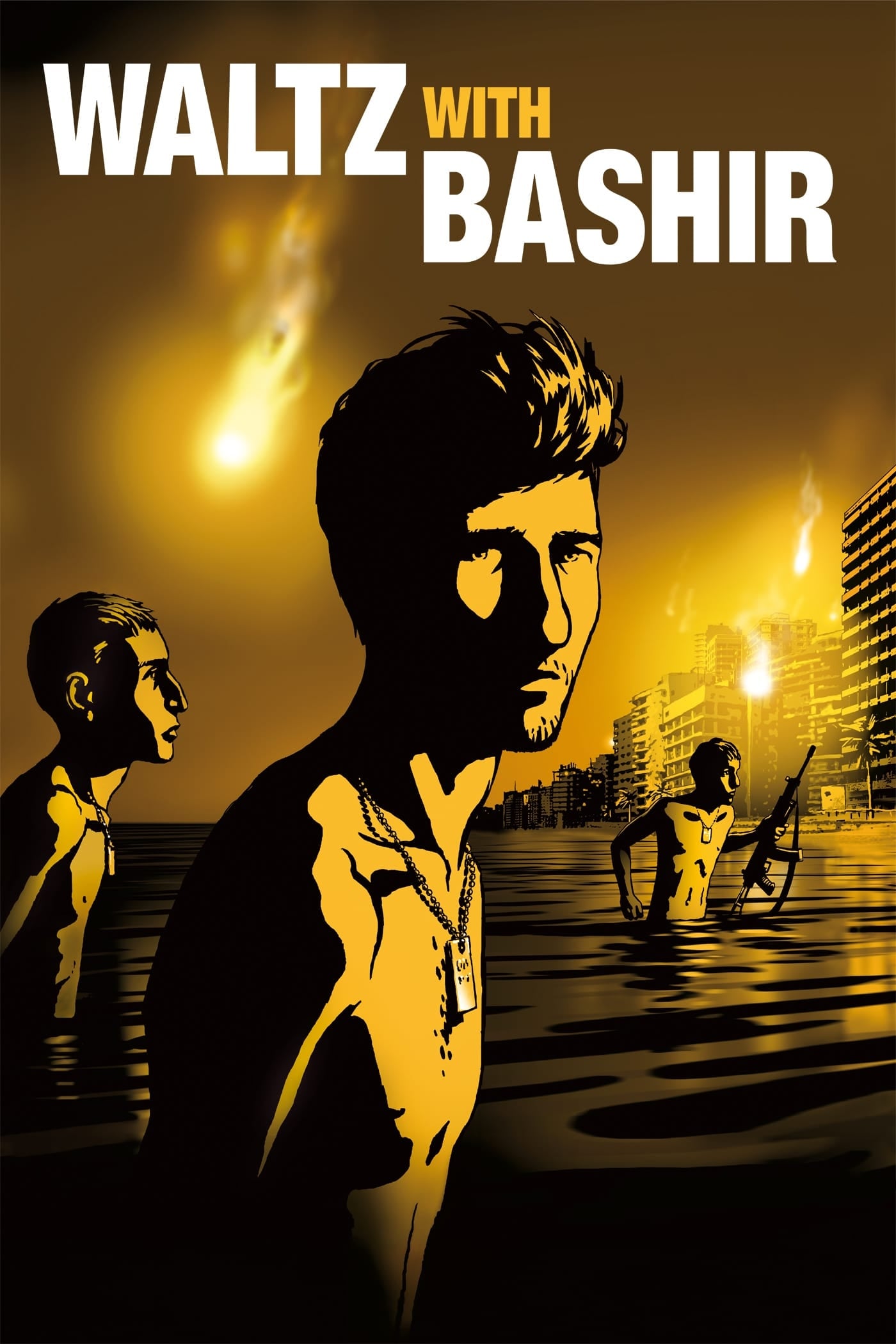
A film director from Israel interviews fellow veterans of the 1982 invasion of Lebanon to reconstruct his own memories of his term of service in that conflict.
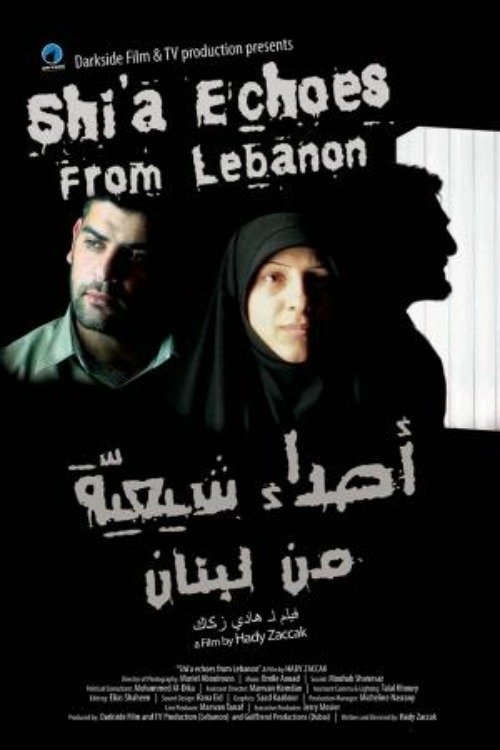
This political documentary by Hady Zaccak delves into the world of Lebanese Shiites through interviews with three Shiite youths, each with a different political and ideological affiliation, in addition to a very valuable interview with late Shiite cleric Sayyed Hani Fahs. The documentary explores the Shiites’ relation to Beirut’s Dahiyeh suburb, a Shiite stronghold, as well as the difference between the political and social perspectives of these youths.
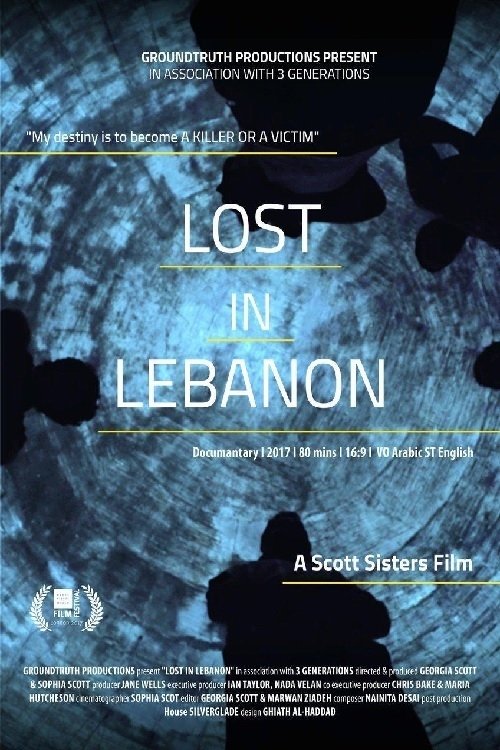
As the Syrian war continues to leave entire generations without education, health care, or a state, Lost in Lebanon closely follows four Syrians during their relocation process. The resilience of this Syrian community, which currently makes up one fifth of the population in Lebanon, is astoundingly clear as its members work hard to collaborate, share resources, and advocate for themselves in a new land. With the Syrian conflict continuing to push across borders, lives are becoming increasingly desperate due to the devastating consequences of new visa laws that the Lebanese government has implemented, leaving families at risk of arrest, detention, and deportation. Despite these obstacles, the film encourages us to look beyond the staggering statistics of displaced refugees and focus on the individuals themselves.
A Beqaa Valley refugee camp is seen through the eyes of Asma, an 11-year-old Syrian girl.
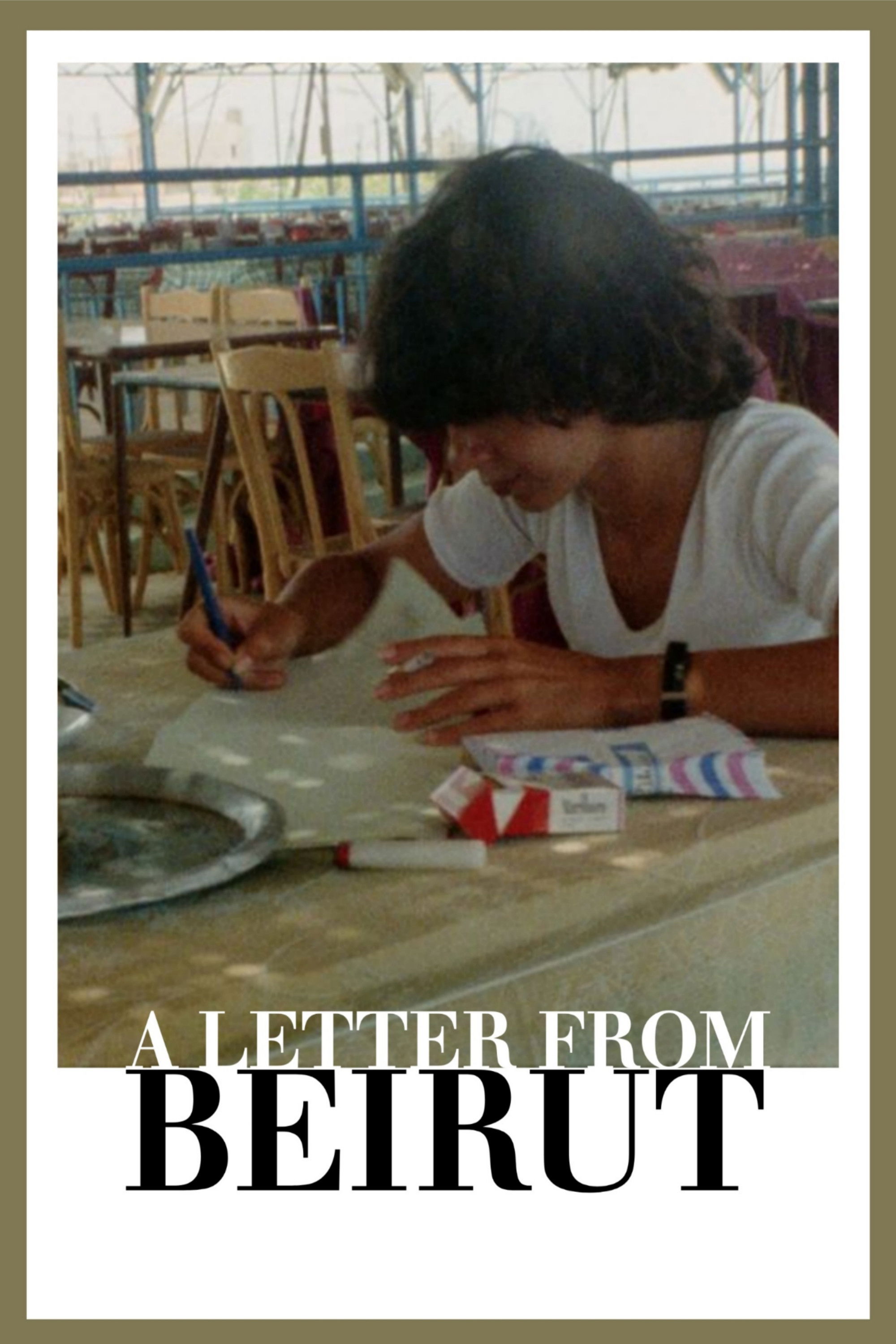
Letter from Beirut documents the filmmaker's return to Beirut during one of the lulls, three years after the outbreak of the civil war, animated by the urge to return. She is confronted by the physical, emotional and psychological ravages of the war, terrified and sorrowful, she cannot find her place in the city. In that quest, she communicates with everyday people, friends, neighbors, people riding the bus across the city's eastern and western flanks. To pace her journeying and dramatic unraveling of the film, Saab borrows the guise of a letter read in a voice-over, written by world-renowned poet Etel Adnan. A rare document from the civil war, Letter from Beirut lays bare and spontaneously how people make sense of their everyday in the midst of chaos, violence, terror and sorrow.
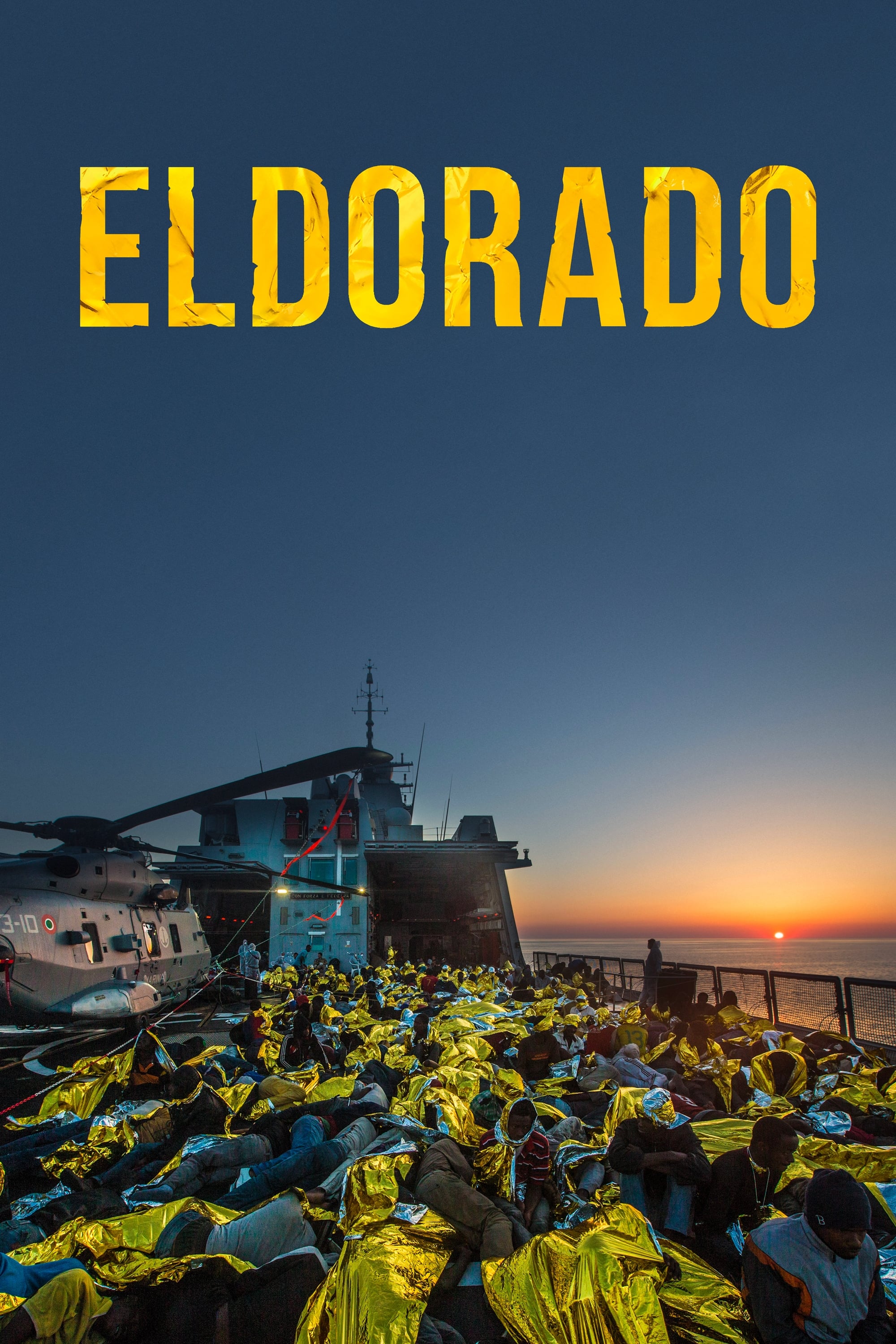
Drawing inspiration from his personal encounter with the Italian refugee child Giovanna during World War II, Markus Imhoof tells how refugees and migrants are treated today: on the Mediterranean Sea, in Lebanon, in Italy, in Germany and in Switzerland.
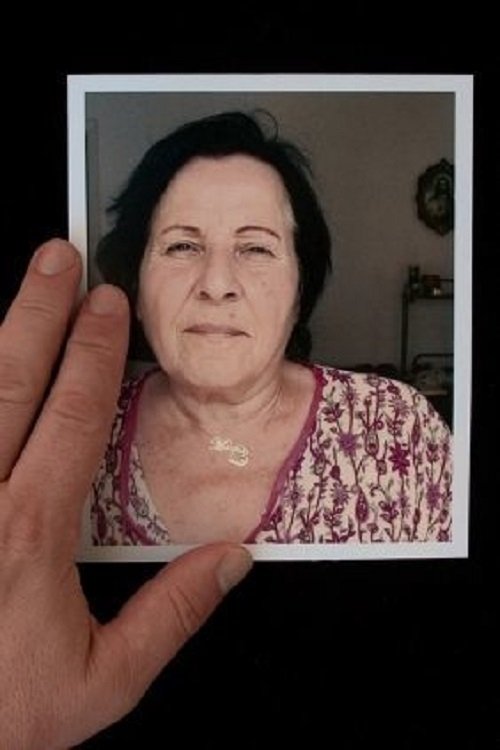
Severely battered from the Beirut Port Explosion on August 4th, Minerva passed away eight days later. Her son Joseph, while still grieving for his loss, sunk into a long and absurd bureaucratic path through the inept system that disowned his mother as a victim of the blast. Minerva is gone. The explosion has snatched her soul, and the city walls have not yet recognized her as a martyr. There is no poster of her smiling face among those of the victims. Their faces are memories that will haunt us for the rest of our lives. Perhaps her son, devastated by her passing, seeks to etch her image into the city's memory. Perhaps he is seeking some confession to the crime. This is a place that casts out its children, whether dead or alive.
While living in a deserted valley in eastern Lebanon, seven-year-old Rahaf describes the wonders of her past, present and future – without knowing the limits of her own imagination.
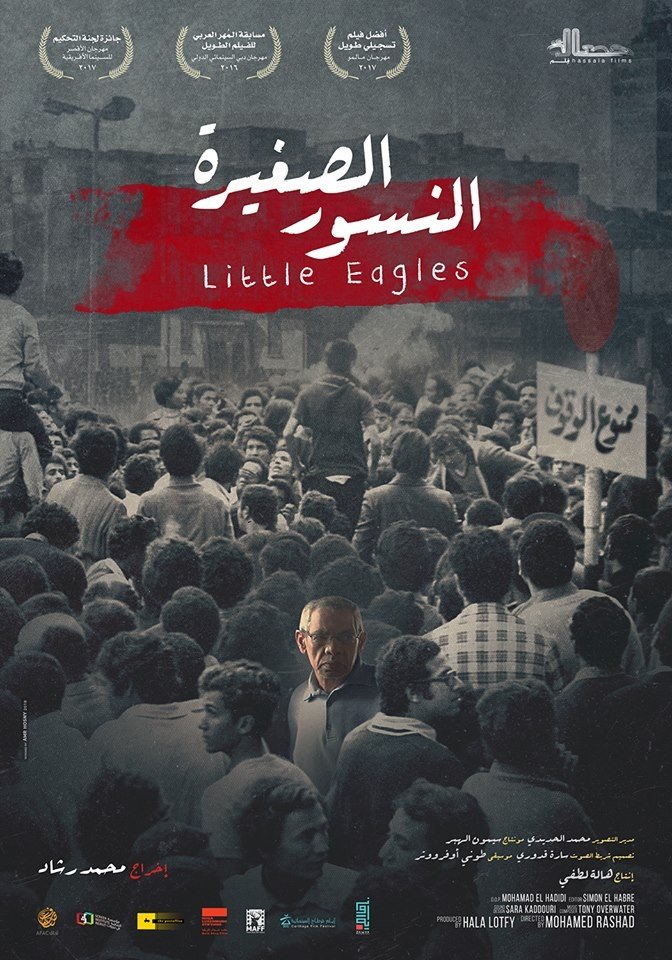
Mohammed, the son of a simple worker, lives in the city of Alexandria with his father and dreams of moving to Cairo to become a filmmaker. In Cairo, Mohammed meets Salma and Bassam and is impressed by their self-confidence. When he discovers that Salma and Bassam’s parents were left-wing activists from the 1970s, he looks for a similar sense of purpose in his own father’s life. As he compares lives, Mohammed the filmmaker discovers answers. More importantly, he is led to new questions that connect the past with the present.
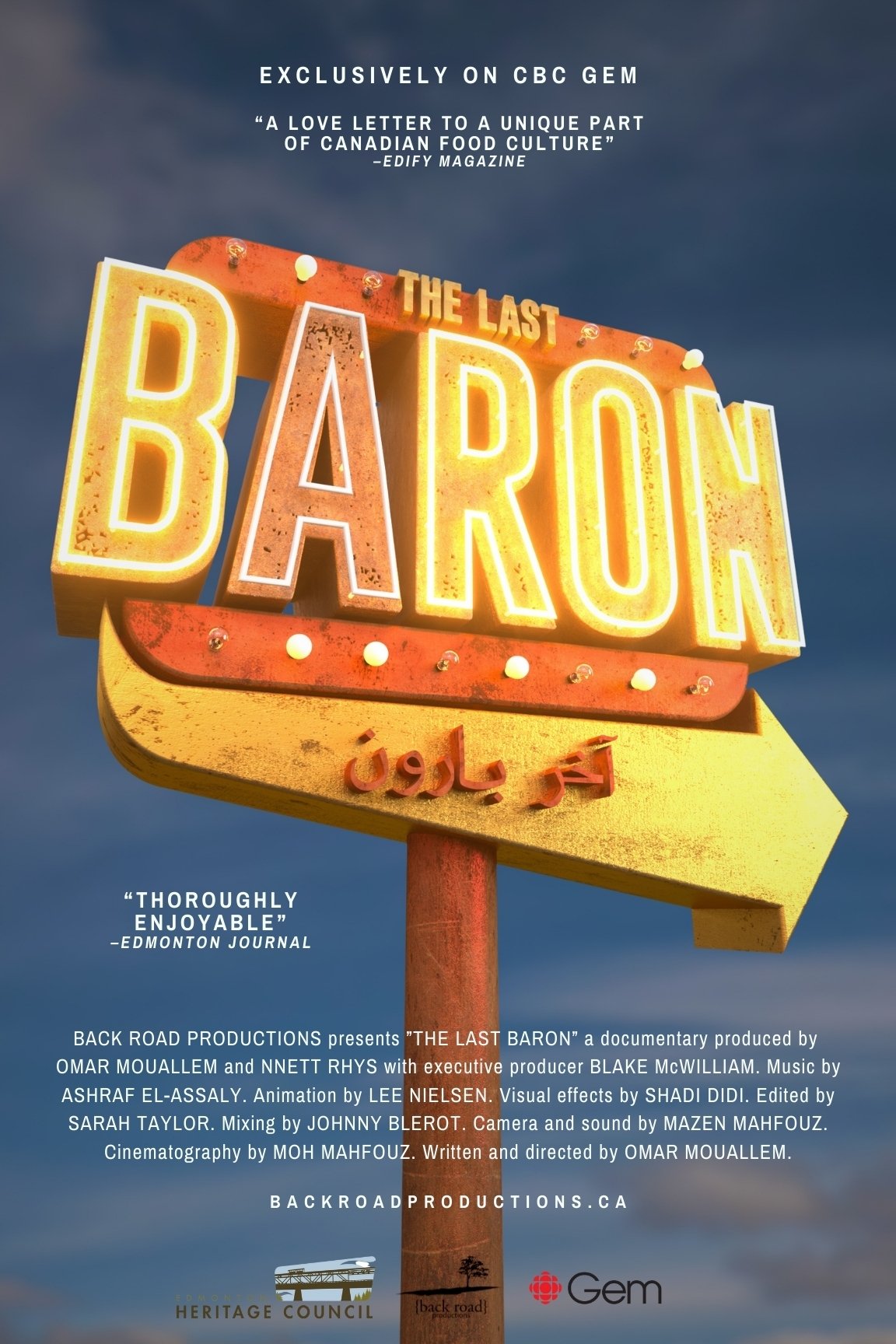
The meaty saga of Burger Baron, a rogue fast-food chain with mysterious origins and a cult following, run by a loose network of fiercely independent Arab Canadian immigrants.
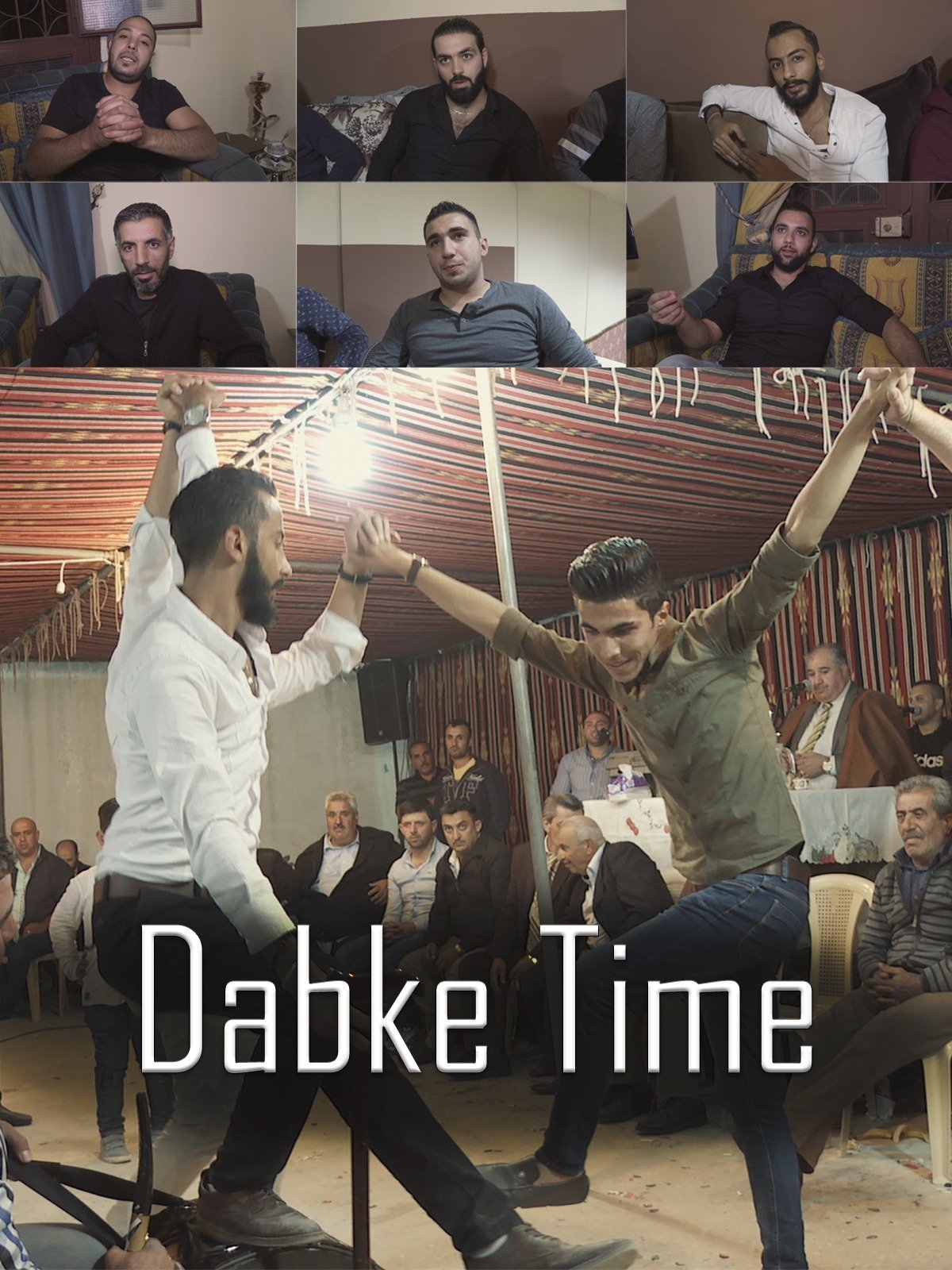
"Dabke Time" explores the background of the Dabke dance and specifically the Lebanese Dabke. Flimmaker Roshdi Alkadri interviews several subjects across two different villages in Lebanon to find out more about this popular dance
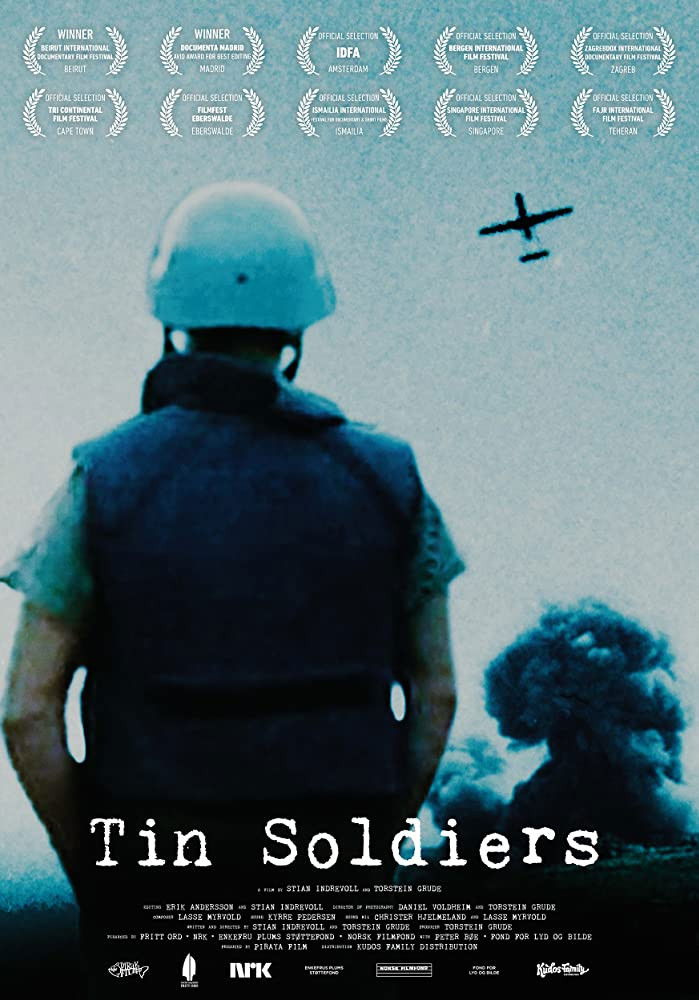
A group of young UN soldiers in Lebanon enters service with pro-Israeli views and a naive outlook on war. They go through a radical change of heart as they witness and film the Qana massacre. They secure video evidence indicating that Israel deliberately bombed a UN camp killing 106 refugees.
Filmed in Tripoli, Lebanon, Concrete Forms of Resistance is a documentary centred upon the city’s abandoned ‘Permanent International Fair’, designed by Brazilian architect Oscar Niemeyer in the mid-1960s. Progress and crisis, labour and capital, material and memory, are reflected through a very intelligent rhyme between image and sound. The touching voice and words of Niemeyer as a call for life, and the beautiful camerawork as a weaving of ghosts in the present landscapes.
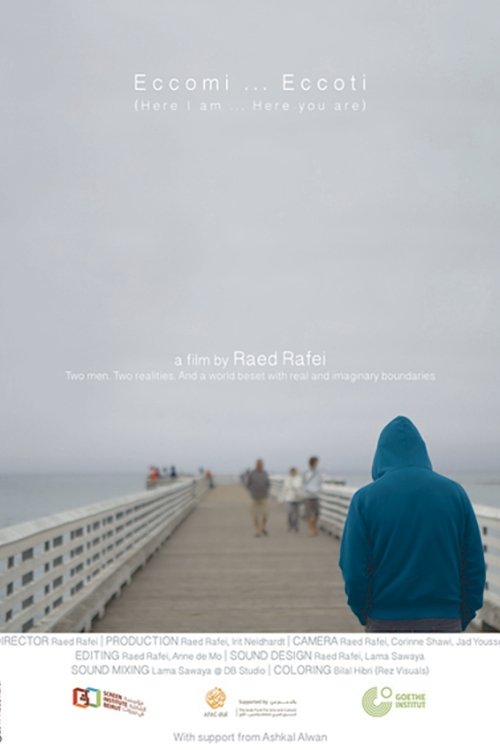
Eccomi ... Eccoti unfolds as a virtual road trip navigating between Italy and Lebanon. Conditioned to live in a long-distance relationship with his partner because of strict European visa regulations, the director patches together the shared moments in an attempt to create a possible day-to-day reality for their couple. With a lyrical, ambient soundscape set atop a dreamy, atmospheric visual style that oscillates between still photography and moving images, the film explores what it means to be gay in contemporary Beirut and existential discomfort that blocks one from reaching a sense of complete-ness. Does such in-completeness have to do, in particular, with being gay? Or is it related to a grander malaise endemic to the human condition?
a state that used religion to control the mass. the mass reduced politics to the personal (social and domestic). religious shrines became political. And political figures became the new god. meanwhile, lebanon is collapsing. in this film, we are roaming within the lebanon with three individuals that are living the consequences of a failed state.
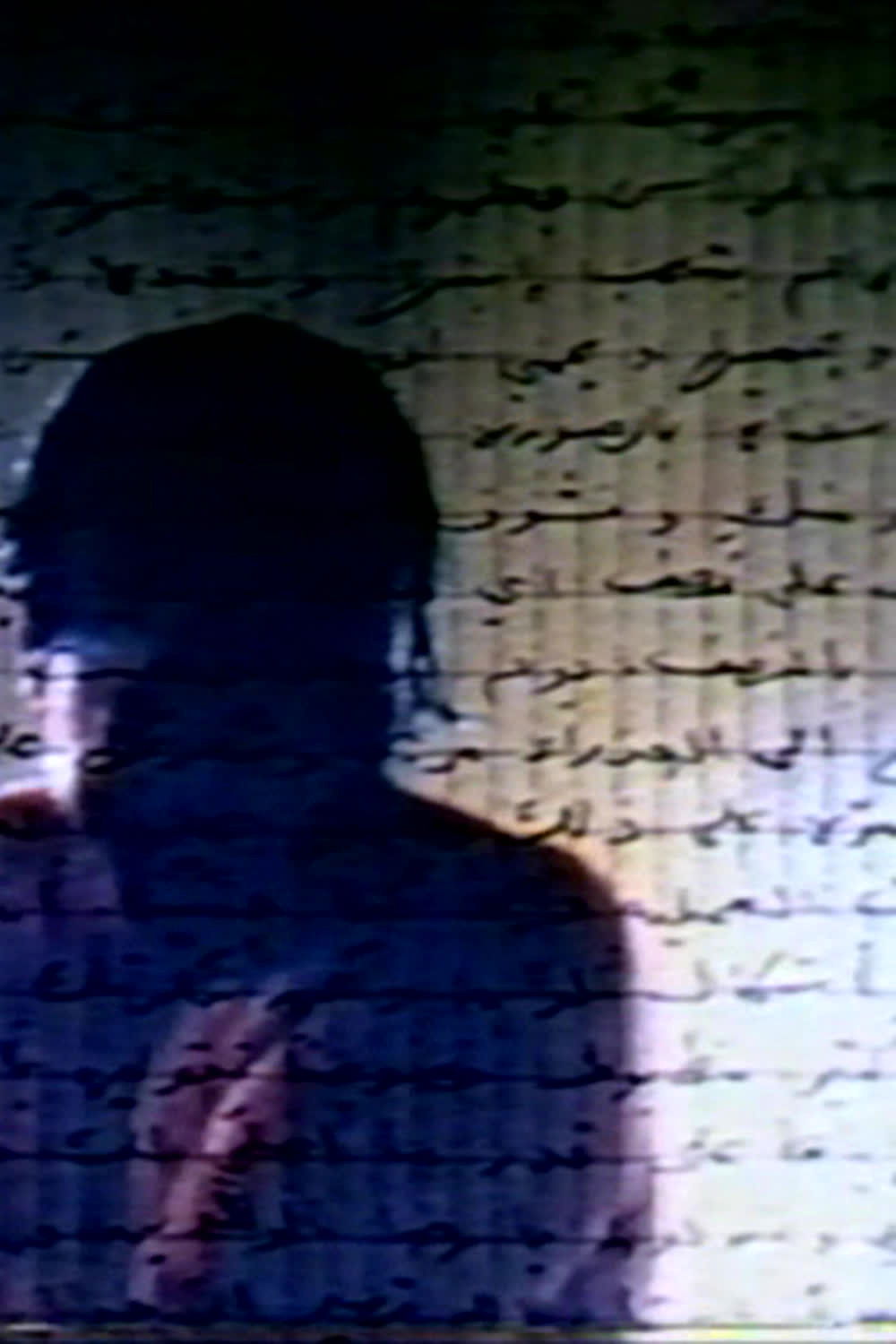
In this video, the artist tries to overcome the effects of distance, and reflects on geography represented in exile due to war, and on the psychological distance represented in each one’s approach to her womanhood. The video beautifully weaves personal images and audio recordings of a very intimate nature, binding the personal with the political. Reading aloud from letters sent by her mother in Beirut, Hatoum creates a visual montage reflecting her feelings of separation and isolation from her Palestinian family. The personal and political are inextricably bound in a narrative that explores personal and family identity against a backdrop of traumatic social rupture, exile and displacement.
Filmed in Beirut in the Spring of 1984, in many ways a letter about warfront.
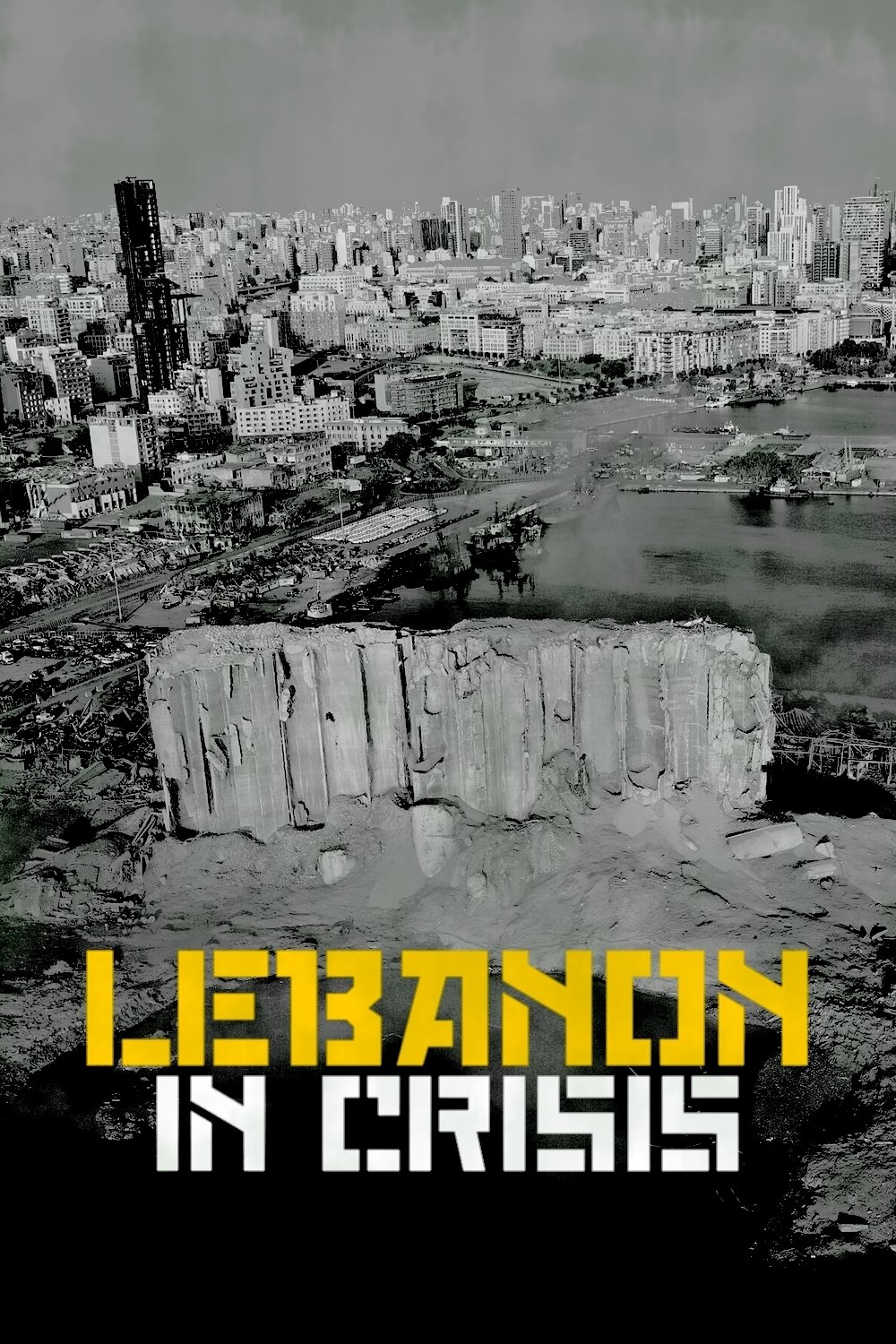
The apocalyptic blast in the Port of Beirut, Lebanon, on August 4, 2020, exacerbates anger at those in power: protests cross religious boundaries as the Lebanese people curse corruption, nepotism, gross economic mismanagement and squandering of resources. How did the Land of Cedars, a country with so much to offer, allow itself to get into such a dire situation? And will it be able to bounce back?
Yallah! Underground follows some of today’s most influential and progressive artists in Arab underground culture from 2009 to 2013 and documents their work, dreams and fears in a time of great change for Arab societies. In a region full of tension, young Arab artists in the Middle East have struggled for years to express themselves freely and to promote more liberal attitudes within their societies. During the Arab Spring, like many others of this new generation, local artists had high hopes for the future and took part in the protests. However, after years of turmoil and instability, young Arabs now have to challenge both old and new problems, being torn between feelings of disillusion and a vague hope for a better future.
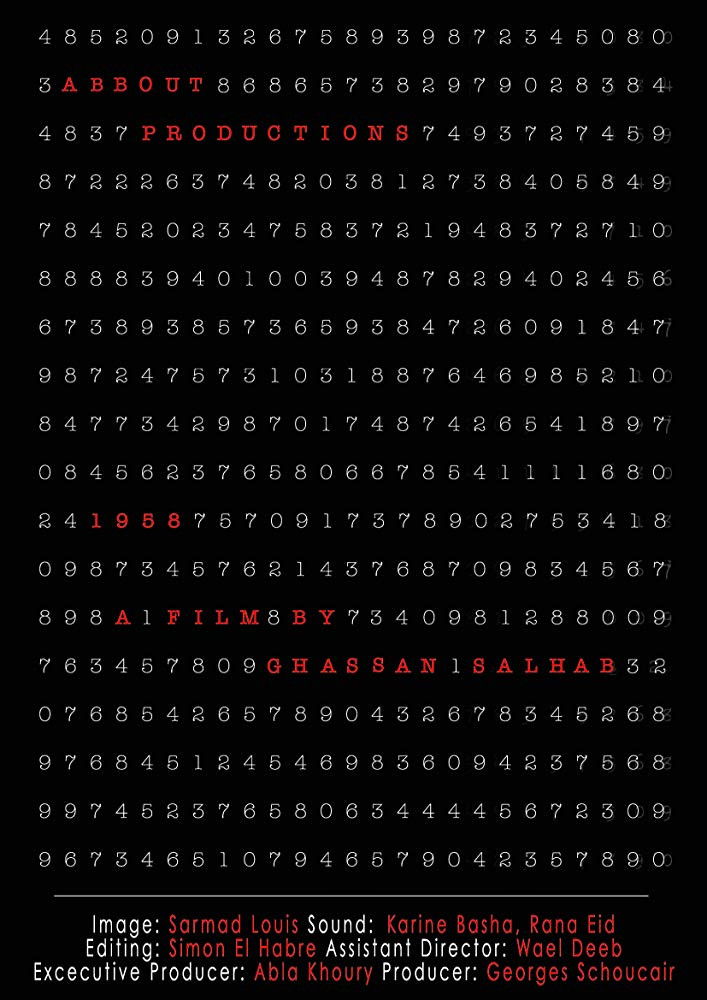
In 1958, in Senegal, land of emigration, Zahia Salhab gave birth to her first child Ghassan. During the same period, Lebanon, their homeland, is driven into a significant local conflict, a preamble to the next civil war.
Through deeply personal interviews with her siblings and an examination of the photographs, letters, and belongings left behind, Mariska assembles a new portrait of her mother Jayne Mansfield, an extraordinary and complex woman.
In an intimate and joyful story of love in the face of loss, celebrated poets Andrea Gibson and Megan Falley find strength—and unexpected hilarity—in what might be their final year together.
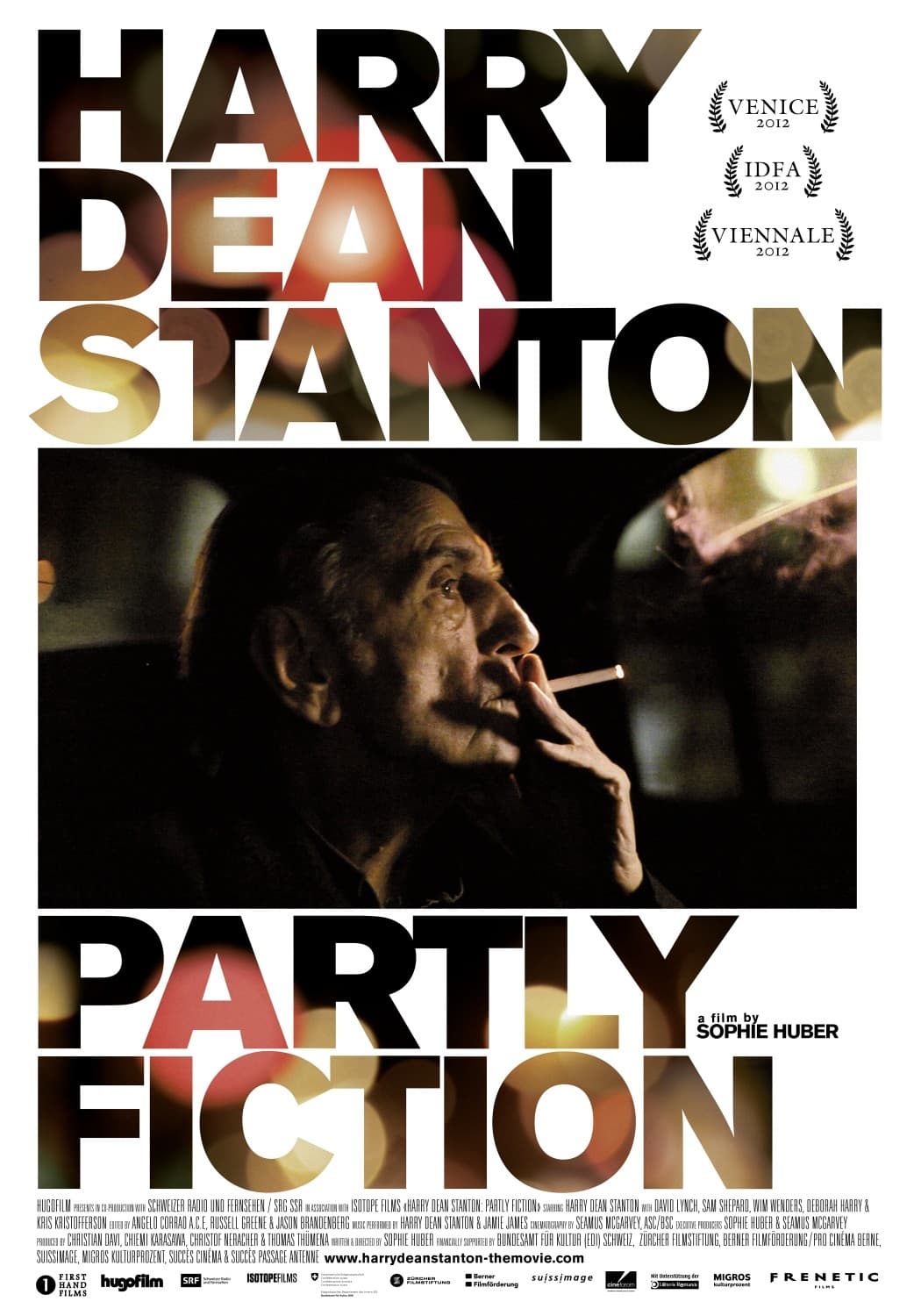
An impressionistic portrait of the iconic actor Harry Dean Stanton comprised of intimate moments, film clips from some of his 250 films and his renditions of American folk songs.
Ranjit, a farmer in India, takes on the fight of his life when he demands justice for his 13-year-old daughter, the victim of a brutal gang rape. His decision to support his daughter is virtually unheard of, and his journey unprecedented.
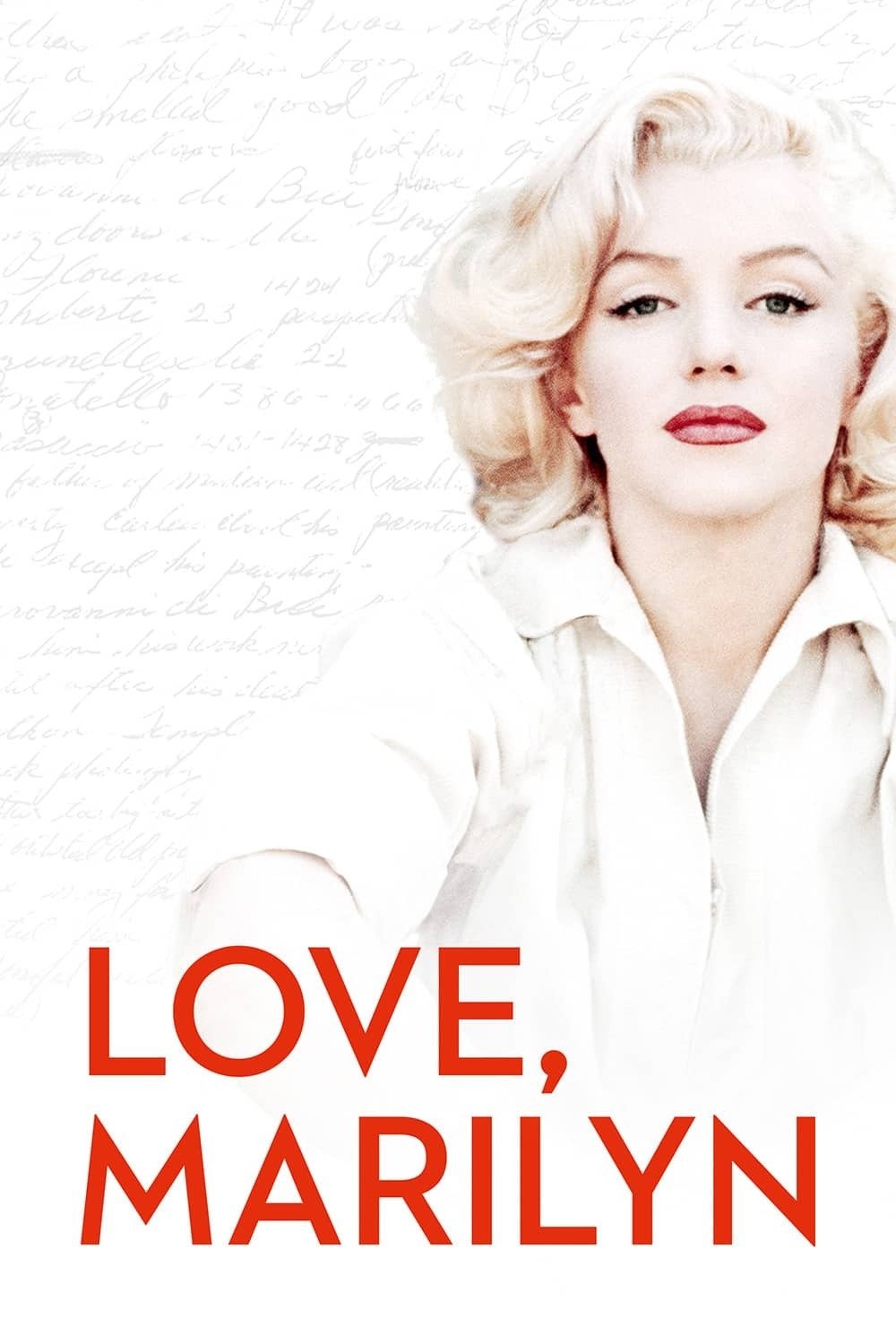
Using the book 'Fragments', which collects Marilyn Monroe's poems, notes and letters, and with participation from the Arthur Miller and Truman Capote estates who have contributed more material, each of the actresses will embody the legend at various stages in her life.
From the heights of her modeling fame to her tragic death, this documentary reveals Anna Nicole Smith through the eyes of the people closest to her.
A documentary about the life and films of director John Ford.
A detailing of the rise to prominence and global sporting superstardom of six supremely talented young Manchester United football players (David Beckham, Nicky Butt, Ryan Giggs, Paul Scholes, Phil and Gary Neville). The film covers the period 1992-1999, culminating in Manchester United's European Cup triumph.
This revealing documentary honors the legendary Sidney Poitier—iconic actor, filmmaker, and civil rights activist. Featuring interviews with Denzel Washington, Spike Lee, Halle Berry, and more.
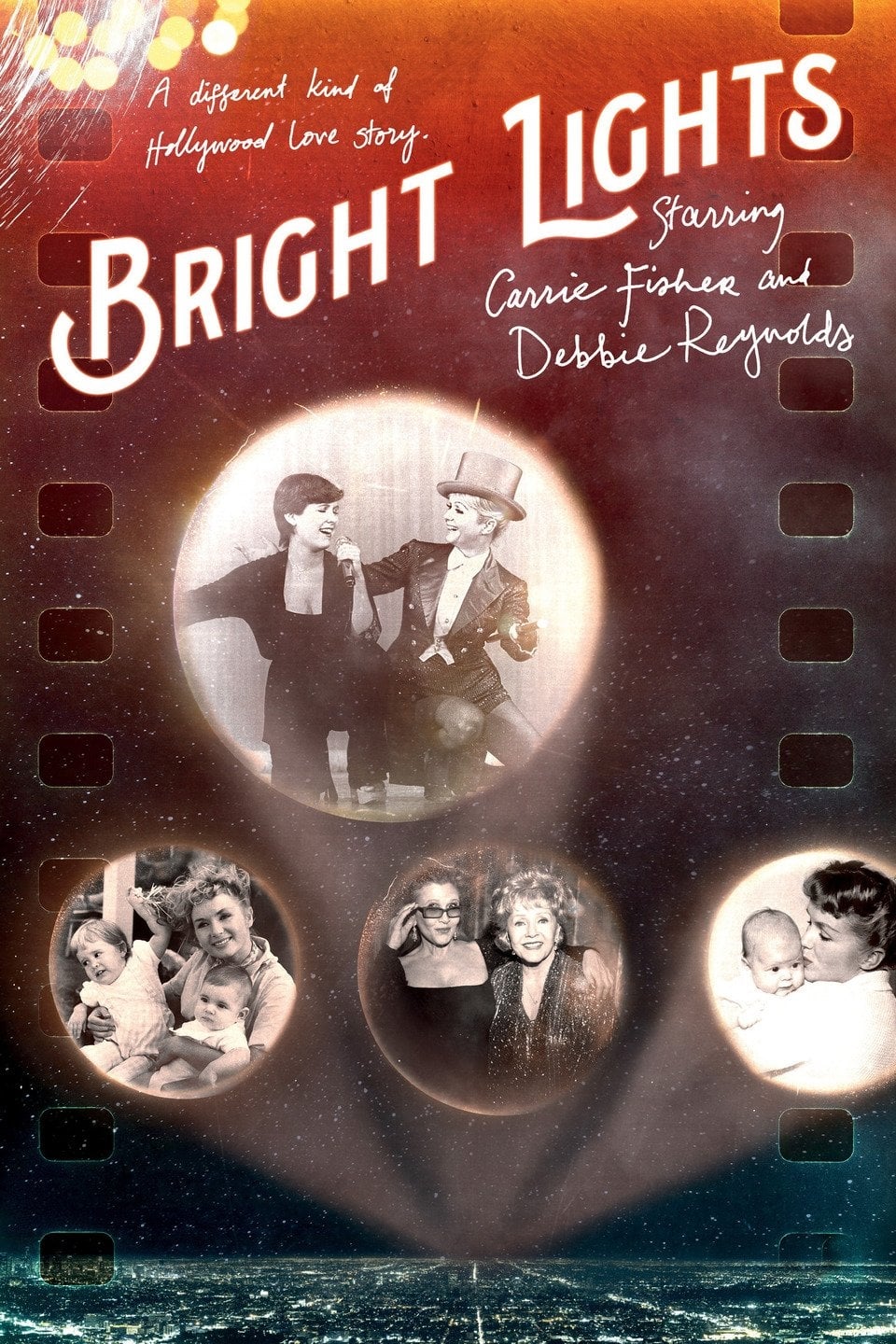
An intimate portrait of Hollywood royalty featuring Debbie Reynolds, Todd Fisher, and Carrie Fisher.
Musician and performance artist Laurie Anderson reflects on the deaths of her husband Lou Reed, her mother and her beloved dog.
Daniel Craig candidly reflects on his 15 year adventure as James Bond. Including never-before-seen archival footage from Casino Royale to the upcoming 25th film No Time To Die, Craig shares his personal memories in conversation with 007 producers, Michael G Wilson and Barbara Broccoli.
An inside look at one of the most anticipated movie sequels ever with James Cameron and cast.
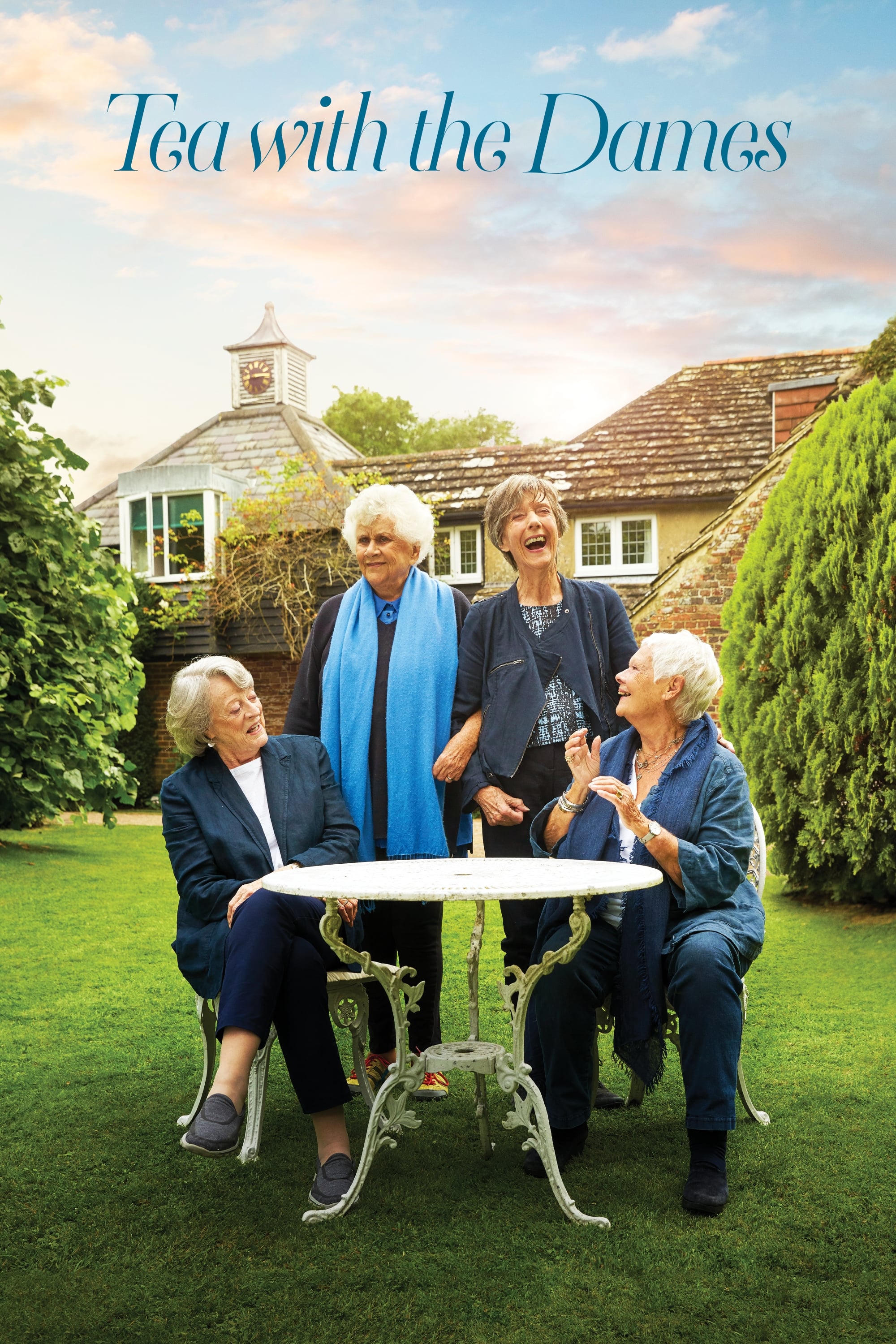
BBC Arena's documentary on the Dames of British Theatre and film featuring Maggie Smith, Eileen Atkins, Judi Dench and Joan Plowright on screen together for the first time as they reminisce over a long summer weekend in a house Joan once shared with Sir Laurence Olivier.
A compilation of over 30 years of private home movie footage shot by Lithuanian-American avant-garde director Jonas Mekas, assembled by Mekas "purely by chance", without concern for chronological order.
Explores the true story of the notorious Jesse James, how the myth developed during his lifetime, and how the legends have persisted over 100 years after his death at the hands of his former friend, Robert Ford.
Unprecedented access to Muhammad Ali's personal archive of "audio journals" as well as interviews and testimonials from his inner circle of family and friends are used to tell the legend's life story.
In the Realms of the Unreal is a documentary about the reclusive Chicago-based artist Henry Darger. Henry Darger was so reclusive that when he died his neighbors were surprised to find a 15,145-page manuscript along with hundreds of paintings depicting The Story of the Vivian Girls, in What is Known as the Realms of the Unreal, of the Glodeco-Angelinnian War Storm, Cased by the Child Slave Rebellion.
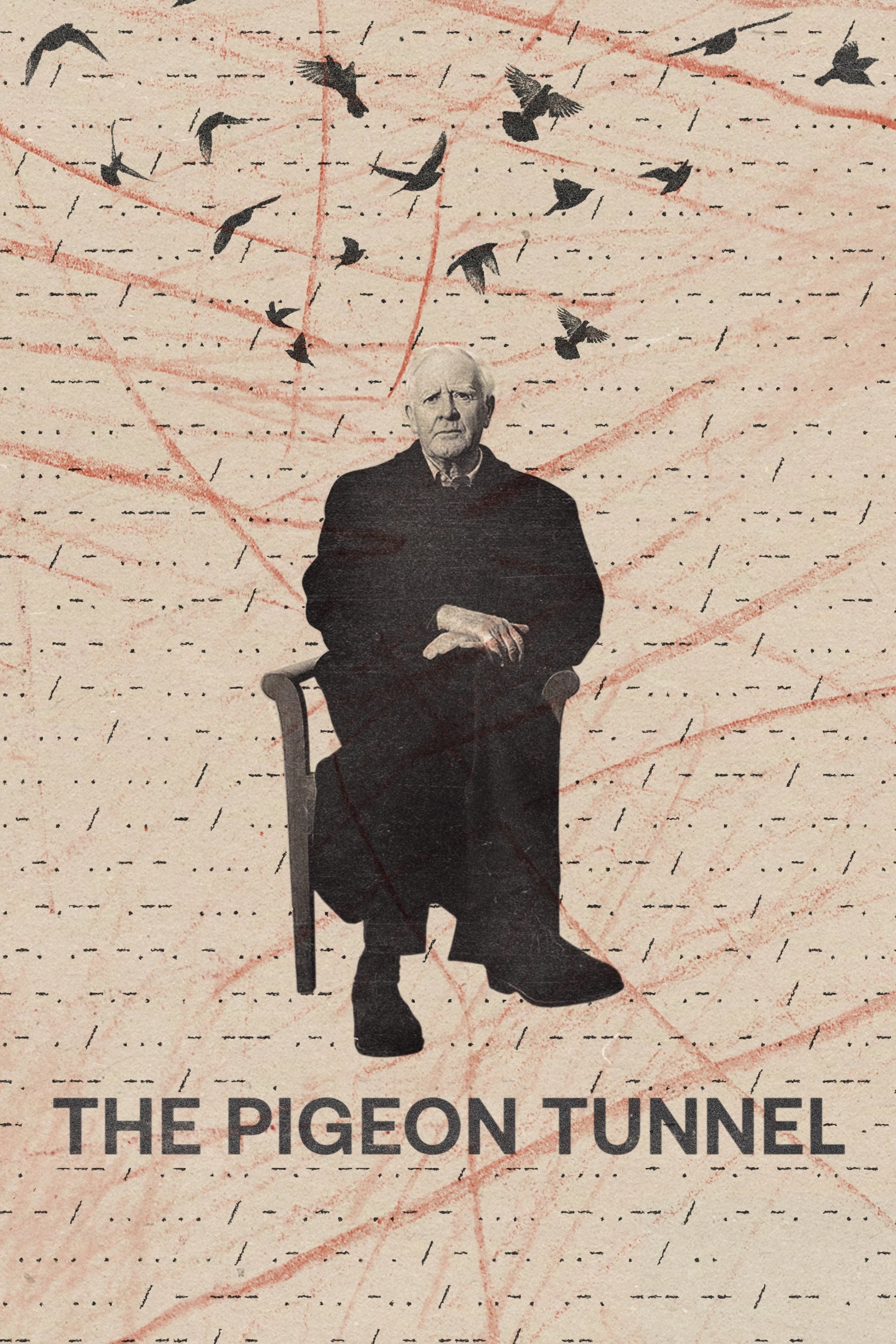
Academy Award winner Errol Morris pulls back the curtain on the storied life and career of David Cornwell, the former spy known to the literary world as John le Carré.
Behind the scenes look at fight choreography and action training.