Social & External
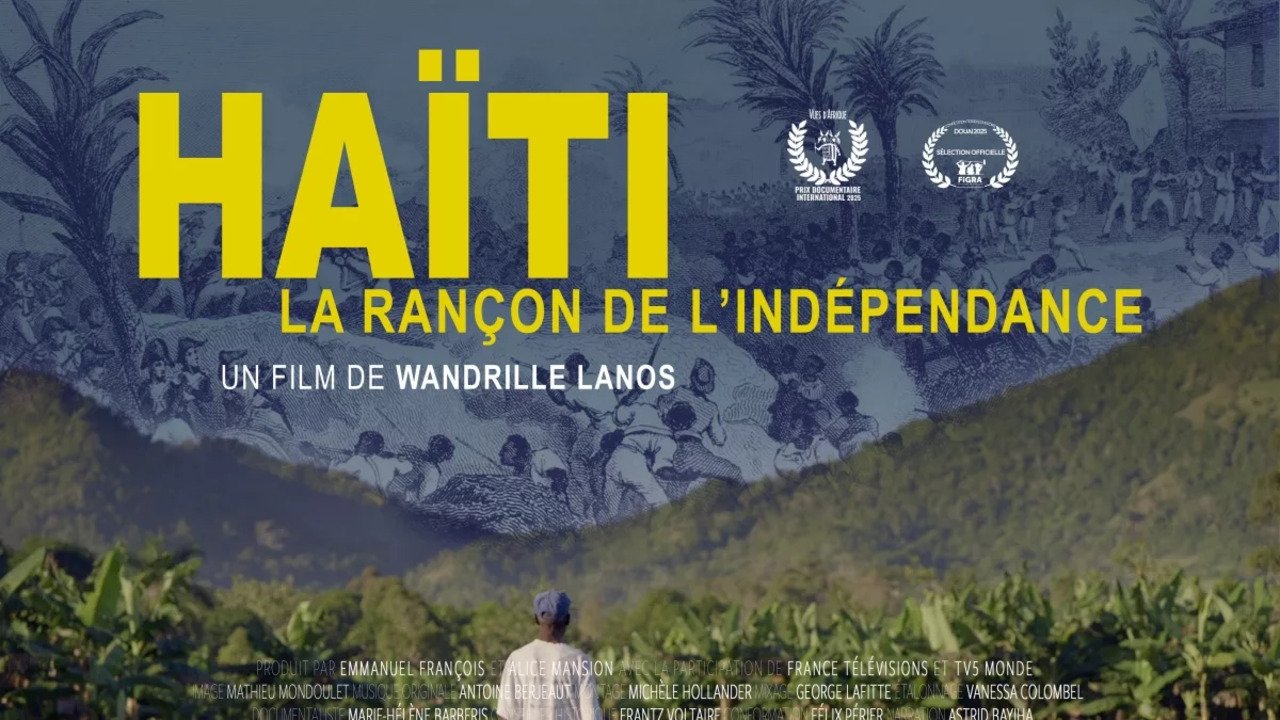
The people behind it
Mathilde Ackermann
Doctorante - Université de Bielefeld, EHESS
Myriam Cottias
Historienne - Directrice du Centre de recherches sur les esclavages, EHESS
Gusti-Klara Gaillard
Historienne - Professeure, Université d’État d’Haïti - École normale supérieure
Yanick Lahens
Écrivaine - Professeure au Collège de France
Jean-Marc Ayrault
Ancien Premier ministre - Président de la Fondation pour la mémoire de l’esclavage
Jean-François Brière
Historien - State University of New York – Albany
Malick Ghachem
Historien - Professeur, Massachusetts Institute of Technology (M.I.T.)
Francis Saint-Hubert
Professeur de médecine - Université de la Fondation Aristide
Frantz Voltaire
Historien - Fondateur du Centre de documentation haïtienne (CIDIHCA)
A documentary made by History Time on YouTube. Written, researched and produced by Pete Kelly.
Shot in various villages throughout Yugoslavia, this is a disturbing document of a time when people were stabbing each other with knives without any real reason. Murderers, people who witness these murders and the families of victims all talk about the senseless violence and the human condition.
Since the enactment of the Anti-Boryokudan Act and Yakuza exclusion ordinances, the number of Yakuza members reduced to less than 60,000. In the past 3 years, about 20,000 members have left from Yakuza organizations. However, just numbers can’t tell you the reality. What are they thinking, how are they living now? The camera zooms in on the Yakuza world. Are there basic human rights for them?
This documentary explores the events surrounding the greatest maritime tragedy in the history of the Pacific coast, the sinking of the Princess Sophia. The Canadian Pacific steamer had left Skagway, Alaska, on October 23, 1918, on its way to Vancouver, when a fierce blizzard hit. The ship veered off course and ran aground on a reef. Despite the proximity of several other ships, the harsh weather prevented any evacuation attempt. Almost 48 hours later, the Sophia slipped off the reef and sank. The following morning, rescue ships faced the terrible evidence: only the tip of its mast was visible. None of the 353 passengers and crewmembers survived. Archival photos, 3D animation, exclusive interviews and underwater photography relate an important chapter of maritime history, while vividly portraying a place and time.
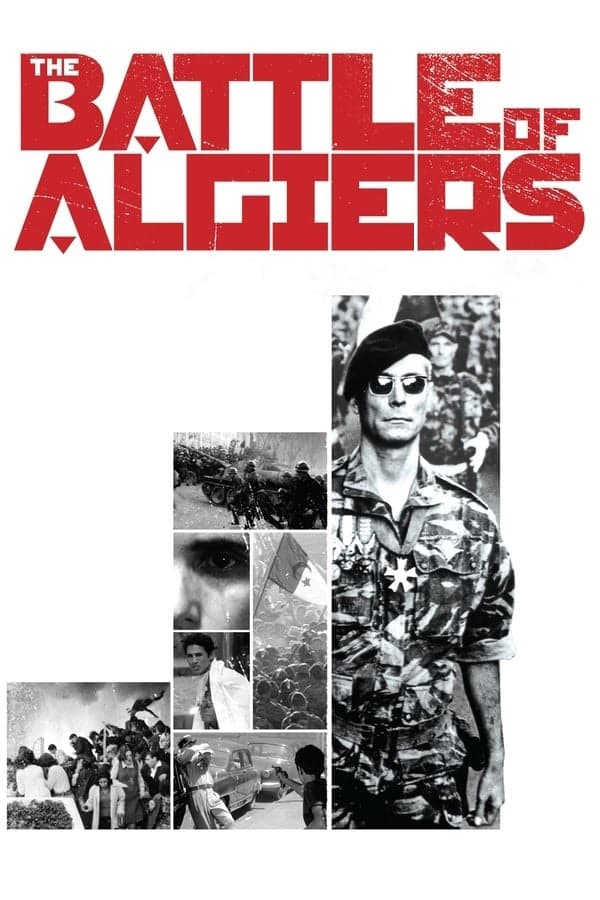
Paratrooper commander Colonel Mathieu, a former French Resistance fighter during World War II, is sent to Algeria to reinforce efforts to squelch the uprisings of the Algerian War. There he faces Ali la Pointe, a former petty criminal who, as the leader of the Algerian Front de Liberation Nationale, directs terror strategies against the colonial French government occupation. As each side resorts to ever-increasing brutality, no violent act is too unthinkable.
Part architectural genius, part kitsch fairytale, Neuschwanstein Castle is closely linked to the tragic fate of Ludwig II of Bavaria (1845-1886). The "Mad King" poured his heart and soul into this unique construction which looks back nostalgically to the Middle Ages. A focus on the history of a building filled with dreams and legends which has become an icon of Germany around the world.
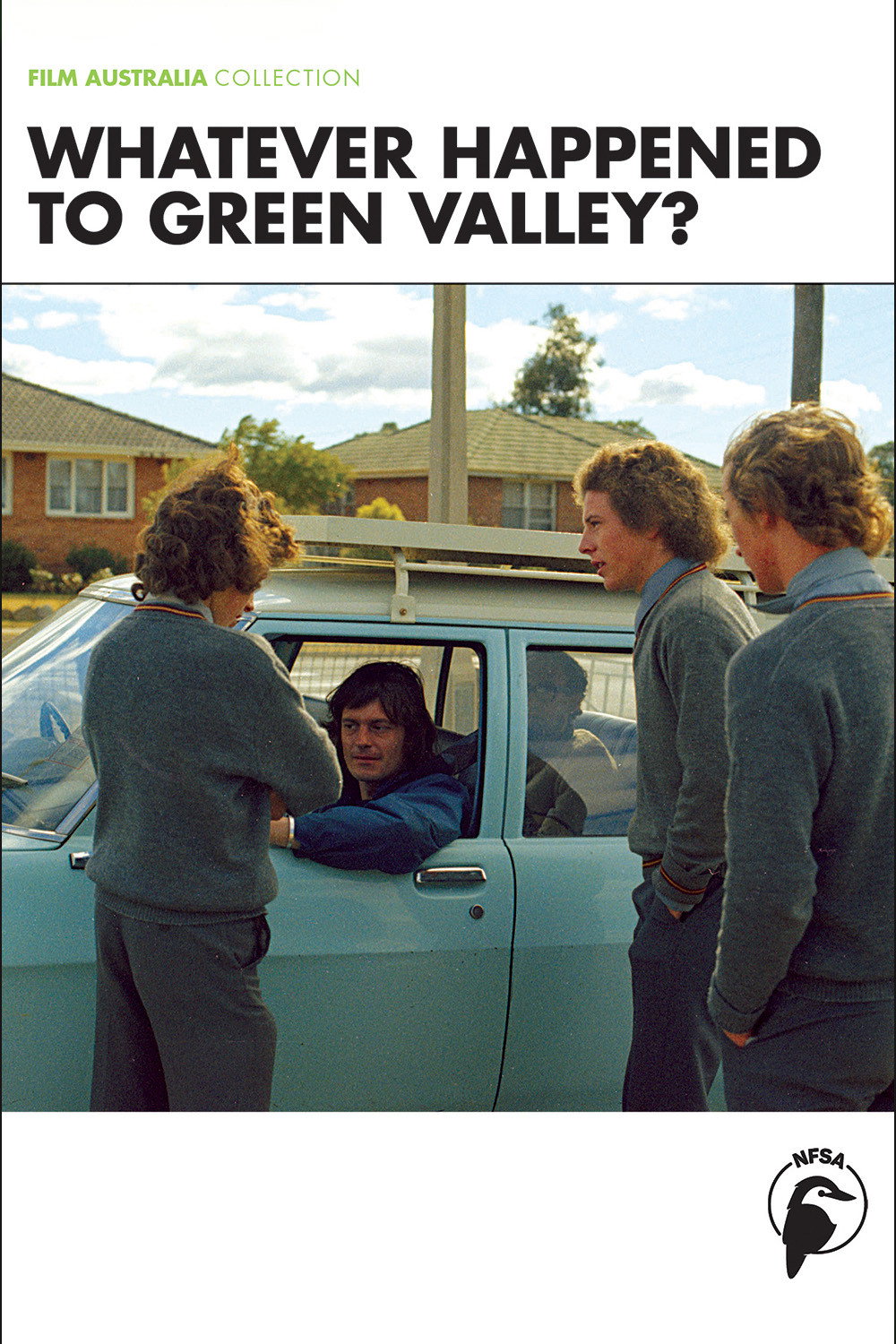
Green Valley was a housing commission estate in western Sydney, much maligned by the media of the day. The residents were hurt by the criticism but lacked access to the media to respond. Supplied with equipment by Film Australia, they used this film to present a different image of themselves and their daily lives. In so doing, they answered the question of "Whatever happened to Green Valley?" The core of this film is the work of half a dozen residents, co-ordinated by acclaimed filmmaker Peter Weir in one of his earliest film projects. Weir also acts as the moderator at a public forum that is included in the film.
The film is about Azerbaijan.
Agnes may not seem like someone with much to laugh about. For one thing, she has albinism - a lack of pigment in the skin, hair and eyes - and her appearance has provoked prejudice from family, friends and strangers since she was born. But despite all odds, Agnes refuses to lead a life of sorrow. This fascinating and inspiring documentary also shares the stories of seven other people's individual experiences of living their lives with albinism in Kenya, a predominantly black society. While each person's story is unique, they all have one thing in common: they know what it is like to stand out uncomfortably from the crowd.
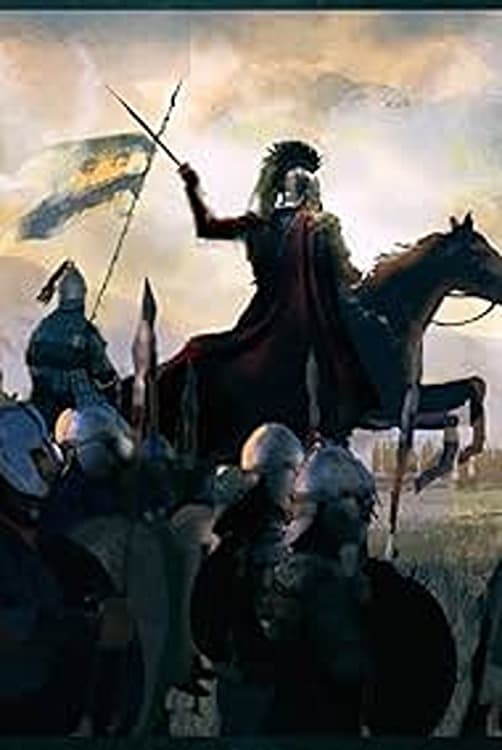
The battles between the ruling empires and houses of nobility that would decide the fate of the Caucuses, the real Middle Earth, and ultimately the fate of the Western World.
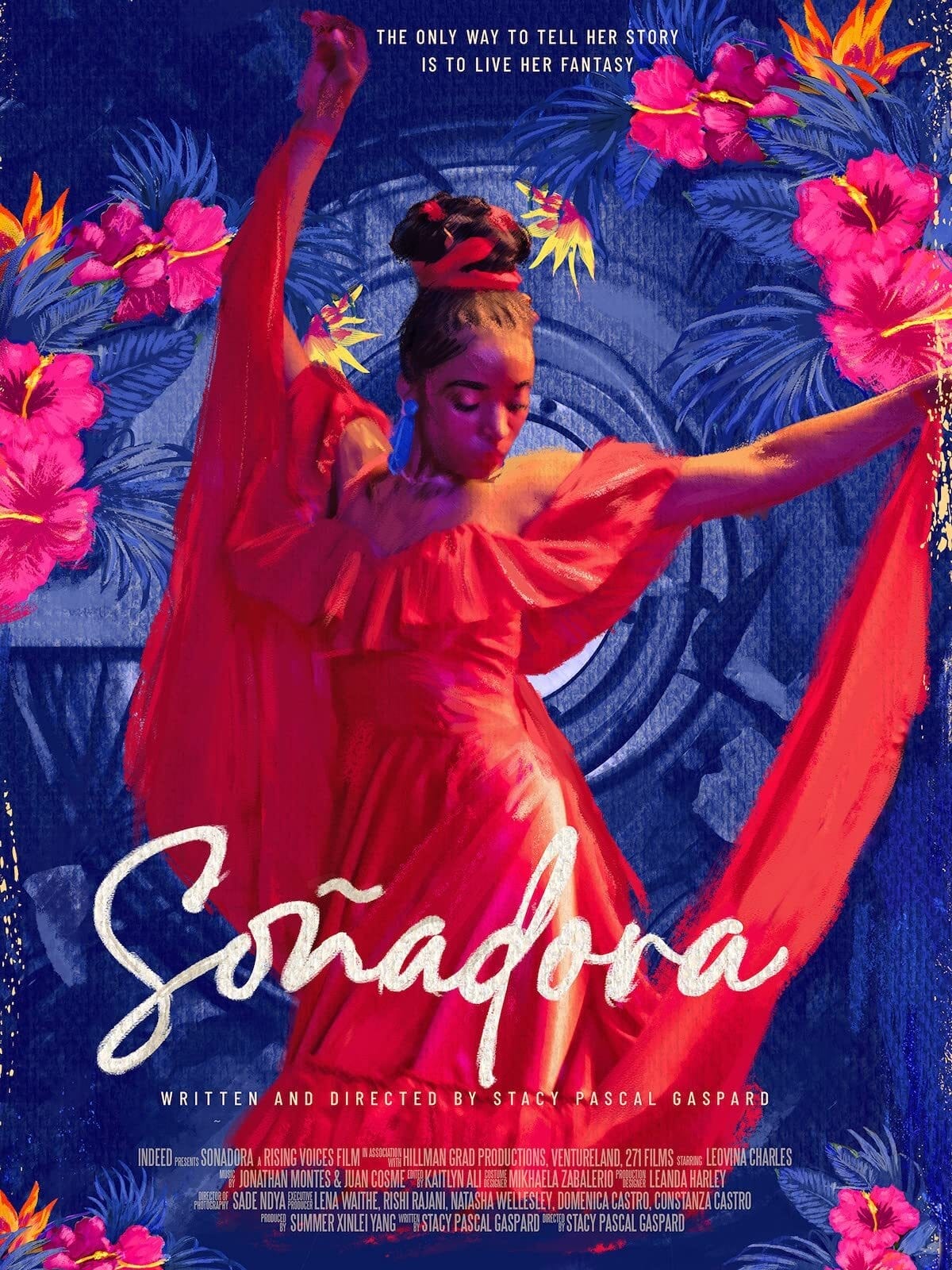
A young Caribbean immigrant mother struggling to make ends meet at her dye factory job finds a release through her abandoned dream of dance.
On June 14, 1977, the eve of the first democratic elections after Franco's regime, Llorenç Soler and his crew go out into the street and ask passers-by which party they are going to vote for.
Manuel Horrillo has visited for 7 years the fields where the clashes between the Spanish troops and the rebels of the protectorate took place during the so-called Rif War, a forgotten war of the Spanish collective imaginary.
2012 French documentary where the interviewer gets 6 seemingly random women to empty their handbags and then asks probing questions to get to their "soul". Simone 33, a model. Ilhem 36, a sports coach. Caroline 33, a curator. Anne-Sophie 29, a press attache. Catherine 43, a teacher. Valentina 23, a student. French with English sub-titles.
In 2007 Livi, a photography student, moves into an empty building in downtown Haifa. Just before her loneliness urges her to leave, Shahar, Zvi, Iddo and Talia move into that very building - young artists themselves. The friendship ignites in an instant and when Zvi can't pay his rent, they decide to rent a space together, half of which will be Zvi's dwelling and half - an art gallery and bar. The joint work thrives and their voice is heard across the distance, but cracks begin to show, the gallery closes and they disperse. For 12 years, Livi follows their journey to fulfill their dreams as they face the reality of livelihood difficulties, manic depression and alcoholism, unfolding both intimately and lovingly, revealing the story of five friends and their maturing process.
Béatrice Dalle, Lio, Brigitte Fontaine, Corinne Masiero, Aïssa Maïga, Virginie Despentes, Maria Schneider, Gisèle Halimi, Juliette Gréco, and Adèle Haenel—these women lived on their own terms, defying conventions and embracing lives often deemed "scandalous." Labeled frivolous, hysterical, or simply too free and too loud, they faced criticism yet used controversy as a force for change, challenging norms and advancing women's rights. This documentary retraces seventy years of their bold and unconventional journeys, telling the story of the fearless women who shaped history and fought for a more equal world.
Director Claude Lanzmann spent 11 years on this sprawling documentary about the Holocaust, conducting his own interviews and refusing to use a single frame of archival footage. Dividing Holocaust witnesses into three categories – survivors, bystanders, and perpetrators – Lanzmann presents testimonies from survivors of the Chelmno concentration camp, an Auschwitz escapee, and witnesses of the Warsaw Ghetto Uprising, as well as a chilling report of gas chambers from an SS officer at Treblinka.
A documentary shot by filmmakers all over the world that serves as a time capsule to show future generations what it was like to be alive on the 24th of July, 2010.
A behind-the-scenes documentary about the Clinton for President campaign, focusing on the adventures of spin doctors James Carville and George Stephanopoulos.
What happened after Einstein fled Nazi Germany? Using archival footage and his own words, this docudrama dives into the mind of a tortured genius.
Filmmaker Alain Resnais documents the atrocities behind the walls of Hitler's concentration camps.
An unprecedented and intimate look at the life, work and enduring legacy of British actress Audrey Hepburn (1929-1993).
The history of cinematic sound, told by legendary sound designers and visionary filmmakers.
Between light and darkness stands Olfa, a Tunisian woman and the mother of four daughters. One day, her two older daughters disappear. To fill in their absence, the filmmaker Kaouther Ben Hania invites professional actresses and invents a unique cinema experience that will lift the veil on Olfa and her daughters' life stories. An intimate journey of hope, rebellion, violence, transmission and sisterhood that will question the very foundations of our societies.
A documentary highlighting the Soviet Union's legendary and enigmatic hockey training culture and world-dominating team through the eyes of the team's Captain Slava Fetisov, following his shift from hockey star and celebrated national hero to political enemy.
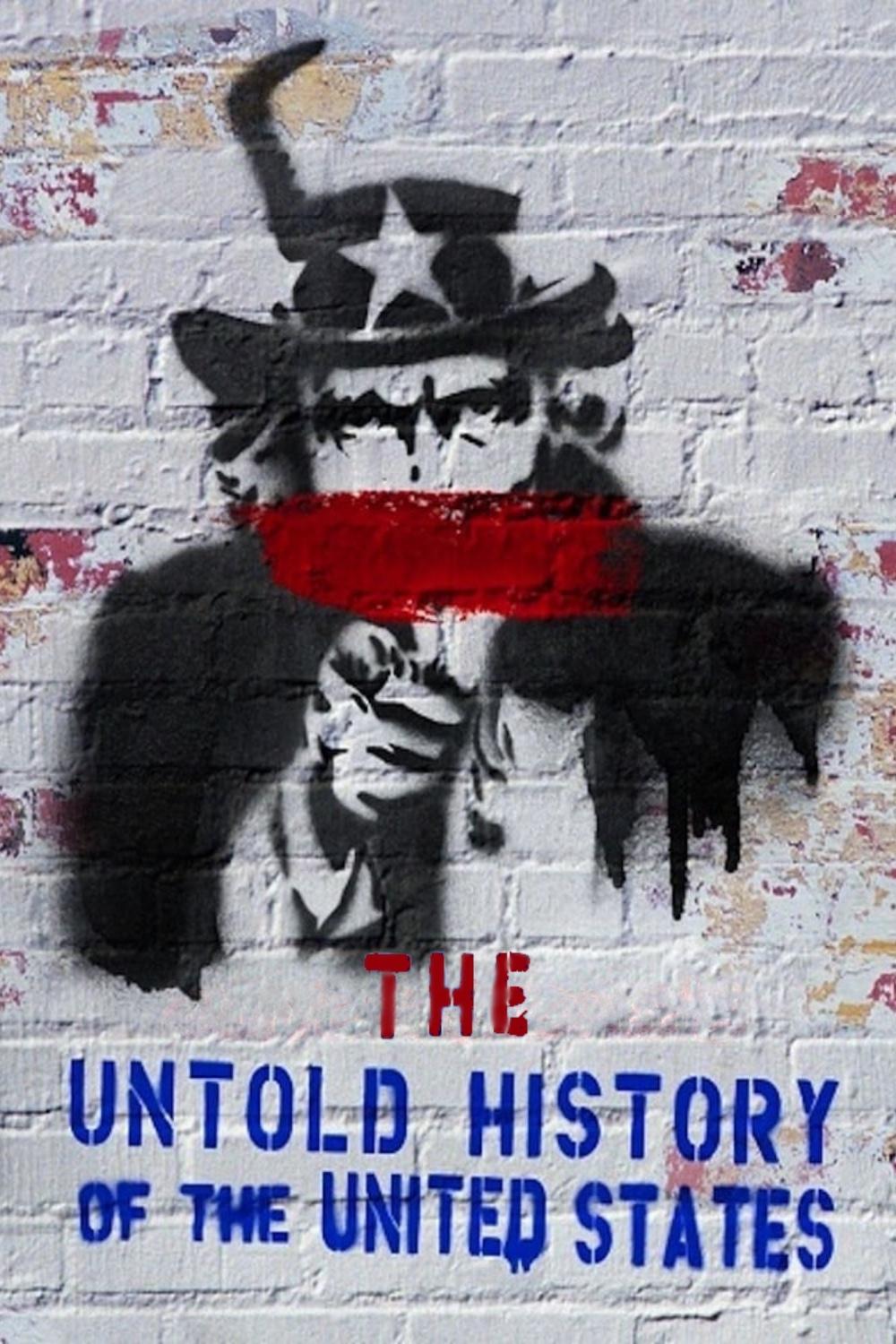
Oliver Stone charts the history of the United States from the Second World War to the present.
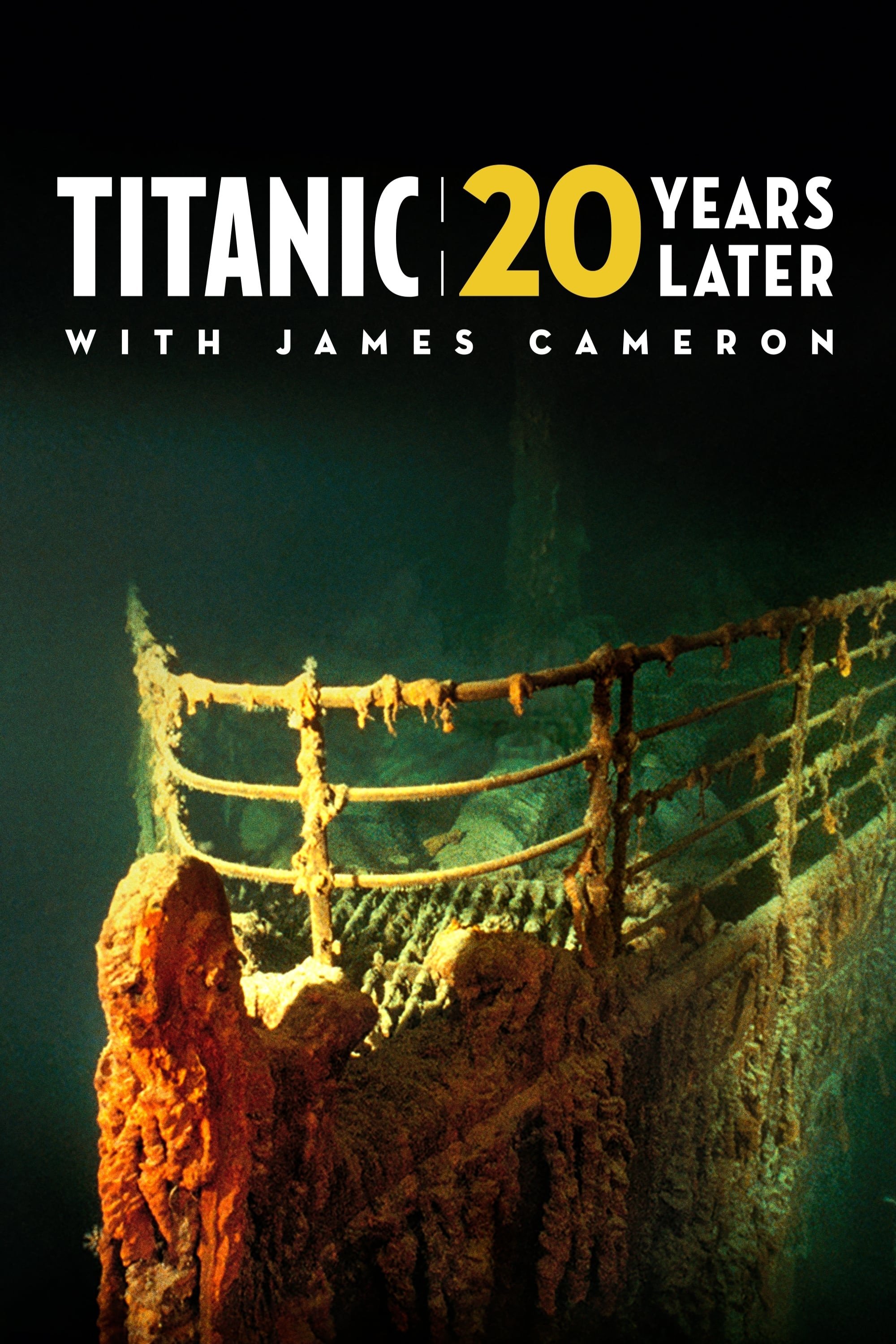
For the 20th anniversary of "Titanic," James Cameron reopens the file on the disaster.
He's devoted his career to uncovering stories the powerful want buried. From My Lai to Abu Ghraib, dig into the life's work of journalist Seymour Hersh.
“The Soviet Story” is a story of an Allied power, which helped the Nazis to fight Jews and which slaughtered its own people on an industrial scale. Assisted by the West, this power triumphed on May 9th, 1945. Its crimes were made taboo, and the complete story of Europe’s most murderous regime has never been told. Until now...
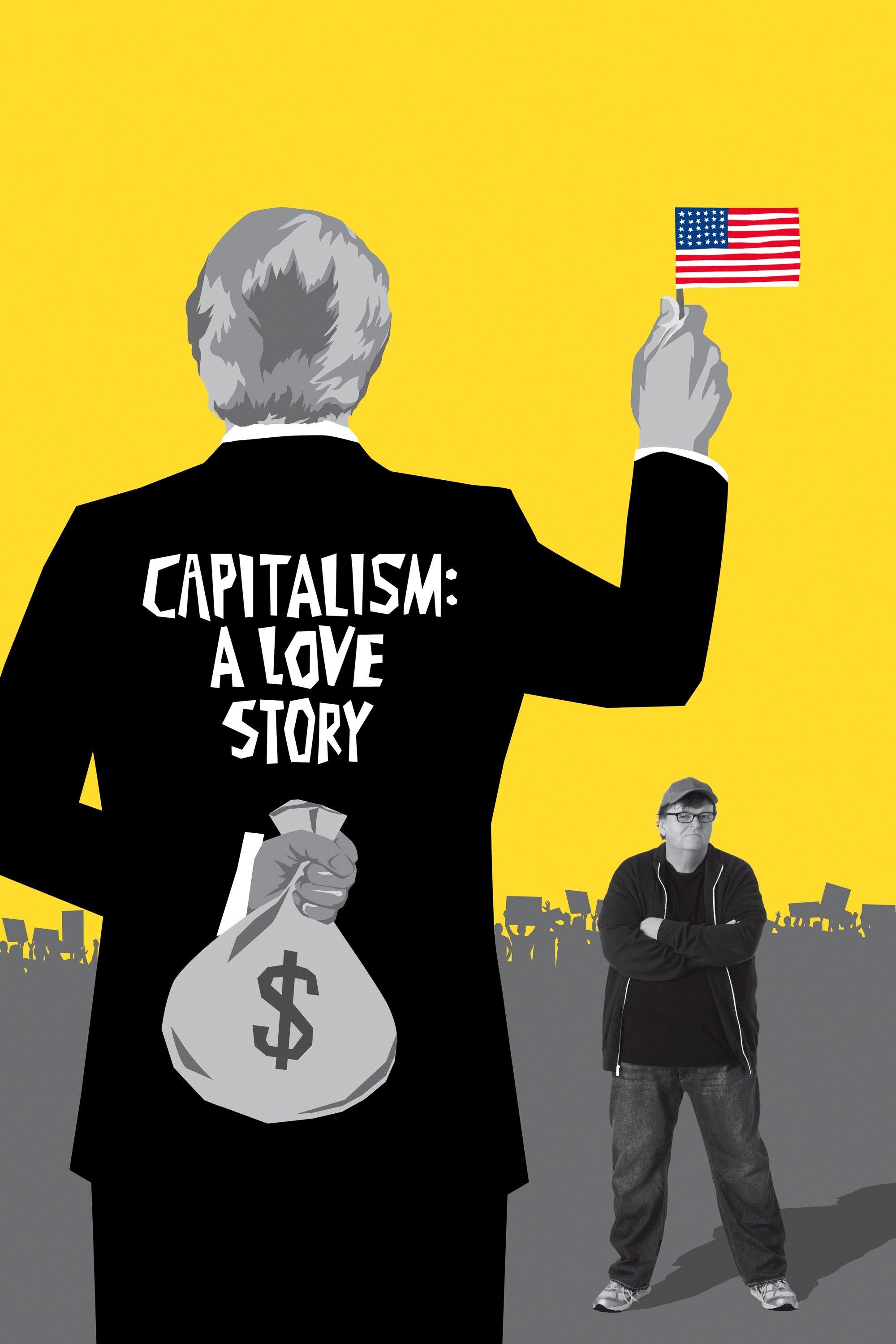
Michael Moore comes home to the issue he's been examining throughout his career: the disastrous impact of corporate dominance on the everyday lives of Americans (and by default, the rest of the world).
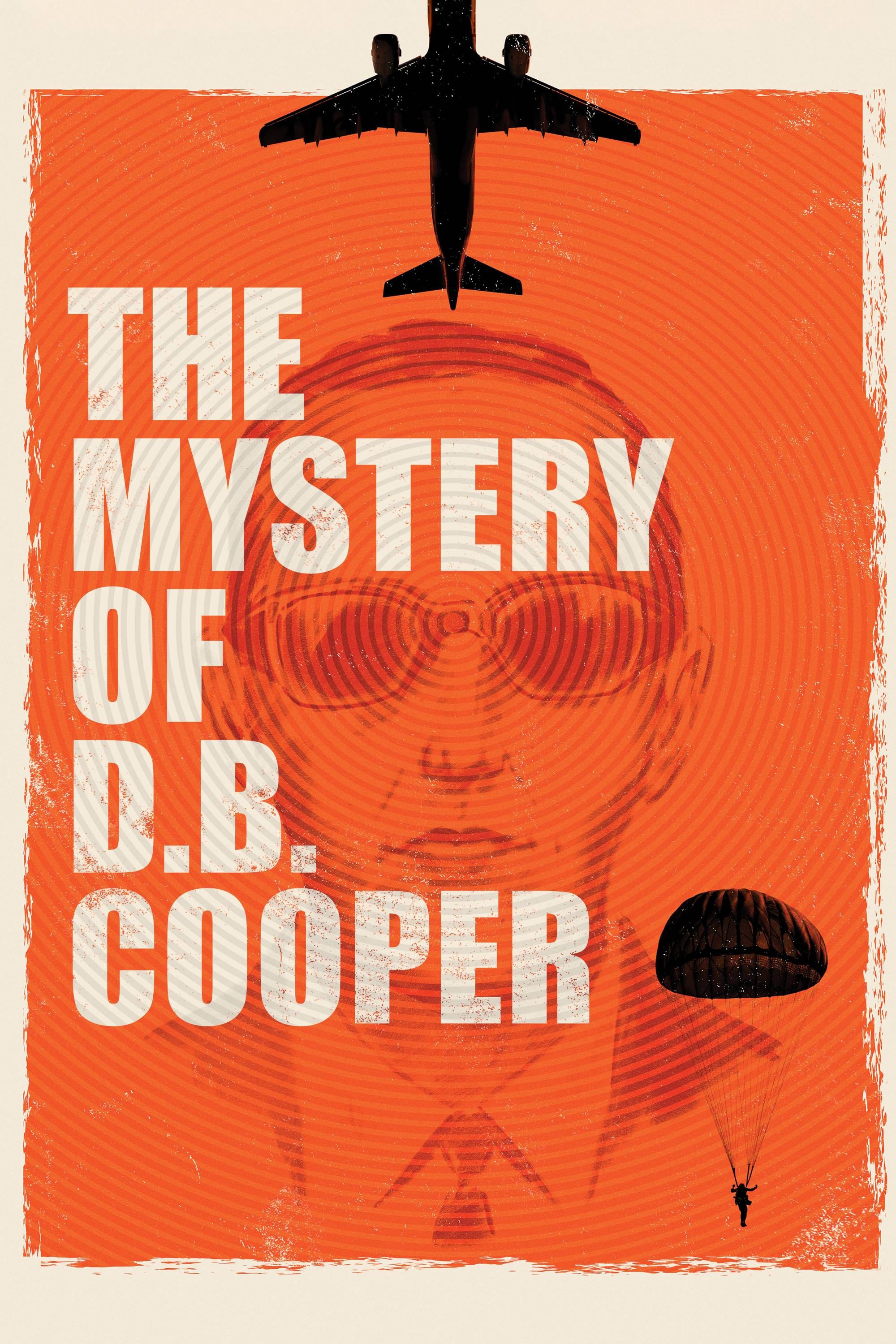
This documentary brings to life the stories of four people believed by their family and friends to be “DB Cooper,” a man who hijacked a 727 flying out of Seattle and jumped from the plane over the wilds of Washington State with a parachute and $200,000, never to be heard from again.
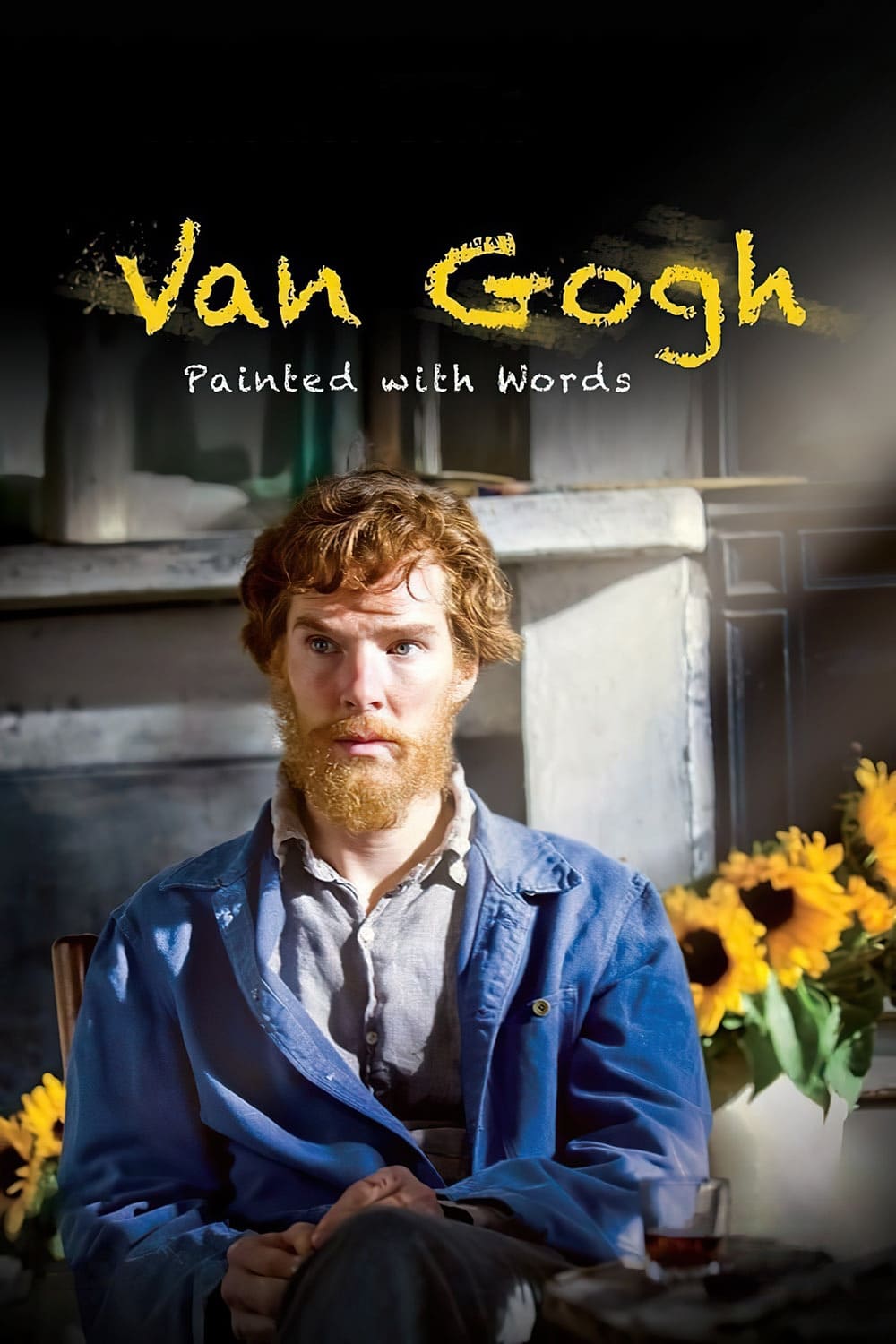
A drama-documentary presented by Alan Yentob, with Benedict Cumberbatch in the lead role. Every word spoken by the actors in this film is sourced from the letters that Van Gogh sent to his younger brother Theo, and of those around him. What emerges is a complex portrait of a sophisticated, civilised and yet tormented man.
This Oscar-winning documentary recounts the harrowing stories of five Hungarian Jews who endured the horrors of the Holocaust and Hitler's reign.
A courageous pastor uses his underground network to rescue and aid North Korean families as they risk their lives to embrace freedom.
Set both in Latin America and the United States, the film explores the historic and current relationship of Washington with countries such as Venezuela, Bolivia and Chile. Pilger says that the film "...tells a universal story... analysing and revealing, through vivid testimony, the story of great power behind its venerable myths. It allows us to understand the true nature of the so-called "war on terror". According to Pilger, the film’s message is that the greed and power of empire is not invincible and that people power is always the "seed beneath the snow".
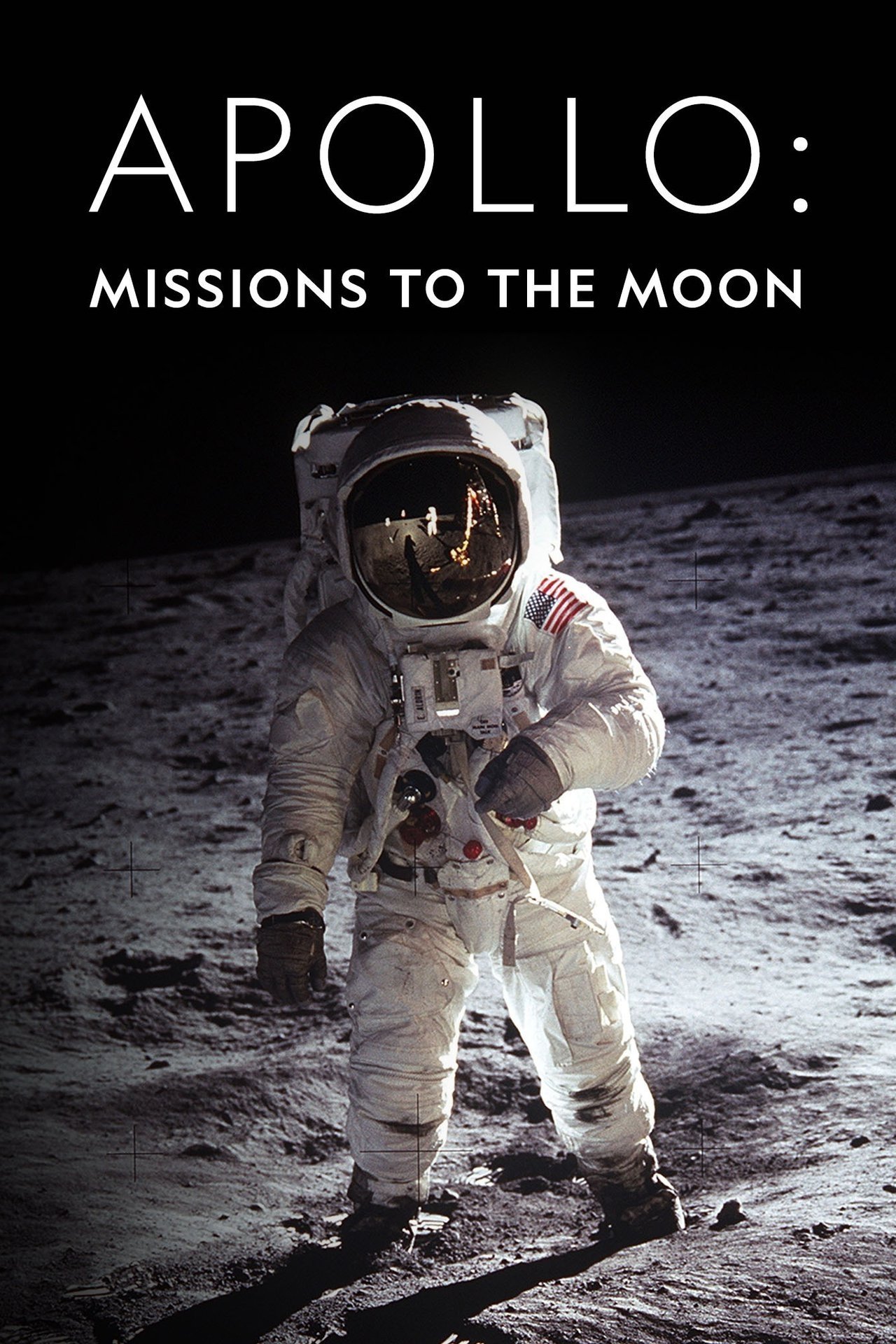
National Geographic's riveting effort recounts all 12 crewed missions using only archival footage, photos and audio.