Social & External
The people behind it
A documentary made by History Time on YouTube. Written, researched and produced by Pete Kelly.
This documentary explores the events surrounding the greatest maritime tragedy in the history of the Pacific coast, the sinking of the Princess Sophia. The Canadian Pacific steamer had left Skagway, Alaska, on October 23, 1918, on its way to Vancouver, when a fierce blizzard hit. The ship veered off course and ran aground on a reef. Despite the proximity of several other ships, the harsh weather prevented any evacuation attempt. Almost 48 hours later, the Sophia slipped off the reef and sank. The following morning, rescue ships faced the terrible evidence: only the tip of its mast was visible. None of the 353 passengers and crewmembers survived. Archival photos, 3D animation, exclusive interviews and underwater photography relate an important chapter of maritime history, while vividly portraying a place and time.
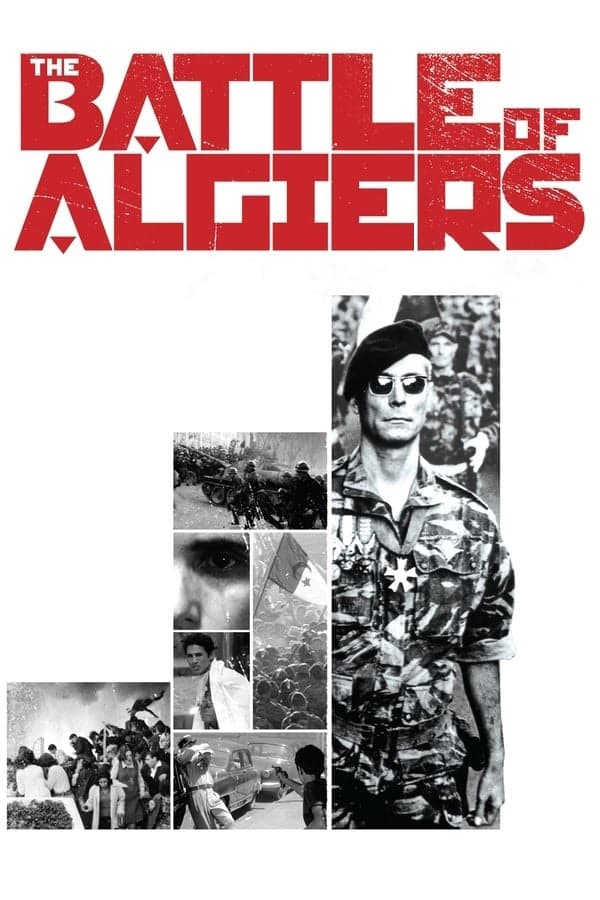
Paratrooper commander Colonel Mathieu, a former French Resistance fighter during World War II, is sent to Algeria to reinforce efforts to squelch the uprisings of the Algerian War. There he faces Ali la Pointe, a former petty criminal who, as the leader of the Algerian Front de Liberation Nationale, directs terror strategies against the colonial French government occupation. As each side resorts to ever-increasing brutality, no violent act is too unthinkable.
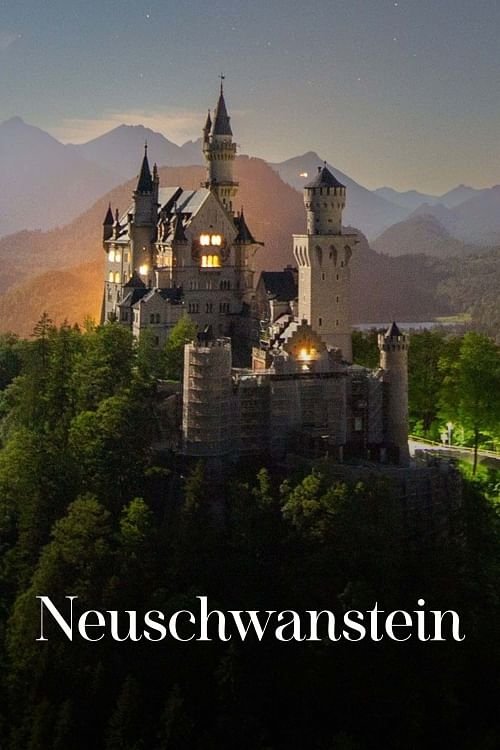
Part architectural genius, part kitsch fairytale, Neuschwanstein Castle is closely linked to the tragic fate of Ludwig II of Bavaria (1845-1886). The "Mad King" poured his heart and soul into this unique construction which looks back nostalgically to the Middle Ages. A focus on the history of a building filled with dreams and legends which has become an icon of Germany around the world.
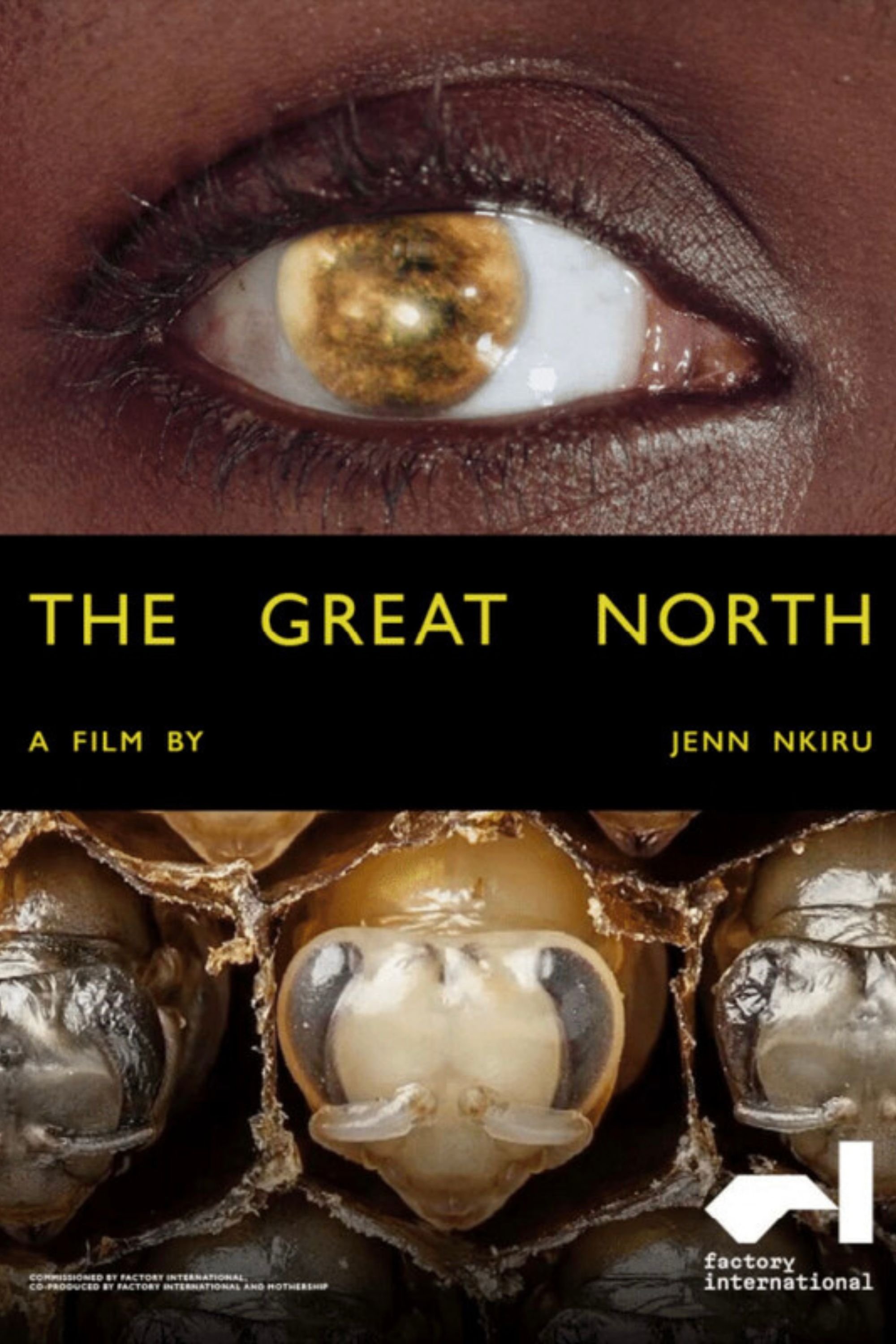
Beginning at the industrial revolution of the ‘great north’, Jenn Nkiru draws lines between peoples, cities, countries, buildings, movements, bodies and spaces(s) using a mixture of archive materials and new footage. There is little stillness as we are pushed and pulled through Black histories and communities across the city of Manchester and beyond. Nkiru has termed this filmmaking process “cosmic archeology”, and it is grounded in Afro-surrealism, experimental film and the Black arts movement.
The film is about Azerbaijan.
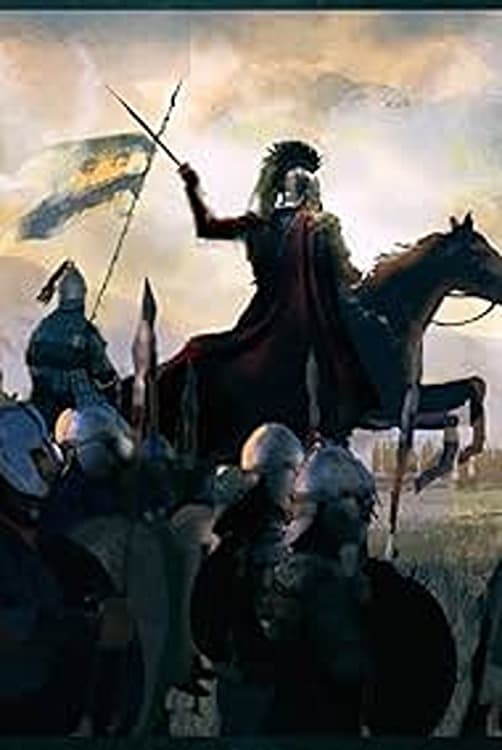
The battles between the ruling empires and houses of nobility that would decide the fate of the Caucuses, the real Middle Earth, and ultimately the fate of the Western World.
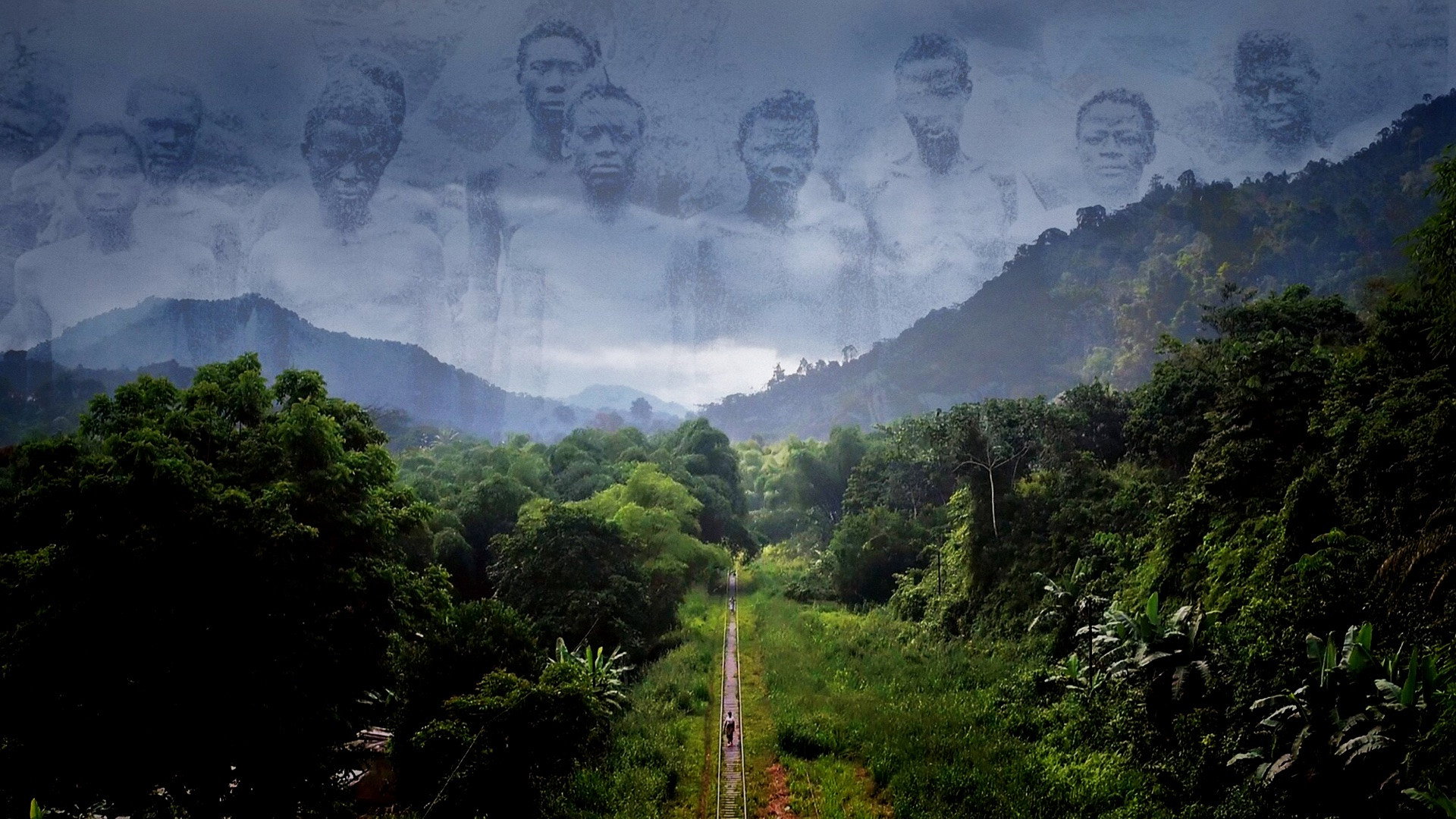
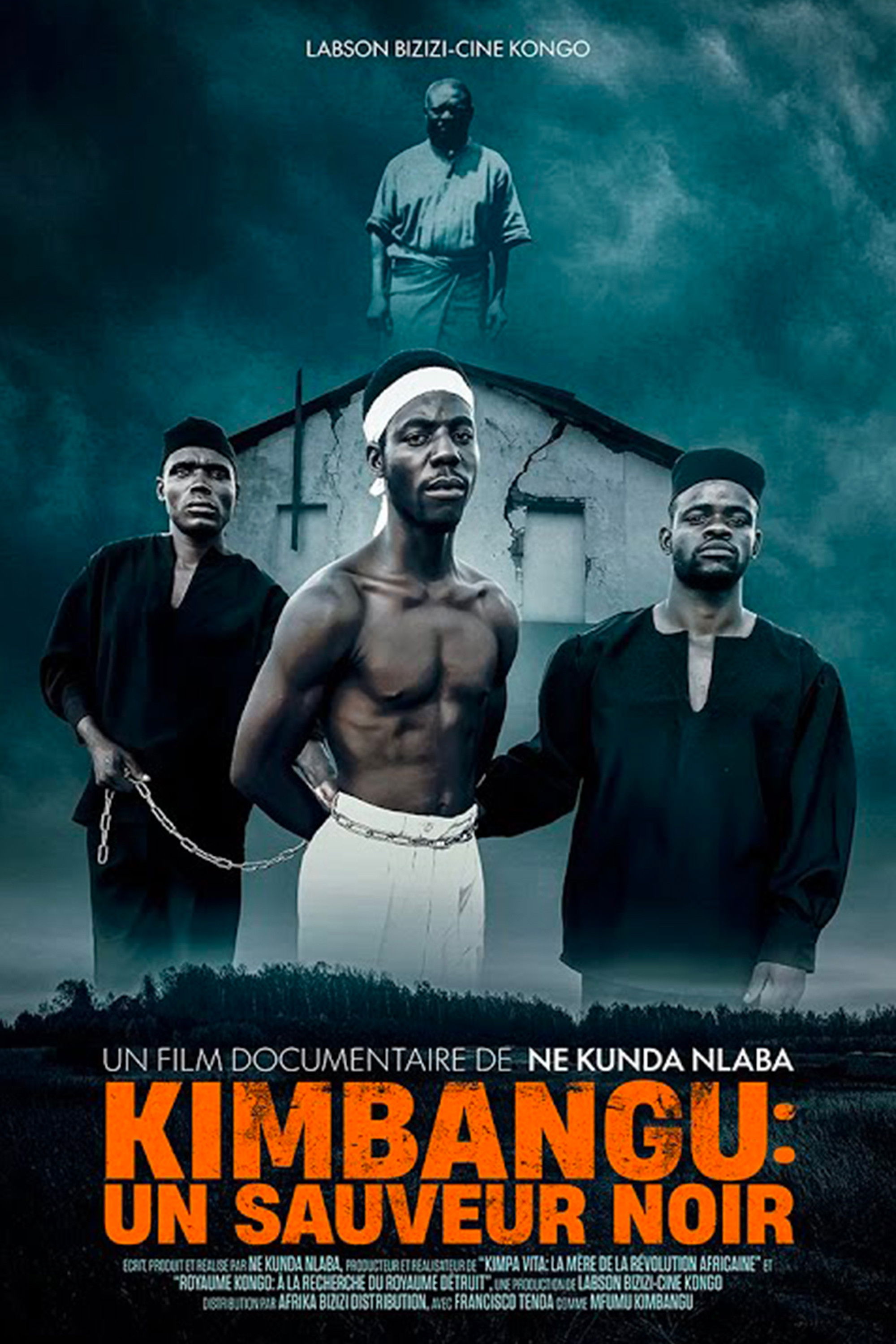
A spiritual and political epic in the heart of the Belgian Congo. This documentary is a plunge into the life of an ordinary man who became a symbol of peaceful resistance against colonial oppression: Simon Kimbangu, recognized in the Kongo tradition as the Mvuluzi (“the Savior”), spiritual guide charged with awakening and raising up his people.
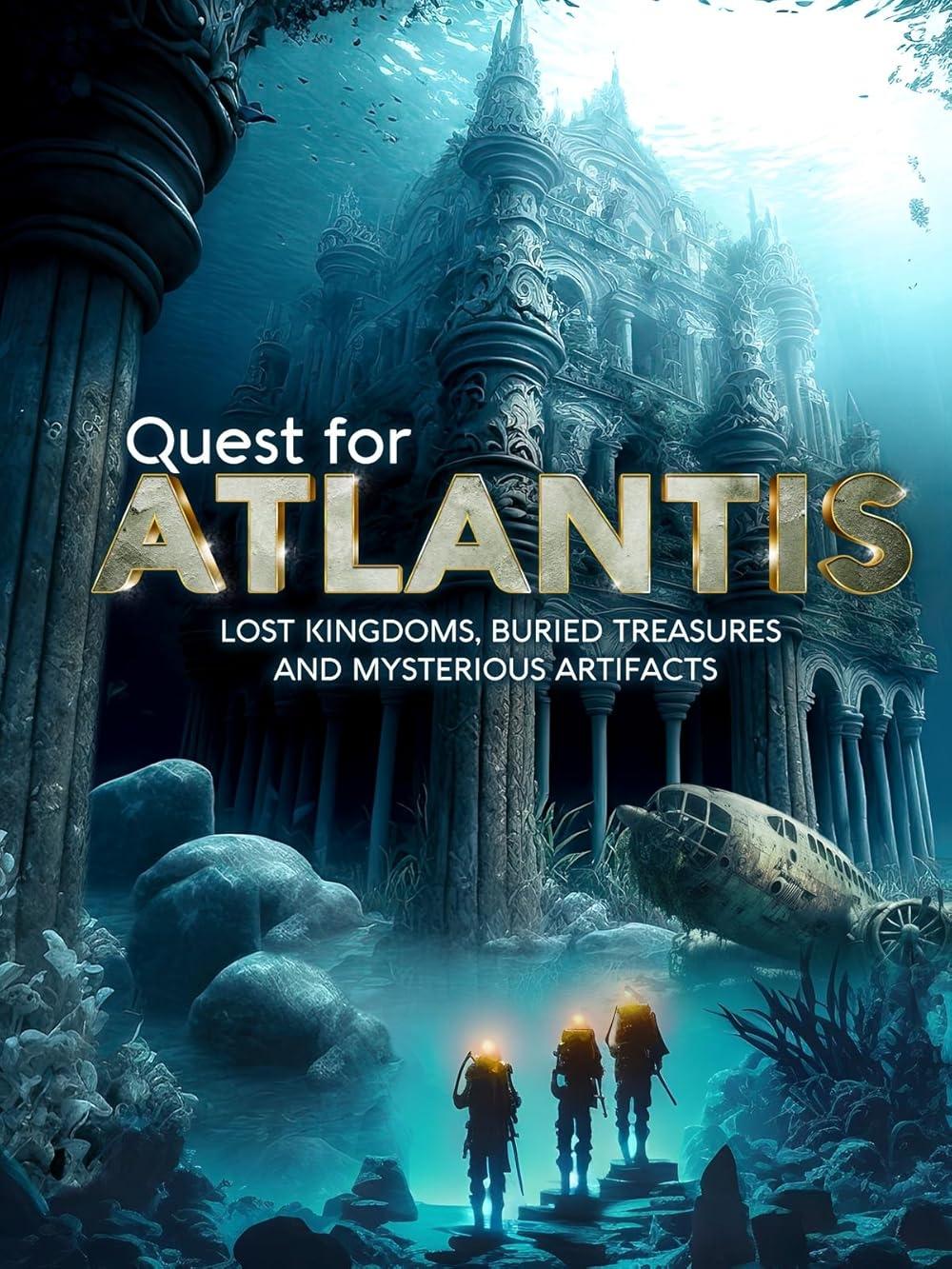
It is estimated that the mythical city of Atlantis was swept away by a Tsunami in 9600 BC, vanquished from existence - but recent findings of ancient maps, monuments and submerged artifacts indicate that the Lost Kingdom may in fact have existed. The recent discovery of mummies, an underwater Stonehenge, monoliths, ancient drawings and much, much more could provide confirmation of one of Mankind's oldest mysteries.
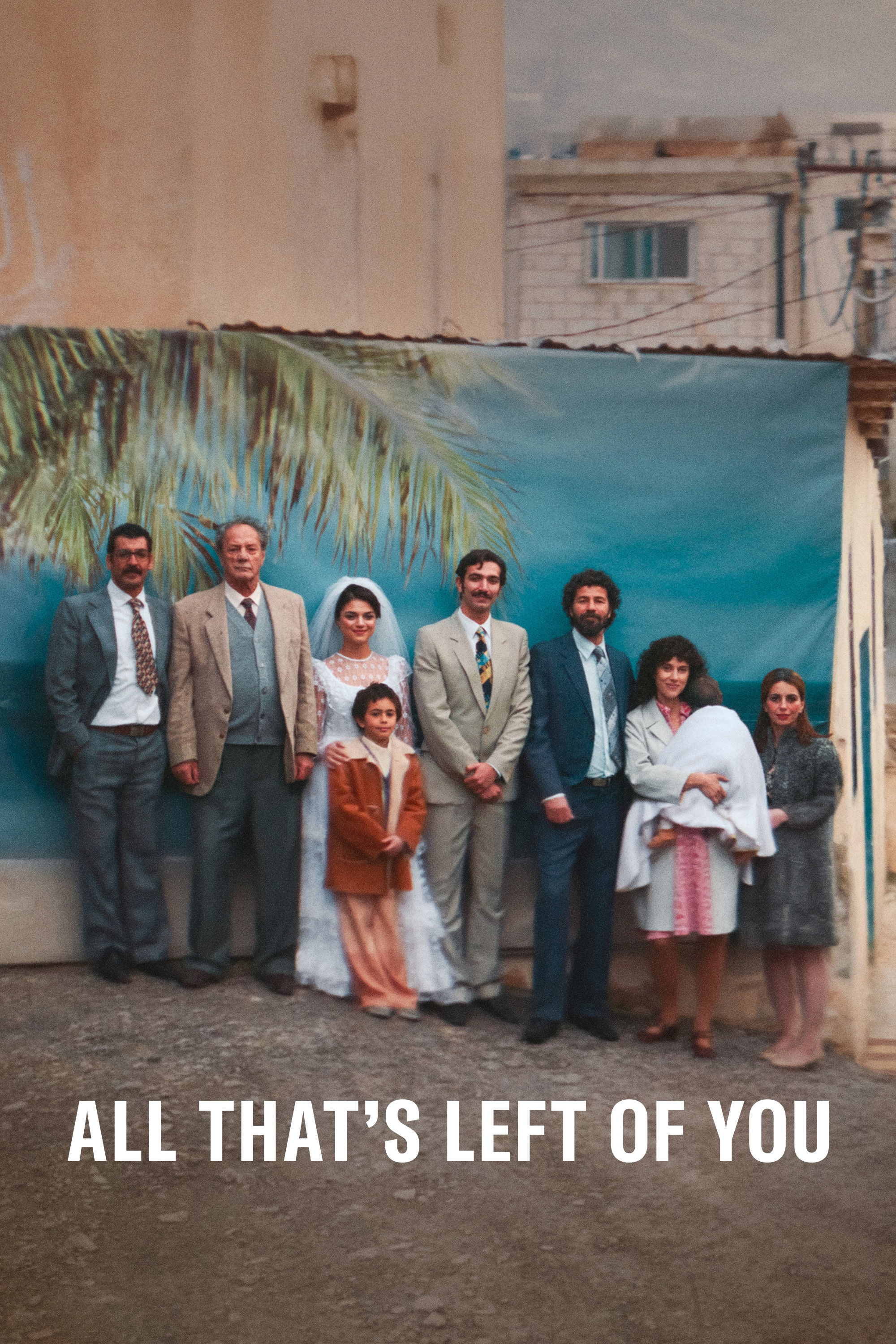
After a Palestinian teen gets swept up into a West Bank protest, his mother recounts the family story of hope, courage and relentless struggle that led to this fateful moment.
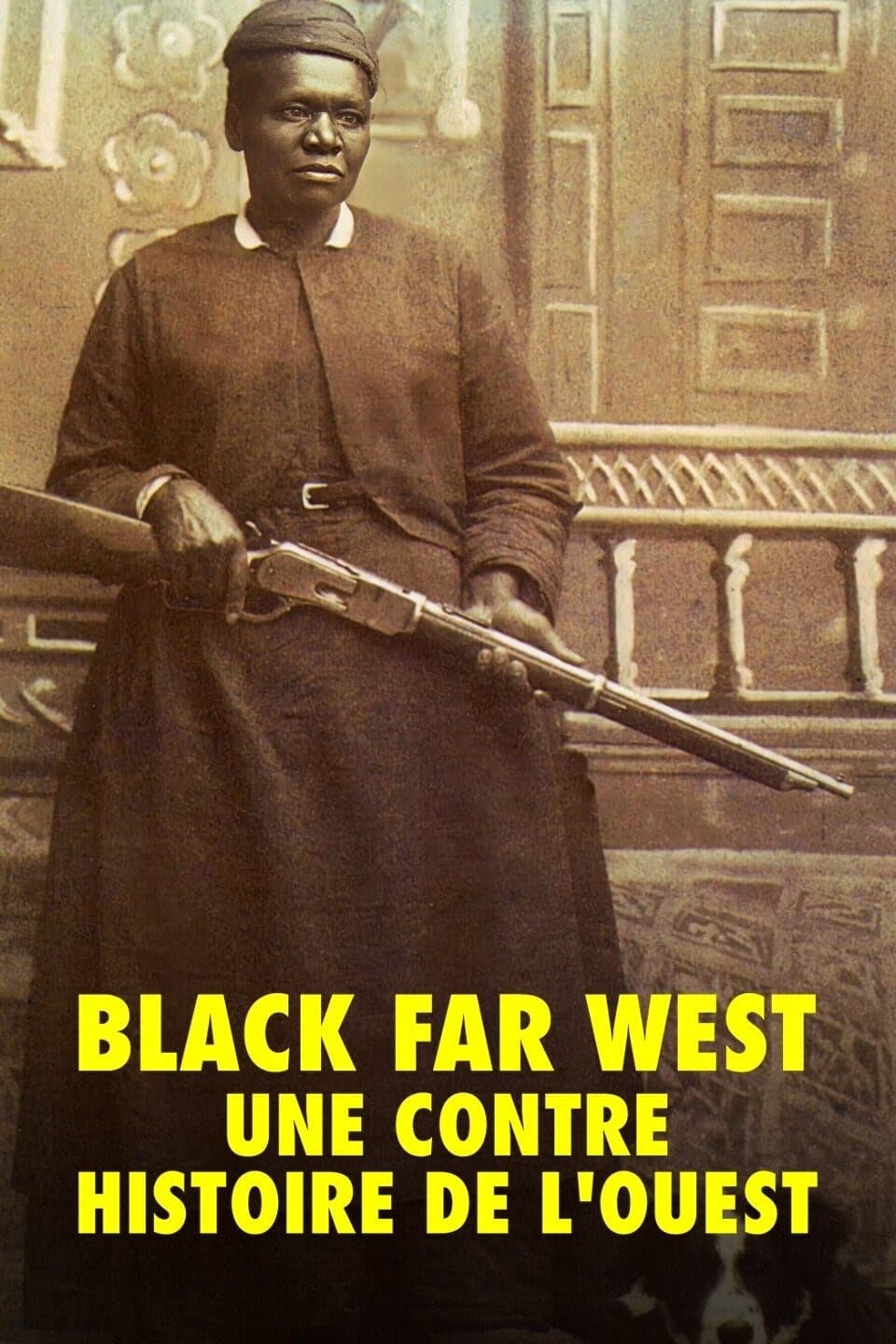
Did you know that the first cowboys were black? Using magnificent archives and testimonies from historians, Cécile Denjean restores justice to African-Americans in the story of the conquest of the West.
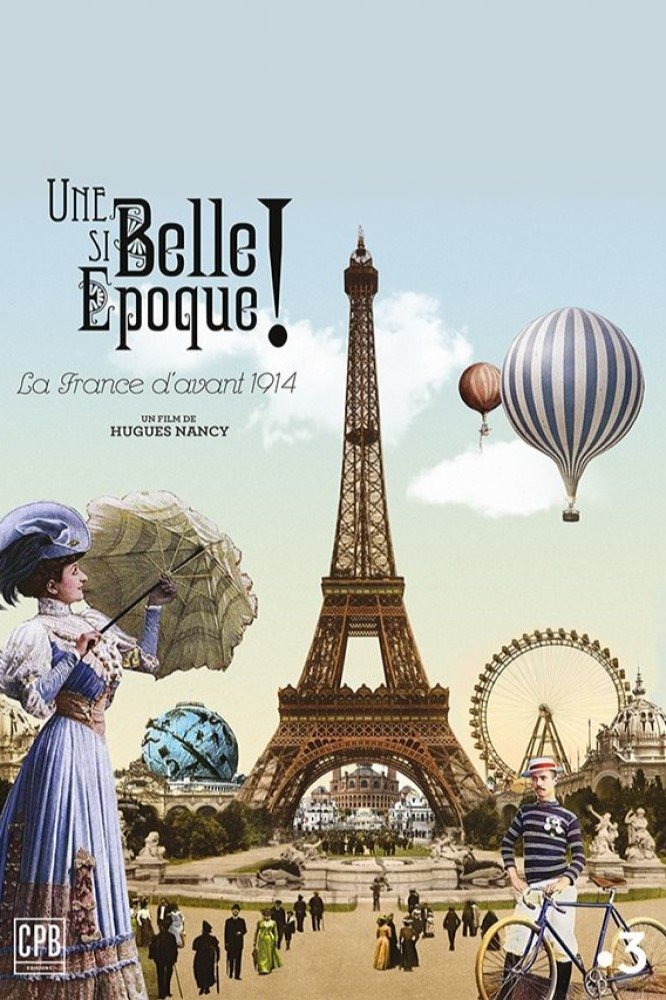
In 1900, the eyes of the whole world are on Paris. The World's Fair welcomed 50 million amazed visitors, and the city celebrated itself in a glamorous era. This period went down in history as the "Belle Époque." Elaborately restored and colorized historical photographs bring to life the exciting life in Paris between the end of the 19th century and the beginning of World War I in 1914. Bicycles, cars, airplanes, moving pictures, newly founded film studios, revolutionary composers and painters, avant-garde ballet performances, fashion houses, summer resorts on the Atlantic coast – life was intoxicating. People celebrate in the variety shows, cabarets, and revue theaters of Paris. Moulin Rouge, Folies Bergères, Bal Tabarin—in Paris, the nights are long and life is too short to sleep through. It is a dance on the volcano, given the political developments in the world.
In this searing documentary, Indigenous people share heartbreaking stories that reveal the injustices inflicted by the Canadian child welfare system.
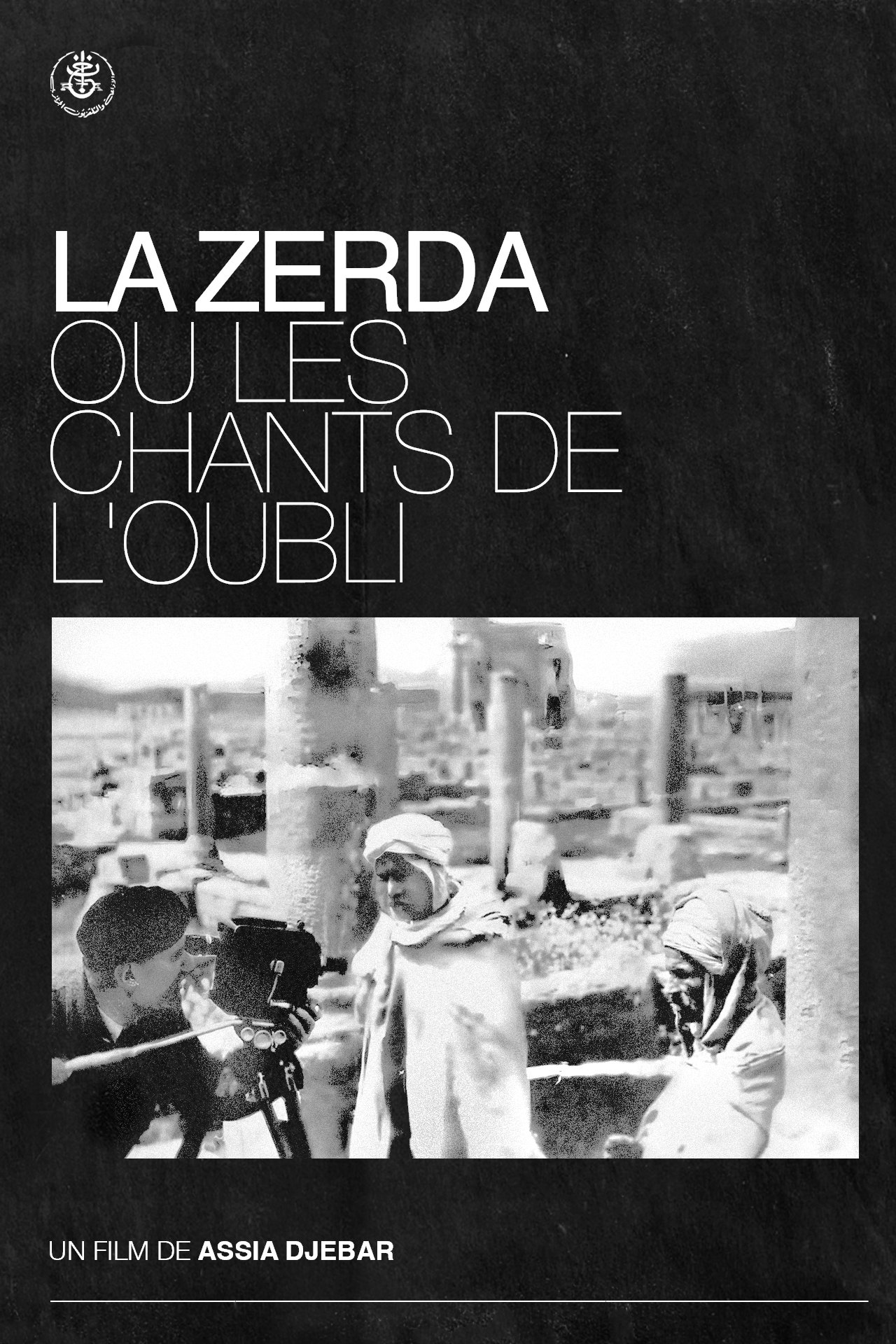
“La Zerda and the songs of oblivion” (1982) is one of only two films made by the Algerian novelist Assia Djebar, with “La Nouba des femmes du mont Chenoua” (1977). Powerful poetic essay based on archives, in which Assia Djebar – in collaboration with the poet Malek Alloula and the composer Ahmed Essyad – deconstructs the French colonial propaganda of the Pathé-Gaumont newsreels from 1912 to 1942, to reveal the signs of revolt among the subjugated North African population. Through the reassembly of these propaganda images, Djebar recovers the history of the Zerda ceremonies, suggesting that the power and mysticism of this tradition were obliterated and erased by the predatory voyeurism of the colonial gaze. This very gaze is thus subverted and a hidden tradition of resistance and struggle is revealed, against any exoticizing and orientalist temptation.
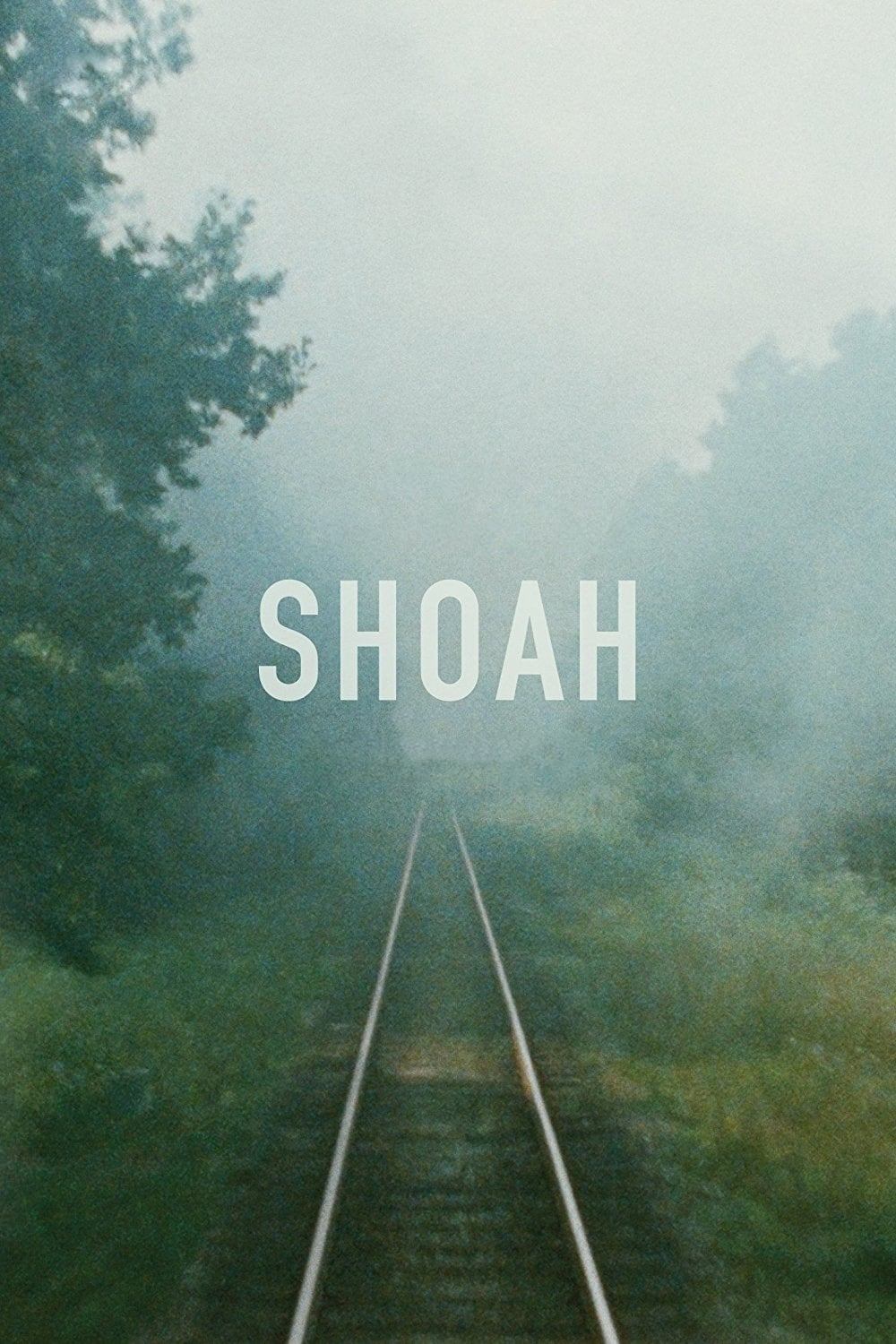
Director Claude Lanzmann spent 11 years on this sprawling documentary about the Holocaust, conducting his own interviews and refusing to use a single frame of archival footage. Dividing Holocaust witnesses into three categories – survivors, bystanders, and perpetrators – Lanzmann presents testimonies from survivors of the Chelmno concentration camp, an Auschwitz escapee, and witnesses of the Warsaw Ghetto Uprising, as well as a chilling report of gas chambers from an SS officer at Treblinka.
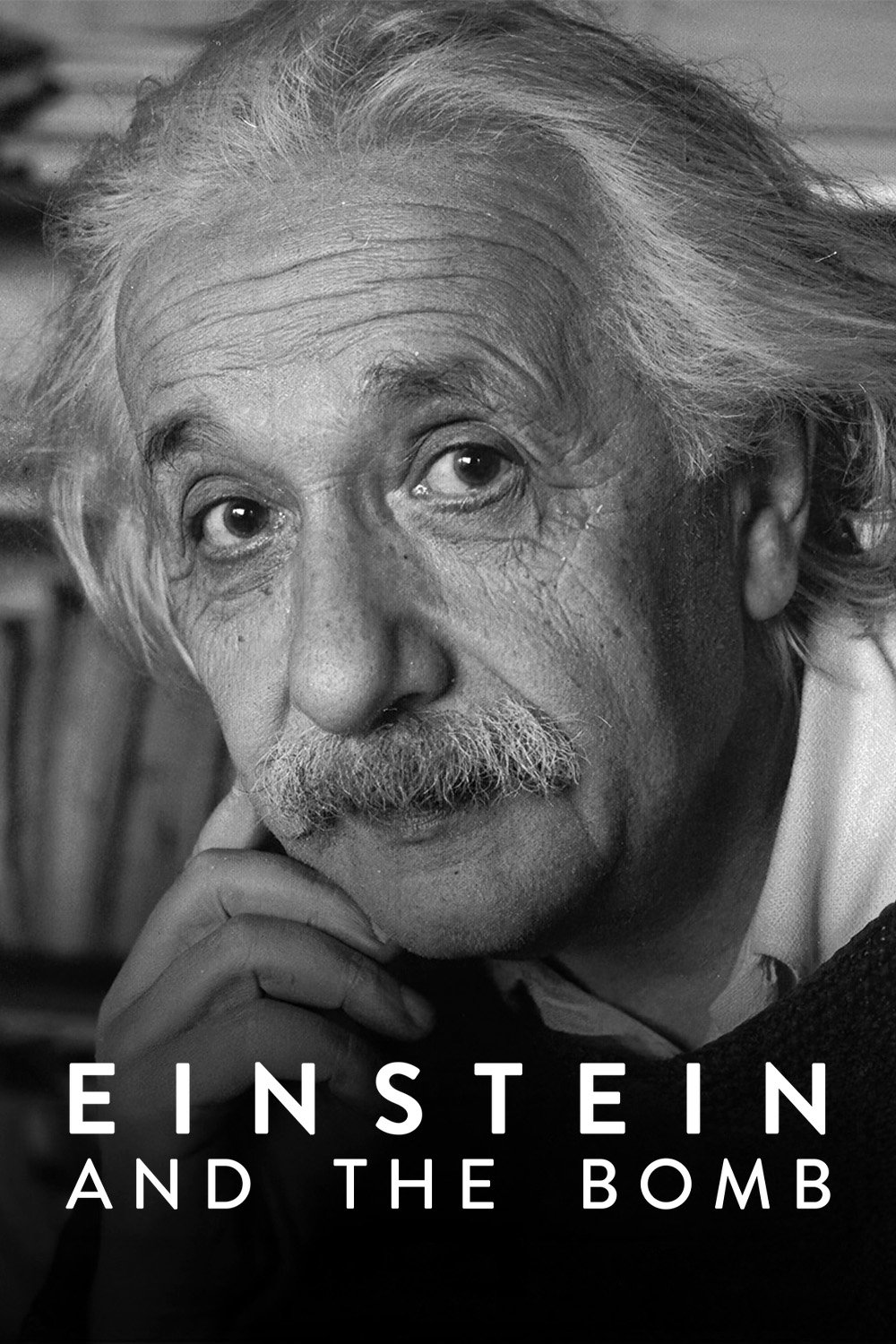
What happened after Einstein fled Nazi Germany? Using archival footage and his own words, this docudrama dives into the mind of a tortured genius.
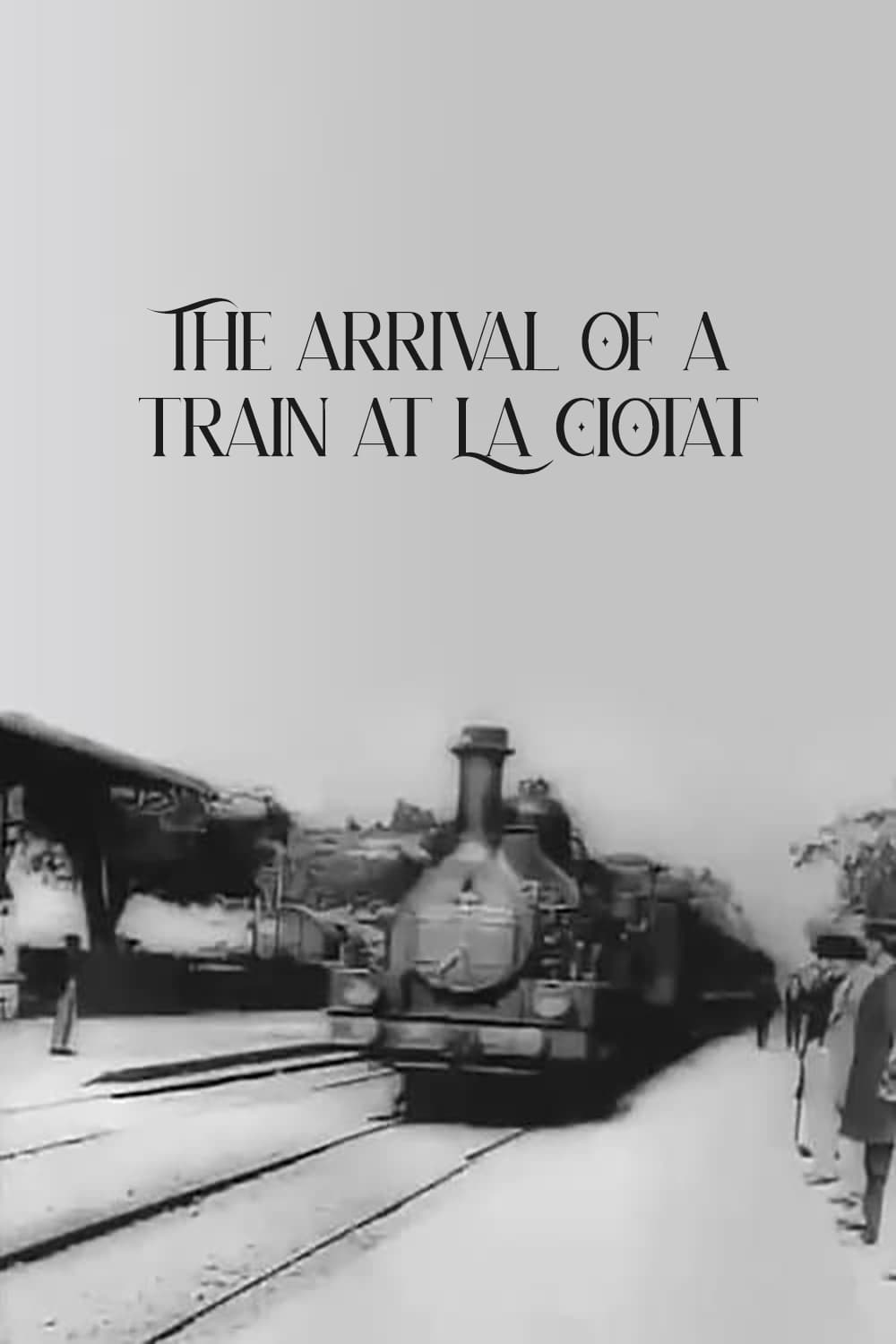
A group of people are standing along the platform of a railway station in La Ciotat, waiting for a train. One is seen coming, at some distance, and eventually stops at the platform. Doors of the railway-cars open and attendants help passengers off and on. Popular legend has it that, when this film was shown, the first-night audience fled the café in terror, fearing being run over by the "approaching" train. This legend has since been identified as promotional embellishment, though there is evidence to suggest that people were astounded at the capabilities of the Lumières' cinématographe.
The history of cinematic sound, told by legendary sound designers and visionary filmmakers.
Filmmaker Alain Resnais documents the atrocities behind the walls of Hitler's concentration camps.
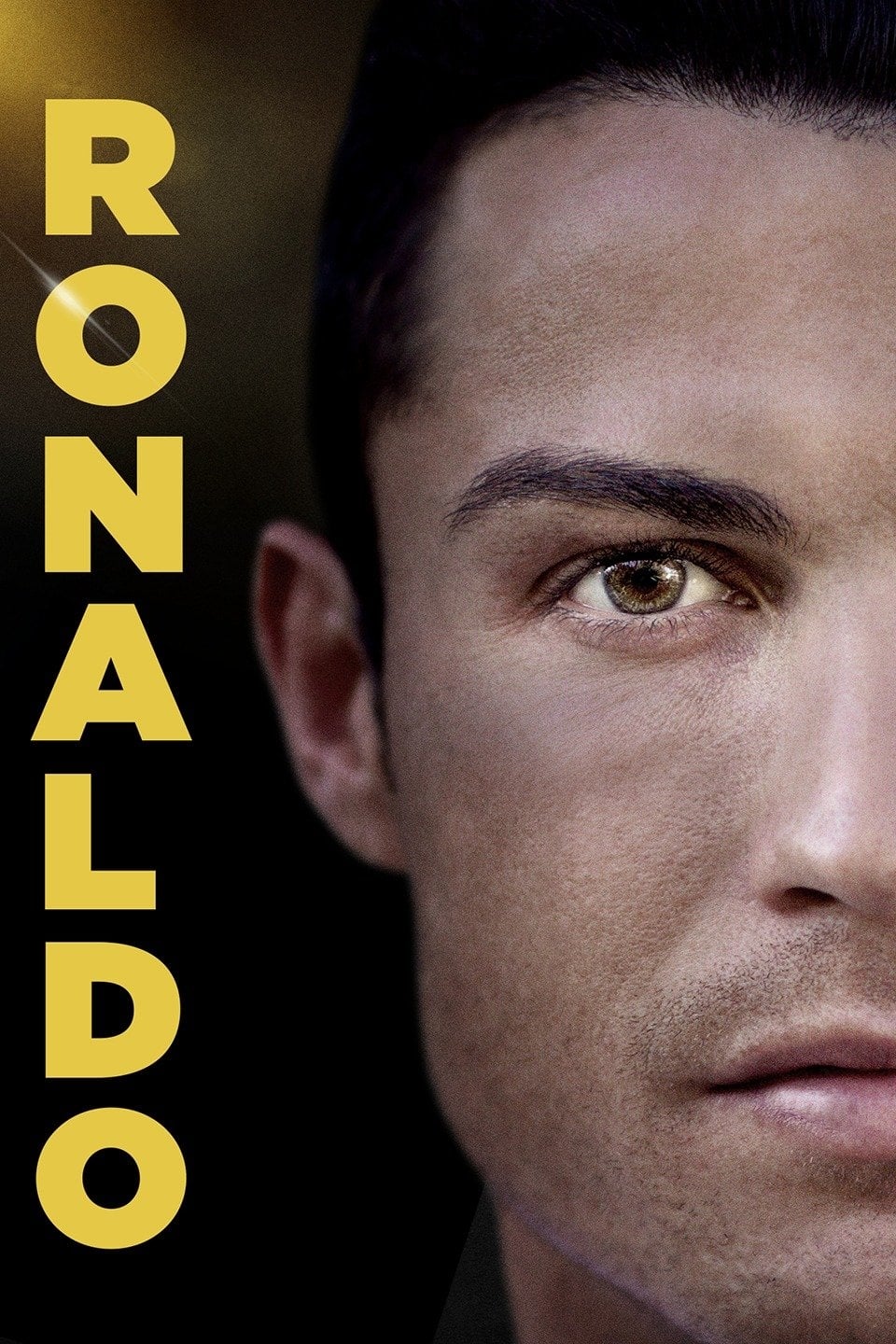
Filmed over 14 months with unprecedented access into the inner circle of the man and the sport, this is the first official and fully authorised film of one of the most celebrated figures in football. For the first time ever, the world gets vividly candid and un-paralleled, behind-closed-doors access to the footballer, father, family-man and friend in this moving & fascinating documentary. Through in-depth conversations, state of the art football footage and never before seen archival footage, the film gives an astonishing insight into the sporting and personal life of triple Ballon D'Or winner Cristiano Ronaldo at the peak of his career. From the makers of ‘Senna’ and ‘Amy’, Ronaldo takes audiences on an intimate and revealing journey of what it’s like to live as an iconic athlete in the eye of the storm.
An unprecedented and intimate look at the life, work and enduring legacy of British actress Audrey Hepburn (1929-1993).
The odyssey of Senegalese friends who attempt a life-threatening boat crossing.
“The Soviet Story” is a story of an Allied power, which helped the Nazis to fight Jews and which slaughtered its own people on an industrial scale. Assisted by the West, this power triumphed on May 9th, 1945. Its crimes were made taboo, and the complete story of Europe’s most murderous regime has never been told. Until now...
Oliver Stone charts the history of the United States from the Second World War to the present.
A documentary shot by filmmakers all over the world that serves as a time capsule to show future generations what it was like to be alive on the 24th of July, 2010.
A behind-the-scenes documentary about the Clinton for President campaign, focusing on the adventures of spin doctors James Carville and George Stephanopoulos.
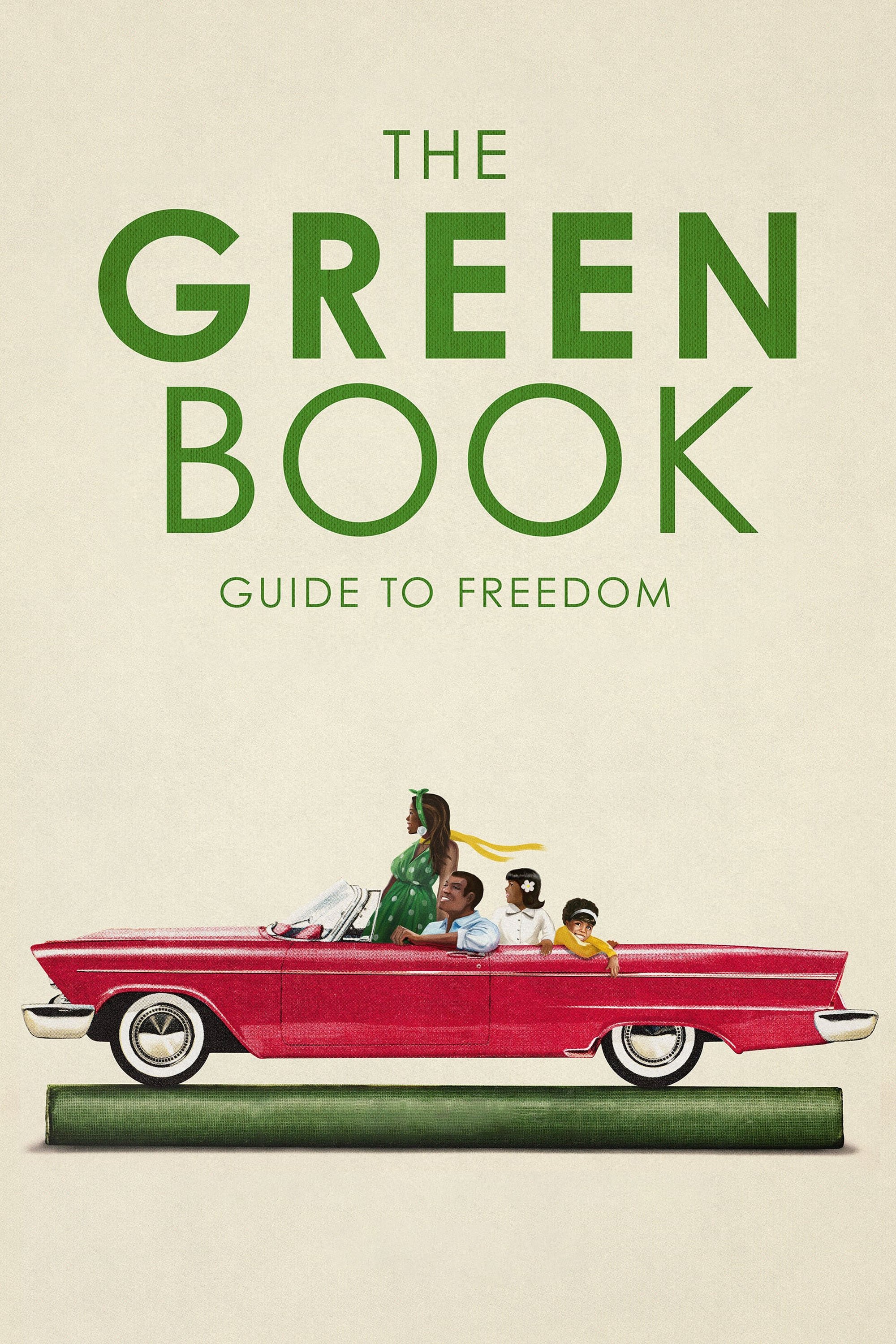
In 1936, Victor H. Green (1892-1960) published The Negro Motorist Green Book, a book that was both a travel guide and a survival manual, to help African-Americans navigate safe those regions of the United States where segregation and Jim Crow laws were disgracefully applied.
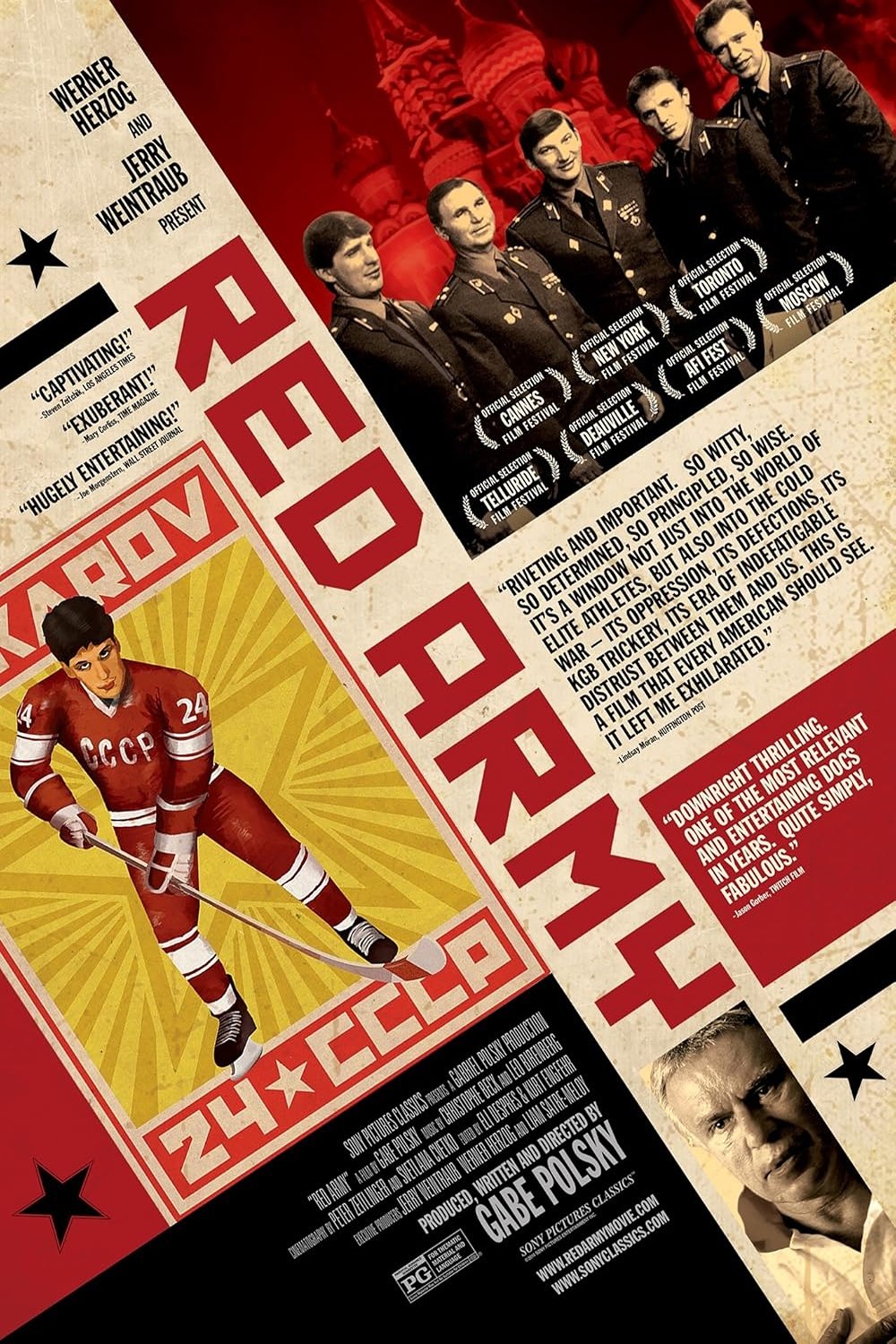
A documentary highlighting the Soviet Union's legendary and enigmatic hockey training culture and world-dominating team through the eyes of the team's Captain Slava Fetisov, following his shift from hockey star and celebrated national hero to political enemy.
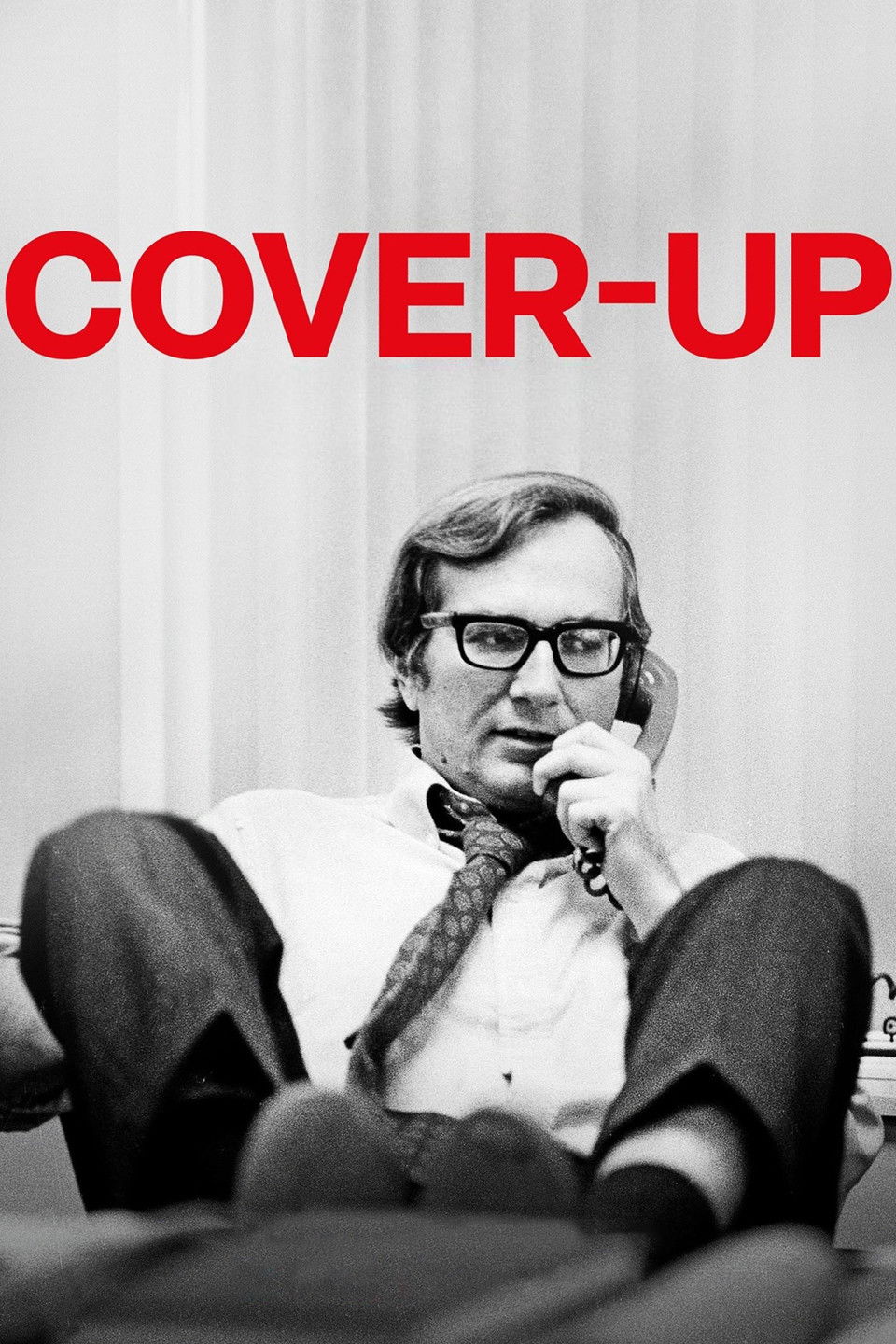
He's devoted his career to uncovering stories the powerful want buried. From My Lai to Abu Ghraib, dig into the life's work of journalist Seymour Hersh.
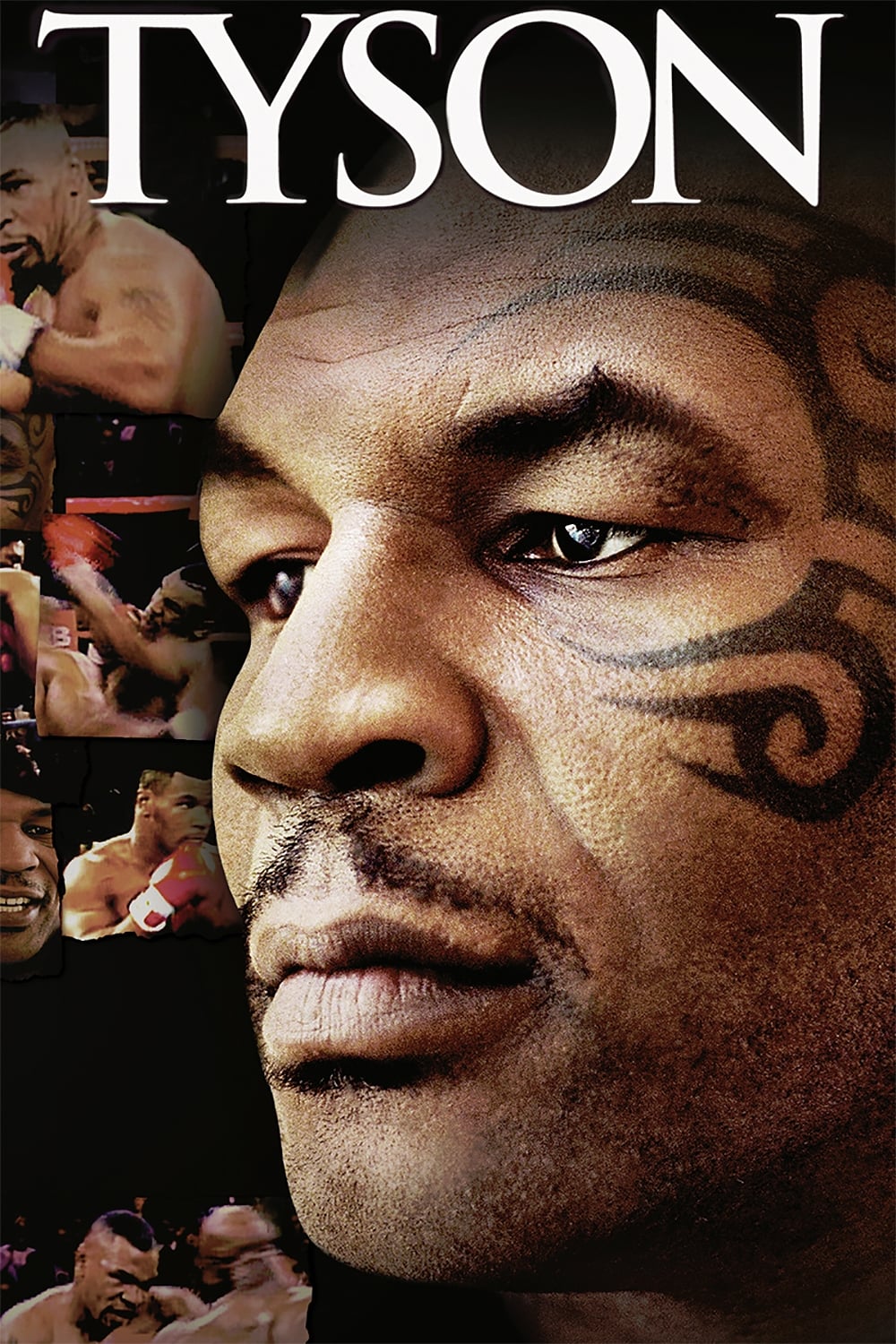
Director James Toback takes an unflinching, uncompromising look at the life of Mike Tyson--almost solely from the perspective of the man himself. TYSON alternates between the controversial boxer addressing the camera and shots of the champion's fights to create an arresting picture of the man.
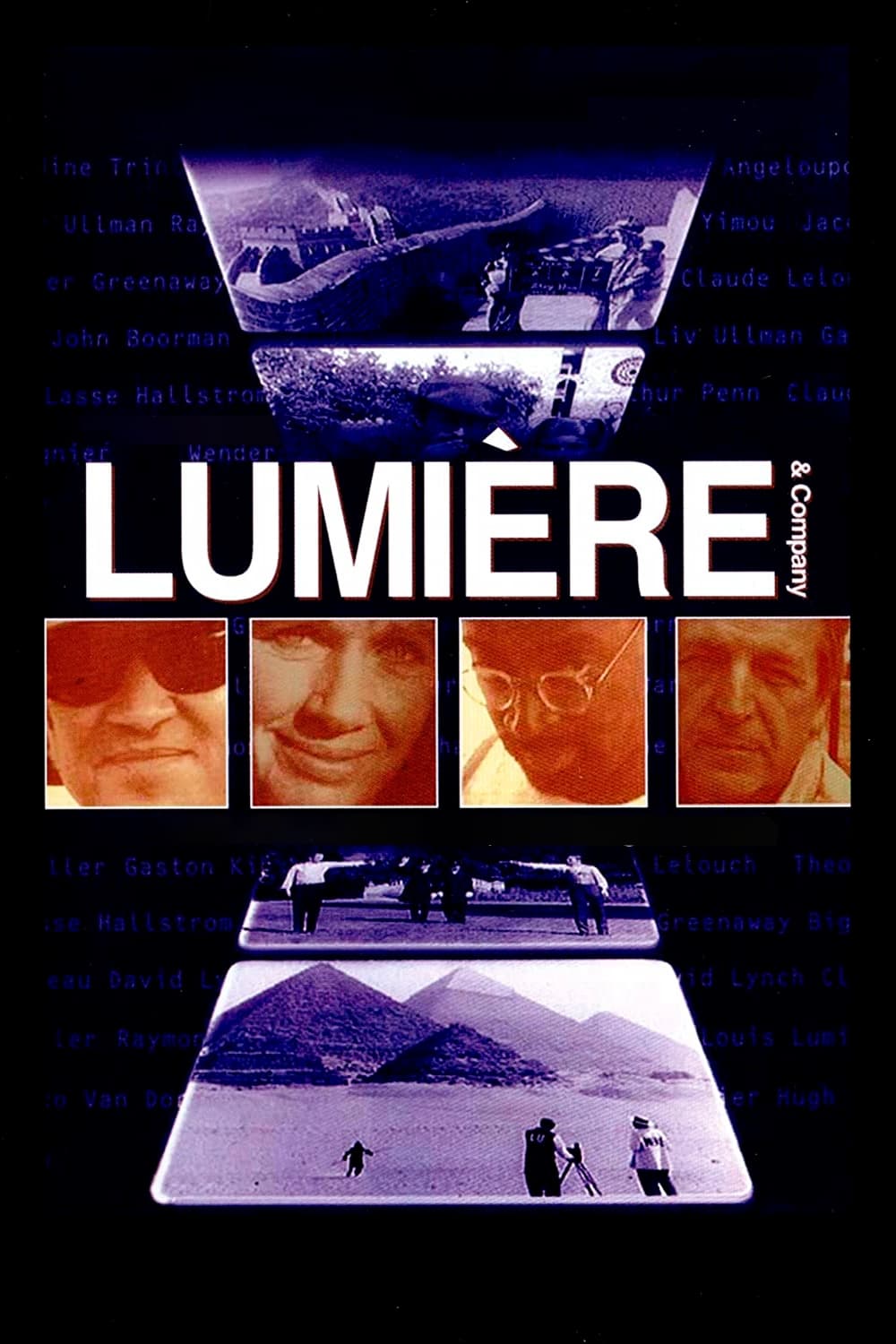
40 international directors were asked to make a short film using the original Cinematographe invented by the Lumière Brothers, working under conditions similar to those of 1895. There were three rules: (1) The film could be no longer than 52 seconds, (2) no synchronized sound was permitted, and (3) no more than three takes.
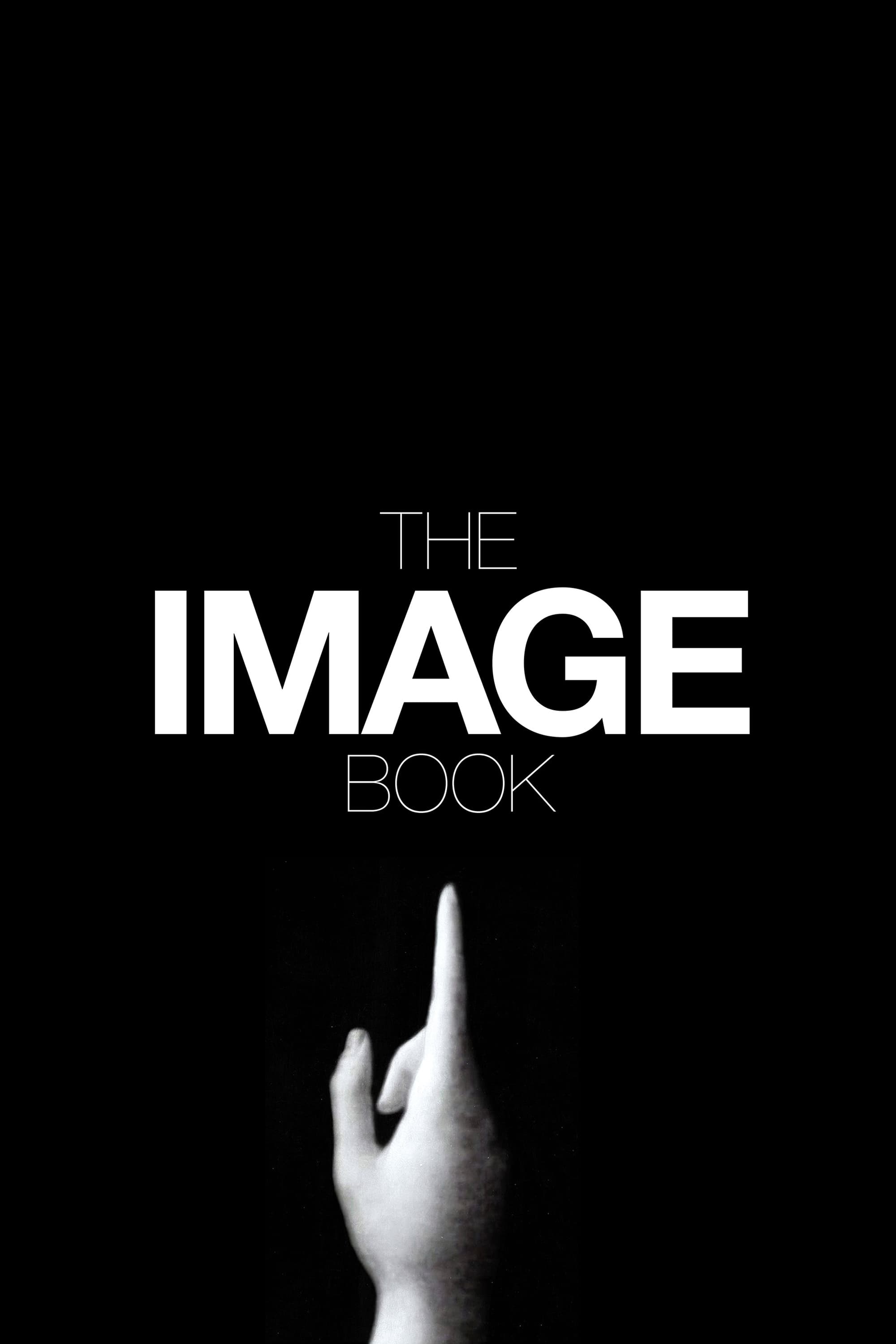
In Le Livre d’Image, Jean-Luc Godard recycles existing images (films, documentaries, paintings, television archives, etc.), quotes excerpts from books, uses fragments of music. The driving force is poetic rhyme, the association or opposition of ideas, the aesthetic spark through editing, the keystone. The author performs the work of a sculptor. The hand, for this, is essential. He praises it at the start. “There are the five fingers. The five senses. The five parts of the world (…). The true condition of man is to think with his hands. Jean-Luc Godard composes a dazzling syncopation of sequences, the surge of which evokes the violence of the flows of our contemporary screens, taken to a level of incandescence rarely achieved. Crowned at Cannes, the last Godard is a shock film, with twilight beauty.
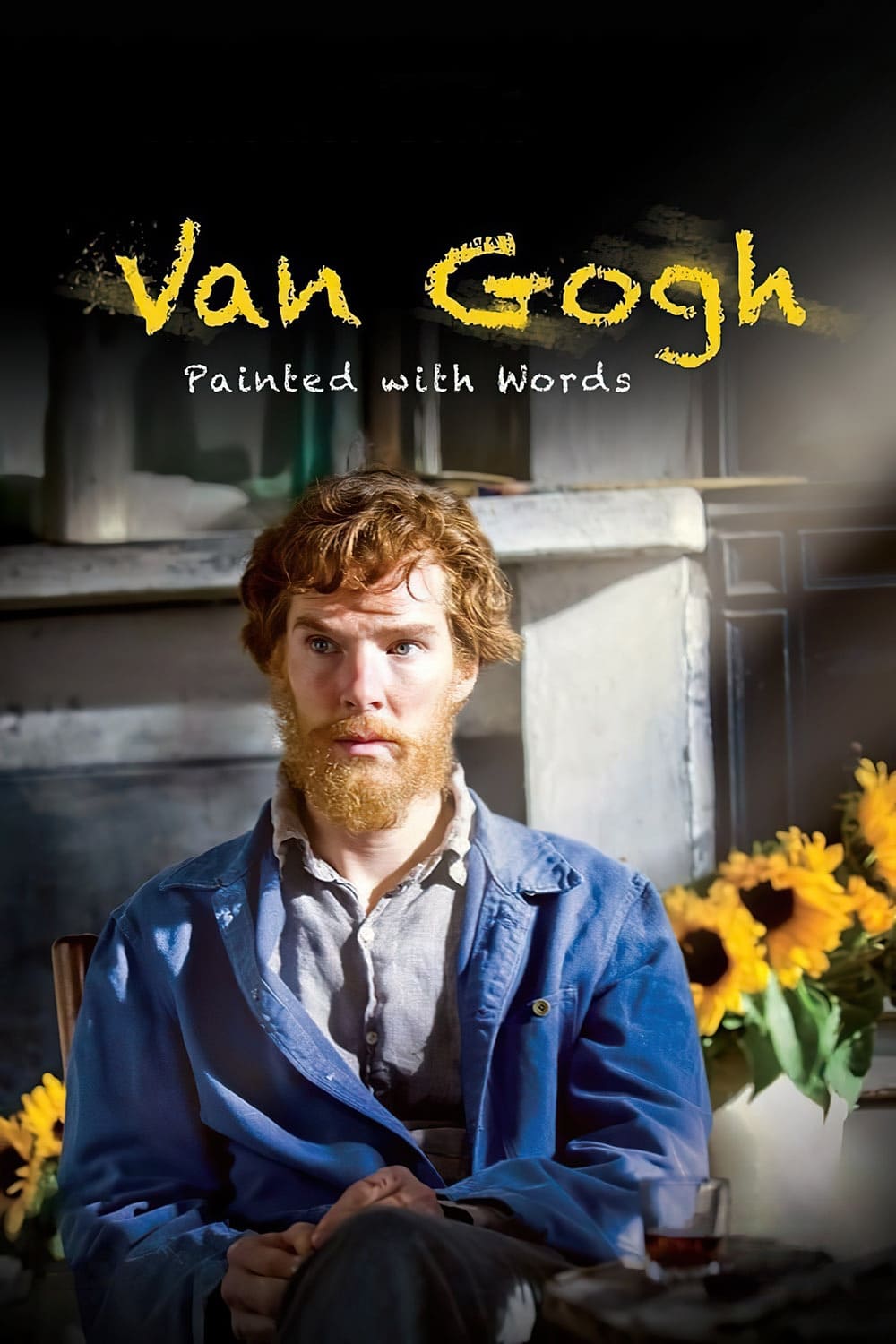
A drama-documentary presented by Alan Yentob, with Benedict Cumberbatch in the lead role. Every word spoken by the actors in this film is sourced from the letters that Van Gogh sent to his younger brother Theo, and of those around him. What emerges is a complex portrait of a sophisticated, civilised and yet tormented man.
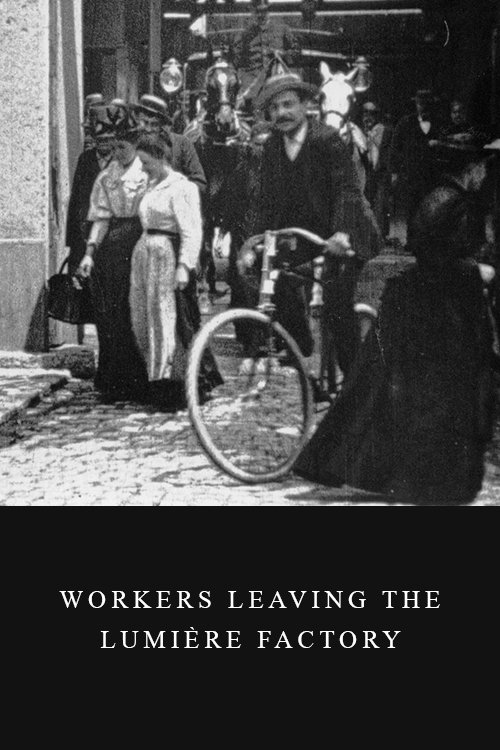
Working men and women leave through the main gate of the Lumière factory in Lyon, France. Filmed on 22 March 1895, it is often referred to as the first real motion picture ever made, although Louis Le Prince's 1888 Roundhay Garden Scene pre-dated it by seven years. Three separate versions of this film exist, which differ from one another in numerous ways. The first version features a carriage drawn by one horse, while in the second version the carriage is drawn by two horses, and there is no carriage at all in the third version. The clothing style is also different between the three versions, demonstrating the different seasons in which each was filmed. This film was made in the 35 mm format with an aspect ratio of 1.33:1, and at a speed of 16 frames per second. At that rate, the 17 meters of film length provided a duration of 46 seconds, holding a total of 800 frames.