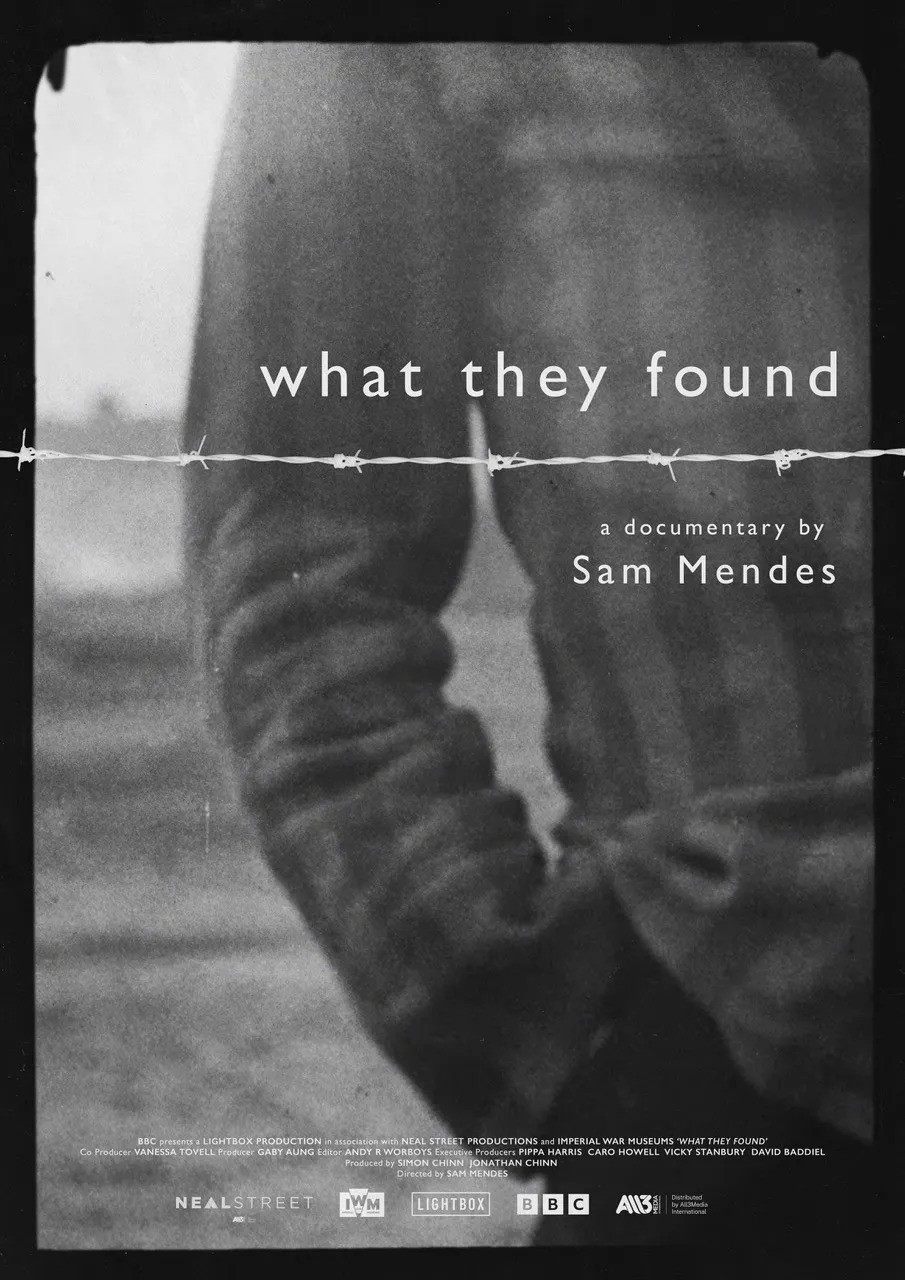
Former inmates and American soldiers remember the cruel conditions in Buchenwald concentration camp.
Social & External
The people behind it
Milton Harrison
Self
Kurt Baum
Kurt Goldstein
Helmut Haag
Ernst Jende
Gisela Hemman
Margot Pommerenke
Wolfgang Held
Thomas Crawford
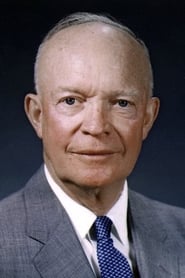
Dwight D. Eisenhower
Self (archive footage)
This chilling, vitally important documentary was produced to mark the 40th anniversary of the liberation of Auschwitz Concentration Camp. The film contains unedited, previously unavailable film footage of Auschwitz shot by the Soviet military forces between January 27 and February 28, 1945 and includes an interview with Alexander Voronsov, the cameraman who shot the footage. The horrifying images include: survivors; camp visit by Soviet investigation commission; criminal experiments; forced laborers; evacuation of ill and weak prisoners with the aid of Russian and Polish volunteers; aerial photos of the IG Farben Works in Monowitz; and pictures of local people cleaning up the camp under Soviet supervision. - Written by National Center for Jewish Film
For more than a decade, Reichsmarschall Hermann Goering, Adolf Hitler's right-hand man during the infamous Third Reich, assembled a collection of thousands of works of art that were meticulously catalogued.
Even high Nazi leaders like Joseph Goebbels and Hermann Göring were almost contemptuous of this party comrad, and yet he was one of the most influential figures in the Third Reich: Julius Streicher, publisher of the anti-Semitic weekly "Der Stürmer", responsible for the worst propaganda and infamous for his corrupt and violent regime as Gauleiter of Franconia. By the Allies he was considered a symbol of Nazi hatred of the Jews. In 1946 he was sentenced to death in Nuremberg and executed.
What would your family reminiscences about dad sound like if he had been an early supporter of Hitler’s, a leader of the notorious SA and the Third Reich’s minister in charge of Slovakia, including its Final Solution? Executed as a war criminal in 1947, Hanns Ludin left behind a grieving widow and six young children, the youngest of whom became a filmmaker. It's a fascinating, maddening, sometimes even humorous look at what the director calls "a typical German story." (Film Forum)

Stories of 12 gay and lesbian survivors of Nazism and the Holocaust.
Exploring the mechanisms of the Nazi seizure of power and focusing on forgotten sites in Saxony and Thuringia, the film investigates early "wild" concentration camps established after 1933 for the suppression of political opponents.
In the small town of Rechnitz a terrible crime against humanity was performed during the holocaust. Until now, no-one dares to talk about it.
Researcher Hannelore Witkovsky searches for the notorious Nazi war criminal Dr. Joseph Mengele's lost film about his experiments on a family of little people in Auschwitz including Holocaust survivor Perla Ubitsch, whom she befriends.
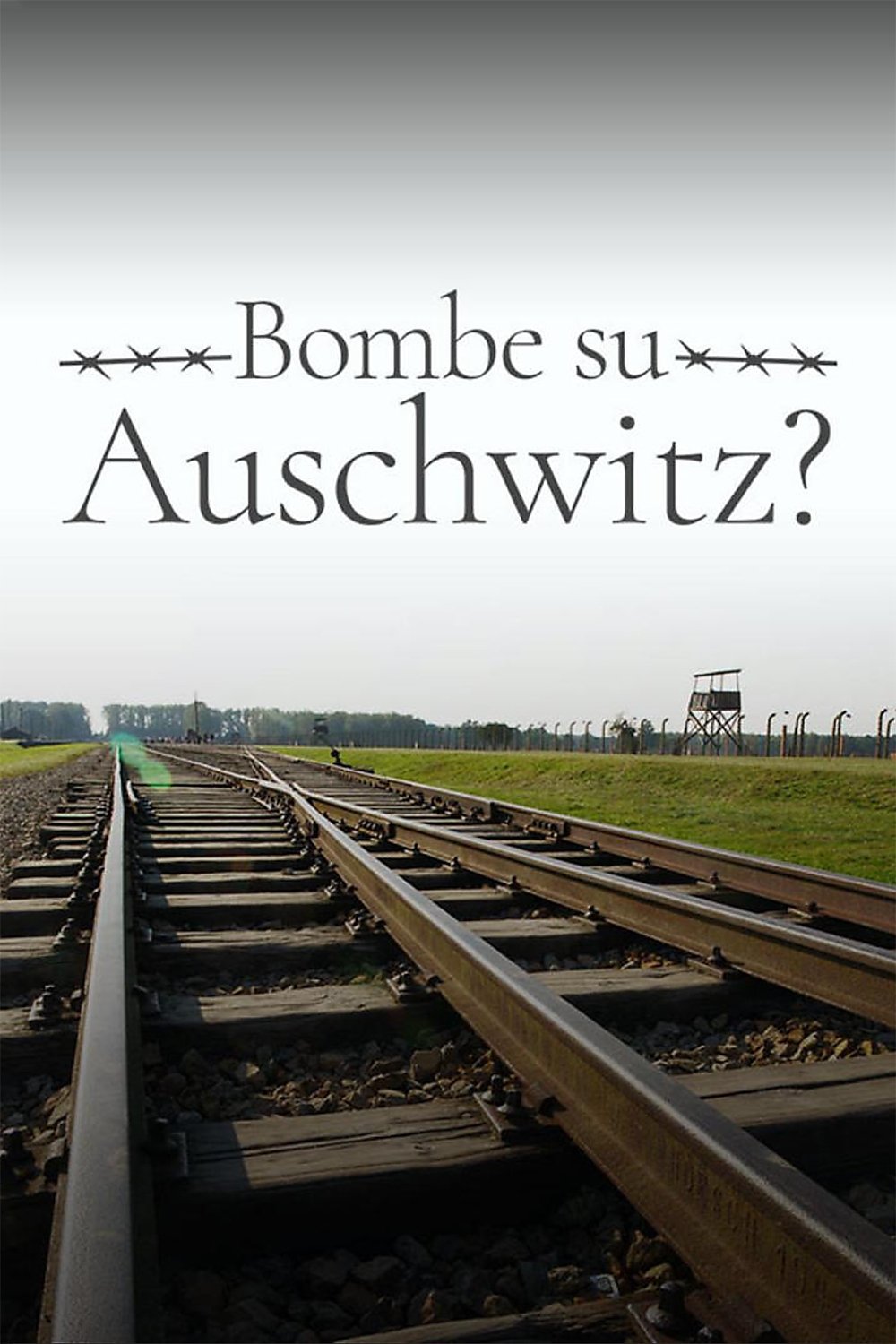
Between 1942 and 1944 some 24,916 Jews were deported from Belgium to Auschwitz. The roundups and deportations were organized and carried out by the Nazis with the - not always conscious - cooperation of Belgian authorities. The attitude of the authorities here varied from outright resistance to voluntary or unwitting collaboration.
A profile of Swedish diplomat Raoul Wallenberg, the film covers his role in saving the lives of Jewish refugees from the Holocaust, as well as exploring the evidence that he may still have been alive in a Soviet gulag as late as the early 1980s.
One journalist described it as a chance "to see justice catch up with evil." On November 20, 1945, the twenty-two surviving representatives of the Nazi elite stood before an international military tribunal at the Palace of Justice in Nuremberg, Germany; they were charged with the systematic murder of millions of people. The ensuing trial pitted U.S. chief prosecutor and Supreme Court judge Robert Jackson against Hermann Göring, the former head of the Nazi air force, whom Adolf Hitler had once named to be his successor. Jackson hoped that the trial would make a statement that crimes against humanity would never again go unpunished. Proving the guilt of the defendants, however, was more difficult than Jackson anticipated. This American Experience production draws upon rare archival material and eyewitness accounts to recreate the dramatic tribunal that defines trial procedure for state criminals to this day.
Charlotte Salomon died in the Auschwitz concentration camp in 1943. The pictures she painted while on the run in unoccupied France have survived - a cycle in which Charlotte Salomon tells the story of her life like a diary.
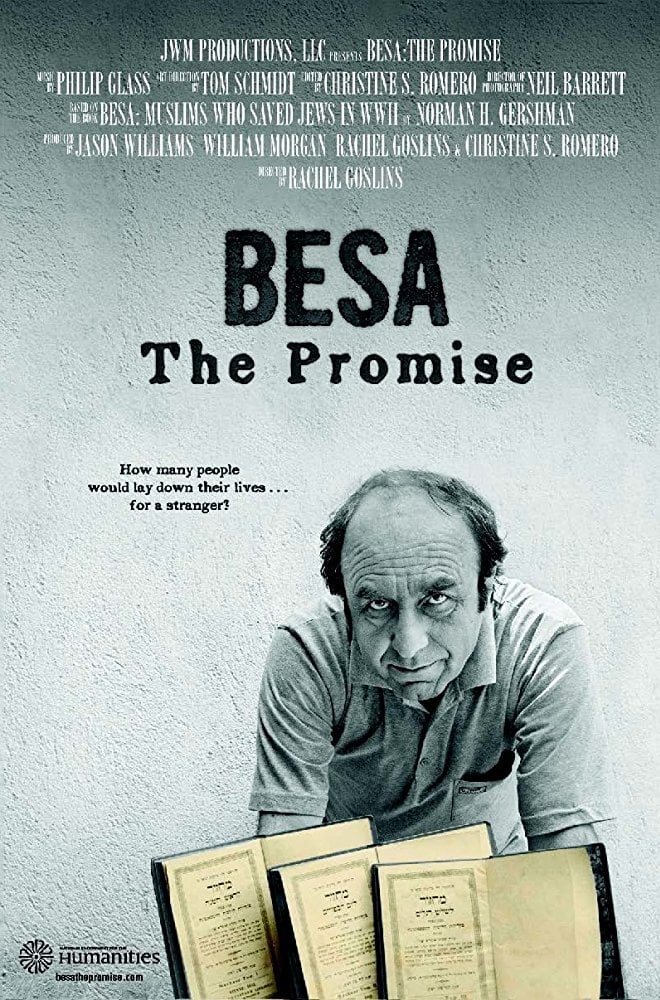
A film about non-Jews who saved Jews during the Holocaust.
A film about friendship in difficult times, Auschwitz.
Most 72 is the very first film essay directed and produced by The Markerists and the inaugural installment in the series 'Most'. The footage and the audio were recorded in a single day on June 17th, 2013 on location in Auschwitz-Birkenau with post-production being completed within 72 hours. Surbhi Goel, a professor of cultural studies from India on her first trip outside of her homeland, recorded extemporaneous impressions as she walked the grounds of the death camp with the filmmakers. These were later used as the voice-over narration. The project serves as the template in which future Markerists film essays will be produced--shot and recorded on location and completed immediately afterwards, staying relevant in this age of instant global communication.
The secret Nazi death camp at Sobibor was created solely for the mass extermination of Jews. But on the 14th October 1943, in one of the biggest and most successful prison revolts of WWII, the inmates fought back.
An account of the life and work of the Polish writer Stanisław Lem (1921-2006), a key figure in science fiction literature involved in mysteries and paradoxes that need to be enlightened.
“This film is part of a series of films on gay men who survived the Nazi era. I met Walter Schwarze when he was already in his eighties. My camera recorded his first public account of his five-year incarceration as a homosexual at Sachsenhausen concentration camp. He was in his fifties when he met Ali in his hometown of Leipzig; the two men became partners and remained close until his demise. And yet, Walter told me, he felt he had lived in vain because he had not had the good fortune of today's gays, who are able to grow up in freedom. Walter Schwarze died of cancer on May 10, 1998.” Rosa von Praunheim
As a result of the Holocaust and later, AIDS, the male homosexual community has sustained bitter losses and, according to Praunheim, lesbian women have now placed themselves at the head of the so-called queer movement. The female protagonists in the film represent two different generations; they also incorporate the past and present status of homosexuals in society.
This Oscar-winning documentary recounts the harrowing stories of five Hungarian Jews who endured the horrors of the Holocaust and Hitler's reign.
Over 35 years after Bob Lazar's revelations, this documentary exposes secrets of a facility the government still denies. Featuring Lazar's testimony, recreations, and new evidence, it reopens a case that continues to spark global curiosity
This revealing documentary honors the legendary Sidney Poitier—iconic actor, filmmaker, and civil rights activist. Featuring interviews with Denzel Washington, Spike Lee, Halle Berry, and more.
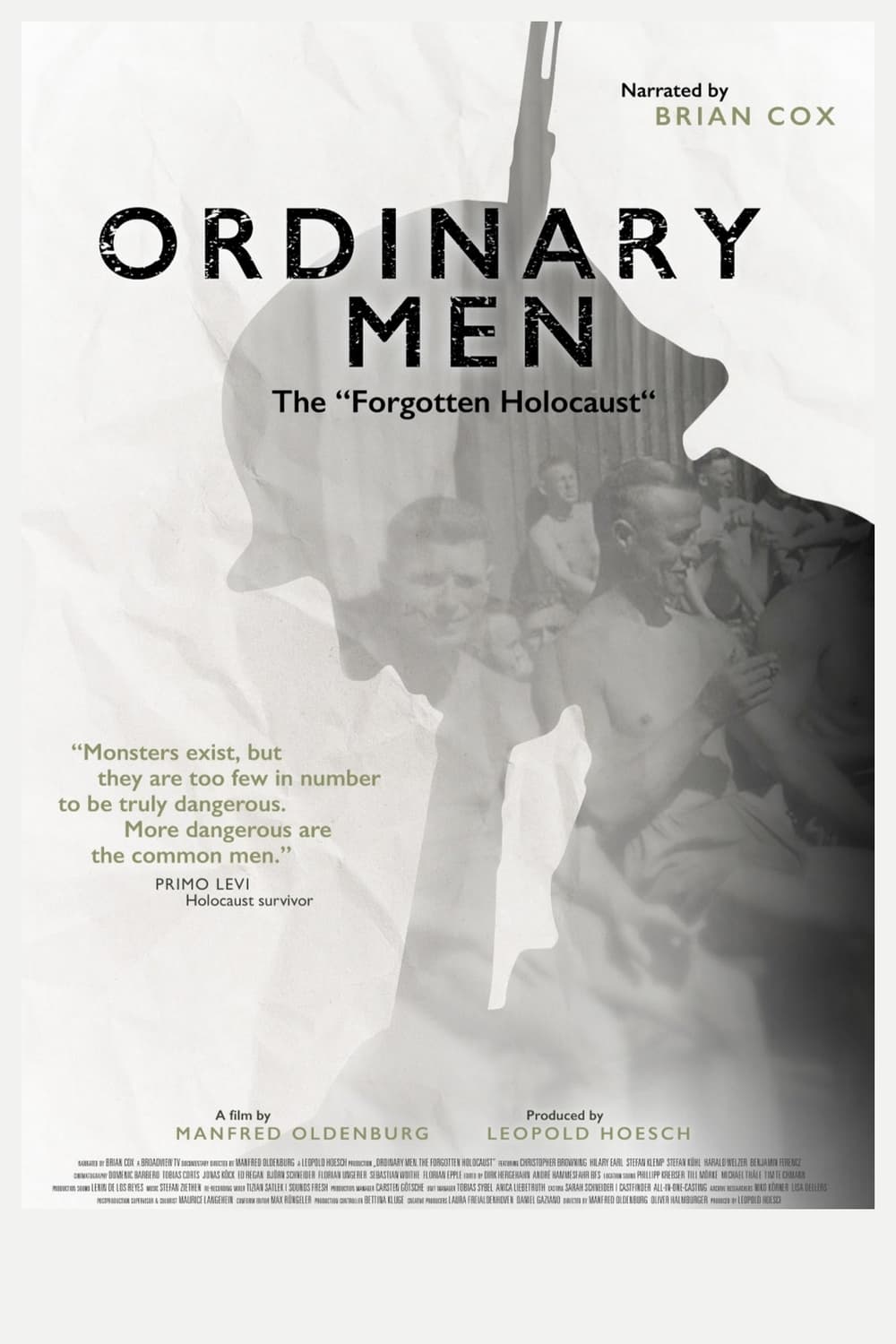
Six million Jews died during World War II, both in the extermination camps and murdered by the mobile commandos of the Einsatzgruppen and police battalions, whose members shot men, women and children, day after day, obediently, as if it were a normal job, a fact that is hardly known today. Who were these men and how could they commit such crimes?
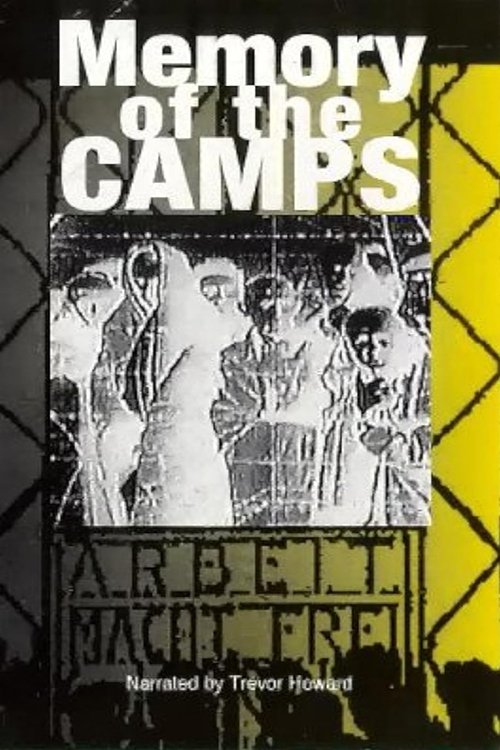
When Allied forces liberated the Nazi concentration camps in 1944-45, their terrible discoveries were recorded by army and newsreel cameramen, revealing for the first time the full horror of what had happened. Making use of British, Soviet and American footage, the Ministry of Information’s Sidney Bernstein (later founder of Granada Television) aimed to create a documentary that would provide lasting, undeniable evidence of the Nazis’ unspeakable crimes. He commissioned a wealth of British talent, including editor Stewart McAllister, writer and future cabinet minister Richard Crossman – and, as treatment advisor, his friend Alfred Hitchcock. Yet, despite initial support from the British and US Governments, the film was shelved, and only now, 70 years on, has it been restored and completed by Imperial War Museums under its original title "German Concentration Camps Factual Survey".
A woman’s Holocaust memoir takes the world by storm, but a fallout with her publisher-turned-detective reveals her story as an audacious deception created to hide a darker truth.
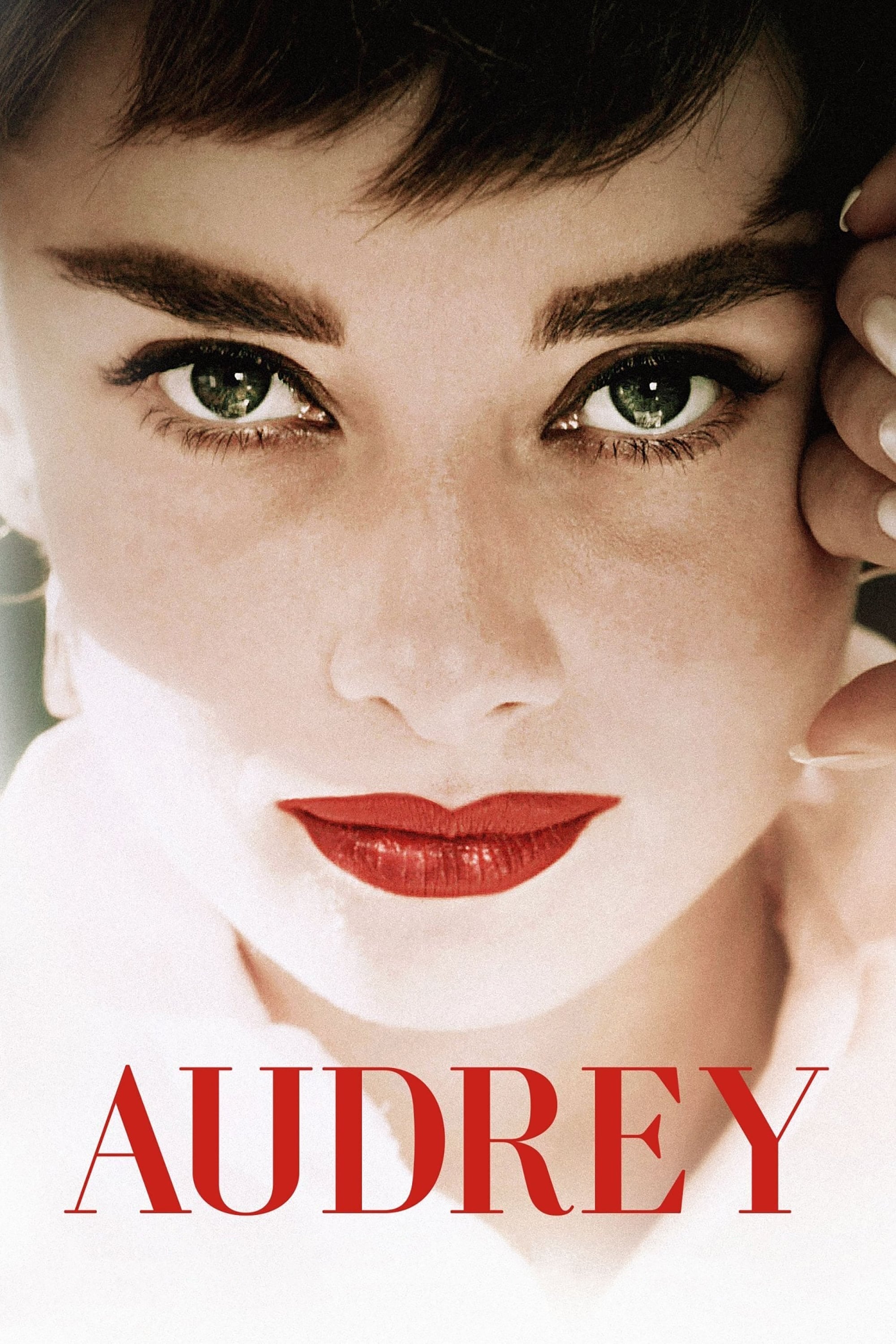
An unprecedented and intimate look at the life, work and enduring legacy of British actress Audrey Hepburn (1929-1993).
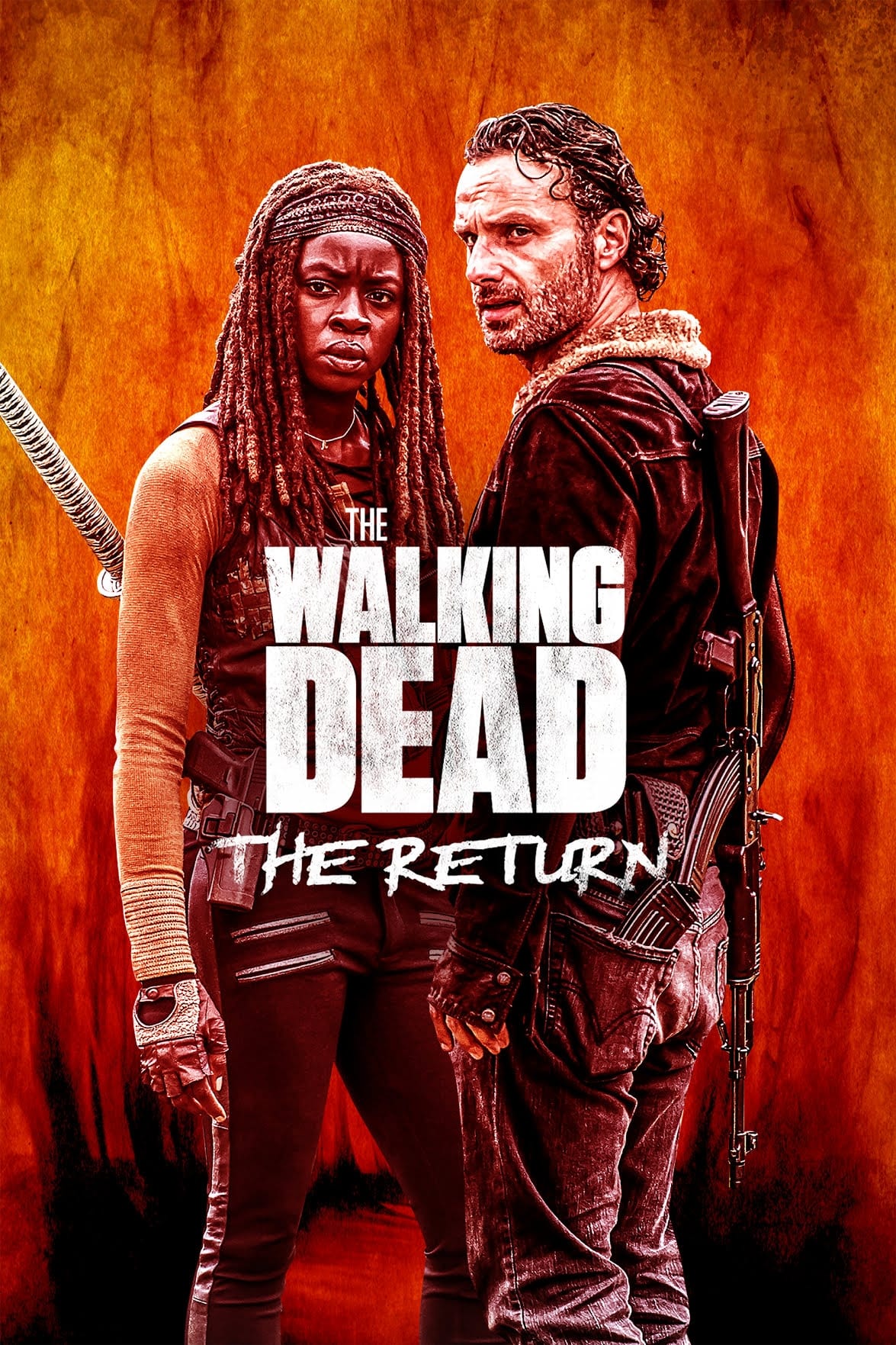
Stars of "The Walking Dead," Andrew Lincoln and Danai Gurira, walk down memory lane and visit iconic locations where pivotal moments between their characters, Rick and Michonne, were filmed.
Serving life in prison for murdering their parents, Lyle and Erik Menendez speak out in this documentary explaining the shocking crime and ensuing trials.
Those who knew iconic funnyman John Candy best share his story, in their own words, through never-before-seen archival footage, imagery, and interviews.
In the Realms of the Unreal is a documentary about the reclusive Chicago-based artist Henry Darger. Henry Darger was so reclusive that when he died his neighbors were surprised to find a 15,145-page manuscript along with hundreds of paintings depicting The Story of the Vivian Girls, in What is Known as the Realms of the Unreal, of the Glodeco-Angelinnian War Storm, Cased by the Child Slave Rebellion.
An in-depth look at the prison system in the United States and how it reveals the nation's history of racial inequality.
The life and career of an actor, artist, and icon. His own journey through his own camera.
Fourteen years after his first visit, Louis Theroux meets some of the growing community of religious-nationalist Israelis who have settled in the occupied West Bank.
An inside look at one of the most anticipated movie sequels ever with James Cameron and cast.
From a prolific career in film and television, Anton Yelchin left an indelible legacy as an actor. Through his journals and other writings, his photography, the original music he wrote, and interviews with his family, friends, and colleagues, this film looks not just at Anton's impressive career, but at a broader portrait of the man.
Alexander McQueen's rags-to-riches story is a modern-day fairy tale, laced with the gothic. Mirroring the savage beauty, boldness and vivacity of his design, this documentary is an intimate revelation of McQueen's own world, both tortured and inspired, which celebrates a radical and mesmerizing genius of profound influence.
Through deeply personal interviews with her siblings and an examination of the photographs, letters, and belongings left behind, Mariska assembles a new portrait of her mother Jayne Mansfield, an extraordinary and complex woman.
A documentary on kids who attend a summer camp hoping to become the next Billy Graham.
The Captains is a feature-length documentary film written and directed by William Shatner. The film follows Shatner as he interviews the other actors who have portrayed starship captains in the Star Trek franchise.