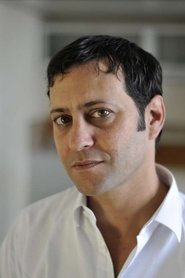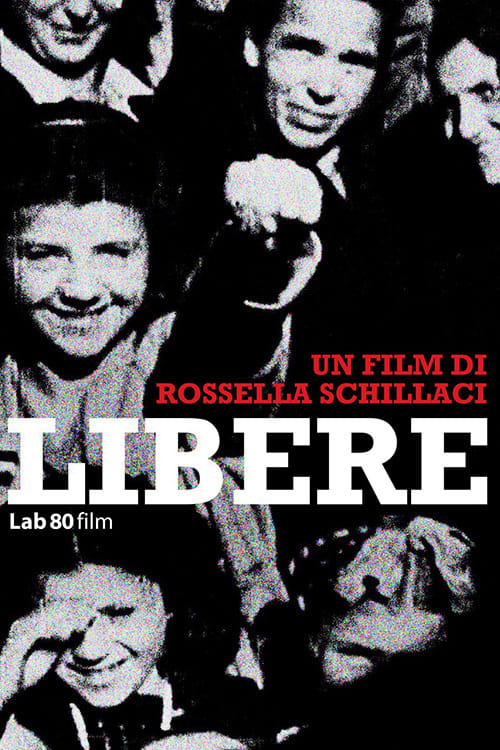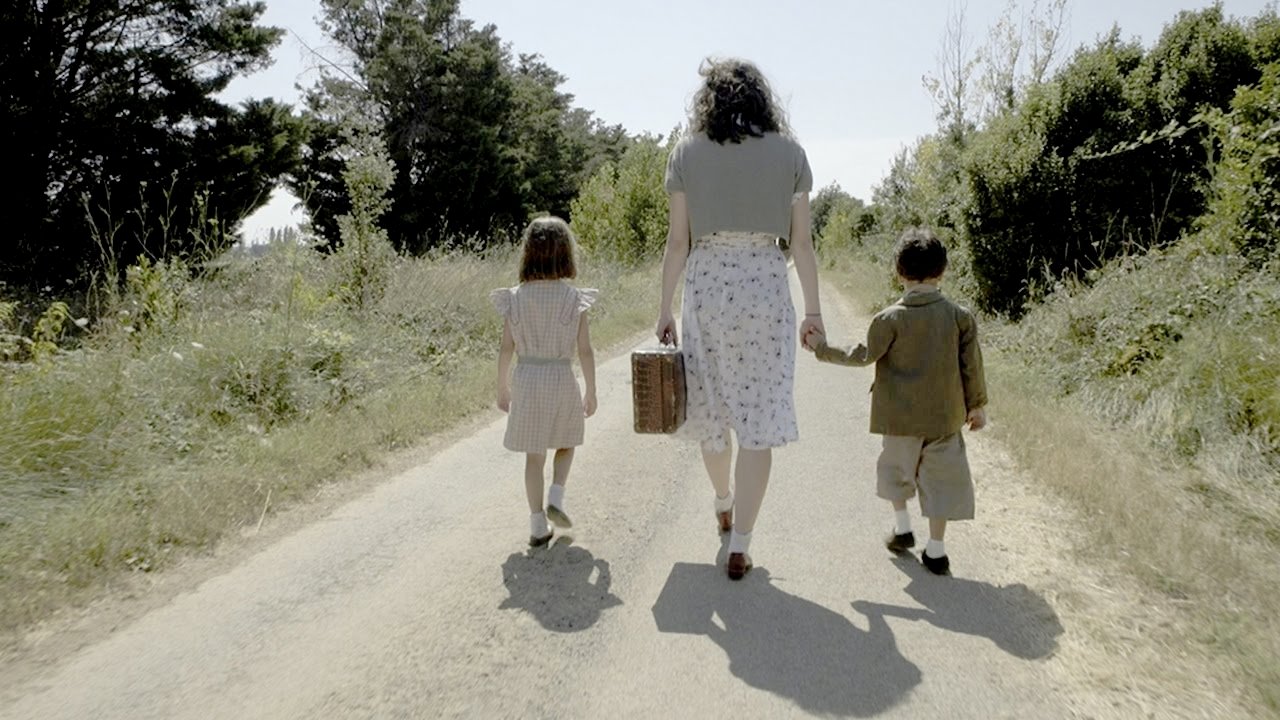
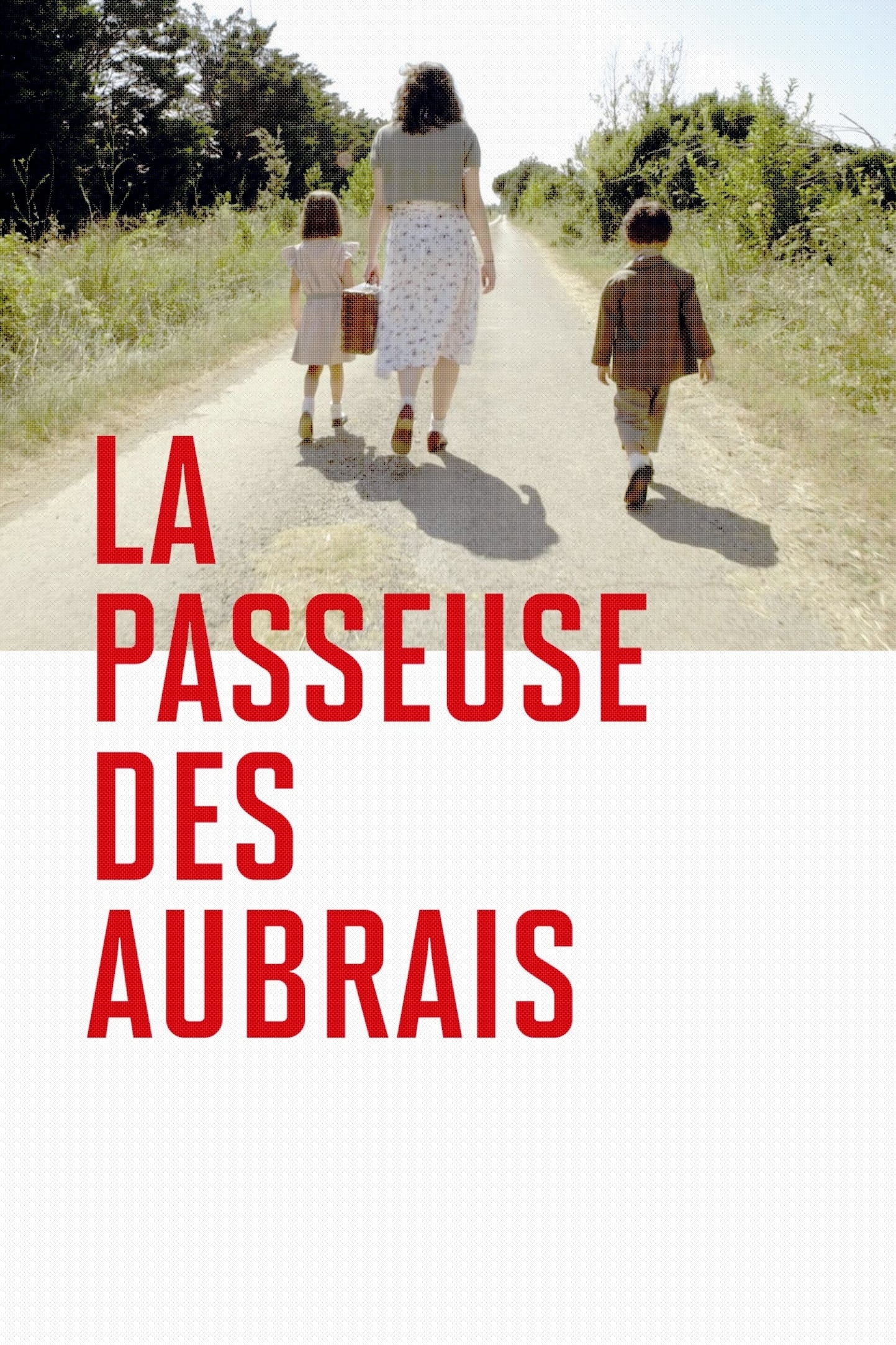
A captivating and personal detective story that uncovers the truth behind the childhood of Michaël Prazan's father, who escaped from Nazi-occupied France in 1942 thanks to the efforts of a female smuggler with mysterious motivations.

Social & External
The people behind it
Michaël Prazan
Self - B. Prazan's Son / Narrator (voice)
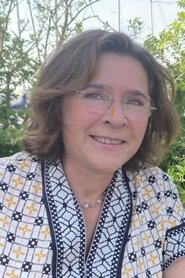
Marine Baron
Self - Narrator (voice)
Franck Prazan
Self - B. Prazan's Son
Bernard Prazan
Self - Interviewee (archive footage)
Catherine Bernstein
Self - Interviewer (voice) (archive footage)
Thérèse Léopold
Philippe Pétain
Self - Politician (archive footage)
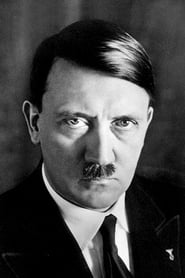
Adolf Hitler
In 1947, the borderlines between India and Pakistan are being drawn. A young girl bears witnesses to tragedy as her ayah is caught between the love of two men and the rising tide of political and religious violence.
Paris, France, February 2, 1922. The novel Ulysses, by Irish writer James Joyce (1882-1941), is published by US poet Sylvia Beach (1887-1962), owner of the small bookstore Shakespeare & Co. The book, whose writing consumed seven years of Joyce's life, years in which his family was in financial need, would have a profound and unprecedented impact on 20th century literature and culture.
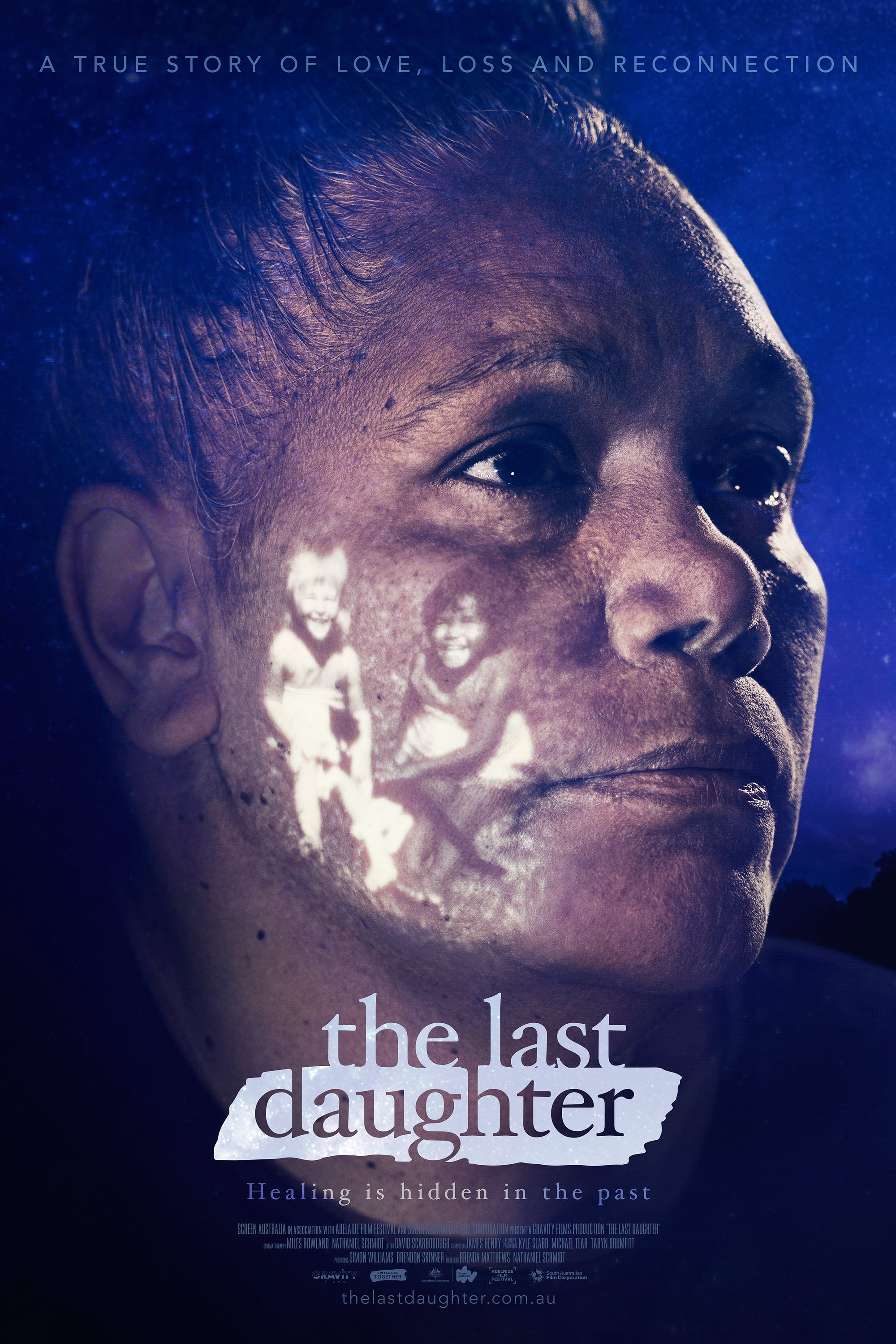
Brenda’s first memories were of growing up in a loving white foster family, before she was suddenly taken away and returned to her Aboriginal family. Decades later, she feels disconnected from both halves of her life, so she goes searching for the foster family with whom she had lost contact. Along the way she uncovers long-buried secrets, government lies, and the possibility of deeper connections to family and culture.
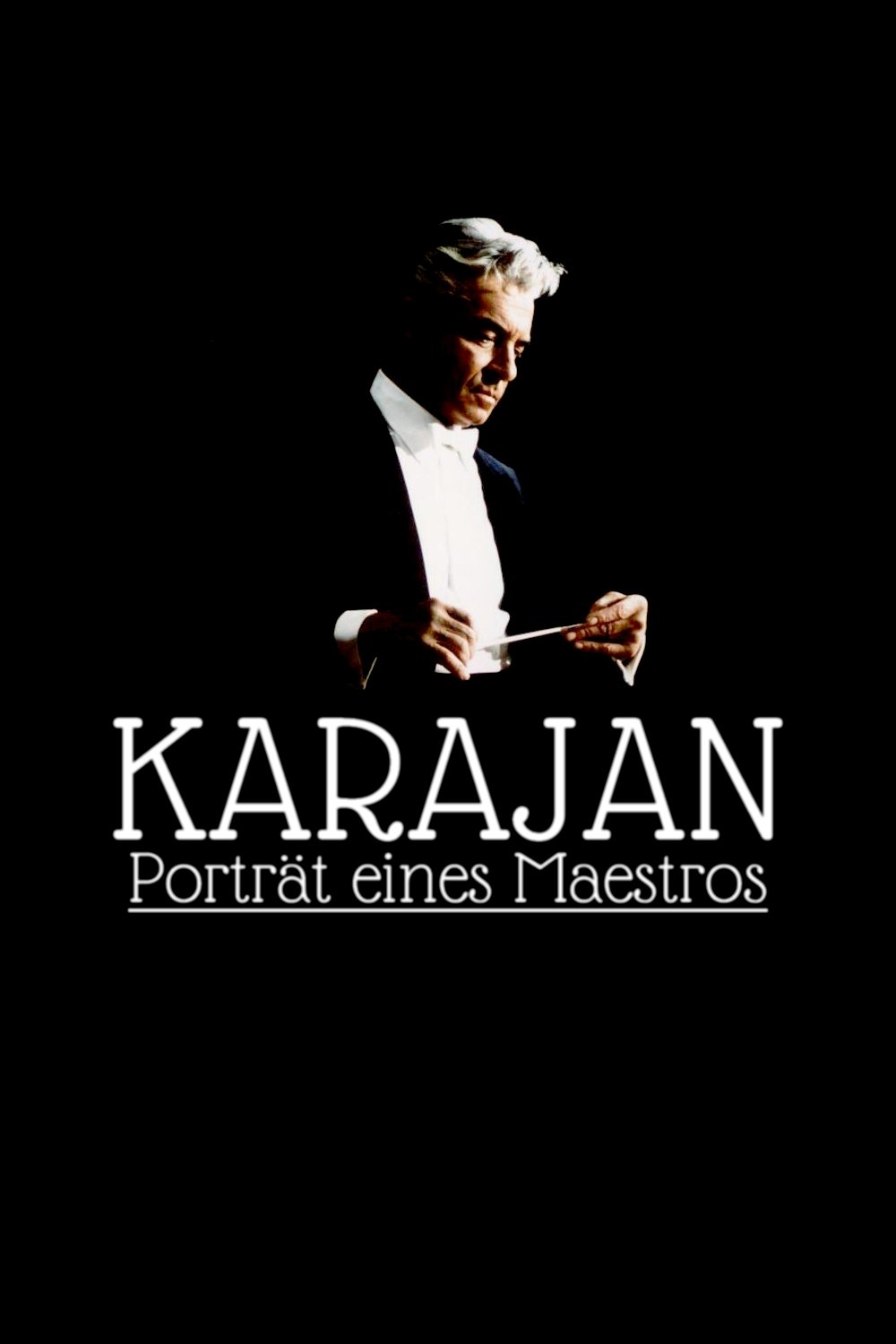
An account of the life and work of controversial German orchestra conductor Herbert von Karajan (1908-89), celebrated as one of the greatest musicians of the twentieth century.
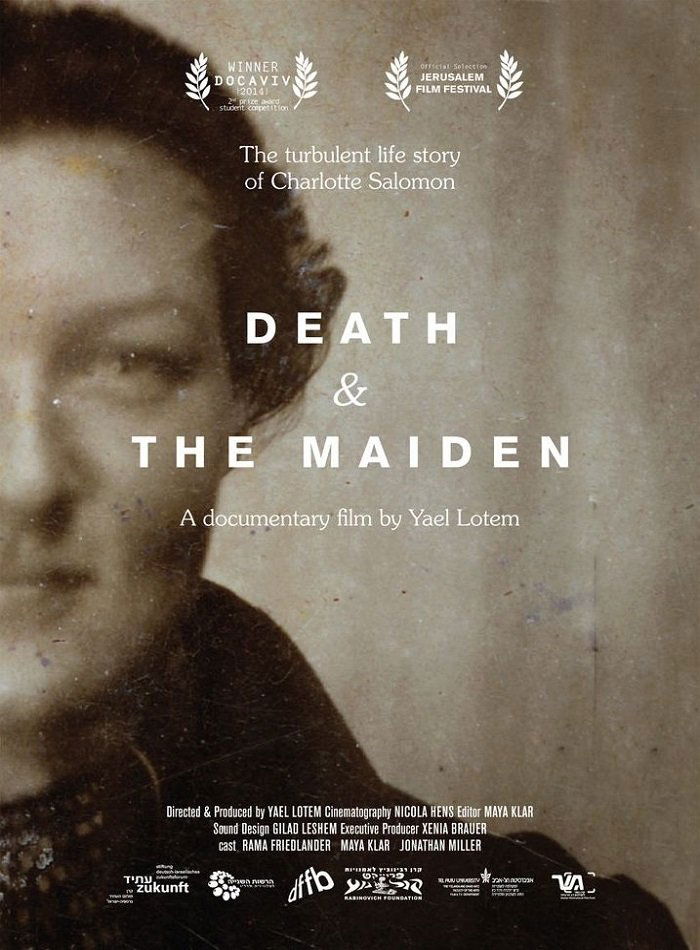
Shortly after World War II, over 1,000 paintings were found in a cellar in southern France. The paintings were created by a young Jewish woman named Charlotte Salomon. She painted her turbulent life story in a unique creation called: ‘Life? Or Theater? – A Tri-Colored Operetta.’ Death and the Maiden unravels the story behind her creation.
See Kenneth W. Rendell's collection of over 6,000 artifacts that range from the end of World War I and the rise of Nazism to the start of World War II and the fight in Europe and the Pacific.
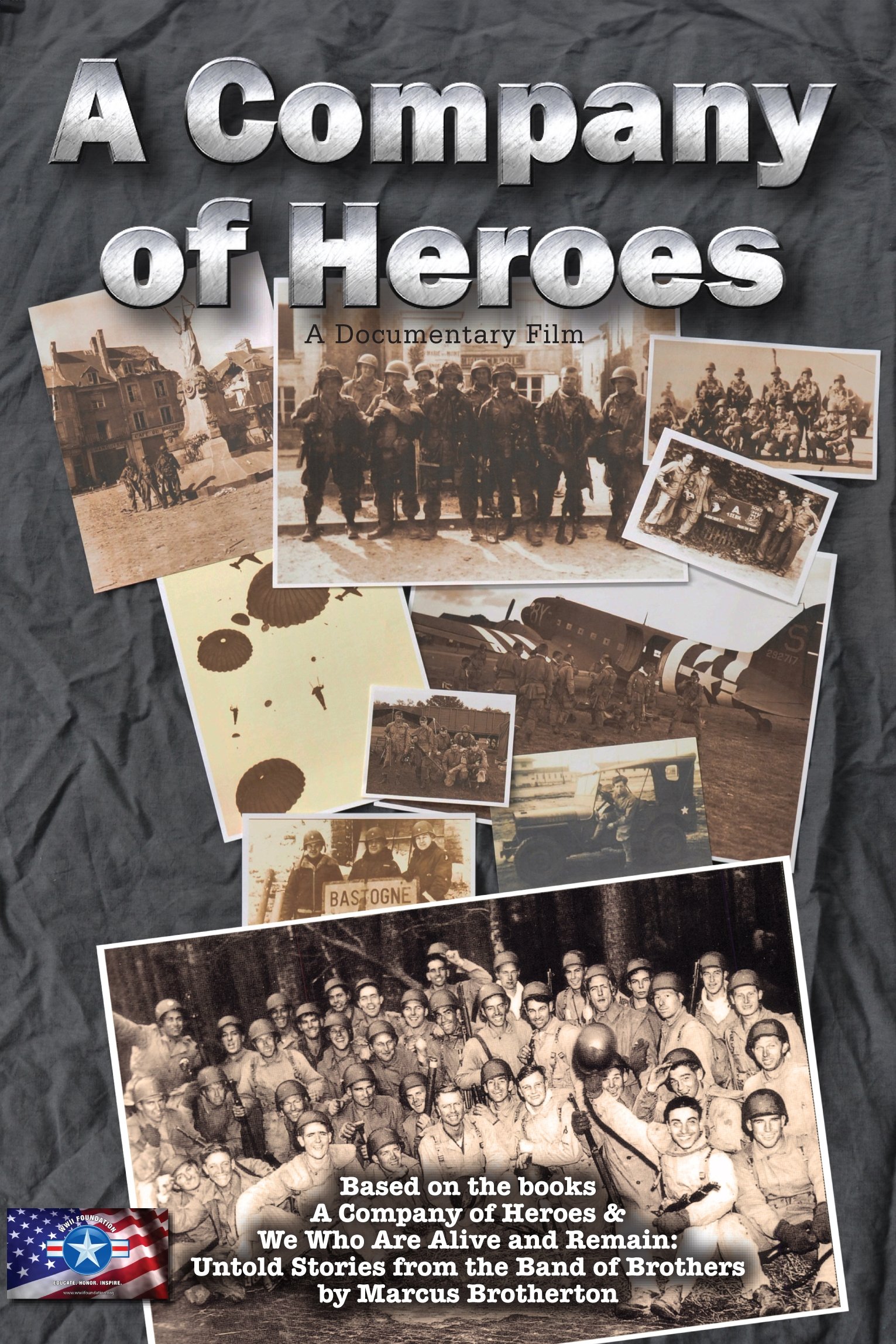
Easy Company, the 2nd Battalion of the 506th Parachute Infantry Regiment of the 101st Airborne Division, fought their way through Europe, liberated concentration camps, and drank a victory toast in April 1945 at Hitler's hideout. Veterans from Easy Company, along with the families of three deceased others, recount their horrors and victories, bonds they made and the friends they lost.
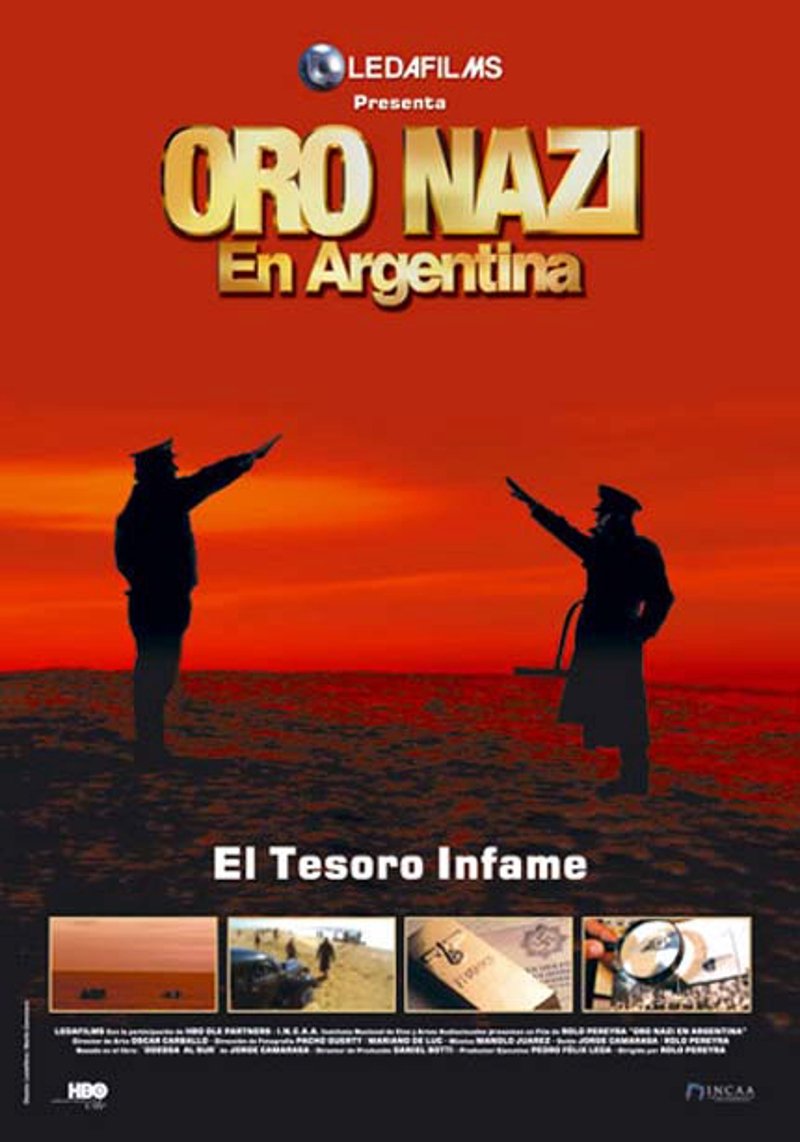
The story begins in Patagonia, deep south in Argentina, where researchers look for the remains of a German U-boat landing. This search leads them to Argentina during the '30s before Second World War, a time when anti-Semitism flourished in the country.
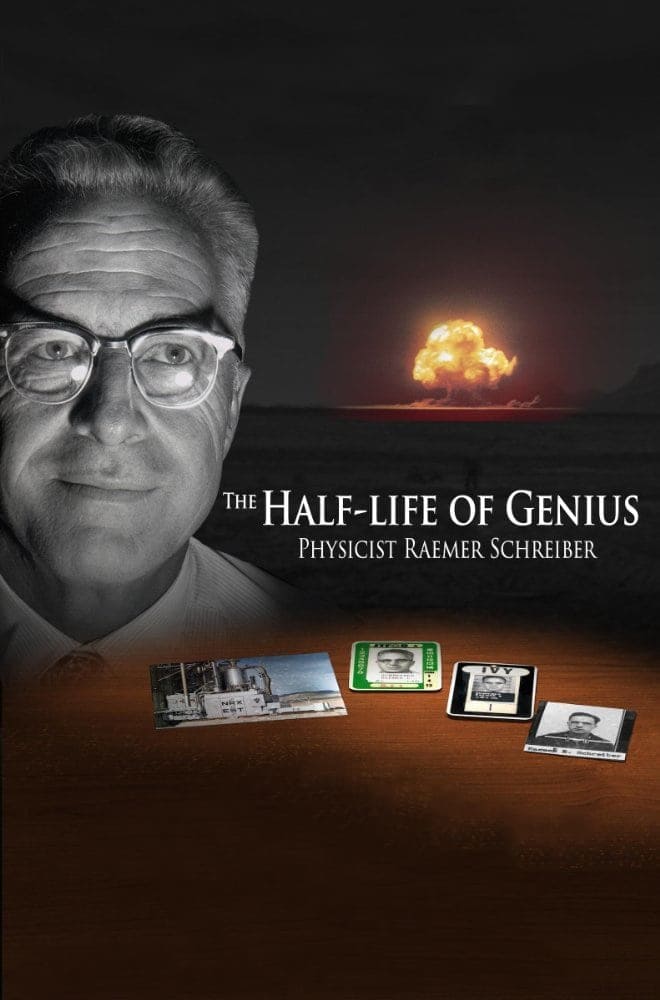
Our two-hour film highlights the life and career of Dr. Schreiber with respect and clarity. Raemer, his wife Marge, and young daughter Paula would move to the high-desert of New Mexico where he and other brilliant minds would change the world forever.
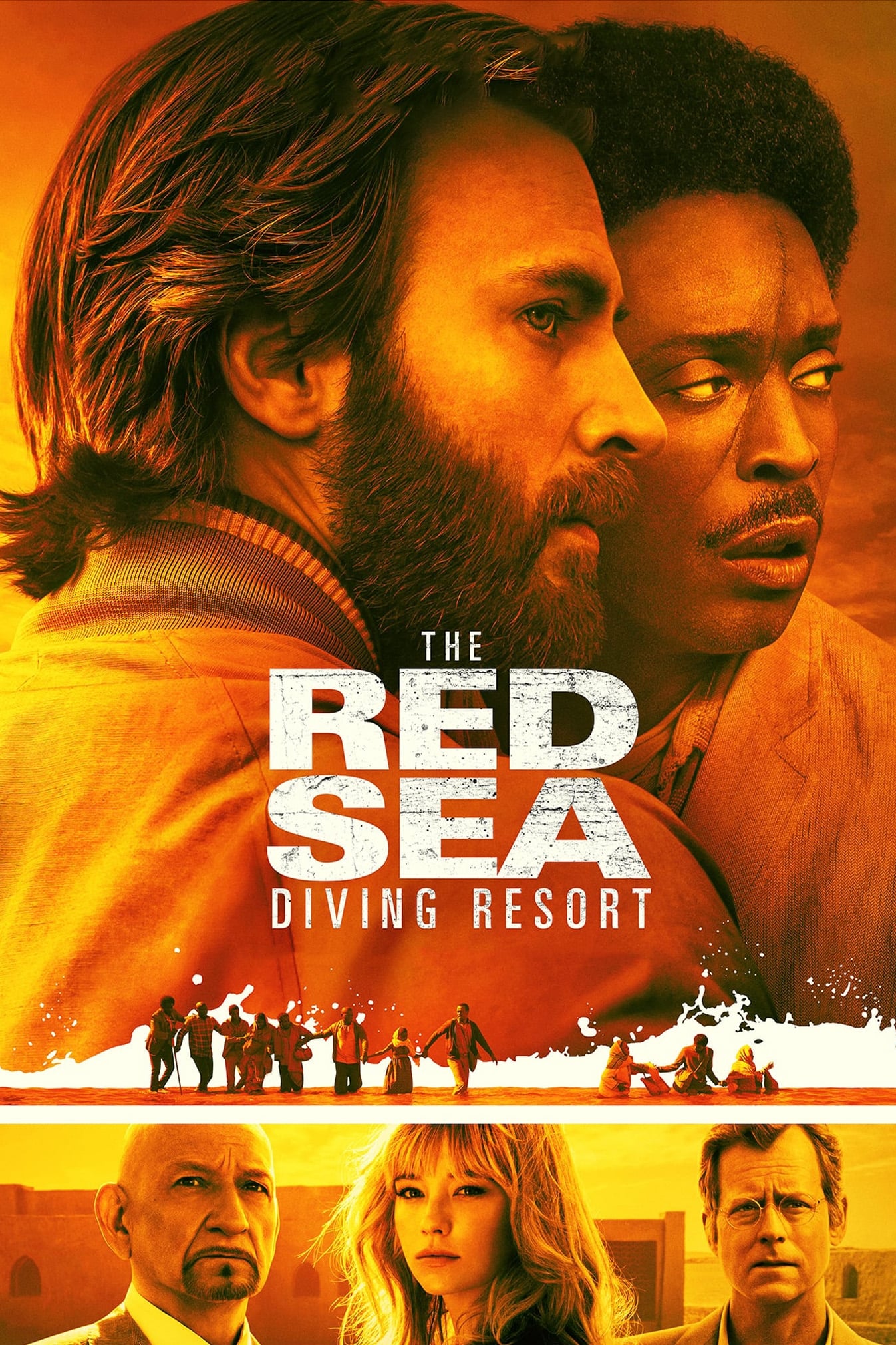
Sudan, East Africa, 1980. A team of Israeli Mossad agents plans to rescue and transfer thousands of Ethiopian Jews to Israel. To do so, and to avoid raising suspicions from the inquisitive and ruthless authorities, they establish as a cover a fake diving resort by the Red Sea.
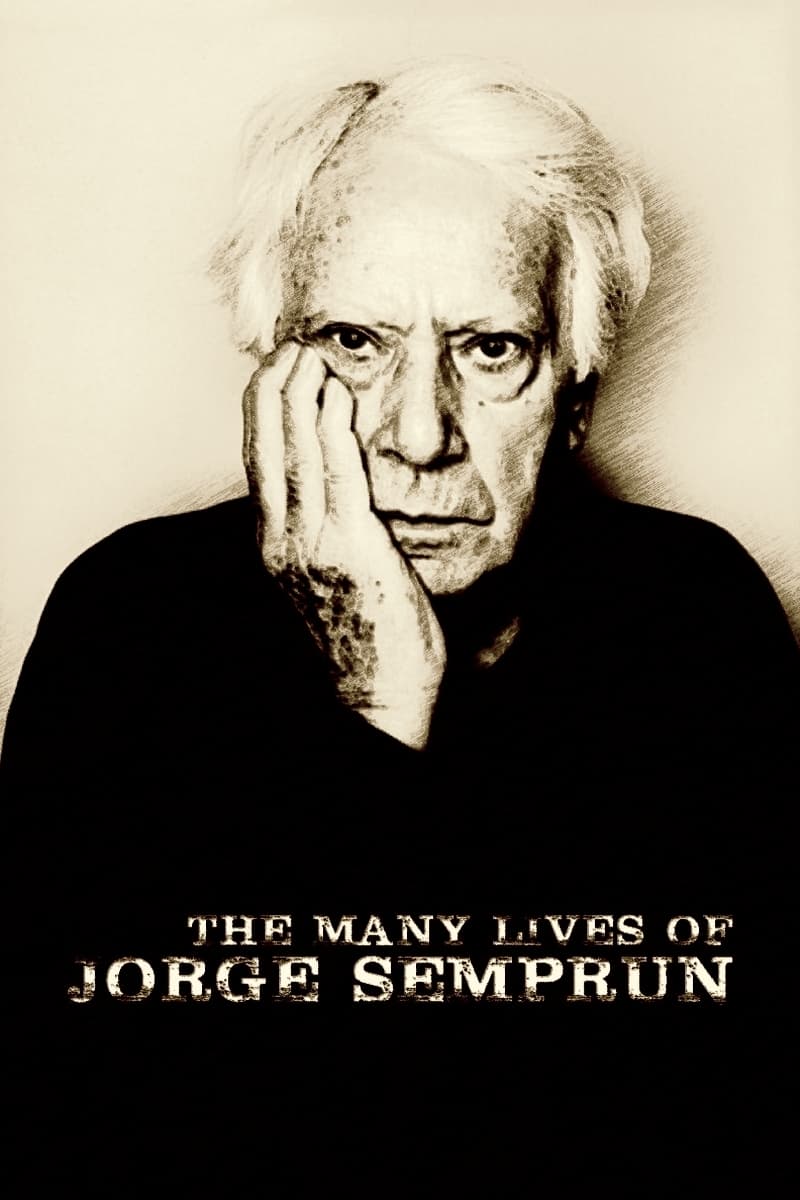
The incredible life of Jorge Semprún (1923-2011): son of a republican intellectual; exiled in the early days of the Spanish Civil War; survivor of the Buchenwald concentration camp during World War II; clandestine communist in Spain during Franco's dictatorship; controversial socialist politician; acclaimed writer, screenwriter and filmmaker.
Documentary about the Battle of the Scheldt.
Filmdocumentary about the Battle of the Scheldt.
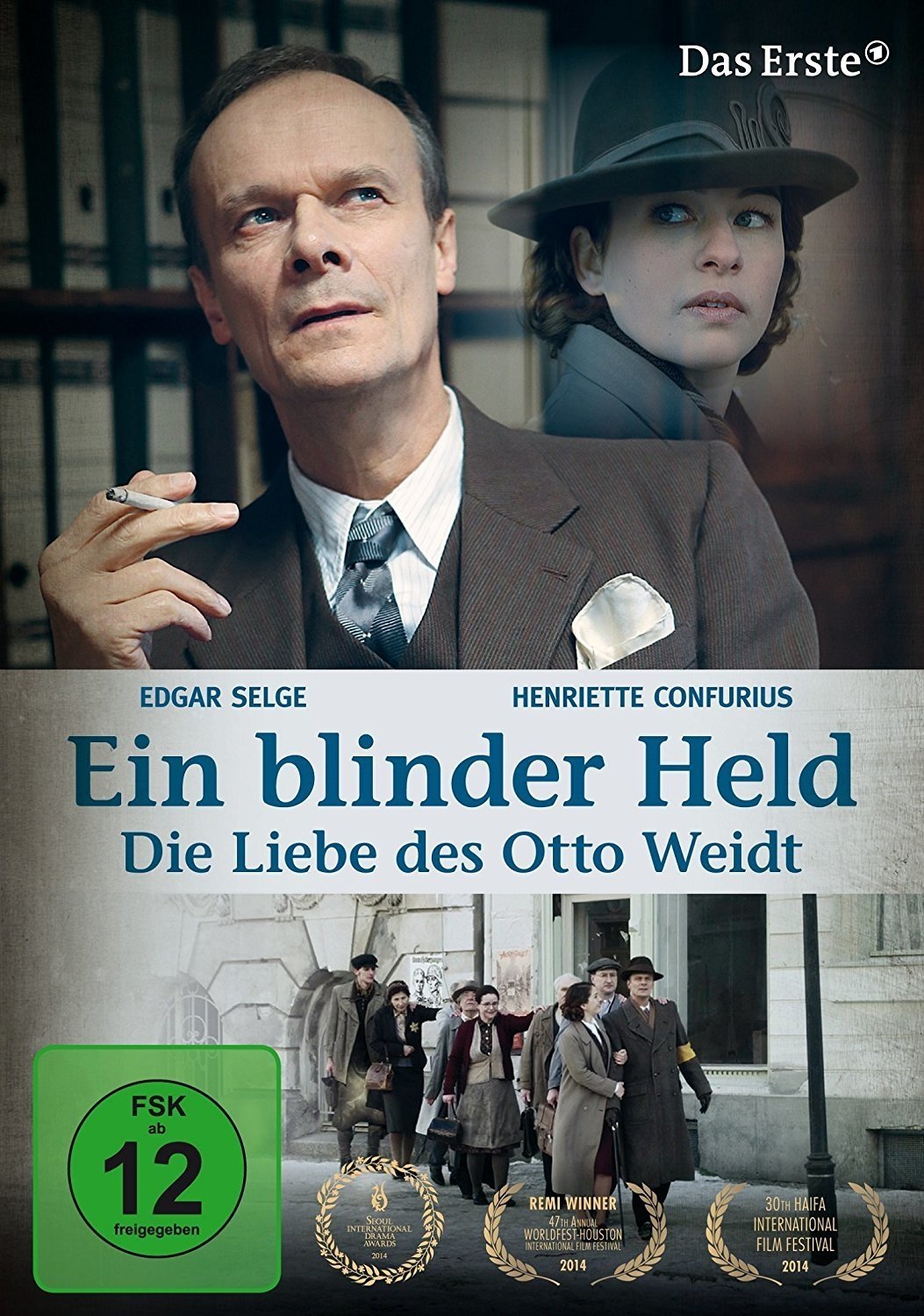
A Blind Hero depicts Otto Weidt's story as told by award-winning journalist and author Inge Deutschkron, who tells the incredible tale of Weidt's efforts to save her and the rest of his employees from the Nazis, including Alice Licht, the love of Otto Weidt's life.
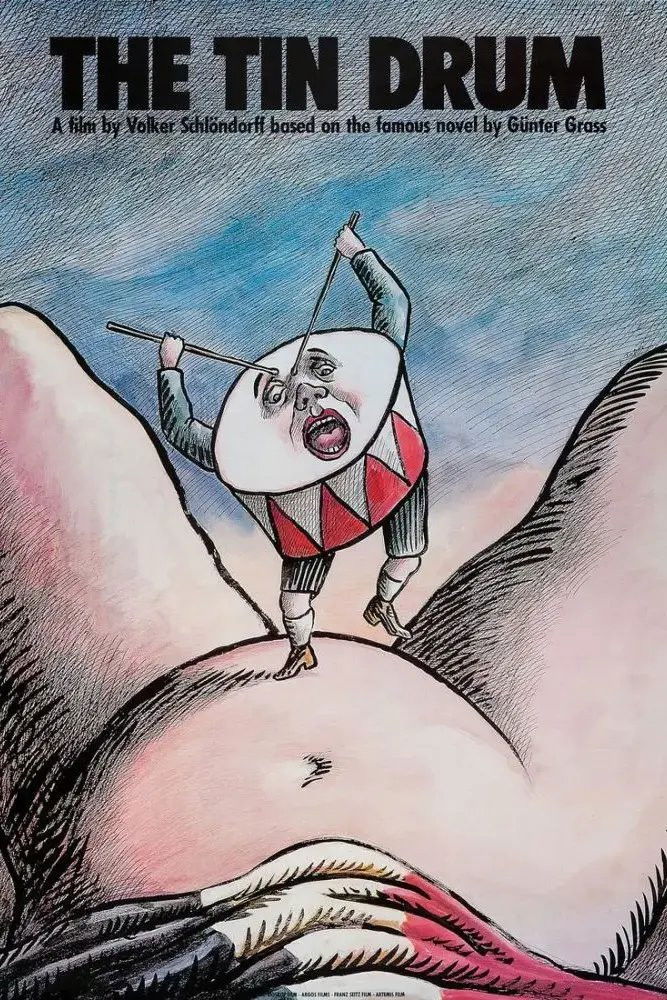
In 1924, Oskar Matzerath is born in the Free City of Danzig. At age three, he falls down a flight of stairs and stops growing. In 1939, World War II breaks out.
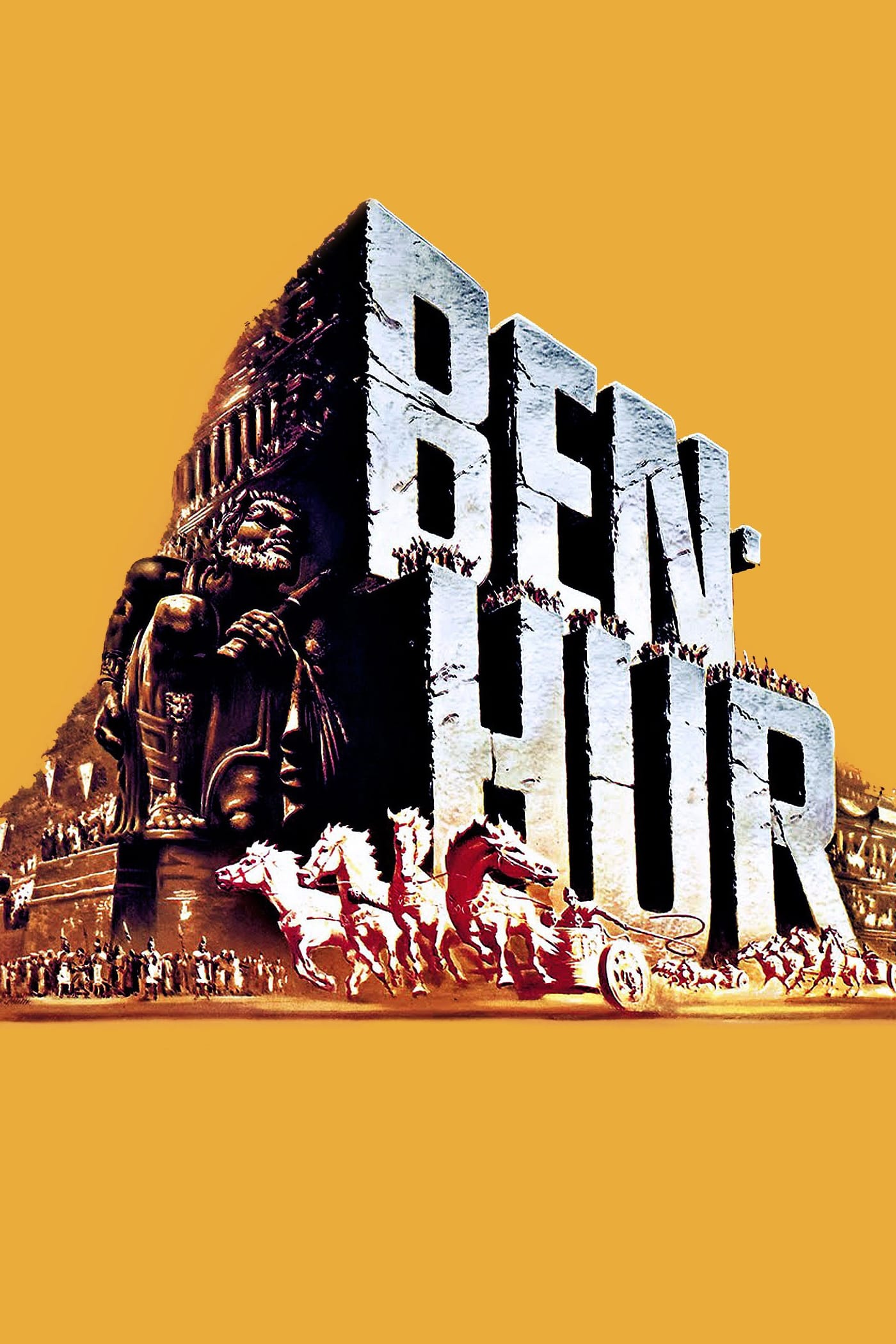
In ancient Judea, a Jewish aristocrat opposing Roman occupation of his homeland reunites with his childhood friend, now a Roman commander — setting in motion a saga of betrayal, adventure, tragedy, revenge, and faith.
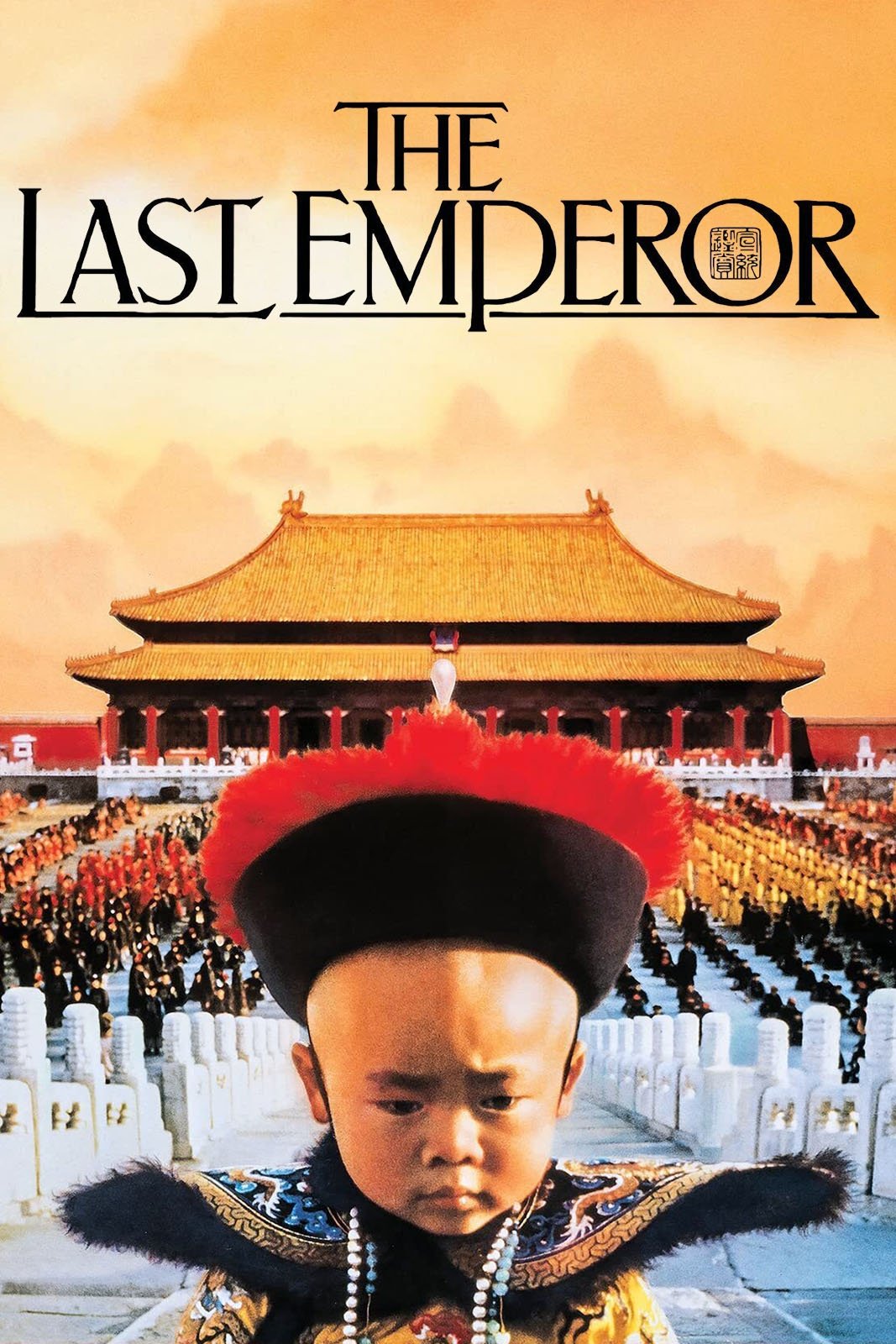
A dramatic history of Pu Yi, the last of the Emperors of China, from his lofty birth and brief reign in the Forbidden City, the object of worship by half a billion people; through his abdication, his decline and dissolute lifestyle; his exploitation by the invading Japanese, and finally to his obscure existence as just another peasant worker in the People's Republic.
Filmmaker Alain Resnais documents the atrocities behind the walls of Hitler's concentration camps.

As U.S. troops storm the beaches of Normandy, three brothers lie dead on the battlefield, with a fourth trapped behind enemy lines. Ranger captain John Miller and seven men are tasked with penetrating German-held territory and bringing the boy home.
Director Claude Lanzmann spent 11 years on this sprawling documentary about the Holocaust, conducting his own interviews and refusing to use a single frame of archival footage. Dividing Holocaust witnesses into three categories – survivors, bystanders, and perpetrators – Lanzmann presents testimonies from survivors of the Chelmno concentration camp, an Auschwitz escapee, and witnesses of the Warsaw Ghetto Uprising, as well as a chilling report of gas chambers from an SS officer at Treblinka.
A woman’s Holocaust memoir takes the world by storm, but a fallout with her publisher-turned-detective reveals her story as an audacious deception created to hide a darker truth.
This Oscar-winning documentary recounts the harrowing stories of five Hungarian Jews who endured the horrors of the Holocaust and Hitler's reign.
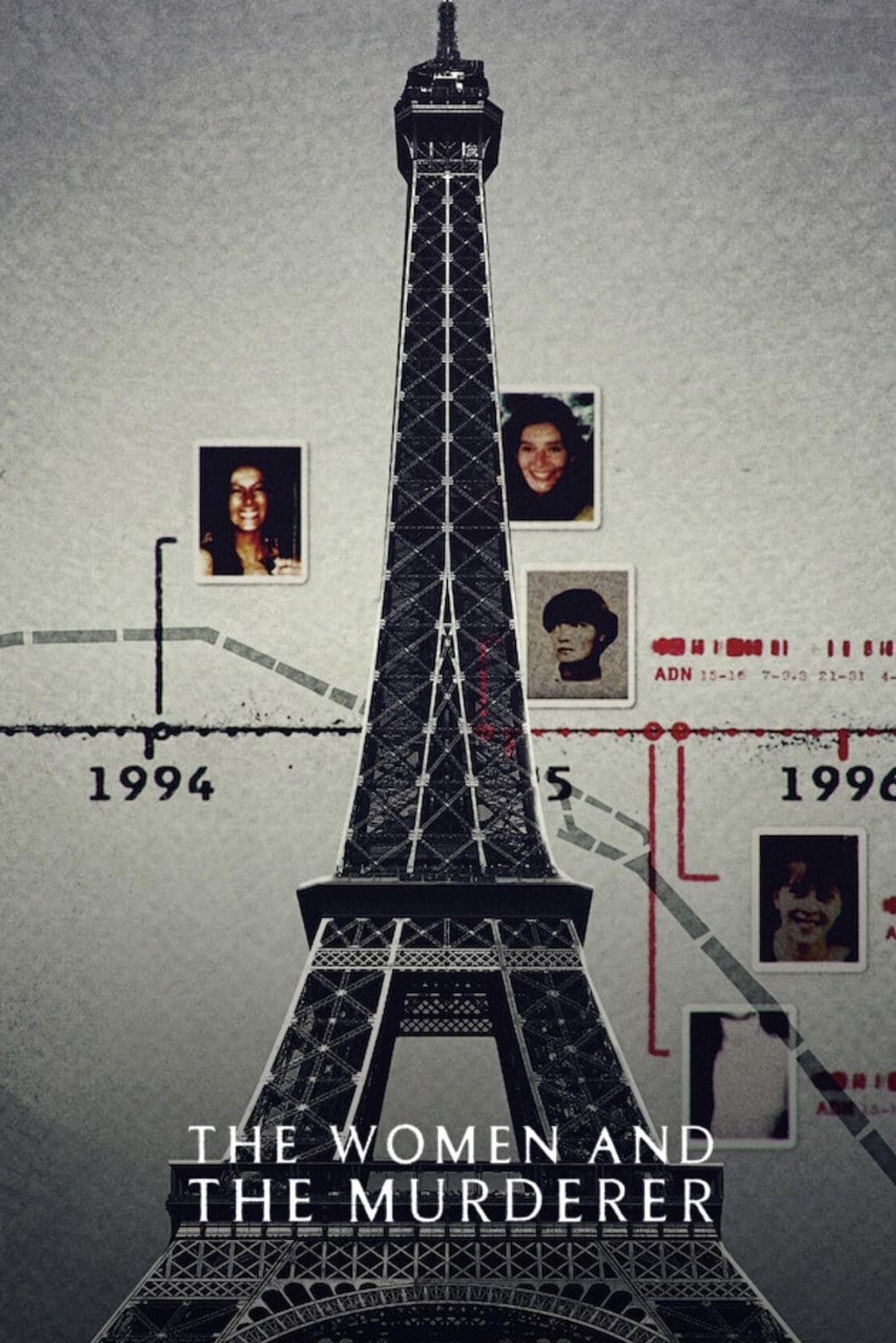
This documentary traces the capture of serial killer Guy Georges through the tireless work of two women: a police chief and a victim's mother.
When Allied forces liberated the Nazi concentration camps in 1944-45, their terrible discoveries were recorded by army and newsreel cameramen, revealing for the first time the full horror of what had happened. Making use of British, Soviet and American footage, the Ministry of Information’s Sidney Bernstein (later founder of Granada Television) aimed to create a documentary that would provide lasting, undeniable evidence of the Nazis’ unspeakable crimes. He commissioned a wealth of British talent, including editor Stewart McAllister, writer and future cabinet minister Richard Crossman – and, as treatment advisor, his friend Alfred Hitchcock. Yet, despite initial support from the British and US Governments, the film was shelved, and only now, 70 years on, has it been restored and completed by Imperial War Museums under its original title "German Concentration Camps Factual Survey".
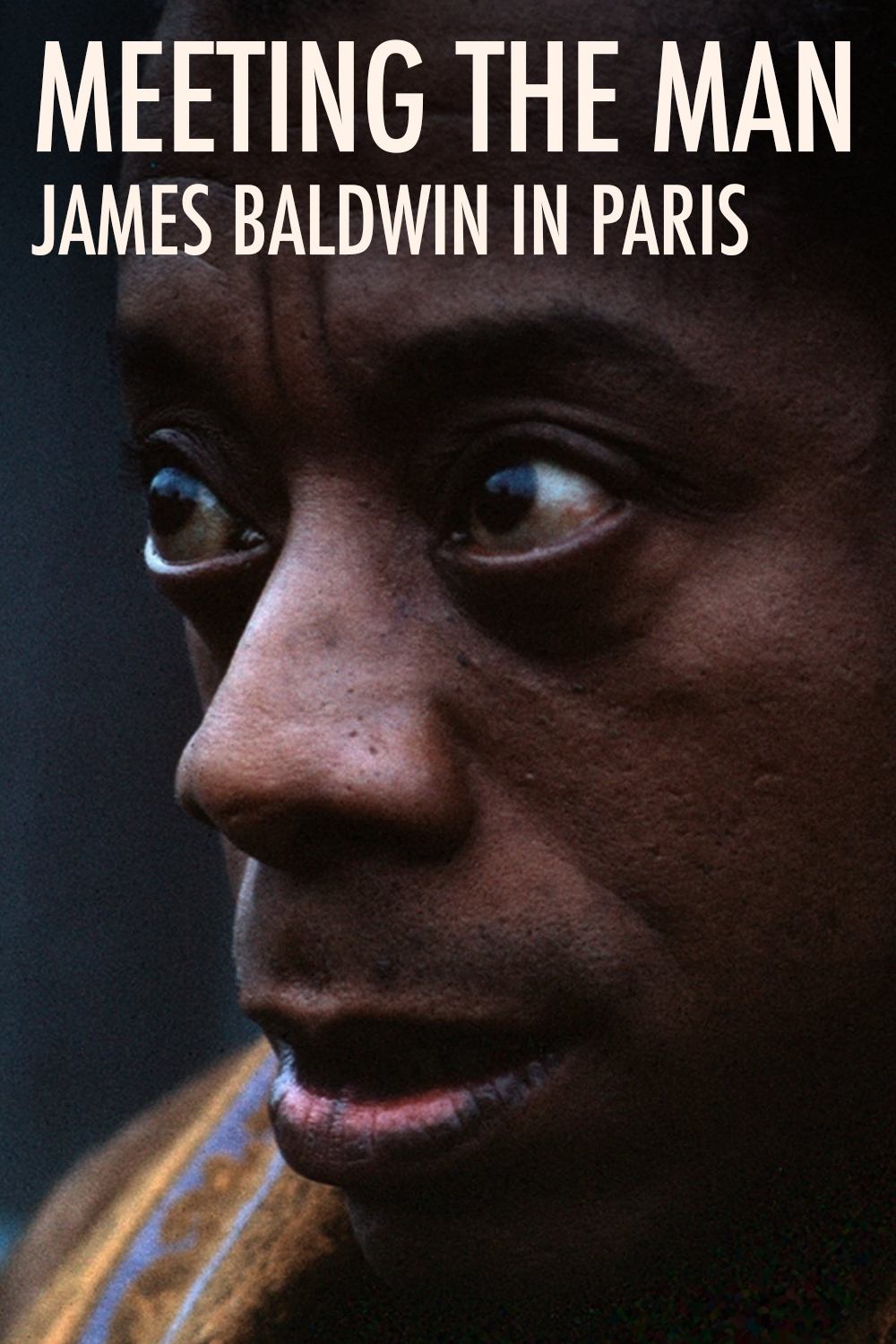
In 1970, a British film crew set out to make a straightforward literary portrait of James Baldwin set in Paris, insisting on setting aside his political activism. Baldwin bristled at their questions, and the result is a fascinating, confrontational, often uncomfortable butting of heads between the filmmakers and their subject, in which the author visits the Bastille and other Parisian landmarks and reflects on revolution, colonialism, and what it means to be a Black expatriate in Europe.
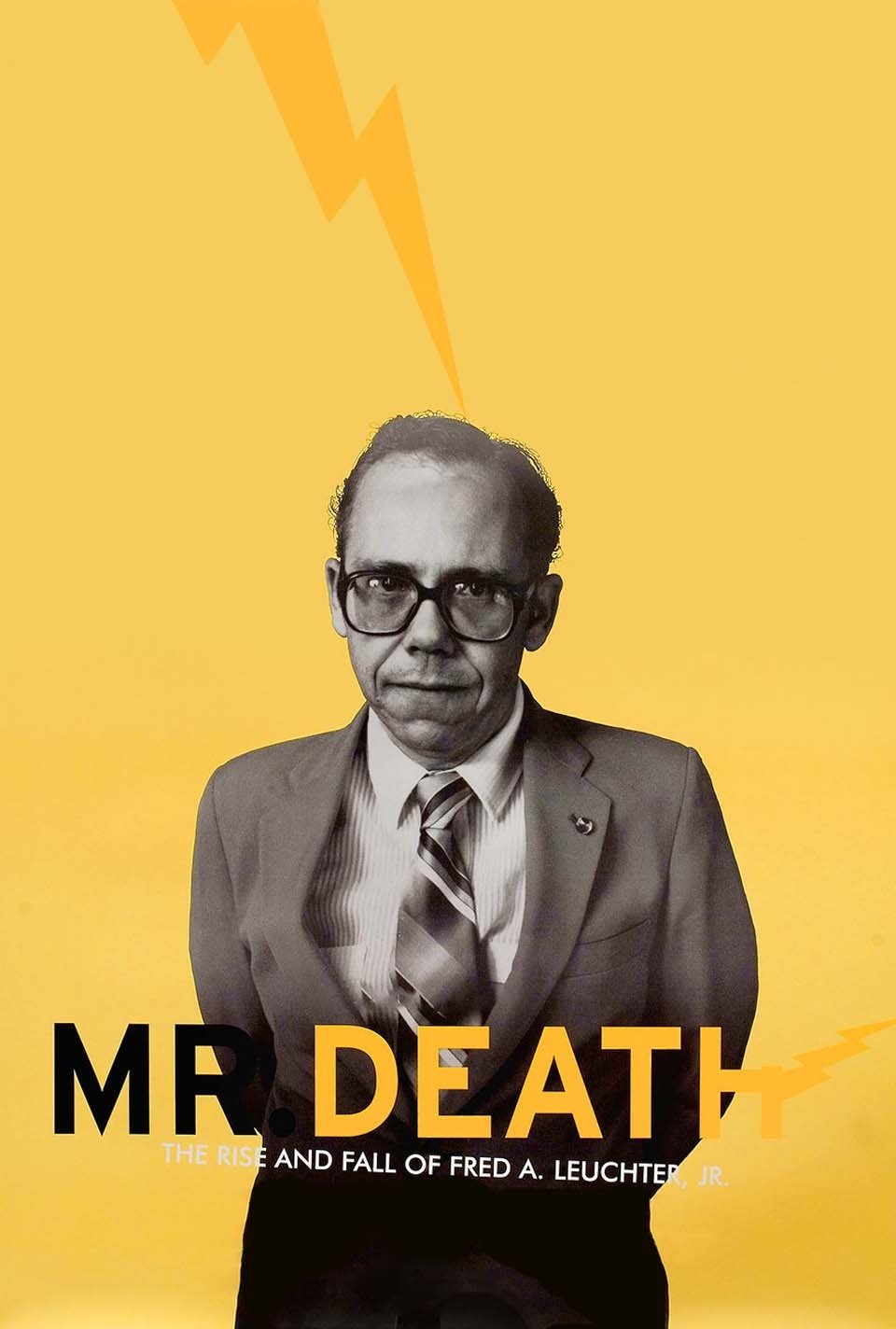
Documentary filmmaker Errol Morris investigates the case of a man who became an authority on capital punishment, but was discredited when he got involved on the wrong side of a court case. Leuchter, a meek man whose appearance belies his grim expertise, develops what he says is a more effective electric chair. Before long, he's in demand from officials who want his opinions on other execution methods. But when called to aid the case of an accused Holocaust denier, Leuchter's problems begin.
Canadian actress and filmmaker Sarah Polley investigates certain secrets related to her mother, interviewing a group of family members and friends whose reliability varies depending on their implication in the events, which are remembered in different ways; so a trail of questions remains to be answered, because memory is always changing and the discovery of truth often depends on who is telling the tale.
Alex Gibney explores the charged issue of pedophilia in the Catholic Church, following a trail from the first known protest against clerical sexual abuse in the United States and all way to the Vatican.
“The Soviet Story” is a story of an Allied power, which helped the Nazis to fight Jews and which slaughtered its own people on an industrial scale. Assisted by the West, this power triumphed on May 9th, 1945. Its crimes were made taboo, and the complete story of Europe’s most murderous regime has never been told. Until now...
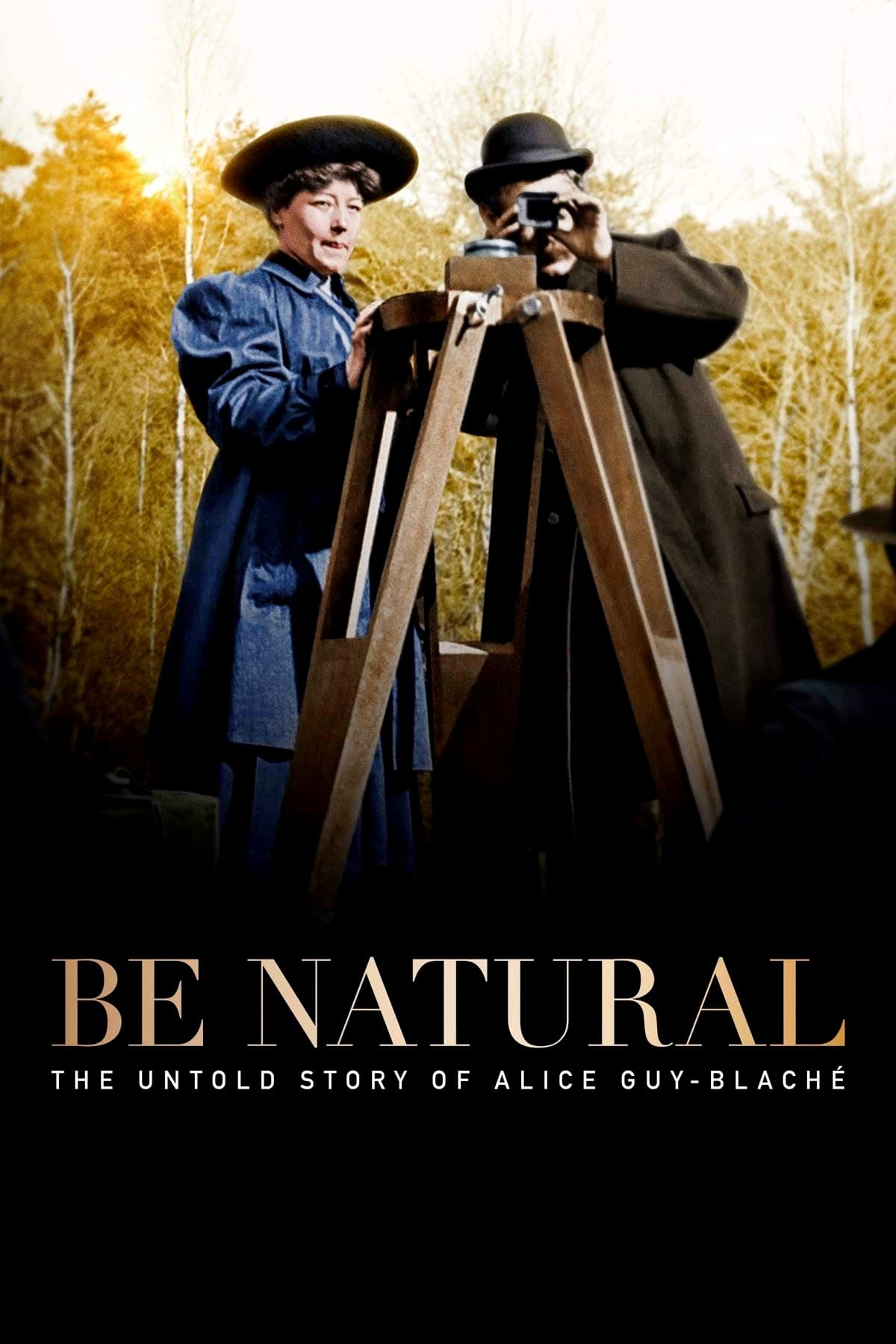
The epic life story of Alice Guy-Blaché (1873–1968), a French screenwriter, director and producer, true pioneer of cinema, the first person who made a narrative fiction film; author of hundreds of movies, but banished from history books. Ignored and forgotten. At last remembered.
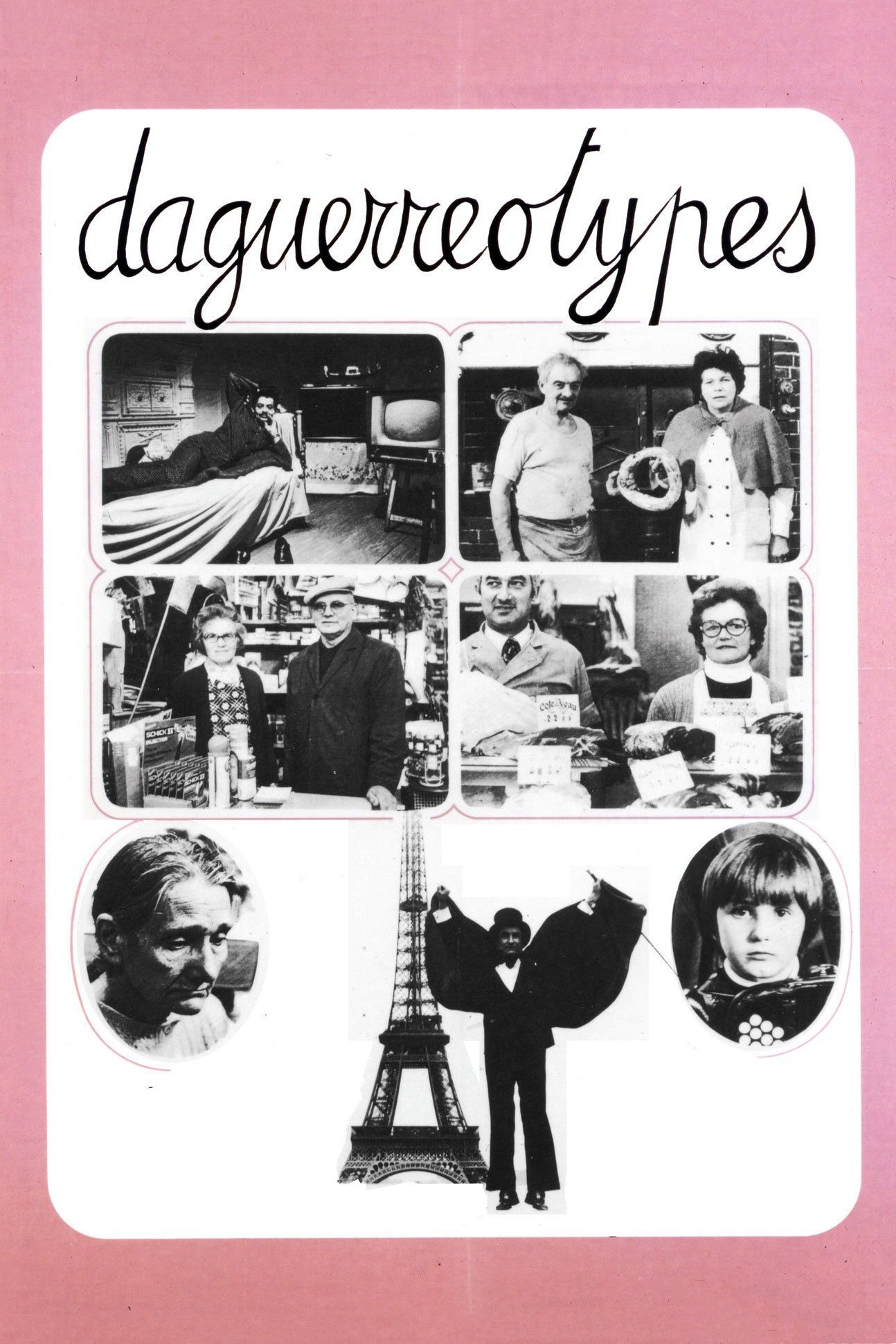
An intimate portrait of the small shops and shopkeepers of the Rue Daguerre in Paris, a picturesque street that has been the filmmaker’s home for more than 50 years.
Filmmaking icon Agnès Varda, the award-winning director regarded by many as the grandmother of the French new wave, turns the camera on herself with this unique autobiographical documentary. Composed of film excerpts and elaborate dramatic re-creations, Varda's self-portrait recounts the highs and lows of her professional career, the many friendships that affected her life and her longtime marriage to cinematic giant Jacques Demy.
This revealing documentary honors the legendary Sidney Poitier—iconic actor, filmmaker, and civil rights activist. Featuring interviews with Denzel Washington, Spike Lee, Halle Berry, and more.
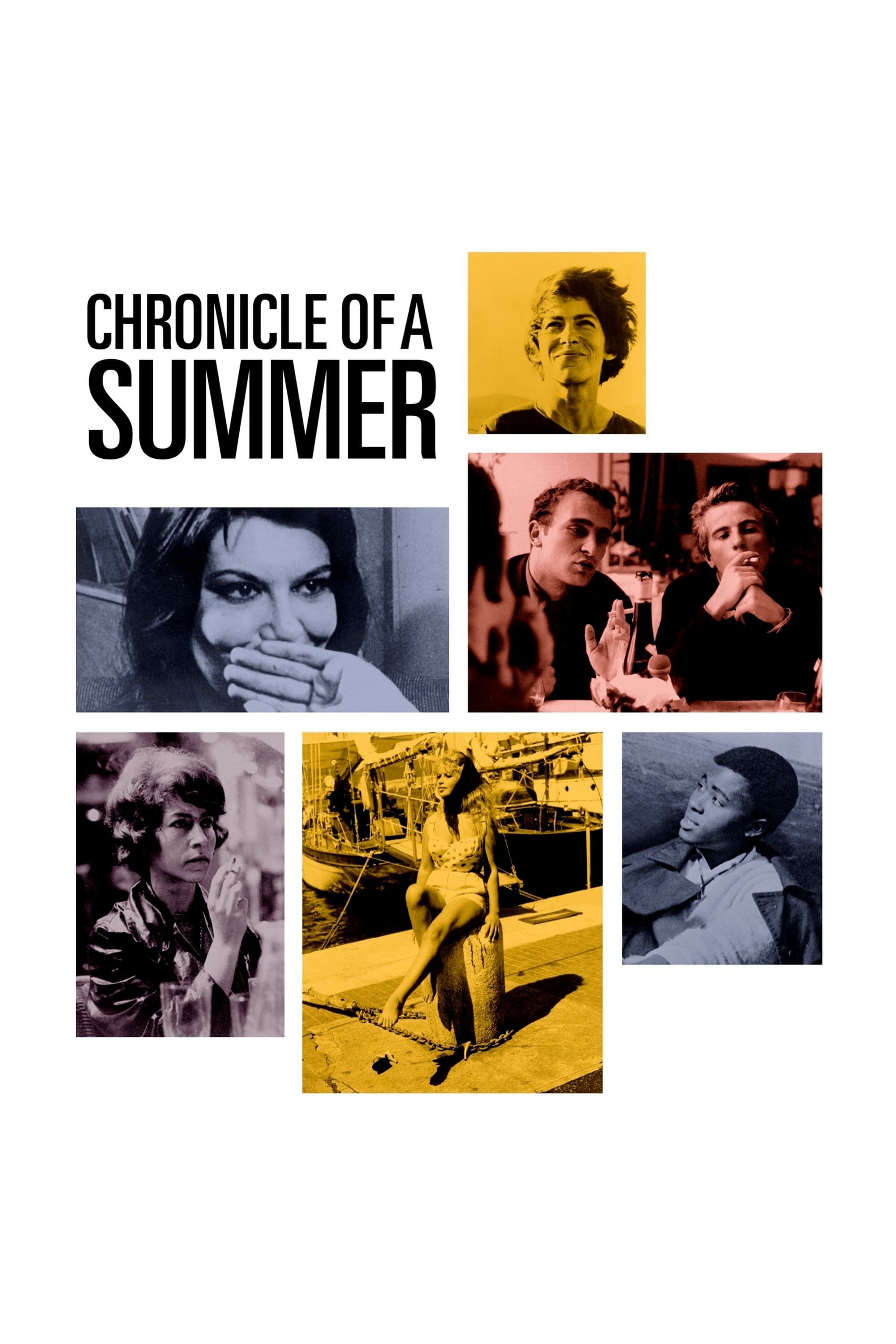
Paris, summer 1960. Anthropologist and filmmaker Jean Rouch and sociologist and film critic Edgar Morin wander through the crowded streets asking passersby how they cope with life's misfortunes.
A collection of restored prints from the Lumière Brothers.
An unpredictable documentary from a fascinating storyteller, Agnès Varda’s last film sheds light on her experience as a director, bringing a personal insight to what she calls "cine-writing," traveling from Rue Daguerre in Paris to Los Angeles and Beijing.
The full story of the 1972 Munich Olympics Massacre and the Israeli revenge operation 'Wrath of God.' The 1972 Munich Olympics were interrupted by Palestinian terrorists taking Israeli athletes hostage. Besides footage taken at the time, we see interviews with the surviving terrorist, Jamal Al Gashey, and various officials detailing exactly how the police, lacking an anti-terrorist squad and turning down help from the Israelis, botched the operation.
Candid interviews of ordinary people on the meaning of happiness, an often amorphous and inarticulable notion that evokes more basic and fundamentally egalitarian ideals of self-betterment, prosperity, tolerance, economic opportunity, and freedom.