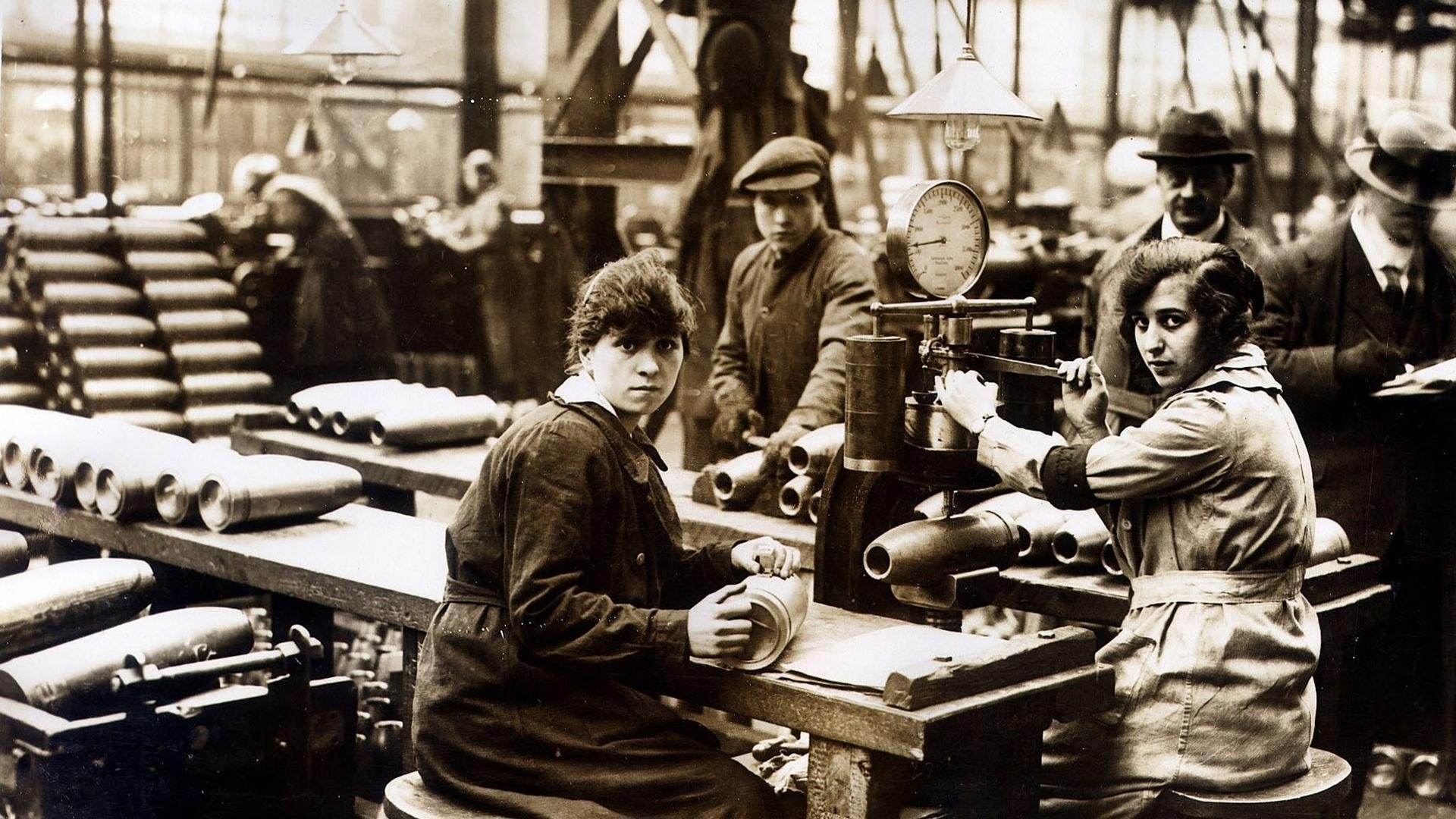
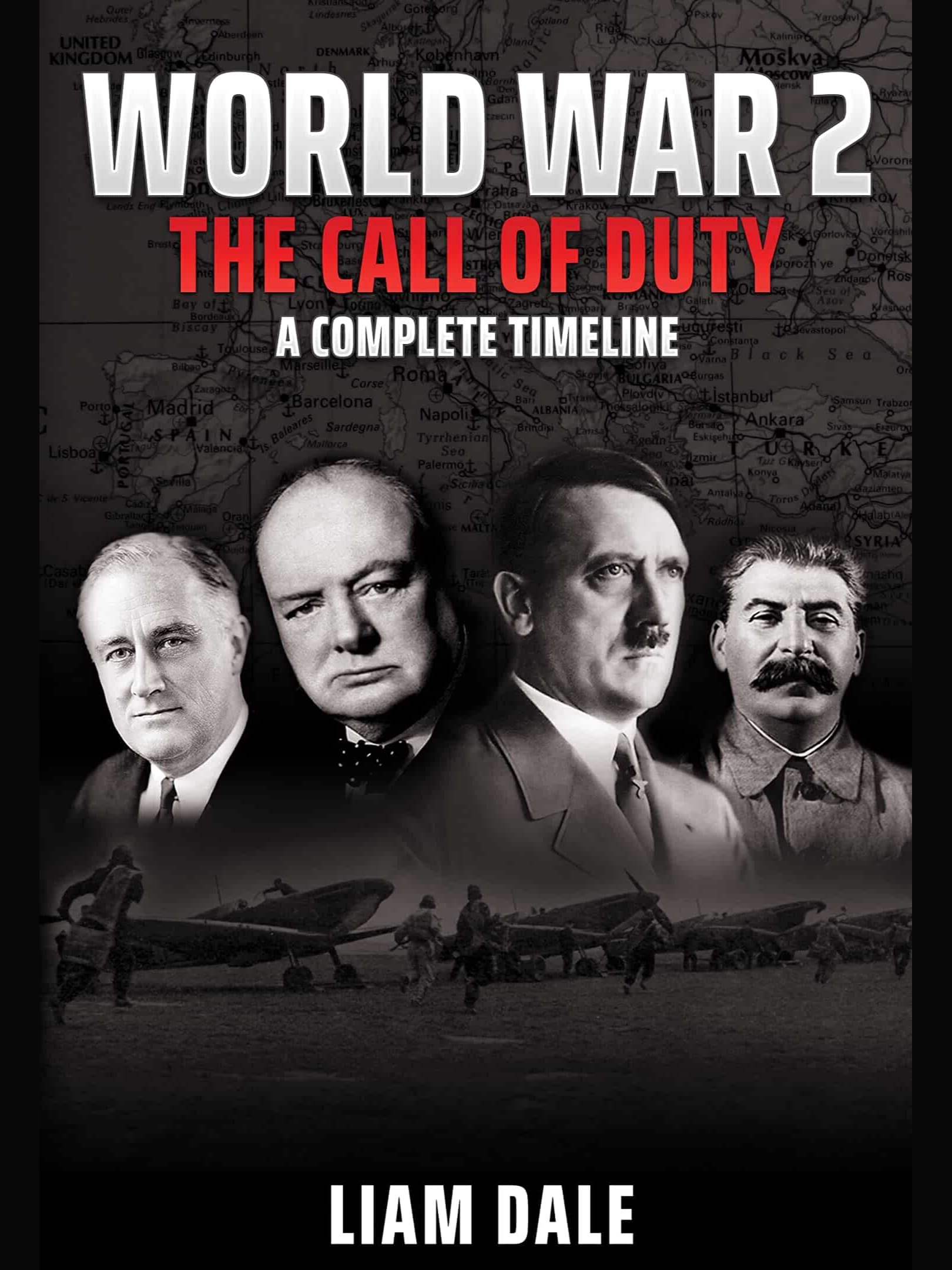
The untold secret story of war production that shaped the Second World War.
Social & External
The people behind it
Alexandra Churchill
Guy Walters
The Universal Century, a history marked by space colonization and space warfare, has passed. Humanity's prosperity, which ushered in a new era known as the Regild Century (R.C.), was believed to endure alongside global peace. In RC 1014, Bellri Zenam, a pilot in training of the Capitol Guard is somehow chosen by the G-Self - a highly maneuverable Mobile Suit of unknown origin - to lead to uncover hidden truths that will shake the peace of the Regild Century era.
This drama follows Fan Changyu, a butcher’s daughter, and Xie Zheng, a fallen noble seeking revenge. Their fake marriage turns into true love, but war tears them apart. Determined, Fan Changyu wields her butcher’s knife on the battlefield, searching for justice and her husband. Meanwhile, Xie Zheng reclaims his title, fighting to protect his country and love. Reunited in battle, they stand together, defying fate, uncovering the truth, and returning home without forgetting their vows.
Battle Treasures tells the stories behind some of the rarest and most remarkable military artefacts ever discovered.
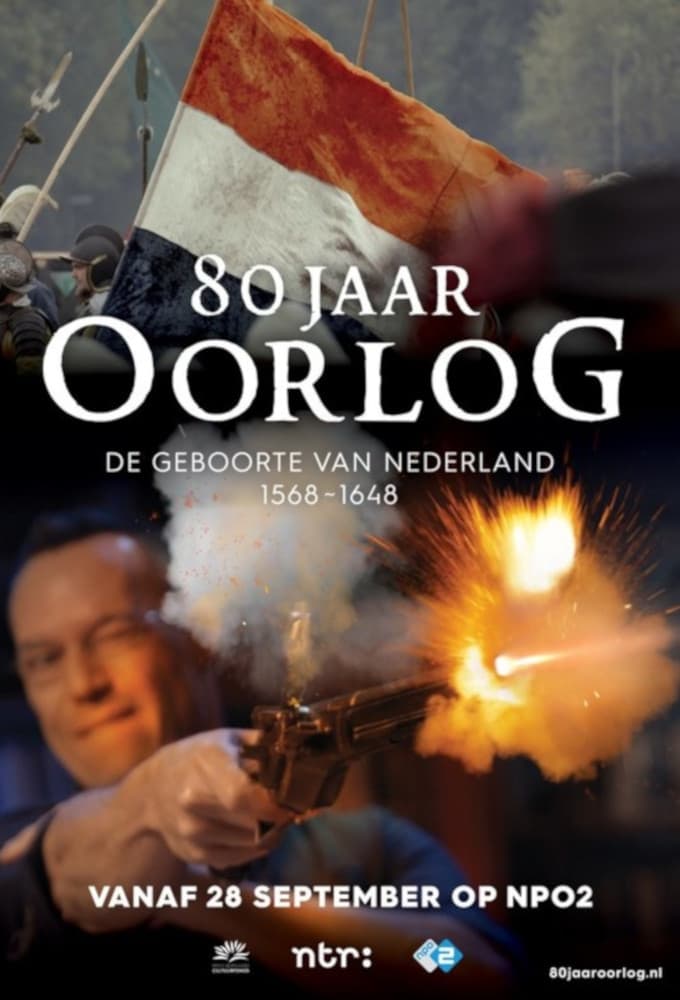
At the end of the 16th century, Dutch subjects revolted against legitimate Spanish rule. What starts with the discontent of a minority grows into a war that will last more than a lifetime. From Groningen to Brussels, from Den Briel to Groenlo, the battle erupts everywhere. And often that struggle has a strangely modern appearance. Terrorism, propaganda, executions, radicalization, shock and awe; all themes that can easily be found in the war that was fought from 1568 to 1648. In a 7-part television series, the NTR will bring the stories about the 80-year war that can be found all over the country from September 28, every Friday at 9.05 pm on NPO 2. And Hans Goedkoop oversees the battlefield with experts.
Based on real-life experiences, Tenko remains one of the most fondly remembered and acclaimed BBC dramas of the early 1980s. It follows a group of women, formerly comfortably well-off ex-pats living in Singapore, as they are captured by the Japanese during World War II.
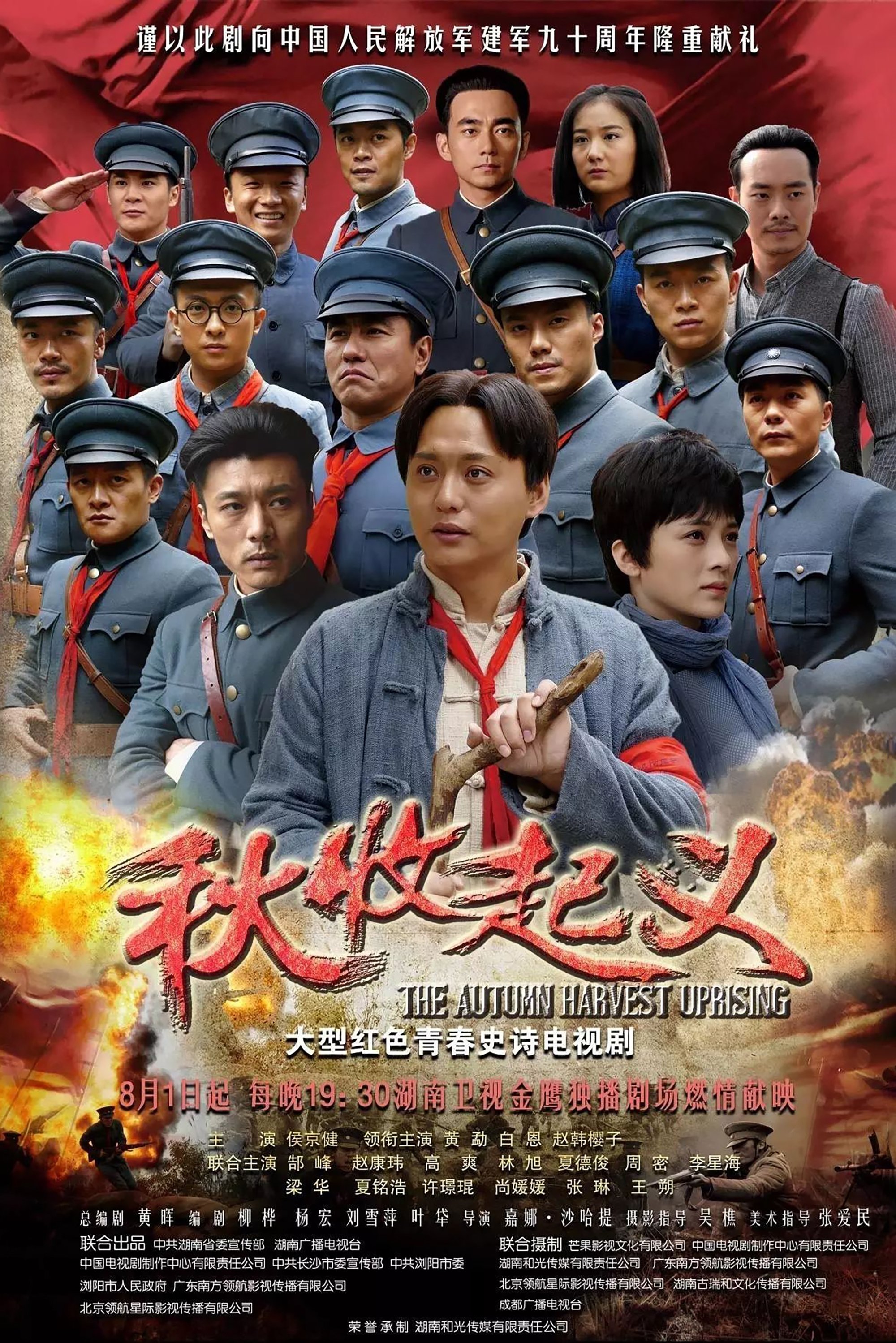
Nation affairs, family affairs and outstanding soldiers In 1925, two brothers Yang Liren and Yang Chanqing successively left their home for Guangzhou to make a living. With the help of his elder sister Chanhua and CPC members Qu En and Qu Xia, Liqing passed the exam to Huangpu Military College. Influenced by communist thoughts and experiencing East Expedition and Northern Expedition, Liqing became an outstanding soldier...
Drawn from interviews with survivors of Easy Company, as well as their journals and letters, Band of Brothers chronicles the experiences of these men from paratrooper training in Georgia through the end of the war. As an elite rifle company parachuting into Normandy early on D-Day morning, participants in the Battle of the Bulge, and witness to the horrors of war, the men of Easy knew extraordinary bravery and extraordinary fear - and became the stuff of legend. Based on Stephen E. Ambrose's acclaimed book of the same name.
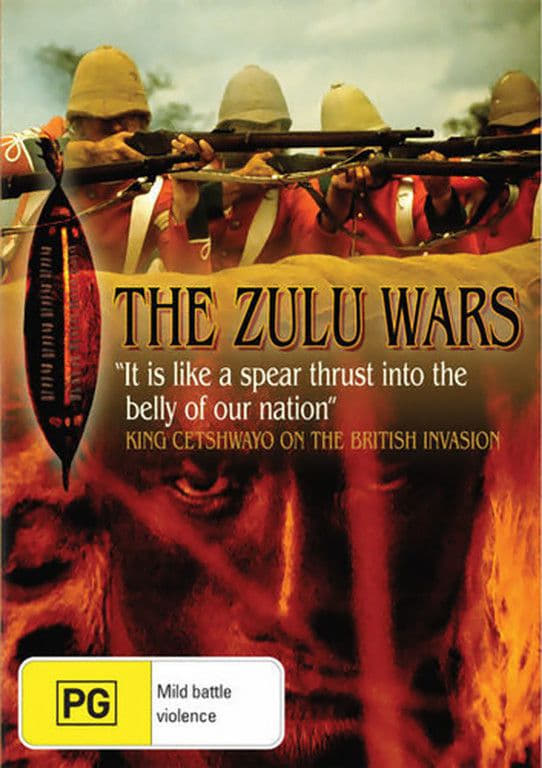
This series explores the facts and investigates the truth behind the British Redcoat Army's campaign in Zululand during 1879. The war was started by a country at the height of it's imperial powers and prosecuted by an army charged with the responsibility of implementing a policy known as Confederation - a proposal to unite various black and white factions in South Africa under British authority. Interviews, on-location footage and new geological surveys all help to reconstruct the conflicts and give insight into the tactics used in these epic battles.
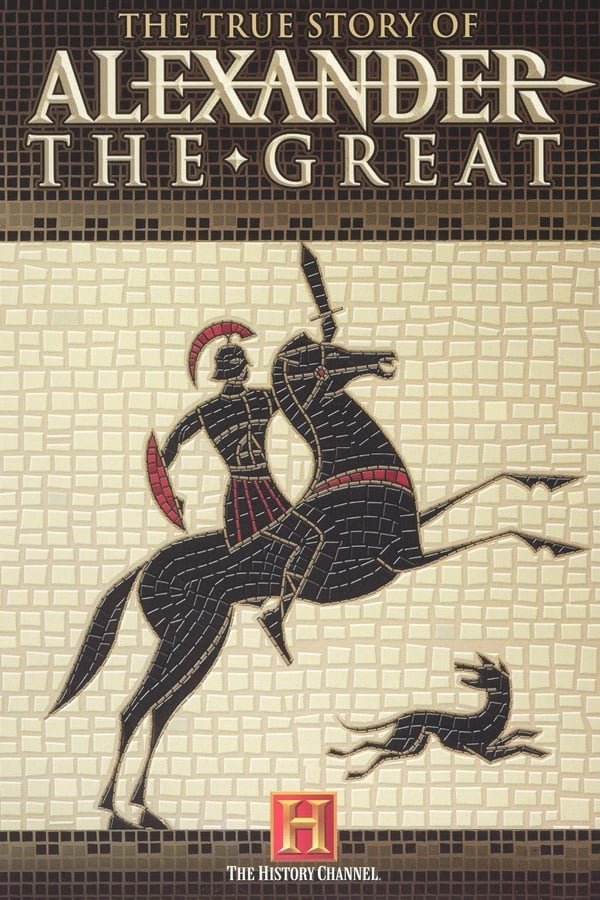
Tutored by Aristotle, helpless witness to his father's assassination, and a brilliant, pioneering tactician, Alexander the Great had conquered the known world--and sealed his legacy as one of history's most remarkable rulers--by the age of 25. In the year 334 B.C., 20-year-old King Alexander of Macedonia decided to bring the farthest reaches of the world under one domain. Over the next 12 years, he led a grand army across more than 20,000 miles and eventually brought all of Asia under his control, only to perish from battle wounds at the age of 32. Incorporating dramatic onsite reenactments with high-end computer graphics and the expertise of renowned scholars, THE TRUE STORY OF ALEXANDER THE GREAT is a special presentation from THE HISTORY CHANNEL®, examining the life and career of this military genius, impassioned lover, and fearless leader.
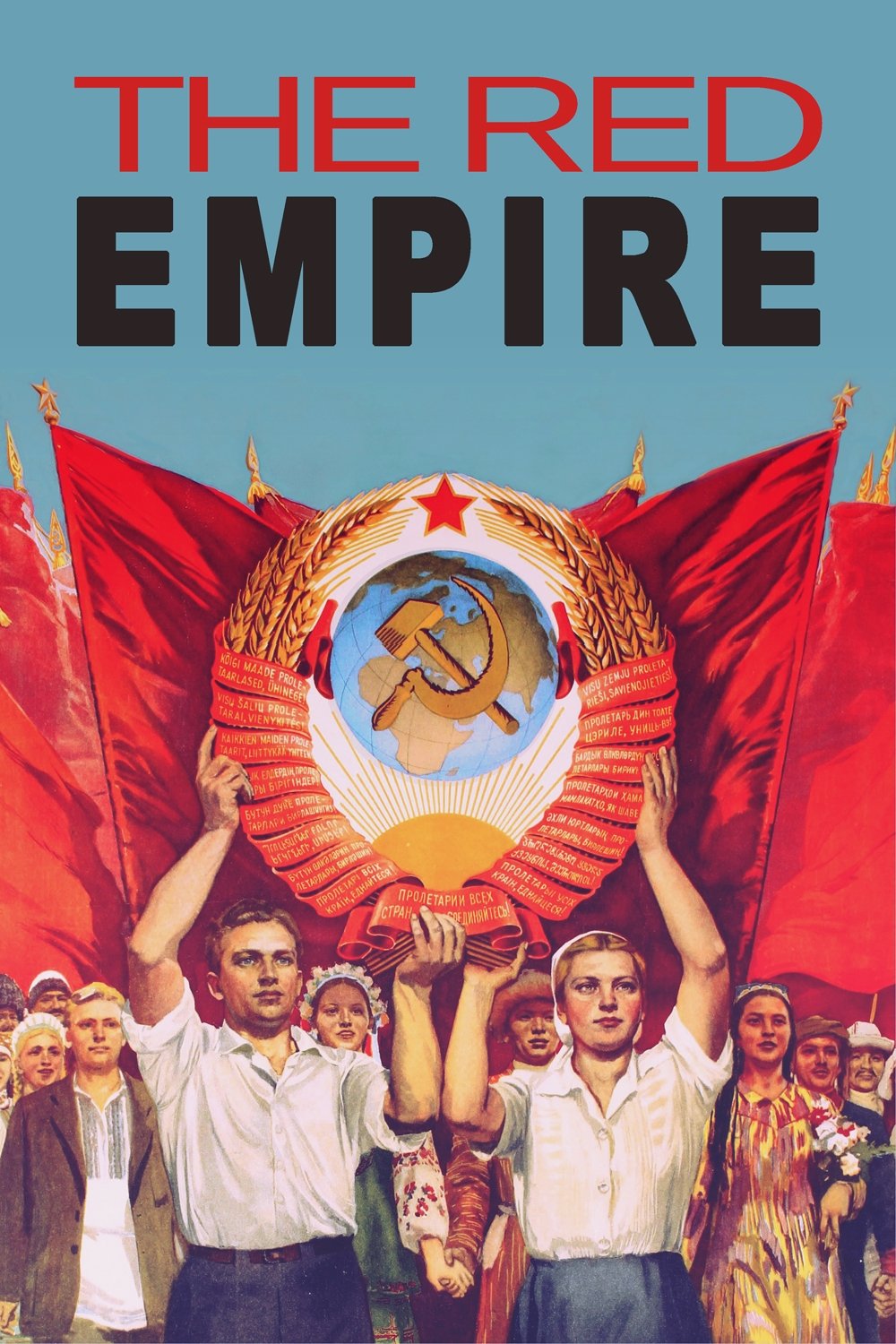
The story of an empire: From its founding in 1922 to its dissolution in 1991, the Soviet Union was shaped by revolutionary idealism, but also by oppression and decay. The USSR evolved from Stalinist terror through the Thaw under Khrushchev to political processes such as glasnost and perestroika under Gorbachev. Finally, in 1991, it collapsed.
Battle History of the U.S. Army is a 2002 documentary series by Lou Reda Productions for The History Channel, offering a comprehensive overview of the United States Army's combat history. The series covers conflicts from the Revolutionary War to modern times, emphasizing the Army's development and its role in defending democracy. Made in cooperation with the U.S. Army, with access to their historians and battle archives, which are the oldest and most extensive of all of our armed services.
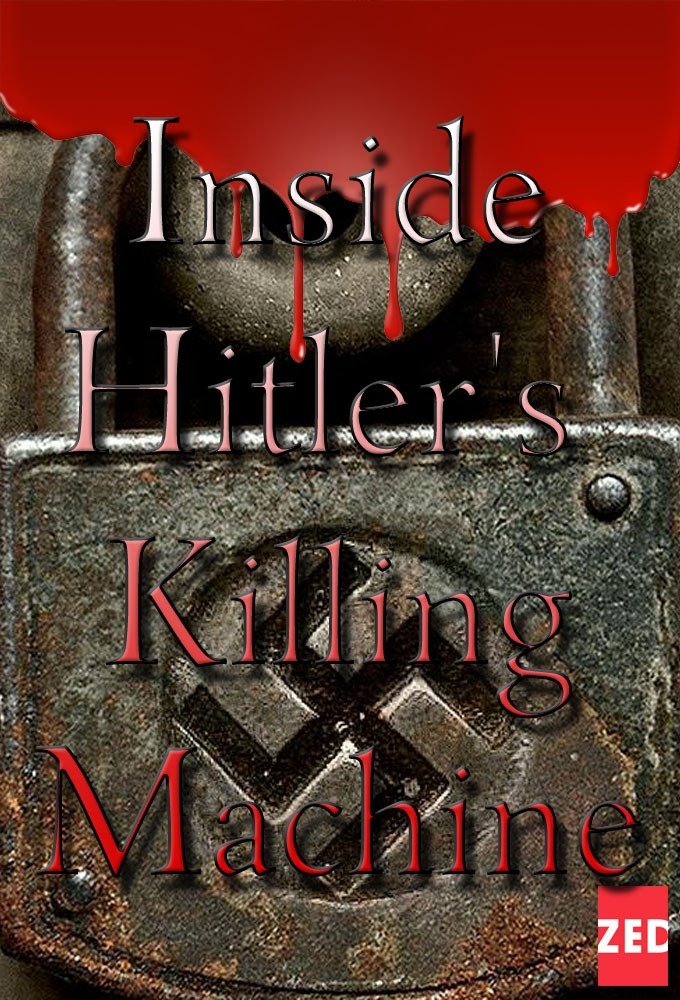
May 1945: With the end of the war and the surrender of the Third Reich, the world discovered the full horror of a genocidal system on a scale never before seen in the history of humanity. The elimination of millions of individuals had been meticulously planned by a regime whose organization and methods were just beginning to be understood.
Sharpe is a British series of television dramas starring Sean Bean as Richard Sharpe, a fictional British soldier in the Napoleonic Wars. Sharpe is the hero of a number of novels by Bernard Cornwell; most, though not all, of the episodes are based on the books. Produced by Celtic Films and Picture Palace Films for the ITV network, the series was shot mainly in Turkey and the Crimea, although some filming was also done in England, Spain and Portugal. The series originally ran from 1993 to 1997. In 2004, as part of ITV's new set of drama, ITV announced that it intended to produce new episodes of Sharpe, in co-production with BBC America, loosely based on his time in India, with Sean Bean continuing his role as Sharpe. Sharpe's Challenge is a two-part adventure; part one premiered on ITV on 23 April 2006, with part two being shown the following night. With more gore than earlier episodes, the show was broadcast by BBC America in September 2006.
Track the main events of World War II with the help of remarkable archive footage and see exactly what happened, and when. Learn about Pearl Harbor, The Battle of Britain, D-Day, the dropping of the atomic bomb and more. From the early battles right through to the complexities of the endgame, this extensive 24 episode series shines a spotlight on a period of history that should never be forgotten.
A documentary series that gives a historical account of the events of World War II, from its roots in the 1920s to the aftermath and the lives it profoundly influenced.
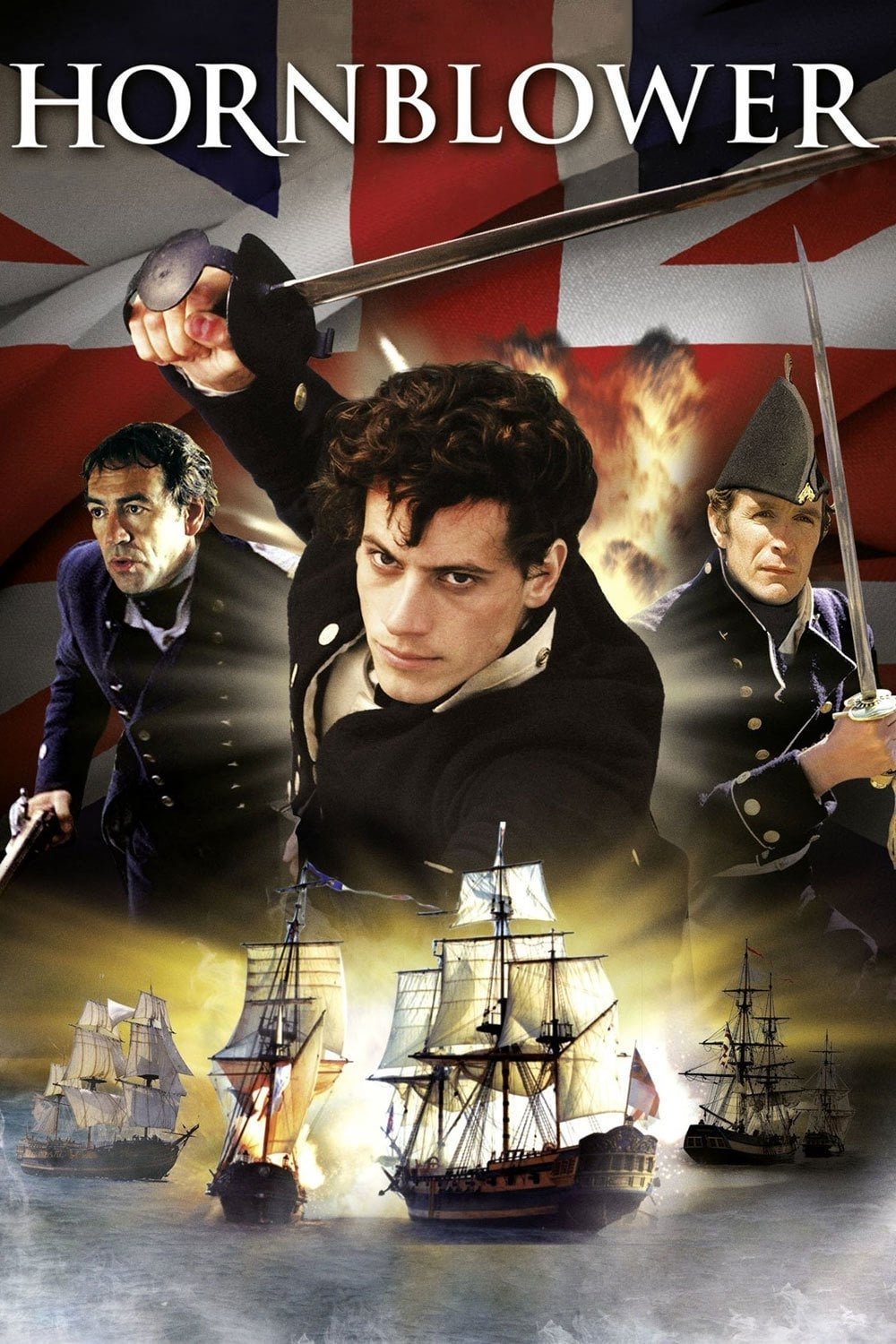
Set during the 18th century Napoleonic Wars, Horatio Hornblower, a young and shy midshipman, rises through the ranks to become an admiral.
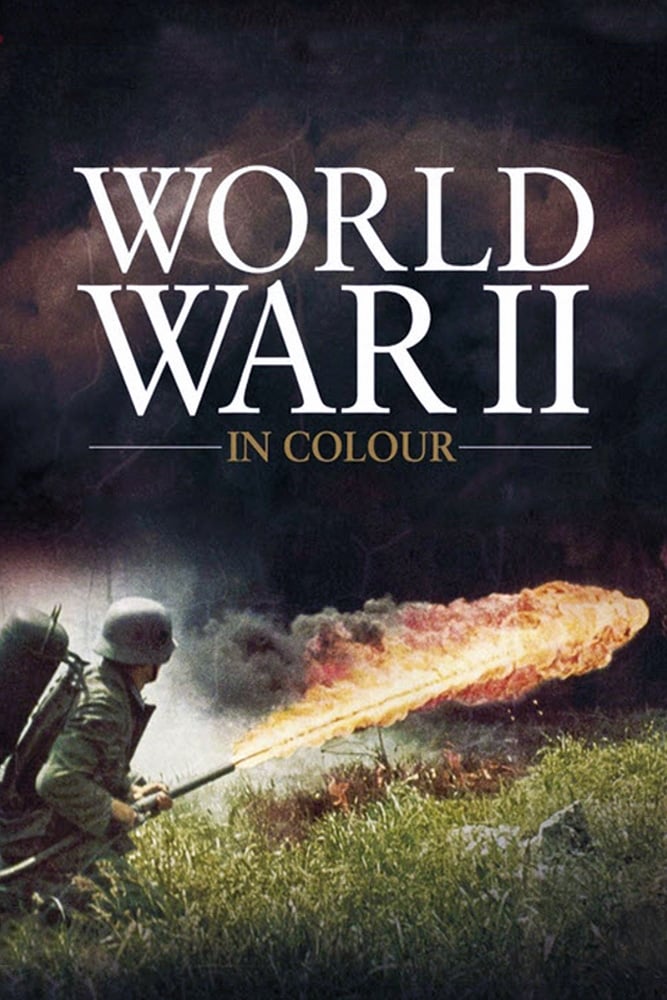
World War II In Colour is a 13-episode television documentary miniseries recounting the events of World War II narrated by Robert Powell. The show covers the Western Front, Eastern Front, and the Pacific War. It is on syndication in America on the Military Channel. This series is in full color, combining both original and colorized footage.
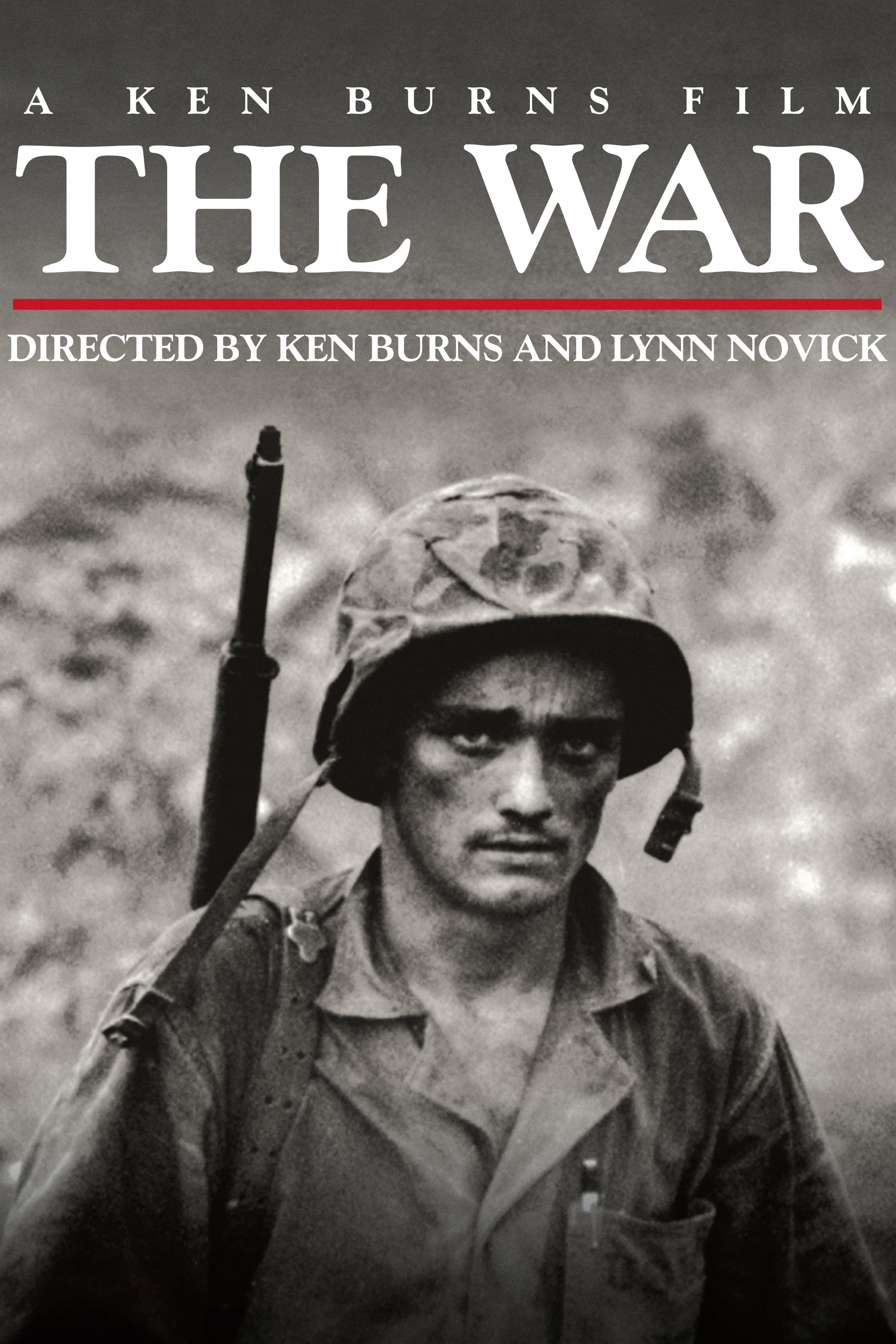
The story of the Second World War through the personal accounts of a handful of men and women from four American towns. The war touched the lives of every family on every street in every town in America and demonstrated that in extraordinary times, there are no ordinary lives.
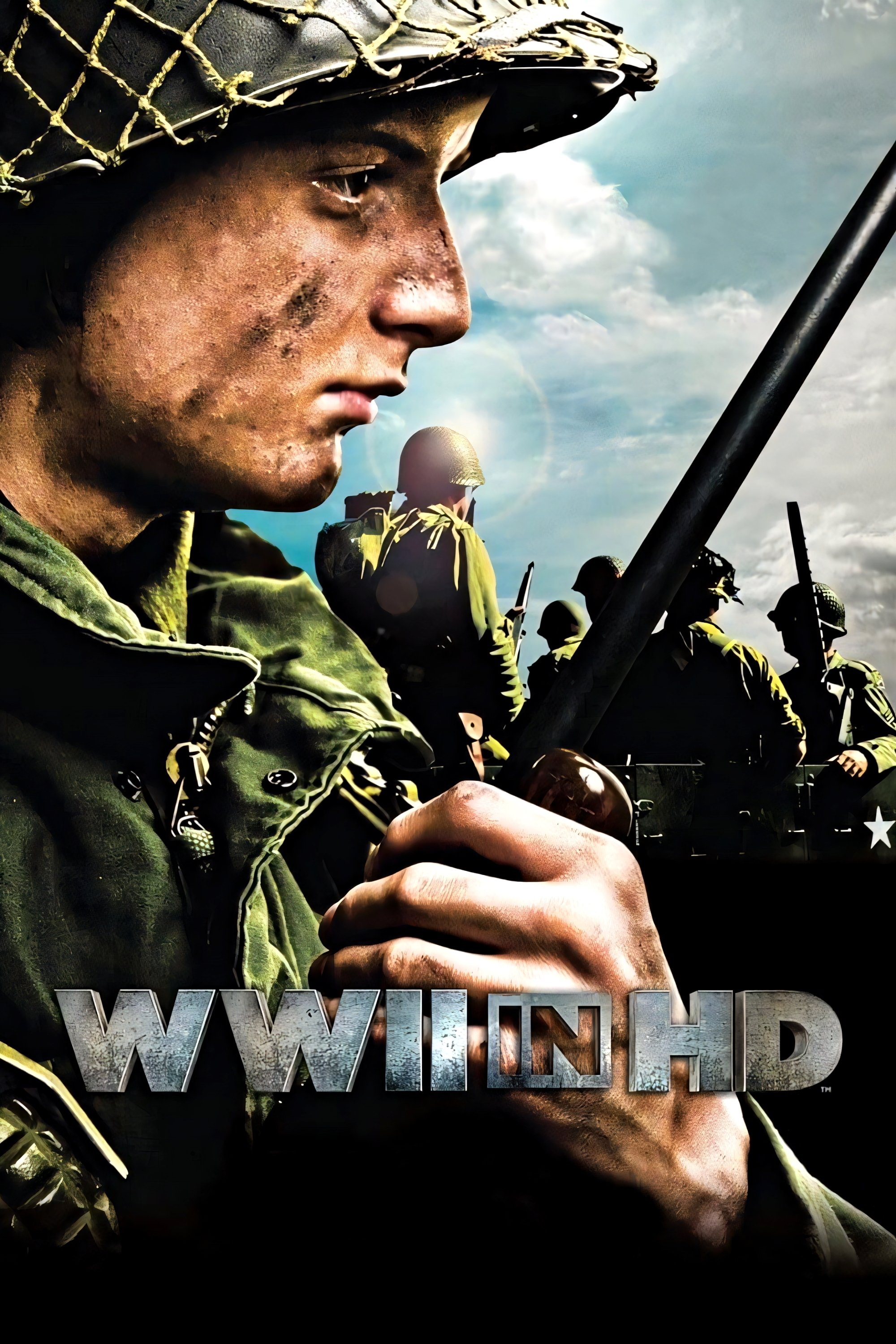
WWII in HD is a 10-part American documentary television miniseries that originally aired from November 15 to November 19, 2009 on the History Channel. The program focuses on the firsthand experiences of twelve American service members during World War II, including an Army nurse, a member of the Tuskegee Airmen, a second generation Japanese American and prisoner of war, and an Austrian Jewish immigrant. The twelve members recorded their time in both theaters and some had later interviews; found footage from the battlefield was paired with the stories of the twelve service members. The episodes premiered on five consecutive days, with two episodes per day. The series is narrated by Gary Sinise and was produced by Lou Reda Productions in Easton, Pennsylvania, United States.
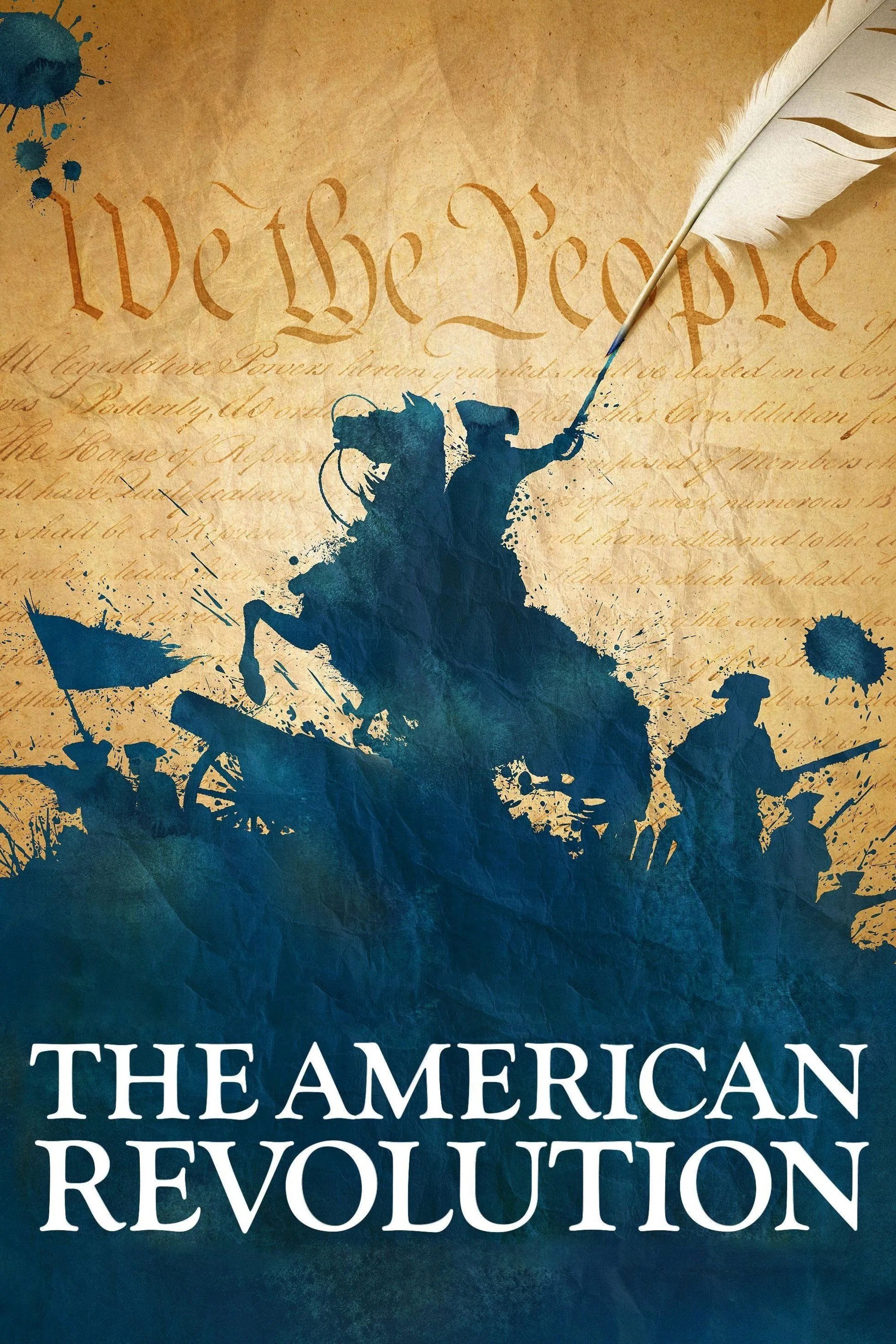
The American Revolution was at once a war for independence, a war of conquest, a civil war, and a world war, fought by neighbors on American farms and between global powers an ocean or more away. It impacted millions from Vermont’s Green Mountains to the swamps of South Carolina, from Indian Country to the Iberian Peninsula. In defeating the British Empire and giving birth to a new nation, the American Revolution turned the world upside-down. Thirteen colonies on the Atlantic Coast united in rebellion, won their independence, and established a republic that still endures. The American Revolution will present the story of the men and women of the Revolutionary generation, their humanity in victory and defeat, and the crisis that they lived through.
A documentary on the American Civil War narrated by Ken Burns, covering the secession of the Confederacy to the assassination of Abraham Lincoln.
Have you ever wondered how the products you use every day are made? How It's Made leads you through the process of how everyday products, such as apple juice, skateboards, engines, contact lenses, and many more objects are manufactured.
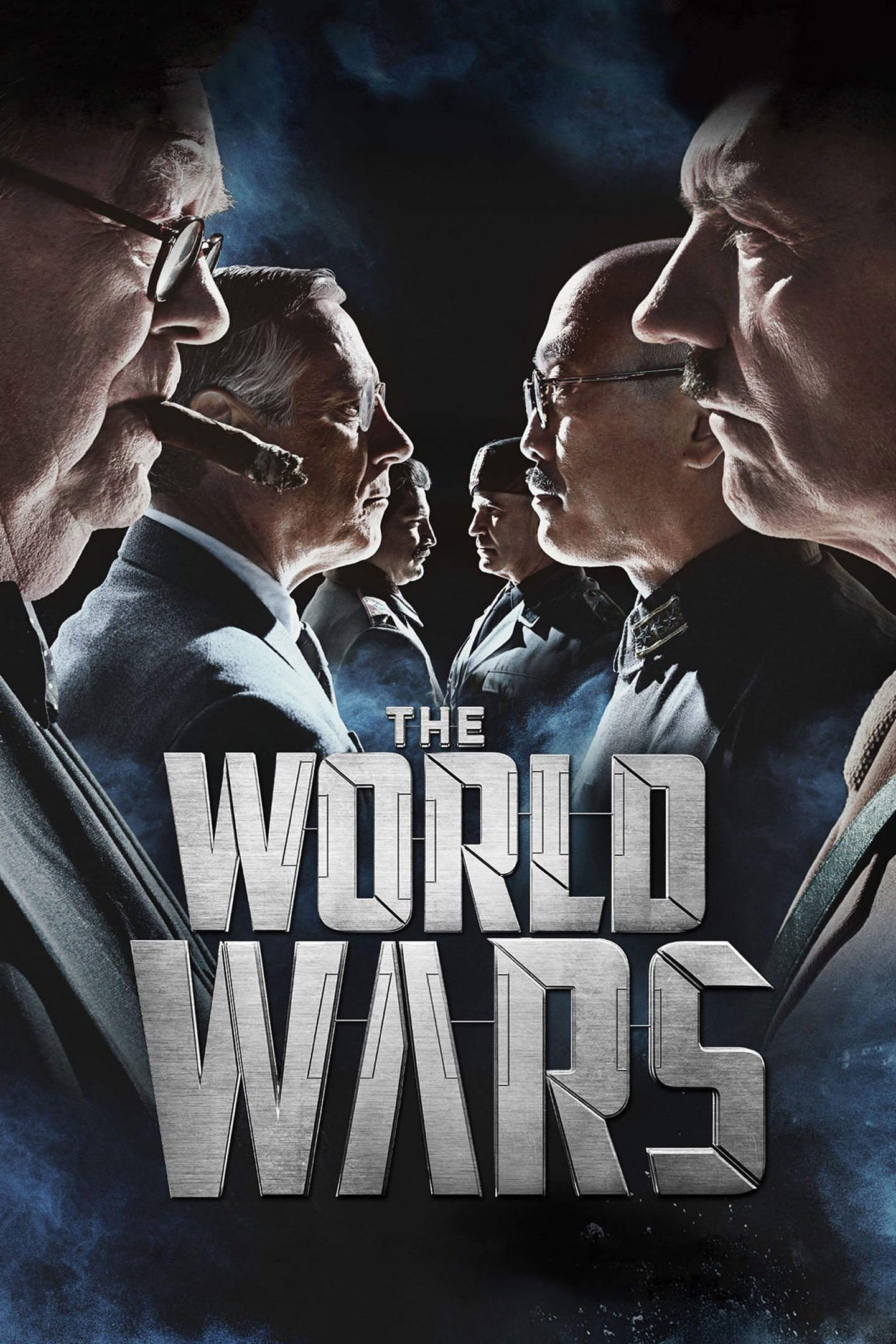
The story of three decades of war told through the eyes of various men who were its key players: Roosevelt, Hitler, Patton, Mussolini, Churchill, Tojo, DeGaulle and MacArthur. The series examines the two wars as one contiguous timeline starting in 1914 and concluding in 1945 with these unique individuals coming of age in World War I before ultimately calling the shots in World War II.
An insider's look at the engineering and scientific miracles behind the things that form the modern world.
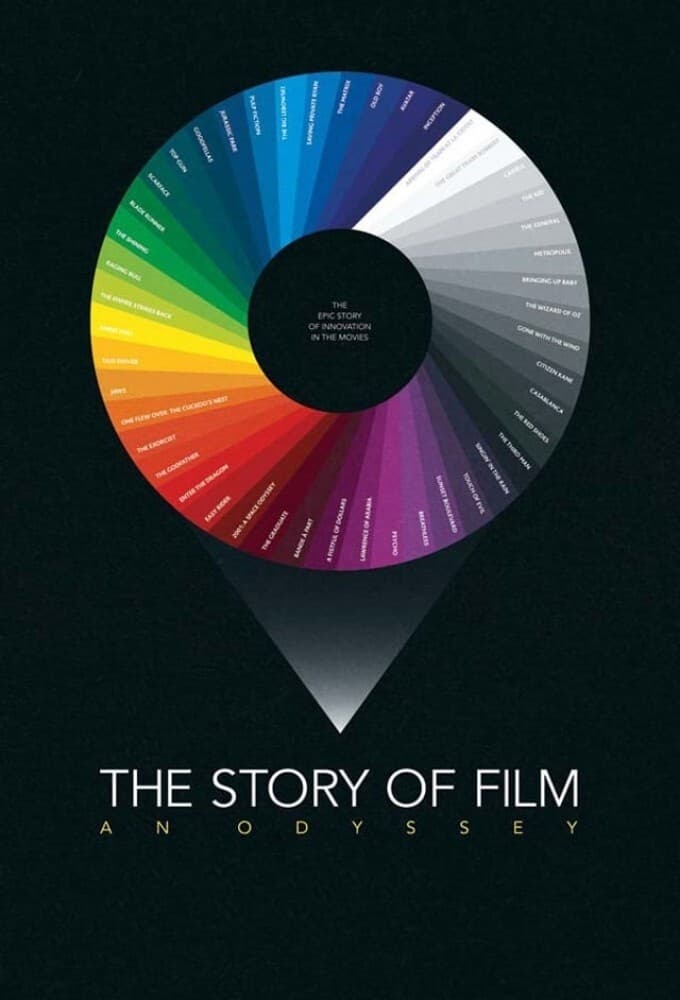
A worldwide guided tour of the greatest movies ever made and the story of international cinema through the history of cinematic innovation.
Executive producer Jon Favreau invites the cast and crew of The Mandalorian to share an unprecedented look at the making of the series. Each chapter explores a different facet of the first live-action Star Wars television show through interviews, never-before-seen footage, and roundtable conversations hosted by Favreau himself.
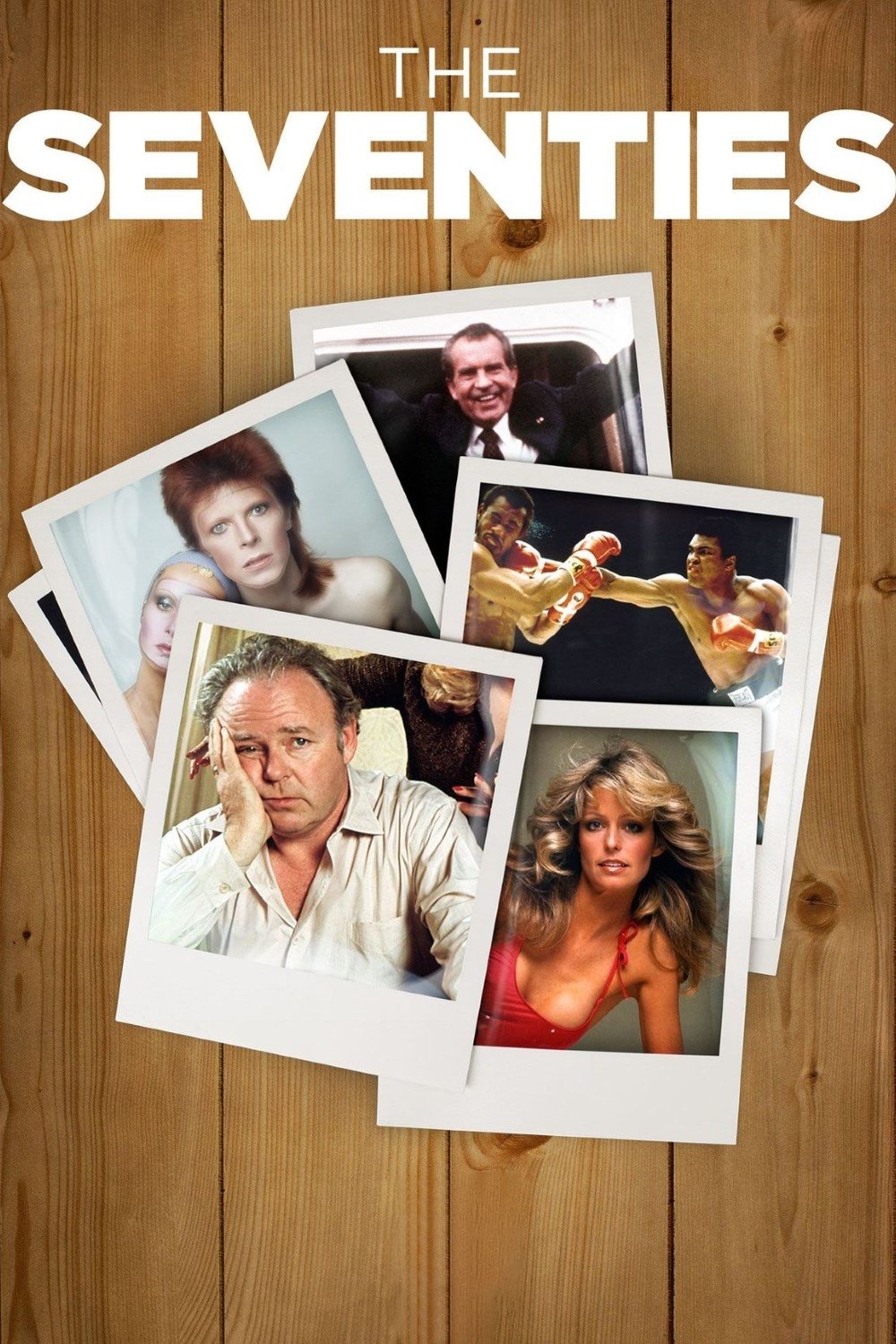
A documentary series focusing on the ongoing Vietnam War, the Watergate scandal, evolving music industry, the Iran Hostage Crisis, the sexual revolution, and the rise of foreign and domestic terrorism.
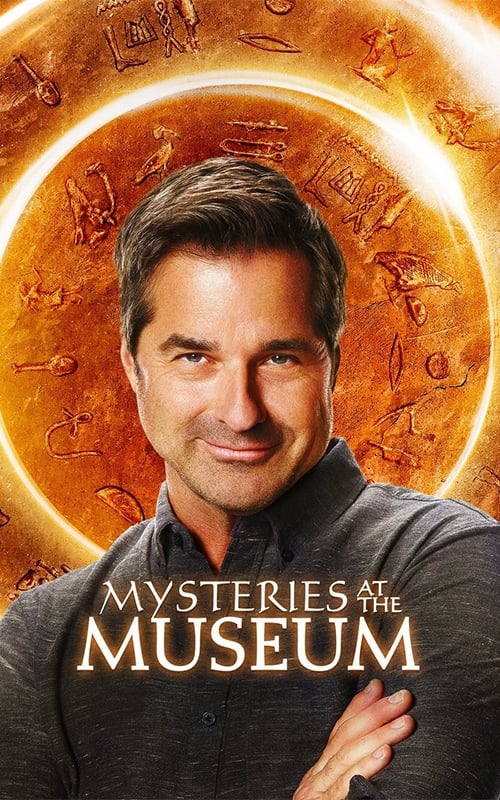
Don Wildman unearths relics from the world's greatest institutions to reveal secrets from the past. He examines each artifact to illuminate history's most incredible triumphs, sensational crimes and bizarre encounters.
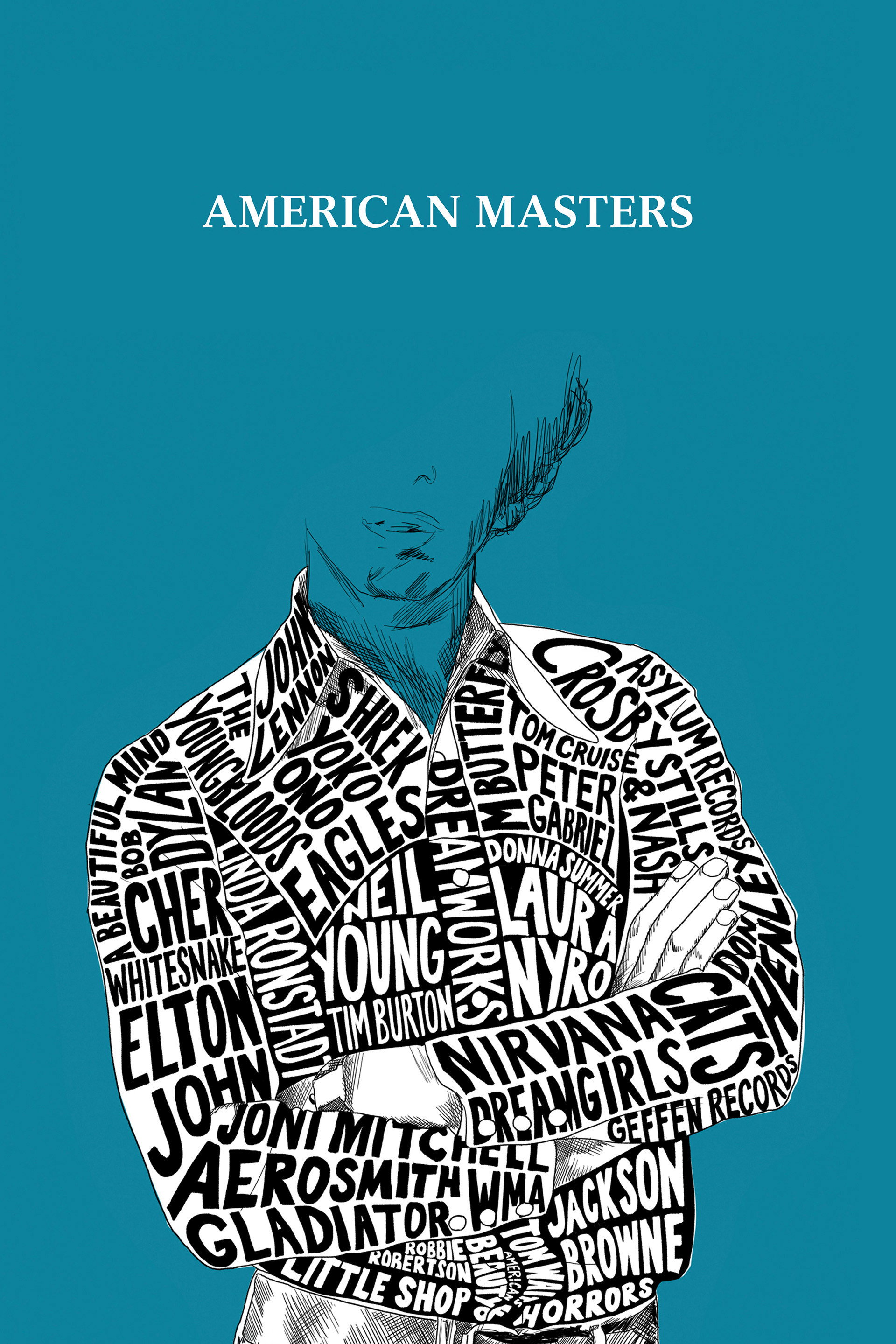
American Masters is a PBS television series which produces biographies on enduring writers, musicians, visual and performing artists, dramatists, filmmakers, and others who have left an indelible impression on the cultural landscape of the United States.
Explore American cinema through the decades and the cultural, societal and political shifts that framed its evolution.
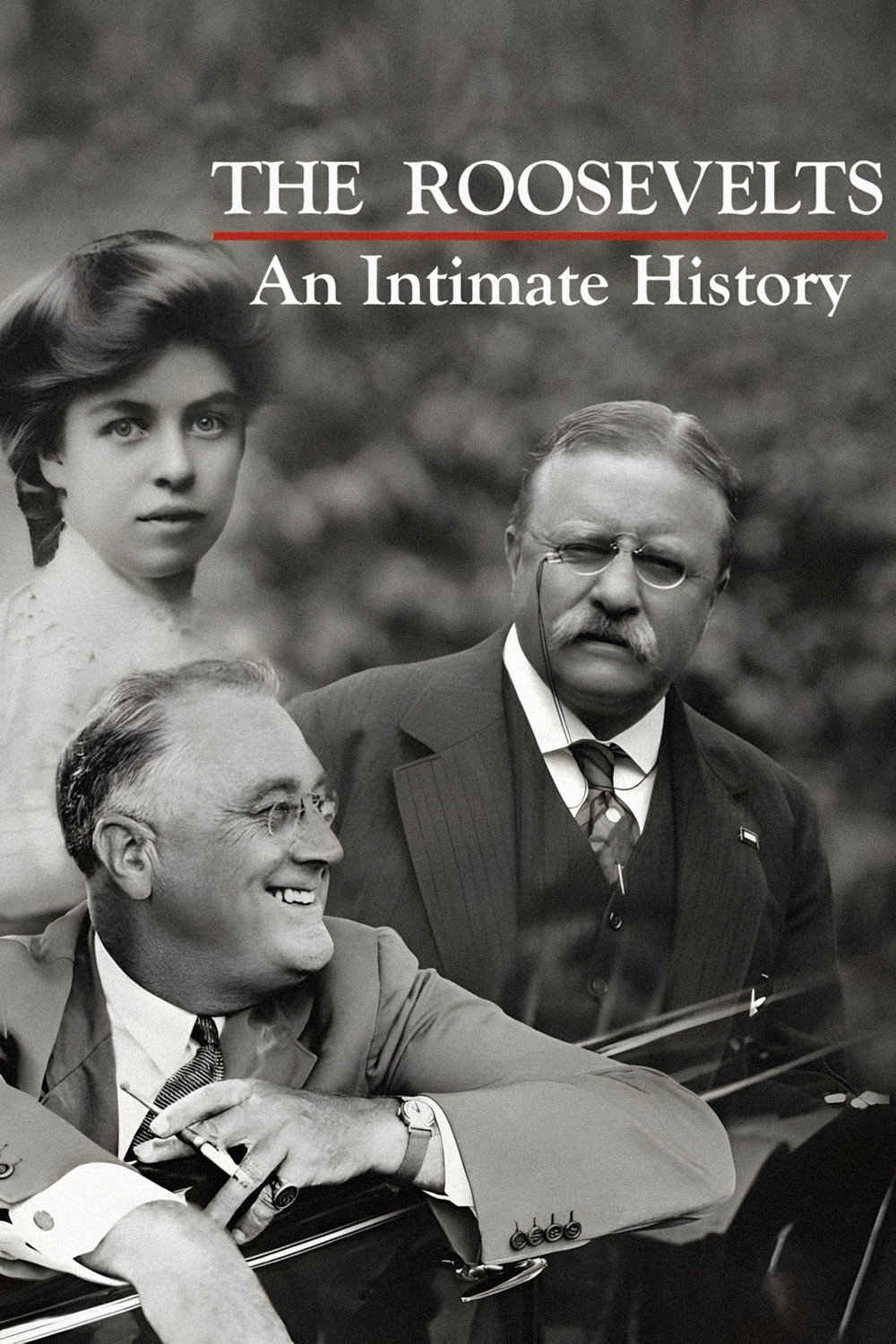
Chronicles the lives of Theodore, Franklin and Eleanor Roosevelt, three members of the most prominent and influential family in American politics. It is the first time in a major documentary television series that their individual stories have been interwoven into a single narrative. This seven-part, fourteen hour film follows the Roosevelts for more than a century, from Theodore’s birth in 1858 to Eleanor’s death in 1962.
From Monday Night RAW to WrestleMania, this series goes backstage with WWE Superstars and staff as they bring the company's biggest spectacles to life.
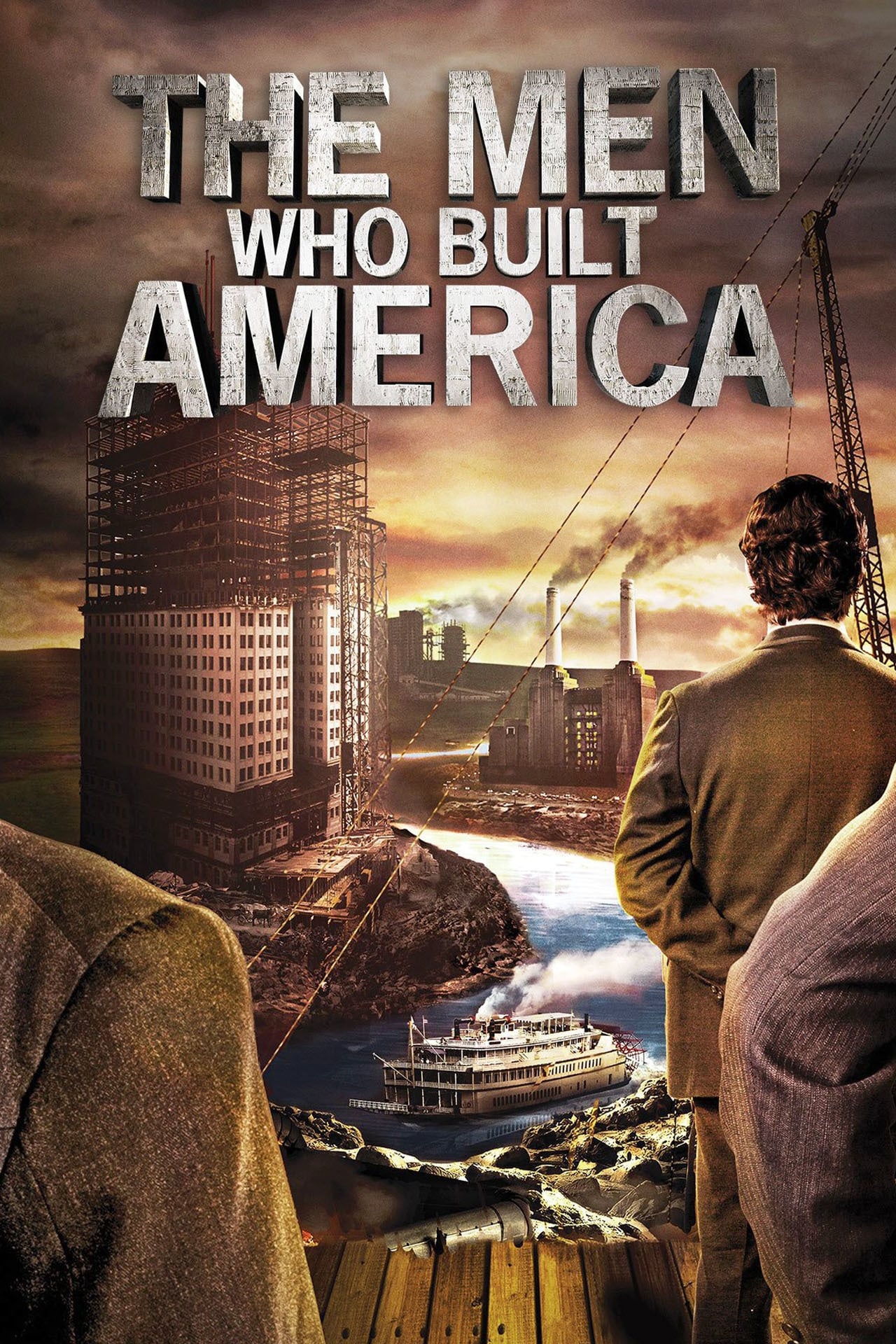
Influential builders, dreamers and believers whose feats transformed the United States, a nation decaying from the inside after the Civil War, into the greatest economic and technological superpower the world had ever seen. The Men Who Built America is the story of a nation at the crossroads and of the people who catapulted it to prosperity.
TV's most-watched history series brings to life the compelling stories from our past that inform our understanding of the world today.
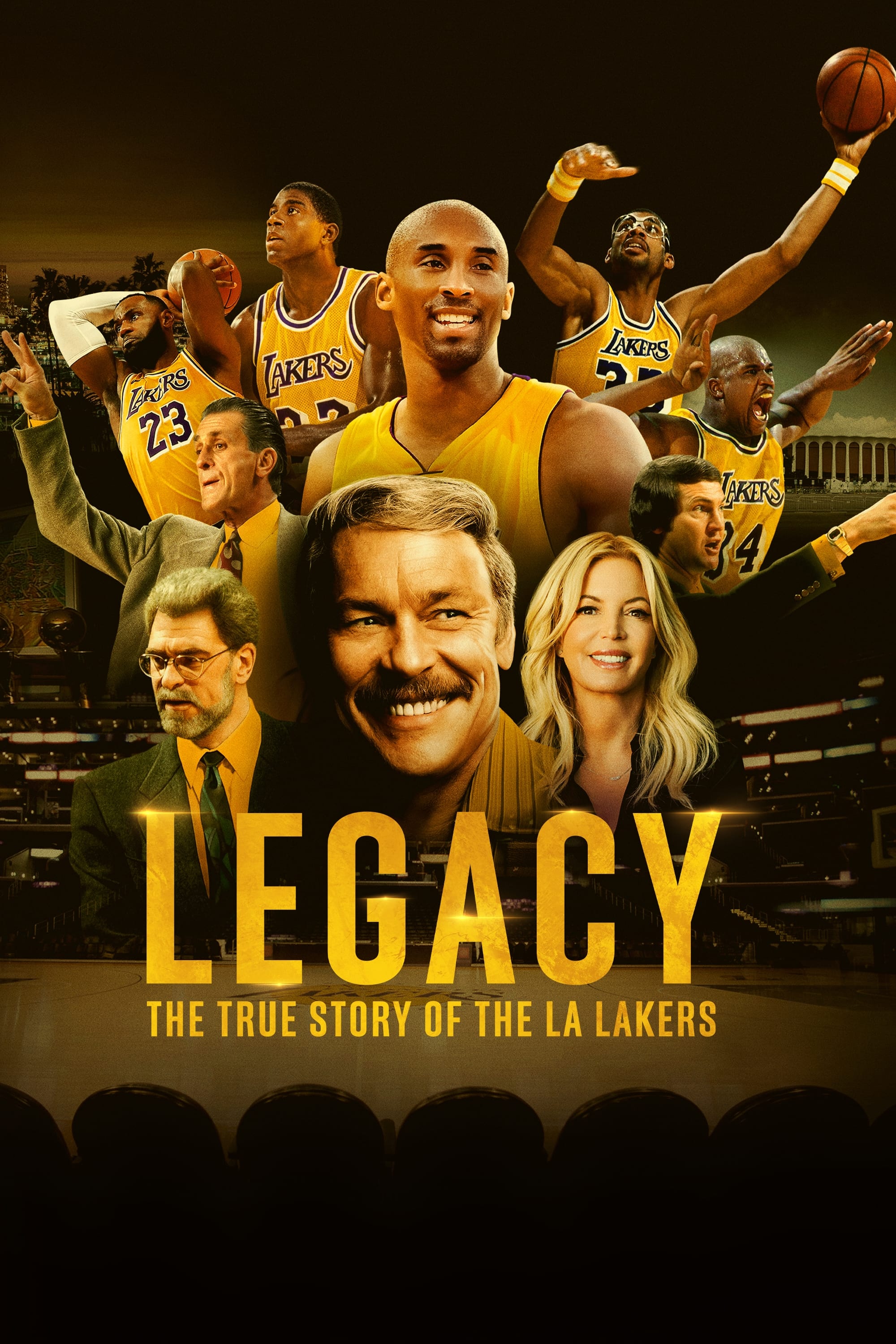
This docuseries captures the remarkable rise and unprecedented success of one of the most dominant and iconic franchises in professional sports. Featuring exclusive access to the Buss Family and probing, revealing interviews with players, coaches, and front office execs, this series chronicles this extraordinary story from the inside – told only by the people who lived it.