Social & External
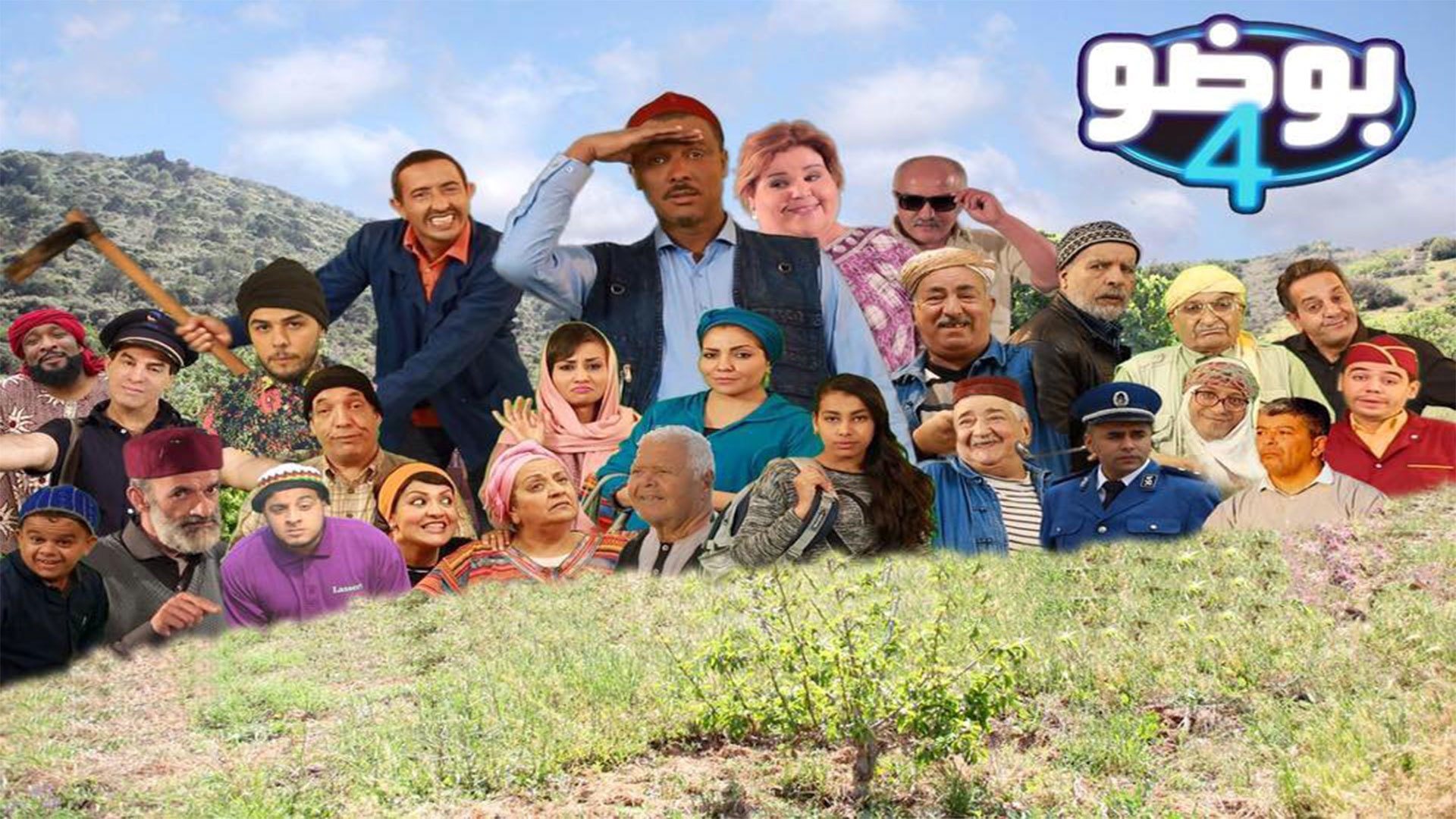
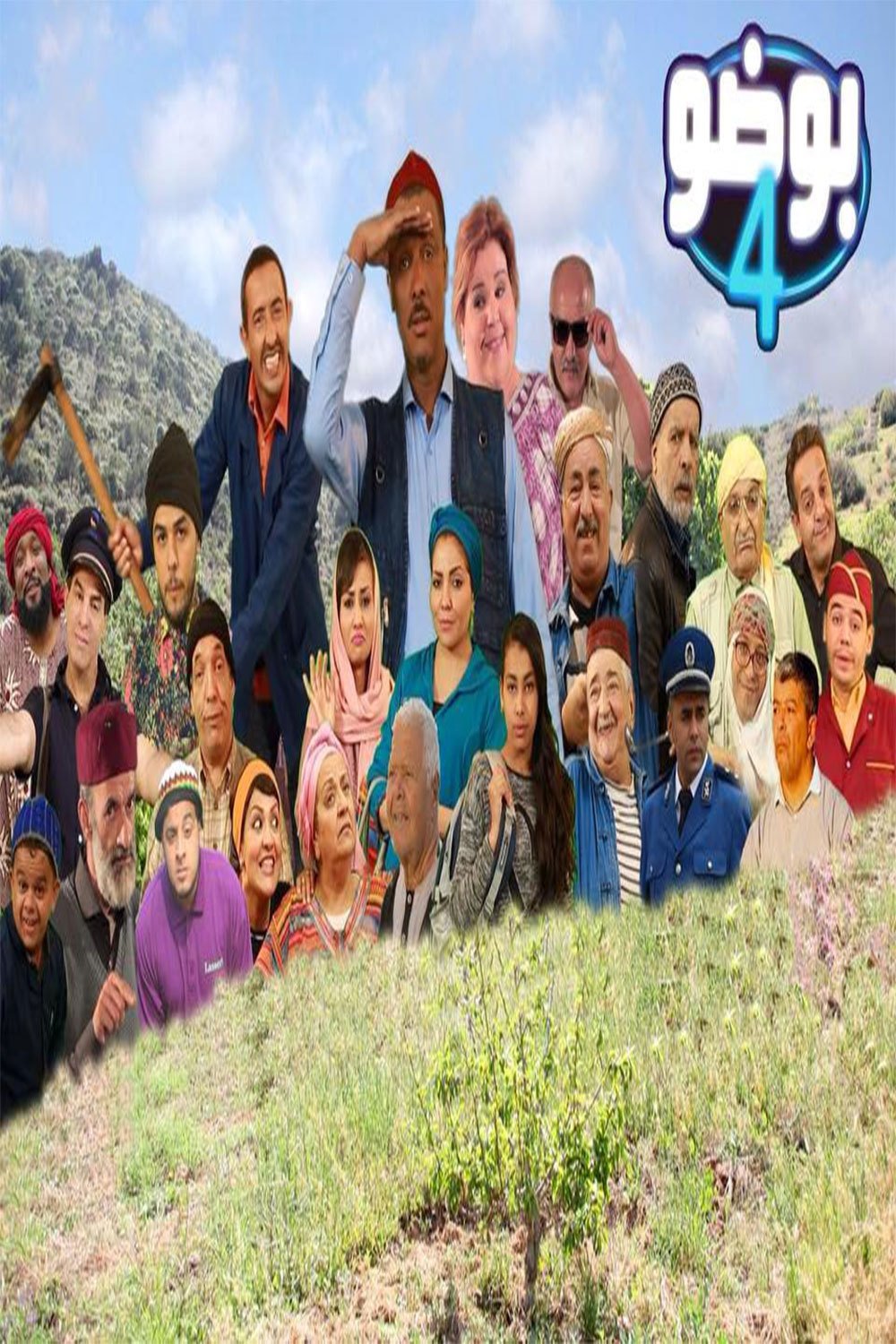
In a dramedy setting, **El Batha** follows the story of Laz, a man who has been imprisoned 17 times and lives in the Al Batha neighborhood. Determined to escape this trap, Laz faces numerous challenges and obstacles, including a showdown with his arch-nemesis, all while navigating a journey filled with humorous and thrilling moments.
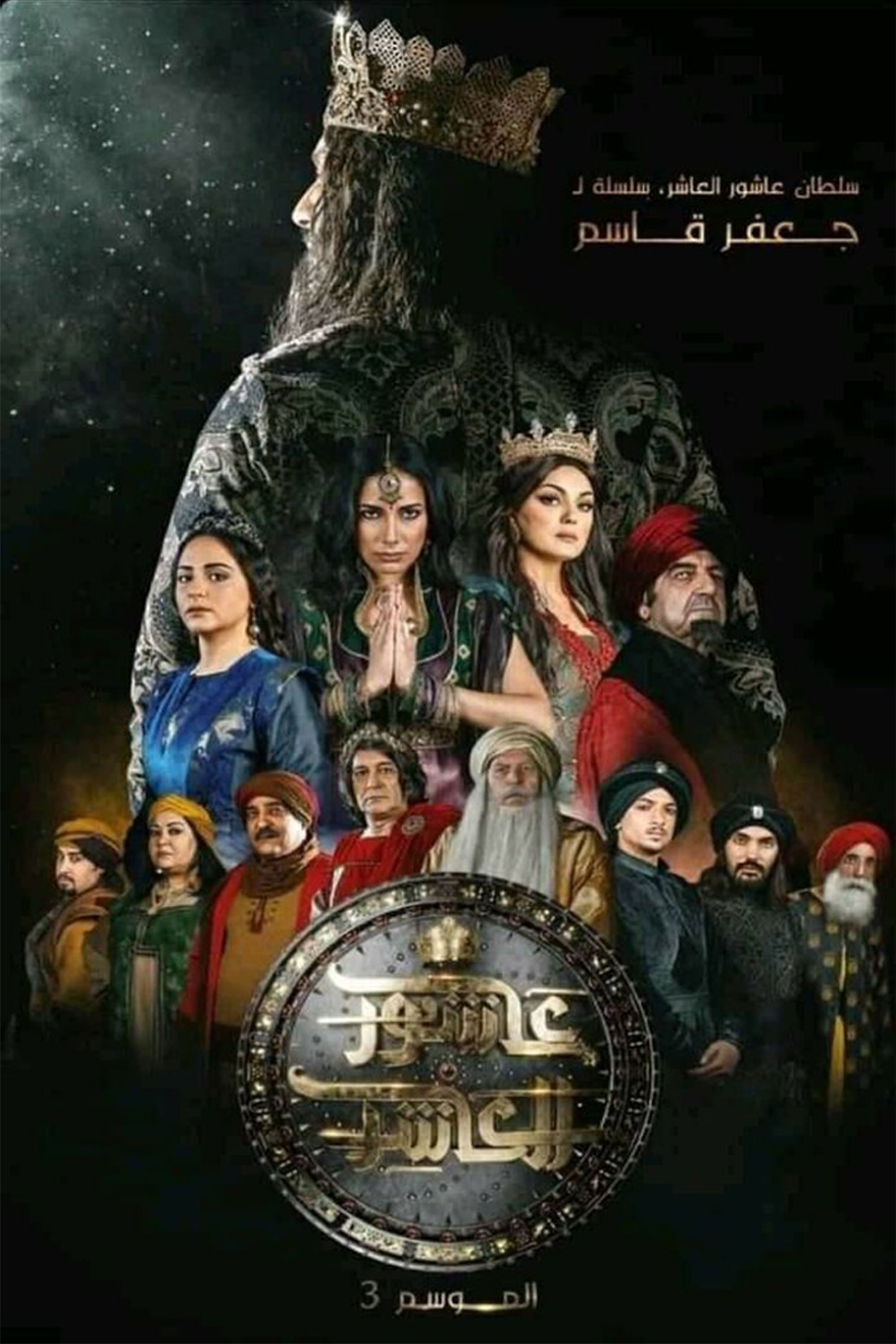
Sultan Achour 10 or Sultan Achour (in Arabic: السّلطان عاشور العاشر, As-Sulṭān ‘Āshūr al-‘Āshir) is an Algerian humorous television series in 66 episodes of 30 minutes, created by Djaffar Gacem and broadcast between June 18 2015 and May 9, 2021 on Echorouk TV then ENTV. The events of the series take place in a kingdom of Algeria, called "the Achourite kingdom", governed by Sultan Achour 10, and relate the daily adventures of the latter with his family, his people and the other kingdoms. The series is considered the largest Algerian comedy production, and was voted the most watched program in the country during the entire month of Ramadan 2015, 2017 and 2021.
In this four-part BBC documentary, former Monty Python funnyman and renowned globe-trotter Michael Palin sets off from Gibraltar to travel across the Sahara, his witty humor downplaying the hardships he faces along the arduous journey. He travels to Morocco, Mauritania, Mali and beyond, across some of the harshest terrain on the planet.
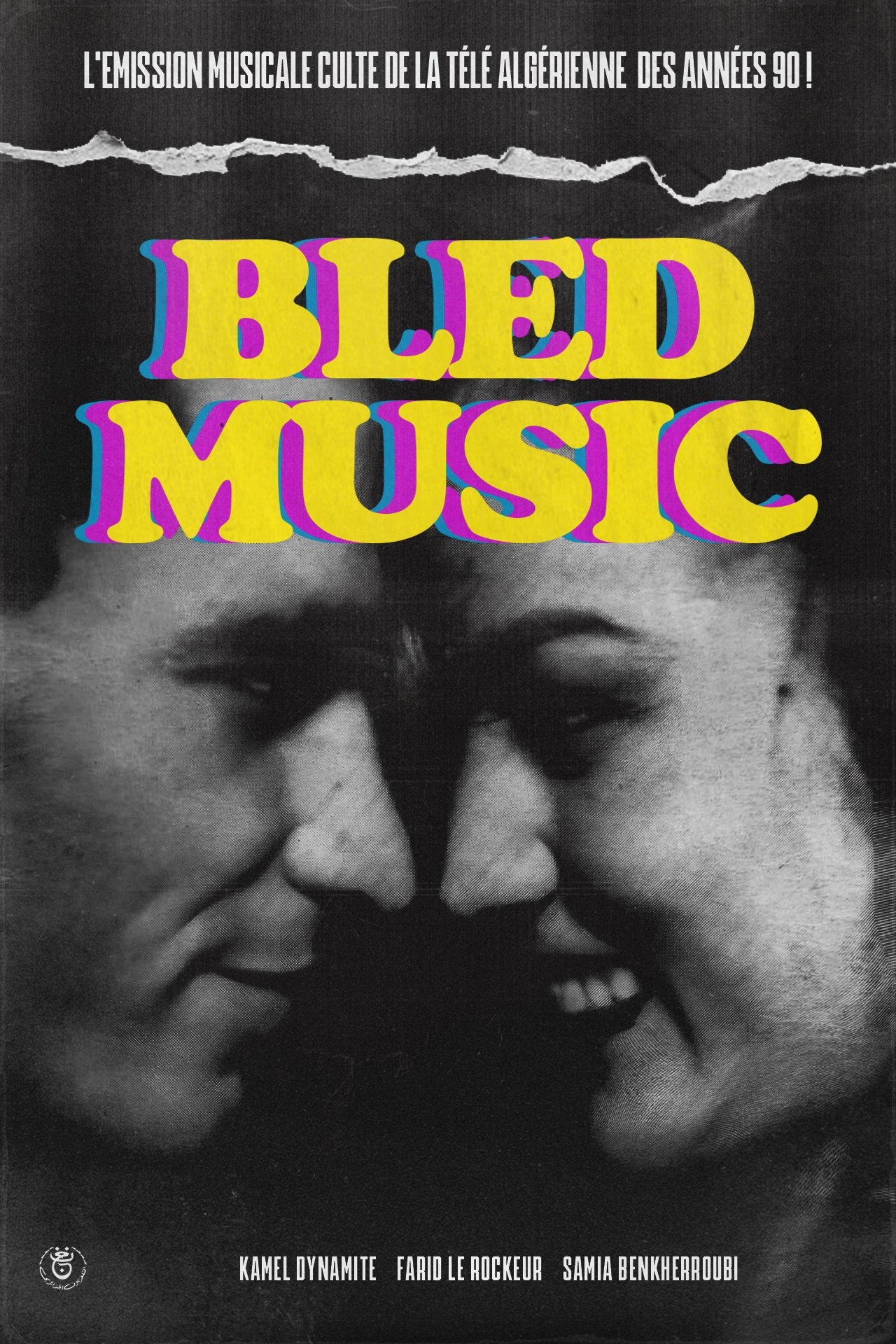
"Bled Music" is an Algerian musical television program broadcast on ENTV between 1991 and 1992. directed by Aziz Smati and presented by Kamel Dynamite, Farid Rockeur and Samia Benkherroubi. The show, with its irreverent tone, was very popular and had a significant impact on the Algerian music scene, allowing the emergence of many artists including Chaba Fadela, Cheb Sahraoui, Cheb Anouar and Mohamed Lamine. A ranking of music videos by popularity and relied on fans sending their votes by mail. At the end of the 1980s, unrest broke out in Algeria which led the country into a Black Decade. At this time, fundamentalist groups attempted to ban music and most other forms of artistic expression. The show continued to air despite death threats, but on February 14, 1994, Aziz Smati was shot in both legs by a young extremist, which ultimately led to the end of the show .
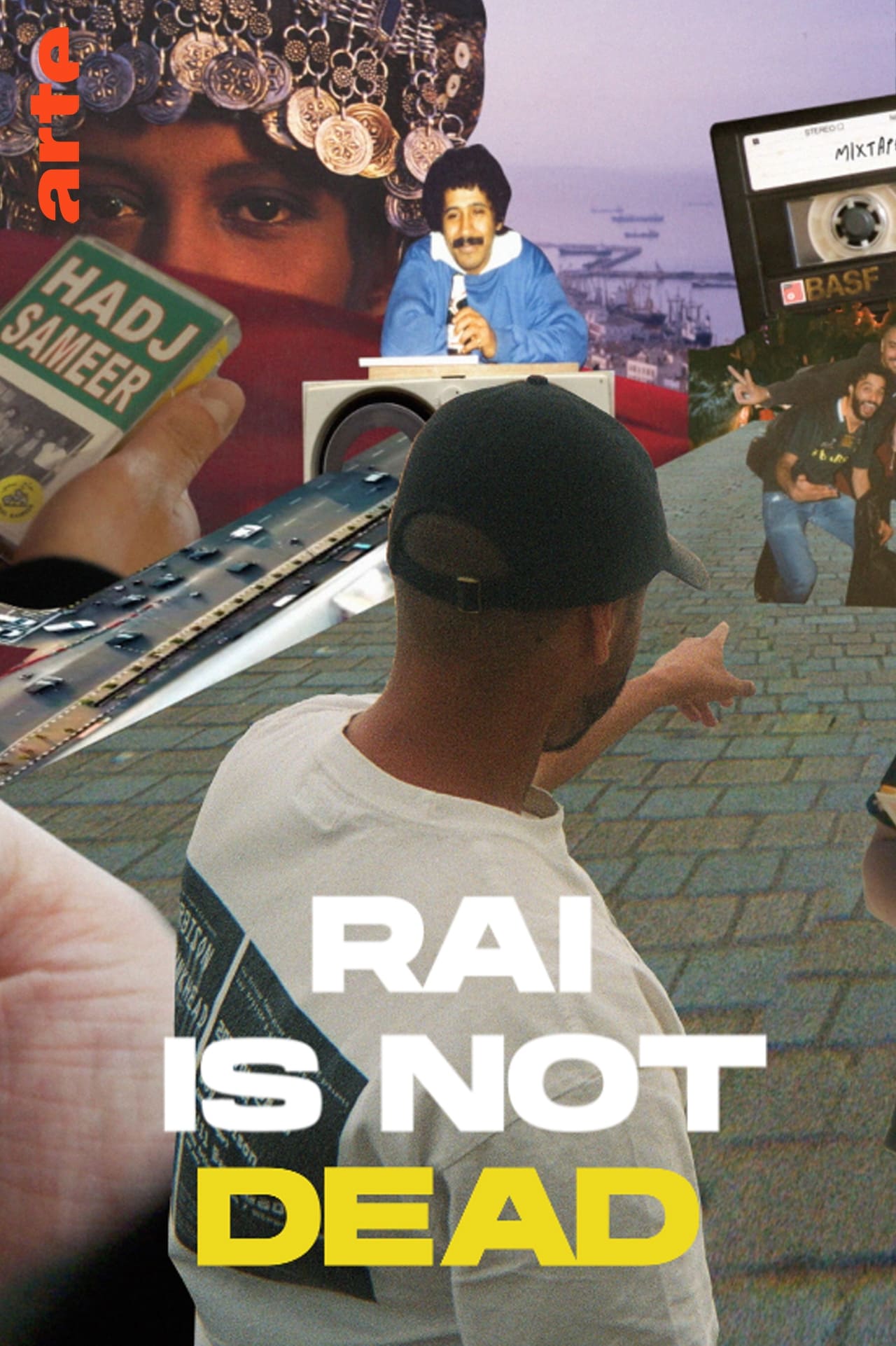
What musical genre can claim to have gone, in the space of fifty years, from a hidden cabaret in Oran to Super Bowl halftime? Born in Algeria at the end of the Second World War, the raï wave spread from the cabarets of western Algeria to the cassette shops of Barbès in Paris, before sweeping the world at the end of the 1980s. its hybridization, the intoxicating music traveled from Algerian and French weddings to the biggest international stages, before suddenly disappearing from the radar at the dawn of the new millennium. Icons that have disappeared, including Cheikha Remitti and Prince Hasni, to young heirs, passing by the star Khaled, the collector Hadj Sameer trace the tumultuous course of this musical genre, between clandestinity, planetary glory and resistance.
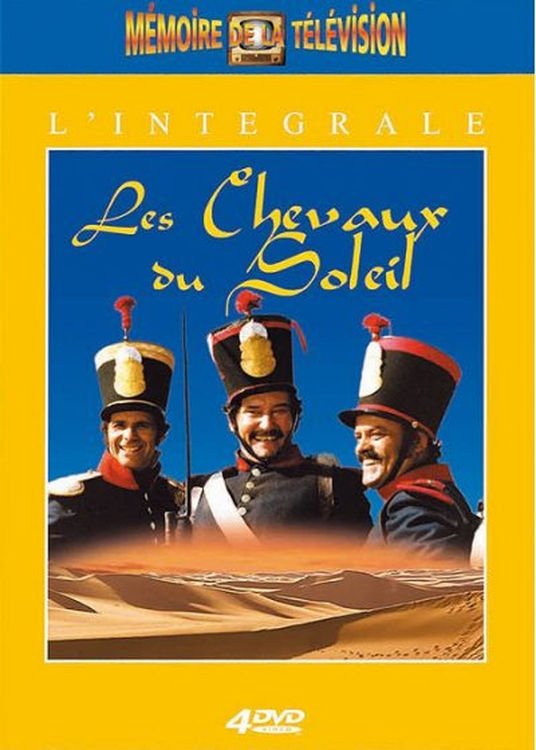
Adapted from Jules Roy's historical novel of the French presence in North Africa, the TV series follows the destiny of two families, the Bouychous and the Parises, from the conquest of Algiers in 1830 to the Independence in 1962.
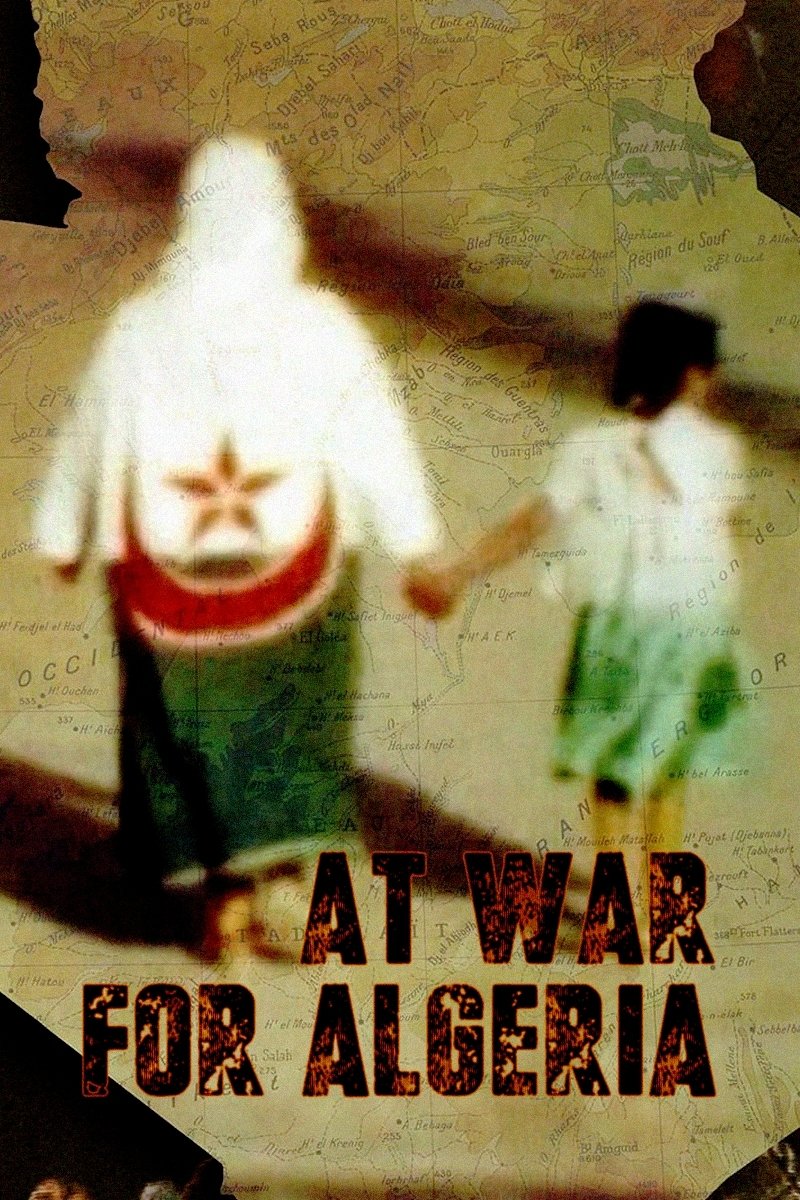
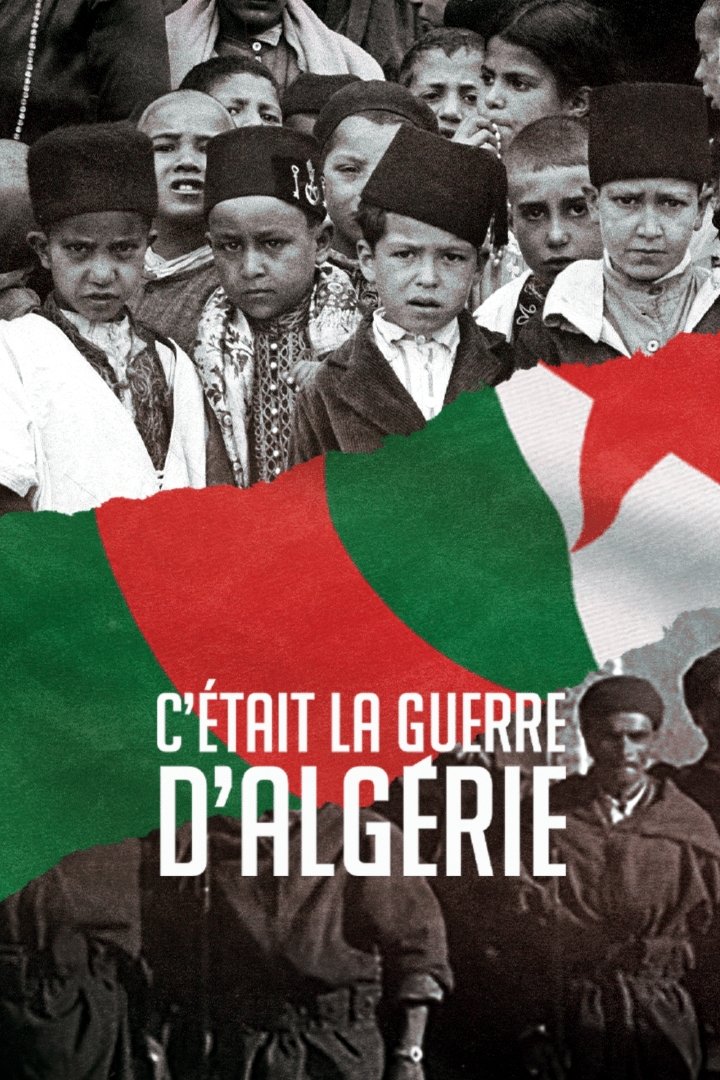
North Africa, 1954. The Algerian war of independence begins, a traumatic and extremely violent catastrophe that for eight long years will shake and finally overthrow the foundations of the colonial regime established by France in 1830.
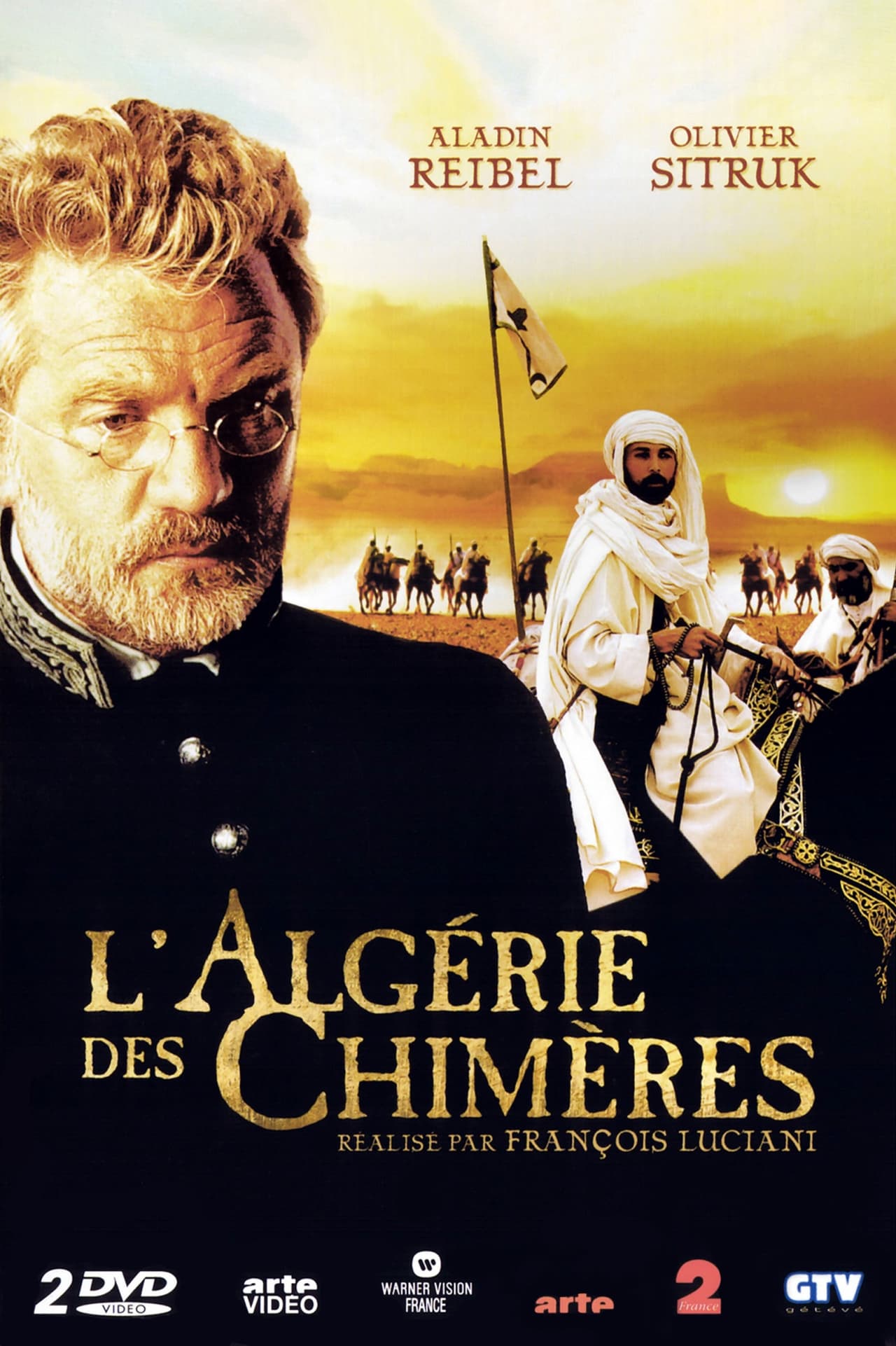
Through the fictionalized lives of two young Saint-Simonians, this television film presents the history of French colonization in Algeria from 1837 to the end of the Second Empire.
The Generations of the Algerian War project brings together members of the National Office for Veterans and Victims of War (ONACVG), which, since 2015 and under the scientific guidance of three historians specializing in the period – Raphaëlle Branche, Jean-Jacques Jordi, and Abderahmen Moumen – has been working alongside the French Ministry of Education to provide teachers with resources for teaching about the Algerian War. A diversity of perspectives is highlighted through the choice of speakers: FLN and OAS militants, a Pied-Noir (French settler in Algeria), the son of a Harkis (Algerian Muslim who fought for the French during the Algerian War), a Jewish woman from Algeria, and French conscripts, all contributing to the construction of a collective memory. The ravages of colonization, forced exile, the transmission of trauma… Each of the three sessions addresses a theme related to the speakers' life experiences and explores different facets of this war.
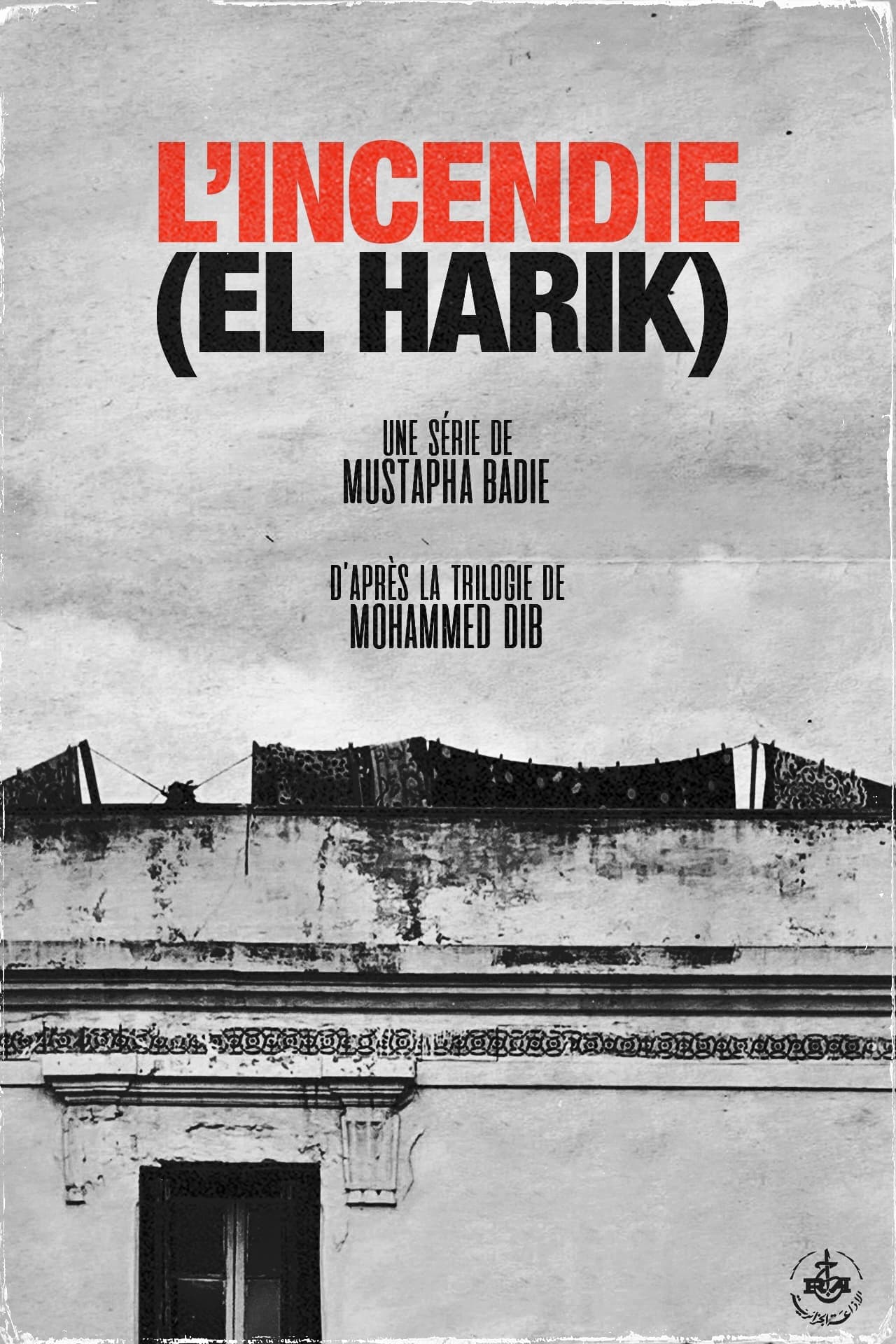
In 1939 in eastern Algeria, Omar, a young boy of ten, lives with his family in a room in Dar Sbitar, a house shared by several families who overcome the trials they go through every day to ensure their subsistence. Her deceased father is Aïni, the mother, who bleeds herself from all four veins to keep her children and their grandmother alive. The families of Dar Sbitar share their intimacy and their daily life, this life animates the big house, which itself becomes a character in its own right. "El Harik" (The Fire), is an Algerian drama series in 10 episodes adapted from Mohamed Dib's trilogy "The Big House", "The Fire" and "The Loom".
A series of ten one-hour documentaries which explores Arab history, culture and society from within through the lives and opinions of Arabs today.
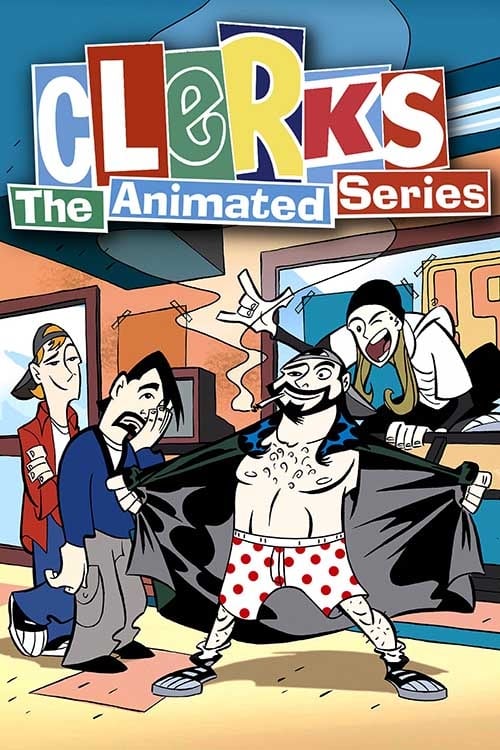
The continuing adventures of store clerks Dante and Randal, who try to make the best of their menial labor, with no help from Jay and Silent Bob.
The Message was a surreal comedy series which spoofs current practices in the television industry. It originally aired in 2006 on BBC Three. It consisted of six episodes, and was not renewed after the first season.
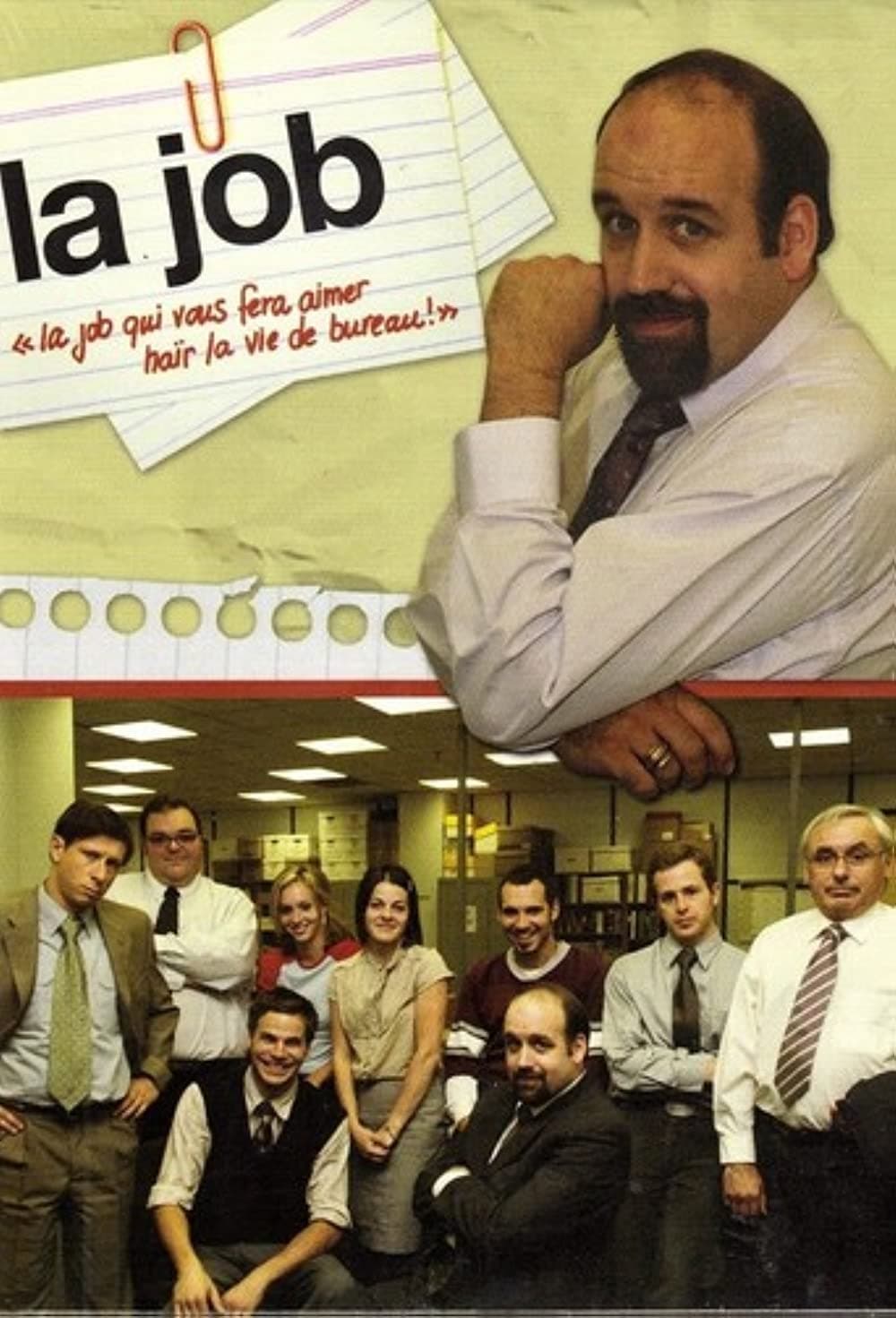
La Job is a French Canadian comedy television series set in Montreal. It is an adaptation of the British show The Office of the BBC. Produced by Anne-Marie Losique's Image Diffusion International, it has been broadcast for a limited number of viewers on Bell TV satellite television, beginning on October 9, 2006. It was later seen by a wider audience on the public broadcaster Radio-Canada and specialty channel ARTV. It is the third official foreign adaptation of the concept, and the second in a language other than English.
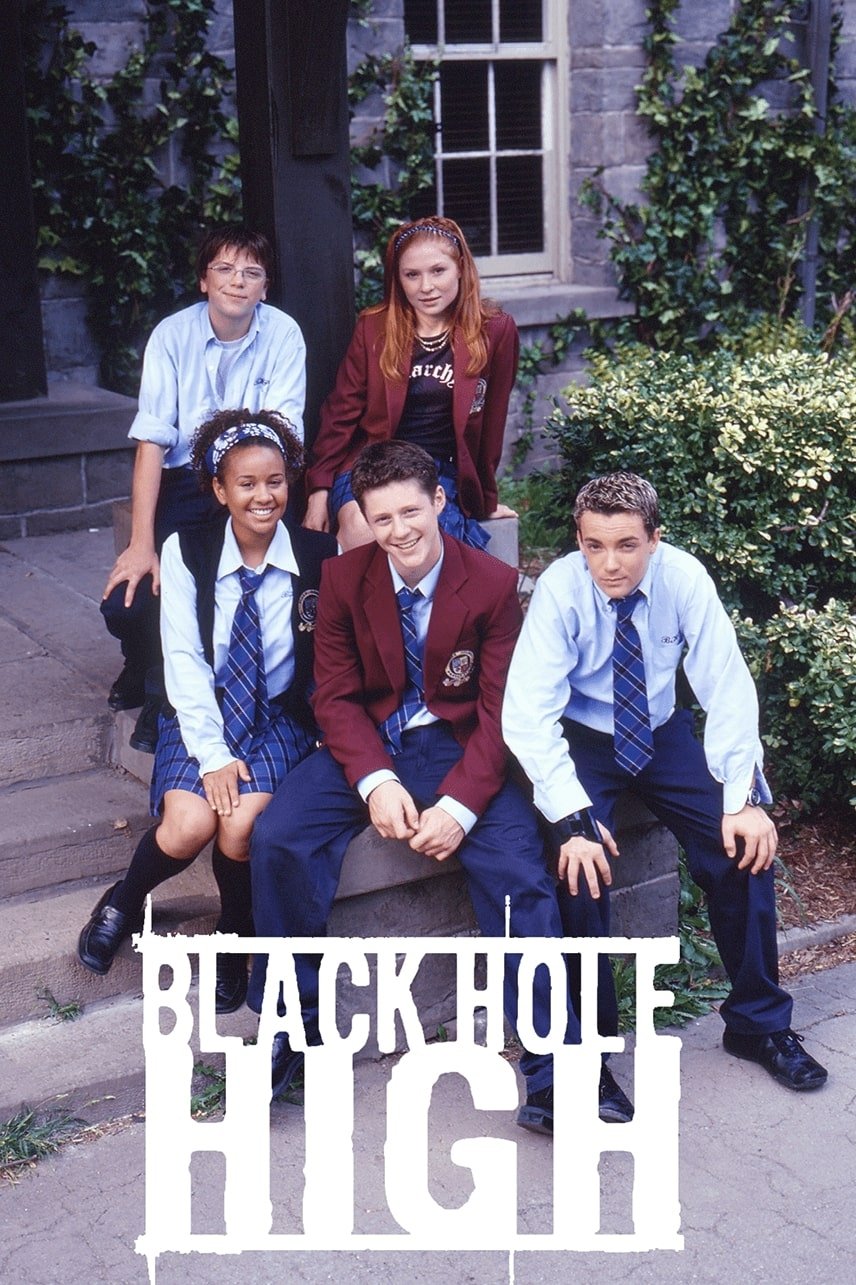
Black Hole High is a Canadian science fiction television program which first aired in North America in October 2002 on NBC and Discovery Kids. It is set at the fictional boarding school of the title, where a Science Club investigates mysterious phenomena, most of which is centered around a wormhole located on the school grounds. Spanning four seasons, the series developed into a success, and has been sold to networks around the globe. Created by Jim Rapsas, the series intertwines elements of mystery, drama, romance, and comedy. The writing of the show is structured around various scientific principles, with emotional and academic struggles combined with unfolding mysteries of a preternatural nature. In addition to its consistent popularity among children, it has been recognised by adults as strong family entertainment. Forty-two episodes of the series, each roughly twenty-five minutes in length, have been produced, the last three of which premiered in January 2006. Those three final episodes that aired were combined into a film, Strange Days: Conclusions. The show was filmed at the Auchmar Estate on the Hamilton Escarpment in Hamilton, Ontario.
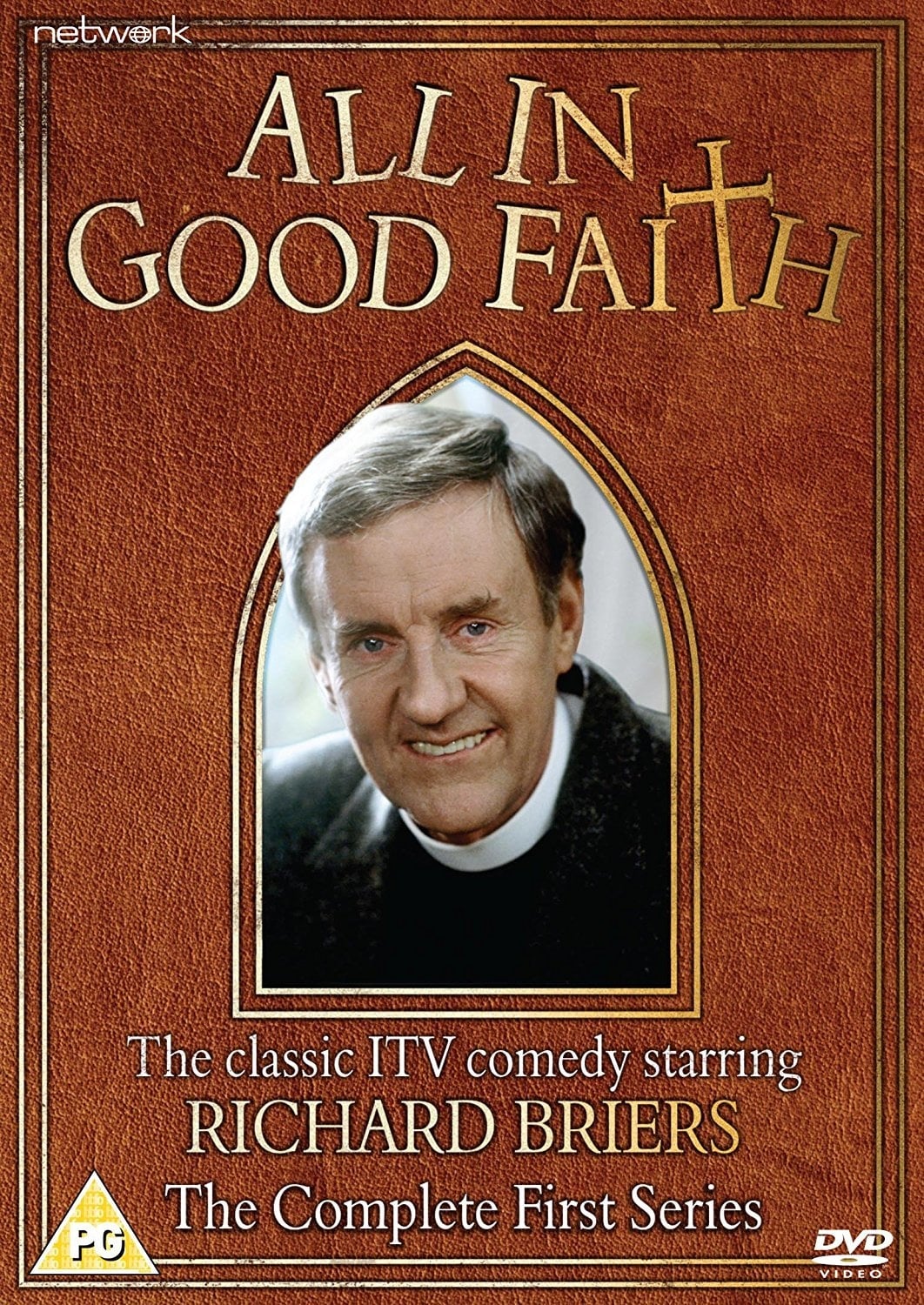
British sitcom in which Reverend Philip Lambe, after becoming bored in his wealthy Oxfordshire parish, asks for a transfer to a more difficult assignment. Sent to Edendale, a fictional urban town in the Midlands, he is accompanied by his wife Emma, sixteen-year-old daughter Miranda and twelve-year-old son Peter.
How do you like Wednesday? was a Japanese television variety series that aired on the HTB network in Hokkaidō, Japan, and on other regional television networks in Japan. The program debuted on HTB on October 9, 1996. The series was one of the first local variety programs to be produced on Hokkaido; prior to this series' launch, local variety programs in Hokkaidō were virtually non-existent. The program also had a significant influence on other local programs in other regions in Japan, most notably Kwangaku! in Kansai and Nobunaga in Tokai. The series achieved a record 18.6% viewing share on December 8, 1999, the highest share for a late-night program on a local TV station. Production of the weekly regular series ended in September 2002, though new limited-run series were produced on average of every 18 months; the latest series was shown on HTB in late 2005, eight episodes in length. Most of the series have been rerun under the names of Dōdeshō Returns and Suiyō Dōdeshō Classic.
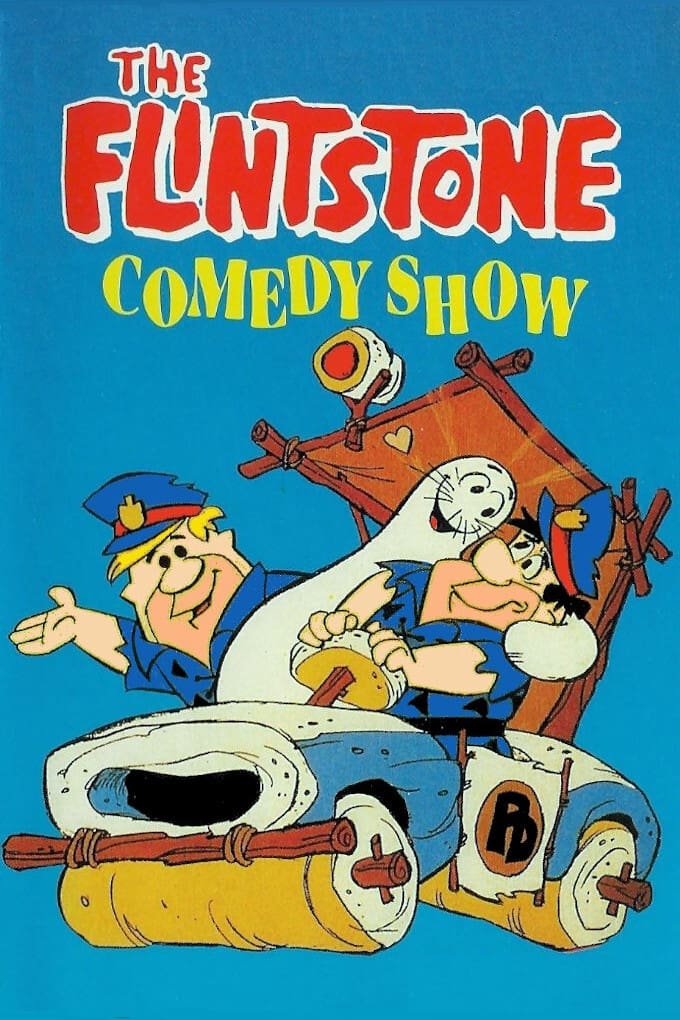
The Flintstone Comedy Show is a 90-minute Saturday morning animated series revival of The Flintstones produced by Hanna-Barbera and aired from November 22, 1980 to September 11, 1982 on NBC. Outside North America, the show was released under title of Flintstone Frolics. The show contained six segments: The Flintstone Family Adventures, Bedrock Cops, Pebbles, Dino and Bamm-Bamm, Captain Caveman, Dino and Cavemouse, and The Frankenstones.
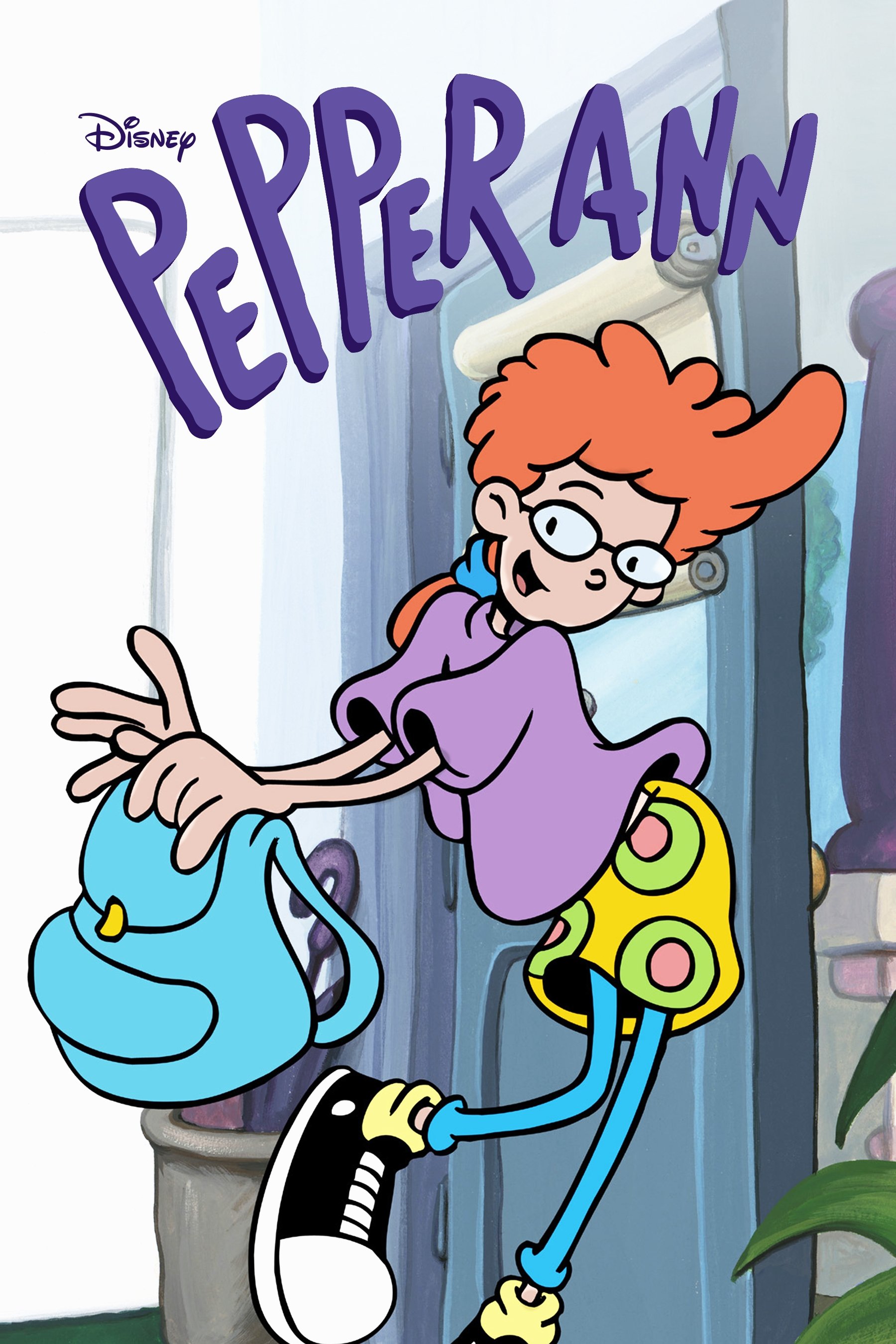
The quirky adventures of Pepper Ann, a 12-year-old girl trying to get through life with her family and friends.
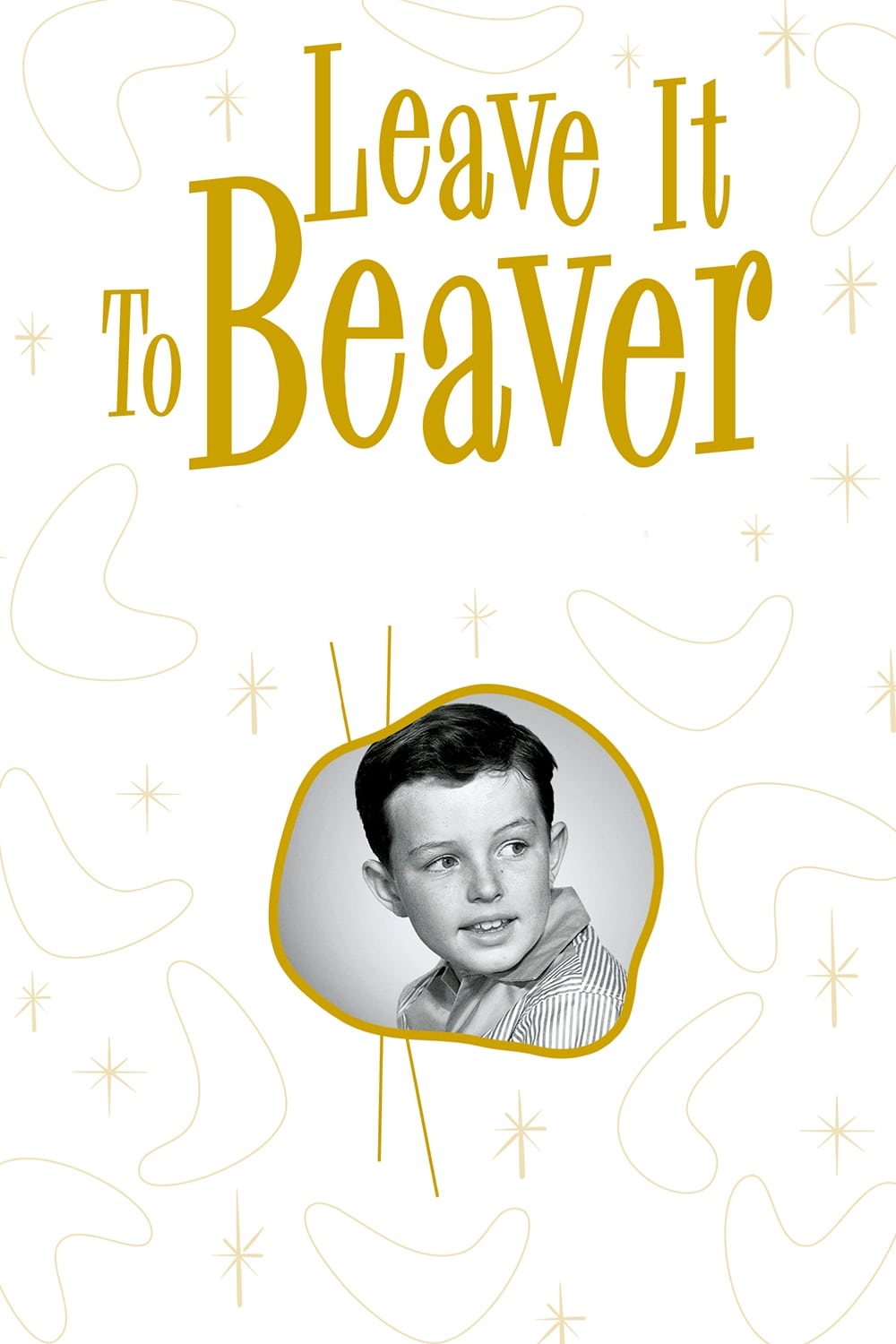
An inquisitive and often naïve boy, Theodore 'The Beaver' Cleaver, has adventures at home, in school, and around his suburban neighborhood. The show also starred Barbara Billingsley and Hugh Beaumont as Beaver's parents, June and Ward Cleaver, and Tony Dow as Beaver's brother Wally. The show has attained an iconic status in the US, with the Cleavers exemplifying the idealized suburban family of the mid-20th century.
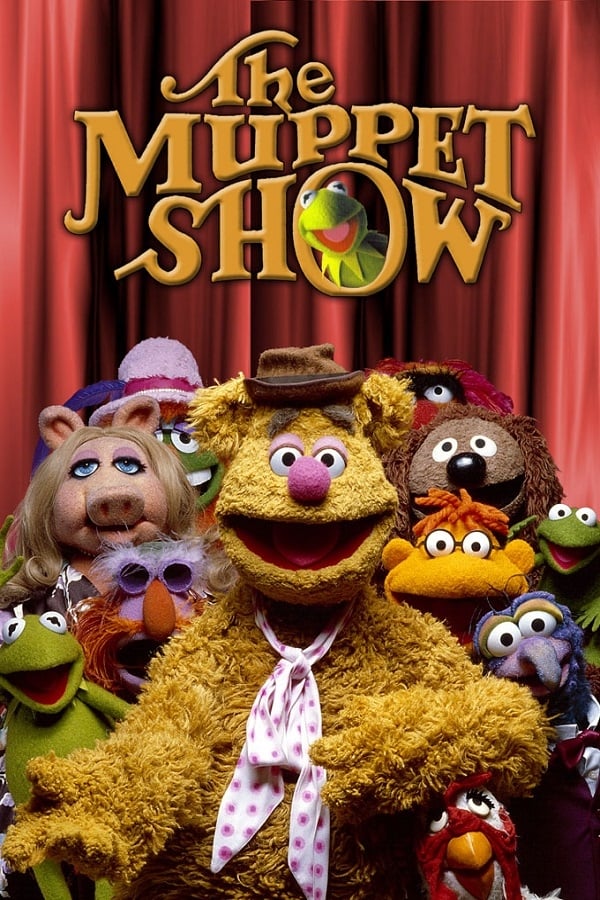
Go behind the curtains as Kermit the Frog and his muppet friends struggle to put on a weekly variety show.
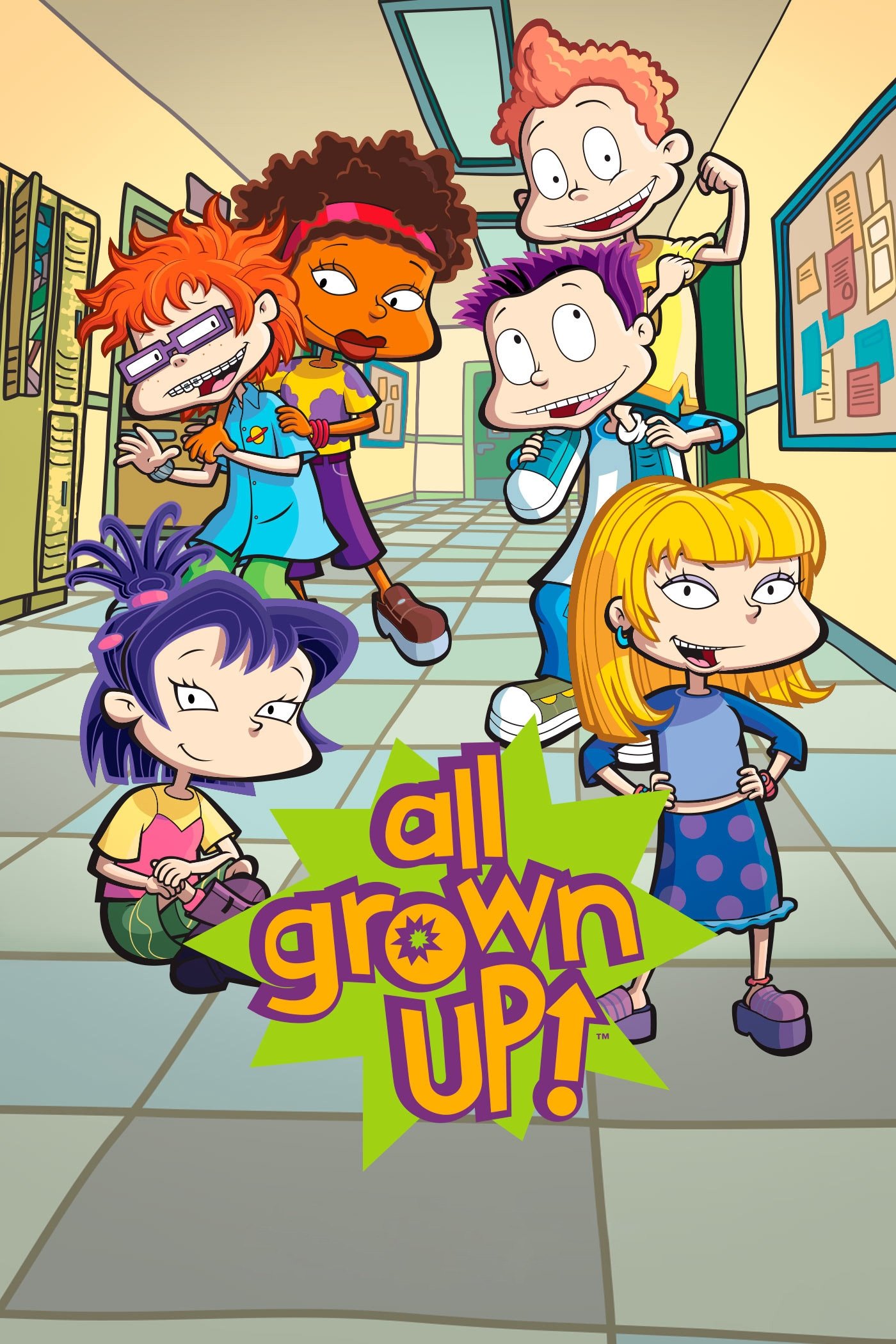
The former "Rugrats" tots now face preteen issues and dilemmas.
A family of raucous supervillains who recently ran afoul of the League of Villains and now must somehow beat a path to normalcy in a small Texas town.
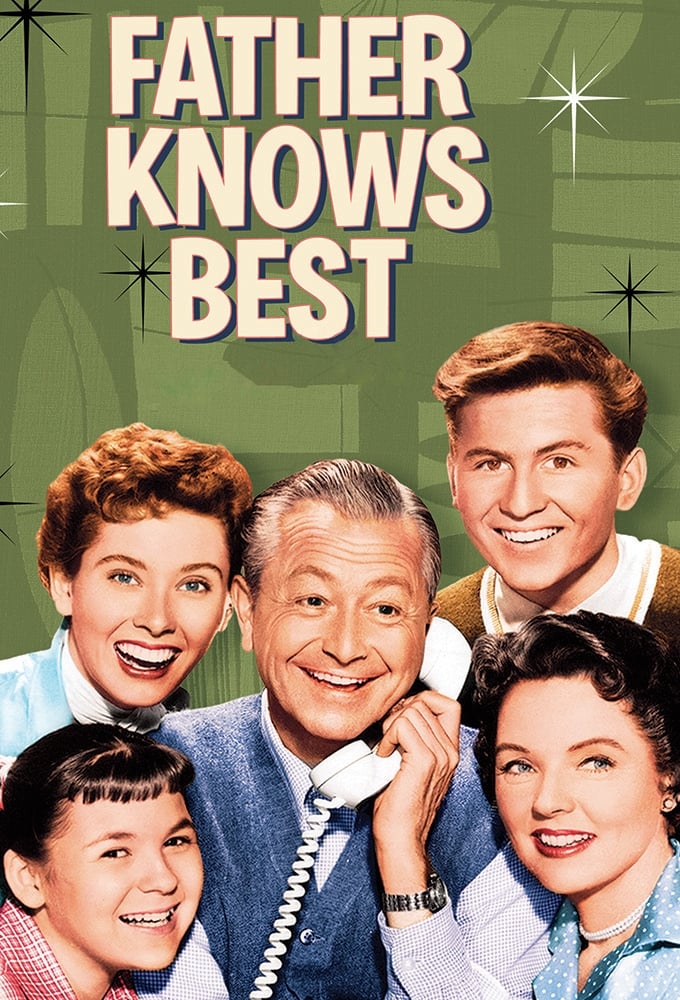
Family man Jim Anderson copes with the everyday problems among his wife Margaret and their three children as they experience day-to-day changes.
The Mighty B! is an American animated television series co-created by Amy Poehler, Cynthia True and Erik Wiese for Nickelodeon. The series centers on Bessie Higgenbottom, an ambitious Honeybee girl scout who believes she will become The Mighty B if she collects every Honeybee badge. Bessie lives in San Francisco with her single mother Hilary, brother Ben and dog Happy. Poehler provides the voice of Bessie, who is loosely based on a character Poehler played on the improvisational comedy troupes Second City and Upright Citizens Brigade.
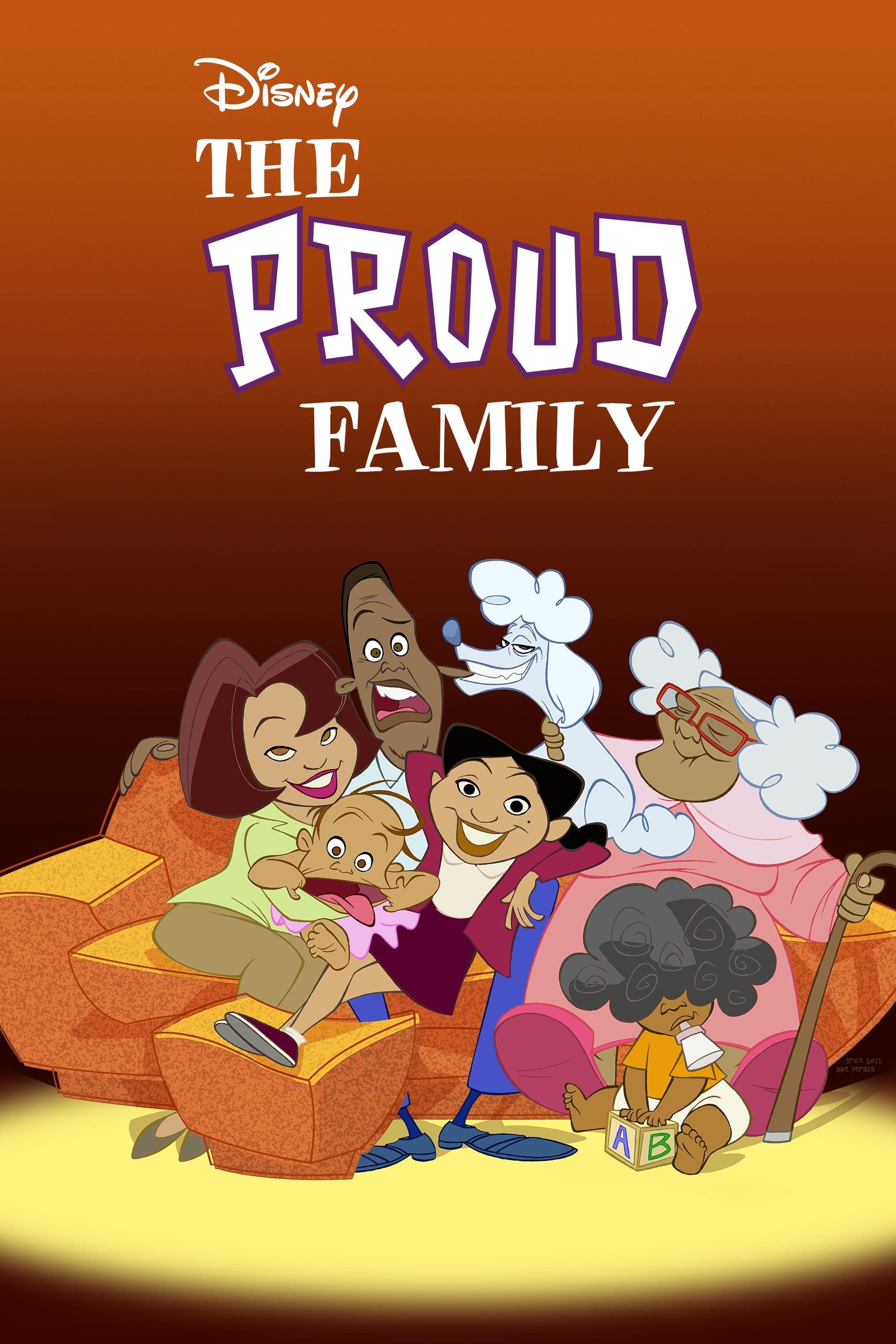
Follow the adventures and misadventures of Penny, a 14-year-old African American girl who's doing her best to navigate through the early years of teen-dom. Penny's every encounter inevitably spirals into bigger than life situations filled with hi-jinks, hilarity and heart. Her quest to balance her home, school and social lives are further complicated by friends like the sassy Dijonay, Penny's nemesis LaCienega Boulevardez, her loving, if not over-protective parents and her hip-to-the-groove-granny, Suga Mama.
The Game is a slapstick comedy following two childhood friends, Waseem and Mazo, who along with their families are unwittingly pulled into a game of pranks and challenges orchestrated by a mysterious stranger. Starring fan favourites Hesham Maged, Chico, Moataz El Tony, and Bayoumi Fouad, the series delivers non-stop laughs as the rivalry escalates across five seasons of outrageous schemes, family chaos, and hilarious confrontations.
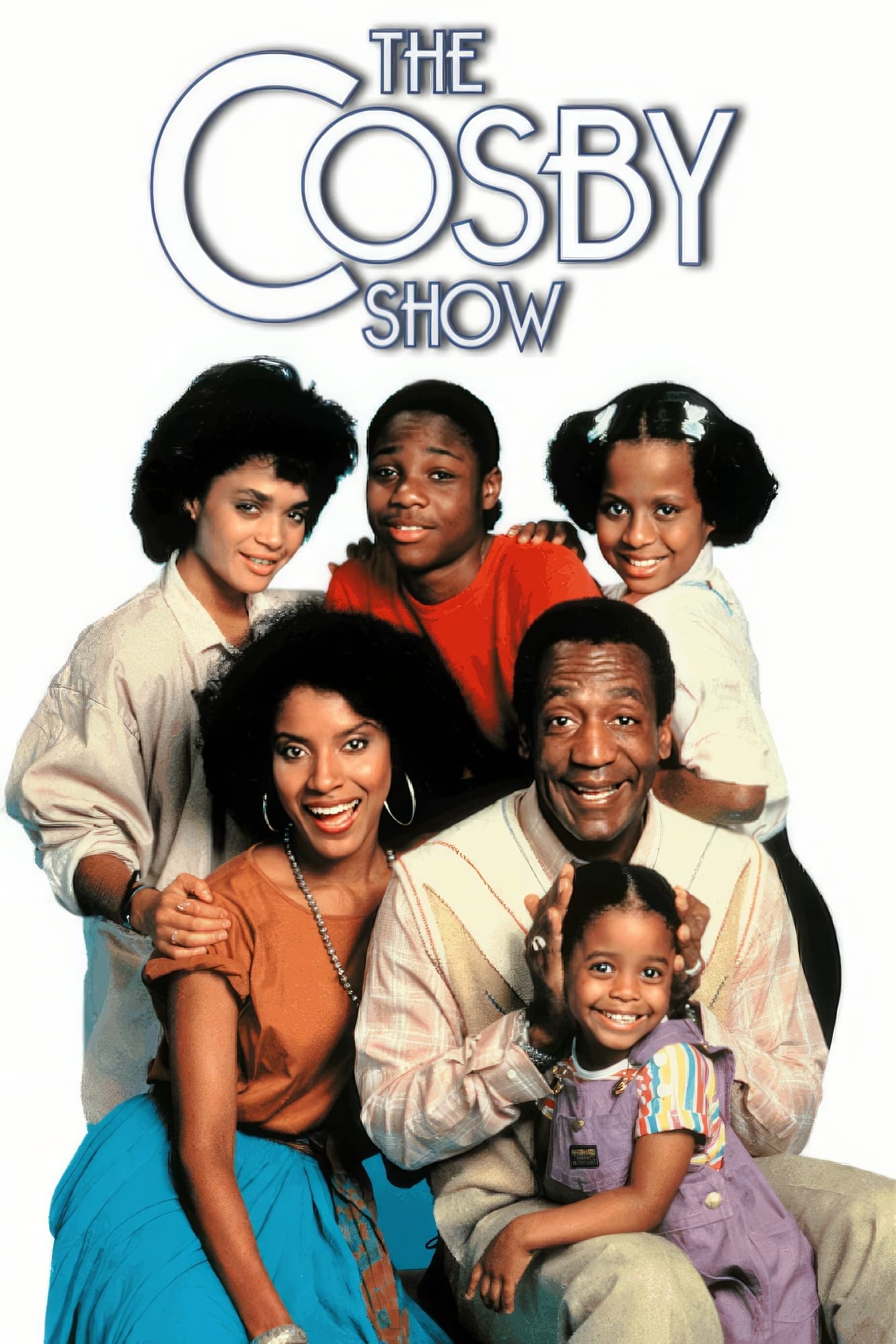
The Cosby Show is an American television situation comedy starring Bill Cosby, which aired for eight seasons on NBC from September 20, 1984 until April 30, 1992. The show focuses on the Huxtable family, an upper middle-class African-American family living in Brooklyn, New York.
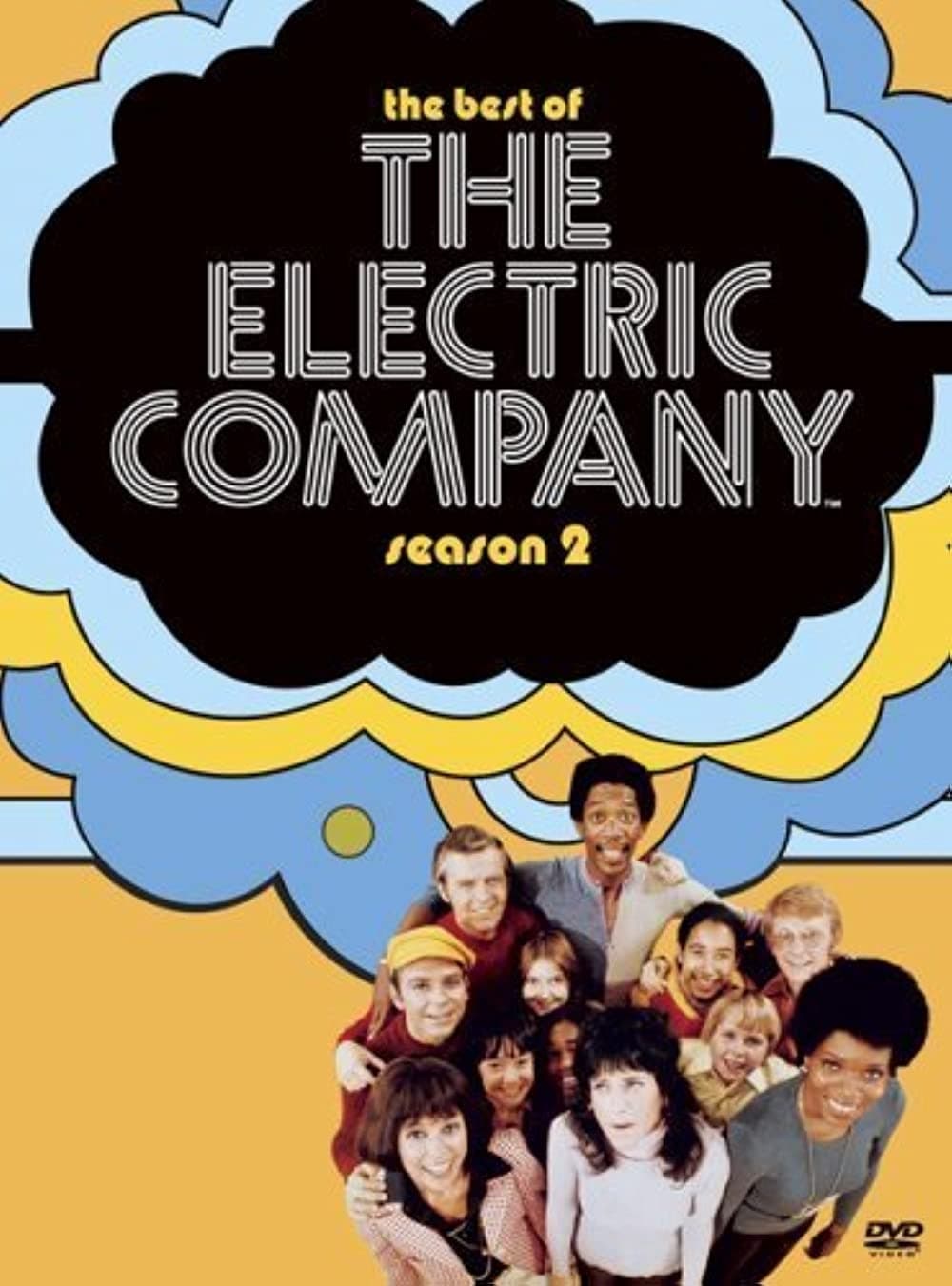
The Electric Company is an educational American children's television series that was produced by the Children's Television Workshop for PBS in the United States. PBS broadcast 780 episodes over the course of its six seasons from October 25, 1971 to April 15, 1977. After it ceased production that year, the program continued in reruns from 1977 to 1985, the result of a decision made in 1975 to produce two final seasons for perpetual use. CTW produced the show at Teletape Studios Second Stage in Manhattan, the first home of Sesame Street. The Electric Company employed sketch comedy and other devices to provide an entertaining program to help elementary school children develop their grammar and reading skills. It was intended for children who had graduated from CTW's flagship program, Sesame Street. Appropriately, the humor was more mature than what was seen there.
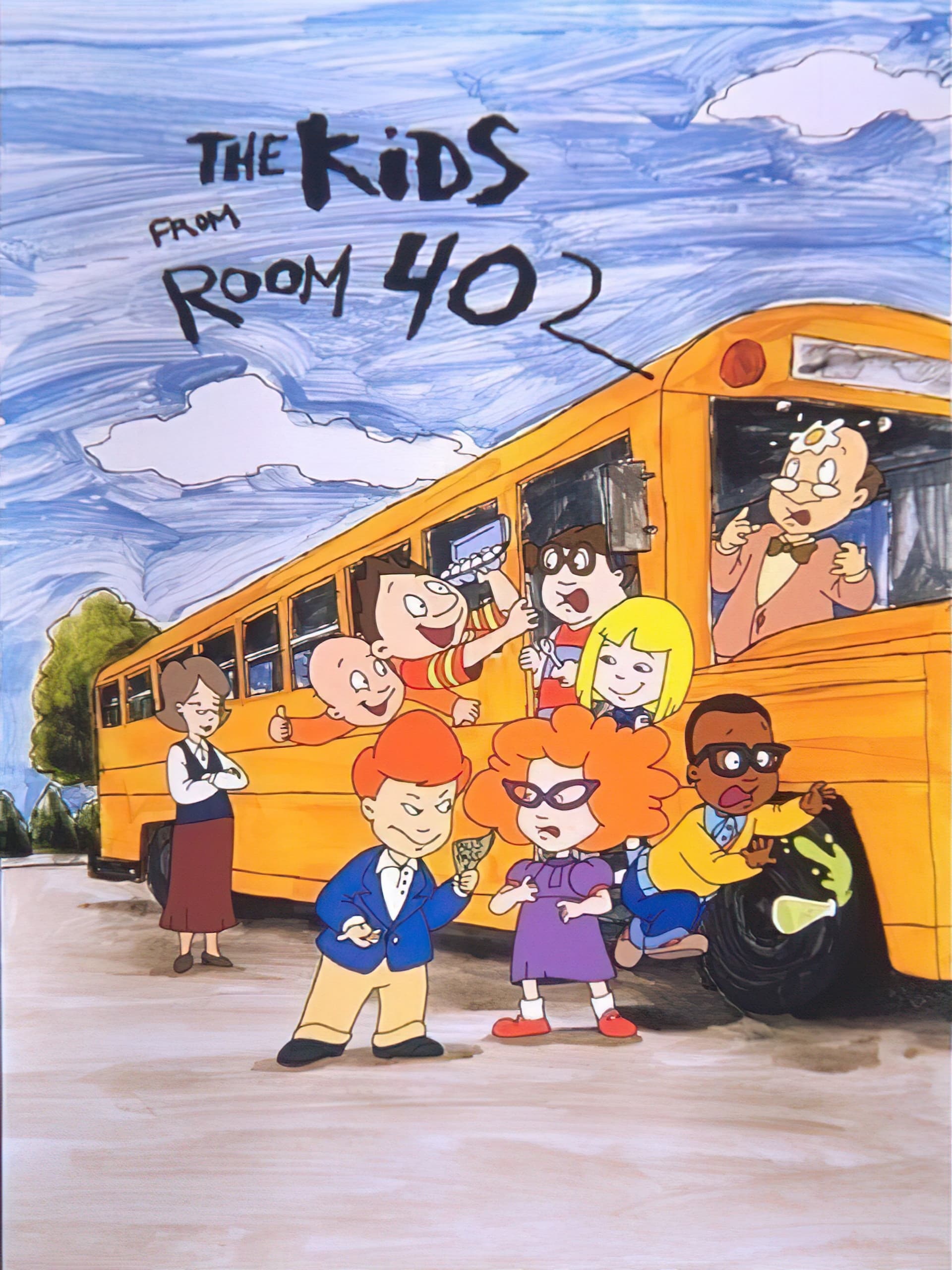
The Kids from Room 402 is a television program that originally aired on Fox Family in the USA starting in 1999, previously aired on Teletoon, and currently airs in the UK. The show is focused primarily on the students from Room 402, as the title implies. Miss Graves, the teacher, is usually shown as an interlocutor in the problems and injustices that are inflicted upon the students, whether the dilemmas be internal or external. Each show usually ends with a substantiated moral or lesson, resulting from such aforementioned situations. The show is based on the children's book, The Kids from Room 402, by Betty Paraskevas and Michael Paraskevas. It was developed for television by Cindy Begel and Lesa Kite, who wrote all 52 episodes.
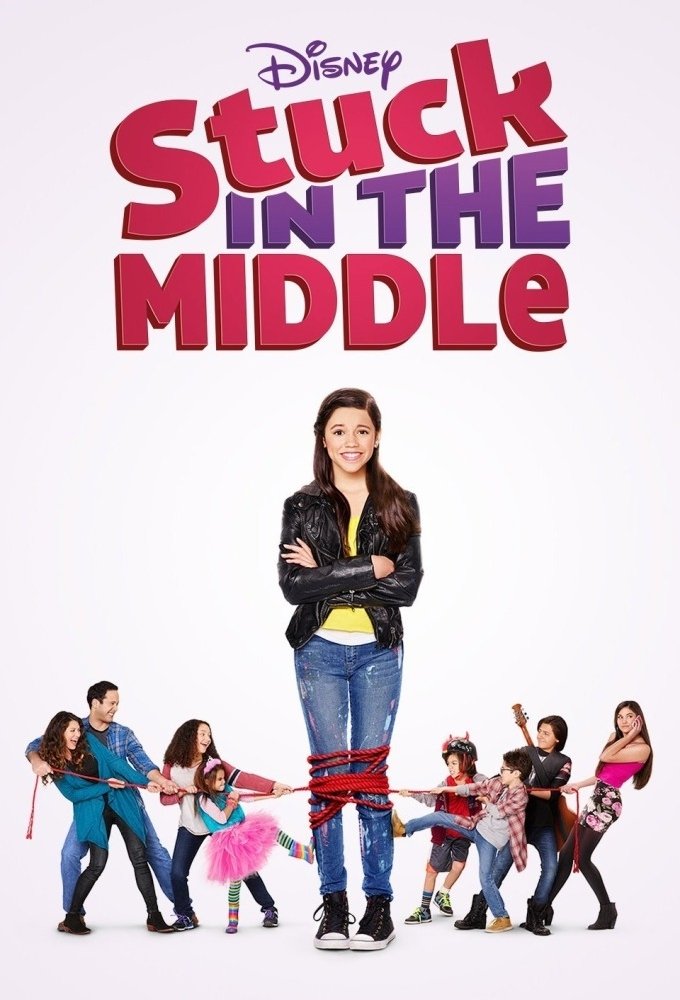
Harley is an engineering whiz who uses her inventions to navigate life as the middle child in a large family of seven kids.
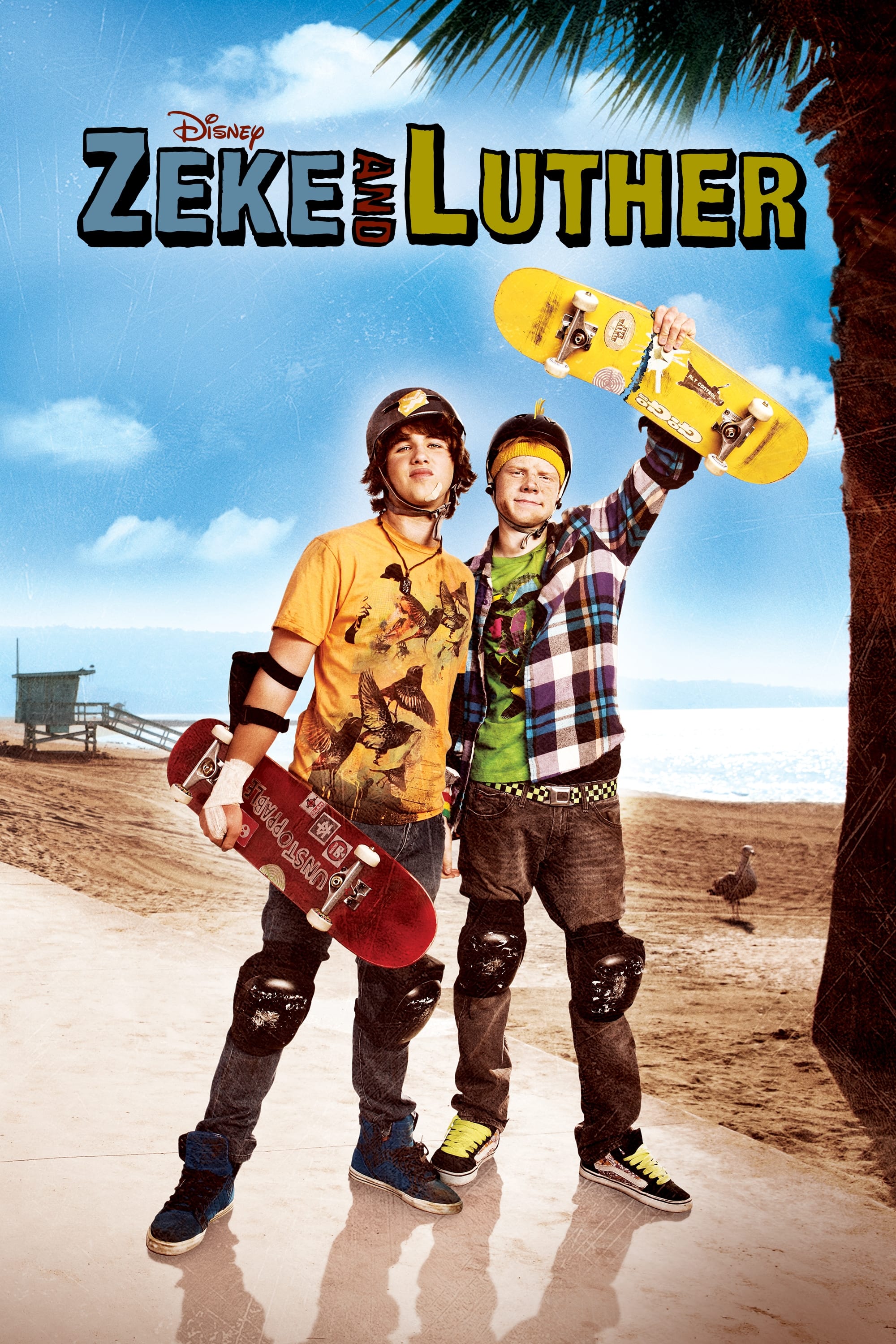
Zeke and Luther want nothing more in the world than to become world-famous skateboarders. Together with their friends, skating rivals, and family, Zeke & Luther find themselves always busy getting into mischief.
Everyone's favorite chipmunks -- Alvin, Simon and Theodore -- are back in this computer-animated version of the classic animated series. The brothers are famous rock stars who tour around the world with their best friends, the Chipettes.
The Carol Burnett Show is an American variety/sketch comedy television show starring Carol Burnett, Harvey Korman, Vicki Lawrence, Lyle Waggoner, and Tim Conway. It originally ran on CBS from September 11, 1967, to March 29, 1978, for 278 episodes and originated from CBS Television City's Studio 33. The series won 25 prime time Emmy Awards, was ranked No. 16 on TV Guide's 50 Greatest TV Shows of All Time in 2002 and in 2007 was listed as one of Time magazine's "100 Best TV Shows of All Time."
A widower and aeronautical engineer named Steven Douglas raises three sons with the help of his father-in-law, and later the boys' great-uncle. An adopted son, a stepdaughter, wives, and another generation of sons join the loving family in later seasons.
This cartoon follows on from the 1980’s cartoon “Ducktales”, continuing the adventures of Huey, Dewey and Louie. Now 12 year olds and living with their uncle Donald Duck, the three spend their time playing practical jokes on their hapless uncle and otherwise getting into trouble.
The recently widowed host of Atlanta's No. 2 morning show struggles to balance his job and his young daughters despite all the “help” he gets from his grifter father-in-law and his brother/assistant/manager/house guest.