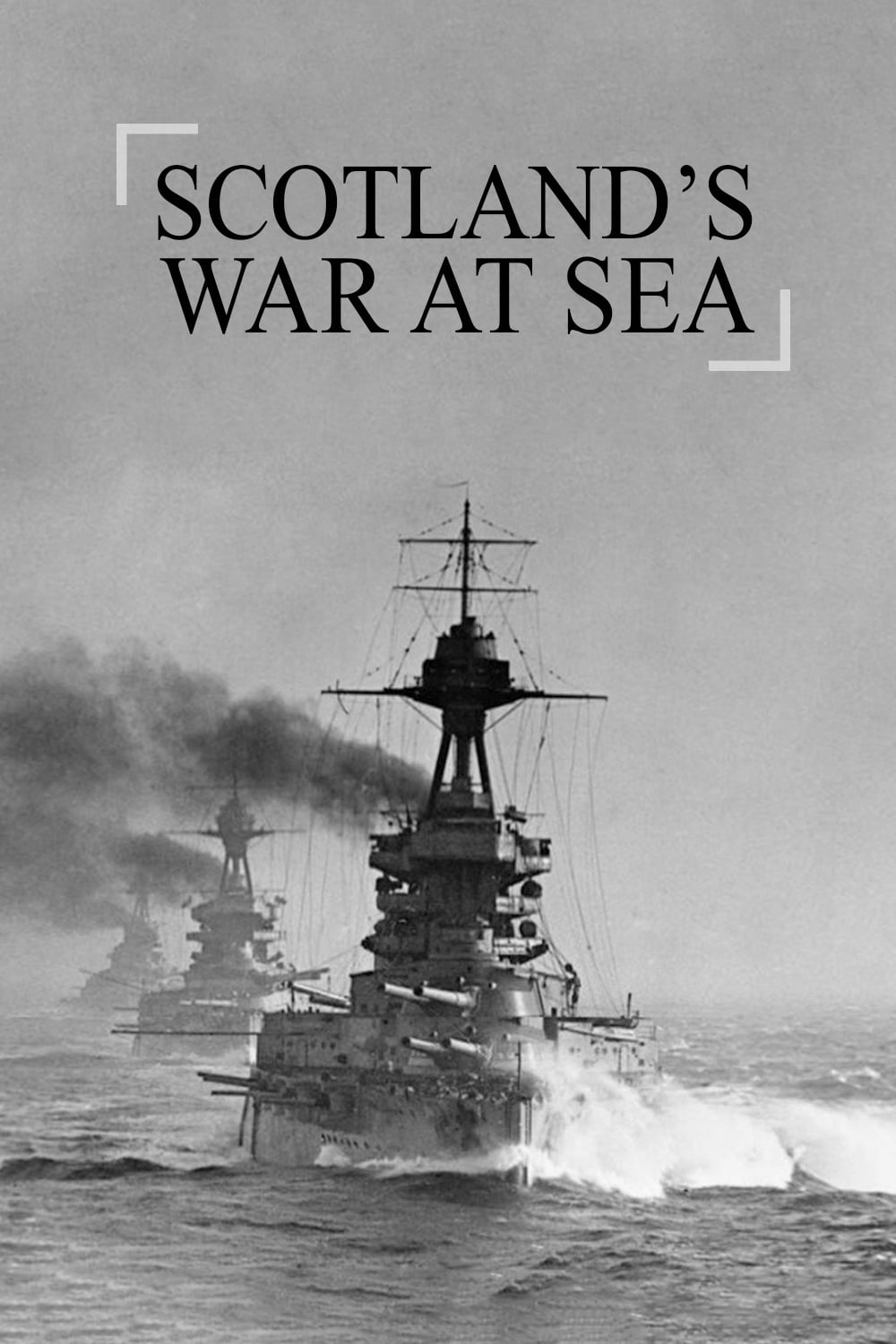
Two-part documentary telling the story of the battle for control of the North Sea during the First World War.
Social & External
The people behind it
David Hayman
Self - Presenter
An extraordinary variety of writers, who often suffered terrible adversity throughout their lives, created wonderful places full of happiness in which children lived far from the sorrows of adult life.
Series charting the history of the warship.
Myths die hard, and the history of the 20th century is no exception to this rule. Even today, we hold popular beliefs that we take for Evangelical truths. Thus, we believe that Hiroshima caused Japan to surrender, that the Marshall Plan saved Europe, that Adolf Hitler was a military genius, or that Mao Zedong was a necessary evil for China’s modernization. Of course, these judgements contain some truth; but, too broad-stroked to be accurate, they contradict the historical reality by denying its complexity. What if the truth was slightly different? Through an exploration of great national or international myths, this full archive documentary collection revisits the key moments of the 20th century with a new perspective in order to provide a new, smarter and more subtle interpretation, bringing elements to light that have been forgotten or sometimes overshadowed.
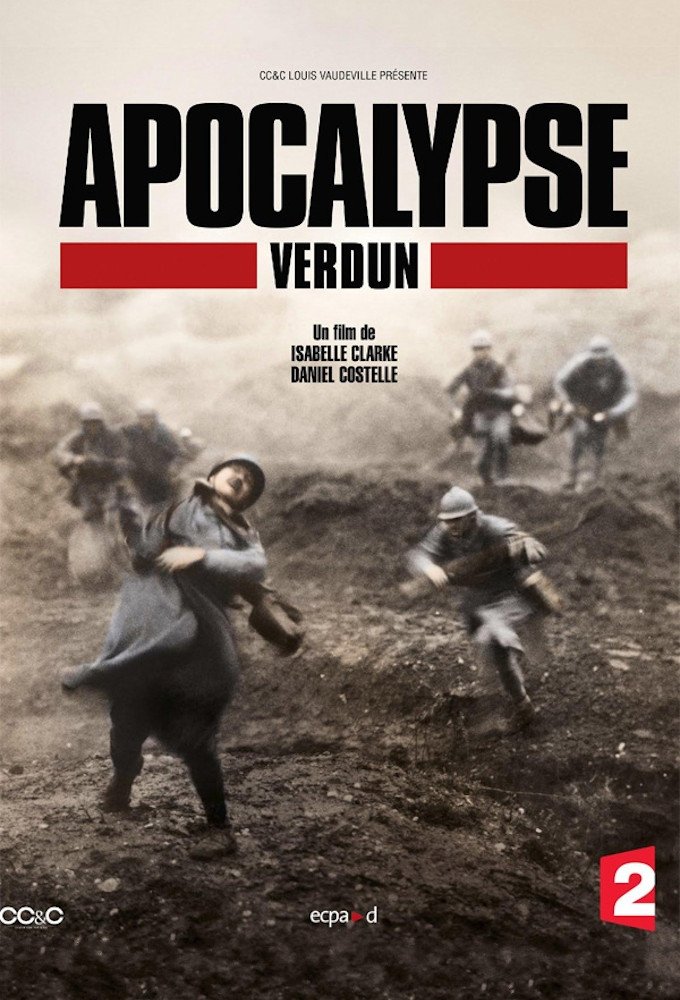
February 1916. World War I has been raging for two years and has killed over three million people, neither side gaining the upper hand. The Germans mobilize more artillery and men in Verdun than in any other offensive -- for three hundred days -- but the French hold out. Constructed from over five hundred hours of restored, colorized archival footage.
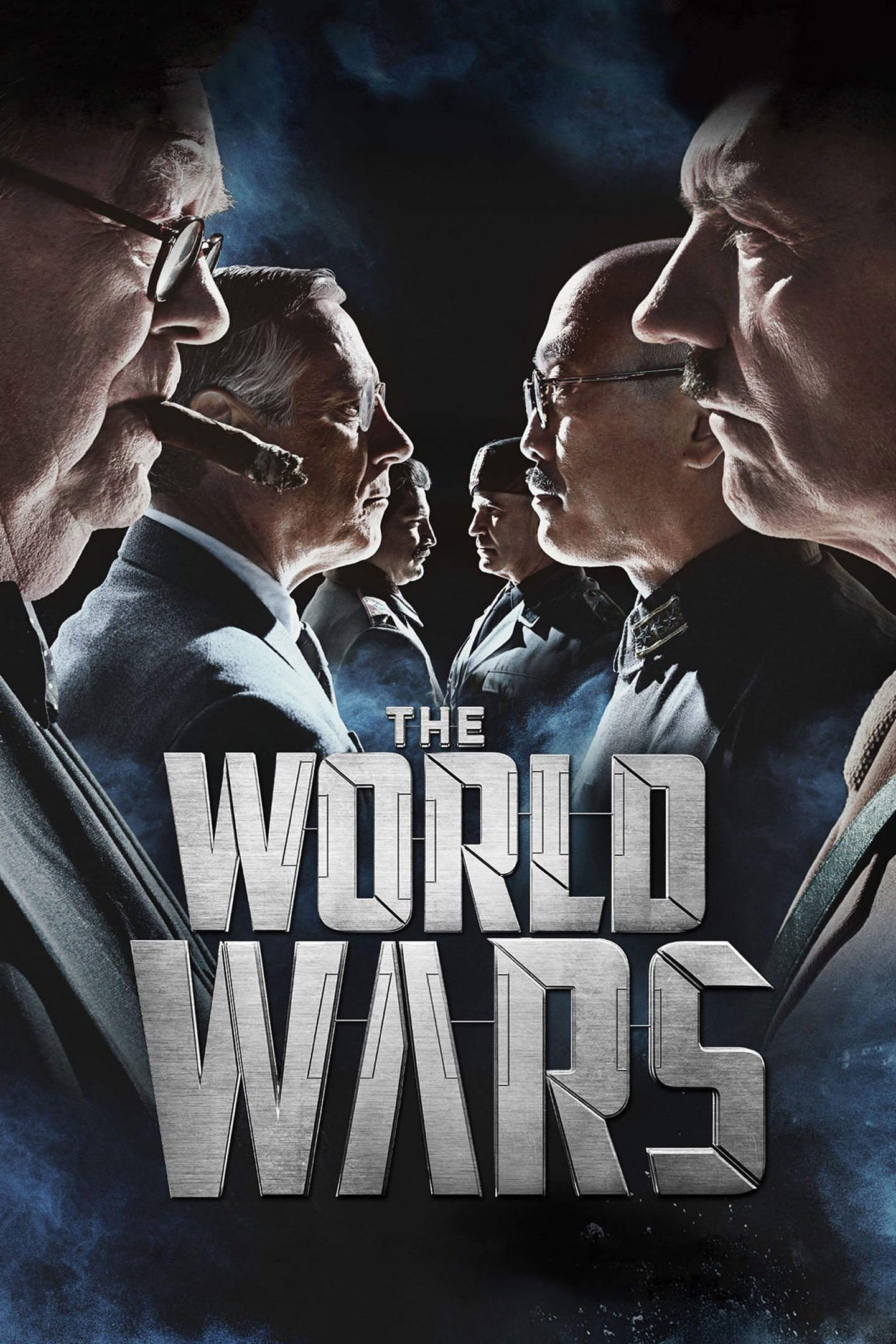
The story of three decades of war told through the eyes of various men who were its key players: Roosevelt, Hitler, Patton, Mussolini, Churchill, Tojo, DeGaulle and MacArthur. The series examines the two wars as one contiguous timeline starting in 1914 and concluding in 1945 with these unique individuals coming of age in World War I before ultimately calling the shots in World War II.
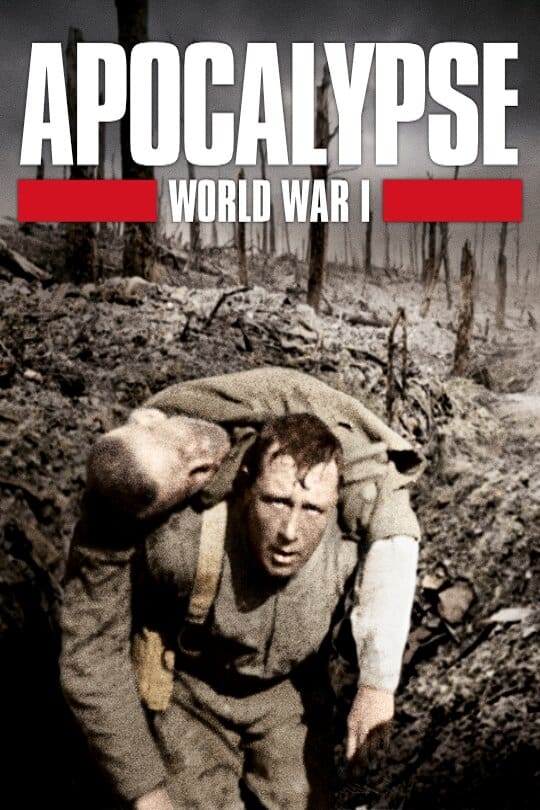
Colorized historical footage in ascending order of World War 1. Not only the relatively known Flanders and France battles, but also the generally unknown Italian-Austrian, German-Polish-Russian, Japanese-German, Ottoman Empire- Allied and African German Colonies, and other unknown or forgotten fronts and battles.
Communism spread to all of the continents of the word, lasting through four generations and over seven decades. Hundreds of millions of men and women were affected by this political system, one of the most unjust and bloodiest in history. Using newly discovered propaganda films and archival photos, these four episodes explore the mysteries of this totalitarian political machine that lured its share of important followers into the fold. Known as the red church, communism seduced its ardent followers like some earthly religion.
Andrew Marr's The Making of Modern Britain is a 2009 BBC documentary television series presented by Andrew Marr that covers the period of British history from the death of Queen Victoria to the end of the Second World War. It was a follow-up to his 2007 series Andrew Marr's History of Modern Britain.
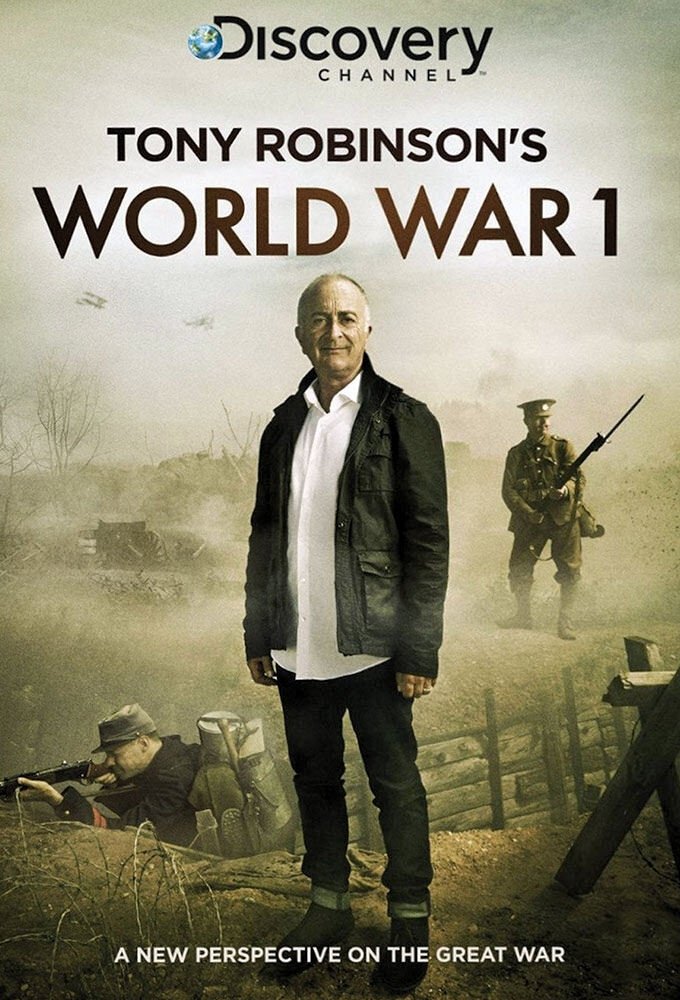
Sir Tony Robinson, the history presenter and former Black Adder star, tells the story of the Great War. How it started, how it changed the world and how it finished with a 100 day flourish of military brilliance, which finally put an end to four years of incompetence and slaughter. With the aid of hundreds of amazing archived 3D images of the Great War which chronicle WWI from start to finish and breathe new life into the story, Tony Robinson's World War I allows modern audiences to see the war in a completely new way. Robinson will also show how the Great War changed British people for generations to come – liberating large portions of the working class, powering the rise of the Labour party and breaking the old ties of service to the aristocracy.
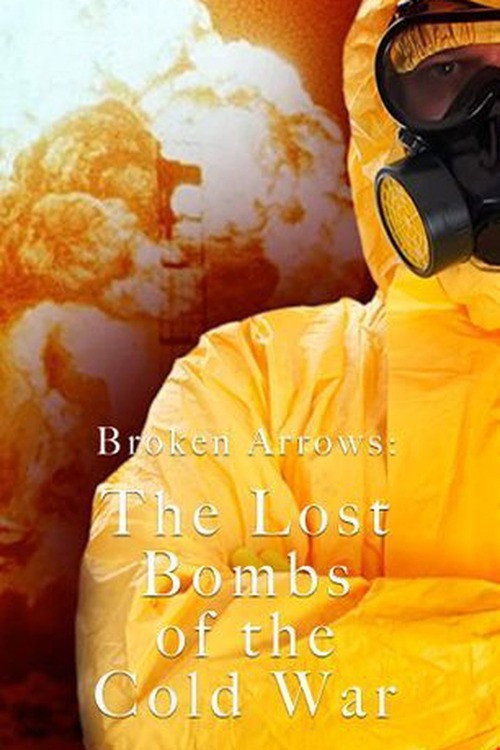
Mount Kologet, Goldsboro, Palomares, Thule… Four nuclear accidents, four stains on the history of the Cold War. Four names that are now forgotten. These events lay undiscovered for years having been classified as official secrets. Now published, the files show how the relentless standoff between the two superpowers spiraled out of control and led us to the brink of obliteration.
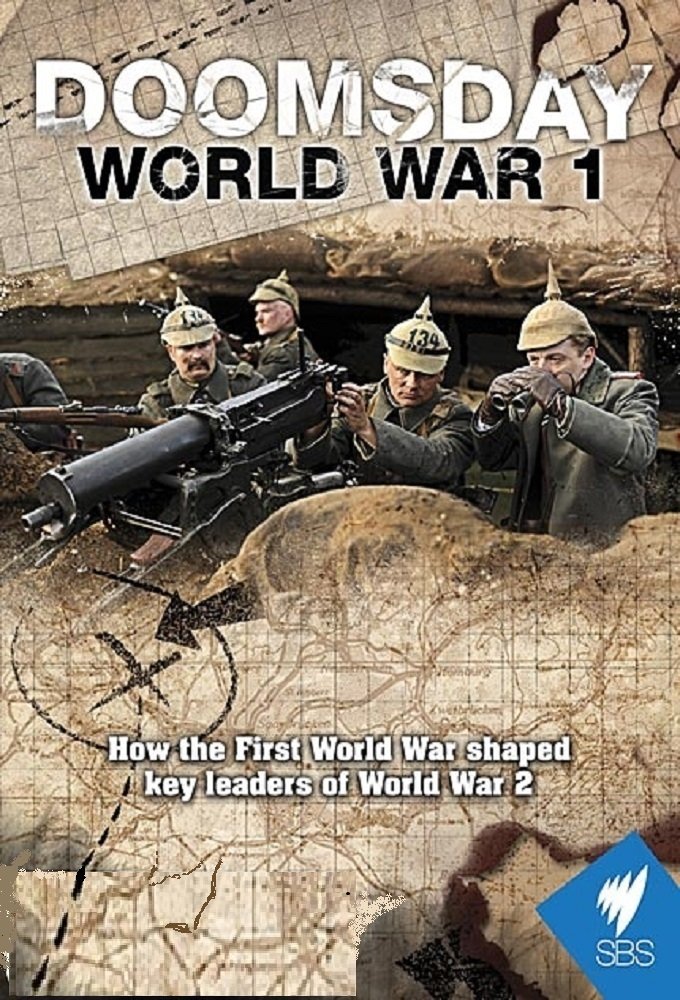
The First World War - carnage on a scale never-before seen. But how did it all start? And how did some key figures of WWII fare in the earlier war?
For two weeks, the aircraft carrier strike group Carrier Strike Group 8 is conducting one of the toughest exercises in the US Navy. The tactical cooperation of several crews from three different nations is paramount in this training exercise. The 7,000 sailors on board are repeatedly subjected to gunfire and attacks. Fires are extinguished and evacuations are practiced.
Blueprints of War will strive to encompass the most famous military conflicts, leaders and weapons throughout time. From the beaches of Normandy to the fields of Gettysburg and the minefields of Vietnam, Blueprints of War will traverse the battlefields of the globe telling the story hour-by-hour and minute-by-minute
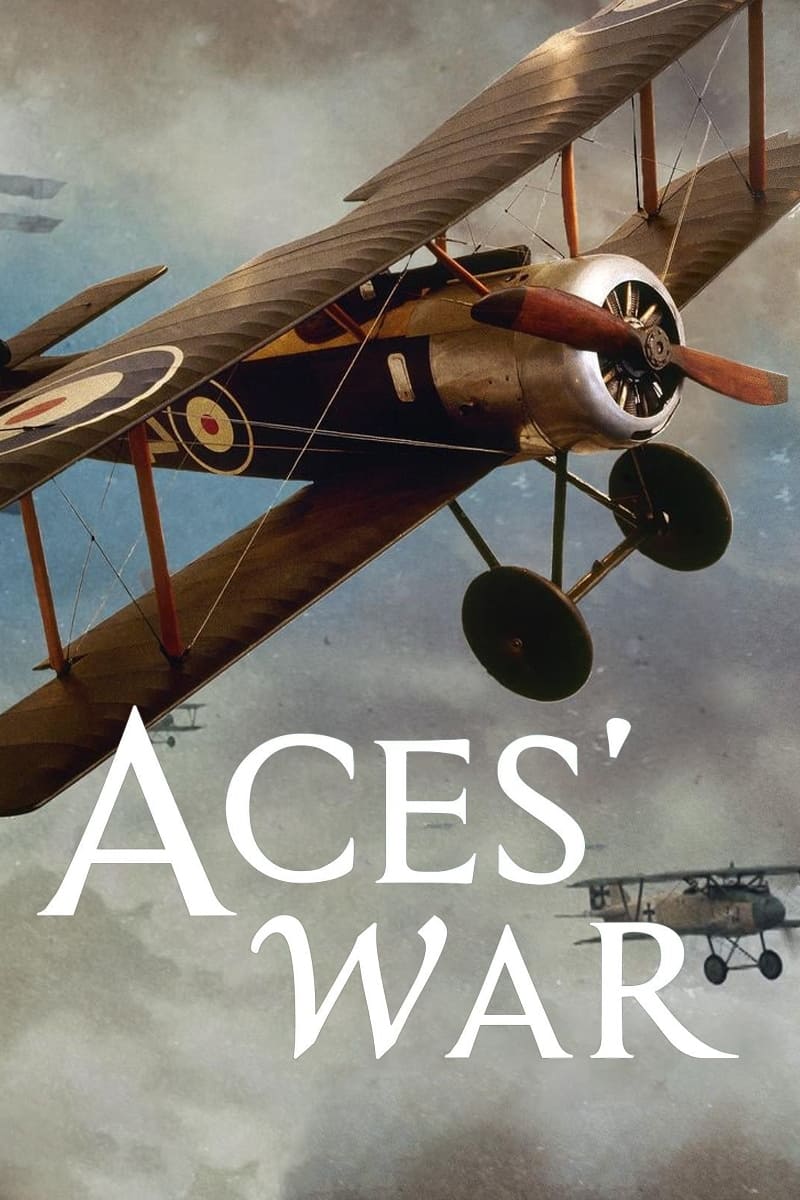
One month after the outbreak of World War I, Paris is bombarded by German airplanes. Parisians witness a whole new type of warfare. Five pilots from France, Germany, and Britain take us into the world of the greatest "flying aces" of the First World War.
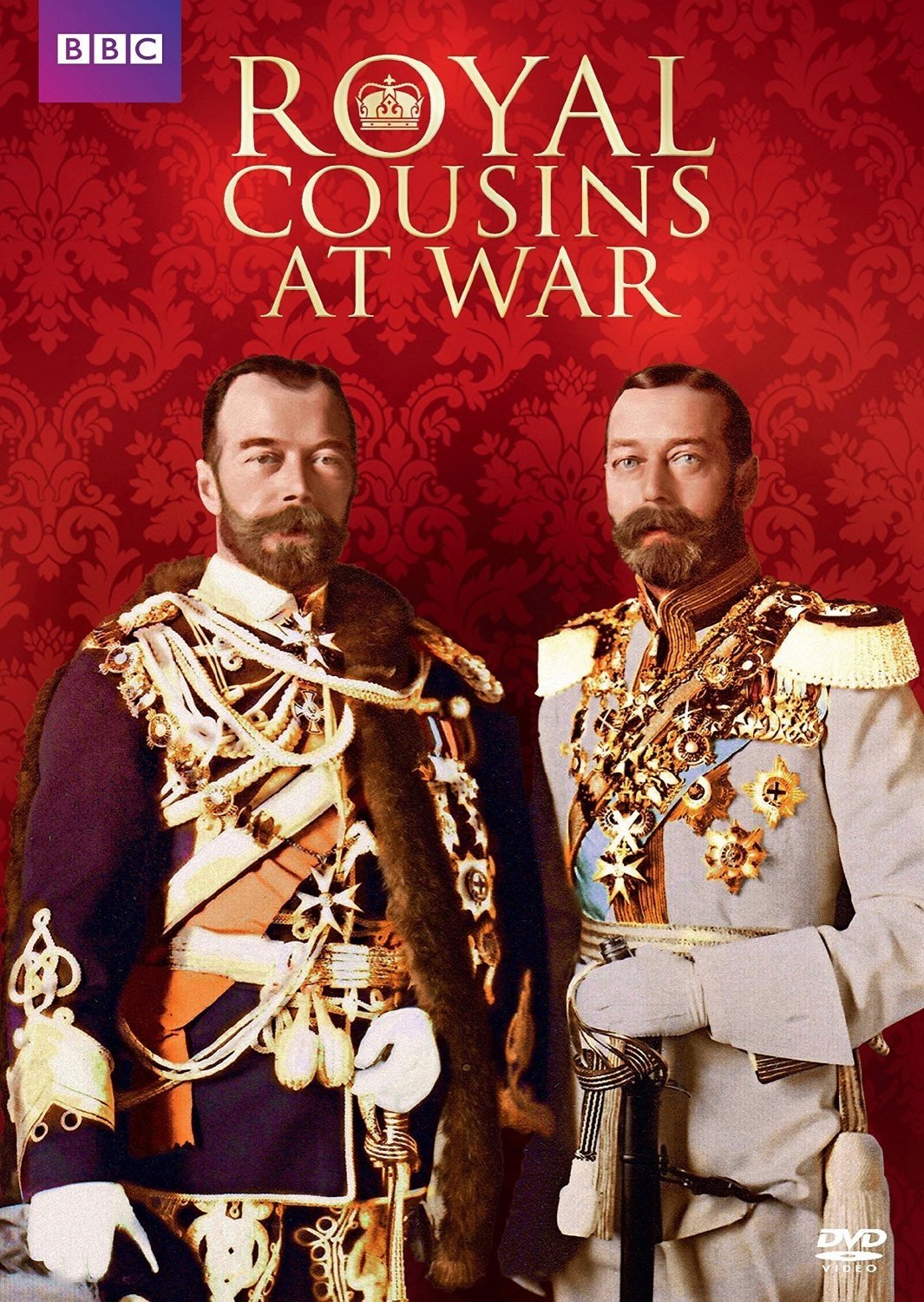
At the time World War I broke out, the King of England, the Czar of Russia, and the Kaiser of Germany were first cousins. This two-part series looks at the role played by Tsar Nicholas II of Russia, Kaiser Wilhelm II of Germany and King George V of England, and their relationships with each other, in the outbreak of war. Mismanaging their countries and mishandling foreign policy, they failed to adapt to the forces of nationalism and democracy, and so brought tumbling down their own ideal of a Europe governed by the descendants of Queen Victoria. While it was war that delivered the final blow, this fascinating series shows how the problems had set in much earlier. A two part miniseries.
One of the most comprehensive World War 1 documentary series ever made recalls the causes conduct, and aftermath of "The War to End All Wars". Along with the social, political, and economic fabric of the times, the roles of key figures are analyzed in depth. Produced during the Golden Age of CBS TV documentaries, this series, narrated by Robert Ryan, contains some of the highest quality World War 1 footage known to exist.
This series uses modern-day technology to present breaking news stories from the front lines of World War l, with a focus on New Zealand's troops. Writer David Brechin-Smith worked with historians from the Ministry for Culture and Heritage to recreate key ANZAC battles, including the ill-fated Gallipoli campaign and the Allied offensive at Passchendaele.
During the second world war, the Nazis looted everything they could get their hands on, including an estimated 600 tons of gold, thousands of pieces of artwork, and millions of priceless artifacts. While some of these items have been found, much of it remains missing. Treasure hunter Darrell Miklos believes some of these stolen riches were loaded into specially modified U-Boats that are currently lying at the bottom of the Caribbean Sea. His evidence: two top-secret documents acquired over 40 years of research.
Michael Portillo examines the role of the railways in World War I and travels through Britain and Europe uncovering stories from the Great War.
Explores WWII from Germany's invasion of Poland through the atomic age, examining pivotal battles, wartime leaders like Churchill and Roosevelt, and the human cost of total war.
Don Wildman unearths relics from the world's greatest institutions to reveal secrets from the past. He examines each artifact to illuminate history's most incredible triumphs, sensational crimes and bizarre encounters.
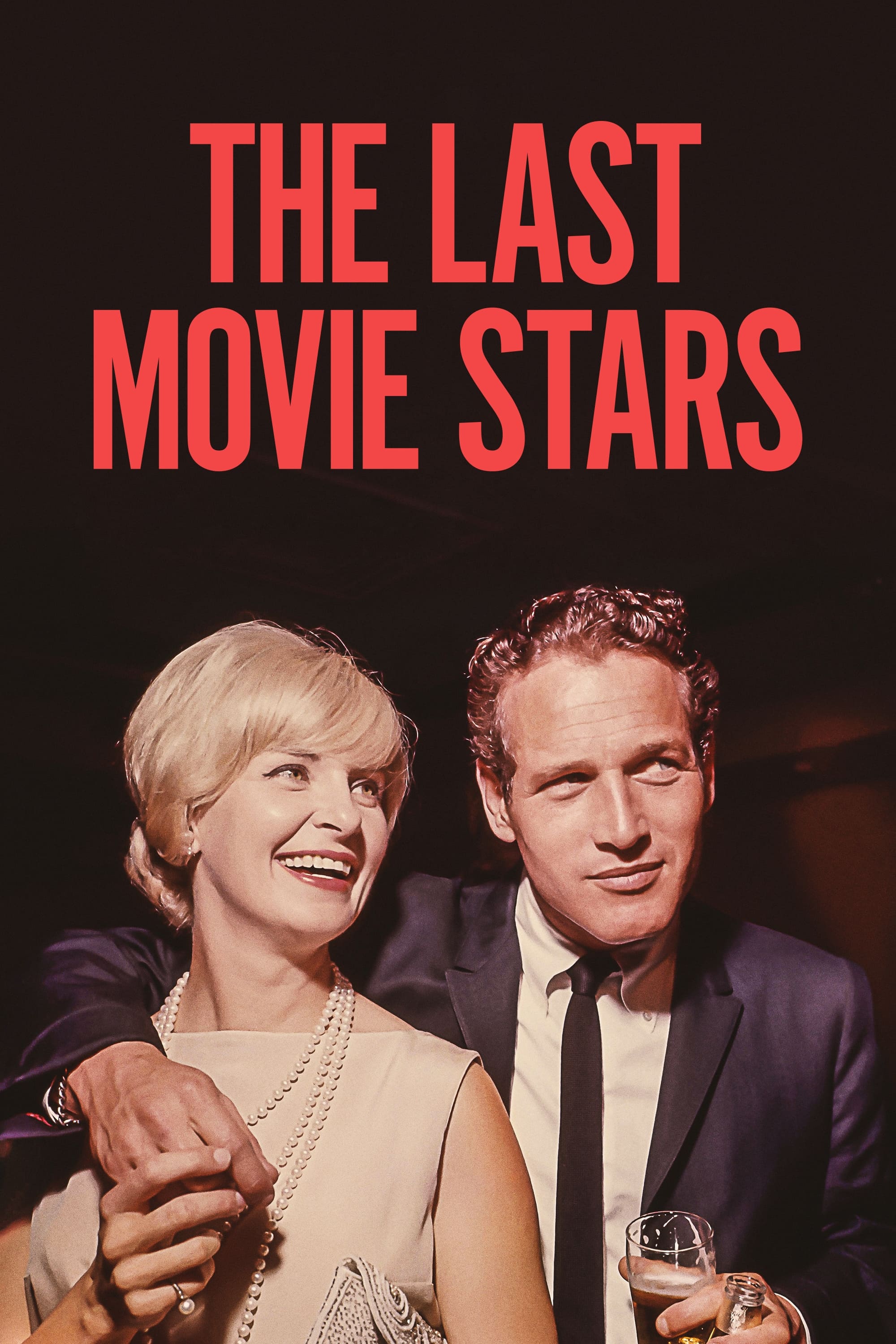
A celebration of Paul Newman and Joanne Woodward’s iconic careers and decades-long partnership. Director Ethan Hawke brings life and color to this definitive history of their love, lives, and philanthropy.
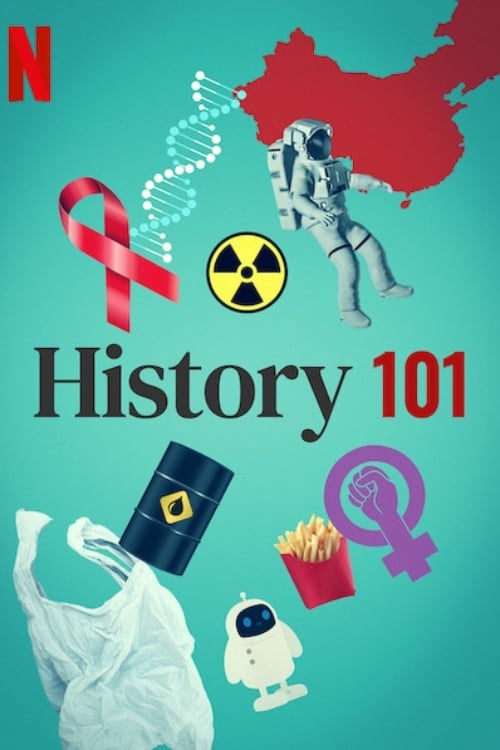
Infographics and archival footage deliver bite-size history lessons on scientific breakthroughs, social movements and world-changing discoveries.
30 for 30 is the title for a series of documentary films airing on ESPN, its sister networks, and online highlighting interesting people and events in sports history. This currently includes four "volumes" of 30 episodes each, a 13-episode series under the ESPN Films Presents title in 2011–2012, and a series of 30 for 30 Shorts shown through the ESPN.com website. The series has also expanded to include Soccer Stories, which aired in advance of the 2014 FIFA World Cup, and audio podcasts. This entry refers to the main Volumes of the series presented by ESPN
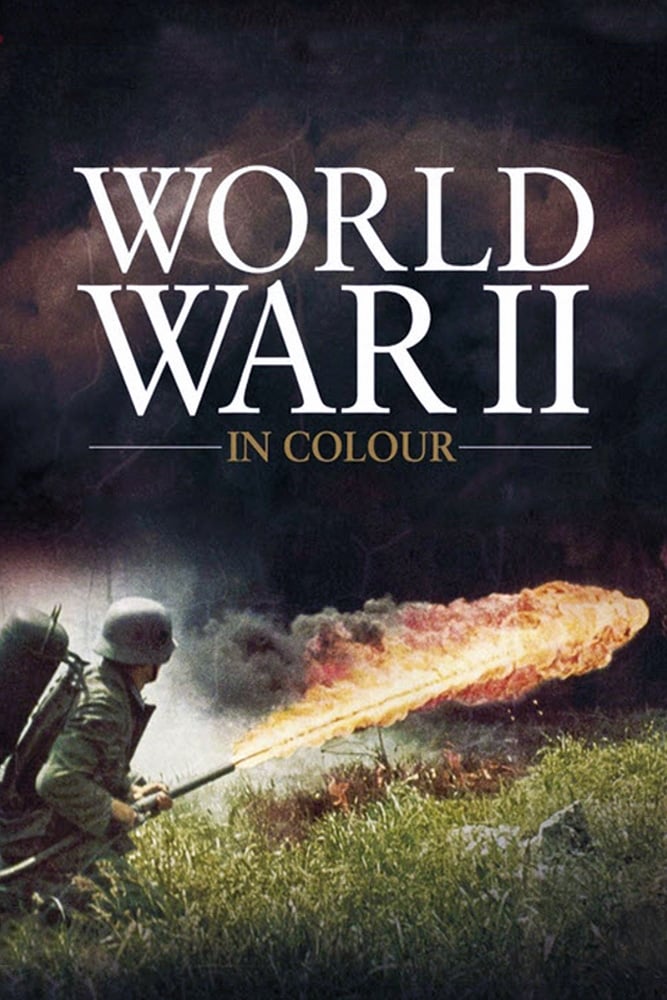
World War II In Colour is a 13-episode television documentary miniseries recounting the events of World War II narrated by Robert Powell. The show covers the Western Front, Eastern Front, and the Pacific War. It is on syndication in America on the Military Channel. This series is in full color, combining both original and colorized footage.
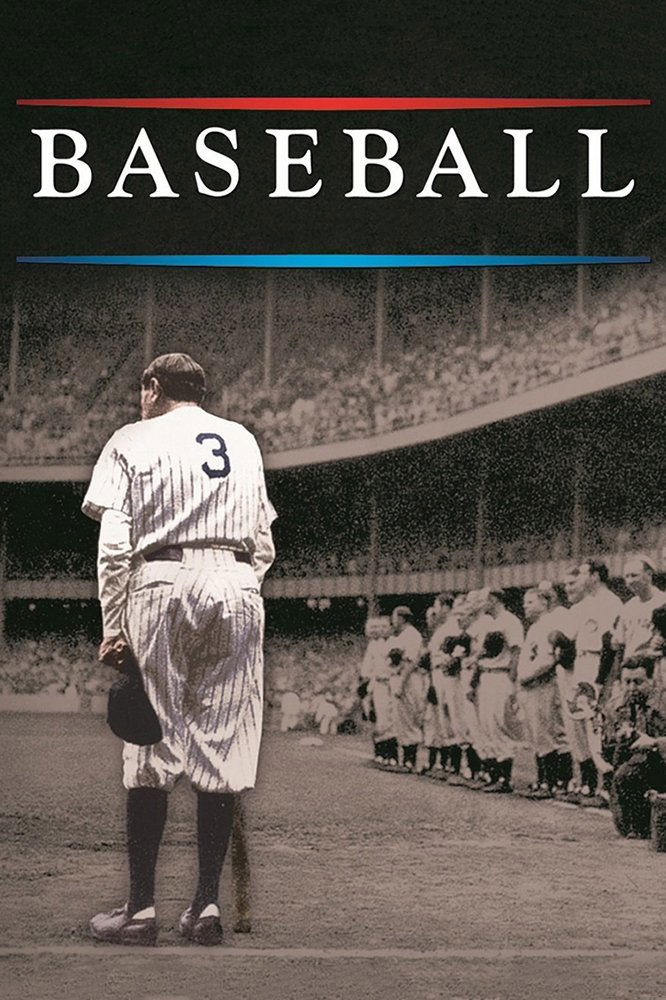
The history of the sport of baseball in America, told through archival photos, film footage, and the words of those who contributed to the game in each era. Writers, historians, players, baseball personnel, and fans review key events and the significance of the game in America's history.
Through the prism of Jeff Goldblum's always inquisitive and highly entertaining mind, nothing is as it seems. Each episode is centered around something we all love — like sneakers or ice cream — as Jeff pulls the thread on these deceptively familiar objects and unravels a wonderful world of astonishing connections, fascinating science and history, amazing people, and a whole lot of surprising big ideas and insights.
Drivers, managers and team owners live life in the fast lane — both on and off the track — during each cutthroat season of Formula 1 racing.
This compelling series investigates the motives and m.o. of female murderers. While males are often driven by anger, impulse and destruction, women usually have more complex, long-term reasons to kill.
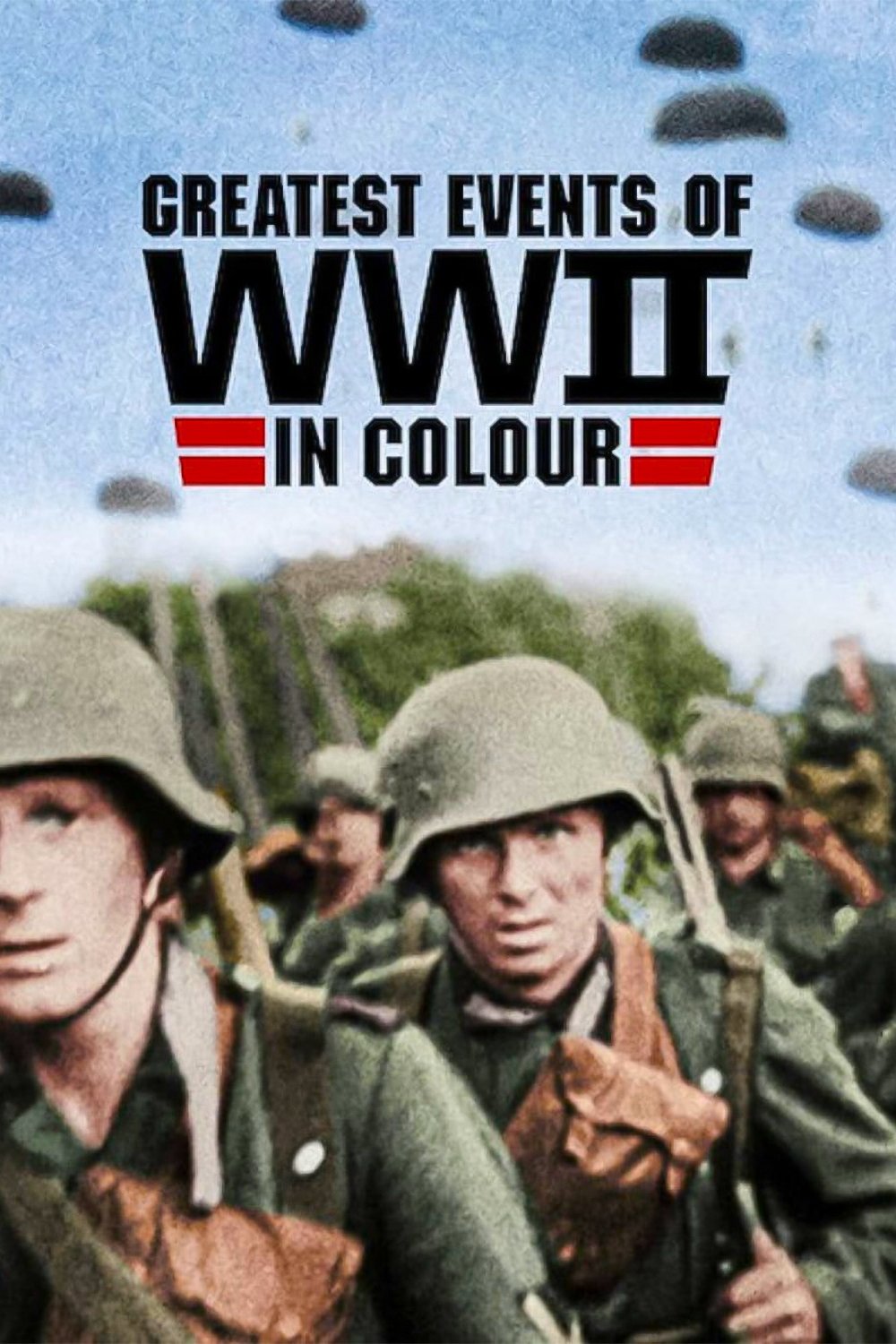
Using highly advanced colourisation techniques, critical moments from World War II, from Stalingrad to The Battle of Britain, are shown in a whole new light.
Have you ever wondered how the products you use every day are made? How It's Made leads you through the process of how everyday products, such as apple juice, skateboards, engines, contact lenses, and many more objects are manufactured.
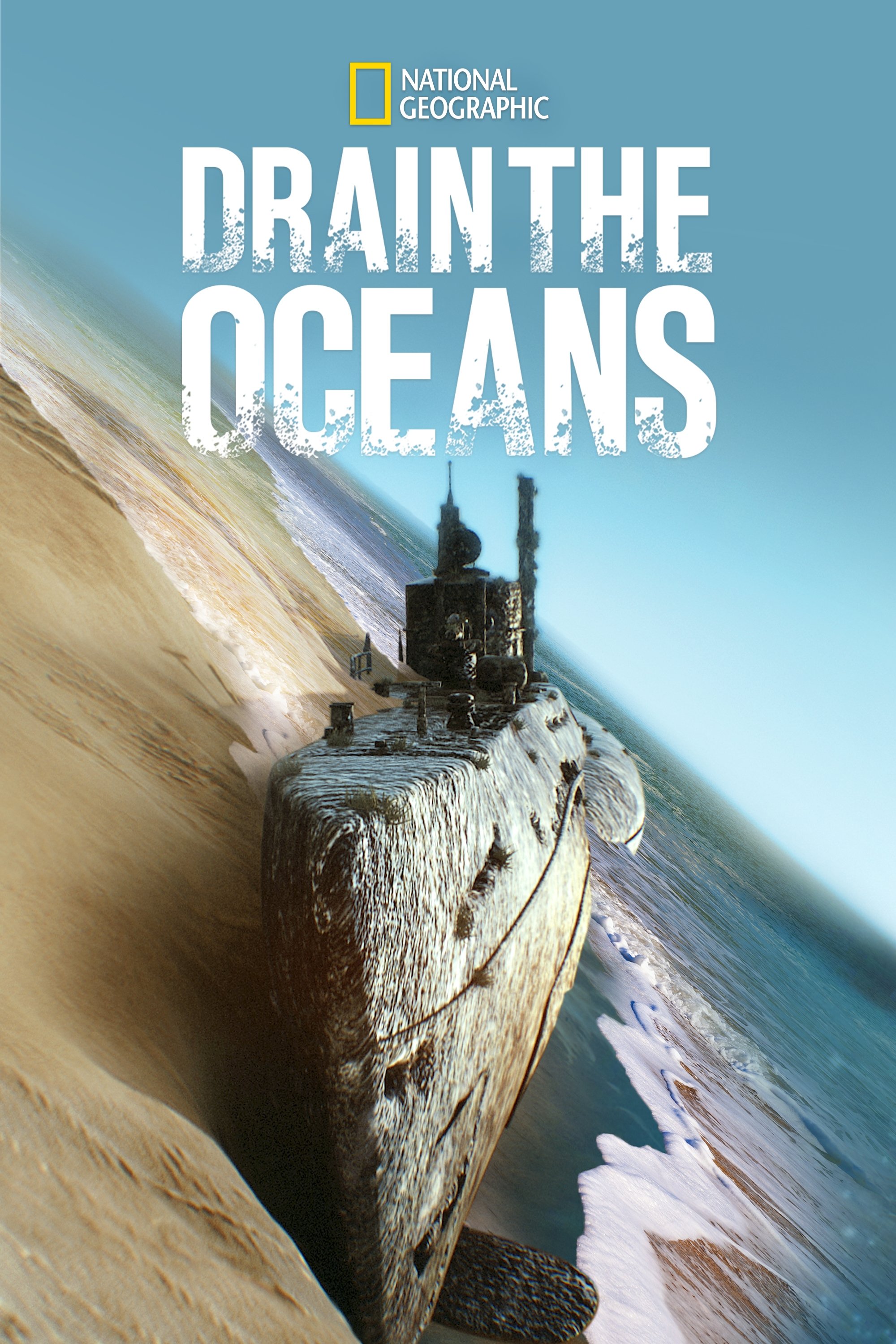
Maritime mysteries—old and new—come to life in this series, combining scientific data and digital re-creations to reveal shipwrecks, treasures, and sunken cities on the bottom of lakes, seas and oceans around the world.
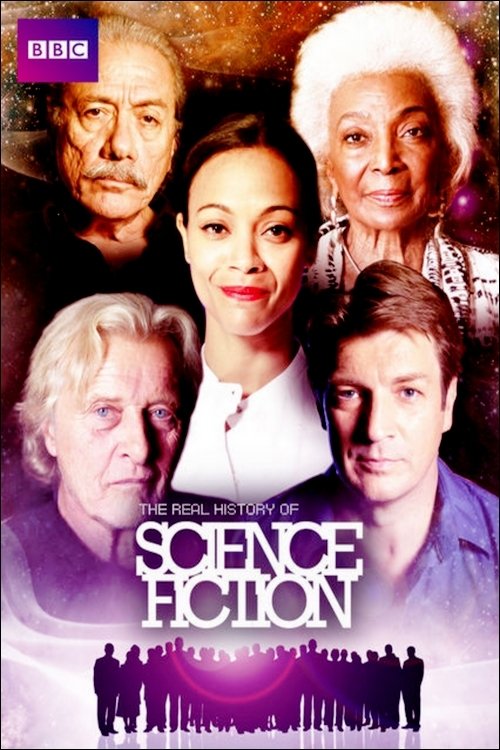
The series heads to the very frontiers of space and science to produce the definitive television history of science fiction, told through its impact on cinema, television and literature, with the help of filmmakers, writers, actors, and graphic artists. Each episode will explore one of the enduring themes of science fiction: time travel; the exploration of space; robots and artificial intelligence; and aliens.
What happened to Mica Miller? This documentary series retraces her promising life, toxic marriage and the mysterious circumstances of her death.
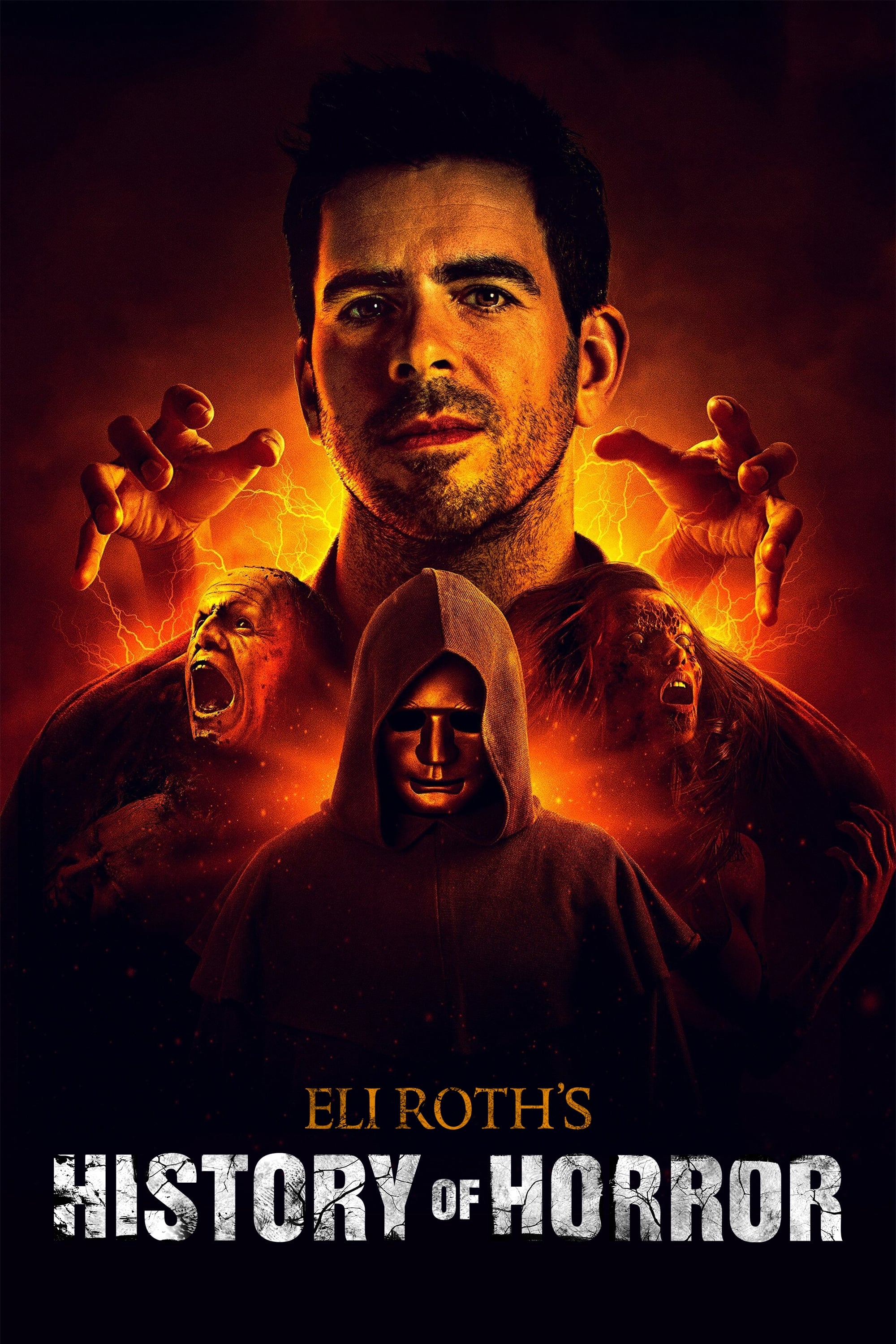
An in-depth look at the history and pop cultural significance of horror films.
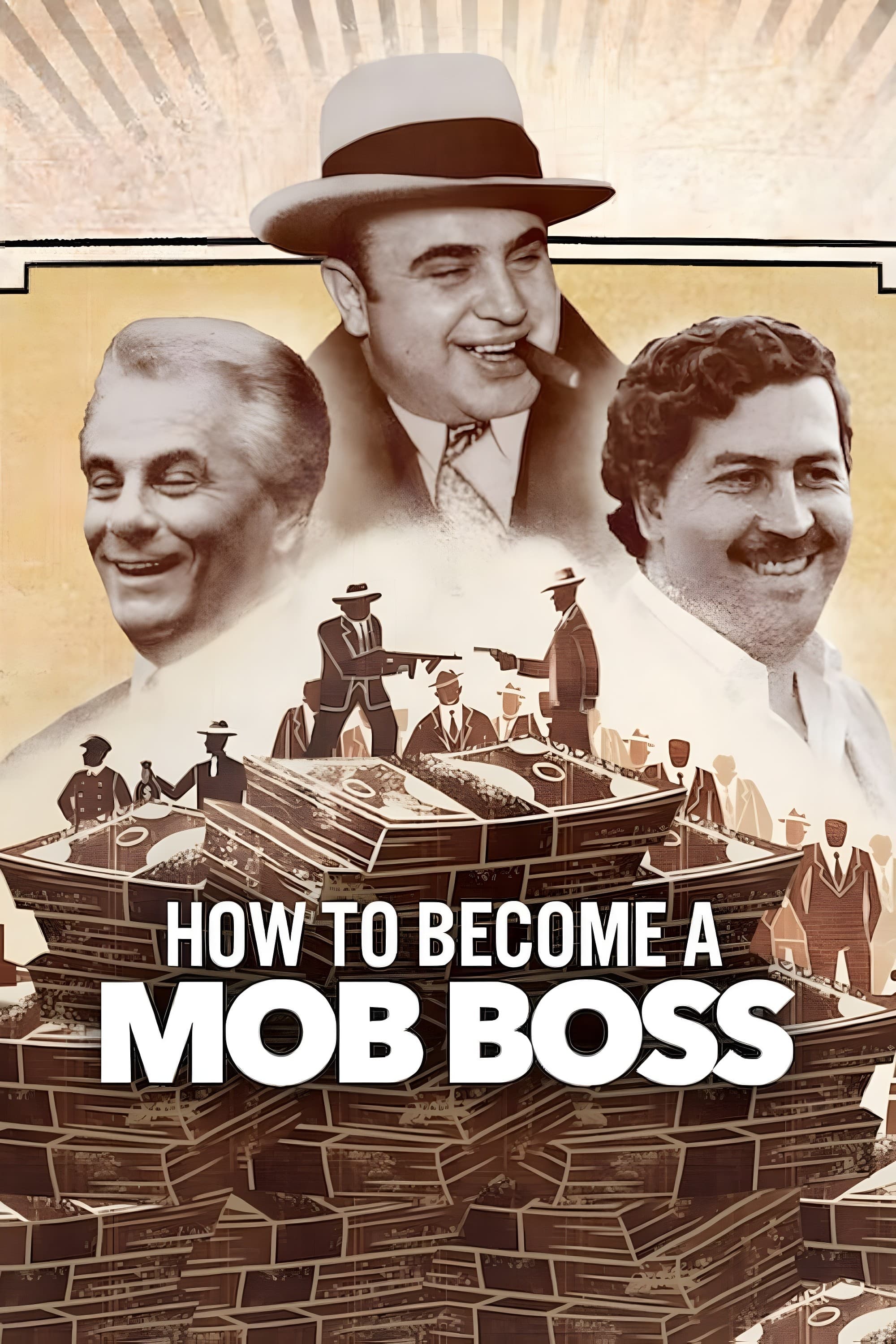
This darkly satirical how-to guide explores the rise and fall of history's most notorious mob bosses and their tactics for success.
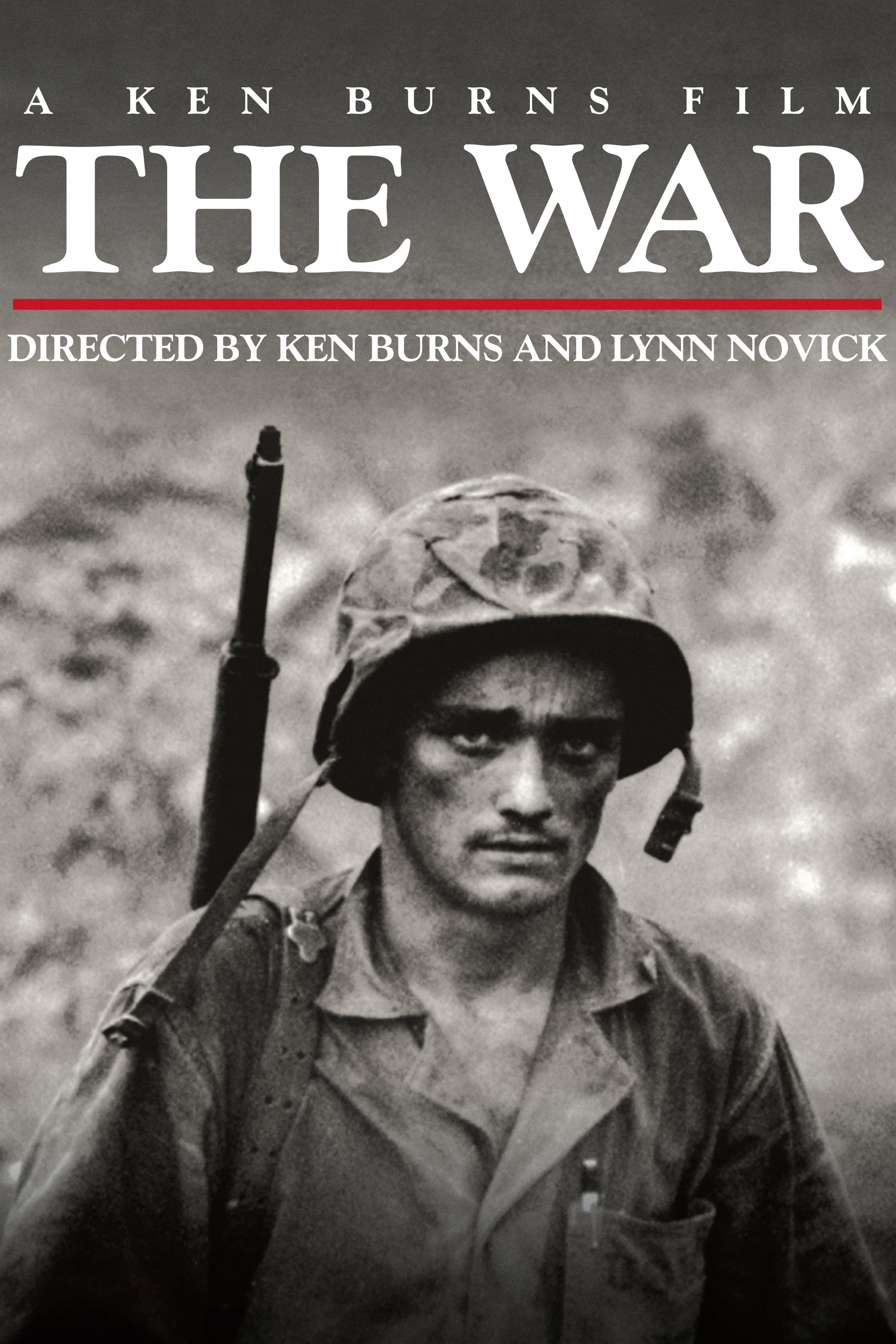
The story of the Second World War through the personal accounts of a handful of men and women from four American towns. The war touched the lives of every family on every street in every town in America and demonstrated that in extraordinary times, there are no ordinary lives.
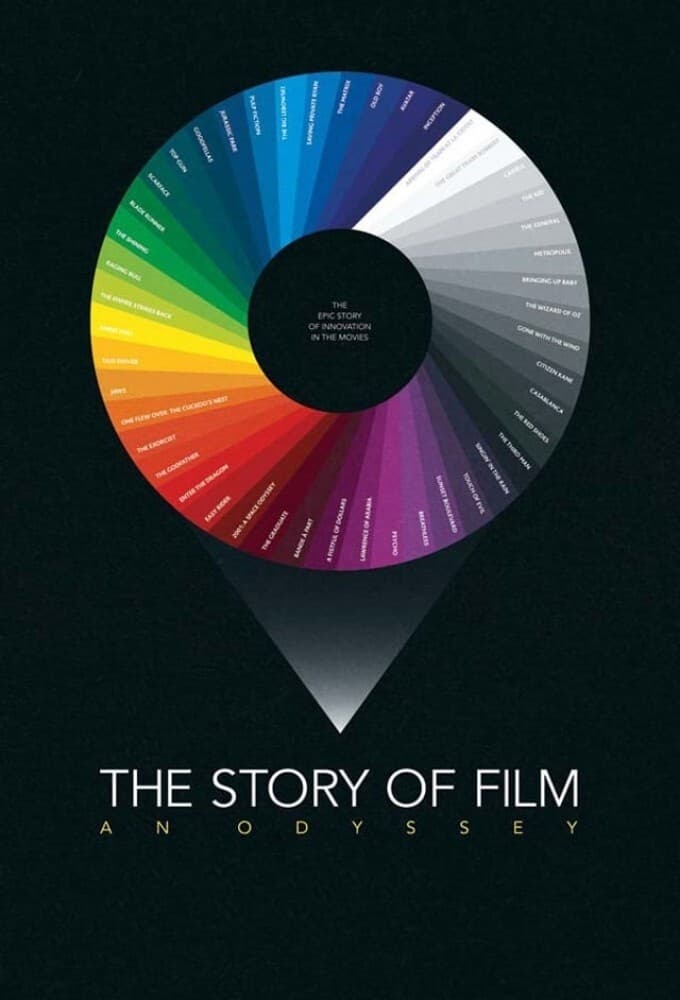
A worldwide guided tour of the greatest movies ever made and the story of international cinema through the history of cinematic innovation.
Explore the past, present and future of Walt Disney Imagineering with noted filmmaker Leslie Iwerks. Ms. Iwerks comes from a family with deep Disney history — her grandfather was an early Disney animator and her father is a former Imagineer — and her previous work includes profiles of Pixar Animation Studios and visual effects house Industrial Light & Magic.