
Our Urban Myths are stories that have been passed down over time and have now become part of urban folklore. But are they true? We take a slightly tongue in cheek, mischievous – and deliberately ambiguous – look at what might have happened...
Social & External
The people behind it
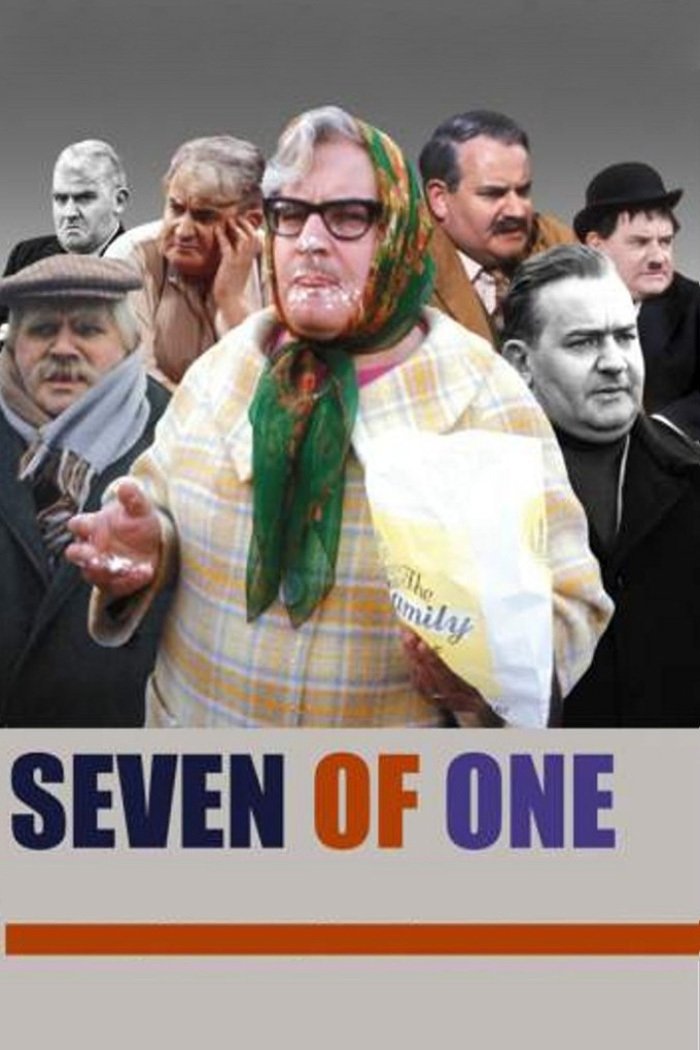
Seven of One is a 1973 BBC2 comedy anthology starring Ronnie Barker. 7 of 1 is a series of seven separate comedies that would serve as possible pilots for sitcoms, three of which were picked up for a full series run. Originally called Six of One, which Barker planned to follow up with another series called Half Dozen of the Other.
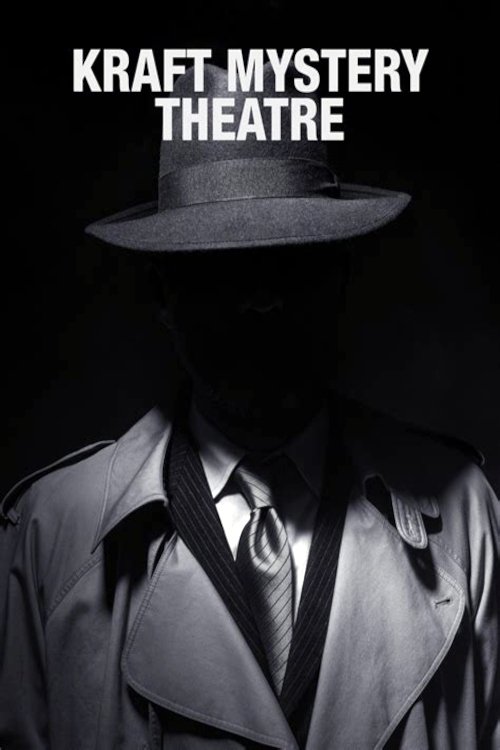
Kraft Mystery Theatre is an American anthology series that aired on NBC from June 17, 1961 to September 25, 1963. A successor to Kraft Television Theater with a change of focus away from straight drama. The high productions remained along with the ability to attract well known talent.
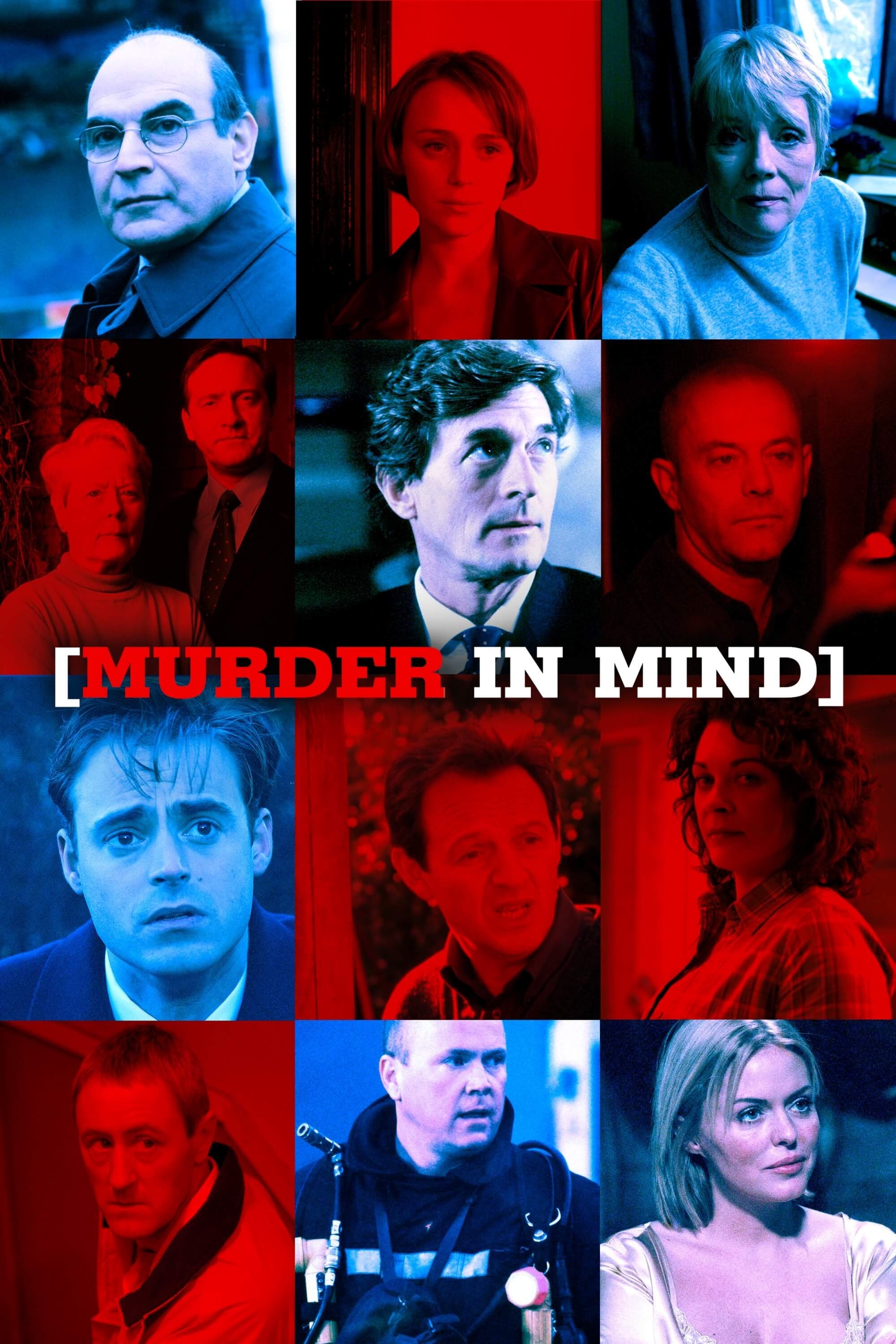
A series of self-contained stories, each recounting a murder scene as seen from the chilling viewpoint of the killer. Explore the inner workings of a criminal's brain, revealing humanity at its darkest.
The Dick Powell Show is an American anthology series that ran on NBC from 1961- 1963, primarily sponsored by the Reynolds Metals Company. It was hosted by longtime film star Dick Powell until his death from lymphatic cancer on January 2, 1963, then by a series of guest hosts until the series ended. The first of these was Gregory Peck, who began the January 8 program with a tribute to Powell, recognizing him as "a great and good friend to our industry." Peck was followed by fellow actors such as Robert Mitchum, Frank Sinatra, Glenn Ford, Charles Boyer, Jackie Cooper, Rock Hudson, Milton Berle, Jack Lemmon, Dean Martin, Robert Taylor, Steve McQueen, David Niven, Danny Thomas, Robert Wagner and John Wayne.
Seven touching stories that happen in Choi Hung Estate. Depicting different emotions and regrets, the stories reflect Hongkongers’ sentimental feelings towards public housing estates. Each of them reminds the viewers that the iconic estate is nearing its end as the characters intersect.
This documentary series tells the stories that have gripped imaginations for centuries and reveals the fascinating and unexpected history behind them.
A series of plays designed specifically for the medium of television.
Based on the speculative short stories of MirrorFiction, this sci-fi thriller anthology plunges headlong into our deepest desires -- and darkest fears.
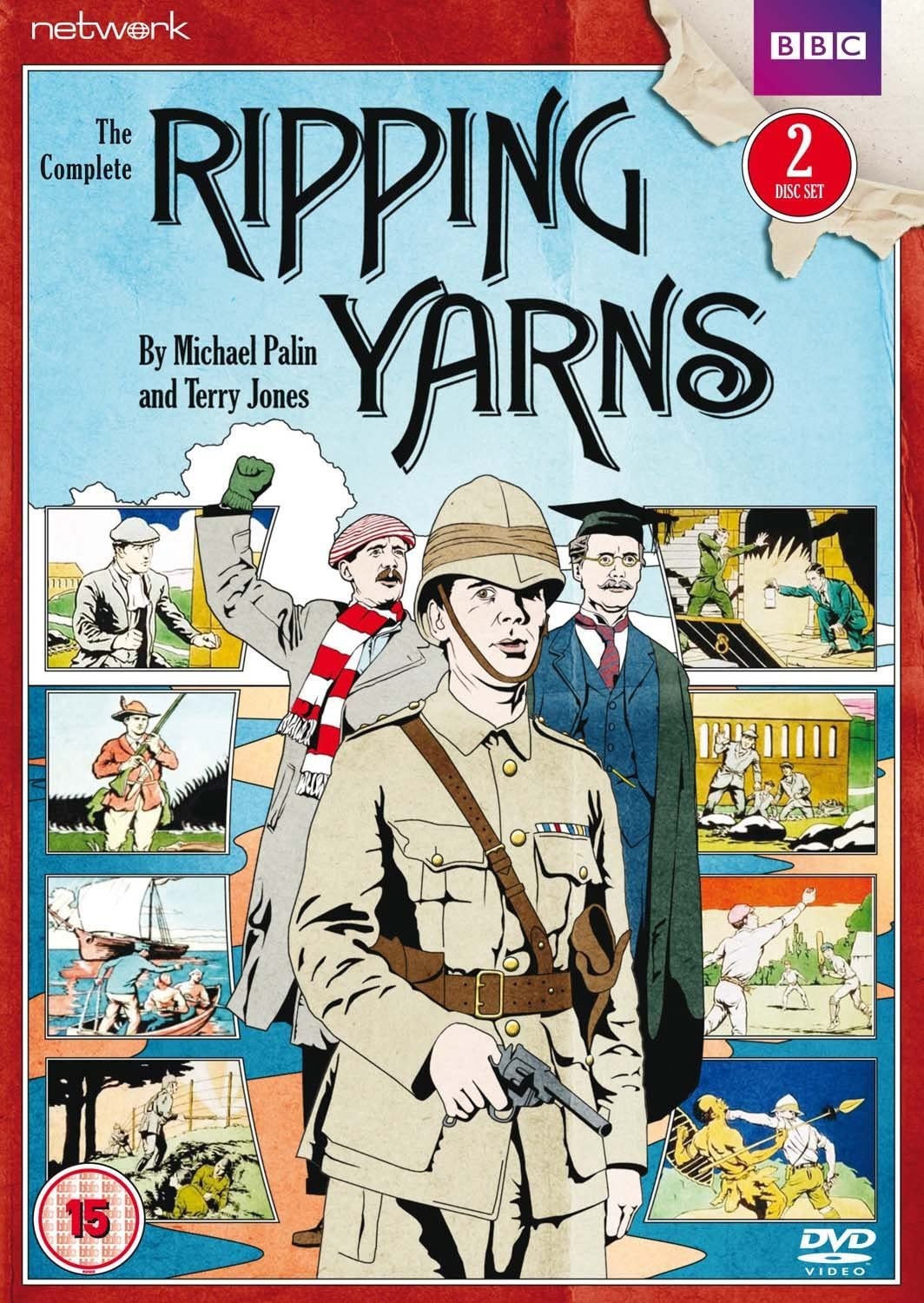
A British television comedy series, written by Michael Palin and Terry Jones of Monty Python fame. Following an initial pilot episode in January 1976, it ran for two subsequent series of five and three episodes in October 1977 and October 1979 respectively. Each episode had a different setting and characters, looking at a different aspect of British culture and parodying pre-World War II literature aimed at schoolboys.
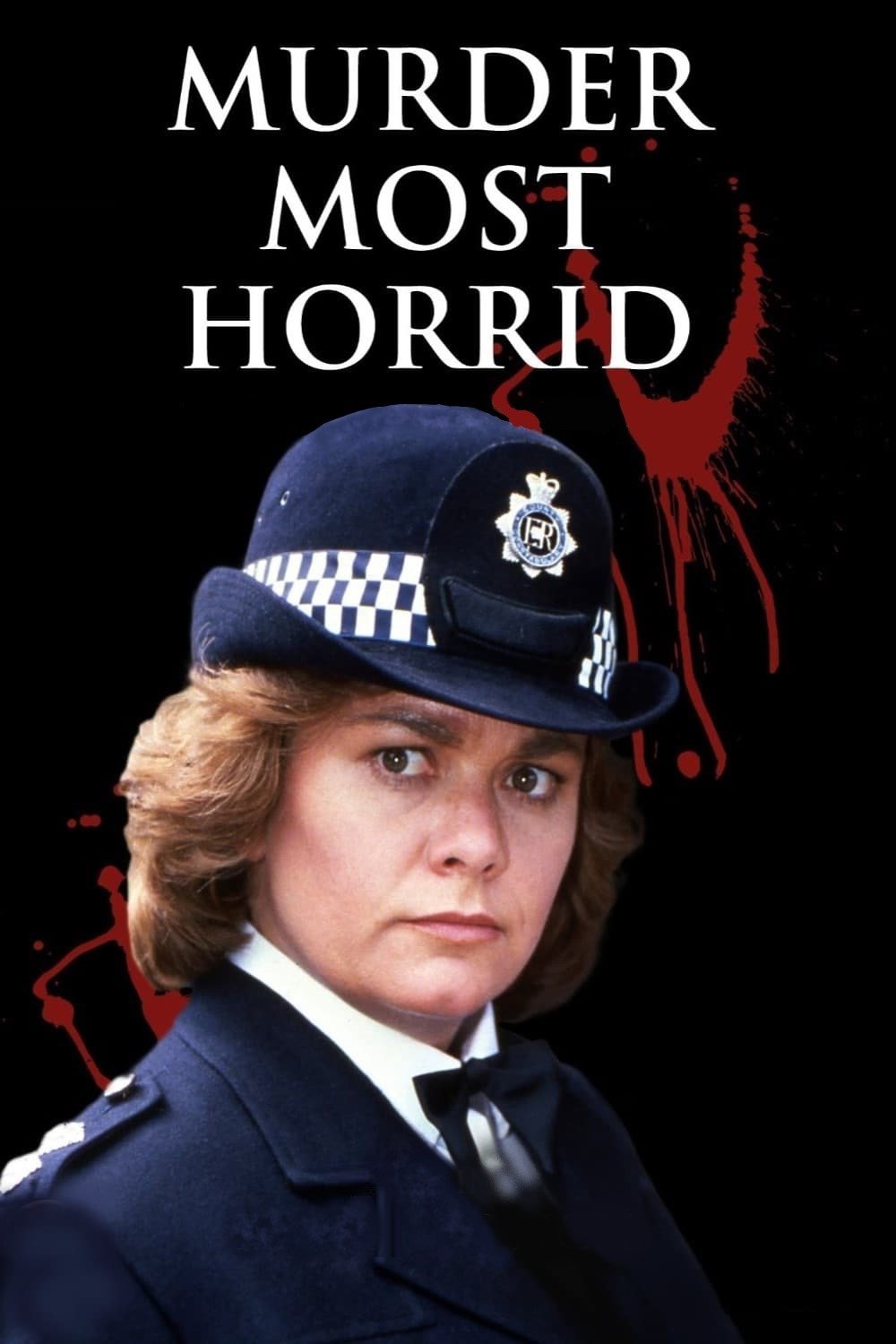
Comedienne Dawn French tackles dark, tongue-in-cheek thrillers as her various characters embark on a different mystery every episode. In one way or another, she is involved with murder — either committing the crime or even getting bumped off herself!
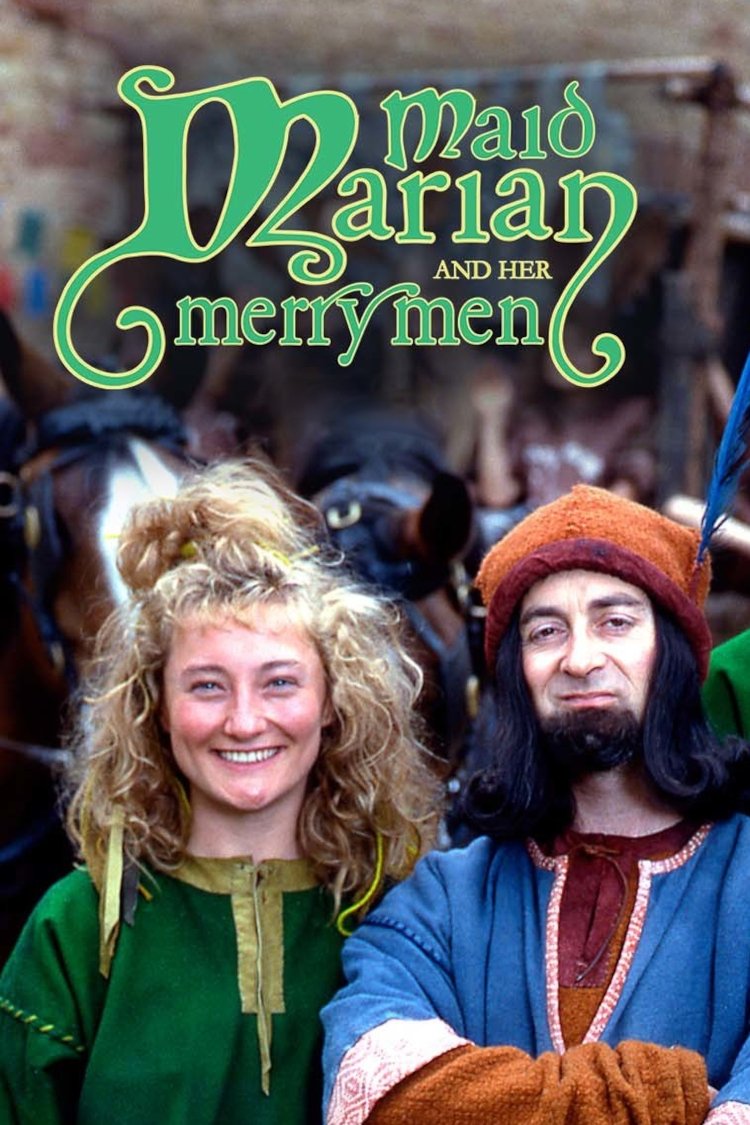
Maid Marian and her Merry Men is a British children's sitcom created and written by Tony Robinson and directed by David Bell. It began in 1989 on BBC One and ran for four series, with the last episode shown in 1994. The show was a partially musical comic retelling of the legend of Robin Hood, placing Maid Marian in the role of leader of the Merry Men, and reducing Robin to an incompetent ex-tailor. The programme was much appreciated by children and adults alike, and has been likened to Blackadder, not only for its historical setting and the presence of Tony Robinson, but also for its comic style. It is more surreal than Blackadder, however, and drops even more anachronisms. Many of the show's cast such as Howard Lew Lewis, Forbes Collins, Ramsay Gilderdale and Patsy Byrne had previously appeared in various episodes of Blackadder alongside Robinson. Like many British children's programmes, there is a lot of social commentary sneakily inserted, as well as witty asides about the Royal family, buses running on time, etc. Many of the plots spoofed or referenced film and television shows including other incarnations of Robin Hood in those mediums.
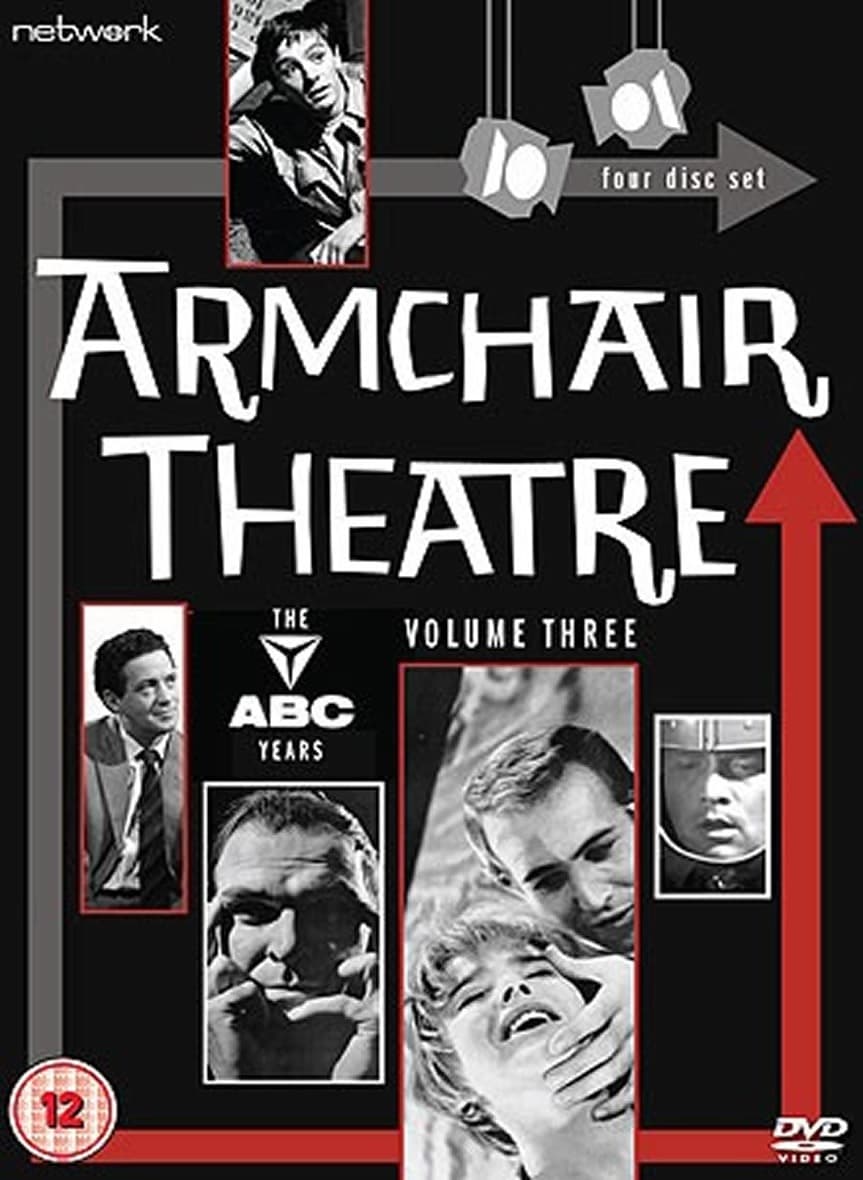
Armchair Theatre is a British television drama anthology series of single plays that ran on the ITV network from 1956 to 1974. It was originally produced by Associated British Corporation, and later by Thames Television from mid-1968.
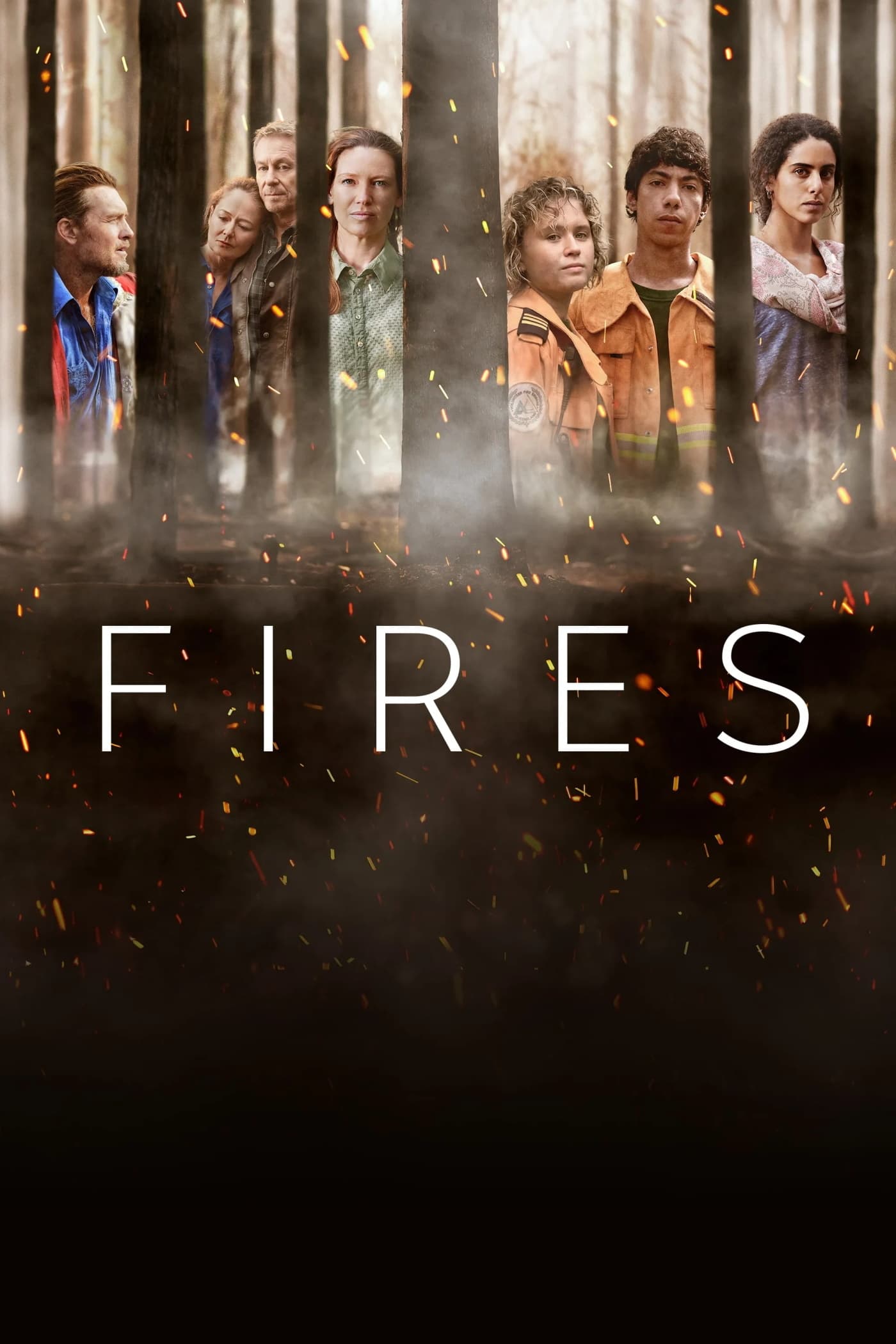
Inspired by true events, the story of everyday Australians at the front line of the devastating fires of the 2019-2020 Australian summer.
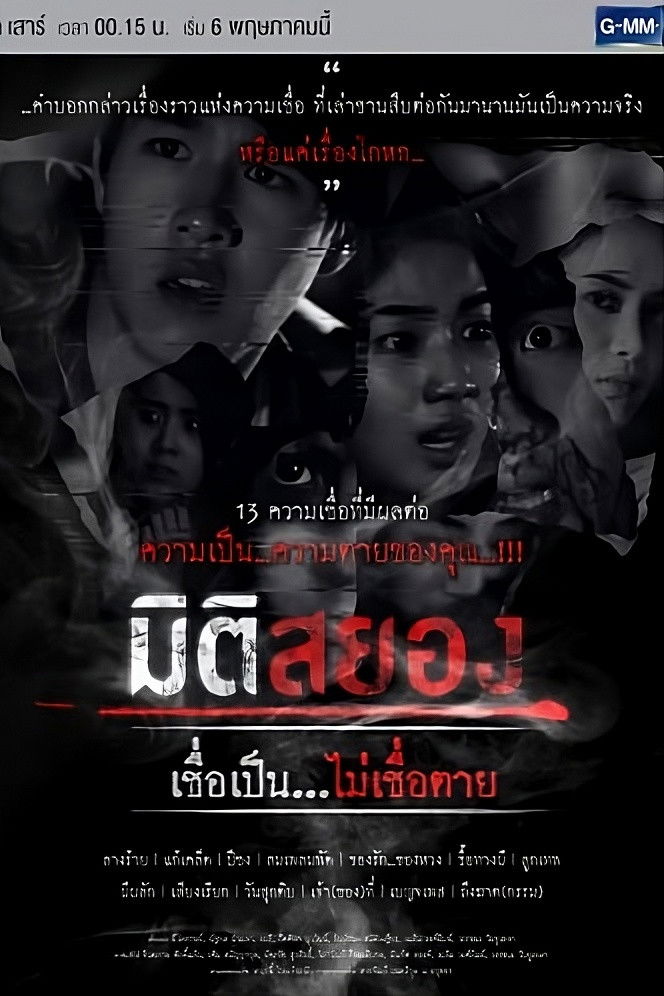
See ghosts, portents, karma, and black magic in this ominous anthology about Thai superstition.
An anthology of 1920s set plays and musicals, transmissioned from 10 September to 10 December 1968 on BBC One.
The series features Ueno taking on five roles in five episodes. As the title suggests, each episode involves a bag of some kind, such as a guitar case or a mysterious delivery package.
One holiday house, eight love stories. Summer Love is an anthology of eight unique stories at a holiday house where the dreamy enchantment of the beach collides with the endearing escapades of people on holiday.
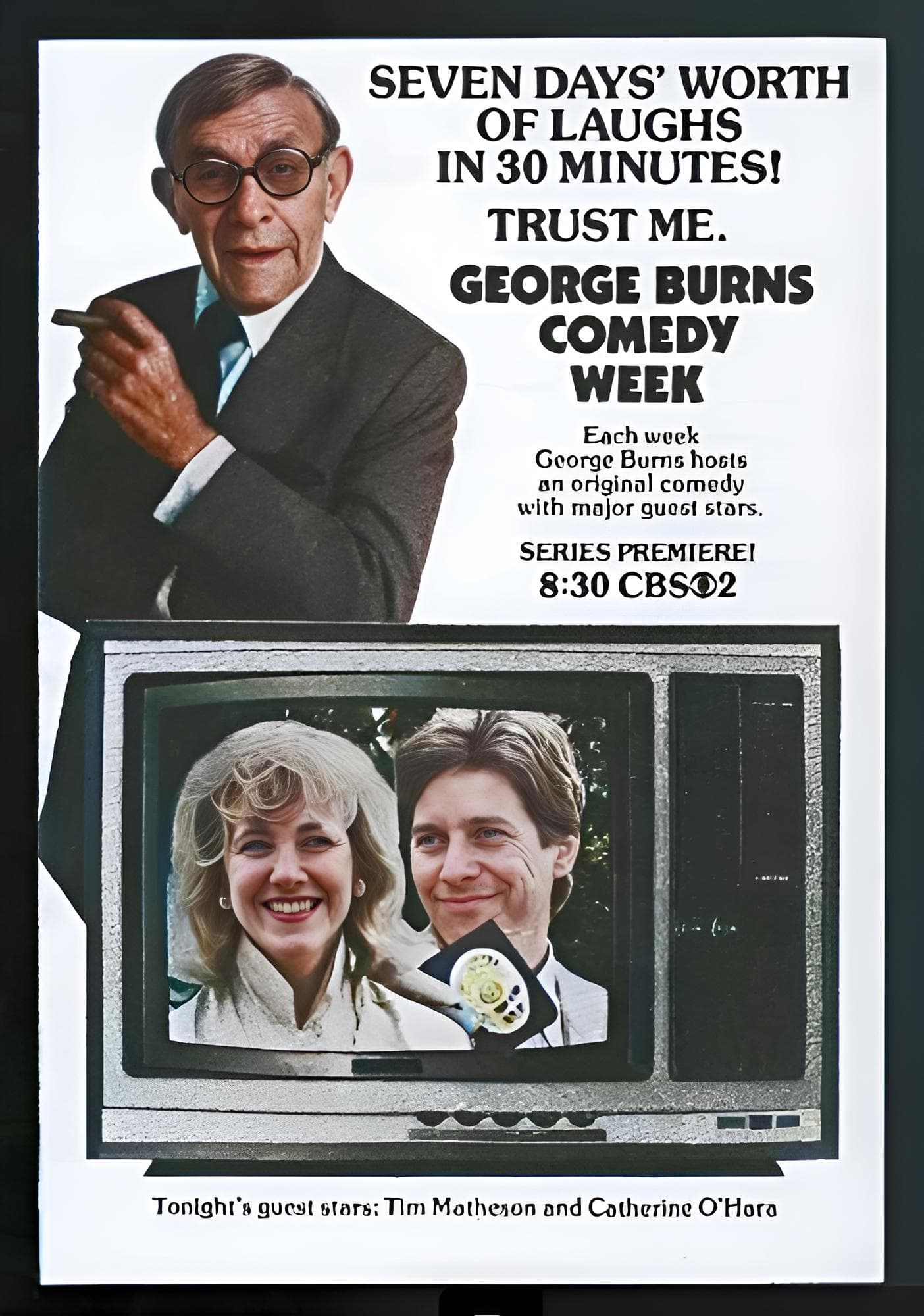
George Burns Comedy Week is a comedy anthology television series broadcast in the United States by CBS as part of its 1985 fall lineup, hosted by George Burns.
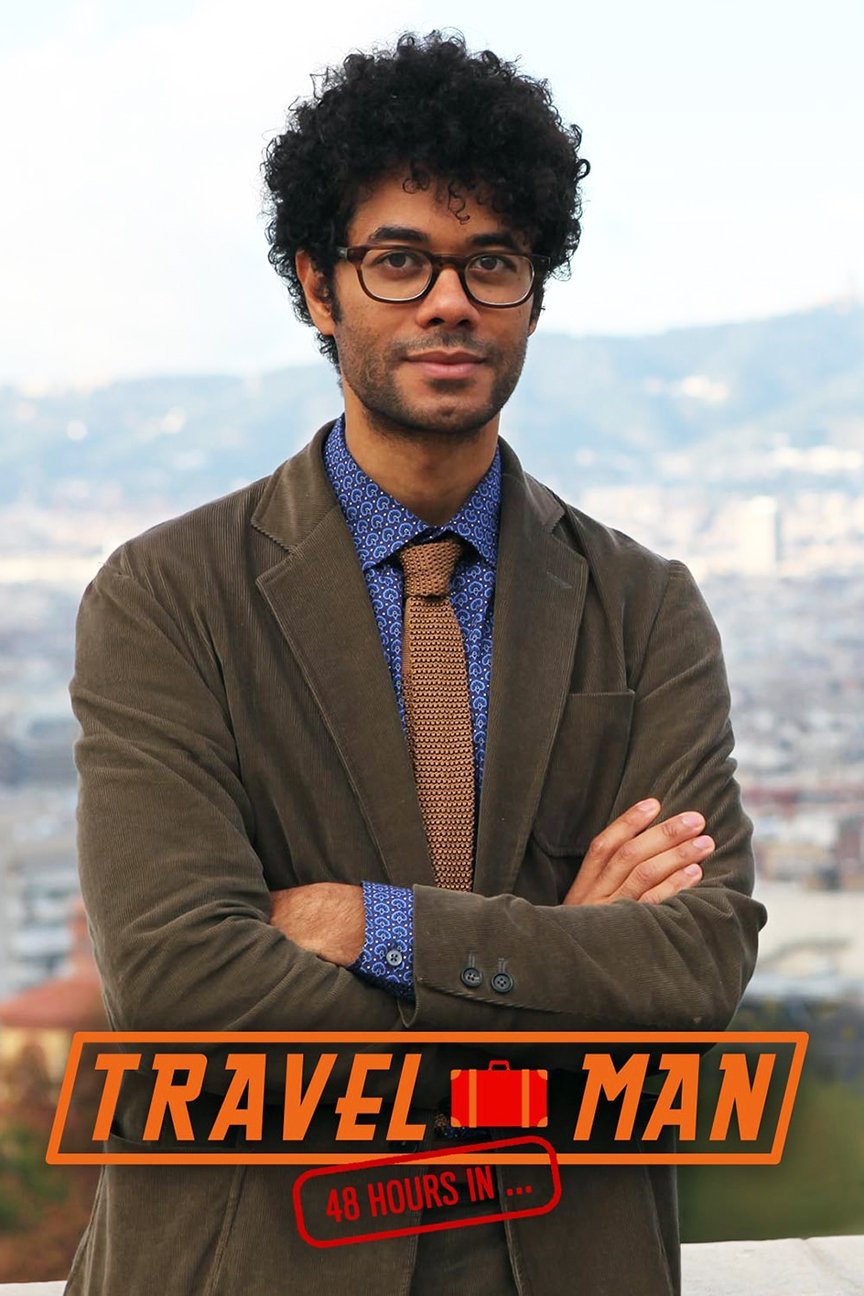
British comedian Richard Ayoade (later taken over by Joe Lycett), accompanied by a celebrity guest, takes a ruthlessly efficient approach to travel, covering everything top tourist destinations have to offer in just 48 hours.
Host Adam Conover employs a combination of comedy, history and science to dispel widespread misconceptions about everything we take for granted.
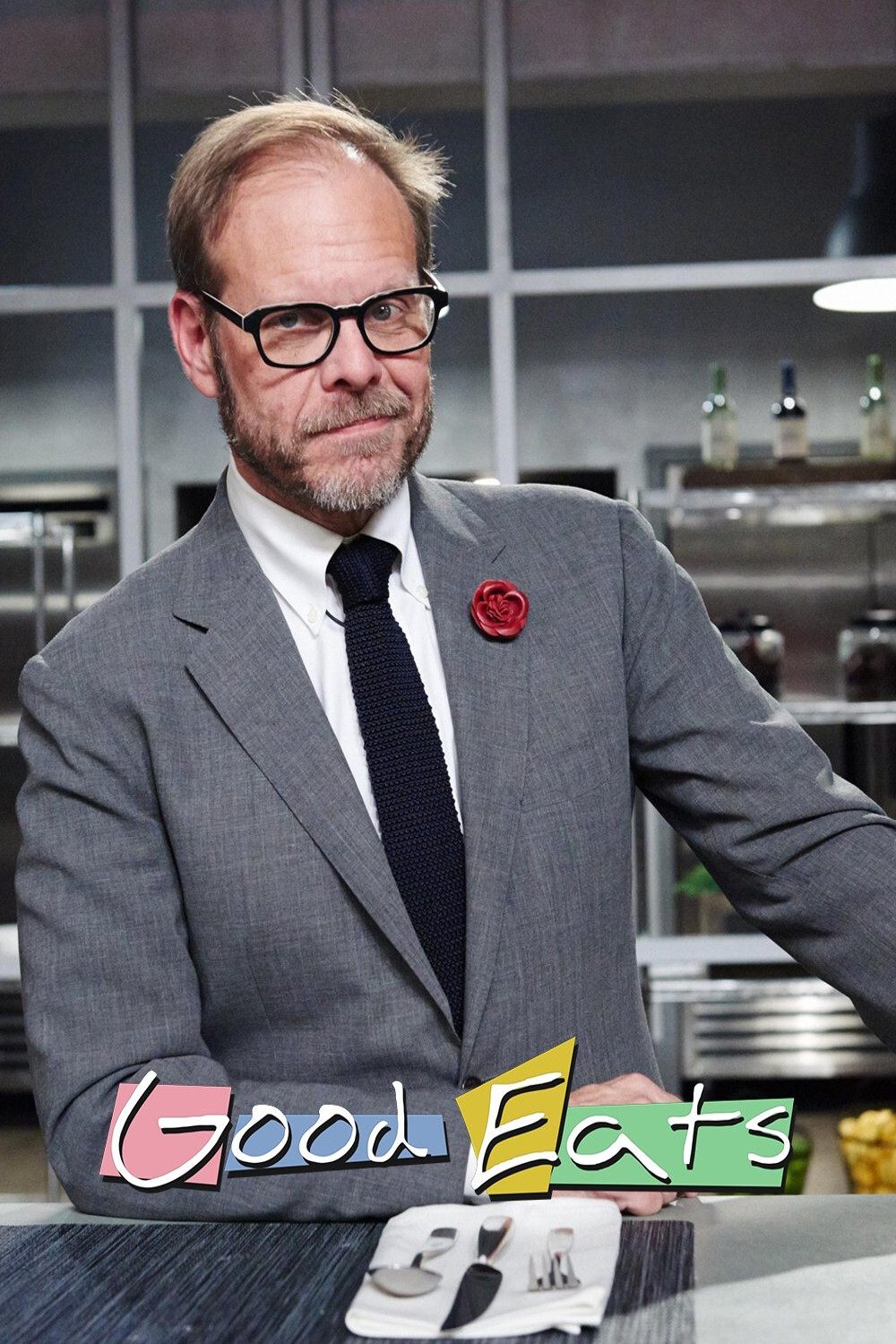
Host Alton Brown explores the origins of ingredients, decodes culinary customs and presents food and equipment trends. Punctuated by unusual interludes, simple preparations and unconventional discussions, he'll bring you food in its finest and funniest form.
Brainiac is The Alternative science series that shows you the experiments you were never allowed to do in school. Richard Hammond aims to answer the scientific questions that have been bothering us all such as what you shouldn't put in a microwave and Do mobile phones really cause explosions in petrol stations.
Charlie Brooker's acerbic take on recent TV contains reviews of current shows, as well as stories and commentary on how television is produced.
The First 48 follows detectives from around the country during these first critical hours as they race against time to find the suspect. Gritty and fast-paced, it takes viewers behind the scenes of real-life investigations with unprecedented access to crime scenes, autopsies, forensic processing, and interrogations.
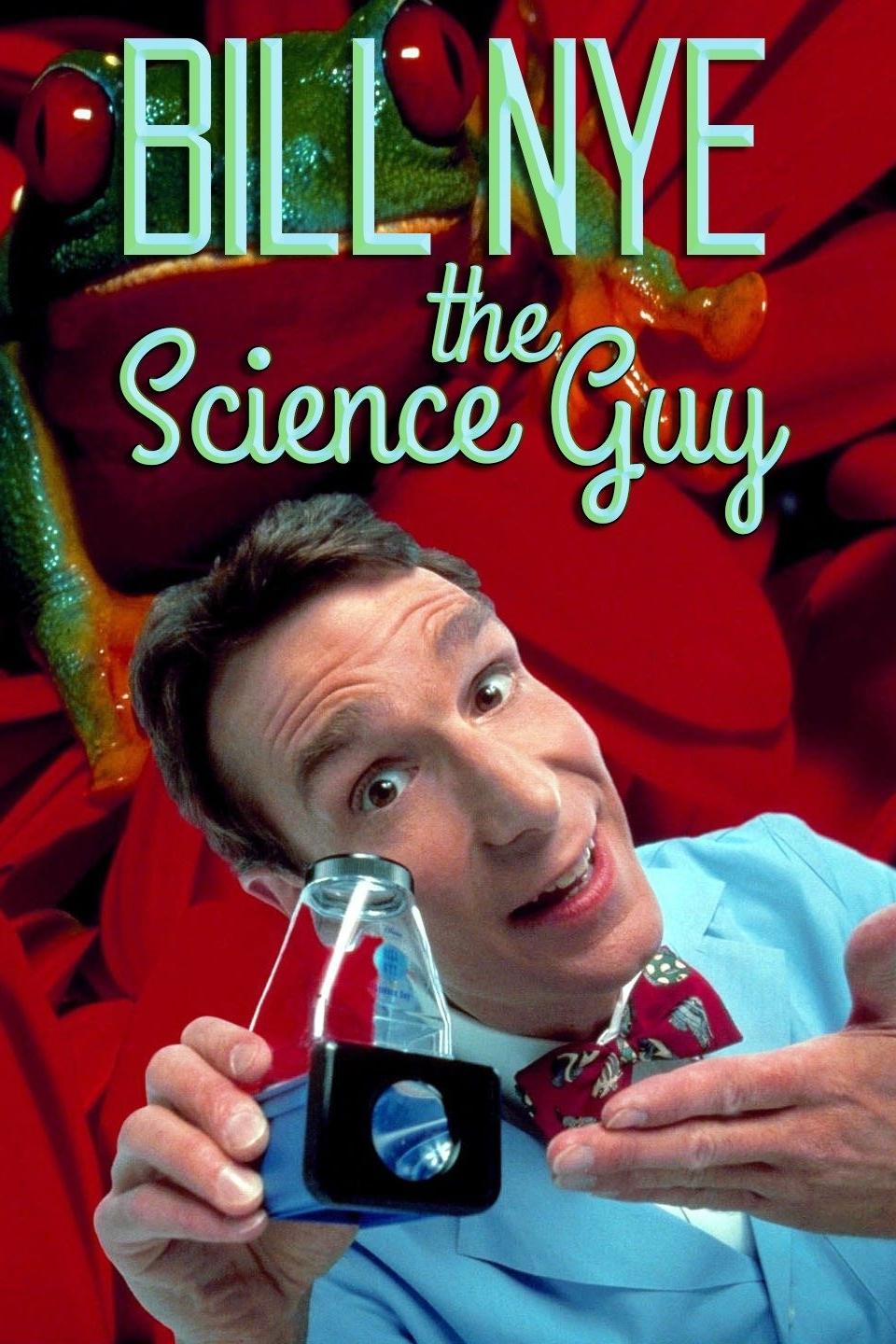
It's "Mr. Wizard" for a different decade. Bill Nye is the Science Guy, a host who's hooked on experimenting and explaining. Picking one topic per show (like the human heart or electricity), Nye gets creative with teaching kids and adults alike the nuances of science.
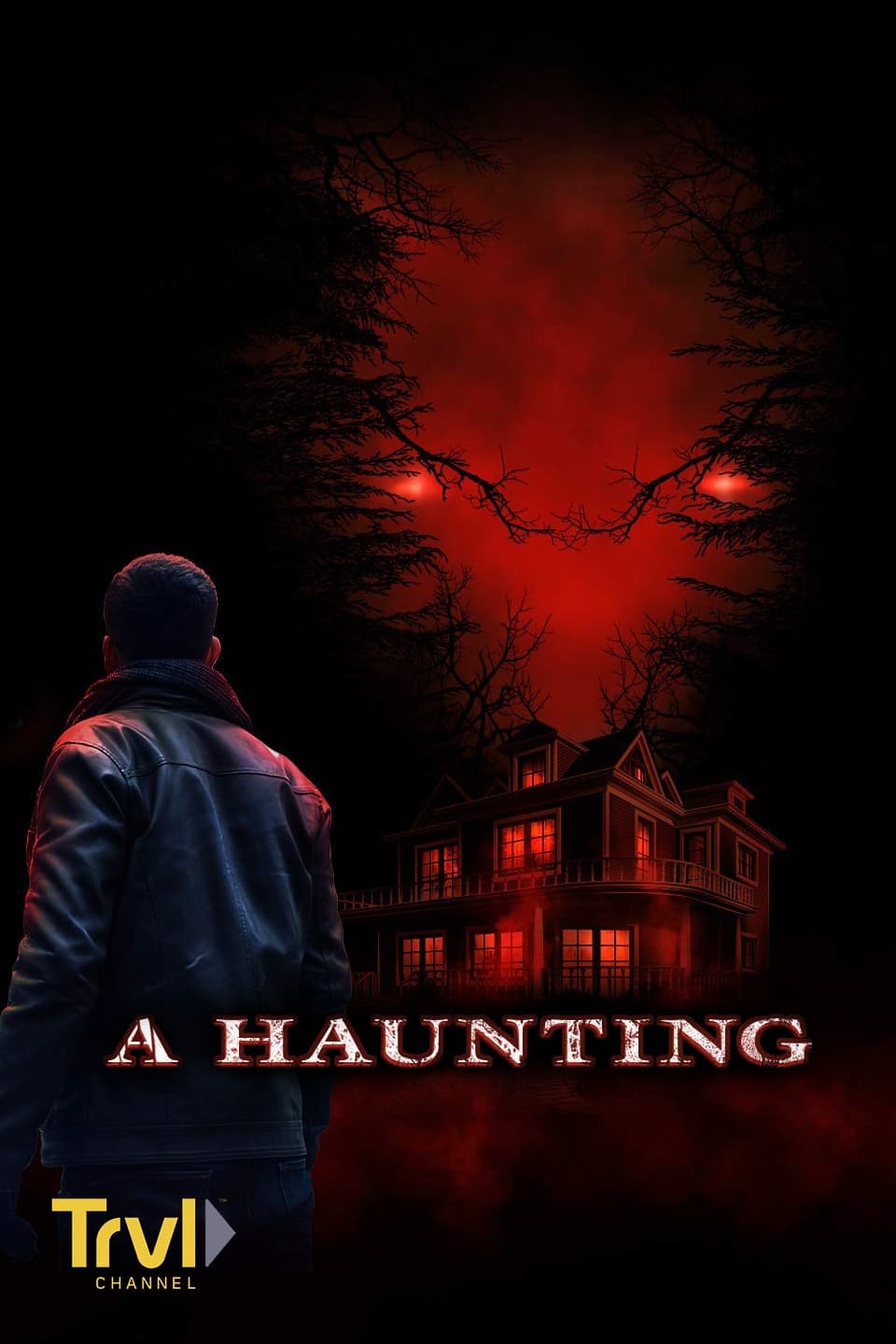
These are the true stories of the innocent and the unimaginable. Based on true events, A Haunting dramatises some of the scariest stories, revealing a world in which tragedy, suicide and murder have left psychic impressions so powerful that innocent people become forced to deal with them decades later. Through mesmerizing first-person accounts, the mystery and origin of each haunting is powerfully revealed and leaves a lingering sense that life—and death—are much stronger then anyone could have possibly imagined.
Hosts Tanner Foust, Adam Ferrara and Rutledge Wood embark on adventures as they test cars in extreme stunts, intense challenges and first-person reviews using their unique perspectives.
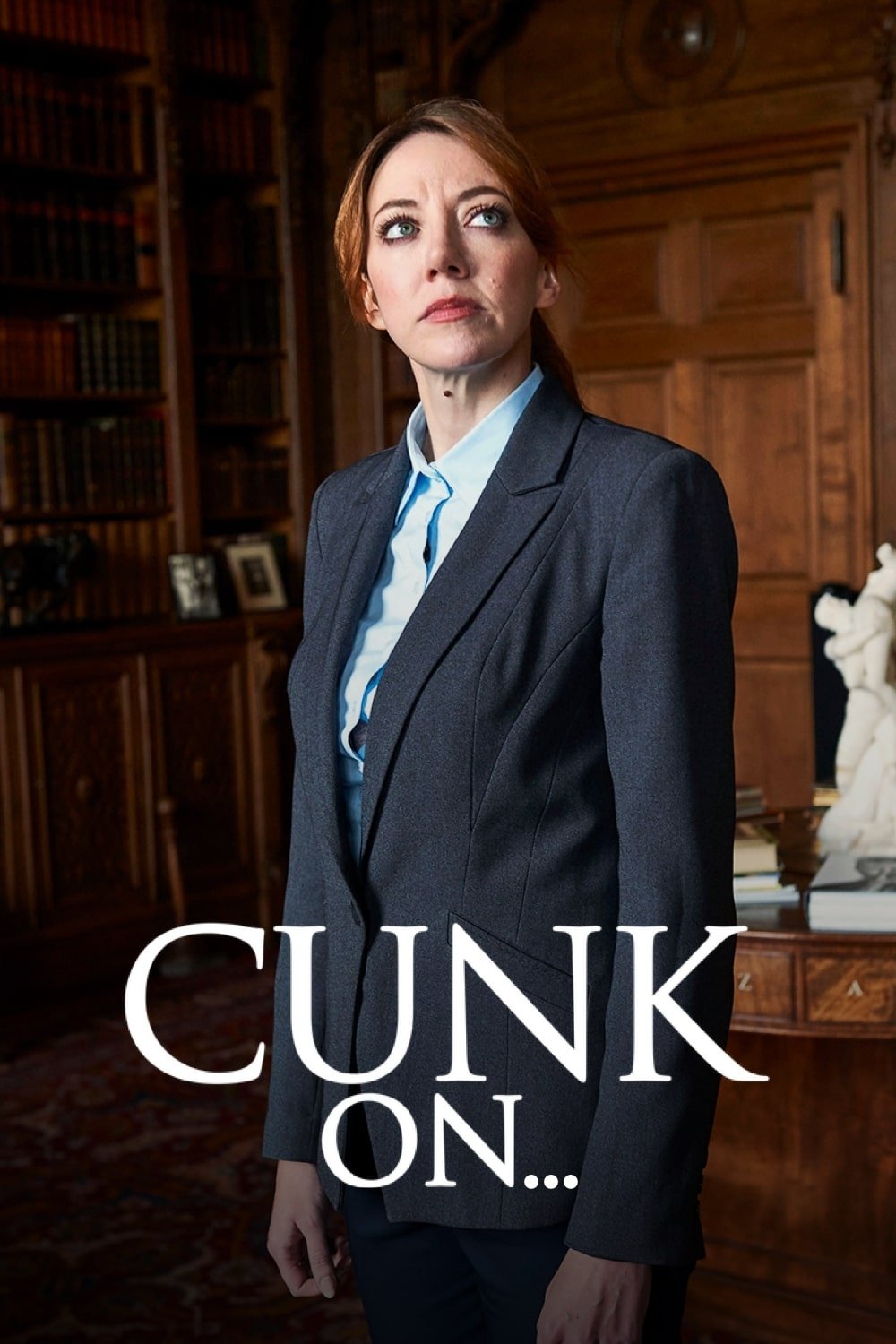
Landmark mockumentary-maker Philomena Cunk traces the history of Britain, Earth, and cinema.
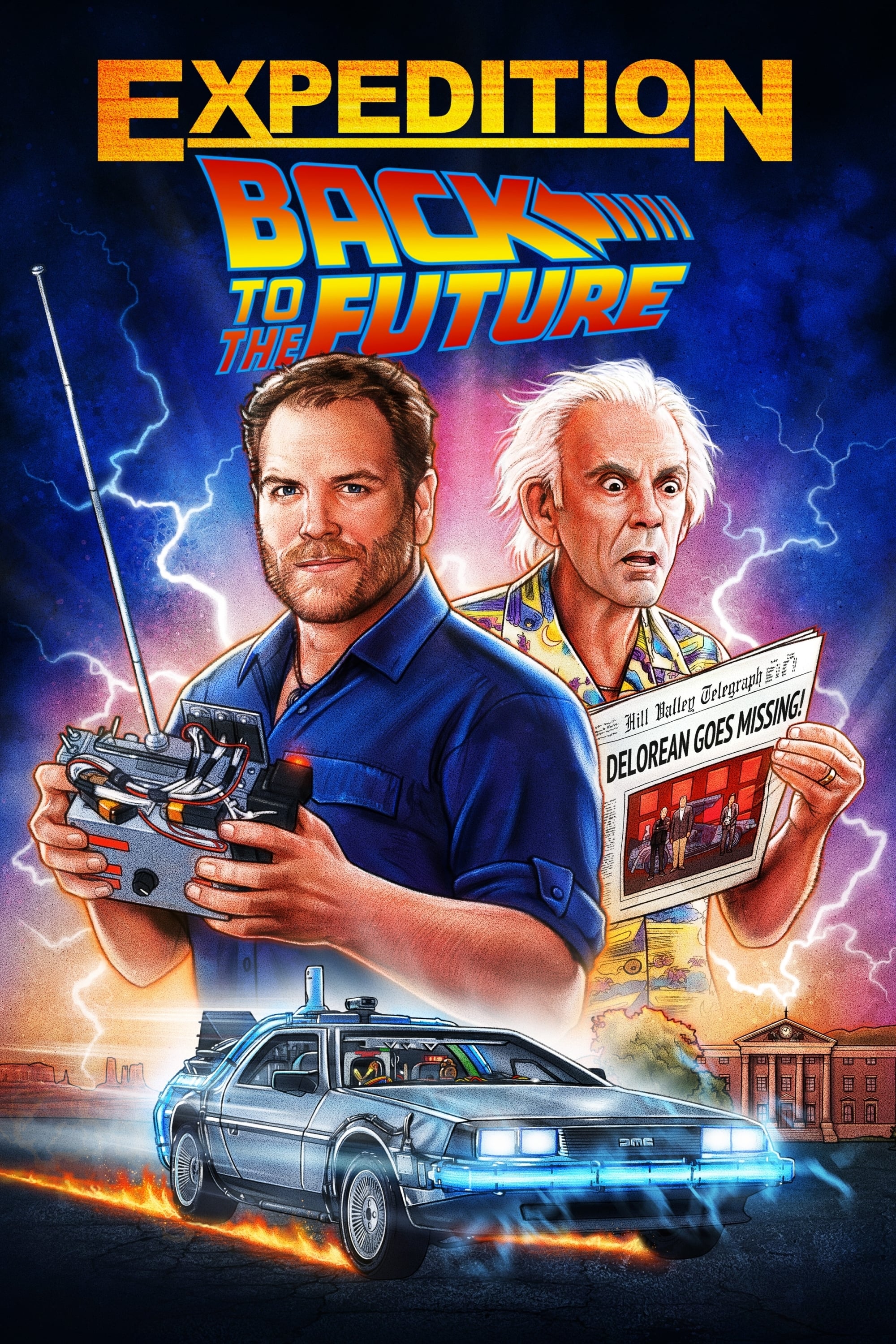
Josh Gates goes on the adventure of a lifetime when he and Christopher Lloyd set off to track down the most iconic movie car in Hollywood history, The DeLorean Time Machine from "Back to the Future," and deliver the vehicle to Michael J. Fox.
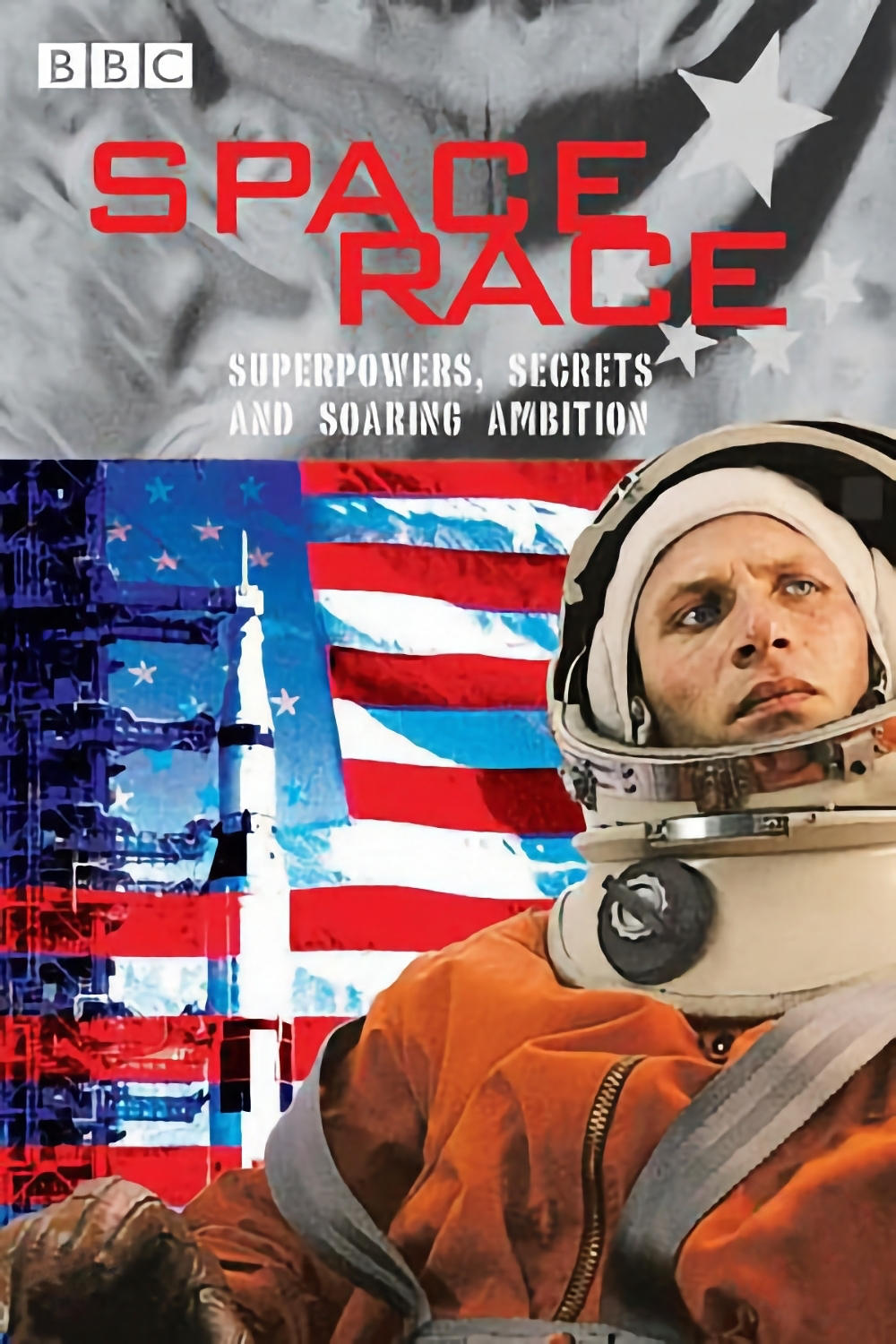
The untold true story behind the Cold War race to put man into space.
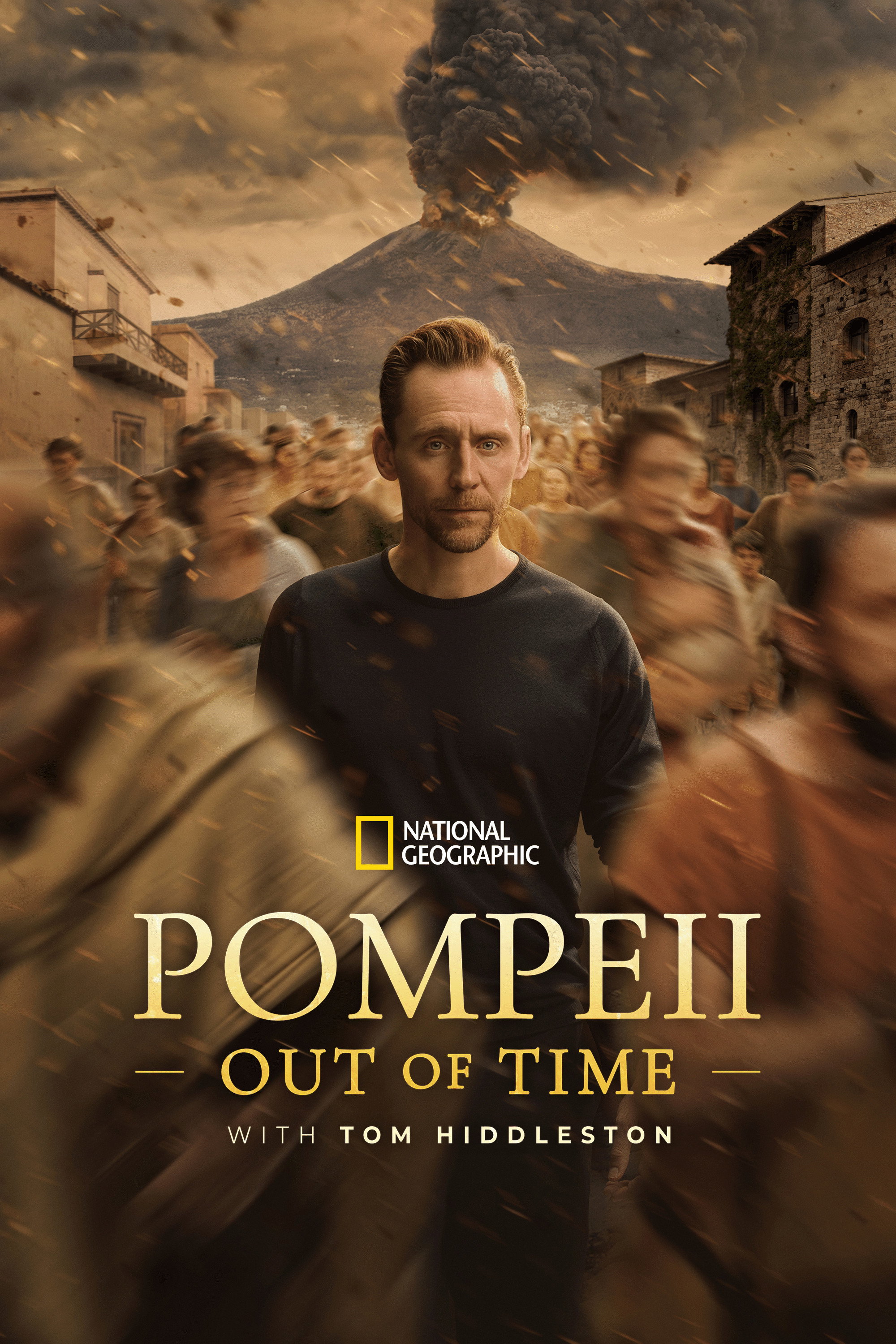
A historical exploration about the eruption of Vesuvius in 79 A.D. and the preserved Roman city it left behind.
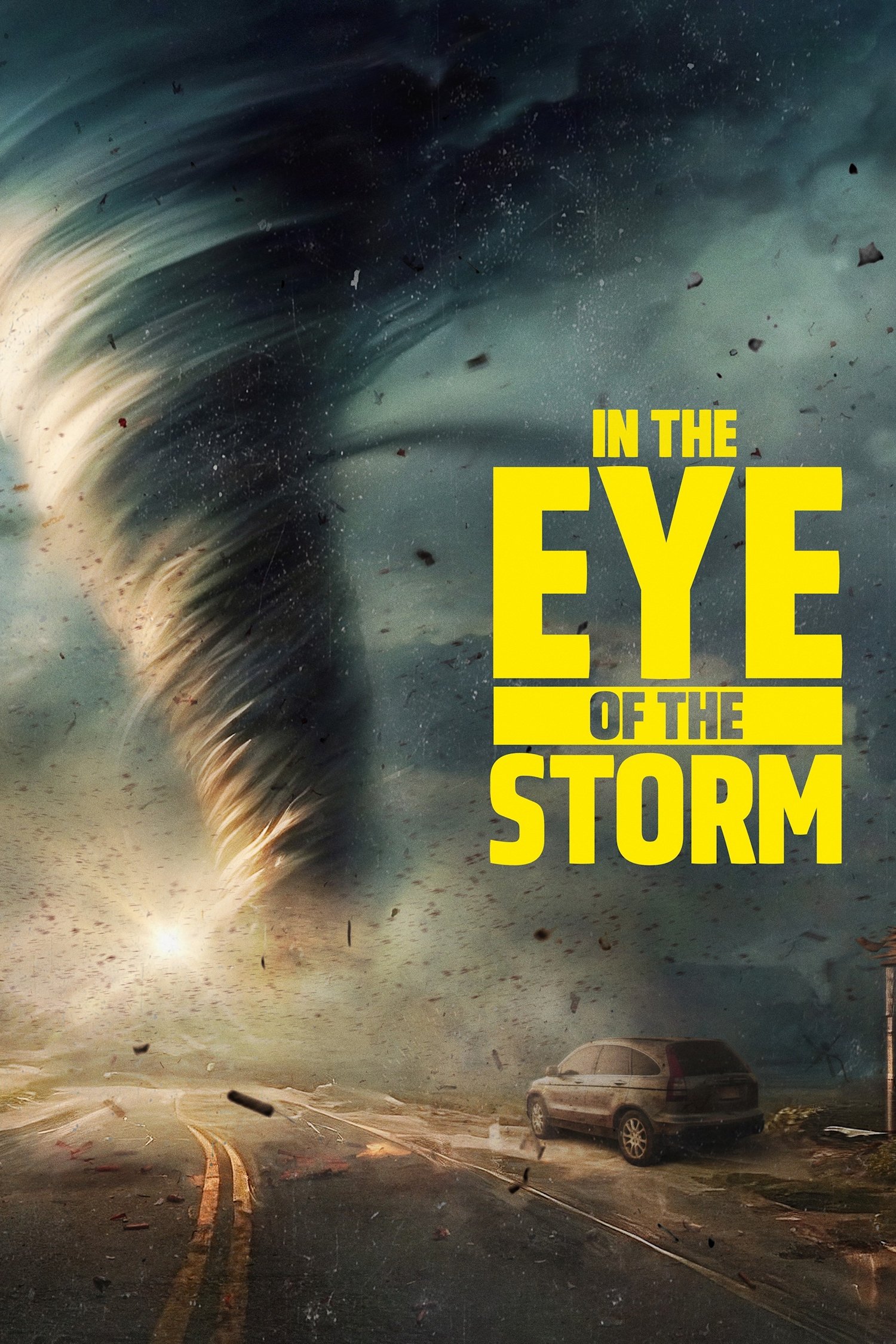
This series reveals recent natural disasters as they happened in real-time through footage captured by eyewitnesses who found themselves in the wrong place at the right time and boldly held up their camera phones to capture the eye of the storm.
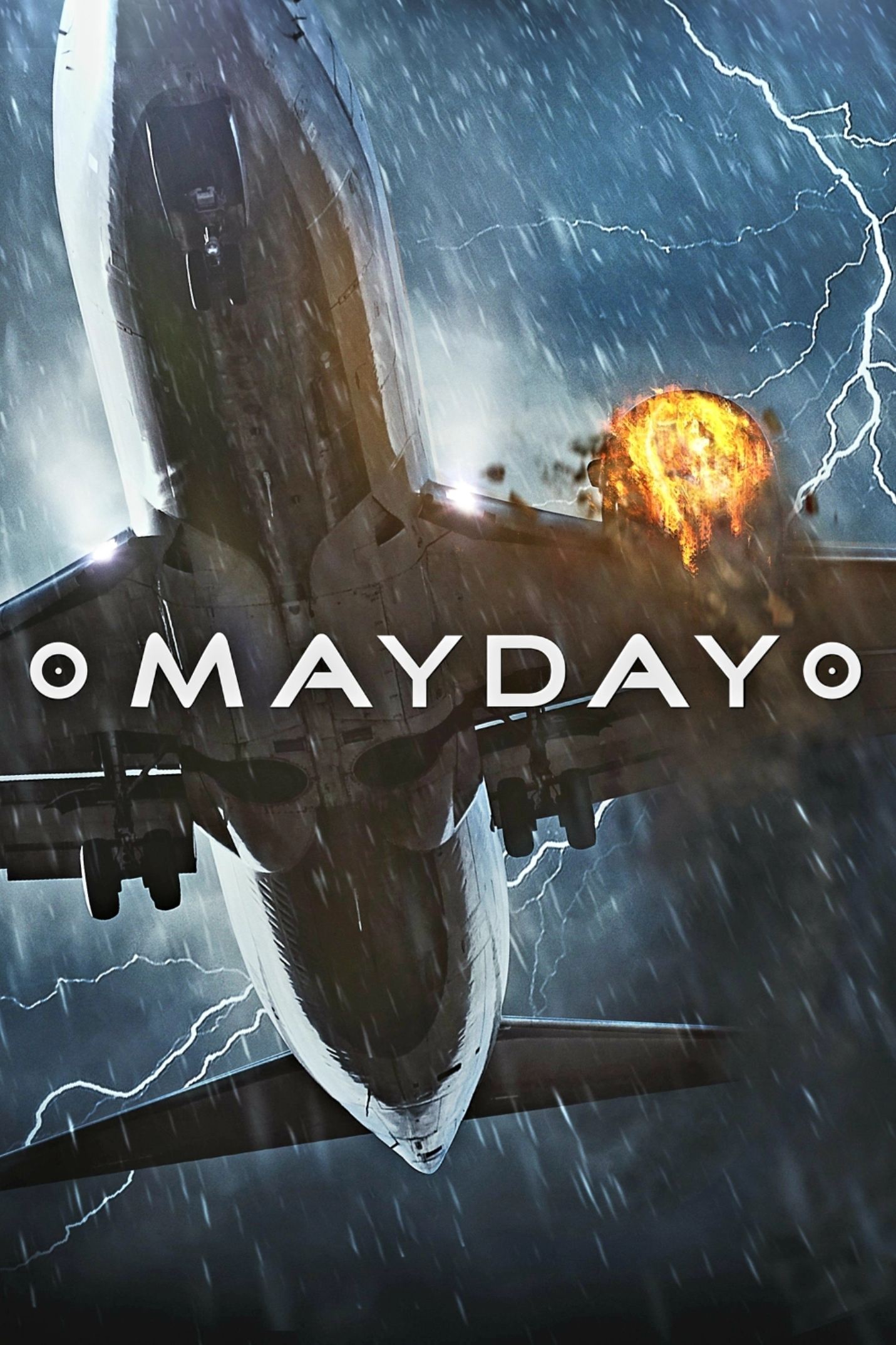
Major real-life air disasters are depicted in this series. Each episode features a detailed dramatized reconstruction of the incident based on cockpit voice recorders and air traffic control transcripts, as well as eyewitnesses recounts and interviews with aviation experts.
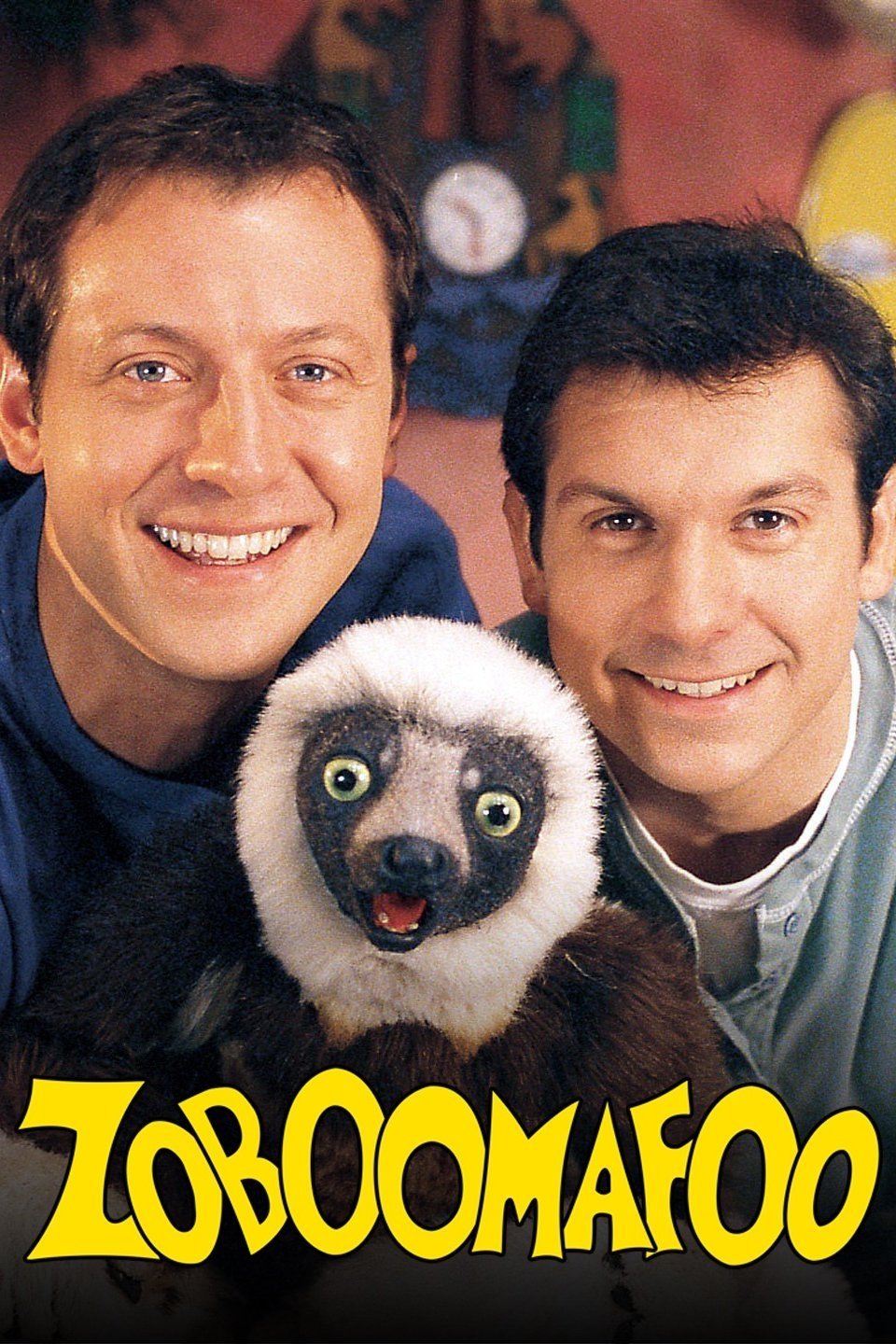
Zoboomafoo is an American children's television series that aired from January 25, 1999, to April 28, 2001, and is still shown today in syndication depending on the area, and it is regularly shown on PBS Kids Sprout. A total of 65 episodes were aired. A creation of the Kratt Brothers, it features a talking Coquerel's Sifaka, a type of lemur, named Zoboomafoo, or Zoboo for short, and a collection of repeat animal guests. Every episode begins with the Kratt brothers in "Animal Junction", a peculiar place in which the rules of nature change and wild animals come to visit and play. After January 16, 2004, the show was pulled from its weekday airing on most PBS stations, though some continue to air the show.
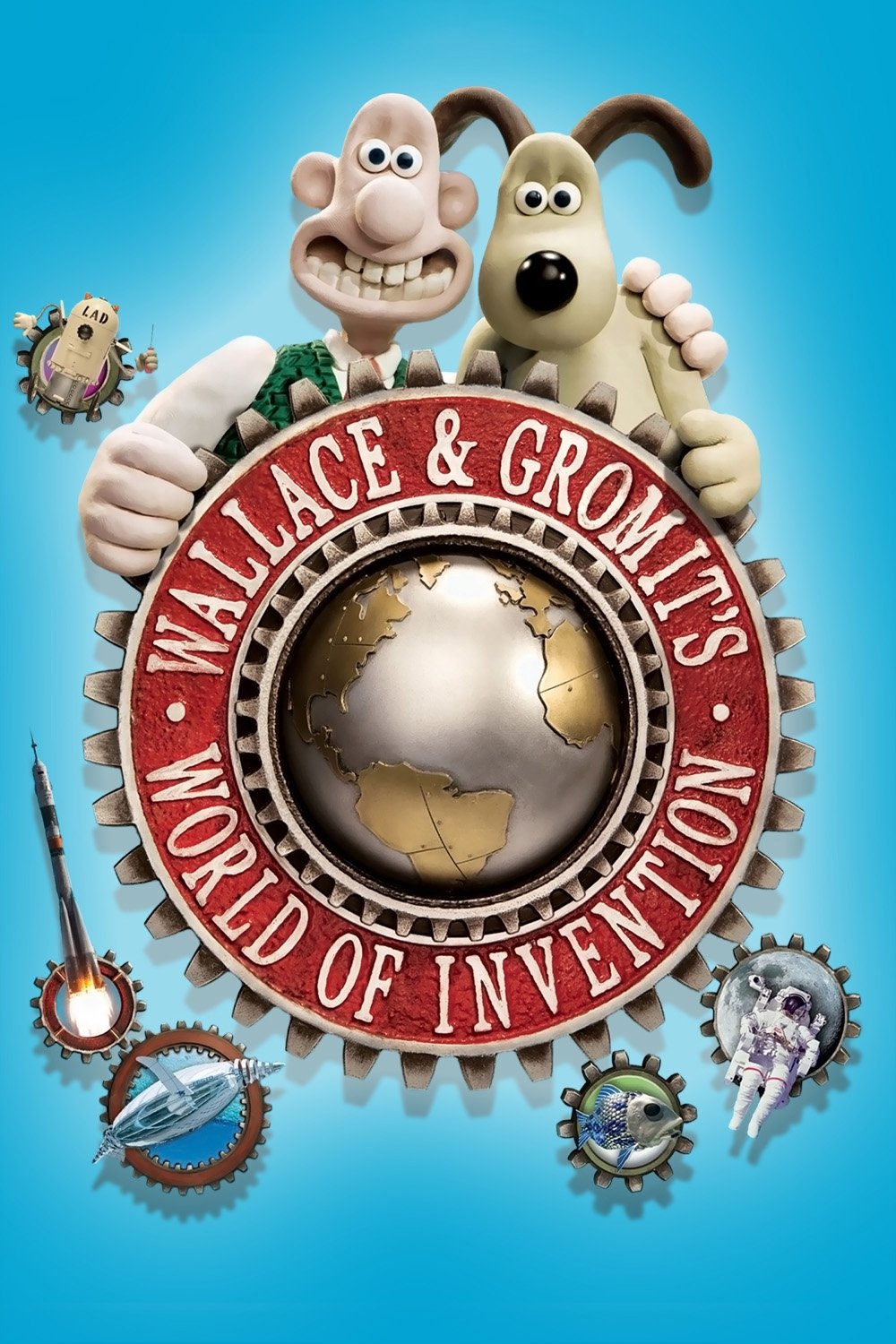
In the series, "Wallace will take a light hearted and humorous look at the real-life inventors, contraptions, gadgets and inventions, with the silent help of Gromit. The series aims to inspire a whole new generation of innovative minds by showing them real, but mind-boggling, machines and inventions from around the world that have influenced his illustrious inventing career" (the BBC press statement). Peter Sallis reprised his role as the voice of Wallace. The filmed inserts are mostly narrated by Ashley Jensen, with one in each episode presented in-vision by Jem Stansfield. John Sparkes also voices a portion in the unseen character of archivist Goronwy.
Explore the story of Jesus Christ through a unique lens: the people in his life who were closest to him. Each of the eight chapters is told from the perspective of different biblical figures, all of whom played a pivotal role in Jesus’ life including Joseph, John the Baptist, Mary Mother of Jesus, Caiaphas, Judas Iscariot, Pontius Pilate, Mary Magdalene and Peter.