Social & External
The story of an empire: From its founding in 1922 to its dissolution in 1991, the Soviet Union was shaped by revolutionary idealism, but also by oppression and decay. The USSR evolved from Stalinist terror through the Thaw under Khrushchev to political processes such as glasnost and perestroika under Gorbachev. Finally, in 1991, it collapsed.
He came. He saw. He conquered. The tale of an ambitious power-grab that turned to tyranny. How Julius Caesar dismantled five centuries of ancient Roman democracy in just 16 years.
Do you know the real story behind the New Testament? We all share a fascination for discovering ‘the rest of the story.’ Through reading the New Testament we discover that God indeed keeps his promises, but those promises don’t always look like what people expected. Especially when it comes to Jesus. Join well-known Bible scholars N.T. Wright and Michael F. Bird as they team up to take you on a tour of the explosive story behind the story of the New Testament.
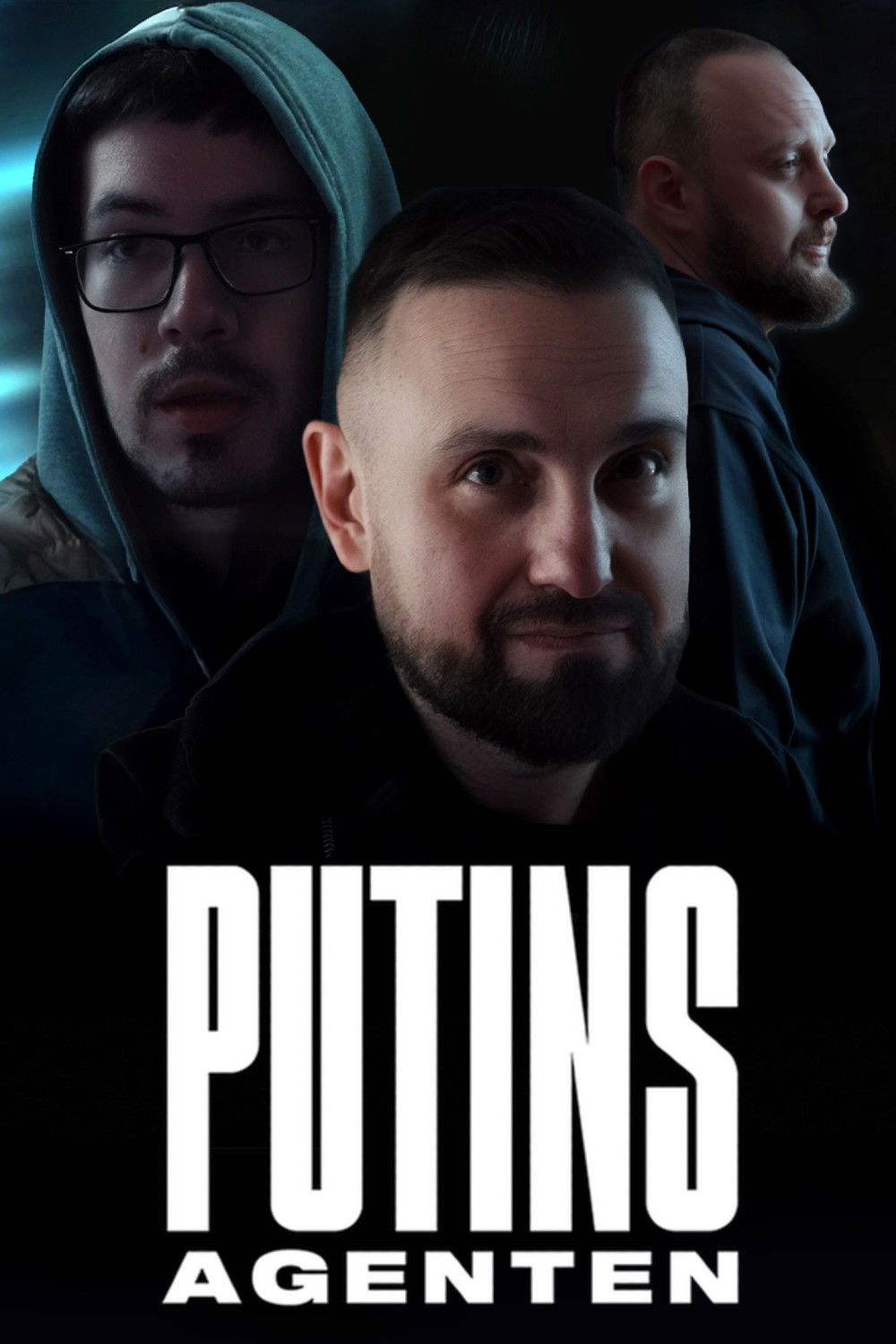
This three-part investigative documentary follows former members of Russian intelligence who reveal how the Kremlin’s spy networks operate. Through insider testimony and expert analysis, it examines recruitment methods, covert missions, cyber operations, and the mechanisms used to silence opposition and project influence abroad under Vladimir Putin’s rule.
This stylish mix of documentary and historical epic chronicles the reign of Commodus, the emperor whose rule marked the beginning of Rome's fall.
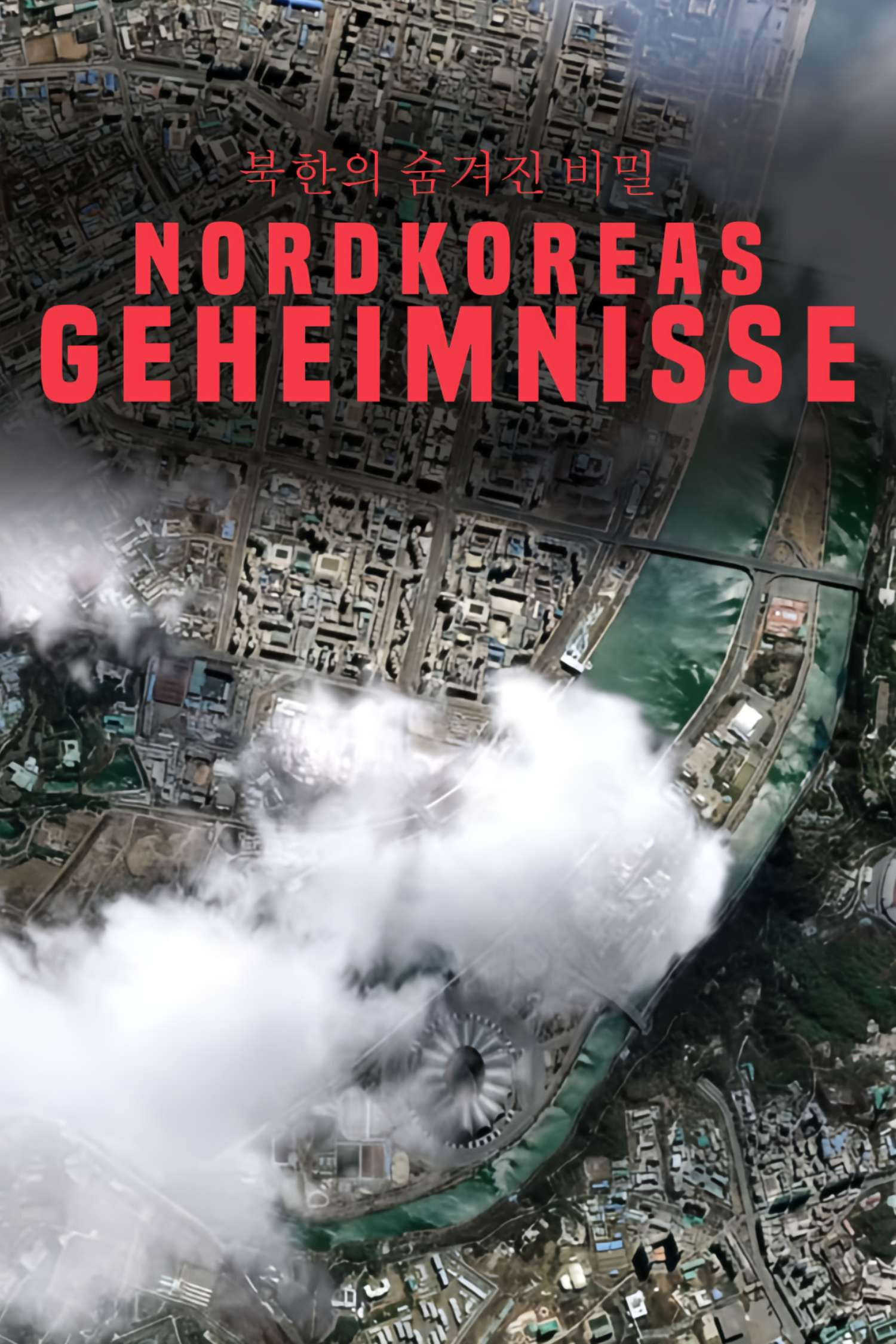
North Korea's Secrets offers a comprehensive look into the secretive regime of Kim Jong-un. The first episode, The Dictator's Weapons, explores North Korea's rise as a nuclear power, its growing alliance with Russia, and the human cost of the regime's military buildup. The second episode, A Glimpse into a Closed Country, presents the stories of four defectors who share their experiences of oppression, forced labor, and survival. Satellite images reveal the stark contrast between the elite's luxurious life and the majority's suffering, painting a vivid picture of life in North Korea under Kim Jong-un's rule.
Turning points in ancient Roman history and some of the Empire's greatest stories are brought to life in this drama documentary series.
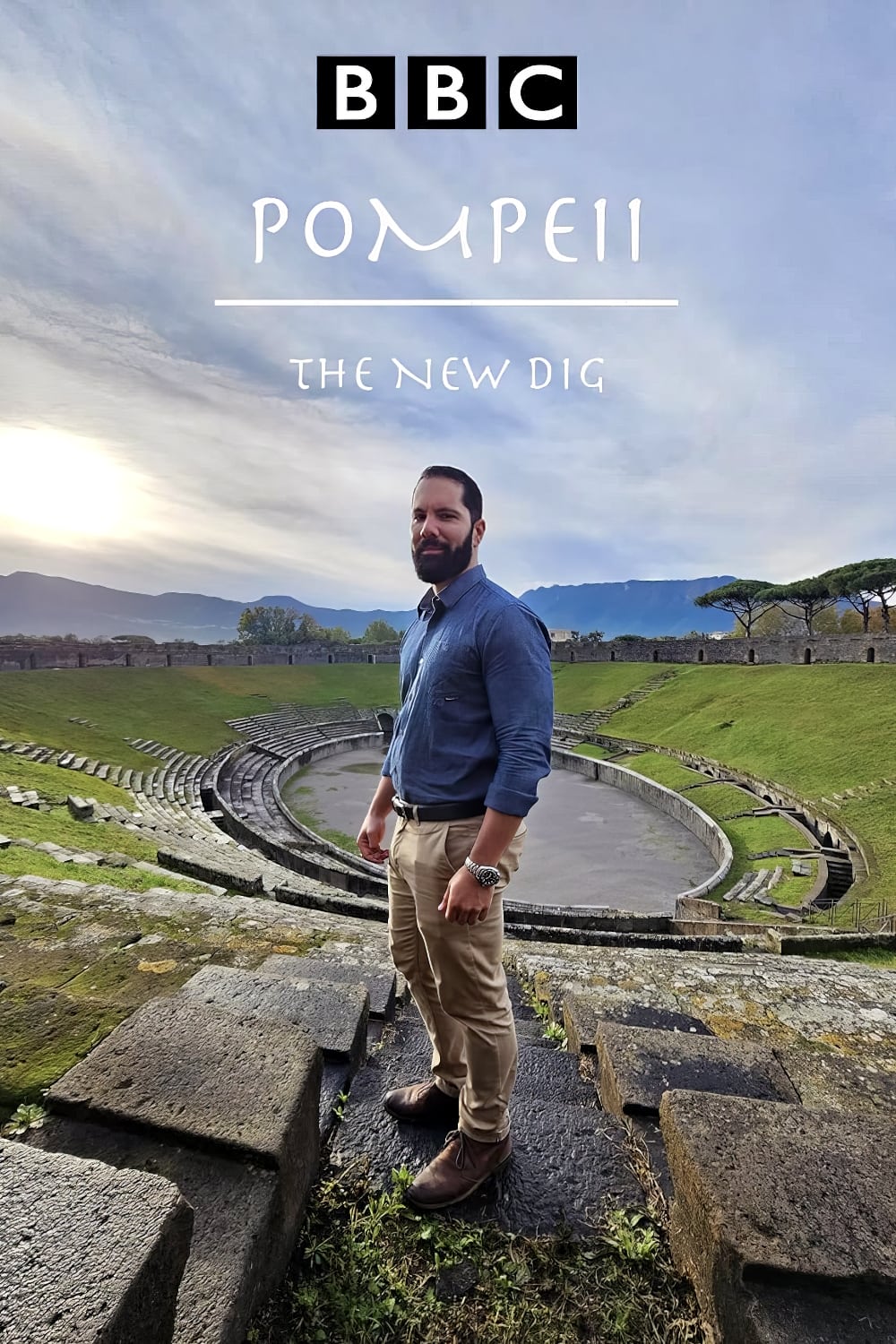
Following the biggest archaeological excavation in Pompeii for a generation. Exciting discoveries and fresco-inspired animations tell the story of life in Pompeii AD 79.
In this eight-part documentary, Roman engineering expert Isaac Moreno Gallo takes you on a tour through the different techniques and architectural elements that gave shape and life to the Roman Empire.
Darius Arya investigates the origins and growth of the Roman Empire through sites, stories and new archaeological insights.
Professor Mary Beard looks beyond the stories of emperors, armies, guts and gore to meet the everyday people at the heart of Ancient Rome's vast empire.
Forbidden love blossoms in the city of Pompeii, which until the eruption of volcano Vesuvius in 79 AD, is one of the empire's most powerful cities.
Supported by stunning 3D graphics, Dr. Darius Arya explains the purpose and architectural significance of ancient Roman buildings.
The 1950s and 1960s witnessed an unprecedented surge in space exploration, led by the USA and the USSR. This rivalry aka the ‘Space Race’ – climaxed with the greatest technological achievement in human history: the Apollo Moon Landings. The doc recaptures the drama of this competition for supremacy, which went on to define the nuclear age and explores the uneasy alliance between visionary rocket engineers and politicians’ desire for military supremacy. From the first satellite to the first man on the moon, and its impact on the Cold War, the doc shows how the race was about more than missiles: it was also a question of surveillance, espionage, and the possibilities for living in space.
The history of Rome is a 1,000-year-long epic, filled with murder, ambition, betrayal and greed and encompassing such legendary characters as Rome’s Iron Age founders Romulus and Remus and its greatest general Julius Caesar. Larry is accompanied by some of Europe and America’s foremost classical experts who reveal the atmosphere of intrigue, conflict and violence at the places where the saga unfolded.
Witness a fascinating account of a nation's efforts to become progressive and prosperous.
A three-part factual drama investigating the influence of Big Tech and the billionaires behind the world’s largest social-media platforms. Through the experiences of platform creators, victims of online disinformation and former insiders who challenge the companies, it explores how algorithms may drive addiction, damage mental health, spread false information and weaken democracy.
Jakarta Is Sinking, the Sea Is Rising - Why Were the Warnings Ignored? Scientists warned of the consequences of industrialization as early as the 19th century. Yet political and economic interests repeatedly delayed effective climate action. Through compelling historical testimony, this account traces decades of missed warnings and asks when the consequences of inaction will finally become impossible to ignore.
Infographics and archival footage deliver bite-size history lessons on scientific breakthroughs, social movements and world-changing discoveries.
TV's most-watched history series brings to life the compelling stories from our past that inform our understanding of the world today.
Using highly advanced colourisation techniques, critical moments from World War II, from Stalingrad to The Battle of Britain, are shown in a whole new light.
The American Revolution was at once a war for independence, a war of conquest, a civil war, and a world war, fought by neighbors on American farms and between global powers an ocean or more away. It impacted millions from Vermont’s Green Mountains to the swamps of South Carolina, from Indian Country to the Iberian Peninsula. In defeating the British Empire and giving birth to a new nation, the American Revolution turned the world upside-down. Thirteen colonies on the Atlantic Coast united in rebellion, won their independence, and established a republic that still endures. The American Revolution will present the story of the men and women of the Revolutionary generation, their humanity in victory and defeat, and the crisis that they lived through.
World War II In Colour is a 13-episode television documentary miniseries recounting the events of World War II narrated by Robert Powell. The show covers the Western Front, Eastern Front, and the Pacific War. It is on syndication in America on the Military Channel. This series is in full color, combining both original and colorized footage.
Don Wildman unearths relics from the world's greatest institutions to reveal secrets from the past. He examines each artifact to illuminate history's most incredible triumphs, sensational crimes and bizarre encounters.
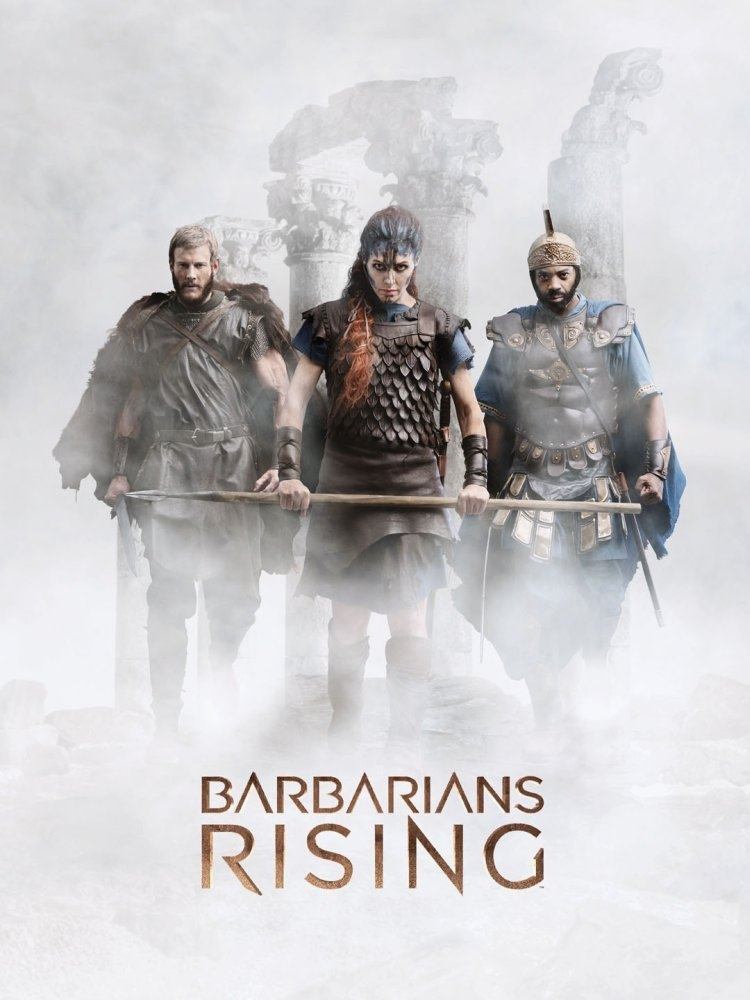
Told from the perspective of the rebel leaders, the series chronicles a wave of rebellions against absolute power by those the Roman Empire called “barbarians” – tribes they viewed as beyond the fringe of civilization that lived a brutish and violent existence. But these also were men and women who launched epic struggles that shaped the world to come with a centuries-long fight to defeat the sprawling empire.
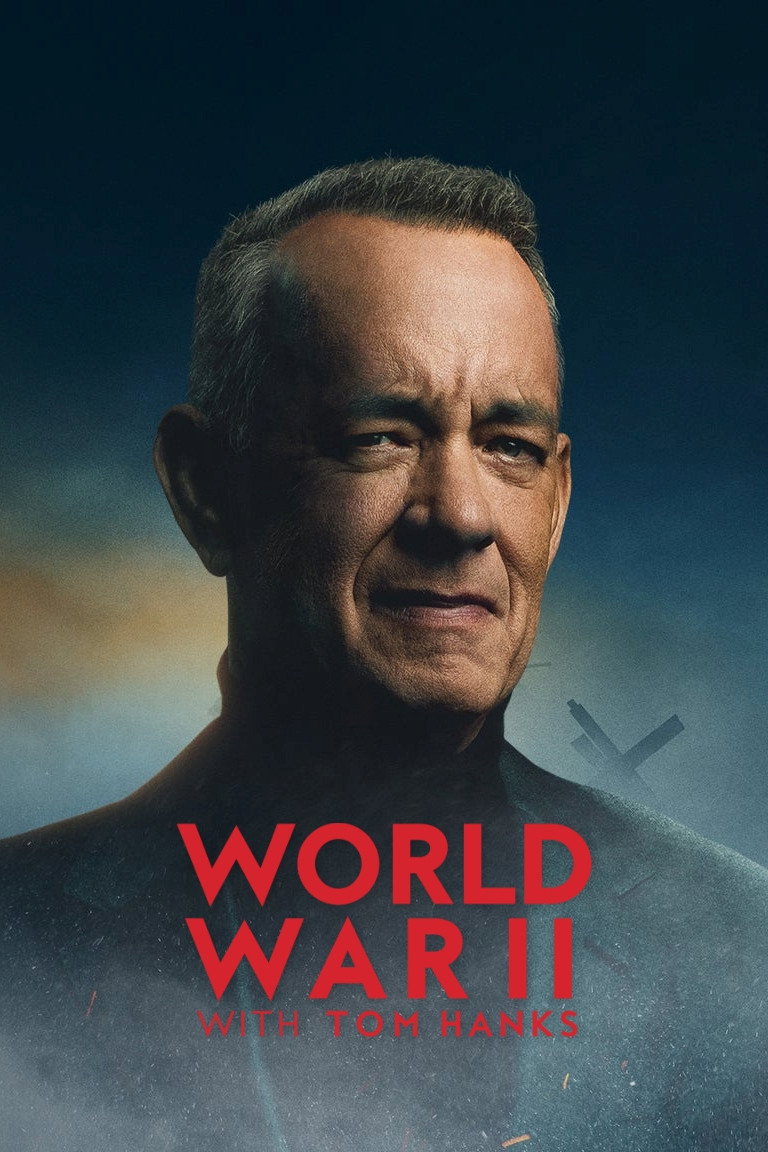
Explores WWII from Germany's invasion of Poland through the atomic age, examining pivotal battles, wartime leaders like Churchill and Roosevelt, and the human cost of total war.
The history of the sport of baseball in America, told through archival photos, film footage, and the words of those who contributed to the game in each era. Writers, historians, players, baseball personnel, and fans review key events and the significance of the game in America's history.
A documentary on the American Civil War narrated by Ken Burns, covering the secession of the Confederacy to the assassination of Abraham Lincoln.
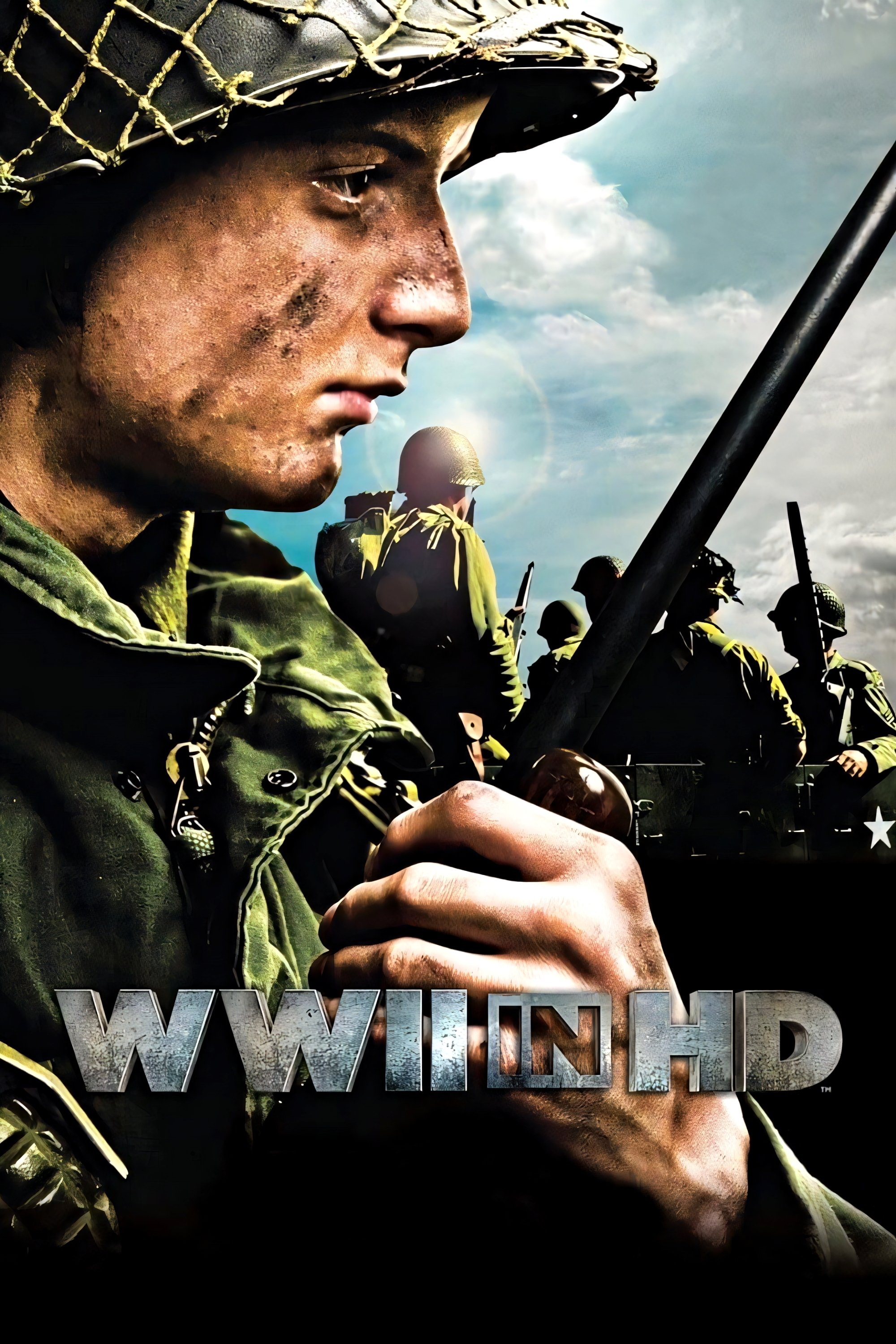
WWII in HD is a 10-part American documentary television miniseries that originally aired from November 15 to November 19, 2009 on the History Channel. The program focuses on the firsthand experiences of twelve American service members during World War II, including an Army nurse, a member of the Tuskegee Airmen, a second generation Japanese American and prisoner of war, and an Austrian Jewish immigrant. The twelve members recorded their time in both theaters and some had later interviews; found footage from the battlefield was paired with the stories of the twelve service members. The episodes premiered on five consecutive days, with two episodes per day. The series is narrated by Gary Sinise and was produced by Lou Reda Productions in Easton, Pennsylvania, United States.
A documentary series that gives a historical account of the events of World War II, from its roots in the 1920s to the aftermath and the lives it profoundly influenced.
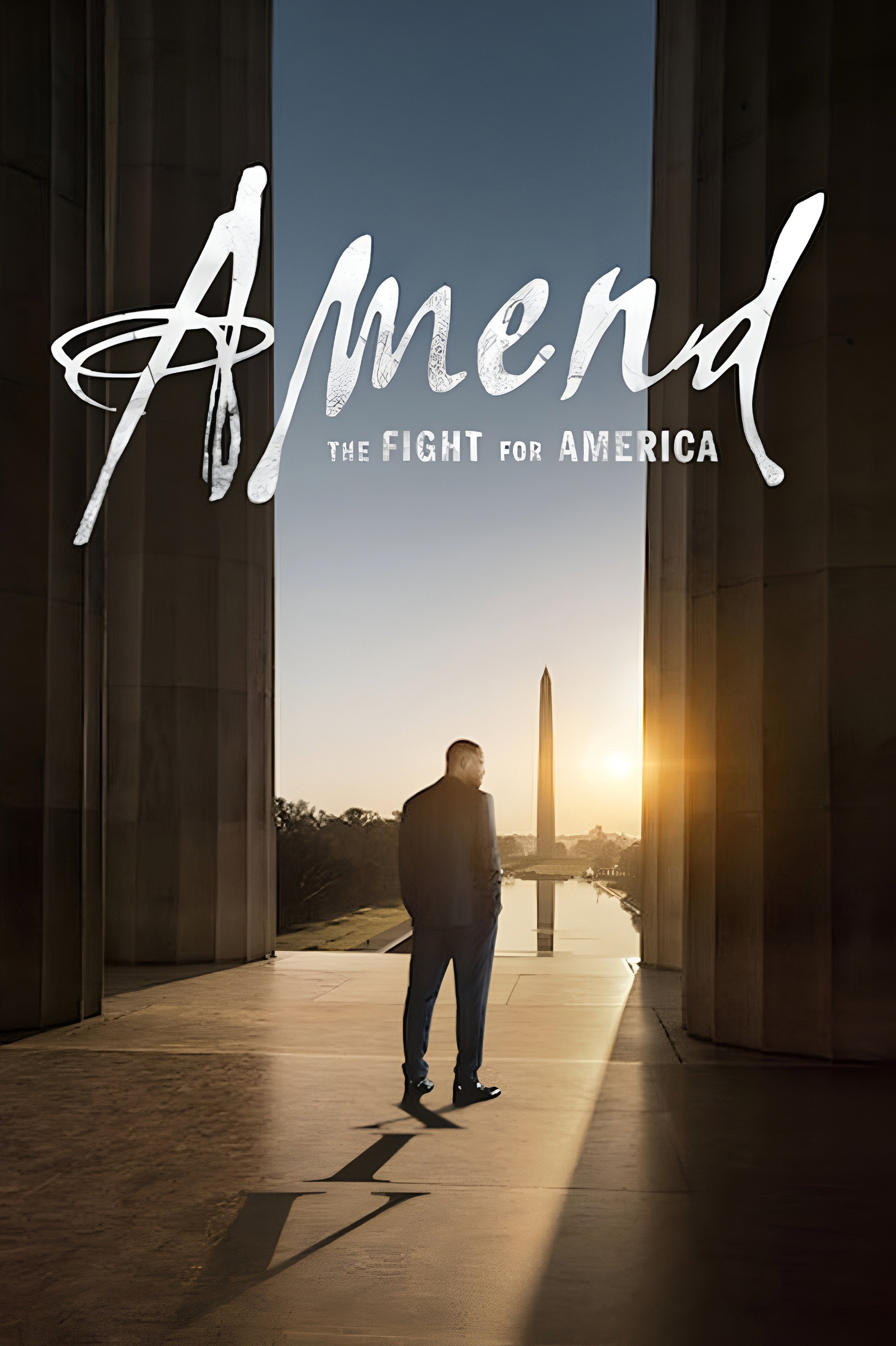
Will Smith hosts this look at the evolving, often lethal, fight for equal rights in America through the lens of the US Constitution's 14th Amendment.
Part detective story, part true-life drama, long-running series explores some of the most iconic moments in history to debunk myths and shed new light on past events. Using the latest investigative techniques, forensic science and historical examination, it shatters accepted wisdom, challenges prevailing ideas, overturns existing hypotheses, spotlights forgotten mysteries, and ultimately rewrites history.
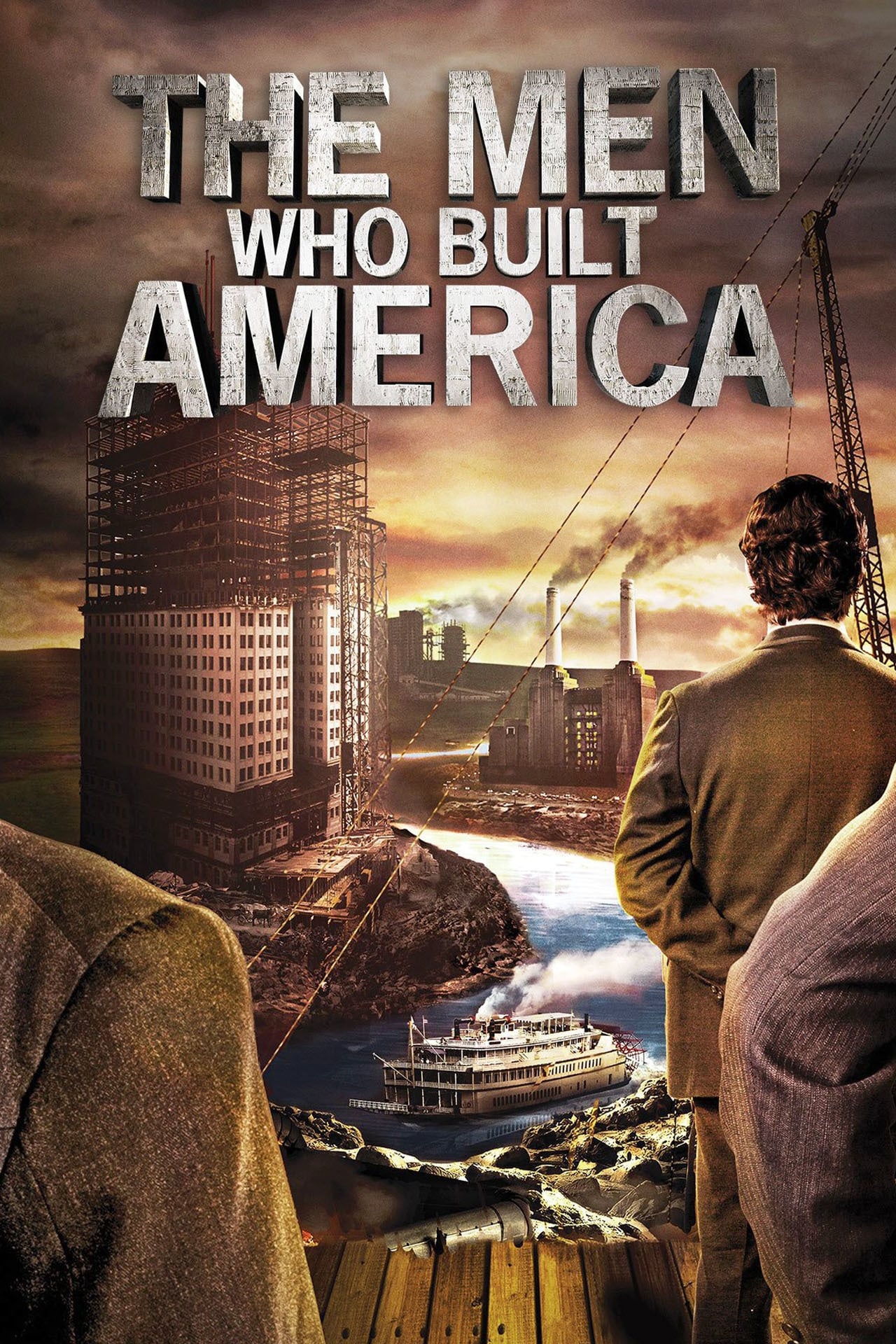
Influential builders, dreamers and believers whose feats transformed the United States, a nation decaying from the inside after the Civil War, into the greatest economic and technological superpower the world had ever seen. The Men Who Built America is the story of a nation at the crossroads and of the people who catapulted it to prosperity.
Explore the history of the American LGBTQ movement through the lens of TV in this five-part docuseries. Combining archival footage with new interviews, the series looks at homophobia, the evolution of LGBTQ characters, and coming out in the TV world.
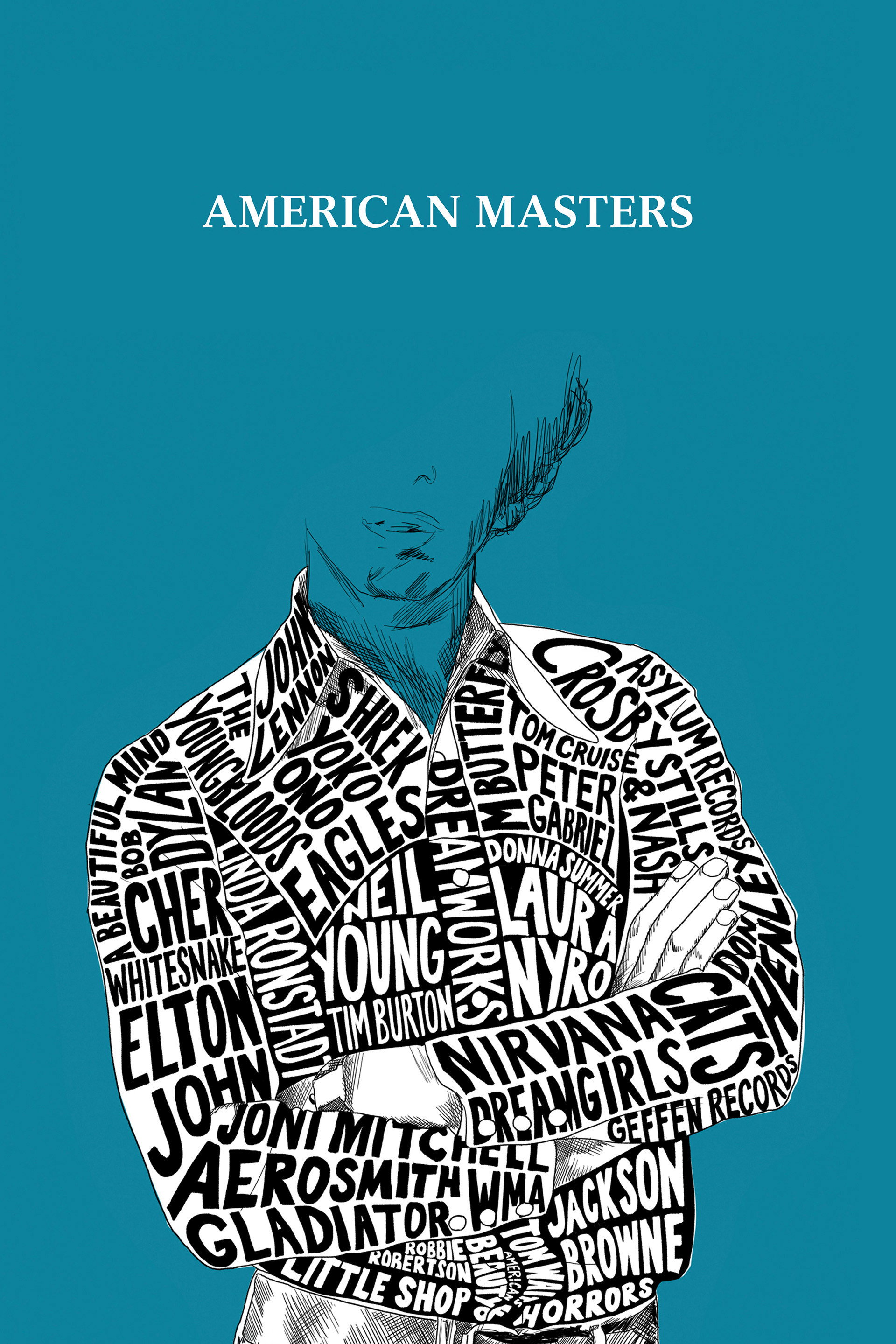
American Masters is a PBS television series which produces biographies on enduring writers, musicians, visual and performing artists, dramatists, filmmakers, and others who have left an indelible impression on the cultural landscape of the United States.
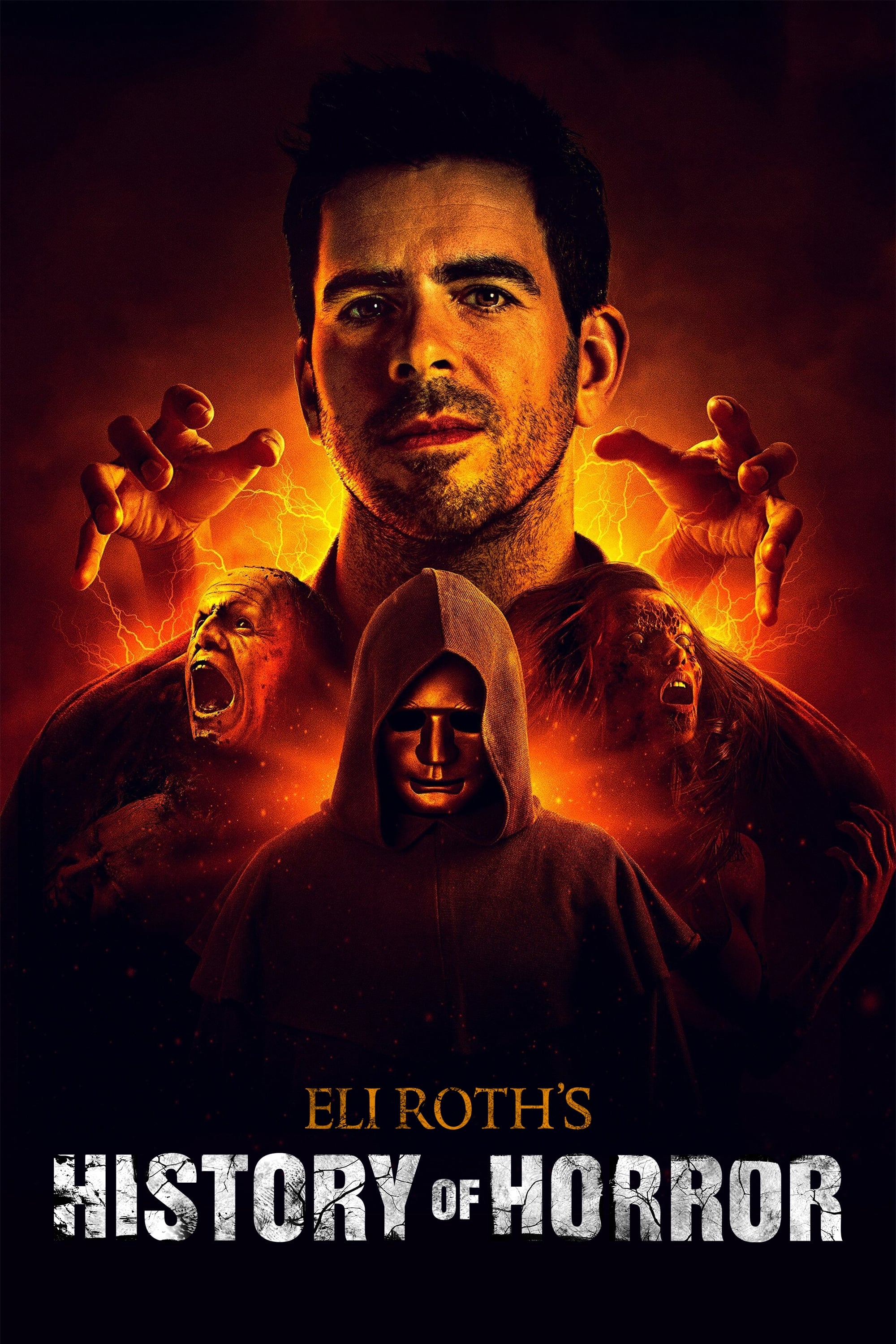
An in-depth look at the history and pop cultural significance of horror films.
Consistently stunning documentaries transport viewers to far-flung locations ranging from the torrid African plains to the chilly splendours of icy Antarctica. The show's primary focus is on animals and ecosystems around the world. A comic book based on the show, meant to be used an as educational tool for kids, was briefly distributed to museums and schools at no cost in the mid-2000s.