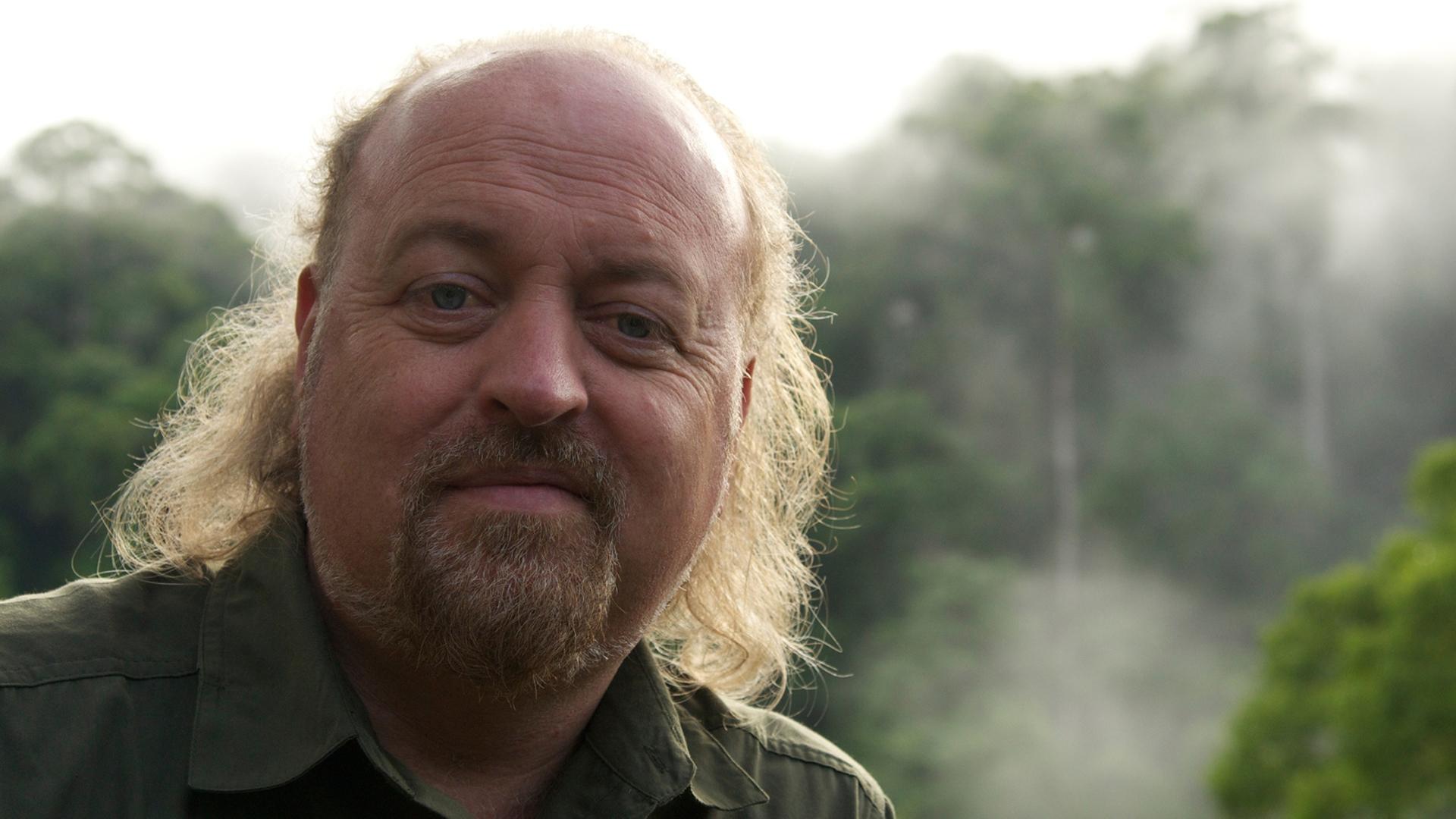
Bill meets wildlife in Borneo and Indonesia to tell the story of Darwin's rival Wallace.
Social & External
The people behind it
Bill Bailey
Himself - Presenter
All In Earth's 4 billion year history, nature has solved all of lifes problems, from the highest mountain to the deepest ocean. Evolution is the ultimate inventor and many of mans most clever engineering solutions have exact counterparts in nature. In three amazing episodes, NatureTech views our world with fresh eyes, where nature and technology stand hand in hand.
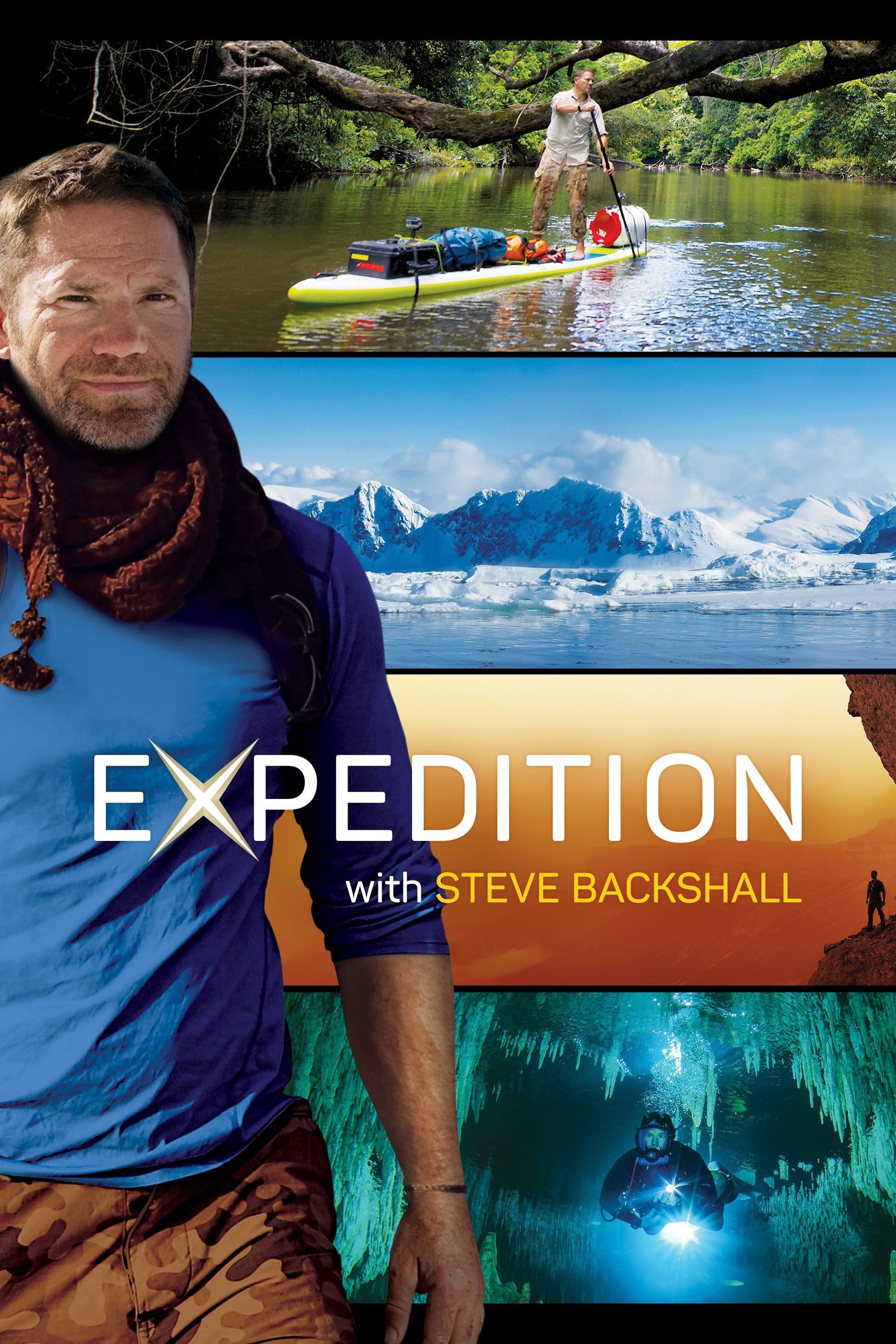
The naturalist visits uncharted territory in pursuit of new discoveries. Steve Backshall takes on physical challenges, encounters extraordinary wildlife and meets remarkable people.
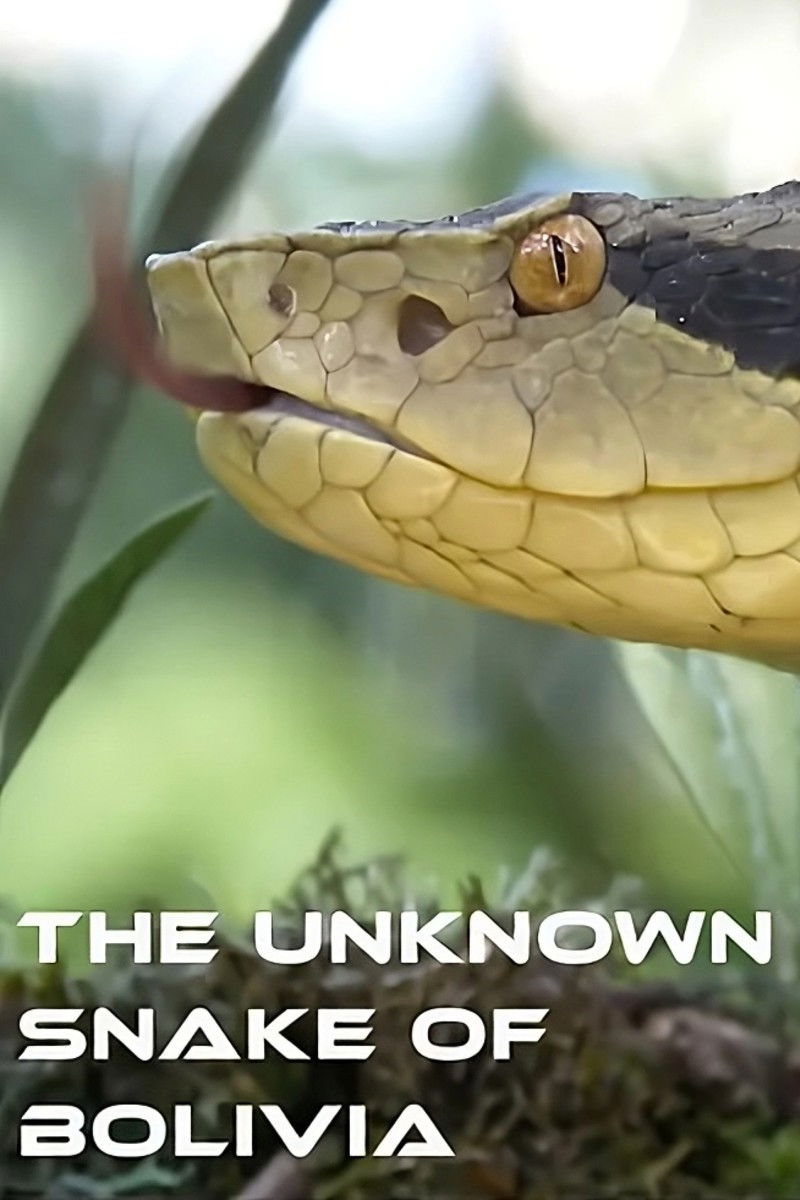
A thrilling expedition across Bolivia in search of the most venomous snakes in this remote country. The main goal is to discover a new species unknown to science: a large pitviper that has not been classified yet. It will be tracked down and filmed alive for the first time. Spanish herpetologists Juan Timms and Jairo Cuevas embark on a perilous expedition across remote Bolivia, determined to capture the country's most venomous snakes. Their ultimate prize? Discovering a new, unclassified species of massive pitviper, known only from a single photograph.
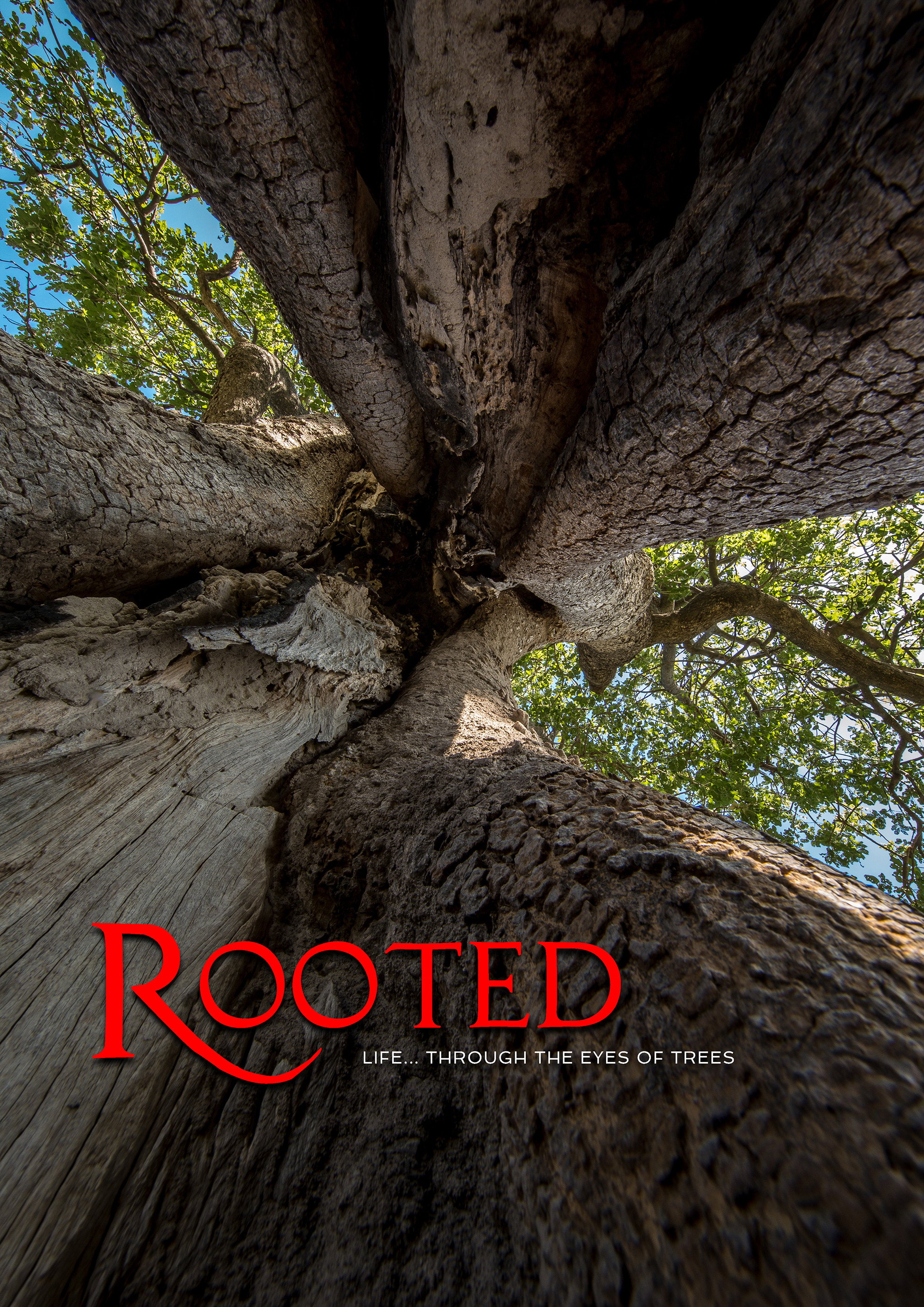
Stories from the perspective of some of the world's oldest living creatures - trees. Each tree is located in a completely unique habitat around the world, and hosts, feeds and shelters an array of animals in its embrace.
Since the Big Bang 13.8 billion years ago, light has sculpted the cosmos. It traverses the void, interacts with matter, and dances with shadows. It multiplies and proliferates, offering the world ever more complex and luminous structures. If it could speak, what would it tell us?
An international team of scientists, cavers and wildlife filmmakers venture deep into the heart of the remote tropical island of New Guinea.
Biologist Patrick Aryee and physicist Helen Czerski go beyond the limits of human perception to explore the extraordinary and surprising world of animal senses.
The first months of an animal's life are crucial - if they lose their mothers, they'll need help. Meet the wild orphans getting a second chance, and those devoted to saving them.
David Attenborough celebrates the amazing variety of the natural world in this epic documentary series, filmed over four years across 64 different countries.
Life is a fragile thing. It changes and adapts so specifically to survive in the environment it's placed in. This ability to adapt is called evolution, and it's the reason that life has endured for the past few billion years. But evolution takes a long time, so when environments change too quickly for the inhabitants to keep up, the result is a drop in population or at the worst… extinction. And sometimes these changes can be so big that they affect the entire globe. Leading to some of the most catastrophic events in our planet’s history… mass extinctions. Content creator Angel of Death explores the five mass extinctions and the effects they had on life on earth in this five part miniseries.
Few countries in South America can boast to have such contrast and variety as Argentina. Diverse habitats such as Patagonia's bleak steppe, soaring Andean snowcaps, vast salt pans, lush rainforest around Iguazu Falls, steamy marshlands of Ibera, and grasslands of the Pampas support an astonishing range of wildlife - from penguins, whales and seals to condors, armadillos and guanacos.
David Attenborough embarks on a remarkable 500 million-year journey revealing the extraordinary group of animals that dominate our world, and how their evolution defines our human bodies.
The series will explore dynamics of life on the reef and beyond via a clown fish.
Profiles of some of the men who choose to live off the grid in the unspoiled wilderness, where dangers like mudslides, falling trees and bears are all part of everyday life.
David Attenborough reveals the surprising truth about the cold-blooded lives of reptiles and amphibians. These animals are as dramatic, as colourful and as tender as any other animals.
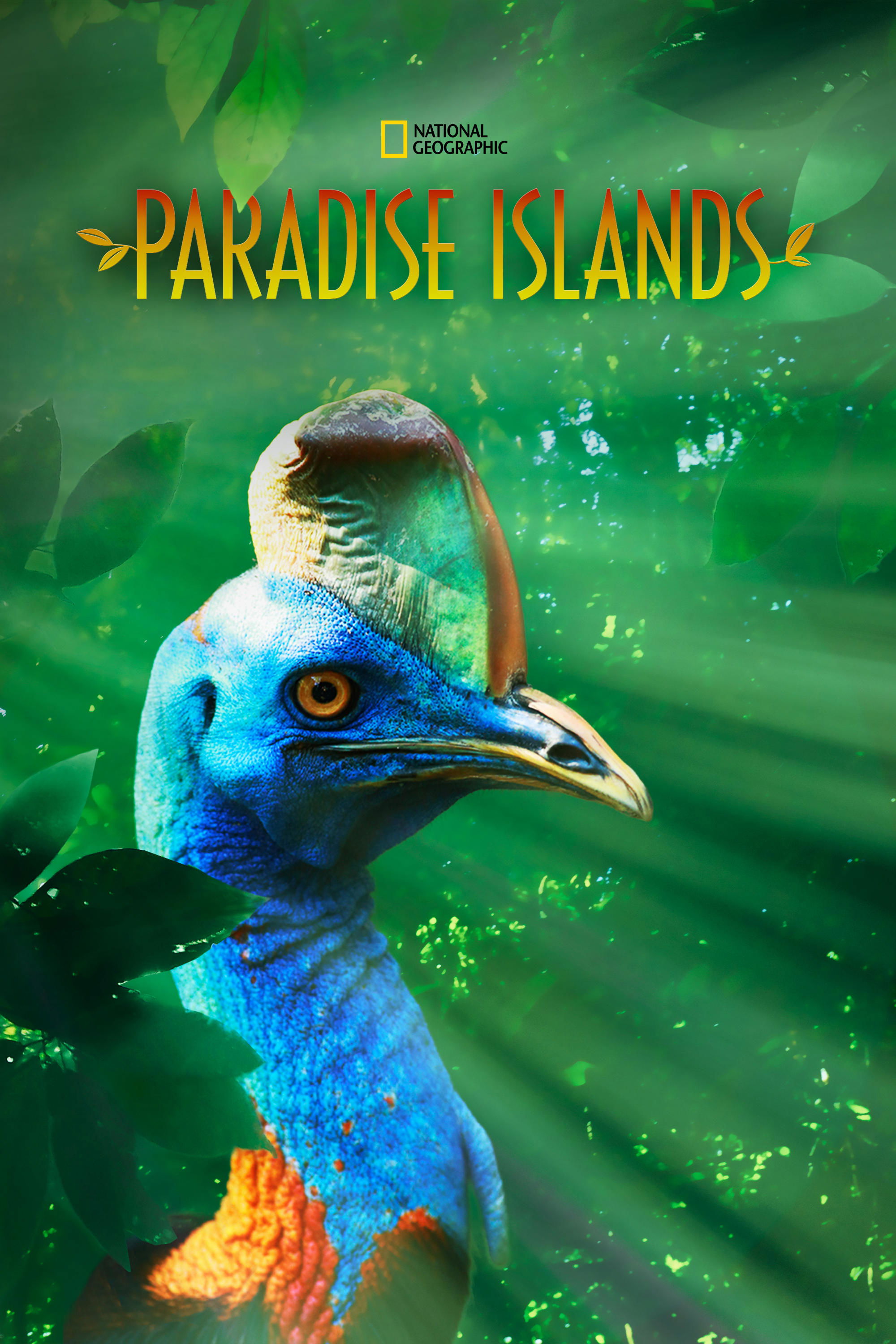
The tropical islands that lie between Asia and Australia are among the biologically richest on earth, and home to a vast number of plants and animals. From tree kangaroos to tarsiers, manta rays to mudskippers, the region abounds with life. But why? The answer lies deep in time, due to the many millions of years these islands have existed - and the power of the earth, the sun and the moon.
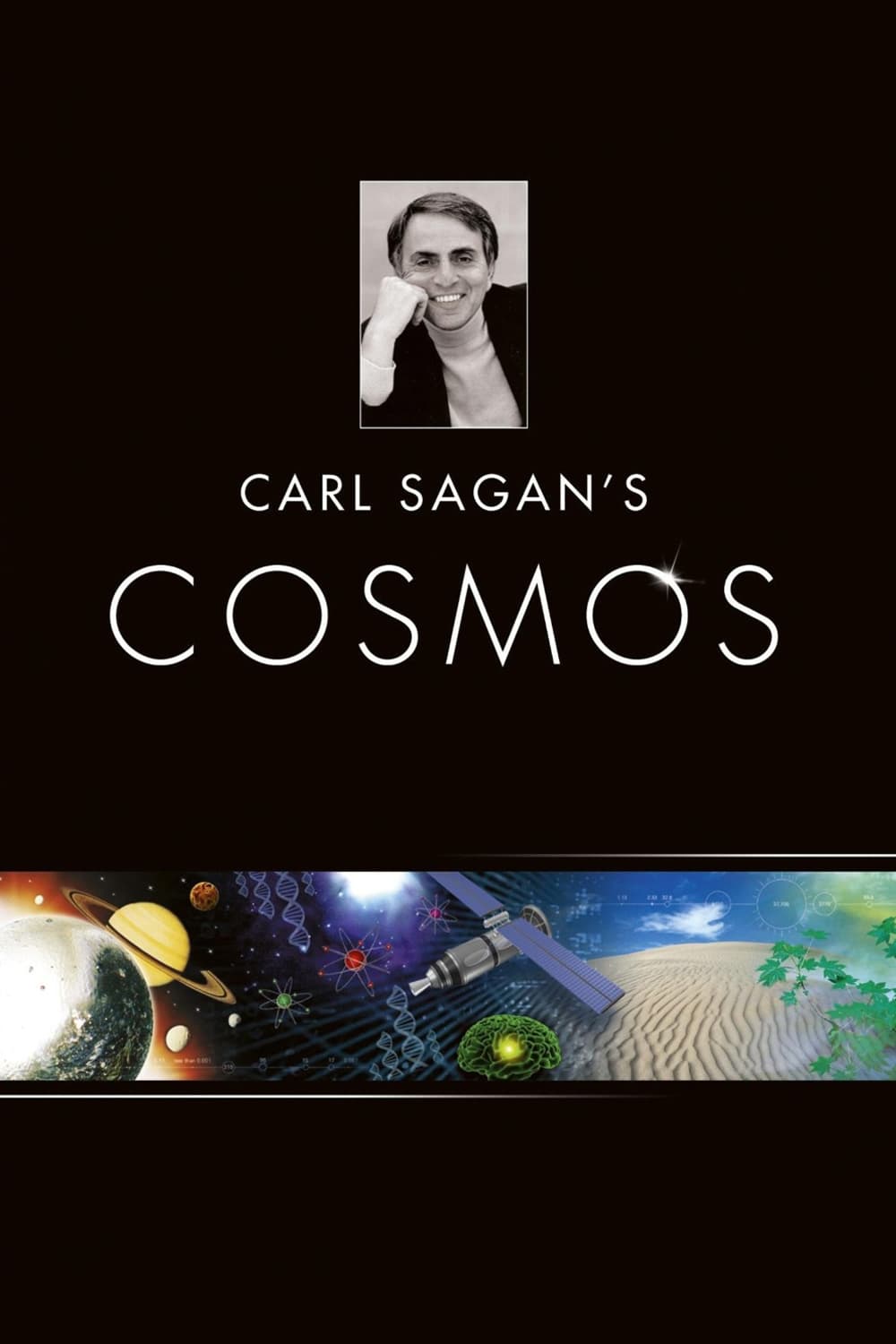
Carl Sagan covers a wide range of scientific subjects, including the origin of life and a perspective of our place in the universe.
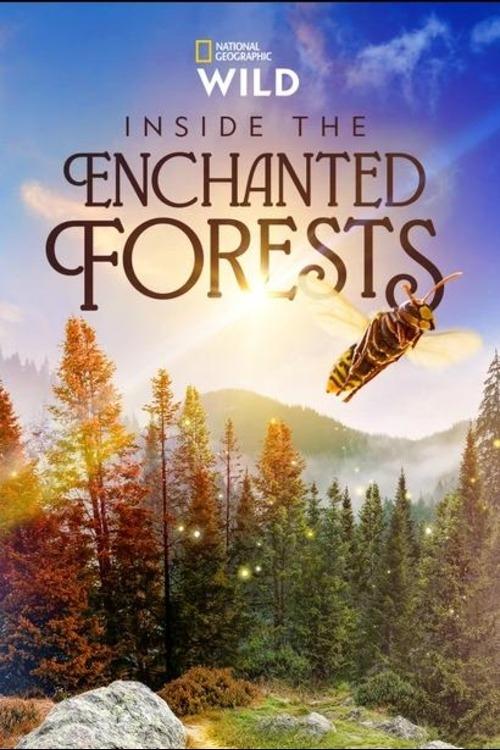
Traverse the planet’s richest, most diverse woodlands, from the tropics to the poles and everywhere in between. Get to know the wild residents of these magical ecosystems and learn how forests connect and nurture the lives of countless species.
Natural World is a nature documentary television series broadcast annually on BBC Two and regarded by the BBC as its flagship natural history brand. It is currently the longest-running series in its genre on British television, with more than 400 episodes broadcast since its inception in 1983. Natural World is produced by the BBC Natural History Unit in Bristol, but individual programmes can be in-house productions, collaborative productions with other broadcasters or films made and distributed by independent production companies and purchased by the BBC. Natural World programmes are often broadcast as PBS Nature episodes in the USA. Since 2008, most Natural World programmes have been shot and broadcast in high definition.
Physicist and professor Brian Cox travels across the globe to uncover the secrets of the most extraordinary phenomenon in the universe: life.
TV's most-watched history series brings to life the compelling stories from our past that inform our understanding of the world today.
David Attenborough presents a documentary series exploring how animals meet the challenges of surviving in the most iconic habitats on earth.
David Attenborough looks at the extraordinary ends to which animals and plants go in order to survive. Featuring epic spectacles, amazing TV firsts and examples of new wildlife behaviour.
Biography is a documentary television series. It was originally a half-hour filmed series produced for CBS by David Wolper from 1961 to 1964 and hosted by Mike Wallace. The A&E Network later re-ran it and has produced new episodes since 1987. The older version featured historical figures such as Helen Keller and Mark Twain, or long-dead entertainment figures such as Will Rogers or John Barrymore. The A&E series has placed the emphasis on such people as Marilyn Monroe, Elvis Presley, Plácido Domingo, Freddie Mercury, Jacqueline Kennedy Onassis, Eric Clapton, Pope John Paul II, Gene Tierney, Selena, Diego Rivera, Mao Zedong and Queen Elizabeth II, and fictional characters like The Phantom, Superman, Hamlet, Betty Boop, and Santa Claus. The program ended up profiling enough figures that in 1999, A&E spun it off into an entire network, The Biography Channel.
David Attenborough presents a nature documentary series looking at why mammals are the most successful creatures on the planet.
Experience the wonders of our world like never before in this epic series from Jon Favreau and the producers of Planet Earth. Travel back 66 million years to when majestic dinosaurs and extraordinary creatures roamed the lands, seas, and skies.
A vast community of chimpanzees thrives in a forest in Uganda, navigating complex social politics, family dynamics and dangerous territory disputes.
Award-winning actor and nervous explorer Eugene Levy steps out of his comfort zone for a whirlwind tour of the world's most beautiful and intriguing destinations.
A showcase of the wonders, secrets and fragilities of the Americas, narrated by Tom Hanks.
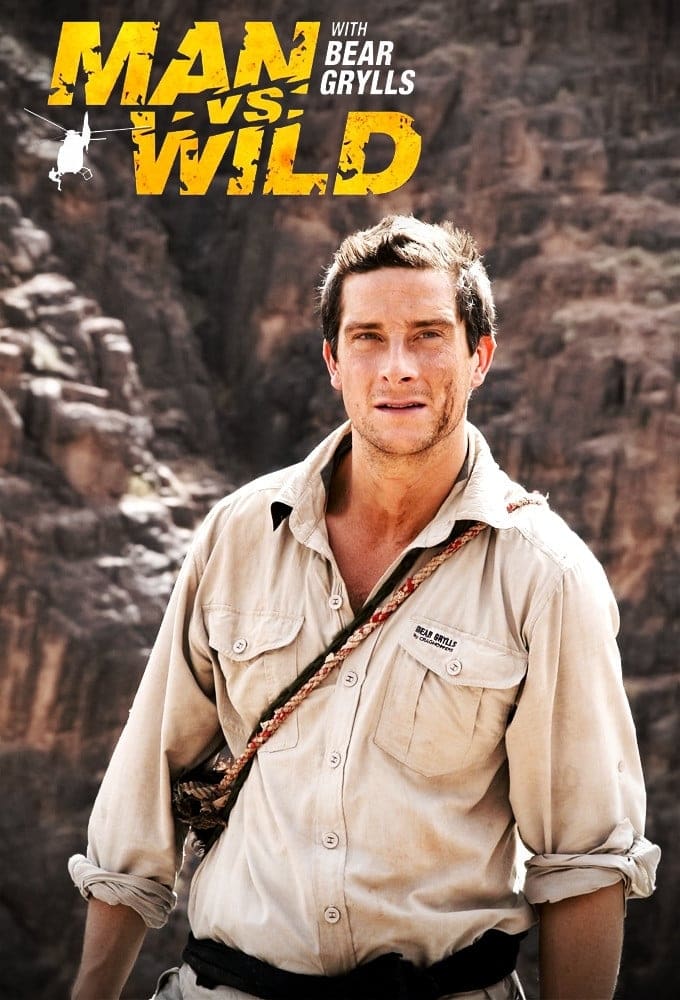
Bear strands himself in popular wilderness destinations where tourists often find themselves lost or in danger.
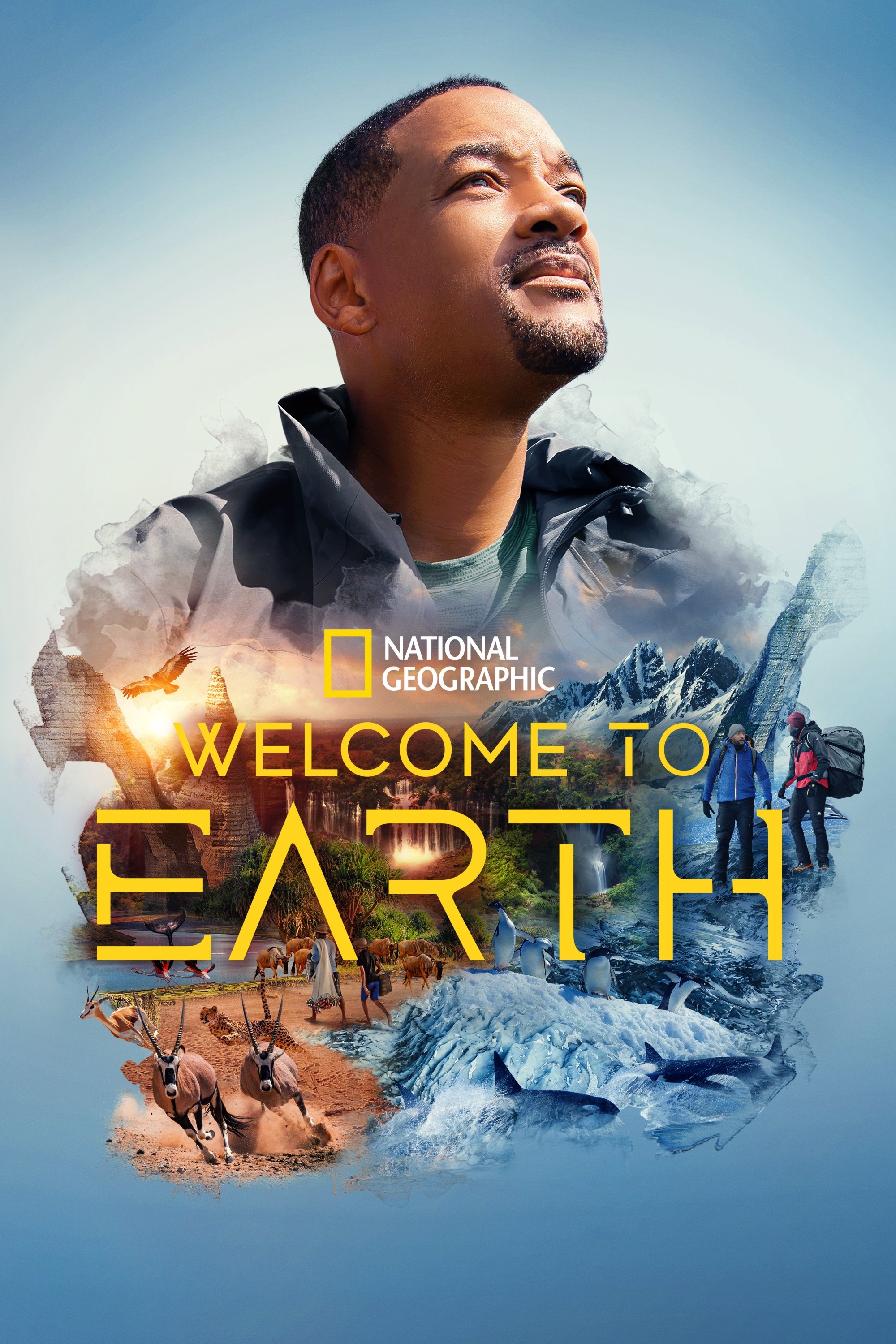
Will Smith whose curiosity and wonder is positively infectious—is guided by National Geographic Explorers traveling to different corners of the world to get up close and personal with the weirdest, most unusual, dangerous and thrilling spectacles of the planet.
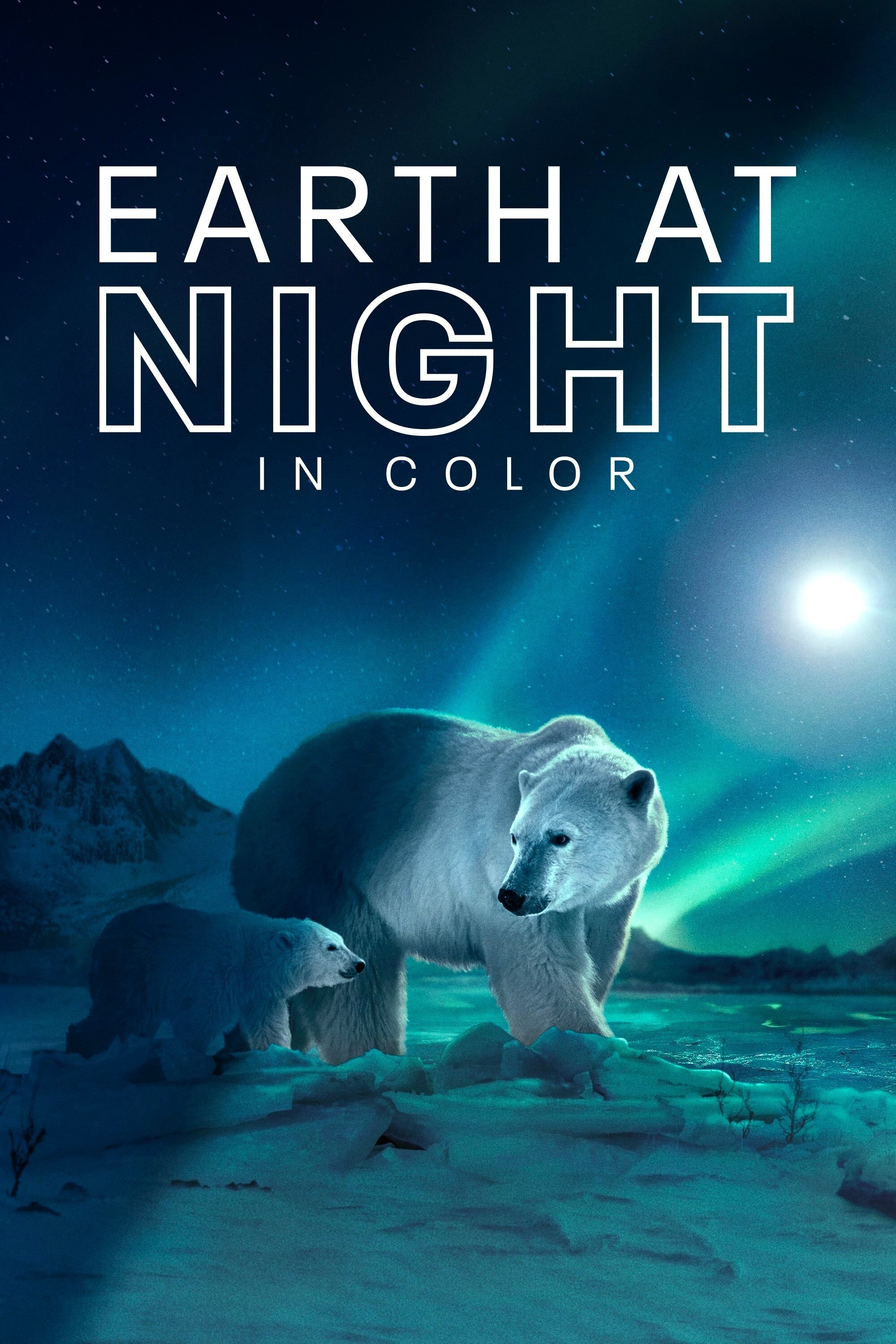
Filmed across six continents, this docuseries uses cutting-edge camera technology to capture animals' nocturnal lives, revealing new behaviours filmed in full color like never before.
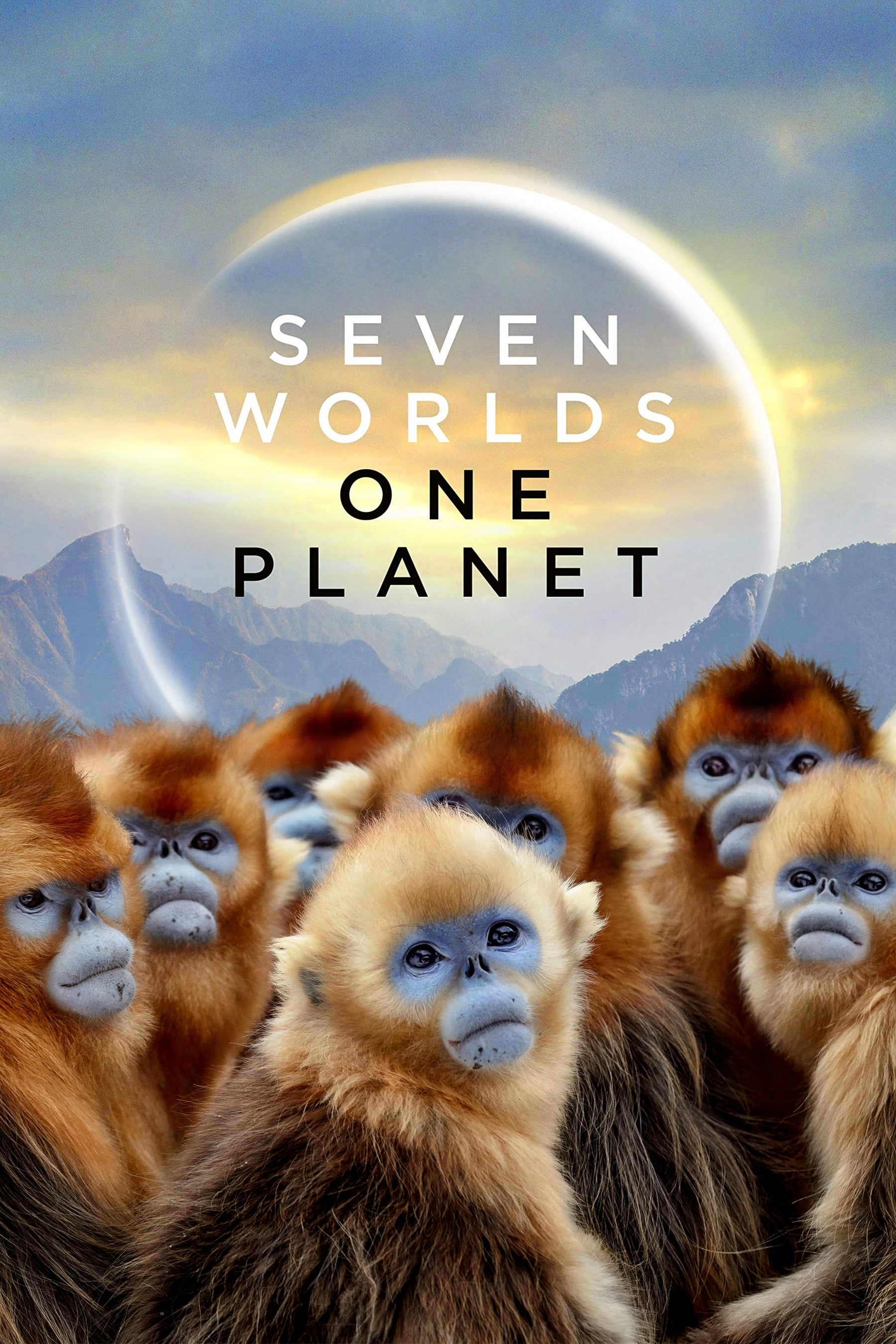
Millions of years ago, incredible forces ripped apart the Earth’s crust creating seven extraordinary continents. This documentary series reveals how each distinct continent has shaped the unique animal life found there.
Tom Hardy narrates this thrilling natural history series following five apex predators facing the ultimate test of survival in drastically changing environments across the globe.
Africa, the world's wildest continent. David Attenborough takes us on an awe-inspiring journey through one of the most diverse places in the world. We visit deserts, savannas, and jungles and meet up with some of Africa's amazing wildlife.
Australian host Steve Irwin and his wife Terri run a wildlife refuge. Their shared passion is educating the world about wildlife, including the much feared crocodile and numerous venomous snakes. Steve's specialty is the capture and relocation of crocodiles. No animal appears too threatening to Steve, his true respect for animals is the foundation for everything he does.
PBS' premier science series helps viewers of all ages explore the science behind the headlines. Along the way, NOVA demystifies science and technology, and highlights the people involved in scientific pursuits.
Consistently stunning documentaries transport viewers to far-flung locations ranging from the torrid African plains to the chilly splendours of icy Antarctica. The show's primary focus is on animals and ecosystems around the world. A comic book based on the show, meant to be used an as educational tool for kids, was briefly distributed to museums and schools at no cost in the mid-2000s.