"The Impostor"
La Impostora, is a Spanish-language telenovela presumably to be produced by United States-based television network Telemundo Studios, Miami.
Social & External
The people behind it
Lisette Morelos
Blanca Guerrero / Victoria San Marino "La Impostora"
Sebastián Zurita
Eduardo León Altamira
Christian Bach
Raquel Altamira Vda. de León
Manuel Landeta
Adriano Ferrer
Begoña Narváez
Mariana Serrano de Altamira
Jonathan Islas
Cristóbal León Altamira
Mauricio Hénao
Jorge Andrés León Altamira
Mimi Morales
Karina Acevedo
Alpha Acosta
Valentina Altamira / Leticia
Armando Silvestre
Don Leonidas Altamira
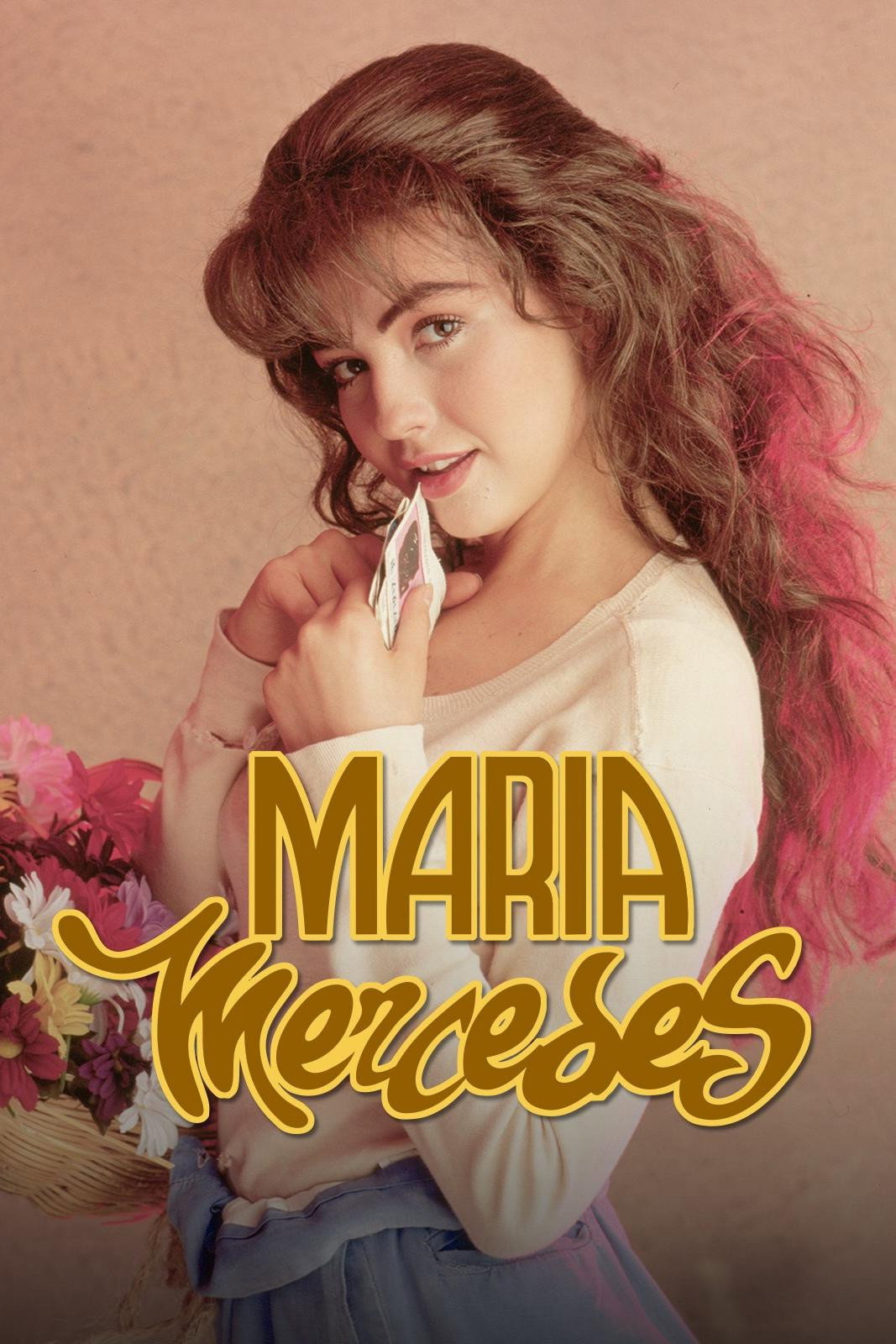
María Mercedes, a poor girl who sells lottery tickets, meets a rich man who hates his own family and sees in María Mercedes an opportunity to make their lives miserable.
Yolanda Acosta is a woman capable of altering law and order out of love for her daughter. She serves as a hook to catch the Centauro, one of the most dangerous drug traffickers in Mexico.
After their mother's suspicious death, three siblings inherit a vast estate. As they investigate the mystery with their staff, greed and pride threaten to divide them. Yet, love may be the key to bringing the family back together.
Isabel is abandoned at the door of an orphanage a few days after birth. There she grows between the jokes of the other girls and the mistreatment of the harsh director called "Justa." One day her classmates show her a false birth certificate where it says that her father's name is Jesús García, that he is alive and resides in Mexico City, so she, with the hope of having a family, escapes from the orphanage towards Mexico City to look for her supposed father.
Family is the most important thing, and the children of Władysław and Maria Lubicz from Warsaw can always count on each other, no matter what surprises life offers.
A charming man moves to the big city and falls for a female executive in this comedic telenovela.
Prófugas del Destino is a Spanish-language telenovela produced by the Mexican television network TV Azteca. The stars and crews are mainly from Mujer Comprada.
Tan Man Neel O Neel delves into the dark abyss of societal intolerance and the unbridled chaos of mob mentality. It masterfully unpacks the grim reality of how unchecked extremism and collective hysteria can spiral out of control, often turning on its very instigators. The story juxtaposes two love tracks—one blossoming in the digital age and the other steeped in nostalgia and providence.
The story of Secrets at the Hotel begins in 1908. Julio Olmedo and Isabel Alarcón travel on the same train to the Gran Hotel, property of the Alarcón family. Both of them ignore that their lives will take a new twist in that place, produced by love, treason, and the secrets hidden there.
Na-Yeon is a bright woman. She supports her boyfriend Tae-Joon, who is from a poor background, and has even given up entering a university. But Tae-Joon dumps her for his success and goes with Se-Jin, who is a granddaughter of Baekdoo Company president. Do-Hee is Na-Yeon’s twin sister. She is arrogant and tough. Do-Hee works as a reporter at a weekly magazine. After Na-Yeon’s death, Do-Hee decides to take revenge. She takes on the identity of her sister Na-Yeon. Do-Hee then meets Hwi-Kyung, who is successor of Baekdoo Company.
Por Estas Calles is a telenovela broadcast by Radio Caracas Televisión between 1992 and 1994. It was extremely popular in Venezuela, due to its very realistic approach to the day-to-day life of the country and local tone. It was the first Venezuelan program to give a realistic view of the corruption in political life, as well as the first to show the day-to-day life in the poor barrios. For example, it showed the impact on poor people's lives of the intermittent water supply, showing community meetings and lovers' trysts cut short by the news that the water was on, sending everyone running to fill storage tanks and barrels. It was considered by the Spanish edition of the magazine Rolling Stone as the 8th best show between the 100 Best TV Shows Ever in all Latin America. It is believed to be the longest telenovela ever produced in Venezuela.
Maria Augusta, Maria José, and Maria da Glória reunite in Rio after studying together in Switzerland and prove their friendship despite many twists and turns, crimes, and romances.
A telenovela that dramatizes the romances and rivalries between two brothers and two sisters in Mexico between the years 1885 and 1900.
¡Válgame Dios! is a Spanish-language Venezuelan telenovela written by Mónica Montañéz for Venevisión. Sabrina Seara and Eduardo Orozco star as the main protagonists while Ricardo Alamo, Carlota Sosa and Raquel Yanez star as the main antagonists.
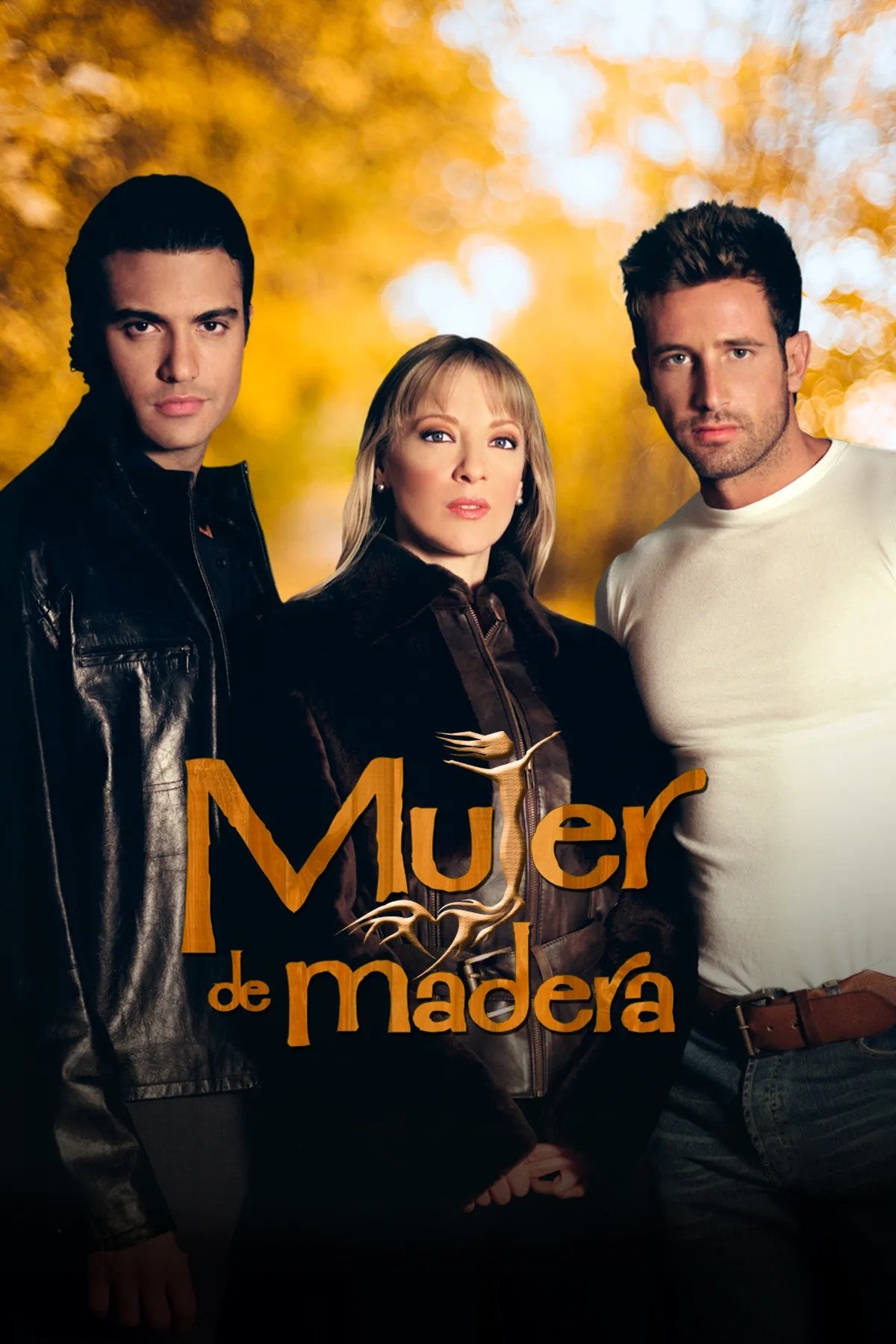
Mujer de Madera is a Mexican telenovela produced by Televisa in 2004. One unusual feature of this telenovela is that the main character is played by different actresses before and after her stay in hospital due to a forest fire.
Teresa Chavez is a young woman with an obsession for money and ambition. Despite her beauty and the fact that she was raised in the bosom of a loving family, she is resentful; her one desire is to leave her humble but poor neighbourhood.
Esmeralda is a telenovela that was released by Televisa in 1997. It is a remake of a 1970 Venezuelan telenovela of that same name, and was itself remade in Brazil in 2004. Another version is Topacio from Venezuela in 1984. One of the most famous telenovela all the time.
La Mujer Del Vendaval is a 2012 Mexican telenovela produced by Mapat L. de Zatarain for Televisa. It is a remake of the Venezuelan telenovela Un Esposo para Estela. Ariadne Díaz and José Ron star as the main protagonists, while Chantal Andere, Marco Muñoz, Manuel Flaco Ibañez and Florencia del Saracho as the main antagonists.
Story of love between Marimar and Sergio. Sergio is from a wealthy family, and Marimar lives with her poor grandparents in a hut in front of the ocean.
Rebeca murders her sister Adriana to end up with the man she loved, and becomes the step mother of her niece Lucía. Nora, Lucía's half sister and daughter of Rebeca, resents Lucía for the same reasons Rebeca hated Adriana, as history repeats itself.
Acorralada is an American telenovela produced by Venevisión. Univision aired Acorralada from January 2007 to October 2007 on weekday afternoons at 2 pm central. It was rebroadcast in late 2011 through April 2012 on Univision's sister network, Telefutura. It was filmed in Miami, Florida, and lasted about 187 episodes. It is the second long-running telenovela that Venevisión Productions has produced without its former co-producer Fonovideo.
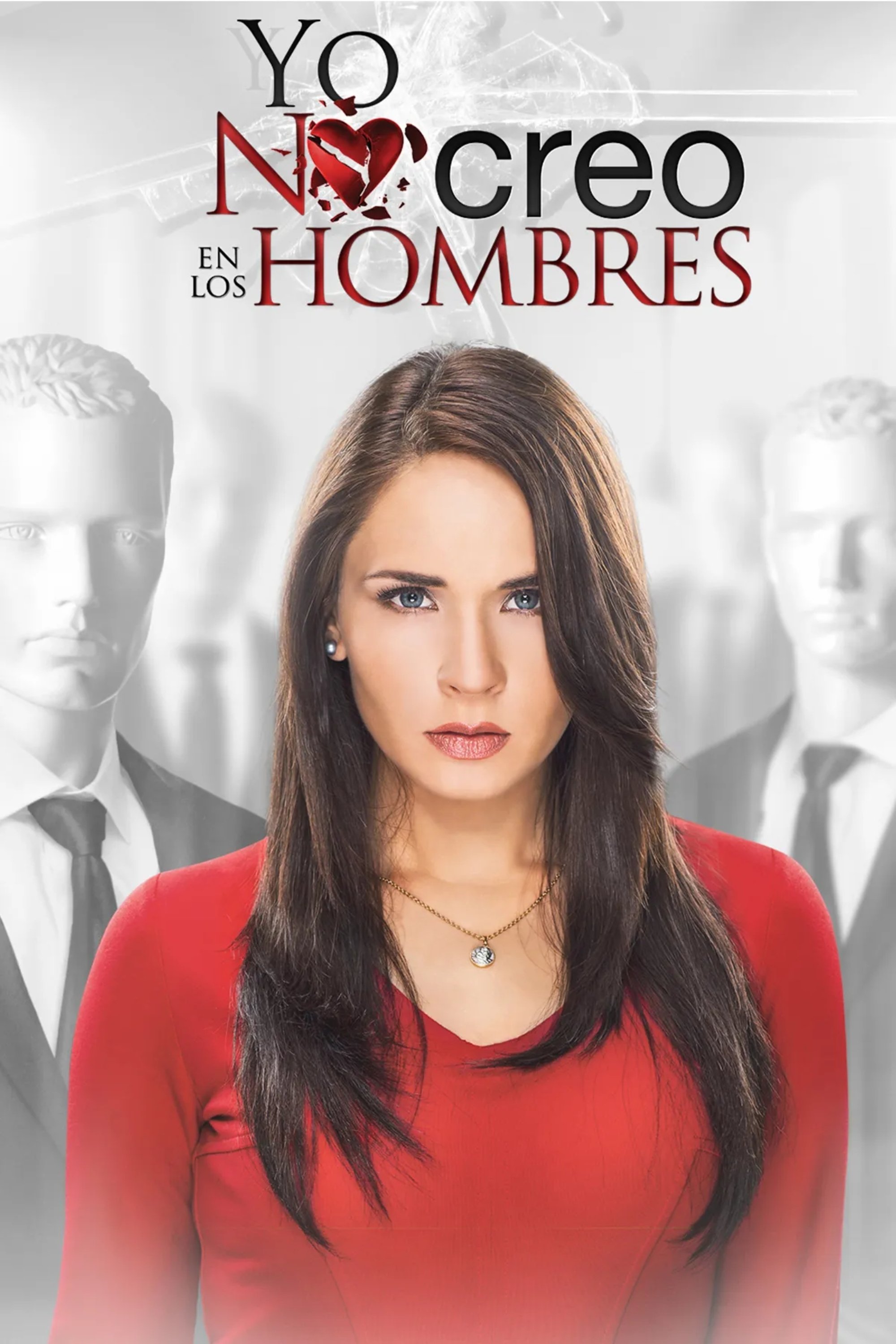
Yo no creo en los hombres (I don't trust men anymore) is a Mexican telenovela produced by Giselle González for Televisa. It is based on Yo no creo en los hombres (1991), produced in México.
Contra viento y marea is a Mexican telenovela aired from April 25 until November 4, 2005. This was also the last acting role of Beatriz Sheridan, who died in 2006 of a heart attack.
En Nombre Del Amor is a Mexican telenovela produced by Televisa. It is a remake of Cadenas de Amargura. En Nombre Del Amor was produced by Carlos Moreno, and filming began on August 4, 2008. It premiered in the United States July 7, 2009 on Univision and ended its run on March 7, 2010 in a two-hour grand finale on a Sunday. Starring for Allison Lozz and Sebastián Zurita, as adult stars Victoria Ruffo, Arturo Peniche with Leticia Calderón as the villain protagonist and main villain, co-starring for Laura Flores, Alfredo Adame, Víctor Cámara, and the participation of Altair Jarabo as youth antagonist.
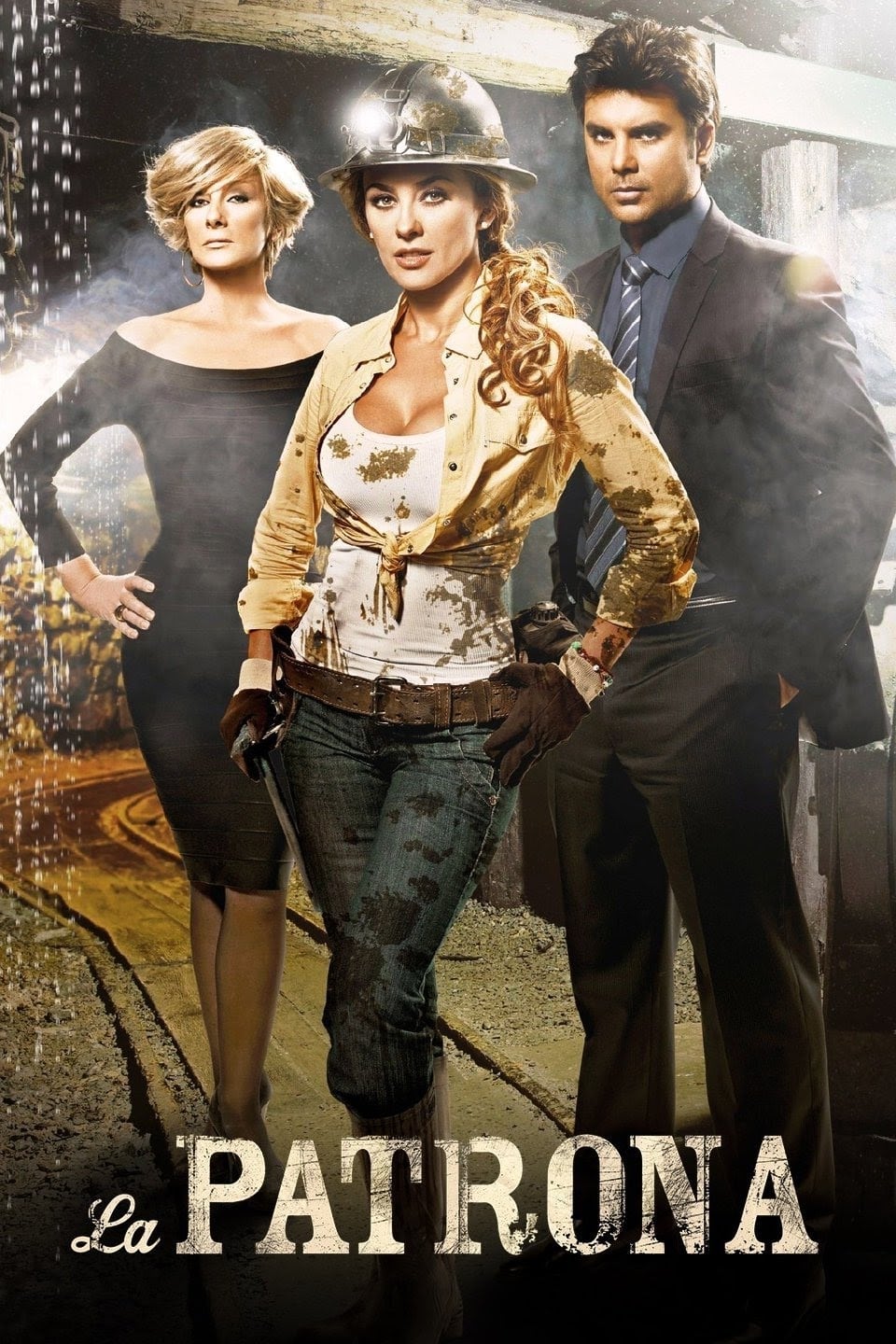
La Patrona is a Spanish-language telenovela produced by United States-based television network Telemundo Studios, Miami and Mexican Argos Comunicación. The telenovela is a remake of the Venezuelan telenovela La Dueña, written by José Ignacio Cabrujas. The name reflects a local term or slang in Mexico to address a person recognized as the main boss. However, the title is also a reflection of both the protagonist and the antagonist struggle to conquer power, authority and respect in a labor field traditionally deemed to be a man's job.
Camila Monterde is a beautiful veterinarian whose life has been torn apart by a tragic accident in which her fiancé, Luis, was killed. Hoping to ease her depression, her uncle, Daniel Monterde, invites her to live at his ranch, where she can rest and recover while caring for the many animals he keeps there. Meanwhile, in Chile, Daniel Diaz suddenly receives a letter stating that he has come into a substantial inheritance and must travel to Mexico to claim it. Surprised and curious, he’s about to make the trip when a vicious lie disrupts his plans and lands him in prison, causing him to lose the inheritance and his family. Deeply bitter and hungry for revenge, Daniel travels to Mexico determined to destroy the Monterde family, which he blames for his terrible misfortune. He takes a job at the Monterde ranch to be close to his prey. His vengeance is perfectly planned except for one unexpected development: he and Camila fall passionately in love and that changes everything.
Mistreated by the Narváez family, the poor and innocent Maricruz is humiliated, abandoned, and imprisoned, losing everything. Upon discovering her true origins, she transforms into a wealthy and powerful woman. Driven by grief and the loss of her father, she vows revenge against everyone who made her suffer.
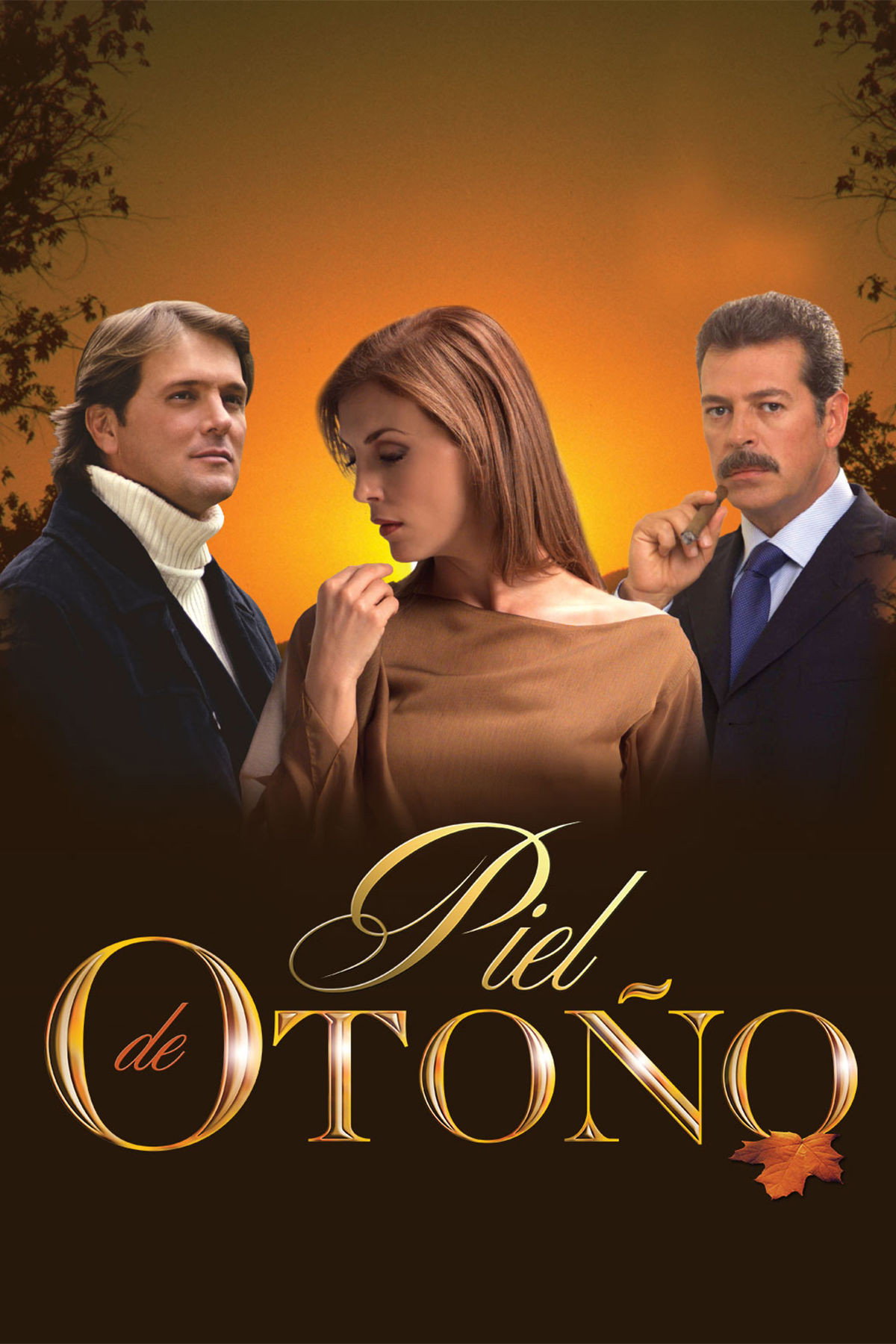
Piel de otoño is a Mexican telenovela that was produced by Televisa and broadcast on El Canal de las Estrellas in Mexico from 9 May 2005 through 23 September 2005 in Mexico, and from October 10, 2005, through February 17, 2005, in the United States. Starring Laura Flores and René Strickler as the series' protagonists, the show tells the story of Lucía Villarreal de Mendoza, a woman who seeks refuge from her husband and children's abuses in the friendship of a stranger on the Internet, who signs his messages only as "wind". Piel de otoño is a remake of the 1986 Televisa telenovela Cicatrices del alma. The program aired weekdays at 5 pm for twenty weeks.
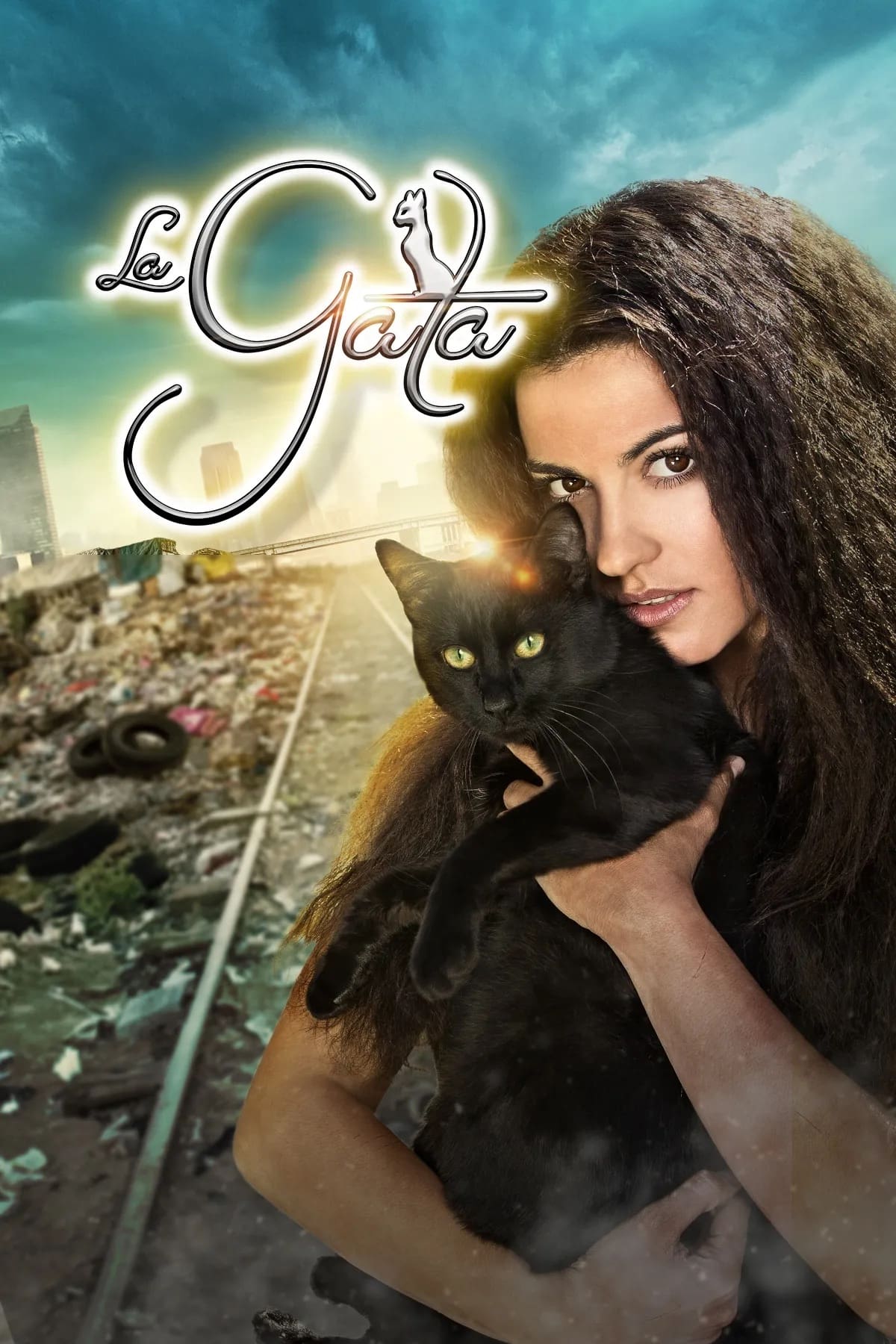
Esmeralda, whom everyone knows as "The Stray Cat," is a girl who grows up in wretched conditions, yet possesses a special sweetness and charm. Her best friend is Pablo, a wealthy boy who defends her against the other children's teasing.
Para Volver a Amar is a Televisa telenovela that aired on the Canal de las Estrellas channel in Mexico from July 12, 2010 to January 30, 2011. It stars Rebecca Jones, Rene Strickler, Alejandro Camacho, Alejandra Barros, and Africa Zavala. The Mexican version however is taken from the original Colombian soap opera series "El Último Matrimonio Feliz". The story is about six women who befriend each other and help each other deal with the pains of life, particularly in regards to marriage and relationships. They'll realize that even amidst their problems, happiness is not impossible to attain. It won seven Premios TVyNovelas awards for Best Telenovela of the Year, Best Male Villain, Best First Actress, Best First Actor, Best Co-Star Actress, Best Co-Star Actor, and Best Young Lead Actor. Para Volver a Amar aired in the United States on Univision from March 8, 2011 to October 28, 2011 at 12am/11pm central.
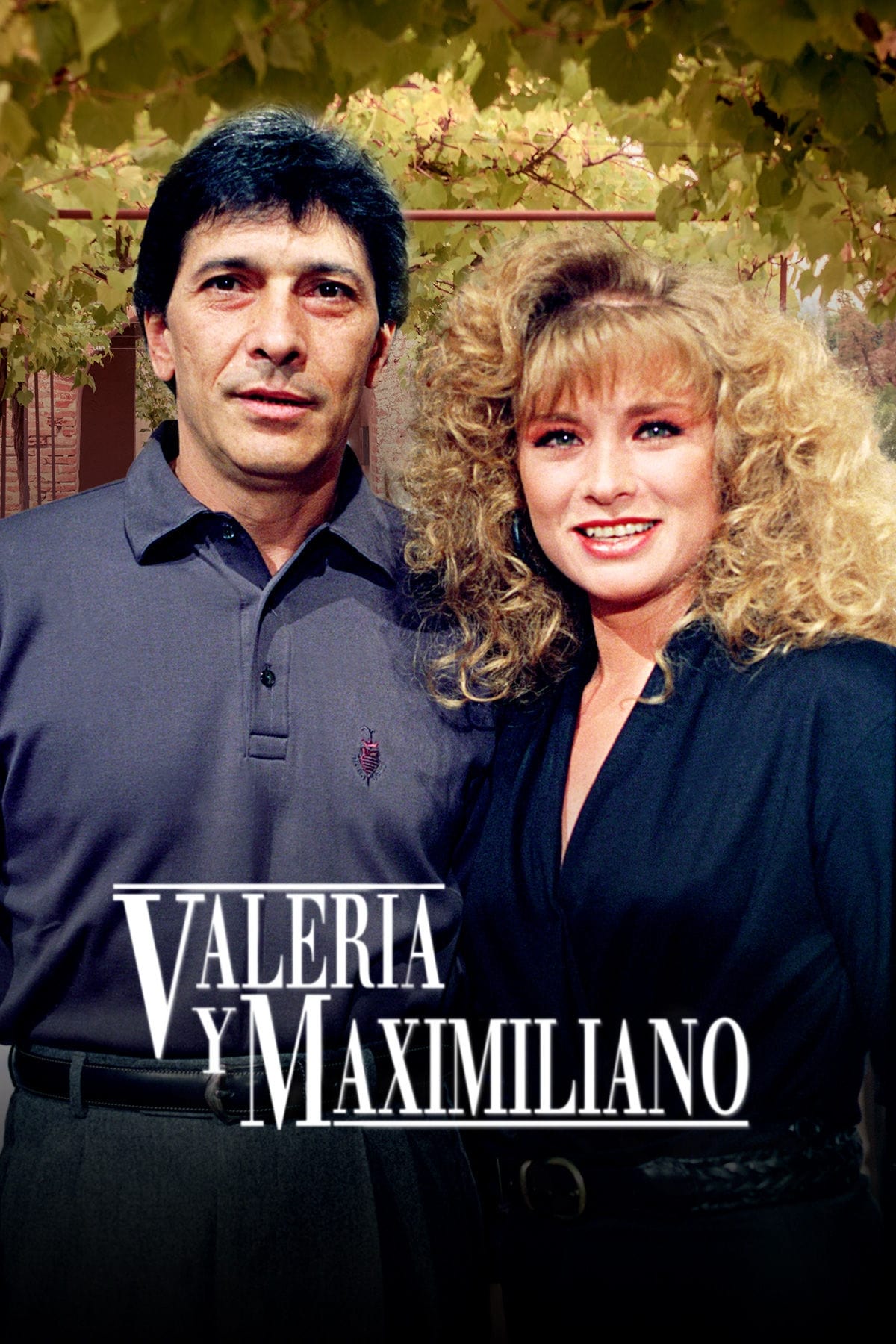
Valeria y Maximiliano is a Mexican telenovela produced by Carlos Sotomayor for Televisa and originally broadcast on Canal de las Estrellas from December 23, 1991, to May 1, 1992. Created by Nora Alemán, the telenovela stars Leticia Calderón and Juan Ferrara. The story follows Valeria Landero, a beautiful, wealthy, and strong-willed young woman whose pride and impulsive nature bring conflict to her family. After rejecting the obsessive Román de la Fuente, she becomes the target of his revenge, which threatens to destroy everything she loves. Throughout her struggles, Maximiliano Riva remains by her side, and together they must overcome betrayal, ambition, and family intrigue before finding true love.