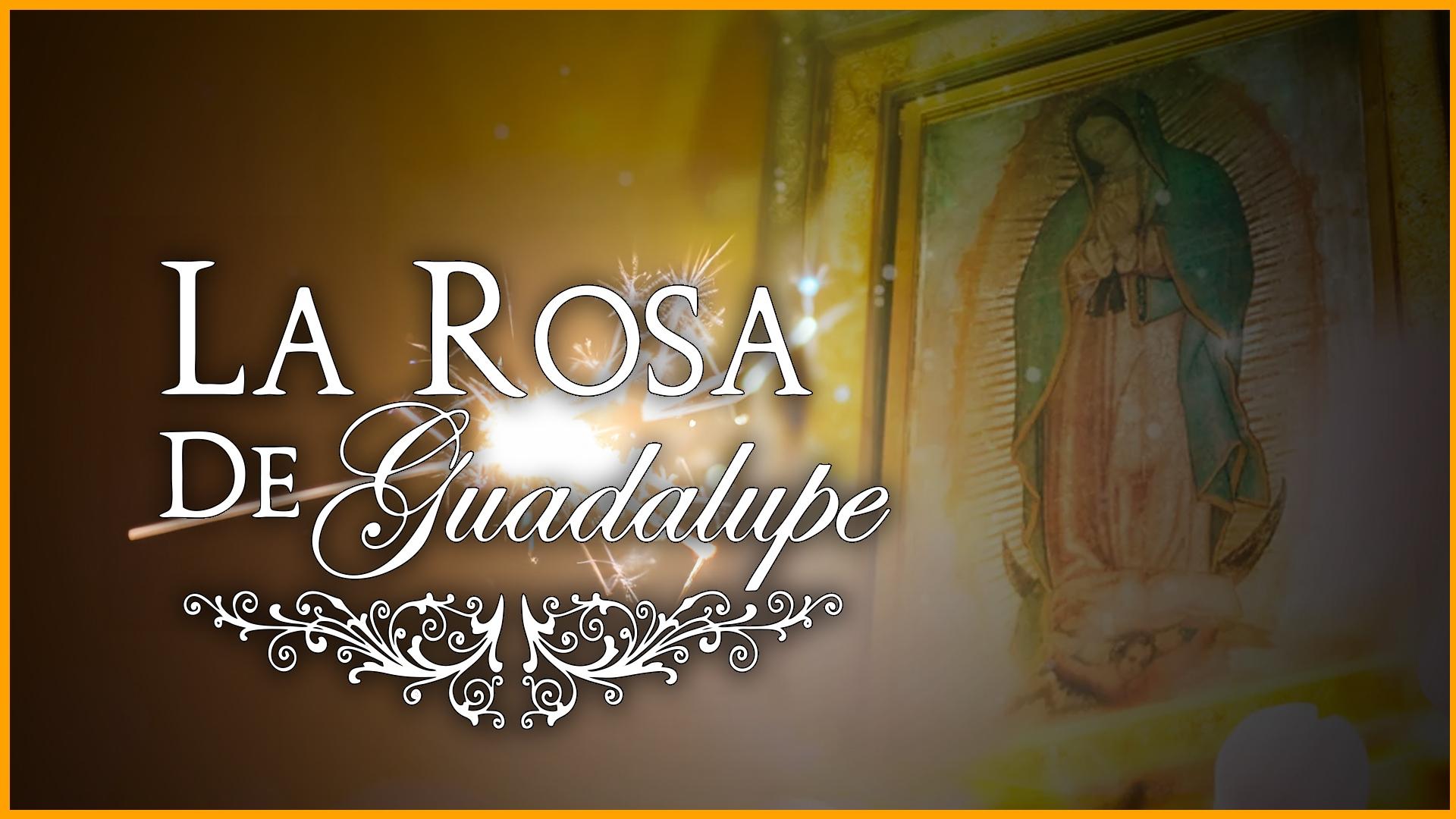
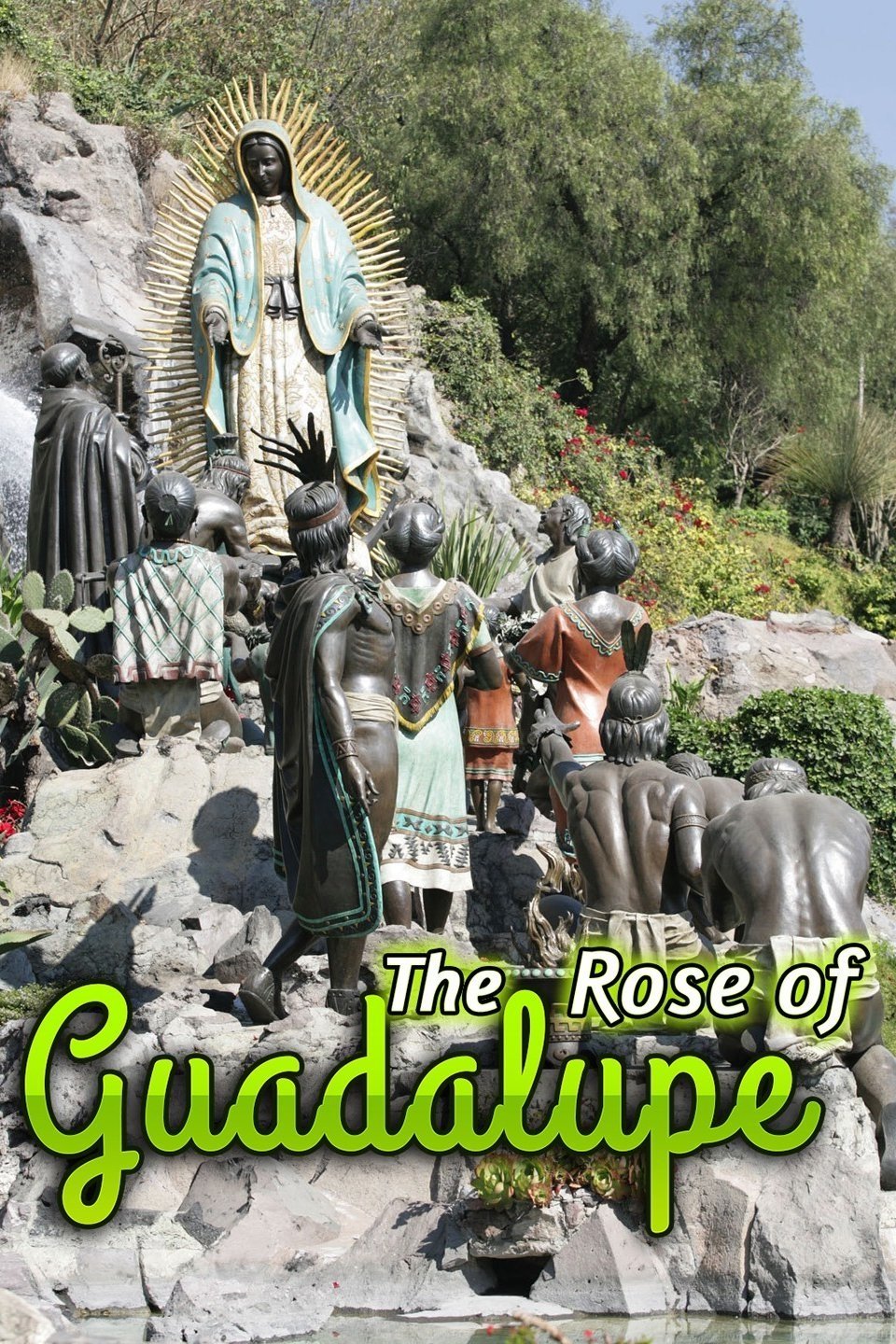
Stories about people who get into problems who use the help of Virgin Mary and where a rose appears and their problems are solved.
Social & External
The people behind it
The life of the remarkable man who passed away after an extraordinary 26 year reign, and whose papal odyssey encompassed more than 120 countries and earned him the reputation of an international fighter for freedom.
Preciosa is a sweet and pretty 18-year-old girl who has a problem with one of her legs. Her life takes place in the strange and fascinating world of the circus that she loves so much. His life is full of vivacity and tenderness, but also of drama and lack.
Amor de nadie is a Mexican telenovela produced by Carla Estrada for Televisa and originally broadcast on Canal de las Estrellas from September 10, 1990, to June 14, 1991. Created by Eric Vonn, with literary editing by Marcia del Río, the telenovela stars Lucía Méndez, Saúl Lisazo, Fernando Allende, and Bertín Osborne. It was Lucía Méndez's final telenovela as a leading actress for Televisa during this period. The story follows Sofía Hernández, a young woman from a humble mining town who dreams of leaving her difficult life behind. After suffering betrayal and hardship, she moves to Mexico City to pursue a career as a model. Along the way, she faces jealousy, ambition, family conflicts, and complicated relationships while searching for love and a better future.
In a social and cynical context, the series revolves around Maemon, a very stingy man who has a wife and four kids whom he deprives of everything. After they all leave him, they discover that he's a billionaire. They then start a journey of finding his hidden wealth and how to get hold of it.
Dulce Amargo is a Venezuelan telenovela produced and aired on Televen in co-production with Mexican channel Cadena Tres and distributed internationally by Telemundo. It is a remake of the Chilean telenovela Los treinta which is adapted by Venezuelan writer Iris Dubs. Official production of Dulce Amargo began on June 11, 2012, and premiered on October 31, 2012 in the prime-time hours. Scarlet Ortiz and Erik Hayser star as the main protagonists with Fernando Noriega and Juliet Lima as the main antagonists. The co-protagonists include Roxana Díaz, Juan Carlos Martín del Campo, Alejandra Ambrosi, Carlos Guillermo Haydon, Alejandra Sandoval, Juan Carlos García and Anabell Rivero. It is the second telenovela produced in high definition by Televen after Nacer Contigo and the first to be co-produced with Cadena Tres. The cast is composed of Venezuelan, Mexican and Colombian actors.
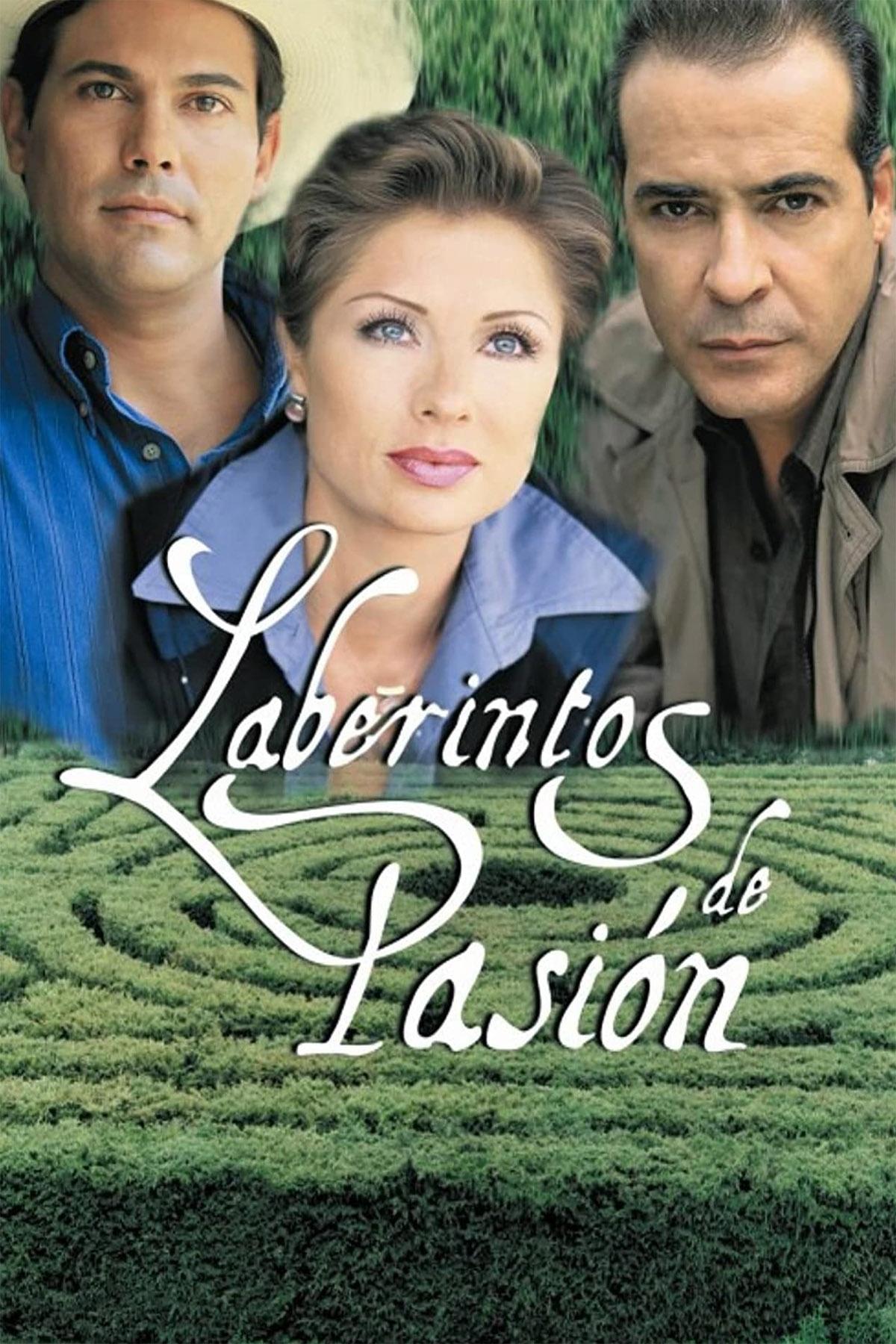
Laberintos de pasión is a Mexican telenovela produced by Televisa in 1999. Starring Leticia Calderon, Francisco Gattorno, César Évora, in addition to the participation of Manuel Ojeda, Monika Sanchez and Azela Robinson.
Paloma is a willful woman whose newborn baby is kidnapped by her own brother, Félix, who plans to become sole heir to the family’s fortune. Bruno is an honest man who, during the same night, loses his wife and son in childbirth and miraculously finds Paloma’s child in a dumpster. Destiny will unite their lives in a plot of secrets, revelations, and disputes, with the unpredictable consequences of lives based on a dangerous and surprising network of lies.
Sentimientos Ajenos is a Mexican telenovela produced by José Alberto Castro for Televisa and originally broadcast on Canal de las Estrellas from August 19, 1996, to January 3, 1997. It is based on the Chilean radio serial Dos mujeres y un hombre, created by Arturo Moya Grau and adapted for television by Lorena Salazar and Eduardo Quiroga. The story follows Sofía de la Huerta, a kind-hearted young painter who falls in love with Renato Aramendia, unaware that their relationship will awaken the jealousy and hatred of her own sister, Leonor. After a series of manipulations and betrayals tear her family apart, Sofía must fight to reclaim her life, protect her son, and find happiness while confronting the woman determined to destroy her.
Tenías que ser tú is a Mexican telenovela produced by Carlos Téllez for Televisa and originally broadcast on Canal de las Estrellas from November 23, 1992, to March 12, 1993. Created by Jorge Patiño and Gerardo Sánchez Luna, it was the last telenovela produced by Carlos Téllez. The story follows Gabriela Beltrán, whose life changes dramatically after the tragic death of her father leaves her family in poverty. As she and her family struggle to rebuild their lives, Gabriela falls in love with her childhood friend, Gorka Charachaga. Their romance is threatened by Santa, an ambitious young woman determined to separate them, leading to a story of love, sacrifice, and perseverance in the face of adversity.
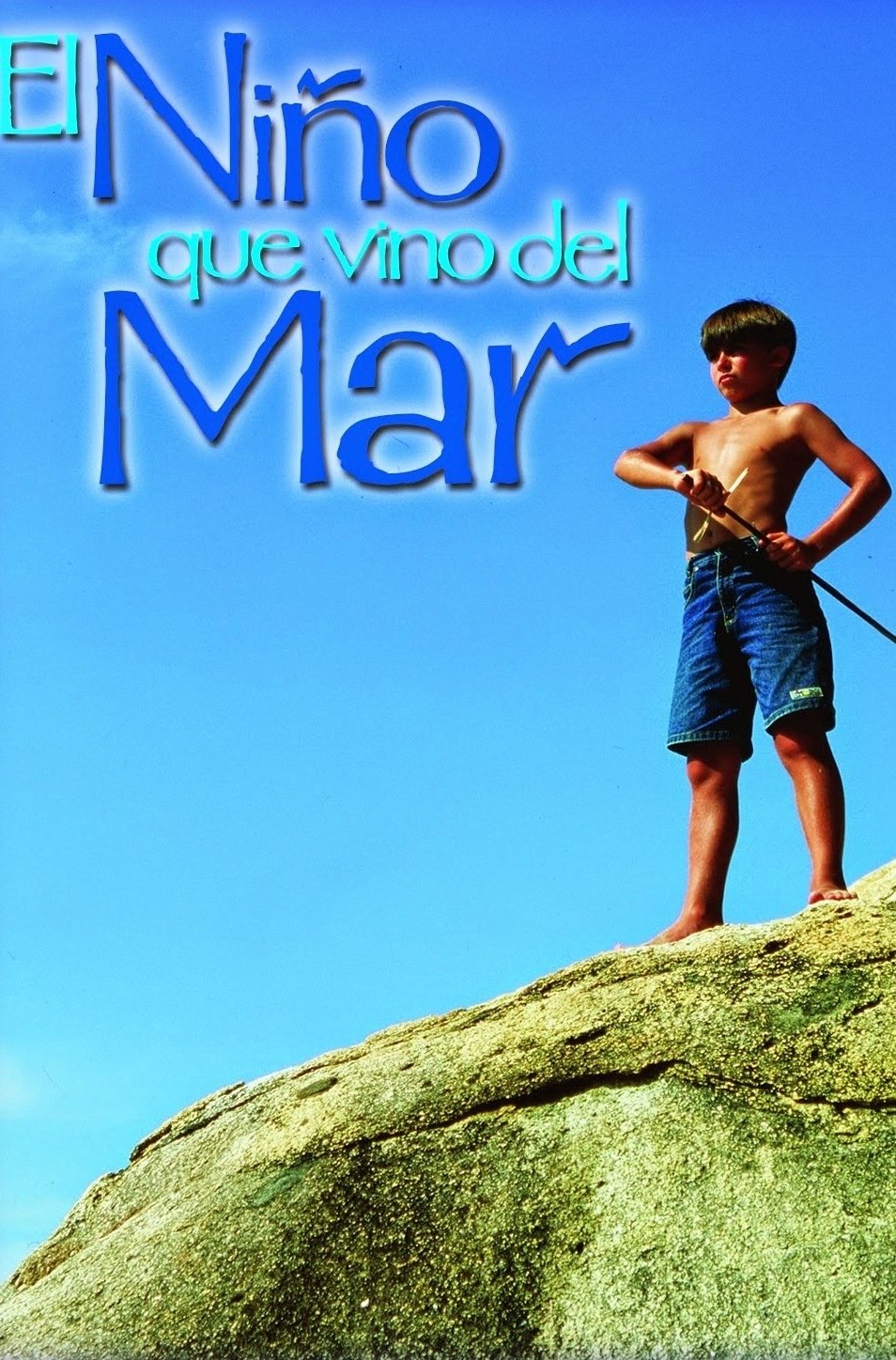
El Niño que Vino del Mar is a Mexican children's telenovela produced by Mapat L. de Zatarain for Televisa and originally broadcast on Canal de las Estrellas from April 19 to August 27, 1999. Based on the radio serial El pequeño Lord by Olga Ruilópez, it was adapted for television by Lourdes Barrios, Georgina Tinoco, and Dolores Ortega. The telenovela stars Imanol Landeta, Natalia Esperón, and Enrique Ibáñez. The story follows Felipín, a young boy who survives a shipwreck while traveling to reunite with his father, the wealthy Duke of Oriol. Rescued by the kind-hearted Nisa, he begins a new life in a coastal town, unaware that powerful enemies are determined to keep him away from his family and inheritance. As secrets from the past emerge, Felipín's courage and innocence help reunite his loved ones and restore justice.
Mistreated by the Narváez family, the poor and innocent Maricruz is humiliated, abandoned, and imprisoned, losing everything. Upon discovering her true origins, she transforms into a wealthy and powerful woman. Driven by grief and the loss of her father, she vows revenge against everyone who made her suffer.
When Marichuy was born, her mother—believing she was on the verge of death—handed her over to a priest, who took her to an orphanage. At the age of fourteen, Marichuy ran away from the institution and began wandering from place to place, scraping together a living however she could. Years later, she was attacked by a drunkard; the incident left her harboring resentment toward men and plagued by harrowing nightmares.
Esmeralda is a telenovela that was released by Televisa in 1997. It is a remake of a 1970 Venezuelan telenovela of that same name, and was itself remade in Brazil in 2004. Another version is Topacio from Venezuela in 1984. One of the most famous telenovela all the time.
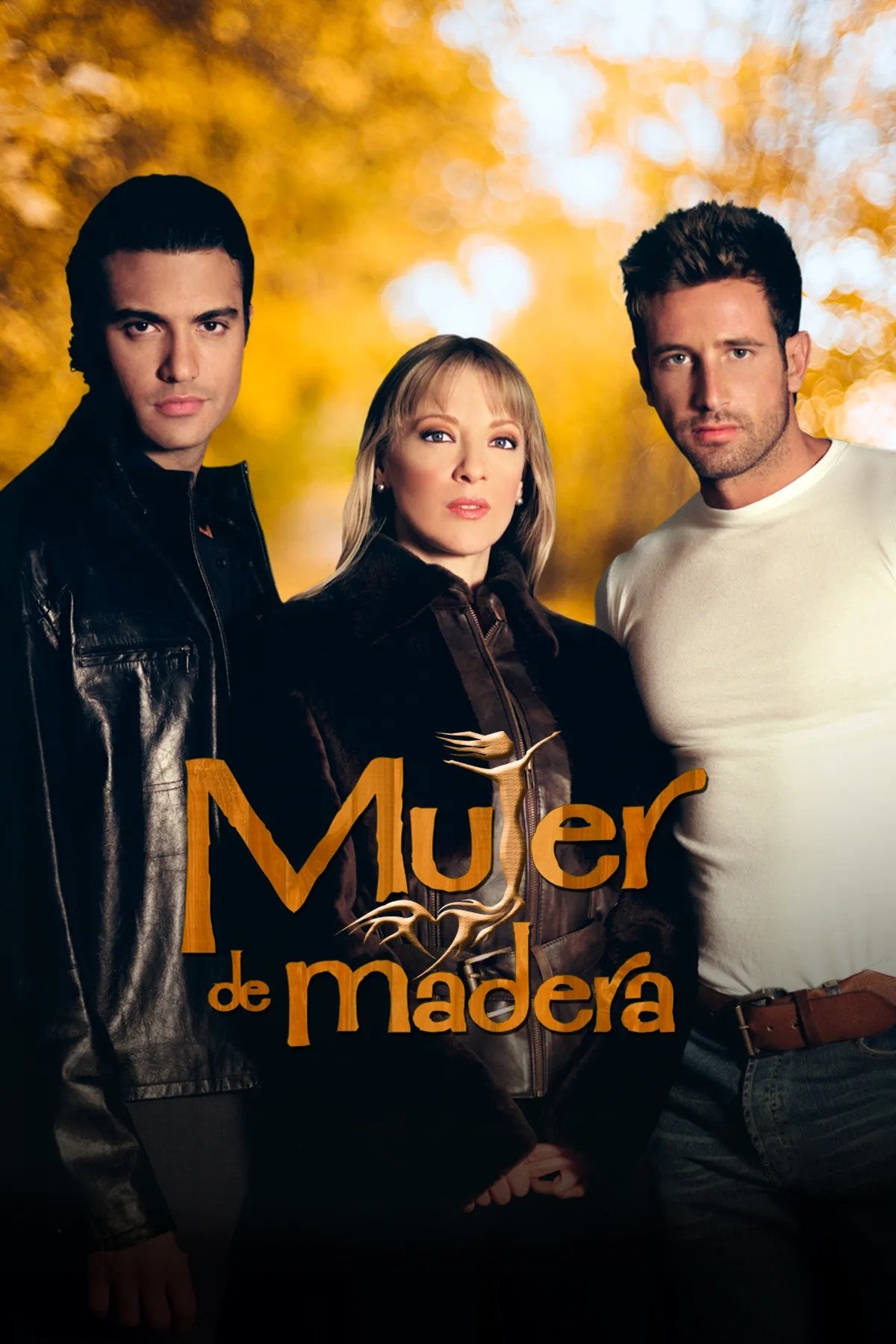
Mujer de Madera is a Mexican telenovela produced by Televisa in 2004. One unusual feature of this telenovela is that the main character is played by different actresses before and after her stay in hospital due to a forest fire.
¡Válgame Dios! is a Spanish-language Venezuelan telenovela written by Mónica Montañéz for Venevisión. Sabrina Seara and Eduardo Orozco star as the main protagonists while Ricardo Alamo, Carlota Sosa and Raquel Yanez star as the main antagonists.
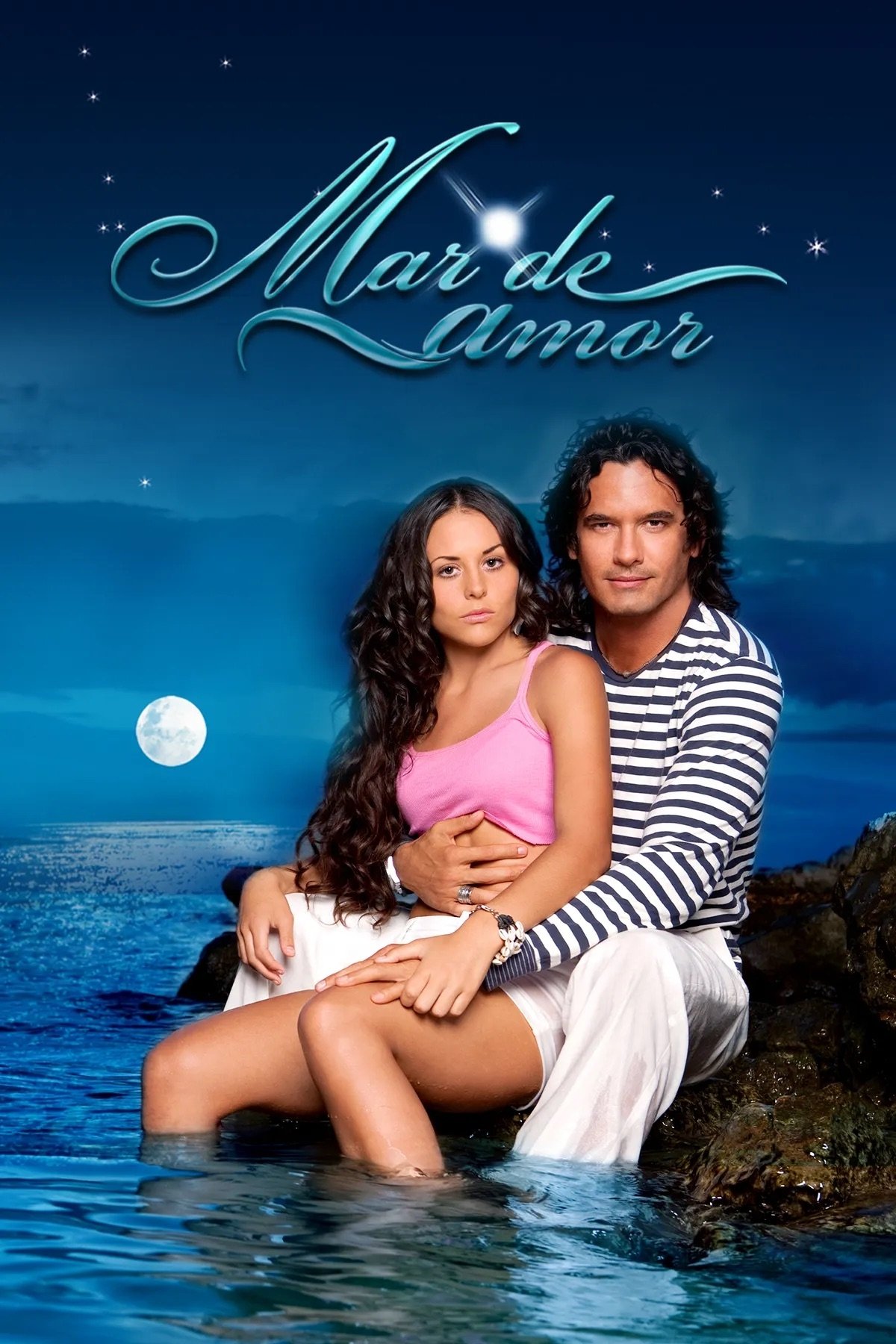
Story of love between Marimar and Sergio. Sergio is from a wealthy family, and Marimar lives with her poor grandparents in a hut in front of the ocean.
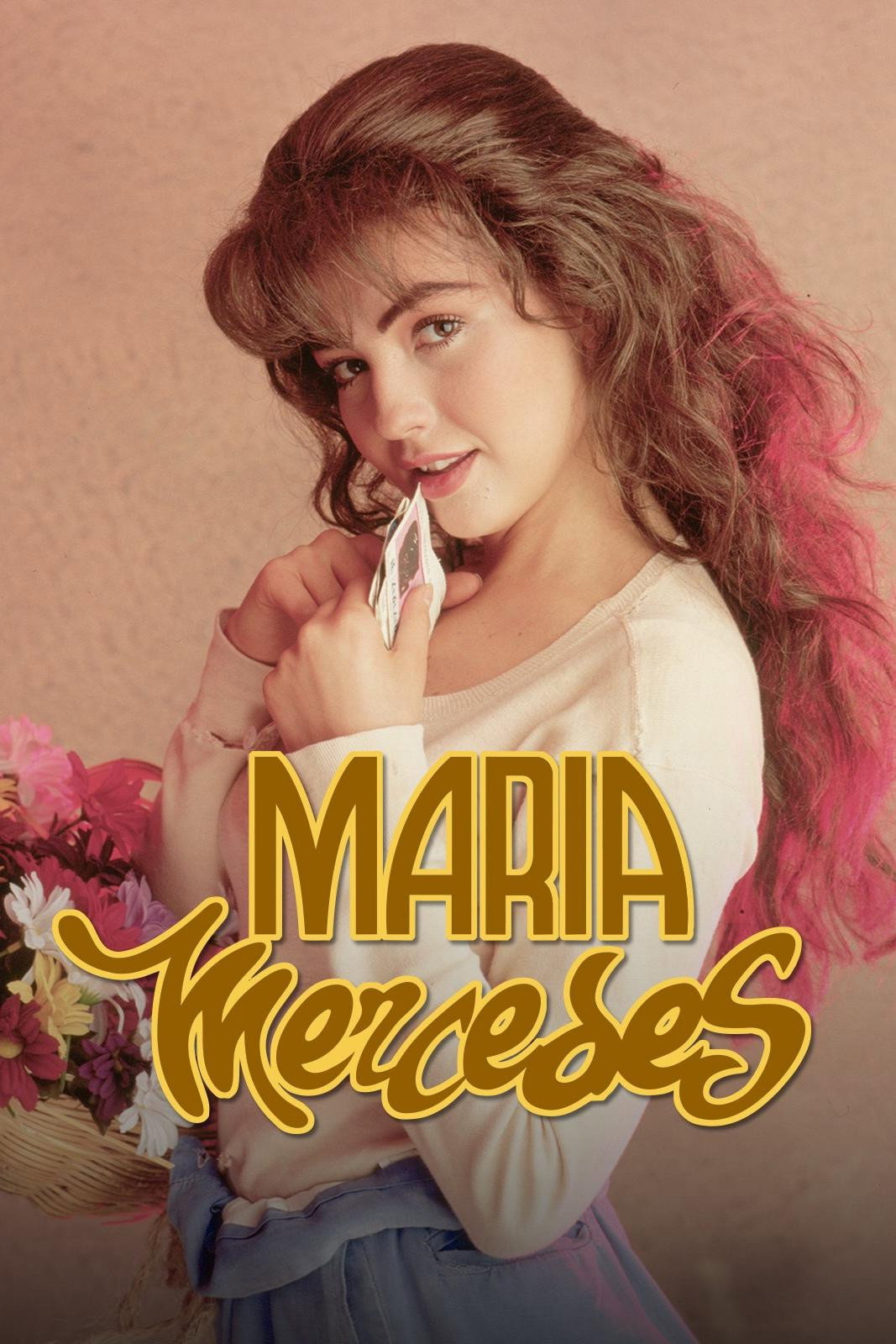
María Mercedes, a poor girl who sells lottery tickets, meets a rich man who hates his own family and sees in María Mercedes an opportunity to make their lives miserable.
The story of Renata Flores del Angel, a young woman from a wealthy family who falls for Pablo Ramos, the foreman of her father's estate.
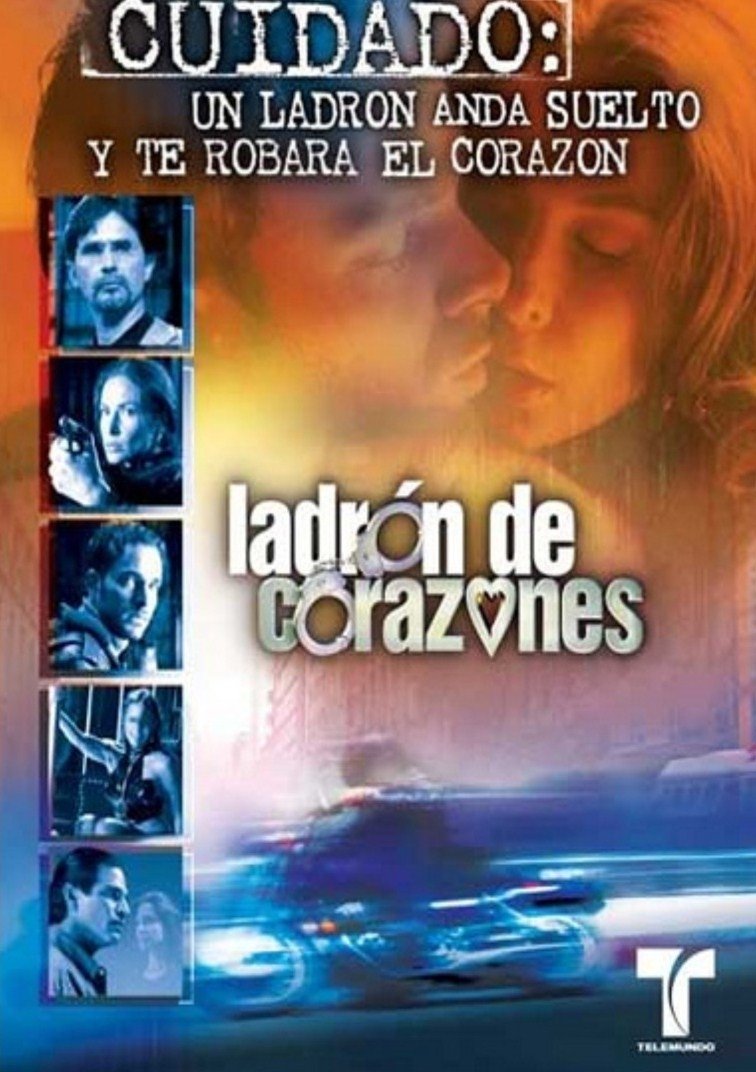
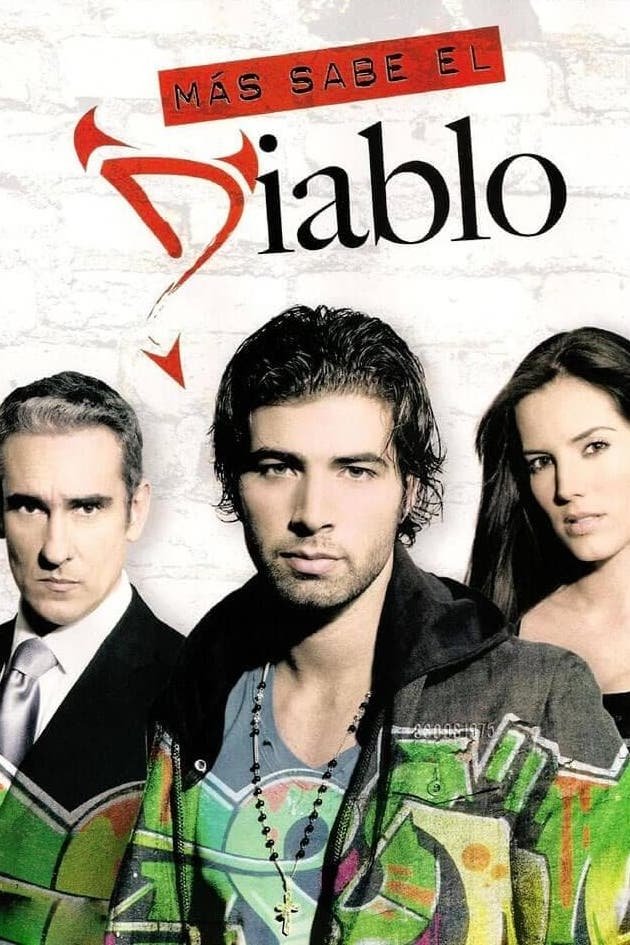
Set in New York, the serial features the street-wise Ángel, who treats life as a game he plays to win. He tangles with the power-hungry Martín, who is engaged to a stunning, feisty lawyer named Manuela. She decides to defend Ángel, even though Martín wants to destroy him. Neither of the men know that Ángel is Martín's own son. Our hero learns that love is the only key to survival.
Lola... Érase Una Vez is a teen targeted Mexican melodrama telenovela produced by Televisa that is an adaptation of the Argentine global phenomenon and teenage telenovela Floricienta. The show tells the story of a modern Cinderella, Lola, a 20 year old girl, who works as a nanny and sings in a rock band and meets her so call Prince Charming. It debuted in Mexico on February 26, 2007, starring Aarón Díaz and Eiza González. The show had gained popularity among teens and children not only in Mexico but also internationally including Venezuela, Spain and the in United States. With concert performances filling major auditoriums and songs by the protagonist become radio hits. It debuted in the United States on Univision in March 2008 and ended on January 26, 2009. The series consisted of 224 episodes which aried Monday through Friday at 3 P.M, intentionally for teenagers to watch after school, as is typical for most teenage & children telenovelas in Spanish networks.
Victoria Balvanera owns a vast expanse of land and a prestigious advertising agency. She is married to the landowner Nelson Brizz. Following an attempted kidnapping, she finds love with José Ángel—her rescuer and the estate's new foreman.
1763. The life of Adriana, a brave and loyal woman, suffers an unexpected setback when she receives a devastating blow: her father has died, and, as a result of a secret pact, she must travel from the city of Madrid to Valle Salvaje, in northern Spain, to marry a stranger. A dark secret from her past follows her to the remote valley, home to her fiancé's family and her troubled aunt, Doña Victoria. There, her life will change forever. She will experience true love, betrayal, and danger as she tries to uncover the truth behind her father's death.
Mar de Amor is a Spanish-language telenovela produced by Nathalie Lartilleux with protagonists Zuria Vega, Mario Cimarro and Mariana Seoane and antagonists Ninel Conde, Marcelo Córdoba and Manuel Landeta. This is a remake of the 1978 Venezuelan telenovela María del Mar.
The kidnapping of her son unleashes a storm in Nuria García's life who, in the most difficult moment, meets Santiago Zepeda; together, they find redemption in the face of adversity.
A brave, poor young girl is welcomed into a rich family and develops a romance with their misogynist youngest son, driving a woman already in love with him to go to great lengths to destroy their relationship.
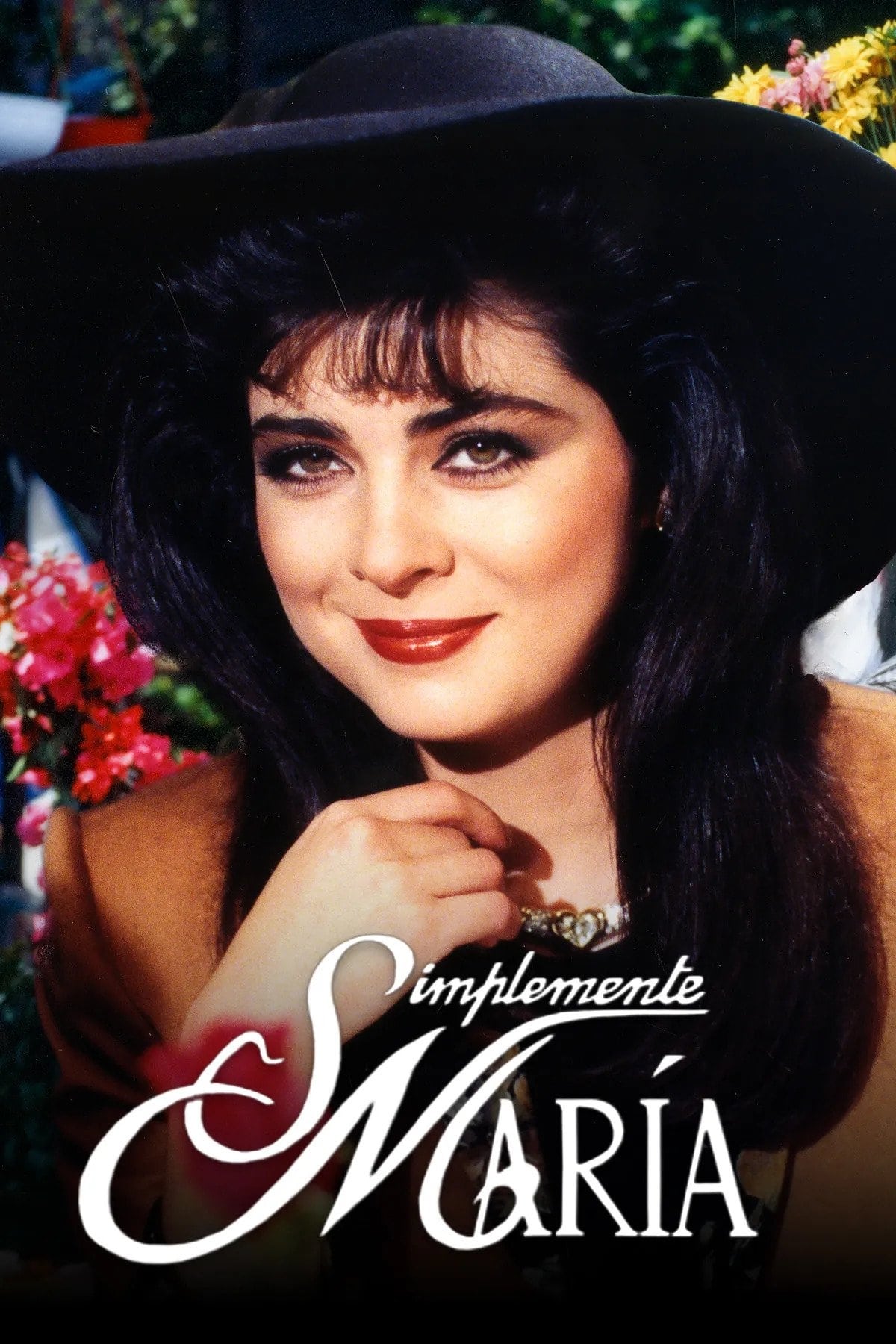
The story begins in a small town in rural Mexico, home to Maria López—a humble, dreamy young woman of indigenous descent—who decides to leave her village for Mexico City in search of work and a better life. Upon arriving in the capital, she begins working as a domestic helper in mansions across wealthy neighborhoods, using her earnings to pay for sewing classes. At one of these homes, she meets Juan Carlos del Villar, a playboy who seduces and wins her over.
Popular telenovela produced in Mexico in 1979, starring Verónica Castro, Rogelio Guerra and Rocío Banquells. Castro also sang the theme Aprendí a Llorar, a song written by Lolita de la Colina. The telenovela was produced by Chilean Valentín Pimstein and Carlos Romero, it was directed by Rafael Banquells. The story was written by Inés Rodena and adapted by Valeria Philips.
Contra viento y marea is a Mexican telenovela aired from April 25 until November 4, 2005. This was also the last acting role of Beatriz Sheridan, who died in 2006 of a heart attack.
A telenovela that dramatizes the romances and rivalries between two brothers and two sisters in Mexico between the years 1885 and 1900.
The rivalries, romances, hopes and fears of the residents of the fictional Midwestern metropolis, Genoa City. The lives and loves of a wide variety of characters mingle through the generations, dominated by the Newman, Abbott, Baldwin and Winters families.