Social & External
The people behind it
Chloé Nabédian
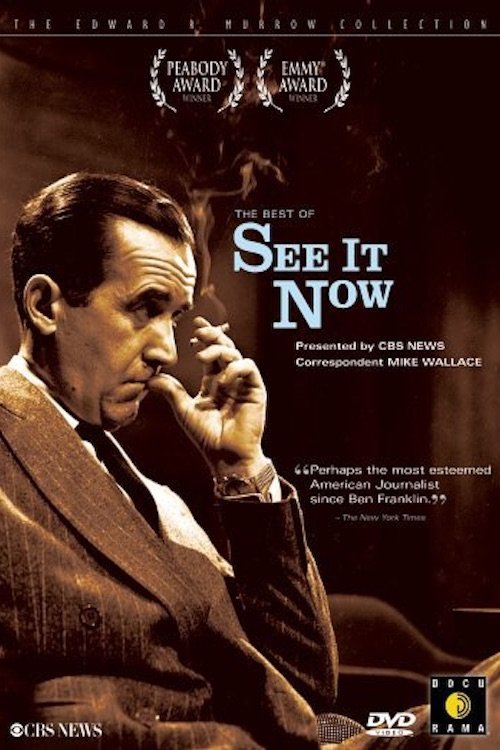
See It Now is an American newsmagazine and documentary series broadcast by CBS from 1951 to 1958. It was created by Edward R. Murrow and Fred W. Friendly, Murrow being the host of the show. From 1952 to 1957, See It Now won four Emmy Awards and was nominated three other times. It also won a 1952 Peabody Award, which cited its
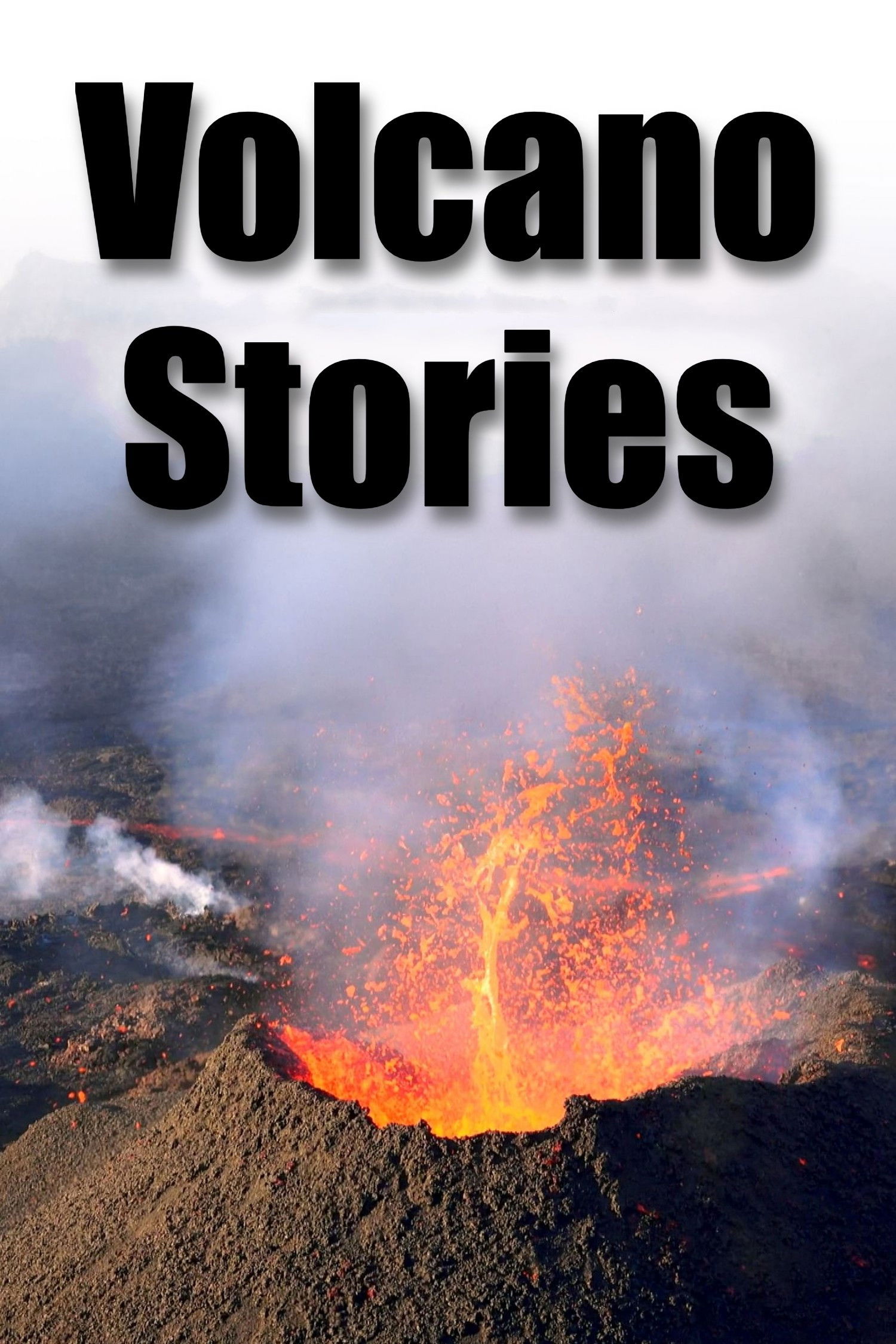
No two volcanoes are alike; each one has its own distinctive landscape, climate, and geological context. Just as unique are the people we meet along the way who help us comprehend how greatly our planet – and our lives – have been shaped by volcanic phenomena. For the scientific aspect of each episode, we explore the very diverse range of questions raised by volcanic phenomena in such varied fields as earth sciences, climatology, biodiversity, oceanography, geography, agronomics, and archaeology. The cultural part of the show delves into mythology, religion, philosophy, folk and artistic traditions, cooking, and ways of life.
This stunning nature series narrated by Cate Blanchett explores the intelligence, resourcefulness and interconnectedness of life on our planet.
Martin Boudot, investigative journalist, investigates major environmental scandals around the world: river contamination, air pollution, radioactivity, illegal exploitation of resources, toxic waste...
A mind-bending, thrilling journey exploring the fragility and wonder of planet Earth, one of the most peculiar, unique places in the entire universe, brought to life by the only people to have left it behind – the world’s most well known and leading astronauts.
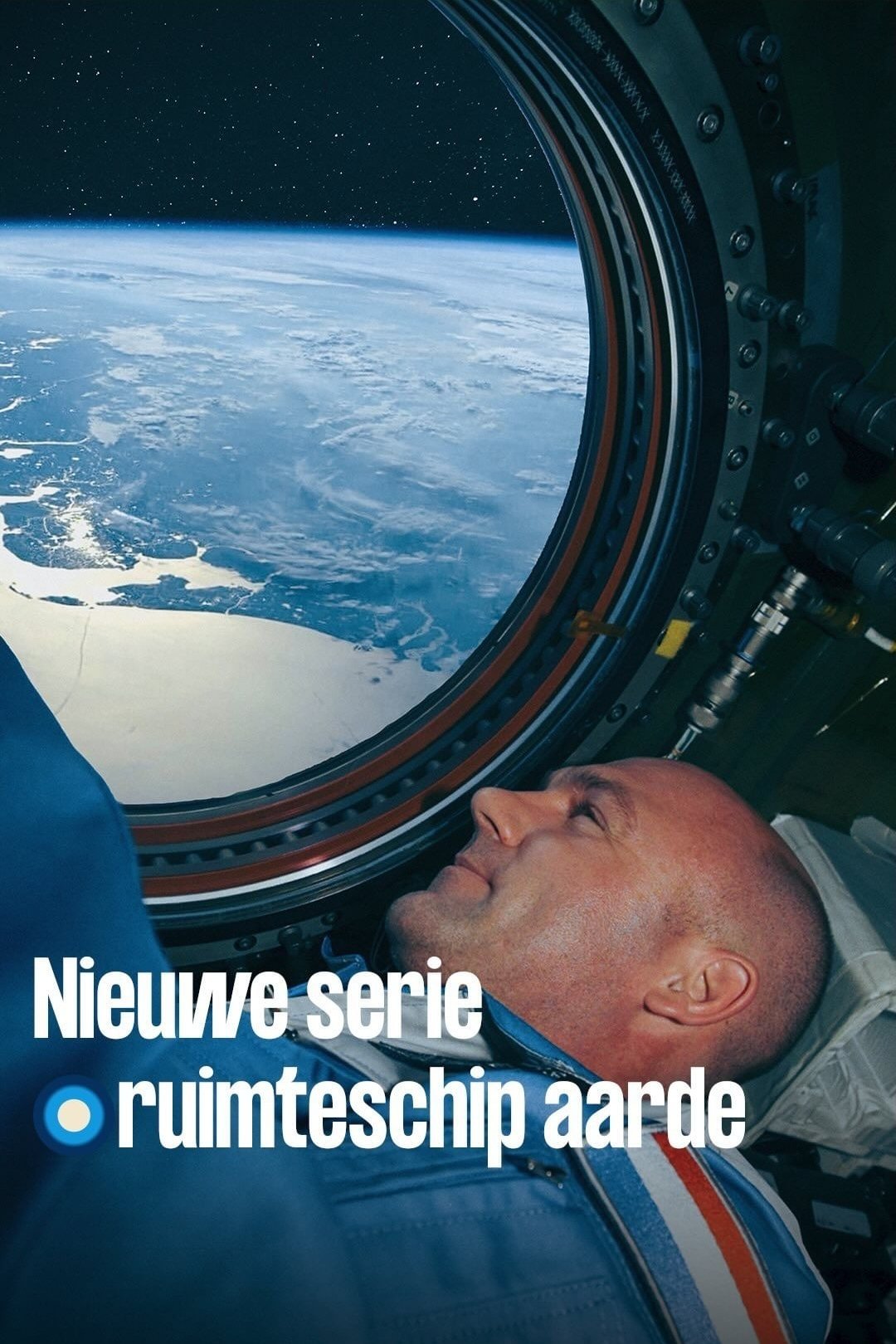
In Spaceship Earth, astronaut André Kuipers and narrator Kim van Kooten go on a journey of discovery in the Netherlands. With fascinating space satellite and nature images, they explore the beauty and fragility of Dutch nature and how inhabitants of the Netherlands are connected to it.
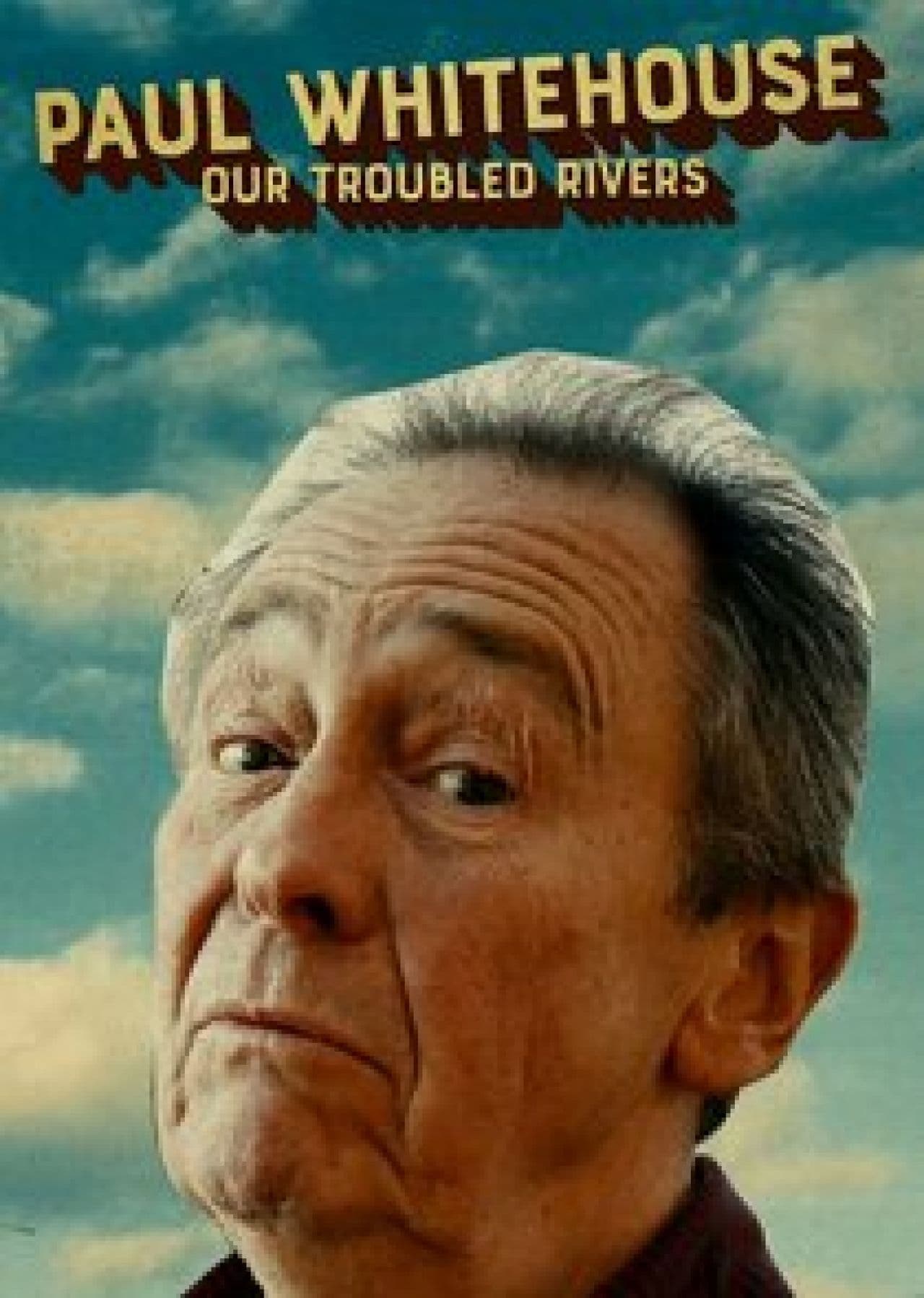
Paul Whitehouse travels around England and Wales looking at the pressures affecting our rivers and waterways from water companies, intensive agriculture and growing population. Paul explores what is going on beneath the surface, why our rivers and waterways are in decline and what needs to be done to protect them.
A landmark, three-part series that tells the human story through our relationship to water. We find out how our success is intimately connected to our control of the molecule, but that the growth of our civilizations has also created a dangerous dependence on a precious resource. One that may be about to run out.
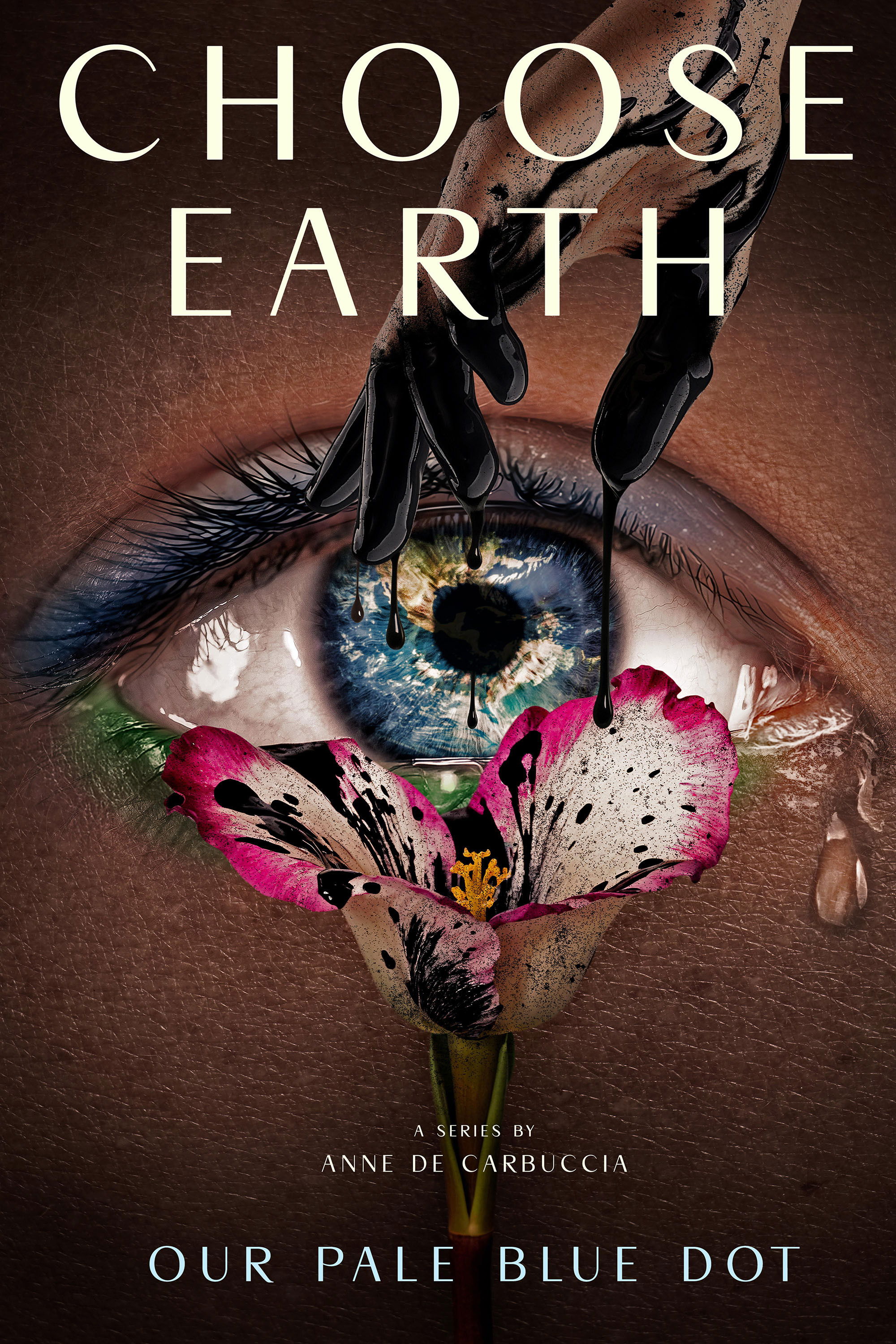
Filmed across a pivotal decade (2014-2024), follow artist Anne de Carbuccia as she meets Earth Protectors, the voices rising worldwide to defend our planet. Through striking imagery and powerful testimony, the series explores a world in flux: through adaptation, cultural loss, youth movements… where technology and societal evolution offer hope.
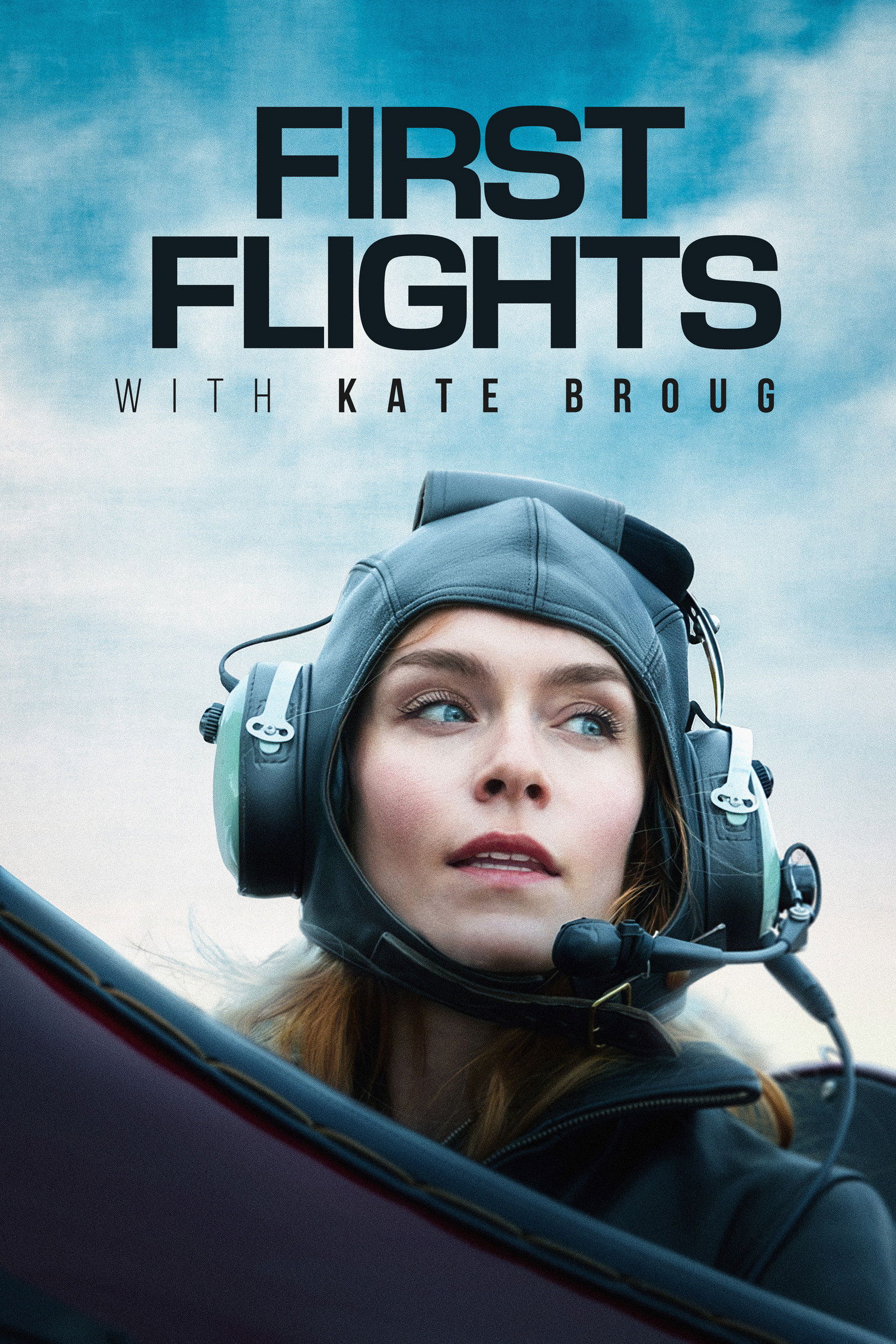
Join pilot and journalist Kate Broug for a global adventure that brings to life the extraordinary individuals and audacious achievements that have defined the world of flight.
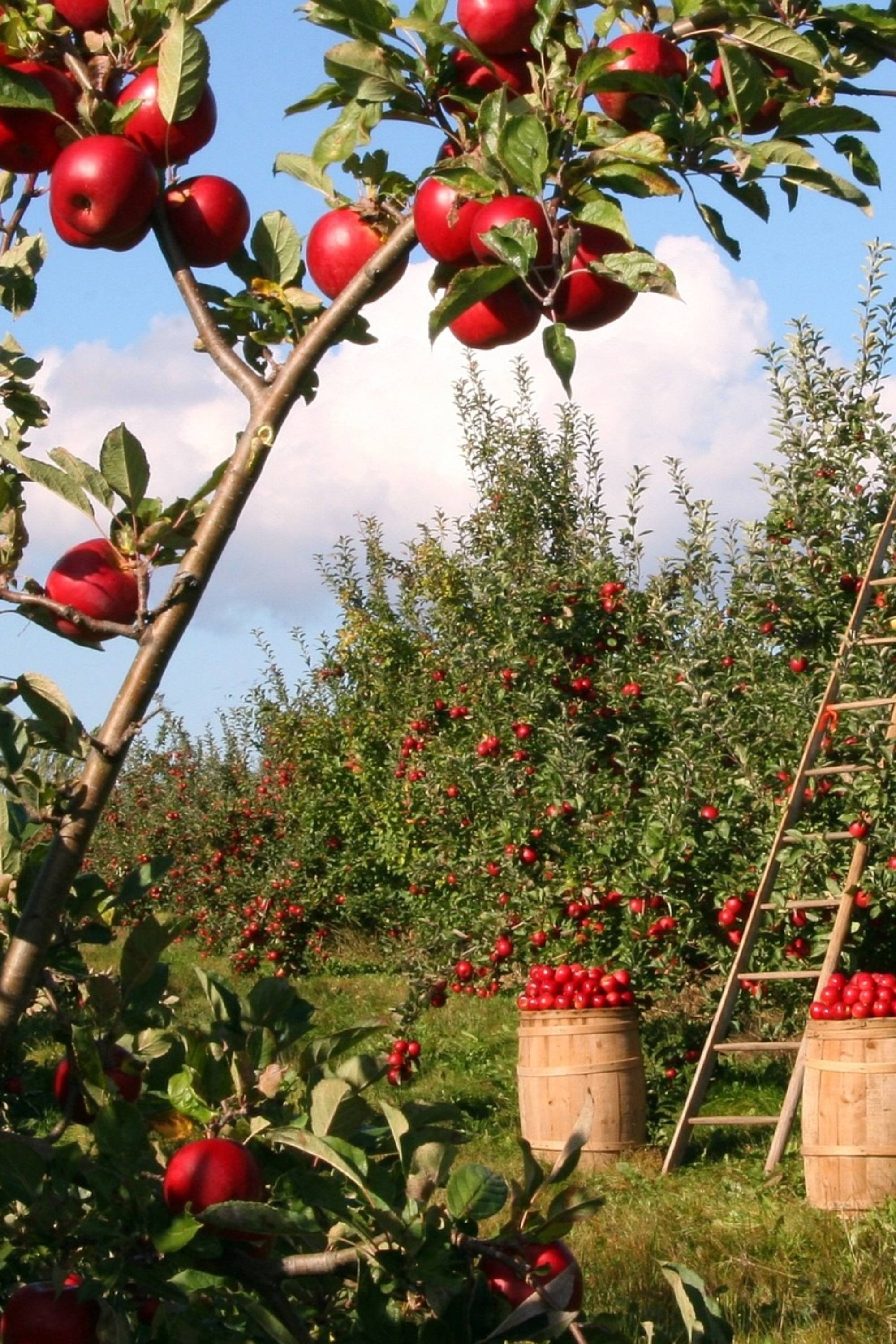
"Harvesting the Land" is an inspiring TV show that takes a deep dive into the world of farming and agriculture. Each episode follows the journey of different farmers and their families as they work to sustainably grow and harvest crops, raise livestock, and maintain their land.
Follow TYT host John Iadarola and journalist Chavala Madlena on a journey throughout the Arctic, presenting an unprecedented view of life in a part of the world that few will ever see.
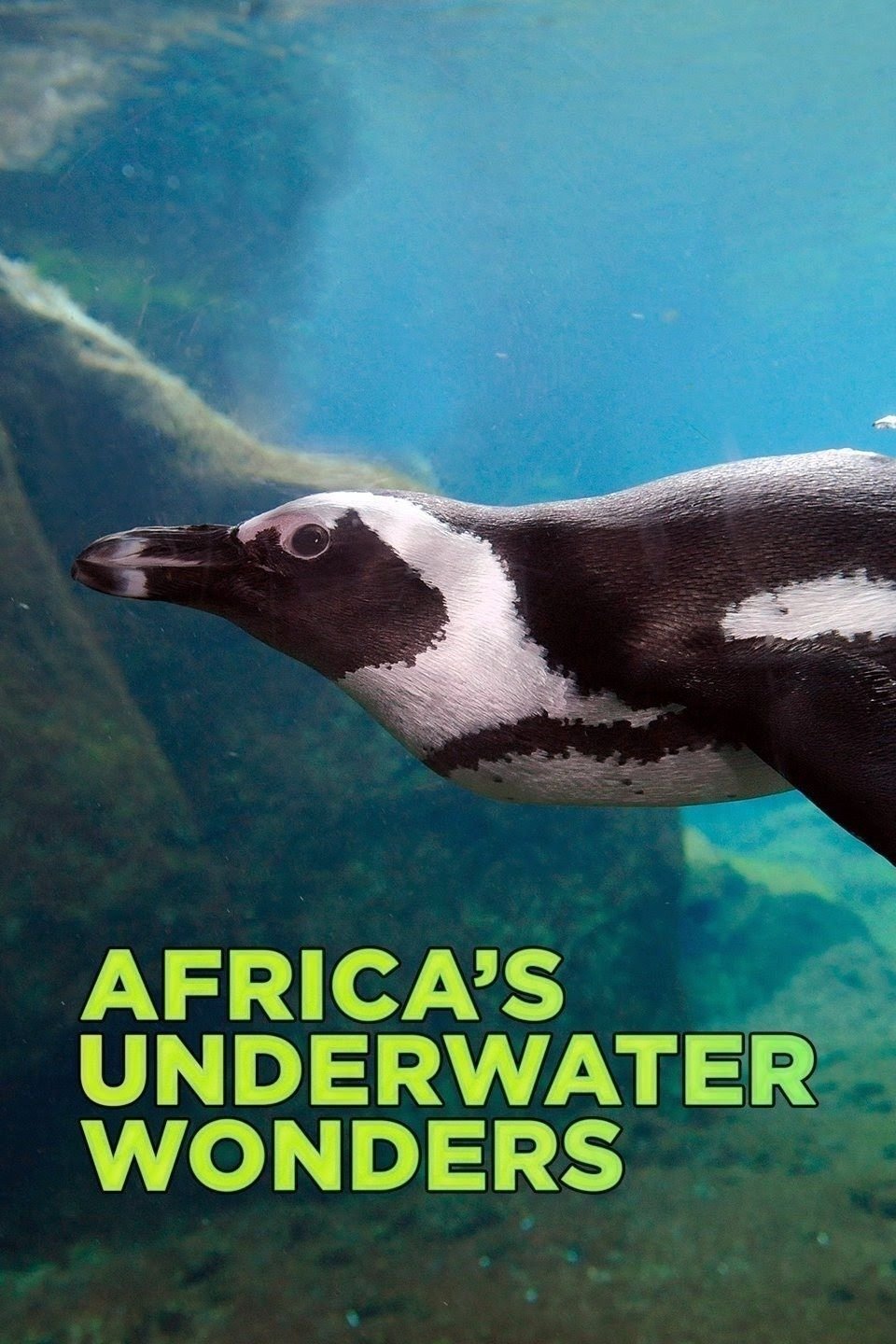
Our planet consists of seemingly countless seas and oceans, but so far many of their mysteries remain unexplored. Africa's underwater cameras dive deeper than ever before to explore the treasure trove of fauna, flora and vital ecosystems that live in the sea.
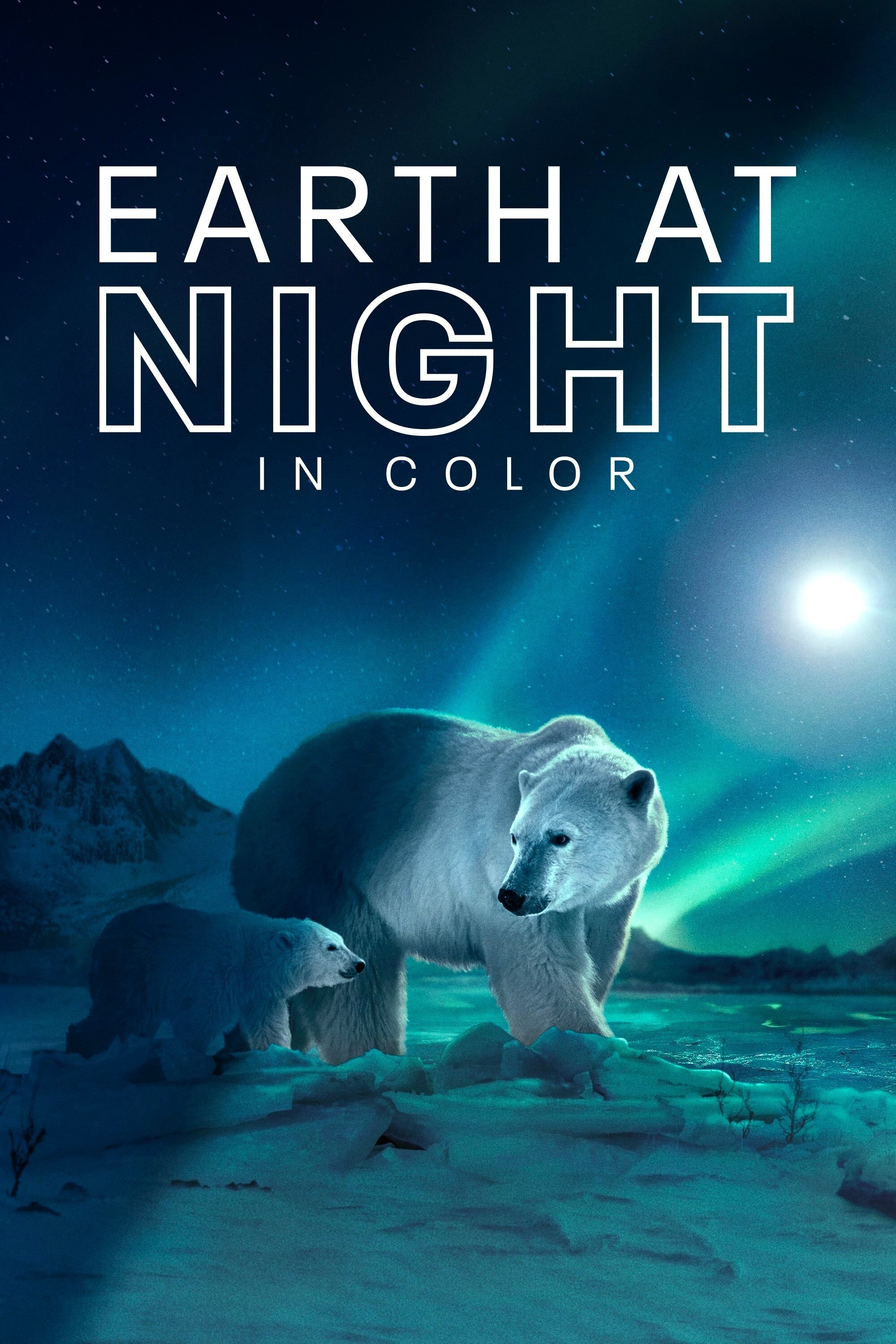
Filmed across six continents, this docuseries uses cutting-edge camera technology to capture animals' nocturnal lives, revealing new behaviours filmed in full color like never before.
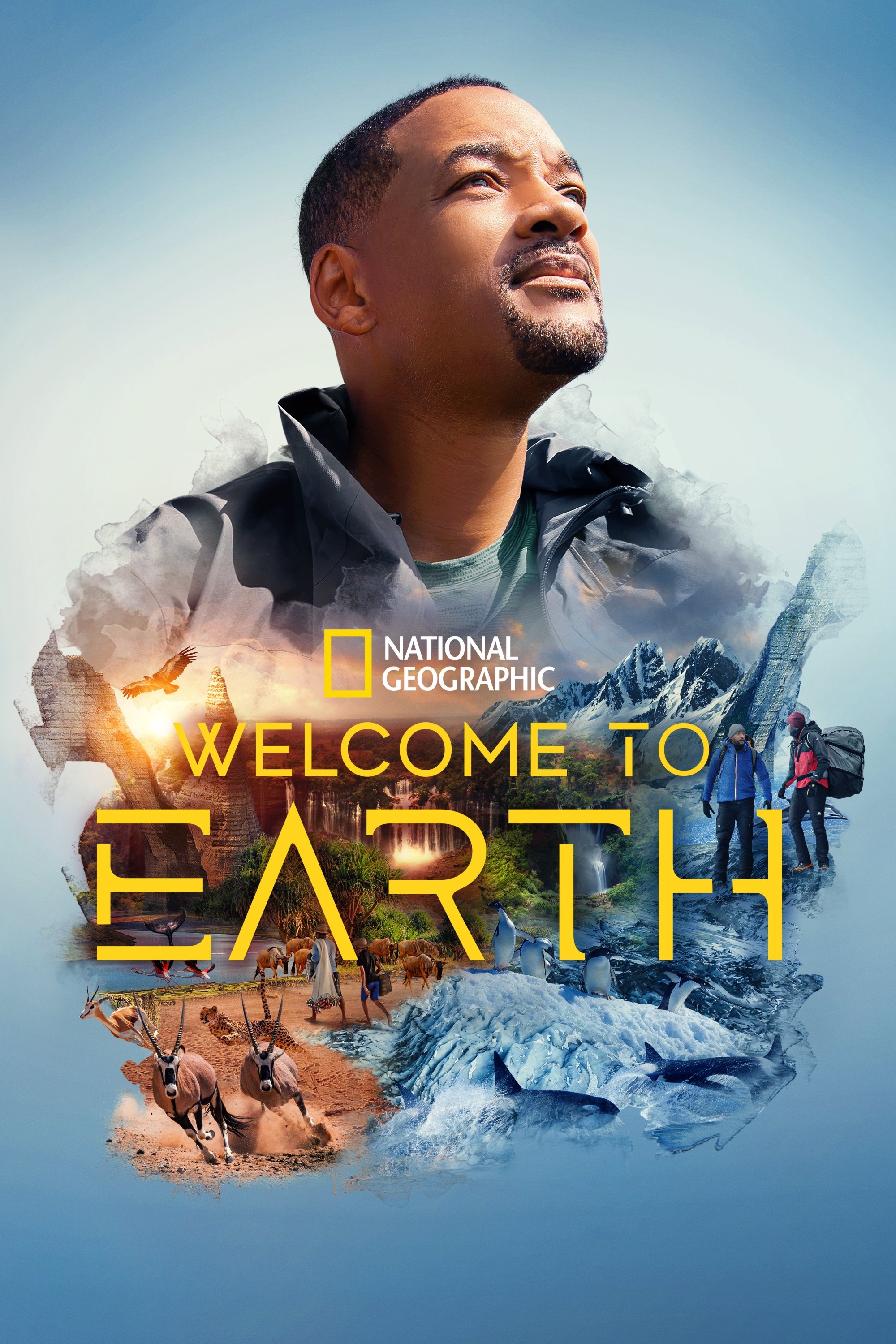
Will Smith whose curiosity and wonder is positively infectious—is guided by National Geographic Explorers traveling to different corners of the world to get up close and personal with the weirdest, most unusual, dangerous and thrilling spectacles of the planet.
Natural World is a nature documentary television series broadcast annually on BBC Two and regarded by the BBC as its flagship natural history brand. It is currently the longest-running series in its genre on British television, with more than 400 episodes broadcast since its inception in 1983. Natural World is produced by the BBC Natural History Unit in Bristol, but individual programmes can be in-house productions, collaborative productions with other broadcasters or films made and distributed by independent production companies and purchased by the BBC. Natural World programmes are often broadcast as PBS Nature episodes in the USA. Since 2008, most Natural World programmes have been shot and broadcast in high definition.
Consistently stunning documentaries transport viewers to far-flung locations ranging from the torrid African plains to the chilly splendours of icy Antarctica. The show's primary focus is on animals and ecosystems around the world. A comic book based on the show, meant to be used an as educational tool for kids, was briefly distributed to museums and schools at no cost in the mid-2000s.
Journeying to the far reaches of our planet, this eight part series follows some of the world's most amazing species, telling extraordinary stories that are dramatic, thrilling, funny and sometimes heart-breaking, but always full of hope.
Shot from land and air, in trees and cliff-blinds, on ice floes and underwater, this documentary tells the powerful stories of many of the planet's species and their movements, while revealing new scientific insights with breathtaking high-definition clarity and emotional impact. The beauty of these stories is underscored by a new focus into these species; fragile existence and their life-and-death quest for survival in an ever-changing world.
Millions of years ago, incredible forces ripped apart the Earth’s crust creating seven extraordinary continents. This documentary series reveals how each distinct continent has shaped the unique animal life found there.
Experience our planet's natural beauty and examine how climate change impacts all living creatures in this ambitious documentary of spectacular scope.
Doctor Who Confidential is a documentary to complement the revival of the long-running British science fiction television series Doctor Who. Each episode was broadcast on BBC Three on Saturdays, immediately after the broadcast of the weekly television episode on BBC One. The running time of the first two series was 30 minutes, being extended to 45 minutes in the third. BBC Three also broadcast a cut-down edition of the programme, lasting 15 minutes, shown after the repeats on Sundays and Fridays and after the weekday evening repeats of earlier seasons.
David Attenborough presents a documentary series exploring how animals meet the challenges of surviving in the most iconic habitats on earth.
The team behind Frozen II open their doors to cameras for a six-part documentary series to reveal the hard work, heart, and collaboration it takes to create one of the most highly-anticipated films in Walt Disney Animation Studios’ near-century of moviemaking. Cameras were there to capture an eye-opening - and at times jaw-dropping - view of the challenges and the breakthroughs, the artistry, creativity and the complexity of creating the #1 animated feature of all time.
Witness the remarkable story of our universe over billions of years and its inextricable link to life on Earth in this sweeping documentary series.
David Attenborough celebrates the amazing variety of the natural world in this epic documentary series, filmed over four years across 64 different countries.
This immersive series follows the world's most magnificent creatures, capturing never-before-seen moments from the heartwarming to the outrageous.
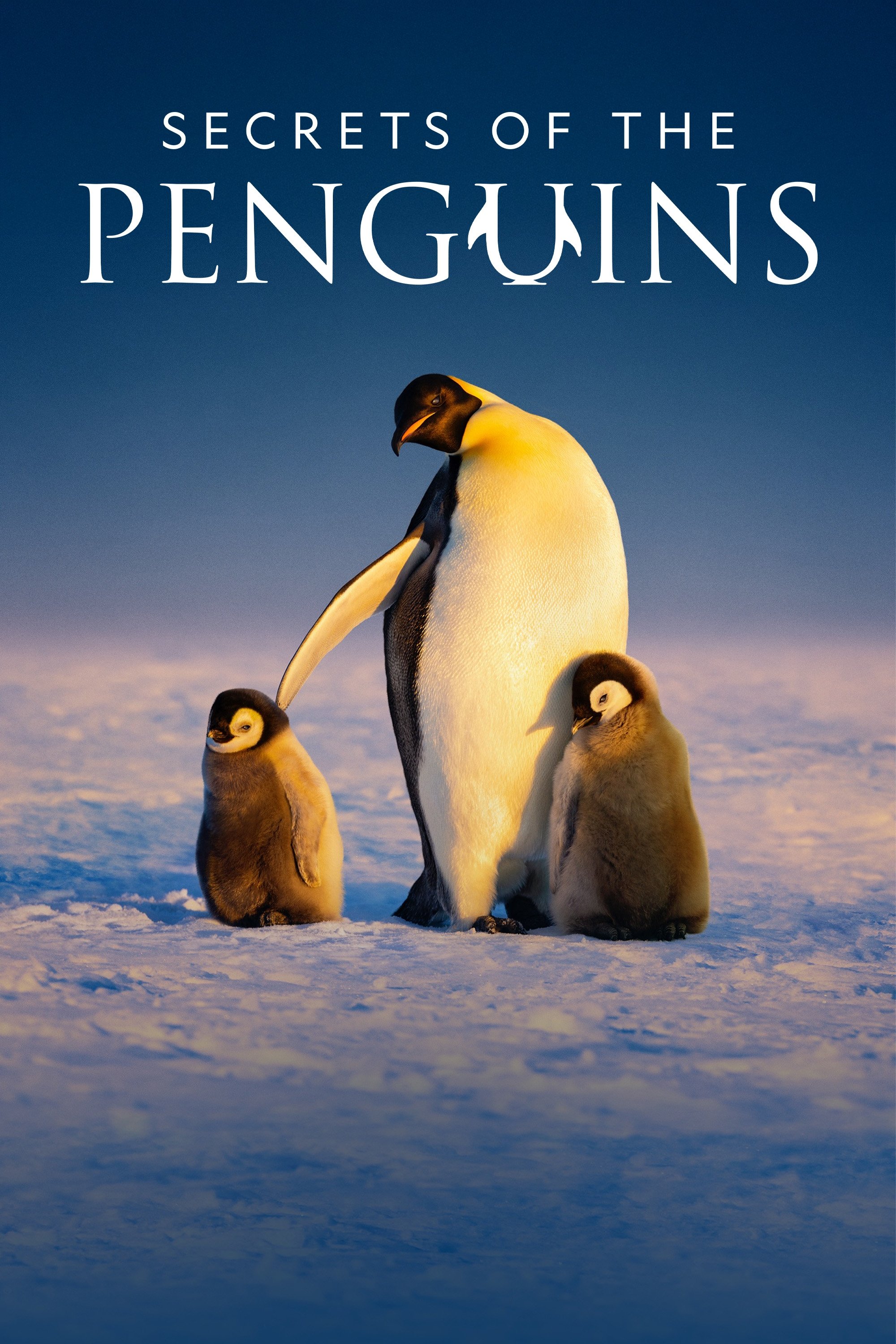
Over two extraordinary years, National Geographic Explorer Bertie Gregory discovered never-before-filmed secret traditions, surprising intelligence and close-knit societies of penguins. This astonishing series reveals they are more like us than we ever dreamed, from their powerful friendships to the courageous risk-takers using ingenuity and innovation in some of the world's most extreme places.
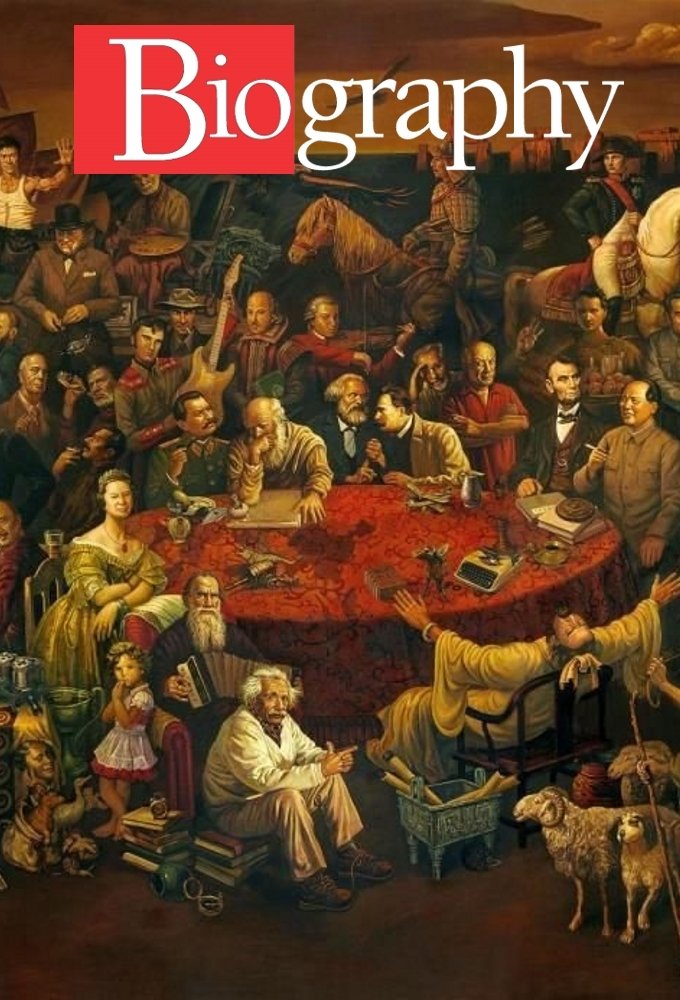
Biography is a documentary television series. It was originally a half-hour filmed series produced for CBS by David Wolper from 1961 to 1964 and hosted by Mike Wallace. The A&E Network later re-ran it and has produced new episodes since 1987. The older version featured historical figures such as Helen Keller and Mark Twain, or long-dead entertainment figures such as Will Rogers or John Barrymore. The A&E series has placed the emphasis on such people as Marilyn Monroe, Elvis Presley, Plácido Domingo, Freddie Mercury, Jacqueline Kennedy Onassis, Eric Clapton, Pope John Paul II, Gene Tierney, Selena, Diego Rivera, Mao Zedong and Queen Elizabeth II, and fictional characters like The Phantom, Superman, Hamlet, Betty Boop, and Santa Claus. The program ended up profiling enough figures that in 1999, A&E spun it off into an entire network, The Biography Channel.
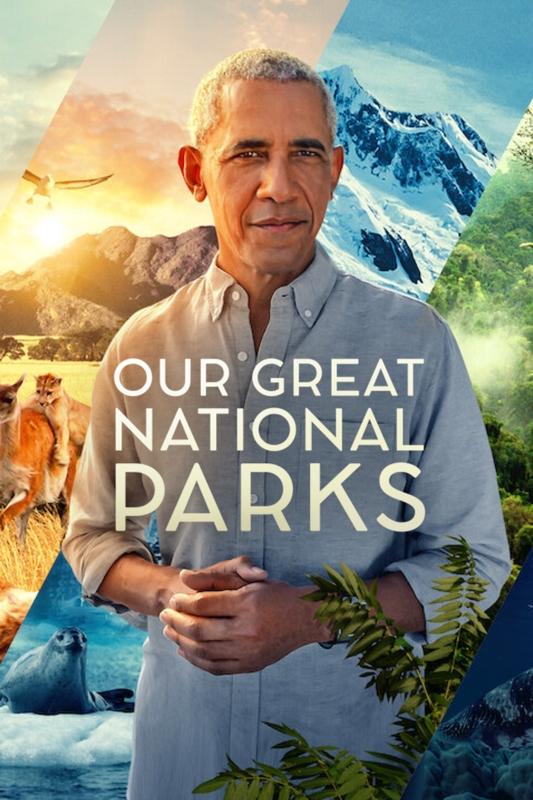
Narrated by former President Barack Obama, this stunning docuseries shines the spotlight on some of the planet's most spectacular national parks.
Australian host Steve Irwin and his wife Terri run a wildlife refuge. Their shared passion is educating the world about wildlife, including the much feared crocodile and numerous venomous snakes. Steve's specialty is the capture and relocation of crocodiles. No animal appears too threatening to Steve, his true respect for animals is the foundation for everything he does.
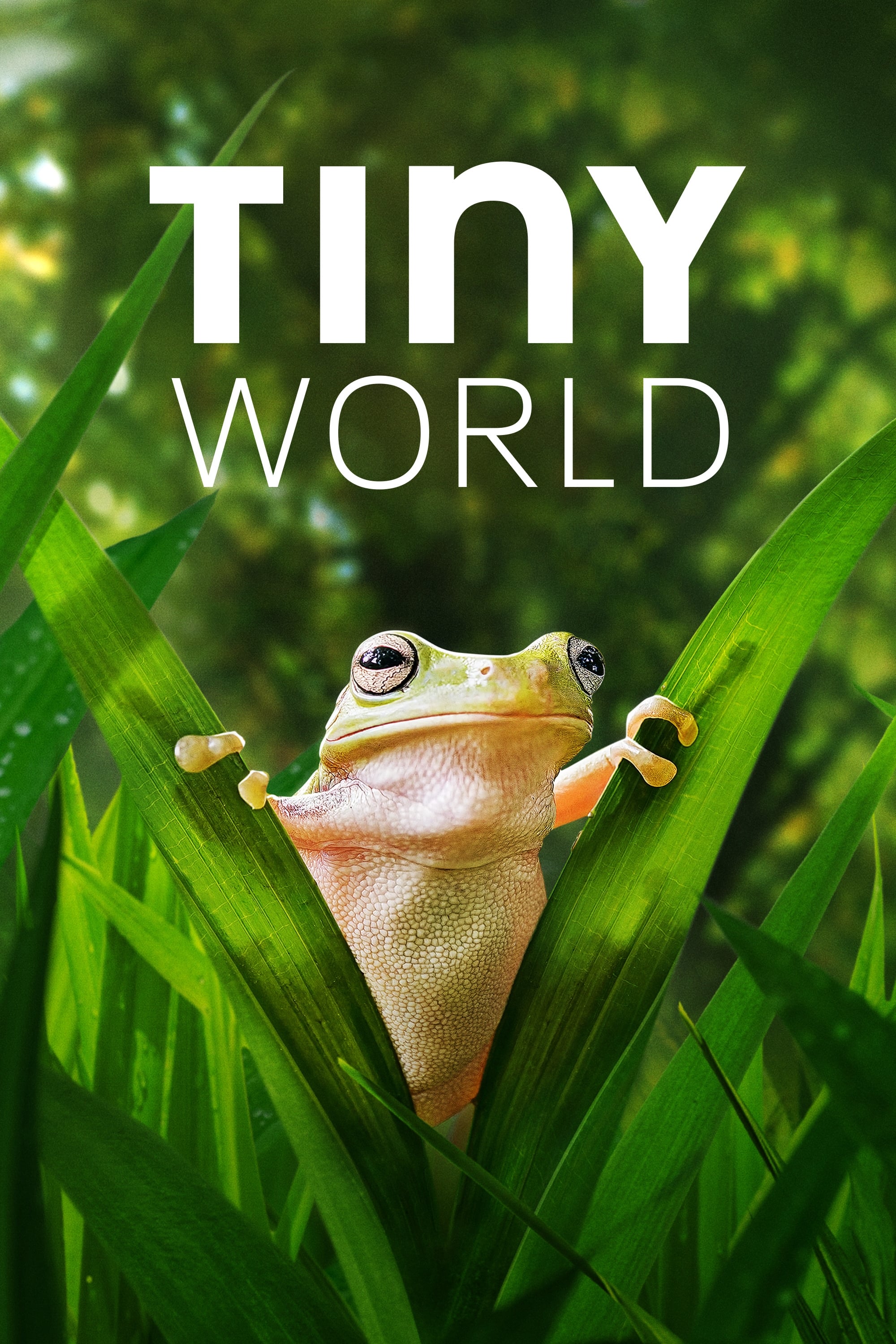
This docuseries showcases nature's lesser-known tiny heroes. Spotlighting small creatures and the extraordinary things they do to survive, each episode is filled with surprising stories and spectacular cinematography.
This six part documentary draws attention to the most extraordinary — almost supernatural — accounts of animals that have adapted to the cruelest evolutionary curveballs.