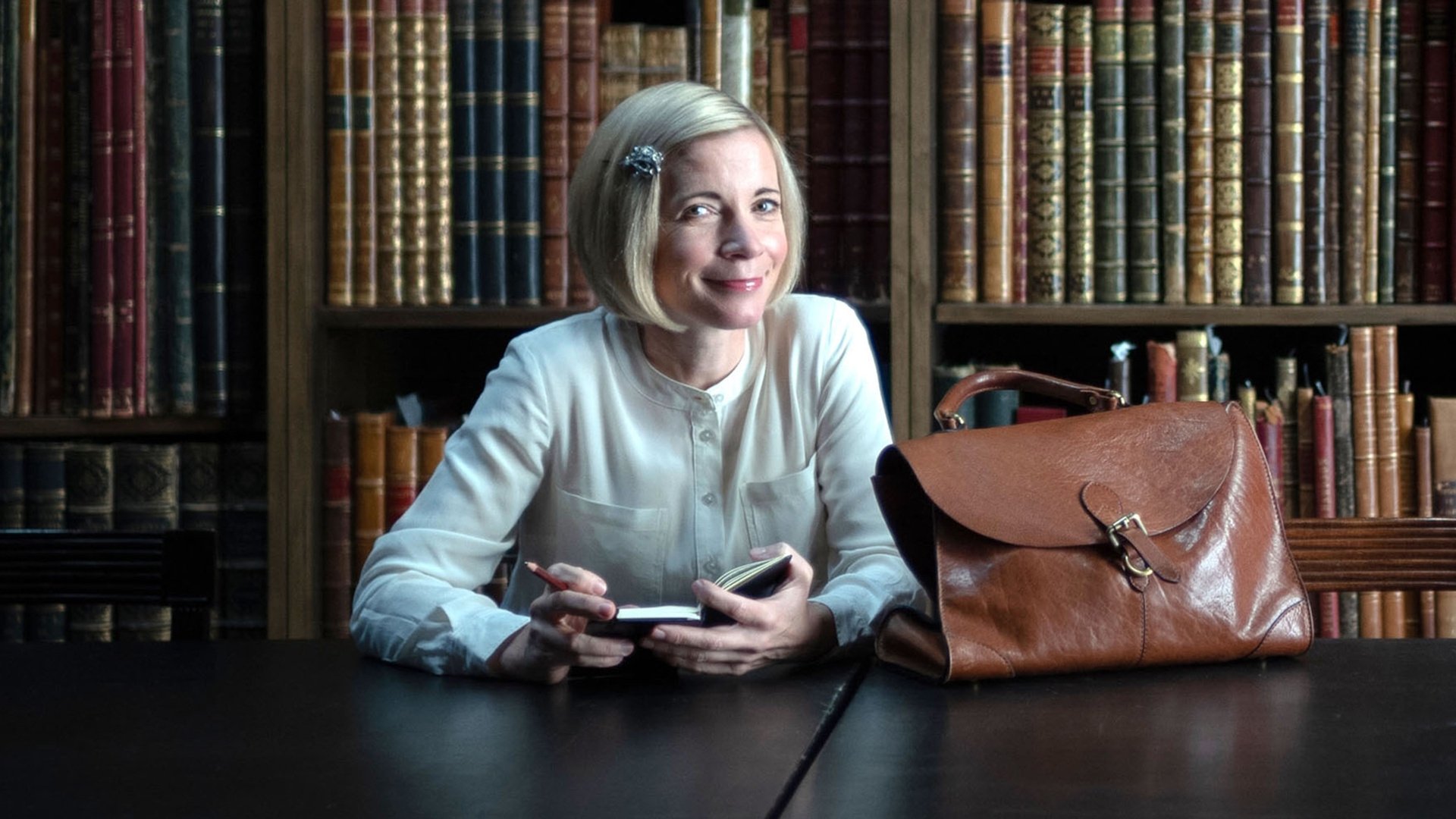
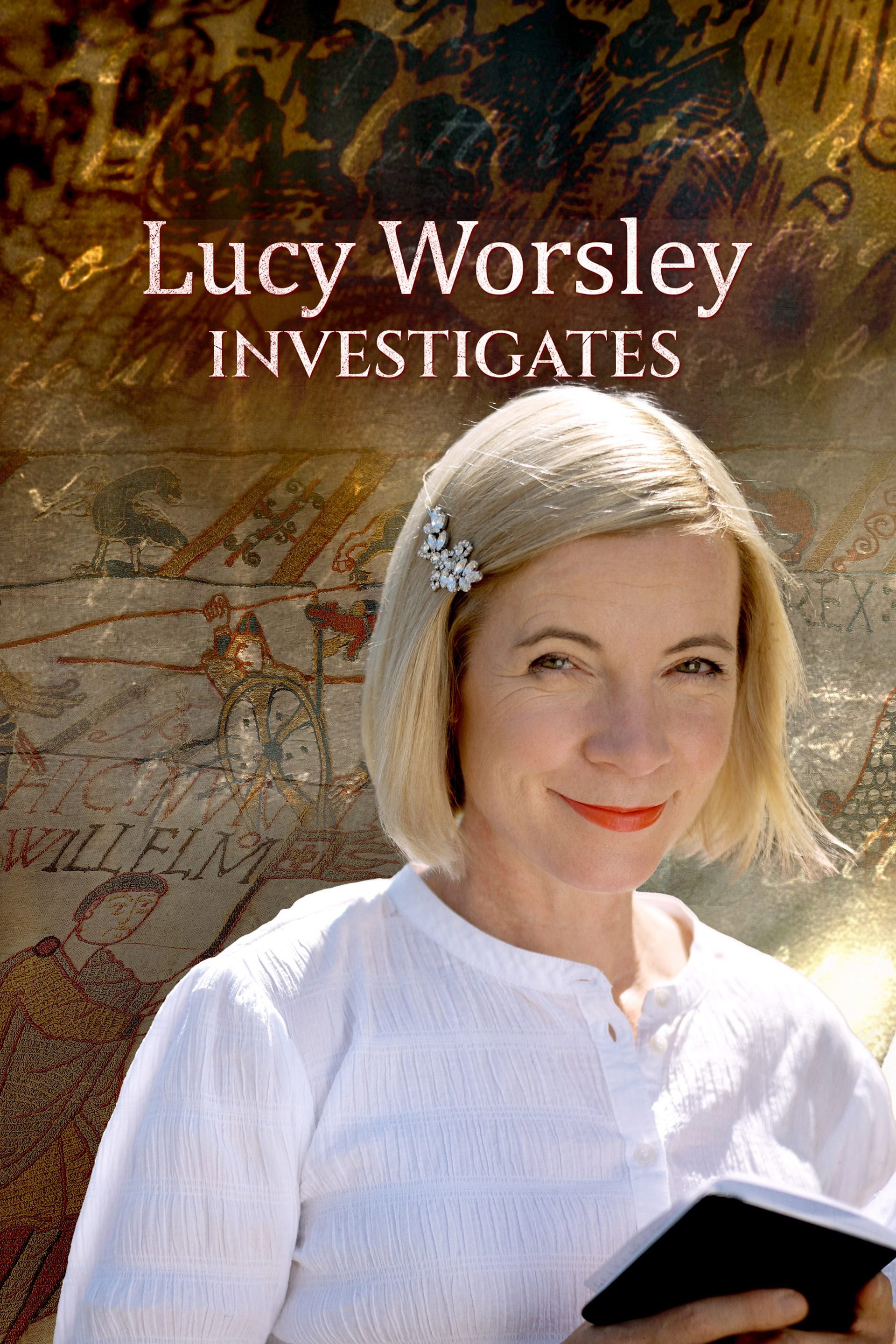
Lucy Worsley re-investigates some of the most dramatic chapters in British history. She uncovers forgotten witnesses, re-examines old evidence and follows new clues.
Social & External
The people behind it
Lucy Worsley
Self - Presenter
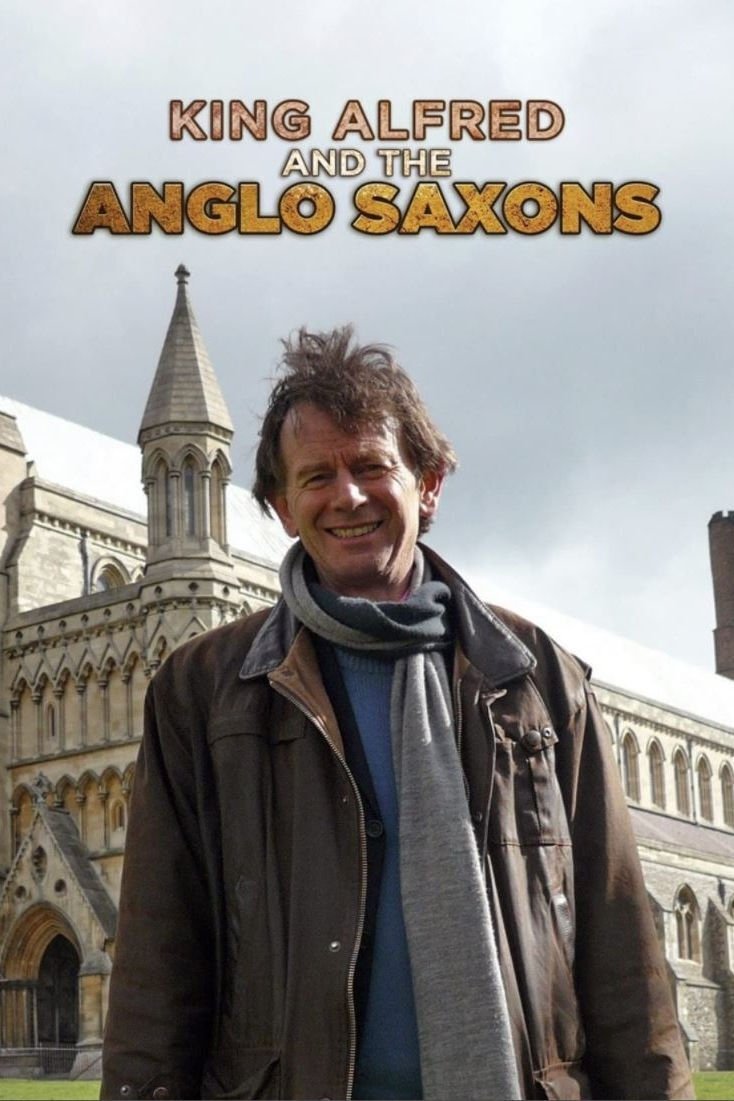
Michael Wood argues that the most important and influential British kings were a father, son and grandson who lived over a thousand years ago during the age of the Vikings.
Out of the ashes of World War I, a new generation of titan rises…Pierre Du Pont, Walter Chrysler, J.P. Morgan Jr., Henry Ford, and William Boeing. Their fight to reach the top will transform America as they compete to dominate new industries—from the highways to the skyways. After years of fighting each other, and FDR, these rivals must unite during World War II to defeat a greater enemy and save the world.
In four chapters, largely based on and illustrated with archaeological finds and sites, Neil Oliver explains how, as far as is known, the Iron Age Celtic tribes known as the Ancient Britains evolved and entered European civilization. Their internecine tribal phase was warlike and partitioned. Overseas contacts, especially metal trade, brought wealth and progress. Ultimately, it attracted the superior Roman empire, which would conquer and pacify Britain into a province, like Gaul shortly before, but Caesar's invasion wasn't the definitive annexation yet, that was left to emperor Claudius; even afterward some Celtic traits and even rebellions remained.
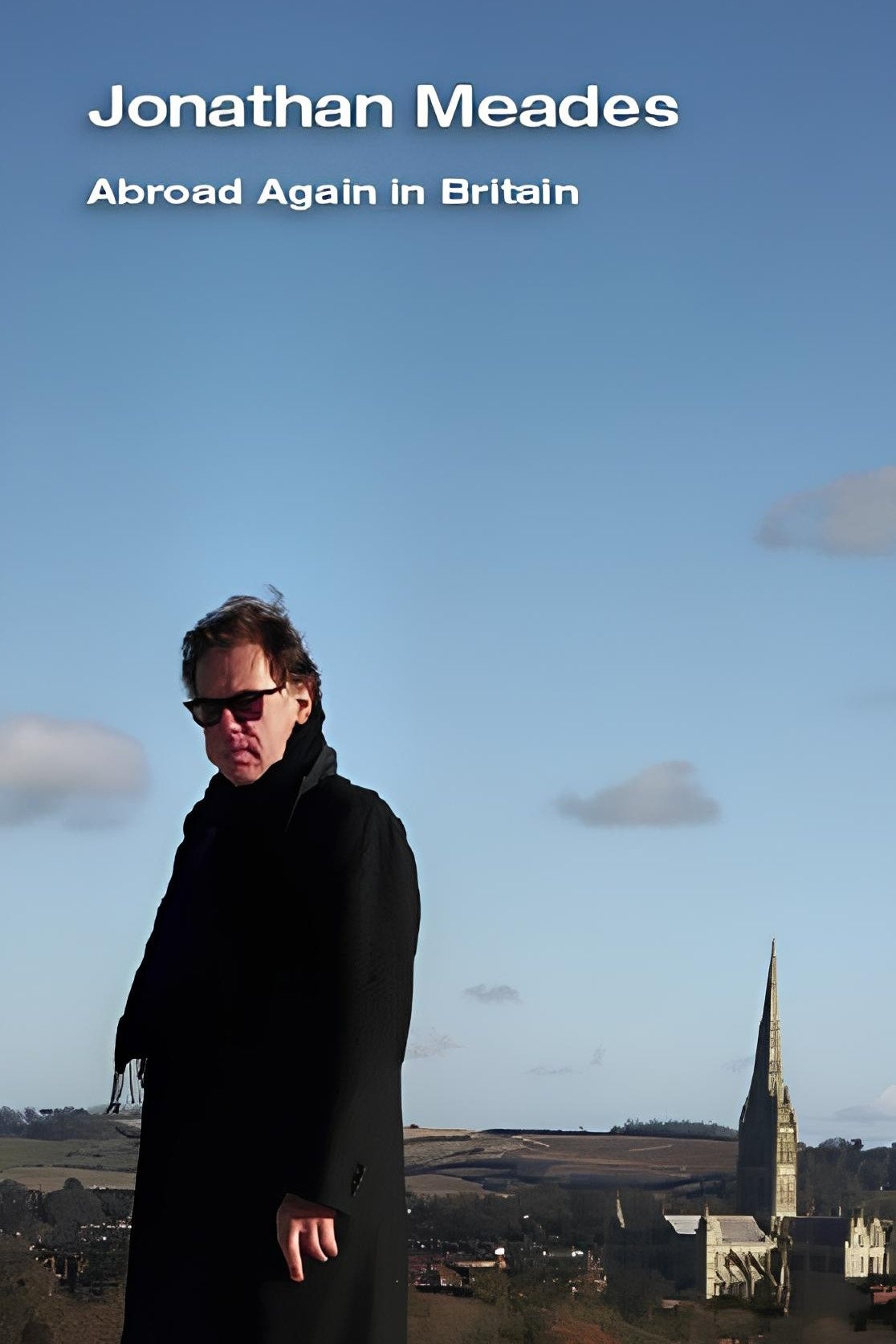
Jonathan Meades gives a personal perspective of British history.
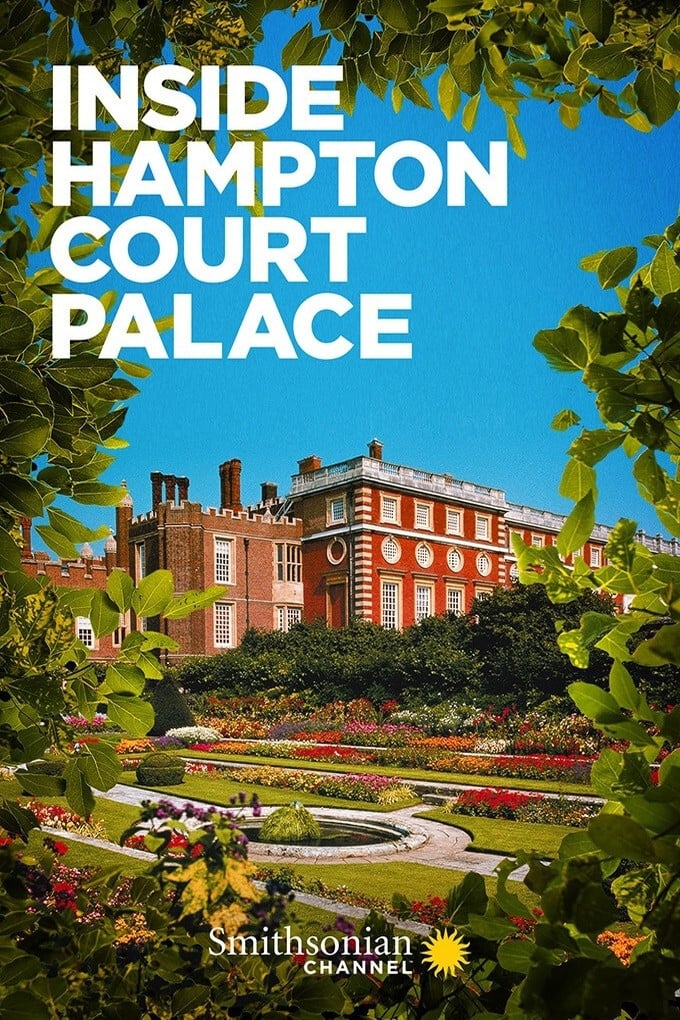
On the edge of London stands Hampton Court, one of Britain's biggest palaces and most popular tourist spots, attracting almost a million visitors every year. Spanning 750 acres of grounds, it boasts 1,300 rooms and 23 courtyards...along with a host of secrets and historic stories. This two-part special provides an exclusive and intimate look at life inside the court today for the people keeping Henry VIII's world alive in the modern age, and also explores what life was like in the palace where the private world of the Tudors began.

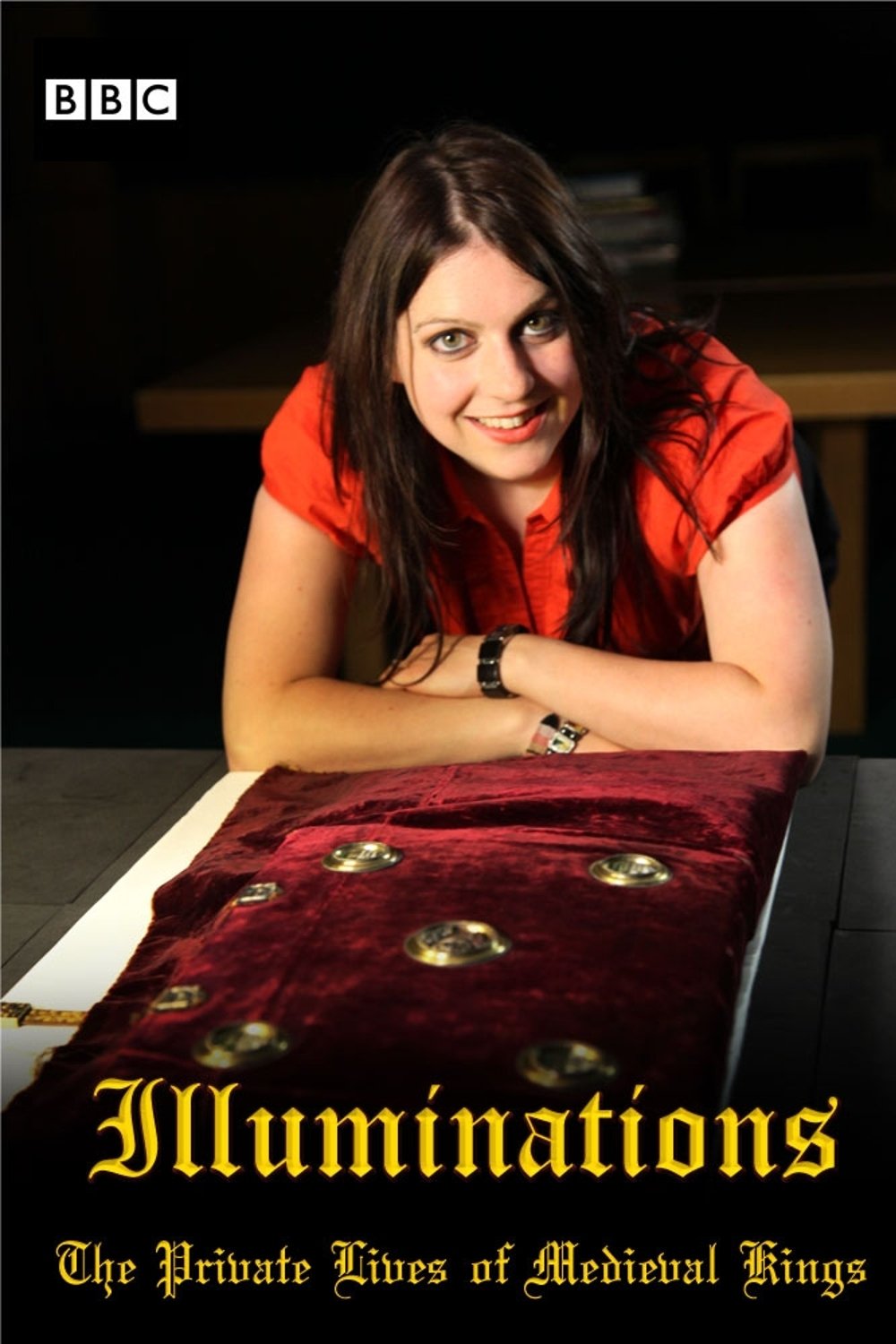
Through this three part series Art Historian Dr Janina Ramirez tells the story of the Medieval monarchy as preserved through stunning illuminated manuscripts from the British Library's Royal Manuscripts collection.
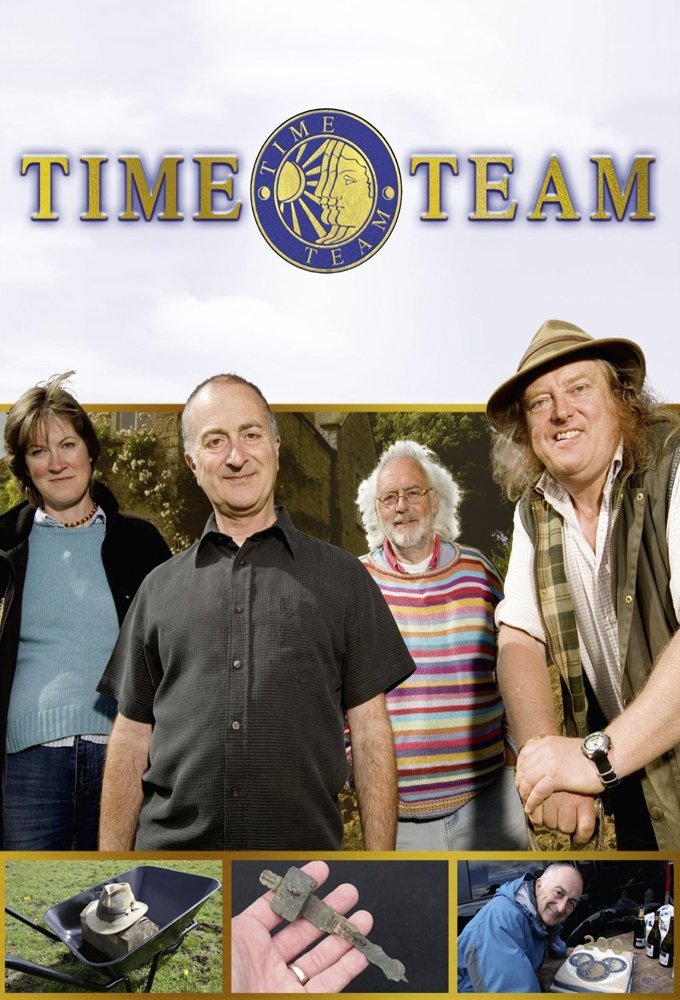
Time Team is a British television series which has been aired on British Channel 4 from 1994. Created by television producer Tim Taylor and presented by actor Tony Robinson, each episode featured a team of specialists carrying out an archaeological dig over a period of three days, with Robinson explaining the process in layman's terms. This team of specialists changed throughout the series' run, although has consistently included professional archaeologists such as Mick Aston, Carenza Lewis, Francis Pryor and Phil Harding. The sites excavated over the show's run have ranged in date from the Palaeolithic right through to the Second World War.
From cafes to craft fairs, glamping to ghosts, join Dame Penelope Keith as she meets the owners of Britain’s historic country houses struggling to keep their homes intact. Featured properties include Ashby Manor in Northamptonshire, Chillingham Castle in Northumberland, and Mapperton House in Dorset. As these estates turn to innovative ventures to stay afloat, Keith offers insight into the challenges of maintaining these grand homes in 2025. Will their creative solutions be enough to save their history?
Andrew Marr's The Making of Modern Britain is a 2009 BBC documentary television series presented by Andrew Marr that covers the period of British history from the death of Queen Victoria to the end of the Second World War. It was a follow-up to his 2007 series Andrew Marr's History of Modern Britain.
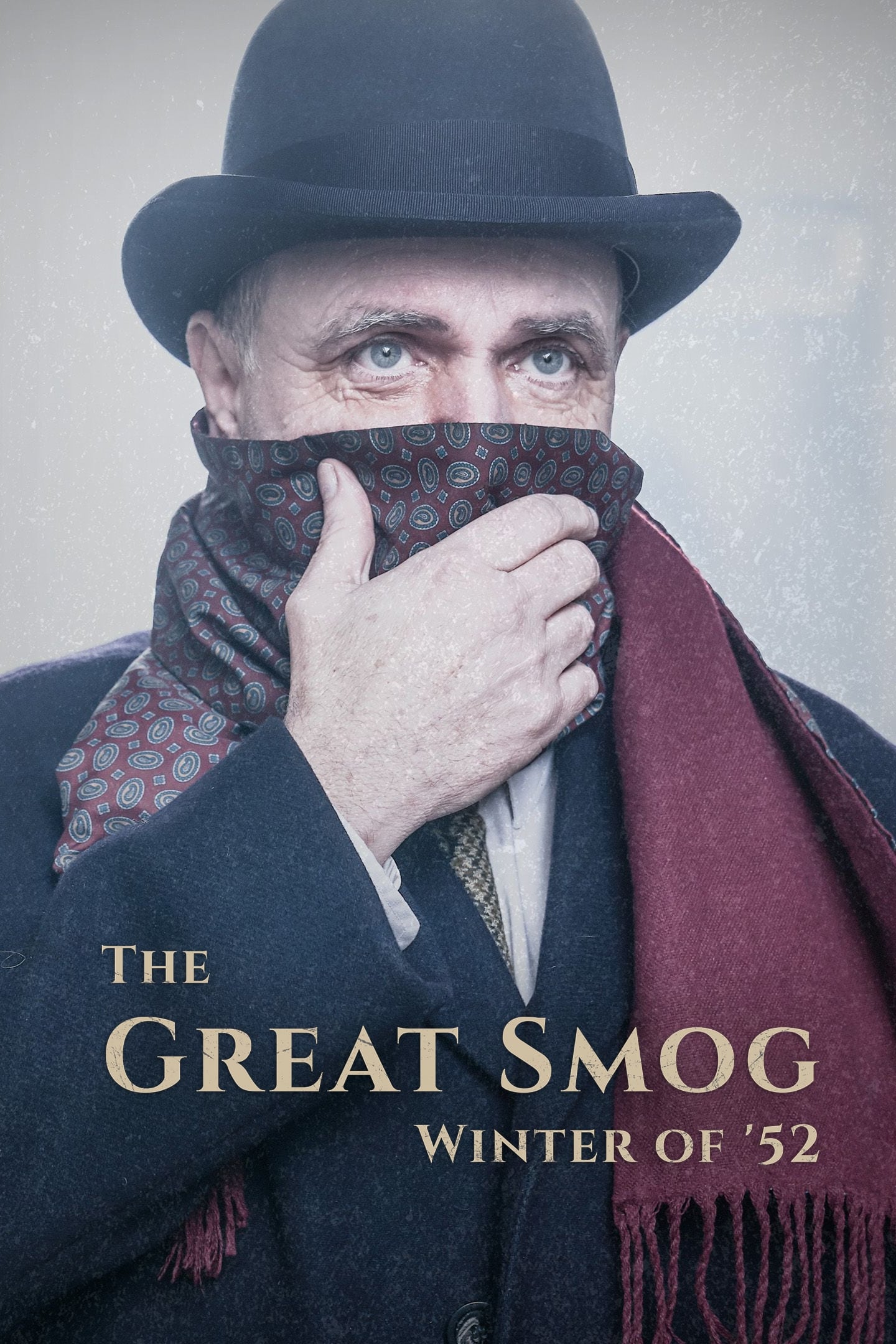
Dr Xand Van Tulleken and Raksha Dave investigate the Great Smog of 1952 - the deadliest environmental disaster ever recorded and one of the world's worst peacetime catastrophes. Lasting just over four days, the Great Smog plunged London into a terrifyingly murky gloom - the acrid pollution seeping into homes, leaving Londoners gasping for breath, shutting down transport and emergency services, and overwhelming hospitals and undertakers alike.
Documentary series which ranges widely over Britain's social and cultural history, its narrative-led storytelling offering a richly immersive and varied window onto the past.
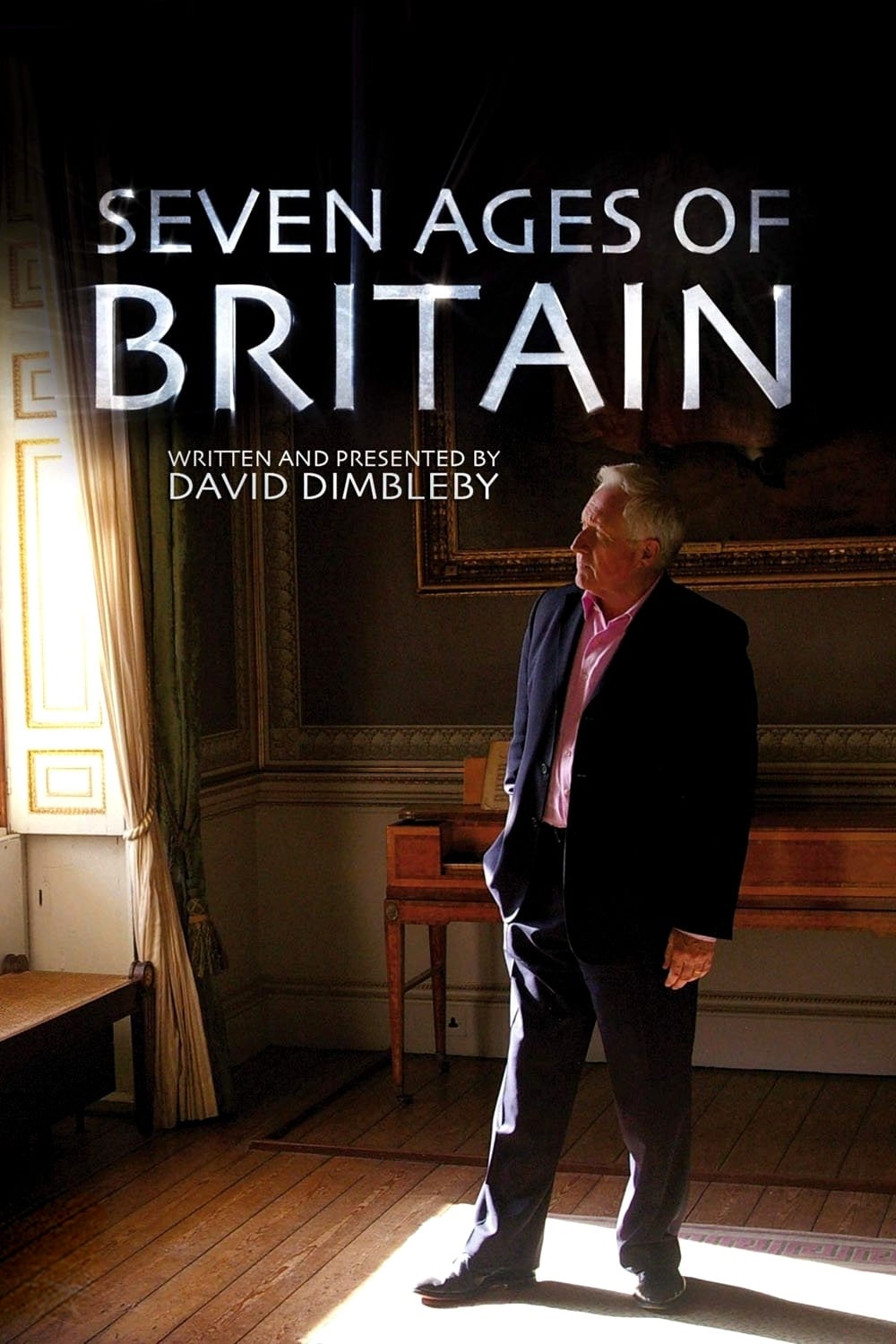
Seven Ages of Britain is a BBC television documentary series which is written and presented by David Dimbleby. The seven part series was first aired on Sunday nights at 9:00pm on BBC One starting on 31 January 2010. The series covers the history of Britain's greatest art and artefacts over the past 2000 years. Each episode covers a different period in British history. In Australia, all seven episodes aired on ABC1 each Tuesday at 8:30pm from 7 September 2010.
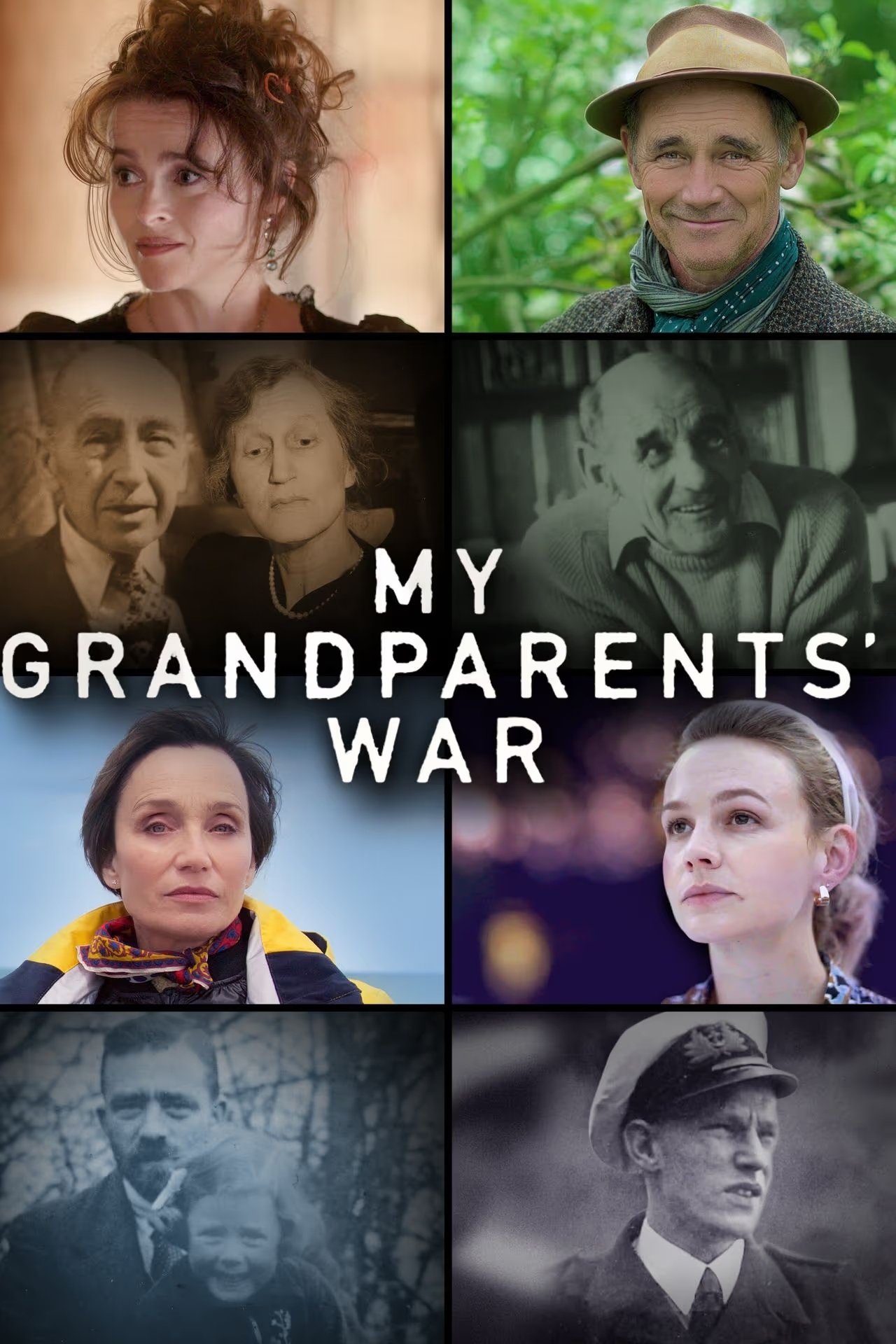
In this four-part documentary series, leading Hollywood actors undertake a fascinating journey into their family's past by re-tracing the footsteps of their grandparents during World War Two. We follow the moving, personal stories of Helena Bonham Carter, Mark Rylance, Kristin Scott Thomas, and Carey Mulligan as they travel to historic locations, from the beaches of Dunkirk to prisoner of war camps in Asia, to learn about the war their grandparents experienced. All of the actors have unanswered questions about the scars war left on their grandparents, and in each episode one of the actors explore how six years changed the lives of their family and the world forever while learning about the life and death decisions that their grandparents faced.
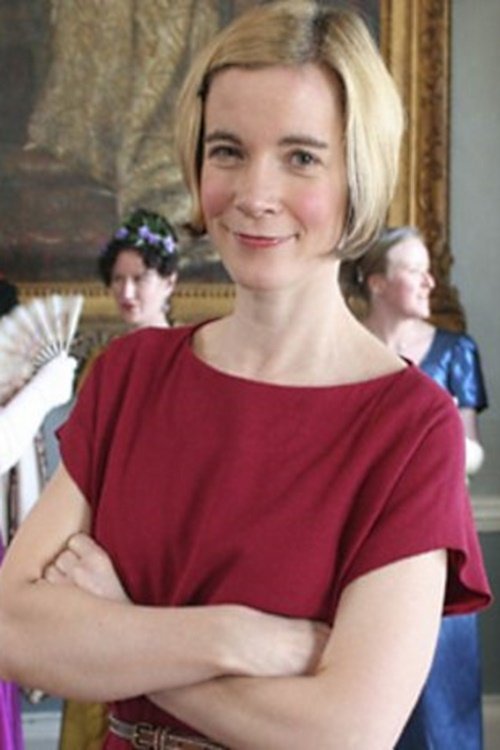
Historian Lucy Worsley presents a series marking the 200th anniversary of one of the most explosive and creative decades in British history, the Regency.
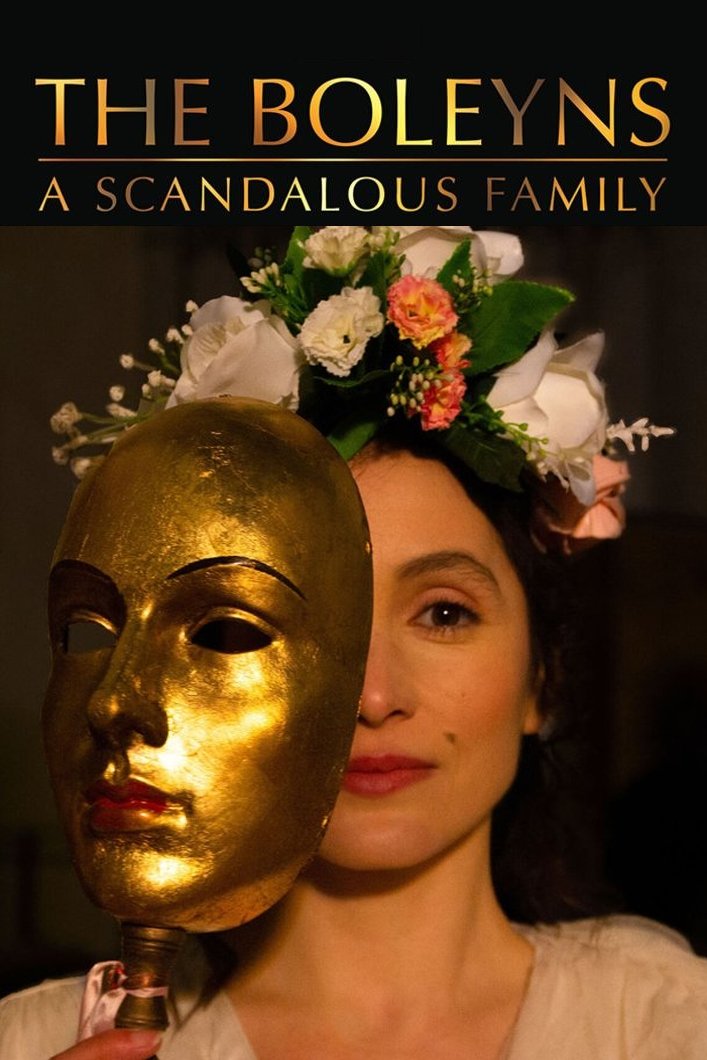
Part documentary, part historical drama, this series follows the fortunes of the different members of the Boleyn family, ultimately made notorious for daughter Anne’s marriage to Henry VIII and execution.
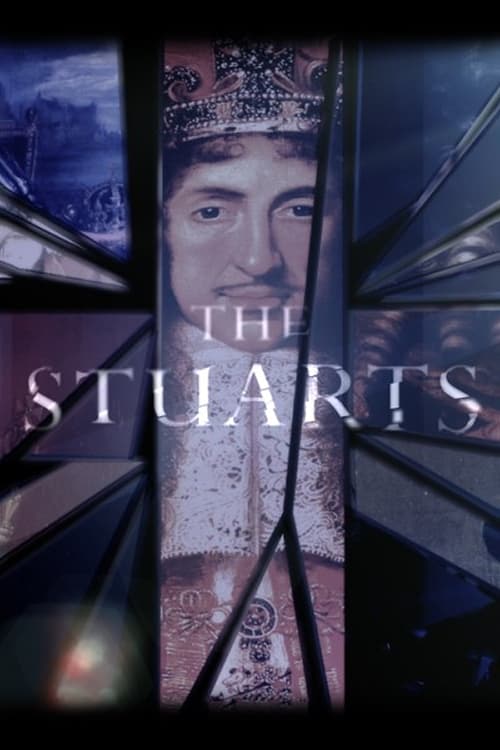
Presented by Dr Clare Jackson of Cambridge University, this new three-part series argues that the Stuarts, more than any other, were Britain's defining royal family.
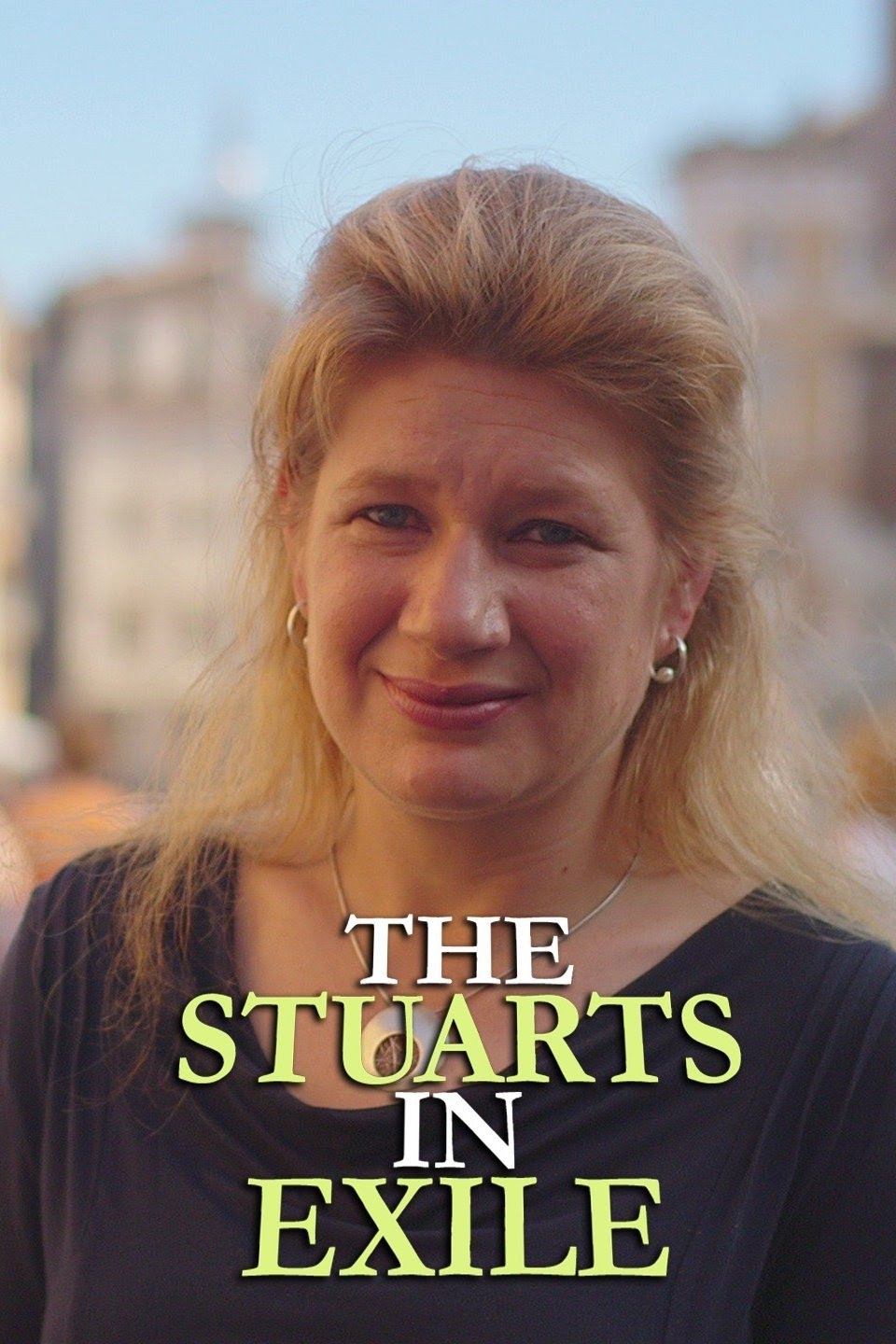
Dr Clare Jackson tells the story of The Stuarts in Exile and sheds new light on the political, military and cultural threat the Jacobite's posed to the embryonic British state. Although the '15' ultimately failed, it crystallised the stark choice facing those living in early 18th-century Britain. Are you for the Stuarts or are you for Hanoverian's?
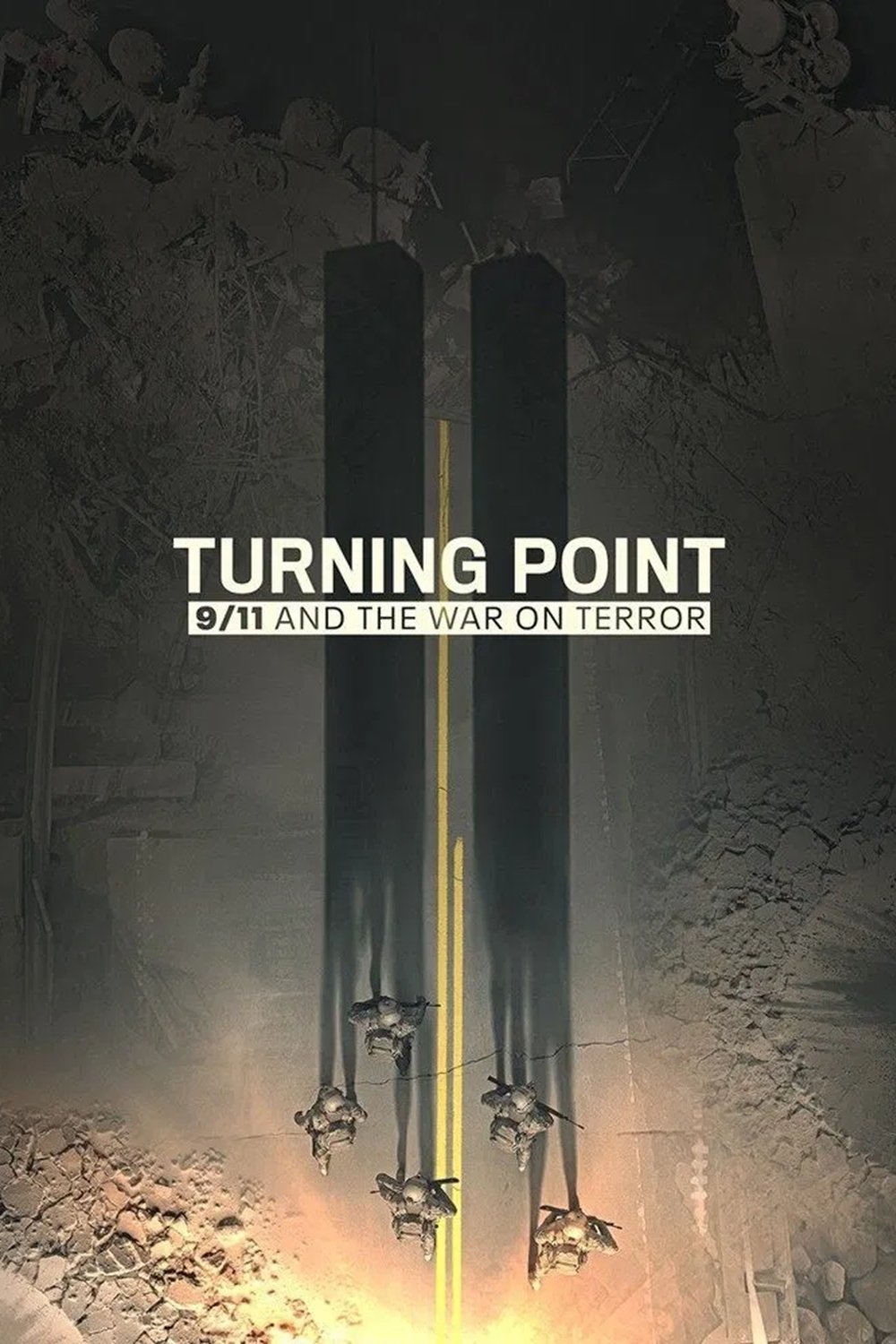
Modern history can be divided into two time frames: before 9/11 and after 9/11. This five-part docuseries is a cohesive chronicle of the September 11, 2001 attacks on the U.S., offering illuminating perspectives and personal stories of how the catastrophic events of that day changed the course of the nation.
Dominic Sandbrook takes a fresh look at a dynamic decade. 1980s Britain changed in everything from politics and sport to fashion and popular culture.
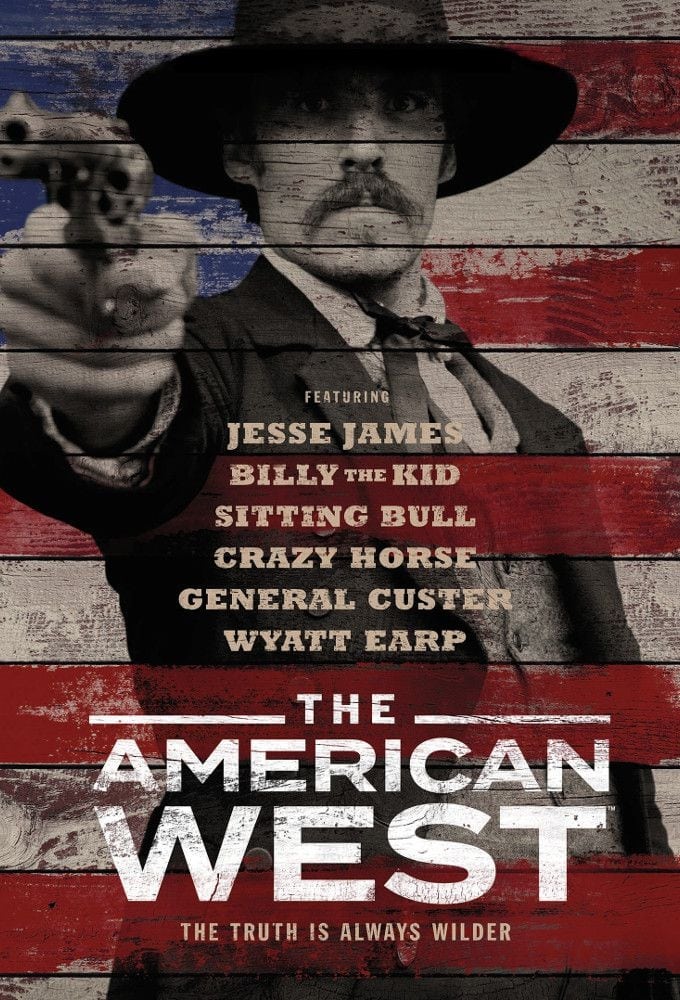
The story of the aftermath of the Civil War and how the United States transformed into the “land of opportunity" spanning the years 1865 to 1890. Transporting into the violent world of cowboys, Indians, outlaws and law men, the story chronicles the personal, little-known stories of Western legends such as Jesse James, Billy the Kid, Wyatt Earp, Crazy Horse and Sitting Bull.
Infographics and archival footage deliver bite-size history lessons on scientific breakthroughs, social movements and world-changing discoveries.
Honoring service members whose courage merited the awarding of a Medal of Honor, this docudrama series re-creates their inspiring true stories.
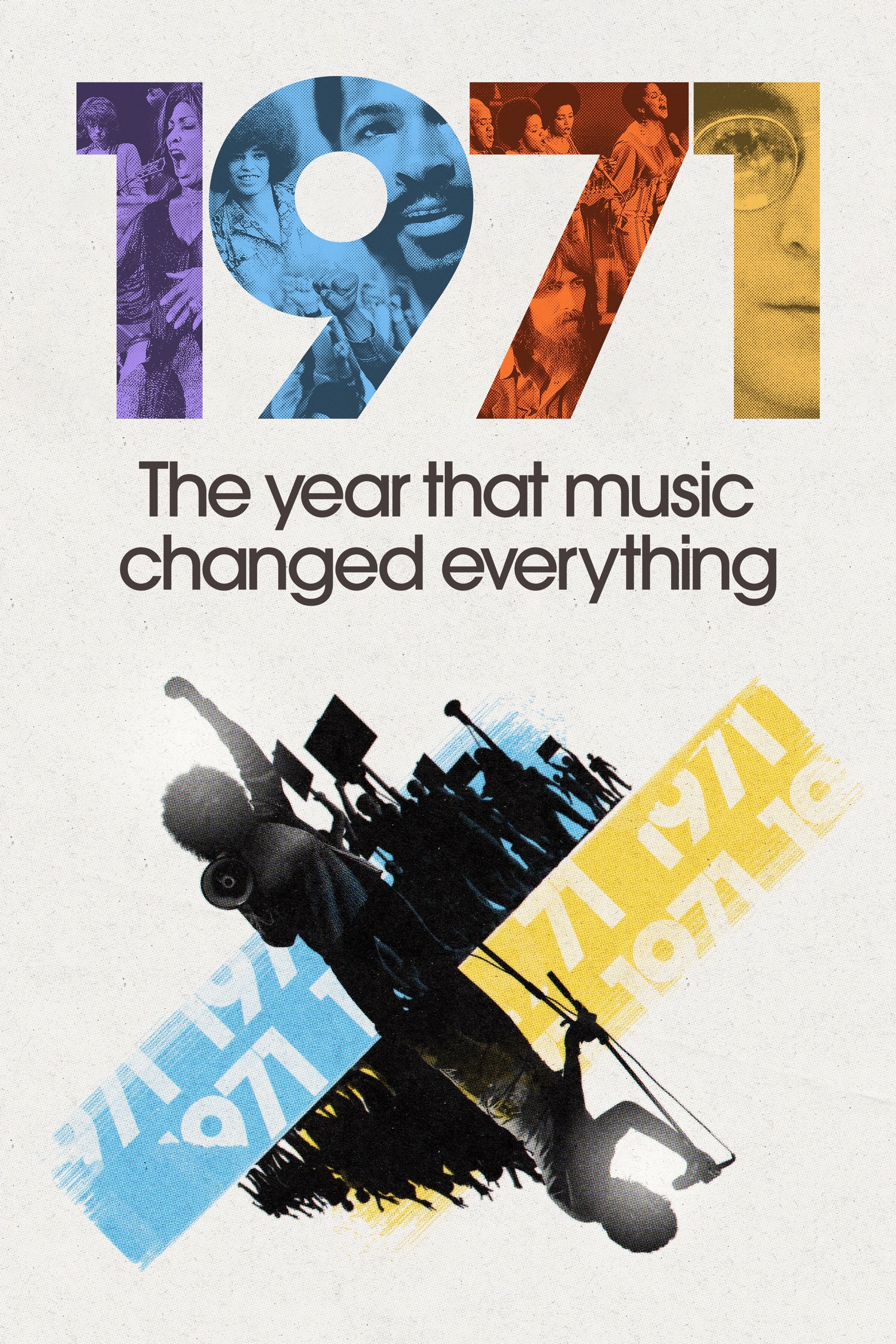
In a tumultuous era, 1971 was a year of musical innovation and rebirth fueled by the political and cultural upheaval of the time. Stars reached new heights, fresh talent exploded onto the scene, and boundaries expanded like never before.
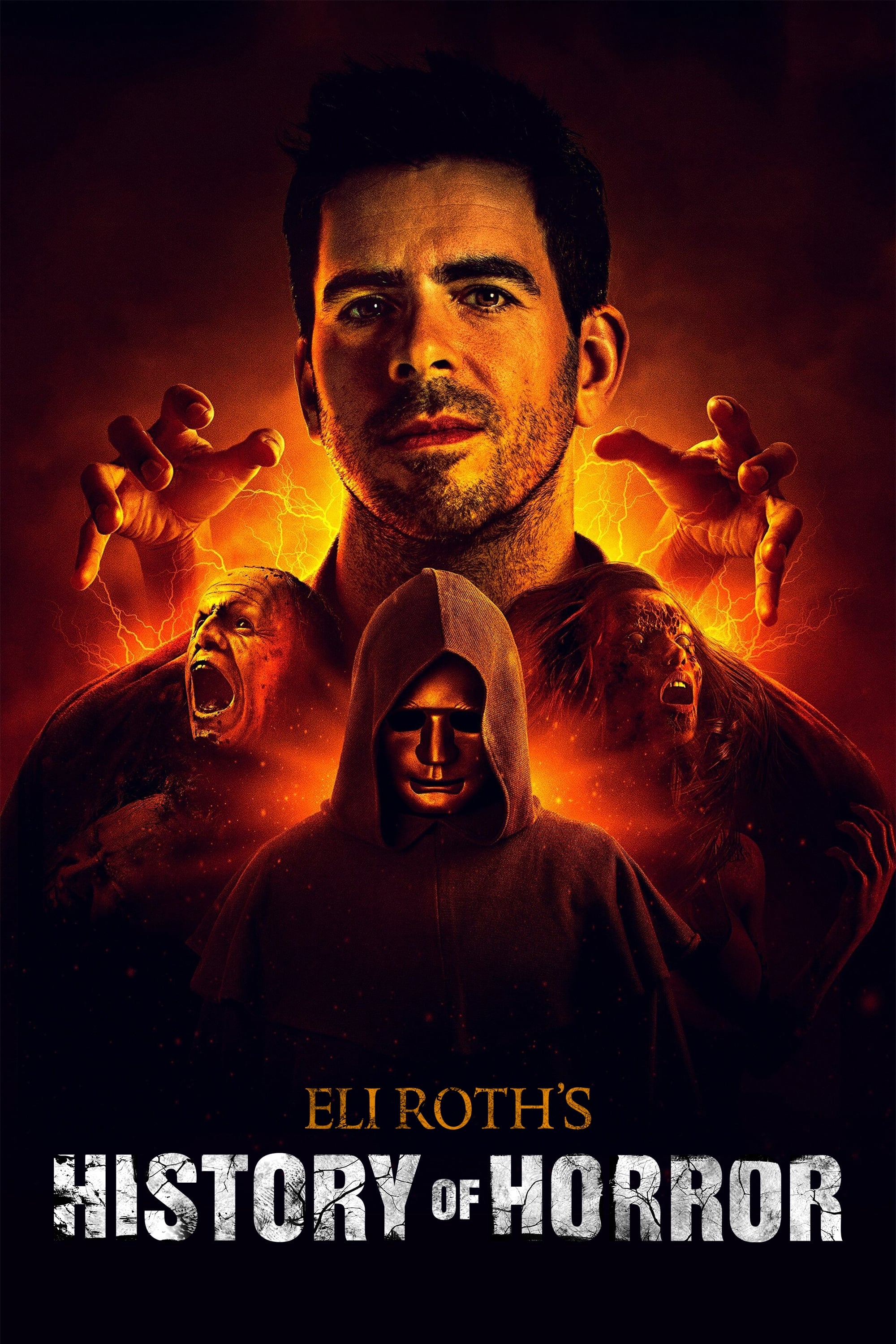
An in-depth look at the history and pop cultural significance of horror films.
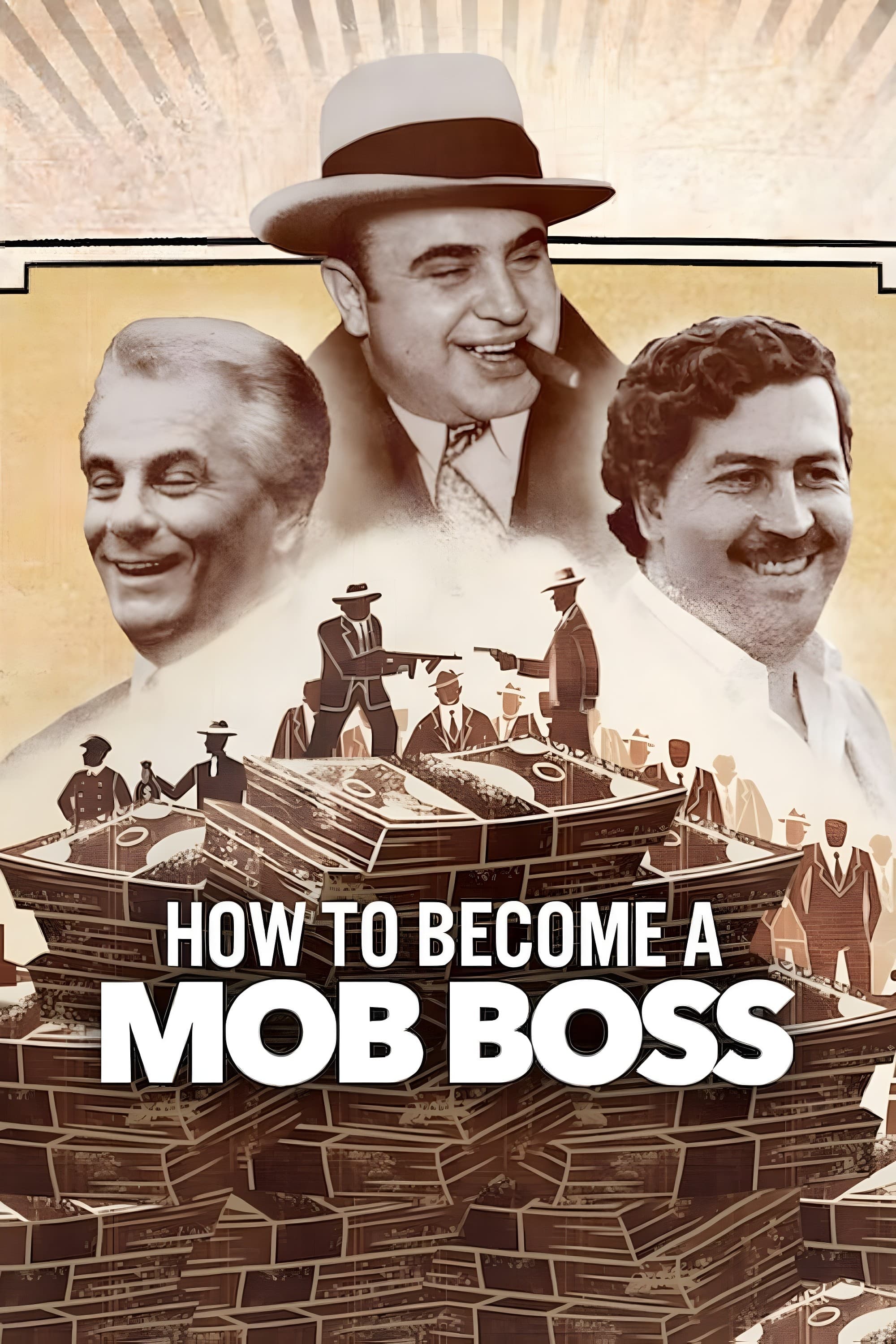
This darkly satirical how-to guide explores the rise and fall of history's most notorious mob bosses and their tactics for success.
A series of standalone documentaries powered by the unparalleled journalism and insight of The New York Times, bringing viewers close to the essential stories of our time.
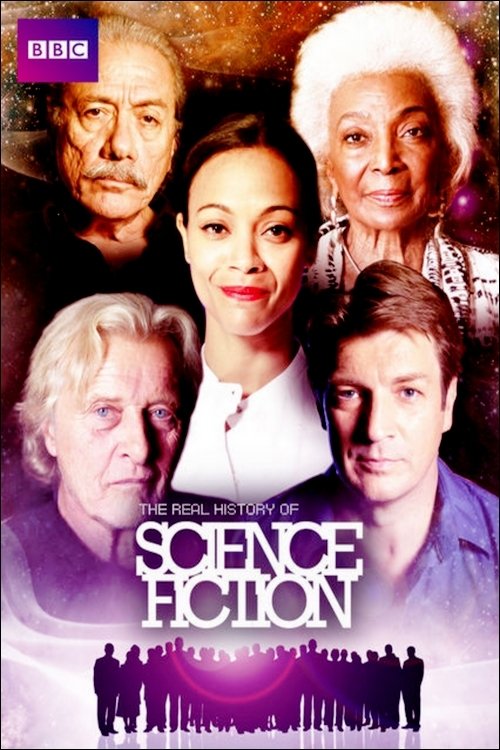
The series heads to the very frontiers of space and science to produce the definitive television history of science fiction, told through its impact on cinema, television and literature, with the help of filmmakers, writers, actors, and graphic artists. Each episode will explore one of the enduring themes of science fiction: time travel; the exploration of space; robots and artificial intelligence; and aliens.
Witness the stories of history's most notorious kingpins, their terrifying enforcers, and the men and women who've sworn to bring them down.
Will Smith hosts this look at the evolving, often lethal, fight for equal rights in America through the lens of the US Constitution's 14th Amendment.
A chilling series in which survivors of a paranormal experience relive their harrowing encounter.
What happened to Mica Miller? This documentary series retraces her promising life, toxic marriage and the mysterious circumstances of her death.
The real-life pirates of the Caribbean violently plunder the world's riches and form a surprisingly egalitarian republic in this documentary series.
Drivers, managers and team owners live life in the fast lane — both on and off the track — during each cutthroat season of Formula 1 racing.
Real people sit down with friends and family to share terrifying true stories from their past, re-created through chilling re-enactments.
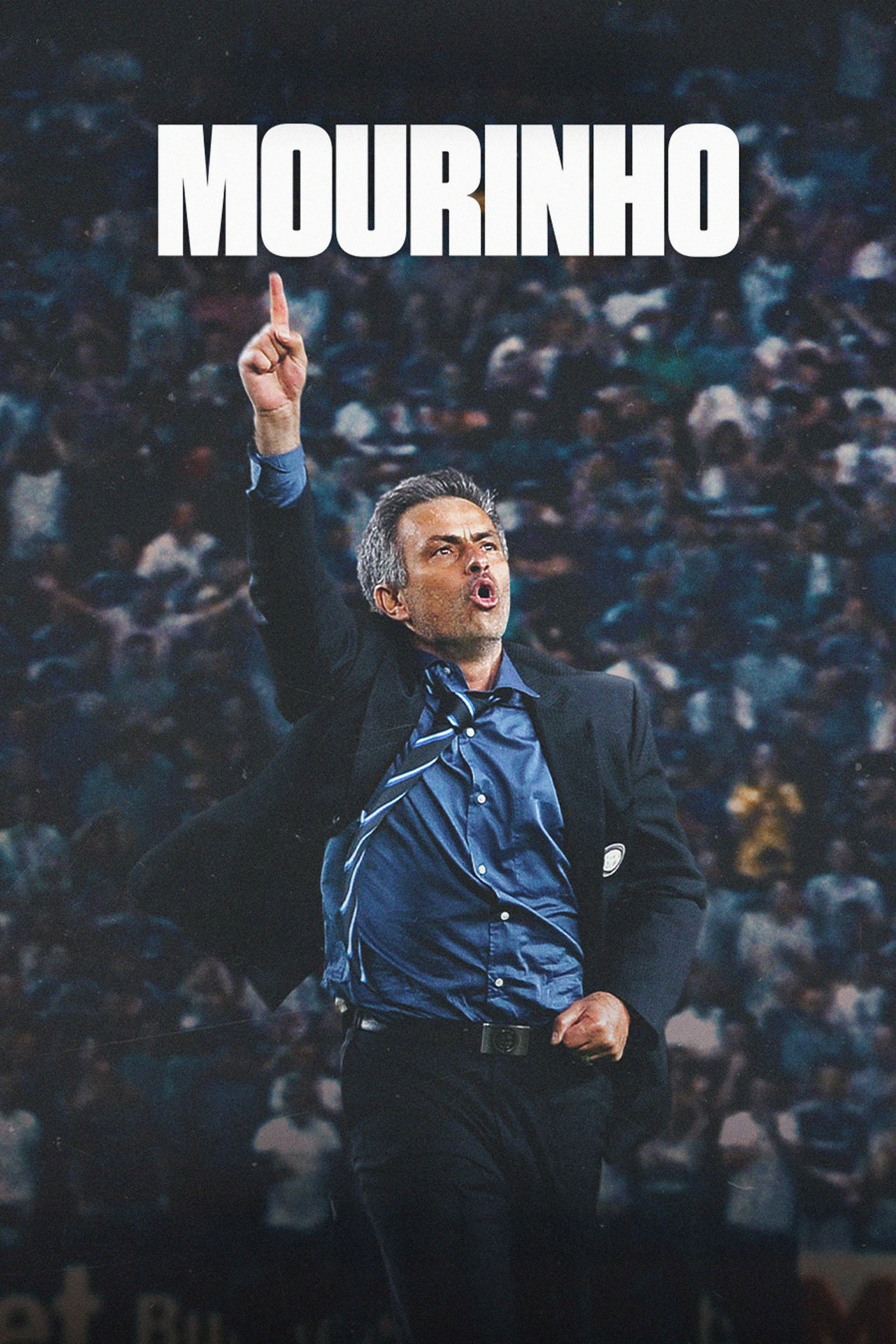
This trophy-packed, insider-fuelled documentary charts José Mourinho's iconic rise as one of the world's top footballing managers of the most elite clubs.
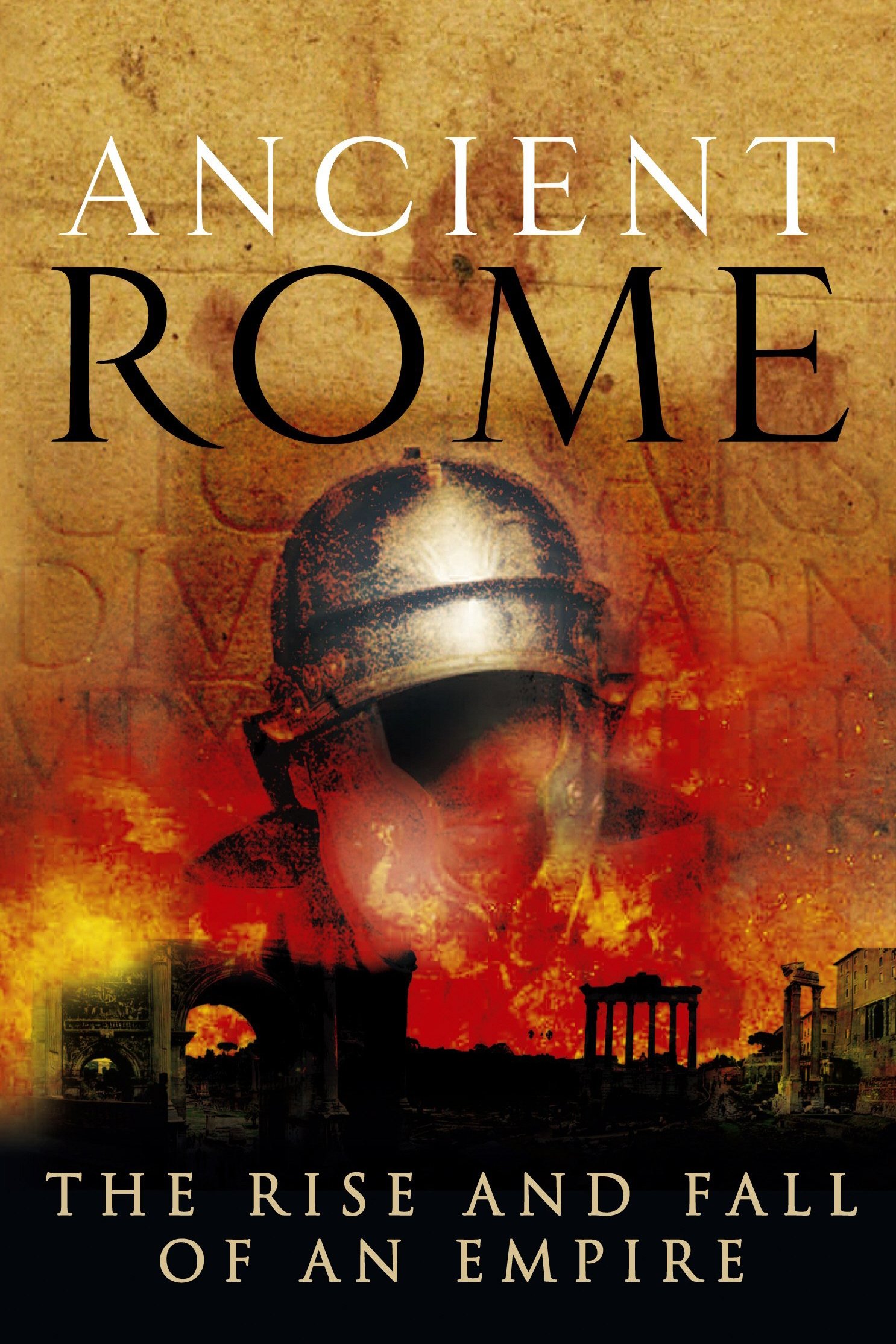
Turning points in ancient Roman history and some of the Empire's greatest stories are brought to life in this drama documentary series.
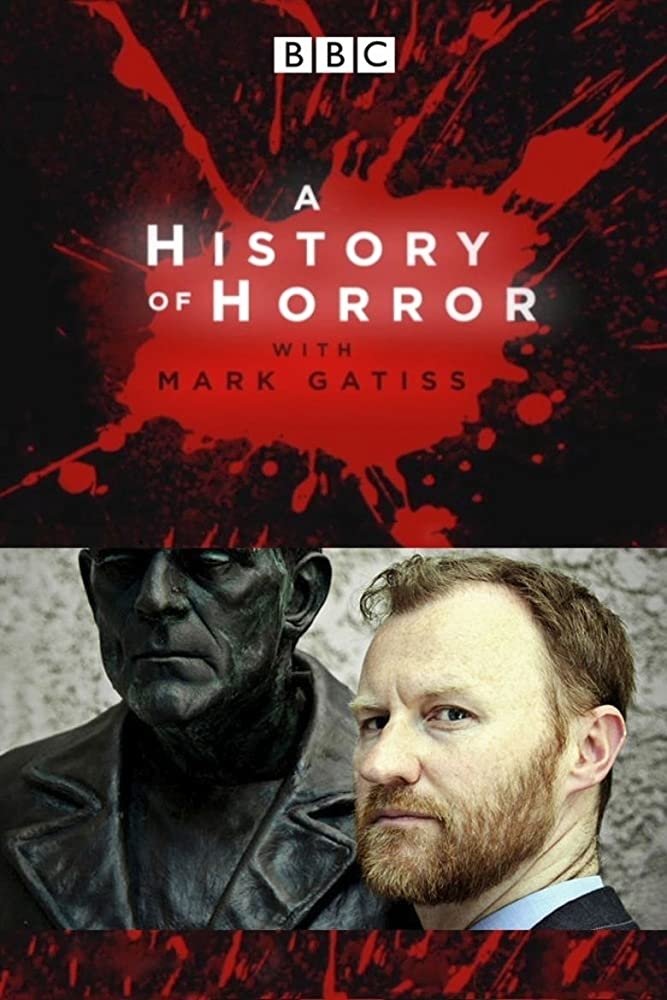
Mark Gatiss examines the history of the horror film, from classic Hollywood monsters to Hammer's glory days and beyond.
Actor, model, and global superstar Brooke Shields’ journey from a sexualized young girl to a woman who embraces her identity and voice.
Louis Theroux which delves into the weirder fringes of American society.
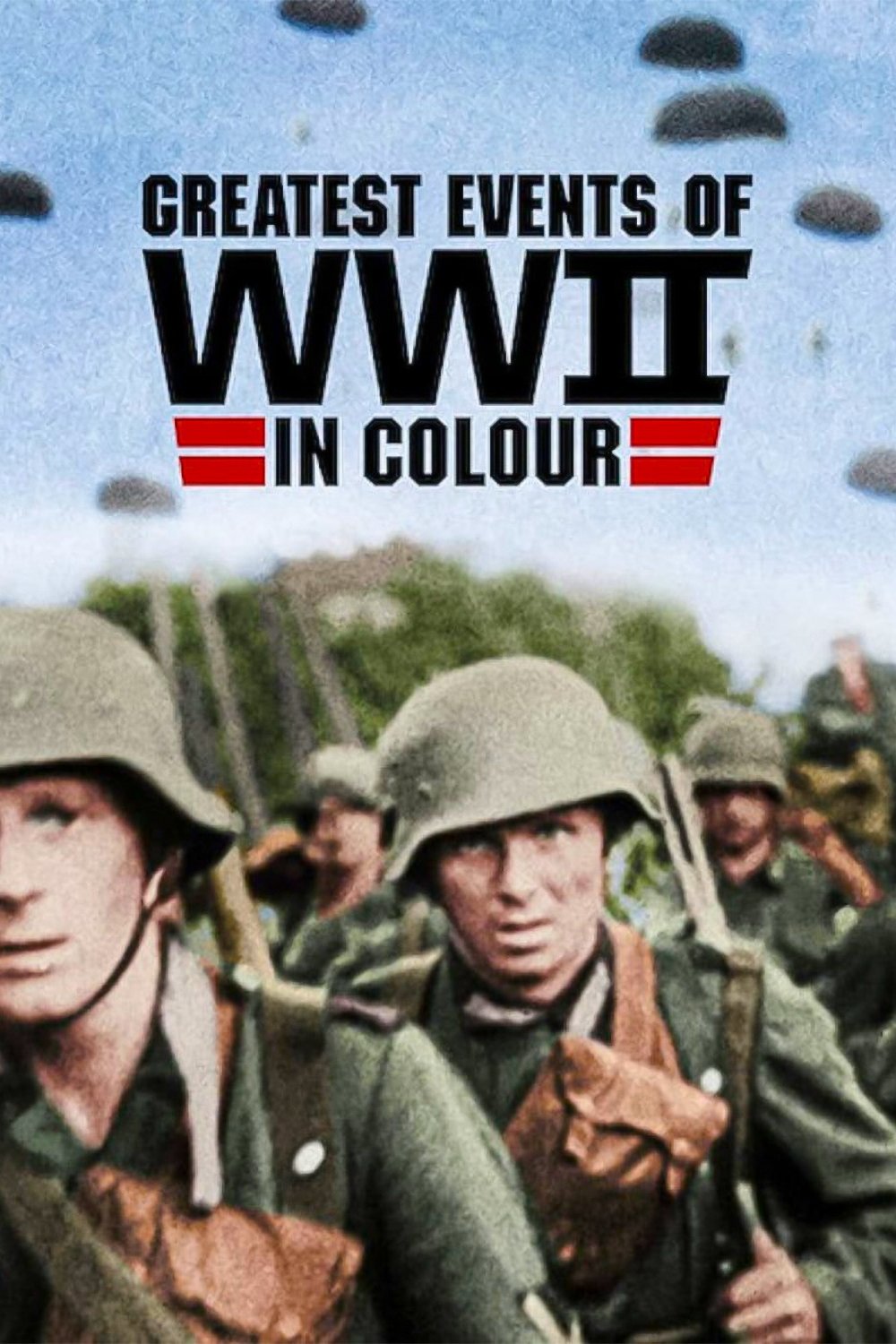
Using highly advanced colourisation techniques, critical moments from World War II, from Stalingrad to The Battle of Britain, are shown in a whole new light.