Who Killed Lake Erie is a two and a half hour television documentary that aired on NBC in September 1969.
Social & External
On his toughest journeys yet, Simon Reeve travels through some of the most remote landscapes on Earth in search of the people and the wildlife of the planet’s greatest wildernesses.
See the real modern-day Amazonia through an exploration of the Amazon Basin, meeting a different group of people who live there in each episode.
In ten of the world’s largest cities on five continents, host Frédéric Choinière showcases the greenest, most cutting-edge, and most effective intitiatives for controling waste.
When the beloved 200-year-old Sycamore Gap tree on Hadrian’s Wall is mysteriously felled overnight, public outrage erupts worldwide. This gripping two-part true-crime documentary follows Northumbria Police’s unprecedented investigation, with exclusive access to detectives, witnesses and never-before-seen evidence. As officers untangle a bizarre case with no CCTV and no witnesses, the series explores the cultural impact of the tree’s loss and the global fight for justice in one of the UK’s most unusual environmental crimes.
Brings to life the epic story of the people and landscapes of Minnesota - from the retreat of the last ice sheets to the growth of today’s suburbs - using nature videography from across the state, never-before-seen historic images, state-of-the-art animations, and historic recreations.
A four-part miniseries on the history of water in the San Joaquin Valley. Each episode delves into a different part of the history and future of water in the region and includes the voices of farmers, water leaders and environmentalists.
David Attenborough examines the ecological and conservation crises that threaten the world
Martin Boudot, investigative journalist, investigates major environmental scandals around the world: river contamination, air pollution, radioactivity, illegal exploitation of resources, toxic waste...
A landmark, three-part series that tells the human story through our relationship to water. We find out how our success is intimately connected to our control of the molecule, but that the growth of our civilizations has also created a dangerous dependence on a precious resource. One that may be about to run out.
Featuring revealing interviews with survivors speaking publicly for the first time, alongside rare insight into the CIA and Soviet responses, this series exposes a web of secrecy, miscalculation, and human cost. Astonishing new footage from inside the nuclear exclusion zone reveals how this scarred landscape is once again under siege as war encroaches on one of the most dangerous places on Earth.
David Biello, energy and environment editor at Scientific American magazine, walks viewers through a series of scenarios that outline what the nation’s energy future might look like. What if America invests in carbon capture? Could we see a nuclear power renaissance? Is wind power possible? What is a super grid, anyway?
Our waste is growing at double the rate of our population with 52 mega tonnes generated a year. Australia is ranked 5th highest for generating the most municipal waste in the world. In this three-part series, Craig Reucassel is on a mission to see if we, as a nation, can all do a little bit better.
Natural World is a nature documentary television series broadcast annually on BBC Two and regarded by the BBC as its flagship natural history brand. It is currently the longest-running series in its genre on British television, with more than 400 episodes broadcast since its inception in 1983. Natural World is produced by the BBC Natural History Unit in Bristol, but individual programmes can be in-house productions, collaborative productions with other broadcasters or films made and distributed by independent production companies and purchased by the BBC. Natural World programmes are often broadcast as PBS Nature episodes in the USA. Since 2008, most Natural World programmes have been shot and broadcast in high definition.

TV's most-watched history series brings to life the compelling stories from our past that inform our understanding of the world today.
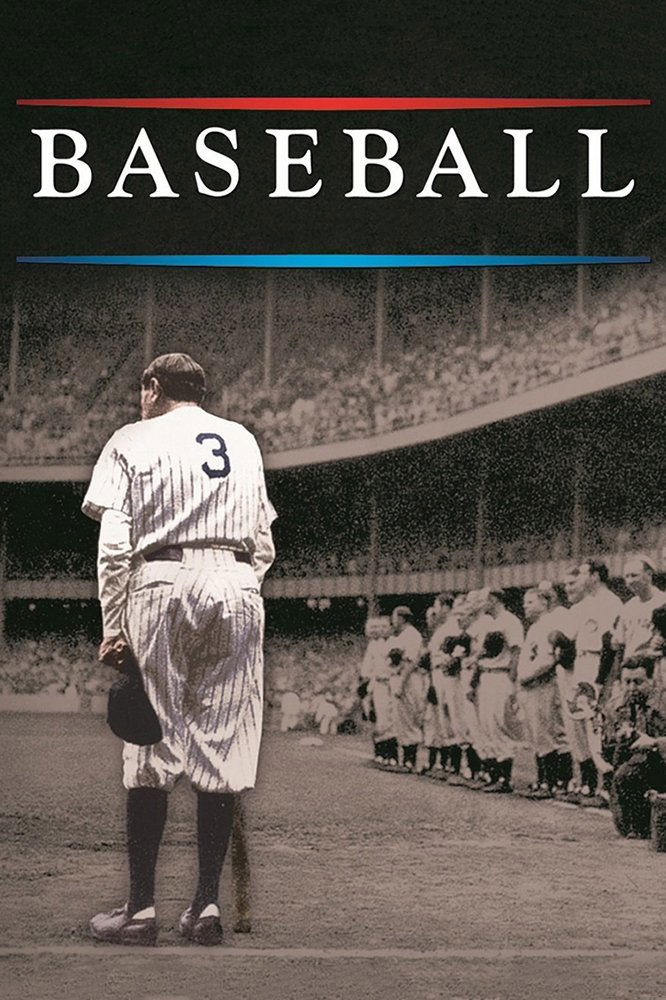
The history of the sport of baseball in America, told through archival photos, film footage, and the words of those who contributed to the game in each era. Writers, historians, players, baseball personnel, and fans review key events and the significance of the game in America's history.
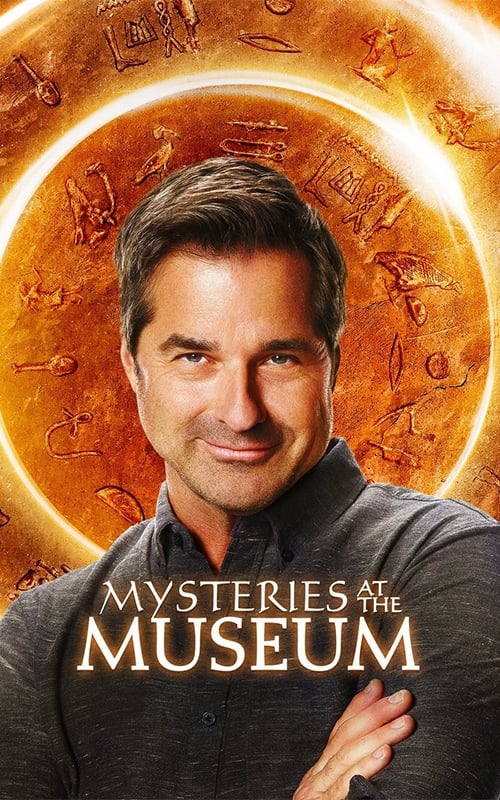
Don Wildman unearths relics from the world's greatest institutions to reveal secrets from the past. He examines each artifact to illuminate history's most incredible triumphs, sensational crimes and bizarre encounters.
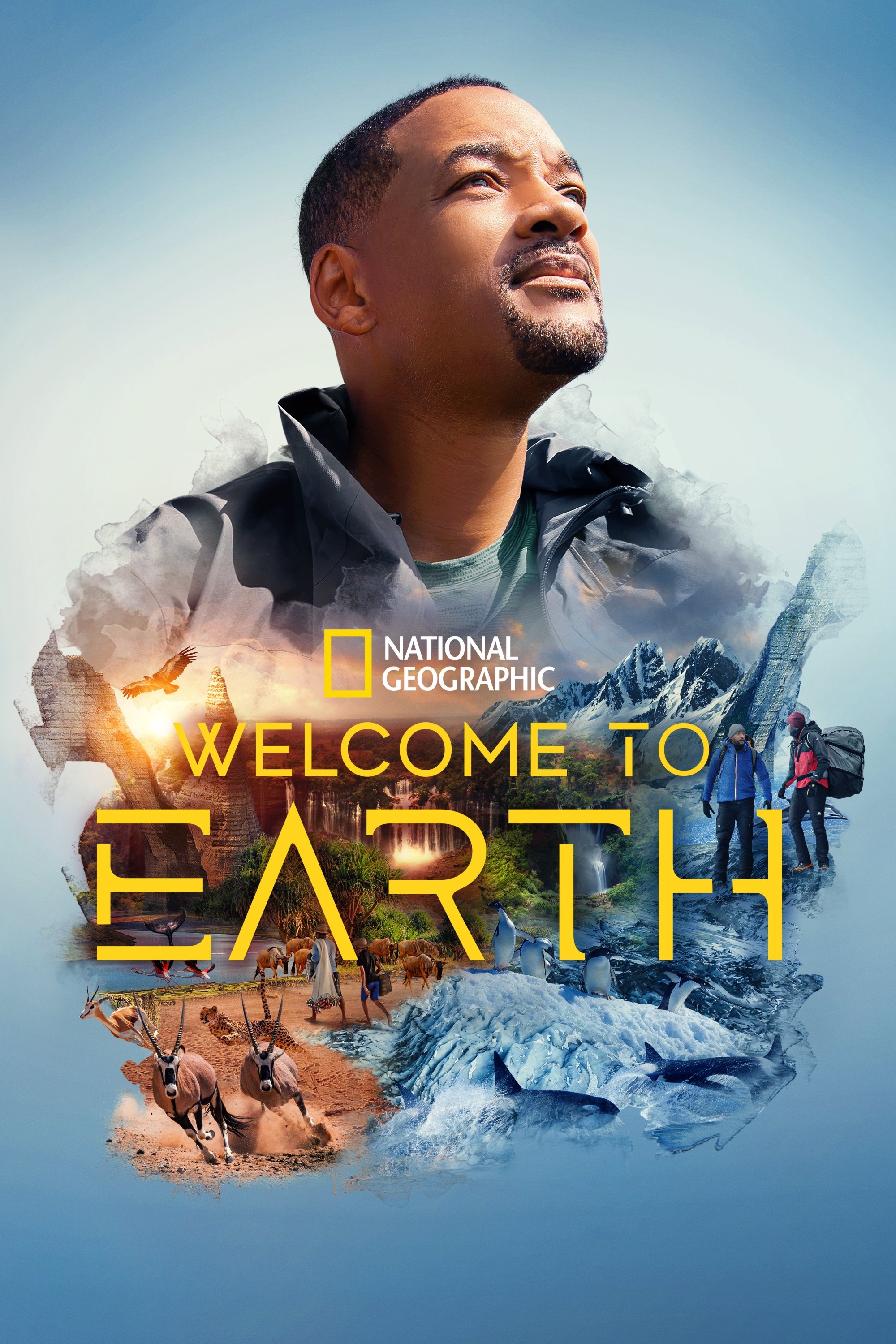
Will Smith whose curiosity and wonder is positively infectious—is guided by National Geographic Explorers traveling to different corners of the world to get up close and personal with the weirdest, most unusual, dangerous and thrilling spectacles of the planet.
30 for 30 is the title for a series of documentary films airing on ESPN, its sister networks, and online highlighting interesting people and events in sports history. This currently includes four "volumes" of 30 episodes each, a 13-episode series under the ESPN Films Presents title in 2011–2012, and a series of 30 for 30 Shorts shown through the ESPN.com website. The series has also expanded to include Soccer Stories, which aired in advance of the 2014 FIFA World Cup, and audio podcasts. This entry refers to the main Volumes of the series presented by ESPN
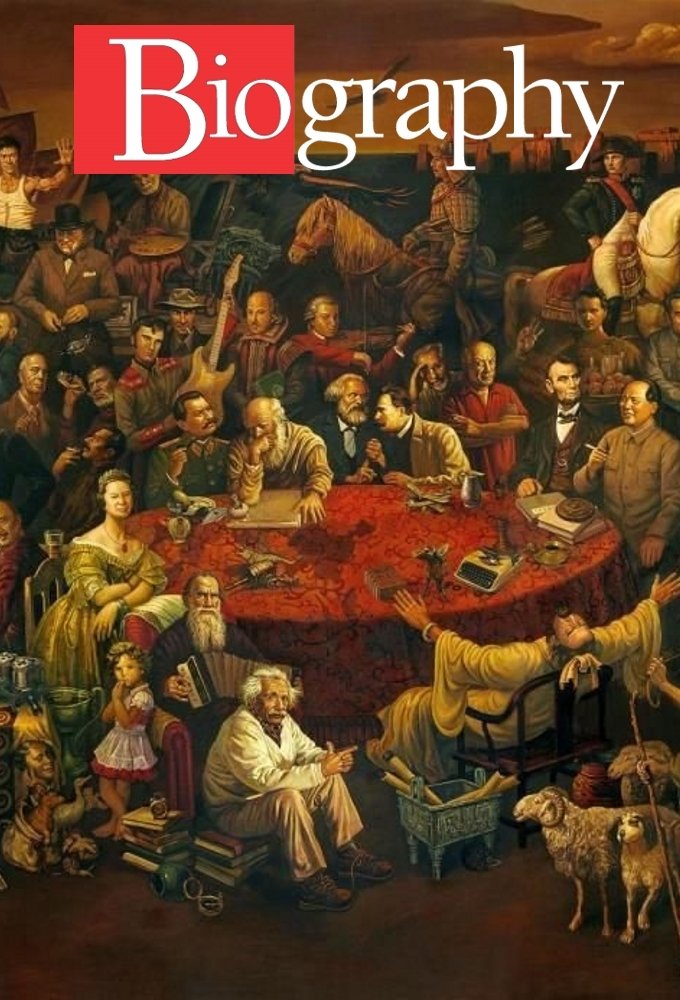
Biography is a documentary television series. It was originally a half-hour filmed series produced for CBS by David Wolper from 1961 to 1964 and hosted by Mike Wallace. The A&E Network later re-ran it and has produced new episodes since 1987. The older version featured historical figures such as Helen Keller and Mark Twain, or long-dead entertainment figures such as Will Rogers or John Barrymore. The A&E series has placed the emphasis on such people as Marilyn Monroe, Elvis Presley, Plácido Domingo, Freddie Mercury, Jacqueline Kennedy Onassis, Eric Clapton, Pope John Paul II, Gene Tierney, Selena, Diego Rivera, Mao Zedong and Queen Elizabeth II, and fictional characters like The Phantom, Superman, Hamlet, Betty Boop, and Santa Claus. The program ended up profiling enough figures that in 1999, A&E spun it off into an entire network, The Biography Channel.
Have you ever wondered how the products you use every day are made? How It's Made leads you through the process of how everyday products, such as apple juice, skateboards, engines, contact lenses, and many more objects are manufactured.
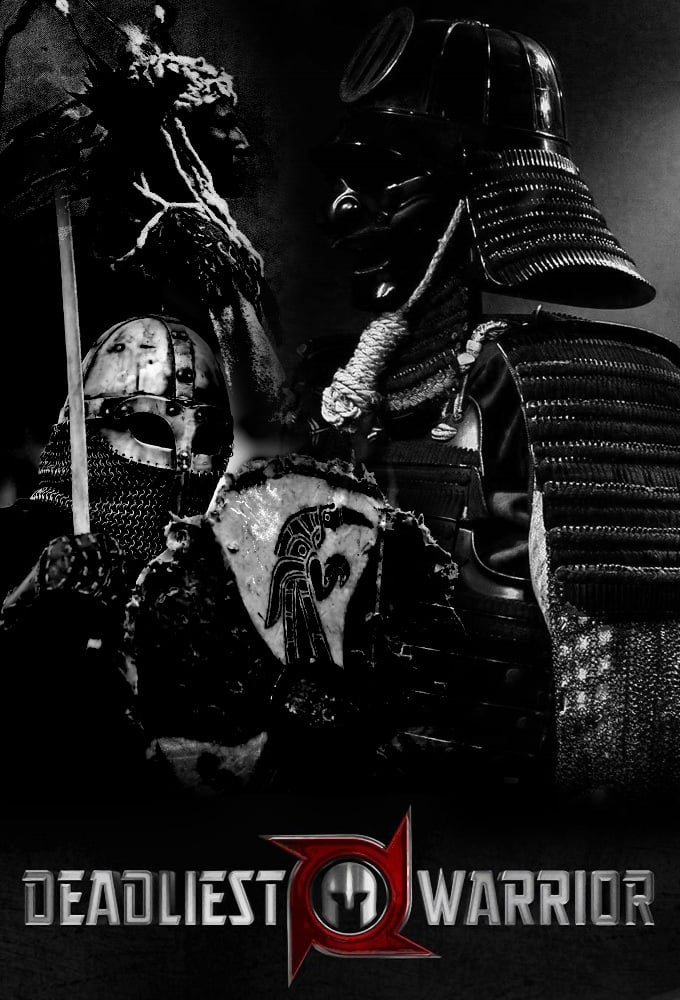
Deadliest Warrior was a television program in which information on historical or modern warriors and their weapons are used to determine which of them is the "deadliest" based upon tests performed during each episode. The show was characterized by its use of data compiled in creating a dramatization of the warriors' battle to the death. The show ran for three seasons.
Horizon tells amazing science stories, unravels mysteries and reveals worlds you've never seen before.
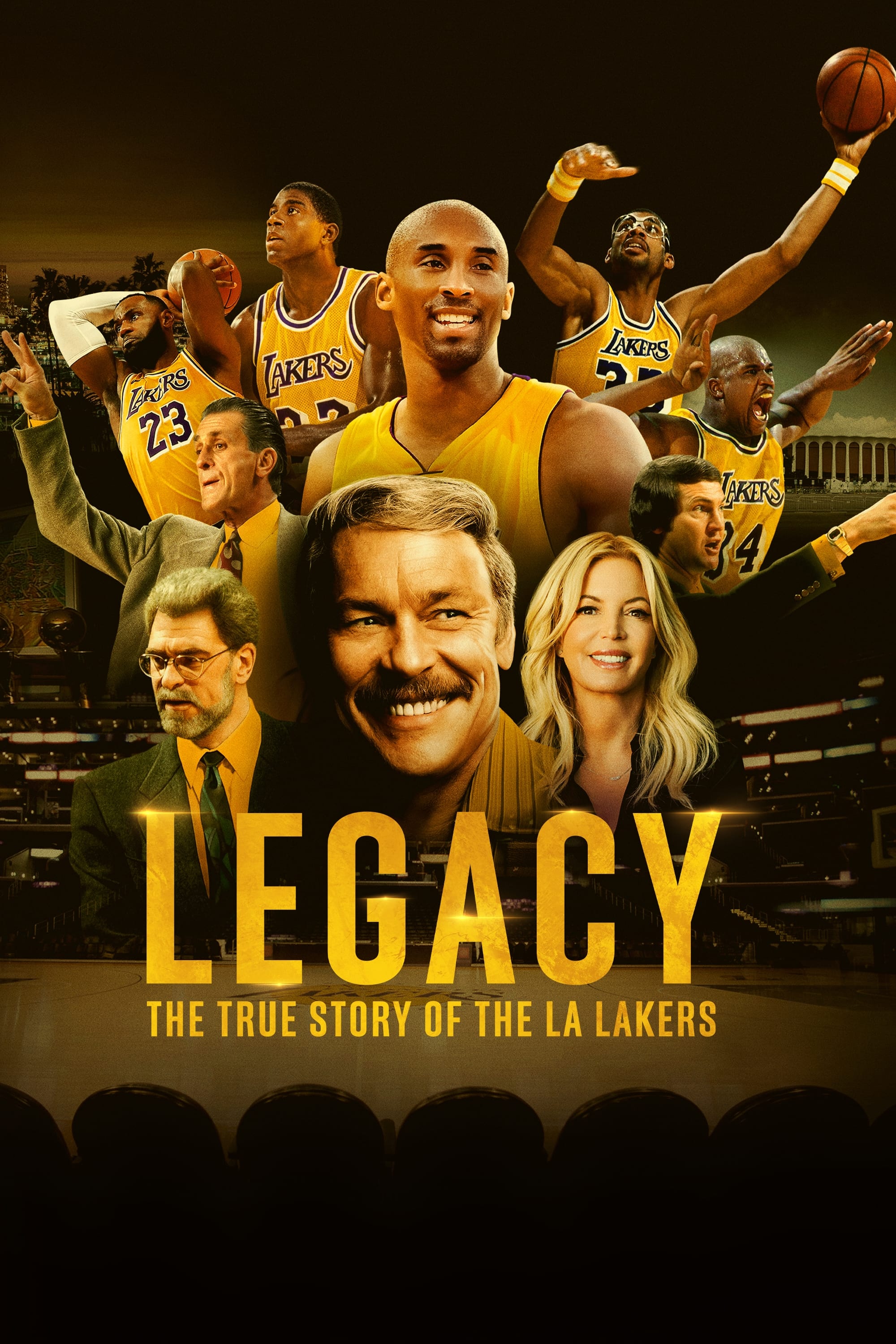
This docuseries captures the remarkable rise and unprecedented success of one of the most dominant and iconic franchises in professional sports. Featuring exclusive access to the Buss Family and probing, revealing interviews with players, coaches, and front office execs, this series chronicles this extraordinary story from the inside – told only by the people who lived it.
The F Word is a British food magazine and cookery programme featuring chef Gordon Ramsay. The programme covers a wide range of topics, from recipes to food preparation and celebrity food fads. The programme is made by Optomen Television and aired weekly on Channel 4. The theme tune for the series is "The F-Word" from the Babybird album Bugged.
This compelling series investigates the motives and m.o. of female murderers. While males are often driven by anger, impulse and destruction, women usually have more complex, long-term reasons to kill.
This docuseries explores the period between 1979 and 1981 when at least 30 African-American children and young adults disappeared or were murdered in Atlanta, Georgia.
Consistently stunning documentaries transport viewers to far-flung locations ranging from the torrid African plains to the chilly splendours of icy Antarctica. The show's primary focus is on animals and ecosystems around the world. A comic book based on the show, meant to be used an as educational tool for kids, was briefly distributed to museums and schools at no cost in the mid-2000s.
Filmed across six continents, this docuseries uses cutting-edge camera technology to capture animals' nocturnal lives, revealing new behaviours filmed in full color like never before.
Death row inmates convicted of capital murder give a firsthand account of their crimes in this documentary series.
Journeying to the far reaches of our planet, this eight part series follows some of the world's most amazing species, telling extraordinary stories that are dramatic, thrilling, funny and sometimes heart-breaking, but always full of hope.
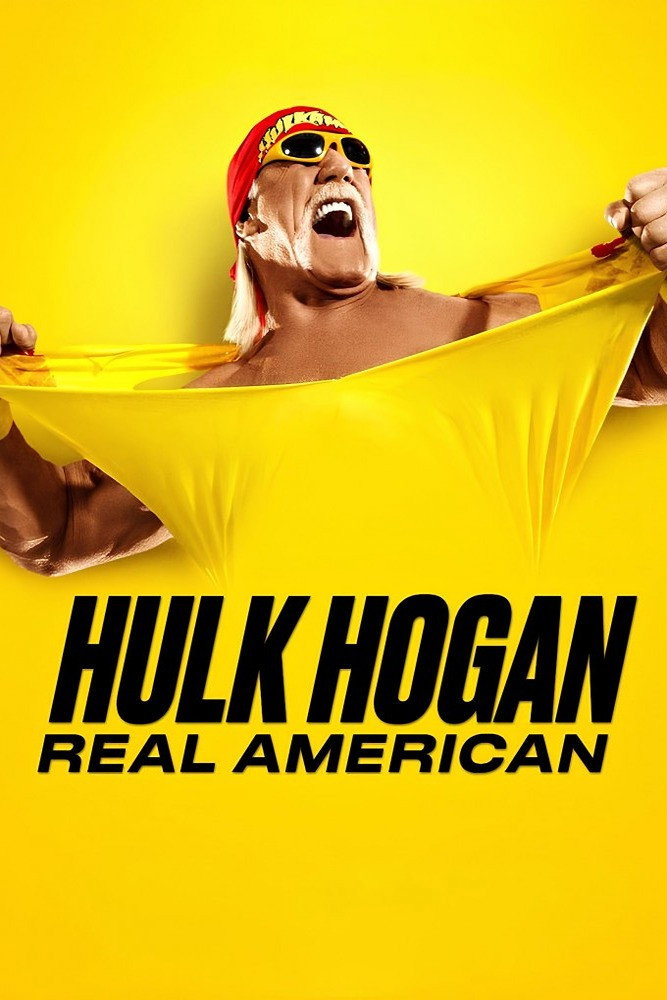
Before he was Hulk Hogan, he was Terry Bollea. Uncover the man behind the legend in this unfiltered documentary featuring his very last interview.
Mark Gatiss examines the history of the horror film, from classic Hollywood monsters to Hammer's glory days and beyond.