Social & External
The people behind it
Using a combination of location footage, interviews, and close-ups of rare artifacts, the series explored many of the mysteries and puzzles of ancient Egypt, though not all were solved.
No two volcanoes are alike; each one has its own distinctive landscape, climate, and geological context. Just as unique are the people we meet along the way who help us comprehend how greatly our planet – and our lives – have been shaped by volcanic phenomena. For the scientific aspect of each episode, we explore the very diverse range of questions raised by volcanic phenomena in such varied fields as earth sciences, climatology, biodiversity, oceanography, geography, agronomics, and archaeology. The cultural part of the show delves into mythology, religion, philosophy, folk and artistic traditions, cooking, and ways of life.
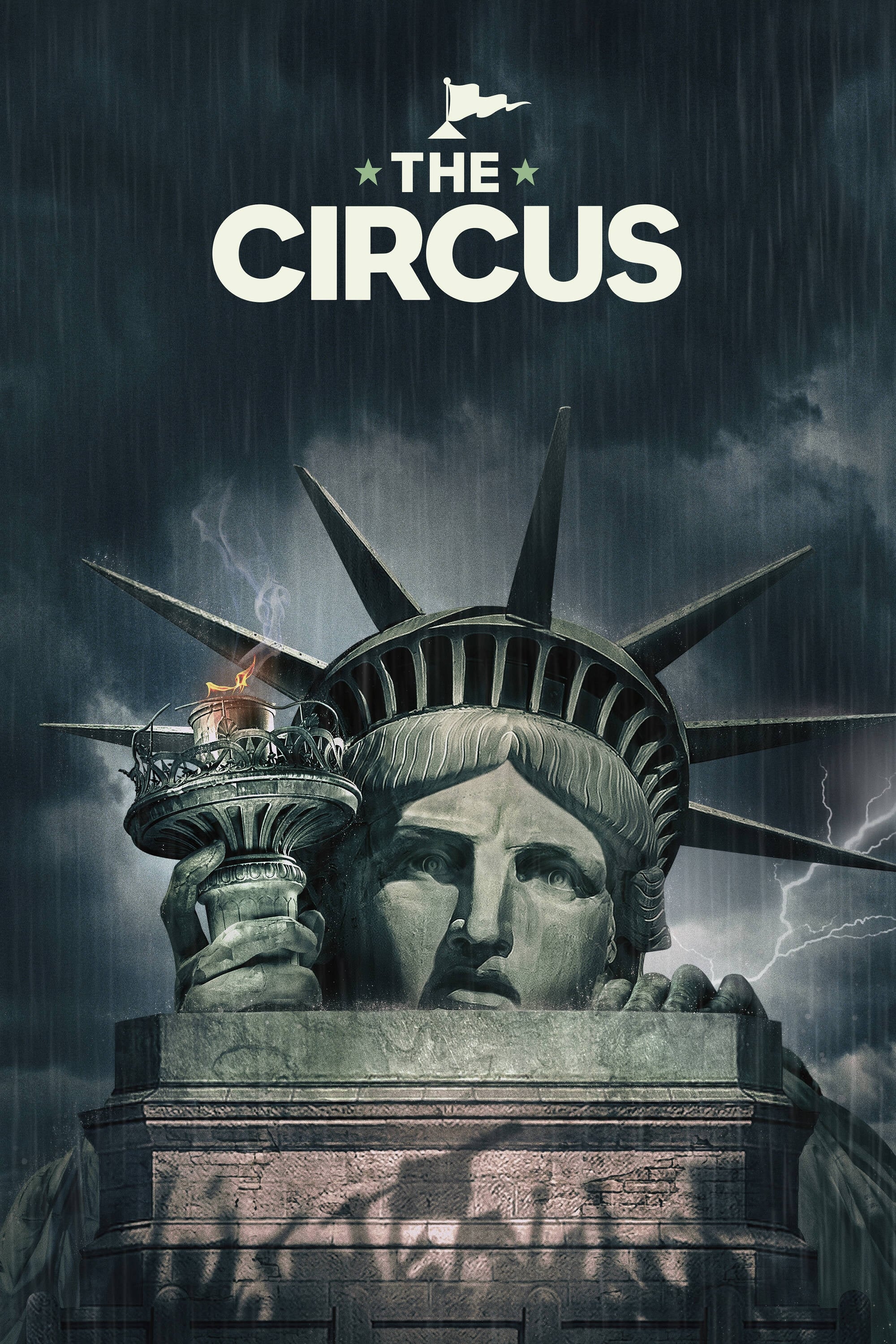
Come one, come all to The Circus. This real-time documentary series pulls back the curtain on the current political stories, revealing the intense, inspiring and infuriating stories behind the headlines. Key characters and events are presented in real time, as they are happening.
Engineering an Empire is a program on The History Channel that explores the engineering and/or architectural feats that were characteristic of some of the greatest societies on this planet. It is hosted by Peter Weller, famous for his acting role as RoboCop but also a lecturer at Syracuse University, where he completed his Master's in Roman and Renaissance Art. The executive producer is Delores Gavin. The show started as a documentary about the engineering feats of Ancient Rome and later evolved into a series. It originally ran for one full season of weekly episodes.
The naturalist visits uncharted territory in pursuit of new discoveries. Steve Backshall takes on physical challenges, encounters extraordinary wildlife and meets remarkable people.
After years away from the CIA, Elizabeth McCord is pulled back into the political arena. The newly appointed Secretary of State is tough, fair, and smart, driving international diplomacy, wrangling office politics, and circumventing protocol as she negotiates global and domestic issues, both at the White House and at home.
Days that Shocked the World explores the most iconic disasters of the last 50 years, combining eye-witness testimony with powerful archive footage, to learn how each tragedy changed both the lives of individuals and the world. The anthology series features one- and two-part episodes that coincide with key anniversaries of these defining global events: including the Challenger Space Shuttle explosion in 1986, the Chernobyl nuclear disaster of the same year, the 2000 Air France Concorde crash, the 9/11 terrorist attacks in 2001 and the 2011 Fukushima earthquake and tsunami.
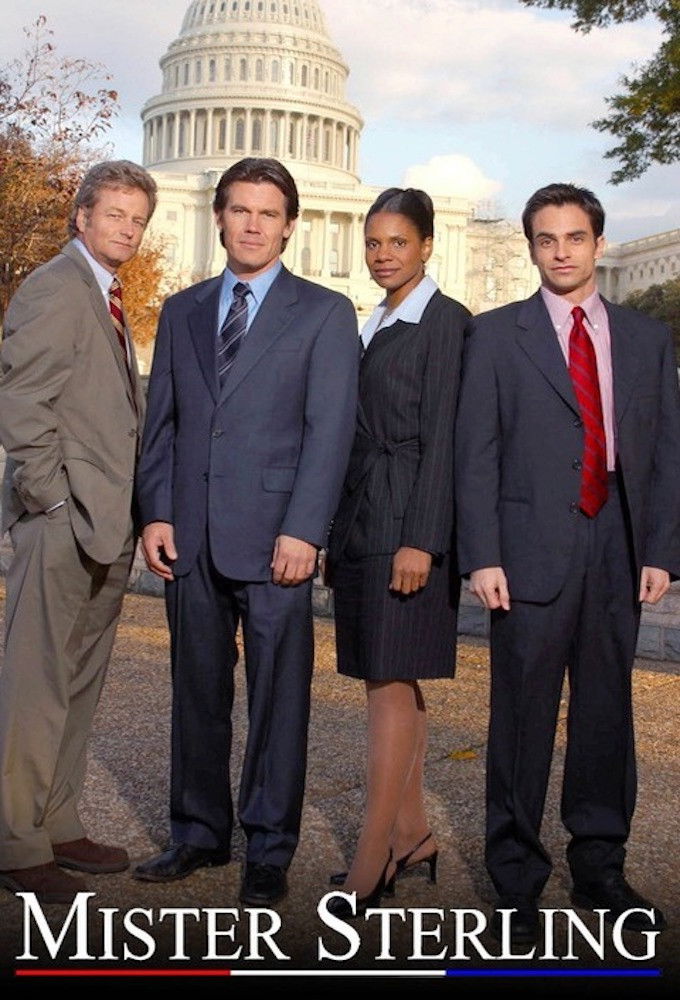
Mister Sterling is an American television serial drama created by Lawrence O'Donnell that ran from January to March in 2003. It starred Josh Brolin as an idealistic United States Senator, and featured Audra McDonald, William Russ, David Noroña, and James Whitmore as members of his staff. Despite mostly positive reviews, the show, which aired on NBC on Friday nights, was cancelled after 10 episodes after the show only ranked 58th in the yearly ratings Although it had numerous similarities to The West Wing in style and tone, it was not set in the same universe as O'Donnell's other political show. It is unknown if a cross-over would have ever occurred had Mister Sterling not been cancelled; however Steven Culp played presidential aspirant Sen. Ron Garland on Mister Sterling and House Speaker Jeff Haffley on The West Wing, and Democrats appeared to be in the majority in the US Senate on Mr Sterling, while in The West Wing consistent Republican control of both Houses of Congress was a key plot point. James Whitmore was nominated for a 2003 Emmy Award for Outstanding Guest Actor in a Drama Series for playing former Governor Bill Sterling, the senator's father.
A spectacular journey which uncovers how the Viking era has left its imprint on the way of life and landscape of Norway, and the parallels observed in Lorraine’s home nation of Scotland to this day when it was once sieged under Norse rule. Lorraine will meet people along her travels that are keeping the rich history of Norway alive through folk traditions and Nordic tales, and immerse herself in the crafts and culinary delicacies of the region. The TV icon will sail north along the coast to see what natural beauty it offers, spotting whales and eagles, in hopes to end her journey with a Northern Lights (aurora borealis) spectacle.
The epic continuation of Diriliş Ertuğrul, Kuruluş Osman follows Osman Bey — son of Ertuğrul and destined founder of the Ottoman Empire — as he transforms a small Turkic tribe into a sovereign state. Battling the Byzantine Empire, Mongol forces and treachery from within, Osman must prove himself as both a warrior and a leader. A sweeping historical action drama built on faith, honour and the birth of one of history's greatest empires.
A century ago, the world experienced a revolution in mobility. Cities like Berlin grew rapidly, with the Graf Zeppelin soaring over the city in 1928, sparking excitement for airship travel. These majestic airships made ocean crossings faster and more luxurious, and even enabled polar expeditions. At the same time, automobiles and motorcycles became staples for many, although streets became congested. Women like Amelia Earhart and Elly Beinhorn broke barriers in aviation, inspiring new possibilities for both genders in the field of technology. While air travel grew in popularity, trains remained the main long-distance transport. The era also saw an explosion of new mobility options, with faster, cheaper ways to travel across the globe, making the world seem smaller and more connected. However, this golden age of mobility would be cut short by the outbreak of World War II.
What it felt like to live through the collapse of communism and democracy. A series of films by Adam Curtis.
Hungarian documentary about the economic war against the Hungarian nation.
TV's most-watched history series brings to life the compelling stories from our past that inform our understanding of the world today.
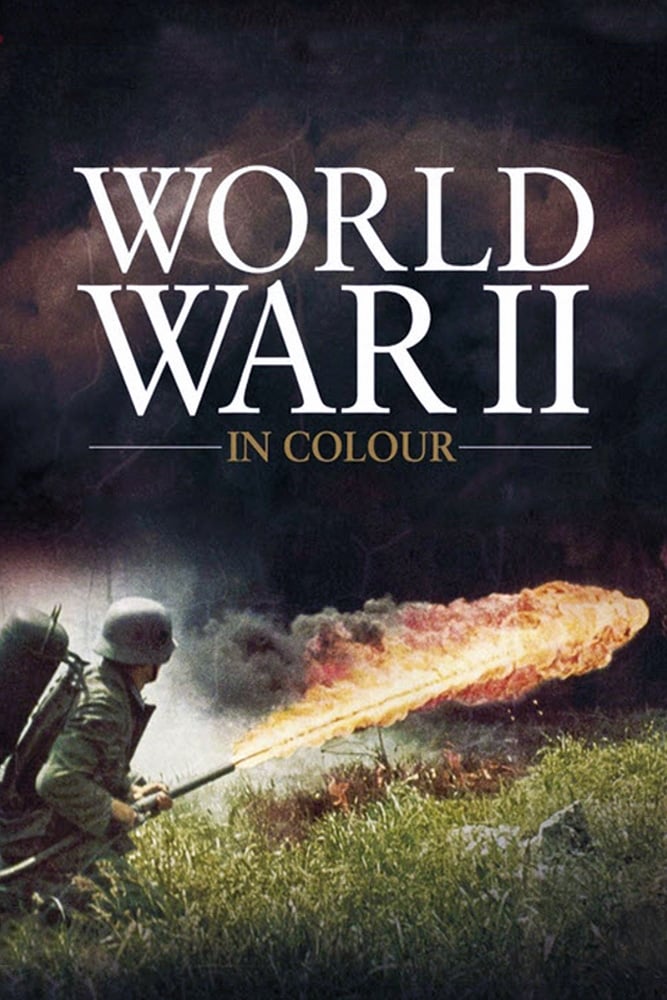
World War II In Colour is a 13-episode television documentary miniseries recounting the events of World War II narrated by Robert Powell. The show covers the Western Front, Eastern Front, and the Pacific War. It is on syndication in America on the Military Channel. This series is in full color, combining both original and colorized footage.
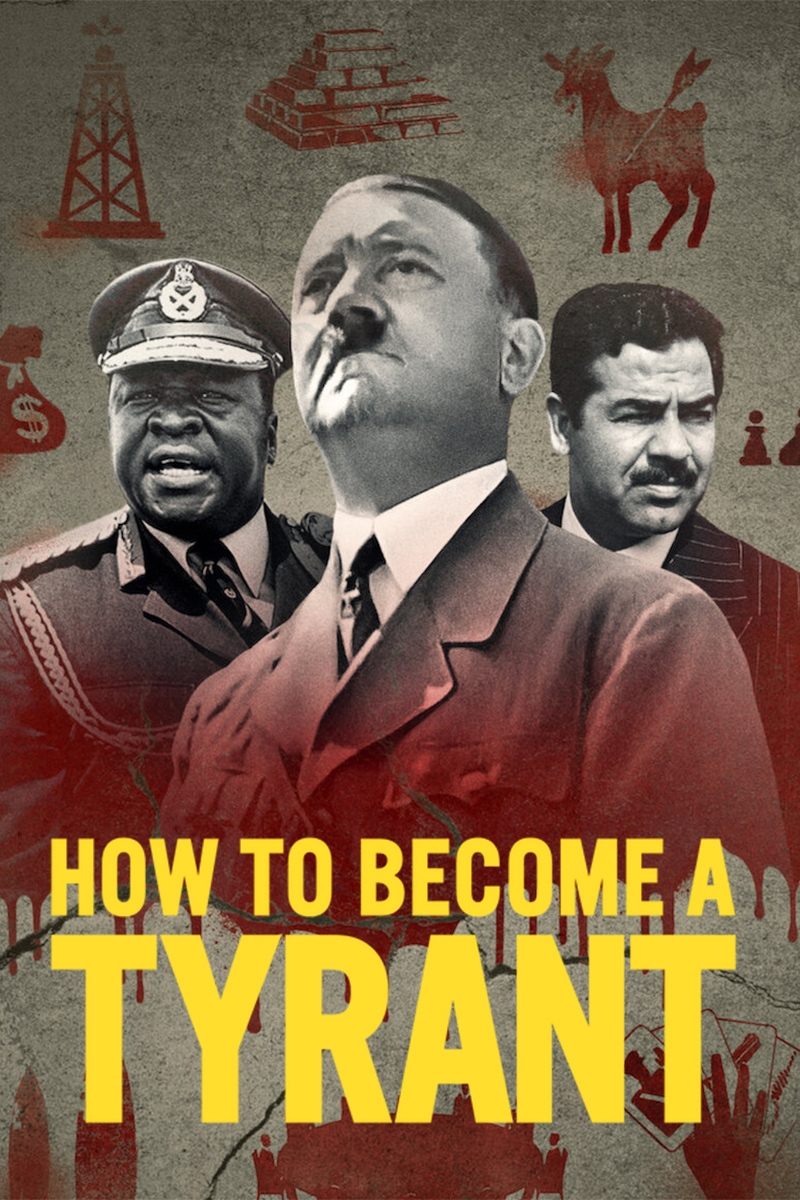
The documentary series explores different political figures throughout history.
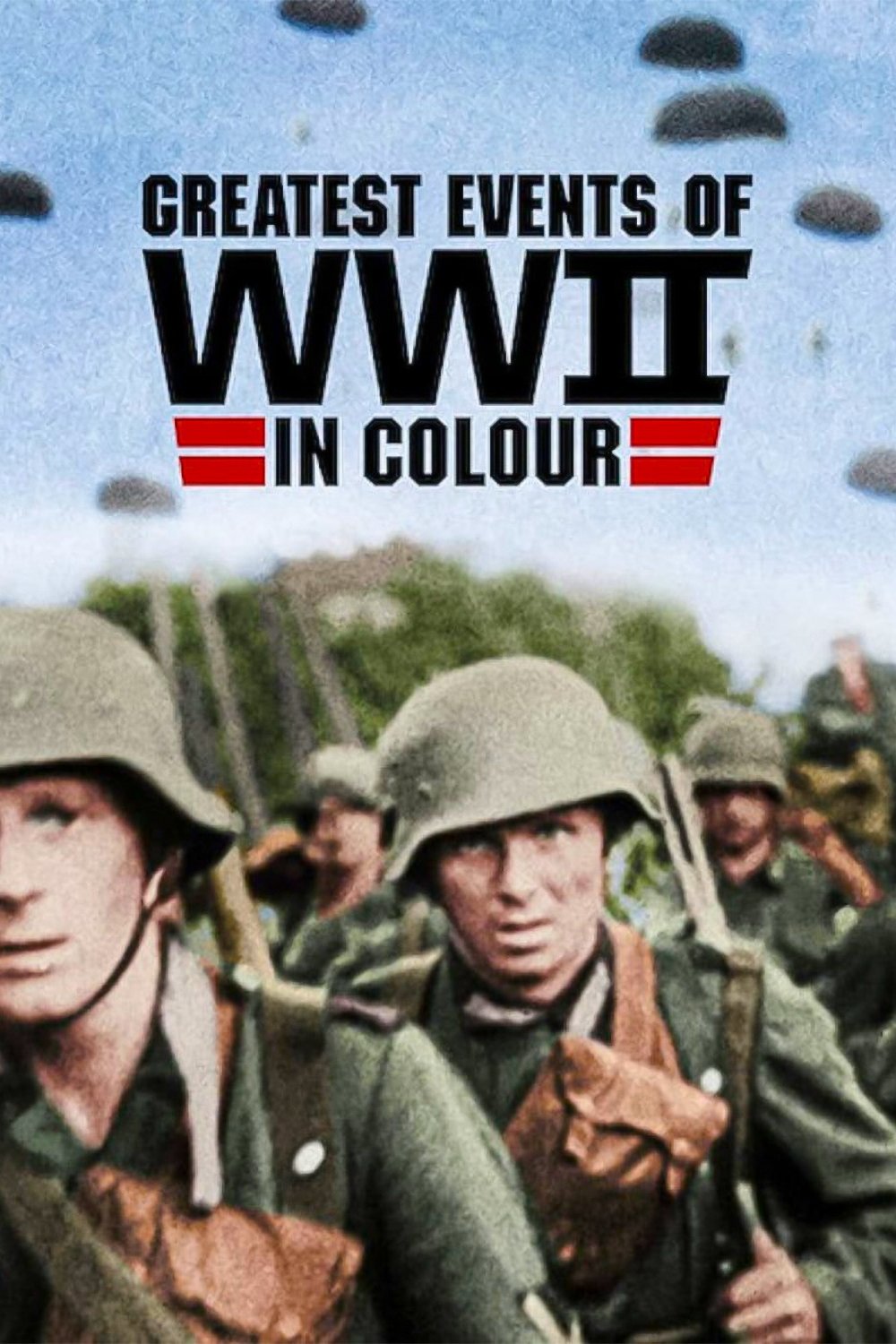
Using highly advanced colourisation techniques, critical moments from World War II, from Stalingrad to The Battle of Britain, are shown in a whole new light.
Oliver Stone's re-examination of under-reported events in American history.
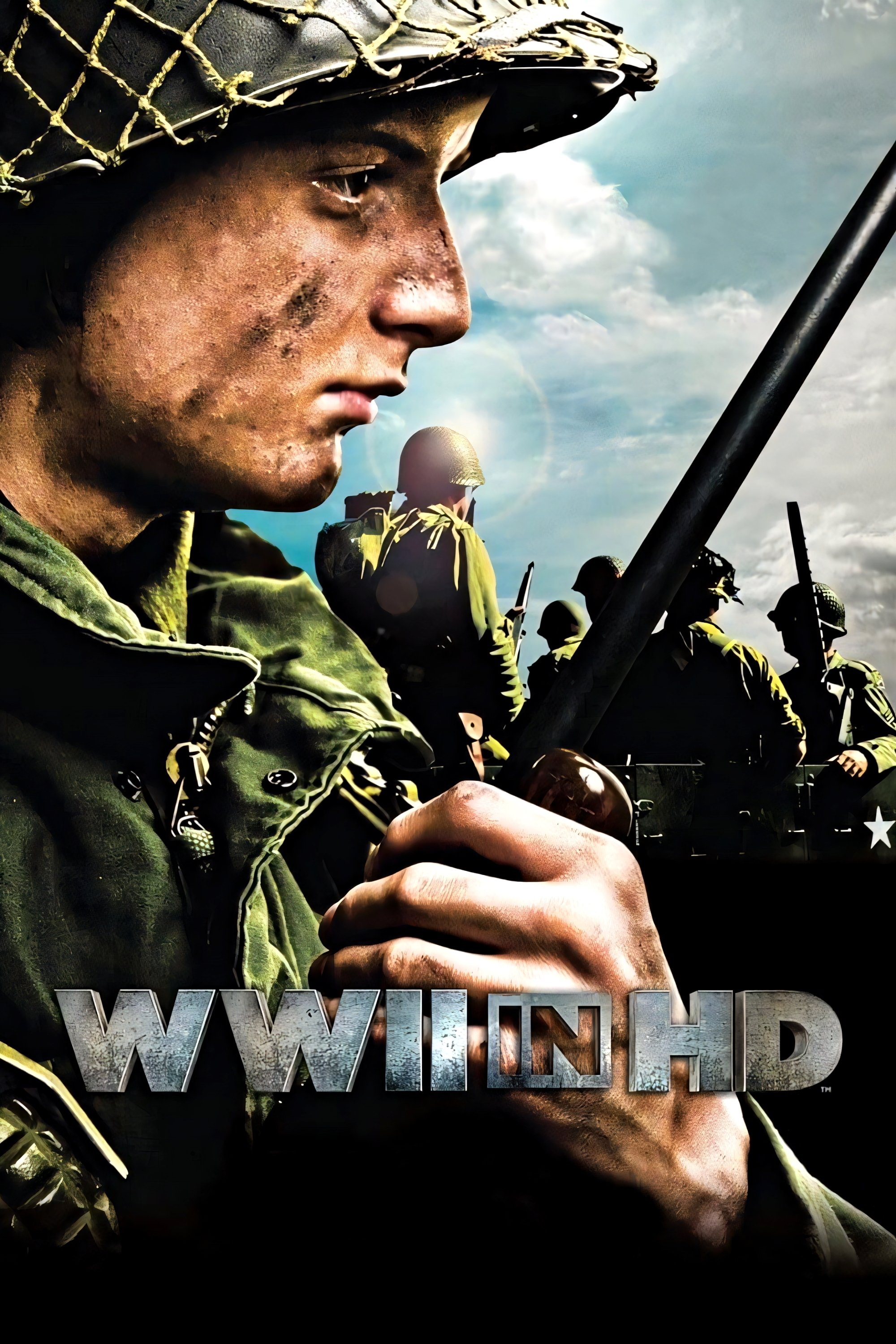
WWII in HD is a 10-part American documentary television miniseries that originally aired from November 15 to November 19, 2009 on the History Channel. The program focuses on the firsthand experiences of twelve American service members during World War II, including an Army nurse, a member of the Tuskegee Airmen, a second generation Japanese American and prisoner of war, and an Austrian Jewish immigrant. The twelve members recorded their time in both theaters and some had later interviews; found footage from the battlefield was paired with the stories of the twelve service members. The episodes premiered on five consecutive days, with two episodes per day. The series is narrated by Gary Sinise and was produced by Lou Reda Productions in Easton, Pennsylvania, United States.
A documentary series that gives a historical account of the events of World War II, from its roots in the 1920s to the aftermath and the lives it profoundly influenced.
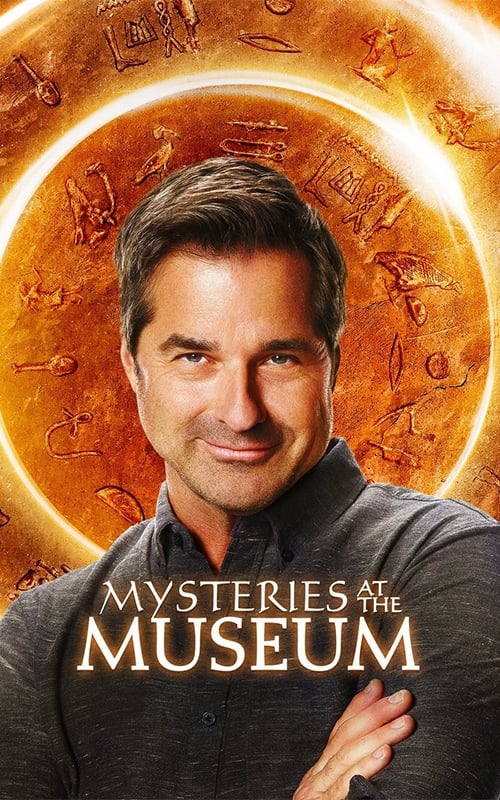
Don Wildman unearths relics from the world's greatest institutions to reveal secrets from the past. He examines each artifact to illuminate history's most incredible triumphs, sensational crimes and bizarre encounters.
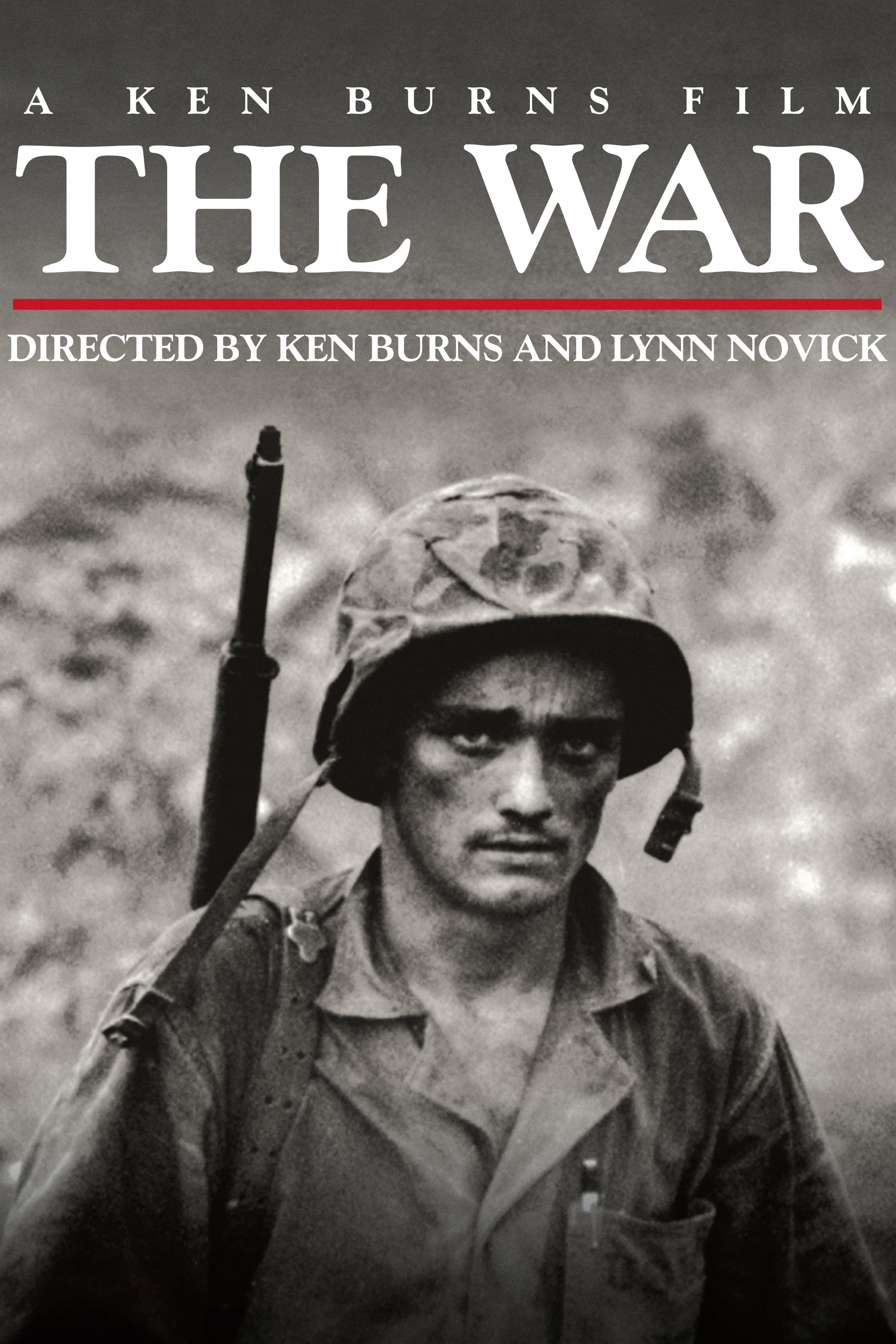
The story of the Second World War through the personal accounts of a handful of men and women from four American towns. The war touched the lives of every family on every street in every town in America and demonstrated that in extraordinary times, there are no ordinary lives.
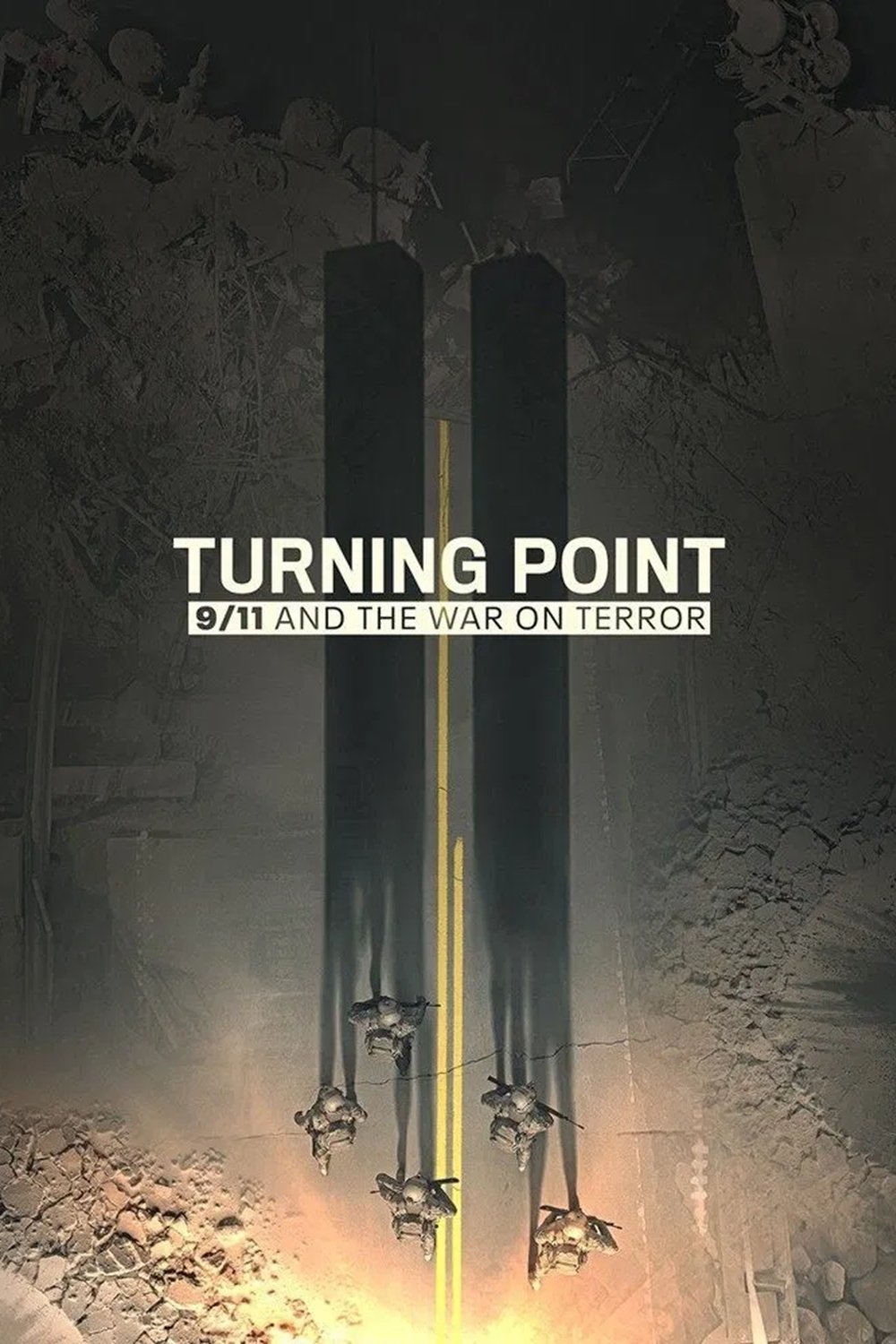
Modern history can be divided into two time frames: before 9/11 and after 9/11. This five-part docuseries is a cohesive chronicle of the September 11, 2001 attacks on the U.S., offering illuminating perspectives and personal stories of how the catastrophic events of that day changed the course of the nation.
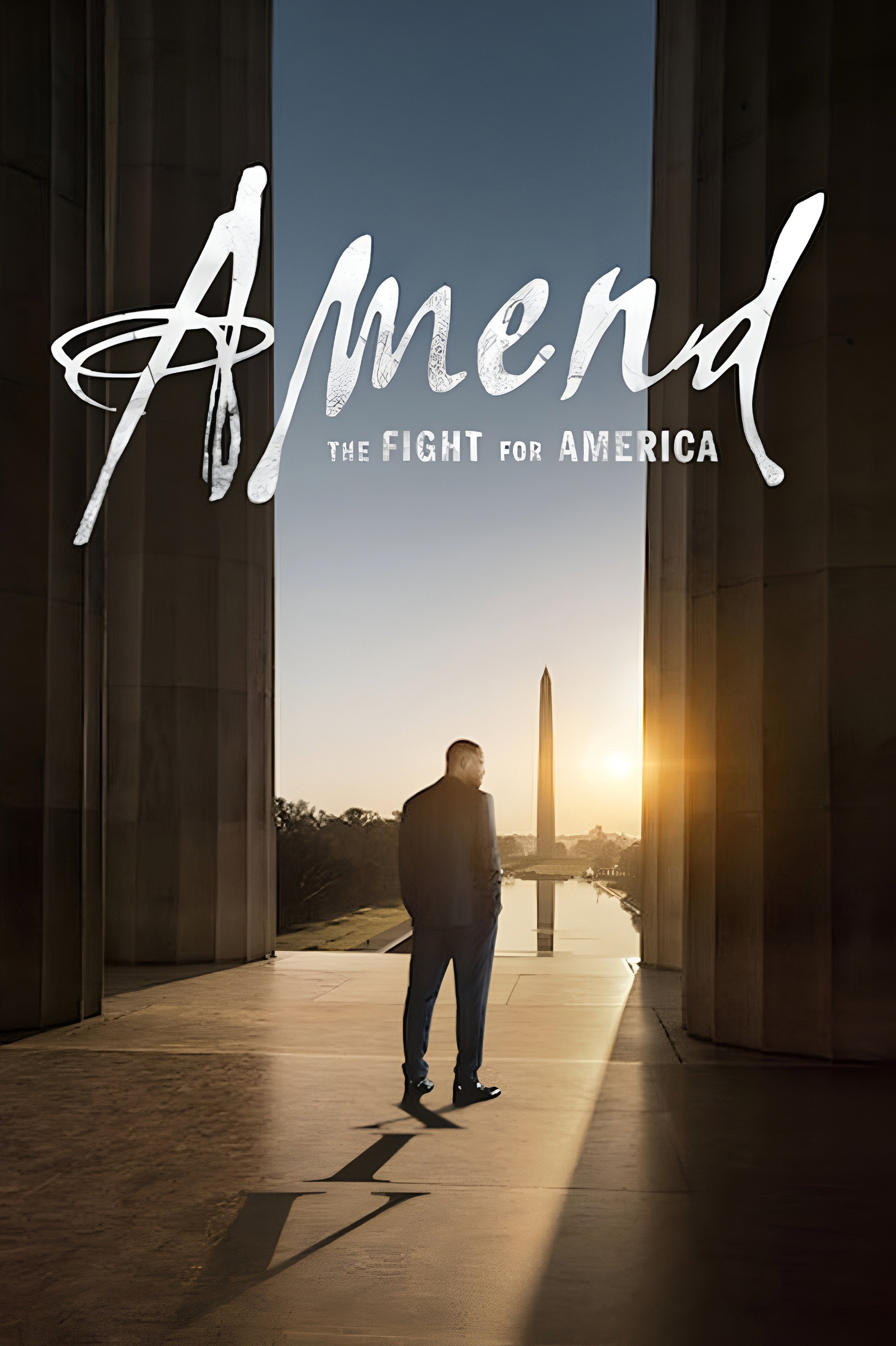
Will Smith hosts this look at the evolving, often lethal, fight for equal rights in America through the lens of the US Constitution's 14th Amendment.
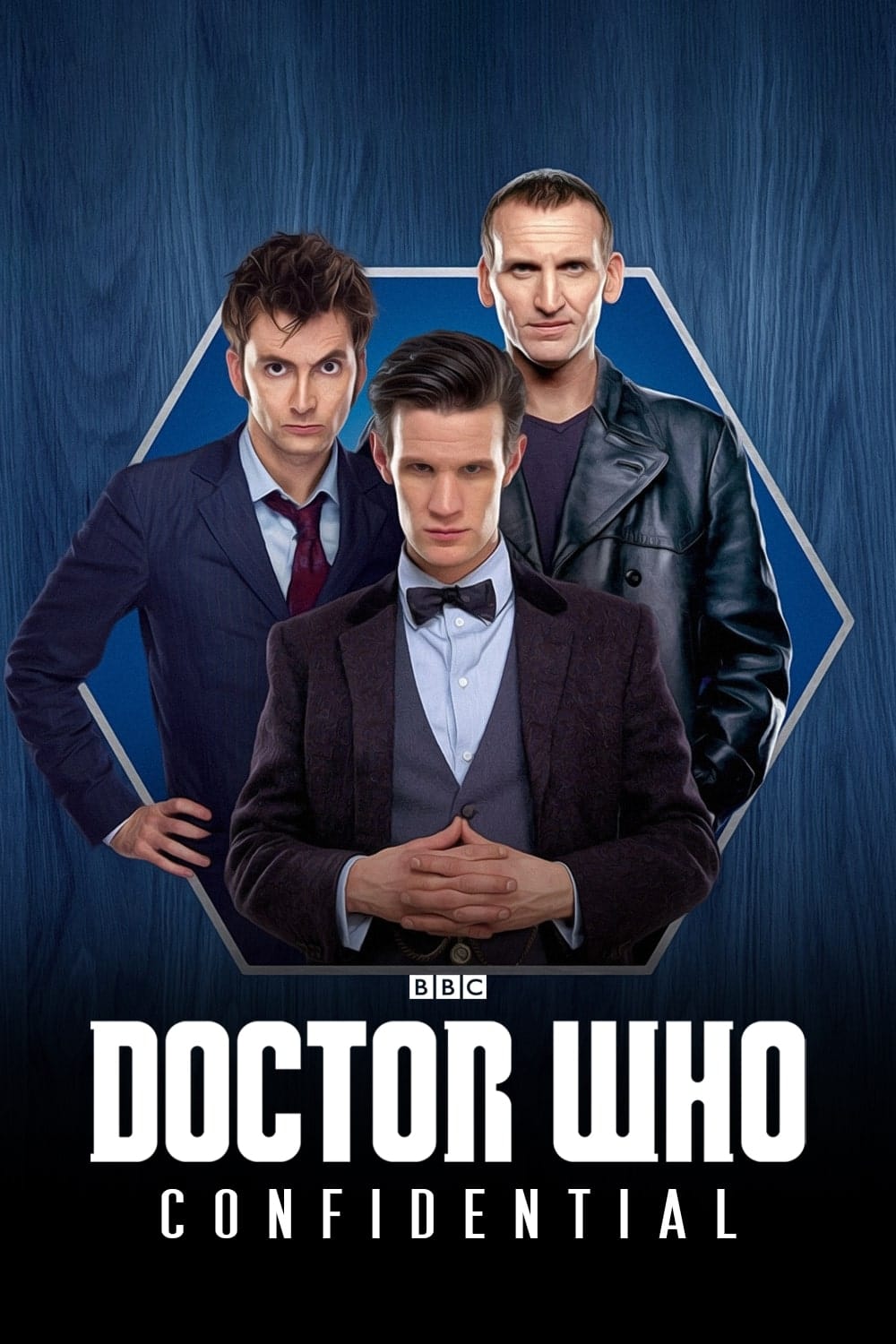
Doctor Who Confidential is a documentary to complement the revival of the long-running British science fiction television series Doctor Who. Each episode was broadcast on BBC Three on Saturdays, immediately after the broadcast of the weekly television episode on BBC One. The running time of the first two series was 30 minutes, being extended to 45 minutes in the third. BBC Three also broadcast a cut-down edition of the programme, lasting 15 minutes, shown after the repeats on Sundays and Fridays and after the weekday evening repeats of earlier seasons.
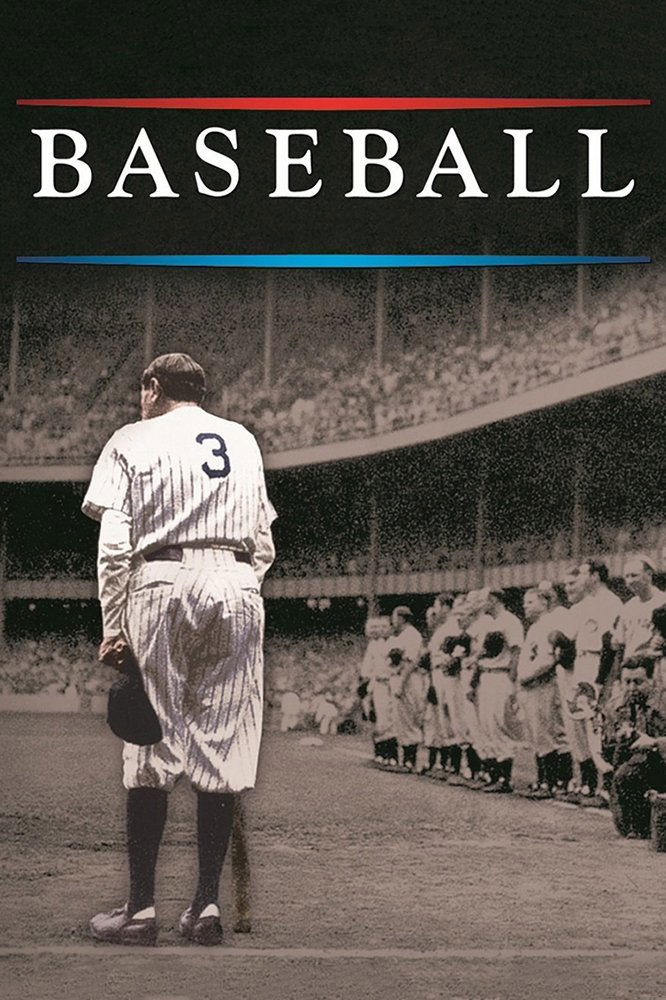
The history of the sport of baseball in America, told through archival photos, film footage, and the words of those who contributed to the game in each era. Writers, historians, players, baseball personnel, and fans review key events and the significance of the game in America's history.
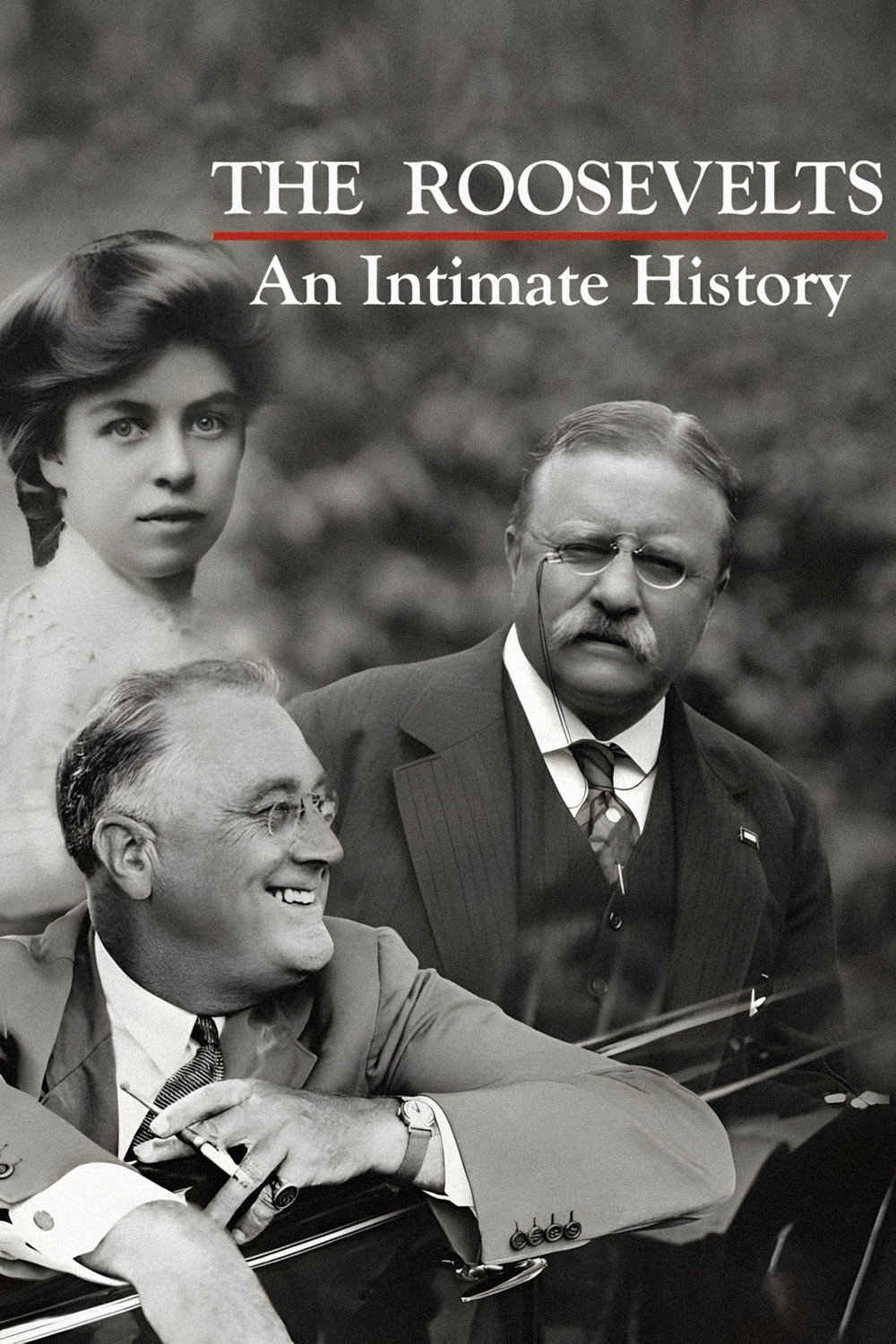
Chronicles the lives of Theodore, Franklin and Eleanor Roosevelt, three members of the most prominent and influential family in American politics. It is the first time in a major documentary television series that their individual stories have been interwoven into a single narrative. This seven-part, fourteen hour film follows the Roosevelts for more than a century, from Theodore’s birth in 1858 to Eleanor’s death in 1962.
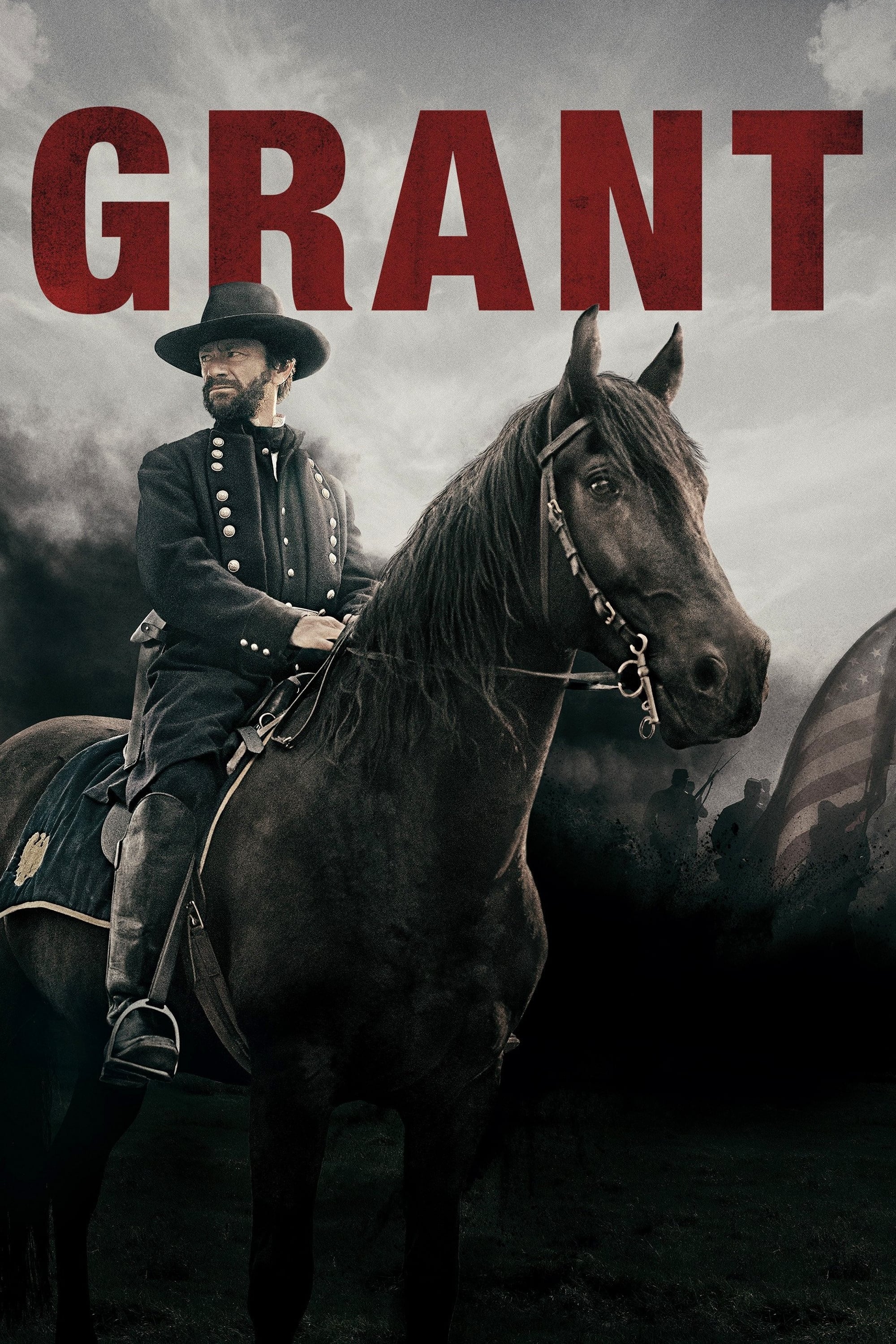
This documentary-series examines Grant's life story using his perspective and experiences to explore a turbulent time in history: the Civil War and Reconstruction.
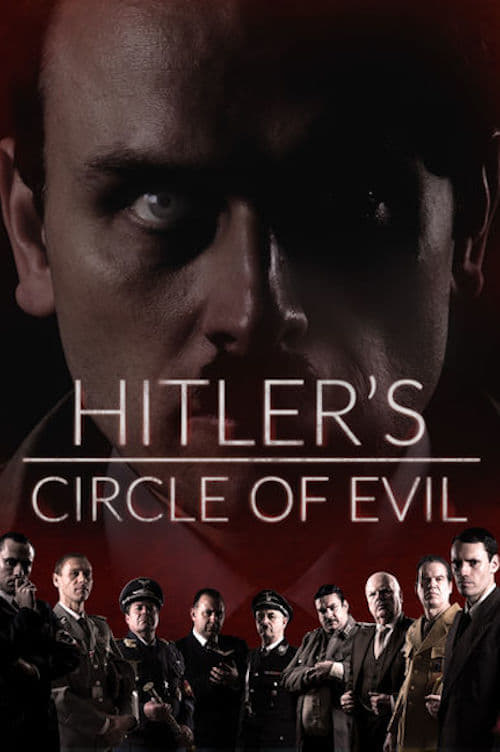
Surviving power struggles, betrayals and plots, Hitler's inner circle of Nazi leaders seizes control of Germany and designs its disastrous future.
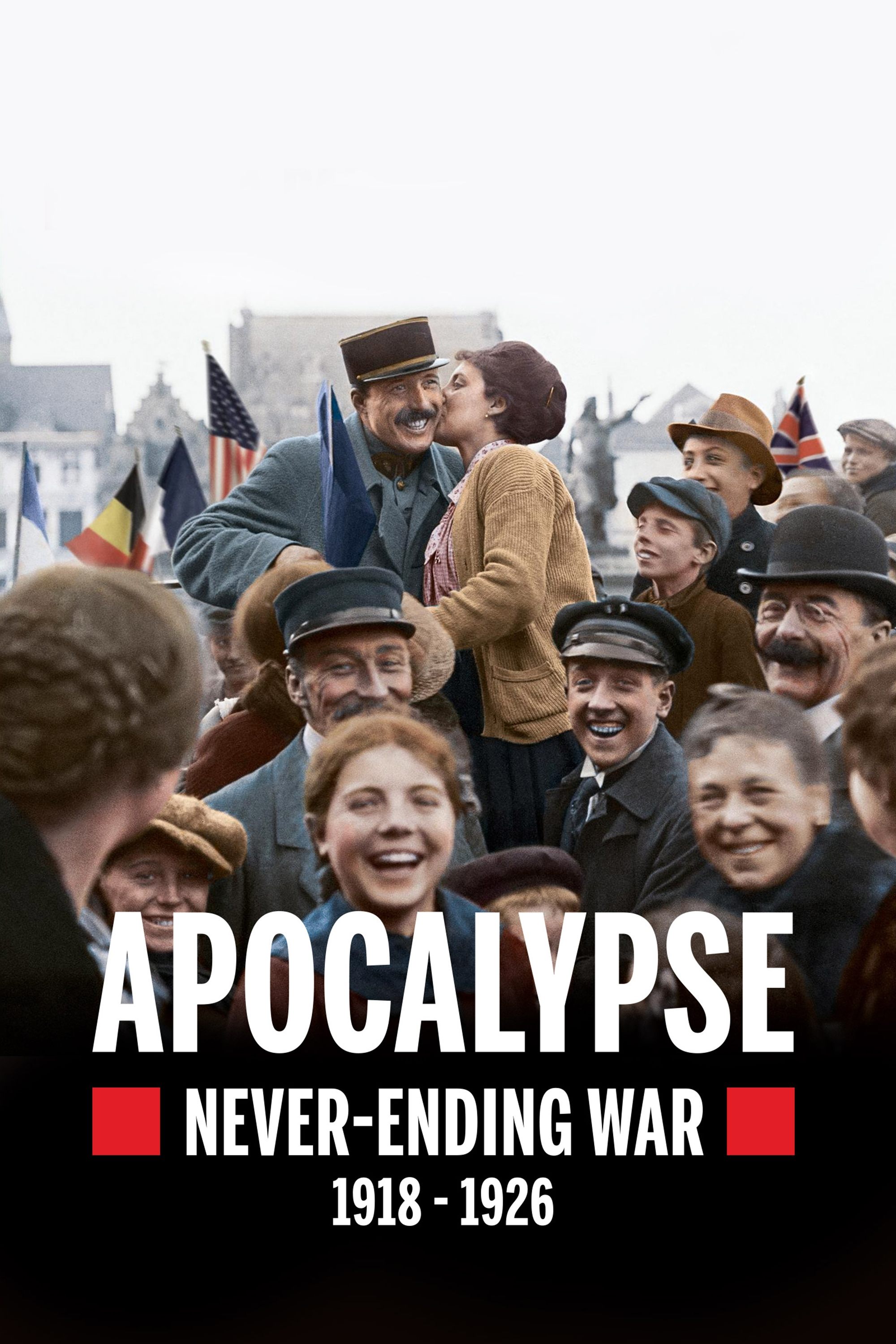
November 11, 1918. The world emerges from the most horrific conflict ever known. While leaders of the victorious countries design a new world order, traumatized societies struggle to find their footing. In the aftermath of war the Russian, German, Austro-Hungarian and Ottoman Empires fall apart, currencies fluctuate wildly, and vast numbers of refugees flee misery. Before long, age-old hatreds, fears, and resentments resurface and drive the world to the brink of a new apocalypse.
A documentary on the American Civil War narrated by Ken Burns, covering the secession of the Confederacy to the assassination of Abraham Lincoln.
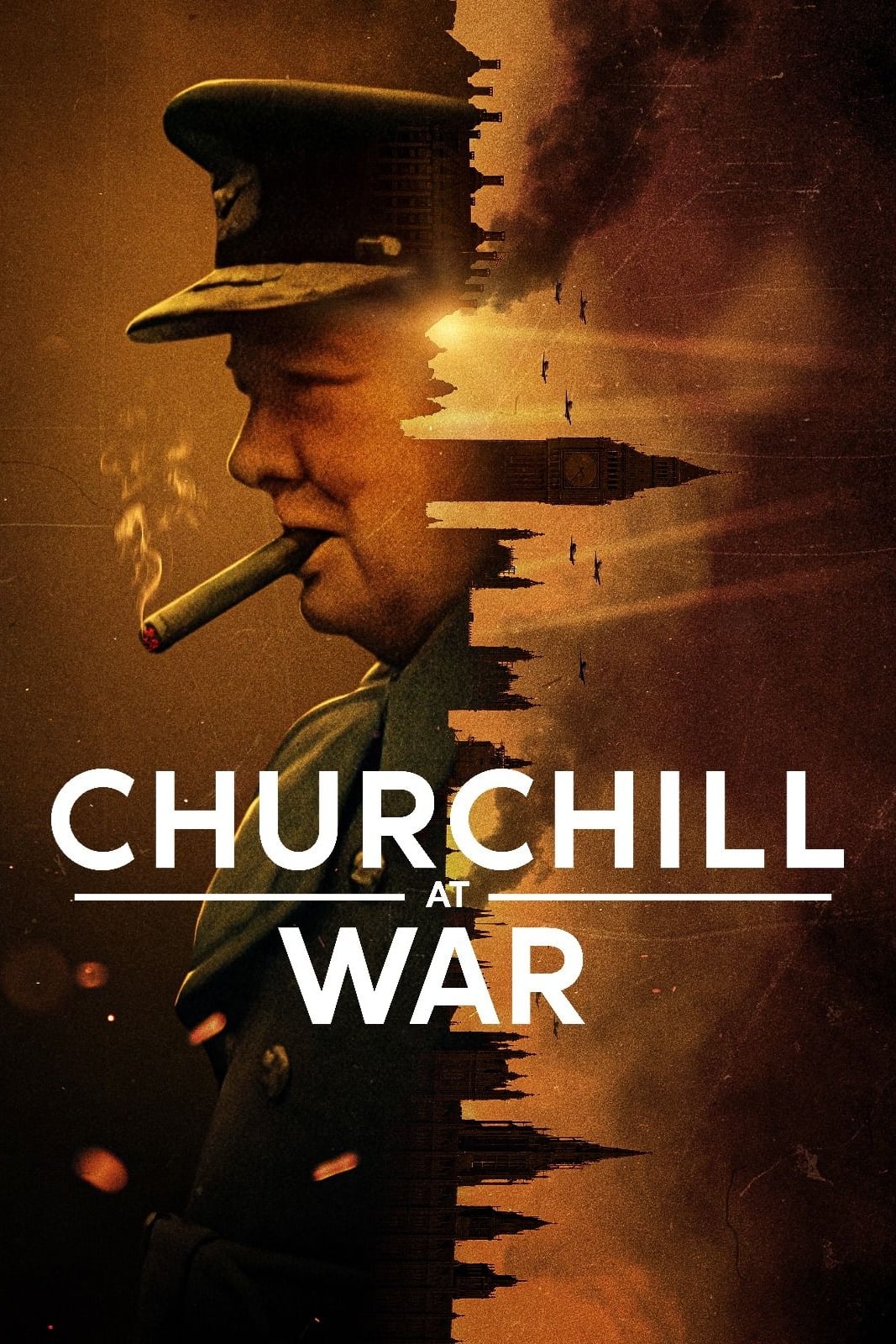
This captivating docuseries examines Winston Churchill's pivotal role in World War II and the formative events that made him an ideal leader for the era.