Social & External
The people behind it
Jiří Dvořák
Host
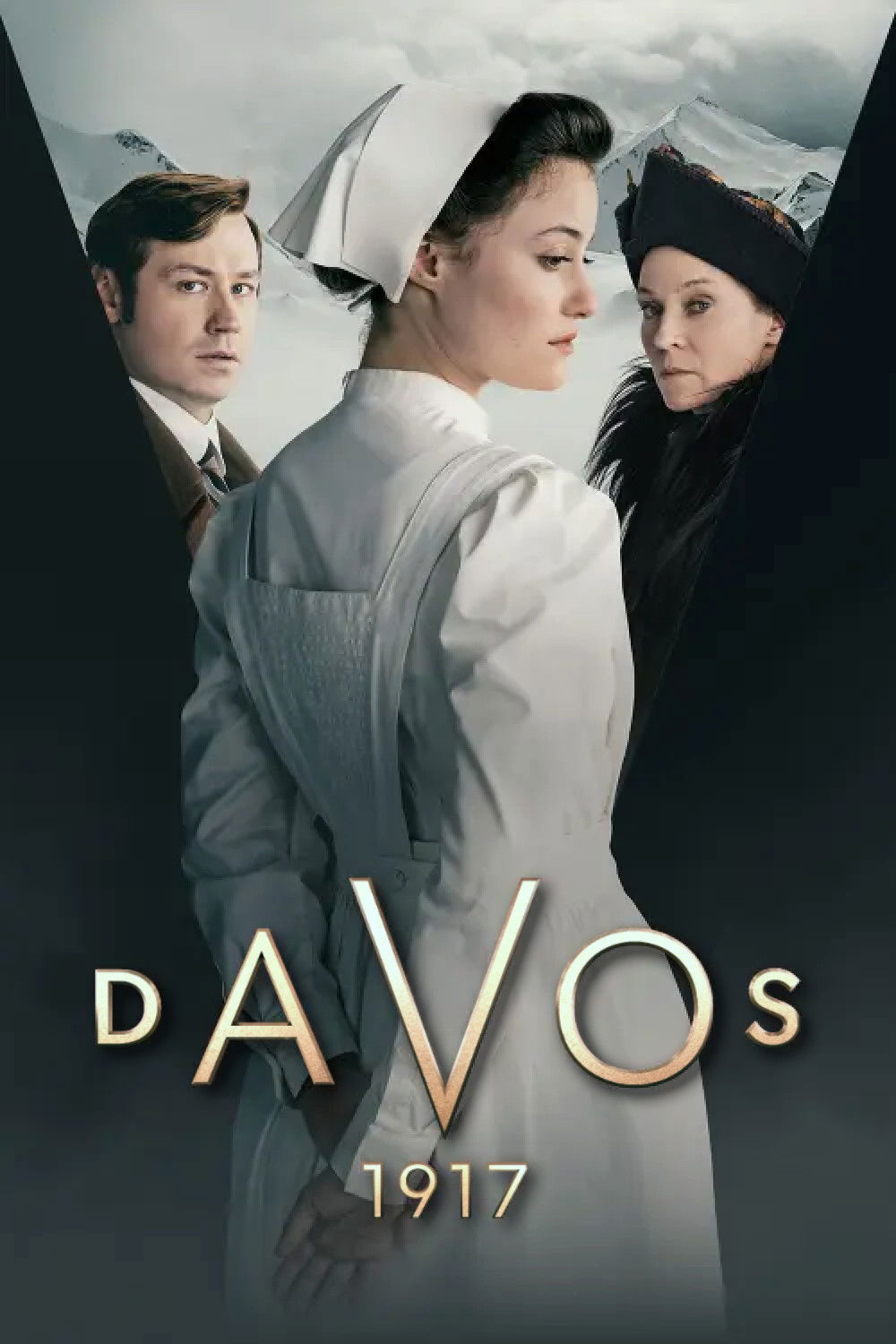
More determined than ever to live her life in accordance with her deepest desires, nurse Johanna Gabathuler finds herself embroiled in a spy conspiracy with international implications. There’s a high price to pay and it’s risky to say the least, but she will do anything it takes to find her daughter and, ultimately, secure her freedom.
The untold true story behind the Cold War race to put man into space.
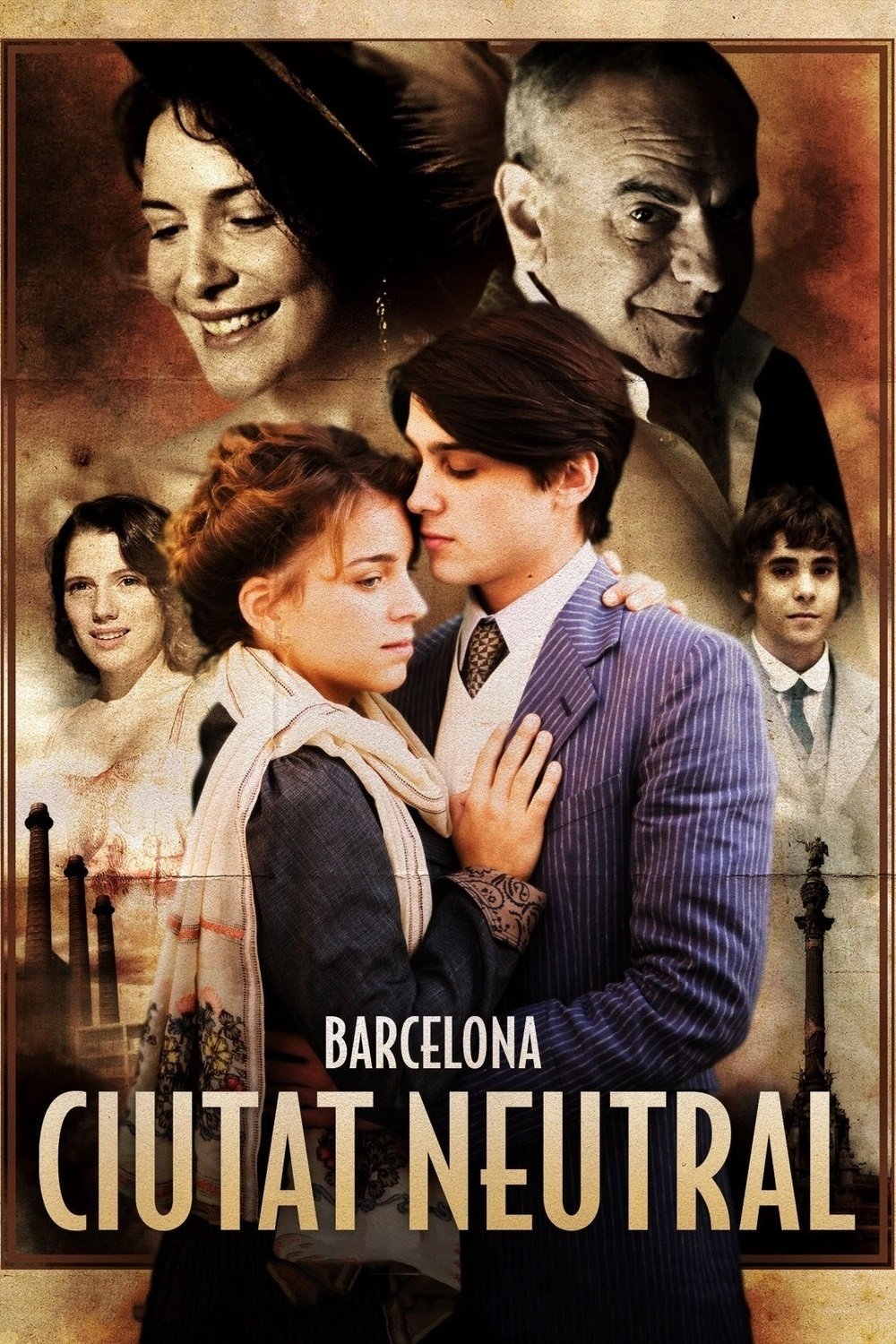
Barcelona, August 1914. World War I has just broken out, and Karl and Gloria meet on a ship that will never leave port. He is a young man from a good family trying to escape a life in which he feels trapped; she is a unionist full of ideals. In a turbulent era marked by intrigue and social change, theirs will be a love story that transcends the differences that separate them, in a city striving to live the dream of an impossible neutrality.
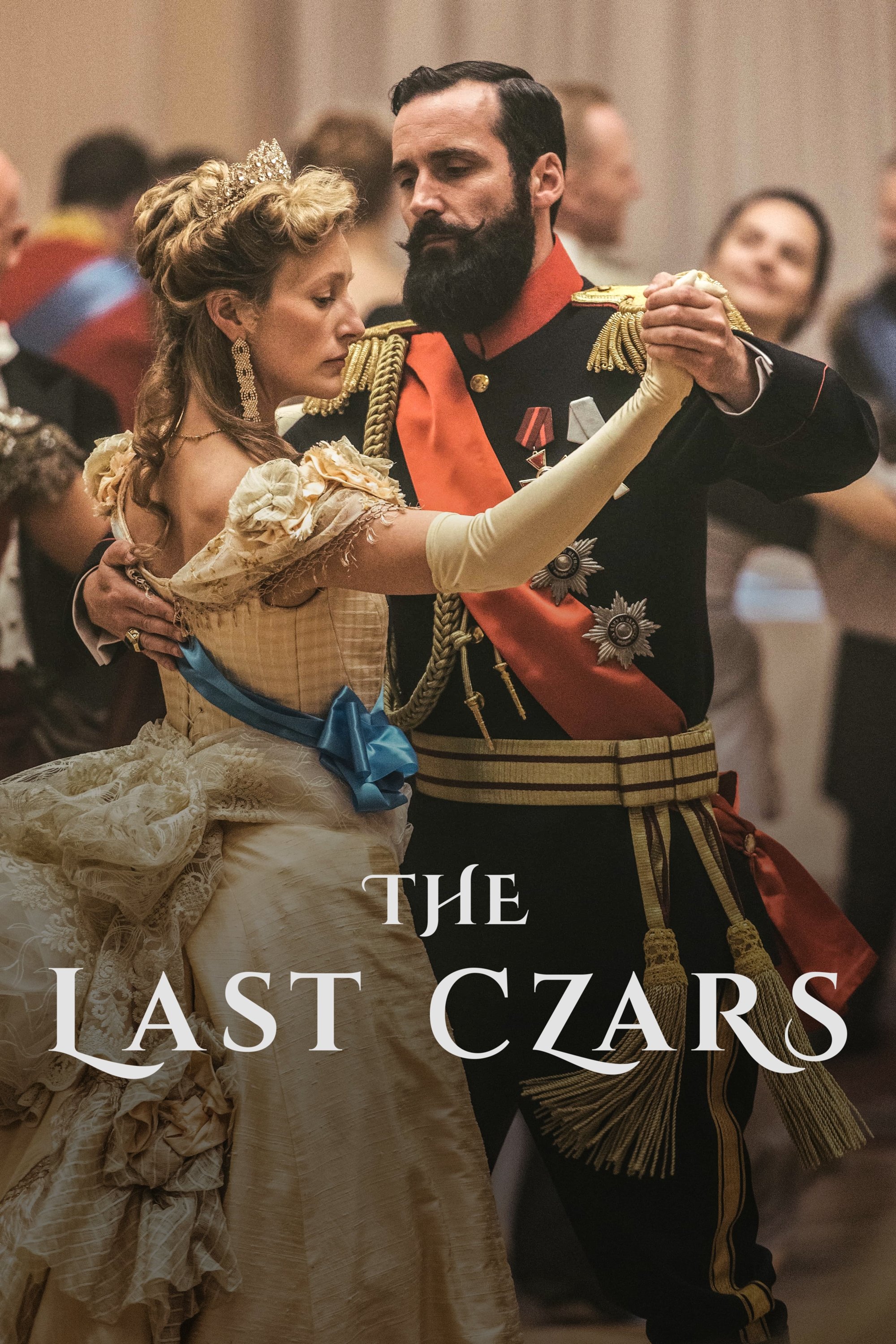
When social upheaval sweeps Russia in the early 20th century, Czar Nicholas II resists change, sparking a revolution and ending a dynasty.
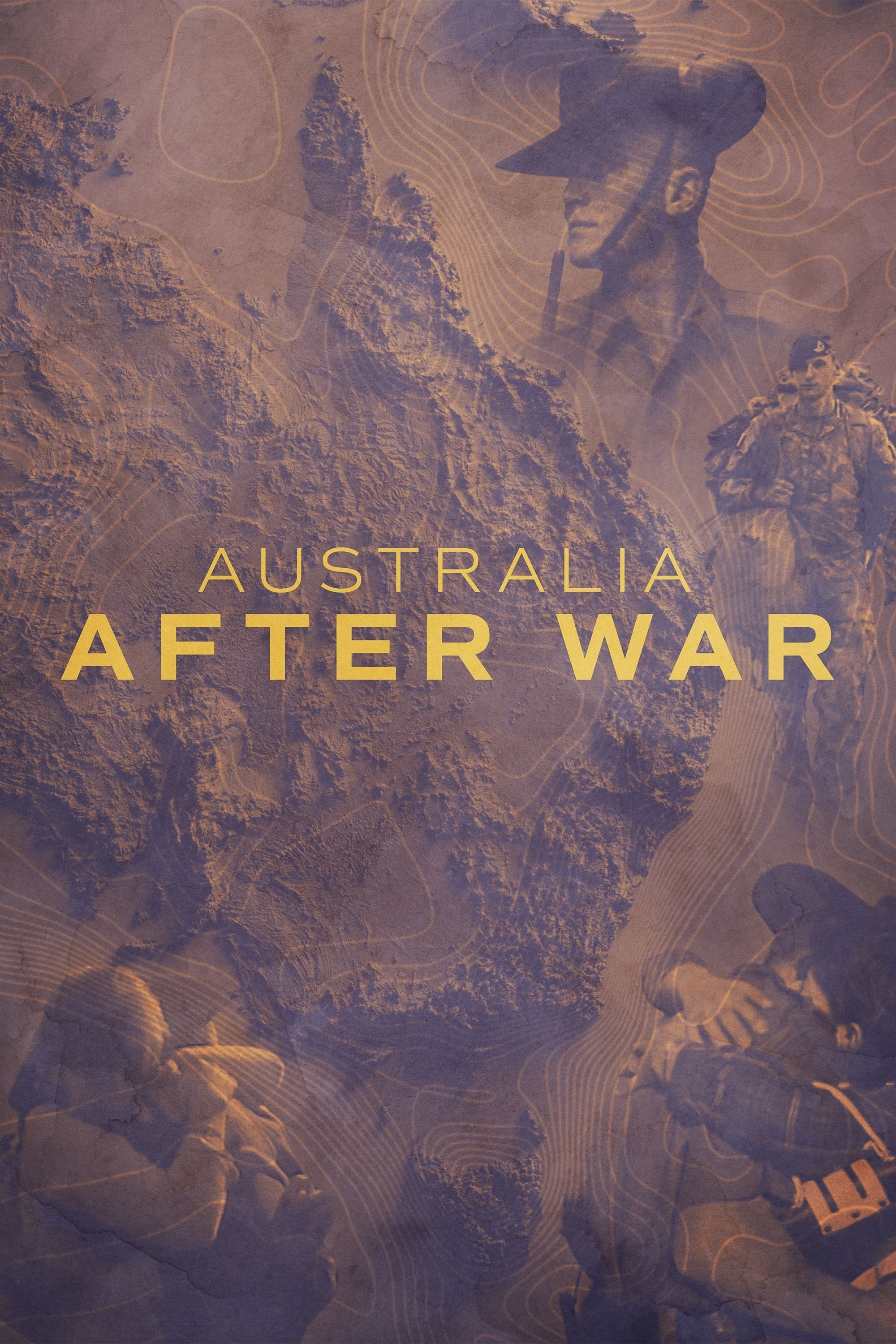
From the Great War onwards, combining the stories of veterans and their families, with commentary from leading academics and experts. A thought-provoking exploration of one of the most important icons in Australian life.
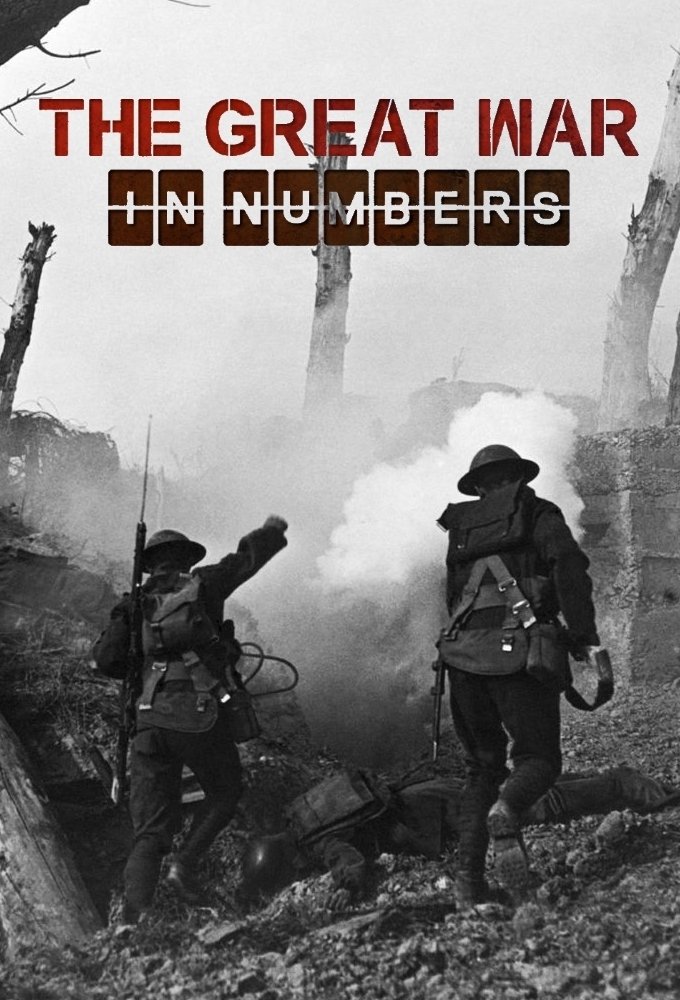
The Great War in Numbers tells the complete story of World War I - from outbreak to conclusion - and the fragile peace that followed. It was a war unlike any other before it, with a number of firsts along the way. Seventy-milliion men were mobilised to fight around the world, from the trenches of the Western Front to the Middle East and Africa.
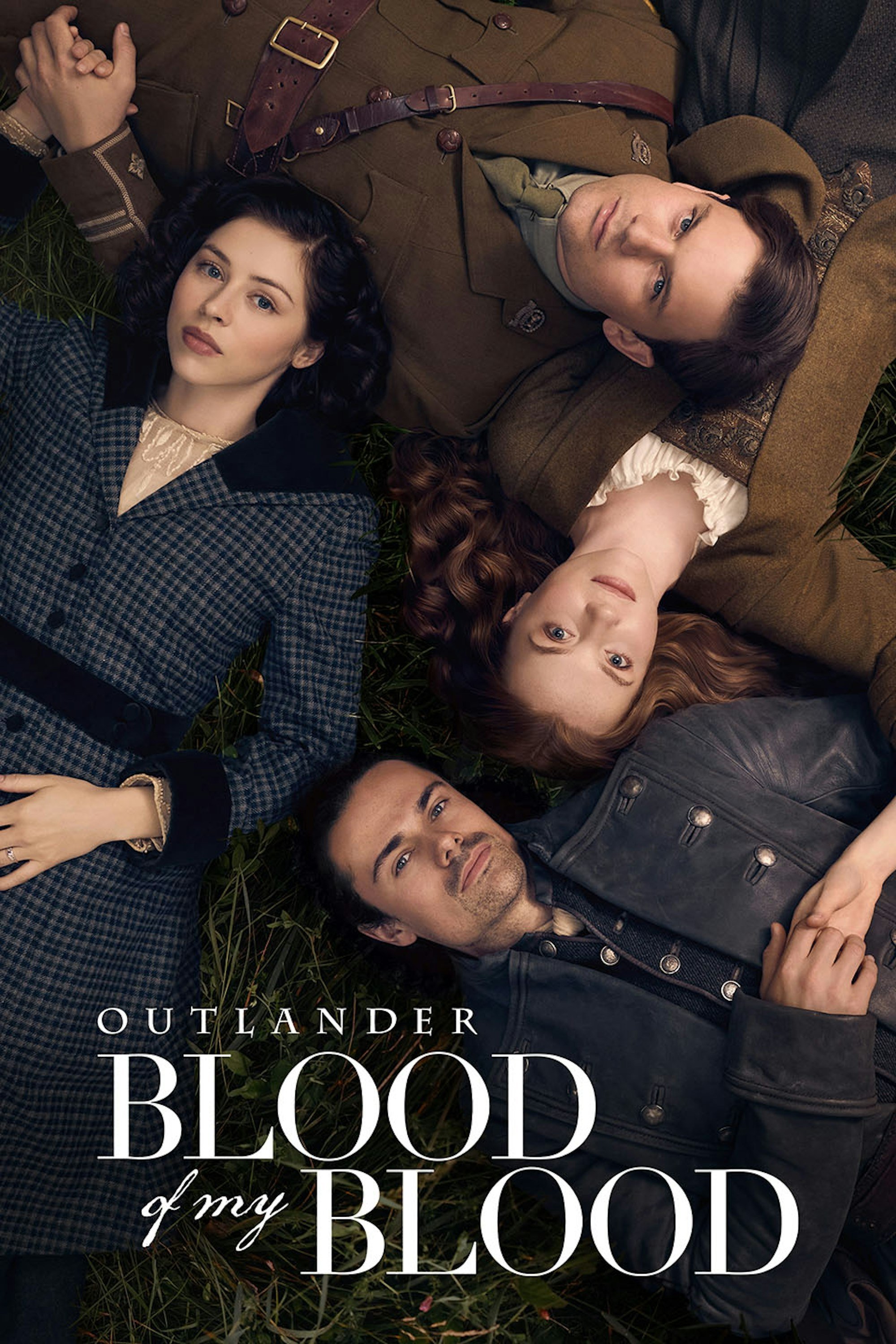
From the battlefields of World War I to the rugged Highlands of 18th century Scotland, two fated couples must defy the forces that seek to tear them apart, unfolding in surprising and unforeseen ways in this romantic saga that unfolds across time.
"Löwengrube – Die Grandauers und ihre Zeit" is a German television series first aired between 1989 and 1992, created by Willy Purucker and directed by Rainer Wolffhardt. It is set in Munich and follows the lives of Ludwig Grandauer and his son Karl, both policemen, covering the years from 1897 to 1954. The TV show is based on Purucker's radio play series Die Grandauers und ihre Zeit (‘The Grandauers and their time’). The series’ main title "Löwengrube", meaning ‘Lions’ Den’, refers to the address of the Munich Police Headquarters inaugurated in 1913.
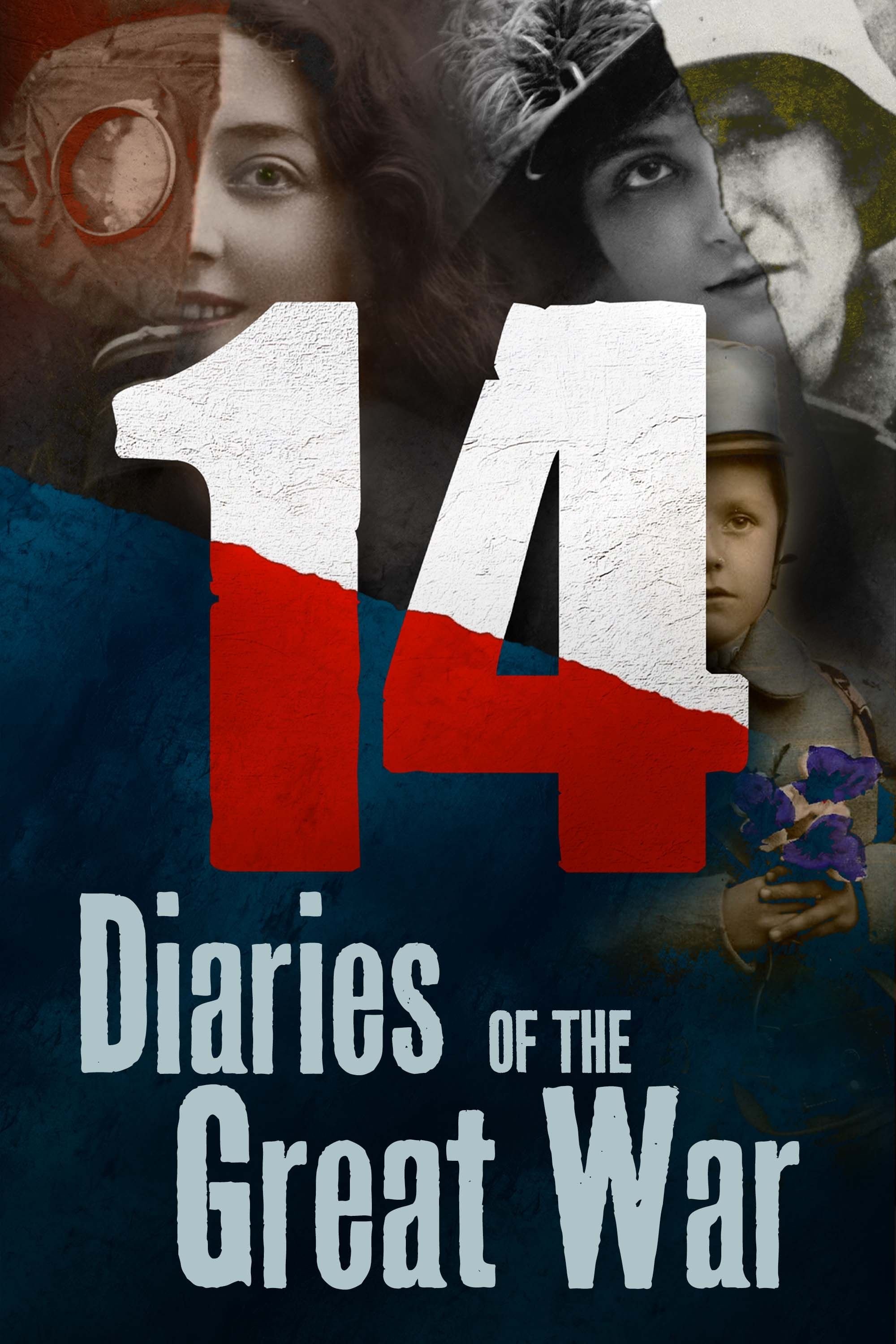
When war broke out in Europe in 1914, most people thought the conflict would be over by Christmas; they could not imagine how wrong they were. An attack in Sarajevo ended up becoming a snowball that swept the world: a new kind of warfare had begun, waged with techniques and means never seen before. By November 1918, ten million people had died and the political map of the planet had been redrawn.
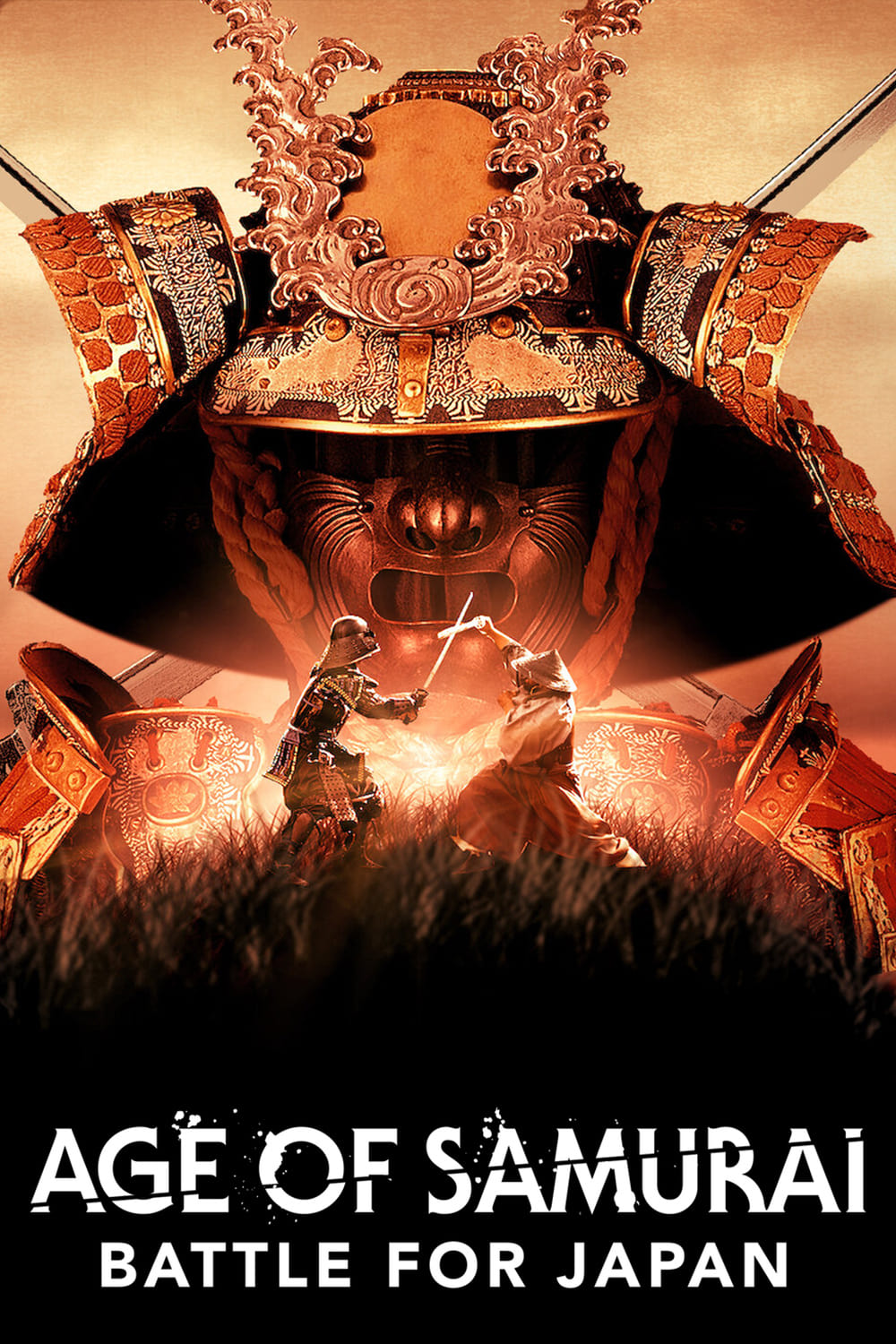
Dynamic reenactments and expert commentaries bring to life the tumultuous history and power struggles of a warring 16th-century feudal Japan.
An extraordinary variety of writers, who often suffered terrible adversity throughout their lives, created wonderful places full of happiness in which children lived far from the sorrows of adult life.
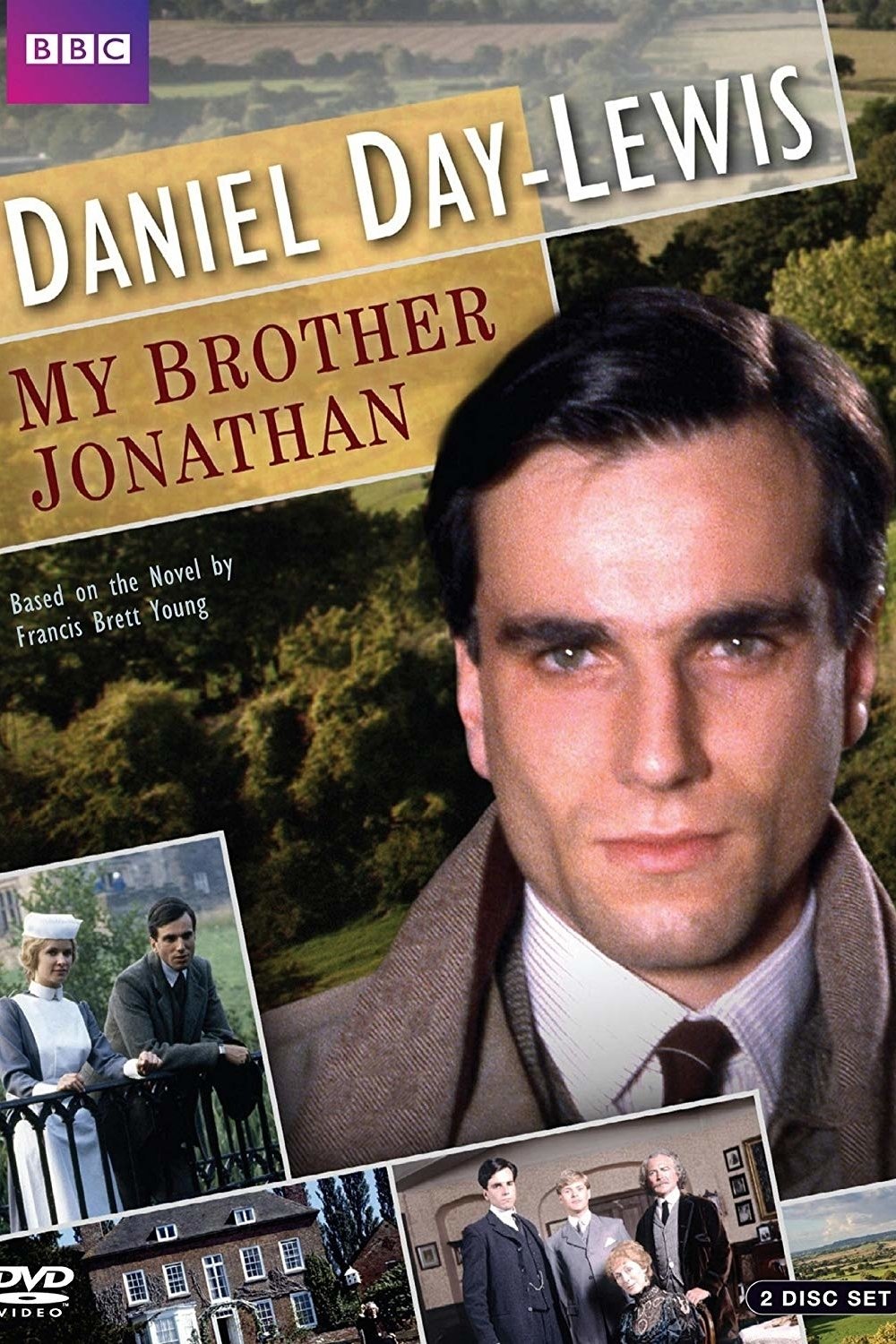
Chronicles the lives of brothers Jonathan and Harold Dakers, in the Black Country, focusing on their close bond and the challenges they face, particularly during World War I.
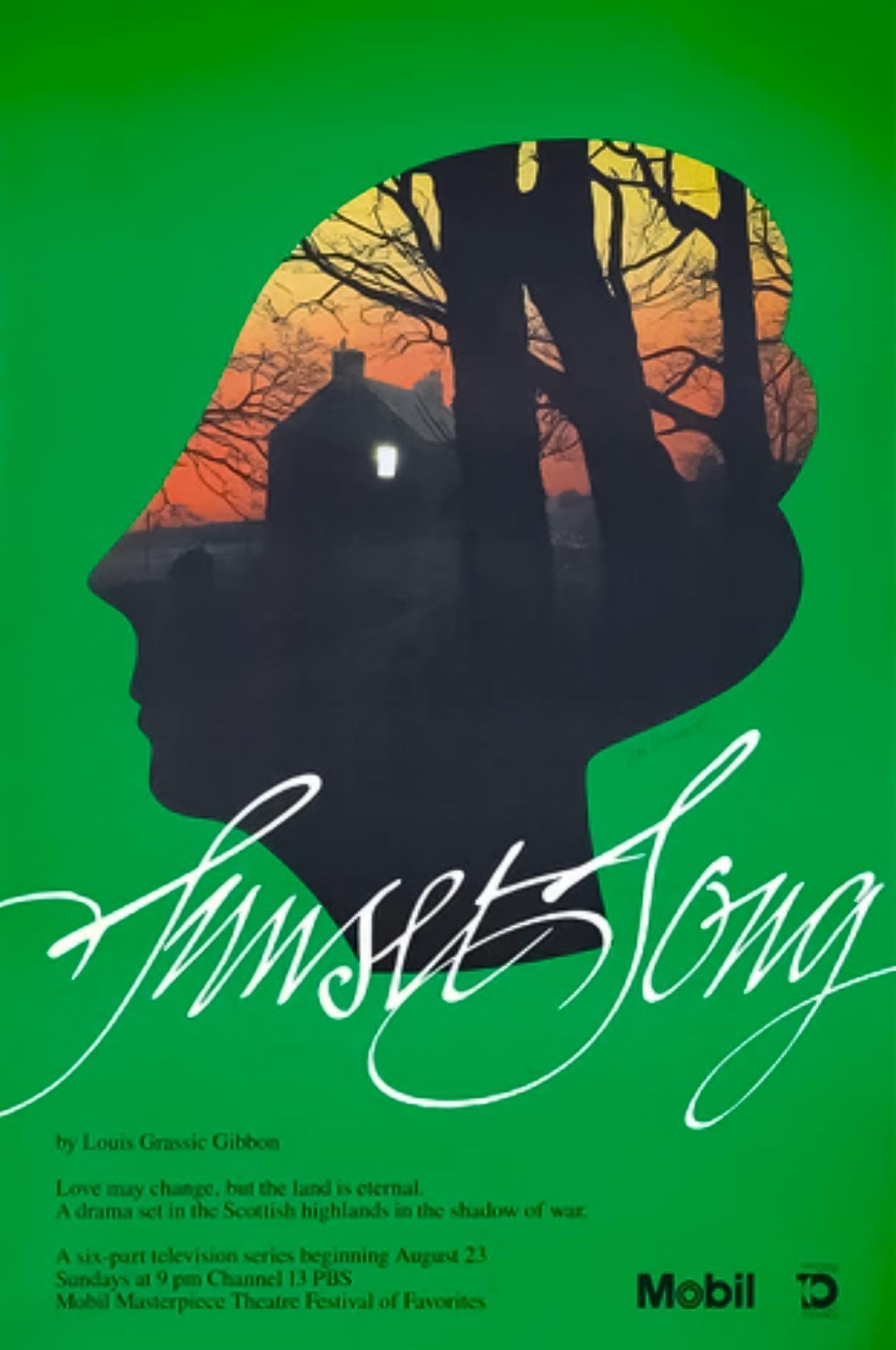
A young woman in rural Scotland faces hardship after hardship as she struggles to keep her family farm going through personal losses and the devastation of World War I.
The stories behind innovations such as TV, radio, phones, airplanes, motorcycles and power tools as well as the inventors including Nikola Tesla, William Harley, Alexander Graham Bell, Duncan Black and Alonzo Decker.
As dawn breaks on April 25, 1915, ANZAC troops go into battle on the beaches of the Gallipoli peninsula. Landing in the dark chaos, Tolly, Bevan and their mates struggle to establish a tenuous foothold on the treacherous slopes and deep ravines. They endure the next eight months on the peninsula learning lessons of survival. By the time of the final evacuation they have also learned the skills of combat and what it means to be a young man in war.
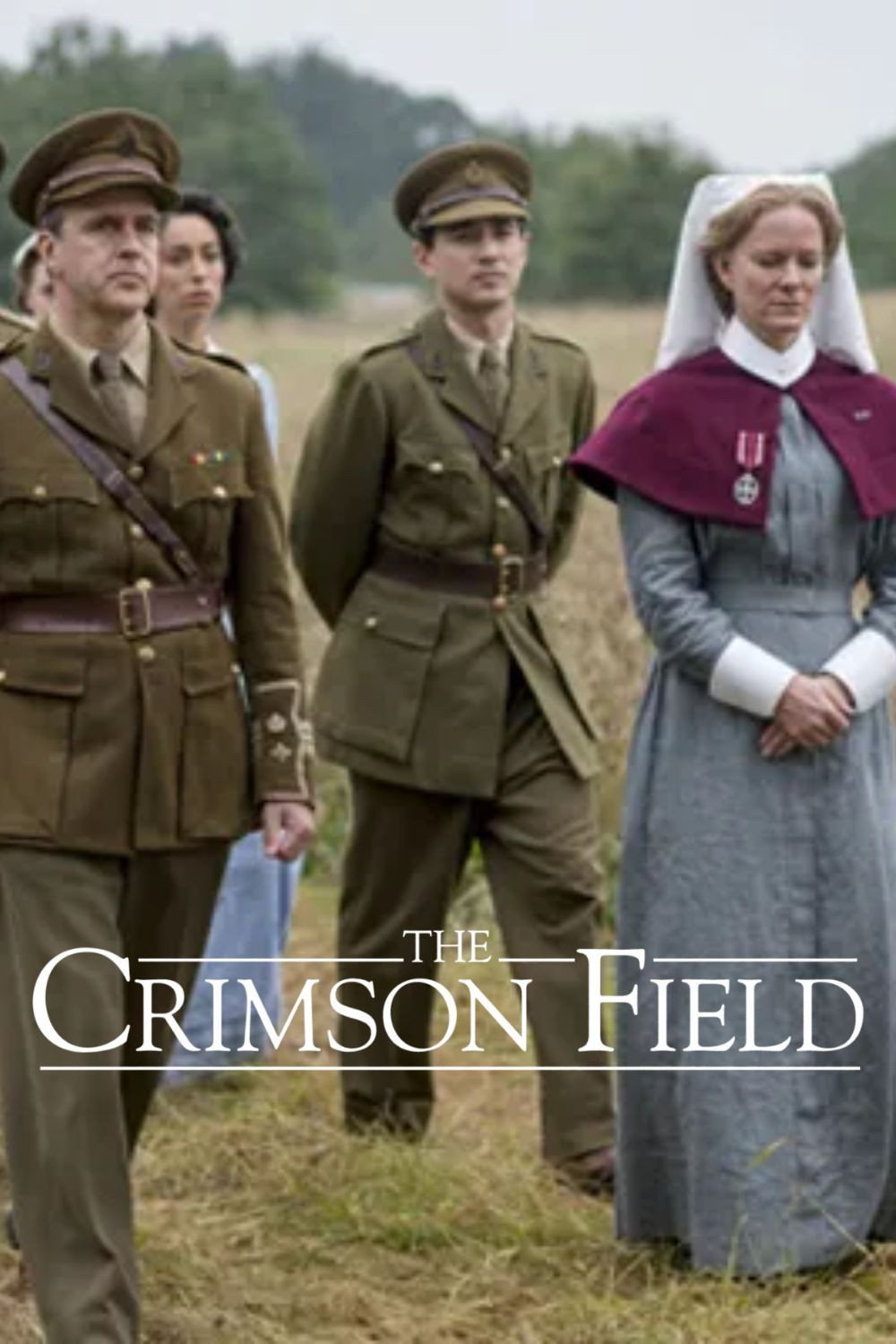
In a tented field hospital on the coast of France, a team of doctors, nurses and women volunteers work together to heal the bodies and souls of men wounded in the trenches.
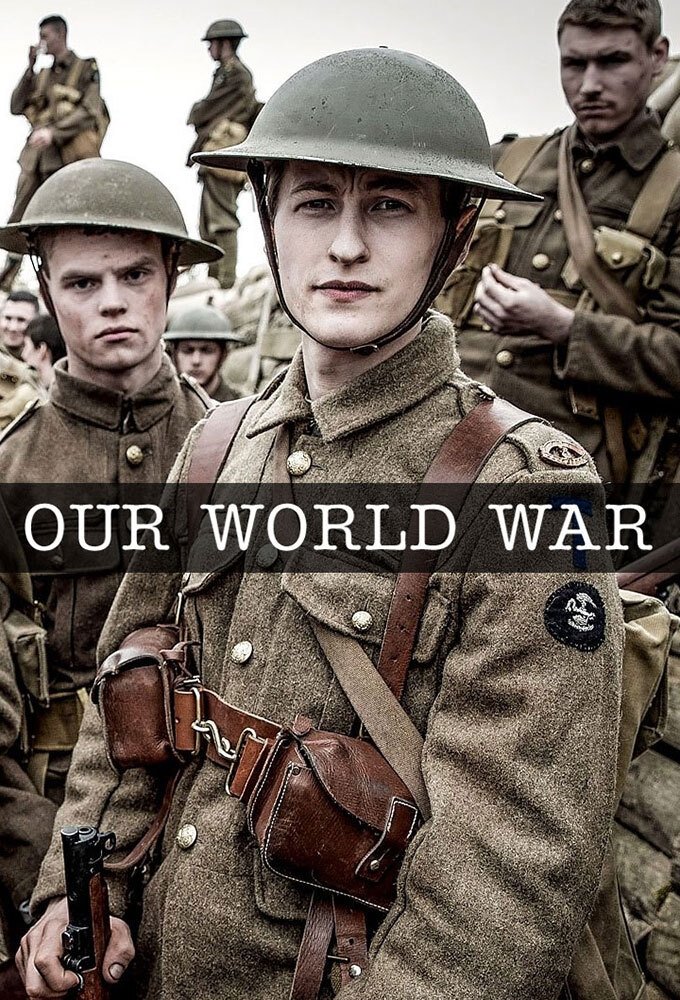
Our World War is a gripping factual drama series offering viewers first-hand experience of the extraordinary bravery of young soldiers fighting 100 years ago. Drawing on real stories of World War One soldiers it uses the visual techniques and imagery familiar from modern warfare – POV helmet camera footage, surveillance images and night vision – to immerse the BBC Three audience in life on the Western Front. Each episode is closely based on first-hand testimony, interviews and memoirs that reveal often hidden and sometimes disturbing aspects of the combat experience.
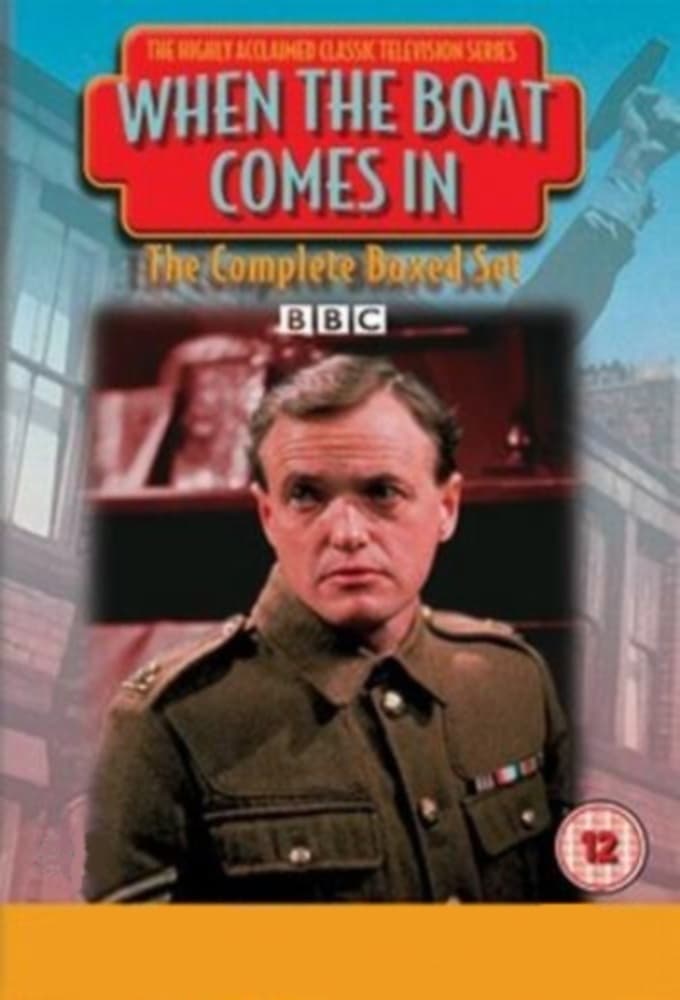
When the Boat Comes In is a British television period drama produced by the BBC between 8 January 1976 and 21 April 1981. Taking place between 1919 to 1937, Jack Ford is a veteran of The Great War who returns to his poverty-stricken (fictional) town of Gallowshield in the North East of England. It dramatises the interwar political struggles of the 1920s and 1930s, and explores the impact of national and international politics upon Ford and those around him.
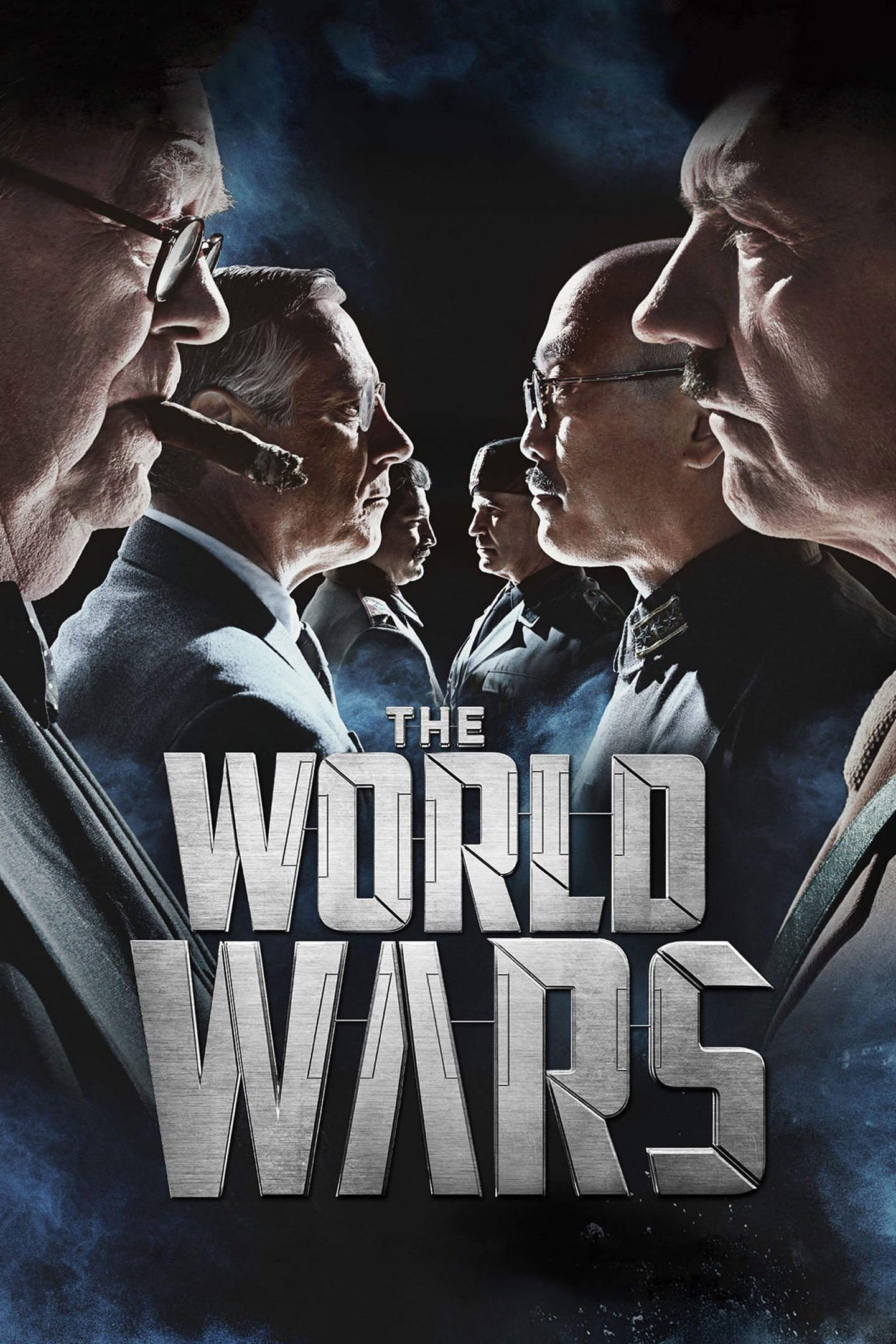
The story of three decades of war told through the eyes of various men who were its key players: Roosevelt, Hitler, Patton, Mussolini, Churchill, Tojo, DeGaulle and MacArthur. The series examines the two wars as one contiguous timeline starting in 1914 and concluding in 1945 with these unique individuals coming of age in World War I before ultimately calling the shots in World War II.
The docuseries follows people deeply involved in the group NXIVM — which is faced with various charges, including sex trafficking and racketeering conspiracy — over the course of several years.
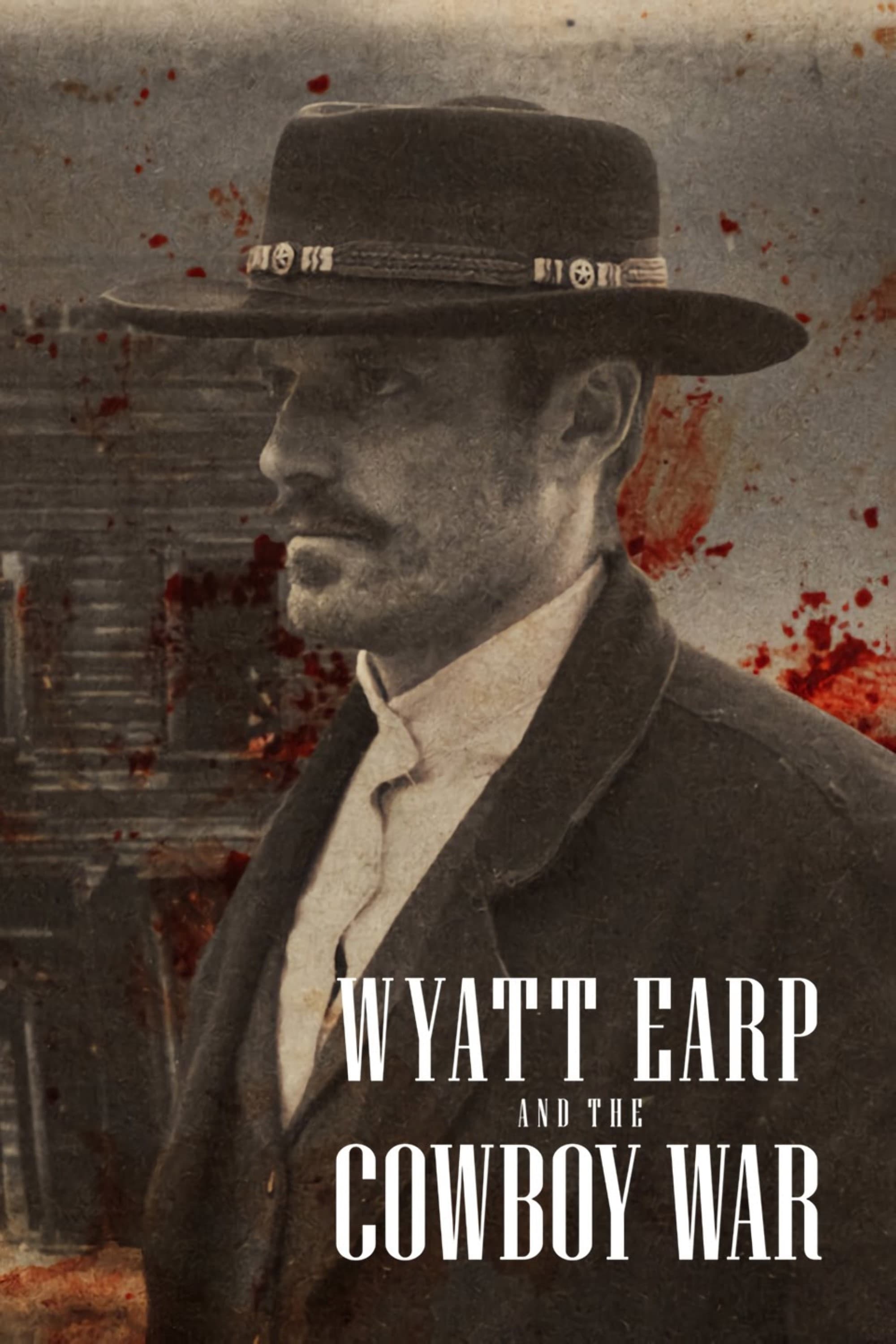
The legendary feud between Wyatt Earp and Ike Clanton unfolds through vivid reenactments in this gritty docudrama about the gunfight that defined an era.
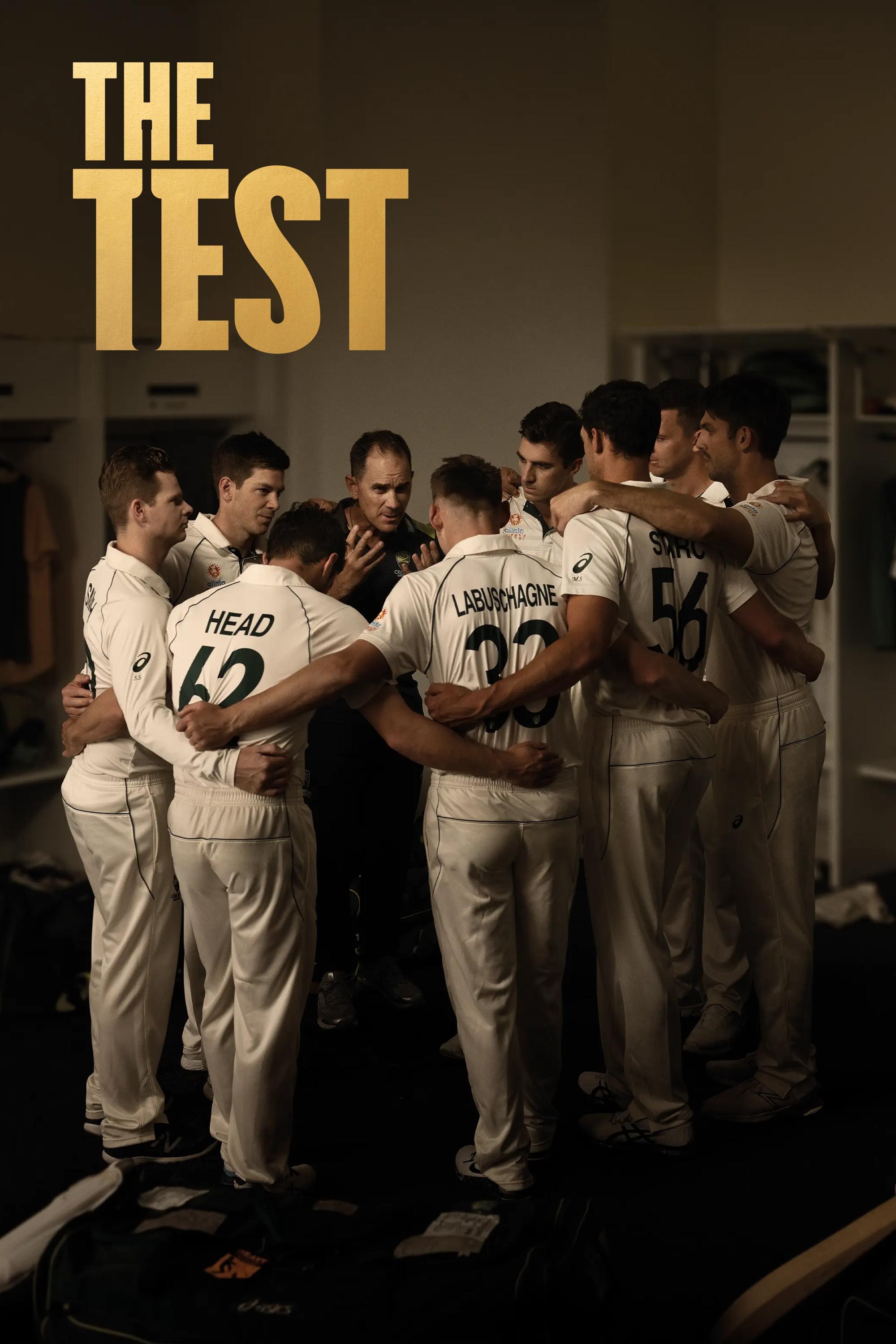
A docuseries following the Australian Men’s Cricket Team, offering a behind-the-scenes look at how one of the world’s best cricket teams fell from grace and was forced to reclaim their title and integrity.
The anticipated WWE Network docuseries will look back on The Undertaker’s storied WWE career and place a focus on the ongoing challenges the wrestling legend appears to have with a career beginning to near it's end.
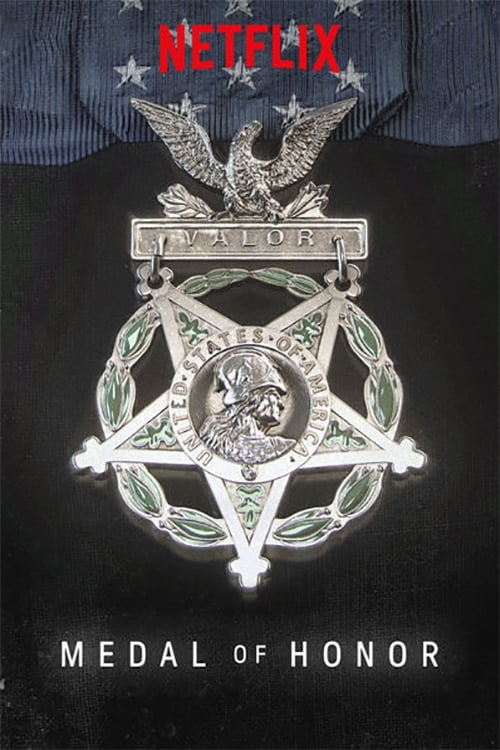
Honoring service members whose courage merited the awarding of a Medal of Honor, this docudrama series re-creates their inspiring true stories.
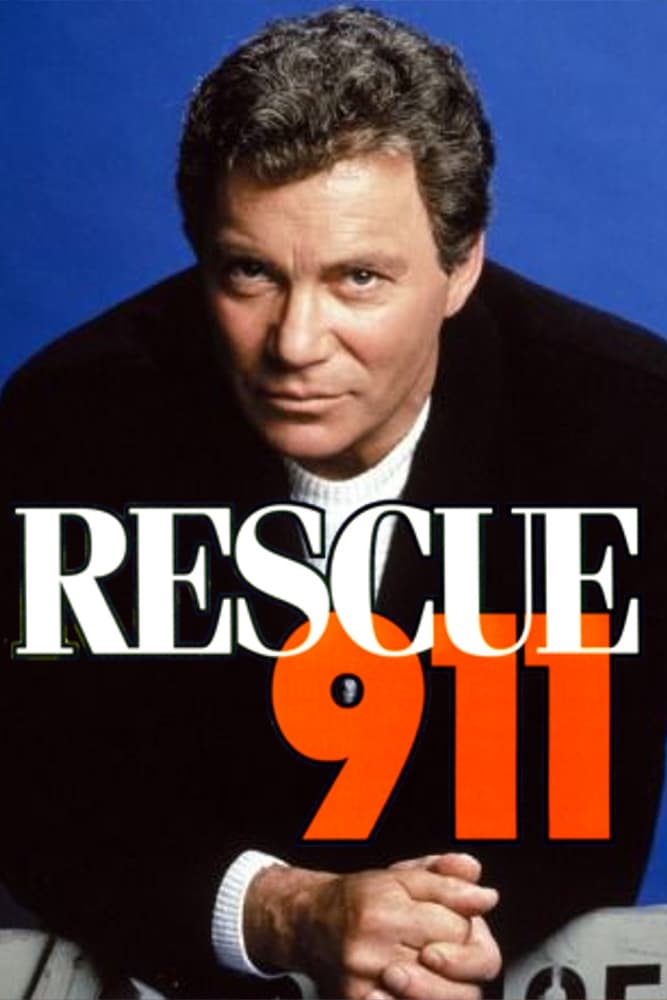
Rescue 911 is an informational reality-based television series that premiered on April 18, 1989 and ended on August 27, 1996. The series was hosted by William Shatner and featured reenactments of emergency situations that often involved calls to 911. Though never intended as a teaching tool, various viewers used the knowledge they obtained watching the show. Two specials, titled "100 Lives Saved" and "200 Lives Saved," were dedicated to viewers who had written to CBS with their stories on how the knowledge they obtained watching the show allowed them to save the life of someone else. At least 350 lives have been saved as a result of what viewers learned from watching it. The show's popularity coincided with the widespread adoption of the 911 emergency system, replacing standalone police and fire numbers that would vary from municipality to municipality. The number is now universally understood in the United States and Canada to be the number dialed for emergency assistance nationwide.
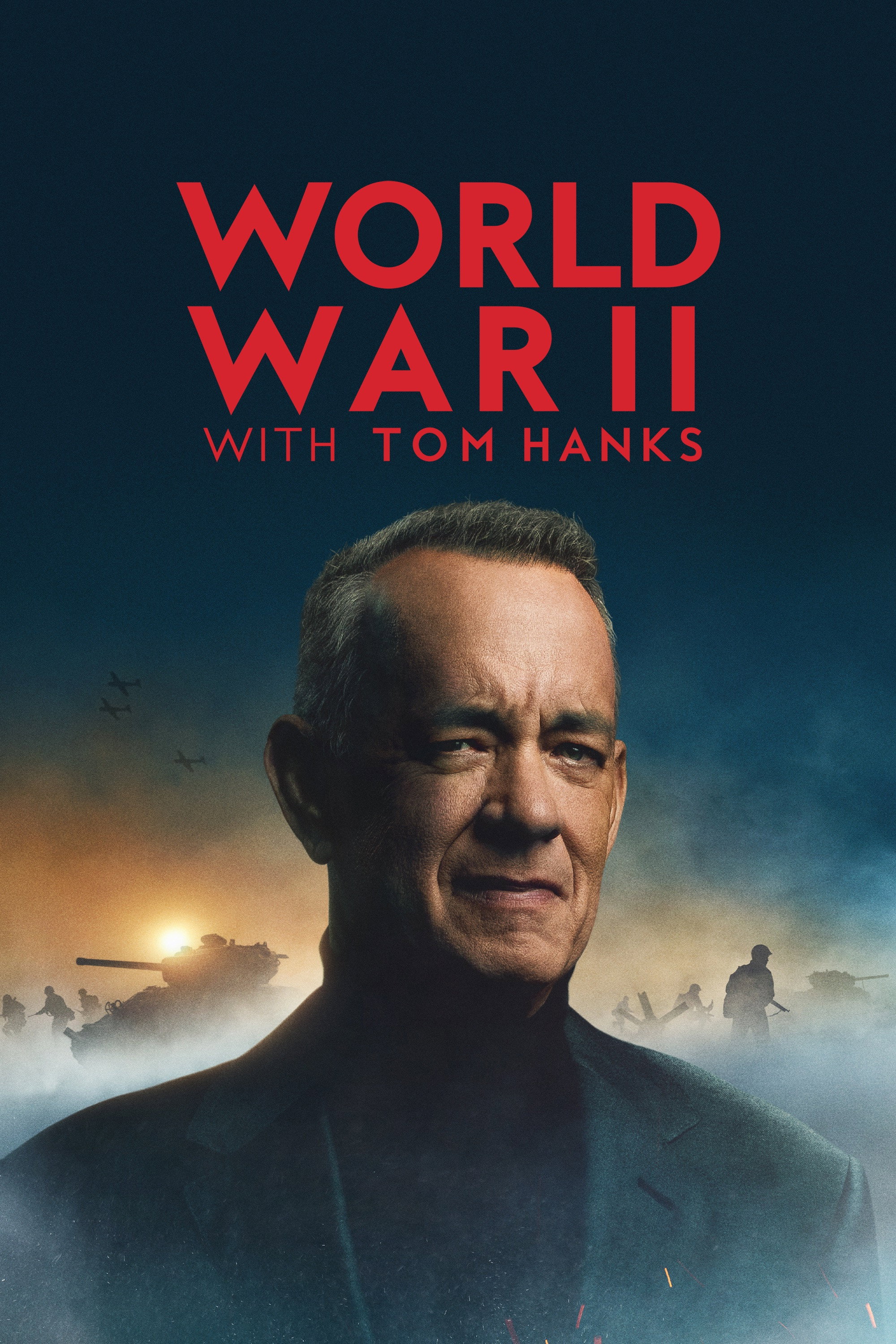
Explores WWII from Germany's invasion of Poland through the atomic age, examining pivotal battles, wartime leaders like Churchill and Roosevelt, and the human cost of total war.
Filmed across six continents, this docuseries uses cutting-edge camera technology to capture animals' nocturnal lives, revealing new behaviours filmed in full color like never before.
A “psychological exposé” into the minds of the most diabolical antagonists in WWE history and their impact on mainstream culture.
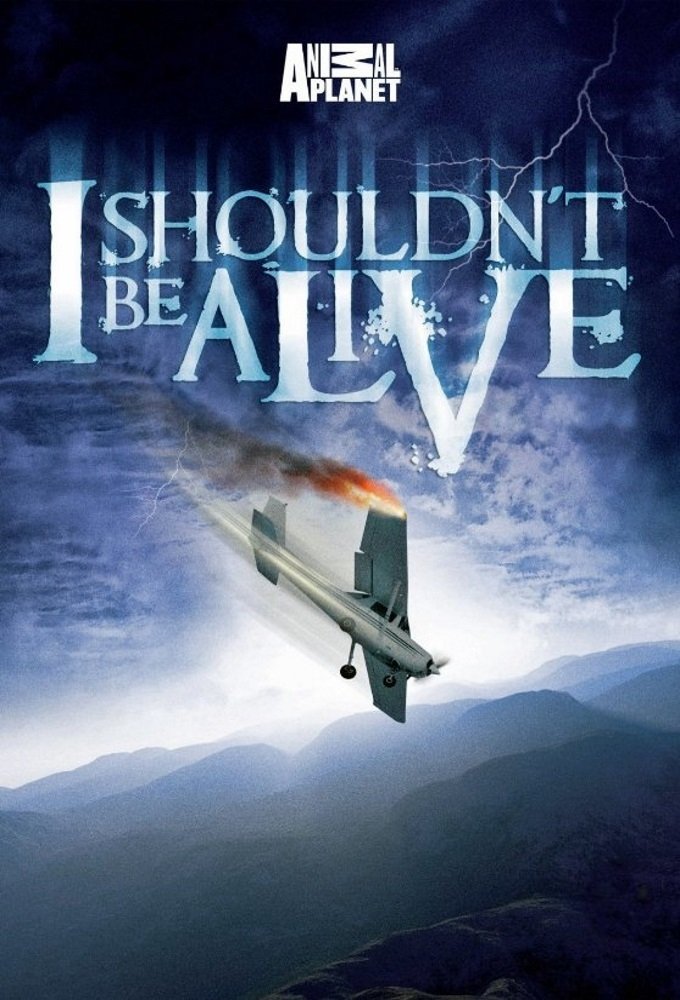
The show features accounts of individuals and groups caught in dangerous scenarios, presented both through interviews and dramatic reenactments. The main focus is how the survivors survived and the decisions they made that kept them alive.
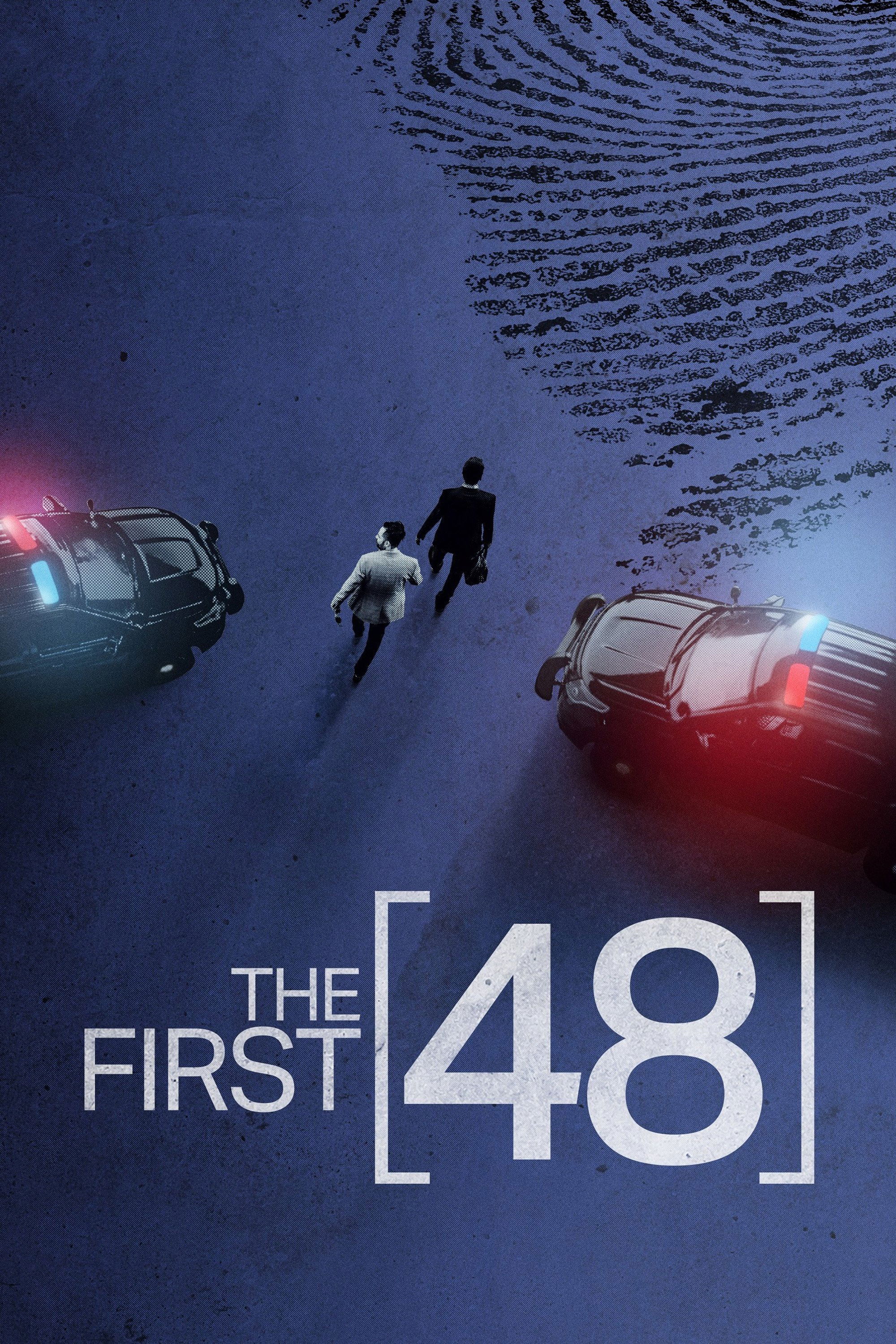
The First 48 follows detectives from around the country during these first critical hours as they race against time to find the suspect. Gritty and fast-paced, it takes viewers behind the scenes of real-life investigations with unprecedented access to crime scenes, autopsies, forensic processing, and interrogations.
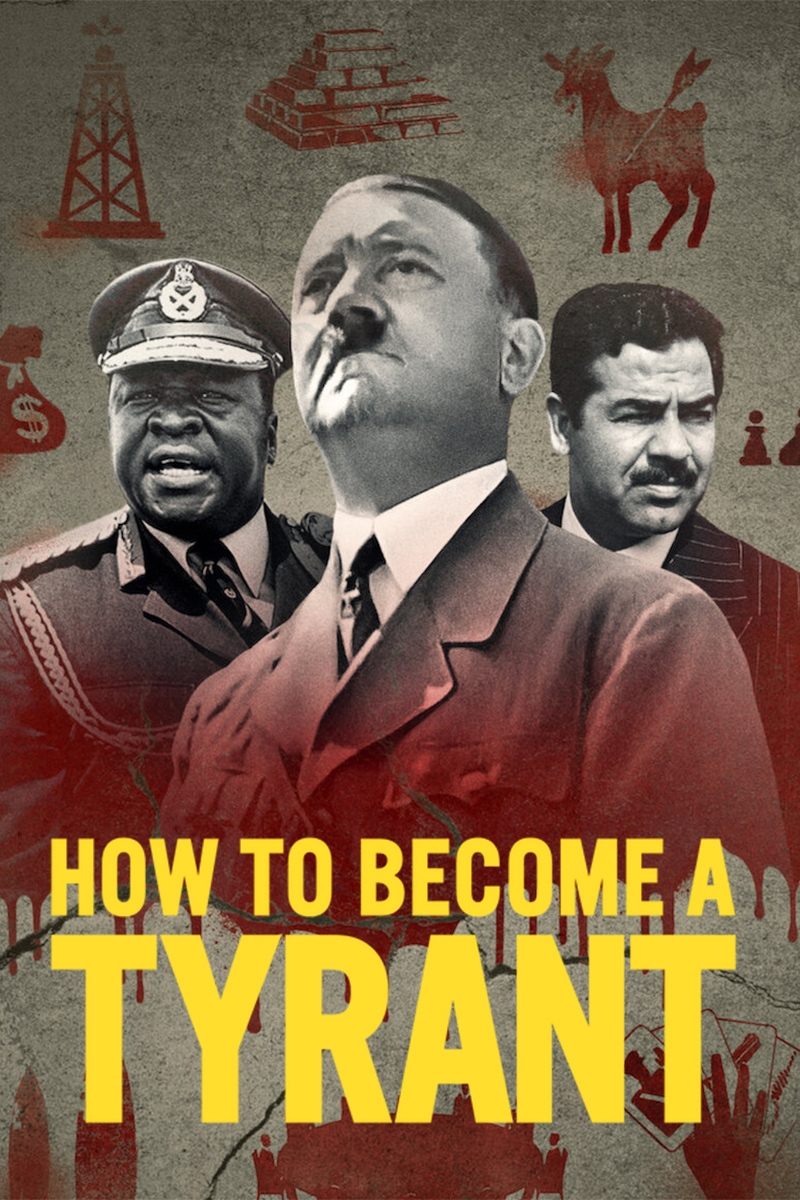
The documentary series explores different political figures throughout history.
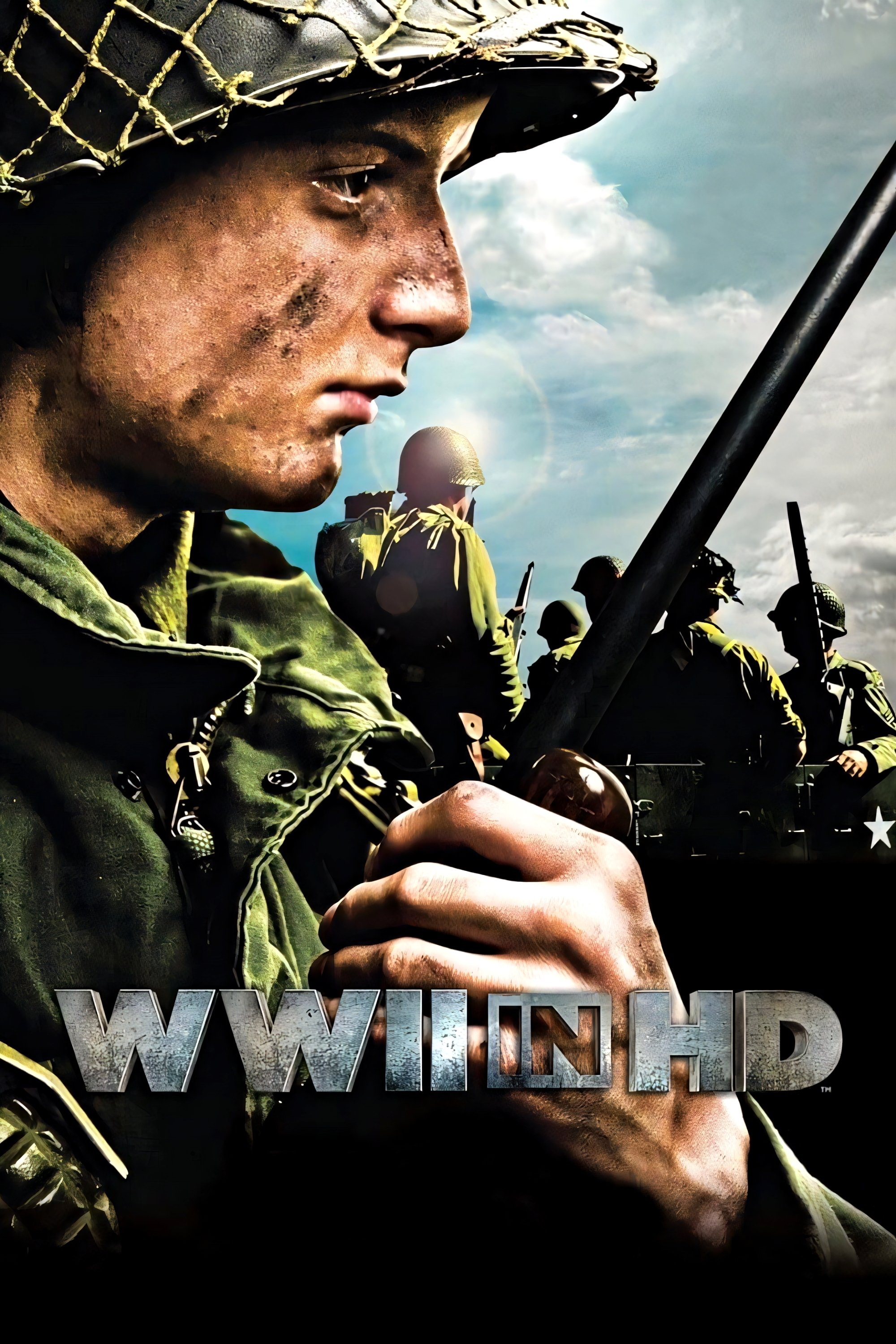
WWII in HD is a 10-part American documentary television miniseries that originally aired from November 15 to November 19, 2009 on the History Channel. The program focuses on the firsthand experiences of twelve American service members during World War II, including an Army nurse, a member of the Tuskegee Airmen, a second generation Japanese American and prisoner of war, and an Austrian Jewish immigrant. The twelve members recorded their time in both theaters and some had later interviews; found footage from the battlefield was paired with the stories of the twelve service members. The episodes premiered on five consecutive days, with two episodes per day. The series is narrated by Gary Sinise and was produced by Lou Reda Productions in Easton, Pennsylvania, United States.
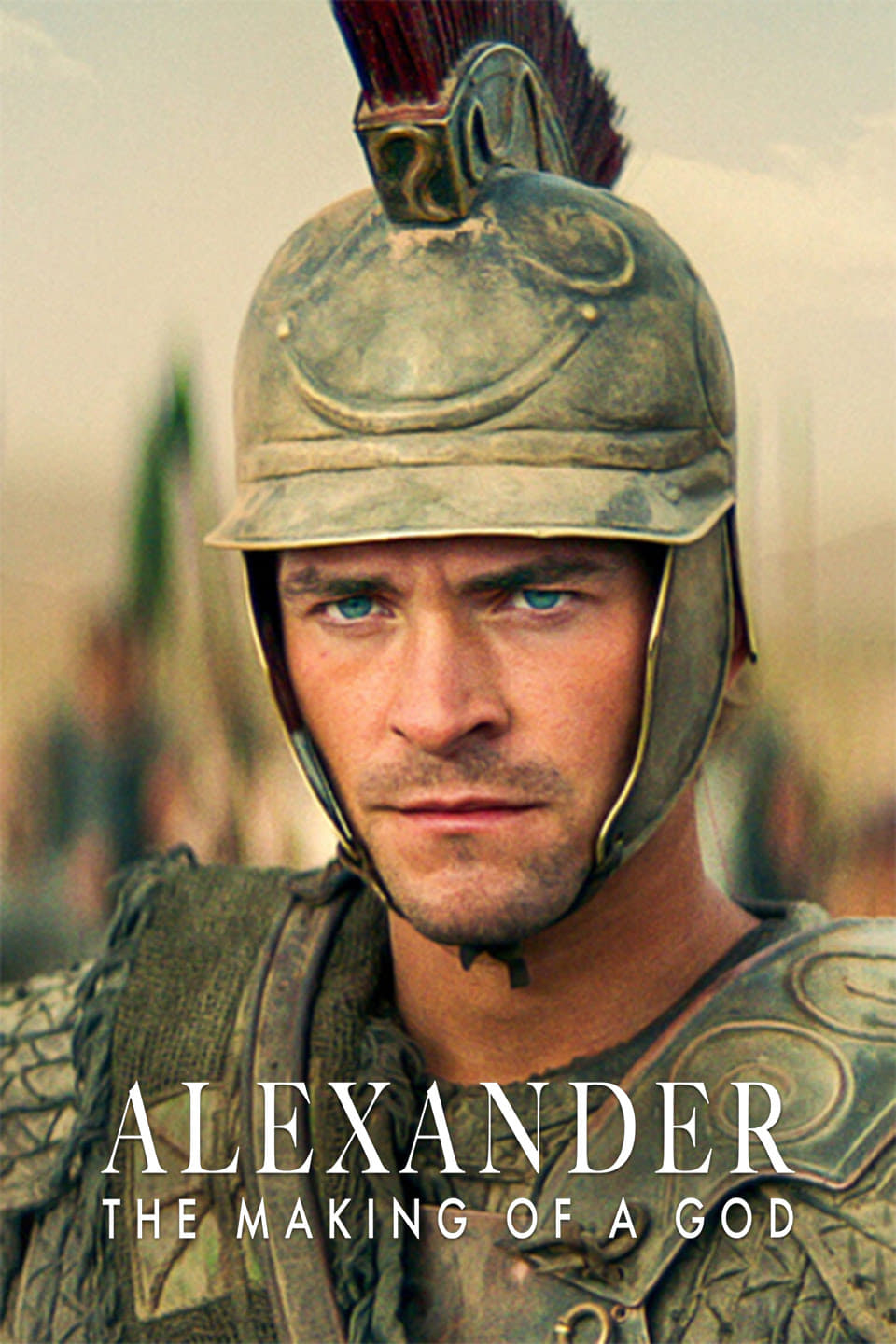
Expert interviews and gripping reenactments combine to reveal the extraordinary life of Alexander the Great and his burning desire to conquer the world.
A documentary on the American Civil War narrated by Ken Burns, covering the secession of the Confederacy to the assassination of Abraham Lincoln.
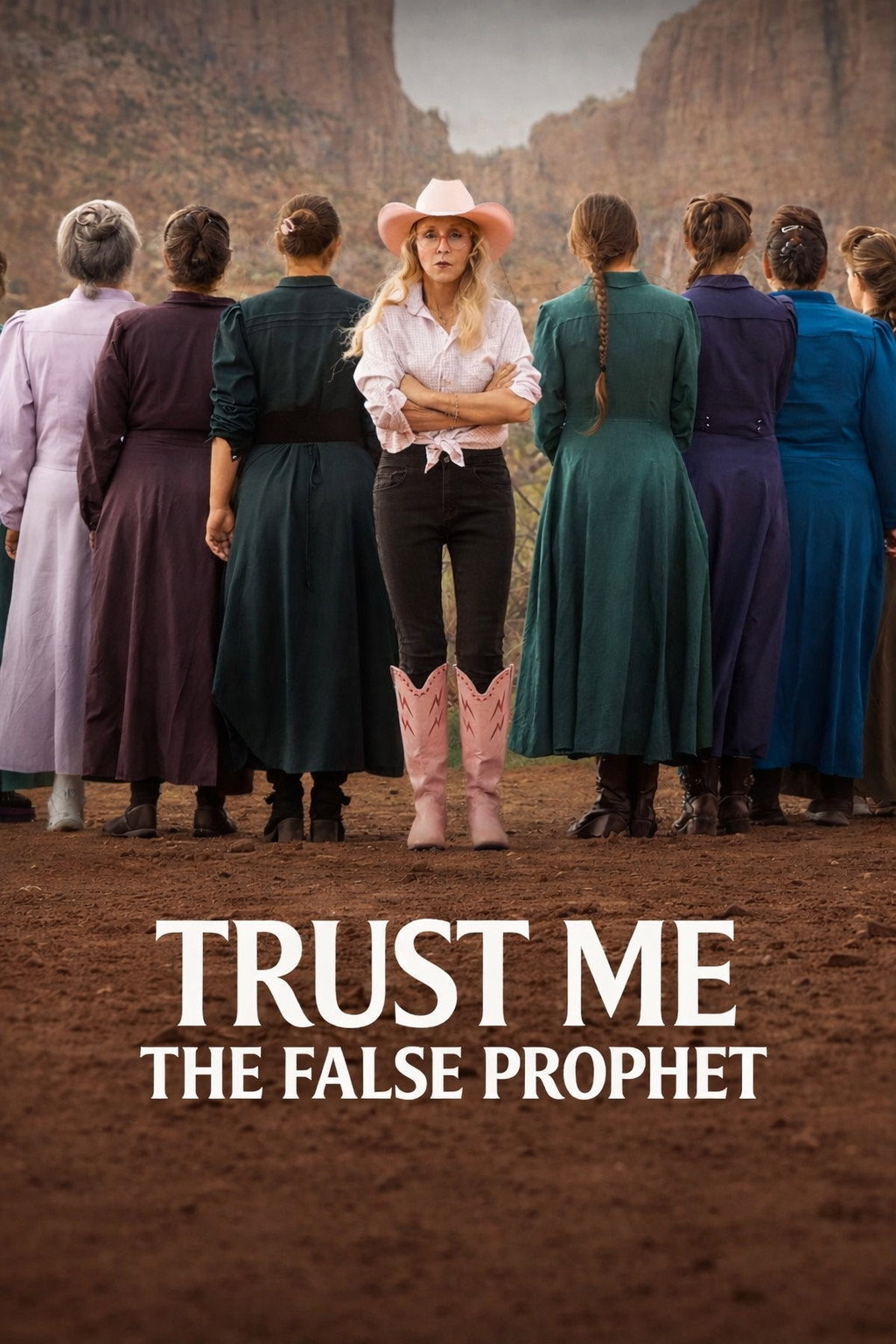
In this true-crime documentary, a cult expert and filmmaker infiltrate a polygamist sect to expose a self-proclaimed prophet and bring him to justice.
Doctor Who Confidential is a documentary to complement the revival of the long-running British science fiction television series Doctor Who. Each episode was broadcast on BBC Three on Saturdays, immediately after the broadcast of the weekly television episode on BBC One. The running time of the first two series was 30 minutes, being extended to 45 minutes in the third. BBC Three also broadcast a cut-down edition of the programme, lasting 15 minutes, shown after the repeats on Sundays and Fridays and after the weekday evening repeats of earlier seasons.
A documentary series that gives a historical account of the events of World War II, from its roots in the 1920s to the aftermath and the lives it profoundly influenced.
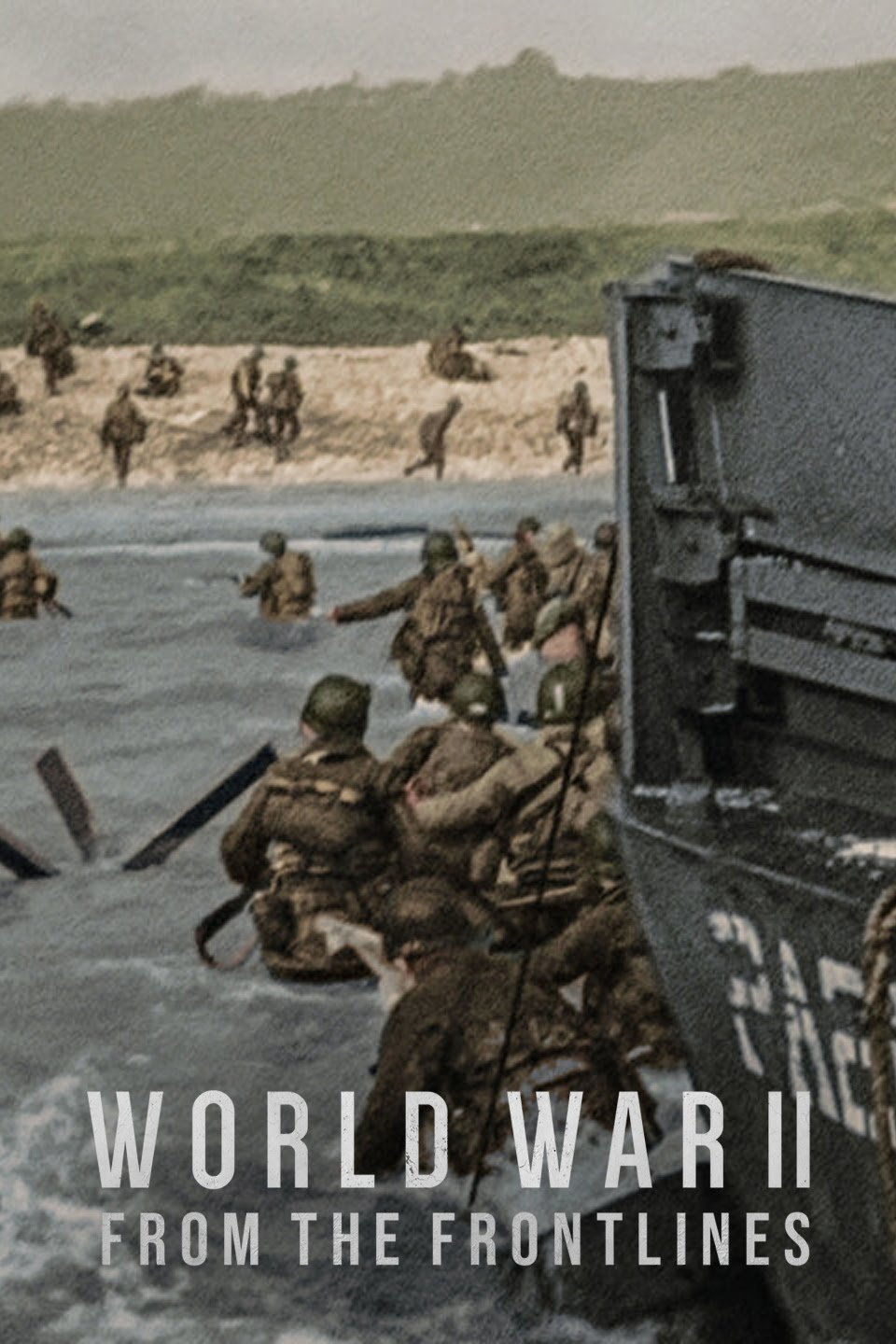
Through vividly enhanced archival footage and voices from all sides of the conflict, this docuseries brings WWII to life like never before.