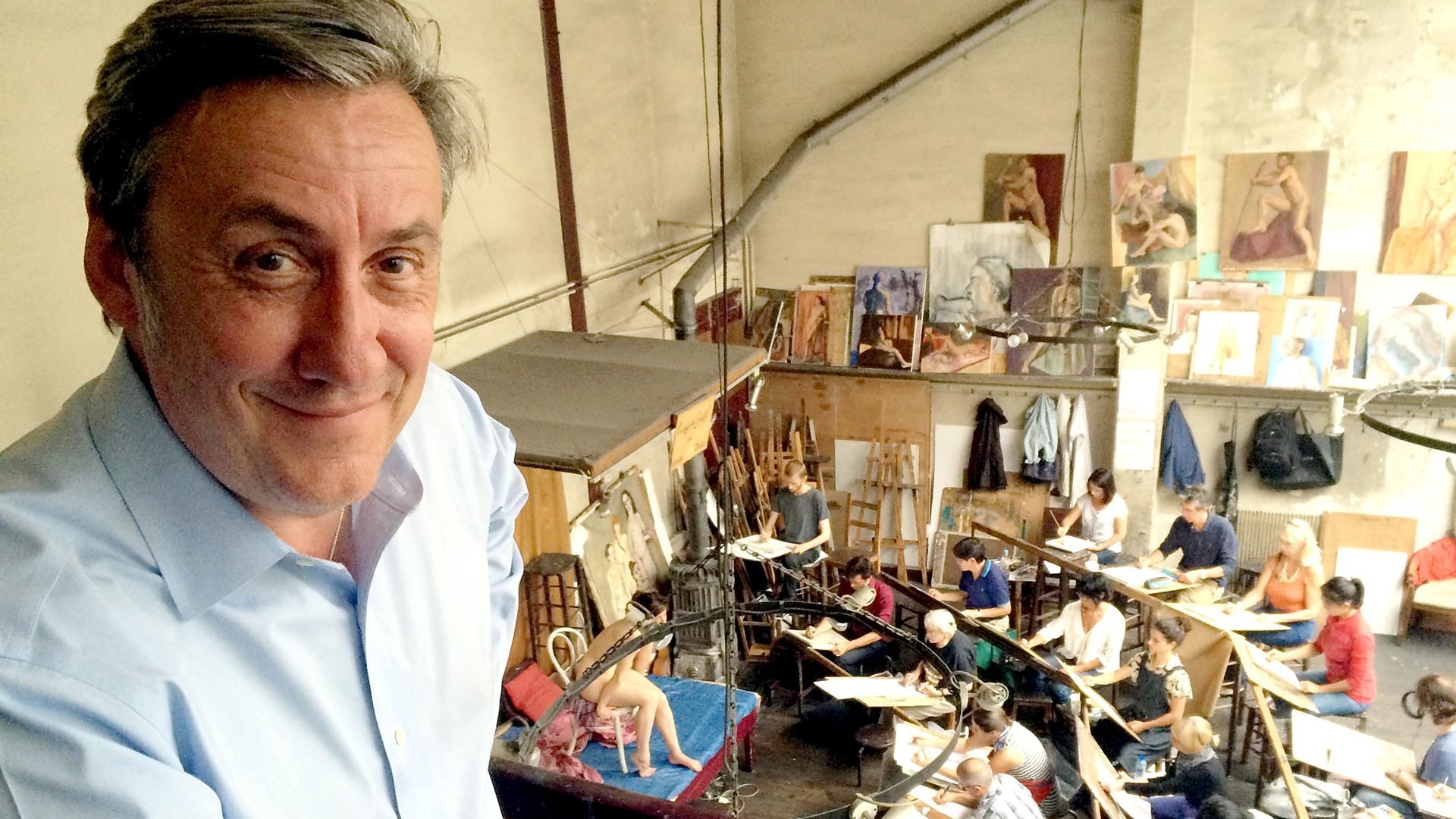
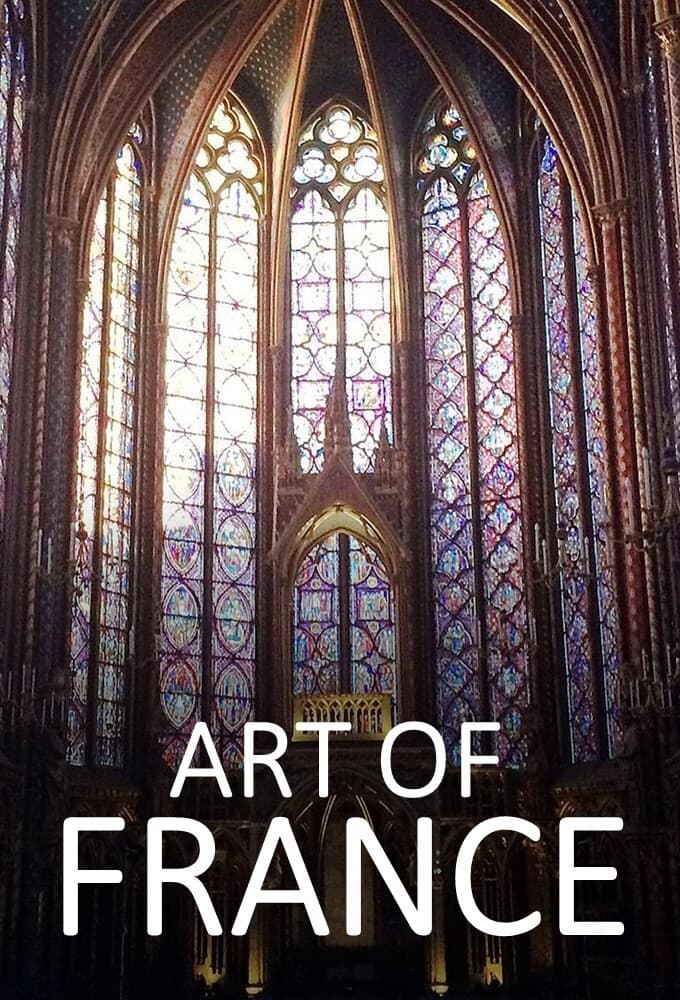
Andrew Graham-Dixon examines the history of French art, revealing how it emerged from a struggle between tradition and revolution, and rulers and citizens. He compresses centuries of culture into three thematically linked chapters.
Social & External
The people behind it
Andrew Graham-Dixon
Self - Presenter
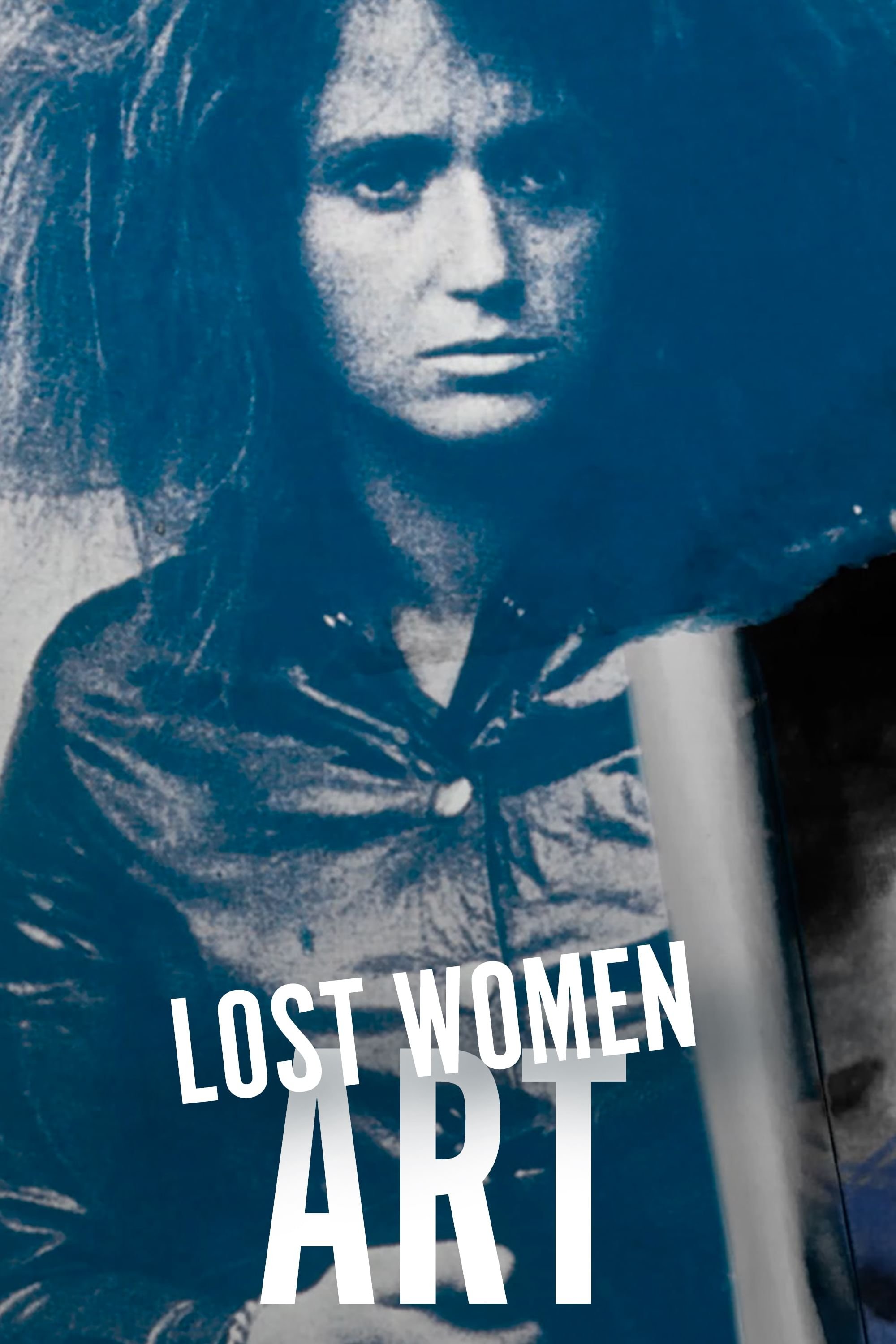
Women write art history – but in turn are systematically ignored by it. LOST WOMEN ART tells the story of the suppressed female avant-garde and by doing so introduces a new art history.
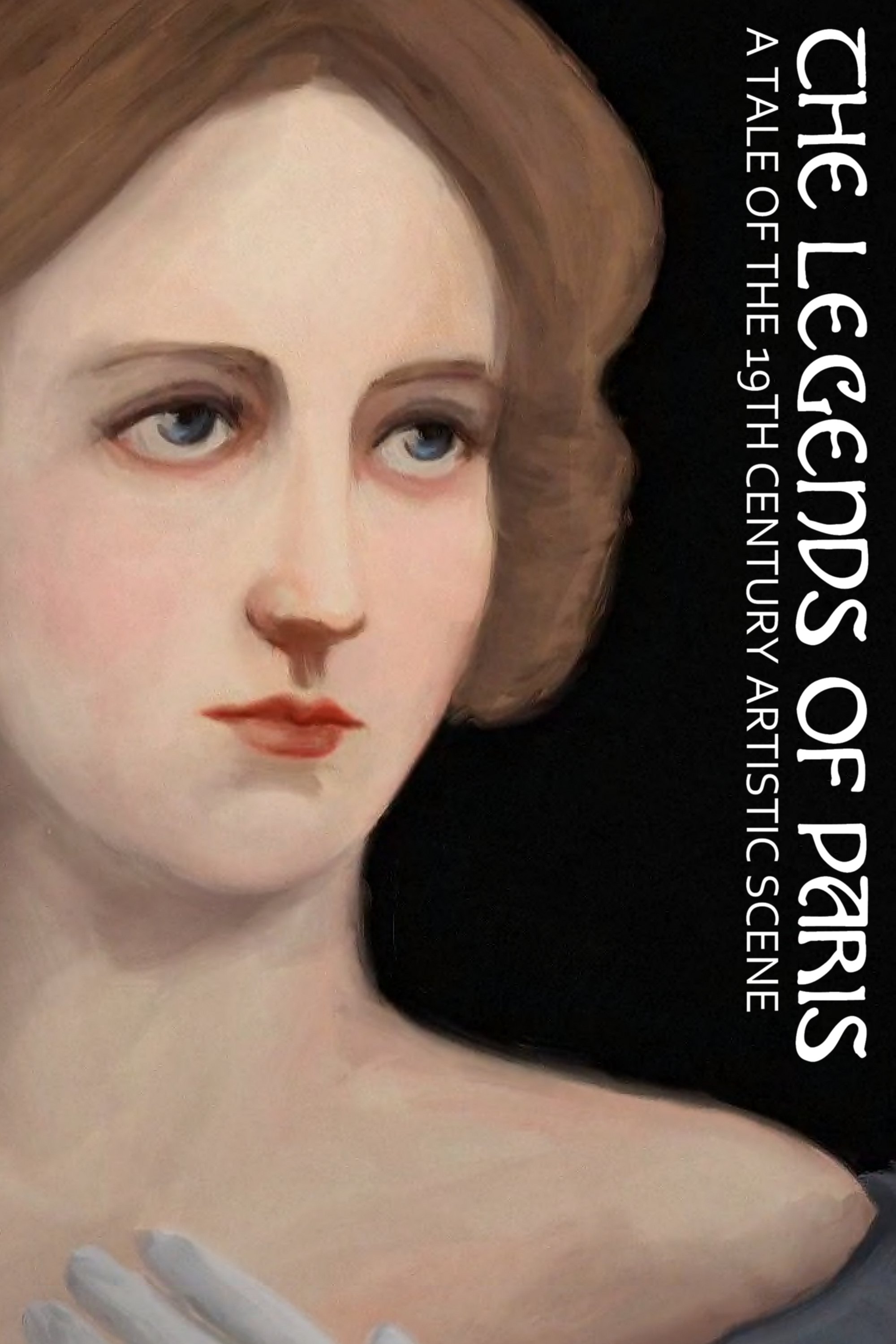
During the turbulent 19th century, a number of brilliant French artists developed the Romantic movement in Paris: writers Victor Hugo, Alexandre Dumas, George Sand, Honoré de Balzac and Charles Baudelaire, painter Eugène Delacroix and composer Hector Berlioz, among others, changed the way of looking at art and created enduring works that have inspired the world to this day.
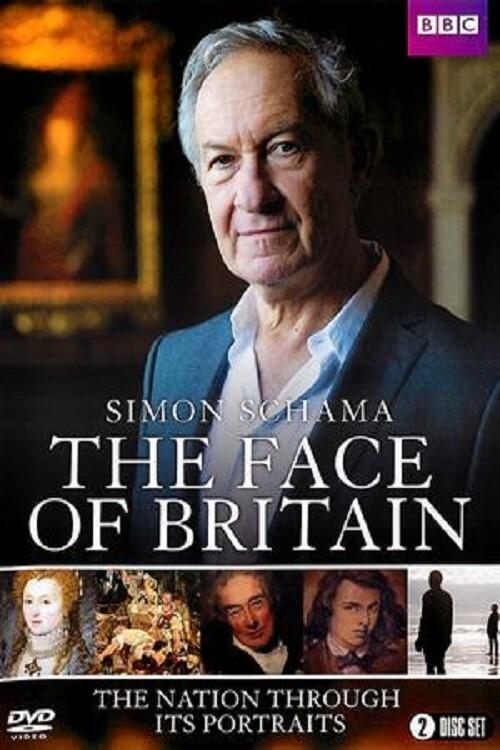
Simon Schama explores the history of British portraiture, revealing the stories behind the most compelling images in British art and examining the ways portraiture is used to make a statement.
In his most personal project to date, Simon Schama looks back at the dramatic history that has played out in his lifetime. Best known for writing history, he has lived a fair bit of it too. Born in 1945, on the night of the bombing of Dresden, Simon grew up as part of a generation determined to rebuild the world from the ashes of war. In this film, he reveals the stories of artists and writers who have been at the forefront of the fight for truth and democracy, often at great personal cost.
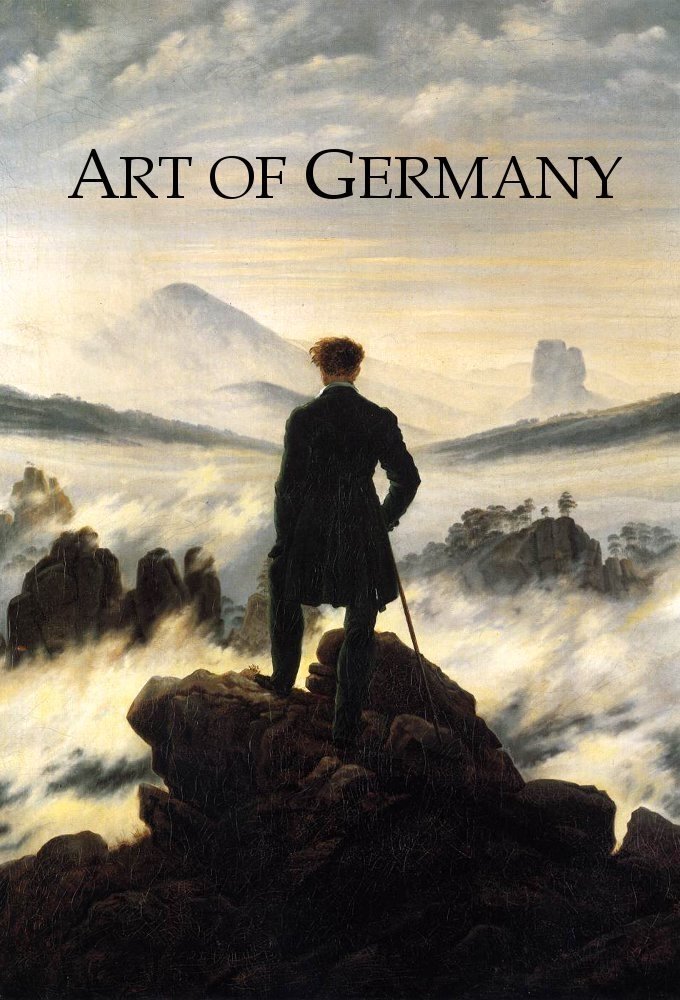
In an absorbing study, Andrew Graham-Dixon tells the story of a national art that conveys passion, precision, hope and renewal. He juxtaposes escapism with control and a deep affinity with nature against love for the machine. The fascinating story takes us from the towering cathedral of Cologne, the woodcuts of Albrecht Dürer and paintings of Grünewald to the gothic fairytale Neuschwanstein Castle, the Baltic landscapes of Caspar David Friedrich and the industrialisation lent expression of Adolph Menzel and Käthe Kollwitz. As the series progresses, it presents a rare focus on the cultural impact of Hitler's obsession with visual art, reveals how art became an arena for the Cold War and examines the redemptive work of the "visionary" Joseph Beuys – the most influential artist of modern times.
First broadcast on October 2, 1989, these 18 original 30-minute episodes provide a panorama of 2000 years of architecture, painting and sculpture, and studies the art masterpieces as reflections of the Western culture that produced them.
Documentary series in which historian Simon Schama recounts the story of eight moments of high drama in the making of eight artistic masterpieces.
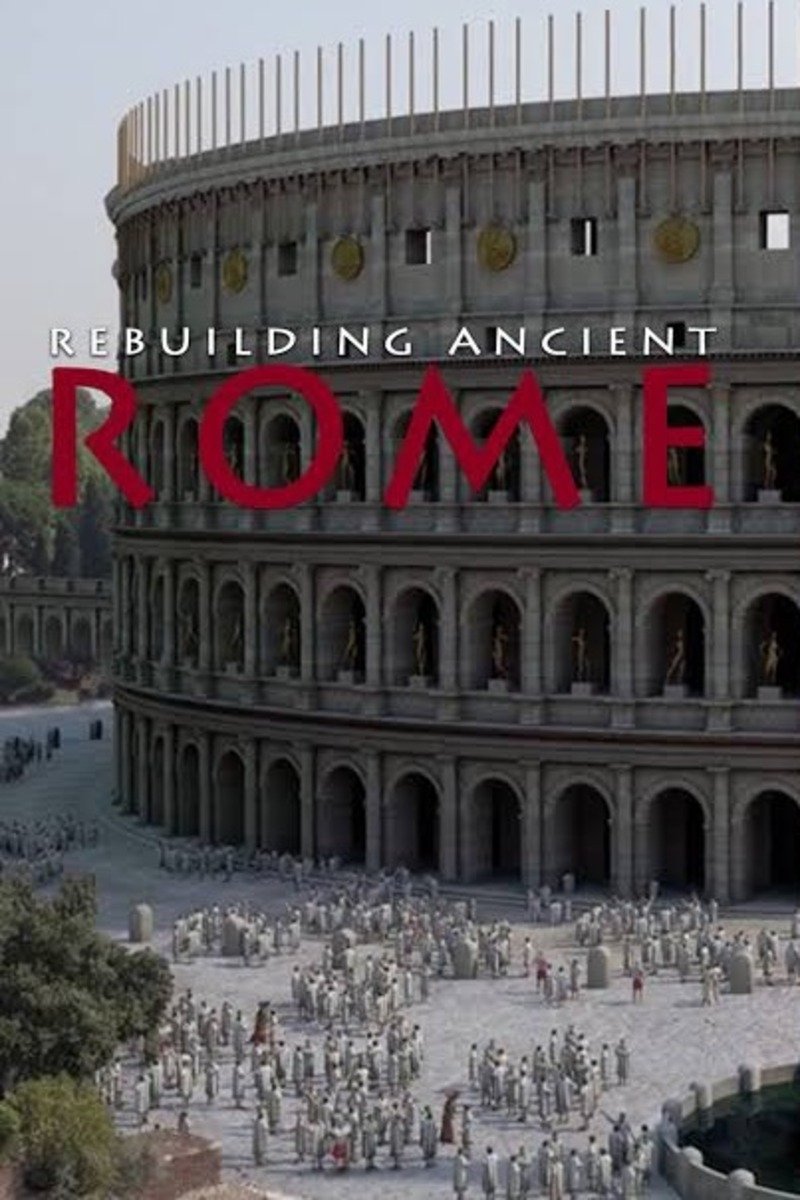
Supported by stunning 3D graphics, Dr. Darius Arya explains the purpose and architectural significance of ancient Roman buildings.
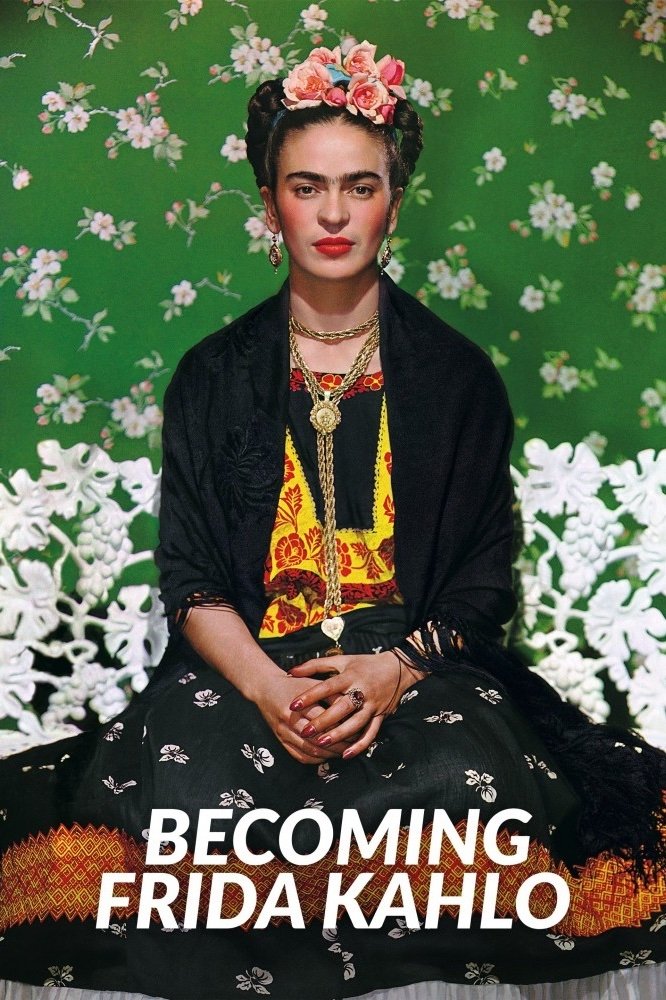
A look into Frida Kahlo's world, revealing an artist driven by politics, power, sex and identity, with her epic love affair with Diego Rivera at the heart of it all.
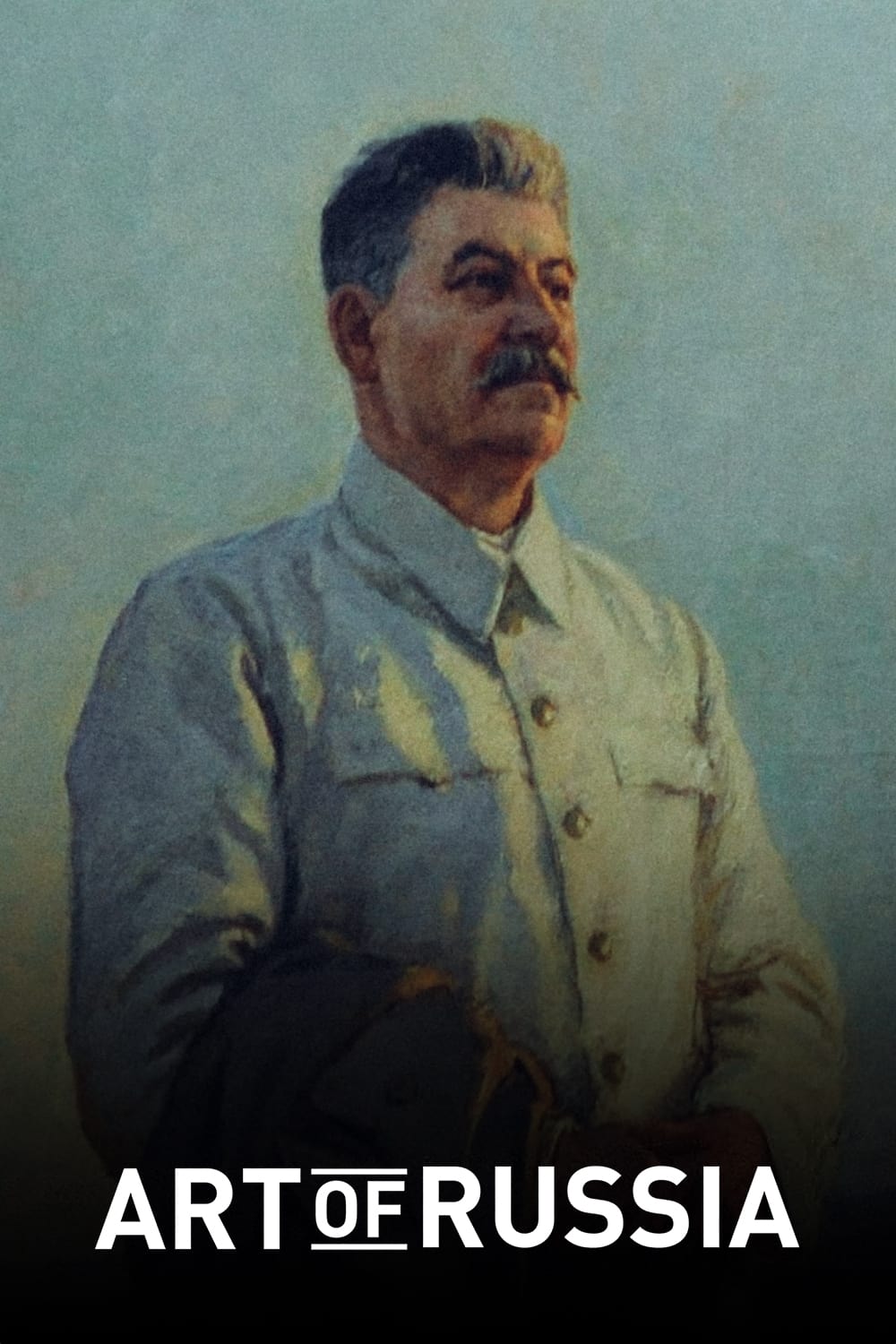
Art historian Andrew Graham-Dixon travels through time to unlock the world of Russian art.
In the show, selected applicants each present a curiosity, rarity or antique they have brought with them. Once they have received their expertise, they will have the opportunity on site to offer their exhibit to a changing five-person podium for sale and, ideally, to sell it to the highest bidder for „Bares“ ("cash").
From popular revolt to the obsession with the self, even to modern nationalism, Simon Schama explores the enduring and powerful legacy the Romantics have left on our modern world.
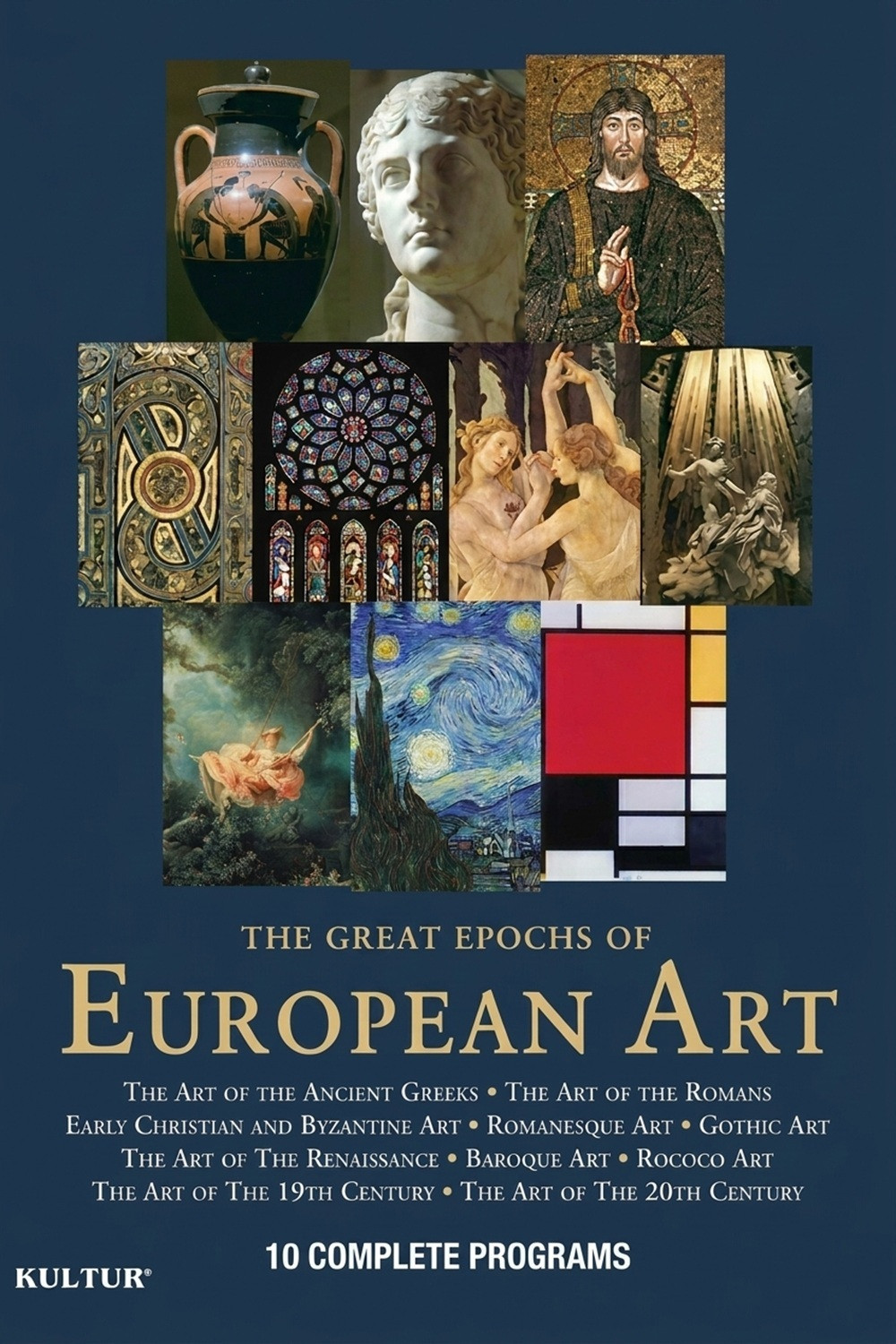
Ten programs filmed across Europe explore the history of European art through masterpieces of architecture, sculpture, and painting. The series spans from Greek and Roman art to Christian, Byzantine, and Gothic styles, followed by the Baroque, Rococo, and the artistic movements of the 19th and 20th centuries.
Behind the closed doors of a museum, famous paintings lead lives of their own. This short film series playfully reimagines masterpieces from across the history of art through humorous reenactments. From gaming and heartbreak to gossip, nothing is too wild to stay within the frame.
An intimate portrait of the lives of the artists, founders of modern art, who lived in Montmartre from 1900 until the liberation of France from the German yoke in 1944, near the end of World War II.
Andrew Graham-Dixon explores how a group of 19th-century architects and artists spurned the modern age and turned to Britain's medieval past to create iconic works and buildings.
This 3 part series is presented by the British Art Critic, Andrew Graham-Dixon. He explores the Low Countries of the Netherlands and Belgium and how history has influenced the area's art, architecture and culture. Cloth was used in the area's first expression of art in the making of tapestries going back to the 14 th century. They were the No. 1 luxury item of the day. The Low Countries were well placed geographically for markets for their art.
Sister Wendy Beckett takes a journey through the history of art in this ten-part series.
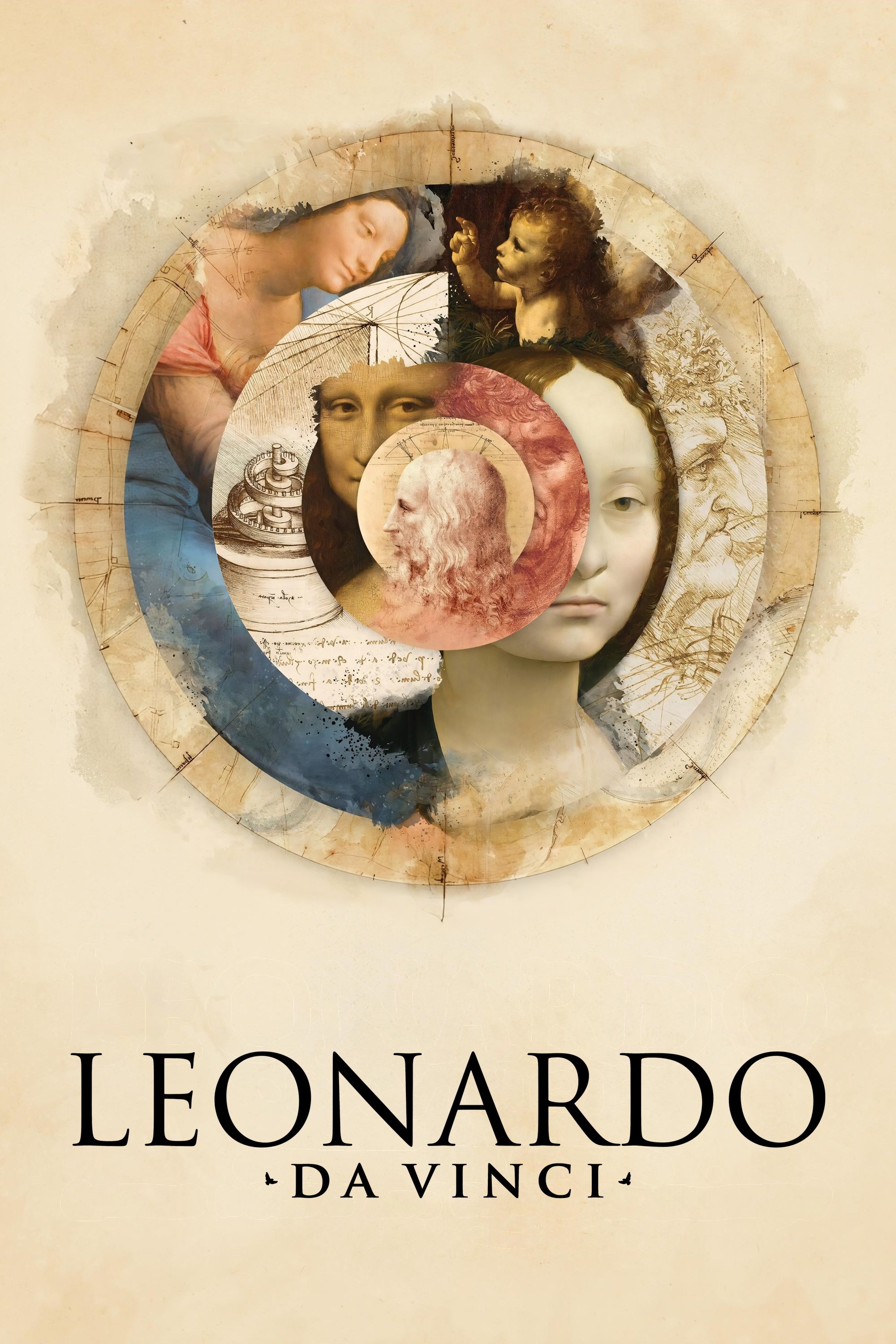
This two-part, four-hour documentary delves into the world of a 15th-century art titan and unravels his journey while shedding light on his lasting impact on future generations.
American Masters is a PBS television series which produces biographies on enduring writers, musicians, visual and performing artists, dramatists, filmmakers, and others who have left an indelible impression on the cultural landscape of the United States.
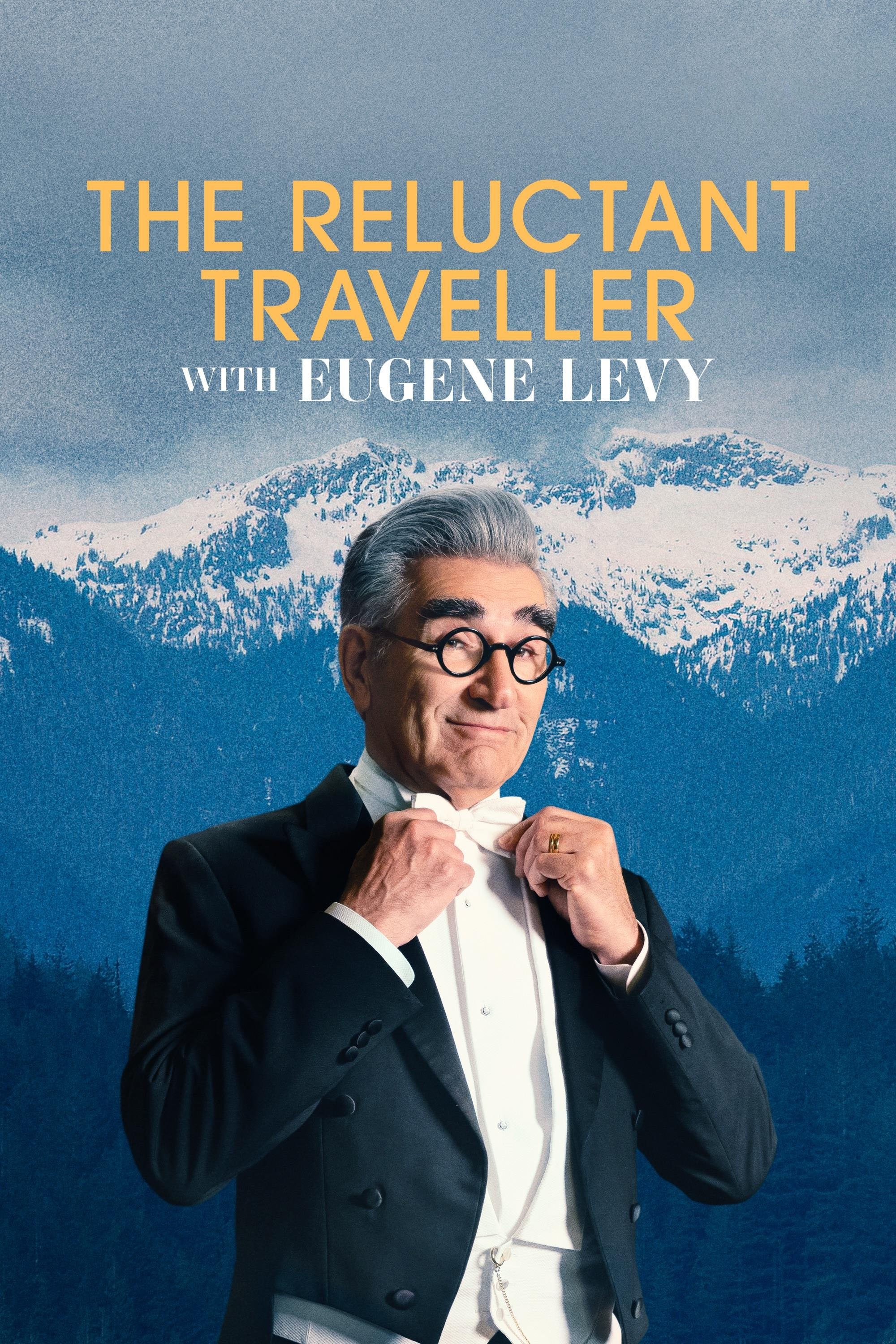
Award-winning actor and nervous explorer Eugene Levy steps out of his comfort zone for a whirlwind tour of the world's most beautiful and intriguing destinations.
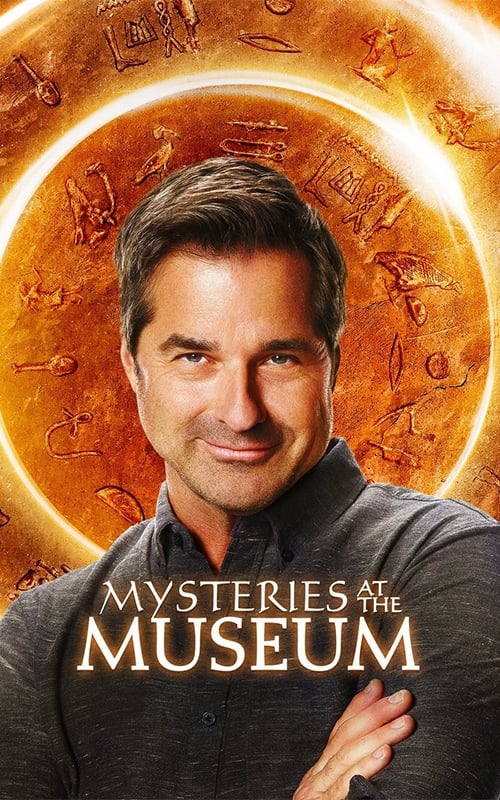
Don Wildman unearths relics from the world's greatest institutions to reveal secrets from the past. He examines each artifact to illuminate history's most incredible triumphs, sensational crimes and bizarre encounters.
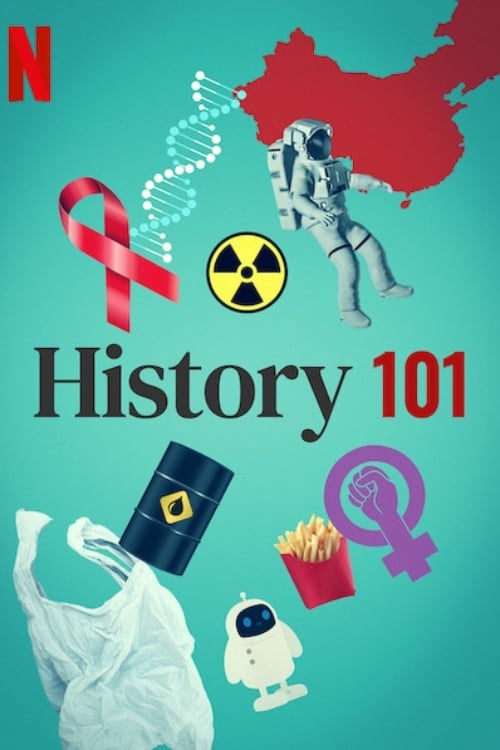
Infographics and archival footage deliver bite-size history lessons on scientific breakthroughs, social movements and world-changing discoveries.
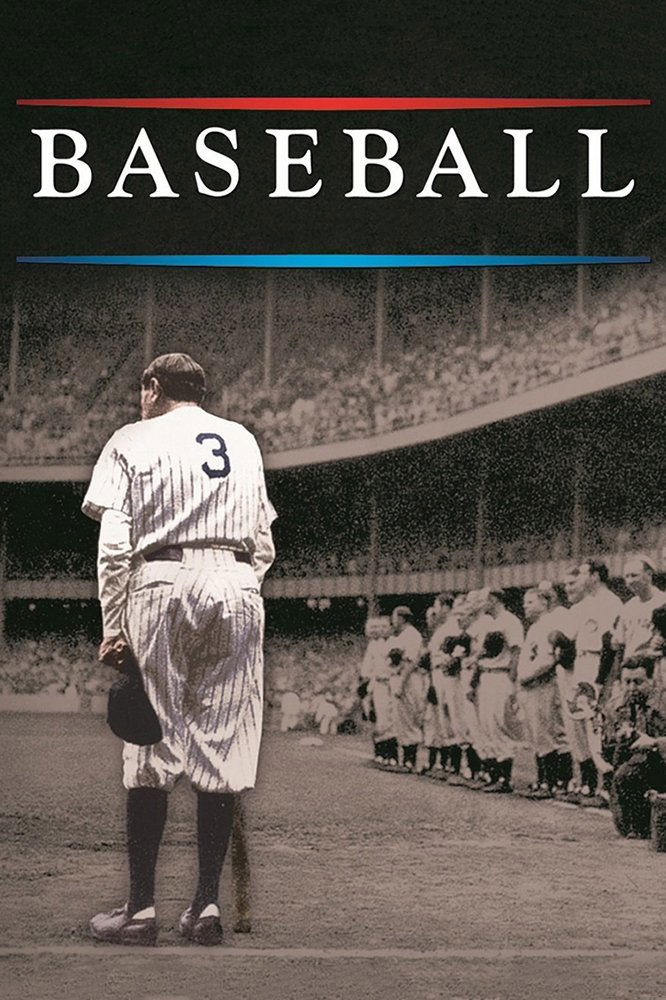
The history of the sport of baseball in America, told through archival photos, film footage, and the words of those who contributed to the game in each era. Writers, historians, players, baseball personnel, and fans review key events and the significance of the game in America's history.
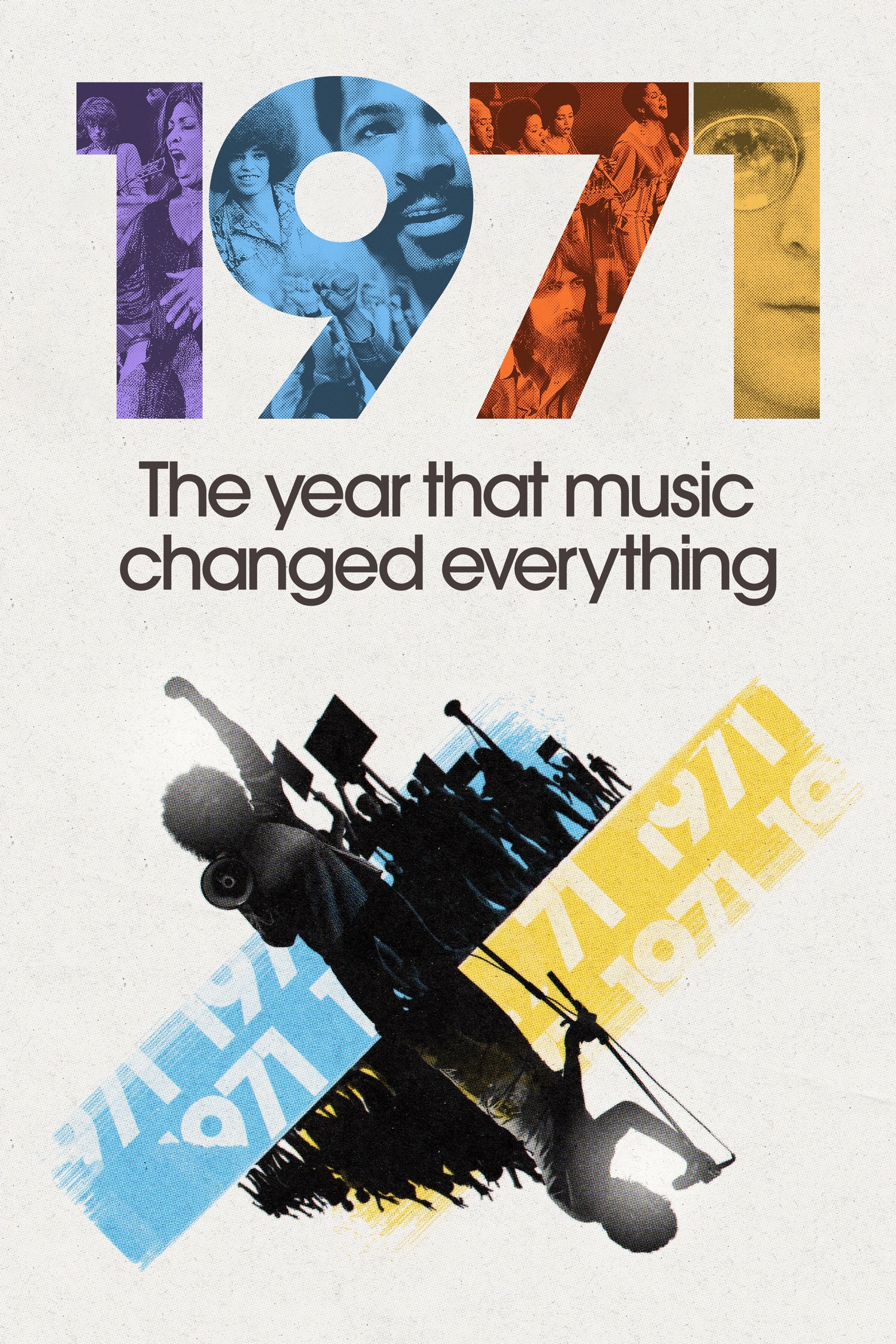
In a tumultuous era, 1971 was a year of musical innovation and rebirth fueled by the political and cultural upheaval of the time. Stars reached new heights, fresh talent exploded onto the scene, and boundaries expanded like never before.
Motoring programme featuring reviews of and reports about cars of all types.
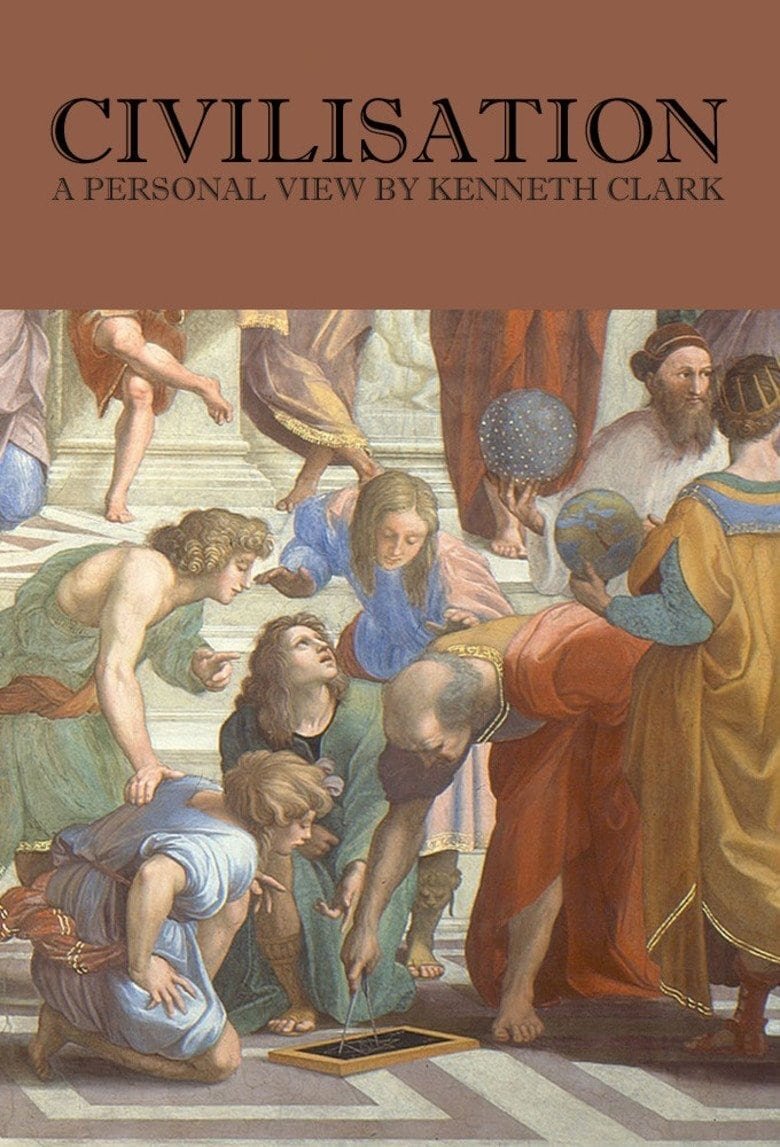
Sir Kenneth Clark guides us through the ages exploring the glorious rise of civilisation in western man. Beginning with the bleakness of the dark ages to the present day, we consider civilisation's articulations and expressions in some of man's finest works of art.


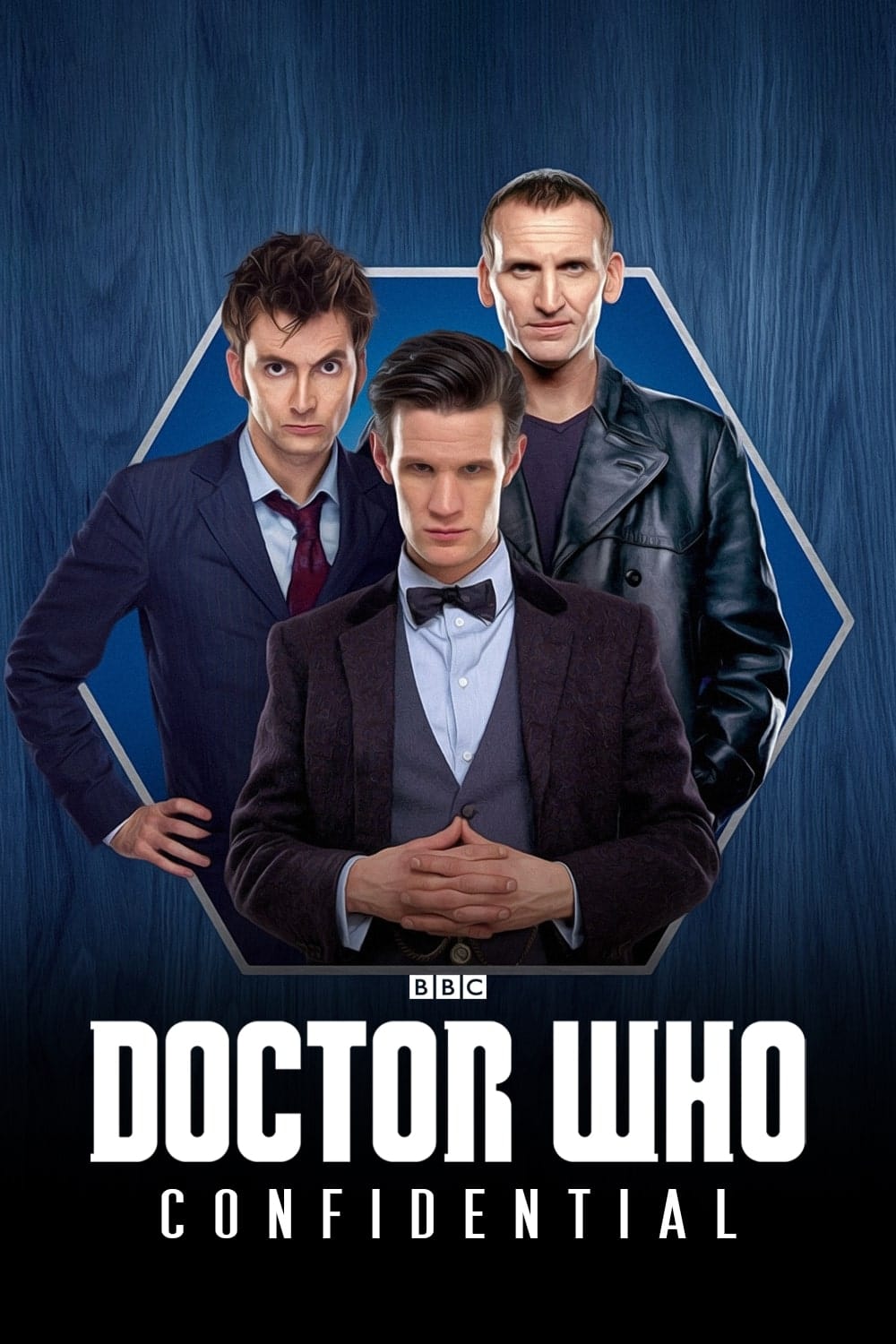
Doctor Who Confidential is a documentary to complement the revival of the long-running British science fiction television series Doctor Who. Each episode was broadcast on BBC Three on Saturdays, immediately after the broadcast of the weekly television episode on BBC One. The running time of the first two series was 30 minutes, being extended to 45 minutes in the third. BBC Three also broadcast a cut-down edition of the programme, lasting 15 minutes, shown after the repeats on Sundays and Fridays and after the weekday evening repeats of earlier seasons.
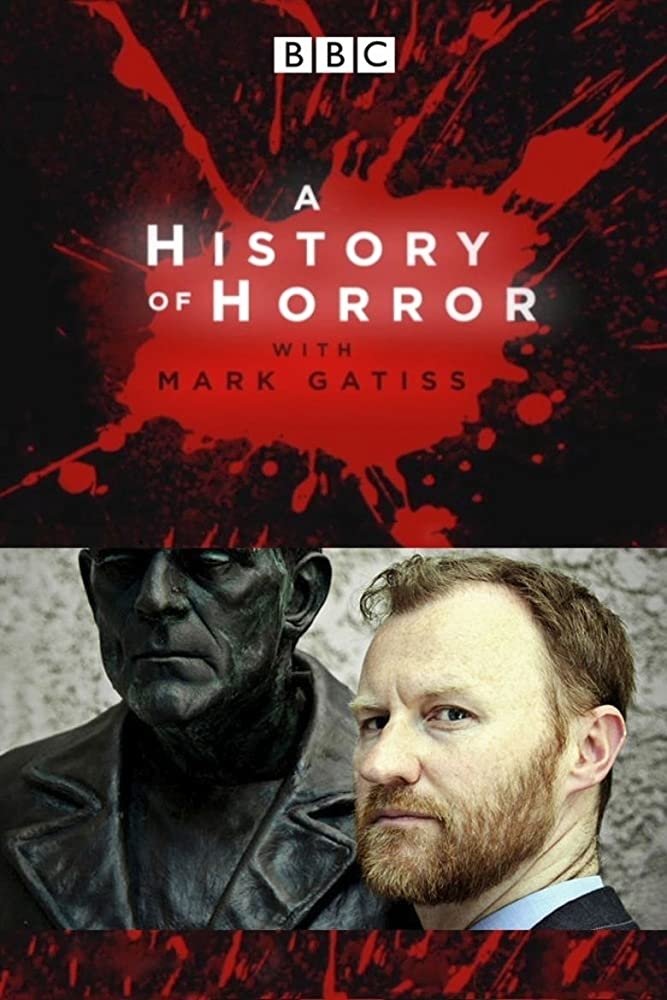
Mark Gatiss examines the history of the horror film, from classic Hollywood monsters to Hammer's glory days and beyond.
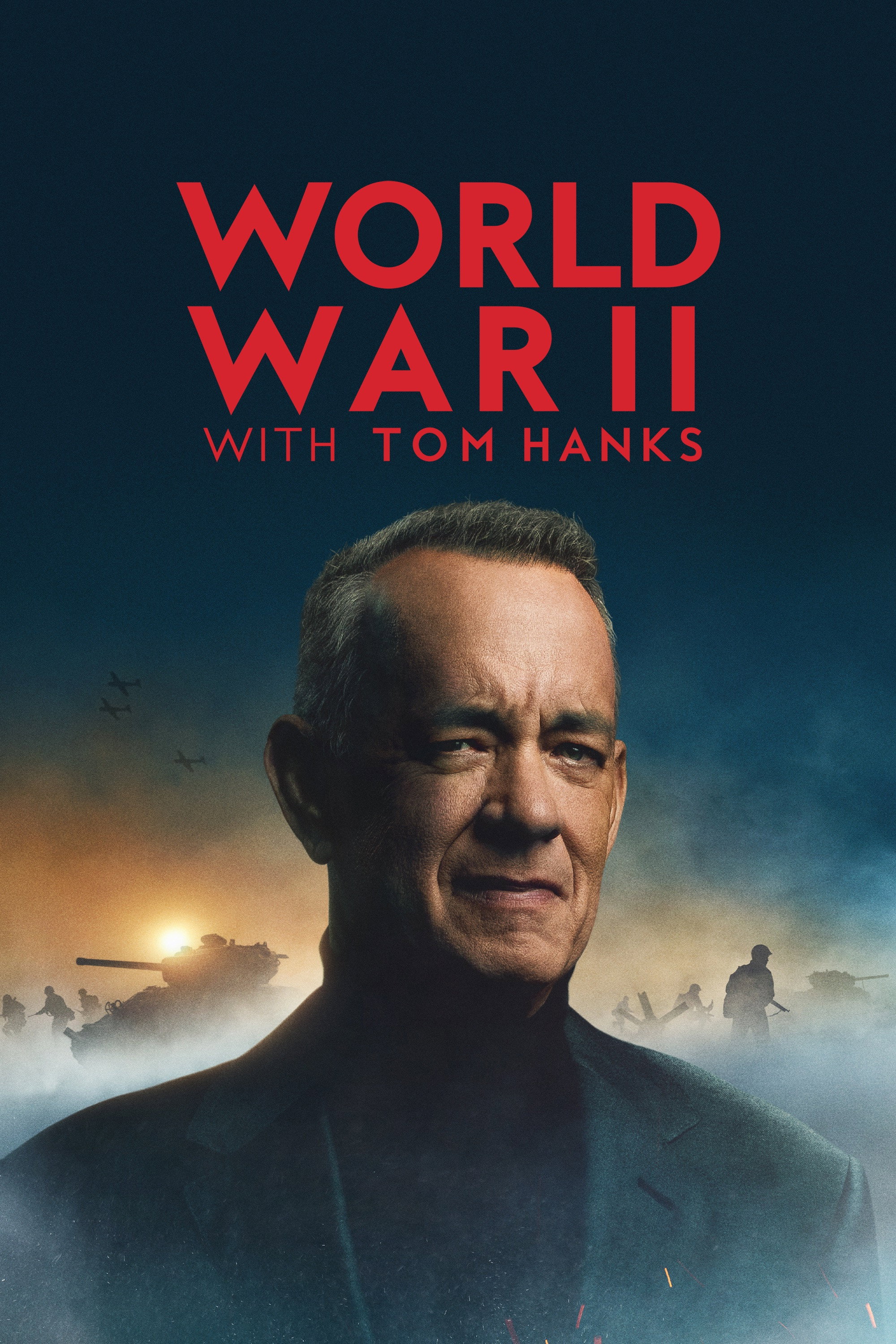
Explores WWII from Germany's invasion of Poland through the atomic age, examining pivotal battles, wartime leaders like Churchill and Roosevelt, and the human cost of total war.
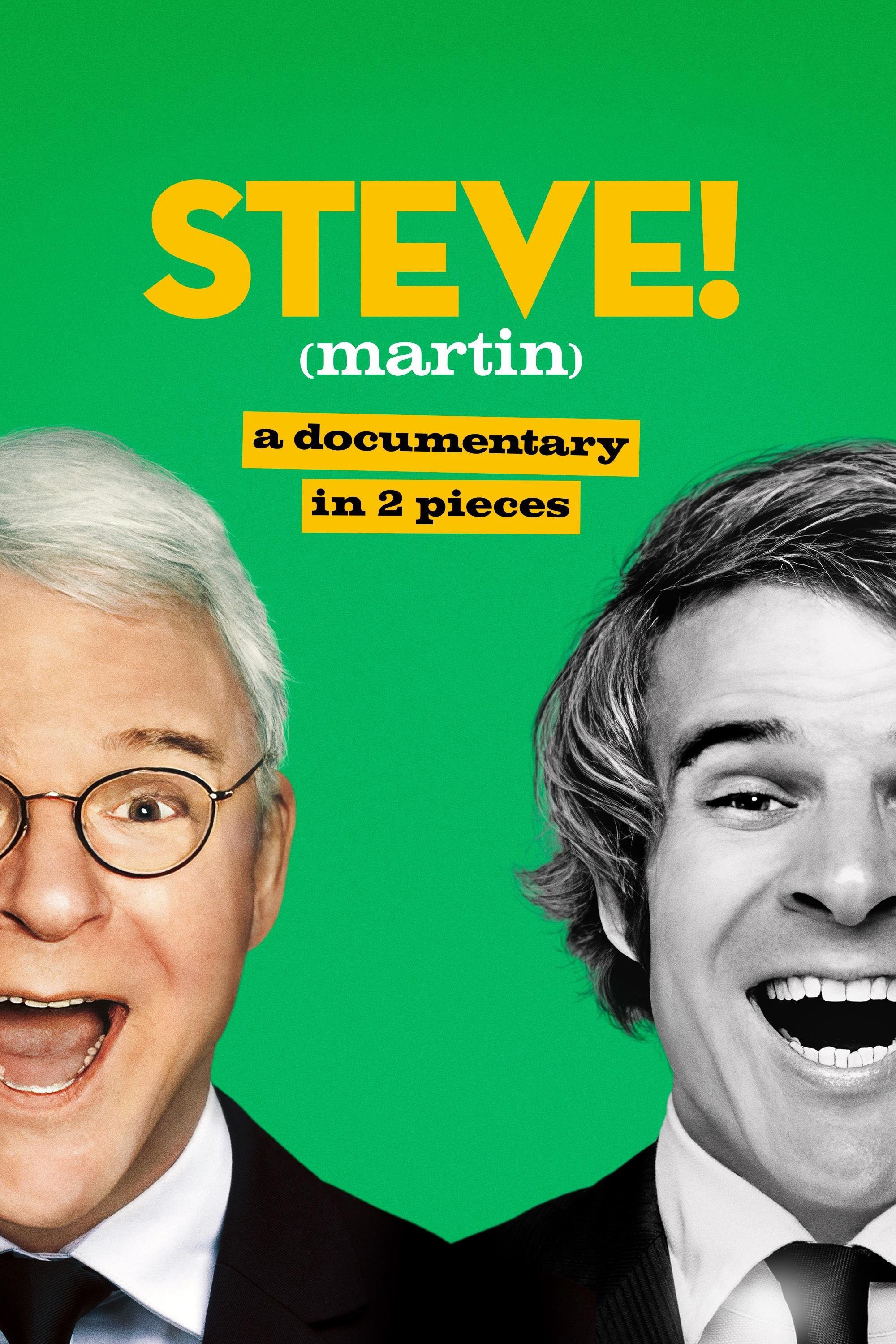
Steve Martin is one of the most beloved and enigmatic figures in entertainment. Dive into his extraordinary story from two distinct points of view—past and present—as Martin reflects on how his beginnings led to his unexpectedly fulfilling life today.
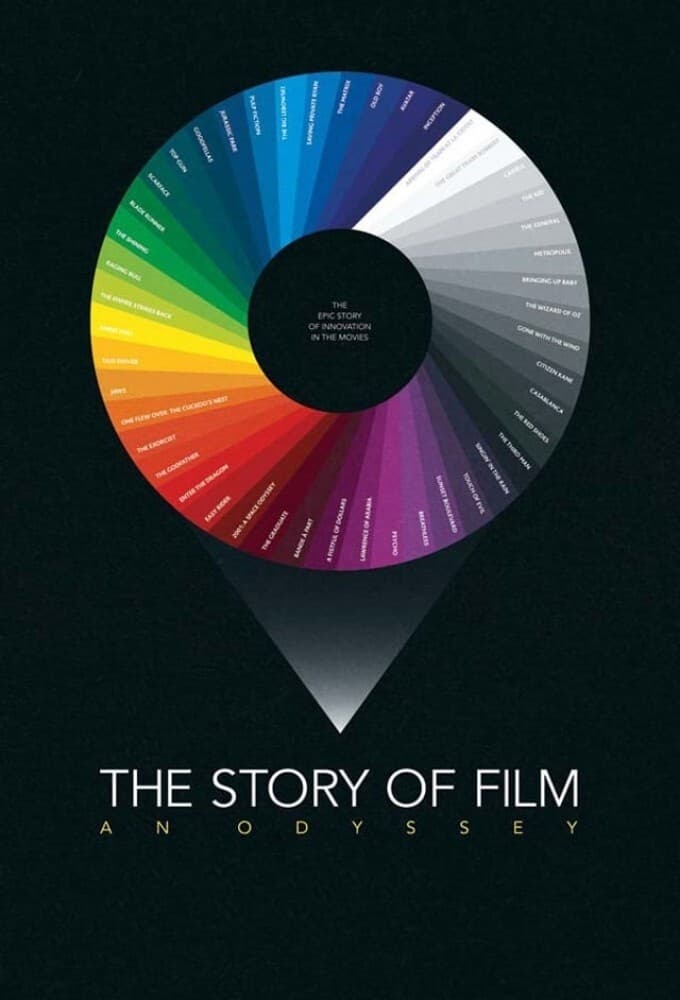
A worldwide guided tour of the greatest movies ever made and the story of international cinema through the history of cinematic innovation.
30 for 30 is the title for a series of documentary films airing on ESPN, its sister networks, and online highlighting interesting people and events in sports history. This currently includes four "volumes" of 30 episodes each, a 13-episode series under the ESPN Films Presents title in 2011–2012, and a series of 30 for 30 Shorts shown through the ESPN.com website. The series has also expanded to include Soccer Stories, which aired in advance of the 2014 FIFA World Cup, and audio podcasts. This entry refers to the main Volumes of the series presented by ESPN
An in-depth look at the history and pop cultural significance of horror films.
A kaleidoscopic portrait told in two parts tracing the life of the imaginative artist.
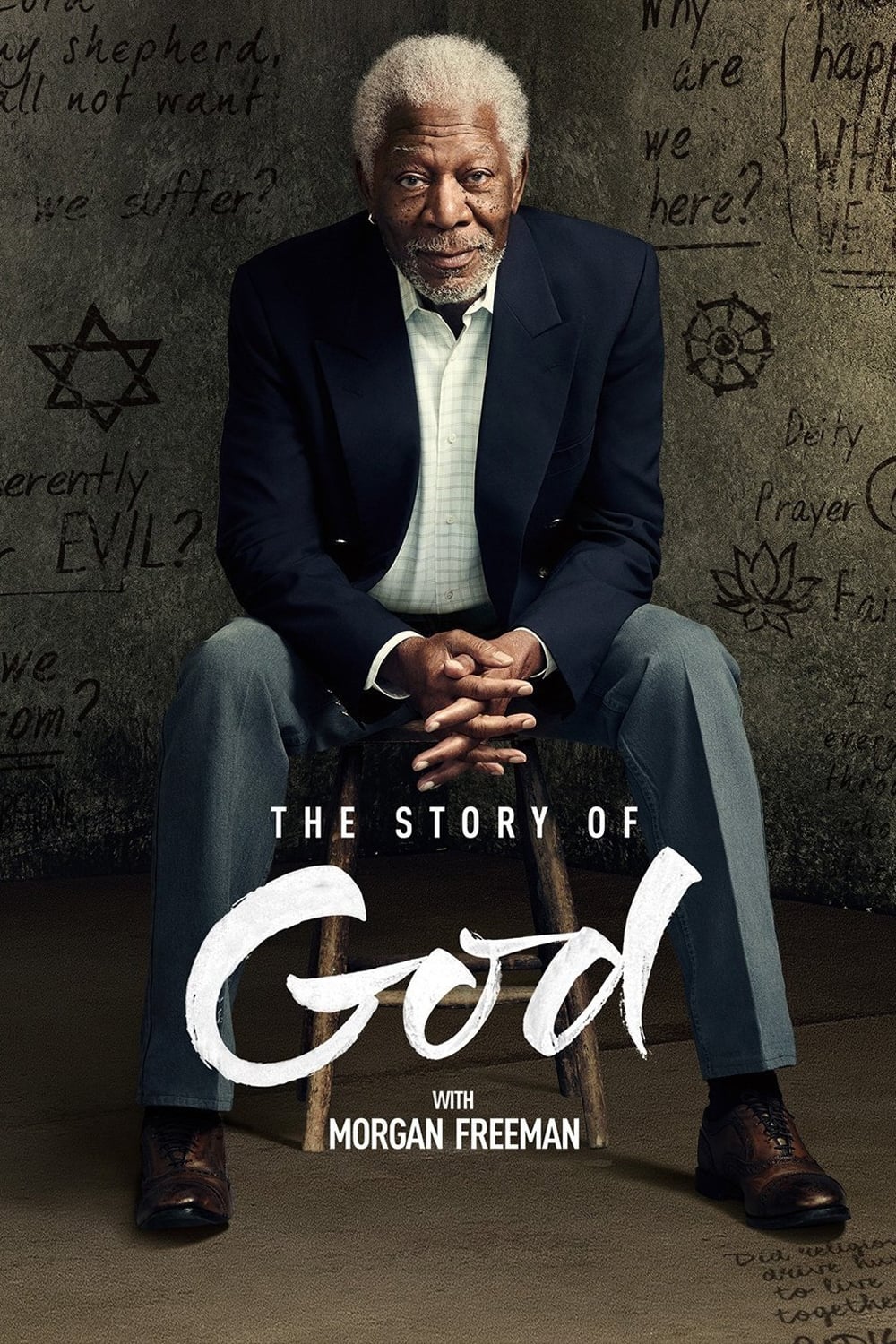
Morgan Freeman presents his quest in order to find how most religions perceive life after death, what different civilizations thought about the act of creation and other big questions that mankind has continuously asked.
Porn has gone mainstream; the question is, can we handle it? This exploration of the intersection of sex and technology is told through the stories of the people whose lives are defined by the current explosion of internet porn-whether they're creating it, consuming it, or both.
The epic motorcycle adventure continues in this third chapter of the Long Way series, as Ewan McGregor and Charley Boorman journey to glorious landscapes across South and Central America—on the backs of prototype electric Harley-Davidsons.
After he's shot in 1968, Andy Warhol begins documenting his life and feelings. Those diaries, and this series, reveal the secrets behind his persona.