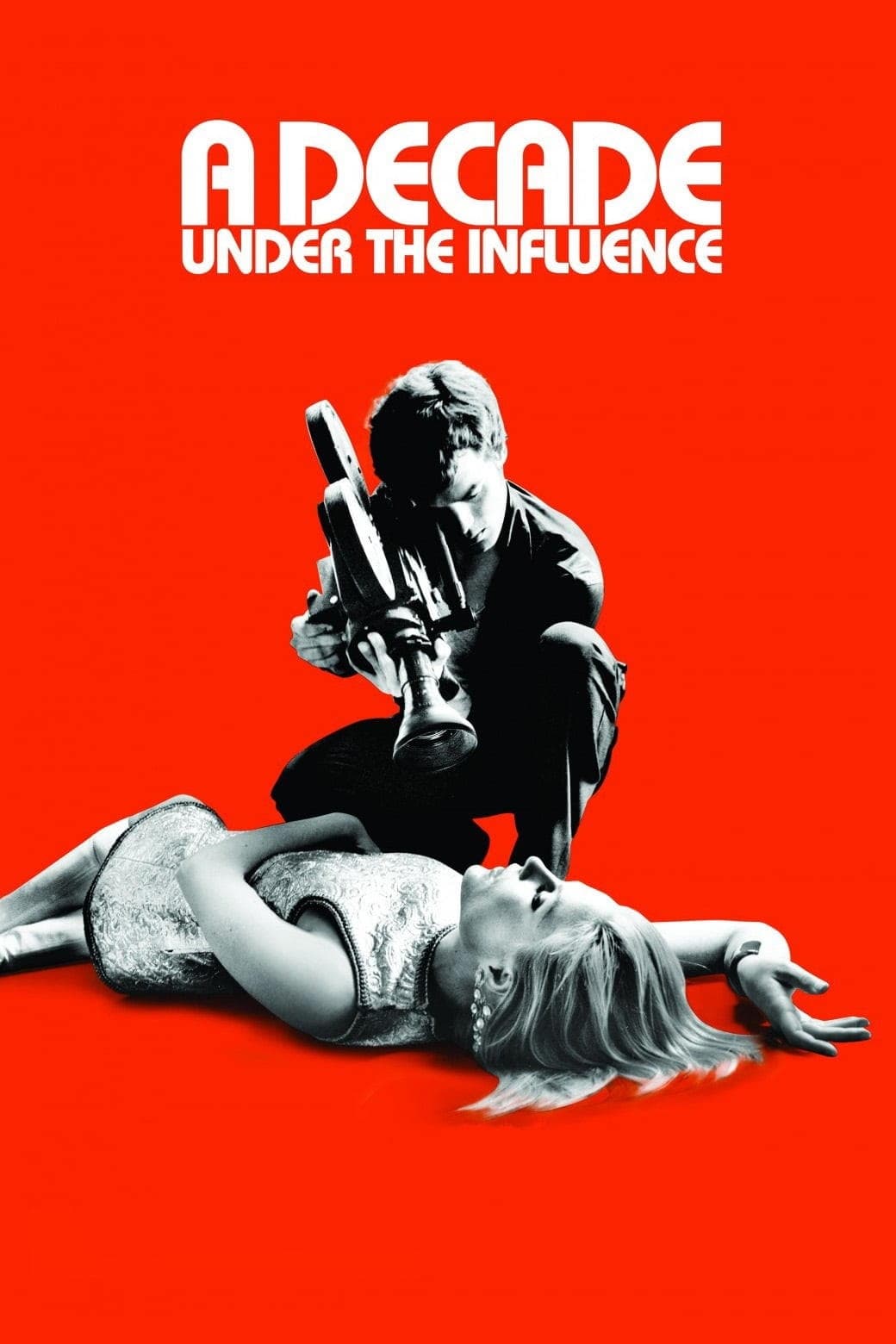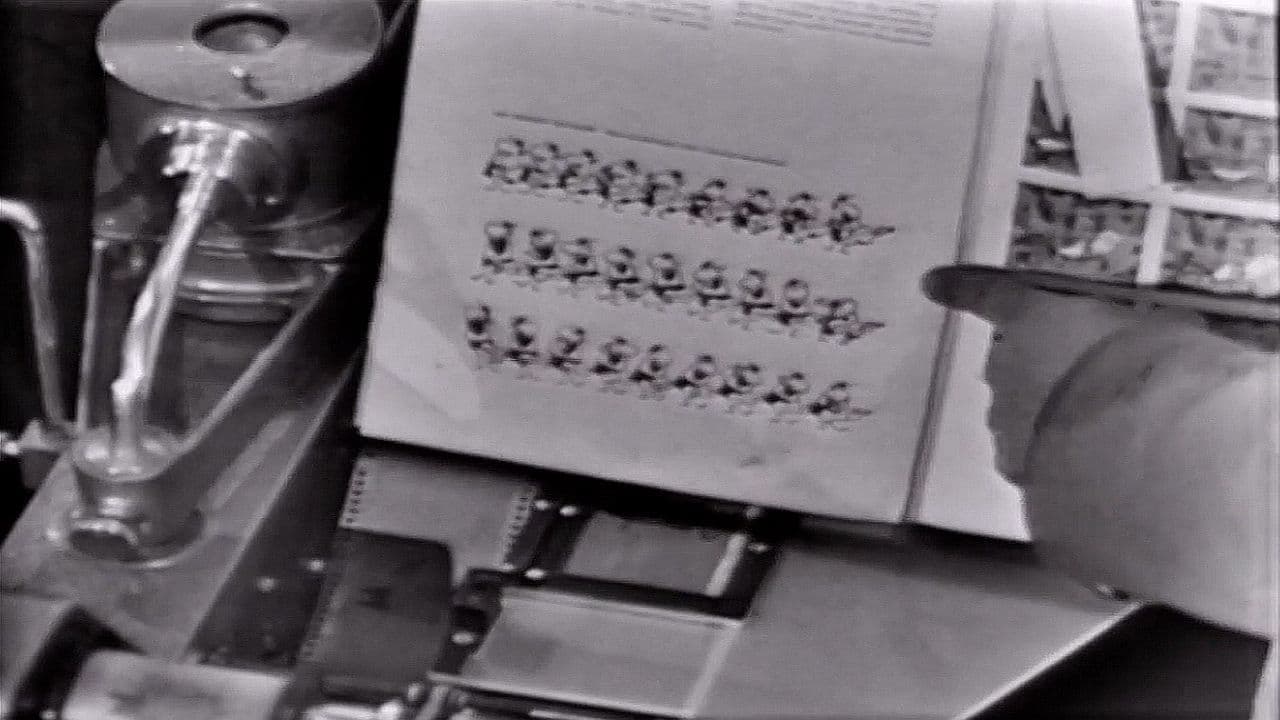
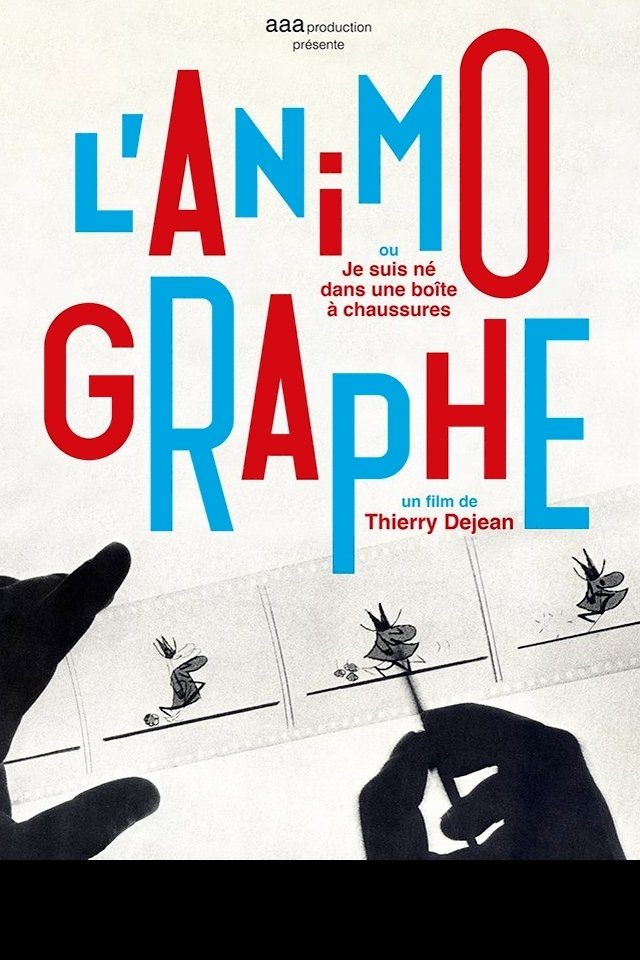
The amazing story of the animograph, a machine created in France in the sixties by the cartoonist and self-taught inventor Jean Dejoux (1922-2015), whose creation was intended to revolutionize the animation industry.

Social & External
The people behind it
Jacques Chaussepied
Self - Narrator (voice)
Christine Dejoux
Self
Maurice Corbet
Pierre Mandrin
Bernard Spehner
Jean-Baptiste Garnero
Serge Bromberg
Melinda Littlejohn
Francis Coupigny
Marco de Blois
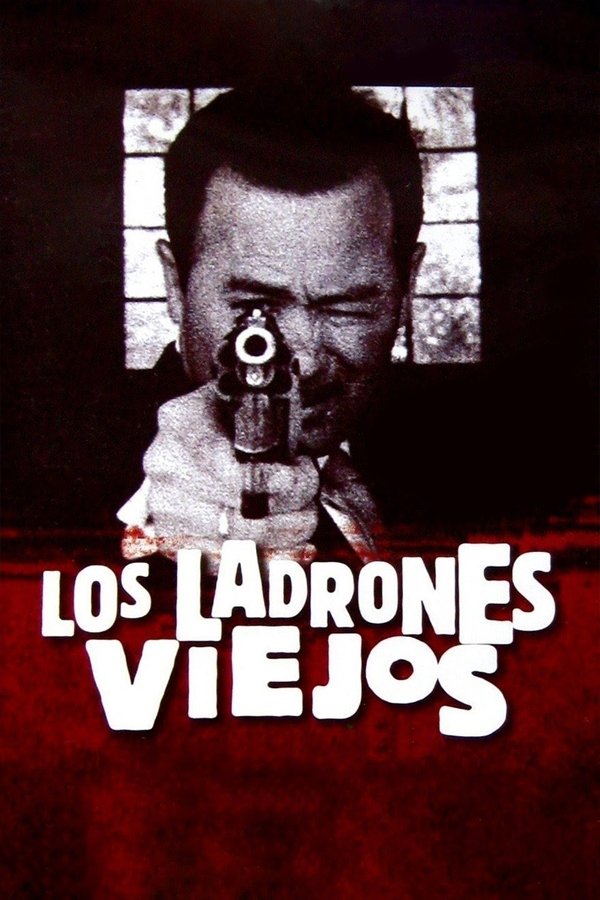
Is the story of a generation of thieves who achieved their greatest victories in the sixties; their distinctive code of ethics, the various categories of delinquents inhabiting the citys streets, their alliances with high ranking police officials that allowed them to operate, the betrayals that followed, and the price they ended up paying.
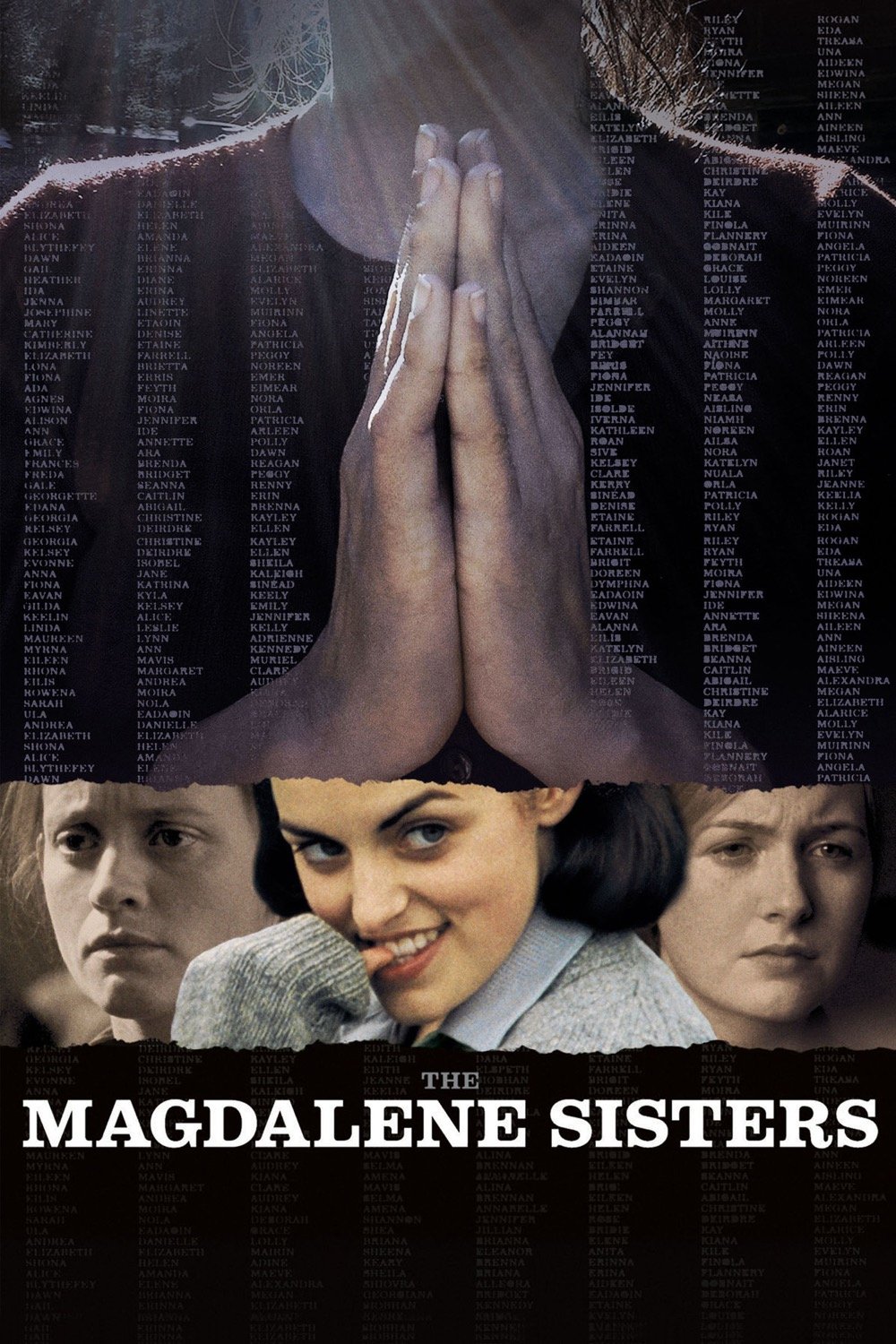
Three young Irish women struggle to maintain their spirits while they endure dehumanizing abuse as inmates of a Magdalene Sisters Asylum.
This chronicle of the Christchurch Commonwealth Games marked one of the National Film Unit's most ambitious productions. Though a range of events (including famous runs by John Walker and Dick Tayler), are covered, the film often bypasses the pomp and glory approach; instead it dares to talk to the injured and mention that most competitors lose. The closing ceremonies of the "friendly games" feature the athletes gathering to — as the official song's chorus put it — "join together". Four directors joined together to work on it: Arthur Everard, John King, Paul Maunder and Sam Pillsbury.
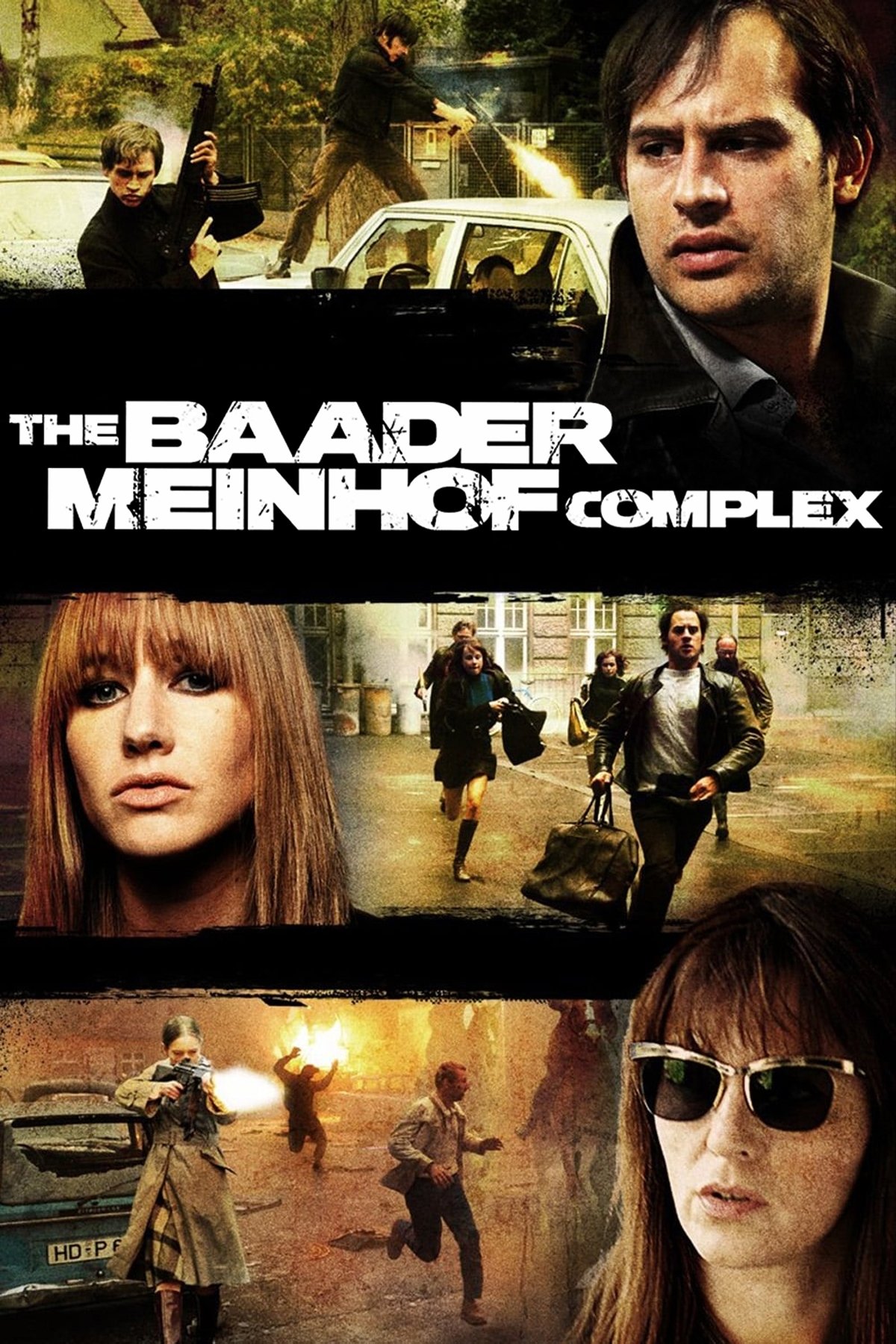
When German police viciously quell a protest against the shah of Iran, popular journalist Ulrike Meinhof rebels against her dishonest marriage, walks away from her children and joins radical anarchist Andreas Baader. Together with Baader's girlfriend, Gudrun Ensslin, they form the violent Red Faction Army, and together perpetrate a slew of terrorist attacks as a way of disrupting the fabric of what they see as an increasingly fascist state.
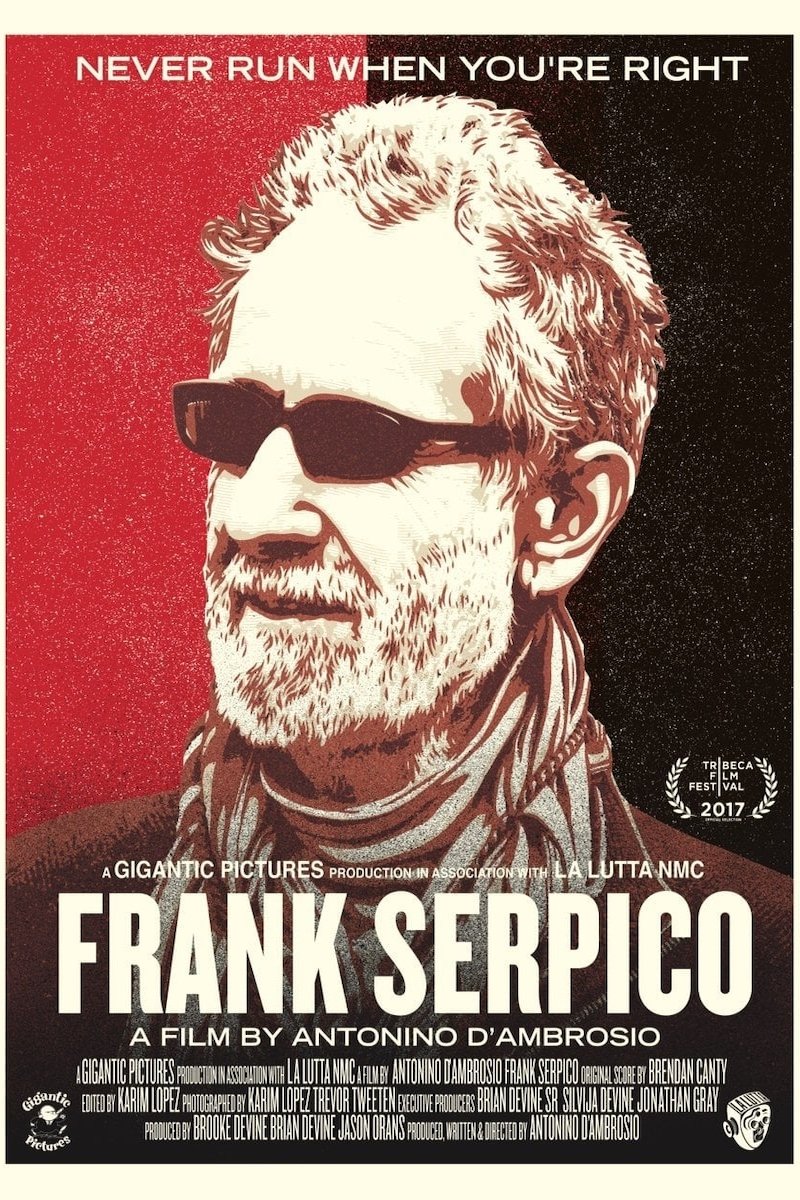
In 1972, officer Frank Serpico exposes the corruption which poisons the roots of the NYPD and becomes famous in 1973 when director Sidney Lumet tells his story in the classic film “Serpico,” starring Al Pacino.
Singer Tina Turner rises to stardom while mustering the courage to break free from her abusive husband Ike.
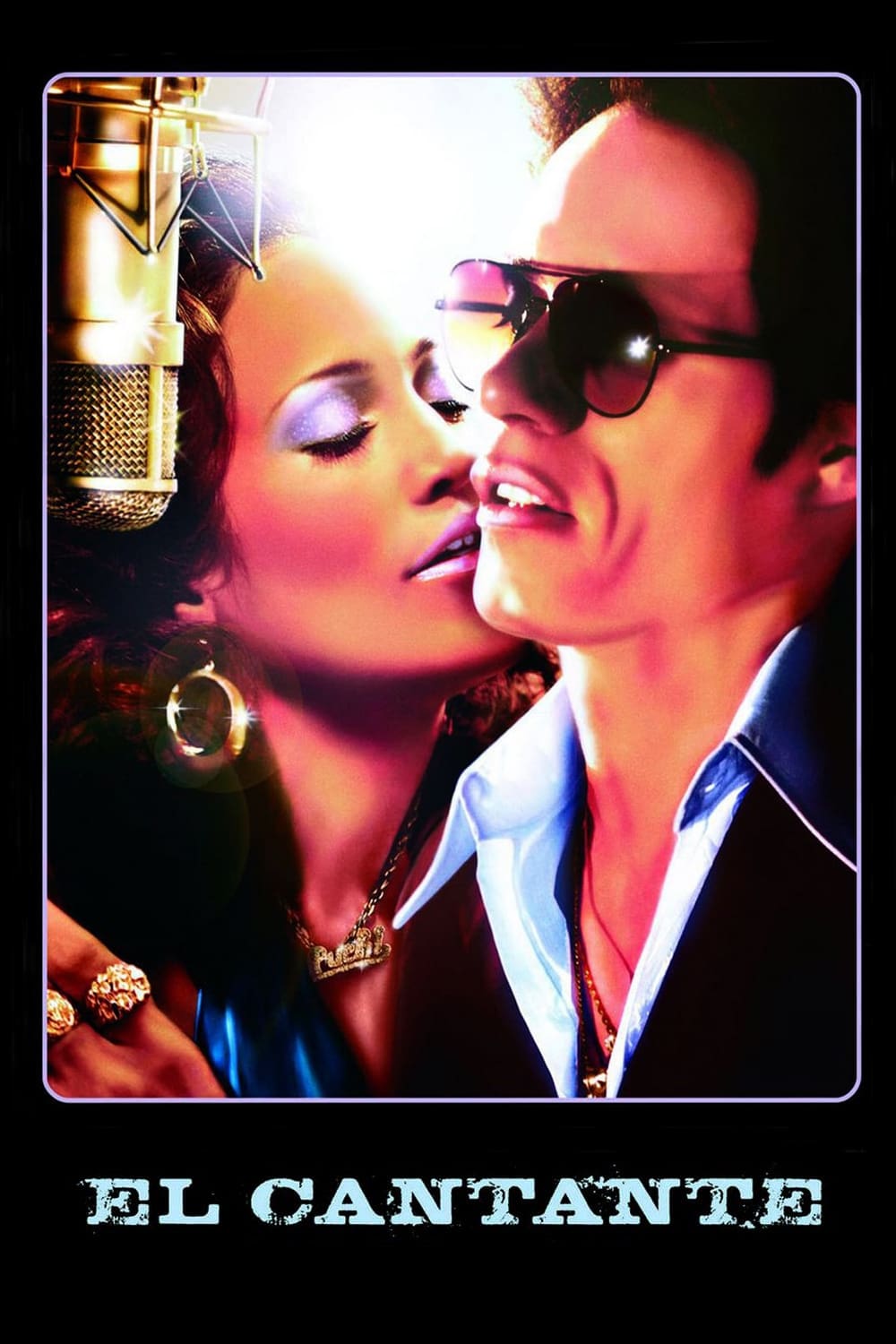
The rise and fall of salsa singer, Héctor Lavoe (1946-1993), as told from the perspective of his wife Puchi, who looks back from 2002.
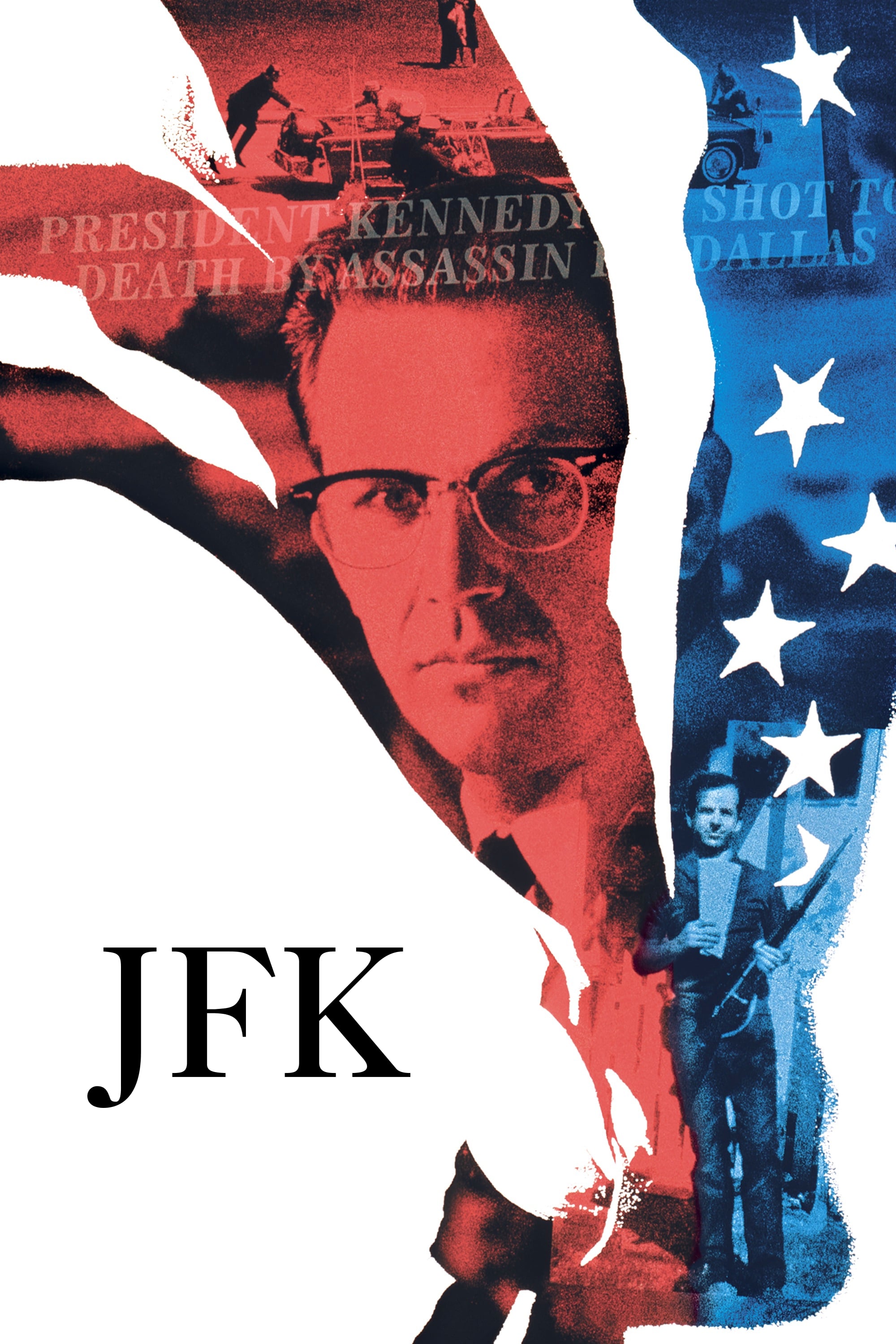
Follows the investigation into the assassination of President John F. Kennedy led by New Orleans district attorney Jim Garrison.
A documentary on the massacre of Planas in the Colombian east plains in 1970. An Indigenous community formed a cooperative to defend their rights from settlers and colonists, but the government organized a military operation to protect the latter and foreign companies.
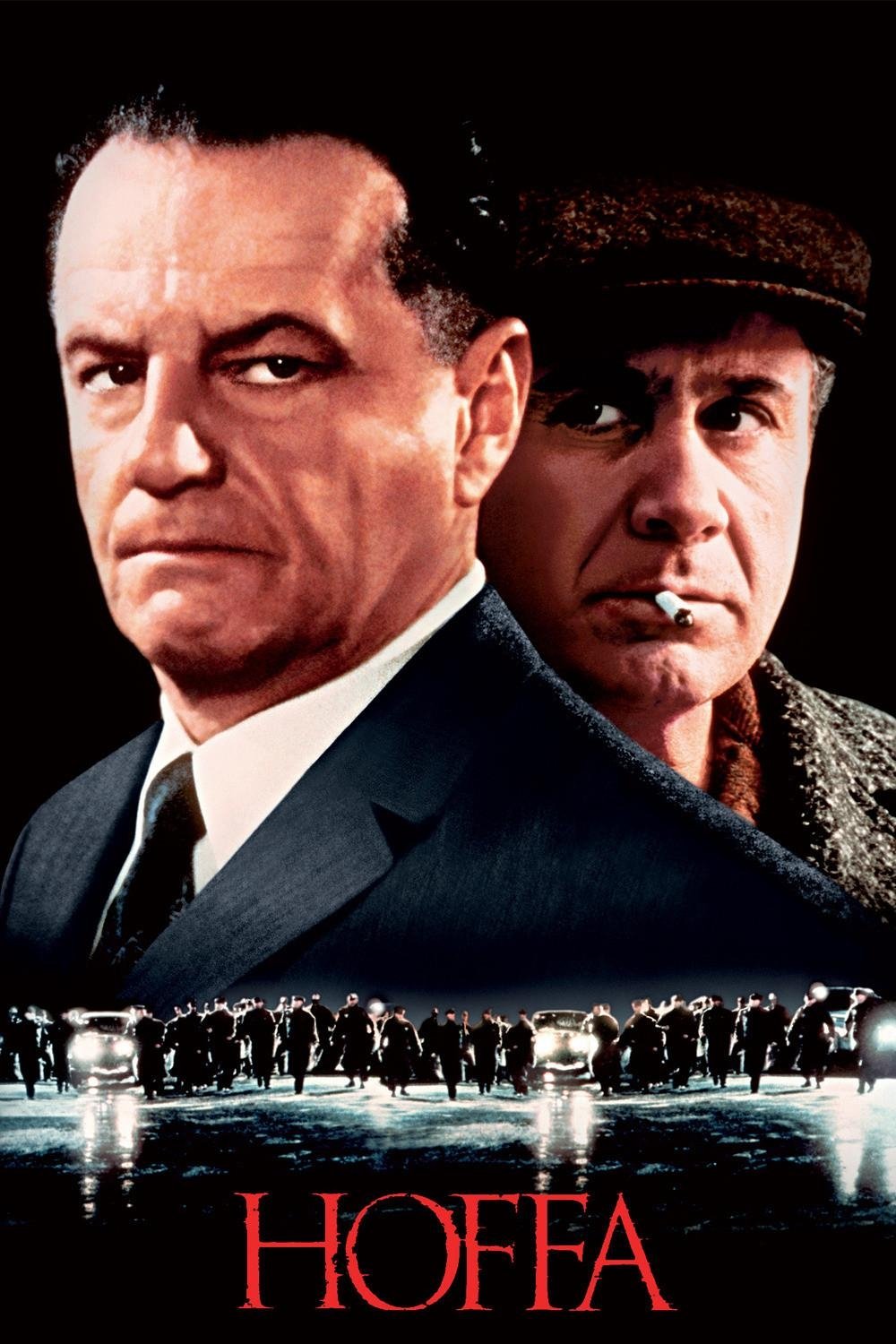
A portrait of union leader James R. Hoffa, as seen through the eyes of his friend, Bobby Ciaro. The film follows Hoffa through his countless battles with the RTA and President Roosevelt.
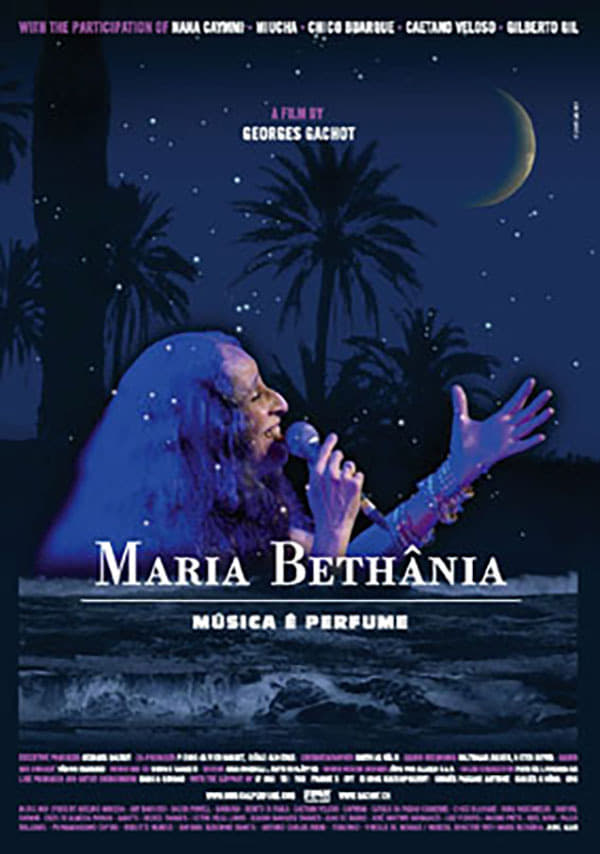
Brazilian singer Maria Bethania has a 40-year singing career. A documentary shows her concerts and famous family.
A walk through the golden age of Spanish exploitation cinema, from the sixties to the eighties; a low-budget cinema and great popular acceptance that exploited cinematographic fashions: westerns, horror movies, erotic comedies and thrillers about petty criminals.

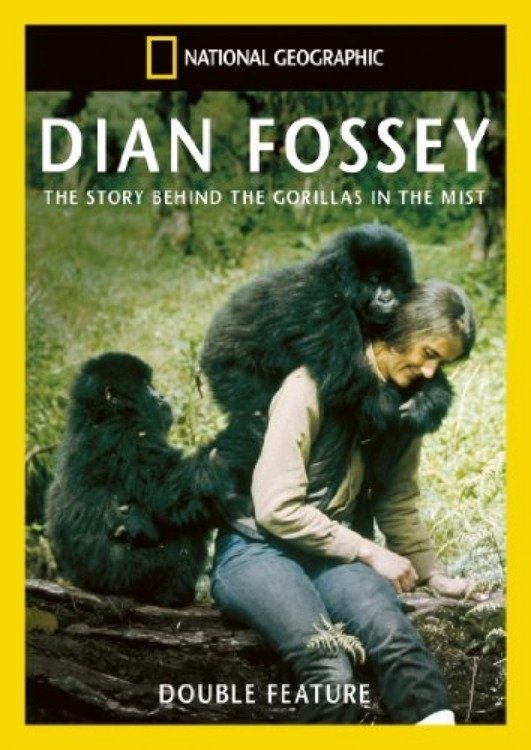
From 1968 to 1972, photographer and filmmaker Bob Campbell documented the activities of Dian Fossey as she developed a cross-species bond with Rwandan mountain gorillas. Campbell shot 70,000 feet of film, but only a fraction of his material was edited into the lecture presentation that preceded Fossey's Gorillas in the Mist. This program compiles highlights from the previously unreleased footage, offering an unforgettable glimpse into the gorilla community and Fossey's relationship with it. Her methods may not entirely jibe with those of modern conservationists, but there is no denying the profound impact of her work on current research and eco-activism.
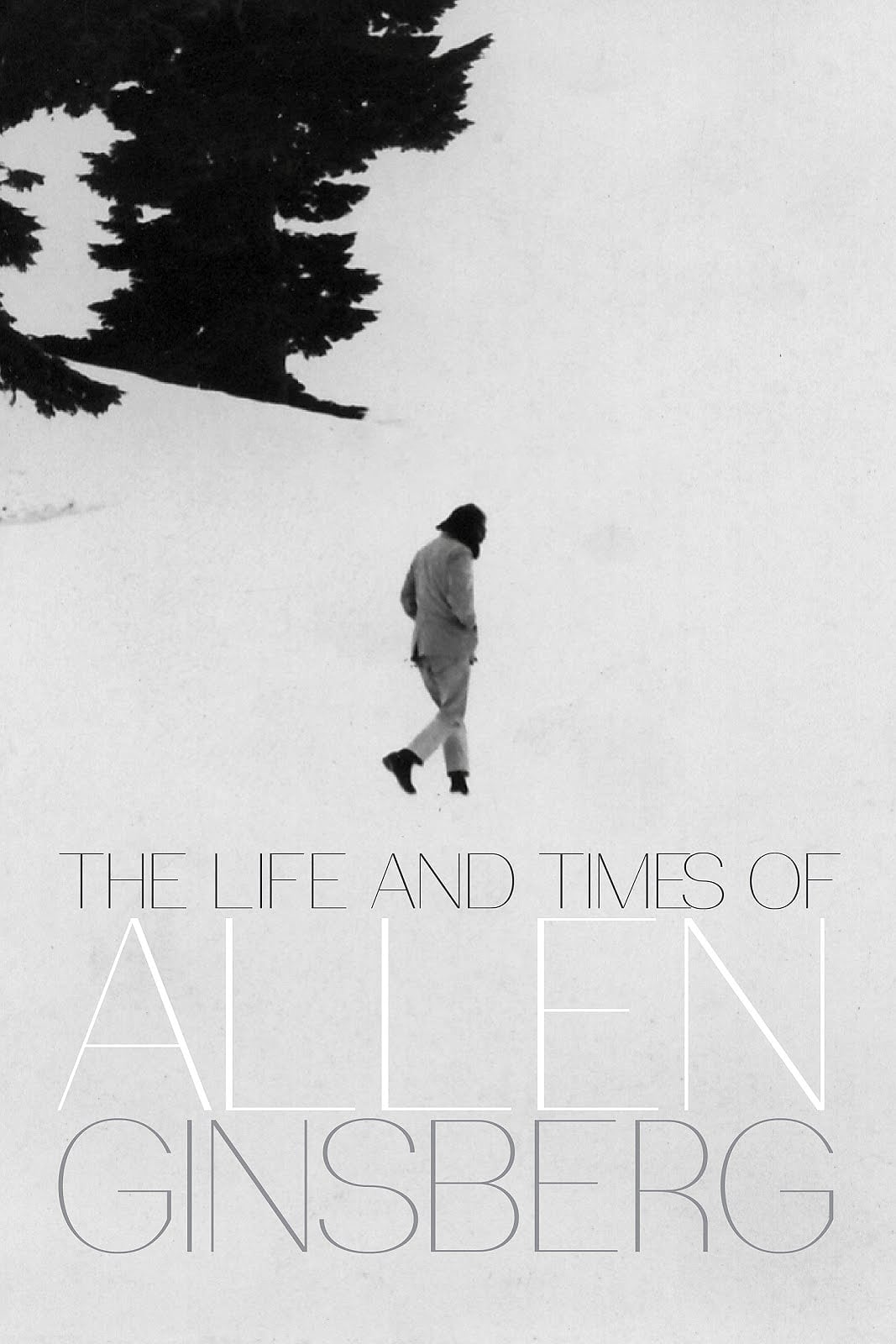
Visionary, radical, spiritual seeker, renowned poet, founding member of a major literary movement, champion of human rights, Buddhist, political activist and teacher. Extensive archival footage, interviews, and home movies cover Allen Ginsberg's life, activism, and influence on American culture through the Beat era, the 1960s, and beyond.
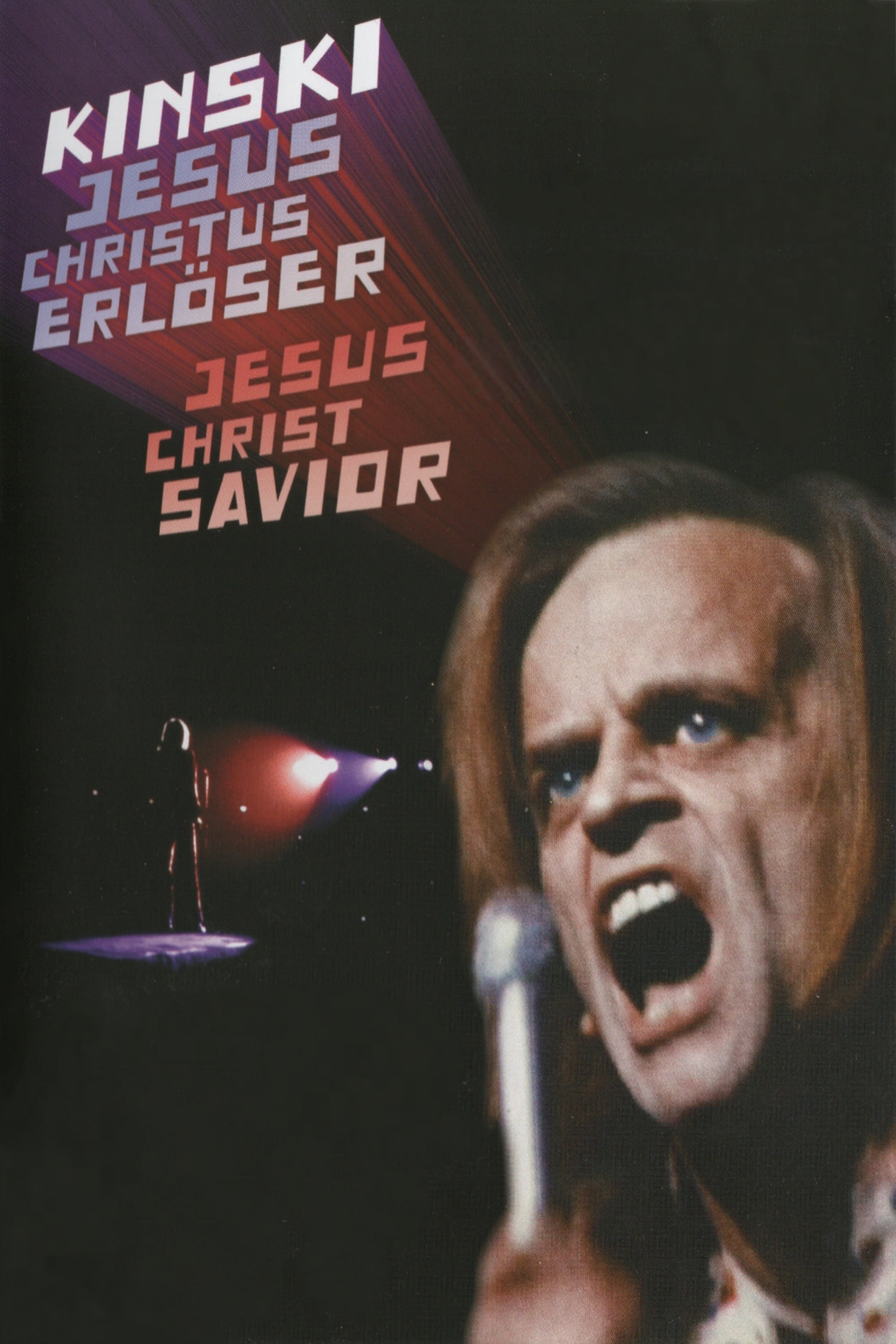
Klaus Kinski has perhaps the most ferocious reputation of all screen actors: his volatility was documented to electrifying effect in Werner Herzog’s 1999 portrait My Best Fiend. This documentary provides further fascinating insight into the talent and the tantrums of the great man. Beset by hecklers, Kinski tries to deliver an epic monologue about the life of Christ (with whom he perhaps identifies a little too closely). The performance becomes a stand-off, as Kinski fights for control of the crowd and alters the words to bait his tormentors. Indispensable for Kinski fans, and a riveting introduction for newcomers, this is a unique document, which Variety called ‘a time capsule of societal ideals and personal demons.’
The year is 1965 and America is at war with North Vietnam. Commanding the air cavalry is Lt. Col. Hal Moore (Gibson), a born leader committed to his troops. His target: the Ia Drang Valley, called "The Valley of Death." As Moore prepares for one of the most violent battles in U.S. history, he delivers a stirring promise to his soldiers and their families: "I will leave no man behind...dead or alive. We will all come home together."
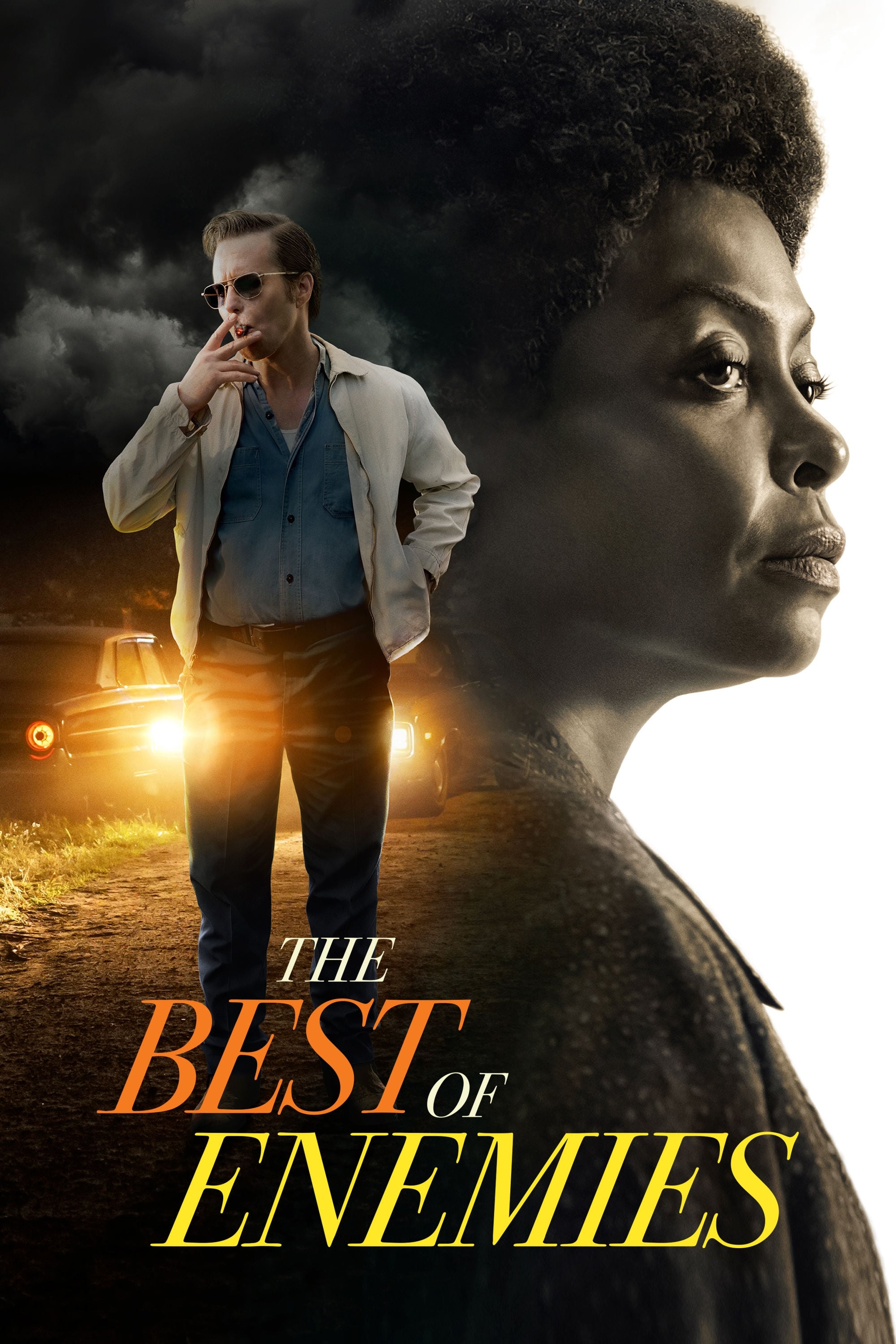
Centers on the unlikely relationship between Ann Atwater, an outspoken civil rights activist, and C.P. Ellis, a local Ku Klux Klan leader who reluctantly co-chaired a community summit, battling over the desegregation of schools in Durham, North Carolina during the racially-charged summer of 1971. The incredible events that unfolded would change Durham and the lives of Atwater and Ellis forever.
1932 Documentary showcasing the Ford V8 engine.
German TV film, also shown on Spanish TV in 1976, this is a film all about TD which includes informal interviews and concert/studio footage, most of which seems to have been done exclusively for the film. The interviews are in the German language. The street name in the title refers to where Edgar Froese used to live in Berlin (apparently Klaus Schulze lived on the same street at the time) and is now the site of the TDI offices.
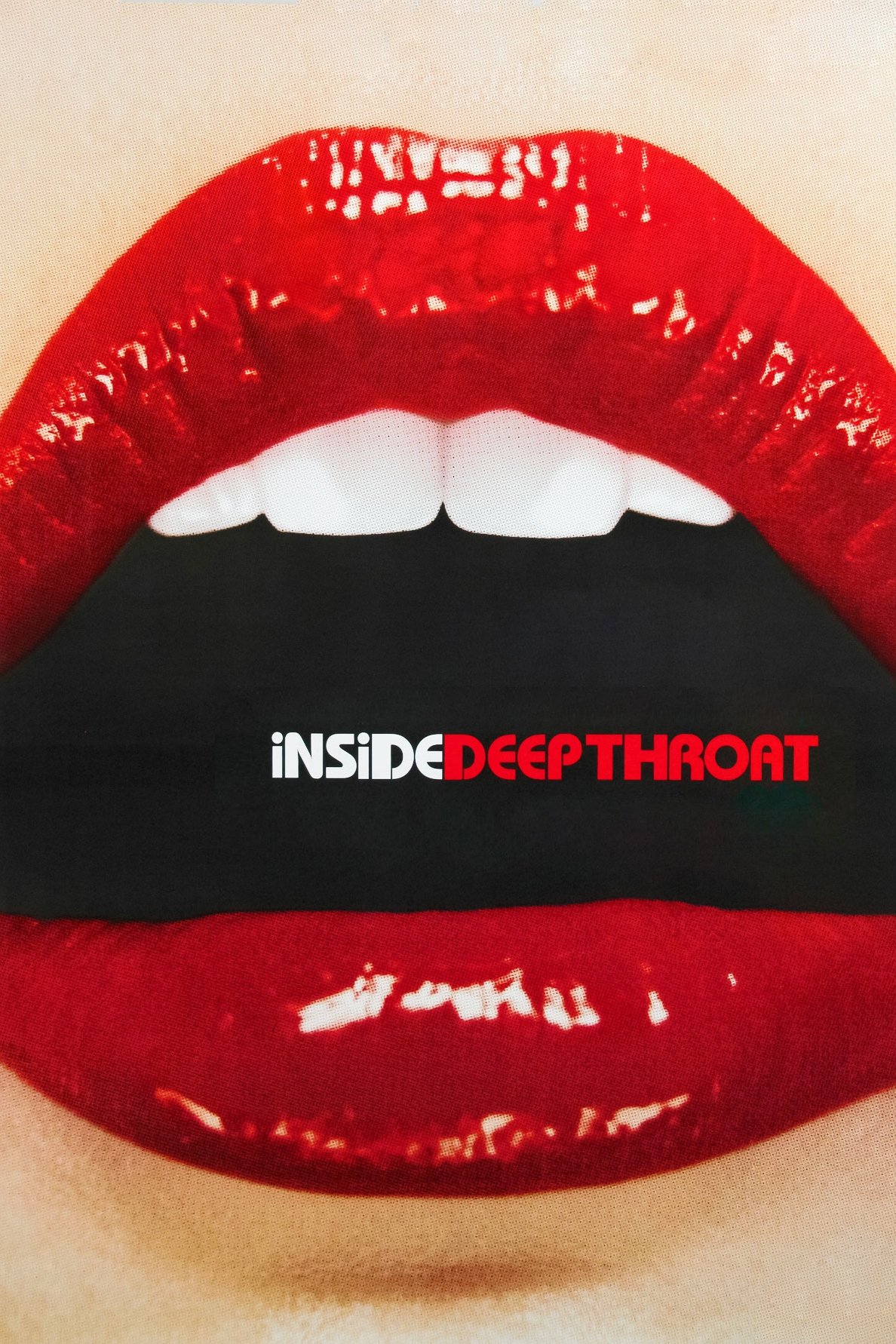
In 1972, a seemingly typical shoestring budget pornographic film was made in a Florida hotel: "Deep Throat," starring Linda Lovelace. This film would surpass the wildest expectation of everyone involved to become one of the most successful independent films of all time. It caught the public imagination which met the spirit of the times, even as the self-appointed guardians of public morality struggled to suppress it, and created, for a brief moment, a possible future where sexuality in film had a bold artistic potential. This film covers the story of the making of this controversial film, its stunning success, its hysterical opposition along with its dark side of mob influence and allegations of the on set mistreatment of the film's star.
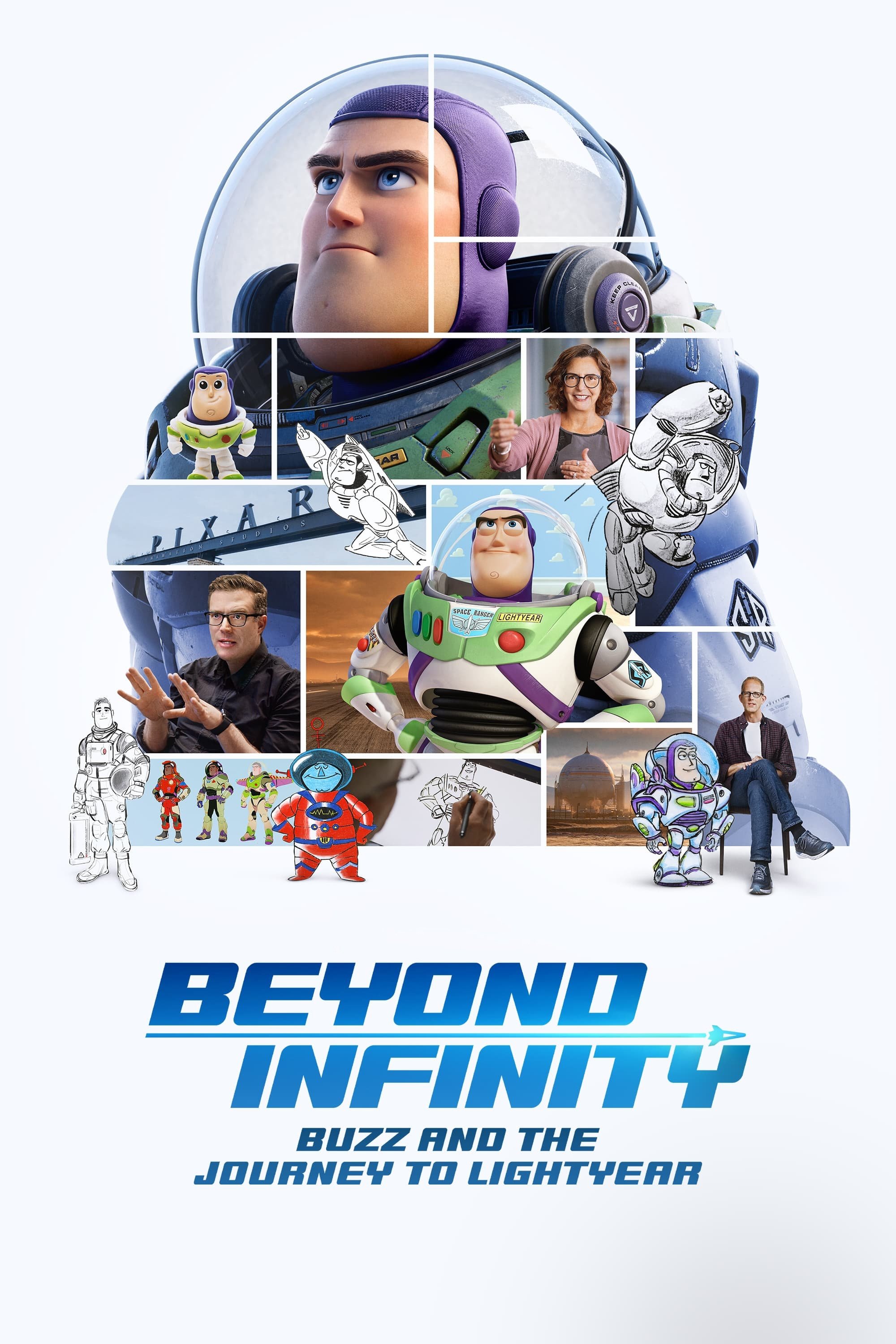
Explore the evolution of Buzz Lightyear from toy to human in the making of Pixar’s Lightyear. Dive into the origin and cultural impact of everyone’s favorite Space Ranger, the art of designing a new “human Buzz,” and the challenges faced by the Lightyear crew along the way.
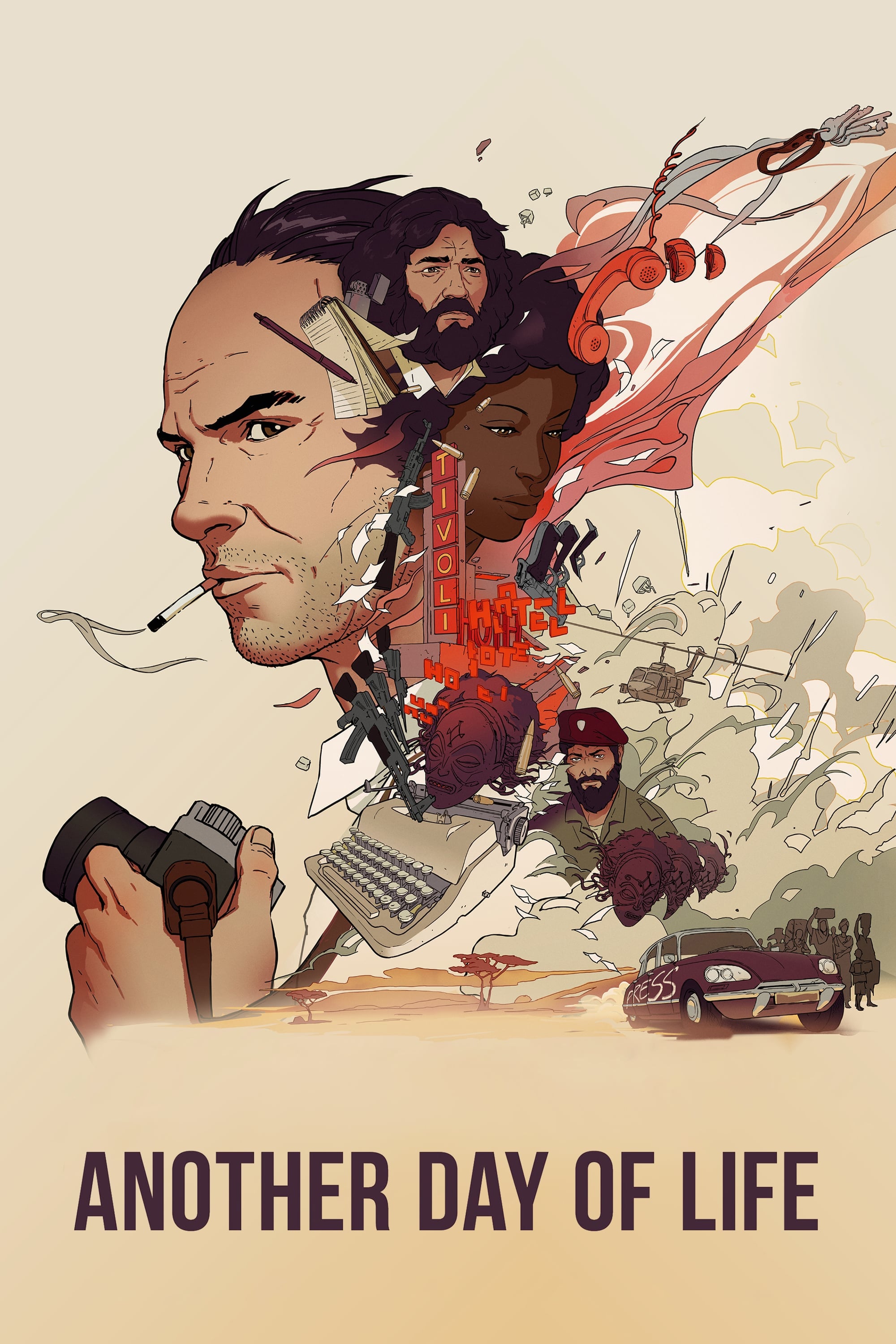
In 1975, Ryszard Kapuściński, a veteran Polish journalist, embarked on a seemingly suicidal road trip into the heart of the Angola's civil war. There, he witnessed once again the dirty reality of war and discovered a sense of helplessness previously unknown to him. Angola changed him forever: it was a reporter who left Poland, but it was a writer who returned…
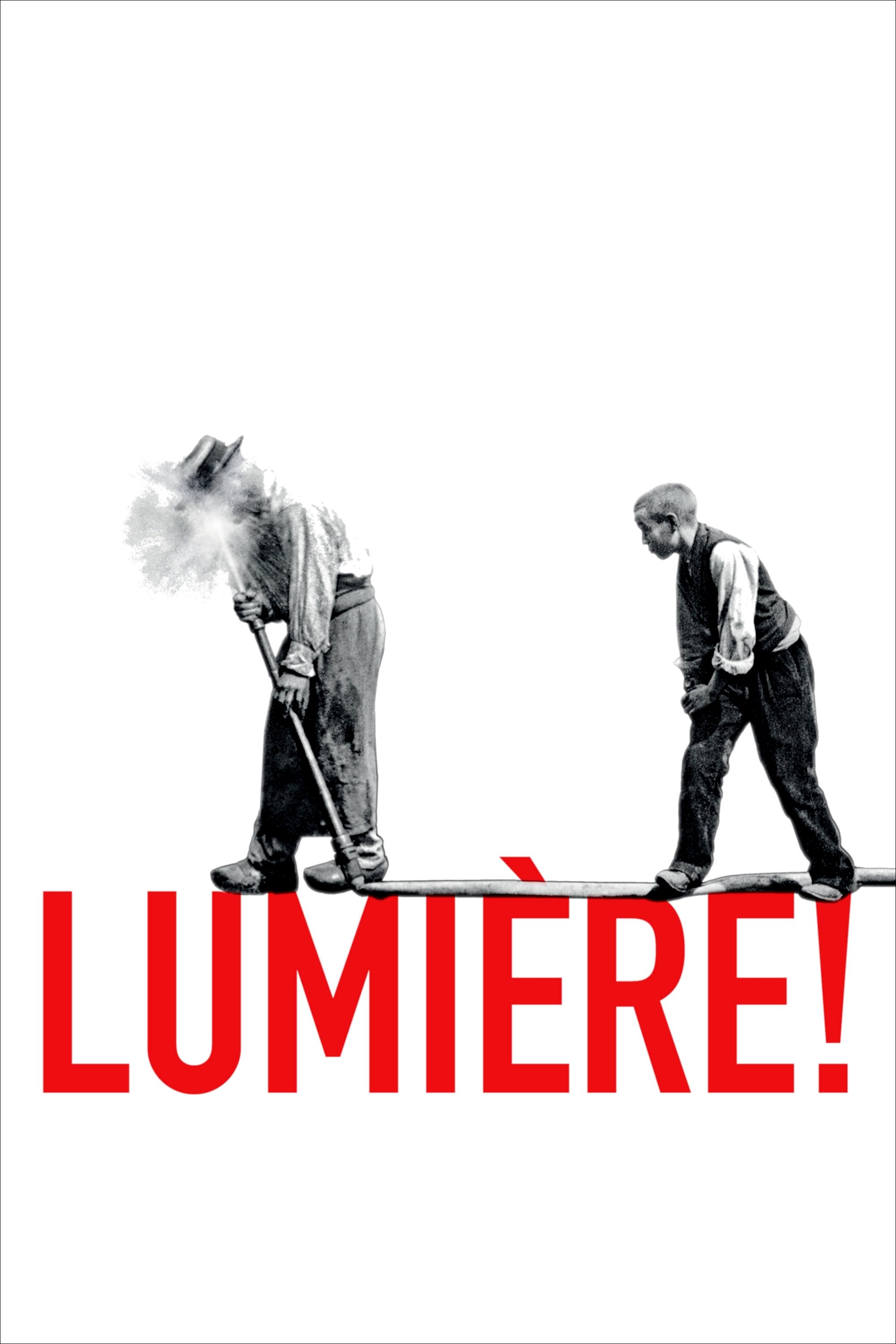
A collection of restored prints from the Lumière Brothers.
The history of cinematic sound, told by legendary sound designers and visionary filmmakers.
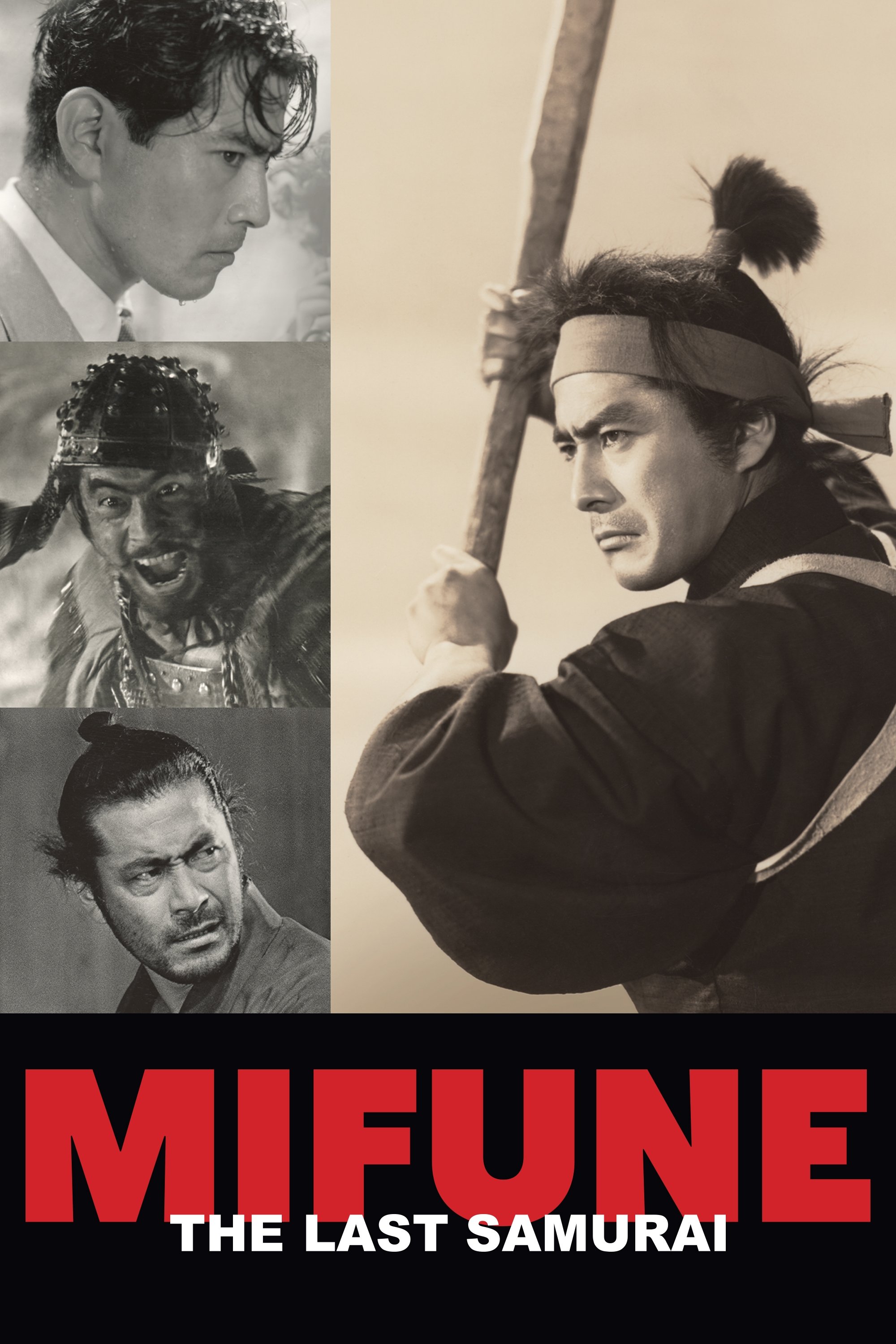
An account of the life and work of legendary Japanese actor Toshirō Mifune (1920-97), the most prominent actor of the Golden Age of Japanese cinema.
Lupita Nyong'o narrates a documentary about Peanuts and its creator, Charles M. Schulz. Famous fans—including Drew Barrymore, Kevin Smith, and Al Roker—share its influence on them, and a new animated story finds Charlie Brown on a quest.
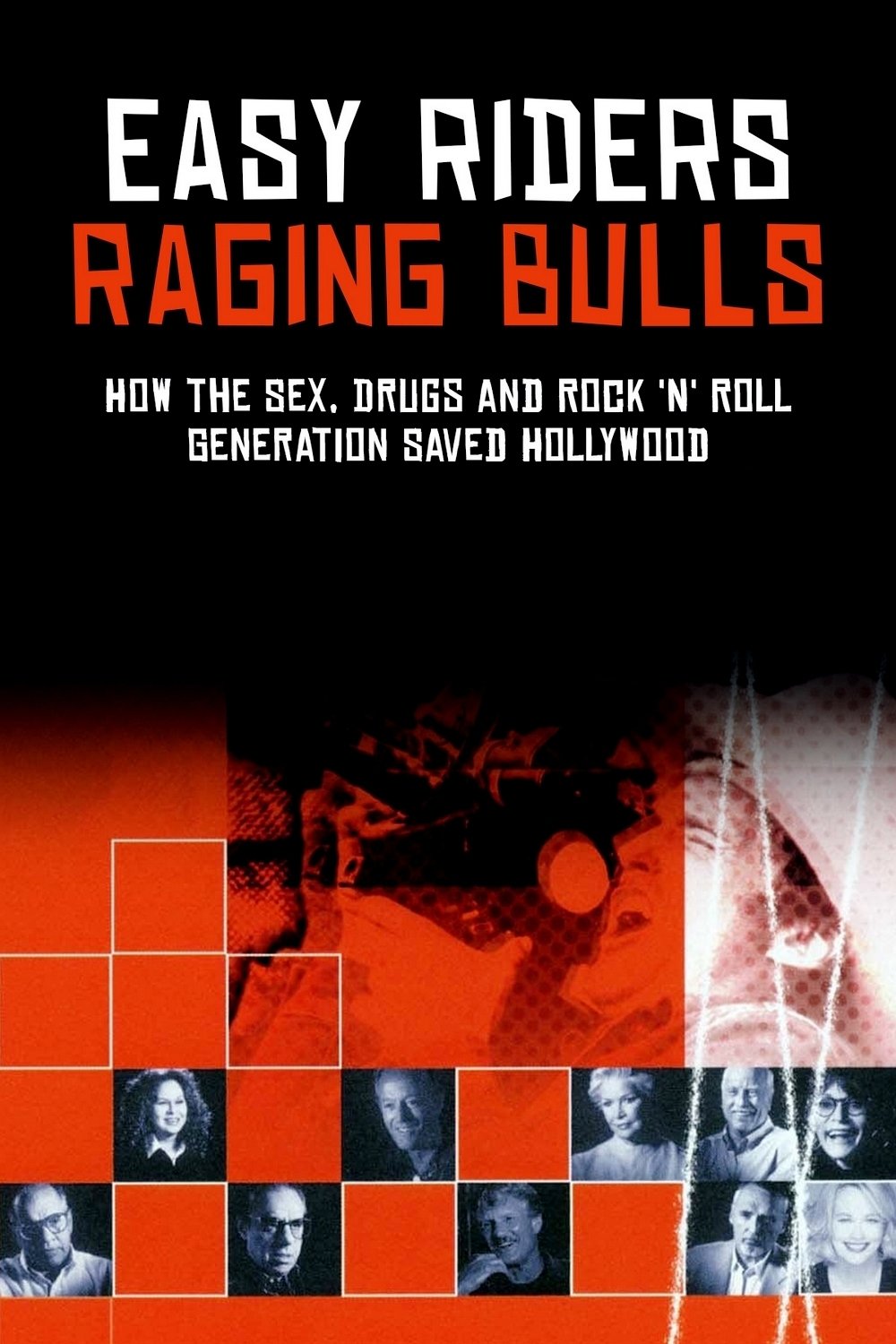
The chronicle of the mind-blowing journey that was Hollywood during the seventies; the true and gripping story of the last golden age of American cinema, an exalted celebration of creativity and experimentation; but also of sex, drugs and rock 'n' roll: a turbulent and dark tale of ambition, envy, betrayal, hatred and self-destruction.
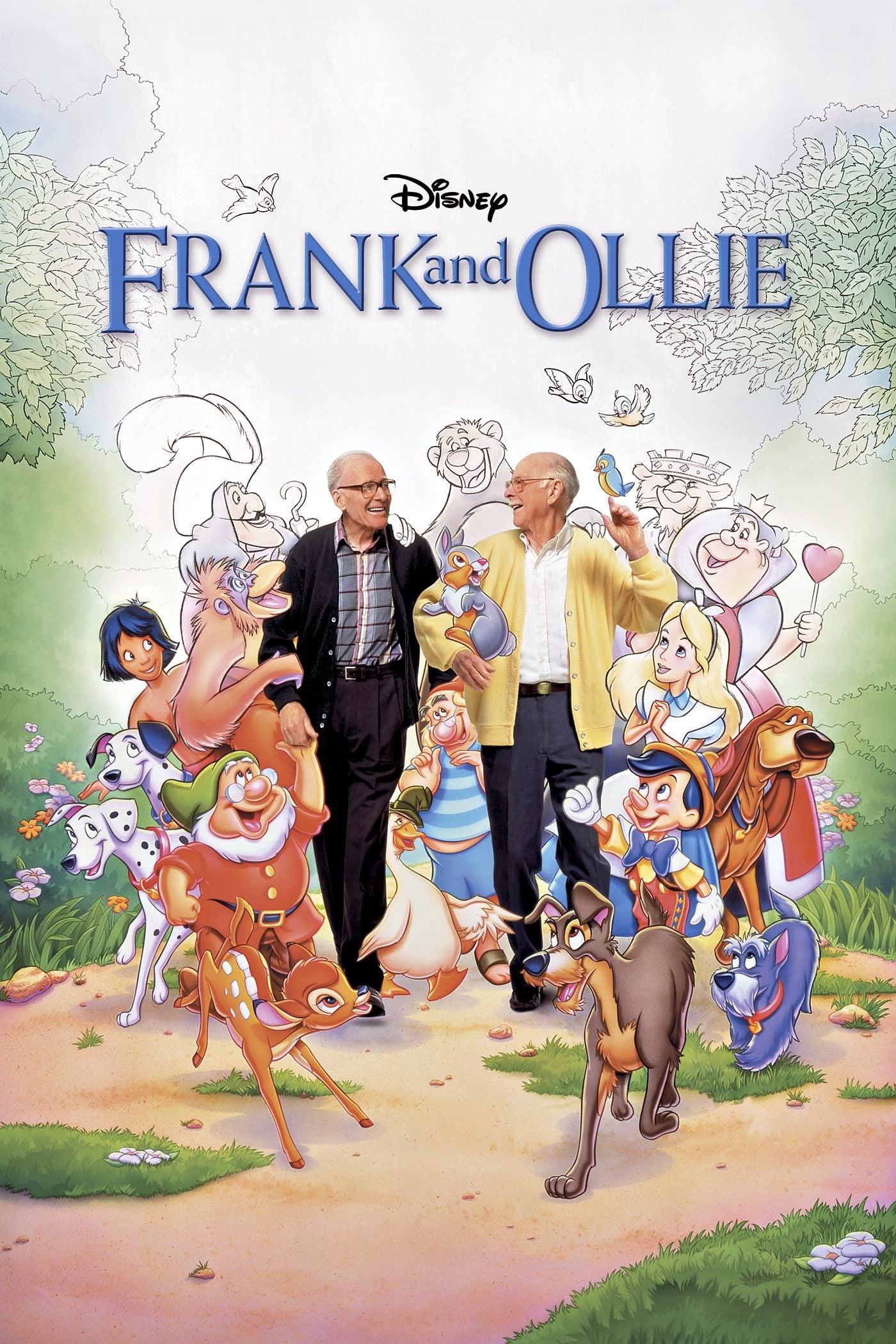
Before computer graphics, special effects wizardry, and out-of-this world technology, the magic of animation flowed from the pencils of two of the greatest animators The Walt Disney Company ever produced -- Frank Thomas and Ollie Johnston. Frank and Ollie, the talent behind BAMBI, PINOCCHIO, LADY AND THE TRAMP, THE JUNGLE BOOK, and others, set the standard for such modern-day hits as THE LION KING. It was their creative genius that helped make Disney synonymous with brilliant animation, magnificent music, and emotional storytelling. Take a journey with these extraordinary artists as they share secrets, insights, and the inspiration behind some of the greatest animated movies the world has ever known!
A documentary examining the decade of the 1970s as a turning point in American cinema. Some of today's best filmmakers interview the influential directors of that time.
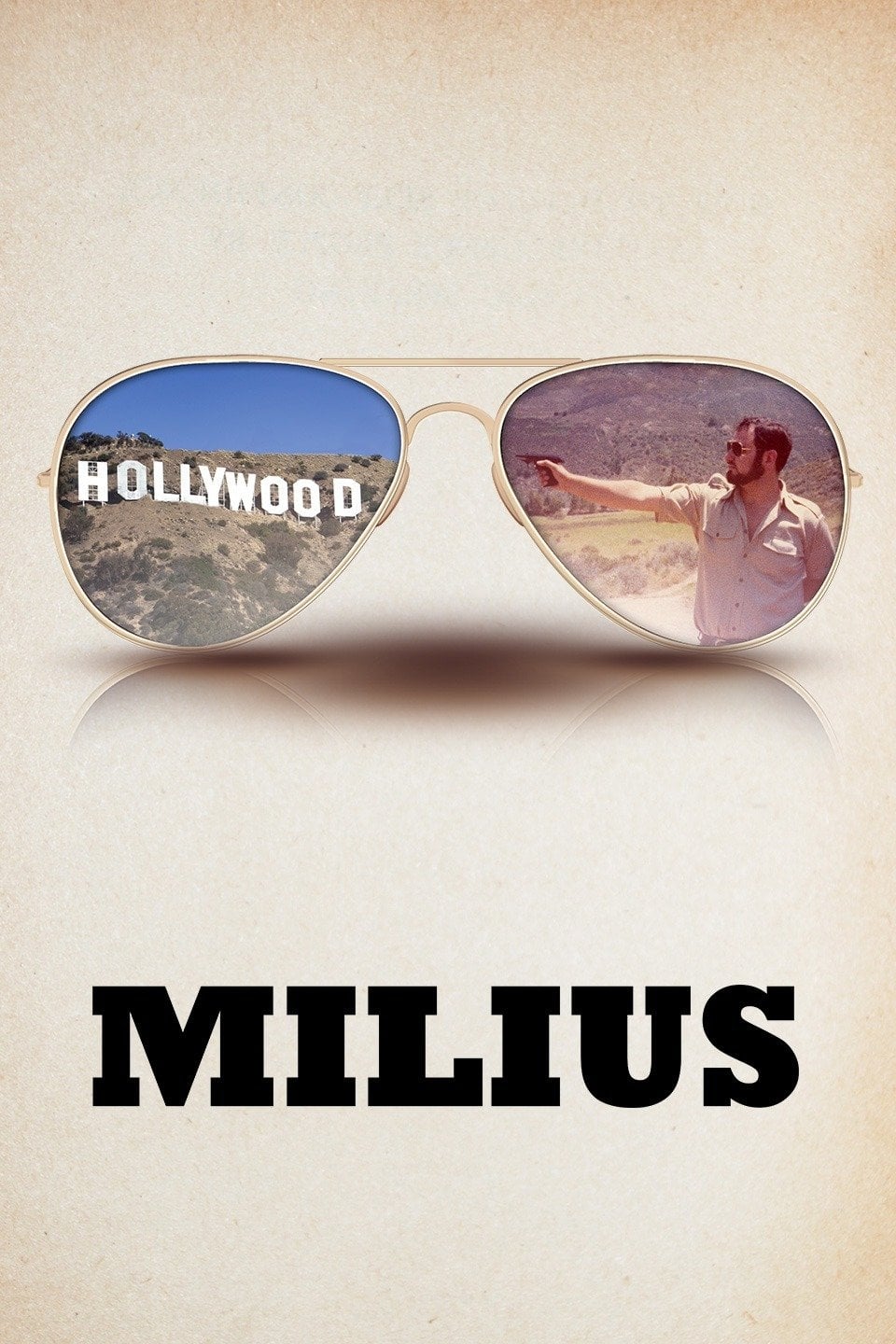
The life story of ‘Zen Anarchist’ filmmaker John Milius, one of the most influential storytellers of his generation.
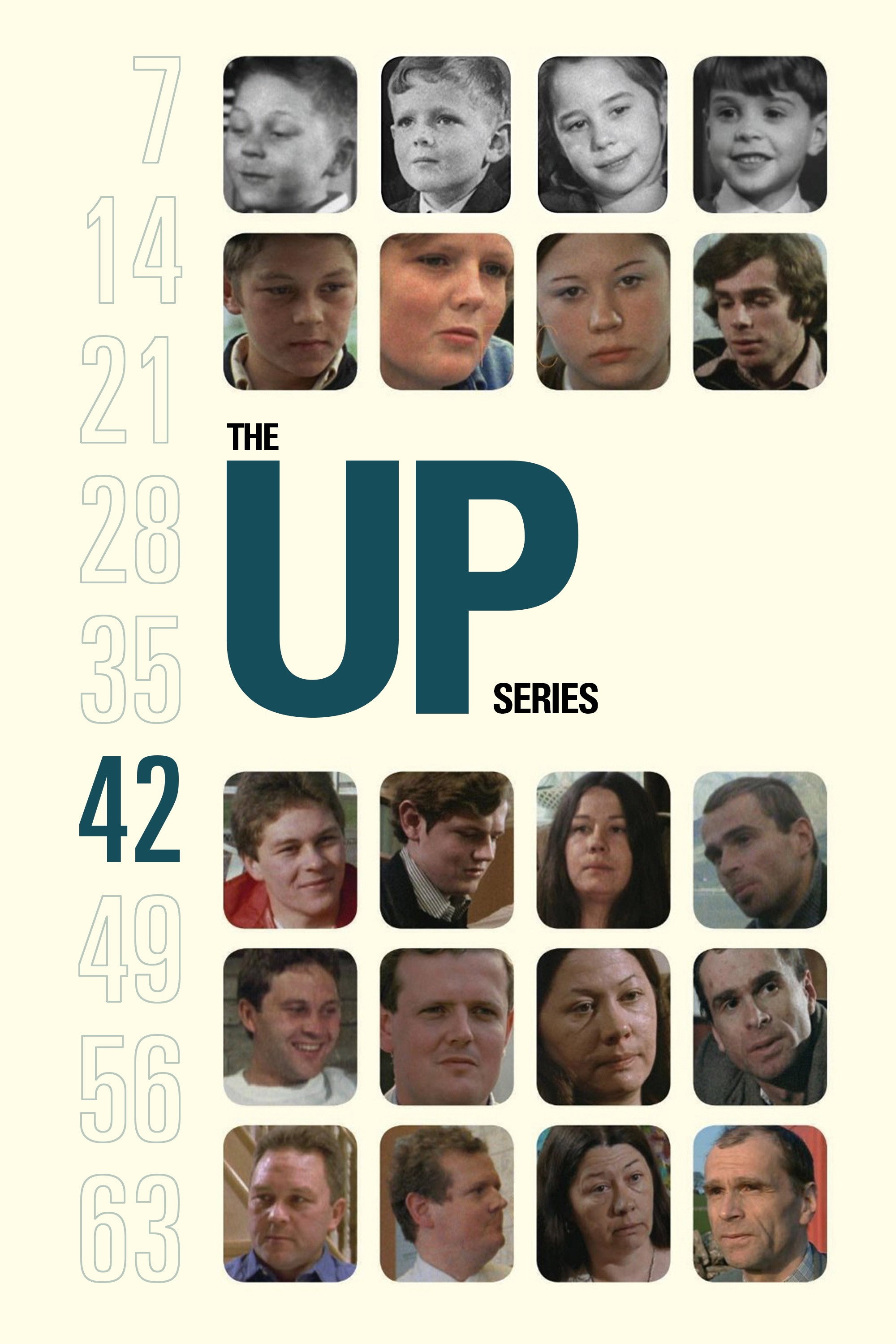
Director Michael Apted revisits the same group of British-born adults after a 7 year wait. The subjects are interviewed as to the changes that have occurred in their lives during the last seven years.
A documentary exploring the legacy of Star Trek: Deep Space Nine, the reasons it went from the black sheep of Star Trek to a beloved mainstay of the franchise, and a brainstorm with the original writers on what a theoretical eighth season of the show could look like.
Take a virtual vacation to some of the Star Wars films' most iconic and beloved locations like Hoth, Tatooine, and Sorgan, as this charming series whisks you off for fly-through tours of the Galaxy Far, Far Away.
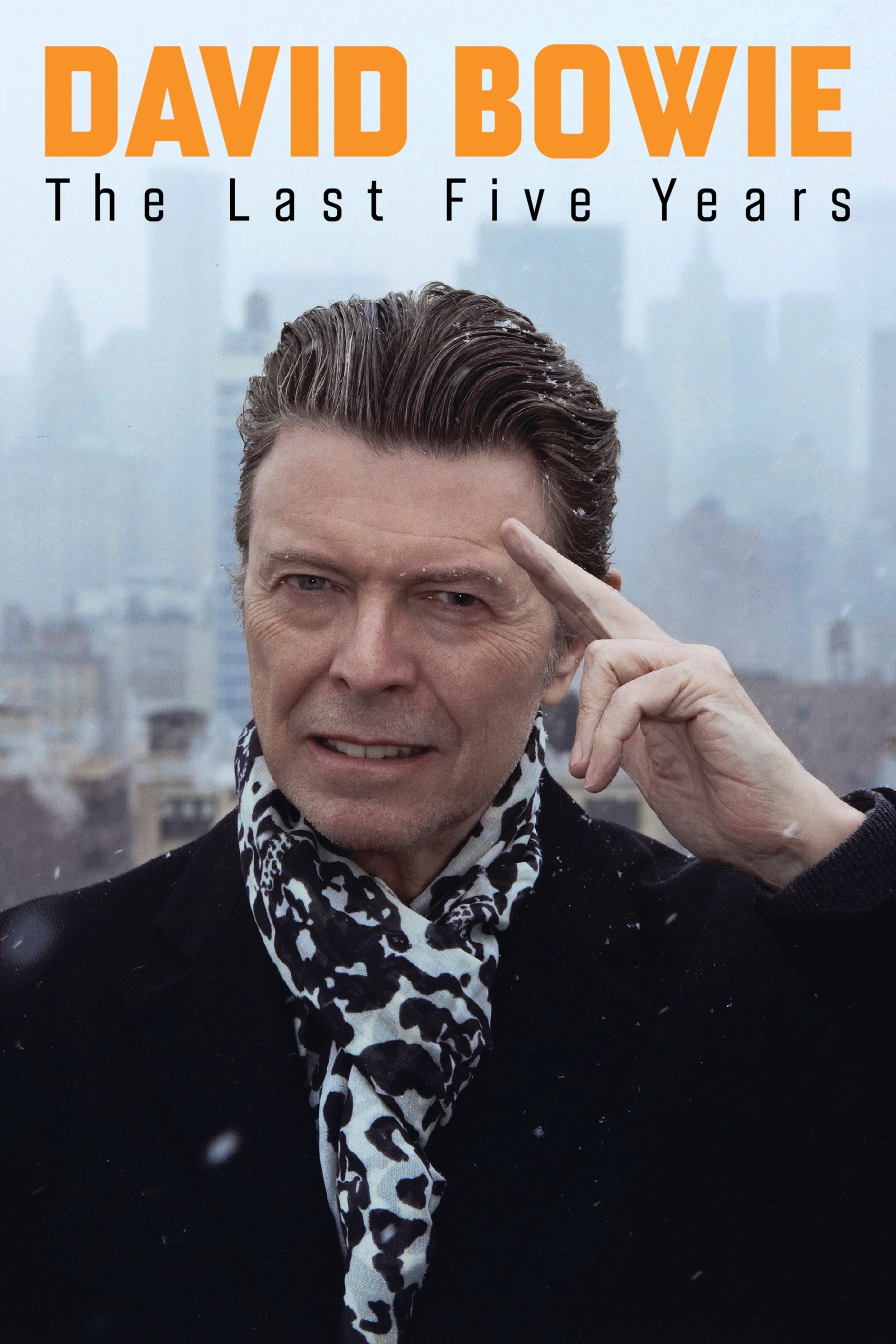
In the last five years of his life, David Bowie ended nearly a decade of silence to engage in an extraordinary burst of activity, producing two groundbreaking albums and a musical. David Bowie: The Last Five Years explores this unexpected end to a remarkable career. Made with remarkable access, Francis Whately’s documentary is a revelatory follow-up to his acclaimed 2013 documentary David Bowie: Five Years, which chronicled Bowie’s golden ‘70s and early-‘80s period.
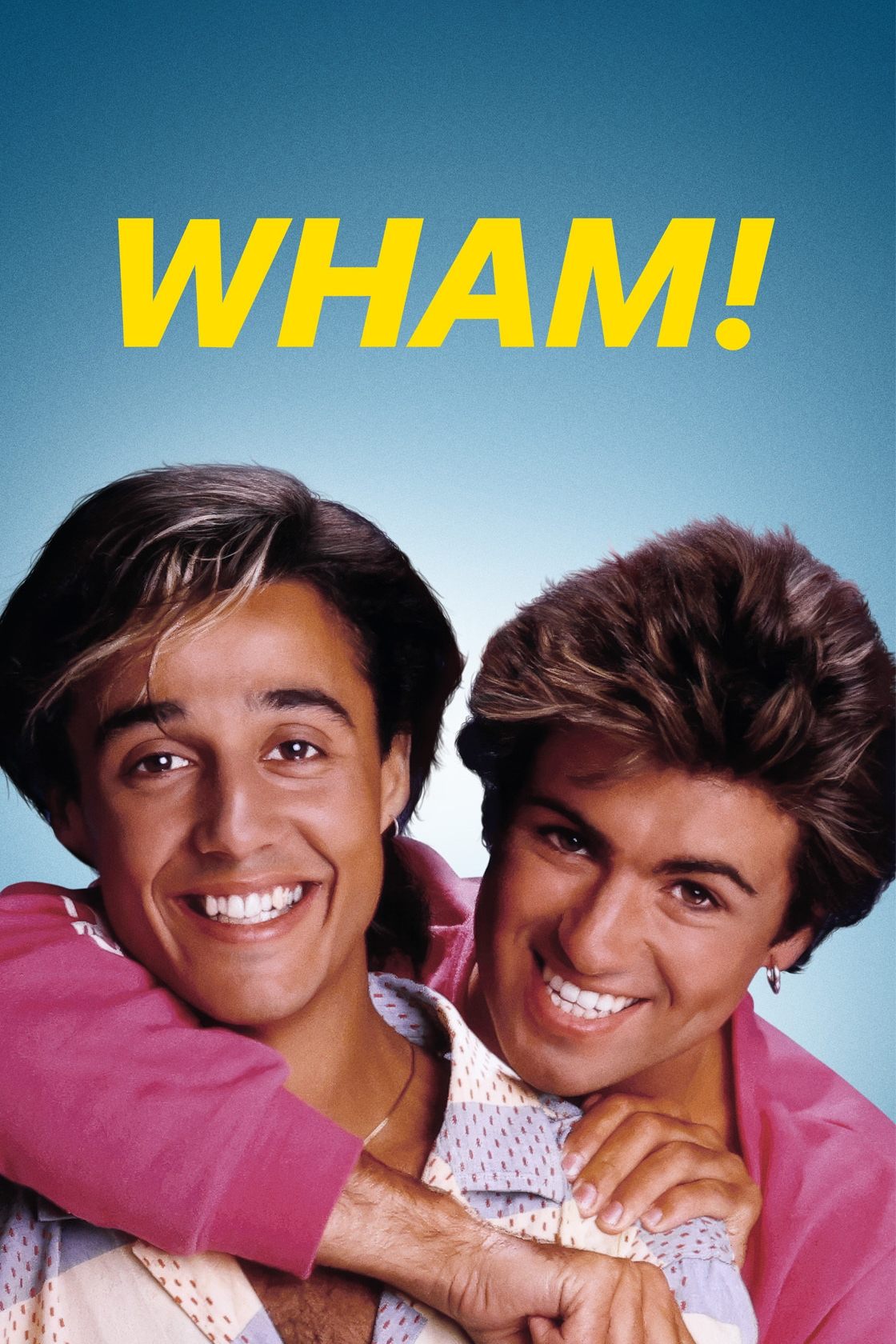
Through archival interviews and footage, George Michael and Andrew Ridgeley relive the arc of their Wham! career, from 70s best buds to 80s pop icons.
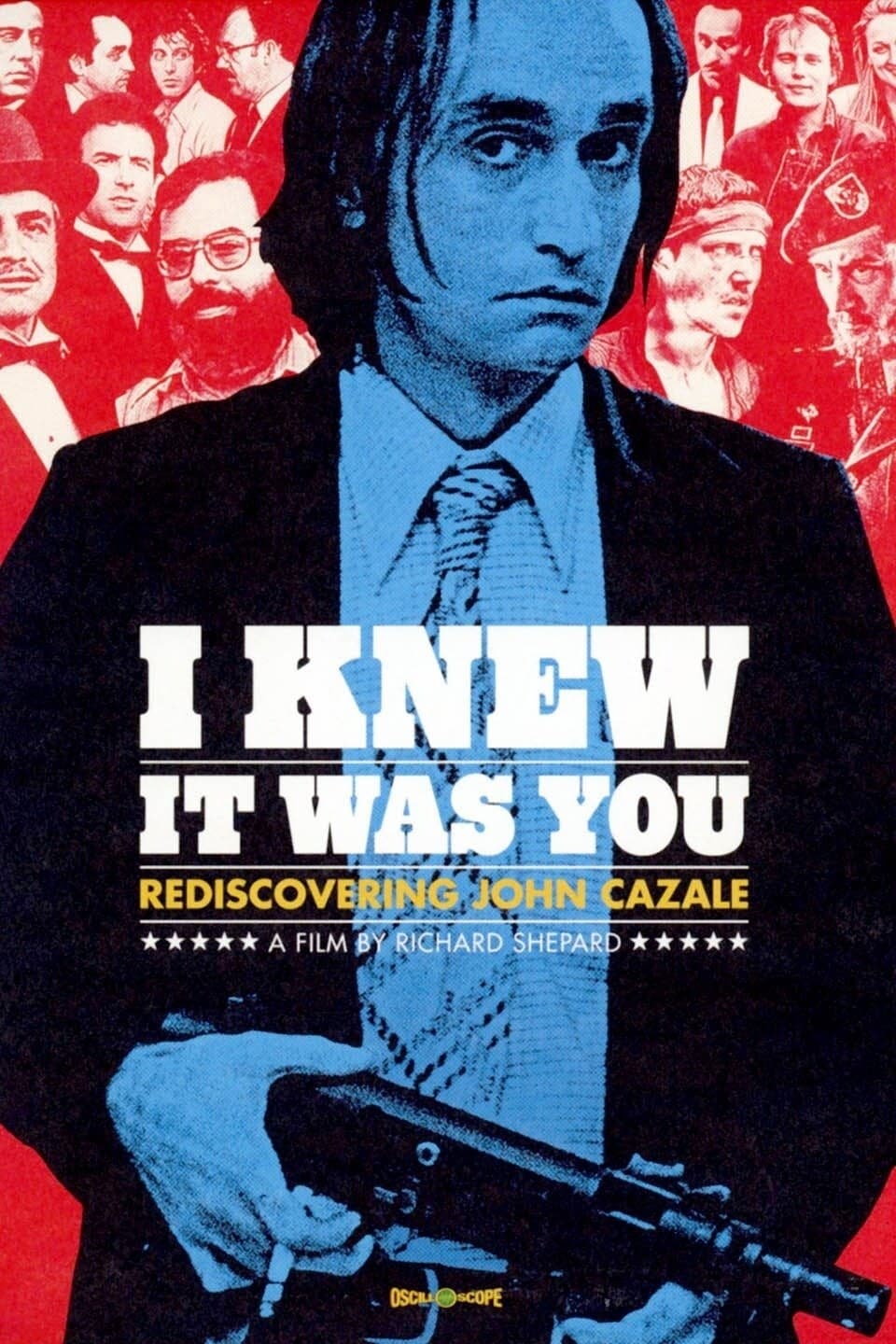
John Cazale was in only five films – The Godfather, The Conversation, The Godfather: Part II, Dog Day Afternoon and The Deer Hunter – each was nominated for Best Picture. Yet today most people don't even know his name. I KNEW IT WAS YOU is a fresh tour through movies that defined a generation.
The Making-of James Cameron's Avatar. It shows interesting parts of the work on the set.
A look at the first years of Pixar Animation Studios - from the success of "Toy Story" and Pixar's promotion of talented people, to the building of its East Bay campus, the company's relationship with Disney, and its remarkable initial string of eight hits. The contributions of John Lasseter, Ed Catmull and Steve Jobs are profiled. The decline of two-dimensional animation is chronicled as three-dimensional animation rises. Hard work and creativity seem to share the screen in equal proportions.
Oliver Stone charts the history of the United States from the Second World War to the present.