"Could our mounting modern problems have ancient solutions?"
Could our mounting modern problems have ancient solutions? Travel to the depths of China to find out.
Social & External
The people behind it
George Thompson
Self
Gu Shining
In a quiet village in southern China, Fang Xiuying is sixty-seven years old. Having suffered from Alzheimer's for several years, with advanced symptoms and ineffective treatment, she was sent back home. Now, bedridden, she is surrounded by her relatives and neighbors, as they witness and accompany her through her last days.
Captured by the Red Army during World War II, Hungarian soldier András Toma was admitted to a Soviet psychiatric hospital. After disappearing from prisoner-of-war records, he was presumed dead in Hungary. Because his name was incorrectly recorded in medical documents and he spoke only Hungarian—mistaken by staff for incoherent speech—Toma spent decades misunderstood and isolated in the institution. Fifty-three years later, a visiting Slovak doctor recognised his language, triggering an investigation by Hungarian authorities. Toma was repatriated in 2000, believed to be the last prisoner of war from World War II to return home.
A man on the run takes another man's passport, only to find himself stuck with the identity of a street hustler.
Zanzibar: Trouble in Paradise depicts a group of women who gained financial independence and stability in an otherwise male dominated culture through seaweed farming, until climate change killed the seaweed. The film follows the women, whose ingenuity led them to a new crop, more resistant to climate change: sea sponges. However, new challenges occurred; combating bacteria and climate change threatening their new product as well. In bringing the story of these women to light, the film demonstrates their resiliency and individual struggles facing the effects of climate change. While many documentaries focus on the science, Zanzibar shines a light on the disaster's impact upon those least likely to be heard.
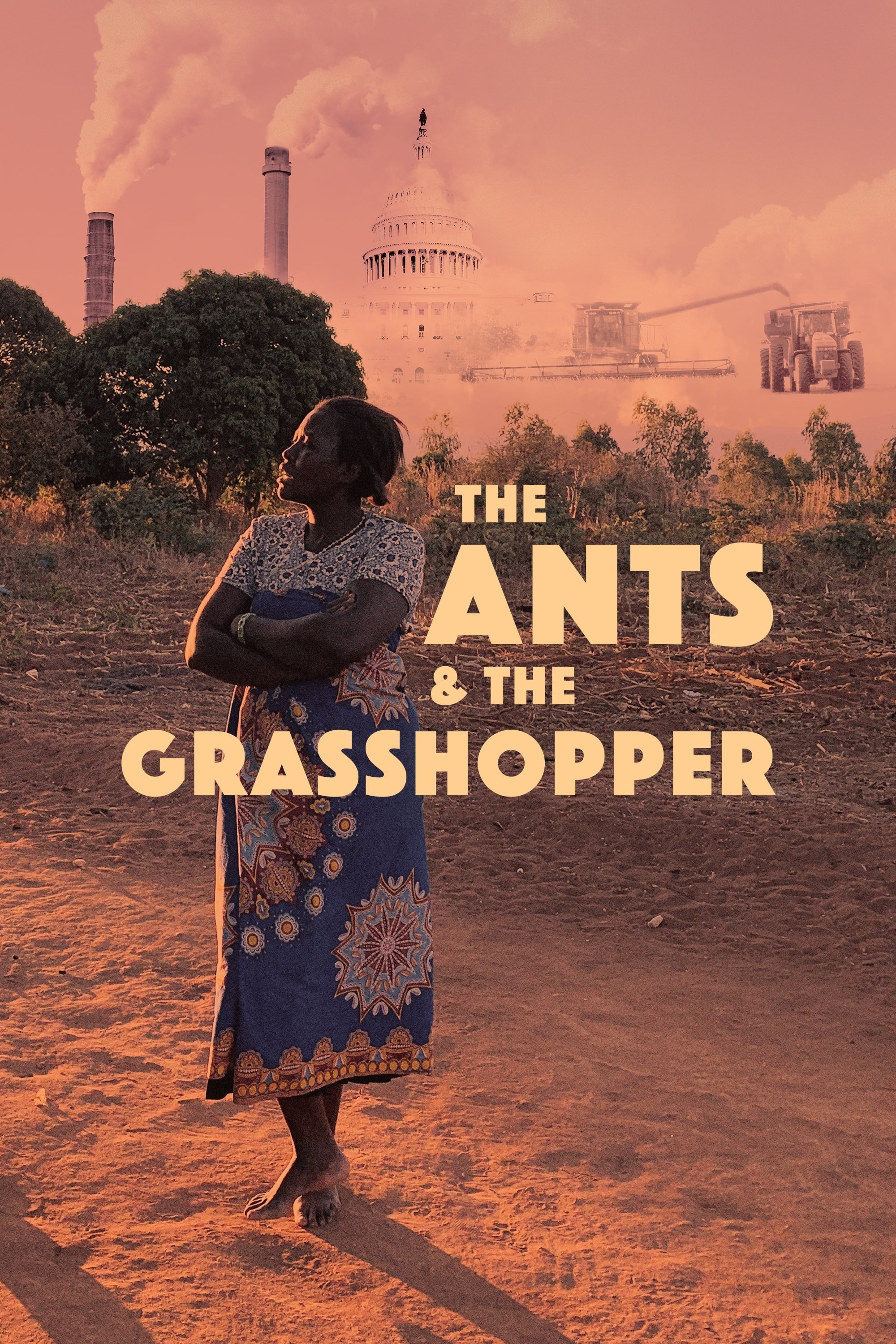
Anita Chitaya has a gift: she can help bring abundant food from dead soil, she can make men fight for gender equality, and maybe she can end child hunger in her village. Now, to save her home in Malawi from extreme weather, she faces her greatest challenge: persuading Americans that climate change is real. Traveling from Malawi to California to the White House, she meets climate sceptics and despairing farmers. Her journey takes her across all the divisions that shape the USA: from the rural-urban divide, to schisms of race, class and gender, and to the American exceptionalism that remains a part of the culture. It will take all her skill and experience to help Americans recognise, and free themselves from, a logic that is already destroying the Earth.
2 Degrees is about nothing less than the fight for the health of the planet we call home. The abstract idea of climate change is explored through the weaving of real and emotional journeys an audience can relate to. Our characters battle to mitigate the potential disasters of climate change and fight for climate justice, for it will be the developing world that bears the brunt of our profligacy and short sightedness. While An Inconvenient Truth alerted us to the problems facing the earth, 2 Degrees is the gripping and vital fight for a solution.
From A-Z incorporates a wealth of footage and incredible facts from the past 13 years of Top Gear. Viewers get to see the greatest moments from the past 22 seasons, including behind the scenes of incredible builds, eventful trips abroad, exhilarating races, outrageous challenges, and the many famous faces who have graced the Dunsfold track.
The Longboard Mini-Series; "Western Sessions" chronicles three friends, 12 longboards and one very small but fast VW R32 on a journey across 17 states and three mountain ranges in search of the best longboard locations in the United States.
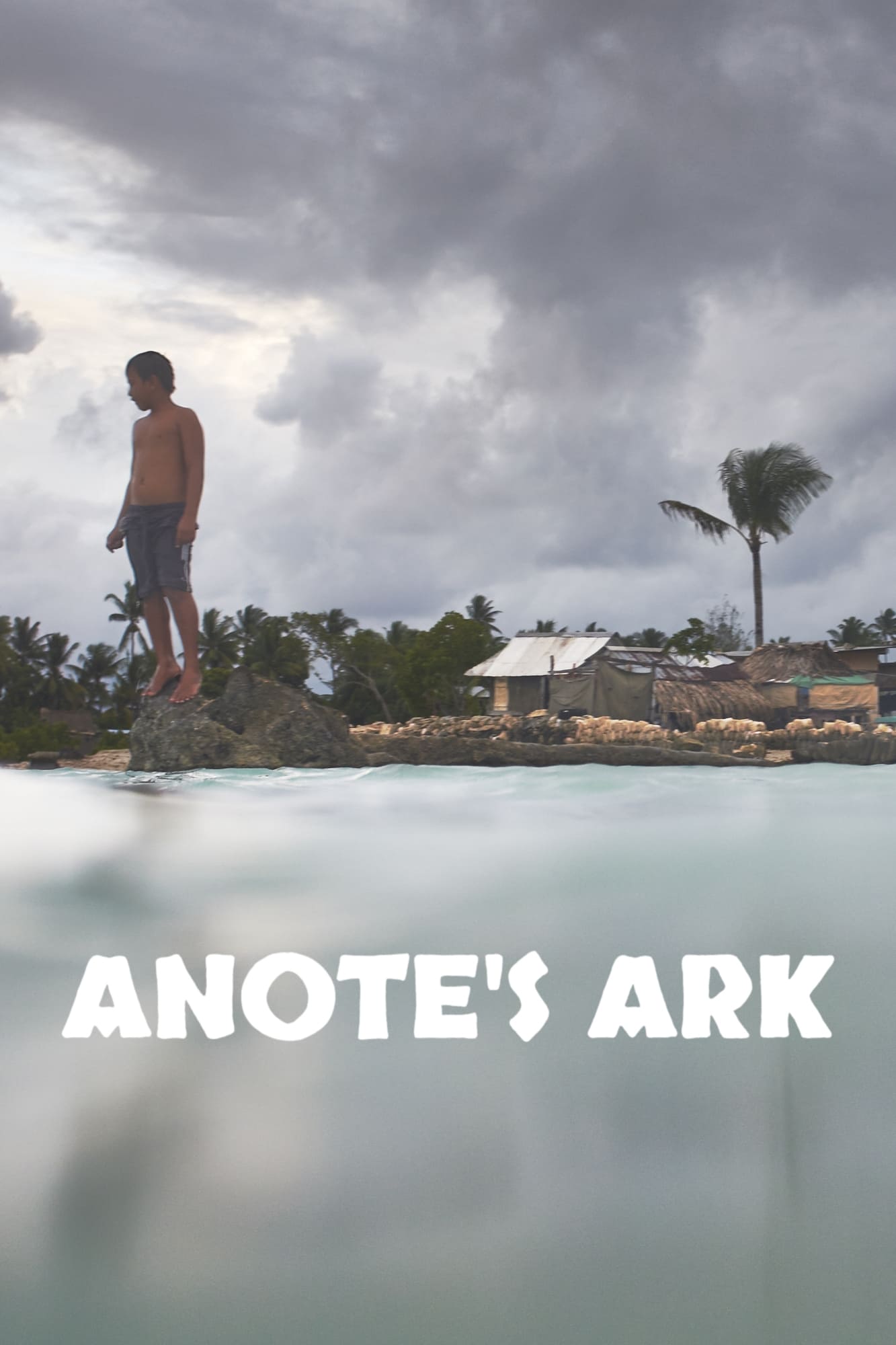
How does a nation survive being swallowed by the sea? Kiribati, on a low-lying Pacific atoll, will disappear within decades due to rising sea levels, population growth, and climate change. This exploration of how to migrate an entire nation with dignity interweaves personal stories of survival and resilience.
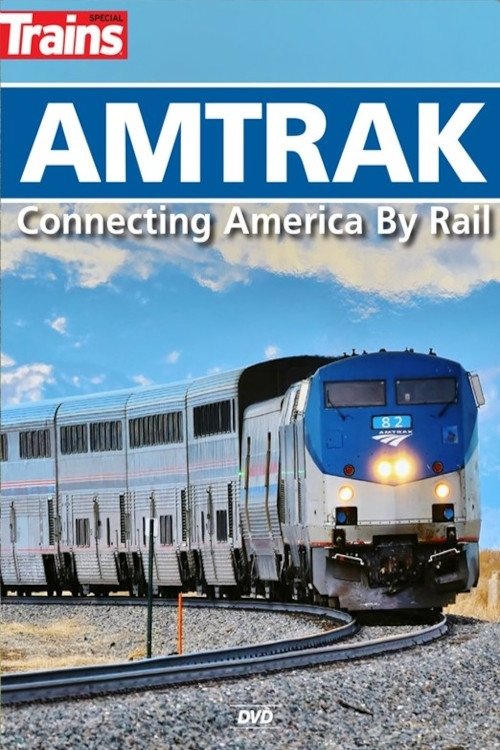
This documentary introduces you to the entirety of the Amtrak service network, which spans from coast to coast, and border to border. From both trackside and onboard perspectives, you’ll see and survey the trains that so many ride for practical purposes and pure enjoyment. Along the way you’ll learn about Amtrak’s intriguing origin story, its on-going challenges, and insights on what’s yet to come.
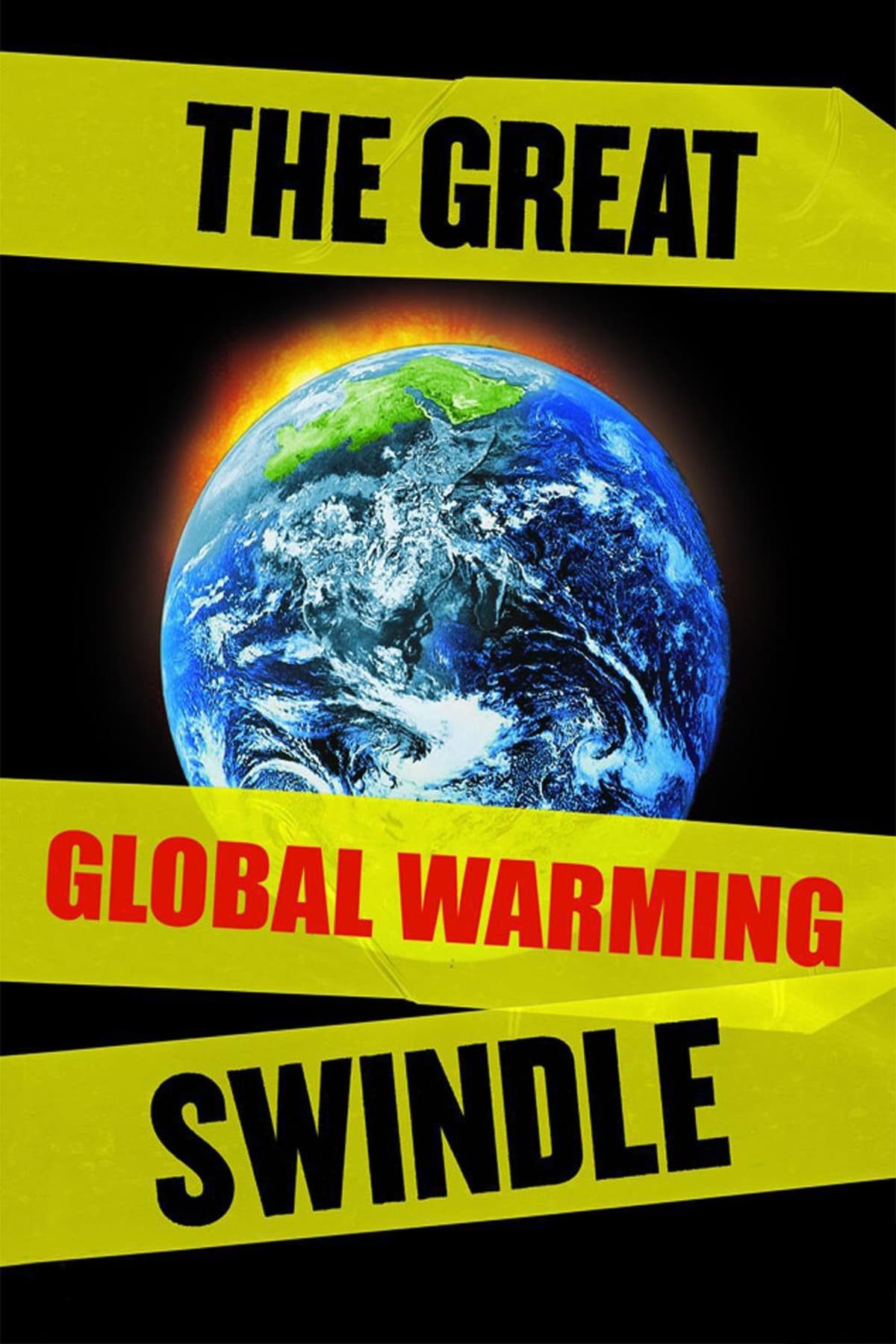
This film tries to blow the whistle on what it calls the biggest swindle in modern history: 'Man Made Global Warming'. Watch this film and make up your own mind.
Based on the famous book by Jules Verne the movie follows Phileas Fogg on his journey around the world. Which has to be completed within 80 days, a very short period for those days.
On the Train captures from the birth to the last moment of the railway, 98.2 kilometers long and opened in 1992, crossing southern Taiwan.
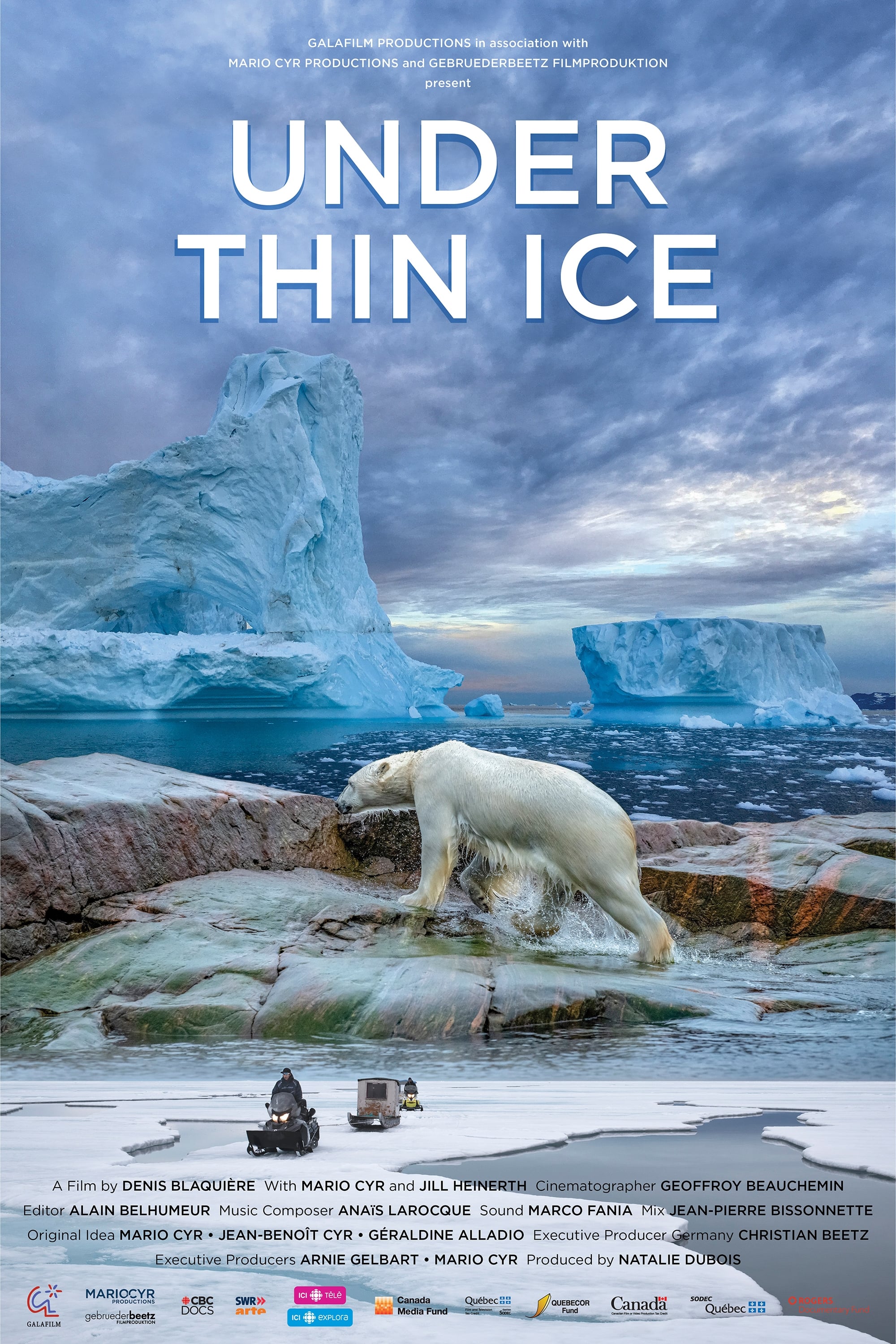
Two Canadian experts in underwater filming, Mario Cyr and Jill Heinerth, join forces for the first time to record how Arctic wildlife is adapting to the dramatic effects of climate change.
Four stories from the Nordic region paint a picture of a changing natural world, where the elements rage and where being prepared proves to be much more than sandbags and fire extinguishers.
Yann Arthus-Bertrand flew over Morocco with his cameras and asked the journalist Ali Baddou to write and record the comment.
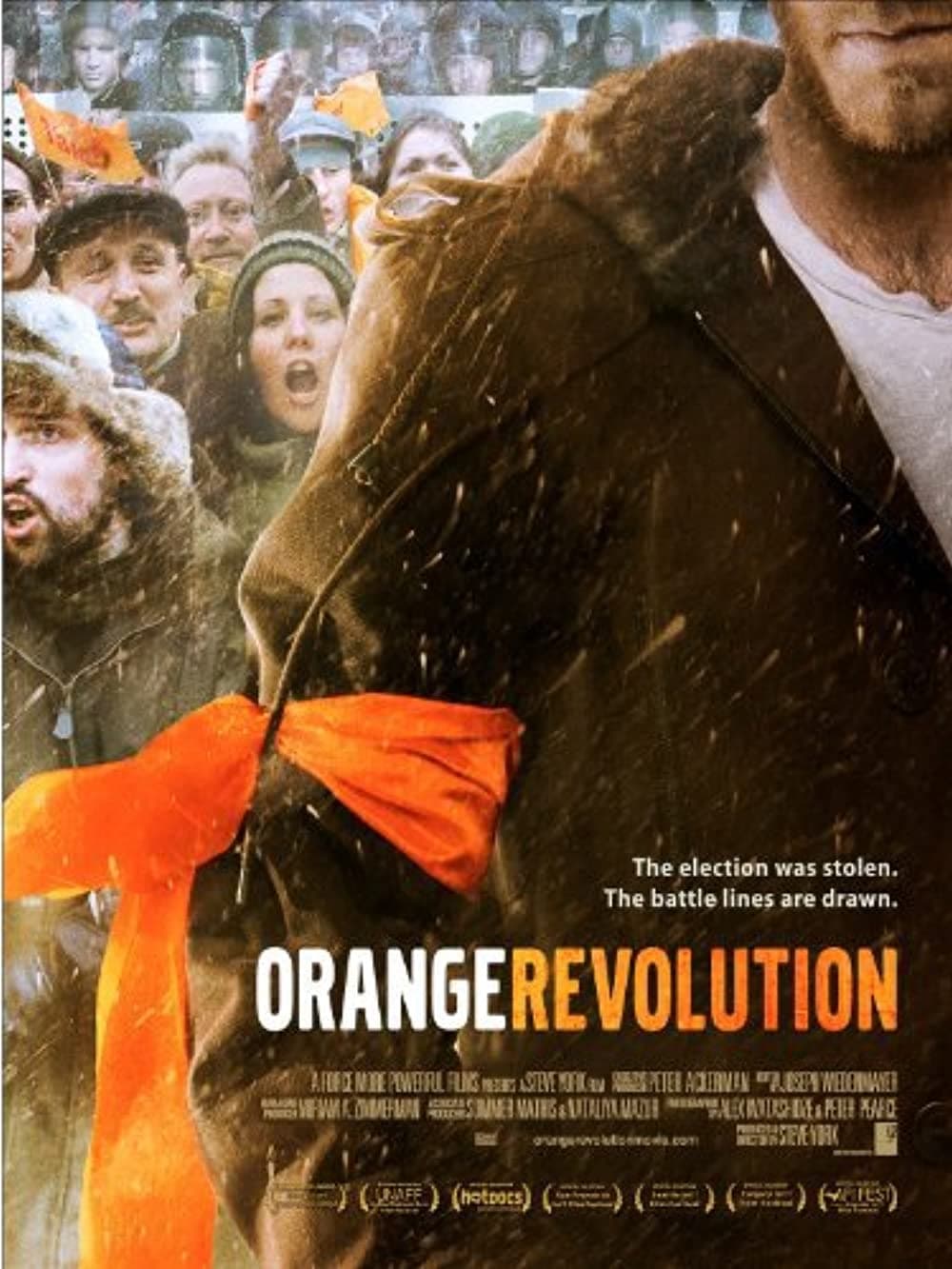
Filmmaker Steve York explores the controversial 2004 Ukrainian presidential election, during which candidate Viktor Yushchenko suffered a near-fatal poisoning and his unpopular opponent, Viktor Yanukovych, was declared the winner. In the aftermath, more than a million people -- including the ailing Yushchenko -- took to the streets of Kiev, protesting the results that contradicted exit polls showing Yushchenko with an impressive lead.
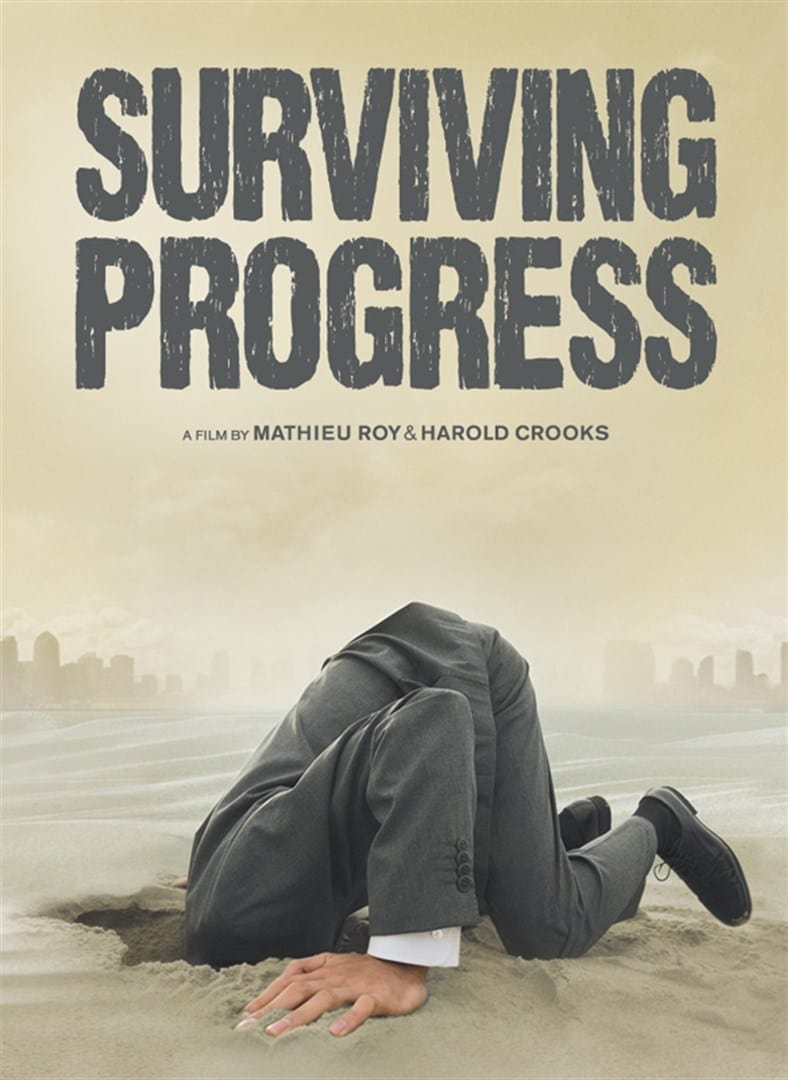
Humanity’s ascent is often measured by the speed of progress. But what if progress is actually spiraling us downwards, towards collapse? Ronald Wright, whose best-seller, “A Short History Of Progress” inspired “Surviving Progress”, shows how past civilizations were destroyed by “progress traps”—alluring technologies and belief systems that serve immediate needs, but ransom the future. As pressure on the world’s resources accelerates and financial elites bankrupt nations, can our globally-entwined civilization escape a final, catastrophic progress trap? With potent images and illuminating insights from thinkers who have probed our genes, our brains, and our social behaviour, this requiem to progress-as-usual also poses a challenge: to prove that making apes smarter isn’t an evolutionary dead-end.
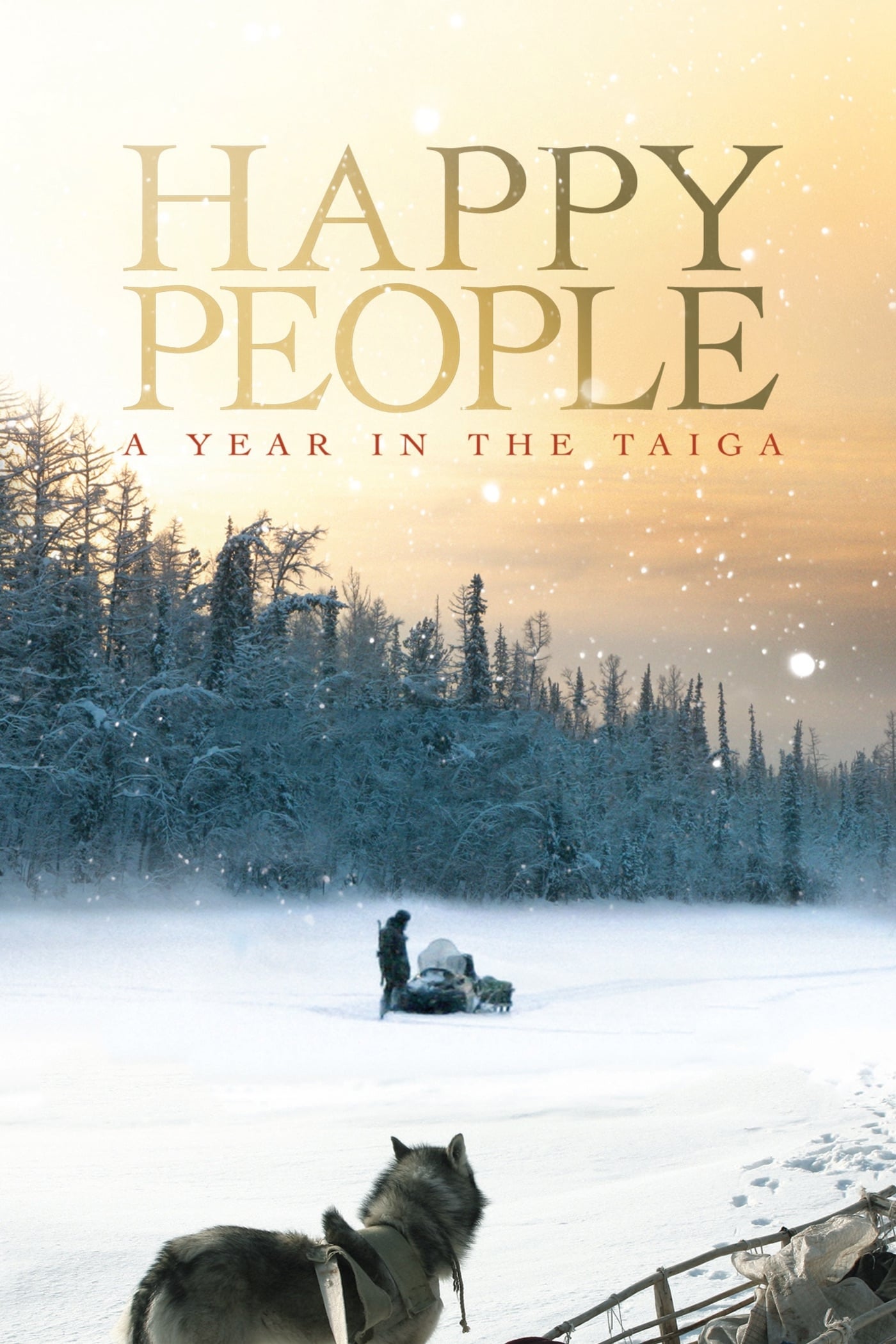
In the center of the story is the life of the indigenous people of the village Bakhtia at the river Yenisei in the Siberian Taiga. The camera follows the protagonists in the village over a period of a year. The natives, whose daily routines have barely changed over the last centuries, keep living their lives according to their own cultural traditions.
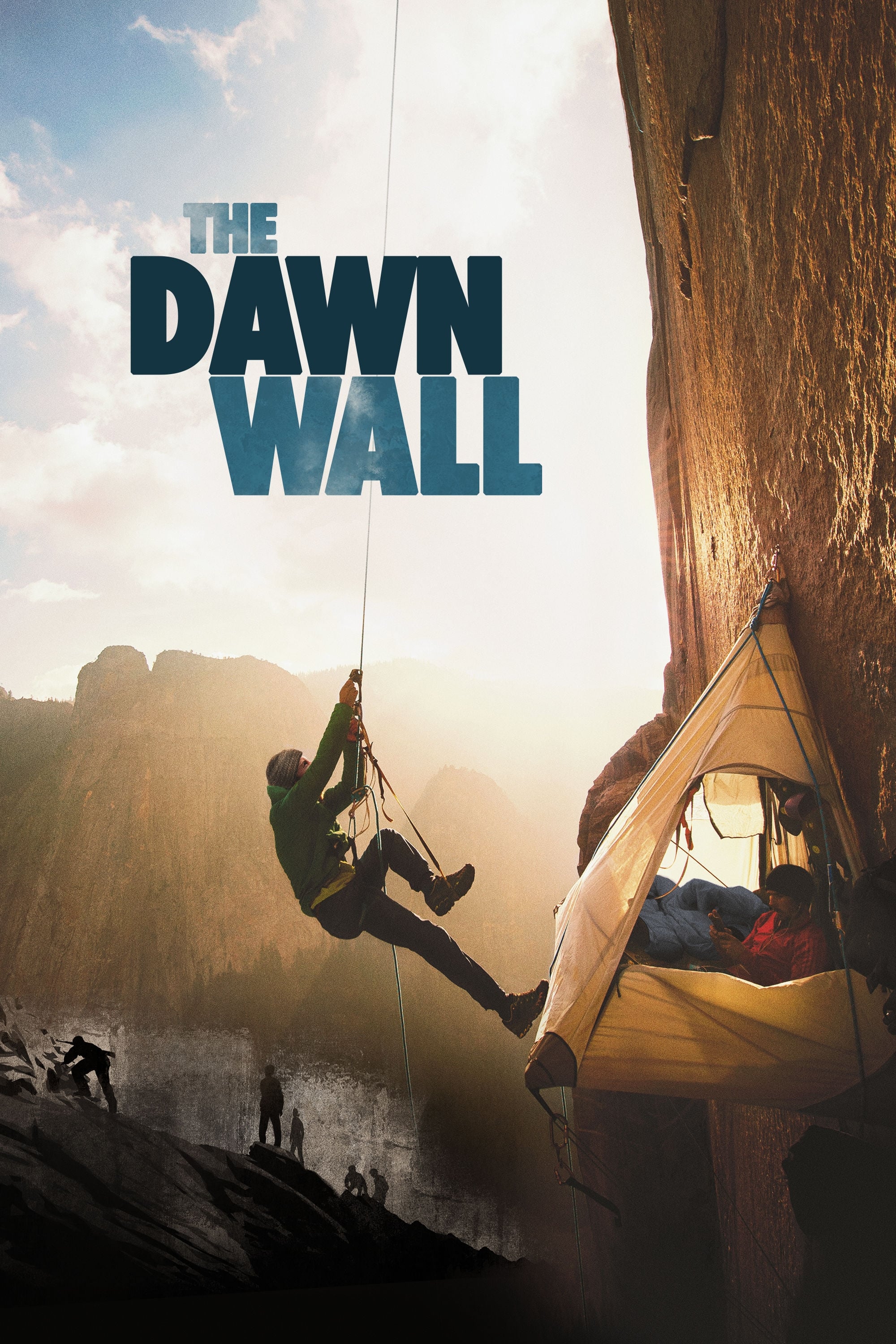
In an unbelievable story of perseverance, free climber Tommy Caldwell and climbing partner Kevin Jorgeson attempt to scale the impossible 3000ft Dawn Wall of El Capitan.
Interviews with leading authors, philosophers and scientists, with an in-depth discussion of the Law of Attraction. The audience is shown how they can learn and use 'The Secret' in their everyday lives.
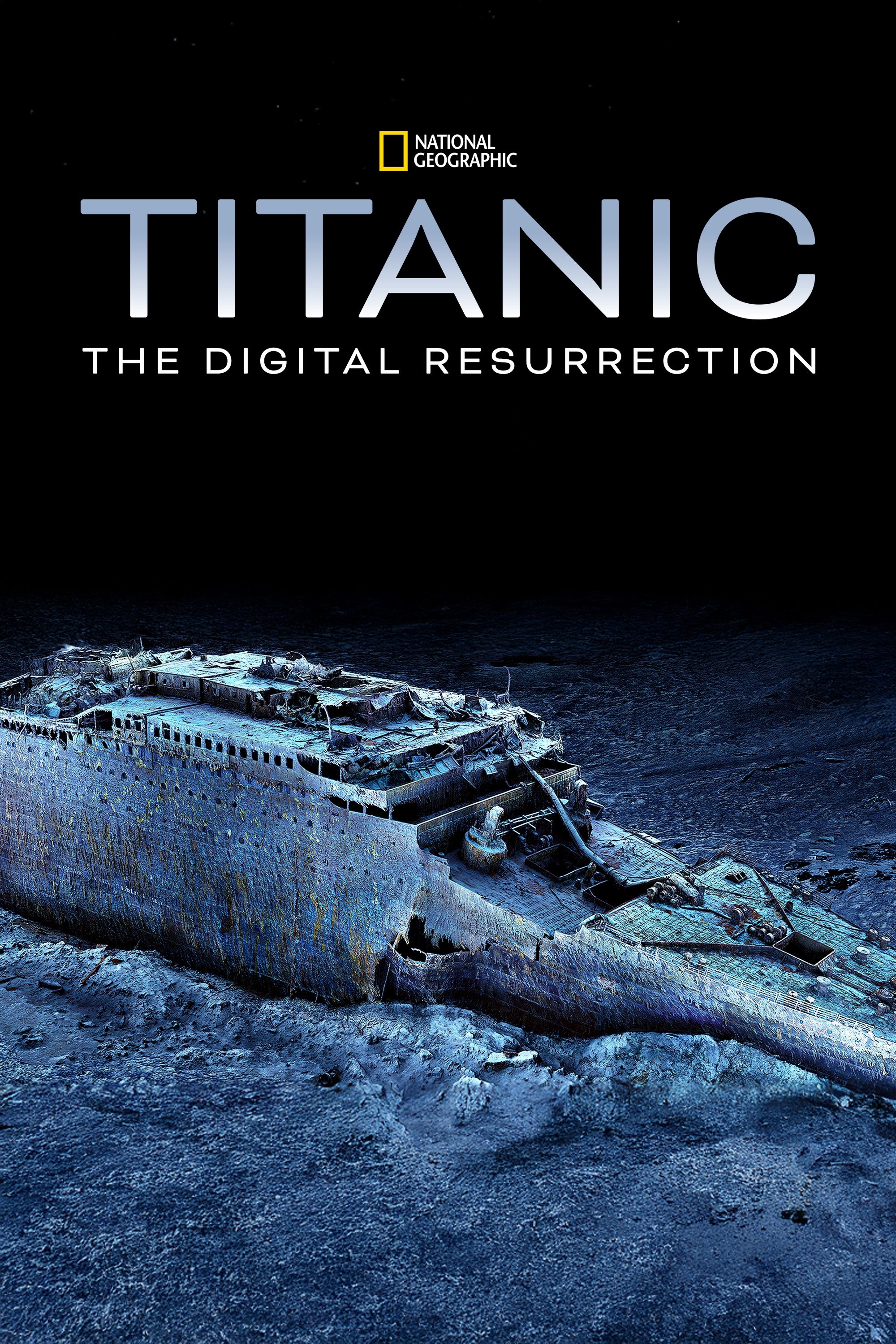
Using cutting-edge scanning technology and state-of-the-art CGI, a team of experts creates the first high-resolution 3D digital twin of the Titanic wreck. Through a groundbreaking immersive investigation, they uncover the ship’s final moments, shedding light on the acts of heroism and cowardice aboard—and revealing the true story behind the sinking of the “unsinkable” ship.
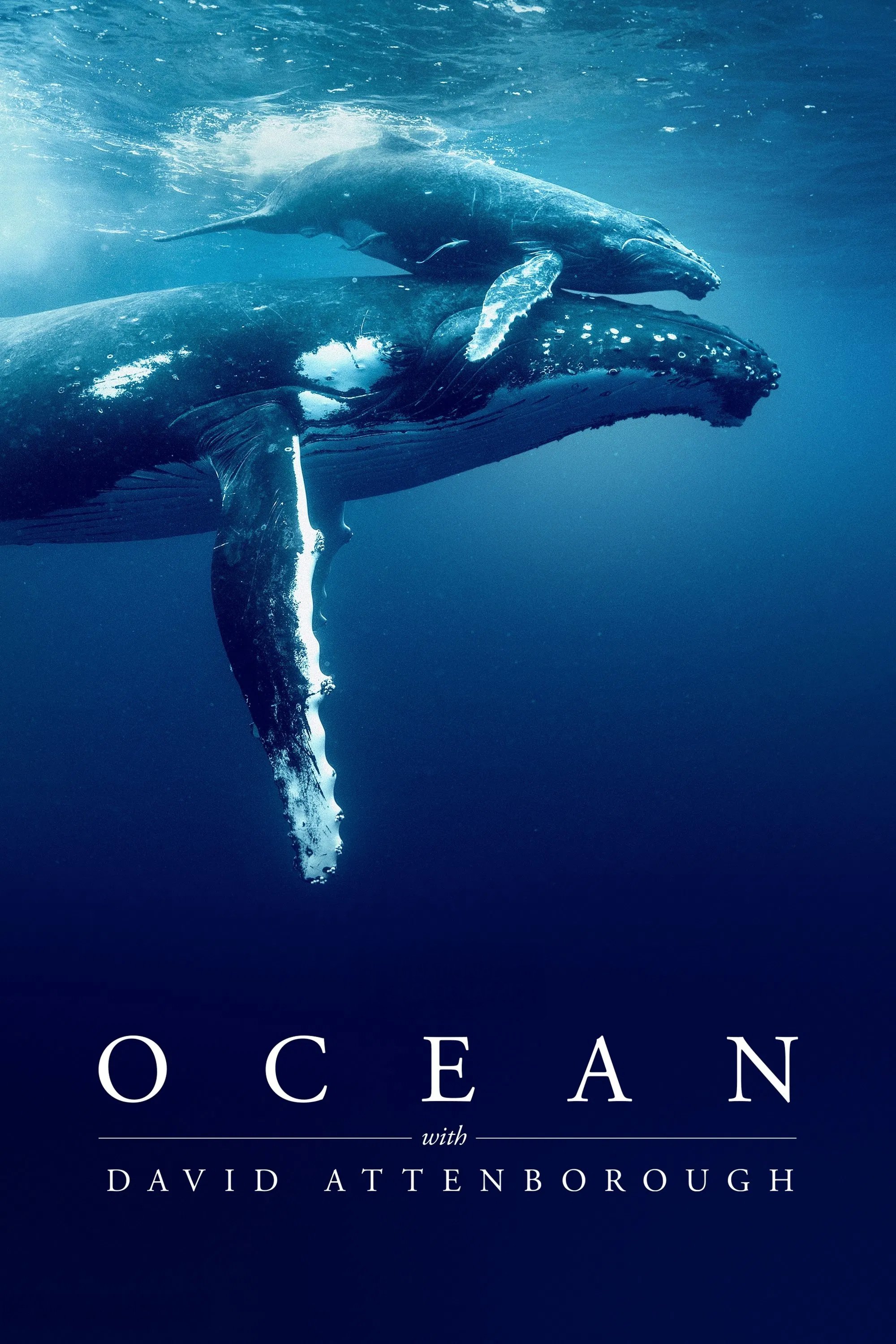
David Attenborough takes viewers on a breathtaking journey showing there is nowhere more vital for our survival, more full of life, wonder, or surprise, than the ocean. Through spectacular sequences featuring coral reefs, kelp forests and the open ocean, Attenborough shares why a healthy ocean keeps the entire planet stable and flourishing.
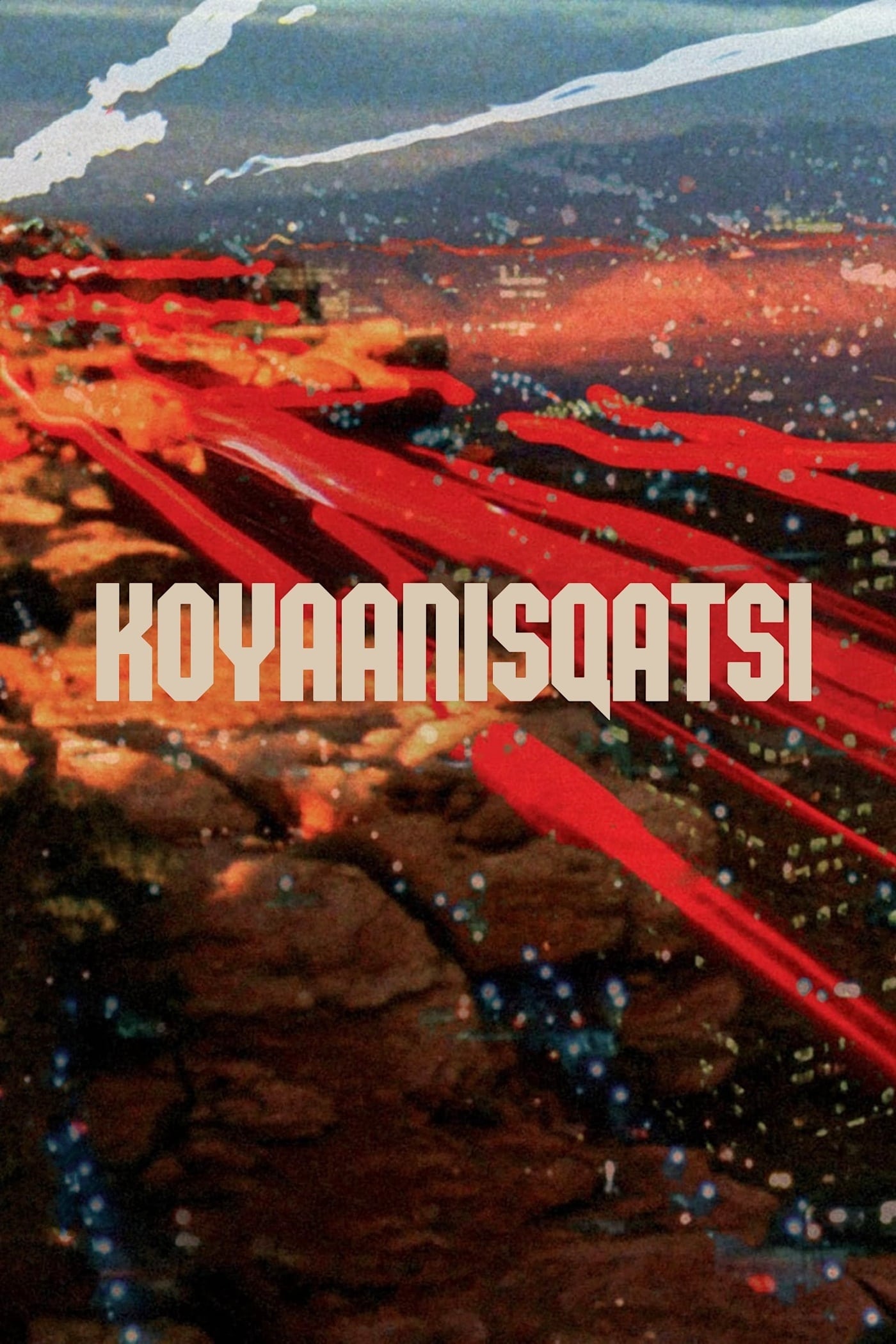
Takes us to locations all around the US and shows us the heavy toll that modern technology is having on humans and the earth. The visual tone poem contains neither dialogue nor a vocalized narration: its tone is set by the juxtaposition of images and the exceptional music by Philip Glass.
This searing investigative work shadows a group of activists risking unimaginable peril to confront the ongoing anti-LGBTQ program raging in the repressive and closed Russian republic. Unfettered access and a remarkable approach to protecting anonymity exposes this under-reported atrocity–and an extraordinary group of people confronting evil.
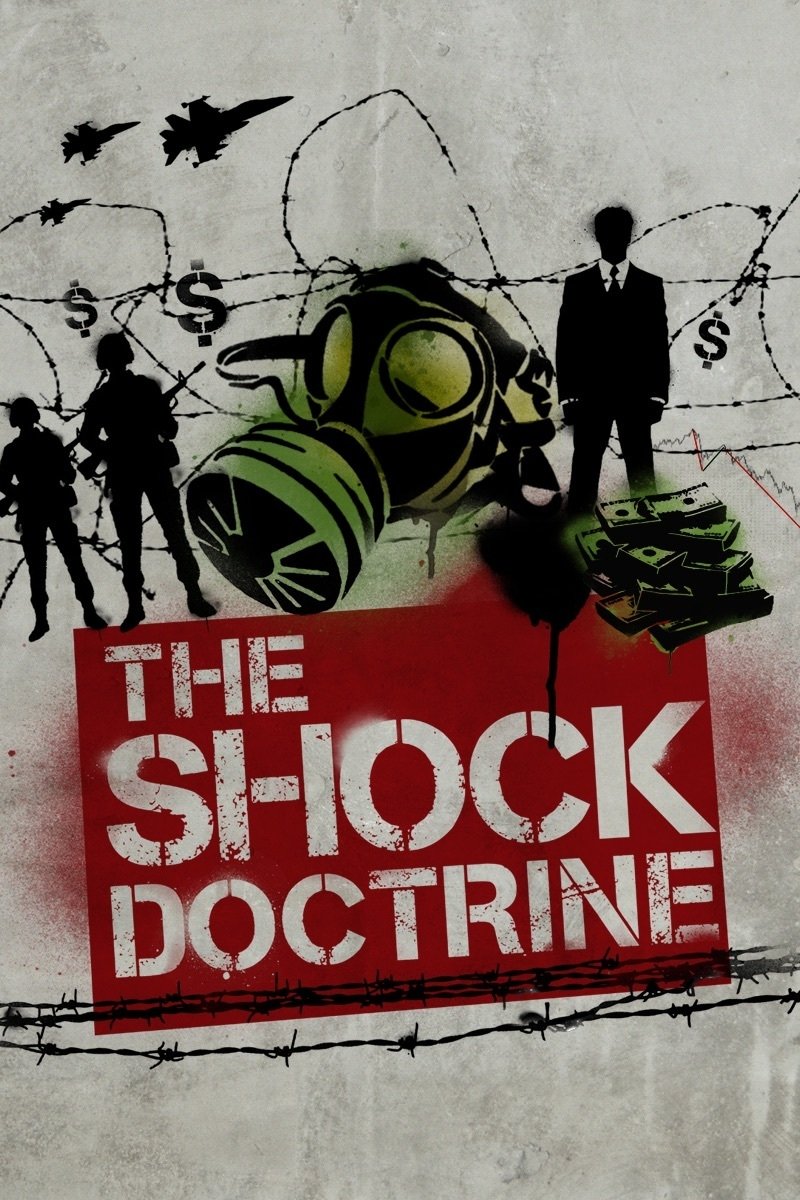
An investigation of "disaster capitalism", based on Naomi Klein's proposition that neo-liberal capitalism feeds on natural disasters, war and terror to establish its dominance.
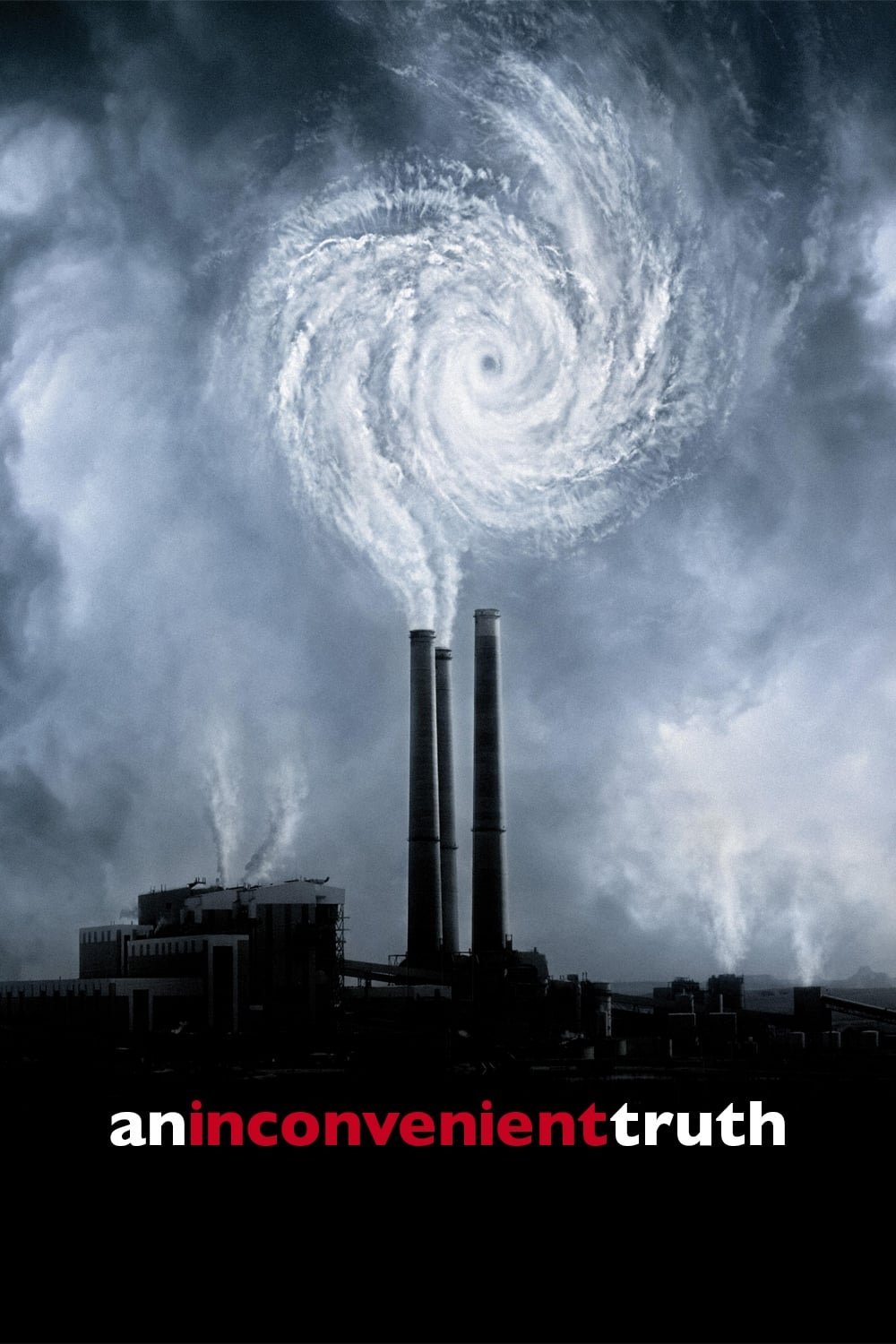
A documentary on Al Gore's campaign to make the issue of global warming a recognized problem worldwide.
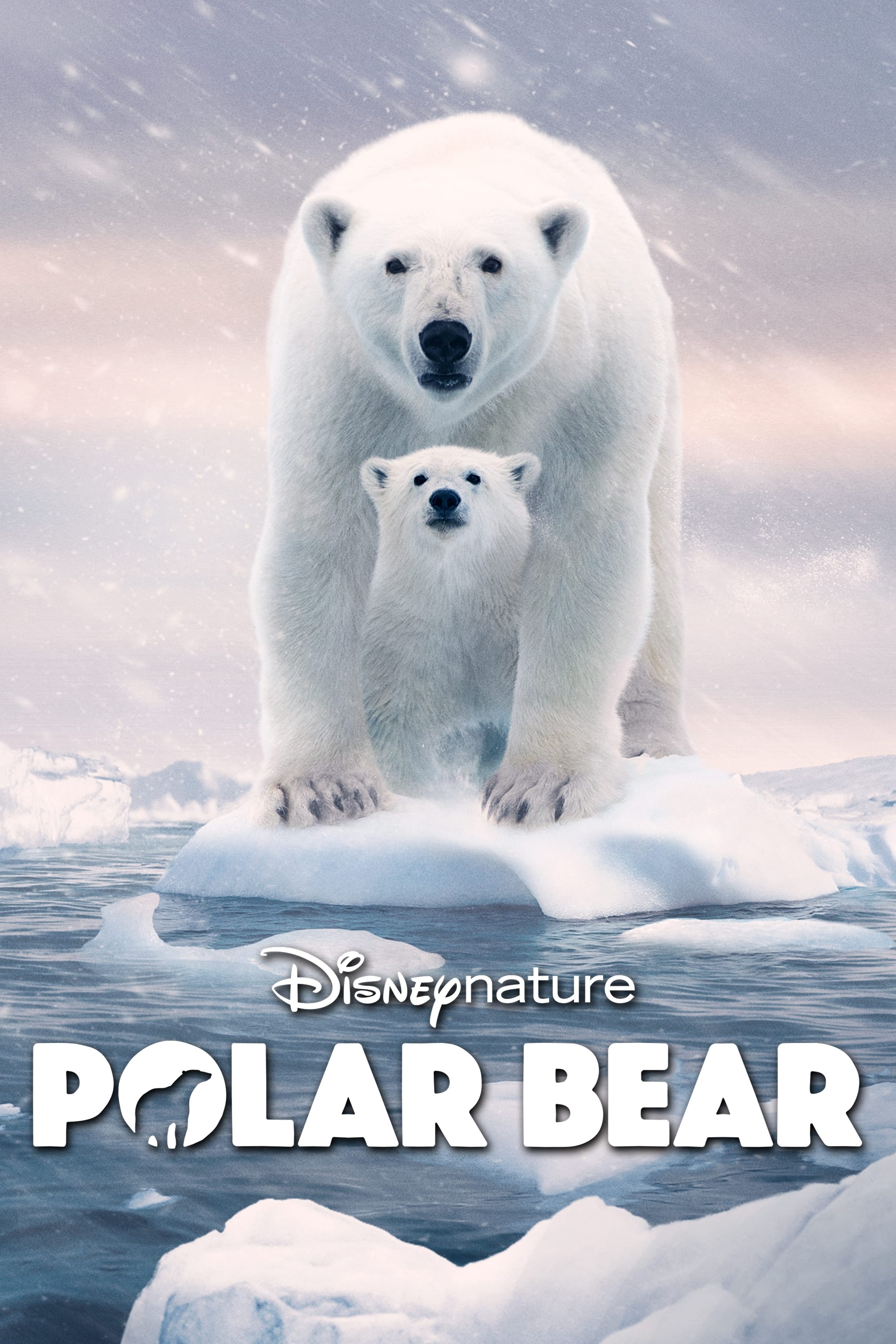
A new mother’s memories of her own youth prepare her to navigate motherhood in the increasingly challenging world that polar bears face today.
A multi-part documentary about the making of the Jurassic Park trilogy. Each part walks through the making of part of one of the films, including the hurricane during the shooting of the first film, and how advances in CGI for Jurassic Park helped change the world of special effects forever. All interviews for these retrospective documentaries come with comments from Spielberg, Johnston, Neill, Dern, Goldblum, the effects crews, the child actors, and Peter Stormare. This documentary is broken into six parts: Dawn of a New Era (25 min), Making Prehistory (20 min), The Next Step in Evolution (15 min), Finding the Lost World (28 min), Something Survived (16 min), and The Third Adventure (25 min).
The film follows adventurer Jeff Johnson as he retraces the epic 1968 journey of his heroes Yvon Chouinard and Doug Tompkins to Patagonia.
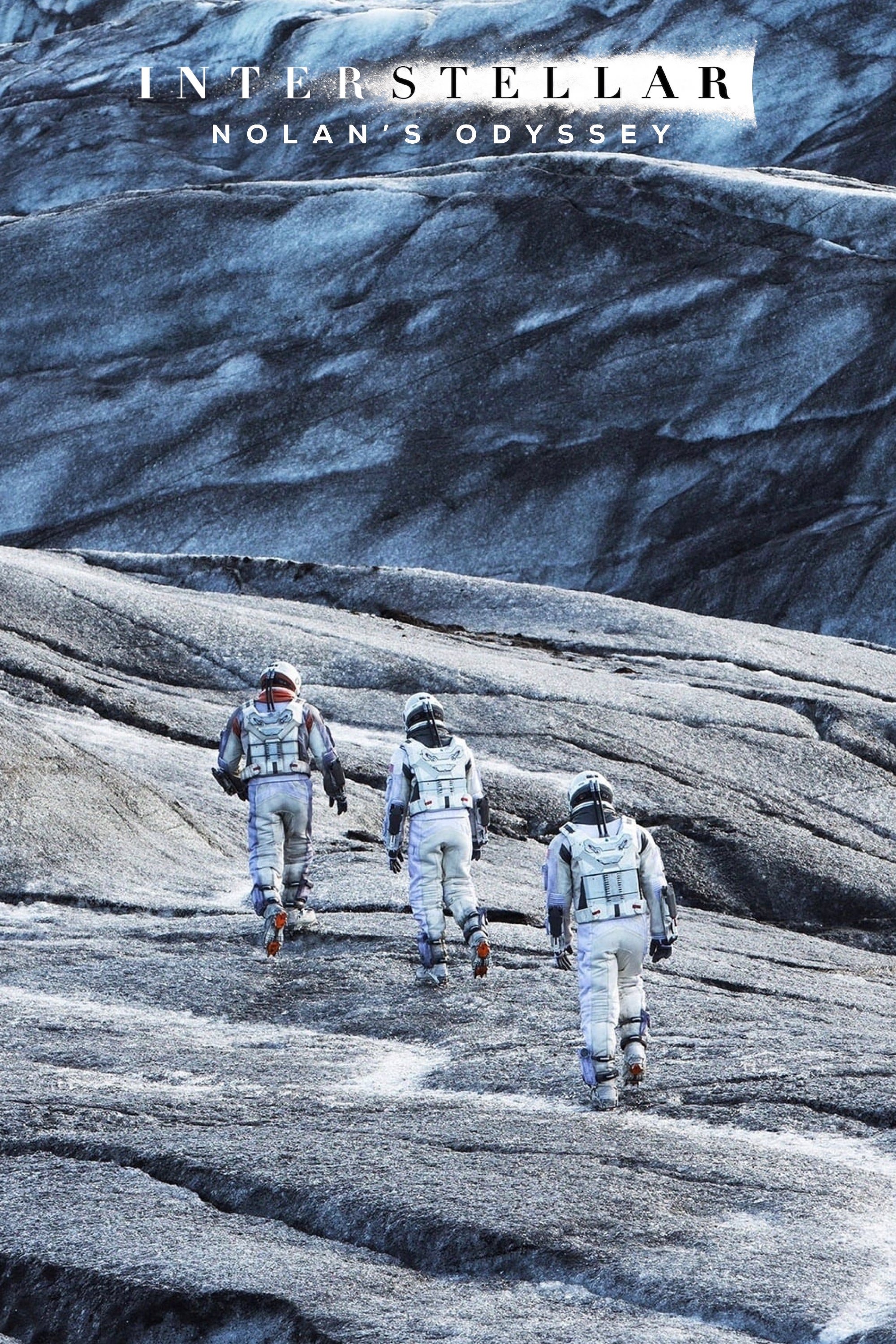
A look behind the lens of Christopher Nolan's space epic.
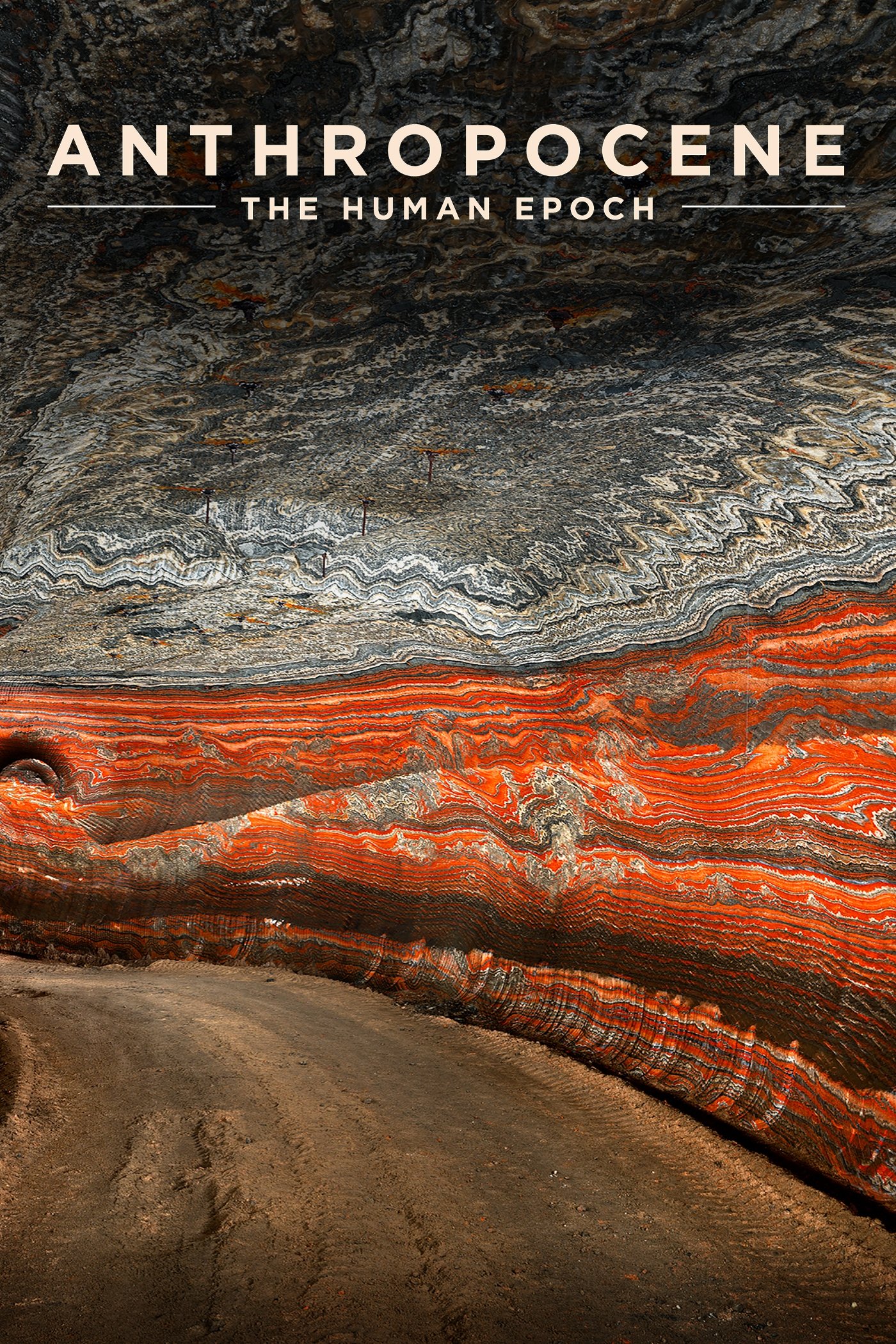
Documentary on psychedelic potash mines, expansive concrete seawalls, mammoth industrial machines, and other examples of humanity’s massive, destructive reengineering of the planet.
From his days of testifying at the Watergate hearings to advising recent presidential candidate Donald Trump, Roger Stone has long offended people on both sides of the political fence as a force in conservative America. Outspoken author, pundit, ahead of his time election strategist, this is his story.
Does infinity exist? Can we experience the Infinite? In an animated film (created by artists from 10 countries) the world's most cutting-edge scientists and mathematicians go in search of the infinite and its mind-bending implications for the universe. Eminent mathematicians, particle physicists and cosmologists dive into infinity and its mind-bending implications for the universe.
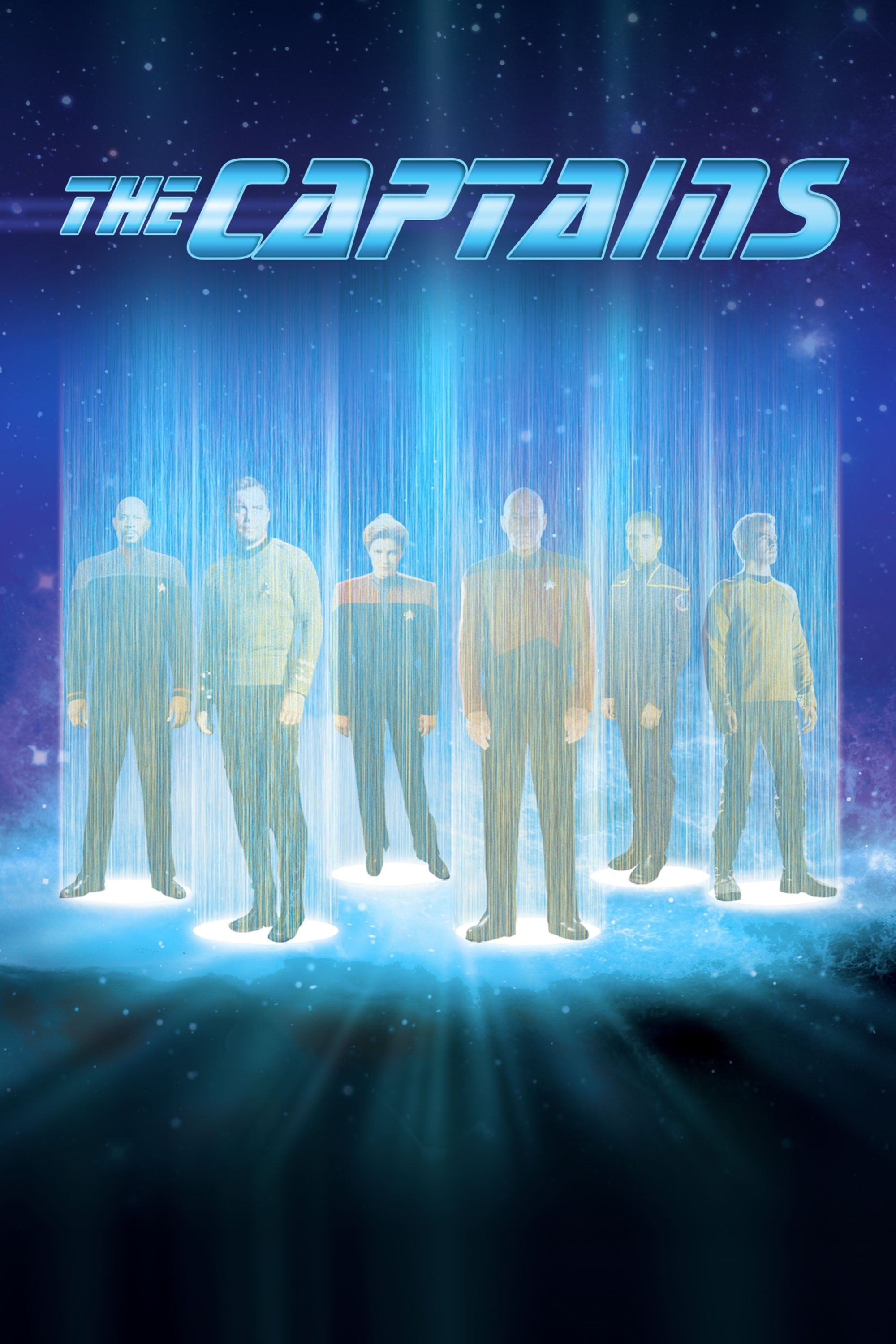
The Captains is a feature-length documentary film written and directed by William Shatner. The film follows Shatner as he interviews the other actors who have portrayed starship captains in the Star Trek franchise.
This raucous journey into the heart of democracy captures an unusual rite of passage: 1,100 teenage boys from across Texas coming together to build a representative government from the ground up.
A celebration of the universe, displaying the whole of time, from its start to its final collapse. This film examines all that occurred to prepare the world that stands before us now: science and spirit, birth and death, the grand cosmos and the minute life systems of our planet.