Social & External
The people behind it
History of women in Latin America
Juno Award-winning musician Kinnie Starr is on a quest to find out why only 5% of music producers are women even though many of the most bankable pop stars are female. What does it take for a woman to make it in music?
Panamanian women tell their struggle to overcome inequality and discrimination in the political and public sphere and for the right to universal suffrage which they obtained in 1946.
An unprecedented access to a number of Saudi women in the capital city of Riyadh as they embrace the freedom that comes from being behind the wheel.The Saudi Women’s Driving School is said to be the world's largest driving school, which caters exclusively to women since the ban on female drivers was lifted in 2017.
It is El Salvador, 1989, three years before the end of a brutal civil war that took 75,000 lives. Maria Serrano, wife, mother, and guerrilla leader is on the front lines of the battle for her people and her country. With unprecedented access to FMLN guerrilla camps, the filmmakers dramatically chronicle Maria's daily life in the war.
From a high school art class to a local radio station, the day-to-day lives of several women coalesce into a poetic documentation of women’s presence and physicality across everyday spaces.
Return to El Salvador explores the reconstruction of El Salvador, post-civil war. The film revisits the struggles of the nation and examines what drives over 700 Salvadorans to flee their homeland each day, often risking their lives to illegally enter countries in search of a better life for their families. The film also profiles a number of Salvadorans effected by the civil war. One couple, who fled death threats in the 1980s, finds asylum and a political platform in the United States. The film also follows a different couple who, after escaping the war, returned to El Salvador to work with churches and poor communities.
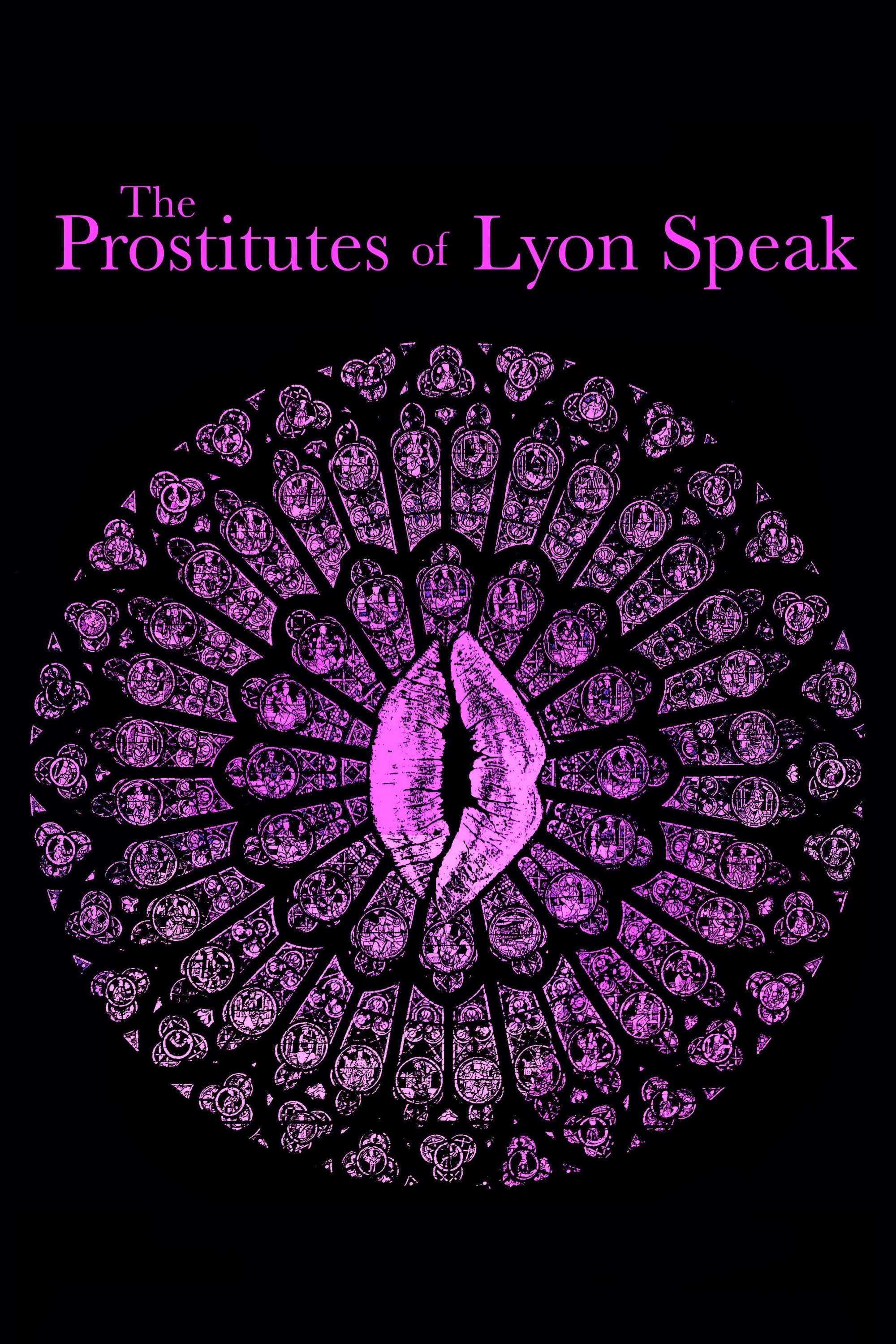
Documentary about the Lyon sex workers who occupied the church of St. Nizier on June 3, 1975.
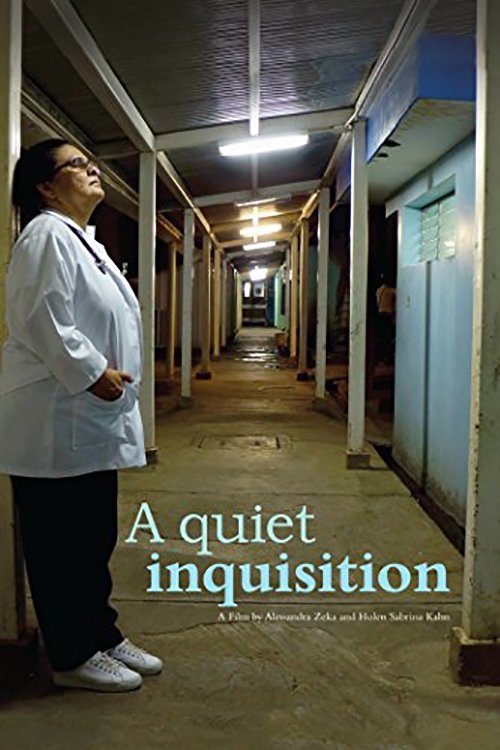
At a public hospital in Nicaragua, Ob/Gyn Dr. Carla Cerrato must choose between following a law that bans all abortions and endangers her patients or taking a risk and providing the care that she knows can save a woman's life. In 2007, Dr. Cerrato’s daily routine took a detour. The newly elected government of Daniel Ortega, a former Marxist revolutionary who converted to Catholicism to win votes, overturned a 130-year-old law protecting therapeutic abortion. The new law entirely prohibits abortion, even in cases of rape, incest, or when a woman’s life is at stake. As Carla and her colleagues navigate this dangerous dilemma, the impact of this law emerges—illuminating the tangible reality of prohibition against the backdrop of a political, religious, and historically complex national identity. The emotional core of the story—the experiences and situations of the young women and girls who are seeking care—illustrate the ethical implications of one doctor's response.
Widerstandsmomente (Moments of Resistance) carries voices, writings, and objects from the anti-Nazi resistance into the present. Politically engaged women of today respond to historical resistance and make links to current events. A line is drawn from what was before and what is today to what might be: a society based on solidarity without discrimination or exclusion.
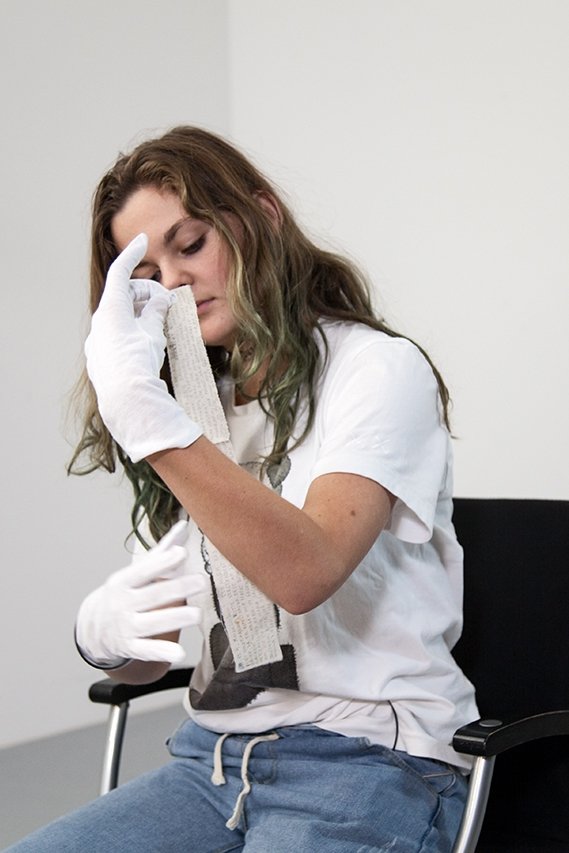
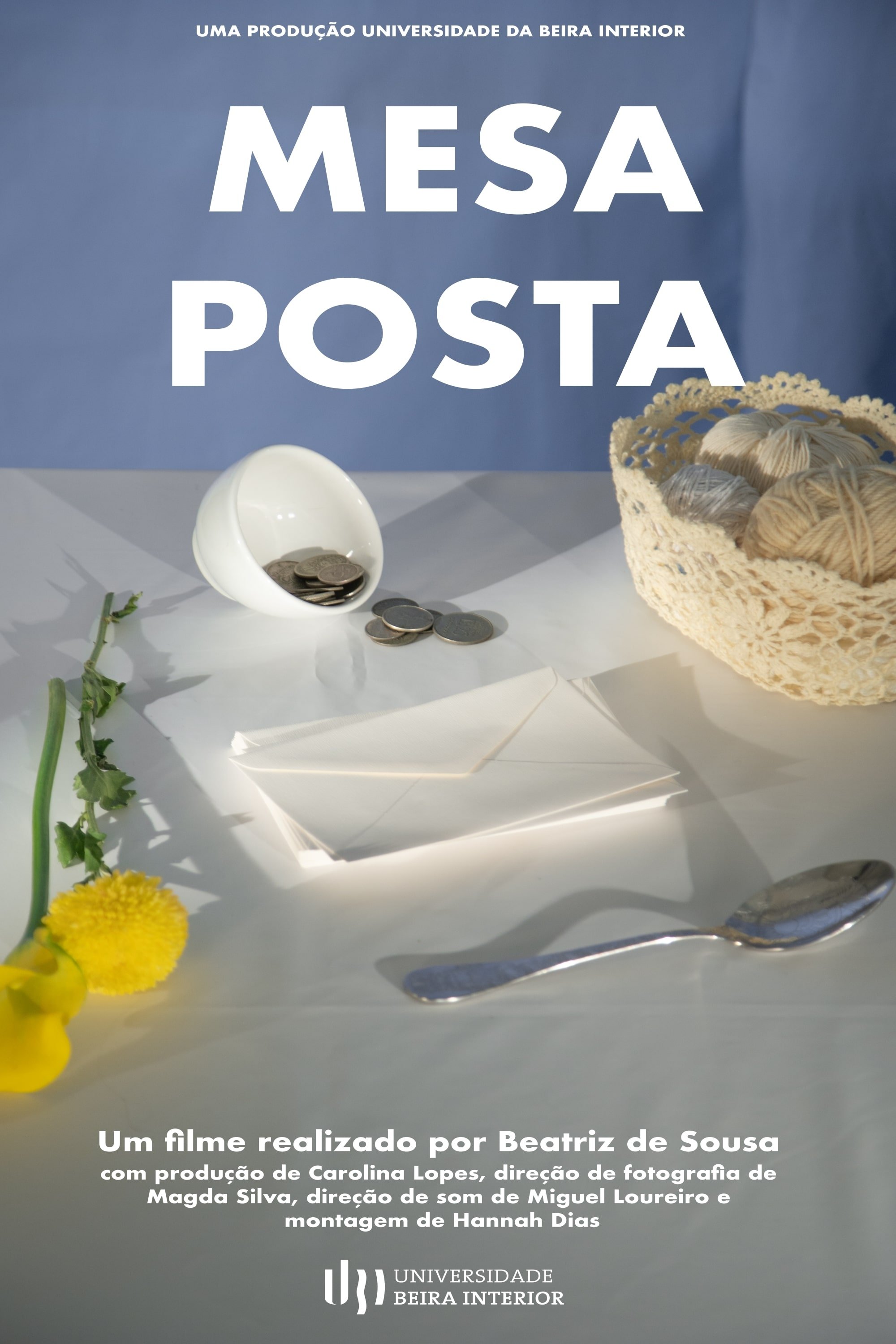
Mesa Posta is a film that lives off the violence of a life, which is shown in the simplicity of the gestures of the person who plays it. The habits, beliefs and moments of this story are told in the act of setting the table, then the brutality of life is confronted by the beauty and the grace of the objects that make it: the table is set as life is told.
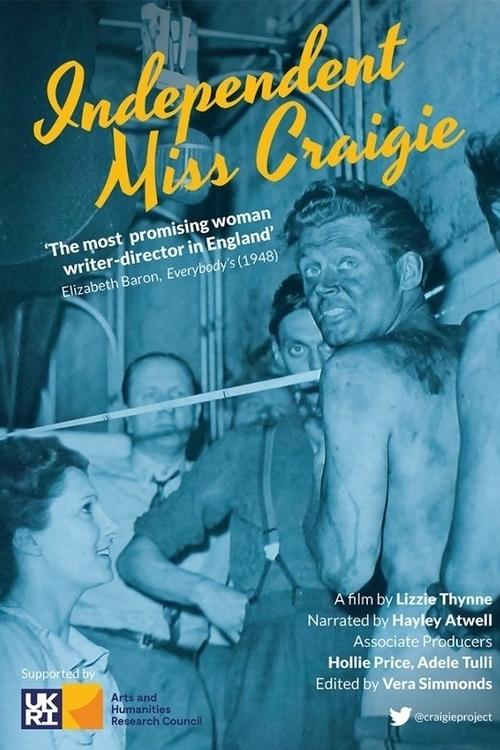
Some time after her death, film director Jill Craigie (1911- 99), re-opens an old suitcase, prompting memories of the extraordinary life and loves of this forceful, charismatic woman, whose work has been long neglected. Craigie was one of the first women to direct documentaries. Working outside the British Documentary Movement in the 1940s and early 1950s, her films such as To Be Woman (1951), on equal pay, and Out of Chaos (1944), the first film about artists at work, featuring Henry Moore and Paul Nash, tackled new subjects for the cinema through a unique blend of drama, polemic and humour. Independent Miss Craigie uses the director’s unseen papers, and her films, to reveal her energetic struggles to get her radical projects made and distributed, including her last one, on the Yugoslav conflict, made when she was 83, with her husband, former Labour leader, Michael Foot.
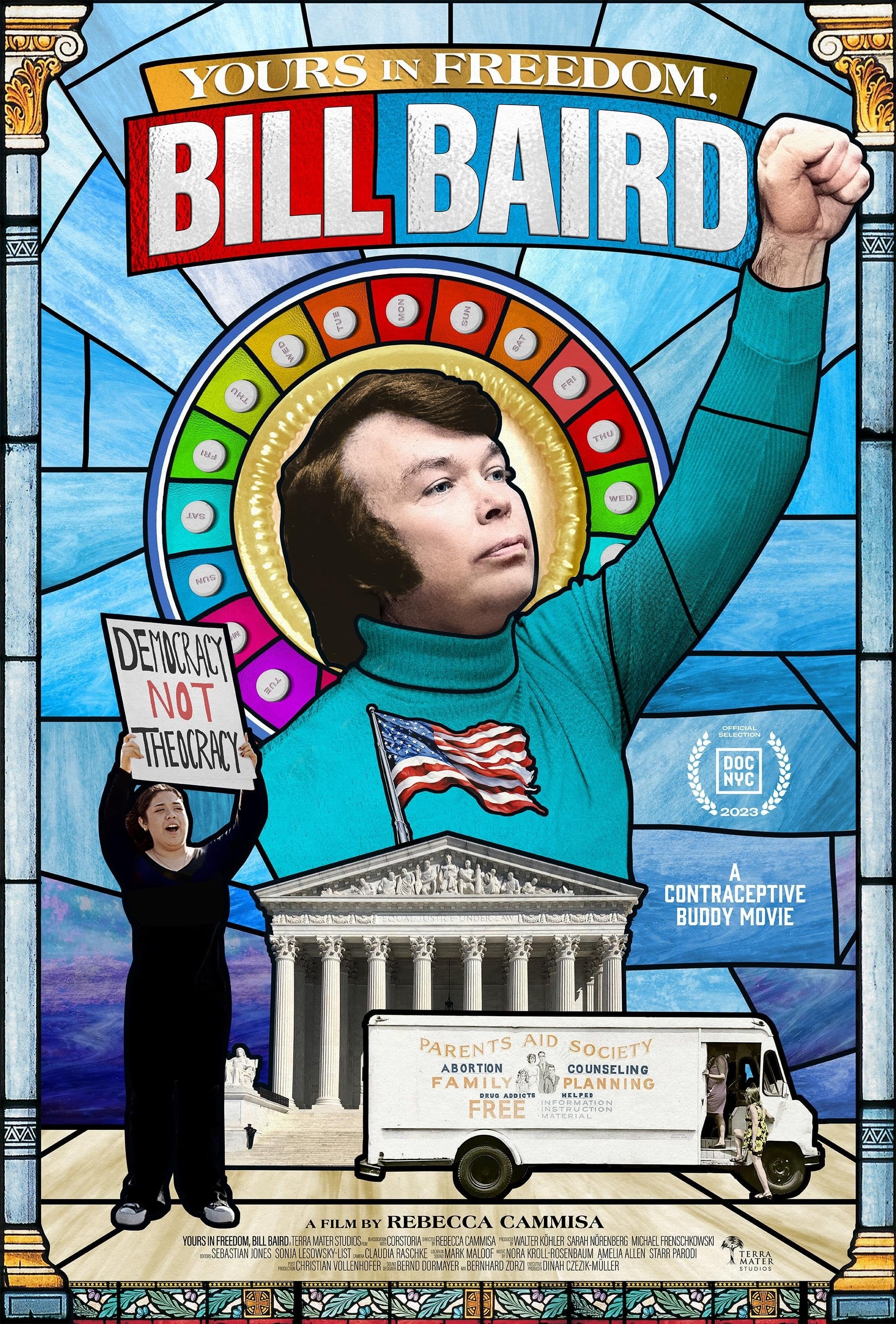
In an America where more and more women and trans people are losing legal bodily autonomy, the history of Bill Baird’s long fight for women’s right to abortion is as relevant as ever. Oscar-nominated filmmaker Rebecca Cammisa doesn’t just give us a portrait of Baird, but also creates a historical register of allyship and activism that those fighting to uphold freedom and choice can access, and perhaps emulate.
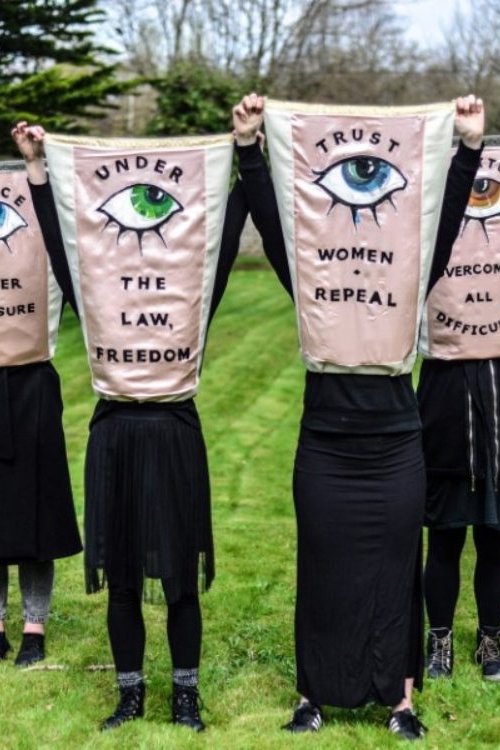
A procession from Artists' Campaign to repeal the 8th Amendment of the Republic of Ireland.
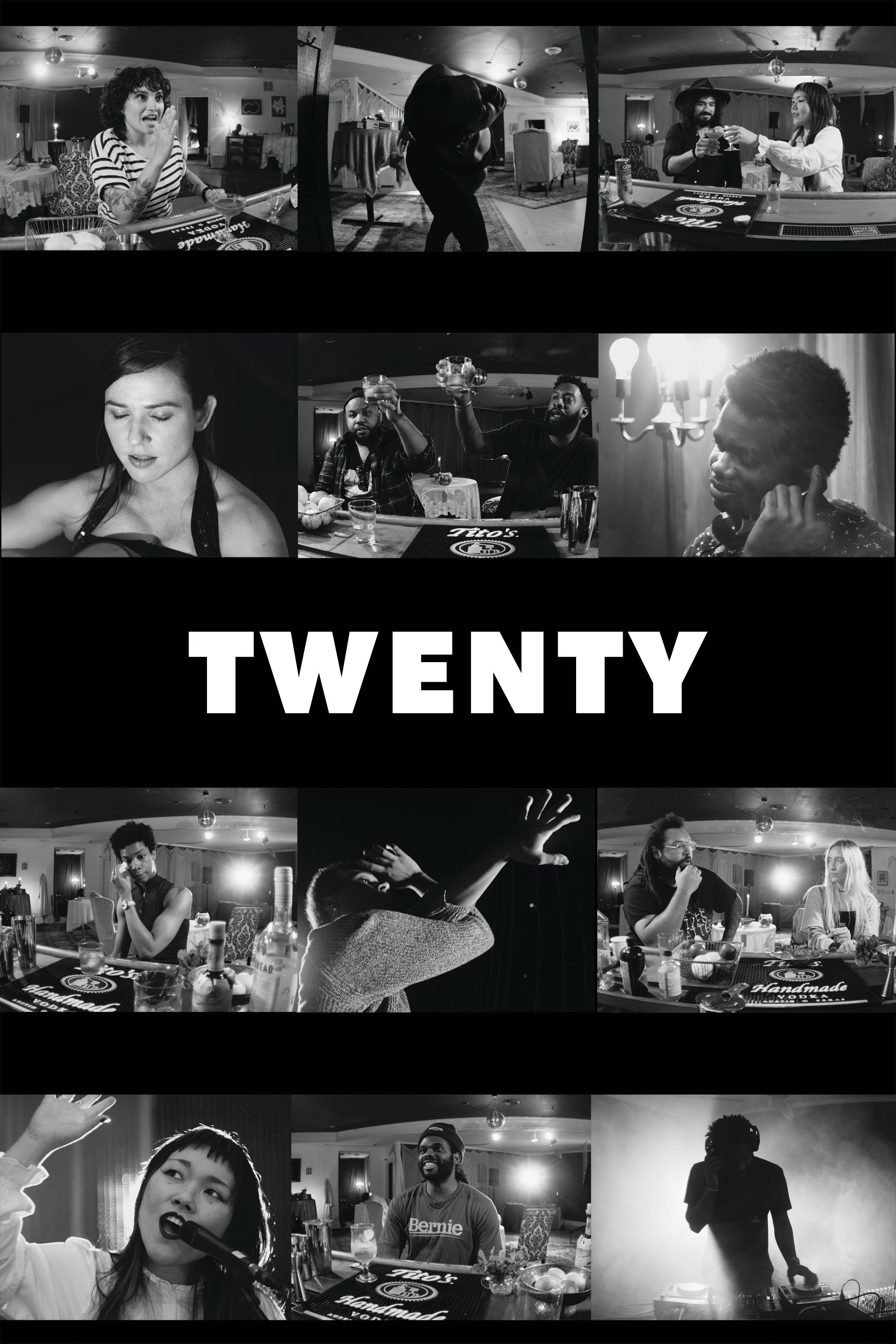
Set in a speakeasy in Atlanta, “Twenty” is a feature documentary about fifteen young people making it through 2020. The film is an observational time capsule that lays bare the raw reflections of a group of people surviving a year that will be seared into our generational memory.
“Touch one, touch us all” is a slogan of the women who took over the streets in Brazil and organized themselves in social networks to face male chauvinist and conservatism. Through testimonies of women who have been subjected to violence, the documentary reveals that, despite legal achievements, the woman still remains vulnerable. Amongst other deponents are Maria da Penha, Joanna Maranhão, Luíza Brunet, and Clara Averbuck.
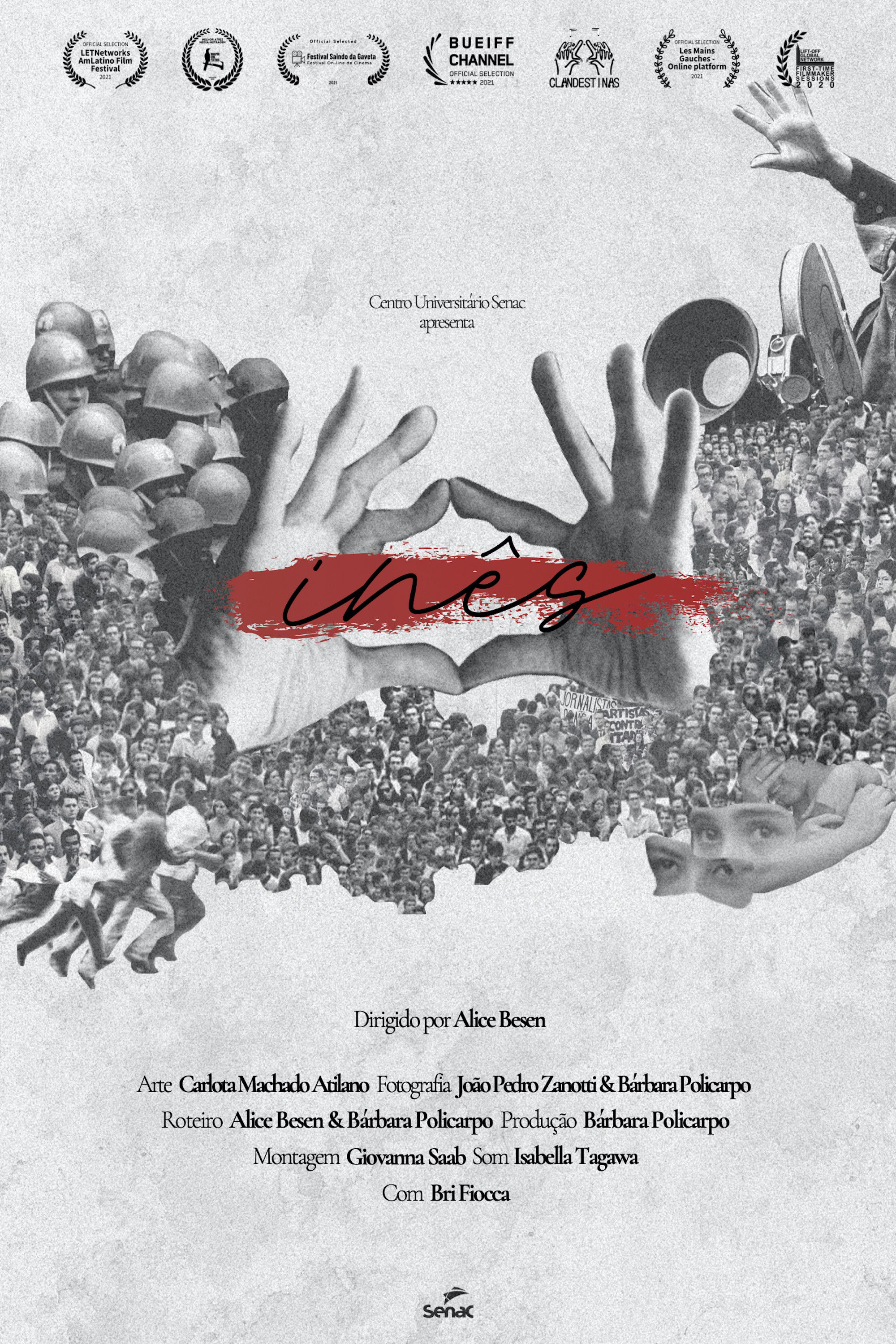
Triggered by congressman Jair Bolsonaro’s homage to the torturer Carlos Alberto Brilhante Ustra, during president Dilma Rousseff’s impeachment hearing in 2016, Inês, a 70 year-old actress, starts a fragmented narrative of her own history, transforming the memories of her youth as an artist and guerrilla fighter during the military dictatorship into performances. Using as a starting point her participation in Teatro Oficina's 1967 production of the play "King of The Candle", by Oswald de Andrade, Inês creates a manifesto in defense of art's political strength, intertwined with memories of lost love and resistance.
In 1977, a book of photographs captured an awakening - women shedding the cultural restrictions of their childhoods and embracing their full humanity. This documentary revisits those photos, those women and those times and takes aim at our culture today that alarmingly shows the need for continued change.
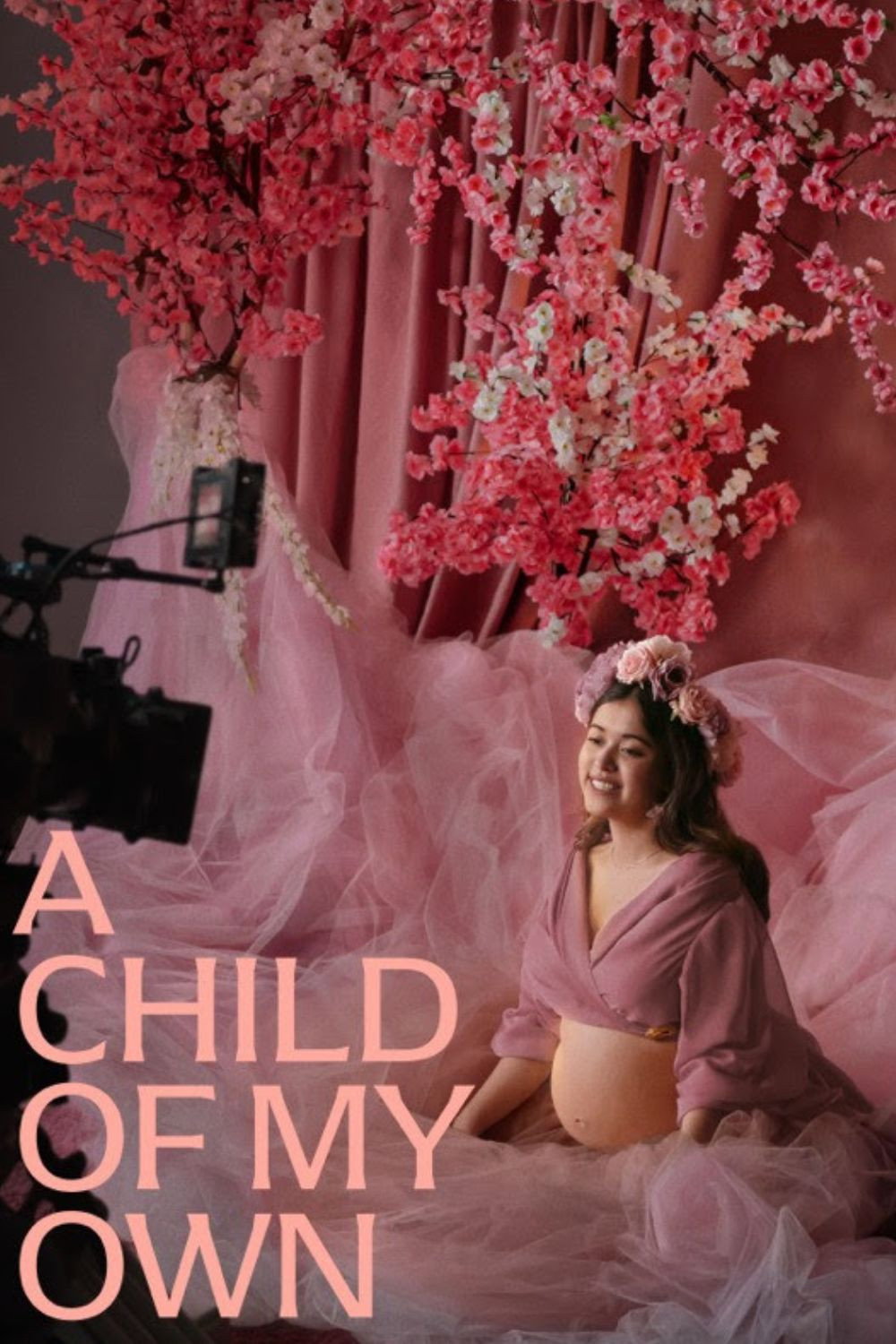
Desperate for a baby and burdened by family and societal expectations, a woman fakes a pregnancy and gets tangled in a crime.
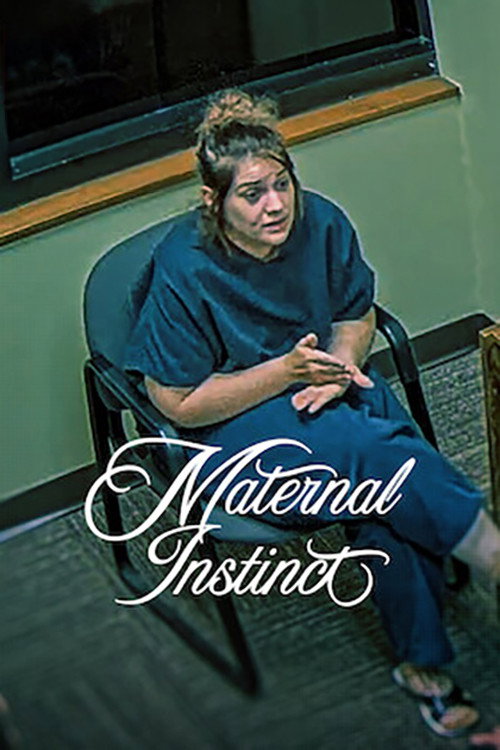
Police pull over a woman who claims she just gave birth. But the baby — and the blood — aren't hers. Twisted lies unravel in this true-crime documentary.
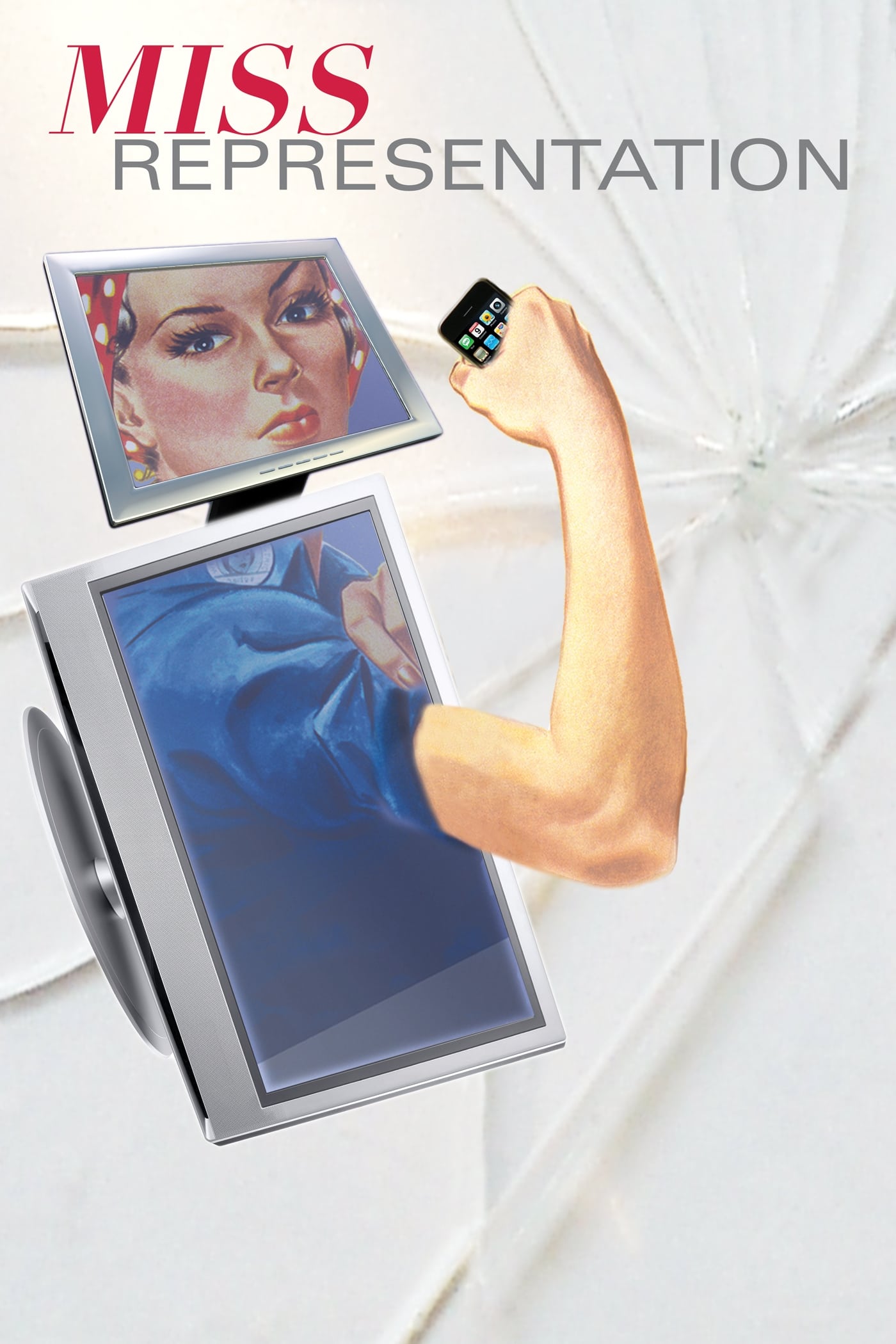
The film MISS REPRESENTATION exposes how American youth are being sold the concept that women and girls’ value lies in their youth, beauty and sexuality. Explores the under-representation of women in positions of power and influence in America, and challenges the media's limited portrayal of what it means to be a powerful woman. It’s time to break that cycle of mistruths.
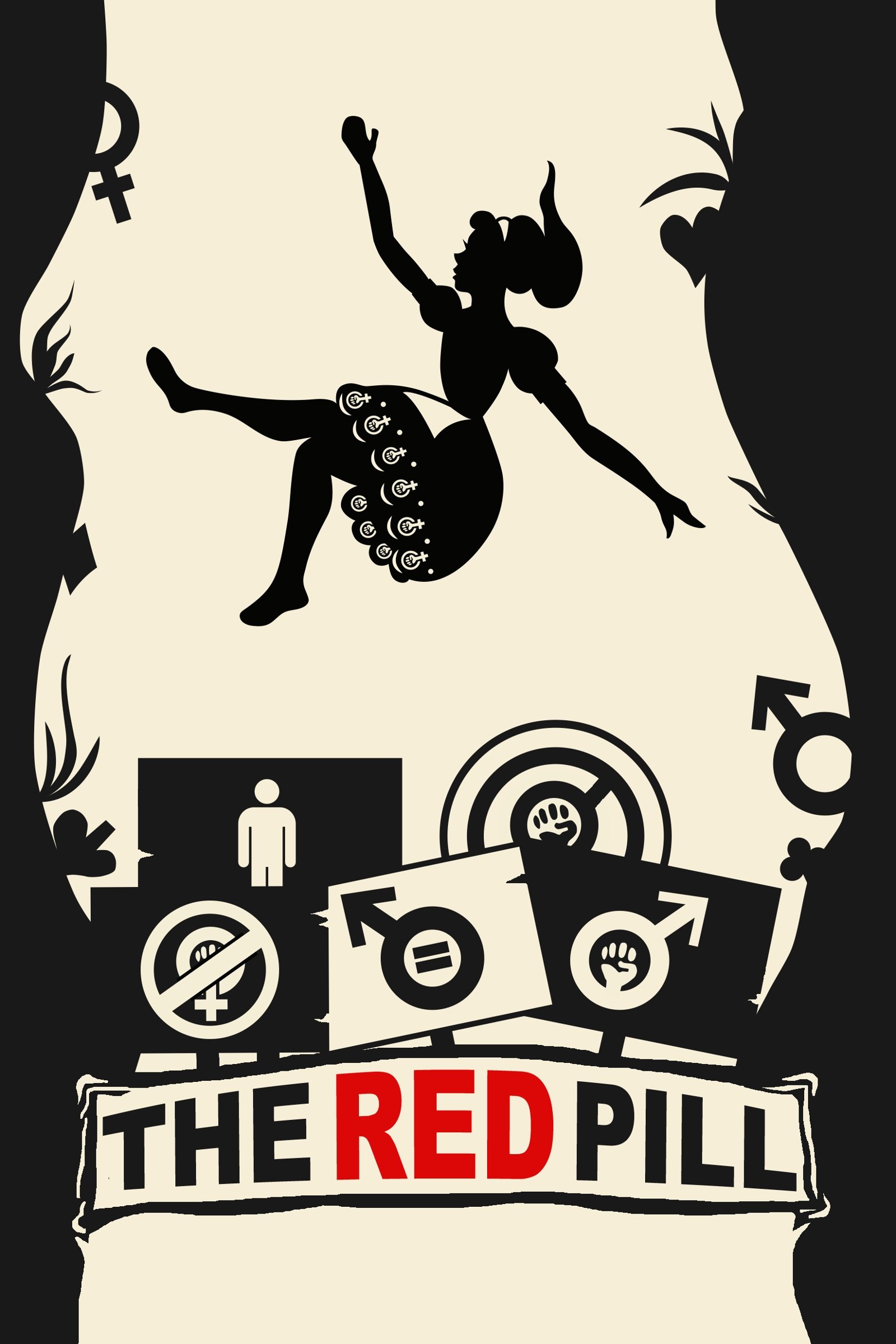
When a feminist filmmaker sets out to document the mysterious and polarizing world of the Men’s Rights Movement, she begins to question her own beliefs. Chronicling Cassie Jaye’s journey exploring an alternate perspective on gender equality, power and privilege.
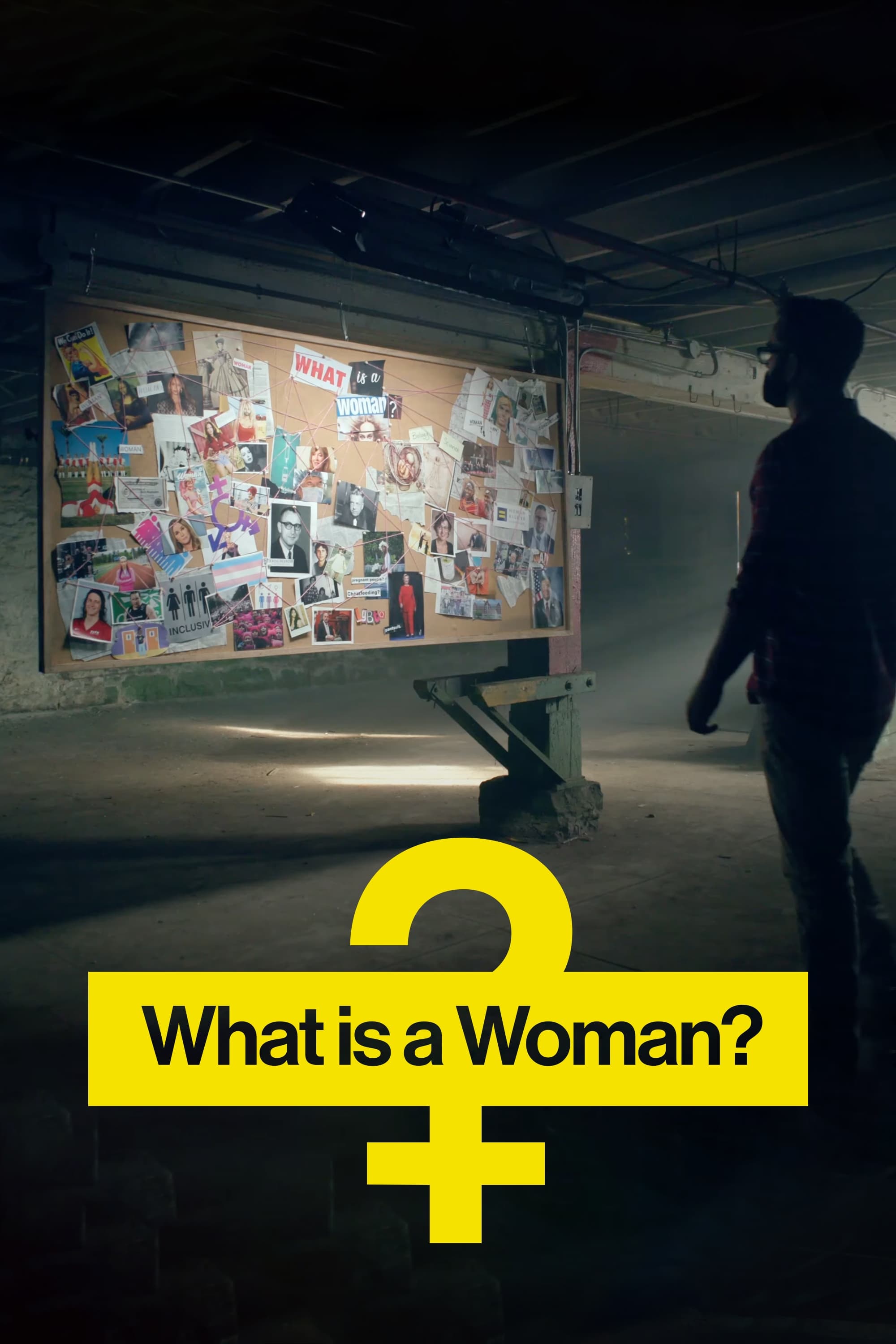
Matt Walsh's controversial doc challenges radical gender ideology through provocative interviews and humor.
In the Realms of the Unreal is a documentary about the reclusive Chicago-based artist Henry Darger. Henry Darger was so reclusive that when he died his neighbors were surprised to find a 15,145-page manuscript along with hundreds of paintings depicting The Story of the Vivian Girls, in What is Known as the Realms of the Unreal, of the Glodeco-Angelinnian War Storm, Cased by the Child Slave Rebellion.
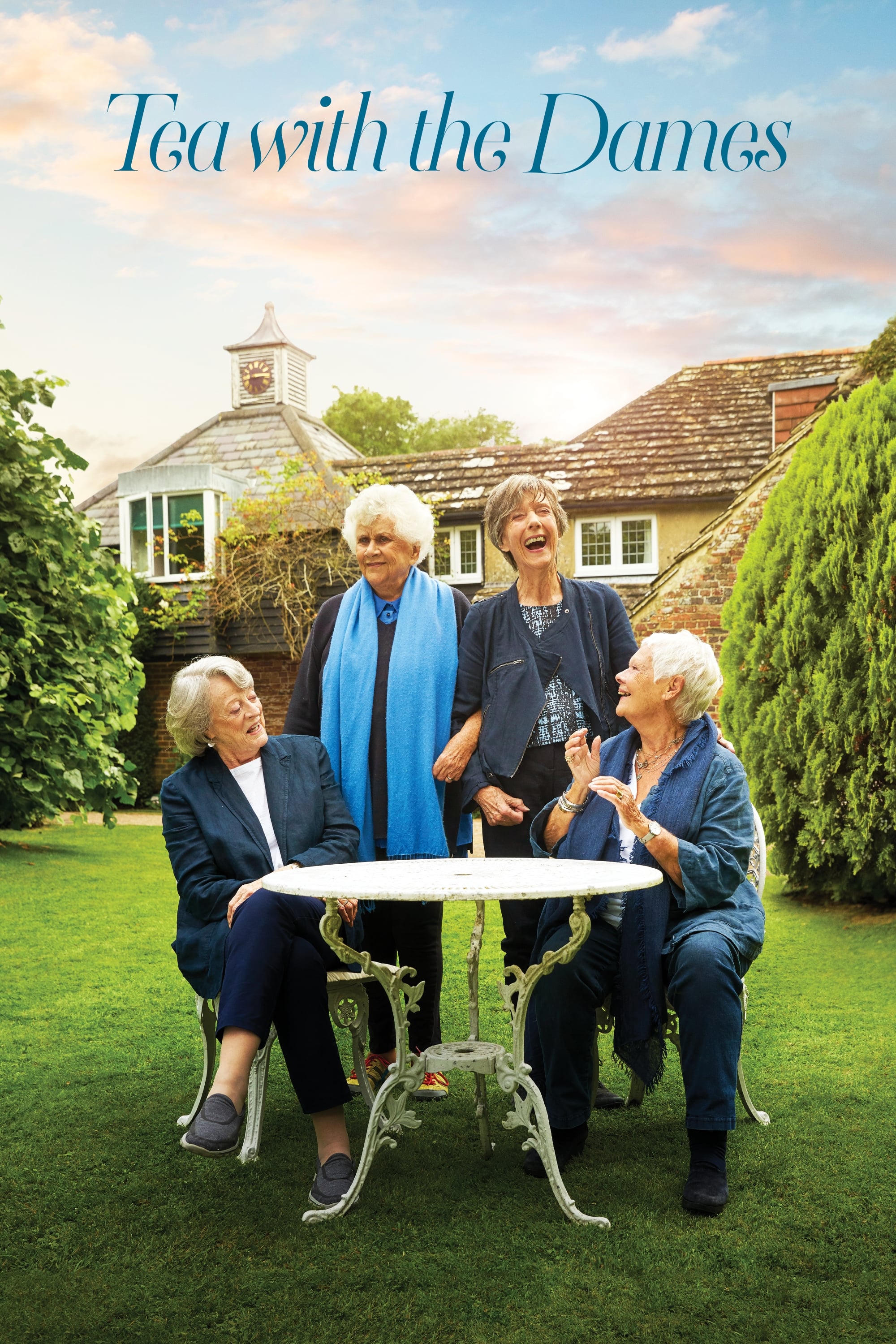
BBC Arena's documentary on the Dames of British Theatre and film featuring Maggie Smith, Eileen Atkins, Judi Dench and Joan Plowright on screen together for the first time as they reminisce over a long summer weekend in a house Joan once shared with Sir Laurence Olivier.
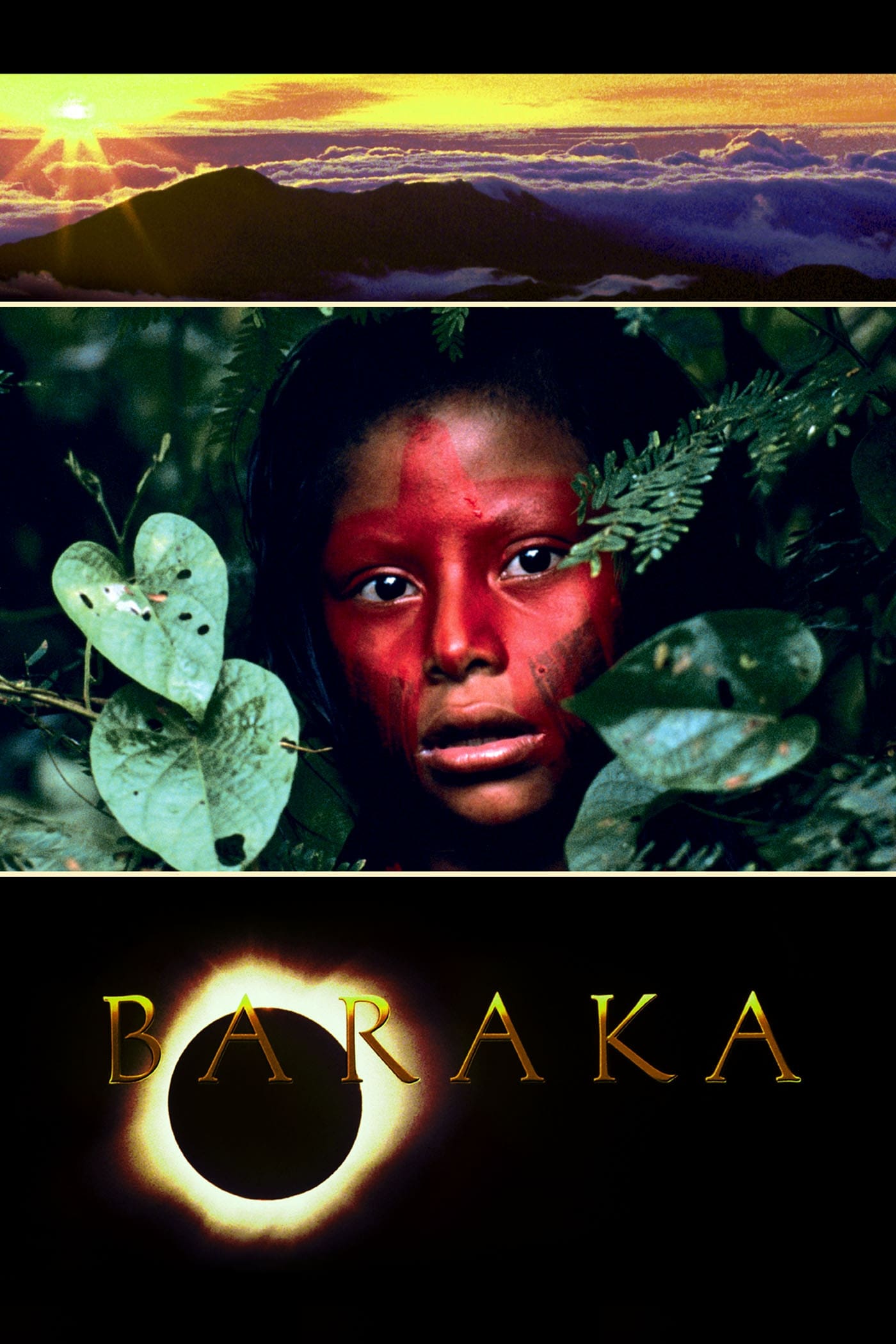
A visual montage portrait of our contemporary world dominated by globalized technology and violence.
A paralysingly beautiful documentary with a global vision—an odyssey through landscape and time—that attempts to capture the essence of life.
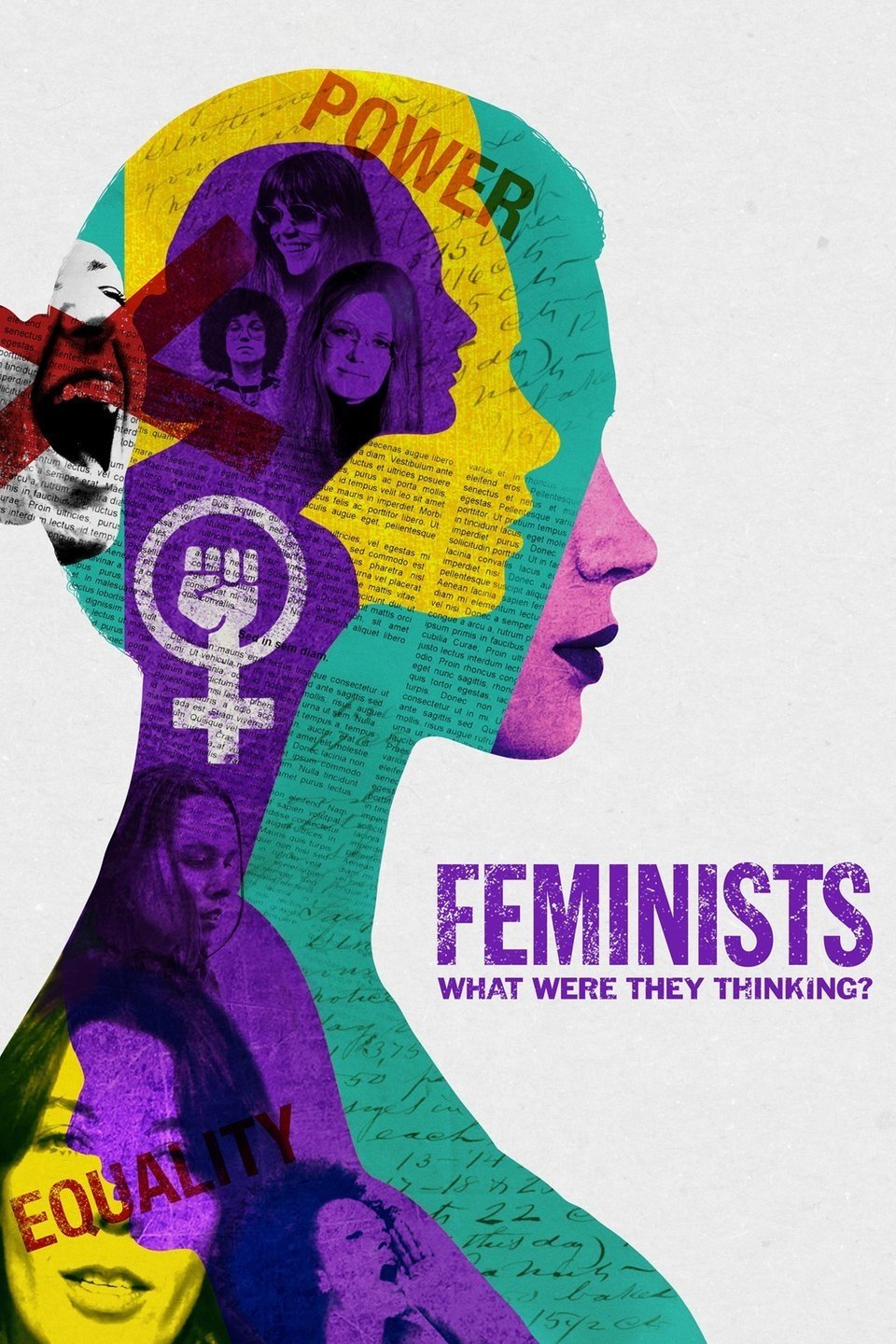
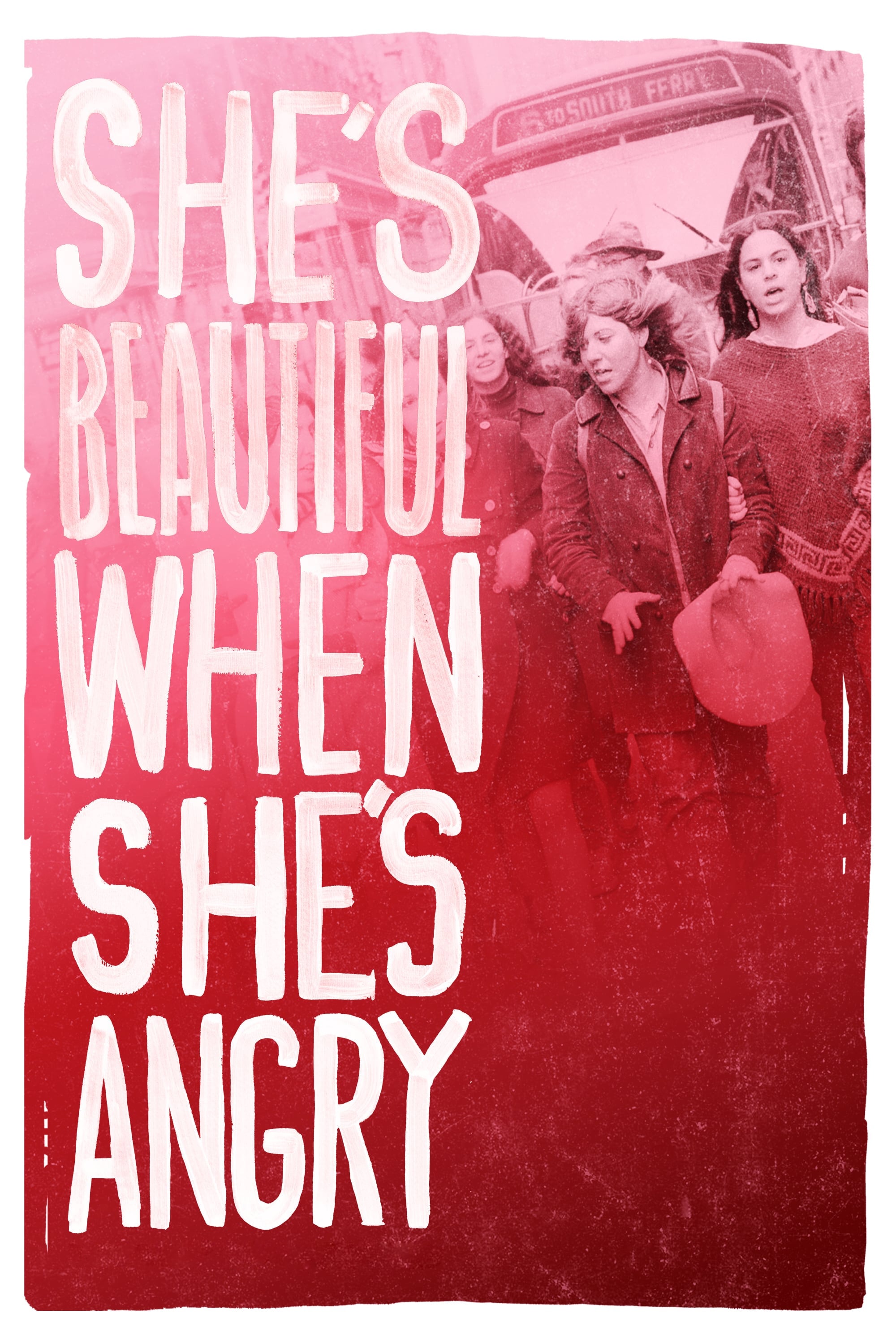
A documentary that resurrects the buried history of the outrageous, often brilliant women who founded the modern women's movement from 1966 to 1971.
A documentary about the making of David Fincher's 2008 film THE CURIOUS CASE OF BENJAMIN BUTTON. Virtually every element in the evolution of the Fincher's film is documented here, from the project's attachment to numerous other directors during the 1990s, to its shoot in 2006 and 2007 in New Orleans, to its complex, CGI-intensive postproduction process.
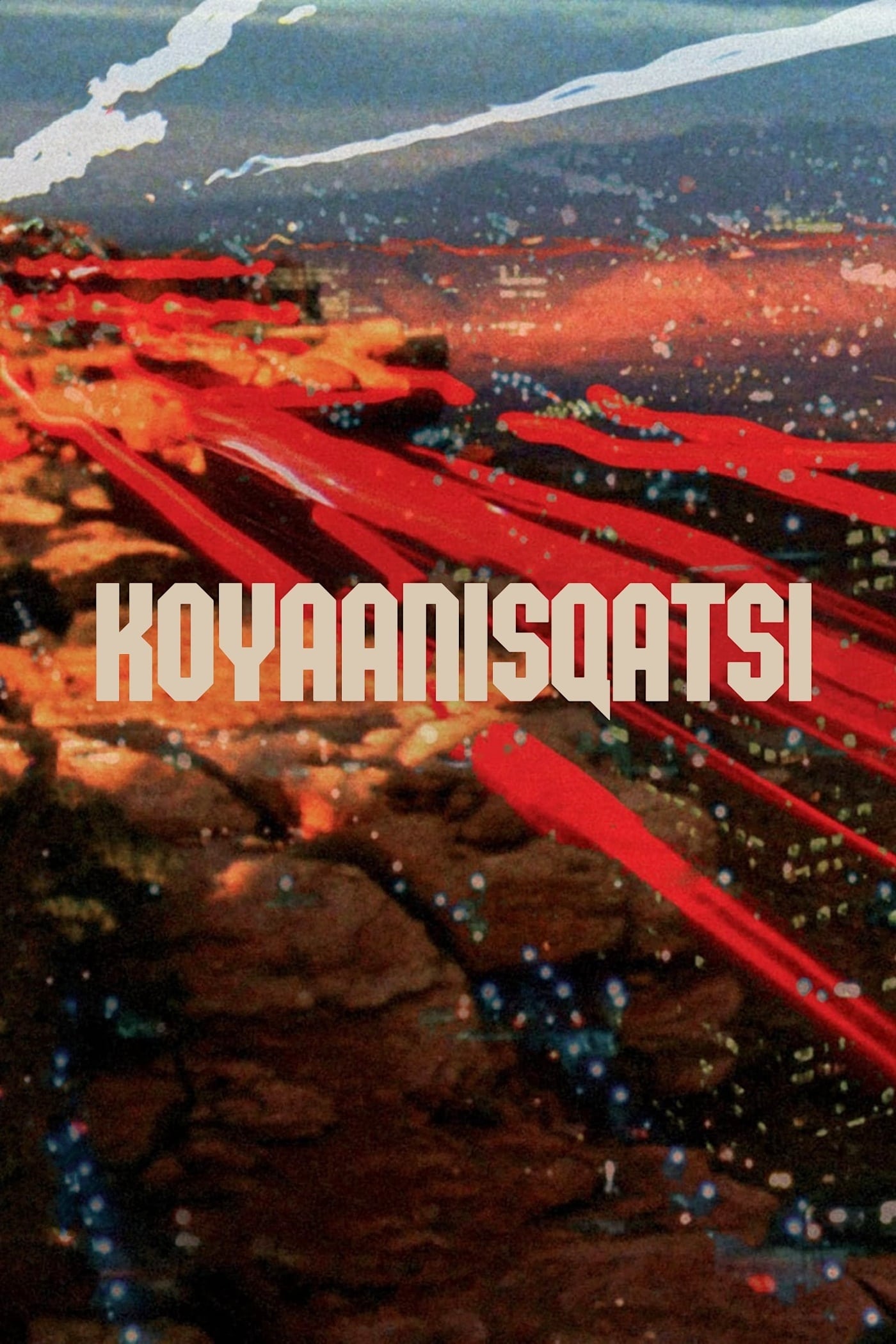
Takes us to locations all around the US and shows us the heavy toll that modern technology is having on humans and the earth. The visual tone poem contains neither dialogue nor a vocalized narration: its tone is set by the juxtaposition of images and the exceptional music by Philip Glass.
Vulgar, taunting texts blow up the phones of a teen and her boyfriend. Who's sending them — and why? This twisty documentary reveals the shocking answer.
The elite pilots of the Air Force Thunderbirds display exceptional skill, trust and courage during a high-stakes training season.
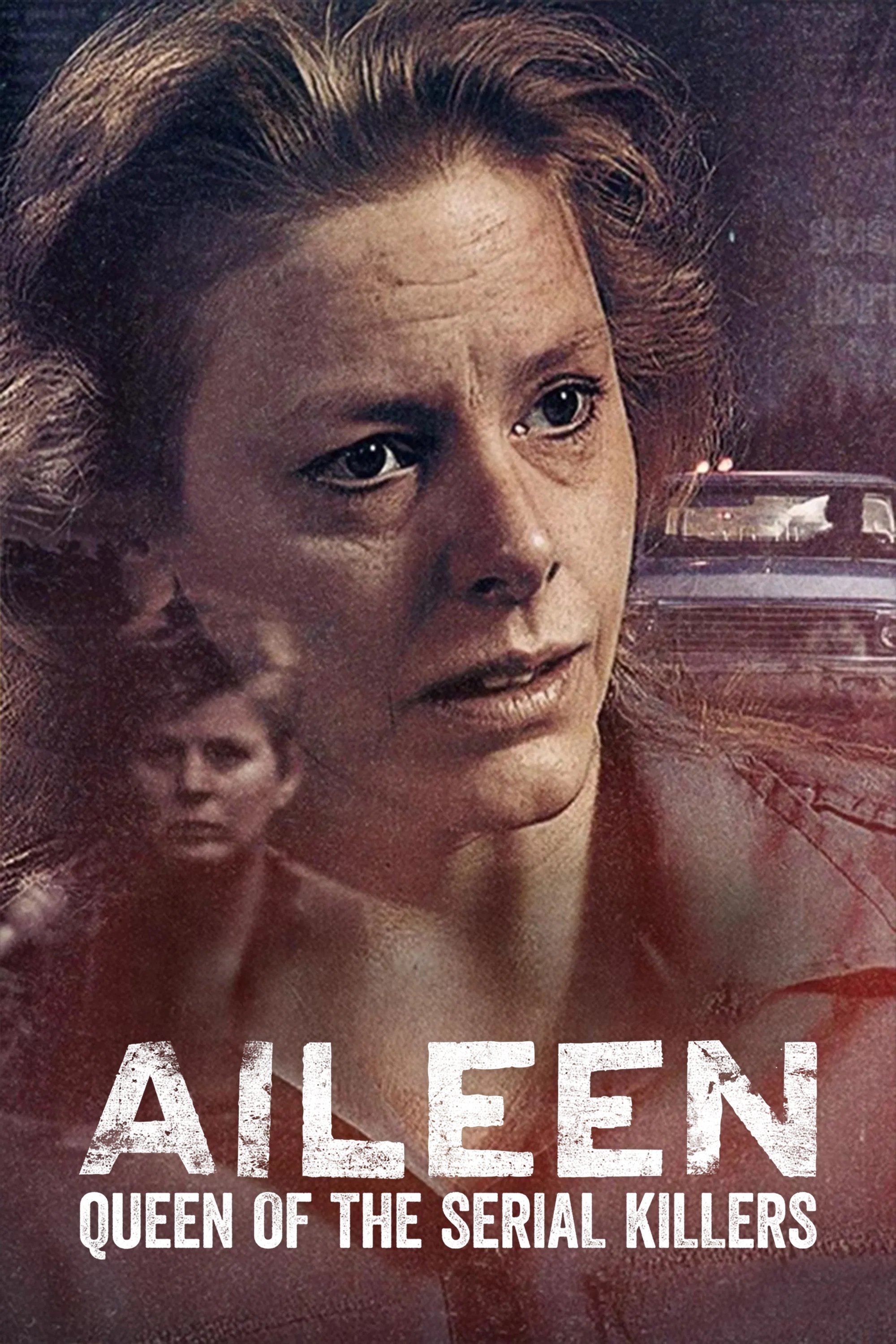
Aileen Wuornos remains a rarity: a female serial killer. From childhood abuse to death-row revelations, this documentary revisits her life and crimes.
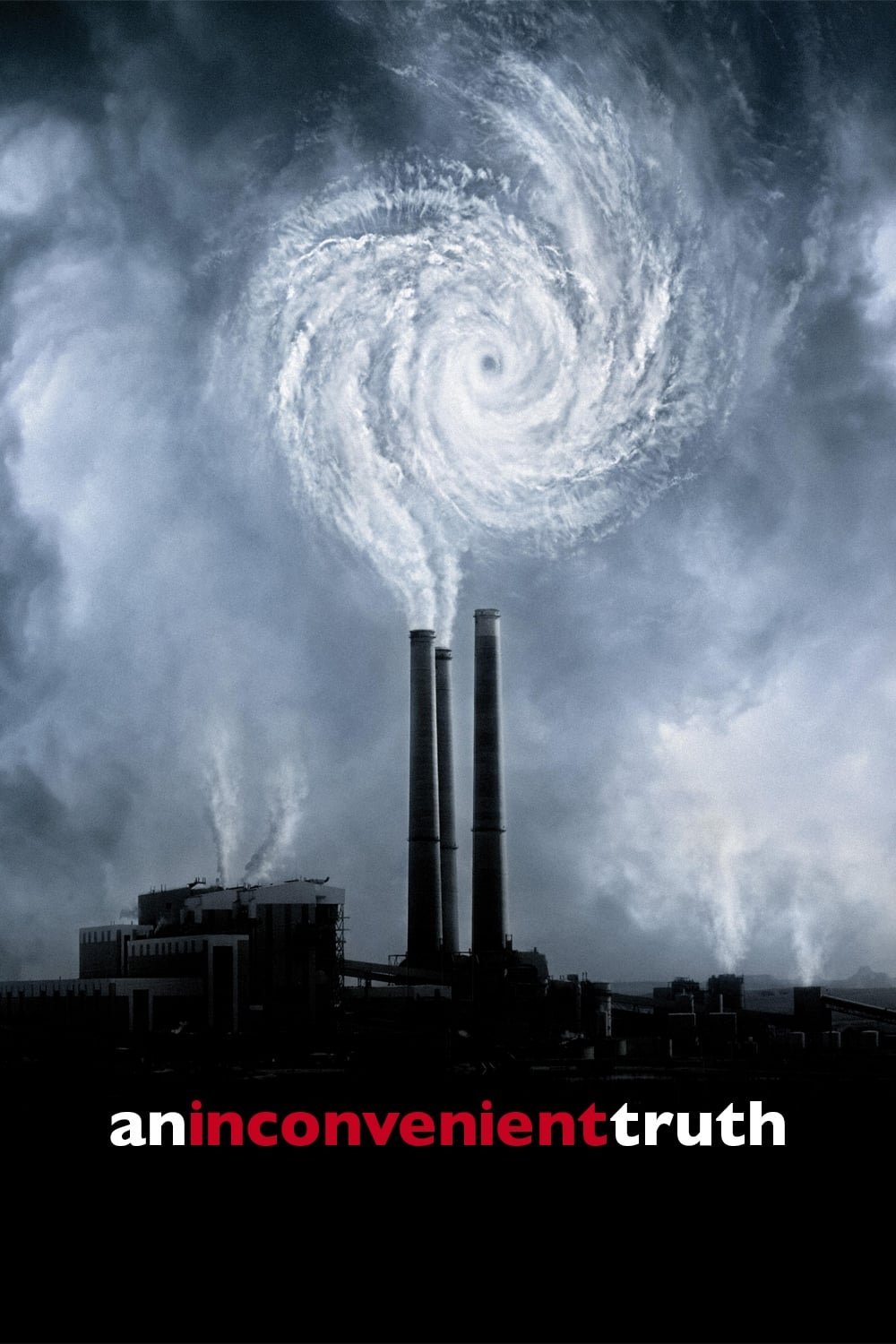
A documentary on Al Gore's campaign to make the issue of global warming a recognized problem worldwide.
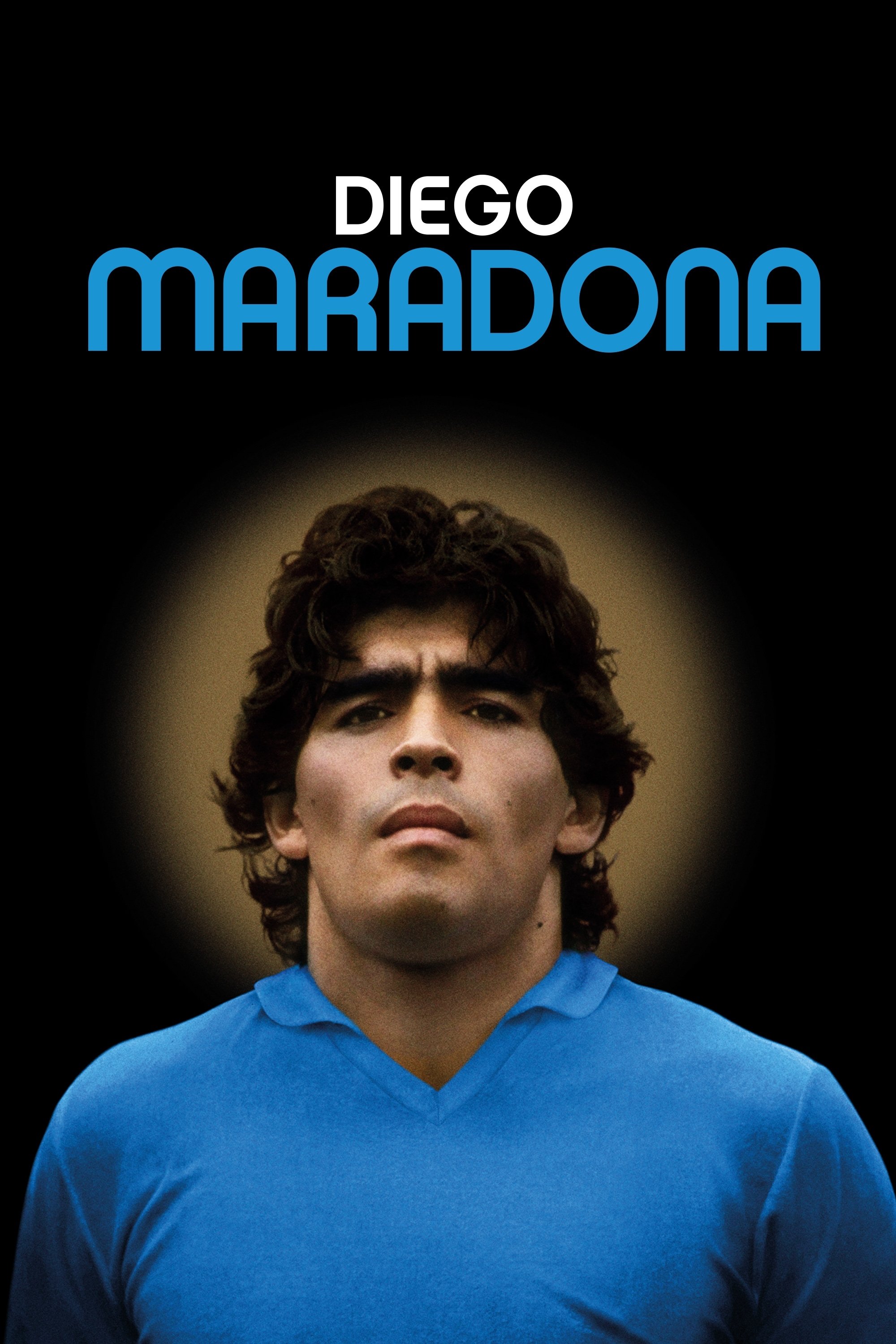
Constructed from over 500 hours of never-before-seen footage, this documentary centers on the personal life and career of the controversial football player Diego Maradona who played for SSC Napoli and Argentina in the 1980s.
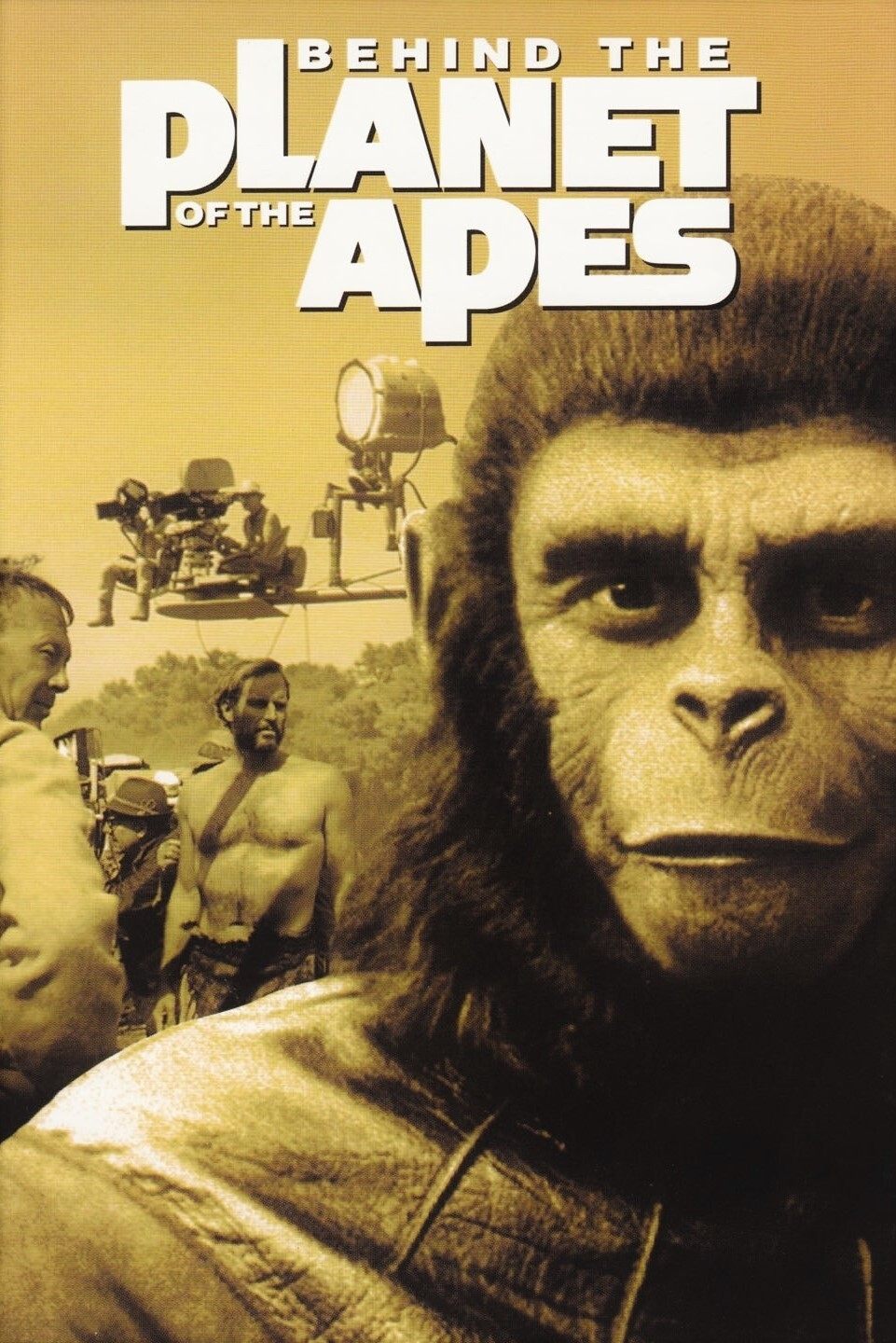
Roddy McDowall takes you, film by film, from production meetings to make-up sessions, then right onto the movie set to see the actual filming of the science fiction masterpiece. The most comprehensive history of Planet of the Apes ever created, this fascinating 127-minute documentary explores one of the most imaginative and influential series in movie history.
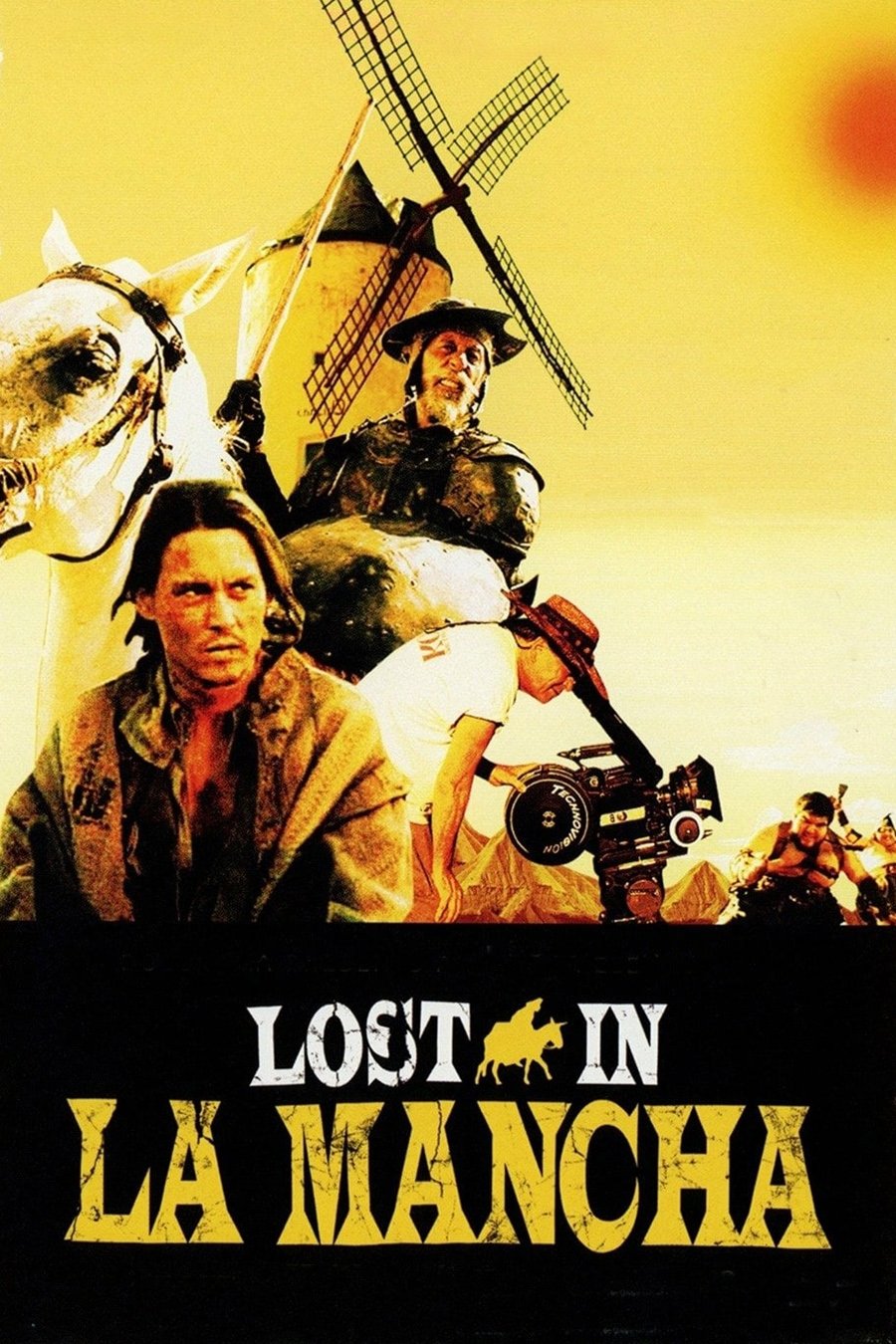
Fulton and Pepe's 2000 documentary captures Terry Gilliam's attempt to get The Man Who Killed Don Quixote off the ground. Back injuries, freakish storms, and more zoom in to sabotage the project.