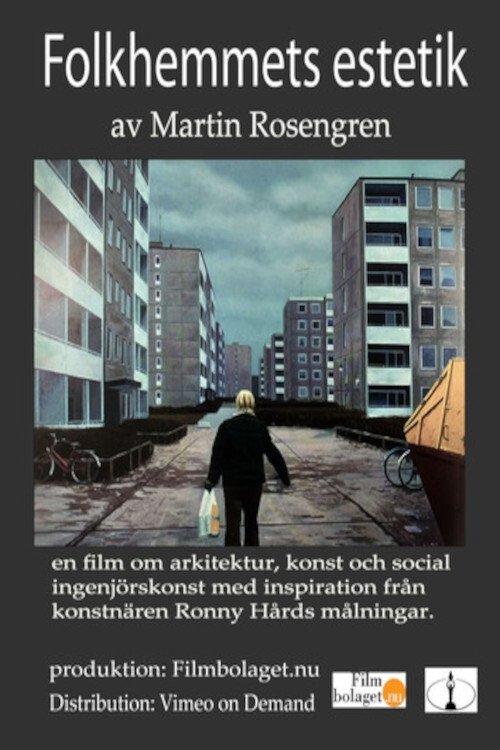
Documentary about the architecture of the Swedish housing boom in the 1960s and how it's viewed today.
Social & External
The people behind it
Ronny Hård
Self
Gert Wingårdh
Albert Svensson
Nils Yngvesson
Felicia Tolentino
Julia Björnberg
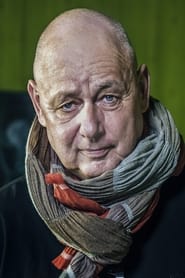
Martin Rosengren
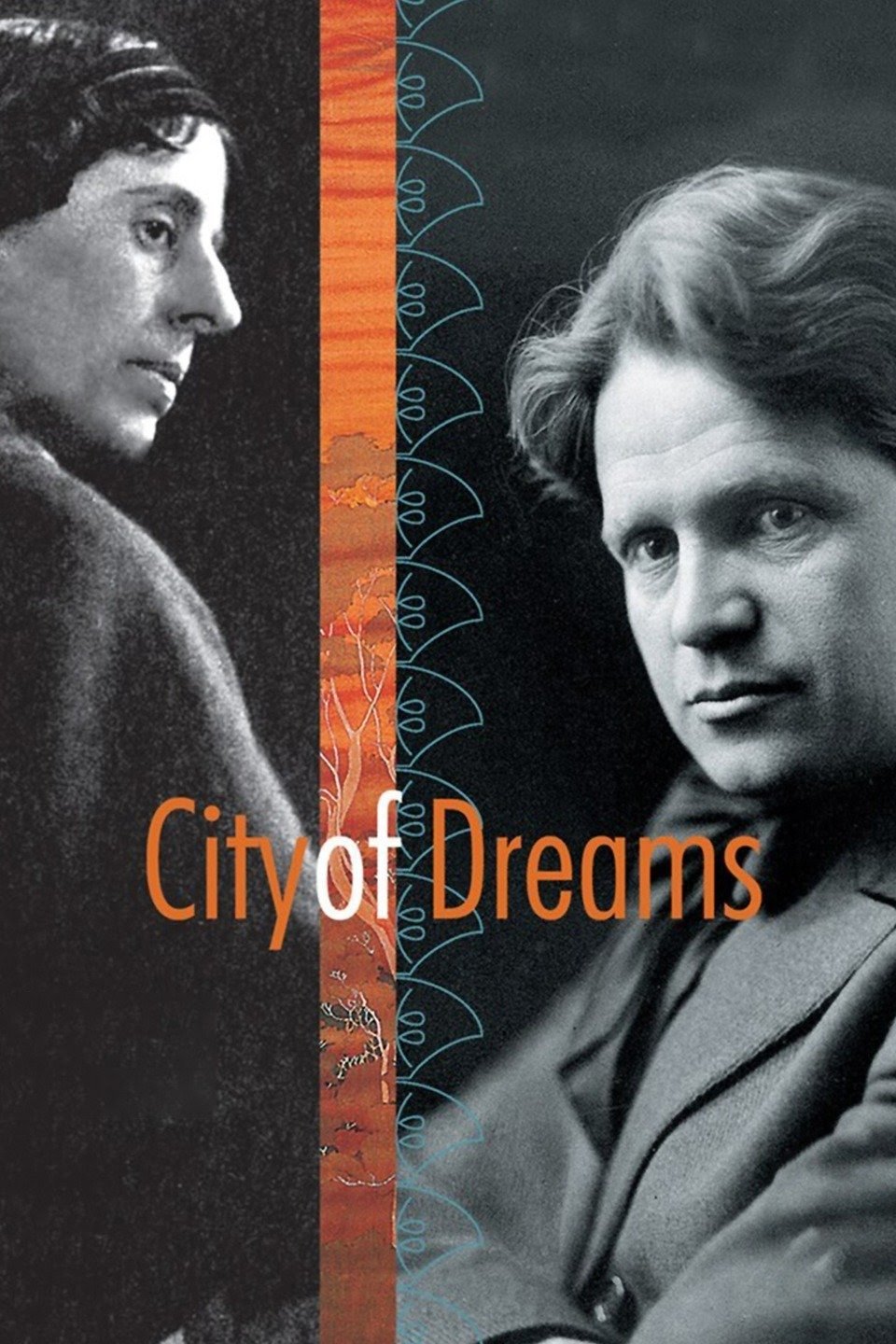
This fascinating documentary explores the collaboration between Marion Mahony, the first registered woman architect in the world and the longest serving designer in Frank Lloyd Wright’s practice, and husband Walter Burley Griffin. Their struggle with unyielding bureaucracy, the philosophies that underscored their life and work, and their passionate commitment to an architecture that expressed a balance between society and the environment and an affinity between the human spirit and the natural world. The film weaves together their personal and professional lives, drawing on archival and contemporary footage of their work, an extensive collection of photographs, the couple’s own correspondance and writing, and interviews with prominent architects, social historians and the people who knew them.
2005-2008. Video. In 2005 San Francisco real estate magnate Angelo Sangiacomo commissioned Strickland to make a movie that would chronicle final stages in the construction of his new house in Pebble Beach, CA. Amidst the spectacle of the building site, the videographer sought to portray a design project of operatic proportions that involved a sometimes dissonant cast of characters and took more than 6 years to unfold. The owners hoped that this video record might lend future visibility to a structure’s bones and soul that otherwise vanish from sight by the time building is completed.
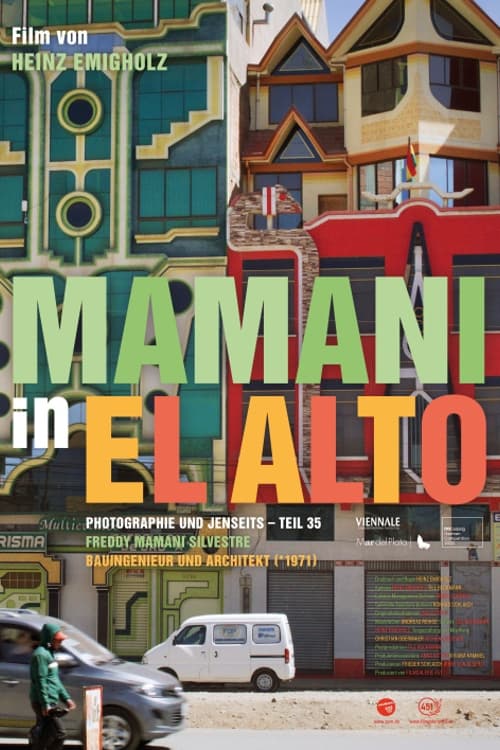
His buildings are garish, colorful and completely overloaded. Columns and glittering chandeliers everywhere, and way too much of everything. The Bolivian civil engineer and architect Freddy Mamani Silvestre (*1971) builds houses in El Alto for a nouveau riche upper class of the Aymara, the largest indigenous ethnic group in Bolivia.
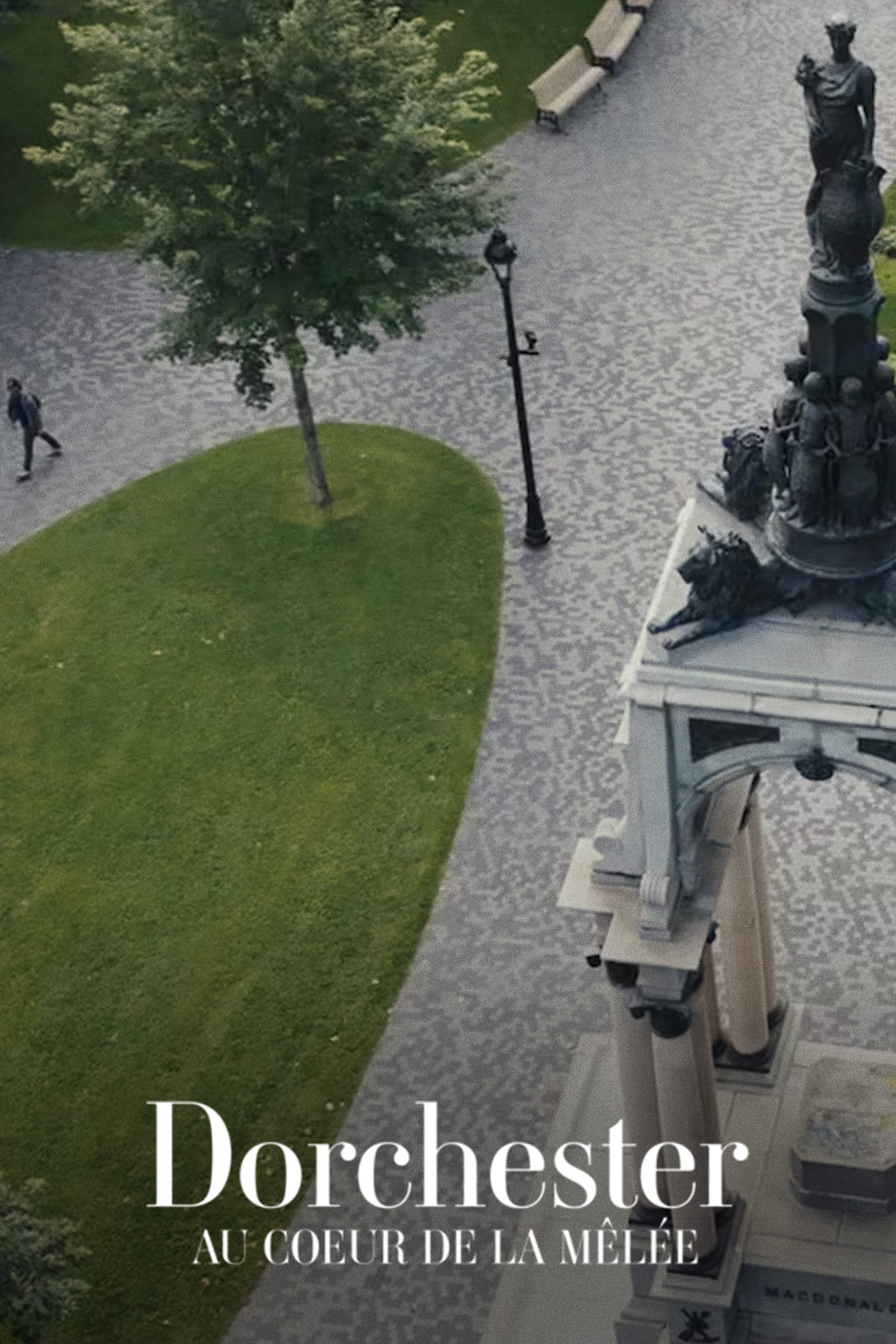
Under Dorchester Square in Montreal lies the cemetery where 55,000 people were buried in the 19th century. The square is still at the heart of social conflicts in Quebec, 150 years later.
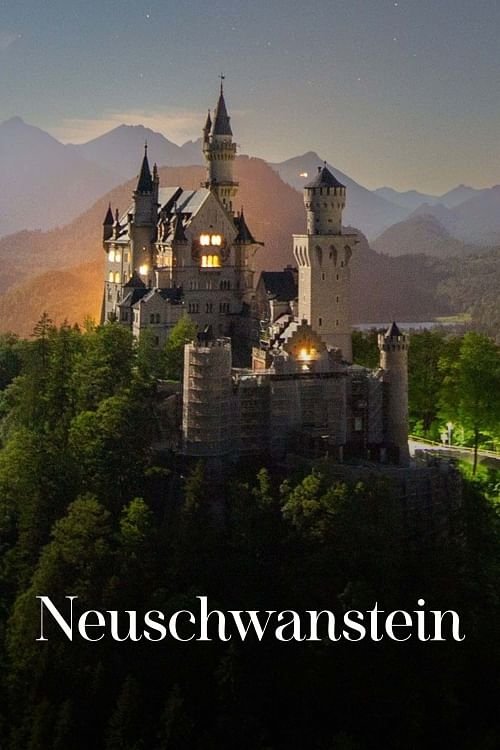
Part architectural genius, part kitsch fairytale, Neuschwanstein Castle is closely linked to the tragic fate of Ludwig II of Bavaria (1845-1886). The "Mad King" poured his heart and soul into this unique construction which looks back nostalgically to the Middle Ages. A focus on the history of a building filled with dreams and legends which has become an icon of Germany around the world.
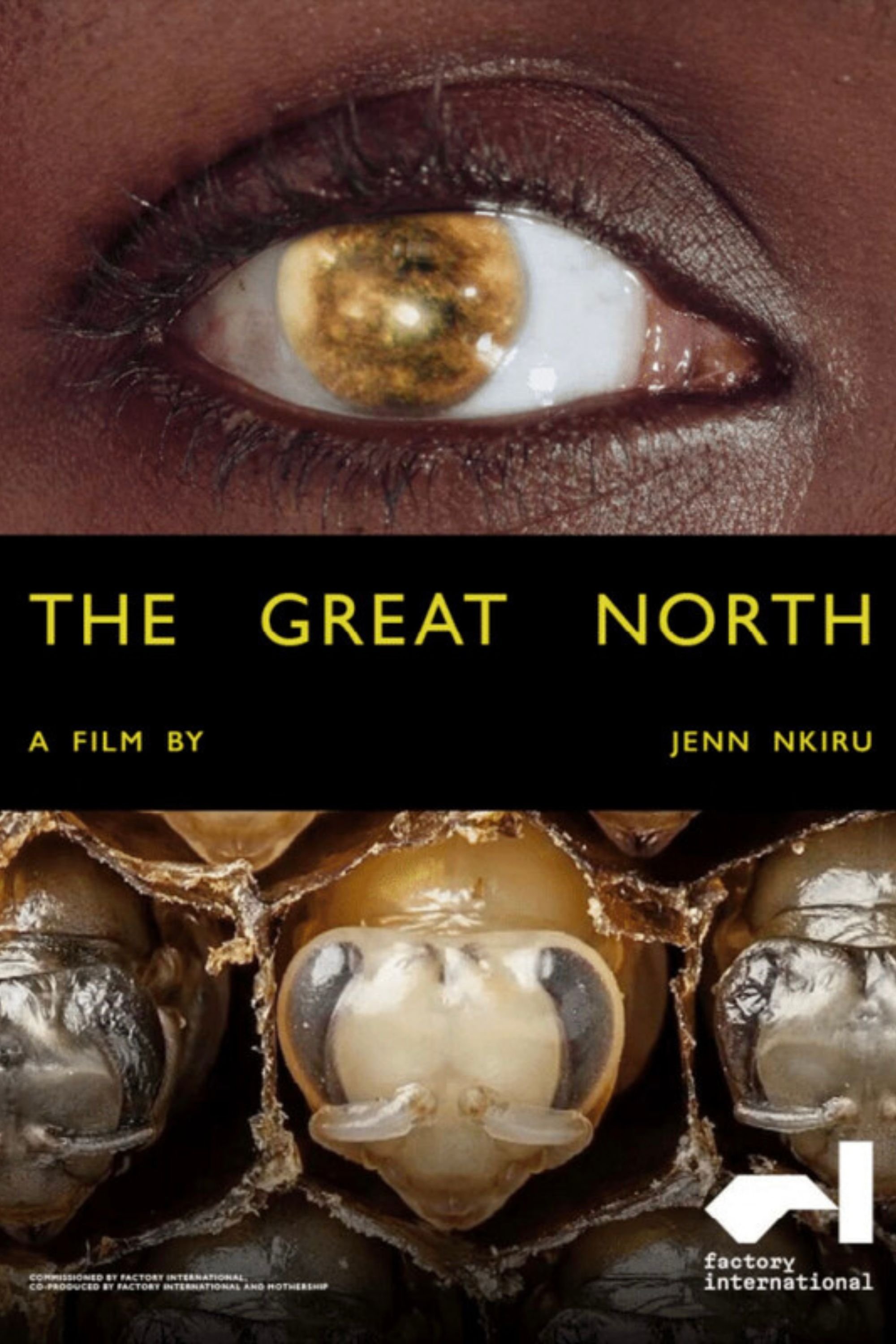
Beginning at the industrial revolution of the ‘great north’, Jenn Nkiru draws lines between peoples, cities, countries, buildings, movements, bodies and spaces(s) using a mixture of archive materials and new footage. There is little stillness as we are pushed and pulled through Black histories and communities across the city of Manchester and beyond. Nkiru has termed this filmmaking process “cosmic archeology”, and it is grounded in Afro-surrealism, experimental film and the Black arts movement.
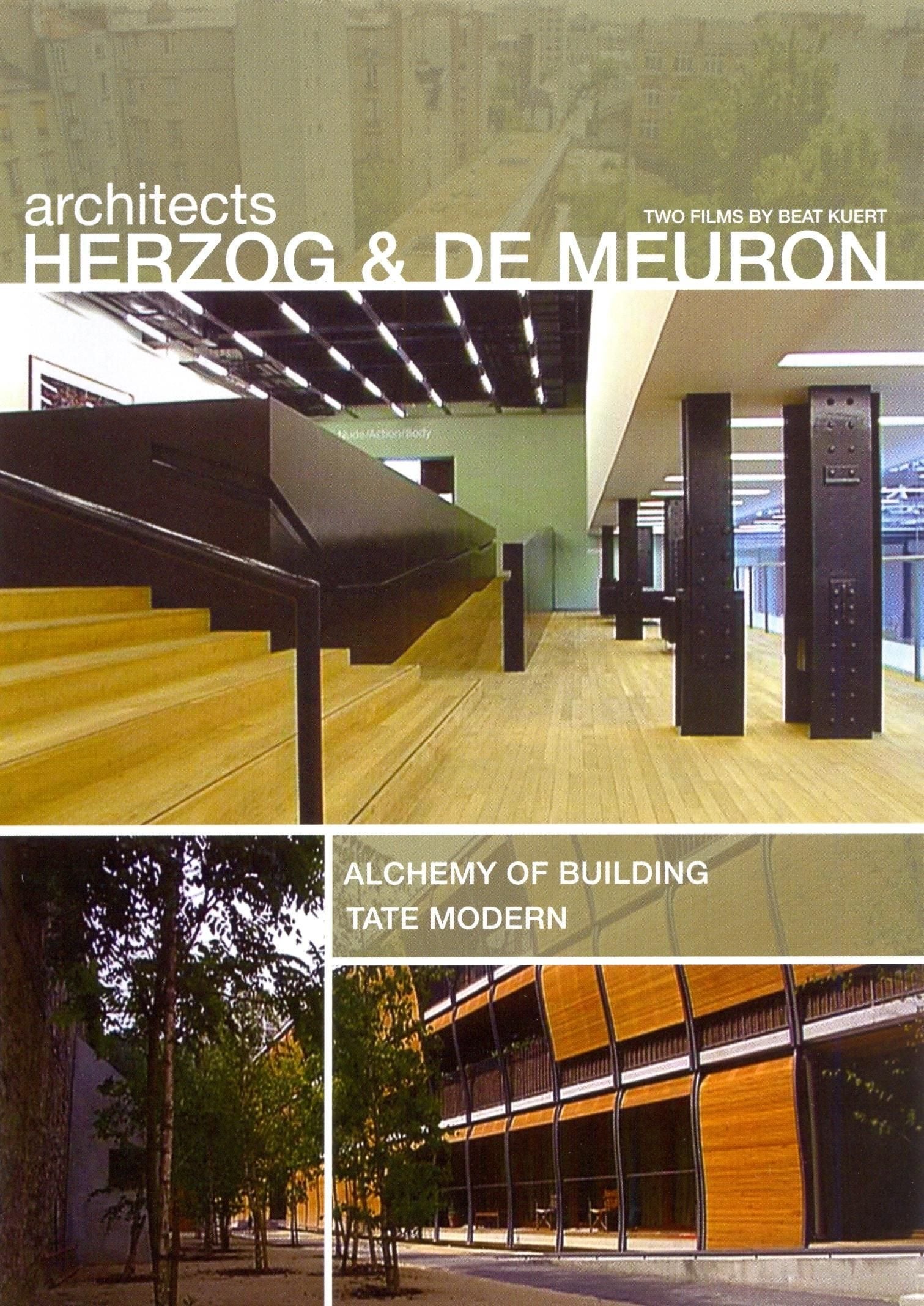
Visiting examples of Herzog and de Meurons ground-breaking style, this film reflects their capacity to astonish and explore the way in which they transform what might otherwise be ordinary through new treatments and techniques.
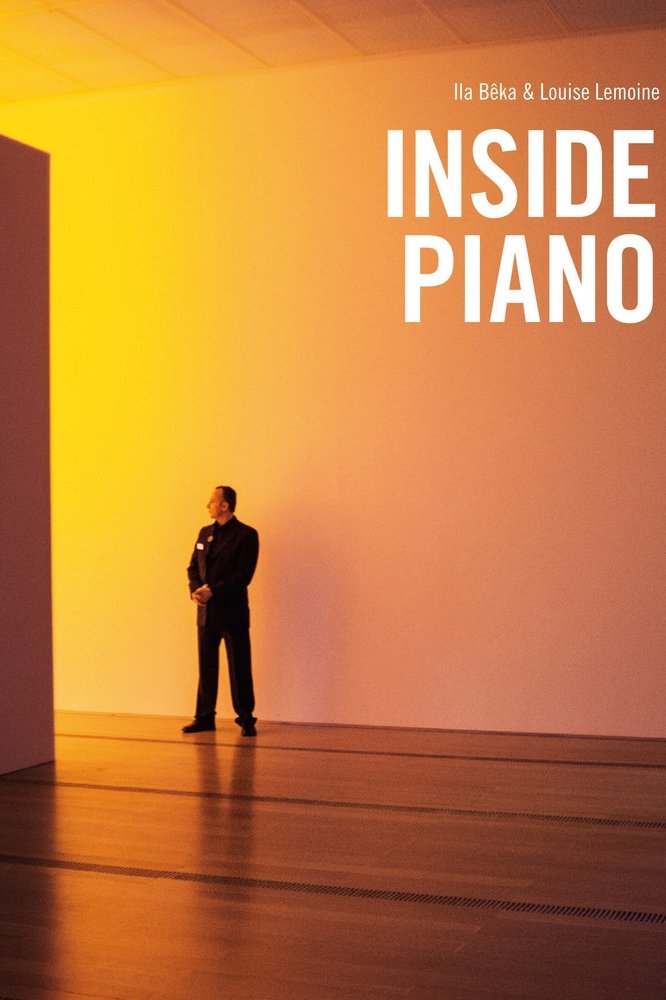
The fifth project of the Living Architectures series, Inside Piano is composed of three films on three symbolic buildings of Renzo Piano's career. A visit throughout the prototype-building of the Centre Pompidou. An immersion in the soundproof world of a submarine floating in the depths of the Parisian underground. A journey aboard a luminous magic carpet of a highly sophisticated architectural machine. A humorous, caustic and quirky point of view.
Big Time gets up close with Danish architectural prodigy Bjarke Ingels over a period of six years while he is struggling to complete his largest projects yet, the Manhattan skyscraper W57 and Two World Trade Center.
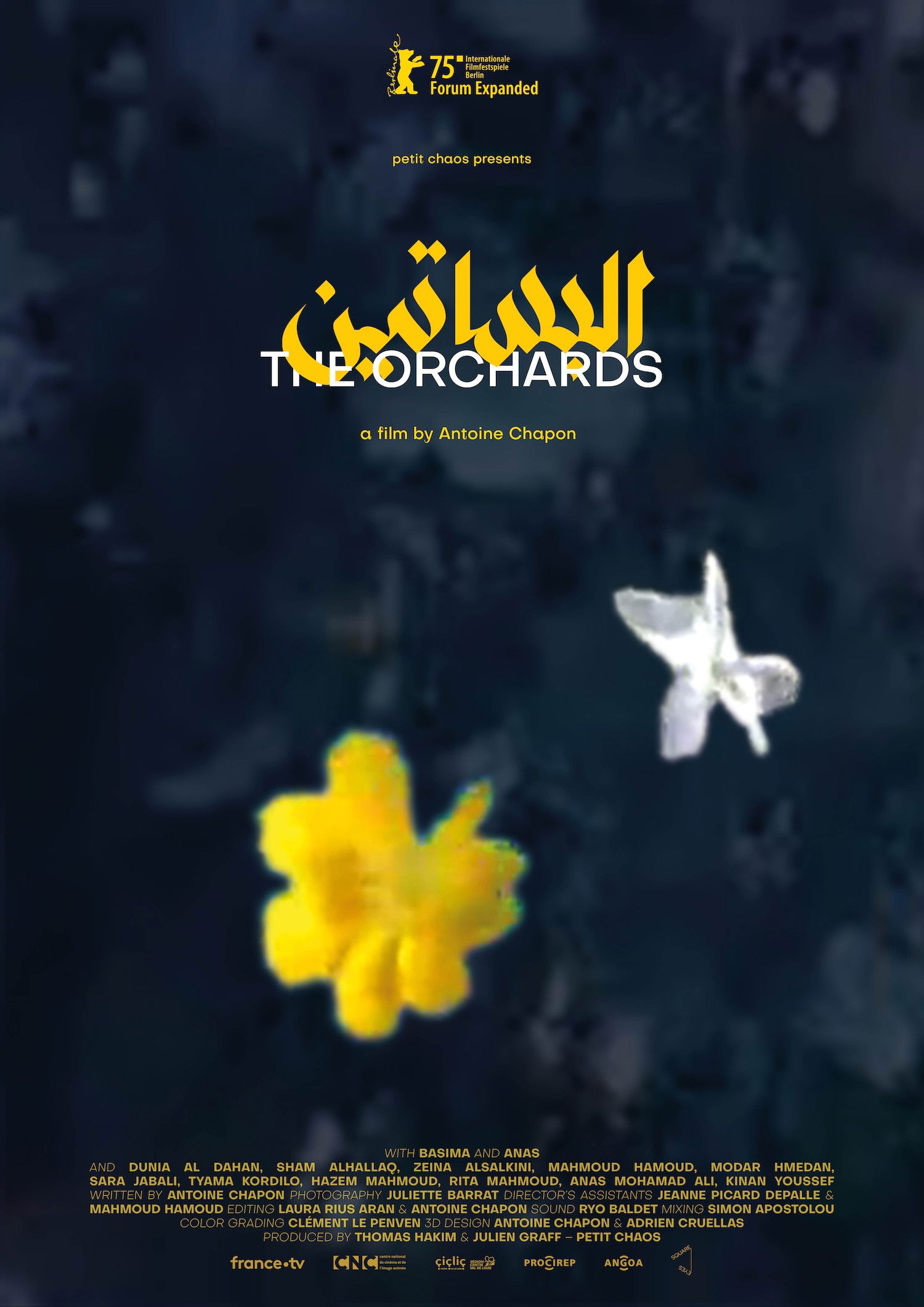
In 2015, in Damascus, the Basateen al-Razi district and its orchards were razed to the ground as punishment for the population's uprising against the regime. Having lost everything, two former residents recall their neighborhood.
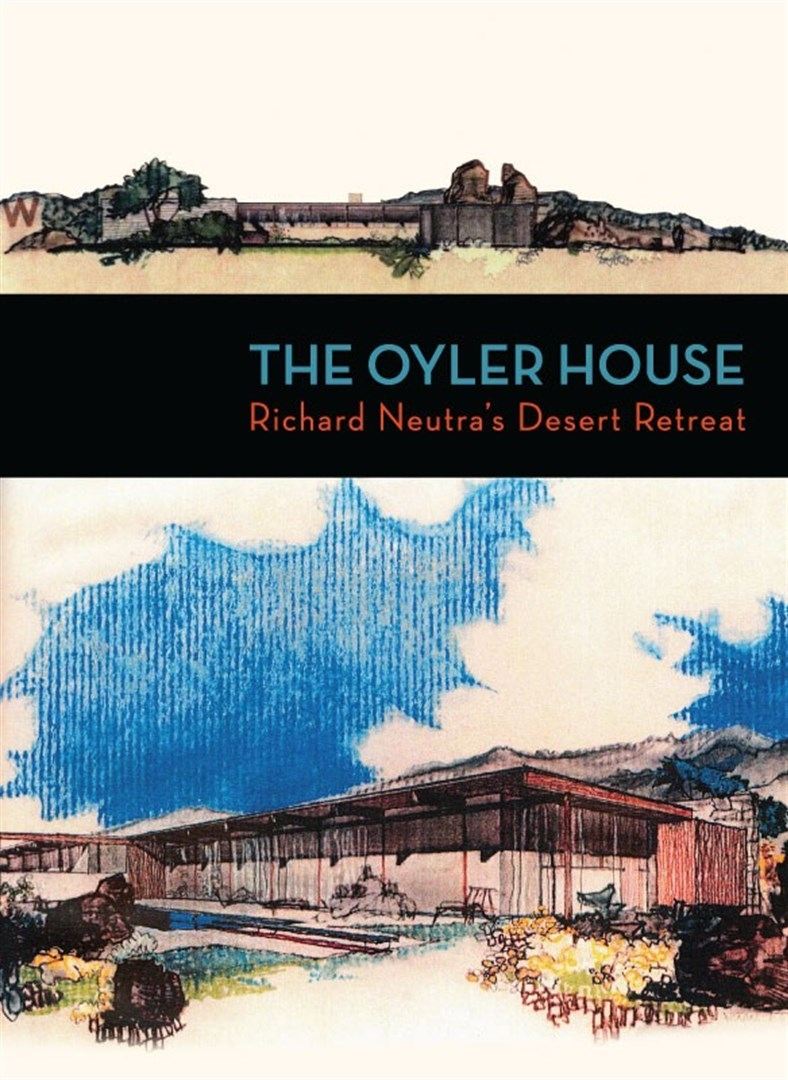
In 1959, a government employee named Richard Oyler, living in the tiny desert town of Lone Pine, California, asked world-famous modern architect Richard Neutra to design his modest family home. To Oyler's surprise, Neutra agreed. Thus began an unlikely friendship that led to the design and construction of an iconic mid-century modern masterpiece.
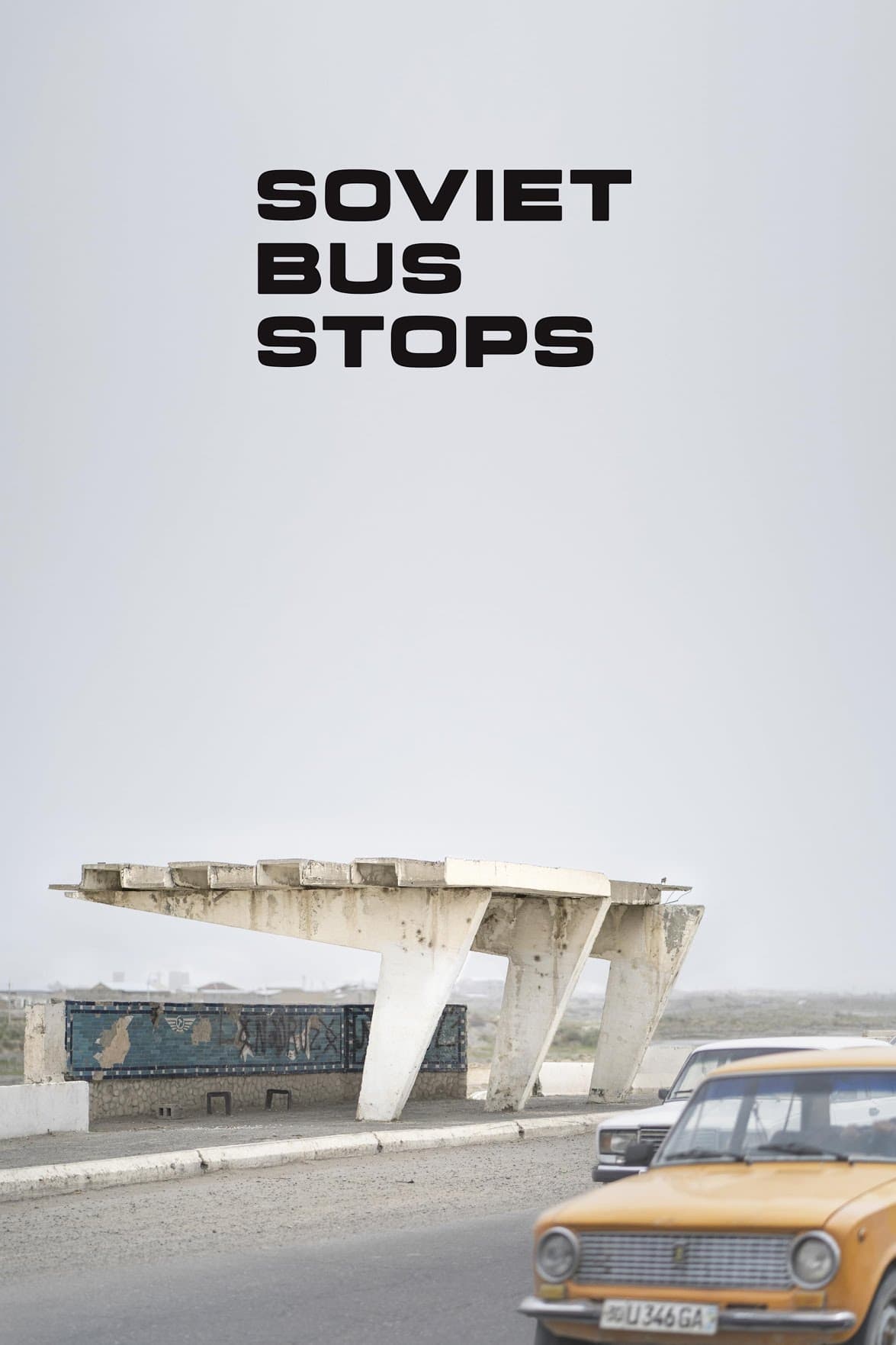
“There’s a bus stop I want to photograph.” This may sound like a parody of an esoteric festival film, but Canadian Christopher Herwig’s photography project is entirely in earnest, and likely you will be won over by his passion for this unusual subject within the first five minutes. Soviet architecture of the 1960s and 70s was by and large utilitarian, regimented, and mass-produced. Yet the bus stops Herwig discovers on his journeys criss-crossing the vast former Soviet Bloc are something else entirely: whimsical, eccentric, flamboyantly artistic, audacious, colourful. They speak of individualism and locality, concepts anathema to the Communist doctrine. Herwig wants to know how this came to pass and tracks down some of the original unsung designers, but above all he wants to capture these exceptional roadside way stations on film before they disappear.
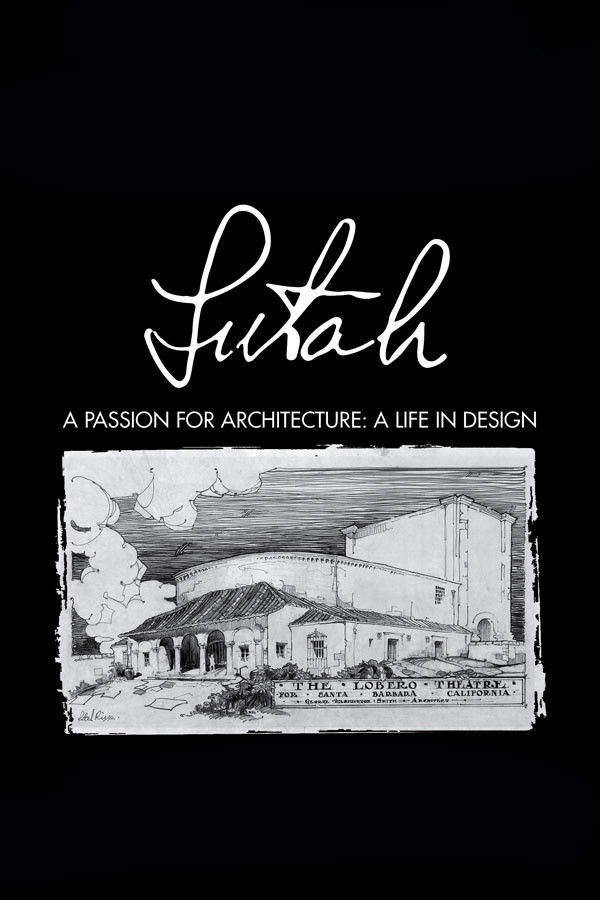
Lutah explores the life of Lutah Maria Riggs, an forgotten architect who had a major impact on the development of Southern California.
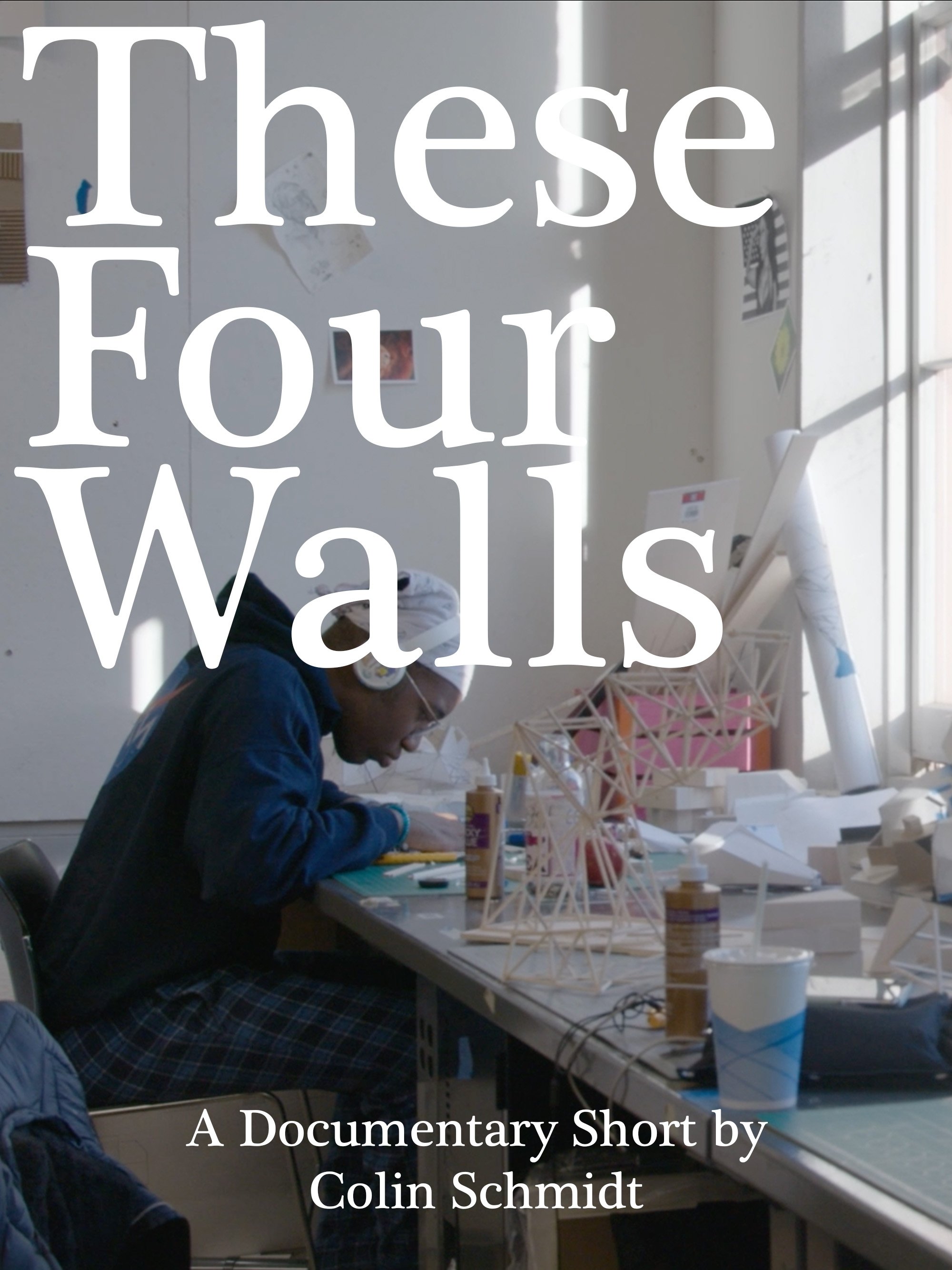
A short documentary that takes a look at Pratt Institute's Architecture program and how the first years handle the rigorous workload.
Kingdom of Granada, al-Andalus, 14th century. After recognizing that his land, always under siege, is hopelessly doomed to be conquered, Sultan Yusuf I undertakes the construction of a magnificent fortress with the purpose of turning it into the landmark of his civilization and his history, a glorious monument that will survive the oblivion of the coming centuries: the Alhambra.
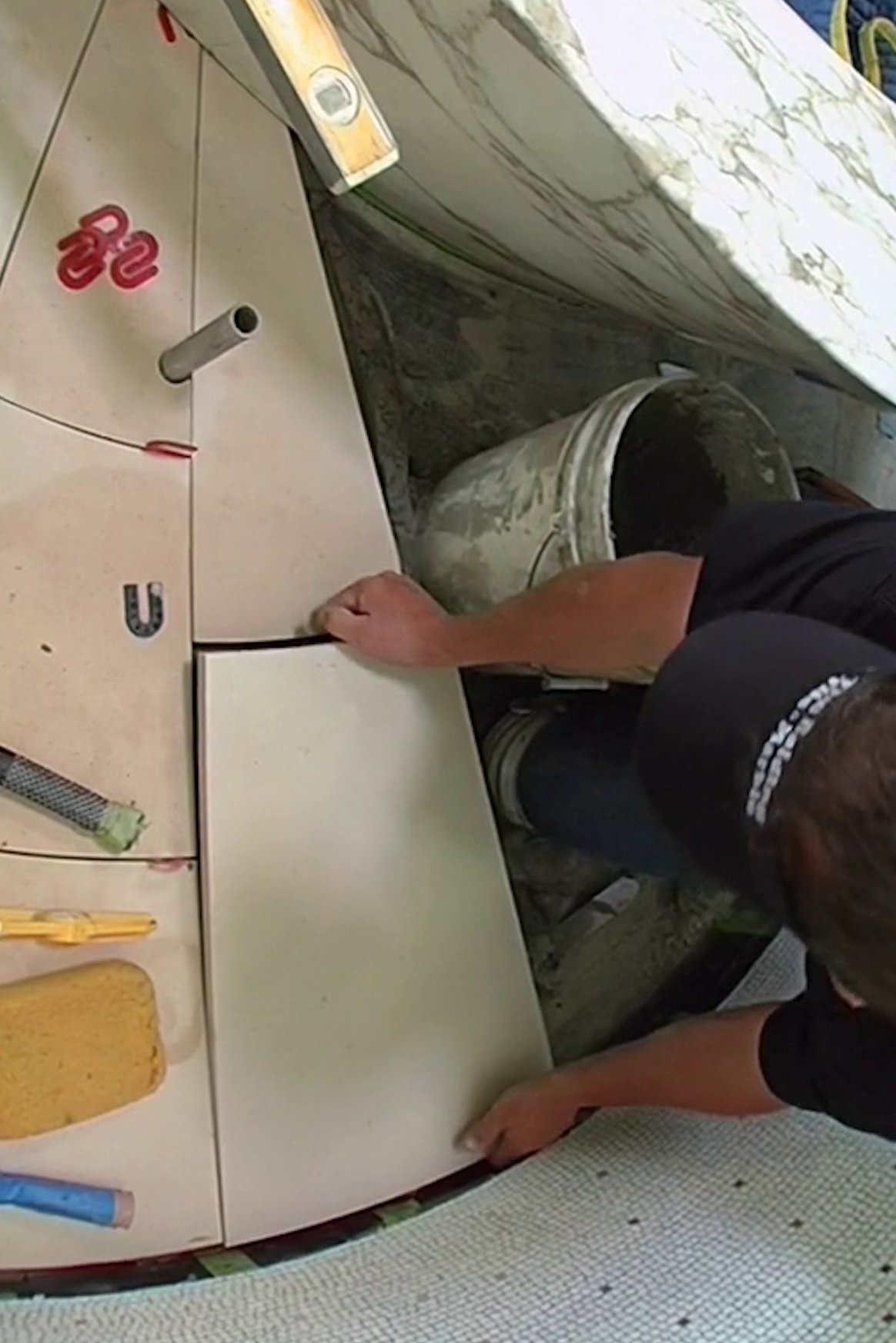
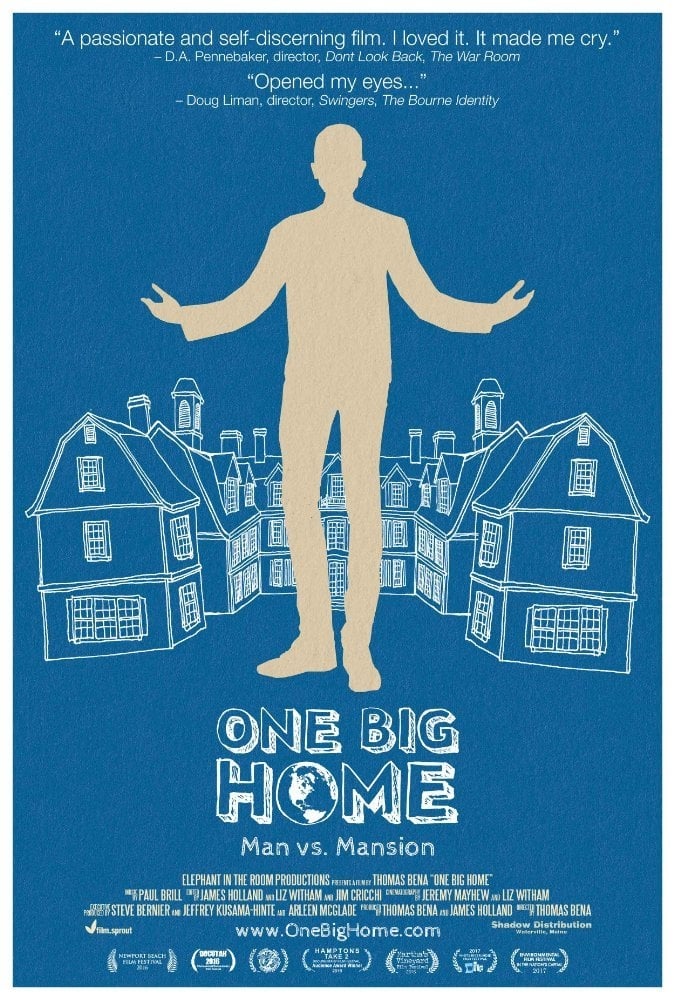
On the tiny island of Martha's Vineyard, where presidents and celebrities vacation, trophy homes threaten to destroy the islands unique character. Twelve years in the making, One Big Home follows one carpenters journey to understand the trend toward giant houses. When he feels complicit in wrecking the place he calls home, he takes off his tool belt and picks up a camera.
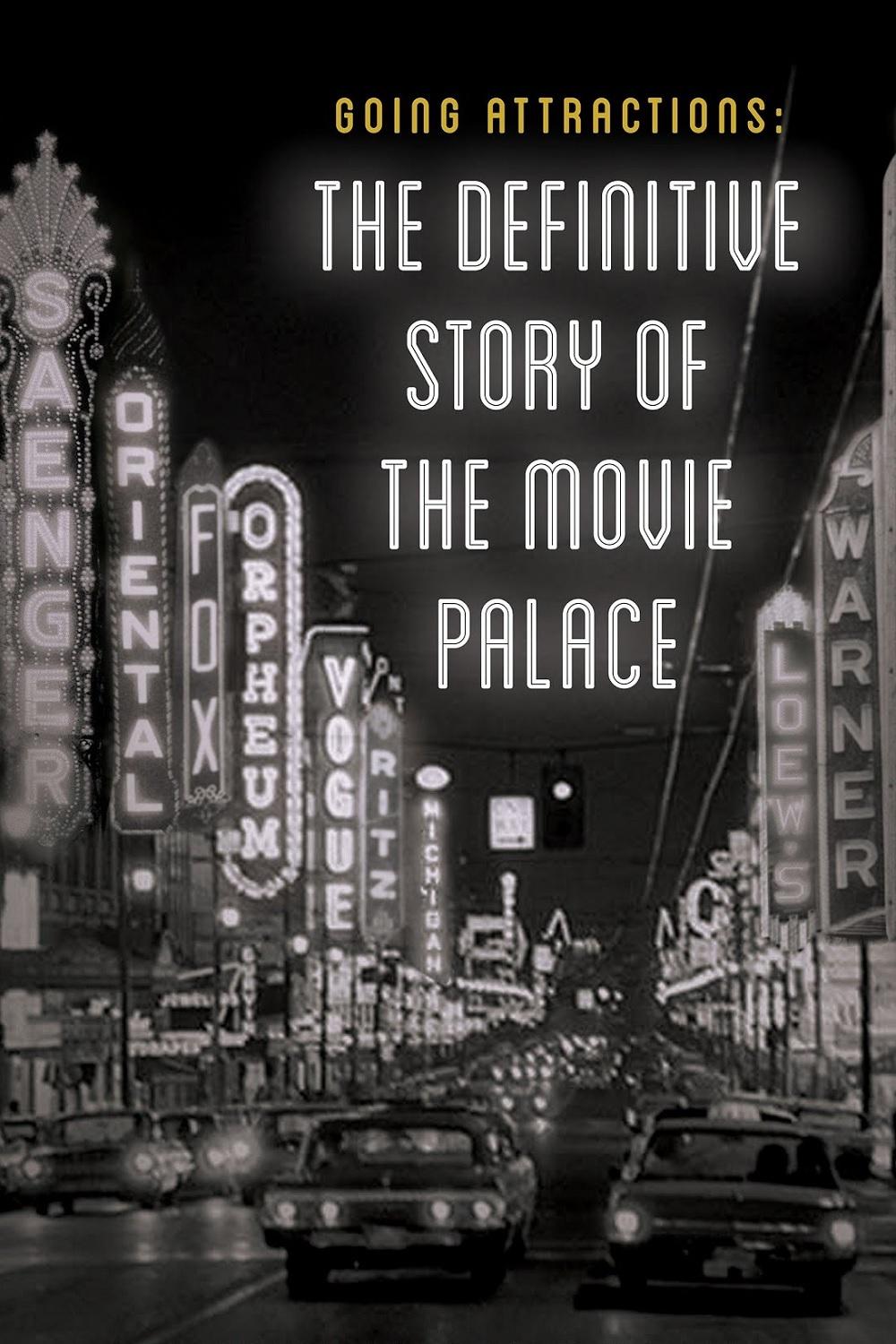
Celebrating the splendor and grandeur of the great cinemas of the United States, built when movies were the acme of entertainment and the stories were larger than life, as were the venues designed to show them. The film also tracks the eventual decline of the palaces, through to today’s current preservation efforts. A tribute to America’s great art form and the great monuments created for audiences to enjoy them in.
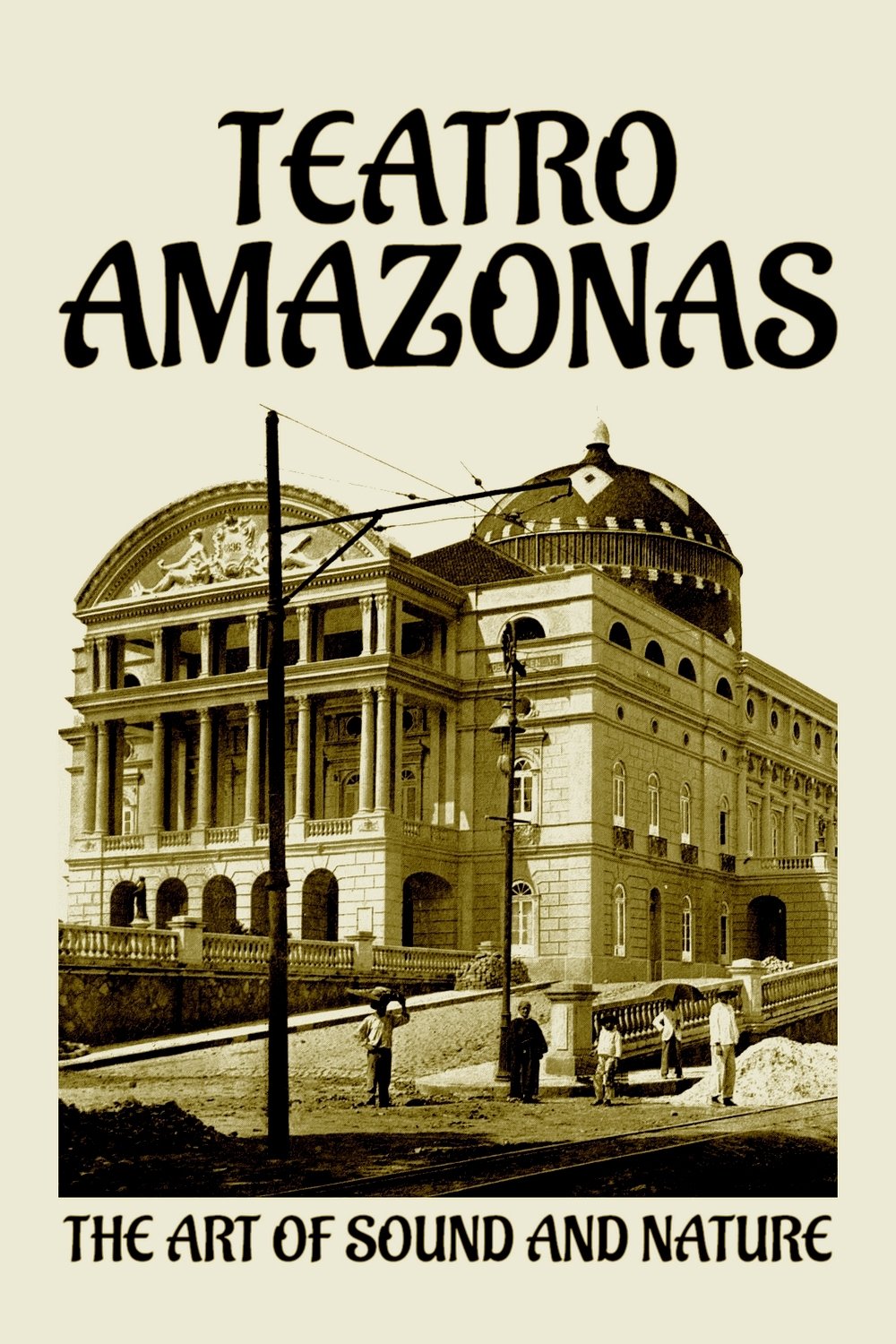
The history of the Teatro Amazonas in Manaus, an opera house located in the middle of the Amazon rainforest, whose construction, between 1884 and 1896, depended on the labor exploitation of the local indigenous populations, provides an insight into the cultural, social and political situation in Brazil.
In an intimate and joyful story of love in the face of loss, celebrated poets Andrea Gibson and Megan Falley find strength—and unexpected hilarity—in what might be their final year together.
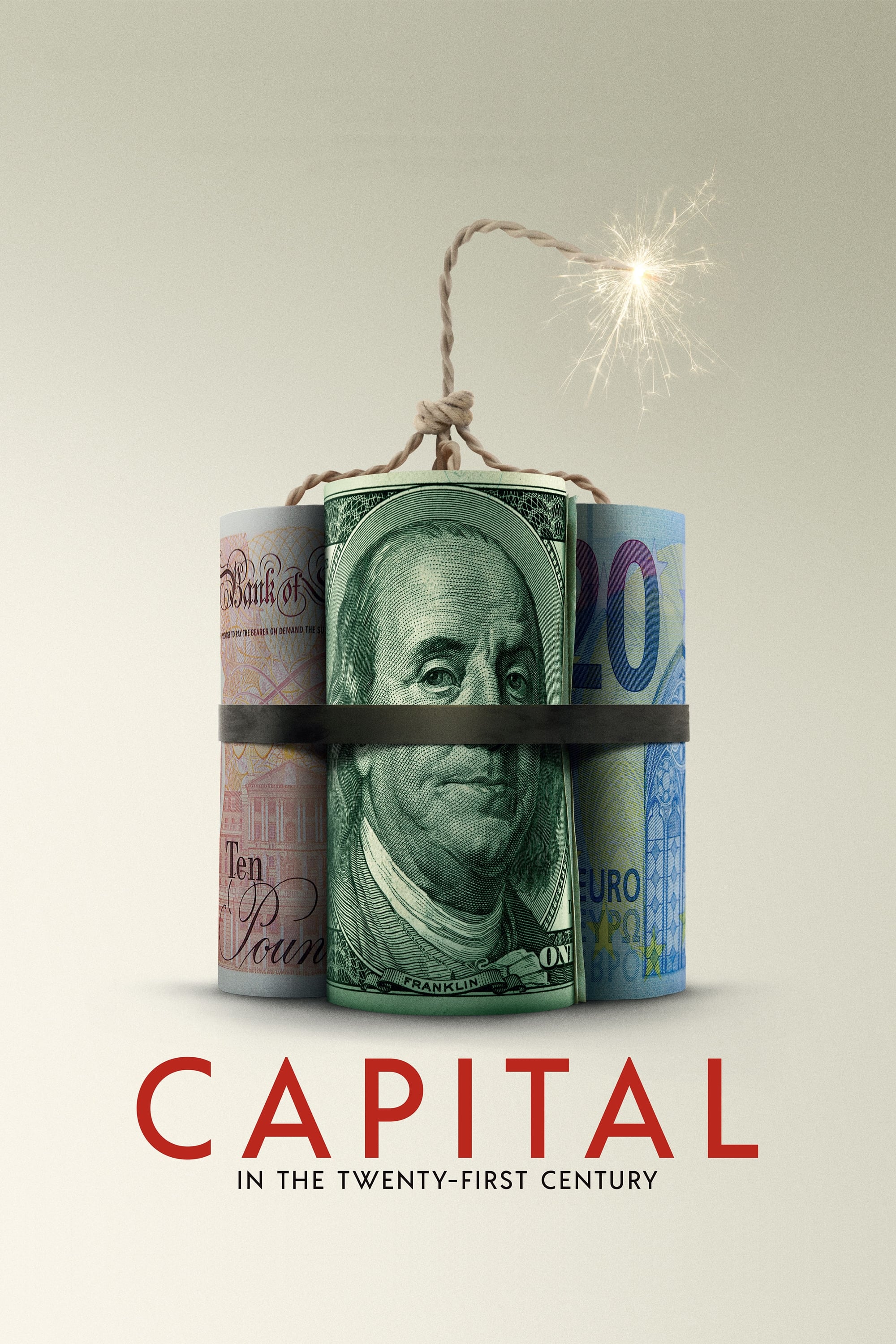
Film adaptation of French economist Thomas Piketty's ground-breaking global bestseller of the same name: an eye-opening journey through wealth and power.
A string of threatening emails escalates into a revenge plot involving a newly married US marshal and his ex-girlfriend.
A look at the origins, history and conspiracies behind the "Majestic 12", a clandestine group of military and corporate figureheads charged with reverse-engineering extraterrestrial technology.
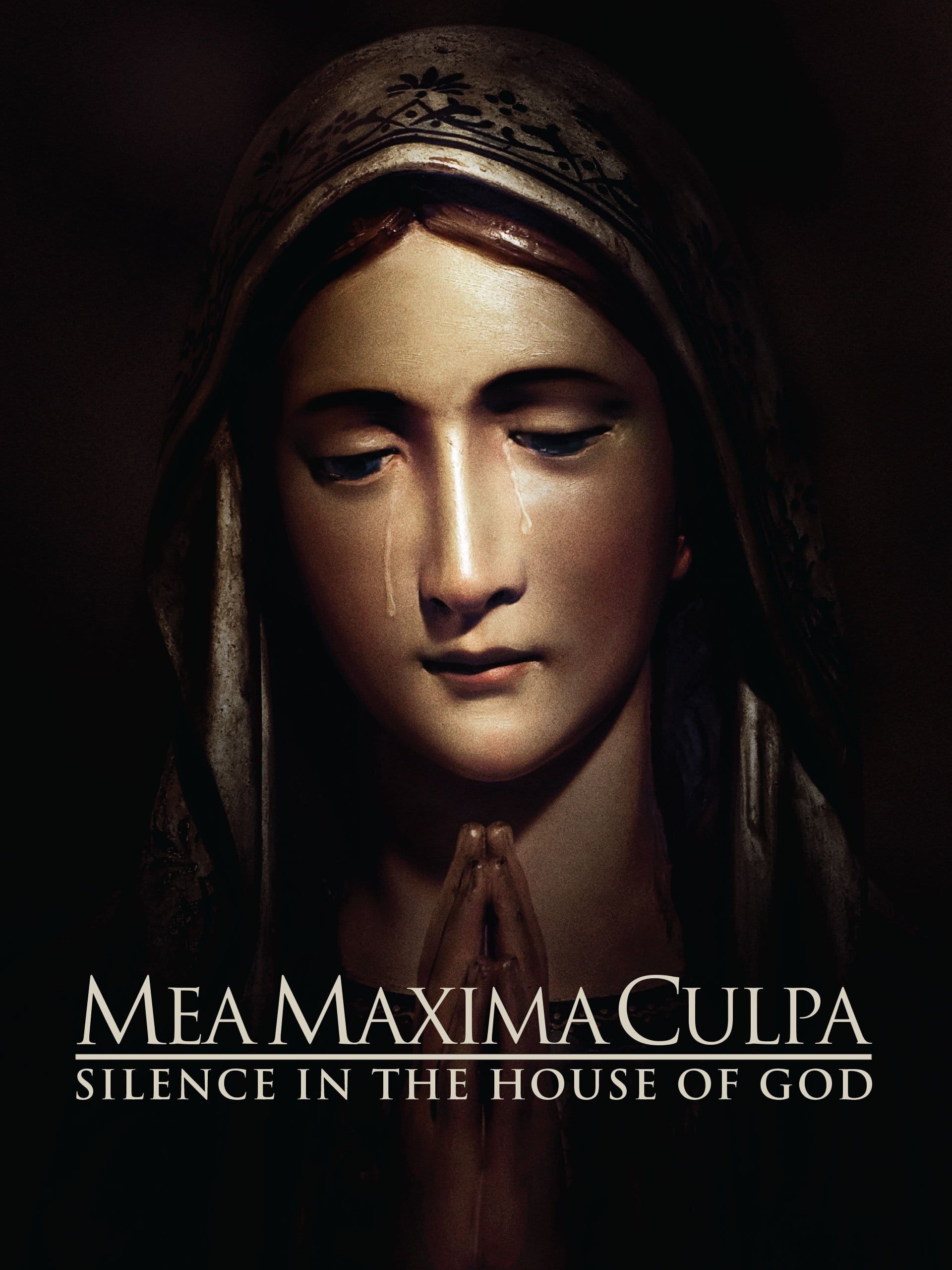
Alex Gibney explores the charged issue of pedophilia in the Catholic Church, following a trail from the first known protest against clerical sexual abuse in the United States and all way to the Vatican.
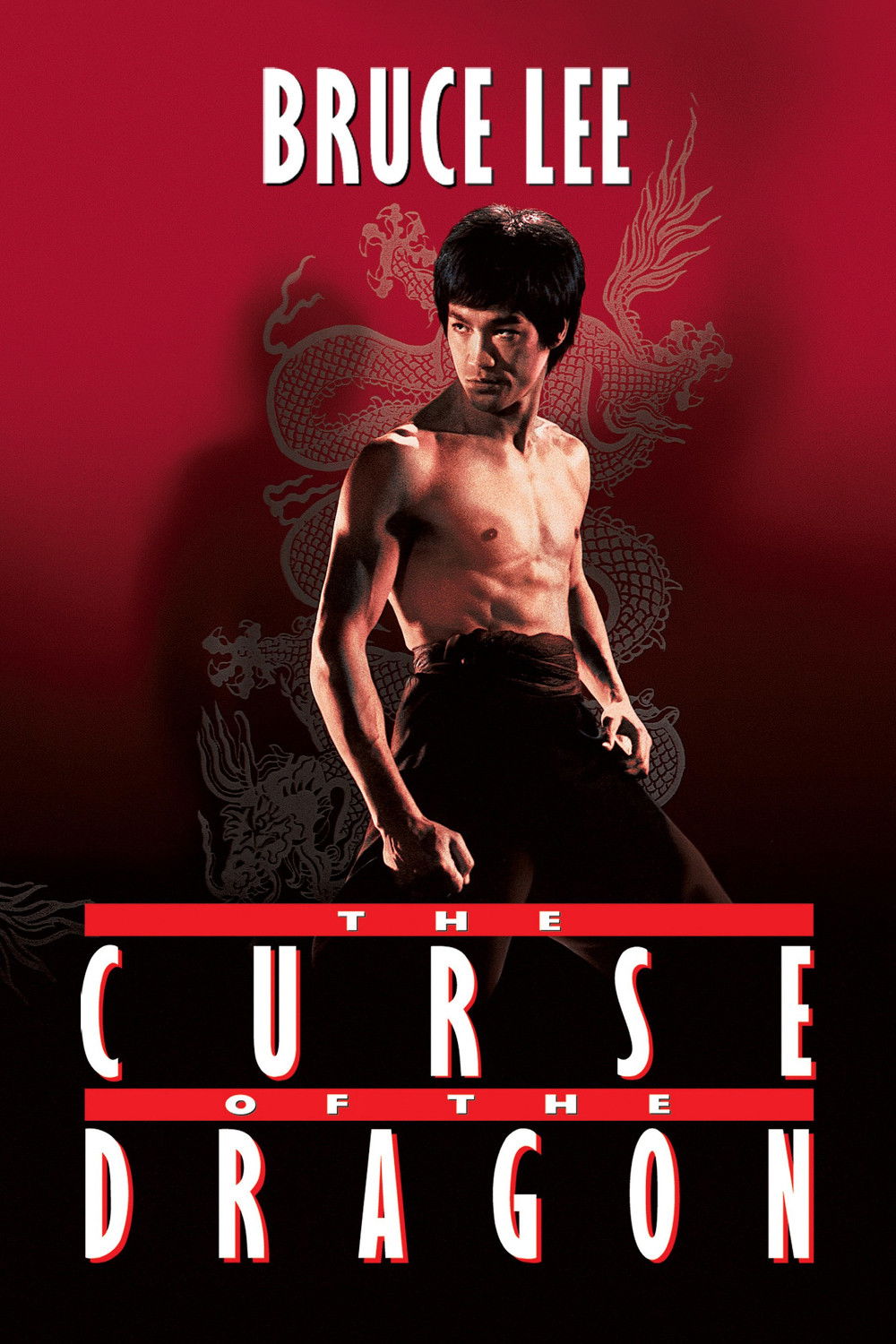
A 1993 documentary film about Bruce Lee. The film includes interviews from some of his fellow students and opponents who worked alongside him in his movies.
A documentary on the expletive's origin, why it offends some people so deeply, and what can be gained from its use.
An inside look at one of the most anticipated movie sequels ever with James Cameron and cast.
Alexander McQueen's rags-to-riches story is a modern-day fairy tale, laced with the gothic. Mirroring the savage beauty, boldness and vivacity of his design, this documentary is an intimate revelation of McQueen's own world, both tortured and inspired, which celebrates a radical and mesmerizing genius of profound influence.
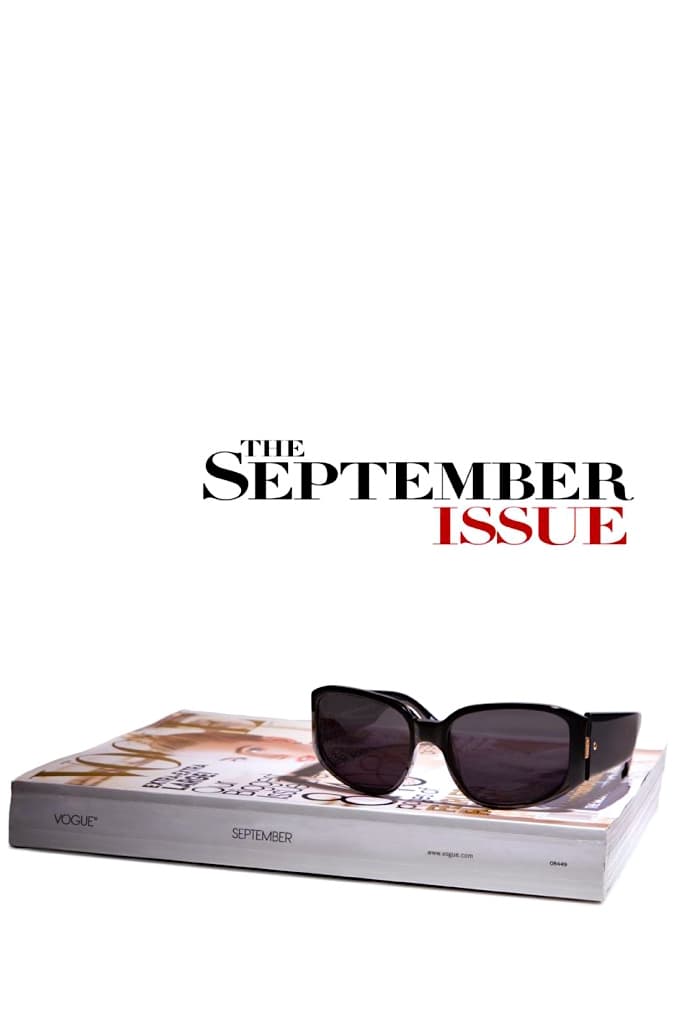
A documentary chronicling Vogue editor-in-chief Anna Wintour's preparations for the 2007 fall-fashion issue.
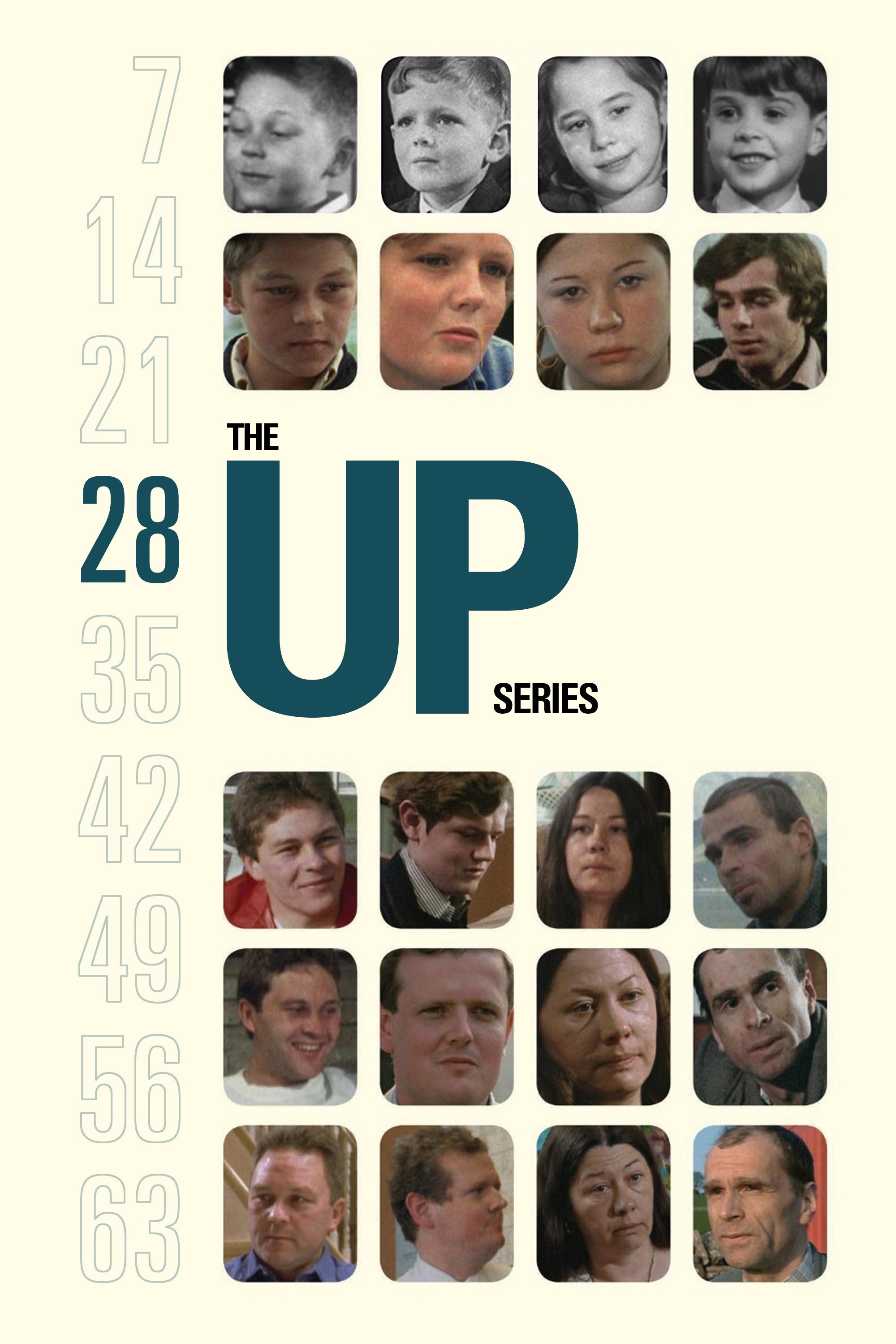
Just two years away from turning 30, participants in Michael Apted's documentary series are facing serious questions of identity and purpose, wondering whether they've found their place in the world.
A visual montage portrait of our contemporary world dominated by globalized technology and violence.
A detailing of the rise to prominence and global sporting superstardom of six supremely talented young Manchester United football players (David Beckham, Nicky Butt, Ryan Giggs, Paul Scholes, Phil and Gary Neville). The film covers the period 1992-1999, culminating in Manchester United's European Cup triumph.
A documentary about the life and films of director John Ford.
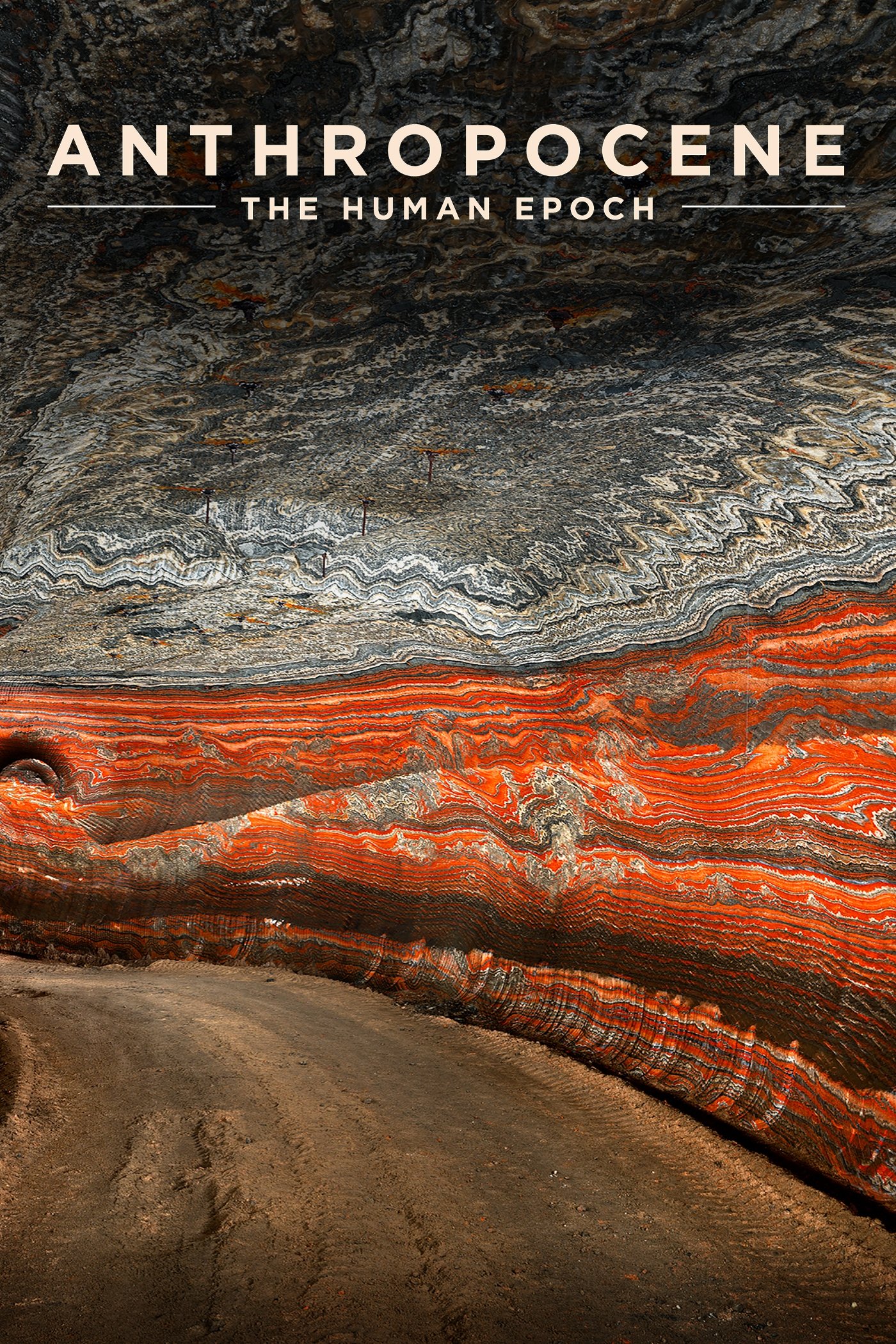
Documentary on psychedelic potash mines, expansive concrete seawalls, mammoth industrial machines, and other examples of humanity’s massive, destructive reengineering of the planet.
The history of cinematic sound, told by legendary sound designers and visionary filmmakers.
A documentary about the making of season five of the acclaimed AMC series Breaking Bad.
Artists in LA discover the work of forgotten Polish sculptor Stanislav Szukalski, a mad genius whose true story unfolds chapter by astounding chapter.
A documentary chronicling Queen and Lambert's incredible journey since they first shared the stage together on "American Idol" in 2009.
When Allied forces liberated the Nazi concentration camps in 1944-45, their terrible discoveries were recorded by army and newsreel cameramen, revealing for the first time the full horror of what had happened. Making use of British, Soviet and American footage, the Ministry of Information’s Sidney Bernstein (later founder of Granada Television) aimed to create a documentary that would provide lasting, undeniable evidence of the Nazis’ unspeakable crimes. He commissioned a wealth of British talent, including editor Stewart McAllister, writer and future cabinet minister Richard Crossman – and, as treatment advisor, his friend Alfred Hitchcock. Yet, despite initial support from the British and US Governments, the film was shelved, and only now, 70 years on, has it been restored and completed by Imperial War Museums under its original title "German Concentration Camps Factual Survey".