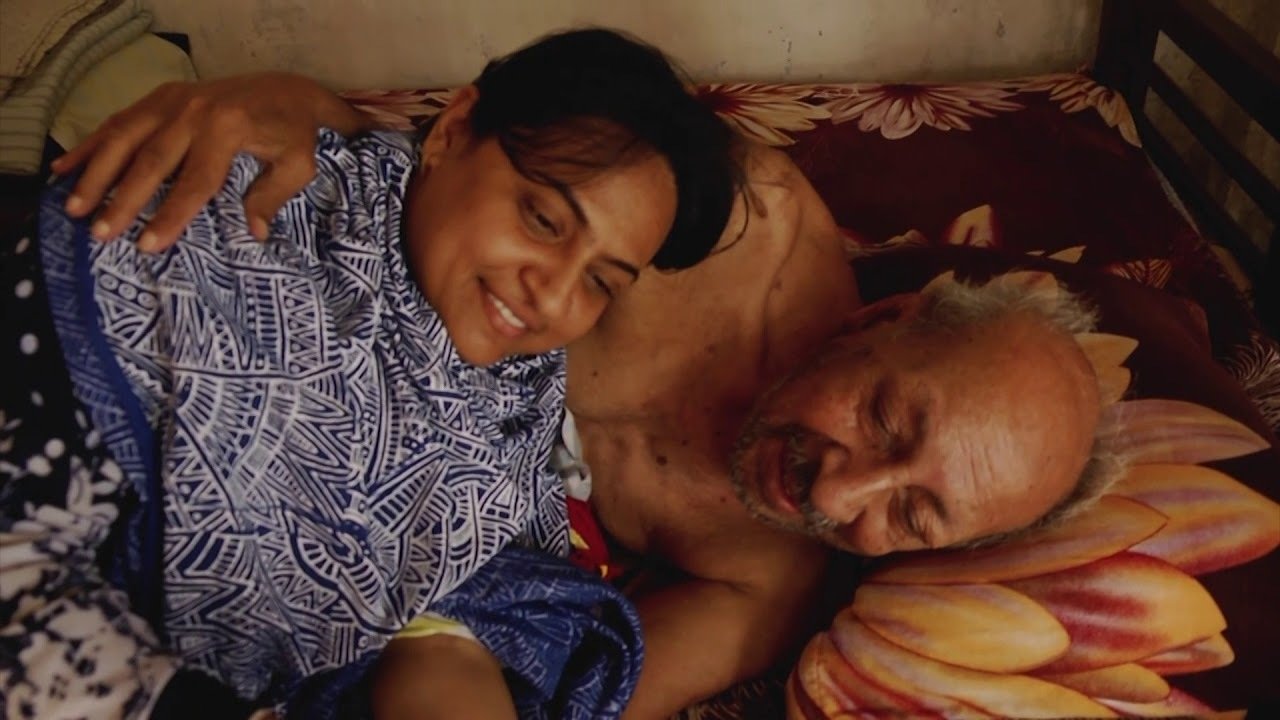
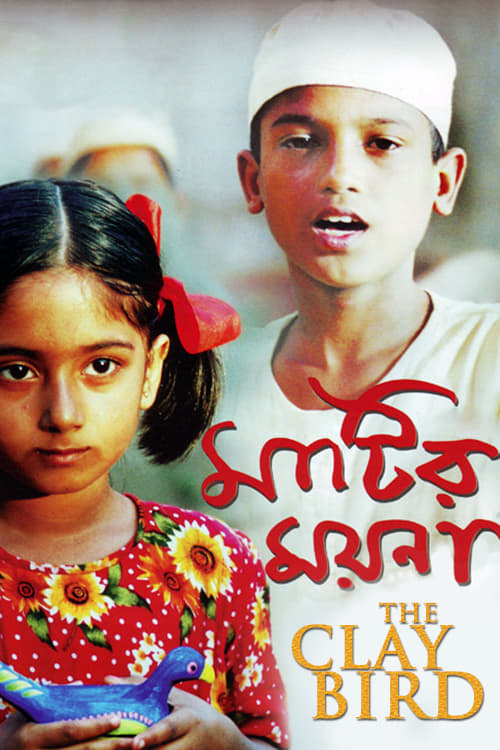
A paralyzed man and a deaf son both seriously affected by the war, lives a life dependent of each other while they both reminisce of their past .
Social & External
The people behind it
A documentary film about to resist the brutal action taken by Pakistan occupy army against general people of Bangladesh (previously East Pakistan) in between 26 March, 1971 and 16 Dec, 1971.
Narir Kotha is an exploration of the experience of women in the Bangladesh Liberation War of 1971. During the war, thousands of women were systematically raped and tortured by the Pakistan Army and their collaborators. But they were not only victims of sexual violence, they were also in the front lines of the popular resistance against the occupying Army, as fighters and martyrs. Narir Kotha is an attempt to explore some of these stories, through the words of the women themselves.
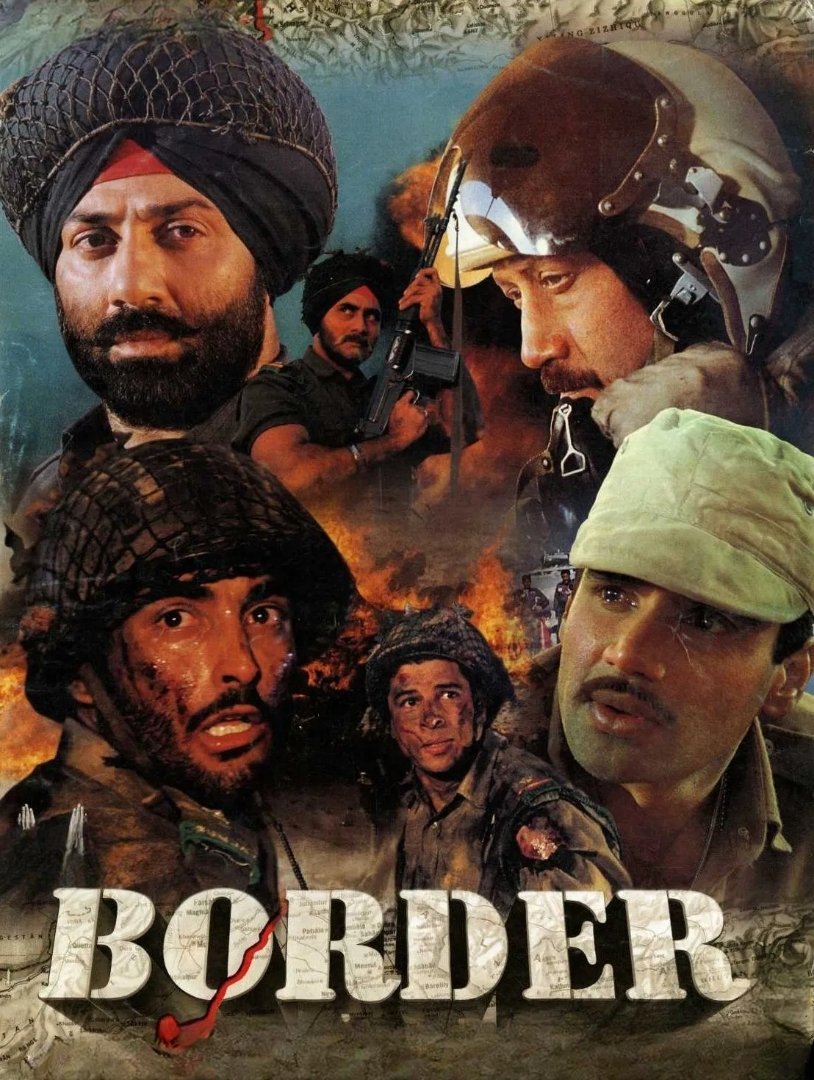
Amidst the 1971 Indo-Pak war, a company of 120 Indian soldiers stationed at the border region of Longewala in Rajasthan must defend their post through the night against two thousand Pakistani troops armed with tanks. Based on the true events of the Battle of Longewala.
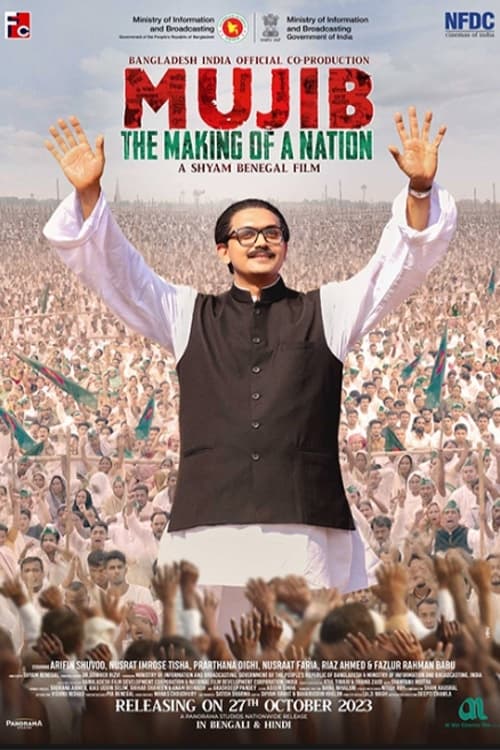
Biopic on the father of the nation of Bangladesh, Sheikh Mujibur Rahman. The film will showcase his growing up as a child to his standing up against all injustice in his youth to fighting for the independence of his country. How he led a country to it's independence with his inspirational presence and fight for the justice.
The film tells the story of the legendary 'Shadhin Bangla Football Team' founded during the 1971 Liberation War of Bangladesh. They played friendly matches across India to raise funds which would be used in the war. The film also portrays the personal lives of few players of the team and their struggle and losses during the war. Though the film is inspired by true events, it takes cinematic liberty and mixes fiction with reality as well.
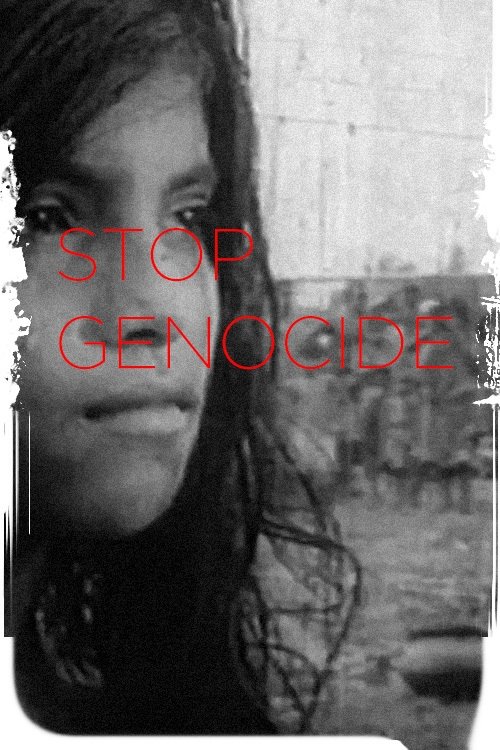
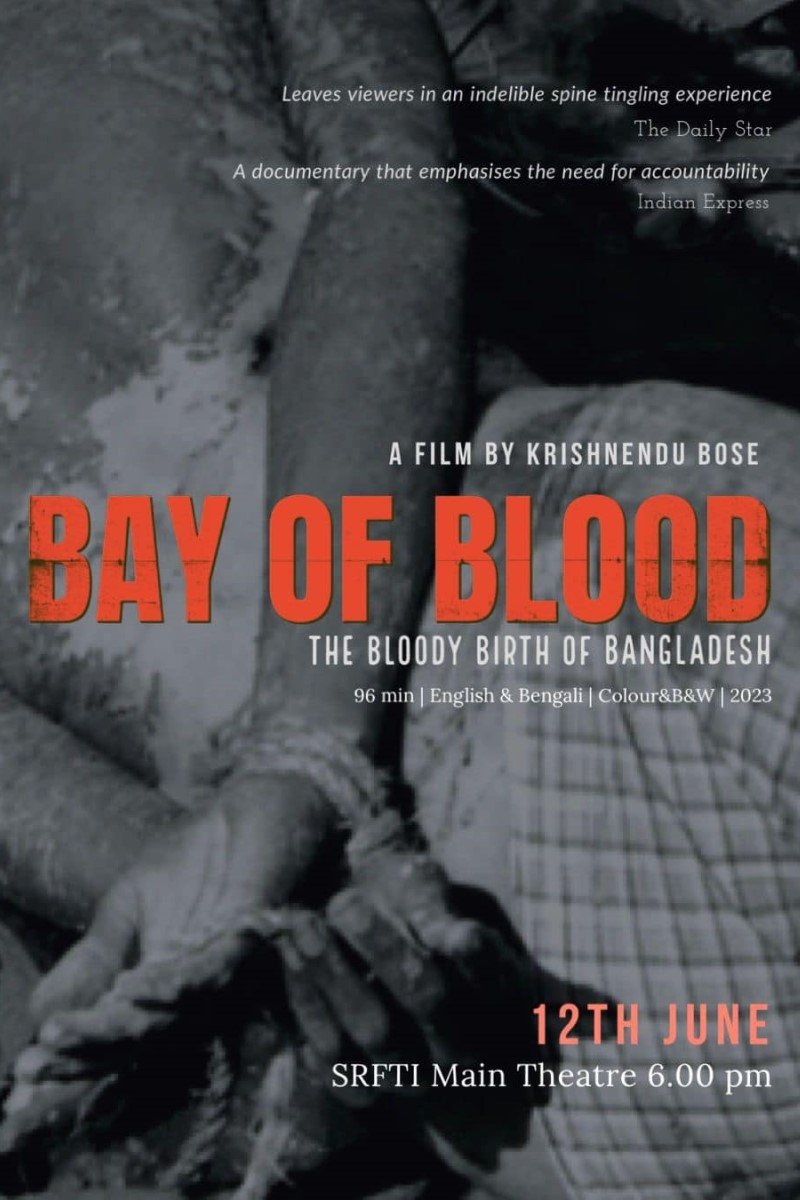
March 25th 1971, a horrific 'Genocide' was unleashed on the unarmed civilians of East Pakistan. This was done by their own Pakistani Army. An estimated 3 million people were killed, 10 million people were displaced to India as refugees and 400,000 women and girls were raped by the Pakistani soldiers. But Pakistan was not alone in perpetrating this violence. The then-American president and the National Security Advisor were supporting the Pakistani dictator. The cold war triggered this geopolitical escalation. Finally, India pressurized by the 10 million refugees within its borders, went to war with Pakistan. and joining forces with the local rebels, the Mukti Bahini, helped liberate Bangladesh. Cradled in the blood of innocents, a new nation was born in the closing days of 1971. "Bay of Blood", brings this 50-odd-year-old story to life.
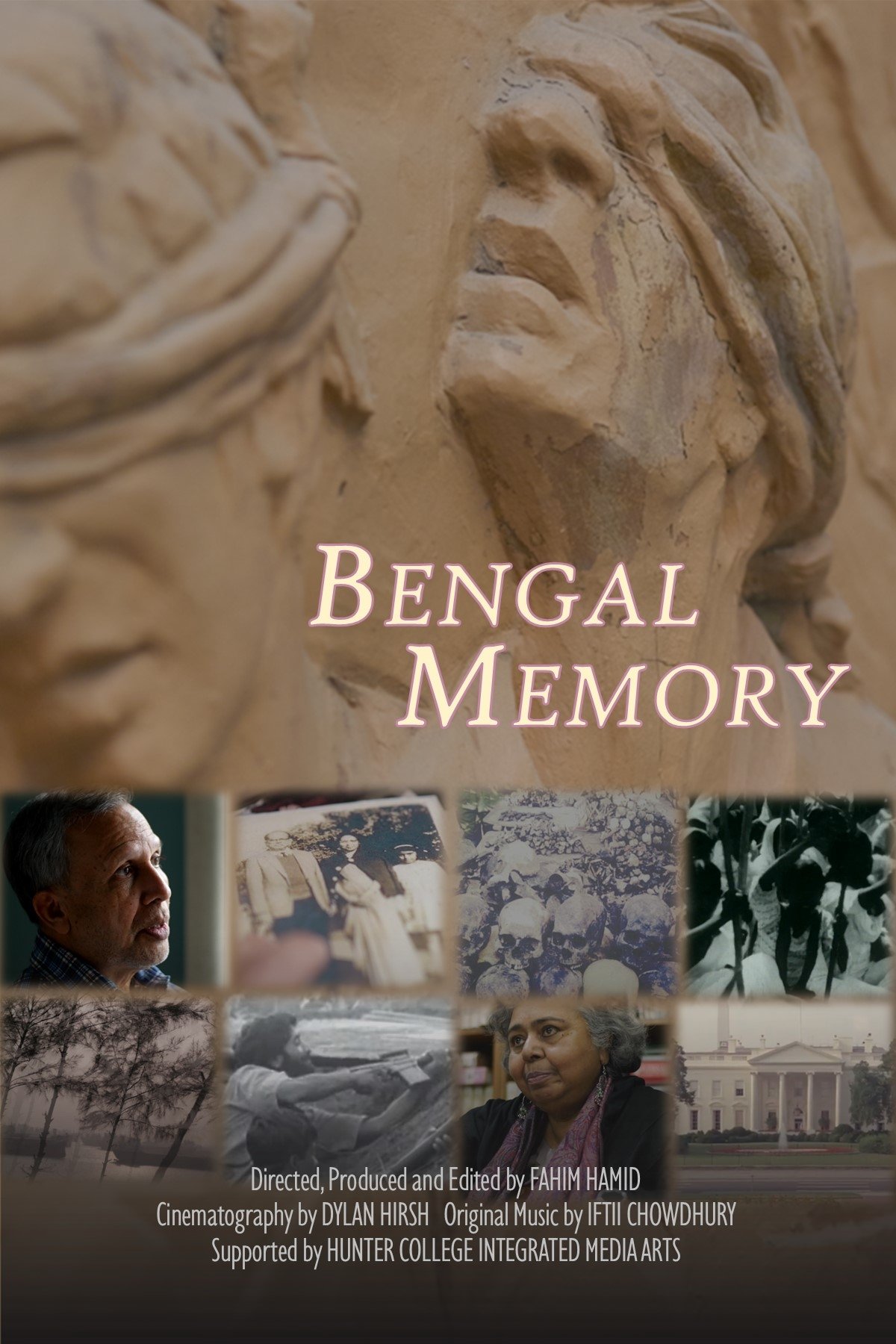
A Bangladeshi American undertakes a journey to learn about the liberation war in his native country, traveling there for the first time in nearly two decades, and uncovering the controversial role the U.S. played in a forgotten genocide that occurred there over 50 years ago. From 1971 to the present day, this is a story of Bangladesh’s independence, a family’s journey immigrating to America, and the cognitive dissonance of a person belonging to both homelands. Driven by interviews with his father and other family members, along with experts and witnesses, archival videos, declassified recordings, and animations, BENGAL MEMORY is a unique and untold oral history through a personal lens.
A short documentary, charting Bangladesh's quest for freedom from Pakistan.
A family must come to grips with its culture, its faith, and the brutal political changes entering its small-town world.
A story of a family during the 1971 Liberation War in Bangladesh and their family getting punished by the ruthless Pakistani soldiers. Mahbub, a Bengali himself, is supporting Pakistan in order to save himself.
A team of professional opera performers and singers travel to Marks, MS to expose middle school students to the arts.
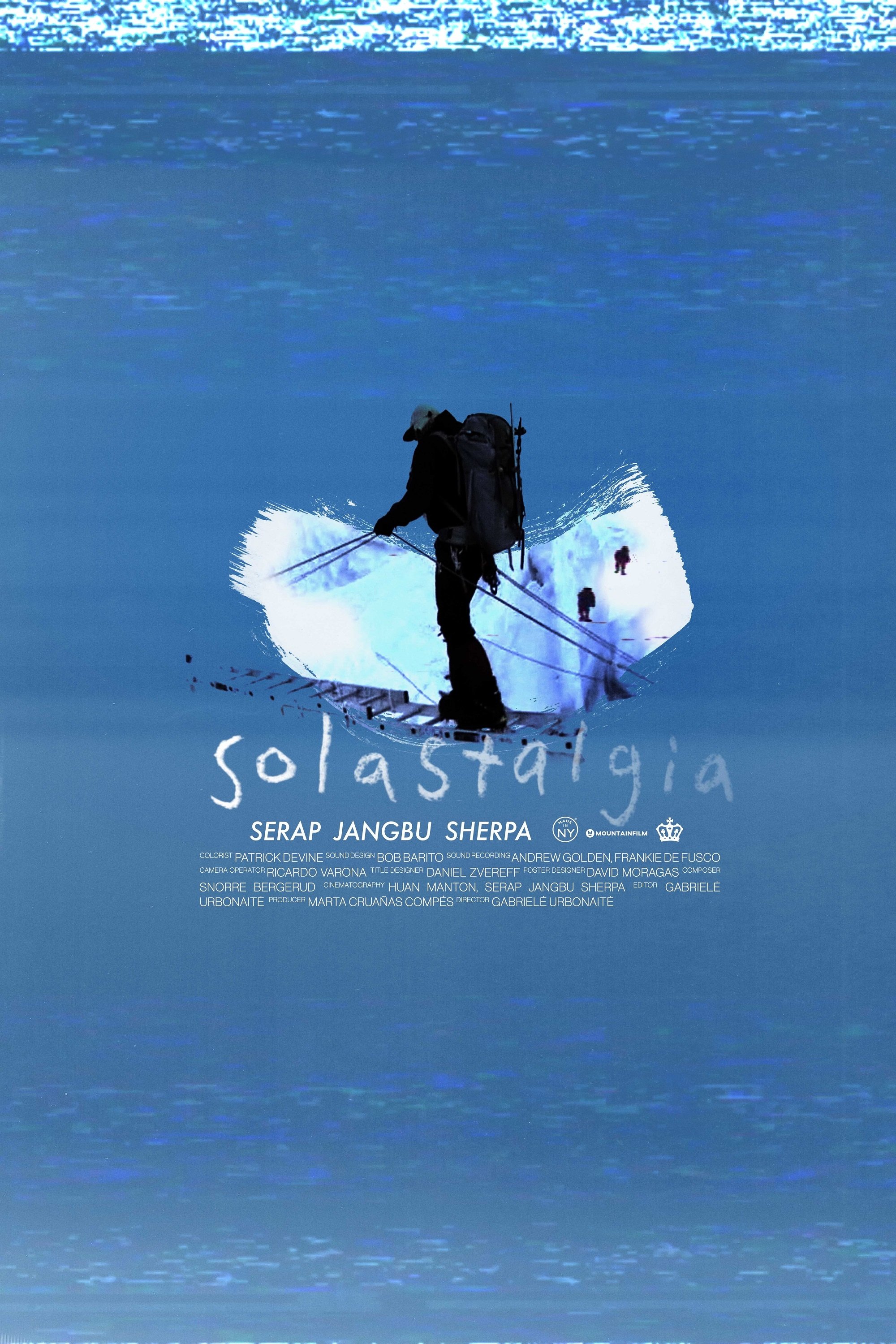
Serap Sherpa, an accomplished mountain guide from Nepal, now drives a cab in New York City and gets lost in his memories of the mountains.
A short but educational documentary about a young sculptor who decides to build a cute mini-pig from his troublesome domestic cat. What can modern science and technology do? What kind of tools are needed for a cat-to-pig builder at home? Where are the limits of ethics? What about aesthetics?
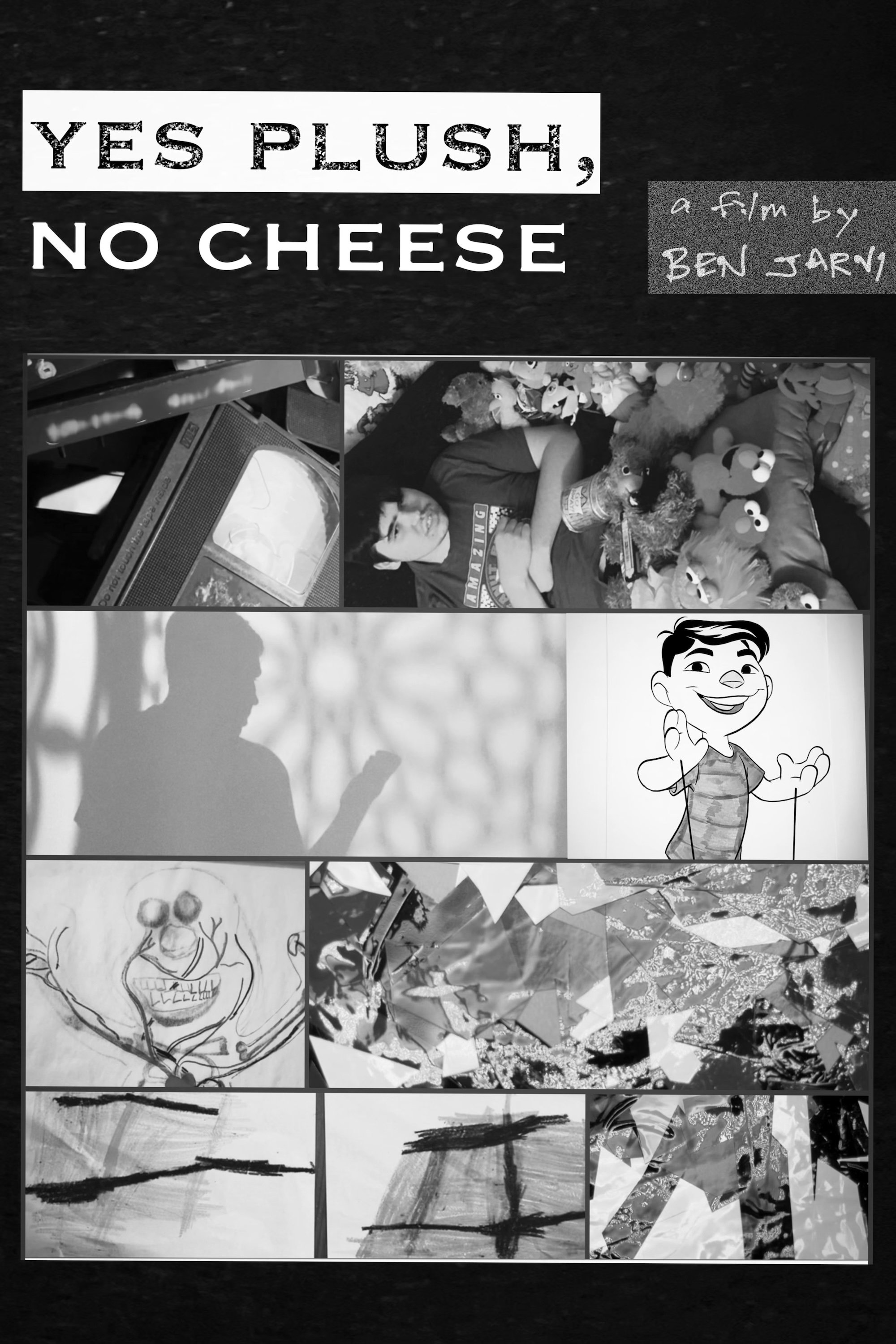
A father with no filmmaking experience documents his son's life with autism and the aftermath of an unexpected health scare. A quirky, homemade look at daily life that might catch you by surprise.
1928-29 Irish Cup Semi-Final action between Ballymena and Coleraine, from Belfast's Windsor Park.
Short film about performance, realized when Nam June Paik participated in Karlheinz Stockhausen's piece "Originale" in Cologne in 1961.
Tells the story of several Vietnamese children who were injured in the Vietnam War and were brought by the Children's aid organization Terre des Hommes to Germany for better care. In 1974, some of them had to return to Vietnam and were faced with the challenge of getting used to the life in their home country again.
It shows the participation of Salvadoran women in the revolutionary struggle, through different functions they perform, from armed combatants to leaders.
Prelude to War was the first film of Frank Capra's Why We Fight propaganda film series, commissioned by the Pentagon and George C. Marshall. It was made to convince American troops of the necessity of combating the Axis Powers during World War II. This film examines the differences between democratic and fascist states.
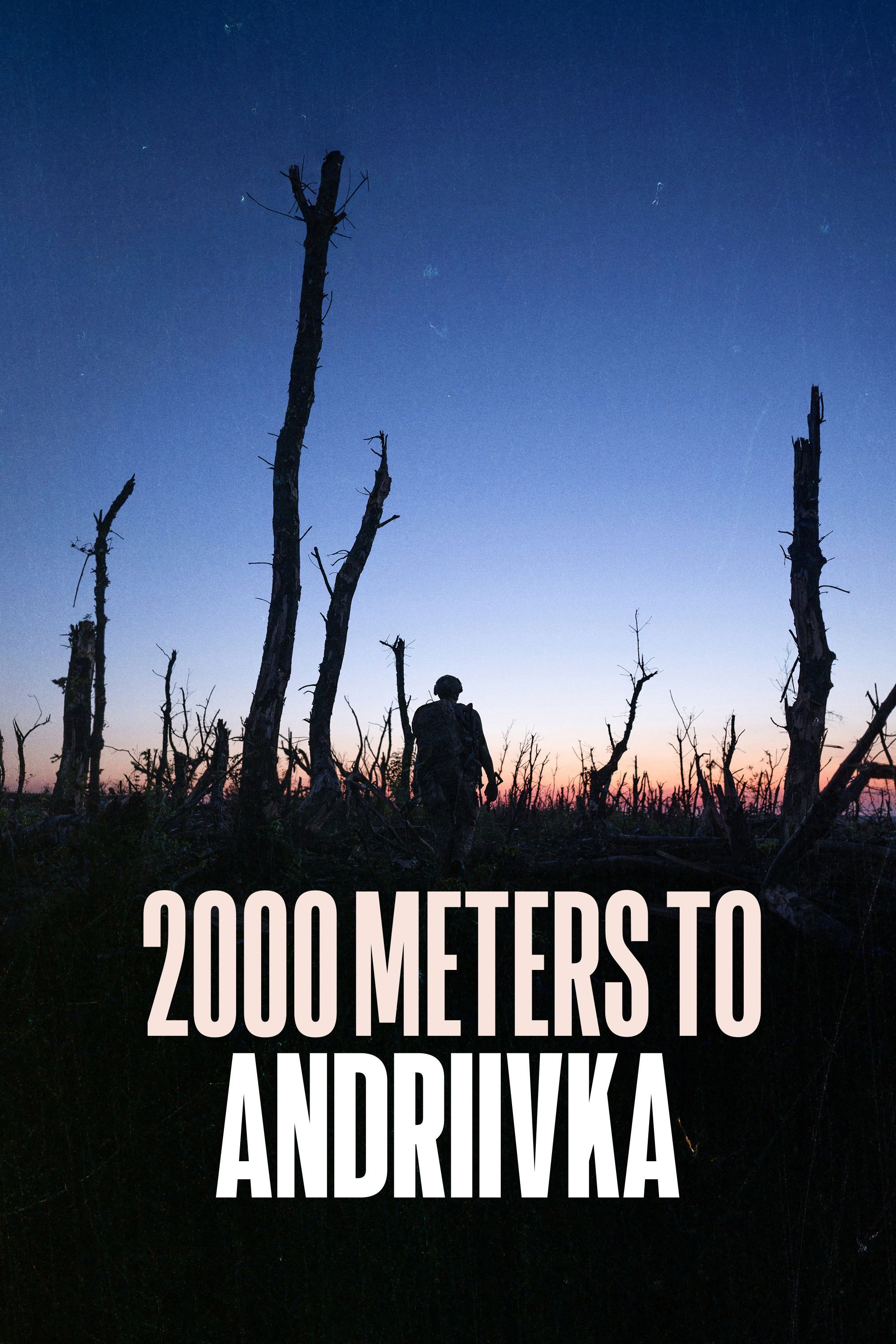
Amid the failing counteroffensive, a journalist follows a Ukrainian platoon on their mission to traverse one mile of heavily fortified forest and liberate a strategic village from Russian occupation. But the farther they advance through their destroyed homeland, the more they realize that this war may never end.
“The Soviet Story” is a story of an Allied power, which helped the Nazis to fight Jews and which slaughtered its own people on an industrial scale. Assisted by the West, this power triumphed on May 9th, 1945. Its crimes were made taboo, and the complete story of Europe’s most murderous regime has never been told. Until now...
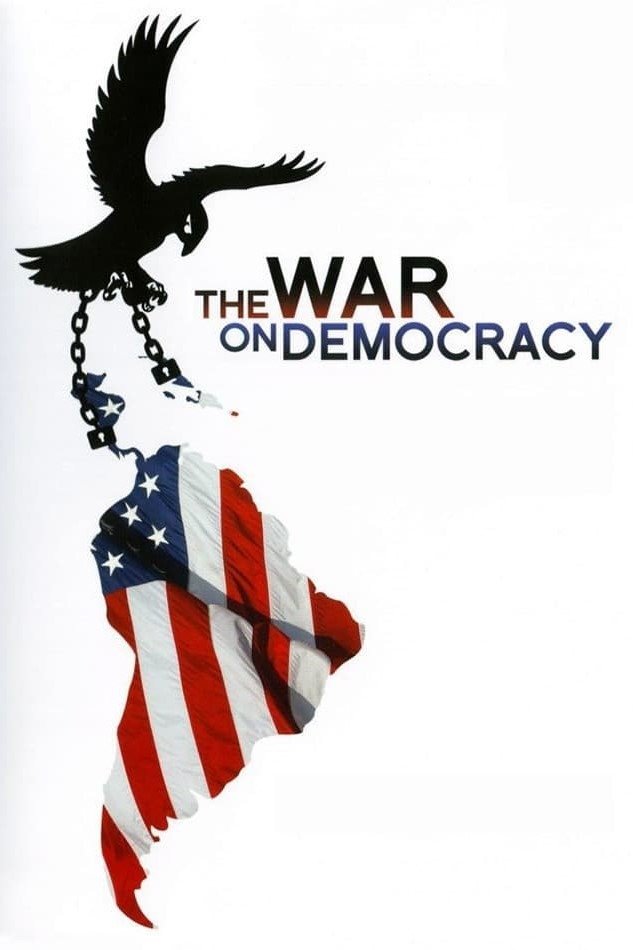
Set both in Latin America and the United States, the film explores the historic and current relationship of Washington with countries such as Venezuela, Bolivia and Chile. Pilger says that the film "...tells a universal story... analysing and revealing, through vivid testimony, the story of great power behind its venerable myths. It allows us to understand the true nature of the so-called "war on terror". According to Pilger, the film’s message is that the greed and power of empire is not invincible and that people power is always the "seed beneath the snow".
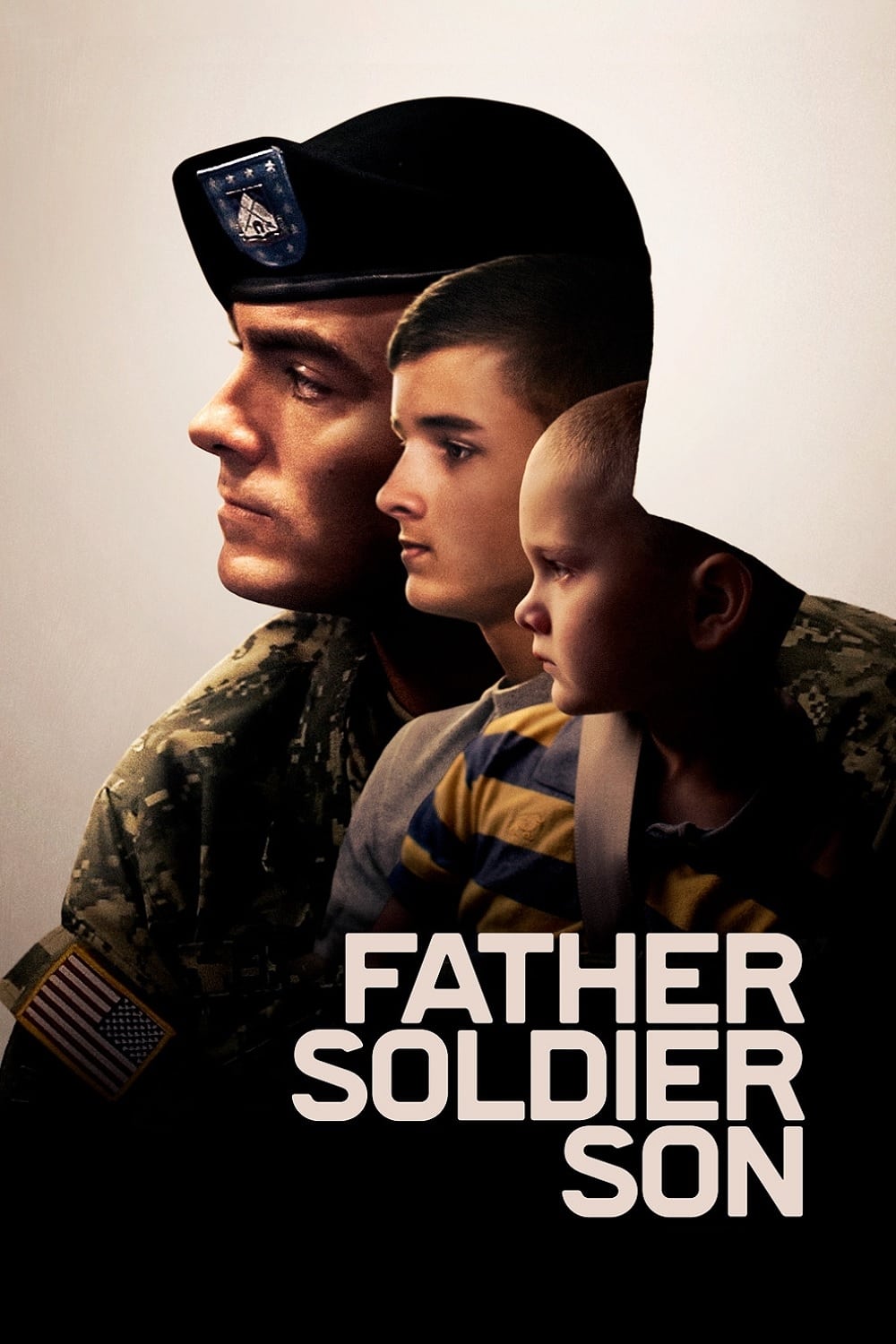
When Sgt. First Class Brian Eisch is critically wounded in Afghanistan, it sets him and his sons on a journey of love, loss, redemption and legacy.
A love letter from a young mother to her daughter, the film tells the story of Waad al-Kateab’s life through five years of the uprising in Aleppo, Syria as she falls in love, gets married and gives birth to Sama, all while cataclysmic conflict rises around her. Her camera captures incredible stories of loss, laughter and survival as Waad wrestles with an impossible choice– whether or not to flee the city to protect her daughter’s life, when leaving means abandoning the struggle for freedom for which she has already sacrificed so much.
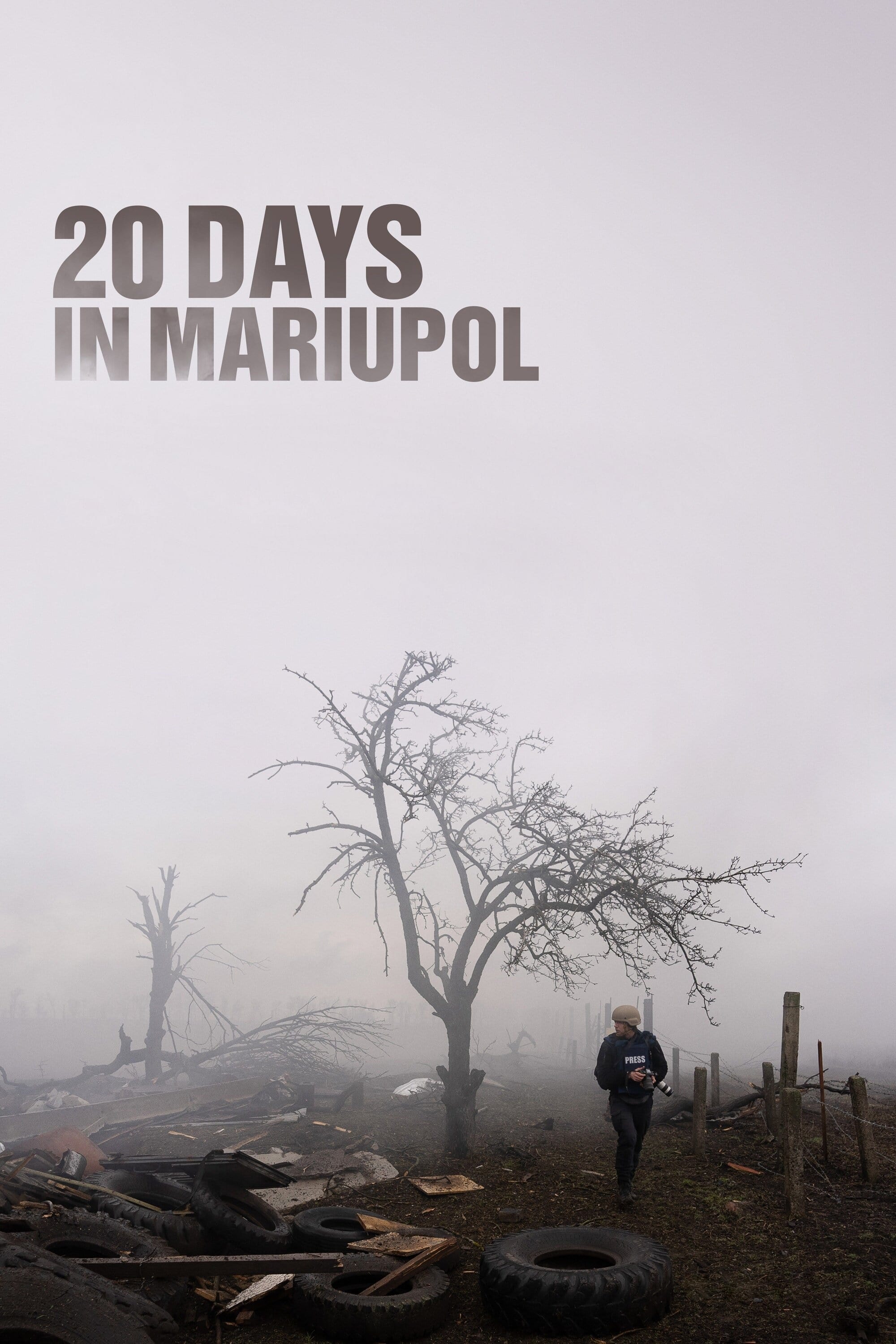
As the Russian invasion begins, a team of Ukrainian journalists trapped in the besieged city of Mariupol struggle to continue their work documenting the war's atrocities.
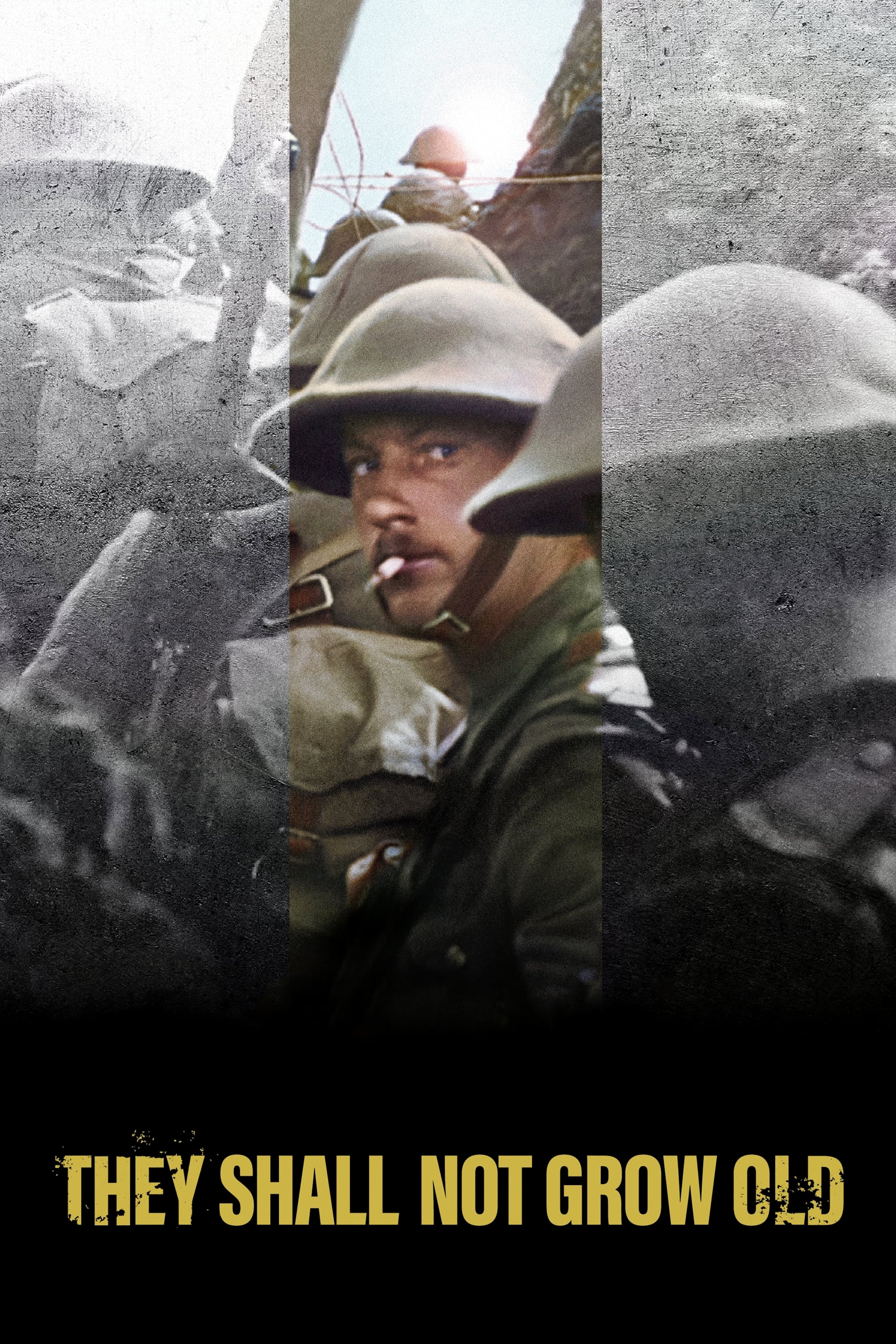
A documentary about World War I with never-before-seen footage to commemorate the centennial of Armistice Day, and the end of the war.
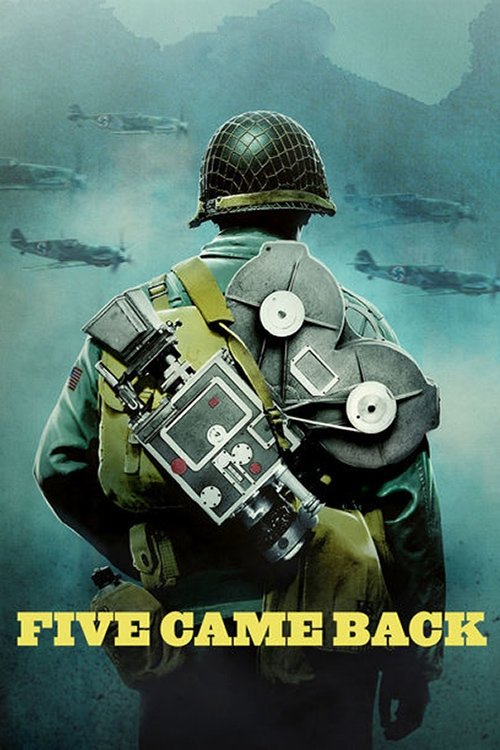
The extraordinary story of how Hollywood changed World War II – and how World War II changed Hollywood, through the interwoven experiences of five legendary filmmakers who went to war to serve their country and bring the truth to the American people: John Ford, William Wyler, John Huston, Frank Capra, and George Stevens. Based on Mark Harris’ best-selling book, “Five Came Back: A Story of Hollywood and the Second World War.”
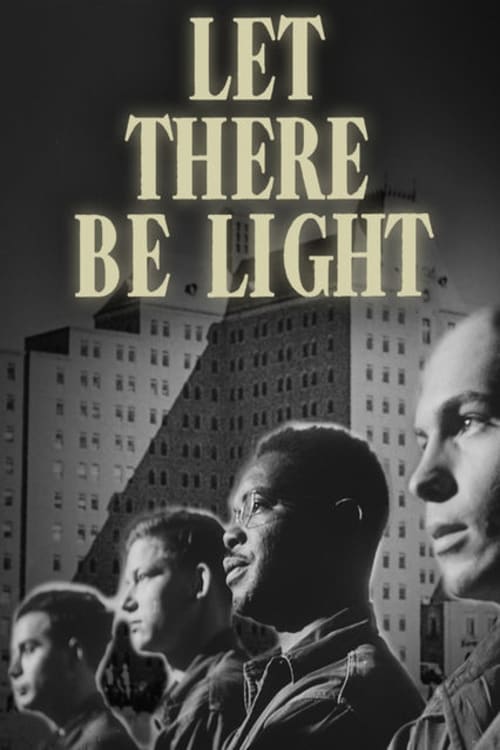
The final entry in a trilogy of films produced for the U.S. government by John Huston. Some returning combat veterans suffer scars that are more psychological than physical. This film follows patients and staff during their treatment. It deals with what would now be called PTSD, but at the time was categorised as psychoneurosis or shell-shock. Government officials deemed this 1946 film counterproductive to postwar efforts; it was not shown publicly until 1981.
When Allied forces liberated the Nazi concentration camps in 1944-45, their terrible discoveries were recorded by army and newsreel cameramen, revealing for the first time the full horror of what had happened. Making use of British, Soviet and American footage, the Ministry of Information’s Sidney Bernstein (later founder of Granada Television) aimed to create a documentary that would provide lasting, undeniable evidence of the Nazis’ unspeakable crimes. He commissioned a wealth of British talent, including editor Stewart McAllister, writer and future cabinet minister Richard Crossman – and, as treatment advisor, his friend Alfred Hitchcock. Yet, despite initial support from the British and US Governments, the film was shelved, and only now, 70 years on, has it been restored and completed by Imperial War Museums under its original title "German Concentration Camps Factual Survey".
During the chaotic final weeks of the Vietnam War, the North Vietnamese Army closes in on Saigon as the panicked South Vietnamese people desperately attempt to escape. On the ground, American soldiers and diplomats confront a moral quandary: whether to obey White House orders to evacuate only U.S. citizens.
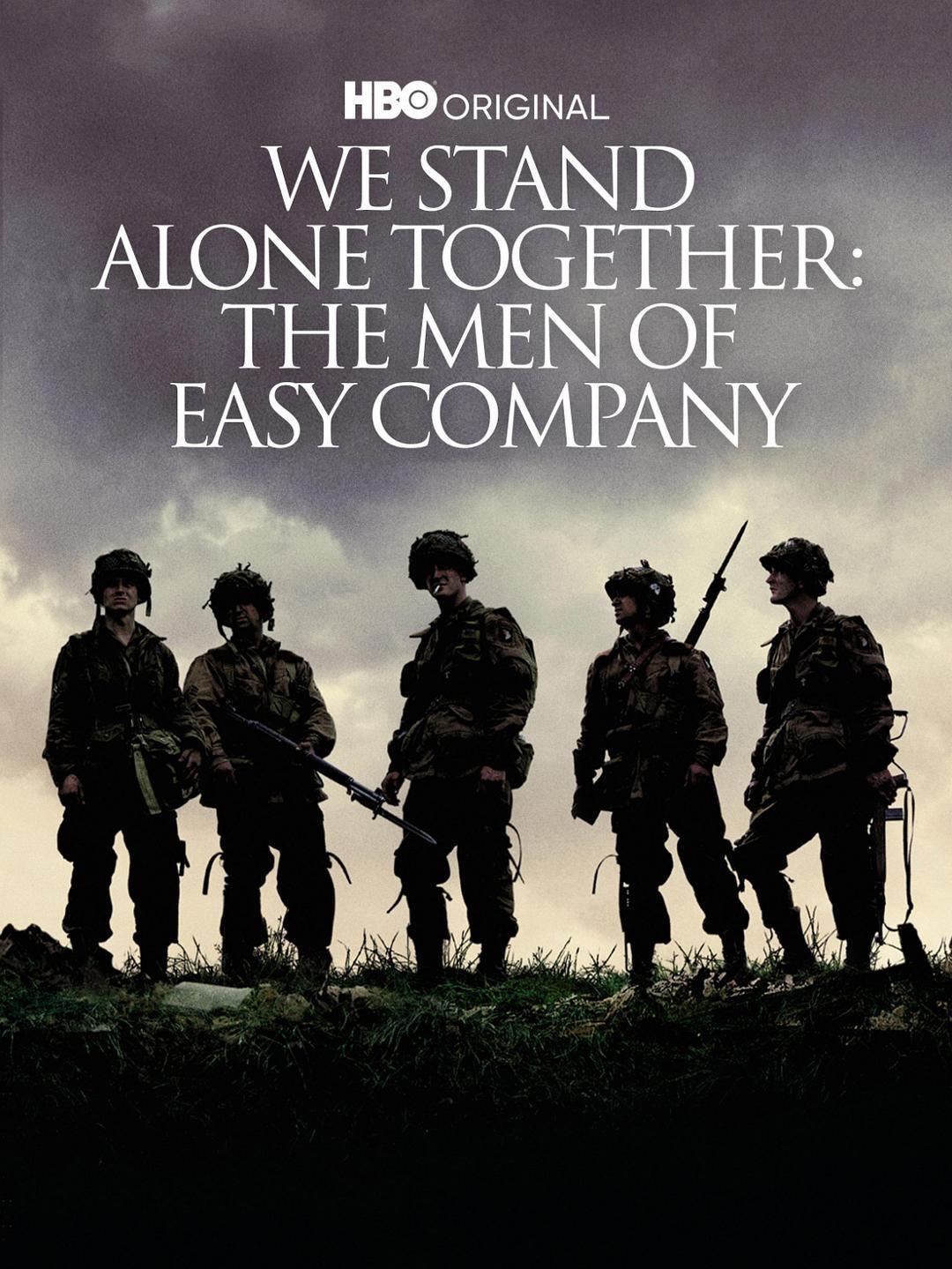
Over a period of two years, Mark Cowen and his crew travelled to thirty U.S. states and ten European cities, to interview the veterans of Easy Company. The stories told by the veterans themselves, create a history of the Second World War from the point of view of this heroic company of men, made famous in the mini-series Band of Brothers.
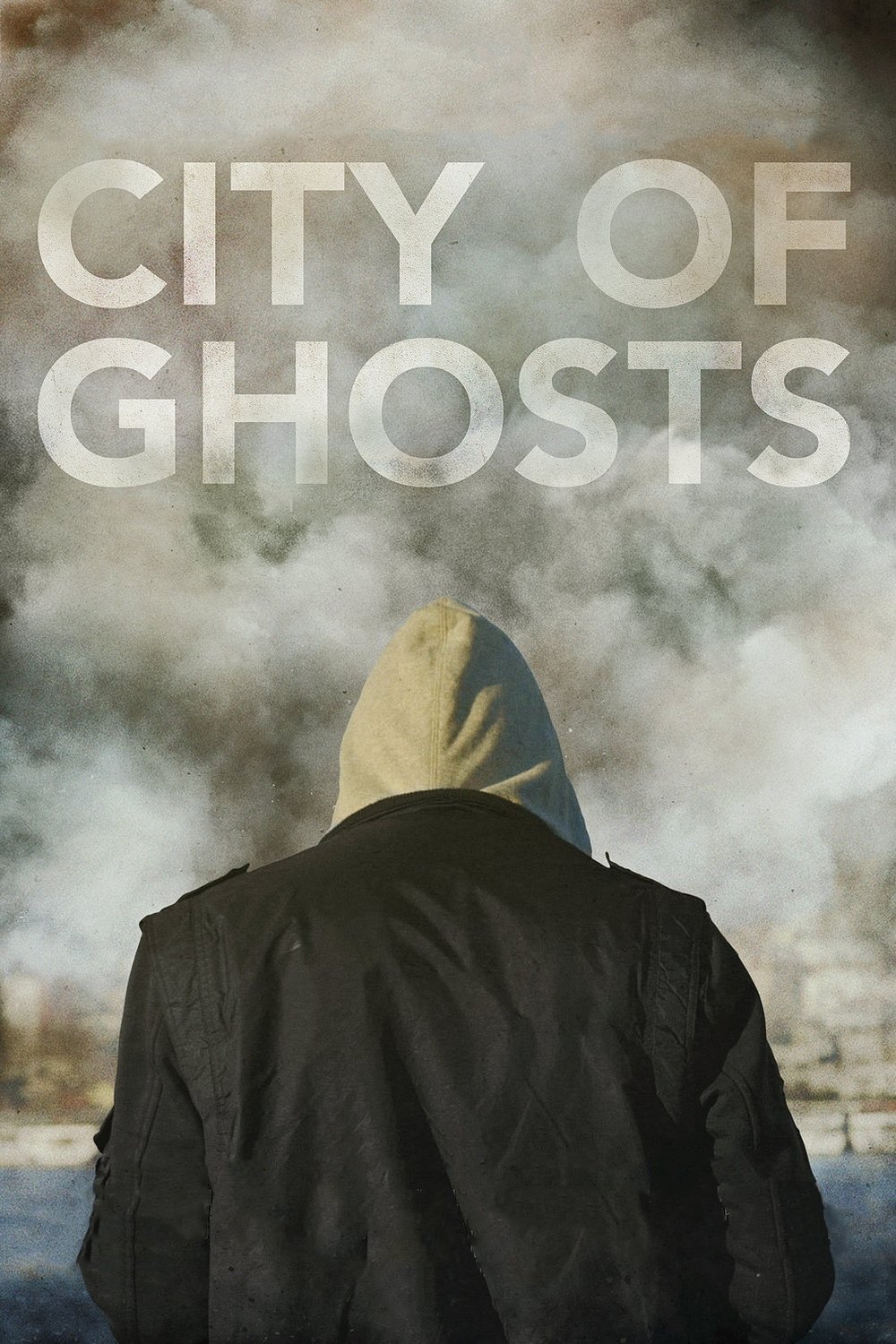
With unprecedented access, this documentary follows the extraordinary journey of “Raqqa is Being Slaughtered Silently”—a group of anonymous citizen journalists who banded together after their homeland was overtaken by ISIS—as they risk their lives to stand up against one of the greatest evils in the world today.
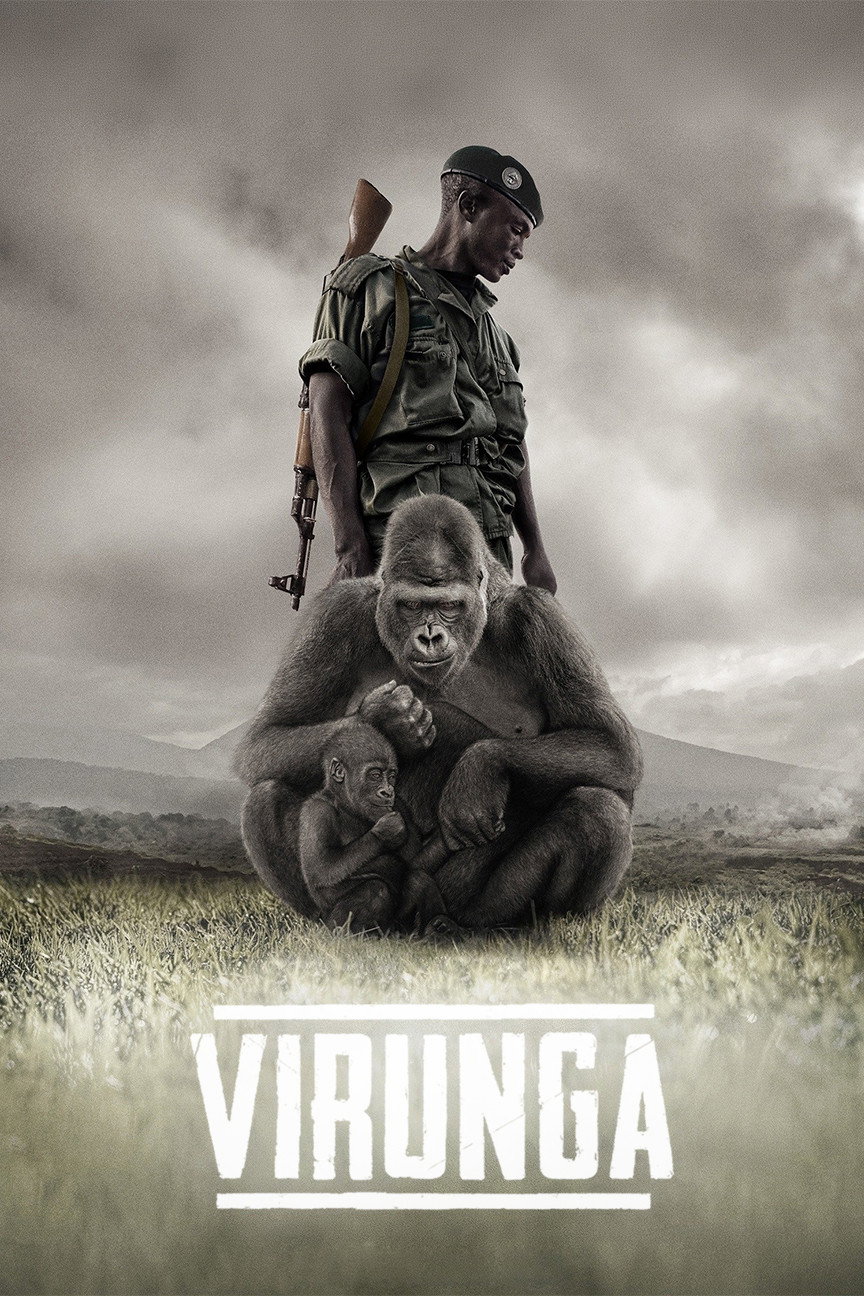
Virunga in the Democratic Republic of the Congo is Africa’s oldest national park, a UNESCO world heritage site, and a contested ground among insurgencies seeking to topple the government that see untold profits in the land. Among this ongoing power struggle, Virunga also happens to be the last natural habitat for the critically endangered mountain gorilla. The only thing standing in the way of the forces closing in around the gorillas: a handful of passionate park rangers and journalists fighting to secure the park’s borders and expose the corruption of its enemies. Filled with shocking footage, and anchored by the surprisingly deep and gentle characters of the gorillas themselves, Virunga is a galvanizing call to action around an ongoing political and environmental crisis in the Congo.
"Trinity and Beyond" is an unsettling yet visually fascinating documentary presenting the history of nuclear weapons development and testing between 1945-1963. Narrated by William Shatner and featuring an original score performed by the Moscow Symphony Orchestra, this award-winning documentary reveals previously unreleased and classified government footage from several countries.
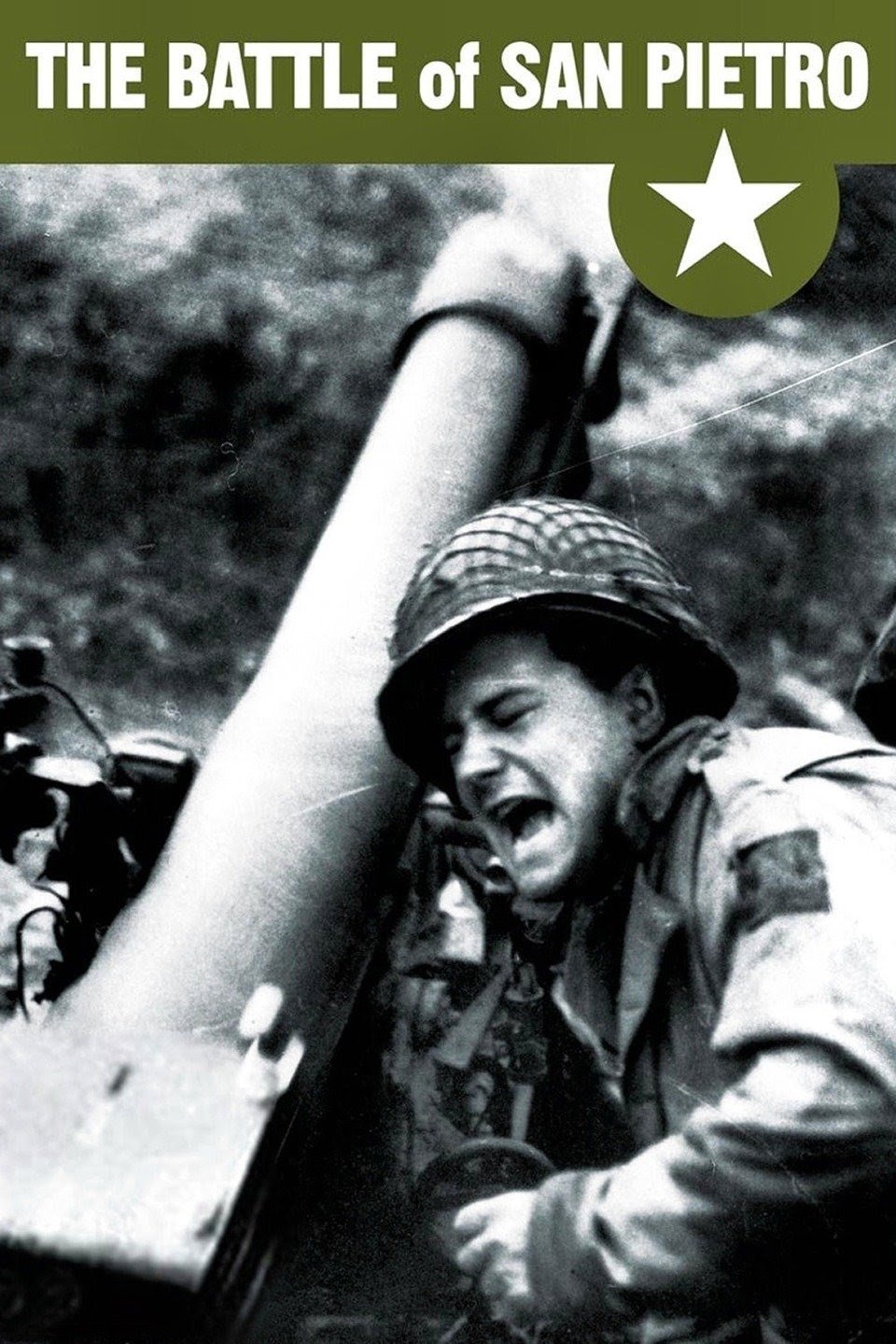
This documentary movie is about the battle of San Pietro, a small village in Italy. Over 1,100 US soldiers were killed while trying to take this location, that blocked the way for the Allied forces from the Germans. Preserved by the Academy Film Archive in 2005.
Through deeply personal interviews with her siblings and an examination of the photographs, letters, and belongings left behind, Mariska assembles a new portrait of her mother Jayne Mansfield, an extraordinary and complex woman.
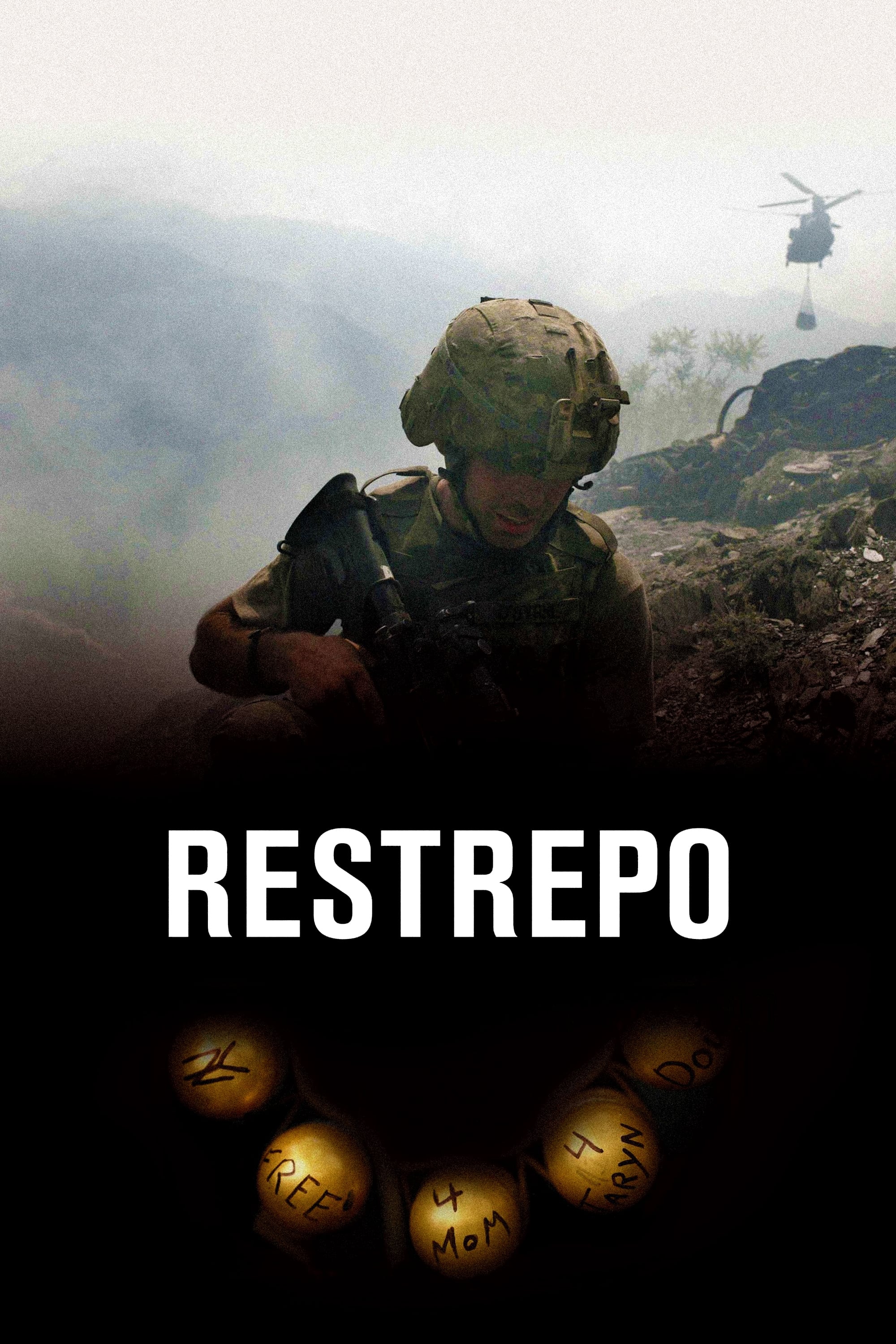
Directors Hetherington and Junger spend a year with the 2nd Battalion of the United States Army located in one of Afghanistan's most dangerous valleys. The documentary provides insight and empathy on how to win the battle through hard work, deadly gunfights and mutual friendships while the unit must push back the Taliban.
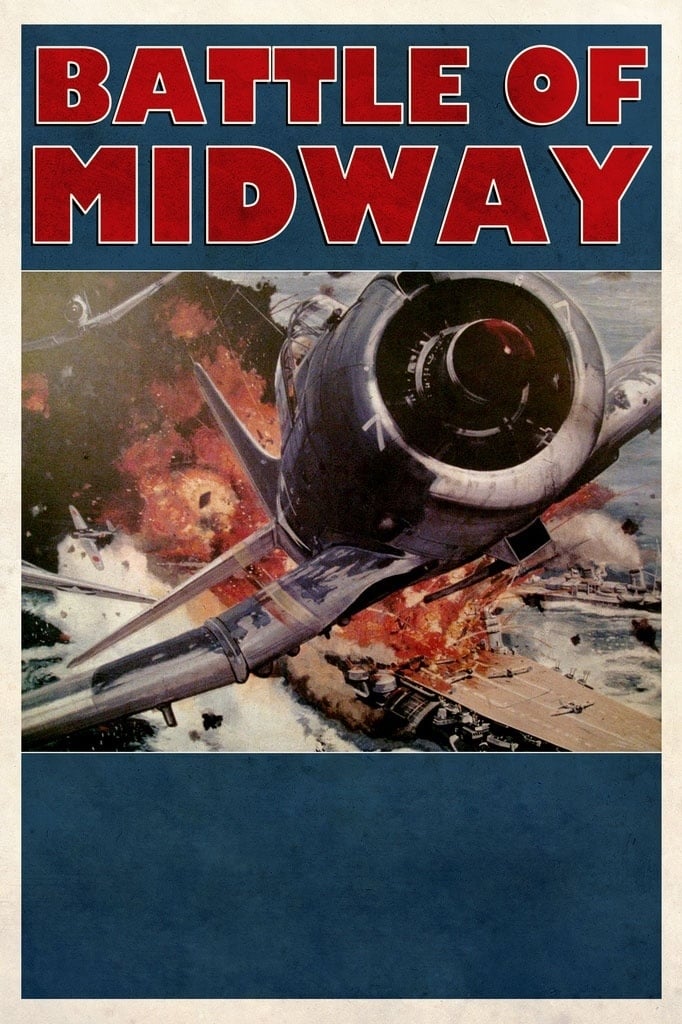
The Japanese attack on Midway in June 1942, filmed as it happened. Preserved by the Academy Film Archive, in partnership with Twentieth Century Fox Film Corporation, in 2006.