A personal interpretation of the blockade of Bosnia and Herzegovina's capital.
Social & External
The people behind it
Among the many dramatic episodes of the siege of Sarajevo in the years 1992 to 1996, the story of a human safari has remained concealed from the public eye. Few people knew that those fighting the war on the Serbian side were not only the Bosnian Serb Army, volunteers and mercenaries but also a small, clandestine group: wealthy foreigners who paid high fees for the chance to shoot at the residents of the city under siege.
Winter 2019. Spanish war photographer Gervasio Sánchez, who documented with his camera the long and tragic siege of Sarajevo during the Bosnian War (1992-95), returns to the city in search of the children he met among the ruins, those who survived to grow up, live and remember.
Experimental filmmaker Selma Doborac presents a radical and uncompromising essay on the impossibility of depicting the atrocities of war through insightful subtitles and meditative footage of abandoned structures that belong to the present as well as to the past.
Jabir, Usama and Uzeir are three young brothers in a Sunni family of shepherds. Since childhood, their father Ibrahim has rigidly trained them in the principles of the Quran and has filled their minds with stories of the Bosnian War.
Paul Pawlikowski's award-winning documentary on life behind Serbian lines in Bosnia. The film observes the roots of the extreme nationalism which has torn apart a country and provides a chilling examination of the dangerous power of ancient nationalist myths.
The carnage in Sarajevo provides the focus of this French documentary which seeks to call attention to the terrible conflict in the hopes of finally ending it. The film is divided into five parts. Each part covers a time frame ranging from April 4, 1992, the beginning of the war, to the present. The major issues that occur are three-fold. It depicts the systematic genocide of Bosnians, the silence of Western countries, and the determination of the Bosnians to resist. They refuse to be seen as victims, even though the filmmakers portray them so. Also included are the origins and political aspects of the war. It offers interviews with participants. It also reveals how the U.S. State Department censored reports about Serbian death camps.
Documentary about the massacre of Bosniak army committed over soldiers of Republika Srpska during 1990s Bosnian wars.
Filmmaker Sabina Vajraca documents her Bosnian Muslim family's return to their home of Banja Luka, Bosnia, to recover their stolen belongings many years after being forced to flee to the United States. In Bosnia, they witness the devastation of the city, visit war crimes sites, and confront the family that has been living in their former apartment -- with all their furnishings -- for a decade.
A surreal exploration of the war in Bosnia told through the unbreakable spirit of seven of her people whose strength to leave was as powerful as the fight to stay. Through the lens of diaspora, the film captures not just the weight of displacement, but the defiant act of survival and the unwavering pursuit of home, no matter where the journey leads.
A project of theatre-documentary on the Srebrenica massacre.
Sarajevolution is a project born in 2011 with the aim of exploring the cultural life of today Sarajevo. The film gives voice to the places of culture and to the people who animate them. The stories of Sarajevo’s libraries, museums and theatres intertwine with those of the inhabitants of the city, reflecting all the contradictions which characterize the social and economic context of the country.
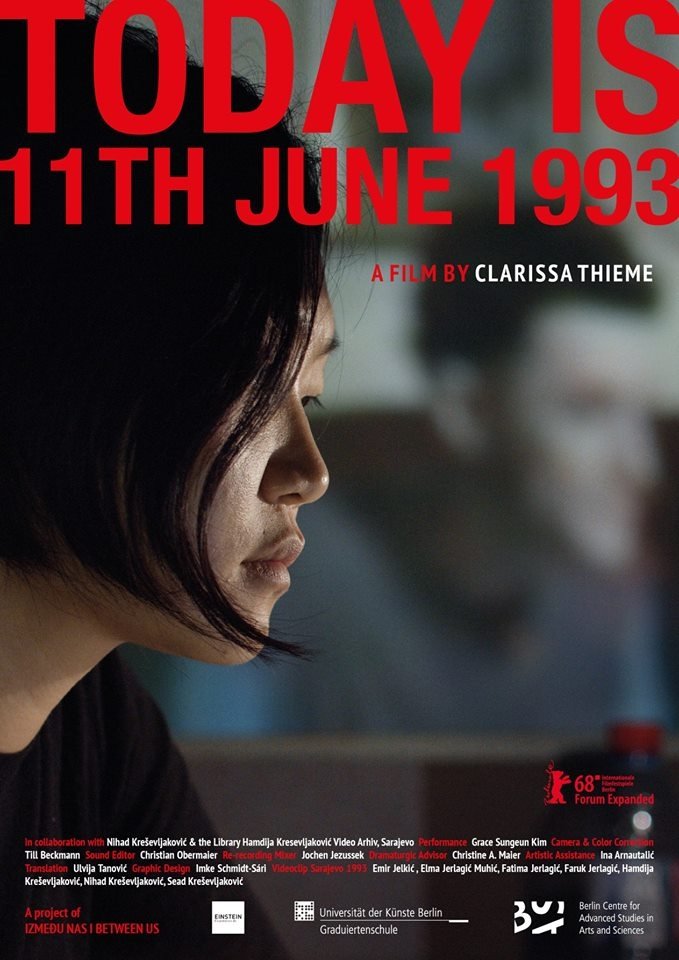
The inhabitants trapped in Sarajevo during the Yugoslavian War made an amateur video calling for a time machine to get them out of the city. Simultaneous translation is used to bring this call out of the past and into the present.
A hotel in the centre of town is a war-time home and refuge for many of Sarajevo's homeless people. Every morning they leave the hotel and wander around the destroyed city gathering again at the defunct hotel in the afternoon. This film follows their separate fates through the bitter comparing of images of the bums with those of dogs abandoned by their owners and now left et the mercy of the war ravaged streets of Sarajevo.
The docu-drama takes place during the war in the former Yugoslavia. A young journalist arrives in destroyed Sarajevo and finds out how people live in the middle of war. He encounters everyday problems that an individual, especially young people, has to deal with.
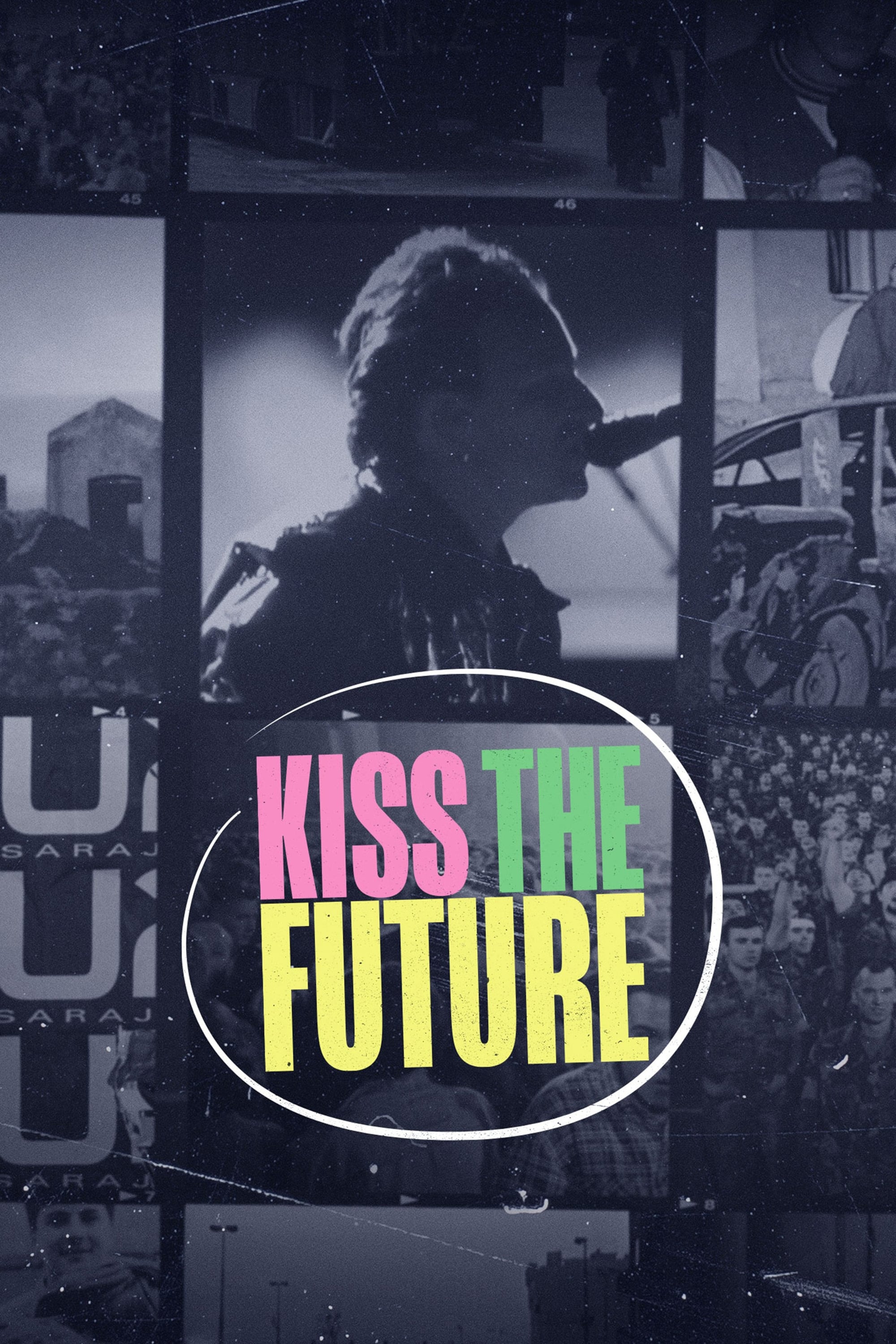
An exploration of the perils of nationalism and art’s role as a weapon of resistance and activism throughout the 1990s Siege of Sarajevo during the Bosnian War. Explore how art and music sustained hope, thanks in part to humanitarians and the band U2.
On 11th of July 1995, the most mortifying crimes after World War II in Europe destroyed the Bosnian town of Srébrenica. Shootings and deportations beyondimagination were preceded by a betrayal of humaity: while 40,000 civilians were looking into the sky of Srébrenica, waiting for a sign from the international community, guaranteeing their protection, the headquarters of the United Nations decided to surrender. The betrayal kill 8,372 men, women and children. Sky above Srebrenica (101 minutes) is based on protocols of the secret crisis meetings of the UN headquarters. In a unique way never before released original material of the consequences is shown next to those who are responsible for these.
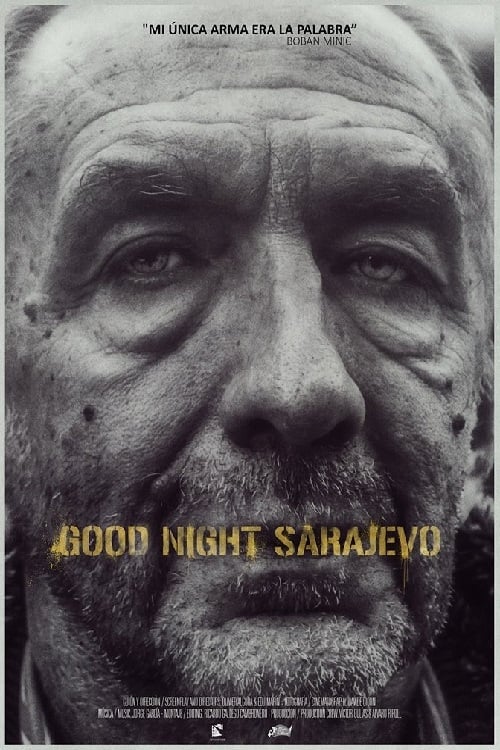
Good night, Sarajevo is the story of a voice. The voice of the Bosnian journalist Boban Minic and Radio Sarajevo during the siege of his city in the Bosnian War . A voice that night after night moved its listeners away from the brutality. Today, guided by a new mission, Minic, returns to Sarajevo.
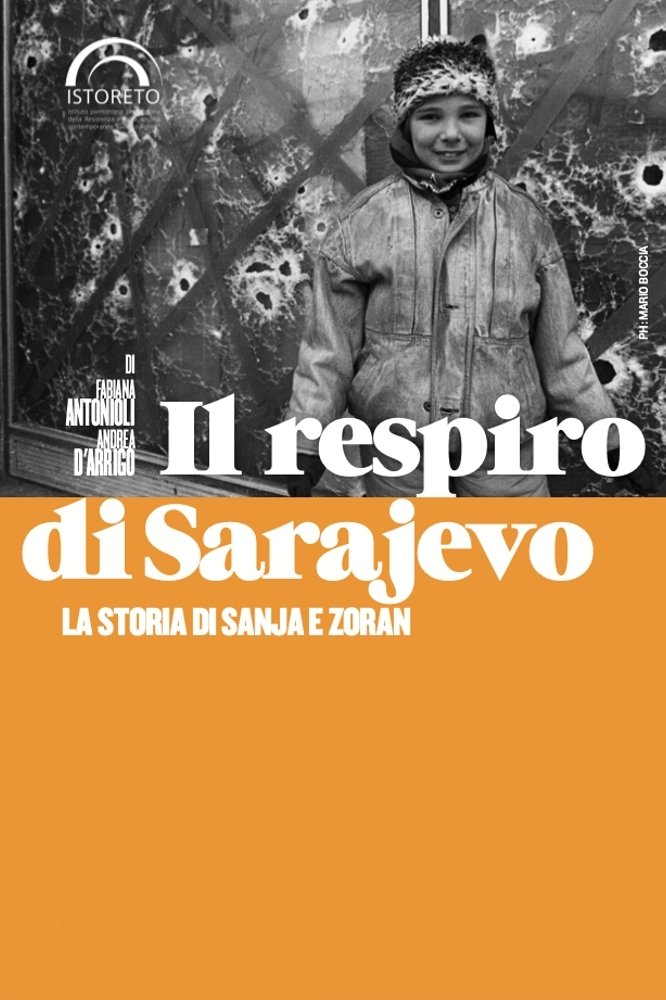
The extraordinary story of Sanja and Zoran, a couple who in 1993 fled and survived the siege of Sarajevo, the longest war in 20th century history, to find refuge in Italy, in Turin. In their life experience, past and present come together to give voice to friendship and hope, reflecting on war, prejudice, tolerance and acceptance.
In September 2004, Himzo Muratovic returned from the dead. Himzo turned up in a taxi in his Bosnian Muslim village, 12 years after he disappeared at the height of the Serb terror. His mother fell unconscious when neighbors told her that her missing son had returned. For several days the village celebrated the return of the long-dead Himzo Muratovic.
The compelling stories of four young people as they struggle to survive a war that ended nearly 20 years ago. The physical conflict is over - but its psychological impact continues. Can they break the cycle of violence?
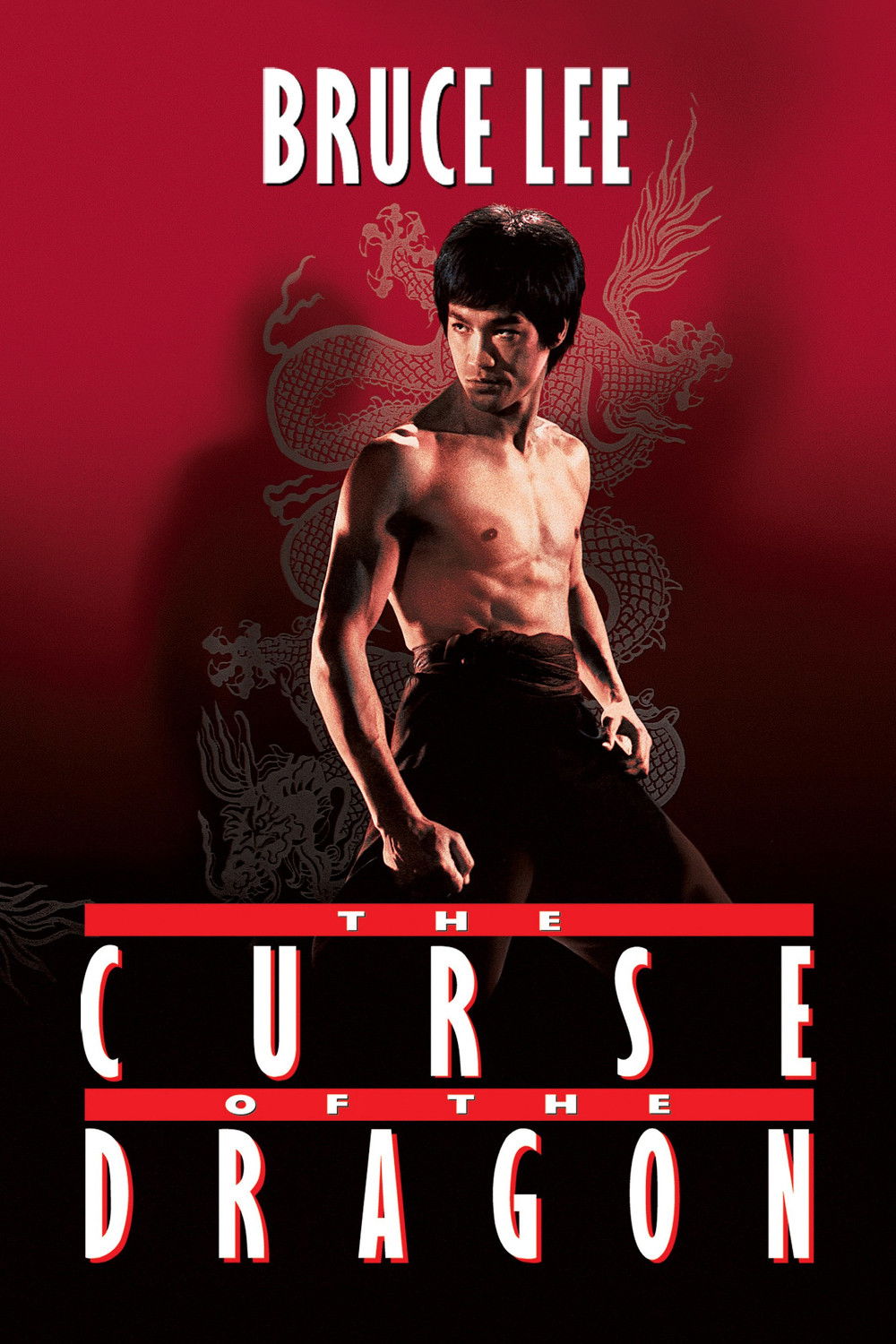
A 1993 documentary film about Bruce Lee. The film includes interviews from some of his fellow students and opponents who worked alongside him in his movies.
Through deeply personal interviews with her siblings and an examination of the photographs, letters, and belongings left behind, Mariska assembles a new portrait of her mother Jayne Mansfield, an extraordinary and complex woman.
Al Pacino's deeply-felt rumination on Shakespeare's significance and relevance to the modern world through interviews and an in-depth analysis of "Richard III."
An inside look at one of the most anticipated movie sequels ever with James Cameron and cast.
A detailing of the rise to prominence and global sporting superstardom of six supremely talented young Manchester United football players (David Beckham, Nicky Butt, Ryan Giggs, Paul Scholes, Phil and Gary Neville). The film covers the period 1992-1999, culminating in Manchester United's European Cup triumph.
When Allied forces liberated the Nazi concentration camps in 1944-45, their terrible discoveries were recorded by army and newsreel cameramen, revealing for the first time the full horror of what had happened. Making use of British, Soviet and American footage, the Ministry of Information’s Sidney Bernstein (later founder of Granada Television) aimed to create a documentary that would provide lasting, undeniable evidence of the Nazis’ unspeakable crimes. He commissioned a wealth of British talent, including editor Stewart McAllister, writer and future cabinet minister Richard Crossman – and, as treatment advisor, his friend Alfred Hitchcock. Yet, despite initial support from the British and US Governments, the film was shelved, and only now, 70 years on, has it been restored and completed by Imperial War Museums under its original title "German Concentration Camps Factual Survey".
Go behind the scenes with stars, puppeteers and creators as they bring Jim Henson's magical world of Thra back to life in a sweeping fantasy series.
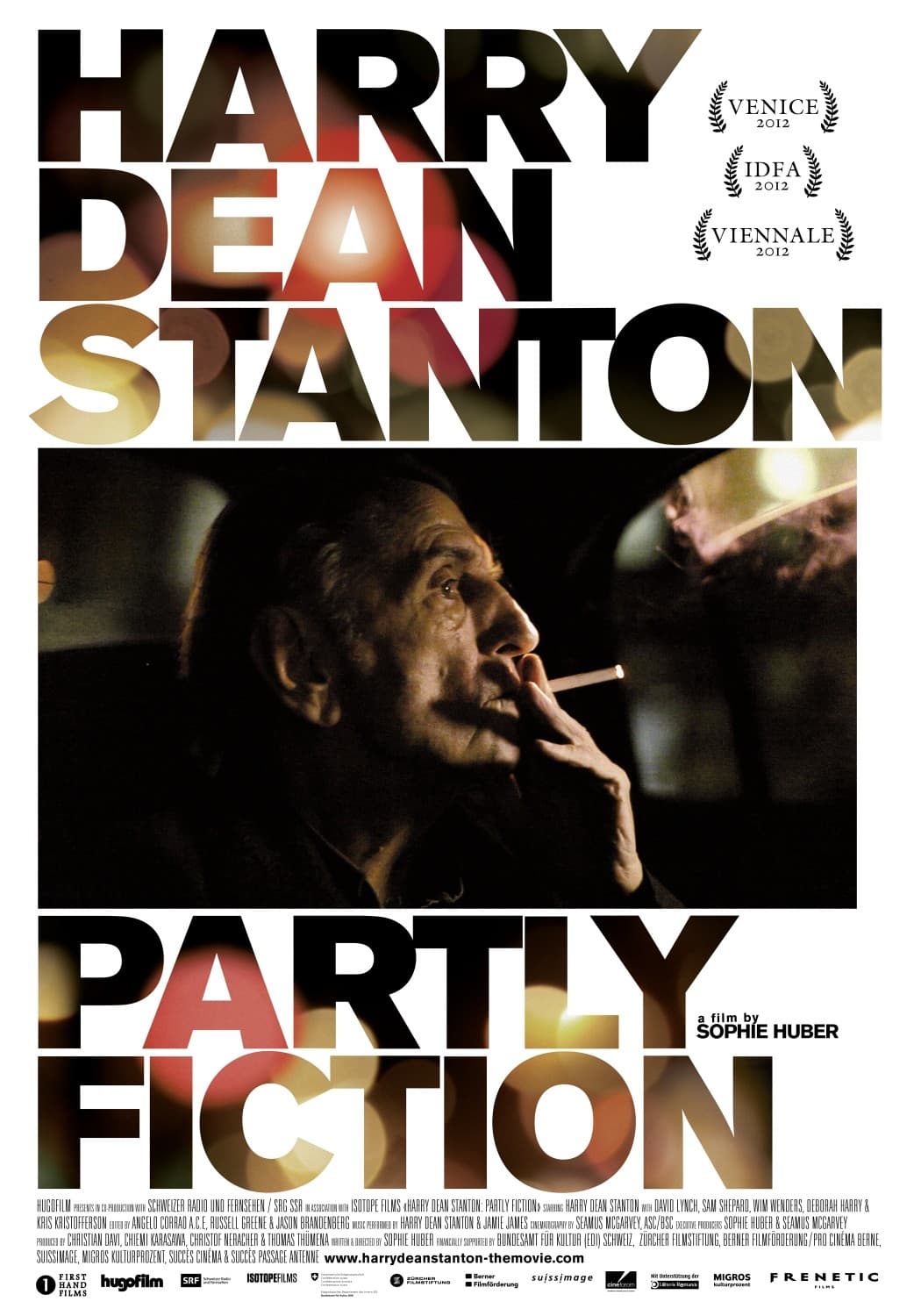
An impressionistic portrait of the iconic actor Harry Dean Stanton comprised of intimate moments, film clips from some of his 250 films and his renditions of American folk songs.
The life and career of an actor, artist, and icon. His own journey through his own camera.
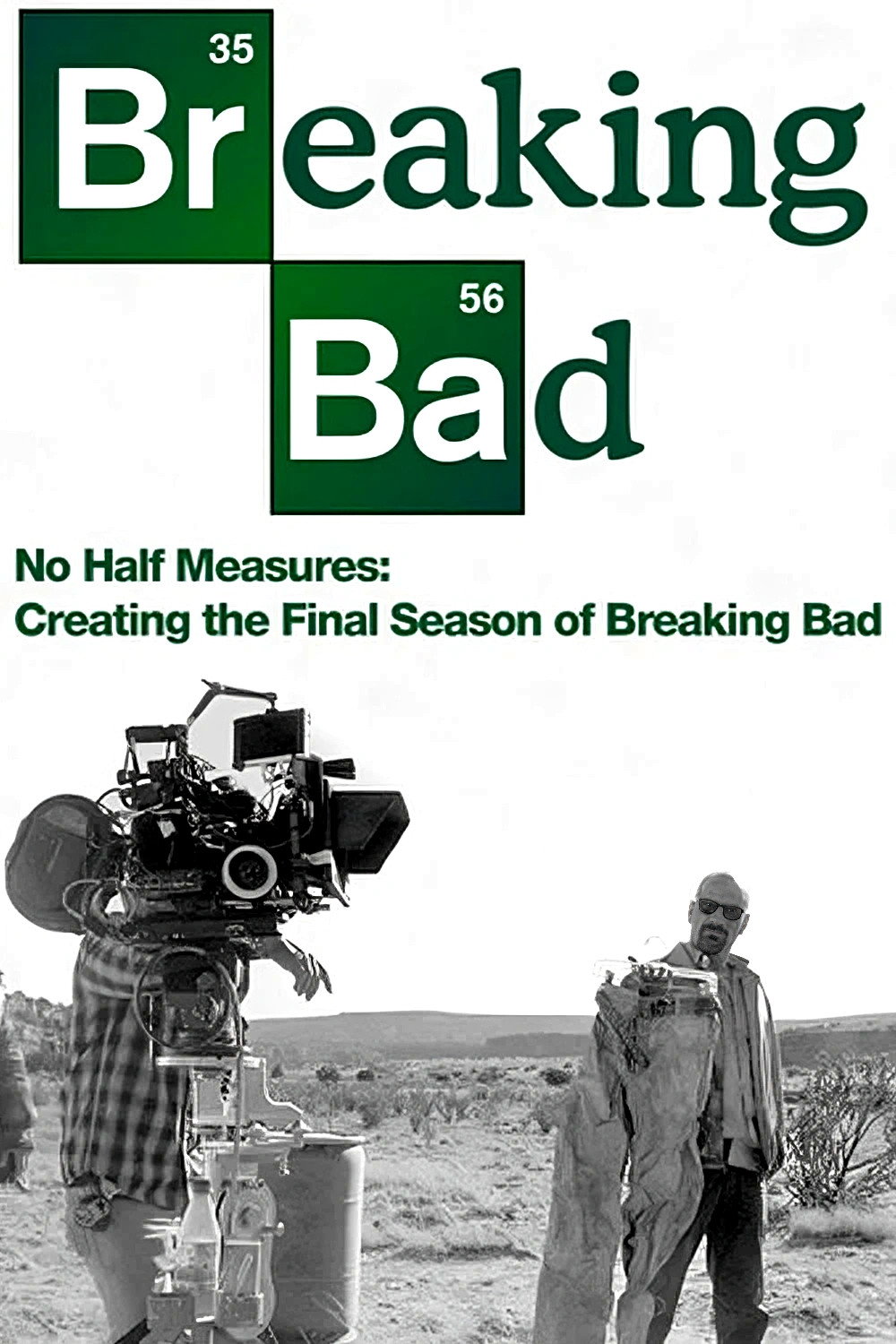
A documentary about the making of season five of the acclaimed AMC series Breaking Bad.
Amid the failing counteroffensive, a journalist follows a Ukrainian platoon on their mission to traverse one mile of heavily fortified forest and liberate a strategic village from Russian occupation. But the farther they advance through their destroyed homeland, the more they realize that this war may never end.
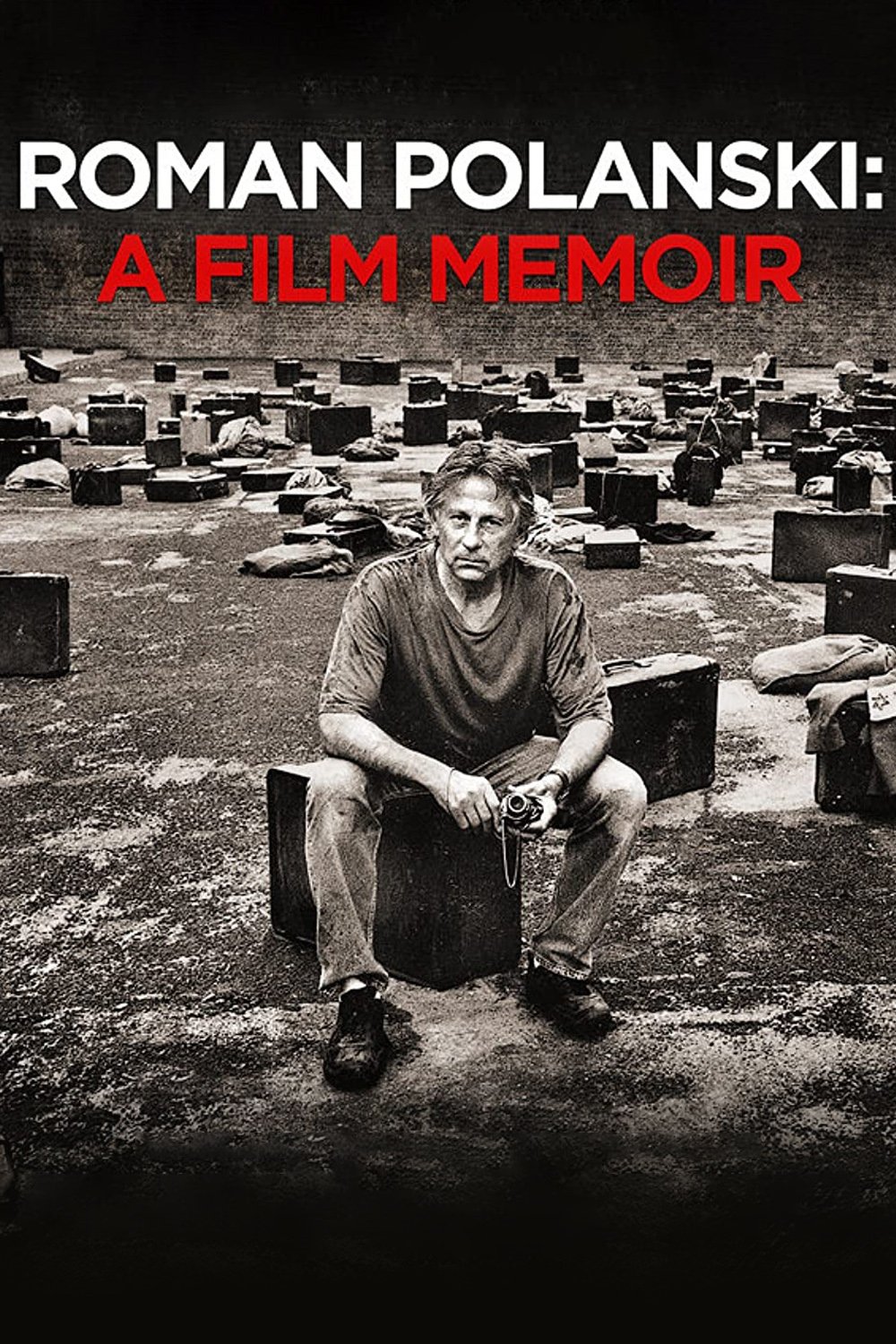
An interview with film director Roman Polanski conducted during his period of house arrest, discussing his life and work.
In an intimate and joyful story of love in the face of loss, celebrated poets Andrea Gibson and Megan Falley find strength—and unexpected hilarity—in what might be their final year together.
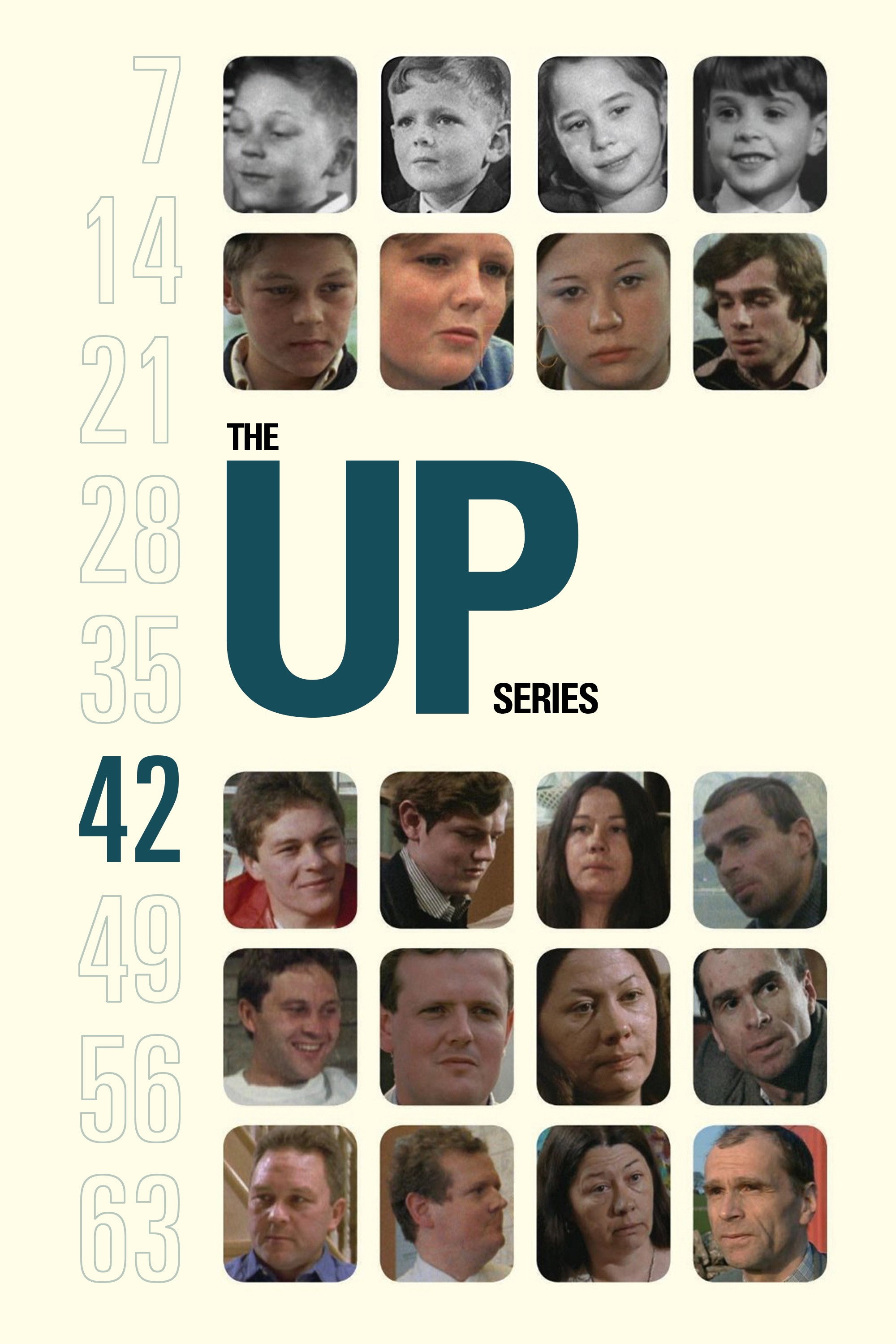
Director Michael Apted revisits the same group of British-born adults after a 7 year wait. The subjects are interviewed as to the changes that have occurred in their lives during the last seven years.
A documentary about how a dominant cultural and demographic institution both sustains their traditional activities and adapts to the digital revolution.
Ranjit, a farmer in India, takes on the fight of his life when he demands justice for his 13-year-old daughter, the victim of a brutal gang rape. His decision to support his daughter is virtually unheard of, and his journey unprecedented.
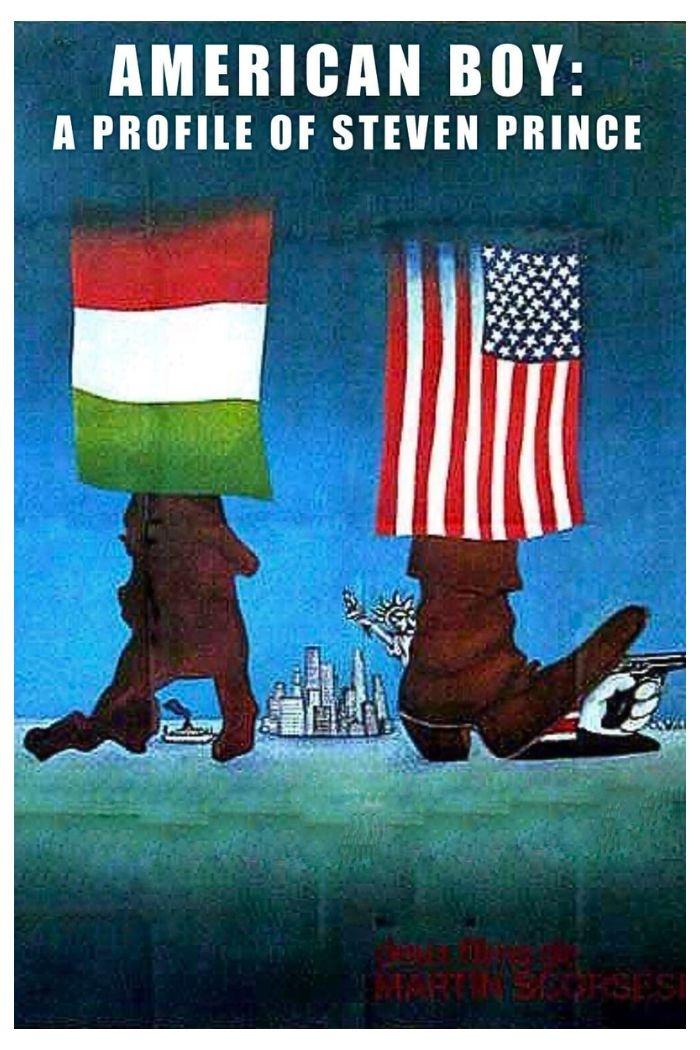
Martin Scorsese spends an evening with larger-than-life raconteur Steven Prince—a former drug addict, road manager for Neil Diamond, and actor—as he recounts stories from his colorful life.
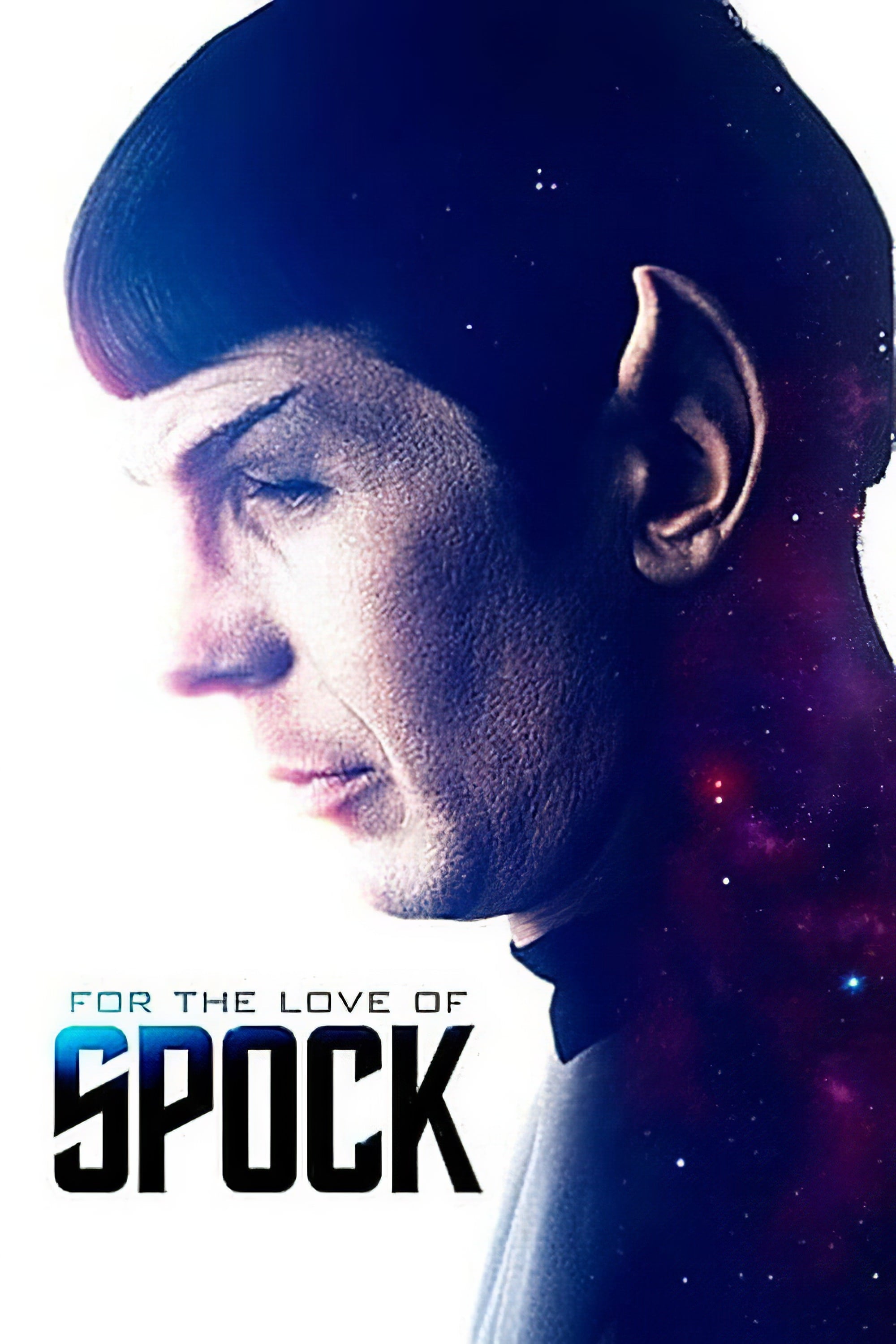
The life of Mr. Spock, as well as that of Leonard Nimoy, the actor who played him for almost fifty years, written and directed by his son: Adam.
Using the book 'Fragments', which collects Marilyn Monroe's poems, notes and letters, and with participation from the Arthur Miller and Truman Capote estates who have contributed more material, each of the actresses will embody the legend at various stages in her life.
A visual montage portrait of our contemporary world dominated by globalized technology and violence.