Social & External
The people behind it
An anthology of one-minute films created by 51 international filmmakers on the theme of the death of cinema. Intended as an ode to 35mm, the film was screened one time only on a purpose-built 20x12 meter public cinema screen in the Port of Tallinn, Estonia, on 22 December 2011. A special projector was constructed for the event which allowed the actual filmstrip to be burnt at the same time as the film was shown.
Beyond all human restraint lies one's lugubrious layers of paint.
Culled from four rolls of Super-8 film shot while the maker was a development worker in a small South American village, Daumë is at its center a film about ritual, power, and play. Daumë is both ethnography and critique; it is an interrogation into how to represent a place that can't be represented.
Terra Incognita is a lensless film whose cloudy pinhole images create a memory of history. Ancient and modern explorer texts of Easter Island are garbled together by a computer narrator, resulting in a forever repeating narrative of discovery, colonialism, loss and departure.
Shot in the abandoned buildings of Gary, Indiana and the cornfields of Western Illinois, The Twenty-One Lives of Billy the Kid presents a fractured historical narrative without any real protagonist, one in which the titular character goes mostly unseen - Billy the Kid as the always-off-screen assailant, as a ghost’s laugh, as a shadow on the road.
An ethnographic field report in which the Anthropologist describes the mythic creation of an unnamed ‘sun-scraping structure’ through the ritualized actions of the Red and the Blue Gods.
Towards a Black Testimony: Prayer, Protest, Peace is a new work by Languid Hands that examines Black Testimony as obscured, ignored and undermined. Drawing on archival imagery, Black geographies, and the dying declarations of Black Martyrs, it explores the complexities of truth, empathy, justice, the law, life and death for the Black Mass.
Film by Kenji Onishi. With friends. Mr. Yamase as main character, Sasakubo and Shinojima. And the girls having a good time. The camera is all you need. Looking still at the Mt. Buko which is disappearing.
Experimental 8mm film.
A meditative journey, using and manipulating archival silent film footage, that investigates the look of the "New Woman" in Chinese silent screen.
Drawing on VHS tapes of a programme hosted by her mother on Bulgaria’s national television, the filmmaker gives a pop-style and in-depth chronicle of the gentle – even “over-gentle” – 1989 revolution.
An experimental journey through a year in the life of the director, using his always playing playlist to cross the boundaries of fiction and documentary. Through scenes of both comedy and tragedy, realistic documentary footage and experimental sequences of the director's environment and daily life we get a sometimes estranging image of a young man and also an intriguing insight in his mindset and how this translates to the imagery on screen.
A creative documentary about personal experiences of abuse and of selfhood, of colors and words within the context of our lives.
An experimental ethnographic documentary that criticizes the colonizer view of anthropology.
"Adrift" is shot on the arctic island of Spitzbergen and in Norway. It combines time-lapse photography with stop-motion animation of the landscape. Through camera-angles and framing the film gradually dislocates the viewer from a stable base where one loses the sense of scale and grounding.
Experimental projects carried out during scientific initiation - 2002 / UFRJ
This film is depicts early lesbian sexuality, using reenacted scenes from the experience of a 12-year old girl as the platform for a meditation on forbidden desire, transgression, and Lacanian psychoanalytic concepts of identity formation. Raw adolescent memories counterpoint staged scenes, exploring mechanisms of power and submission.
A look at the various modes of transportation made for the Expo '86 World Fair in Vancouver, Canada.
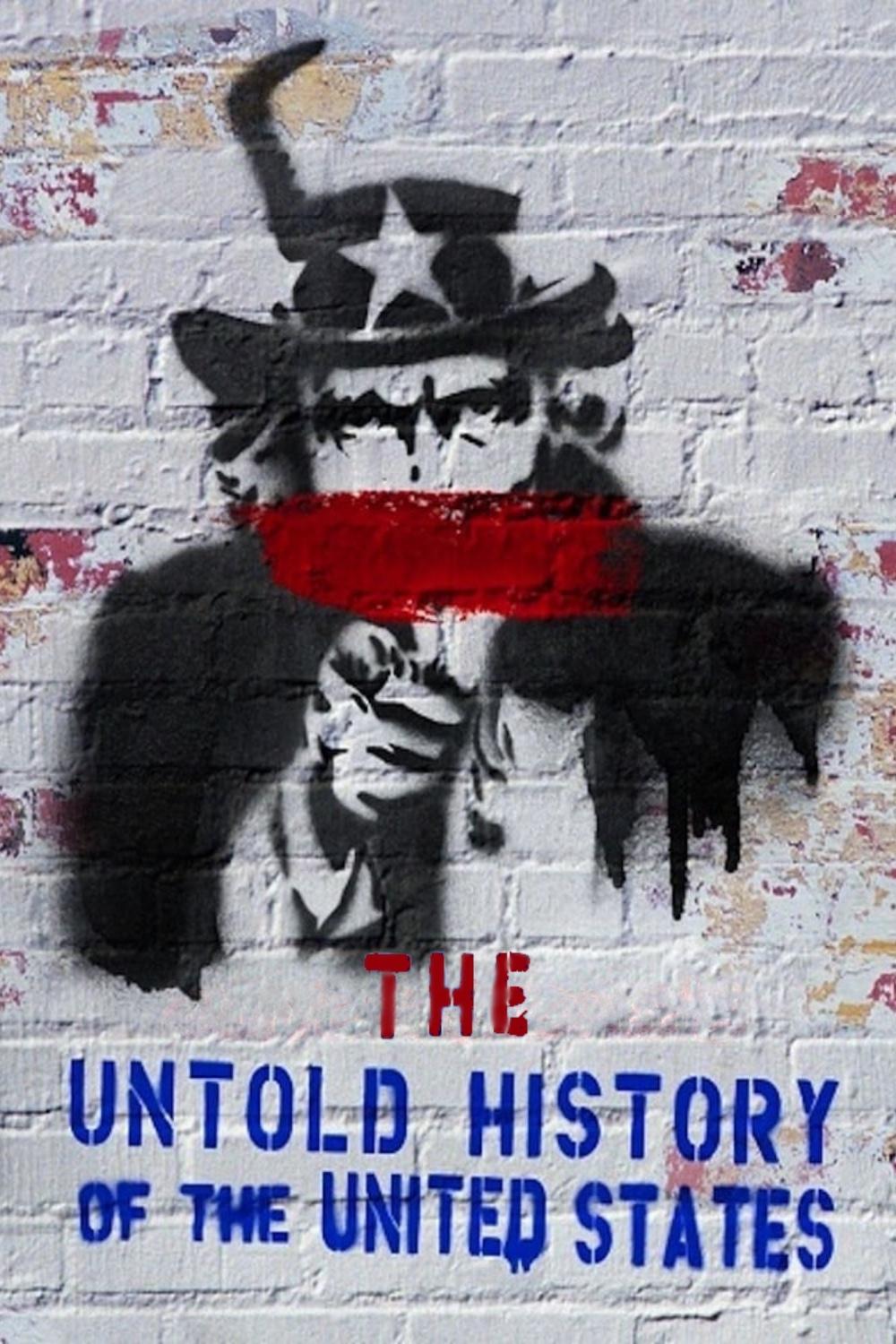
Oliver Stone charts the history of the United States from the Second World War to the present.
The history of cinematic sound, told by legendary sound designers and visionary filmmakers.
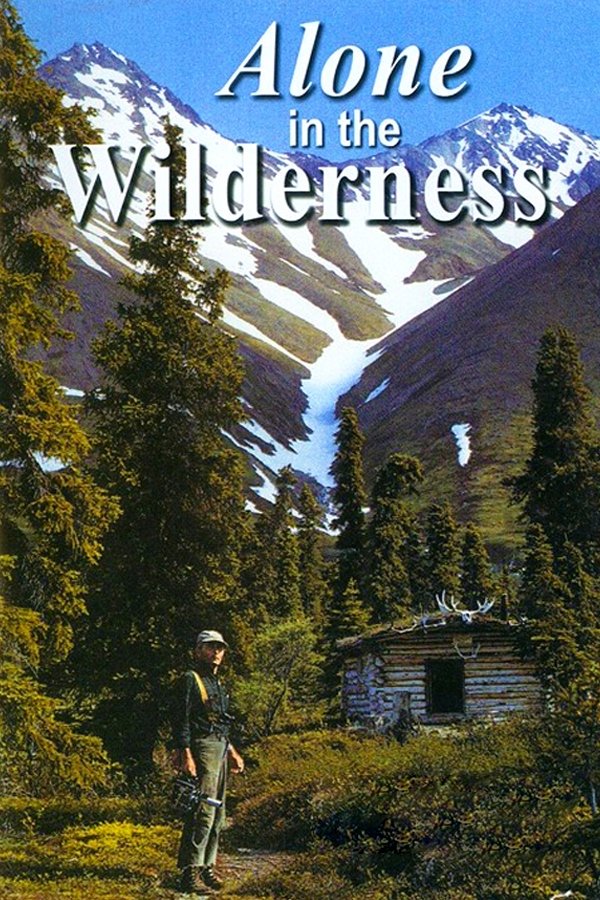
Dick Proenneke retired at age 50 in 1967 and decided to build his own cabin in the wilderness at the base of the Aleutian Peninsula, in what is now Lake Clark National Park. Using color footage he shot himself, Proenneke traces how he came to this remote area, selected a homestead site and built his log cabin completely by himself. The documentary covers his first year in-country, showing his day-to-day activities and the passing of the seasons as he sought to scratch out a living alone in the wilderness.
This documentary brings to life the stories of four people believed by their family and friends to be “DB Cooper,” a man who hijacked a 727 flying out of Seattle and jumped from the plane over the wilds of Washington State with a parachute and $200,000, never to be heard from again.
Filmed over 14 months with unprecedented access into the inner circle of the man and the sport, this is the first official and fully authorised film of one of the most celebrated figures in football. For the first time ever, the world gets vividly candid and un-paralleled, behind-closed-doors access to the footballer, father, family-man and friend in this moving & fascinating documentary. Through in-depth conversations, state of the art football footage and never before seen archival footage, the film gives an astonishing insight into the sporting and personal life of triple Ballon D'Or winner Cristiano Ronaldo at the peak of his career. From the makers of ‘Senna’ and ‘Amy’, Ronaldo takes audiences on an intimate and revealing journey of what it’s like to live as an iconic athlete in the eye of the storm.
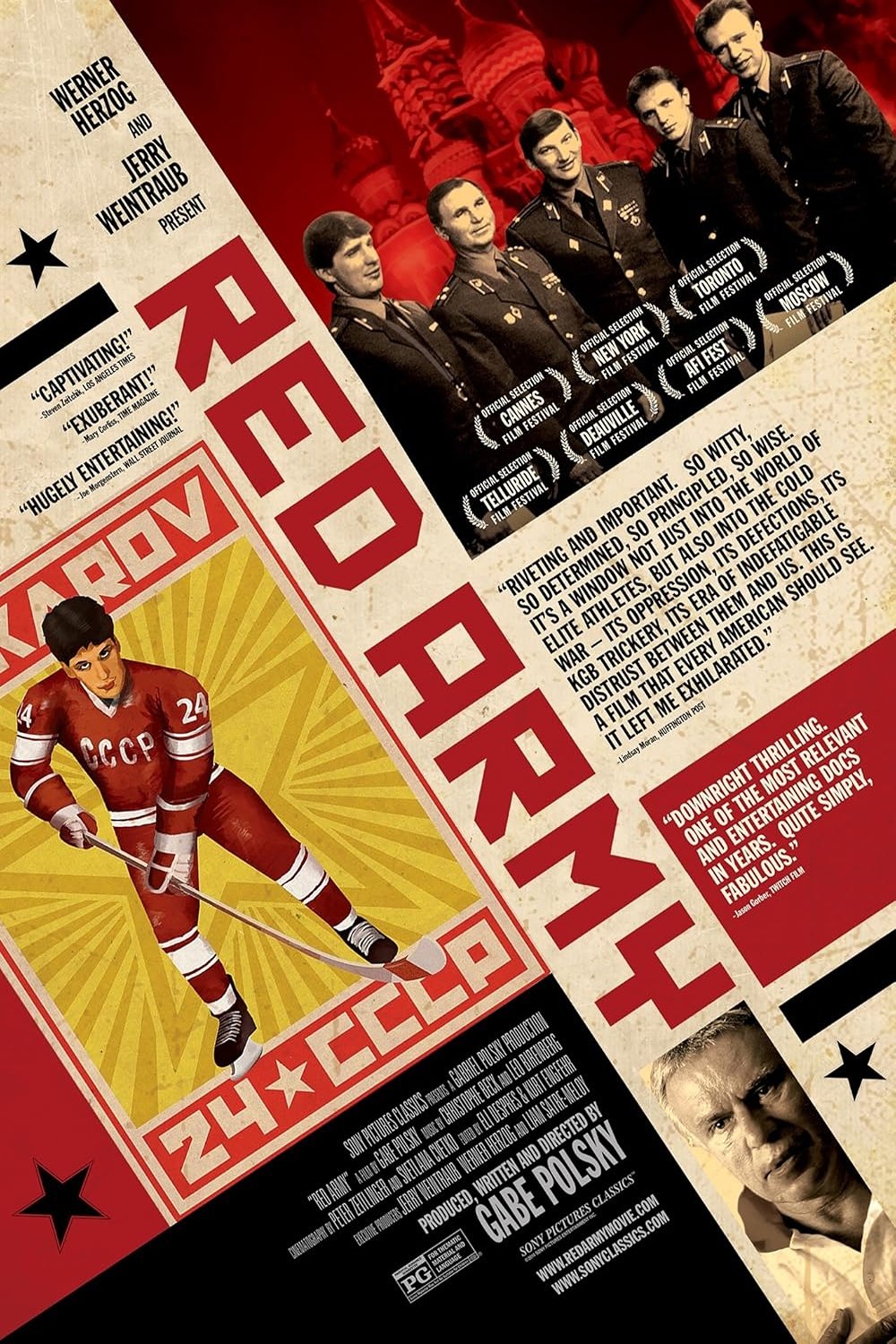
A documentary highlighting the Soviet Union's legendary and enigmatic hockey training culture and world-dominating team through the eyes of the team's Captain Slava Fetisov, following his shift from hockey star and celebrated national hero to political enemy.
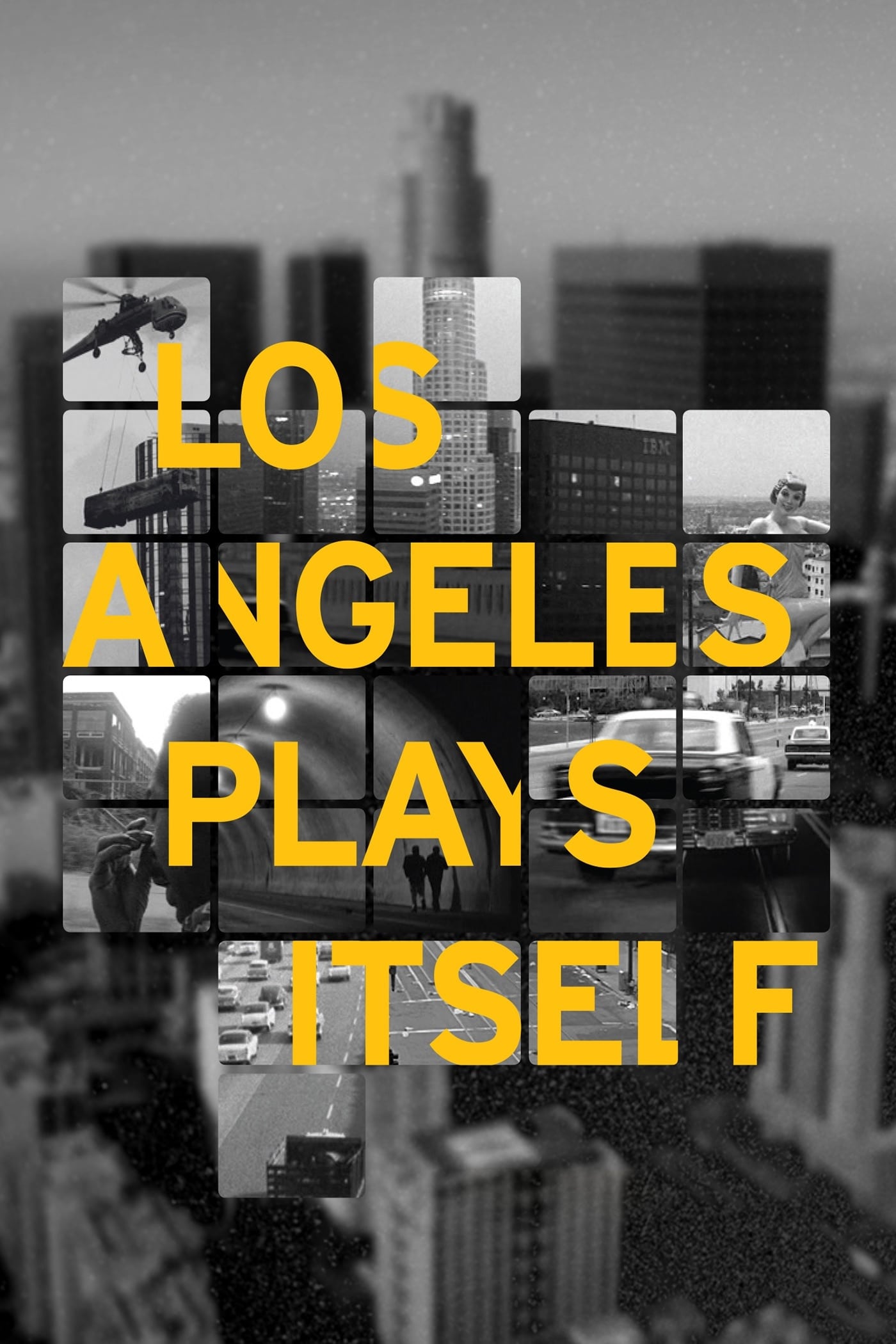
From its distinctive neighborhoods to its architectural homes, Los Angeles has been the backdrop to countless movies. In this dazzling work, Andersen takes viewers on a whirlwind tour through the metropolis' real and cinematic history, investigating the myriad stories and legends that have come to define it, and meticulously, judiciously revealing the real city that lives beneath.
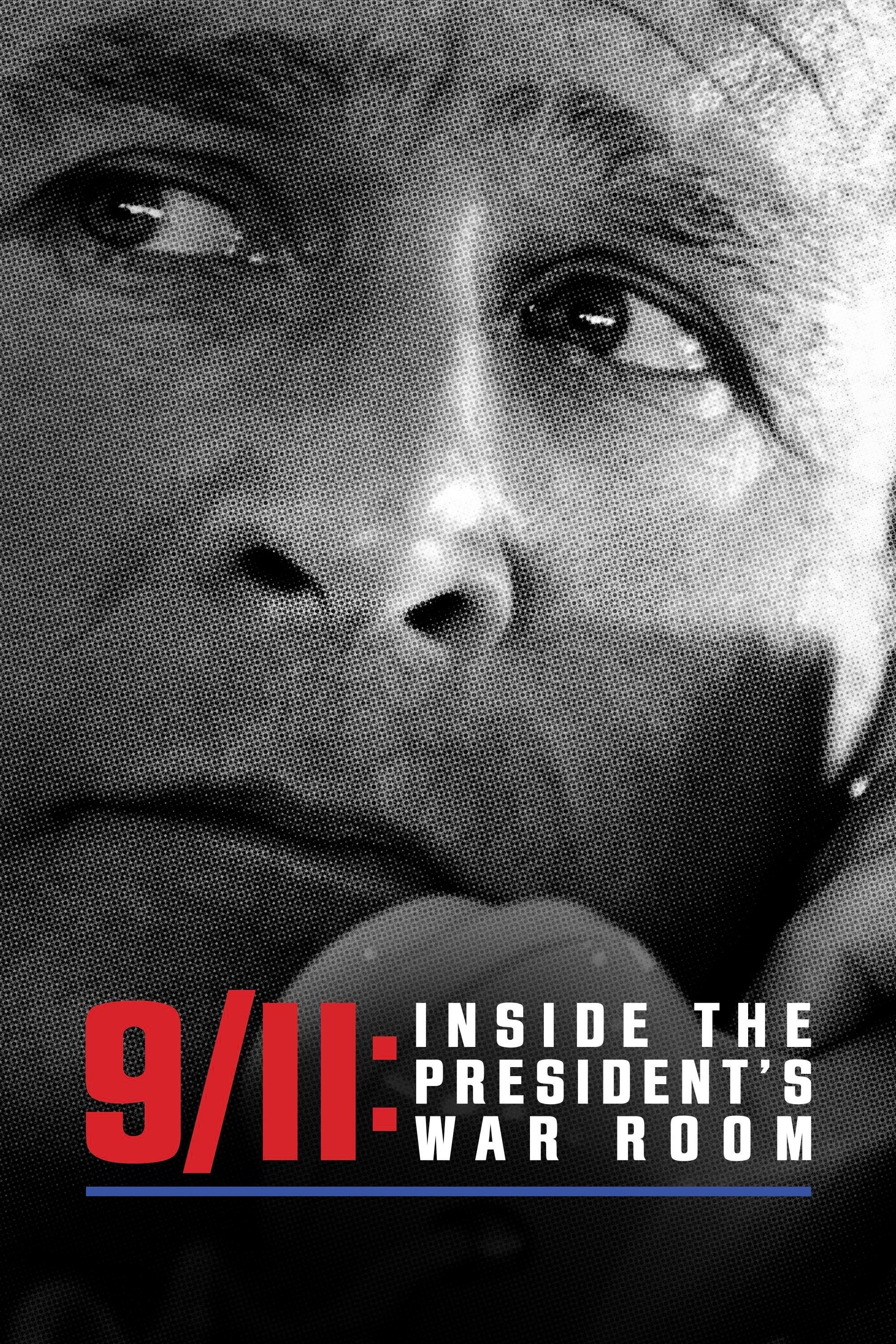
Experience the events of September 11, 2001 through the eyes of President Bush and his closest advisors as they personally detail the crucial hours and key decisions from that historic day.
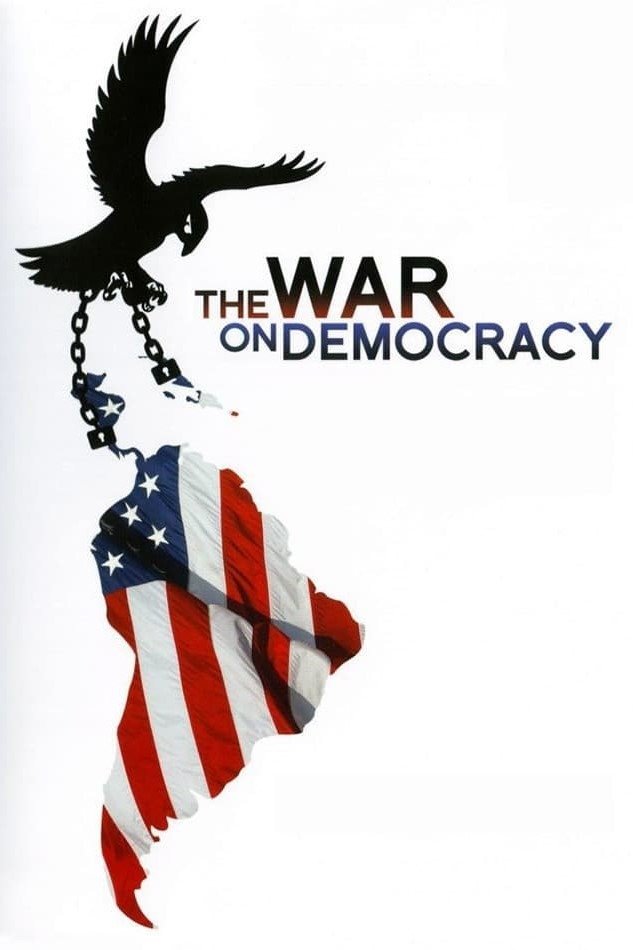
Set both in Latin America and the United States, the film explores the historic and current relationship of Washington with countries such as Venezuela, Bolivia and Chile. Pilger says that the film "...tells a universal story... analysing and revealing, through vivid testimony, the story of great power behind its venerable myths. It allows us to understand the true nature of the so-called "war on terror". According to Pilger, the film’s message is that the greed and power of empire is not invincible and that people power is always the "seed beneath the snow".
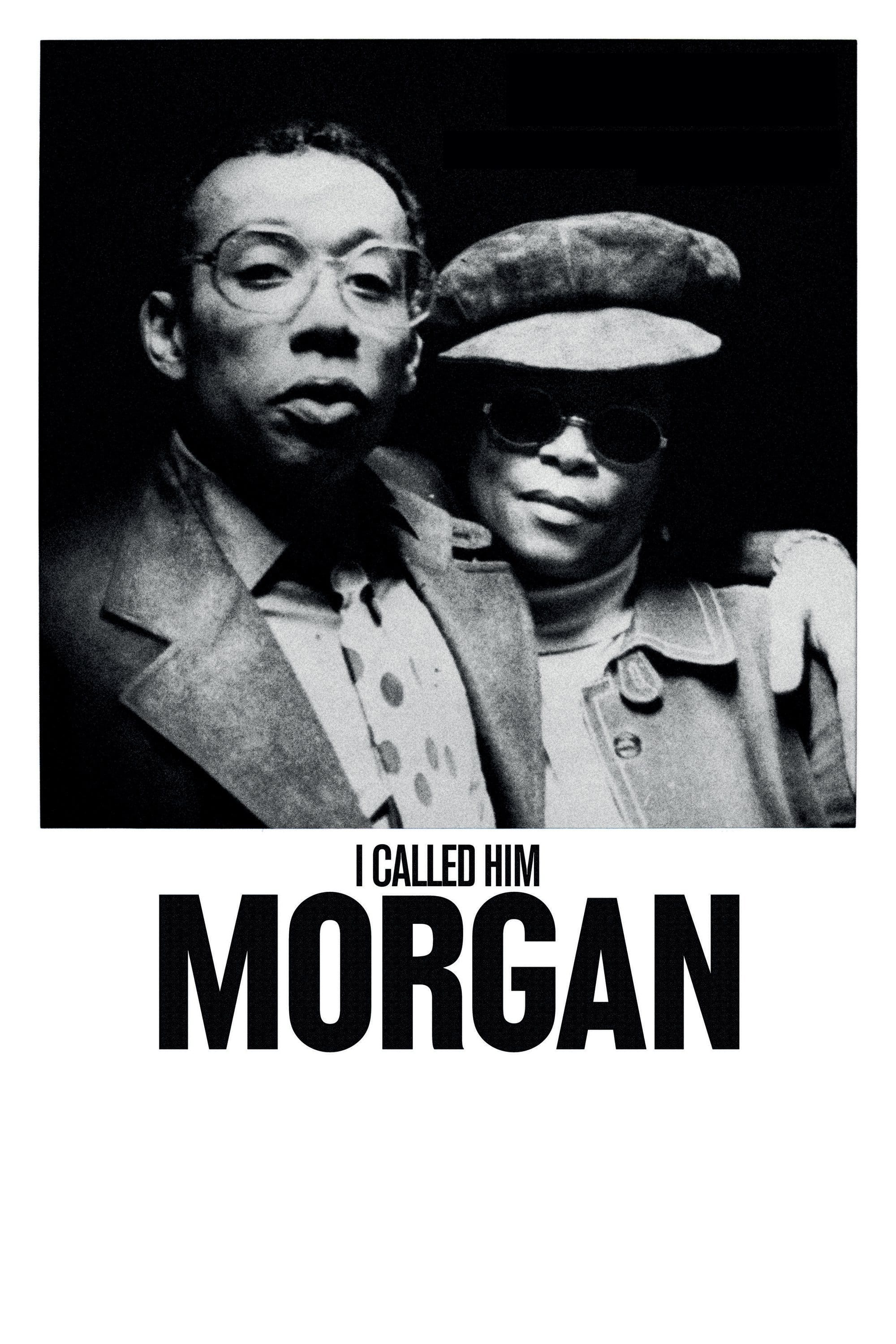
Part jazz history, part true-crime tale, Kasper Collin’s new documentary employs extensive archival footage and new interviews to tell the tragic story of the magnificently talented trumpeter Lee Morgan and his common-law wife Helen, who murdered him in a New York bar in 1972.
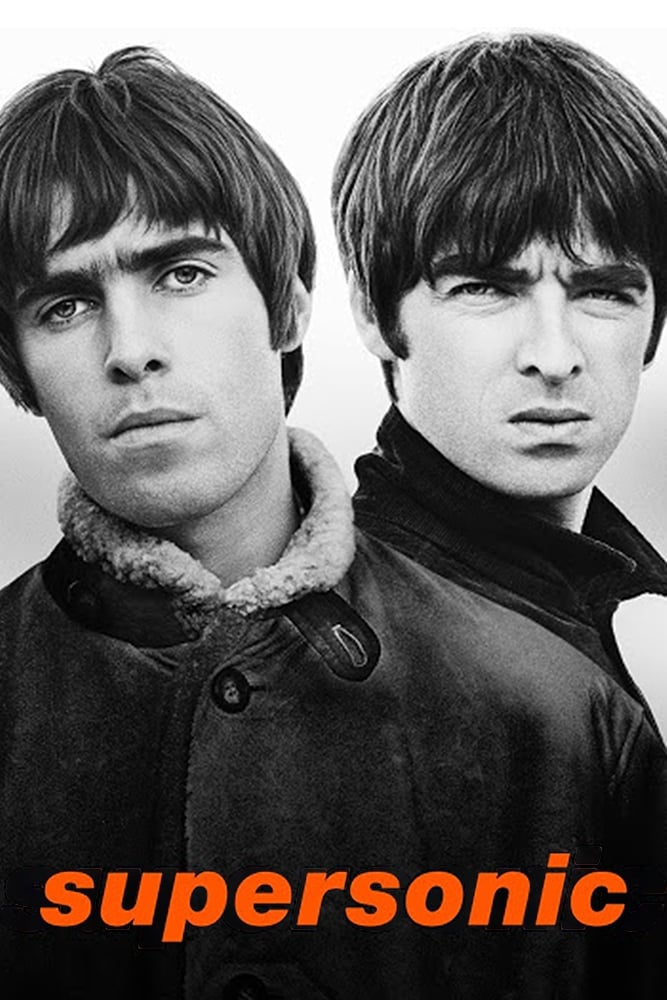
Supersonic charts the meteoric rise of Oasis from the council estates of Manchester to some of the biggest concerts of all time in just three short years. This palpable, raw and moving film shines a light on one of the most genre and generation-defining British bands that has ever existed and features candid new interviews with Noel and Liam Gallagher, their mother, and members of the band and road crew.
A documentary about the legendary series of nationally televised debates in 1968 between two great public intellectuals, the liberal Gore Vidal and the conservative William F. Buckley Jr. Intended as commentary on the issues of their day, these vitriolic and explosive encounters came to define the modern era of public discourse in the media, marking the big bang moment of our contemporary media landscape when spectacle trumped content and argument replaced substance. Best of Enemies delves into the entangled biographies of these two great thinkers, and luxuriates in the language and the theater of their debates, begging the question, "What has television done to the way we discuss politics in our democracy today?"
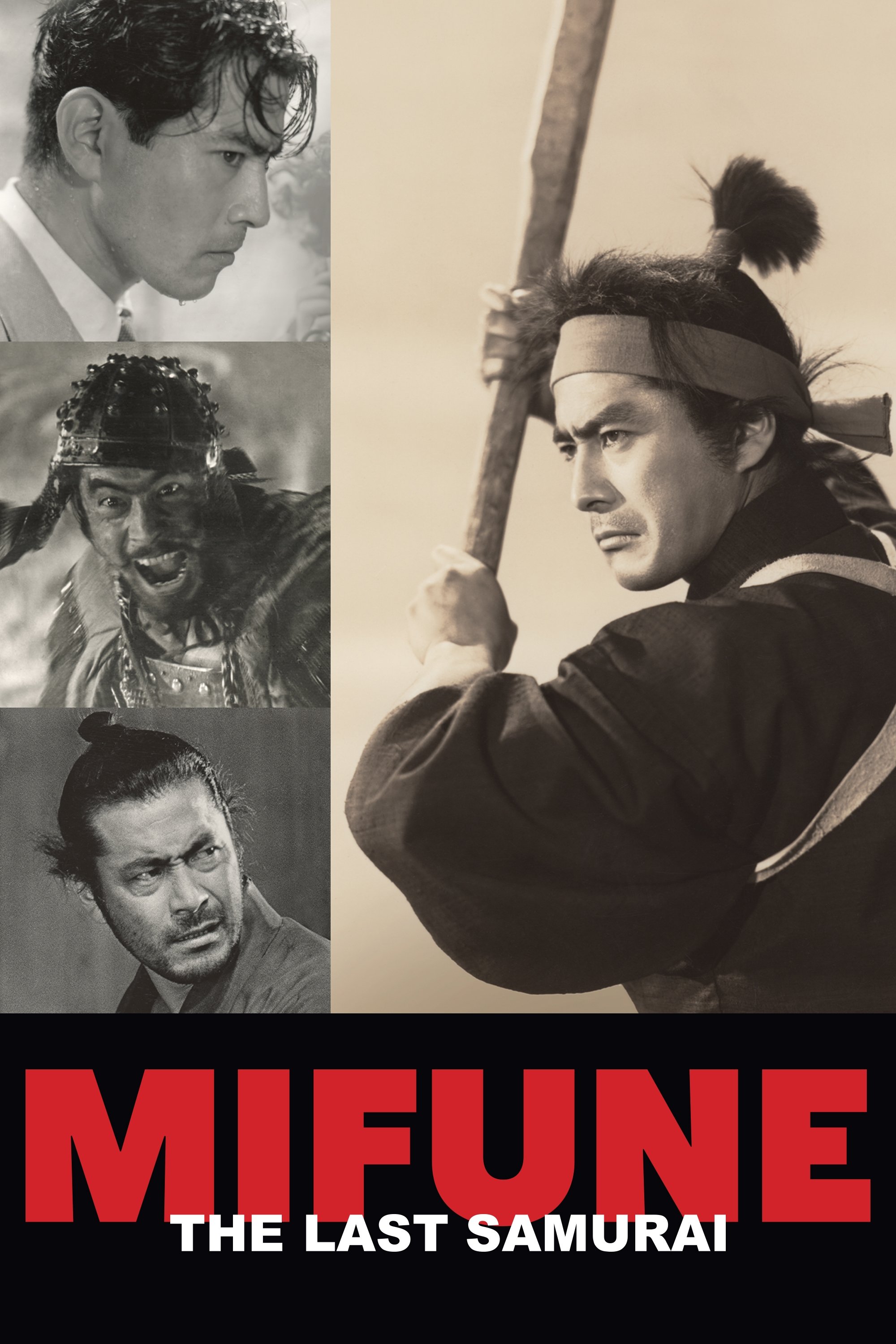
An account of the life and work of legendary Japanese actor Toshirō Mifune (1920-97), the most prominent actor of the Golden Age of Japanese cinema.
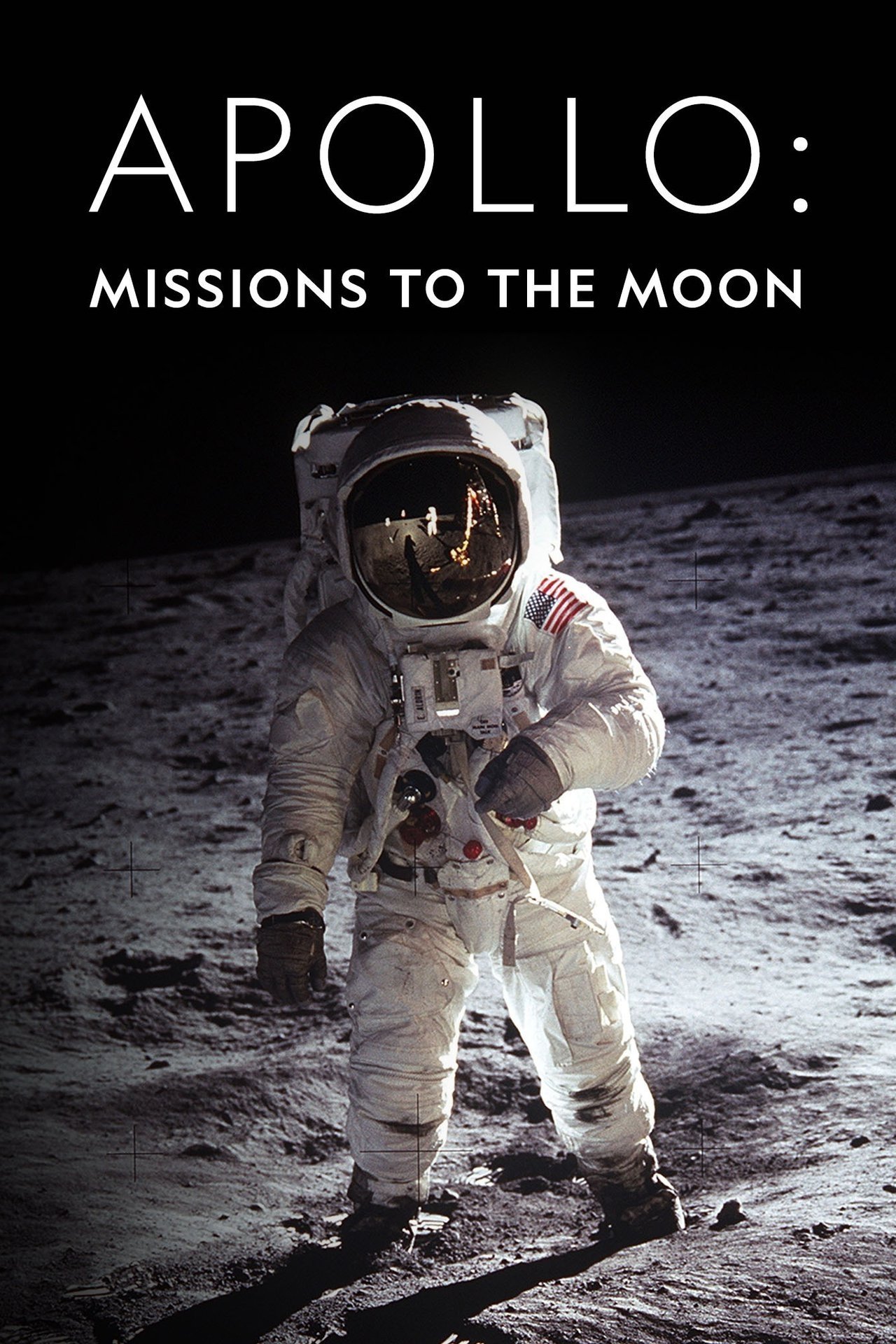
National Geographic's riveting effort recounts all 12 crewed missions using only archival footage, photos and audio.
The evolution of the depiction of the various Native American peoples in cinema, from the silent era to the present day: how their image on the screen has changed the way to understand their history and culture.
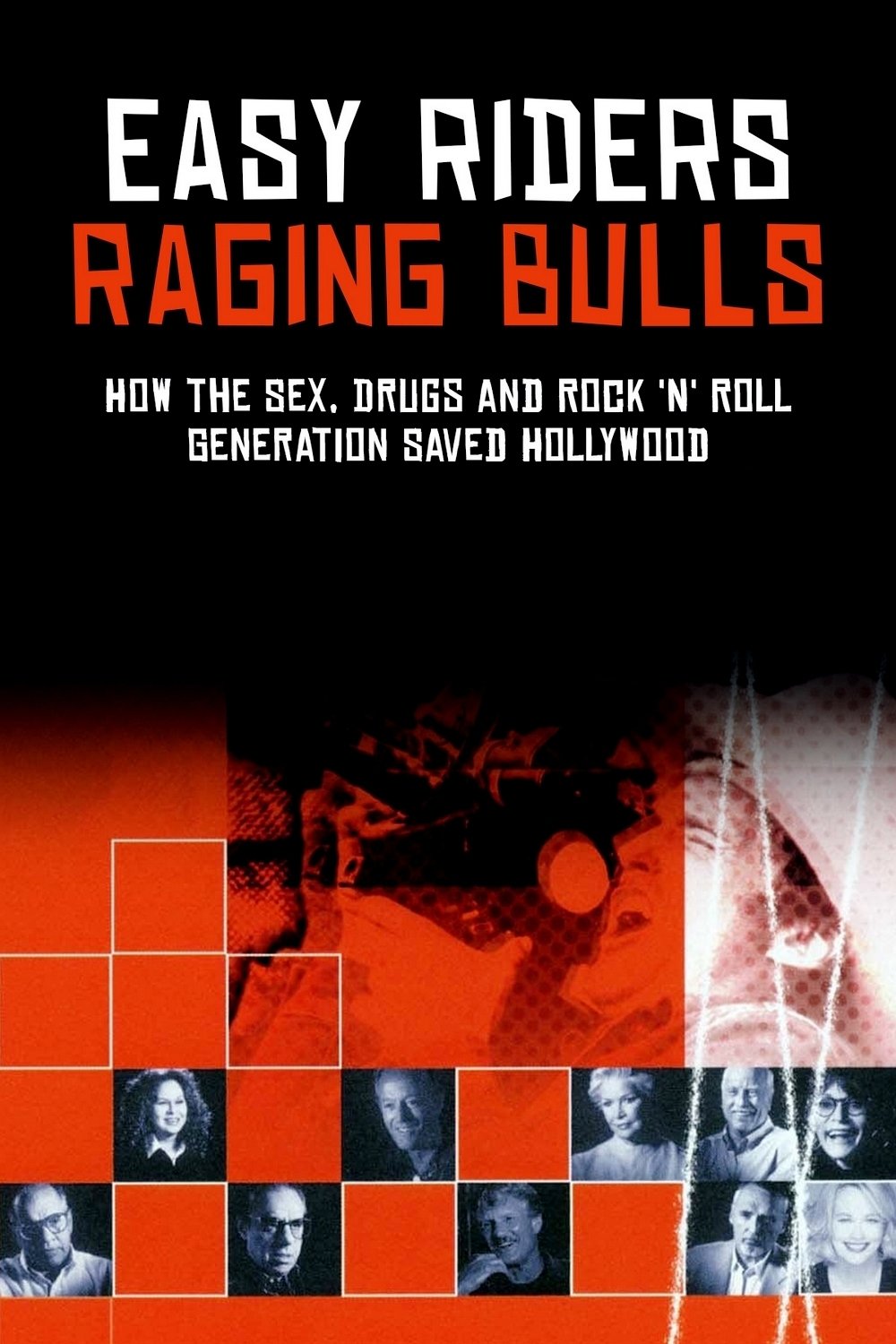
The chronicle of the mind-blowing journey that was Hollywood during the seventies; the true and gripping story of the last golden age of American cinema, an exalted celebration of creativity and experimentation; but also of sex, drugs and rock 'n' roll: a turbulent and dark tale of ambition, envy, betrayal, hatred and self-destruction.
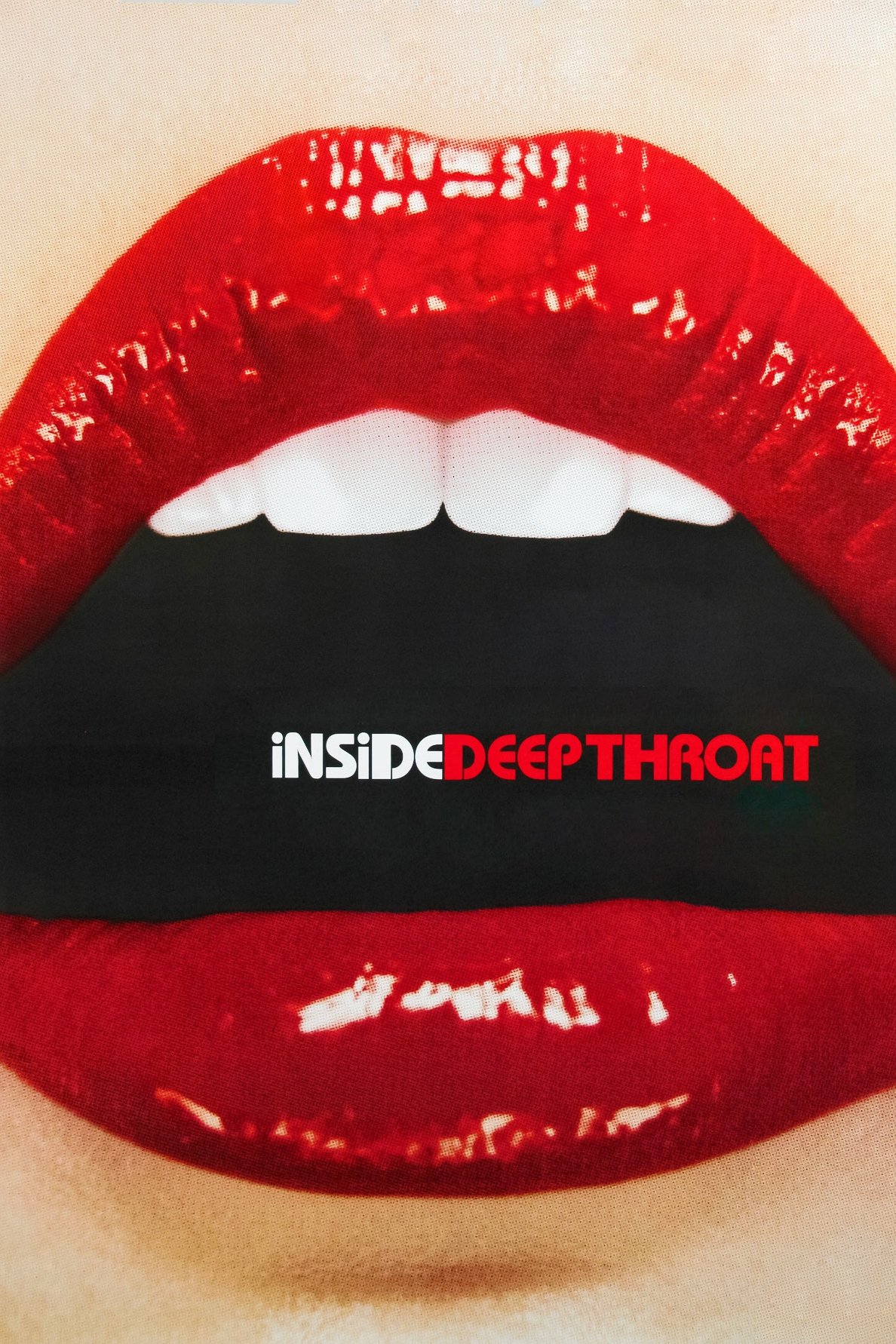
In 1972, a seemingly typical shoestring budget pornographic film was made in a Florida hotel: "Deep Throat," starring Linda Lovelace. This film would surpass the wildest expectation of everyone involved to become one of the most successful independent films of all time. It caught the public imagination which met the spirit of the times, even as the self-appointed guardians of public morality struggled to suppress it, and created, for a brief moment, a possible future where sexuality in film had a bold artistic potential. This film covers the story of the making of this controversial film, its stunning success, its hysterical opposition along with its dark side of mob influence and allegations of the on set mistreatment of the film's star.
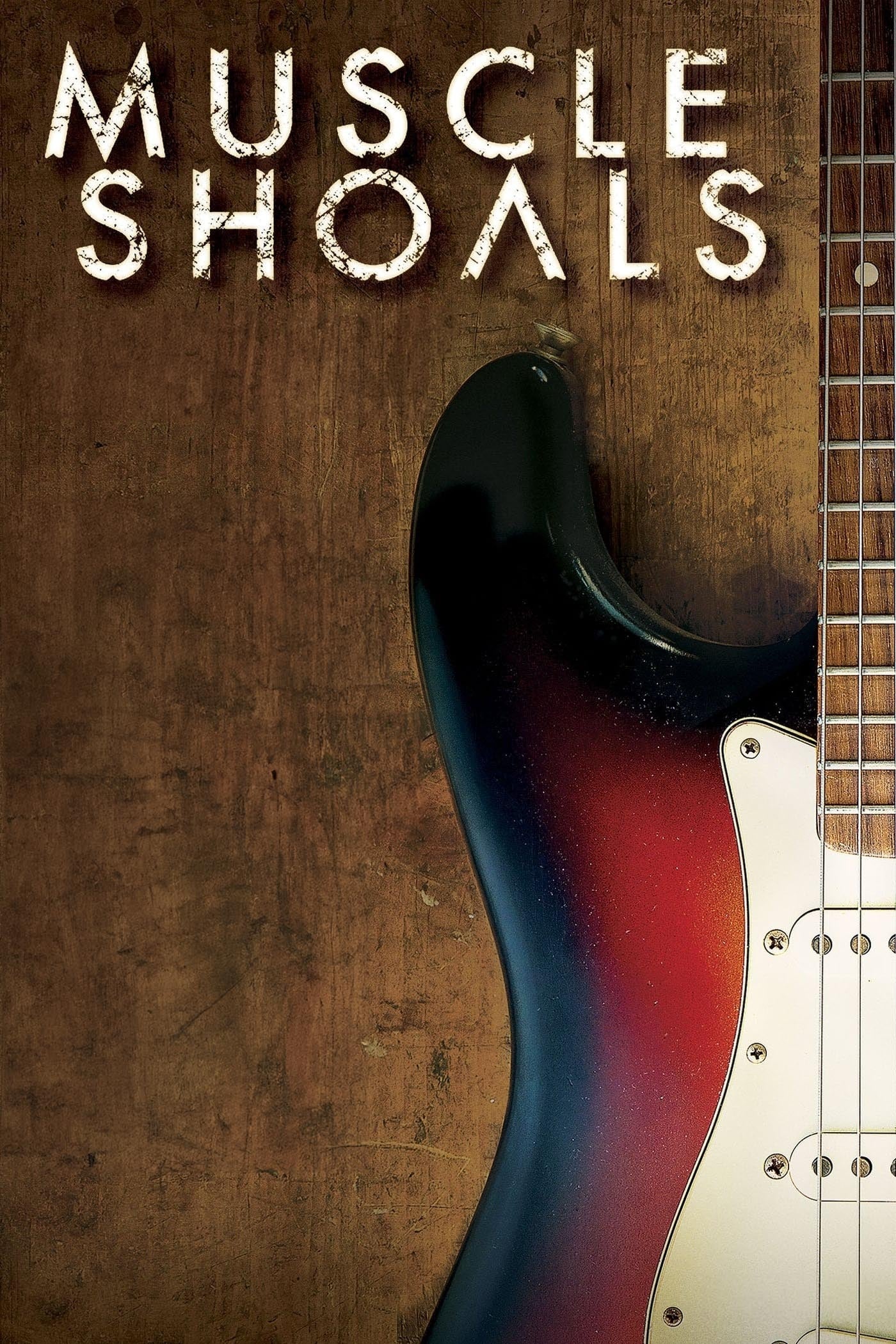
In a tiny Alabama town with the curious name of Muscle Shoals, something miraculous sprang from the mud of the Tennessee River. A group of unassuming, yet incredibly talented, locals came together and spawned some of the greatest music of all time: “Mustang Sally,” “I Never Loved a Man,” “Wild Horses,” and many more. During the most incendiary periods of racial hostility, white folks and black folks came together to create music that would last for generations and gave birth to the incomparable “Muscle Shoals sound.”
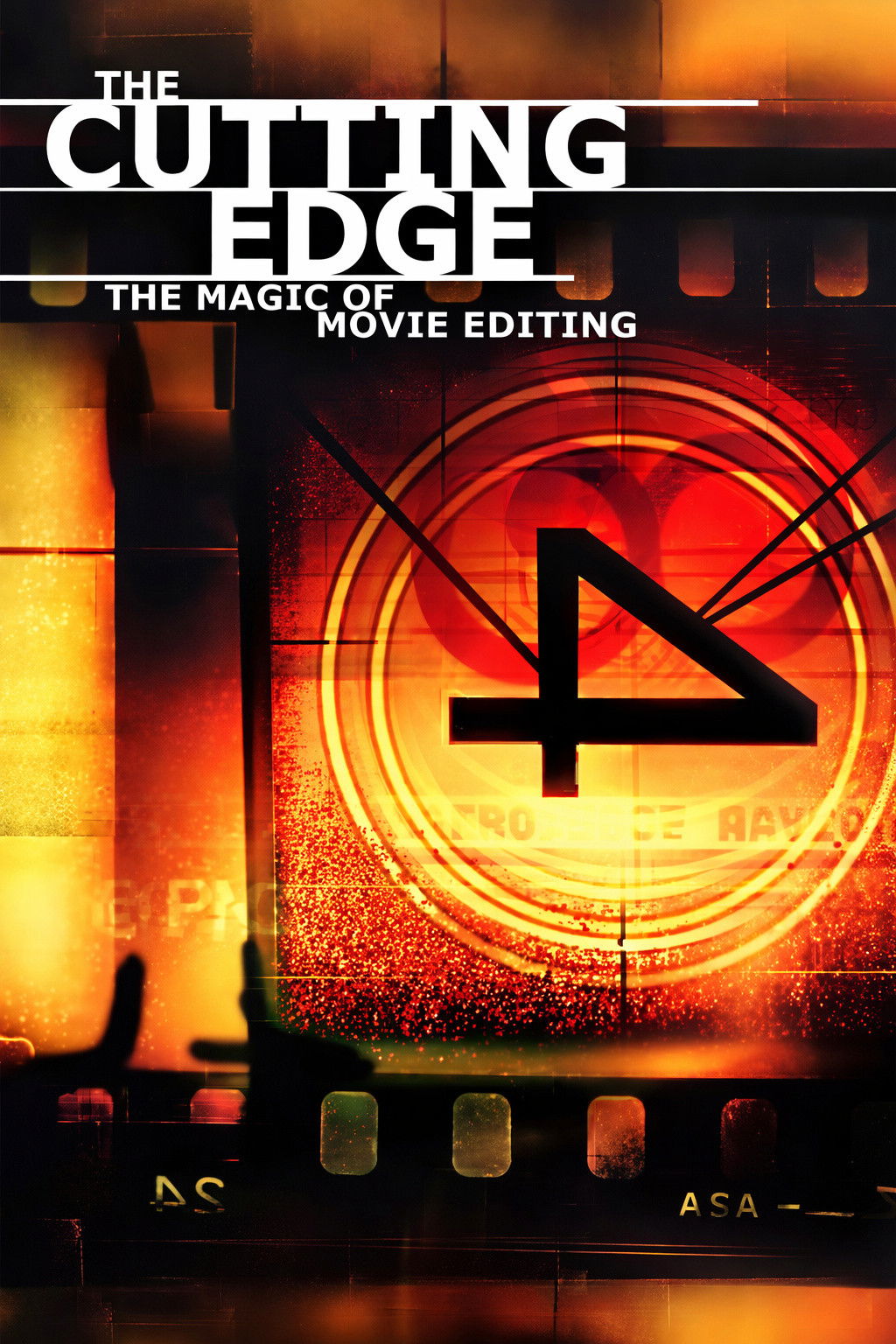
Documentary about the art of film editing. Clips are shown from many groundbreaking films with innovative editing styles.
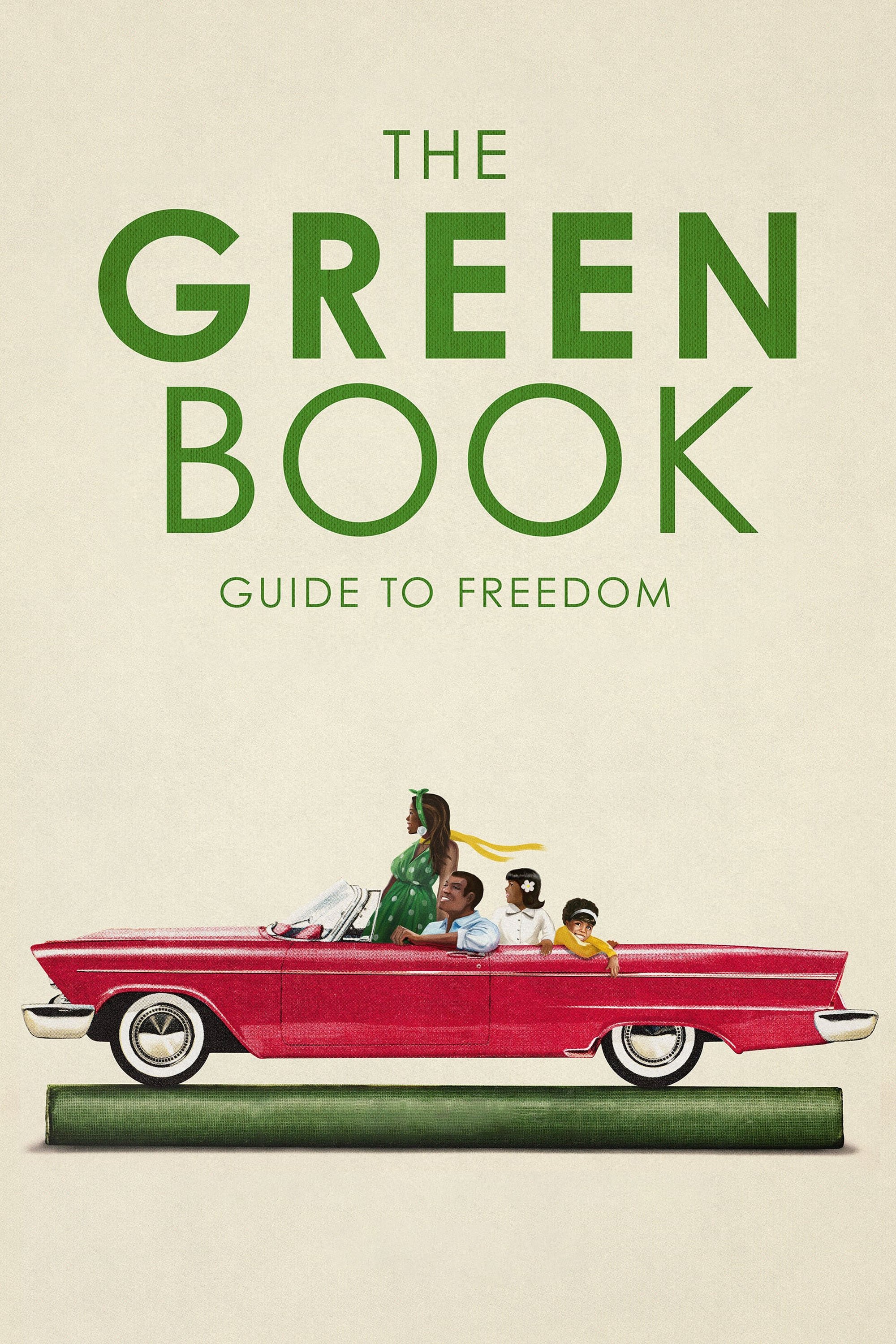
In 1936, Victor H. Green (1892-1960) published The Negro Motorist Green Book, a book that was both a travel guide and a survival manual, to help African-Americans navigate safe those regions of the United States where segregation and Jim Crow laws were disgracefully applied.