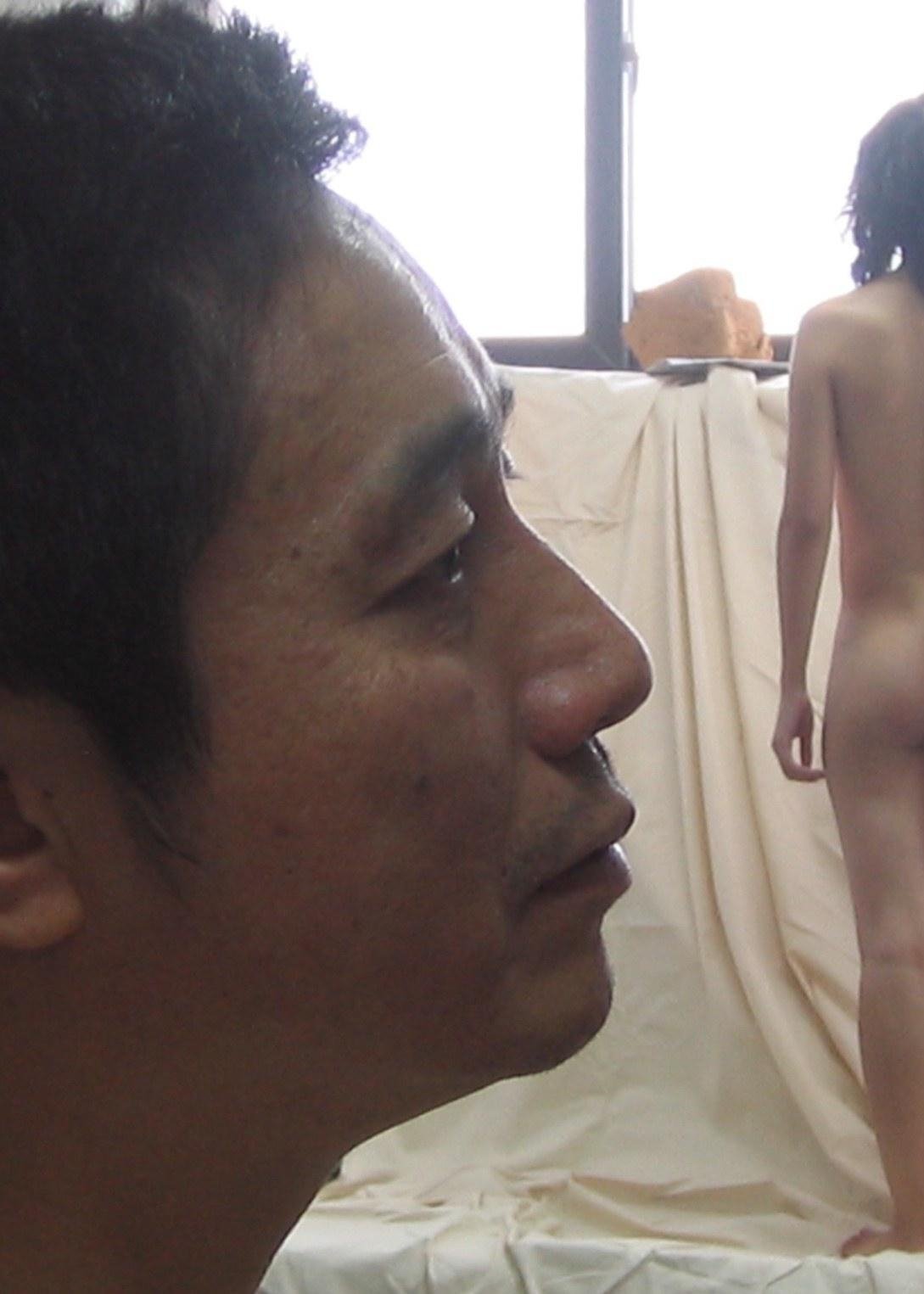
Some memories from a painter.
Social & External
The people behind it
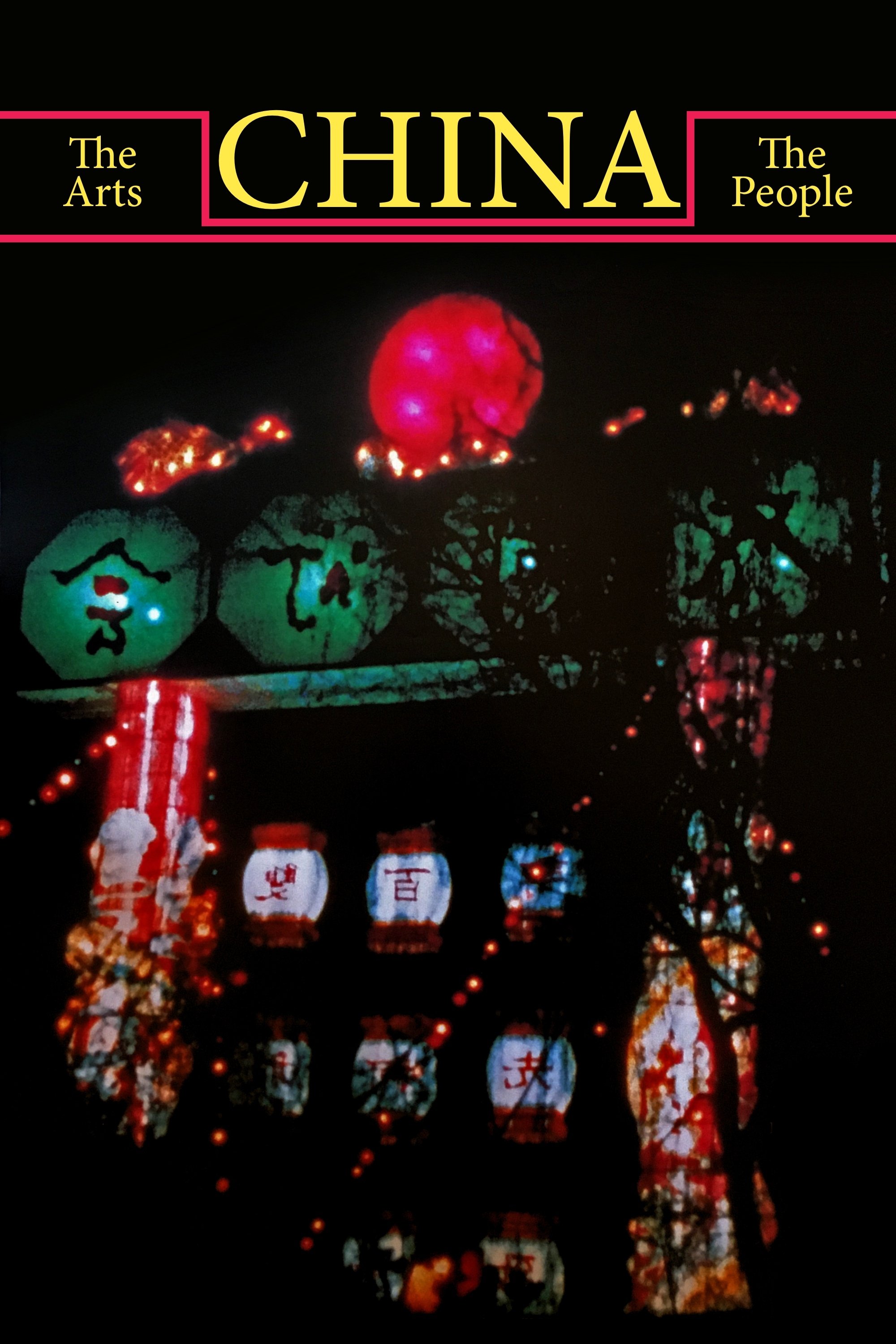
China marks the beginning of the extensive Asian theme in Ottinger’s filmography and is her first travelogue. Her observant eye is interested in anything from Sichuan opera and the Beijing Film Studio to the production of candy and sounds of bicycle bells.
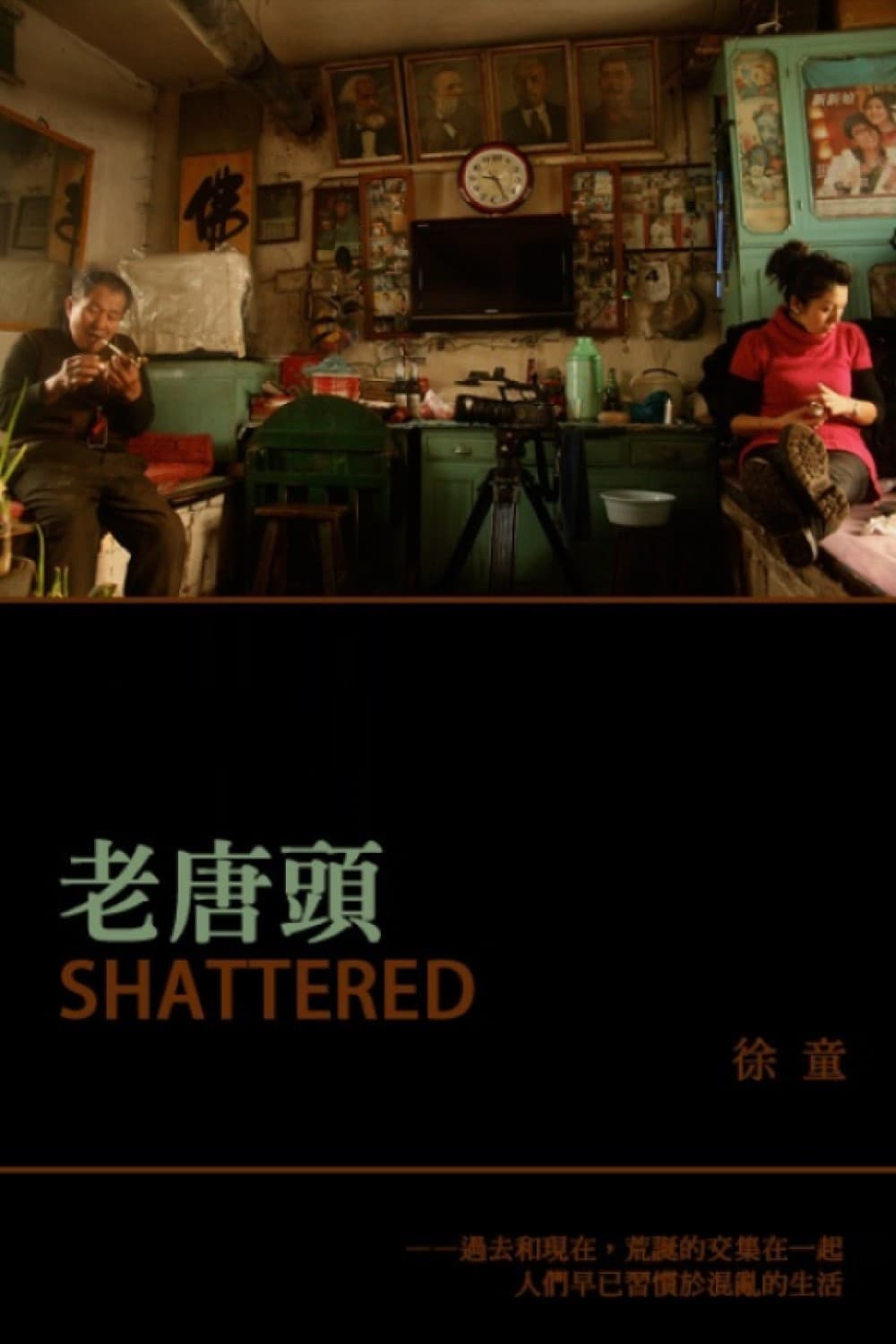
A microcosm of China past and present flows through Xu Tong’s intimate docu “Shattered,” in which the maverick indie filmmaker continues to refine his techniques and concerns shown in his previous “Wheat Harvest” and “Fortune Teller.”
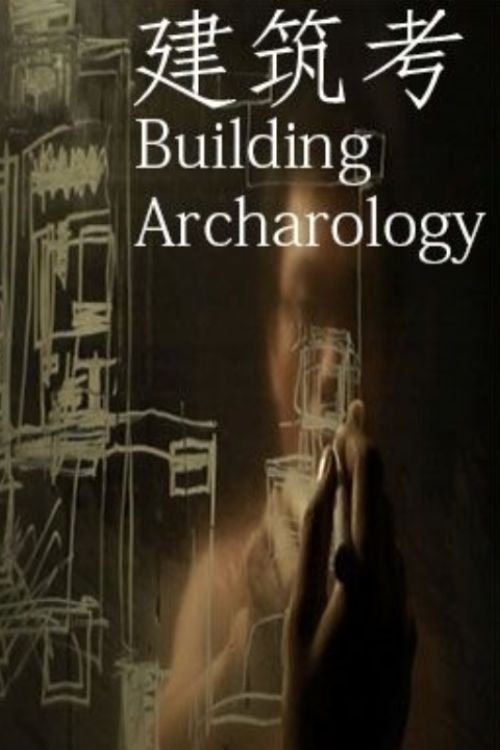
The documentary Building Archeology (jiànzhú kǎo) (2011) considers the more recent past. It’s made up of three vignettes about different buildings in Beijing: a museum, an abandoned hospital, and a detention center. The latter two vignettes are especially interesting. In the second, a woman wanders around the ruins of a hospital built in a week to deal with the 2003 SARS outbreak. The third concerns a former prisoner, tracing out a map of the detention center where he was held in 2011.
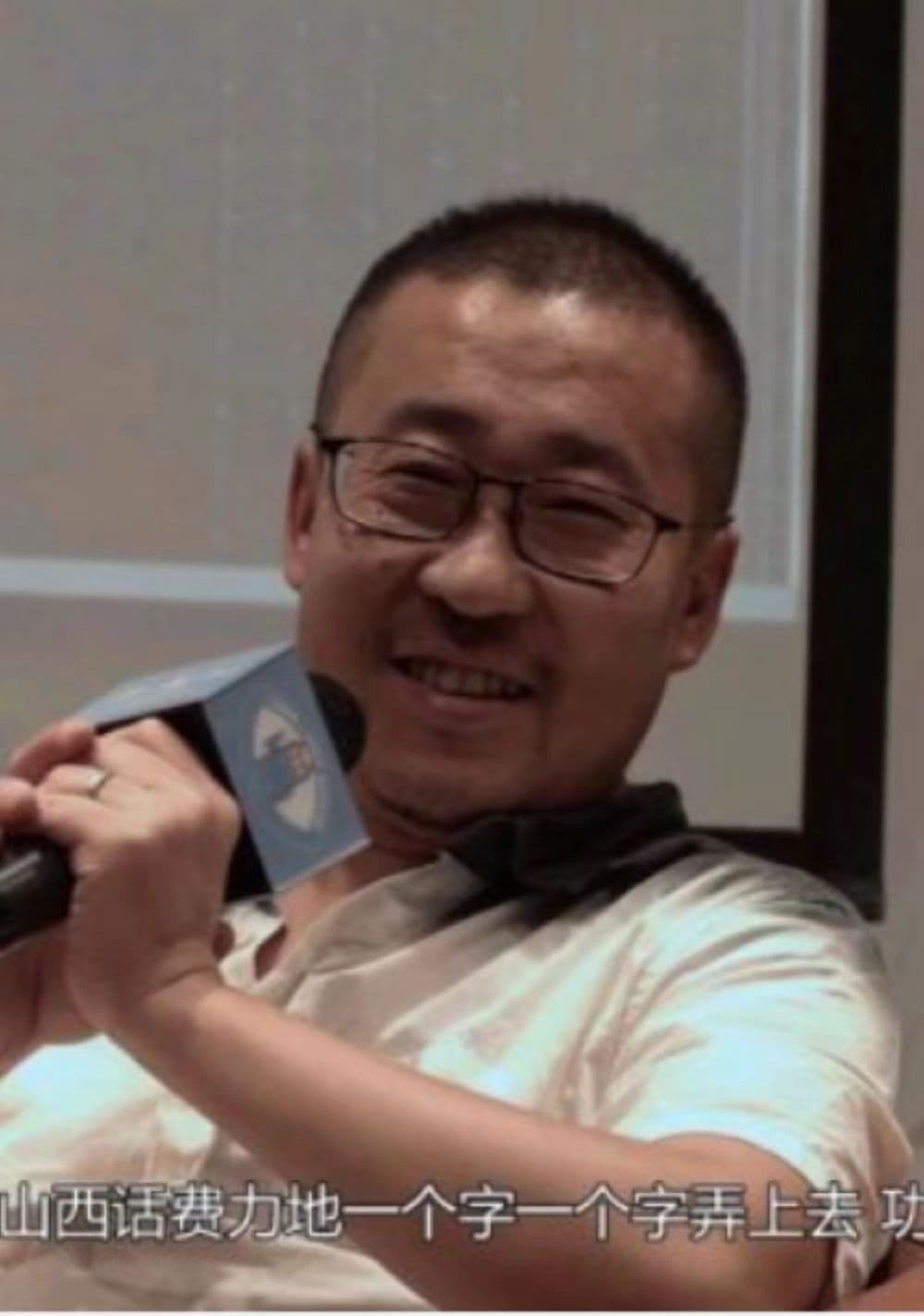
The player of Jia Zhangke's early film "Xiao Wu" and the famous independent film activist Wang Hongwei talked about Chinese independent films at the IFF Independent Film Forum.
‘Body’ is an object we are all familiar with. For British sculptor Anthony Gormley, it is a medium for expressing thoughts about space, while for young female artist Wang Ying, it is a potential vehicle for expressing emotions. This documentary uses a split-screen method to create a three-dimensional space like a "body". It not only explores the artistic concept and development of Wang Ying, a female artist born in the 1990s who studied in the UK but also completed it on this basis. The documentary creator (me) thinks about her and her body, from'meeting','seeing' to'existence'
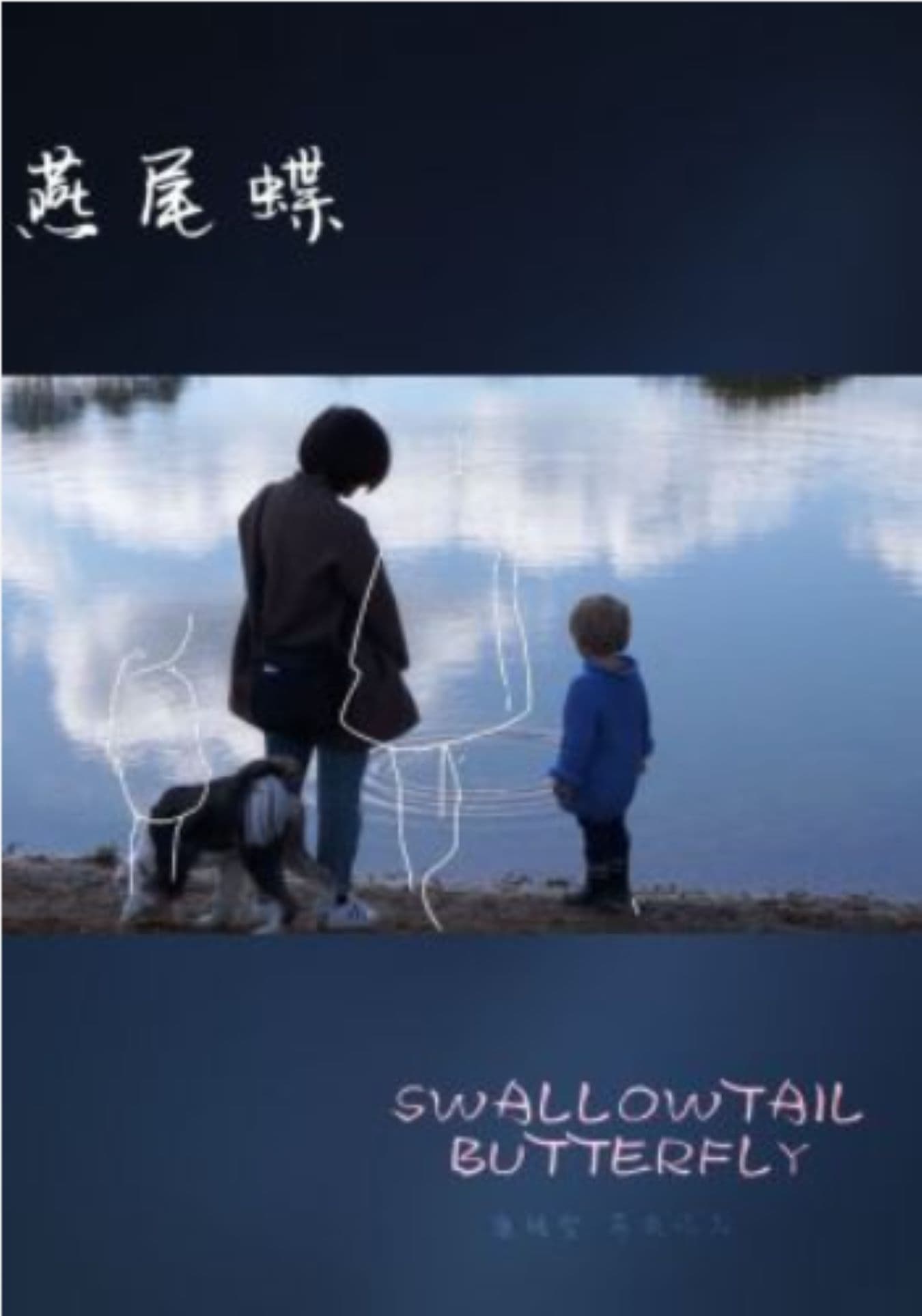
In the dream I had one early morning in 2014, I was sitting in the backseat of a car. The driver suddenly turned to look at me and said: Why aren’t you filming? It was my second elder sister who had already passed away. After her death, I began to keep a diary and take pictures. When I got a video camera, I began to film the daily life of my family. I filmed out of the fear of death and loss. The idea was to capture everything on film before it disappeared. 2015 was the 20th anniversary of my sister’s death. That dream seemed to tell me to face her death. Death did not stop the passing of time, and the family members I was filming continued to avoid their grief which hadn’t subsided with time. Birth and death continue to alternate in our lives, and we are always getting ready for the day when we must say goodbye.
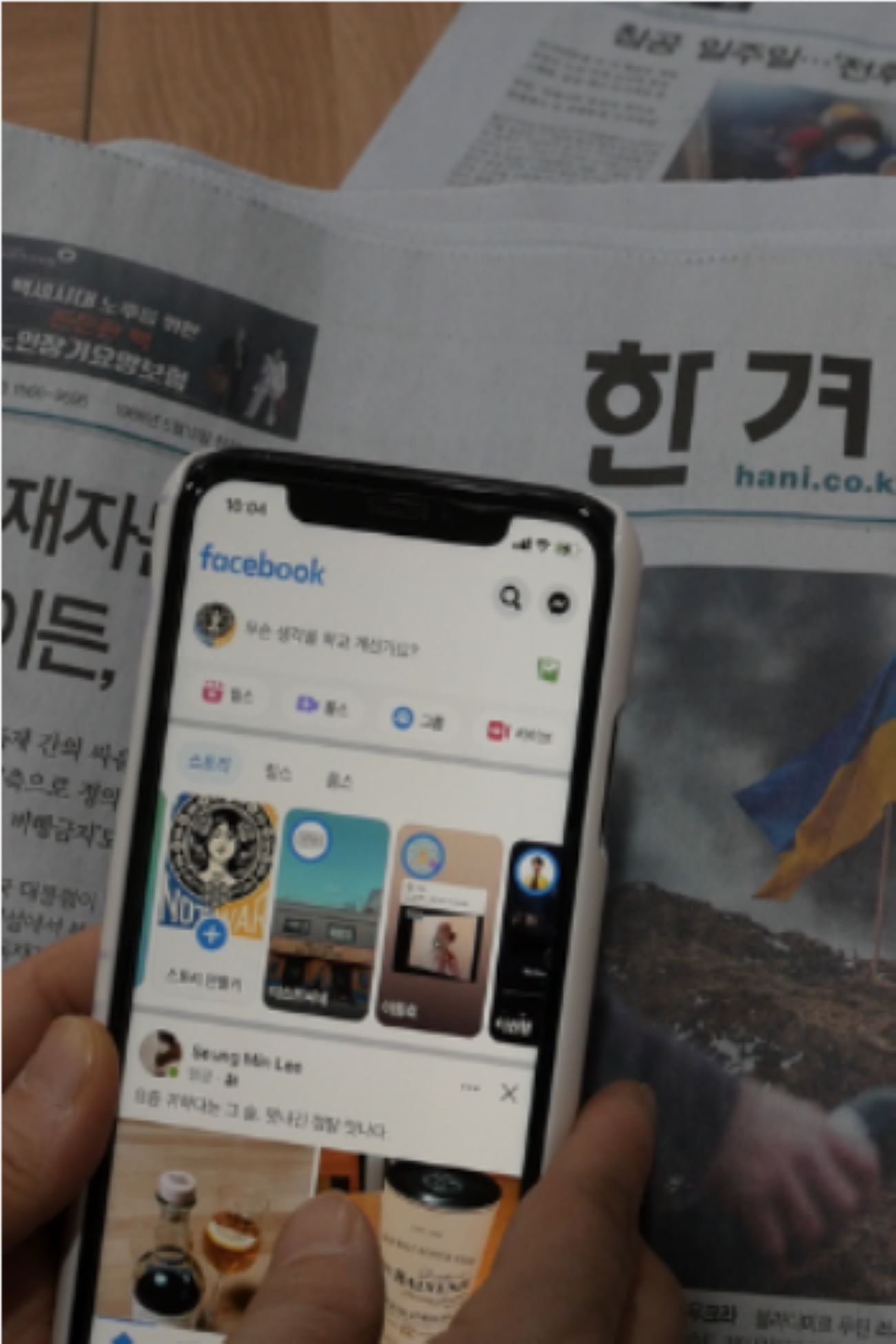
I just watch the news of war in a distant country on my mobile. My fingers go back day by day to the day the war broke out and pose to see comments posted on the Facebook News Feed that I follow. Outside, I have friends who participated in anti-war rallies.
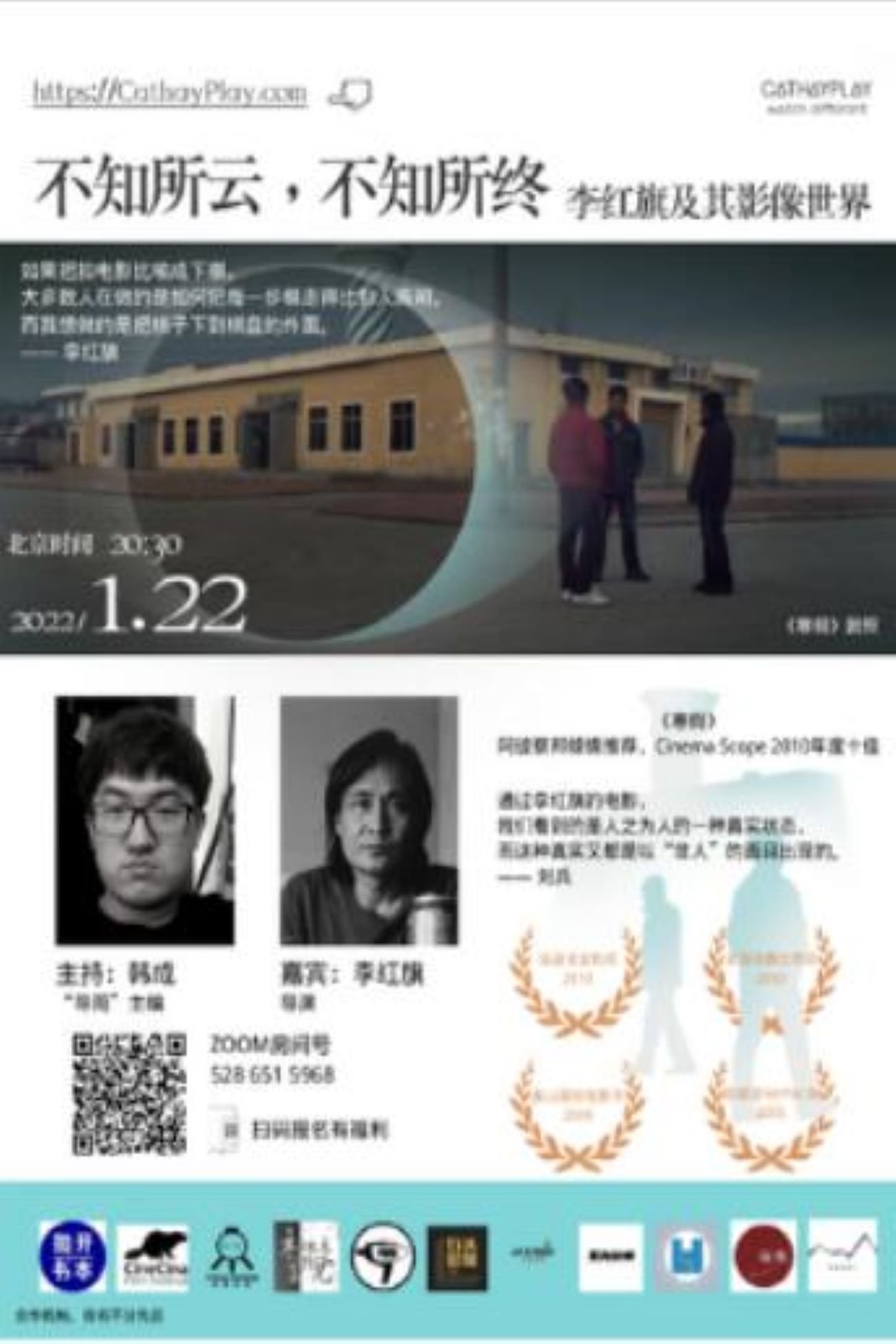
In this talk, Li Hongqi reviewed his transition from fine art to cinema, and his aesthetic and philosophical exploration from his early 'So Much Rice' to recent 'The The'. Dir. Li Hongqi also shared his strong anxiety of his existence(born with melancholia), his thought on cinema art (actually, I don't think there's any movie worth making), his epistemology, his religious view, his consideration on contemporary cinema, and what he learned about living in seclusion.
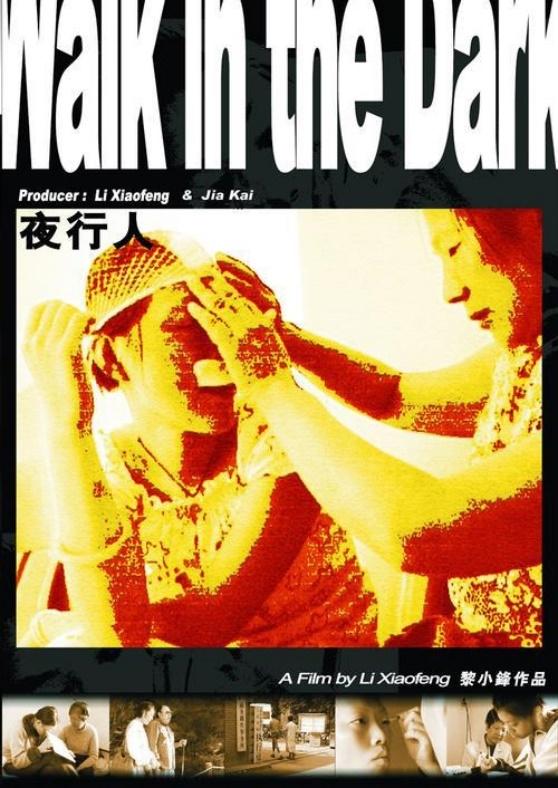
Bao, a blind woman, sings every day on the streets of Peking to make a living. She is caught up in an endless lawsuit in the hope of having some money reimbursed while doing her best to rear Ming Ming, her mentally ill daughter. After a car accident, and to her mother's great despair, Ming Ming decides to drop out of school and become a street artist. History seems to repeat itself.
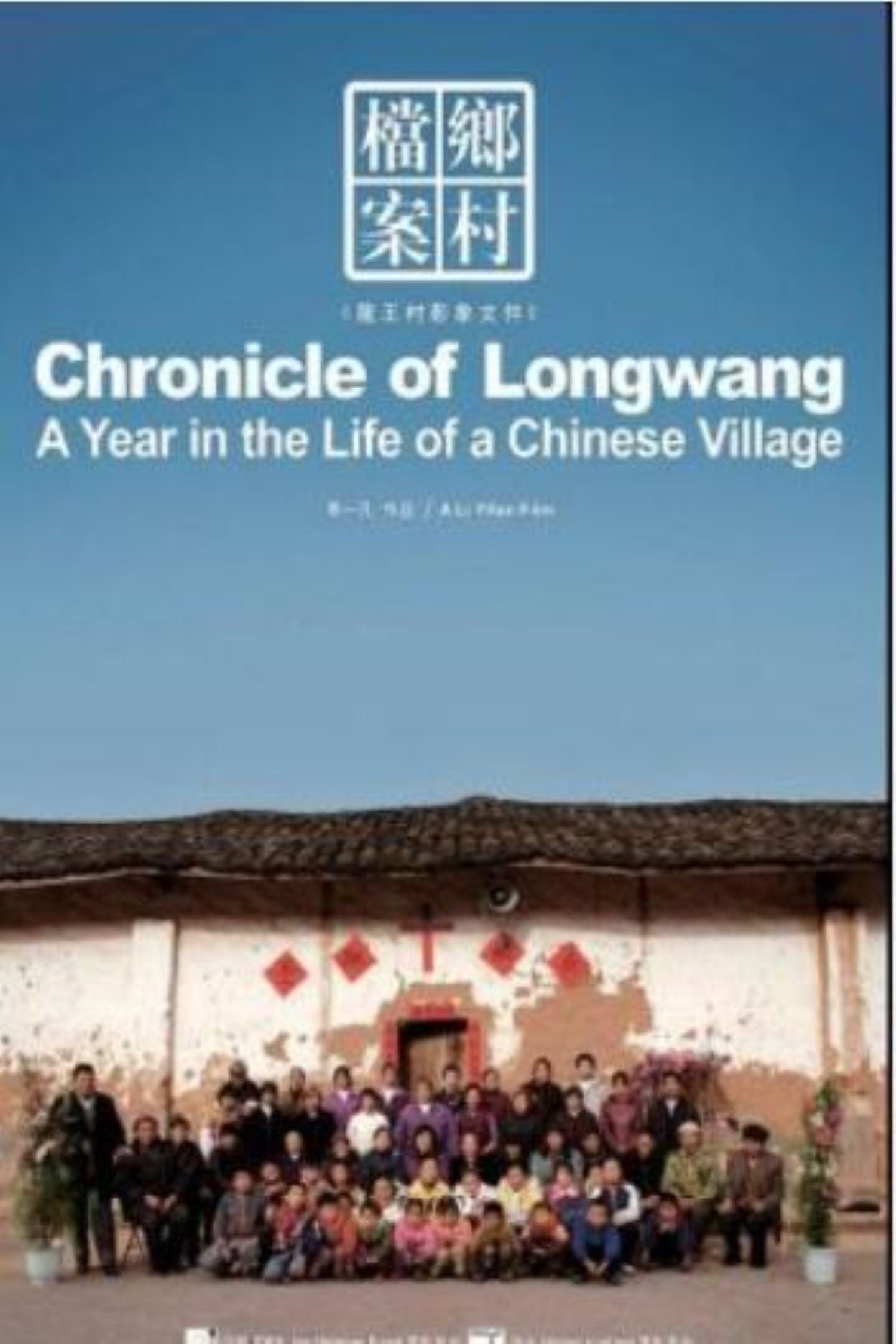
Unusually popular religions and extreme secular beliefs, unconstrained power and no authoritarian society, people work hard on the land and live thrifty but do not believe in the meaning of life at all. This is Longwang Village, an empty old farming society, the most essential reality of an ordinary western village. The film does not have a perpetual plot. The images are presented with the changing of the four seasons. There is no great joy or great sadness. Everything is recorded, and no results are produced. Strictly speaking, this is actually just a rural video file, a running account of ordinary western villages without all rhetoric.
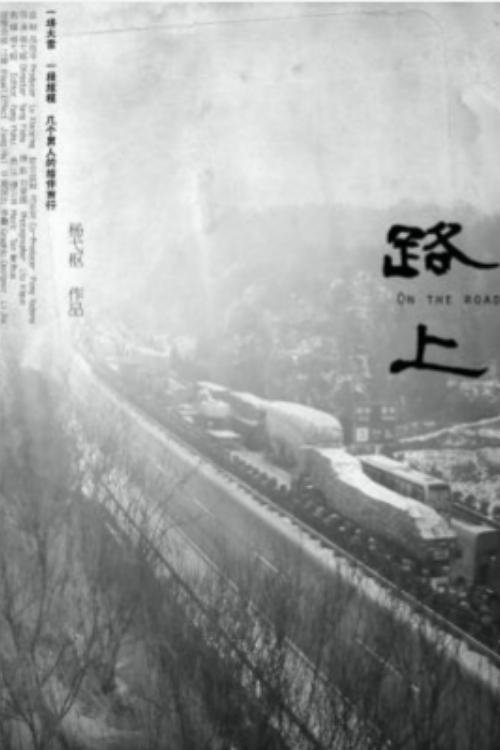
Only a few days before the Spring Festival of 2008, several truck drivers set off from Nantong, Jiangsu Province, to Guizhou province to deliver goods. But what they didn't expect was that they ran into a big snowstorm not long after their departure. What would these drivers do after they got caught up in a snowstorm and coudn't do nothing about it but wait? How would they react to this unexpected halt? And what would happen to this convoy?
This investigative documentary gives a comprehensive record of the development of China's "August 3 Crackdown on Mafia" campaign. Li Xiaoming, the main character of the film, escapes from the incident and goes through many ups and downs. The film explores that period from a personal point of view, slowly revealing the untold story of that period.
This is a film about the unison between the four seasons of life and the four seasons of the year, intertwined with the geospatial and temporal dimensions of a small town named Tongchuan situated on the northwest of the Loess Plateau.
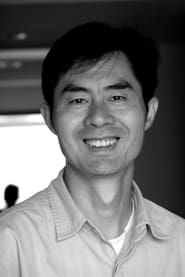
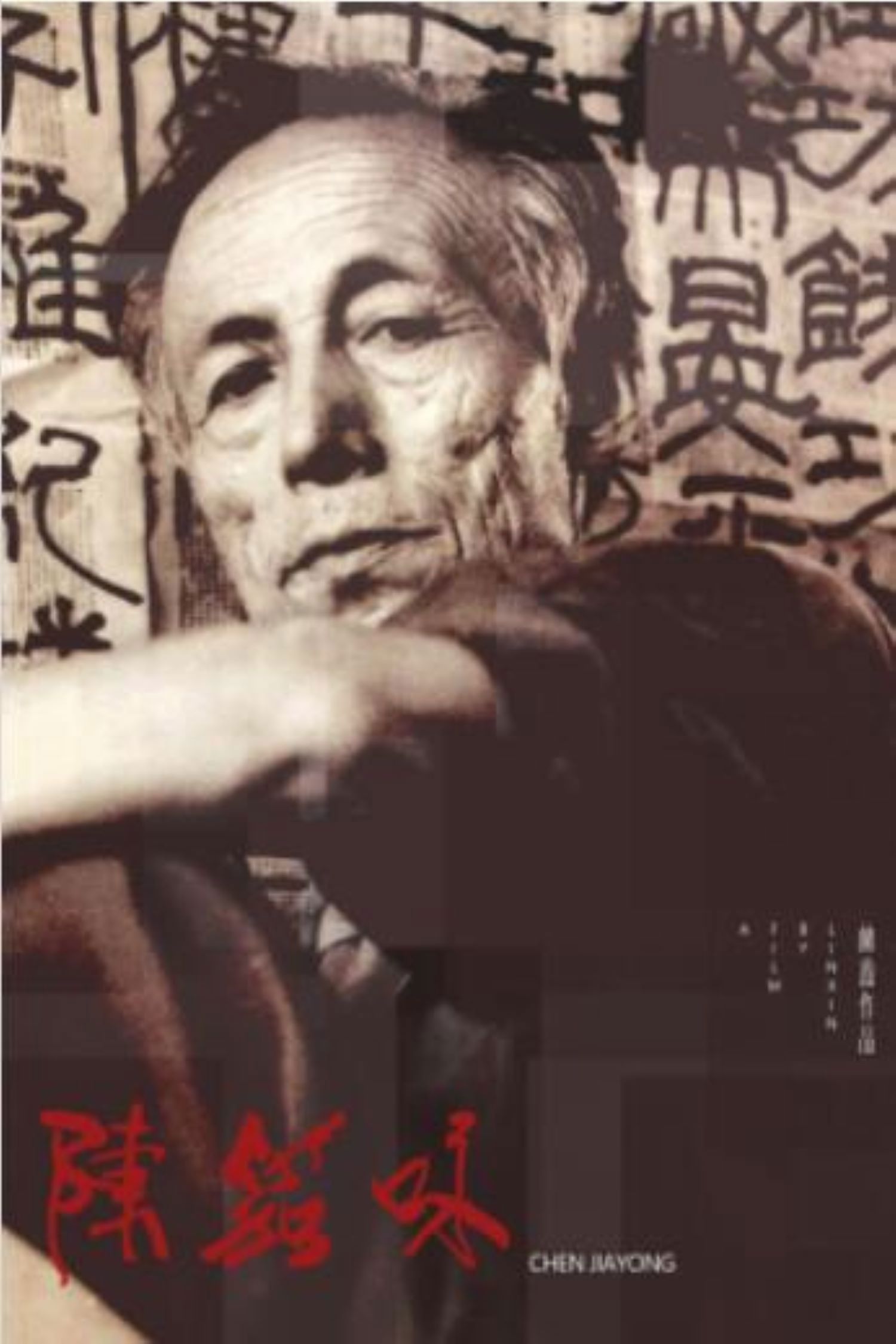
An individual's life experience is always a reflection and epitome of the times. Through the environment, literature, oral narration, calligraphy and painting works, this film faithfully records the upbringing background, family circumstances and life of the painter Chen Jiyong. His life experience and mind-watching are an ordinary case of countless intellectuals who have disappeared in the dust of time. At the same time, he has become a sample of images and life statues about this period of history.
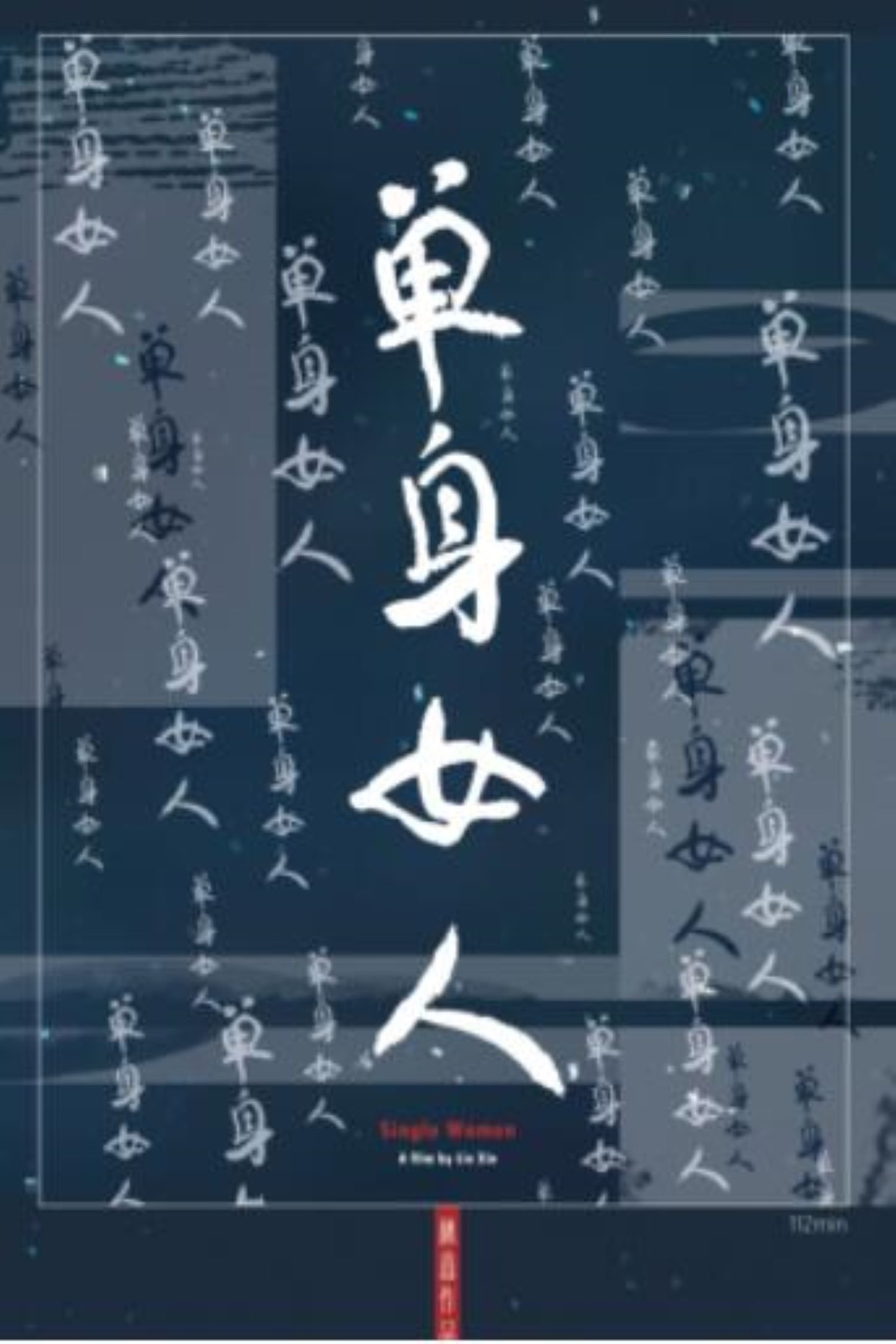
The film records the emotions and destinies of seven single women. Whether at a loss, confused, waiting in hope, disappointed, helpless, compromised, independent or defiant, they are closely bound up to this agitated and chaotic era. Through their different experiences they tell us about the failed marriages of middle-aged women, about life being single, and about a group of men who have not yet showed up but who appear vivid from a female perspective.
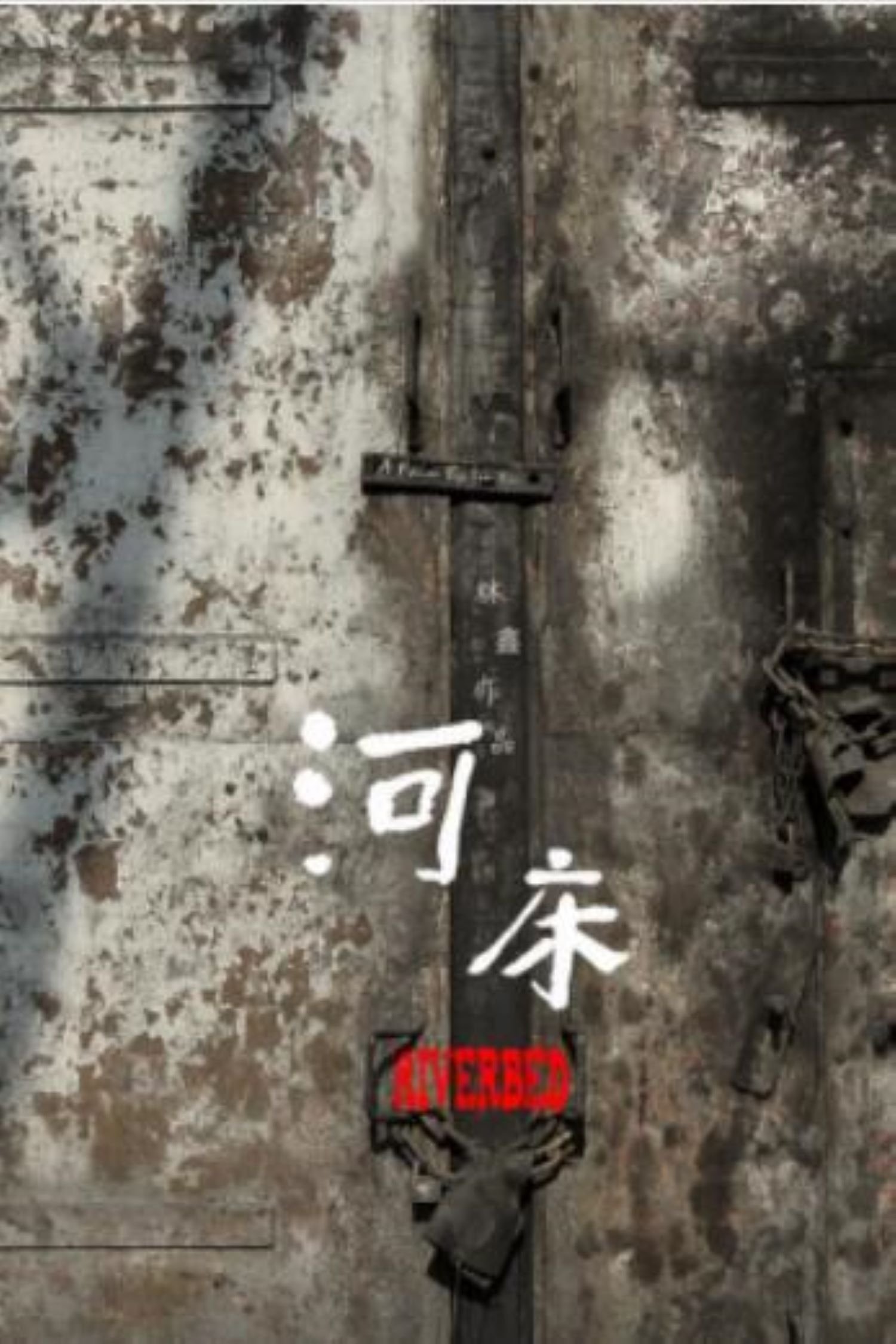
This is an image of a family. Through the memories of many people, it traces the growth, migration and different life experiences of several generations of the author's family. It shows the destiny of ordinary people and their inner scenery in social transformation. Each generation has its own joy and pain, and life still continues in hope, hardship and helplessness. The various imprints of survival that remain in the film are the hard riverbed of individual life and a period of micro-history washed out by time
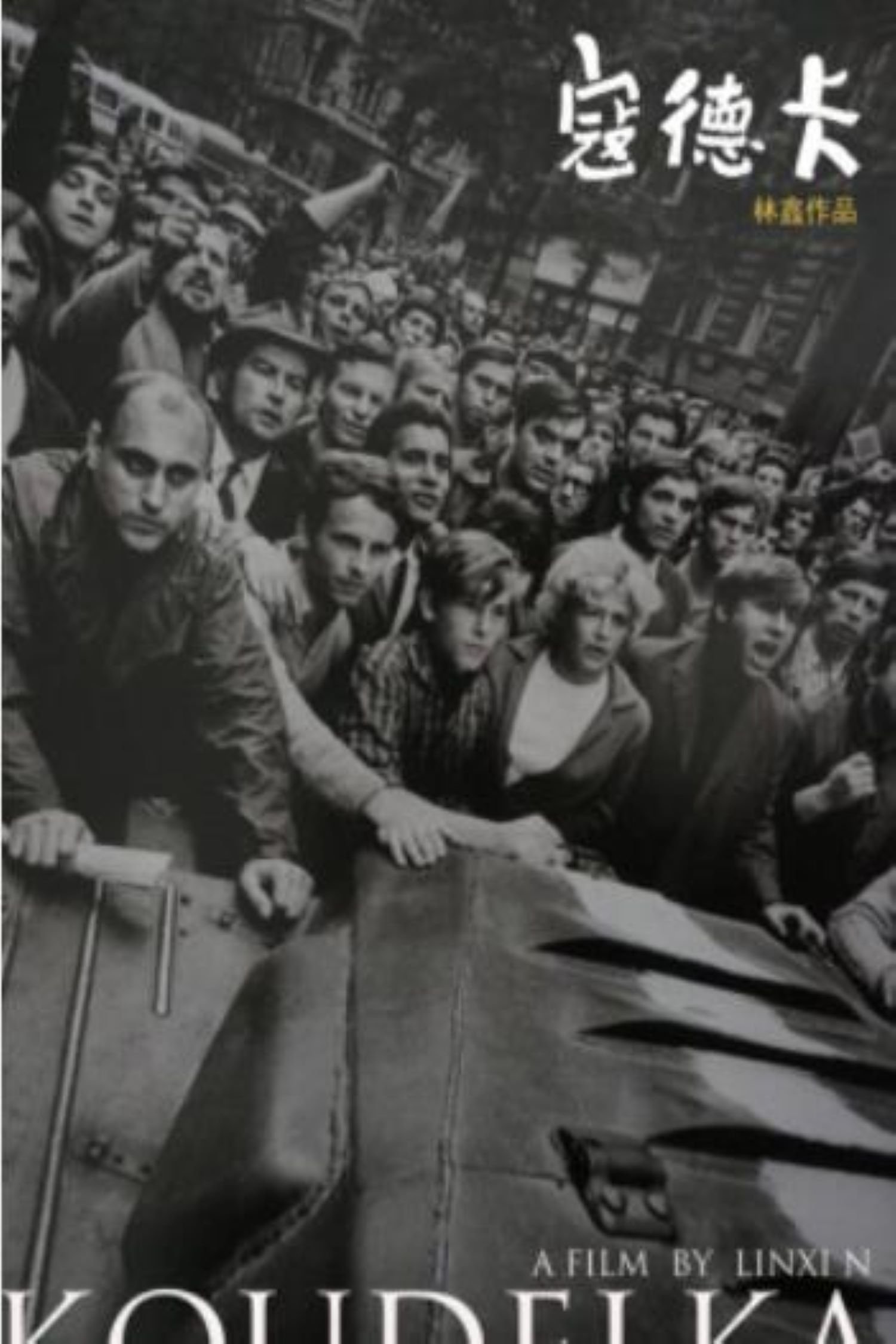
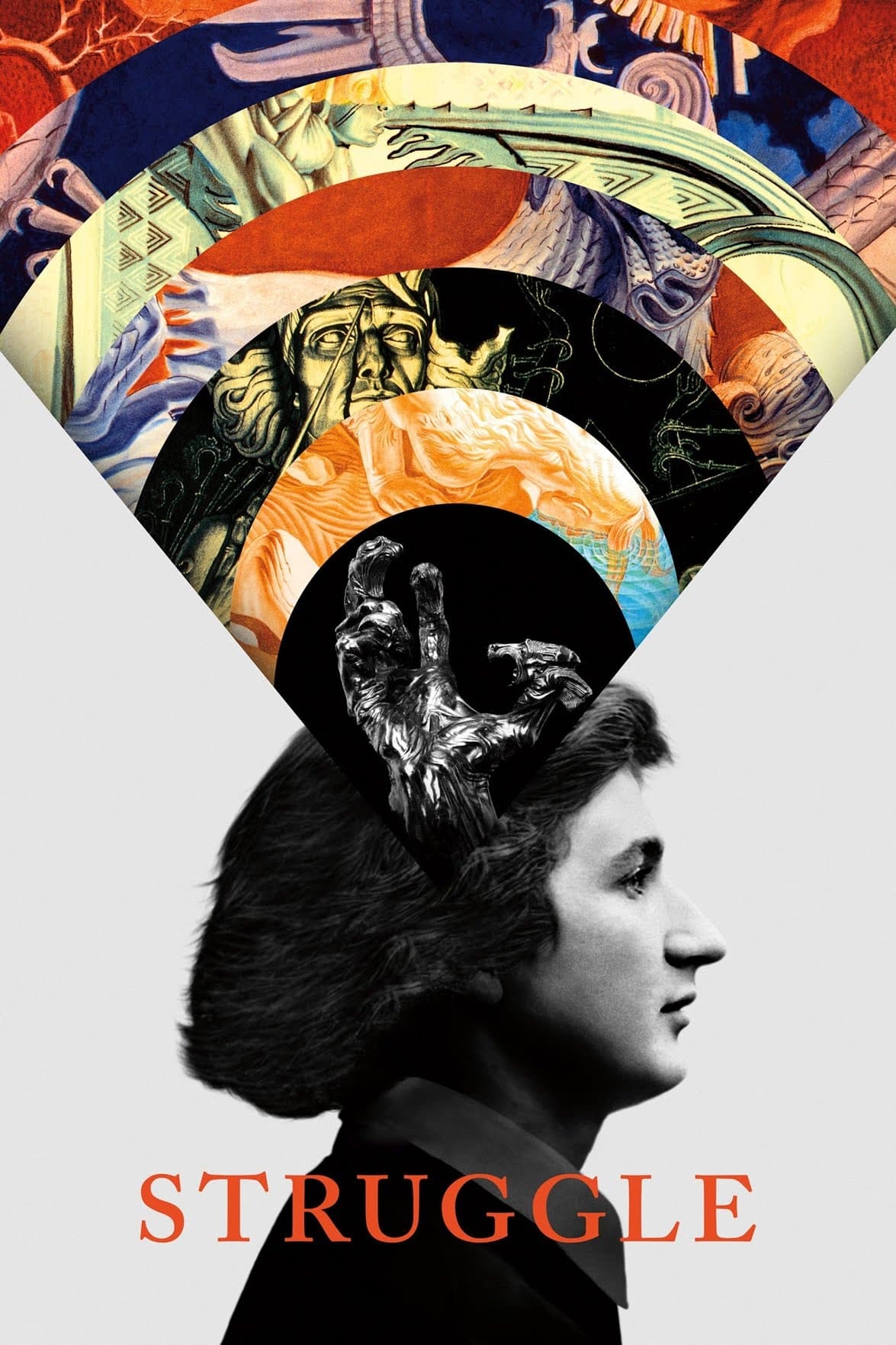
This is a documentary filmed in a subjective perspective. Without any commentary, the film records, in the switches and transitions of the faces, the gamut and track of emotions and vision of the author in enjoying the photographs by Koudelka—from the scenes of life in “Gypsies”, to the conflicts in “Invasion”, further to the still images in “Exiles”, and finally focused on desolately dignified “Chaos”. The four chapters of the film echo the four photo albums of Koudelka. With the indoor CD player playing the music by Shostakovich, the invasion of the landscape without the windows, intermingled with the background noise, complicates the ambient circumstances of the film and renders an immediate sense of urgency and relevance.
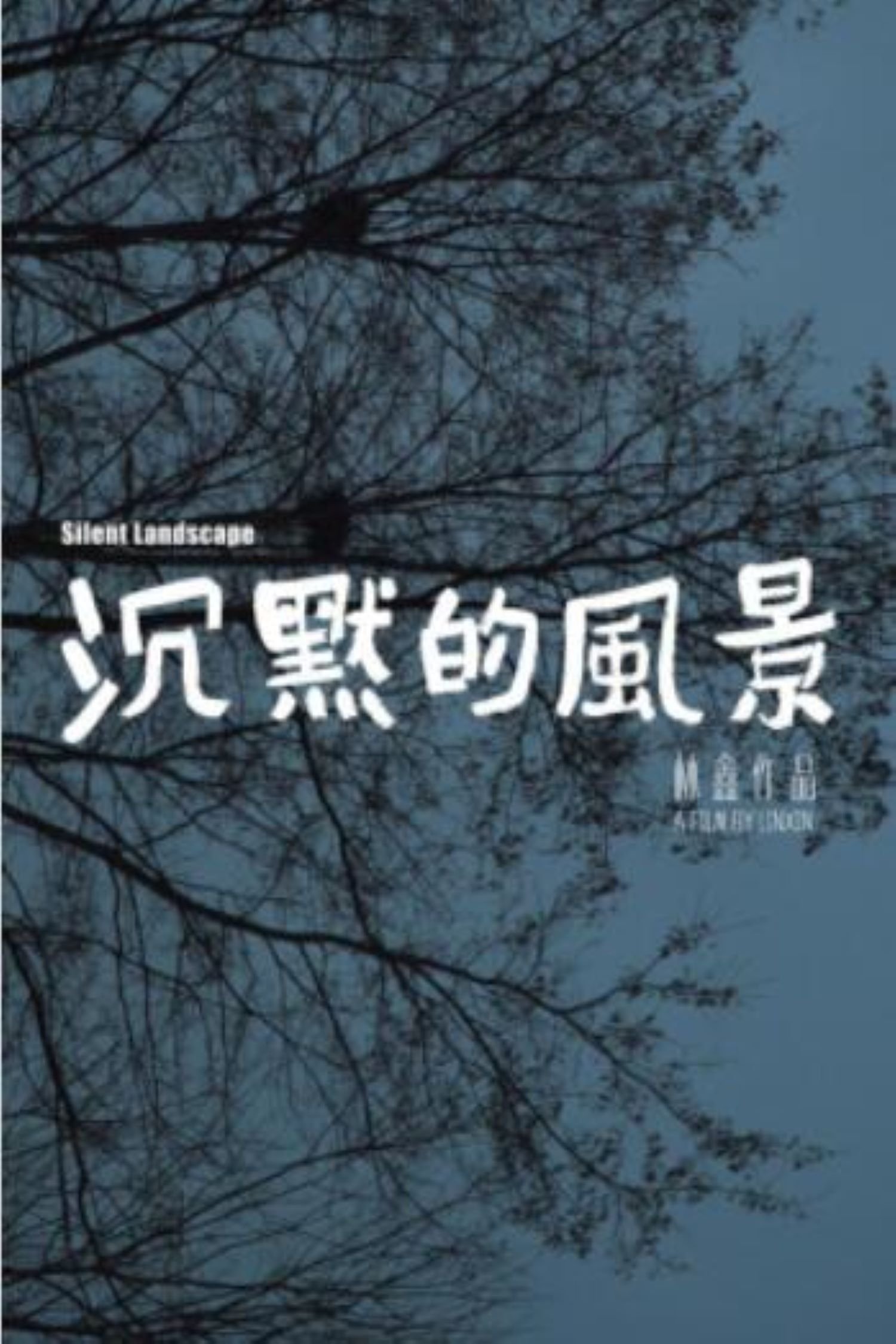
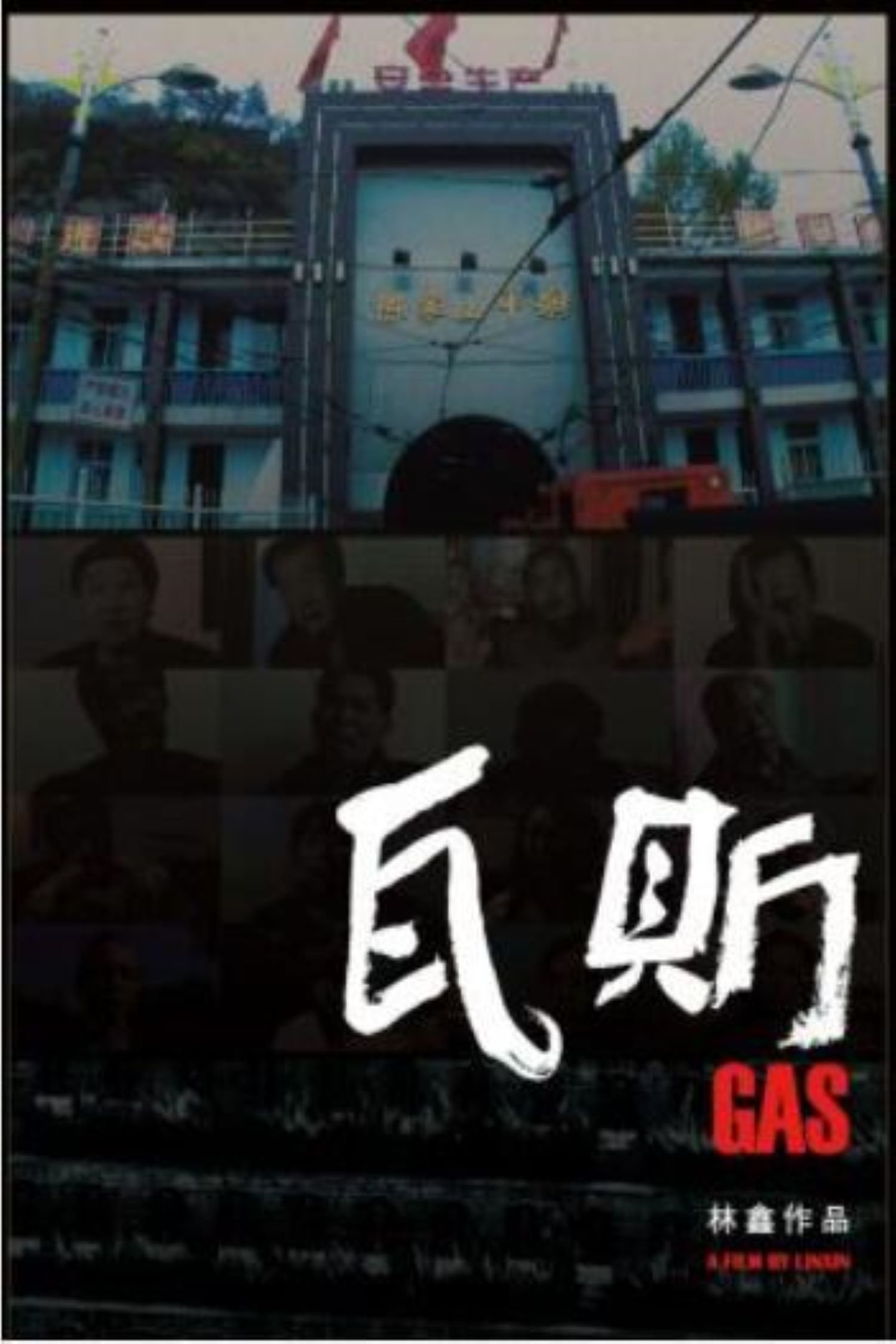
On April 6, 2001, a gas explosion occurred in the Chenjiashan Coal Mine of the Tongchuan Mining Bureau in Shaanxi Province, killing 38 people. On November 28, 2004, a gas explosion occurred in the Chenjiashan coal mine, and 166 people were killed. Five years later, Lin Xin, the son of the miners, filmed this film about mine disasters. Through the oral interviews of more than 20 people, such as miners and family members of the victims, and random interviews on the street, the film presents the real life of the miners and the cruel and complicated social reality behind the mine disaster from different angles. This film is the end of Lin Xin's "Trilogy of Survival".
From the heights of her modeling fame to her tragic death, this documentary reveals Anna Nicole Smith through the eyes of the people closest to her.
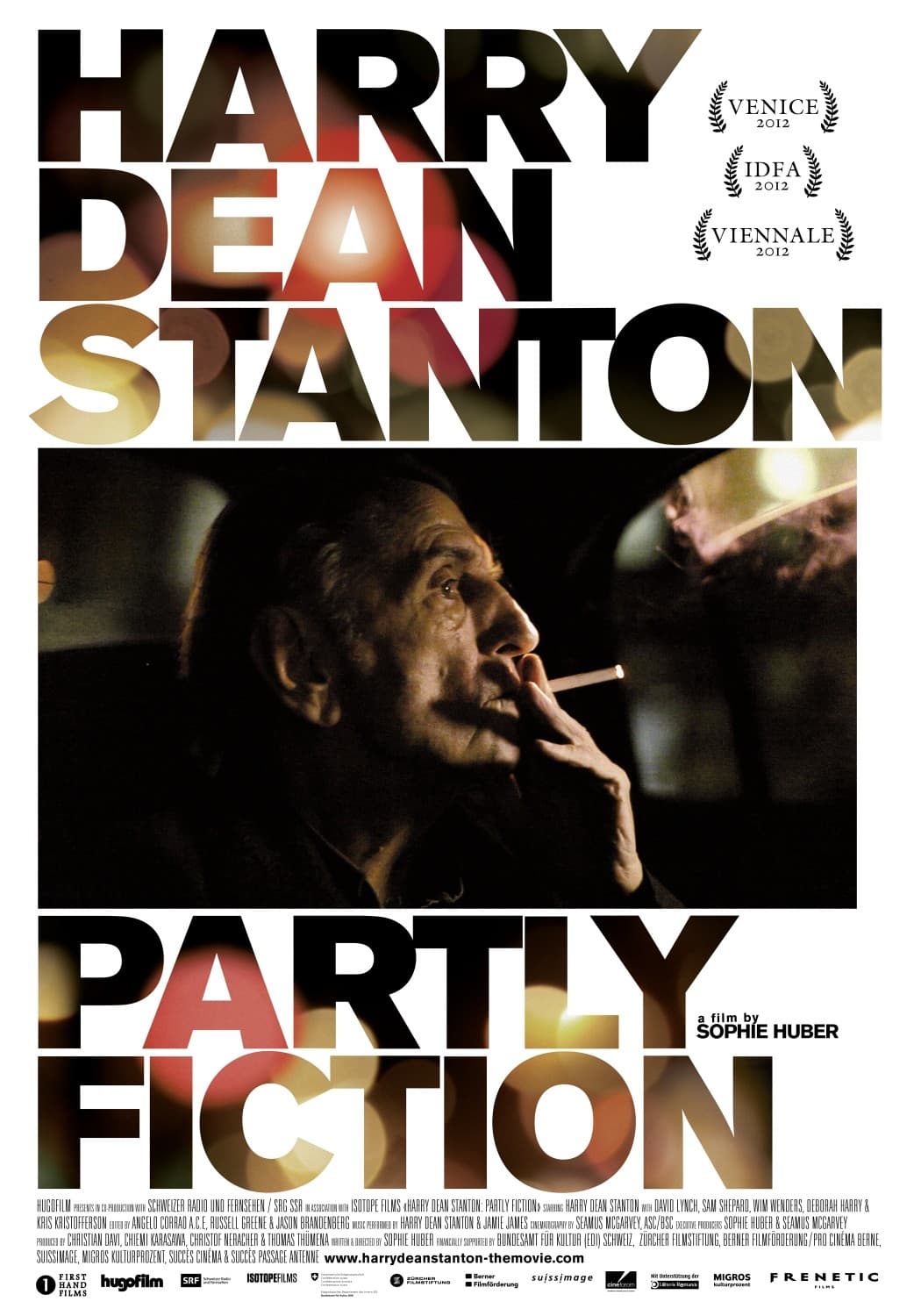
An impressionistic portrait of the iconic actor Harry Dean Stanton comprised of intimate moments, film clips from some of his 250 films and his renditions of American folk songs.
The life and career of an actor, artist, and icon. His own journey through his own camera.
Over 35 years after Bob Lazar's revelations, this documentary exposes secrets of a facility the government still denies. Featuring Lazar's testimony, recreations, and new evidence, it reopens a case that continues to spark global curiosity
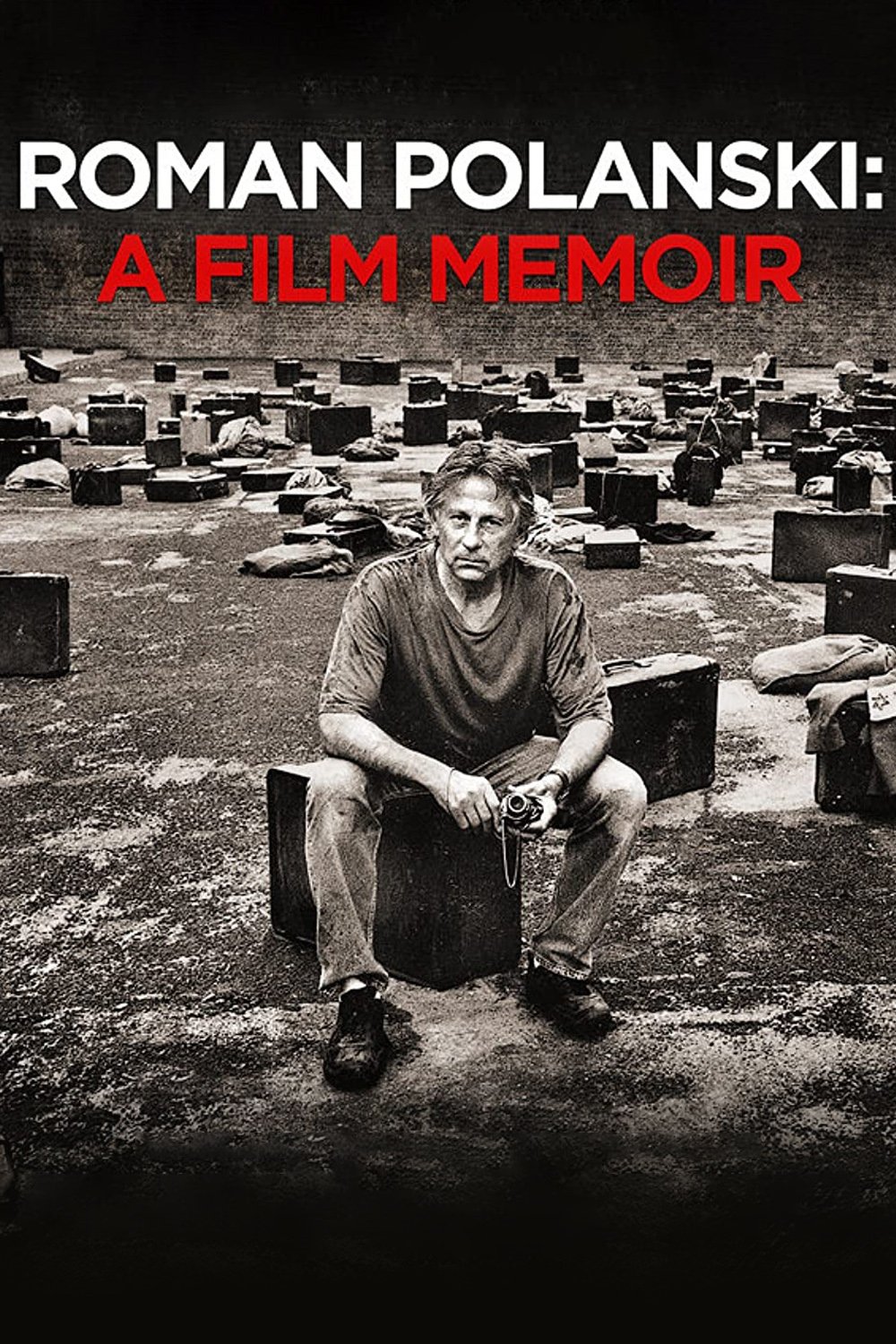
An interview with film director Roman Polanski conducted during his period of house arrest, discussing his life and work.
In an intimate and joyful story of love in the face of loss, celebrated poets Andrea Gibson and Megan Falley find strength—and unexpected hilarity—in what might be their final year together.
A documentary about the life and films of director John Ford.
Through deeply personal interviews with her siblings and an examination of the photographs, letters, and belongings left behind, Mariska assembles a new portrait of her mother Jayne Mansfield, an extraordinary and complex woman.
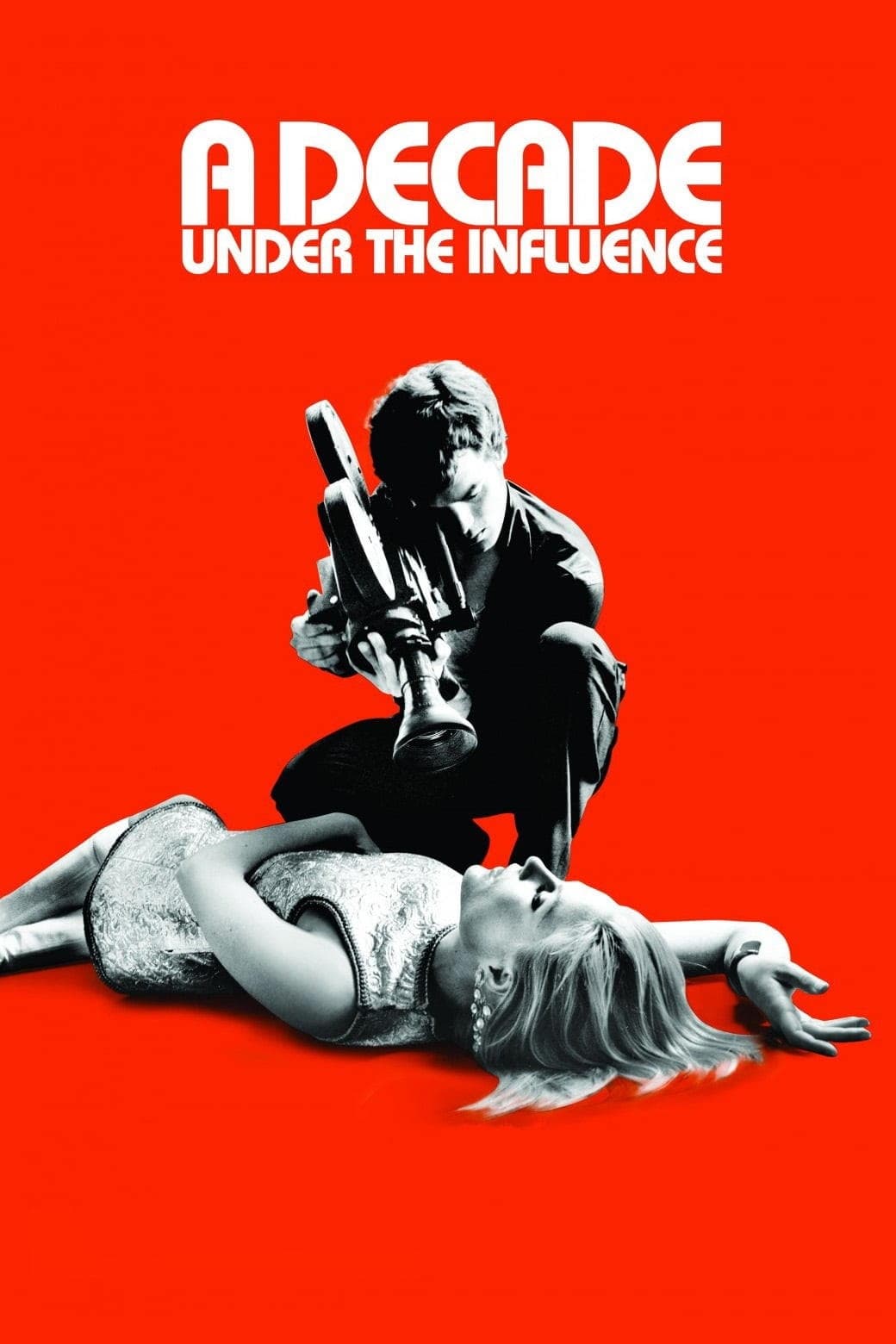
A documentary examining the decade of the 1970s as a turning point in American cinema. Some of today's best filmmakers interview the influential directors of that time.
A compilation of over 30 years of private home movie footage shot by Lithuanian-American avant-garde director Jonas Mekas, assembled by Mekas "purely by chance", without concern for chronological order.
A visual montage portrait of our contemporary world dominated by globalized technology and violence.
Musician and performance artist Laurie Anderson reflects on the deaths of her husband Lou Reed, her mother and her beloved dog.
Told through performances, TV interviews, home movies, family photographs, private letters and unpublished memoirs, the film reveals the essence of an extraordinary woman who rose from humble beginnings in New York City to become a glamorous international superstar and one of the greatest artists of all time.
Artists in LA discover the work of forgotten Polish sculptor Stanislav Szukalski, a mad genius whose true story unfolds chapter by astounding chapter.
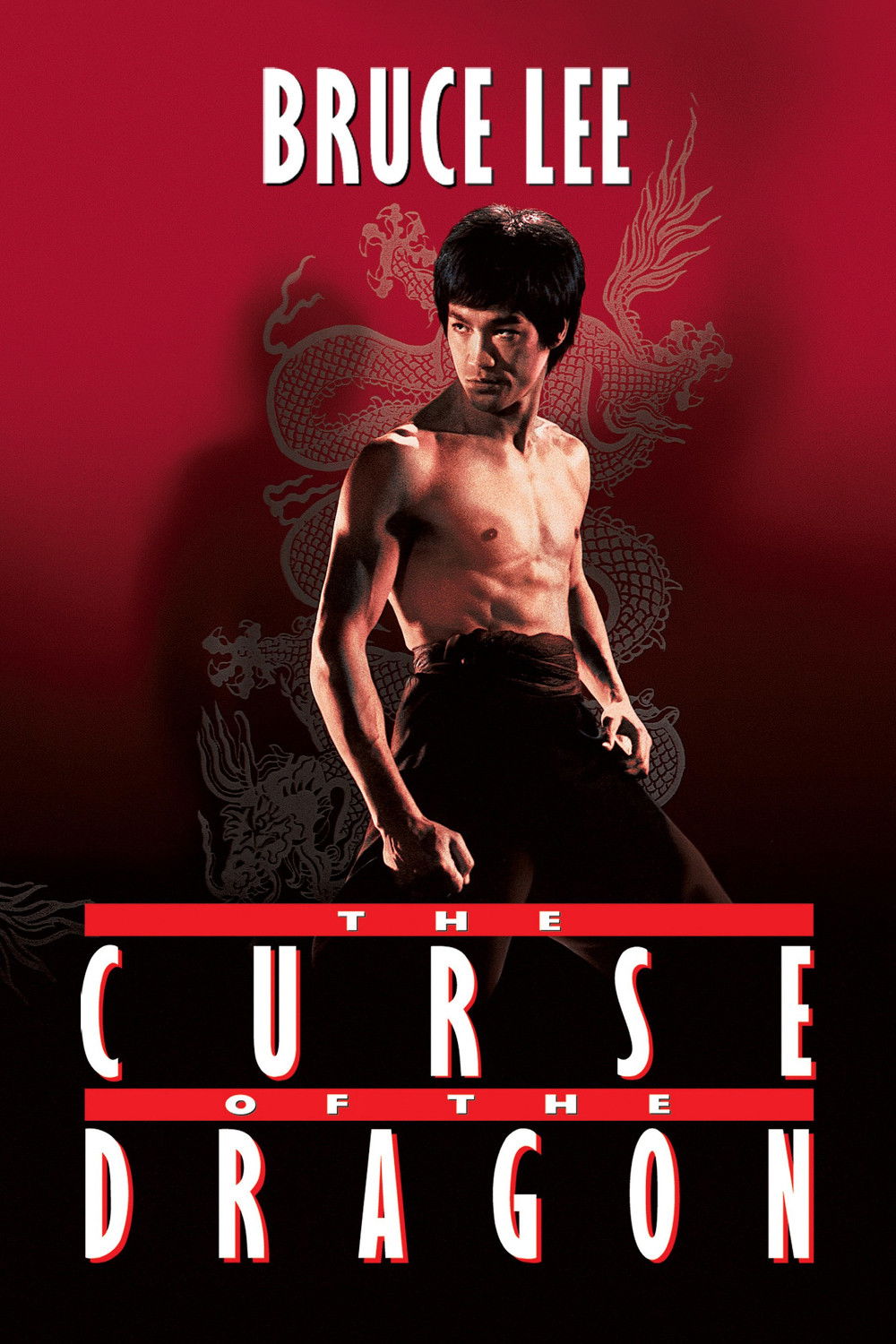
A 1993 documentary film about Bruce Lee. The film includes interviews from some of his fellow students and opponents who worked alongside him in his movies.
Those who knew iconic funnyman John Candy best share his story, in their own words, through never-before-seen archival footage, imagery, and interviews.
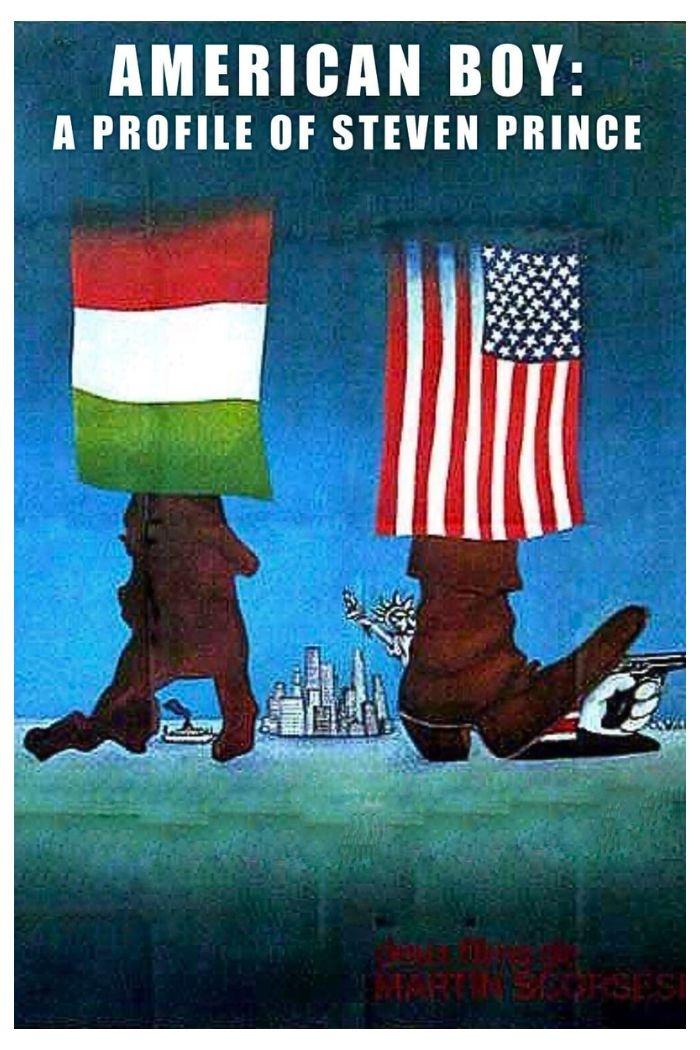
Martin Scorsese spends an evening with larger-than-life raconteur Steven Prince—a former drug addict, road manager for Neil Diamond, and actor—as he recounts stories from his colorful life.
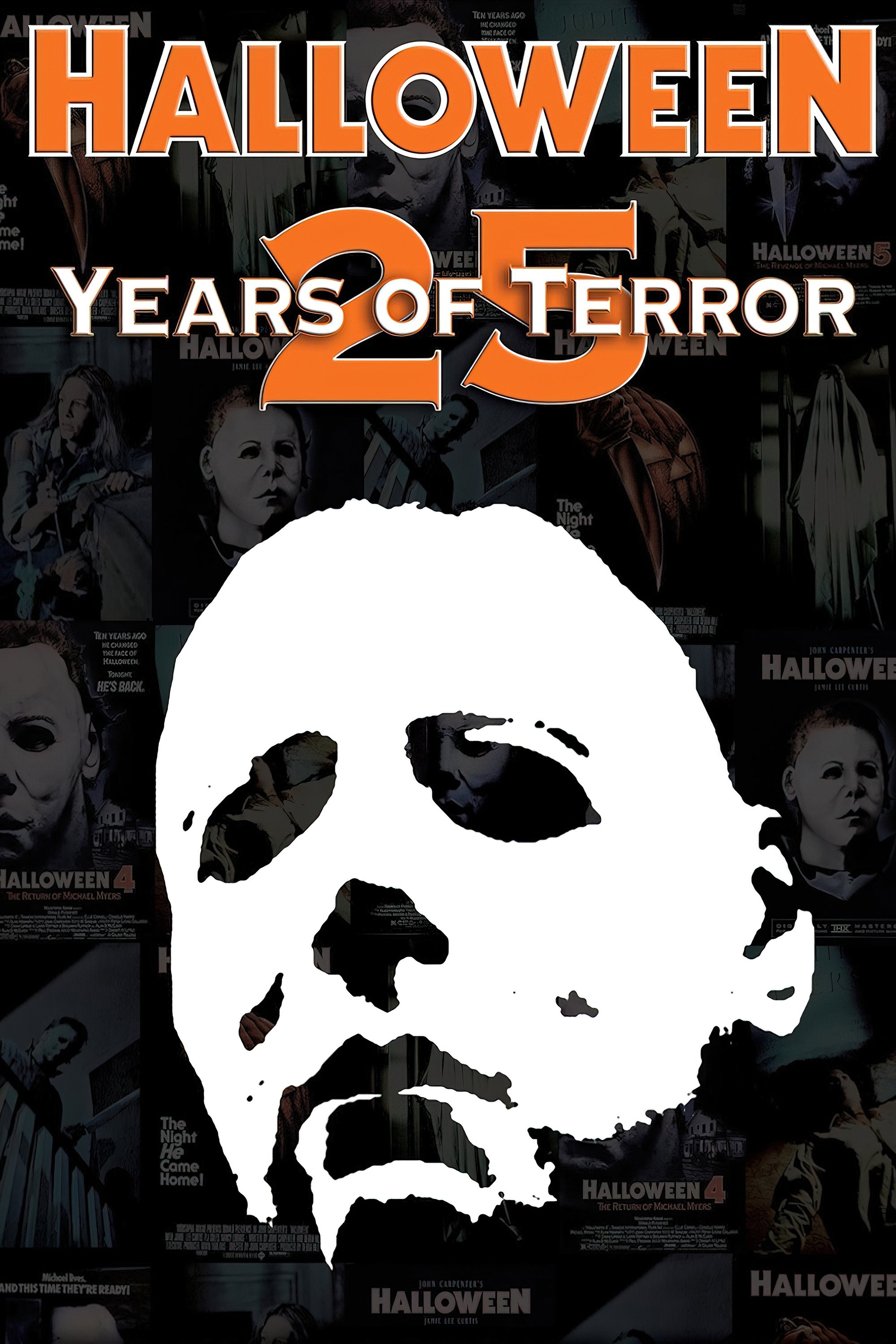
Follow the evolution of the 'Halloween' movies over the past twenty-five years. It examines why the films are so popular and revisits many of the original locations used in the films - seeing the effects on the local community. For the first time, cast, crew, critics and fans join together in the ultimate 'Halloween' retrospective.
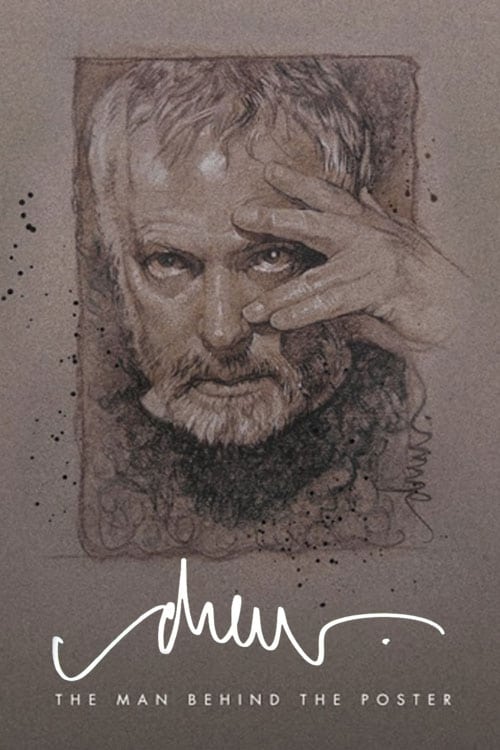
A documentary on legendary movie-poster artist Drew Struzan.
Alexander McQueen's rags-to-riches story is a modern-day fairy tale, laced with the gothic. Mirroring the savage beauty, boldness and vivacity of his design, this documentary is an intimate revelation of McQueen's own world, both tortured and inspired, which celebrates a radical and mesmerizing genius of profound influence.