A dark formless body moves . Formlessness of an entity is because a constant change in form is perceived as formless
Social & External
The people behind it
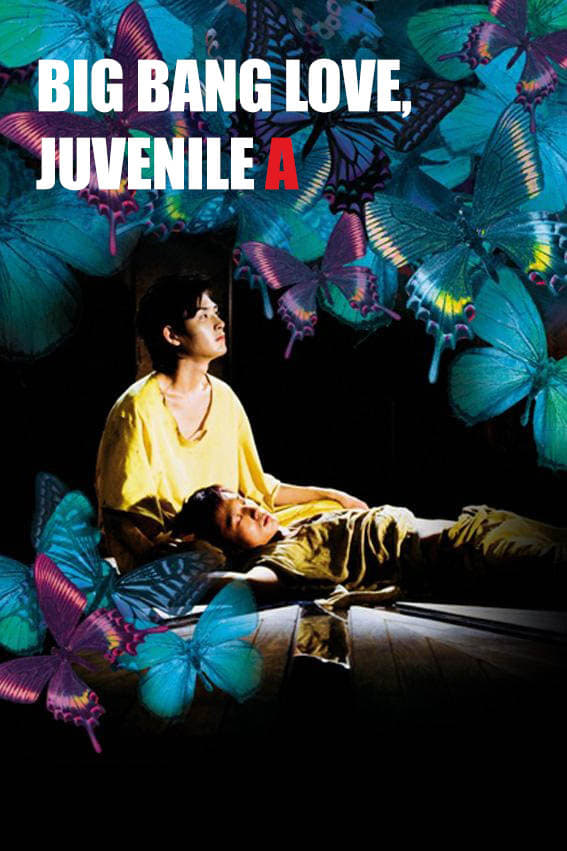
An unknown future. A boy confesses to the murder of another in an all-boy juvenile detention facility. More an exercise in style than storytelling, the story follows two detectives trying to uncover the case. Homosexual tension and explosive violence drives the story which delivers some weird and fascinating visuals.
The world appears black on black until it separates from itself, looks at itself, includes itself, and sees colour.
A video reconstruction of the 1977 Wooster Group production Rumstick Road, an experimental theater performance created by Spalding Gray and Elizabeth LeCompte after the suicide of Gray's mother. Archival recordings are combined with photographs, slides, and other materials to recreate the original production.
Emerging from a period of withdrawal, a social recluse or ‘hikikomori’ relates her inner experiences against the backdrop of an illuminated and restless urban environment that never sleeps.
Originally produced anonymously and distributed by RTMark, Untitled #29.95 tells the story of the commercial art establishment's attempt to turn video art into a precious commodified object through the release of limited editions during the nineties.
Dialogue-free short detailing the daily tasks of a man and his wife.
As a major storm strikes Texas in 1900, a mysterious televisual device is built and tested. Blake Williams’ experimental 3D sci-fi film immerses us in the aftermath of the Galveston disaster to fashion a haunting treatise on technology, cinema, and the medium’s future.
An experimental film about life on earth as a cosmic experiment and the curiosity and naivete of reaching out to alien life.
A non-narrative cine-essay that collaboratively explores the potentials for trans feminine representation in film.
Twenty images of a camera running next to a chemical platform and capturing abstract light throught improvised gestures and asymmetrical motion
Ostensibly searching for an emotional connection with her aging father, the woman contemplates her own inherited culture and familial touchstones. Her North American pop culture sensibility fuses with a distorted Japanese perspective to create a surreal interpretation of a “Japan of the imagination.” This fictional landscape is peppered with invented Japanese myths, ruminations on memory loss, the temporal space of digital photography and the ghosts of inherited imagination.
A day in the city of Berlin, which experienced an industrial boom in the 1920s, and still provides an insight into the living and working conditions at that time. Germany had just recovered a little from the worst consequences of the First World War, the great economic crisis was still a few years away and Hitler was not yet an issue at the time.
In his New York City landscape, Cohen finds inspiration in disturbance. Looking to life for rhythm and to architecture for state of mind, he locates simple mysteries. Just Hold Still is comprised of an interconnected series of short works and collaborations that explore the gray area between documentary, narrative, and experimental genres.
"[Hutton’s] latest urban film, New York Portrait, Chapter III, takes on a unique tone in relation to Hutton’s ongoing exploration of rural landscape. The very fact that Hutton is dealing with older footage, with archives of memory more than immediacy, gives it a different texture than his earlier New York films. Hutton always found the presence of nature in the city, not only in his many shots of sky and vegetation, but also in the geometry and texture of the city itself, which seemed to project an independence from the human." (Tom Gunning)
Sunny. Semantic sequences guide the gaze, a gaze that is sometimes raised, propelled downwards, then too high or motionless in front of an unrecognizable and yet so familiar vision. The images, linked by echoes of chromatic palettes and linear layers, scroll to the rhythm of a voice, reminiscent of an incantation. Sacred.
Structured as a labyrinth-like game and inspired by Jorge Luis Borges, Aleph is a travelogue of experience, a dreamer's journey through the lives, experiences, stories and musings of protagonists spanning ten countries and five continents.
An investigation about human intervention in nature, from the subjective point of view of the camera, the environment and its transformation are observed.
The quietly insistent and critical DEPOSITIONS attempts to restore some dignity to images of the communities of the Scottish highlands taken from patronizing BBC documentaries and news features from the 70’s and 80’s. DEPOSITIONS repurposes footage from the archives of the BBC and sound from the School of Scottish Studies, it is a film about differences and dichotomies: science and superstition, near and far, community and the individual.
A series of portraits, made for Television, of four diverse individuals brought together through shared residence. These short films were filmed in the tenement where I lived for eight years. The first is shot in our bedroom, which doubled up as my former partner's office, the three others were shot in architecturally identitical spaces owned by my then neighbours. Shot and edited on a single 16mm bolex camera using available light throughout, the films invoke reflections on the four individuals, how they occupy these particular spaces together.
In 1967, experimental filmmaker Jorgen Leth created a striking short film, The Perfect Human, starring a man and women sitting in a box while a narrator poses questions about their relationship and humanity. Years later, Danish director Lars von Trier made a deal with Leth to remake his film five times, each under a different set of circumstances and with von Trier's strictly prescribed rules. As Leth completes each challenge, von Trier creates increasingly further elaborate stipulations.
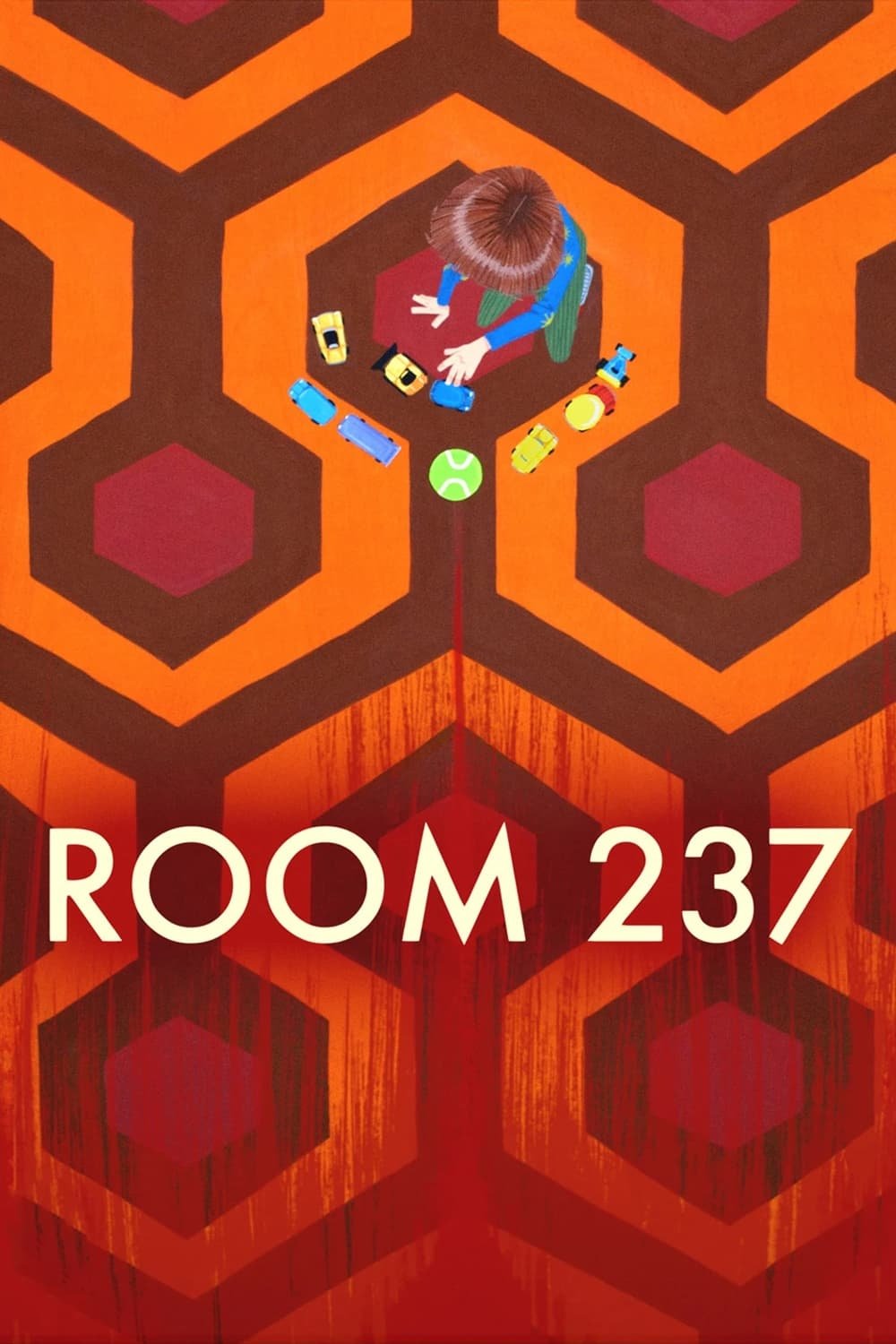
A subjective documentary that explores various theories about hidden meanings in Stanley Kubrick's classic film The Shining. Five very different points of view are illuminated through voice over, film clips, animation and dramatic reenactments.
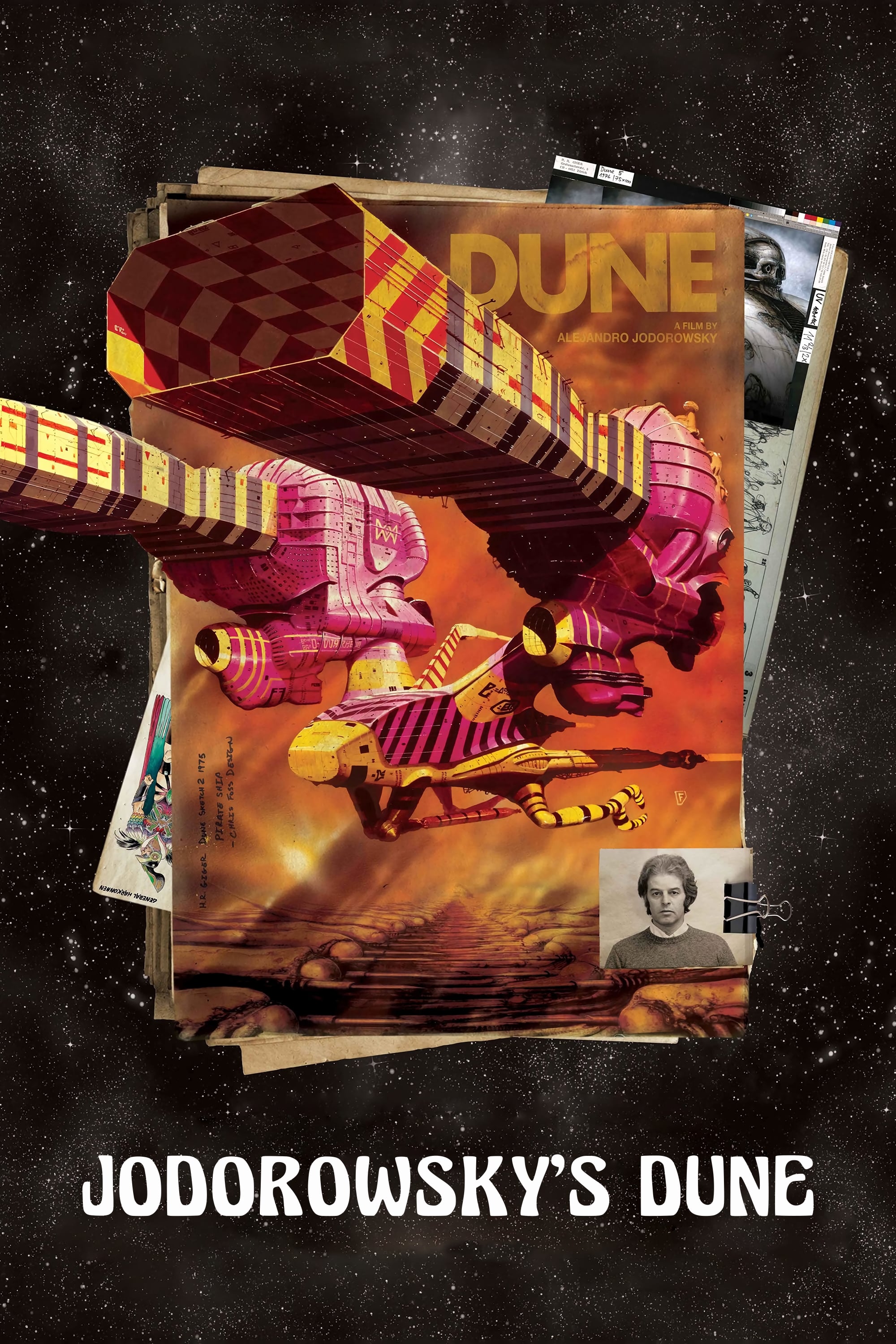
In 1974, Chilean-French director Alejandro Jodorowsky embarked on the quixotic project of adapting Frank Herbert's influential novel Dune (1969) for the big screen. After investing two years, and millions of dollars, the gigantic project ended in failure; but the artists Jodorowsky brought together to carry it out continued to work together, and ended up laying the foundations for modern science fiction cinema.
Take a virtual vacation to some of the Star Wars films' most iconic and beloved locations like Hoth, Tatooine, and Sorgan, as this charming series whisks you off for fly-through tours of the Galaxy Far, Far Away.
With unprecedented access to the official archives and intimate recollections from the band, both current and past, Iron Maiden: Burning Ambition invites fans to experience one of the most iconic journeys in music history. Spanning five decades, this electrifying documentary charts the band’s rise from the pubs of East London to the world’s biggest stadiums. Featuring exclusive interviews with band members and contributors such as Javier Bardem, Lars Ulrich and Chuck D, as well as all-new animated sequences of the band's legendary mascot, Eddie, the film offers a rare and intimate look at Iron Maiden’s uncompromising vision and unwavering connection with their truly global army of fans.
In the Realms of the Unreal is a documentary about the reclusive Chicago-based artist Henry Darger. Henry Darger was so reclusive that when he died his neighbors were surprised to find a 15,145-page manuscript along with hundreds of paintings depicting The Story of the Vivian Girls, in What is Known as the Realms of the Unreal, of the Glodeco-Angelinnian War Storm, Cased by the Child Slave Rebellion.
Carefully picked scenes of nature and civilization are viewed at high speed using time-lapse cinematography in an effort to demonstrate the history of various regions.
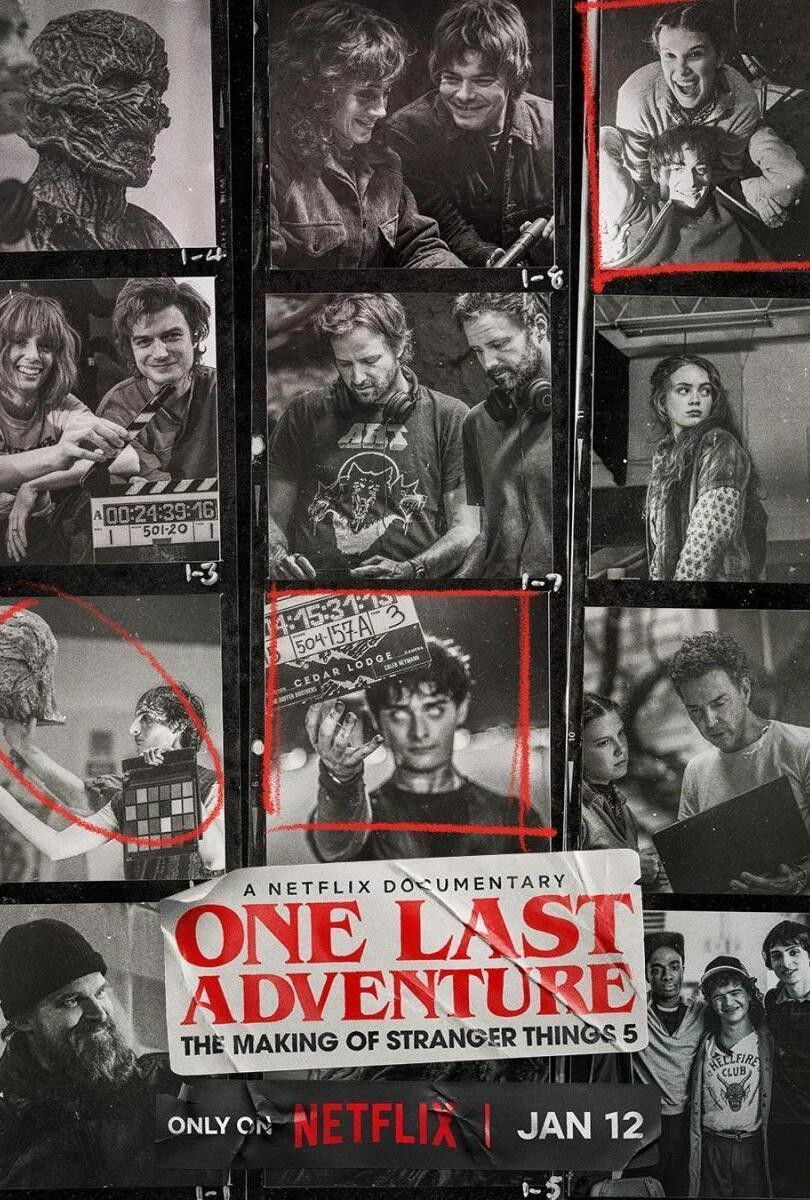
An inside look at the years of effort and craft that went into the final installment of the Duffer Brothers' generation-defining series.
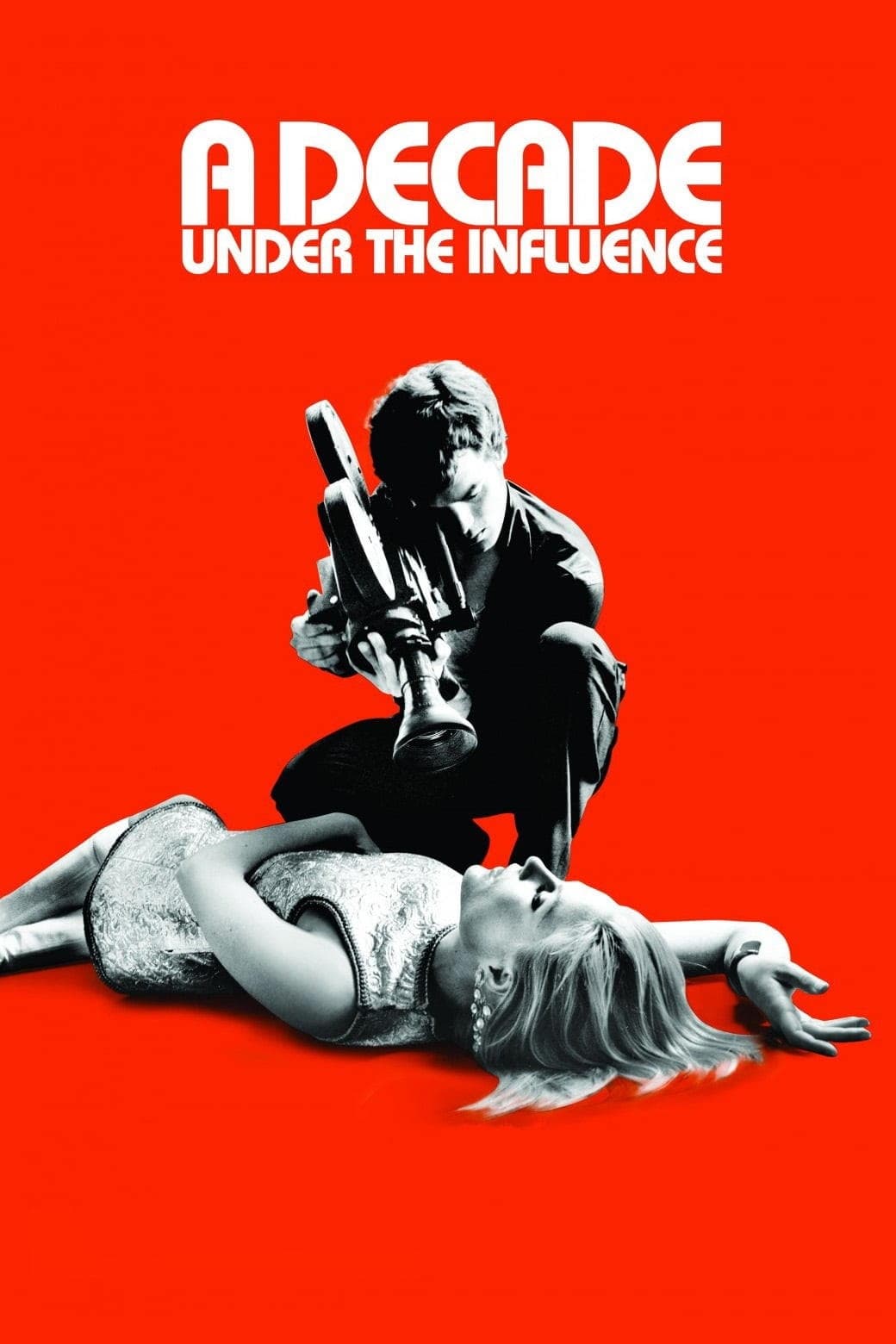
A documentary examining the decade of the 1970s as a turning point in American cinema. Some of today's best filmmakers interview the influential directors of that time.
An atmospheric essay, which is an alternative version of Count Dracula, a film directed by Jess Franco in 1970; a ghostly narration between fiction and reality.
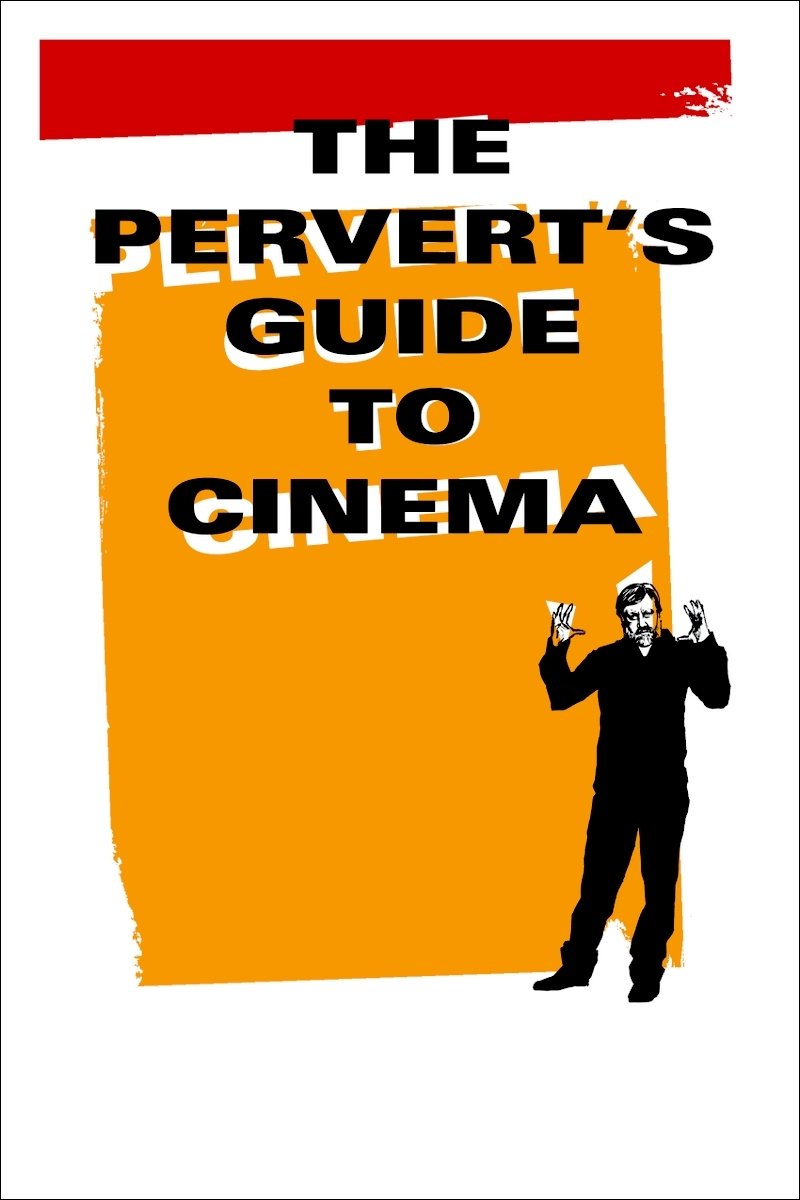
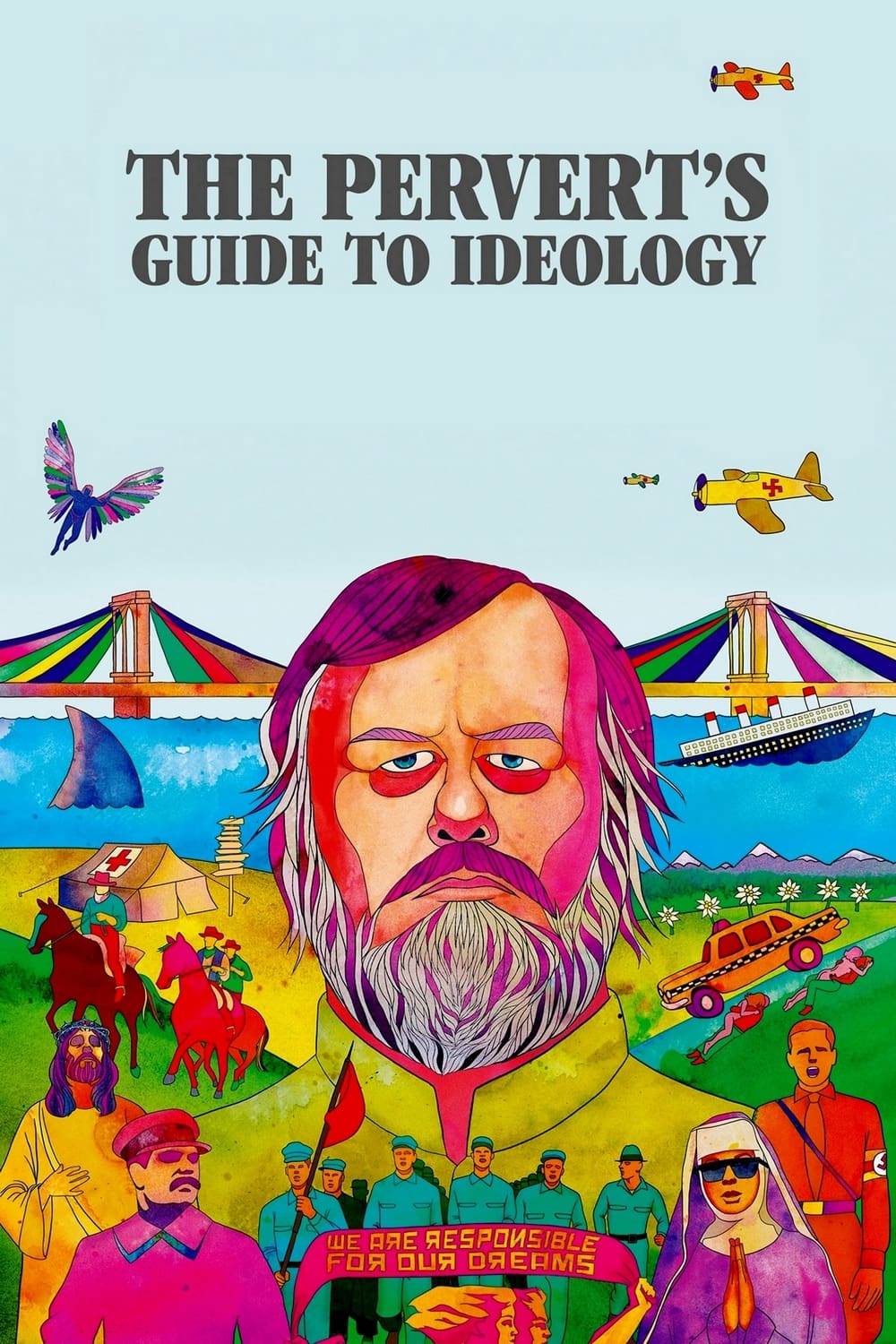
A journey into the labyrinthine heart of ideology, which shapes and justifies both collective and personal beliefs and practices: with an infectious zeal and voracious appetite for popular culture, Slovenian philosopher and psychoanalyst Slavoj Žižek analyzes several of the most important films in the history of cinema to explain how cinematic narrative helps to reinforce prevailing ethics and political ideas.
Alexander McQueen's rags-to-riches story is a modern-day fairy tale, laced with the gothic. Mirroring the savage beauty, boldness and vivacity of his design, this documentary is an intimate revelation of McQueen's own world, both tortured and inspired, which celebrates a radical and mesmerizing genius of profound influence.
A hilarious introduction, using as examples some of the best films ever made, to some of Slovenian philosopher and psychoanalyst Slavoj Žižek's most exciting ideas on personal subjectivity, fantasy and reality, desire and sexuality.
Since the invention of cinema, the standard format for recording moving images has been film. Over the past two decades, a new form of digital filmmaking has emerged, creating a groundbreaking evolution in the medium. Keanu Reeves explores the development of cinema and the impact of digital filmmaking via in-depth interviews with Hollywood masters, such as James Cameron, David Fincher, David Lynch, Christopher Nolan, Martin Scorsese, George Lucas, Steven Soderbergh, and many more.
This special explores the return of Obi-Wan Kenobi and Anakin Skywalker to the screen, as well as Ewan McGregor and Hayden Christensen to their classic roles. Director Deborah Chow leads the cast and crew as they create new heroes and villains that live alongside new incarnations of beloved Star Wars characters, and an epic story that dramatically bridges the saga films.
As a visually radical memoir, CAMERAPERSON draws on the remarkable footage that filmmaker Kirsten Johnson has shot and reframes it in ways that illuminate moments and situations that have personally affected her. What emerges is an elegant meditation on the relationship between truth and the camera frame, as Johnson transforms scenes that have been presented on Festival screens as one kind of truth into another kind of story—one about personal journey, craft, and direct human connection.
The history of cinematic sound, told by legendary sound designers and visionary filmmakers.
A visual montage portrait of our contemporary world dominated by globalized technology and violence.
Police pull over a woman who claims she just gave birth. But the baby — and the blood — aren't hers. Twisted lies unravel in this true-crime documentary.
Stars of "The Walking Dead," Andrew Lincoln and Danai Gurira, walk down memory lane and visit iconic locations where pivotal moments between their characters, Rick and Michonne, were filmed.
Daniel Craig candidly reflects on his 15 year adventure as James Bond. Including never-before-seen archival footage from Casino Royale to the upcoming 25th film No Time To Die, Craig shares his personal memories in conversation with 007 producers, Michael G Wilson and Barbara Broccoli.