"Everything You Were Never Allowed To See!"
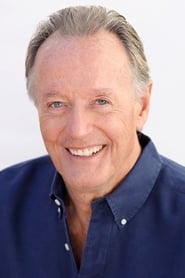
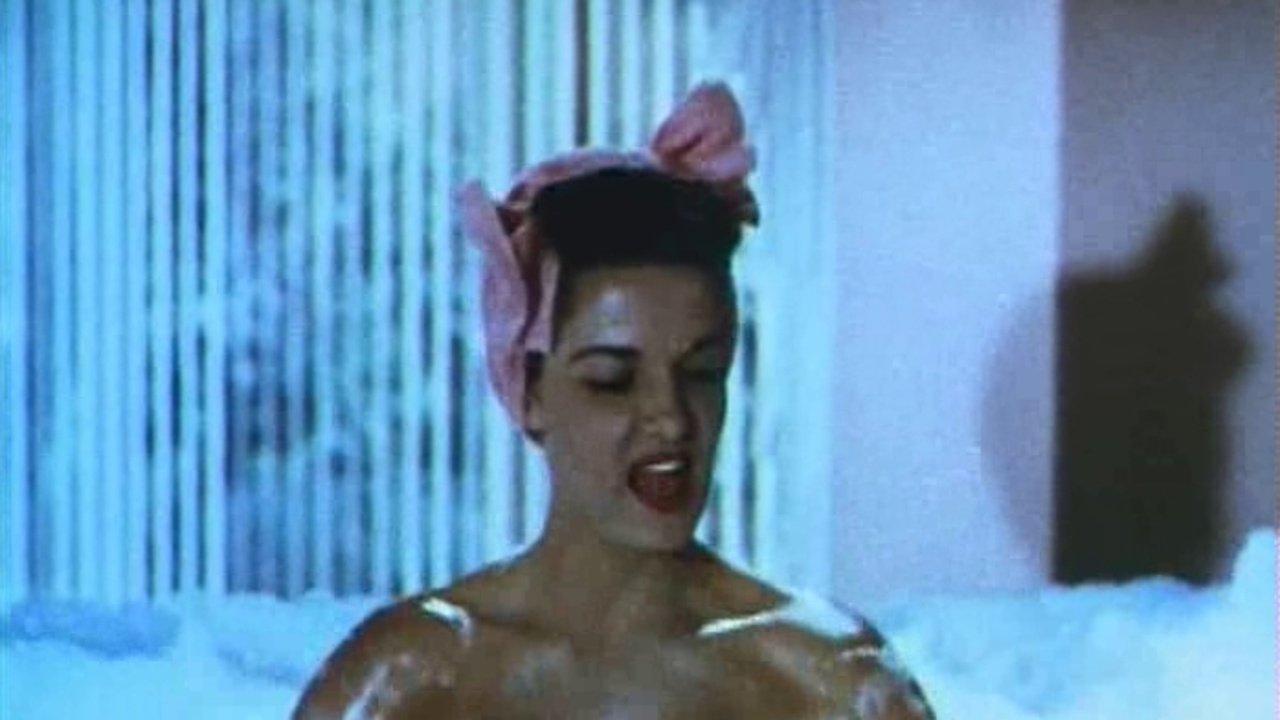
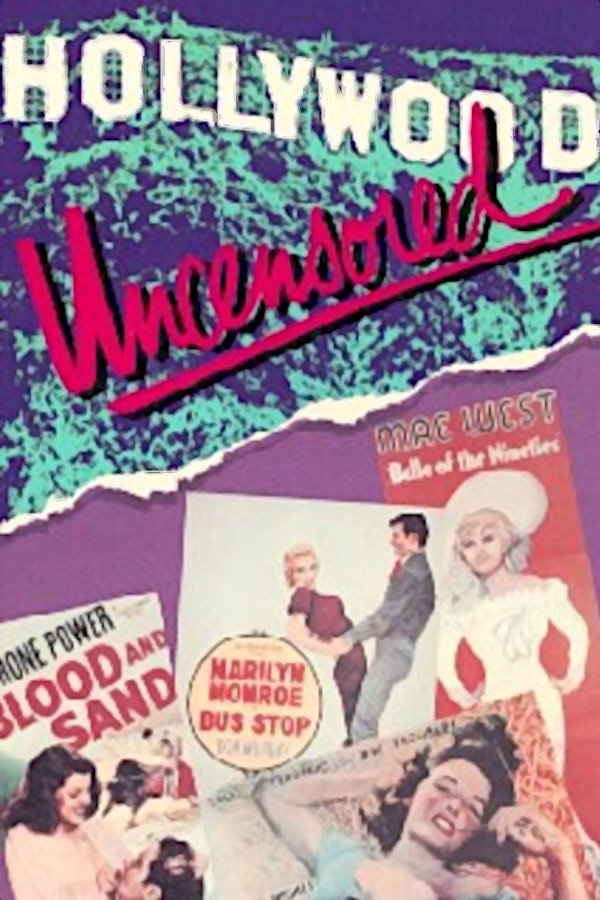
Douglas Fairbanks Jr. and Peter Fonda host an examination of the history of decency standards for movies from the early 1920s onwards.
Social & External
The people behind it
Douglas Fairbanks Jr.
Self - Host
Peter Fonda
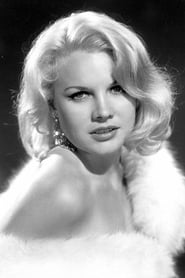
Carroll Baker
Self
Ira Barmak
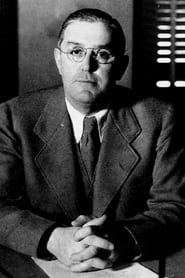
Joseph I. Breen
Self (archive footage)
Charles Champlin
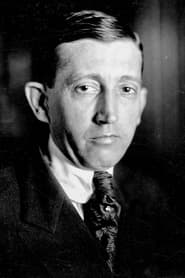
William H. Hays
Jayne Mansfield
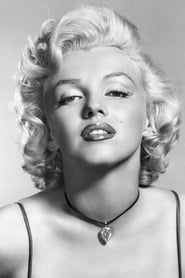
Marilyn Monroe
Don Murray
The story of Tasmanian-born actor Errol Flynn whose short & flamboyant life, full of scandals, adventures, loves and excess was largely played out in front of the camera - either making movies or filling the newsreels and gossip magazines. Tragically he was dead from the effects of drugs and alcohol by the time he was only 50 & the myths live on. But there is another side of Flynn that is less well known - his ambitions to be a serious writer and newspaper correspondent, his documentary films and his interest in the Spanish Civil War and Castro's Cuba
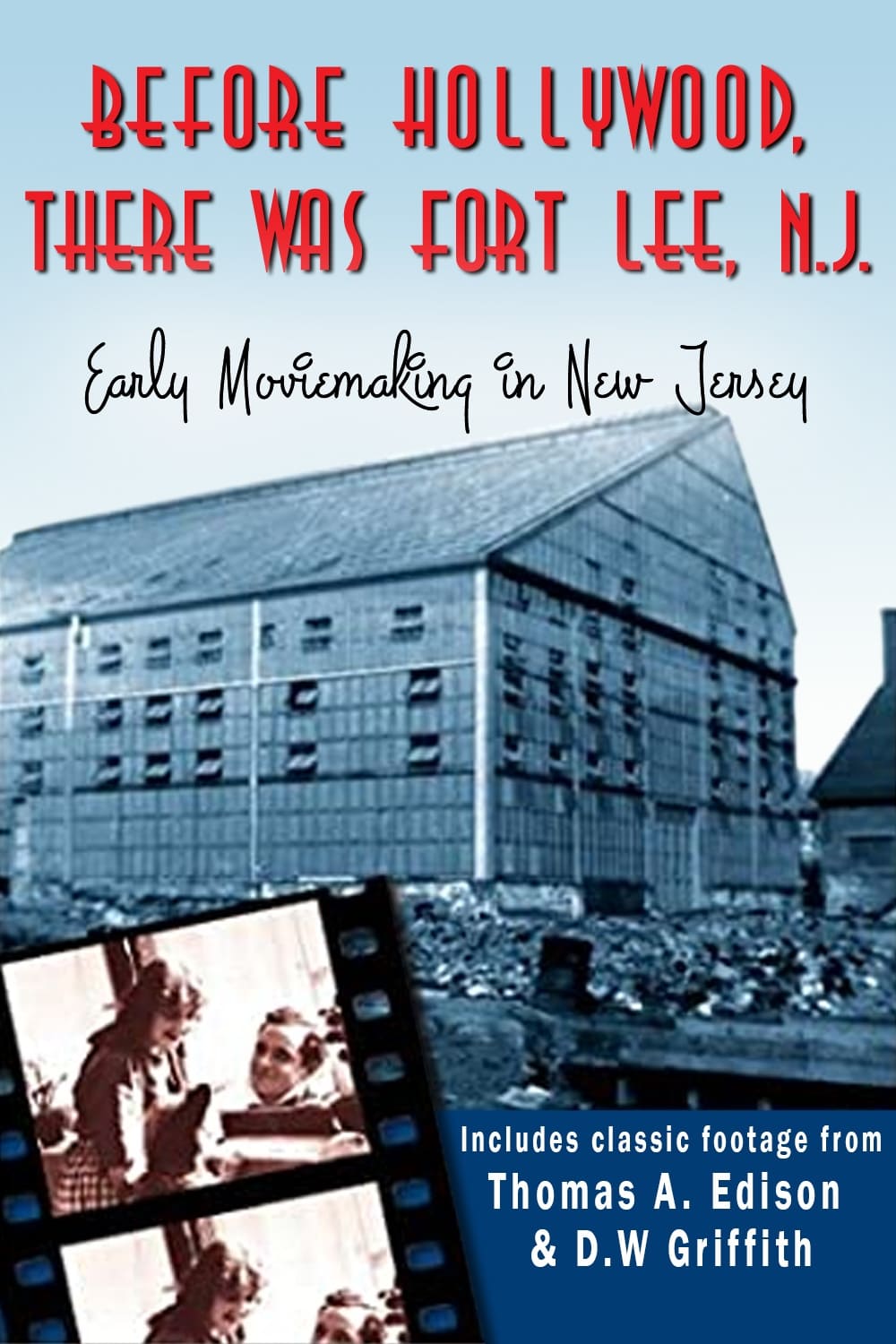
Amazing, but true: Fort Lee, New Jersey (just across the George Washington Bridge from Manhattan), was once the epicenter of American film production. This documentary of a truly bygone era combines photographs culled from private collections, as well as restored footage from such films as Thomas A. Edison's Rescued from an Eagle's Nest and D.W. Griffith's The New York Hat, filmed at the studios in Fort Lee.
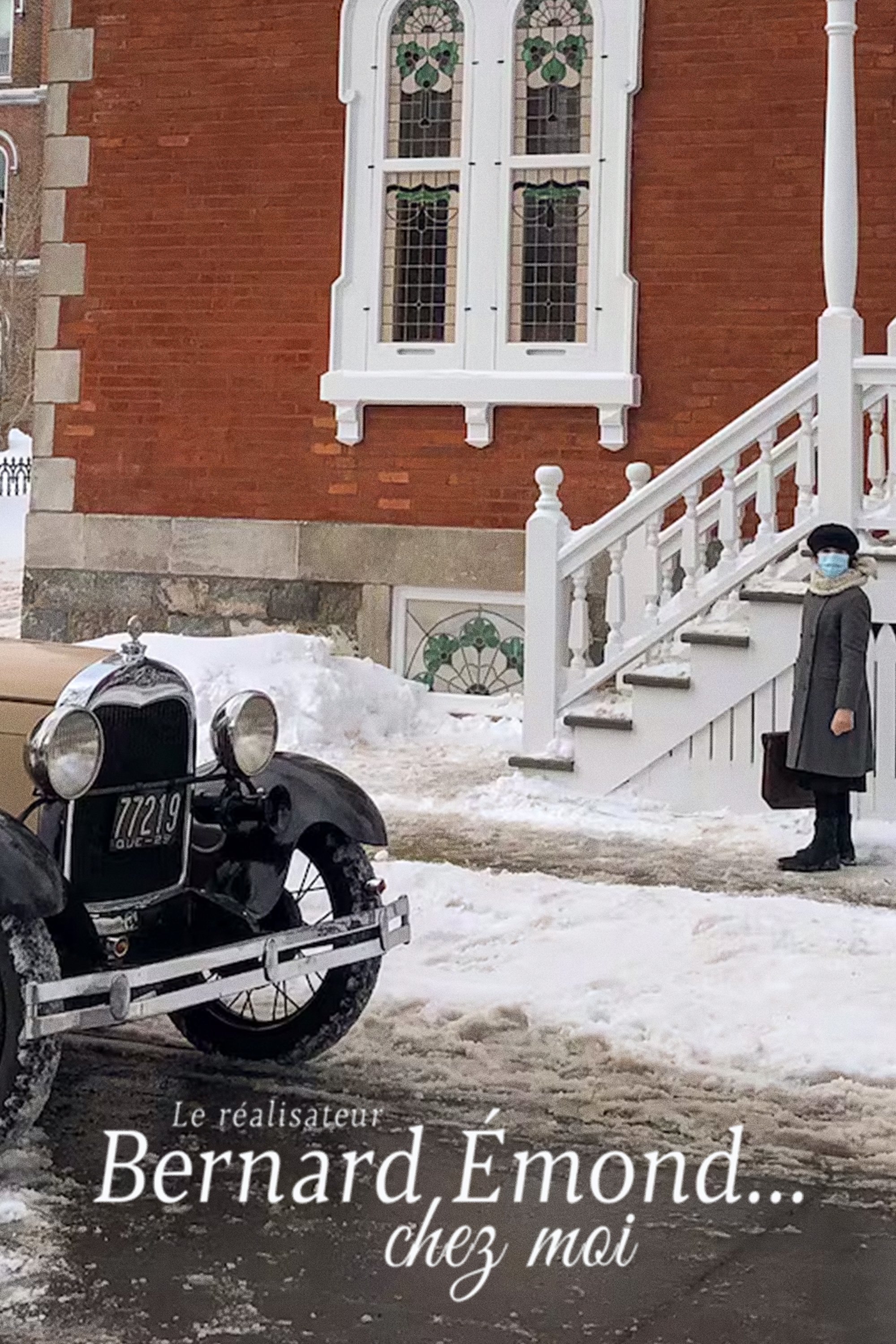
Host Marie-Claude Julien meets director Bernard Émond on the day of the launch of his latest film Une femme respectable. He chose Trois-Rivières and its historic rue Des Ursulines to set the story of his main character. The house where the filming took place belongs to Marie-Claude. She took advantage of the director's visit to conduct this interview.
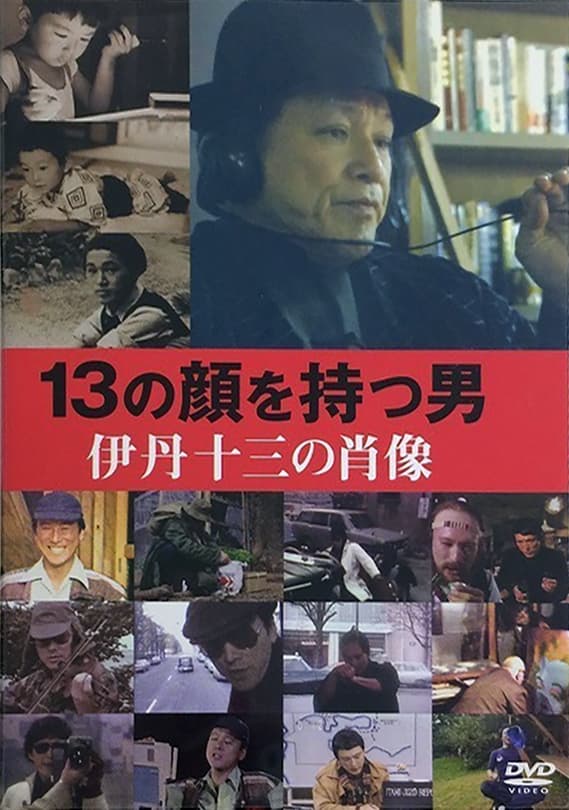
A documentary about the legendary Japanese filmmaker.
Tells the story of Tucson and the legendary movies that were shot there.
Author Lee Clark Mitchell discusses the Western genre and literature.
Interview with critic Molly Haskell about Hawks and Red River
Interview with filmmaker Peter Bogdanovich about Red River and the two versions of the film.
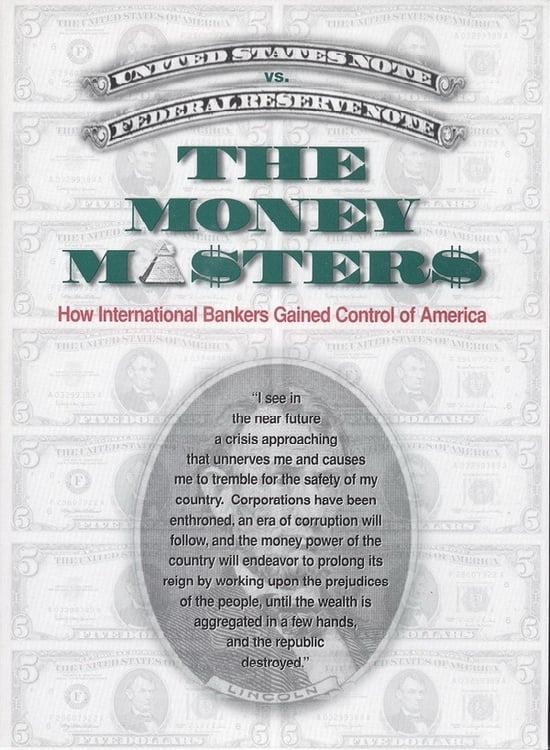
A documentary that traces the origins of the political power structure that rules our nation and the world today. The modern political power structure has its roots in the hidden manipulation and accumulation of gold and other forms of money.
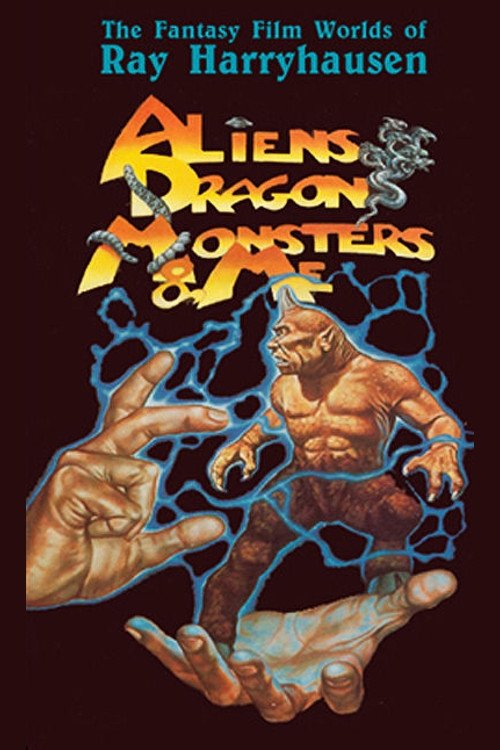
Documentary about the life and work of Ray Harryhausen.
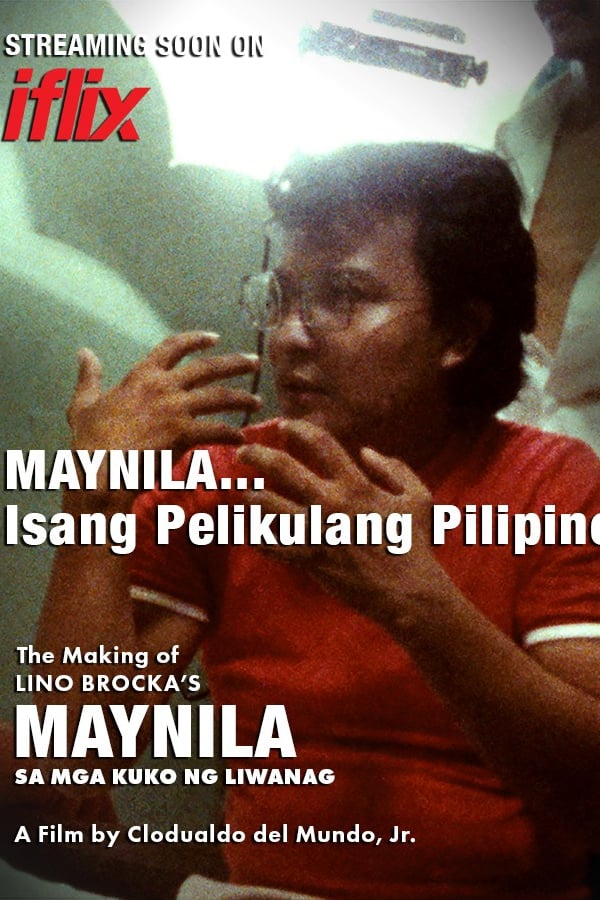
Making-of documentary about Lino Brocka's 1975 film "Manila in the Claws of Light," featuring interviews and behind-the-scenes footage.
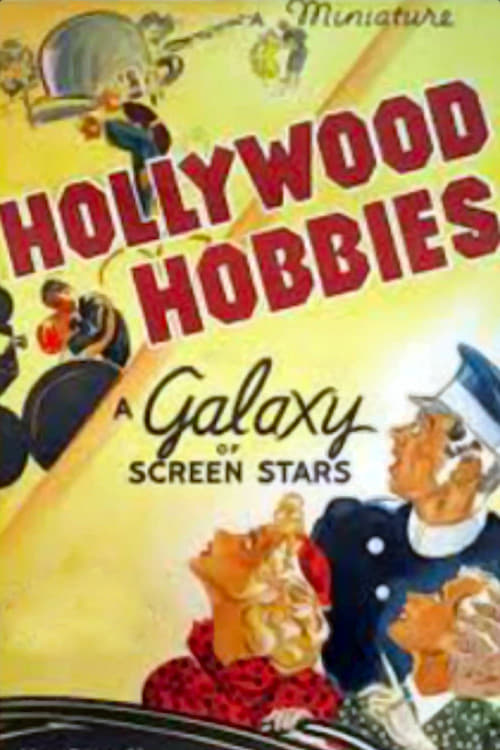
In this short film, two starstruck movie fans hire a tour guide and see a plethora of Hollywood stars.
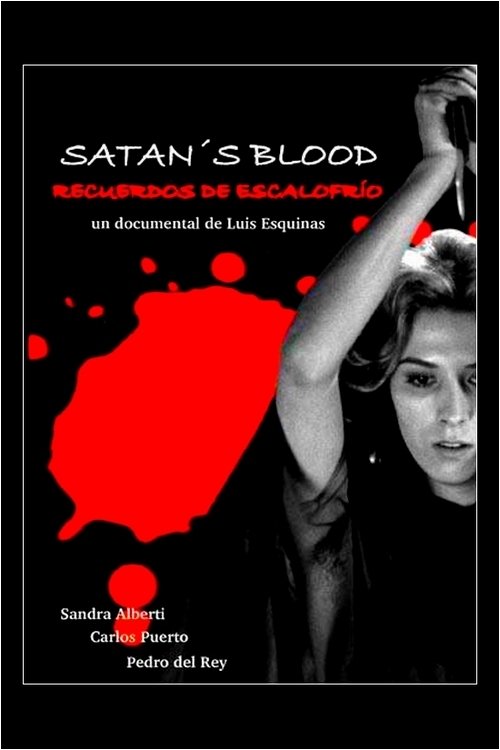
The story of the shooting of Satan's Blood (Escalofrío), a film directed by Carlos Puerto in 1978.
A retrospective documentary about the groundbreaking horror series, Friday the 13th, featuring interviews with cast and crew from the twelve films spanning 3 decades.
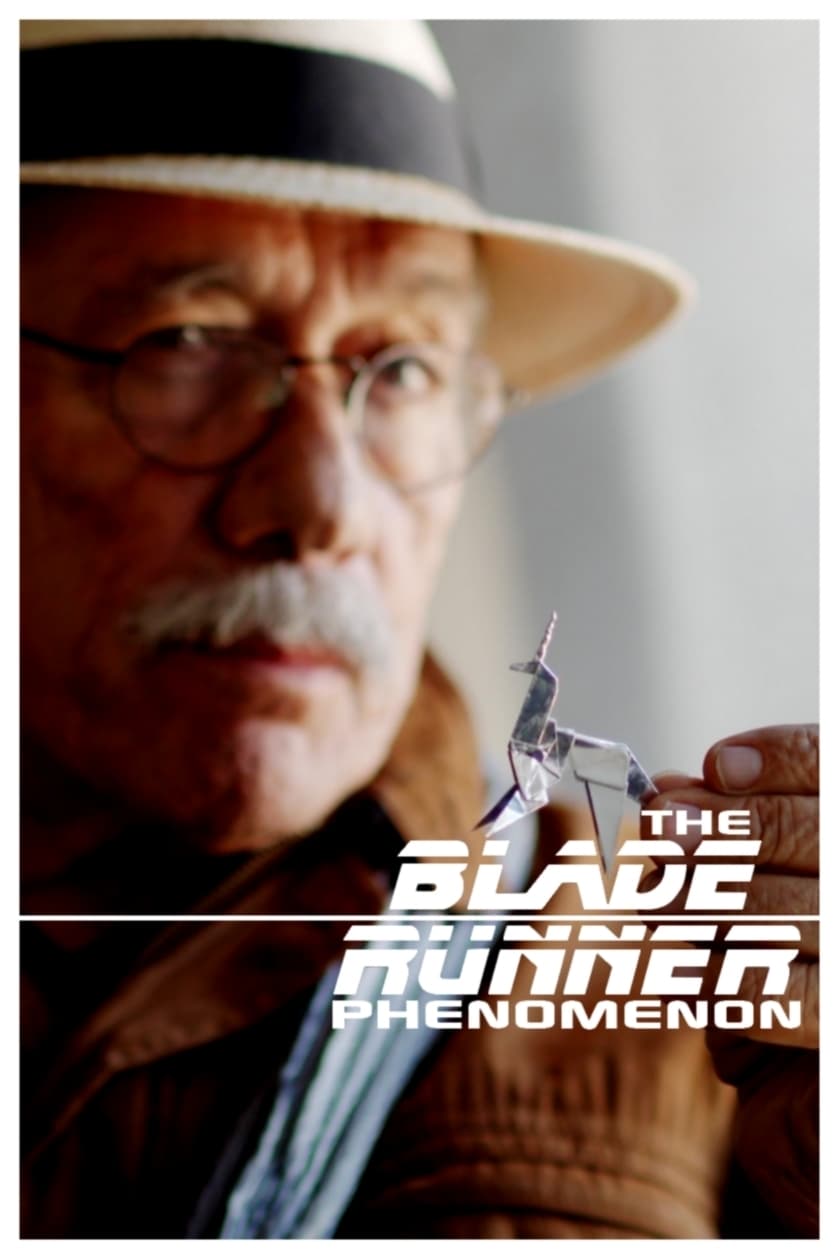
Ridley Scott's cult film Blade Runner, based on a novel by Philip K. Dick and released in 1982, is one of the most influential science fiction films ever made. Its depiction of Los Angeles in the year 2019 is oppressively prophetic: climate catastrophe, increasing public surveillance, powerful monopolistic corporations, highly evolved artificial intelligence; a fantastic vision of the future world that has become a frightening reality.
Delves into the history of the most extreme and shocking films that have ever been made. chronicles the timeline of Red Films: those films that are too extreme for the mainstream and historically have been circulated via the bootleg circuit.
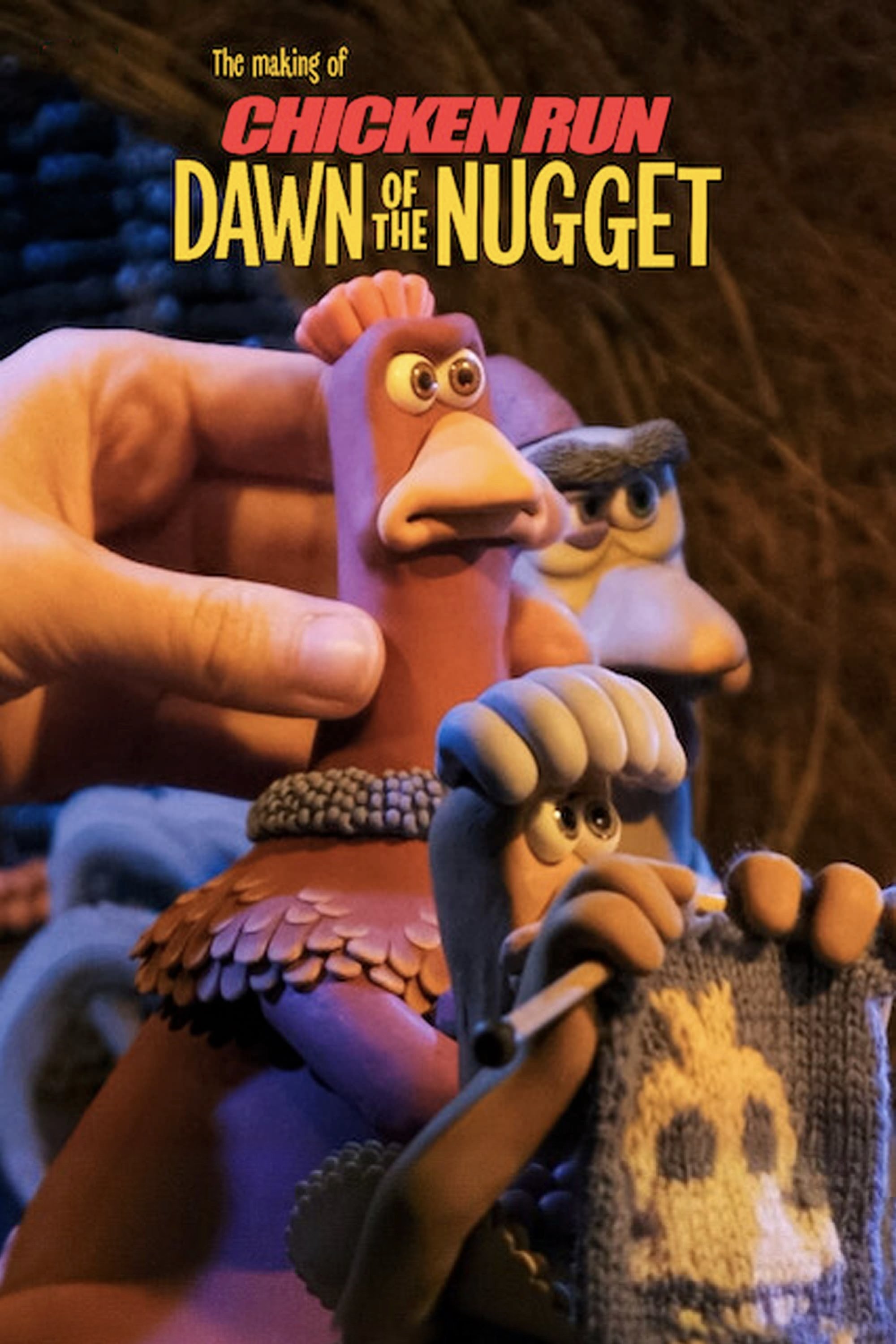
Lights, camera... chickens! Go behind the scenes with the Aardman team and director Sam Fell during the making of this finely crafted stop-motion sequel.
Cocaine has always gotten a bad rap, and for a reason. It is a drug used by the rich and the poor legally and illegally, Mexican cartels fought over it with Colombia once associated with the brutal cocaine wars, and a source of tension between the American and Mexican borders on the people who are illicitly bringing in cocaine from one side of the border to another and will do anything to do it. So it can be surprising at times to the viewer throughout the course of the documentary special, that it was never always like this.
David Carradine discusses his career and memories of making Sundown: The Vampire in Retreat.
Bruce Campbell discusses his memories of making Sundown: The Vampire in Retreat.
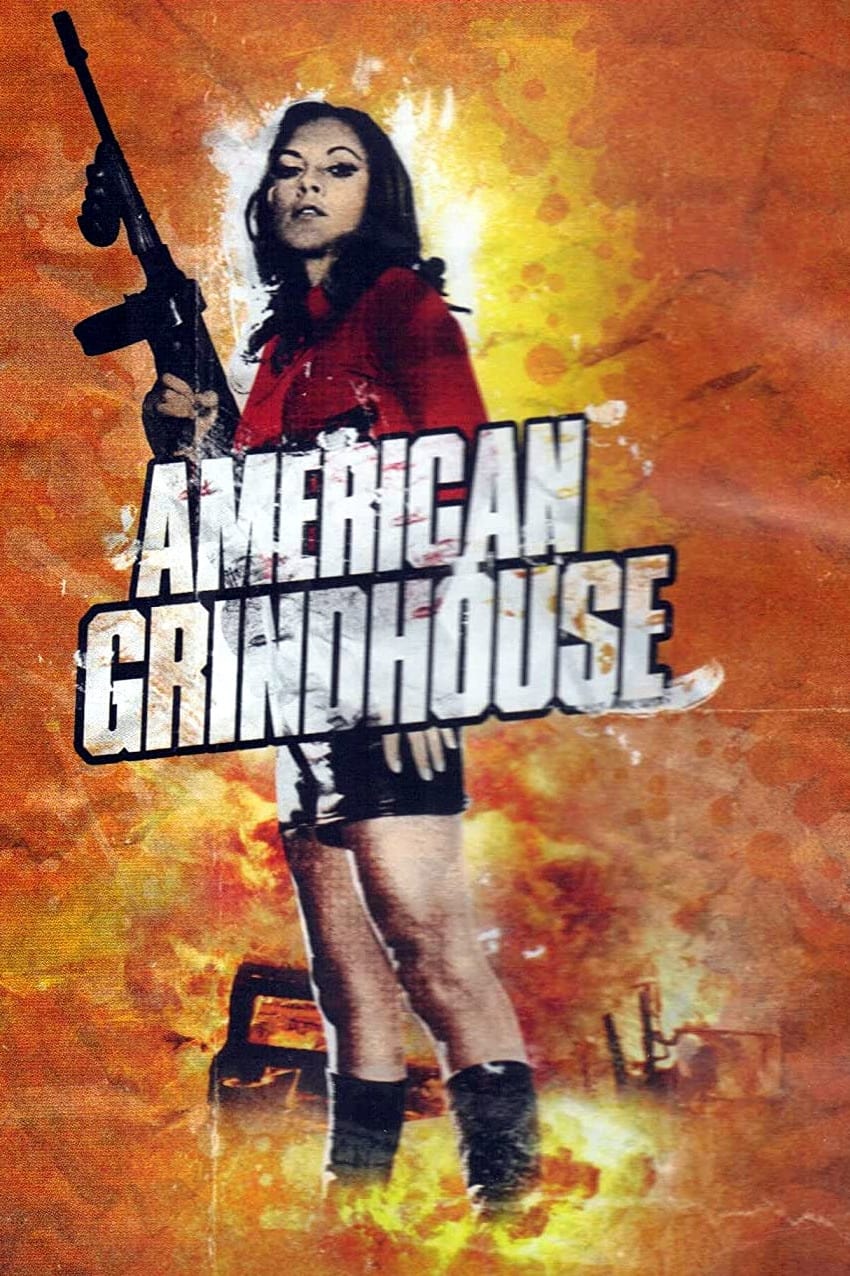
This documentary explores the hidden history of the American Exploitation Film. The movie digs deep into this often overlooked category of U.S. cinema and unearths the shameless and occasionally shocking origins of this popular entertainment.
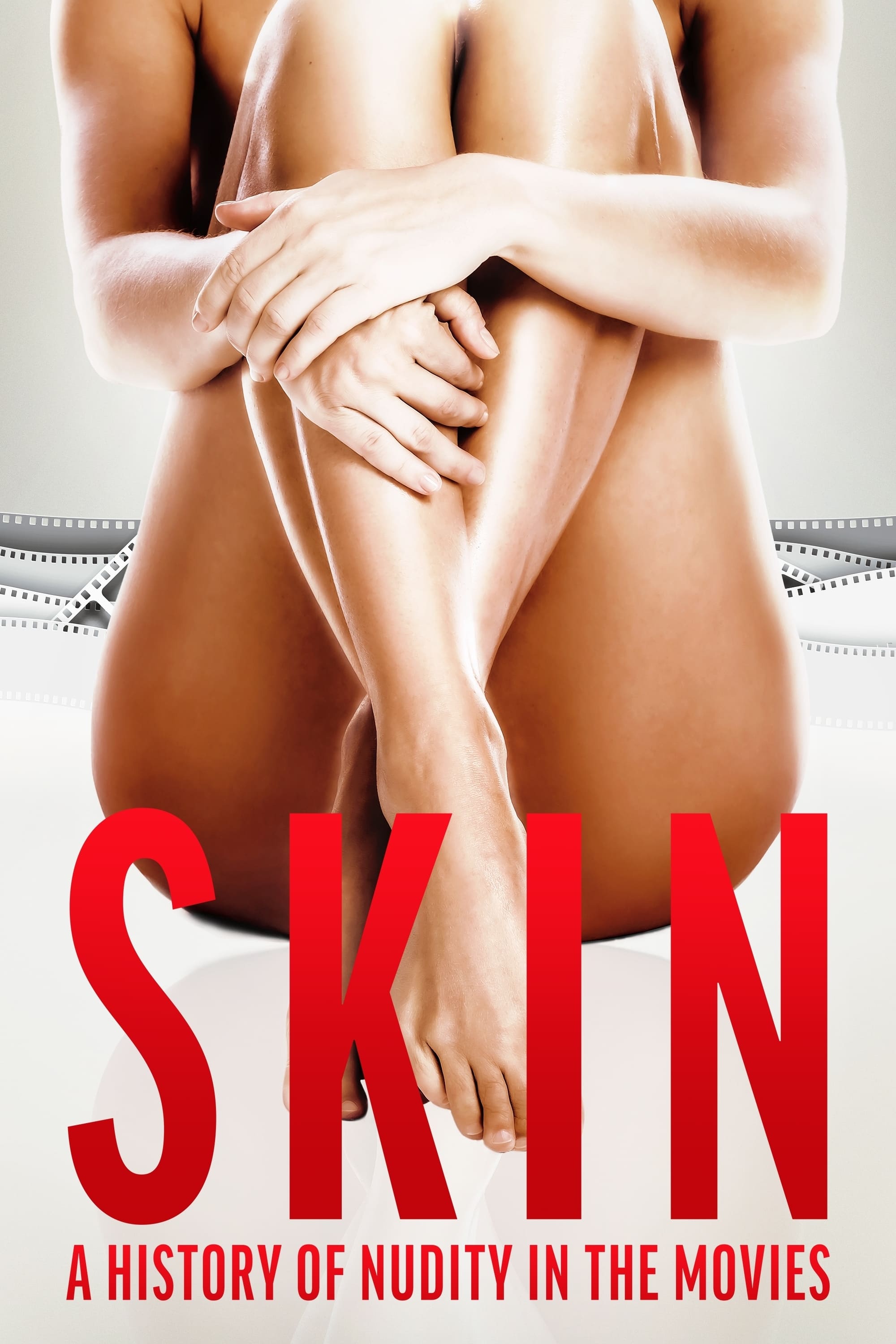
The definitive documentary on the history of nudity in feature films from the early silent days to the present, studying the changes in morality that led to the use of nudity in films while emphasizing the political, sociological and artistic changes that shaped that history. Skin will also study the gender inequality in presenting nude images in motion pictures and will follow the revolution that has created nude gender equality in feature films today.
An investigative look and analysis of gender disparity in Hollywood, featuring accounts from well-known actors, executives and artists in the Industry.
A deep dive into the making of the Paranormal Activity films with first time ever interviews with cast and crew, never-before-seen footage from the movies, and a preview of the seventh installment in the franchise.
The authorized documentary celebrating the film that redefined Hollywood, 50 years after its premiere. Featuring rare archival footage and interviews with acclaimed Hollywood directors alongside Steven Spielberg, top shark scientists, and conservationists, the film uncovers the behind-the-scenes chaos and how the film launched the summer blockbuster, inspired a new wave of filmmakers, and paved the way for shark conservation that continues today.
Kirby Dick's provocative documentary investigates the secretive and inconsistent process by which the Motion Picture Association of America (MPAA) rates films, revealing the organization's underhanded efforts to control culture. Dick questions whether certain studios get preferential treatment and exposes the discrepancies in how the MPAA views sex and violence.
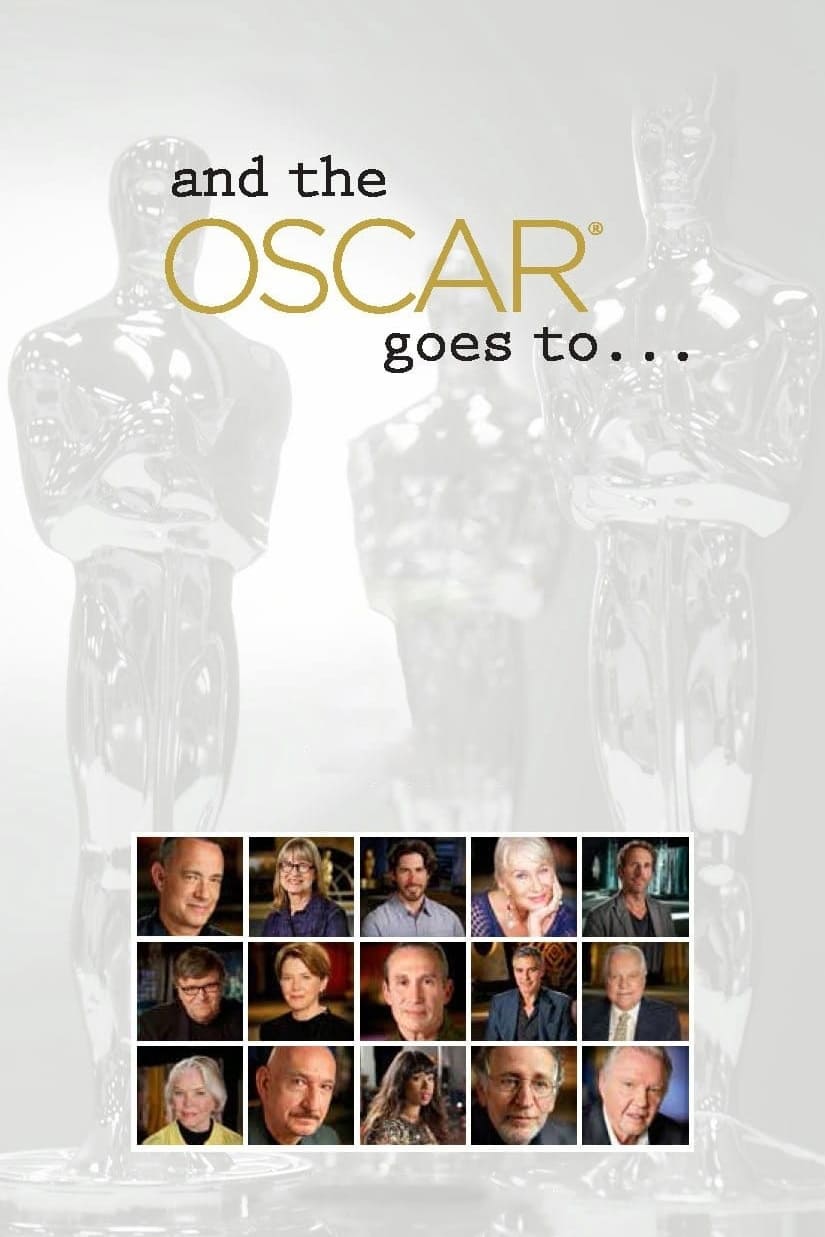
The story of the gold-plated statuette that became the film industry's most coveted prize, AND THE OSCAR GOES TO... traces the history of the Academy itself, which began in 1927 when Louis B. Mayer, then head of MGM, led other prominent members of the industry in forming this professional honorary organization. Two years later the Academy began bestowing awards, which were nicknamed "Oscar," and quickly came to represent the pinnacle of cinematic achievement.
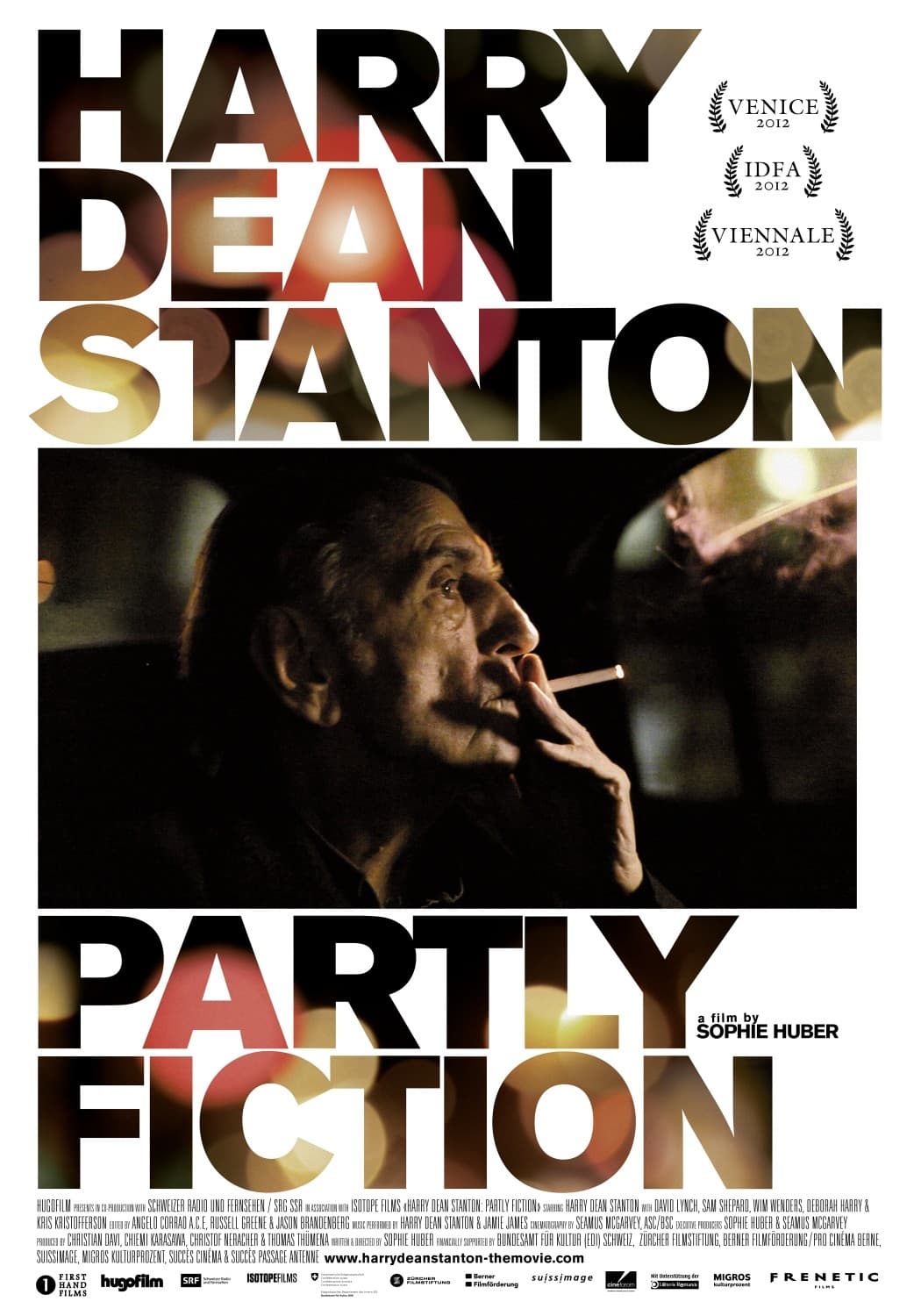
An impressionistic portrait of the iconic actor Harry Dean Stanton comprised of intimate moments, film clips from some of his 250 films and his renditions of American folk songs.
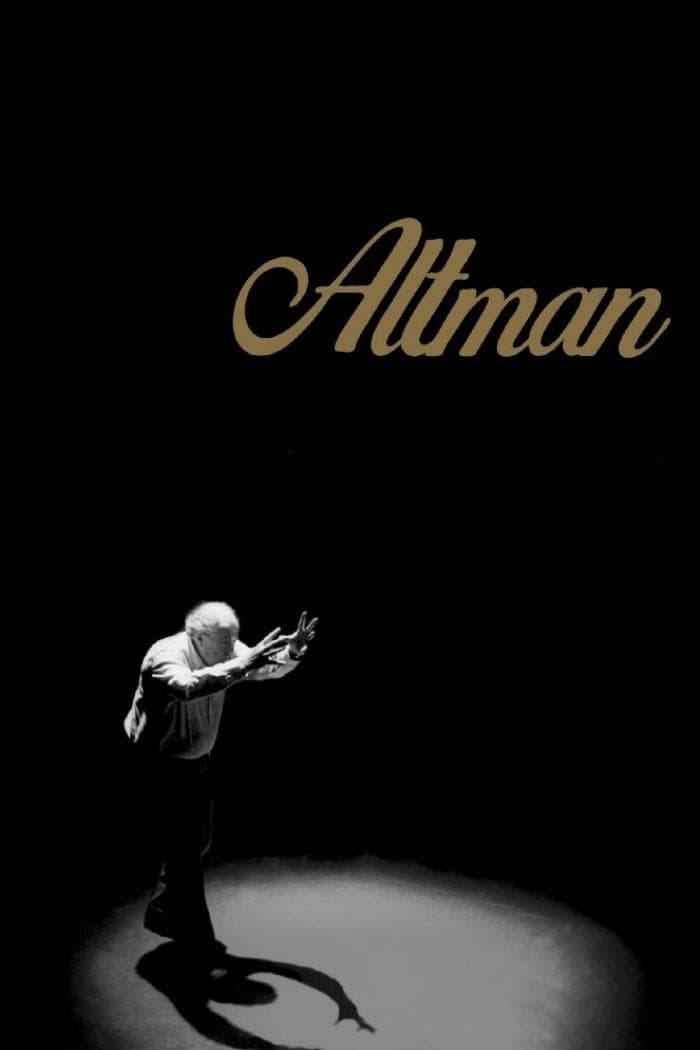
Robert Altman's life and career contained multitudes. This father of American independent cinema left an indelible mark, not merely on the evolution of his art form, but also on the western zeitgeist. With its use of rare interviews, representative film clips, archival images, and musings from his family and most recognizable collaborators, Altman is a dynamic and heartfelt mediation on an artist whose expression, passion and appetite knew few bounds.
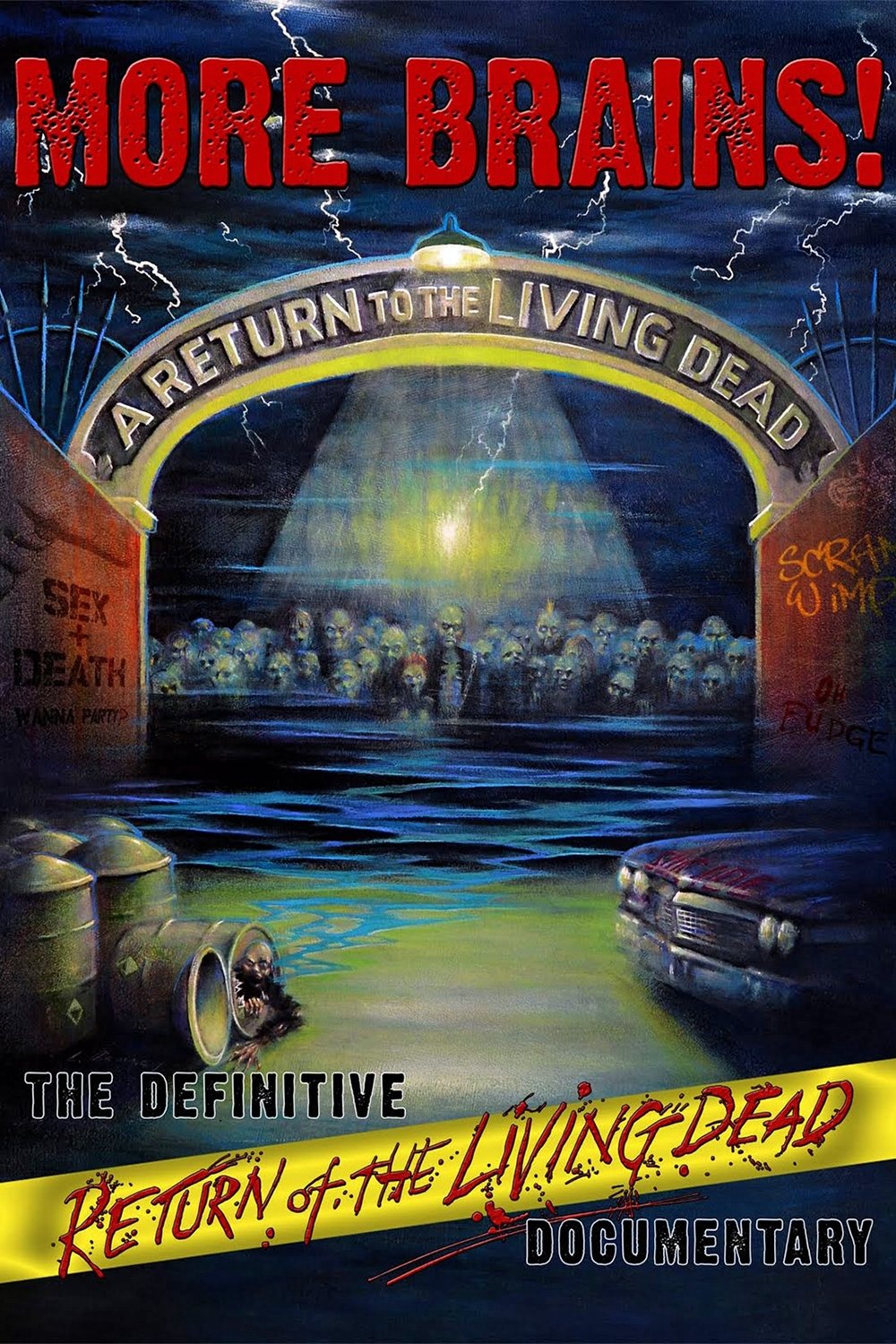
Retrospective documentary about the making of the horror cult classic "The Return of the Living Dead."
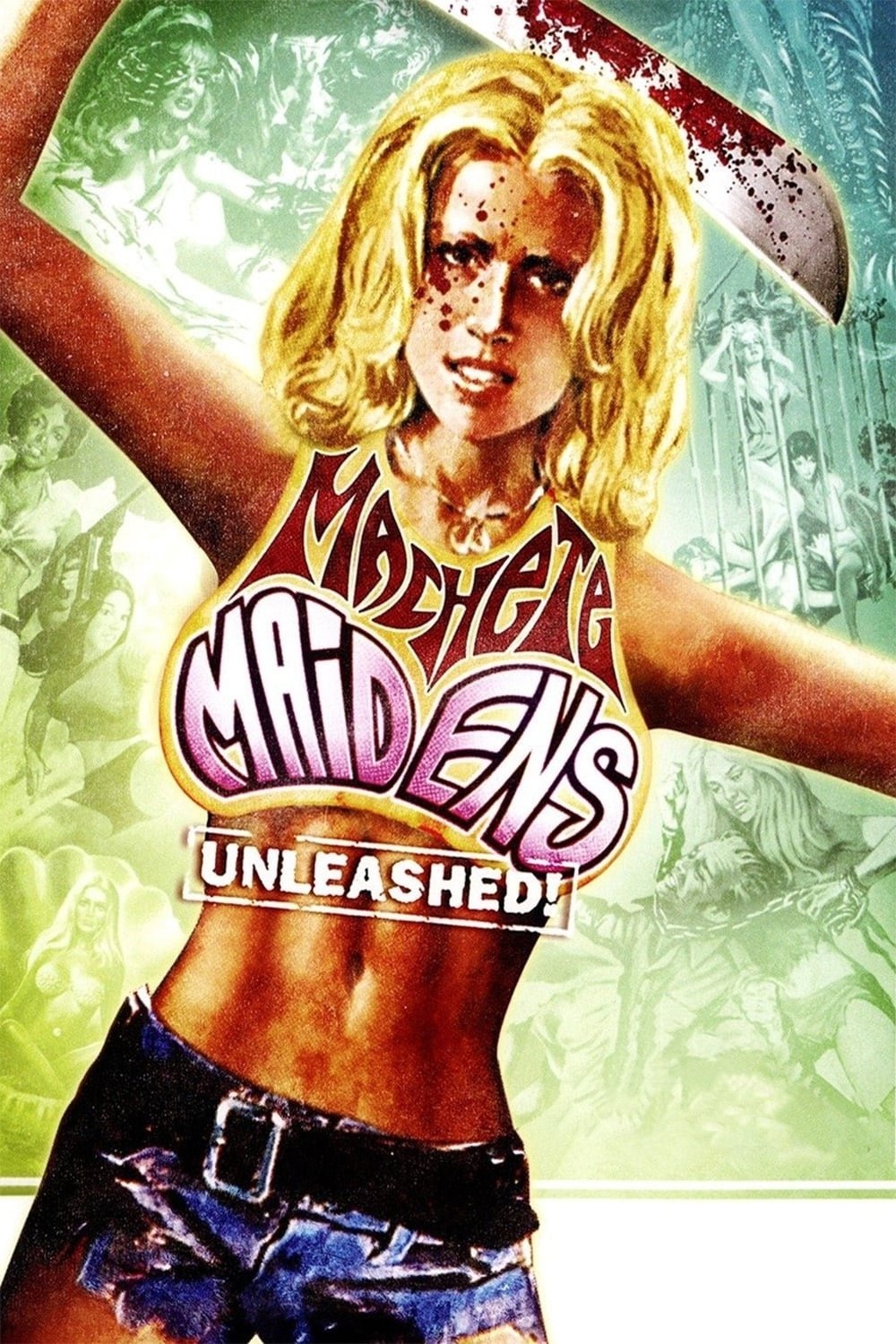
In the final decades of the 20th century, the Philippines was a country where low-budget exploitation-film producers were free to make nearly any kind of movie they wanted, any way they pleased. It was a country with extremely lax labor regulations and a very permissive attitude towards cultural expression. As a result, it became a hotbed for the production of cheapie movies. Their history and the genre itself are detailed in this breezy, nostalgic documentary.
The history of cinematic sound, told by legendary sound designers and visionary filmmakers.
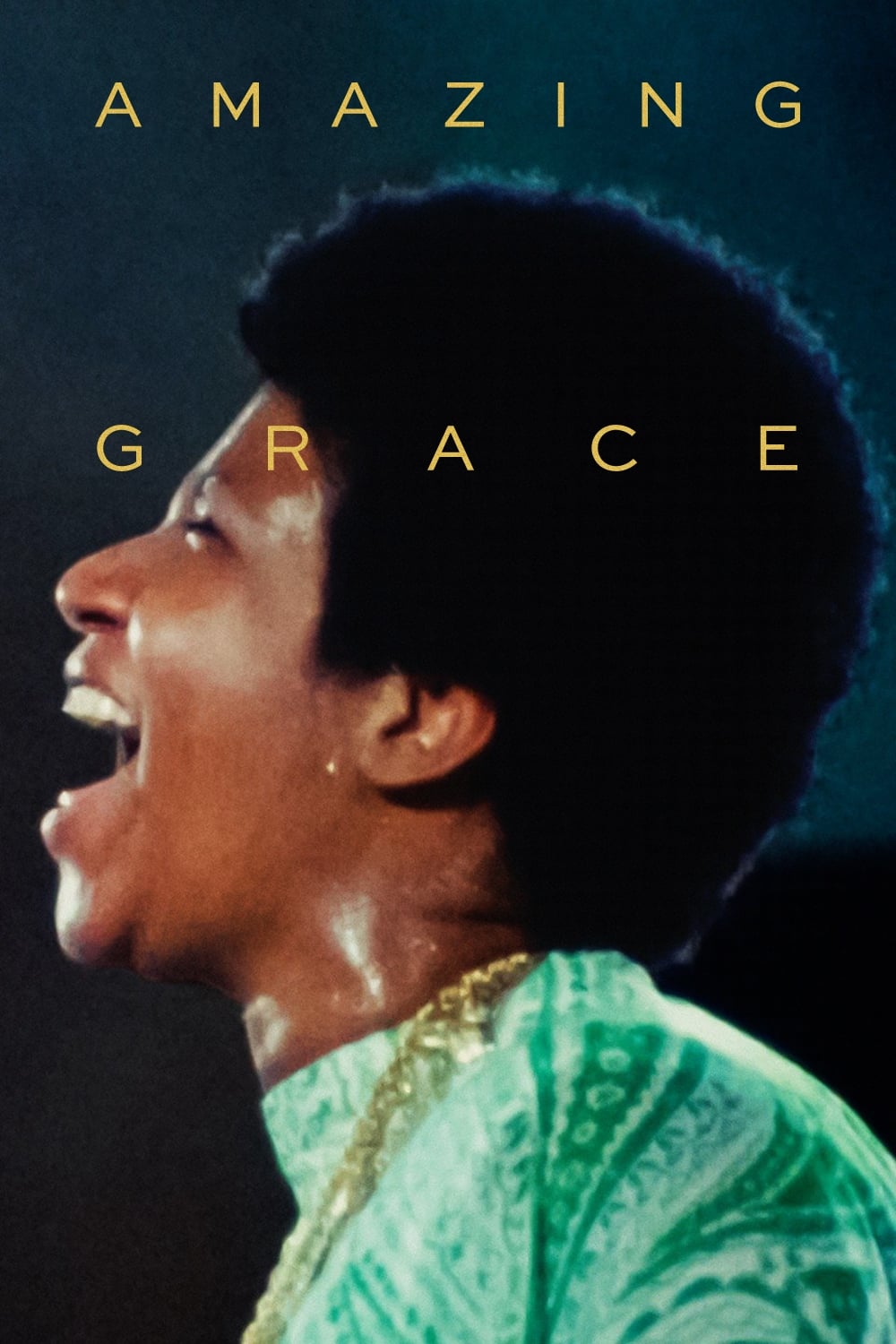
A behind-the-scenes documentary about the recording of Aretha Franklin's best-selling album finally sees the light of day more than four decades after the original footage was shot.
Filmmaker Lawrence Shapiro discusses voice-over acting with the talented people behind the characters.
Musician and performance artist Laurie Anderson reflects on the deaths of her husband Lou Reed, her mother and her beloved dog.
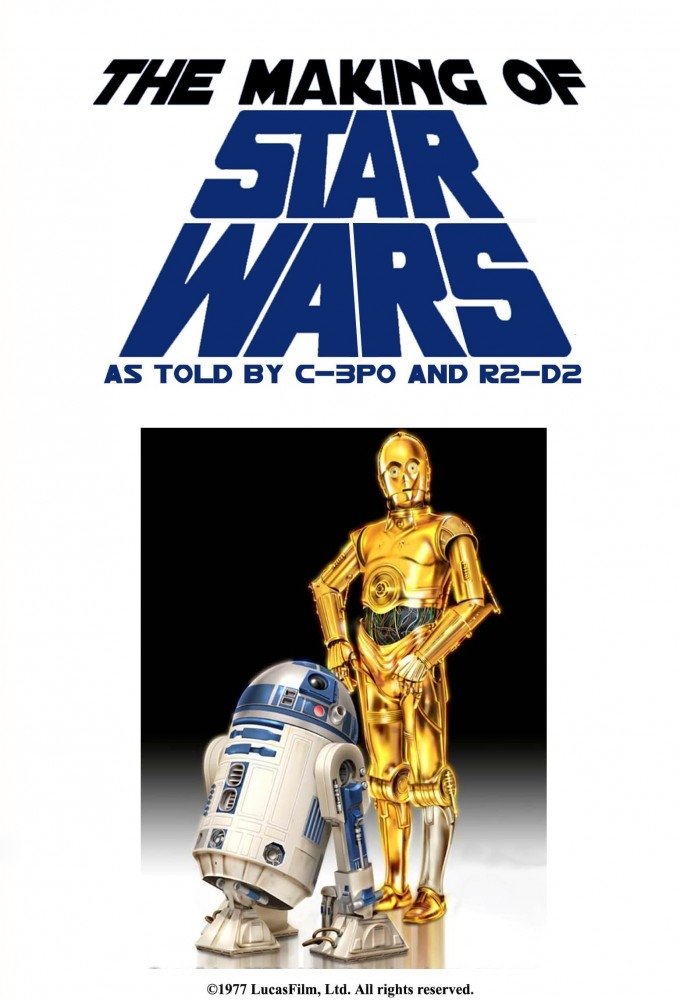
Learn the incredible behind-the-scenes story of how the original Star Wars movie was brought to the big screen in this fascinating documentary hosted by C-3PO and R2-D2 which includes interviews with George Lucas and appearances by Mark Hamill, Harrison Ford and Carrie Fisher.
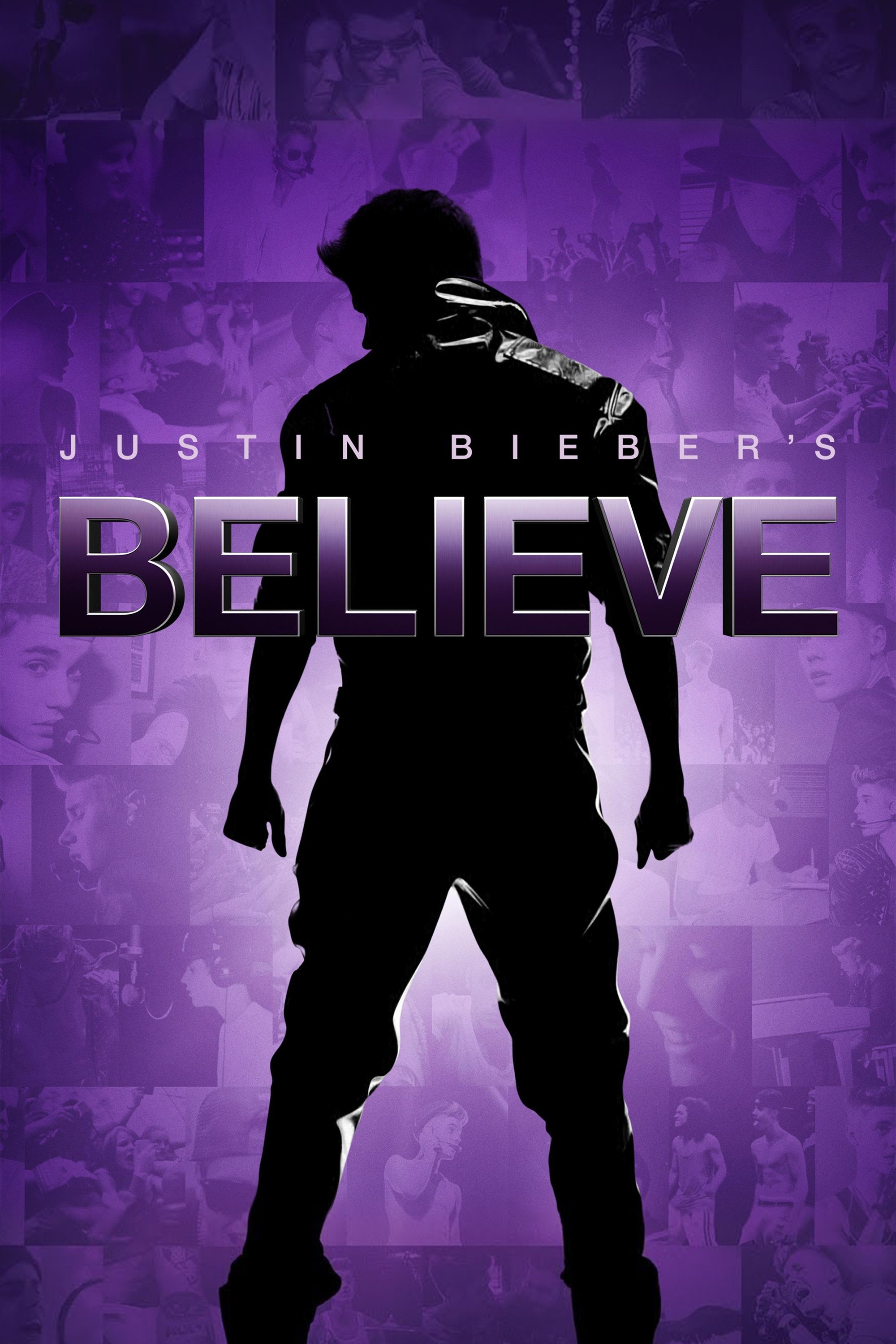
A backstage and on-stage look at Justin Bieber during his rise to super stardom.
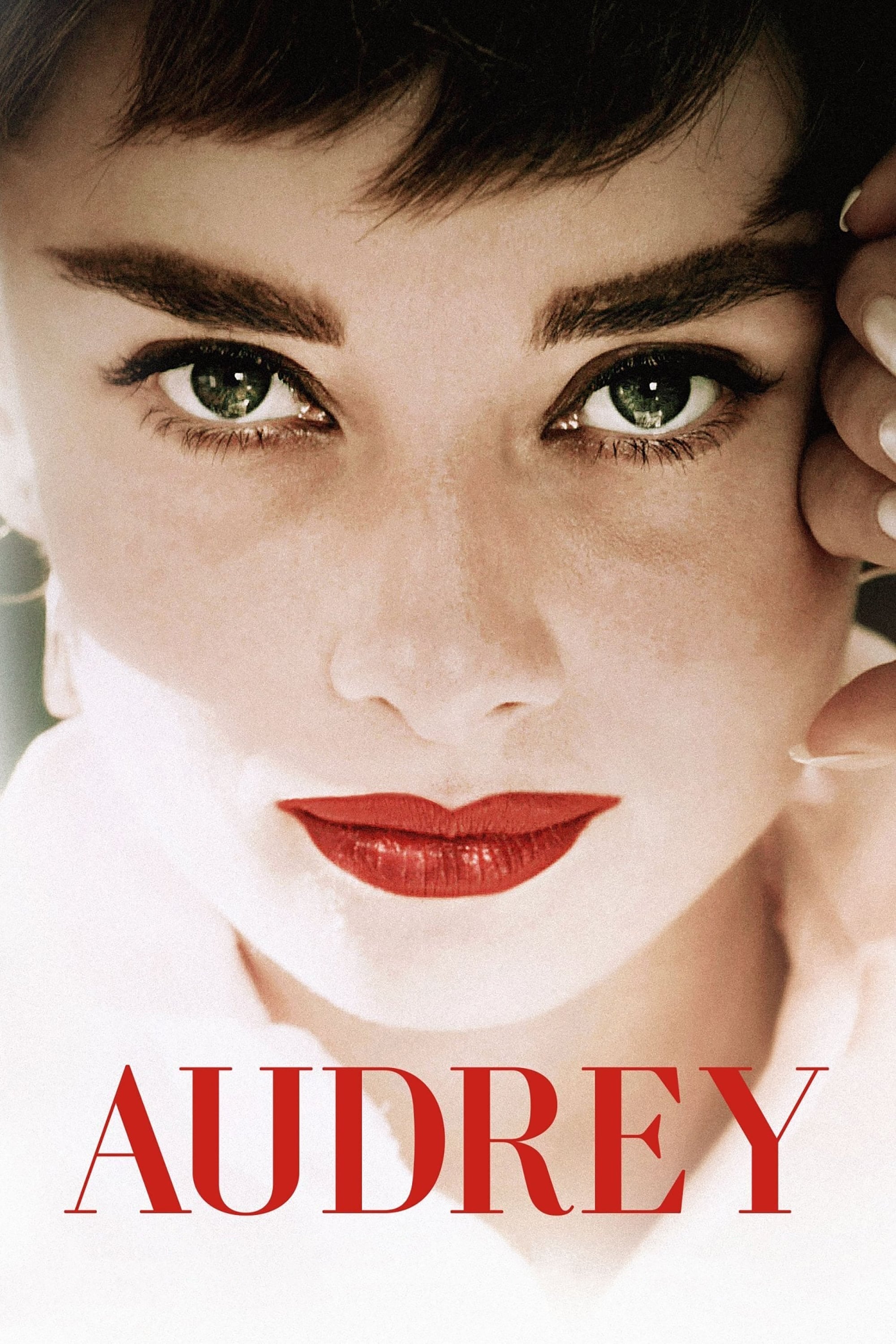
An unprecedented and intimate look at the life, work and enduring legacy of British actress Audrey Hepburn (1929-1993).
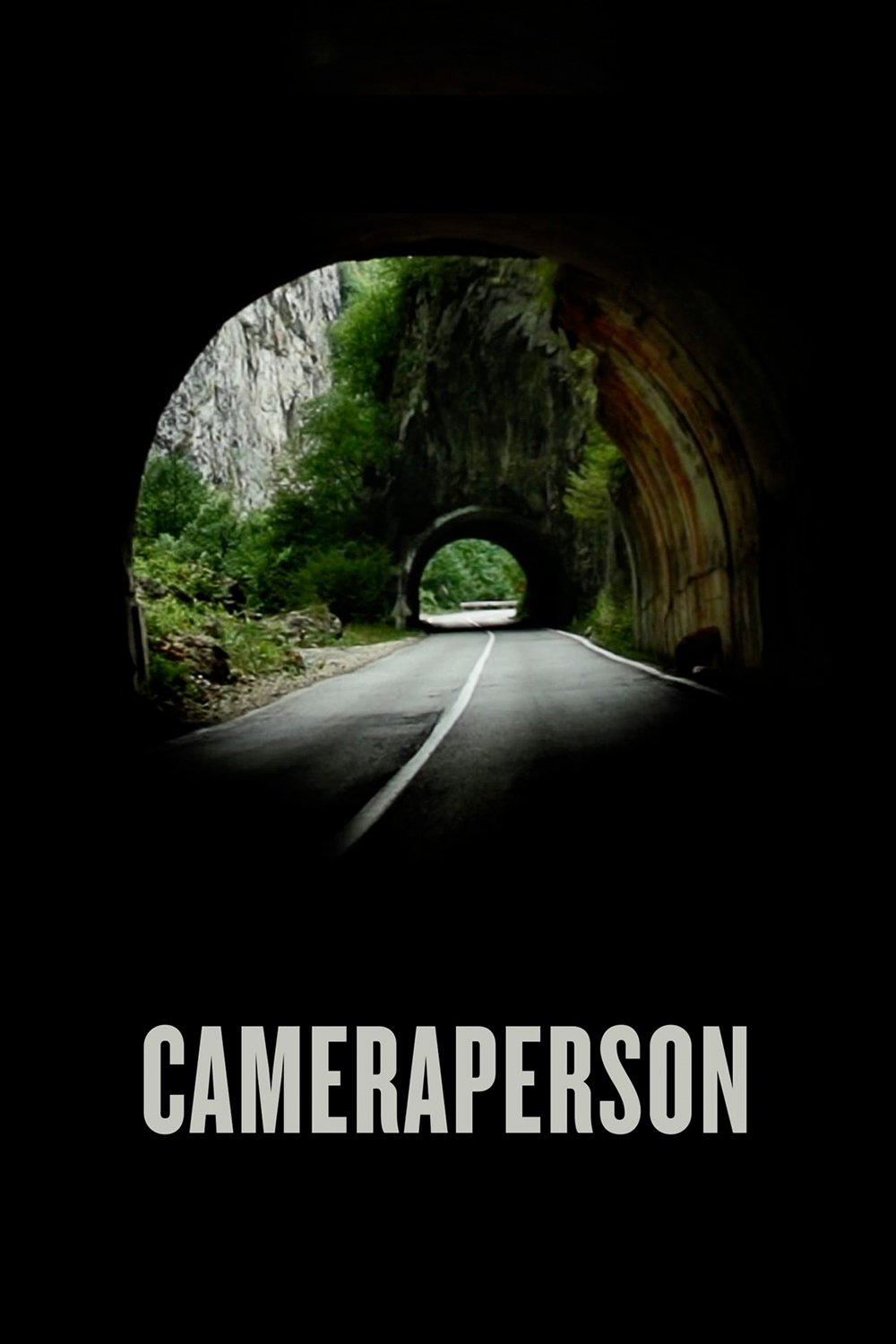
As a visually radical memoir, CAMERAPERSON draws on the remarkable footage that filmmaker Kirsten Johnson has shot and reframes it in ways that illuminate moments and situations that have personally affected her. What emerges is an elegant meditation on the relationship between truth and the camera frame, as Johnson transforms scenes that have been presented on Festival screens as one kind of truth into another kind of story—one about personal journey, craft, and direct human connection.
The story of three men with a shared dream: James Bond franchise producers Albert R. Broccoli and Harry Saltzman, and Bond creator and author Ian Fleming. It’s the thrilling and inspiring narrative behind the longest running film franchise in cinema history, which began in 1962.