"No editorials, no opinions . . . just the real story of the brutal Vietnam War."
A documentary feature by Pierre Schoendoerffer about the Vietnam War. Winner of the 1968 Academy Award for best Documentary Feature.
Social & External
The people behind it
Pierre Schoendoerffer
narrator
Joseph B. Anderson
self
Stuart Whitman
narrator (English)
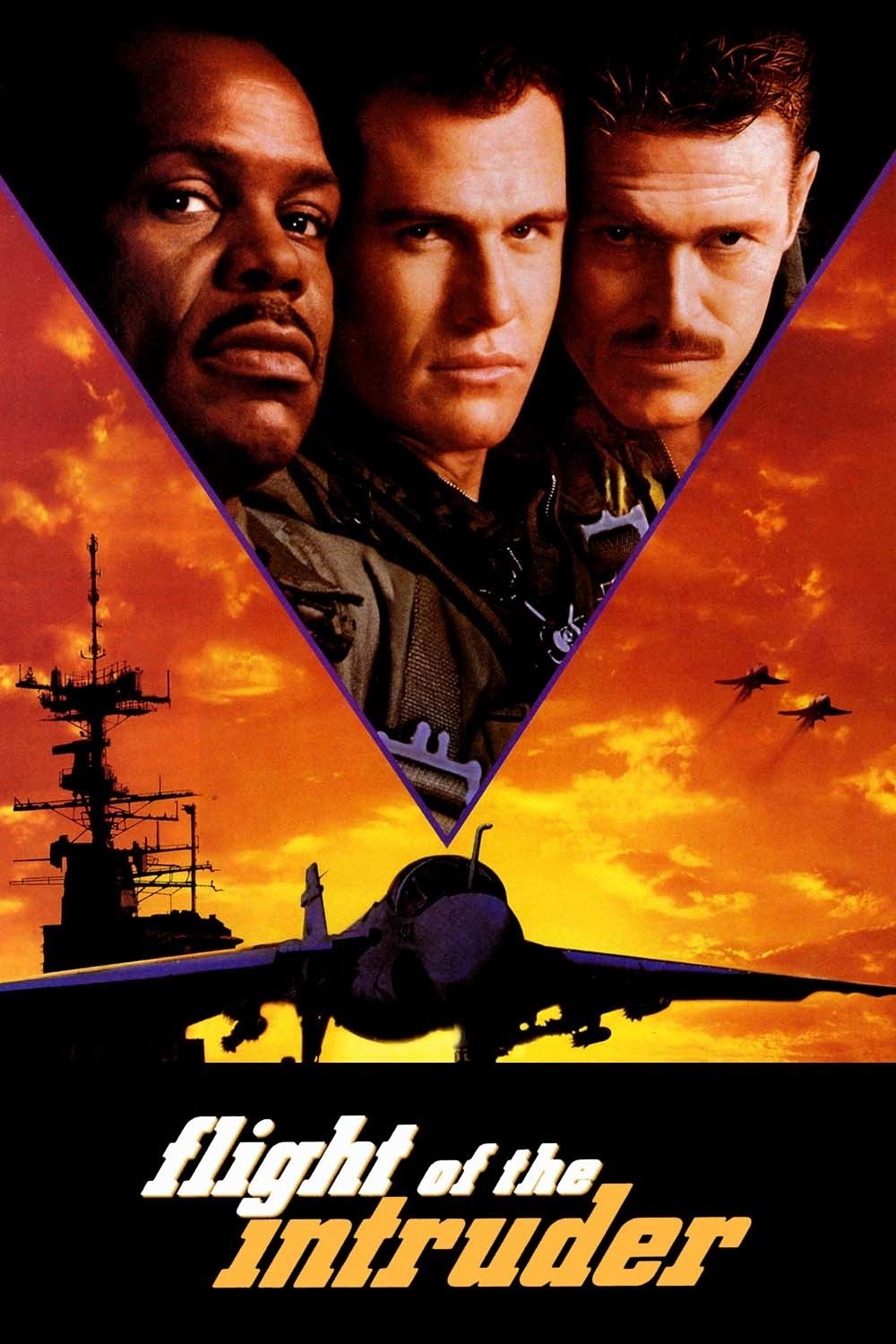
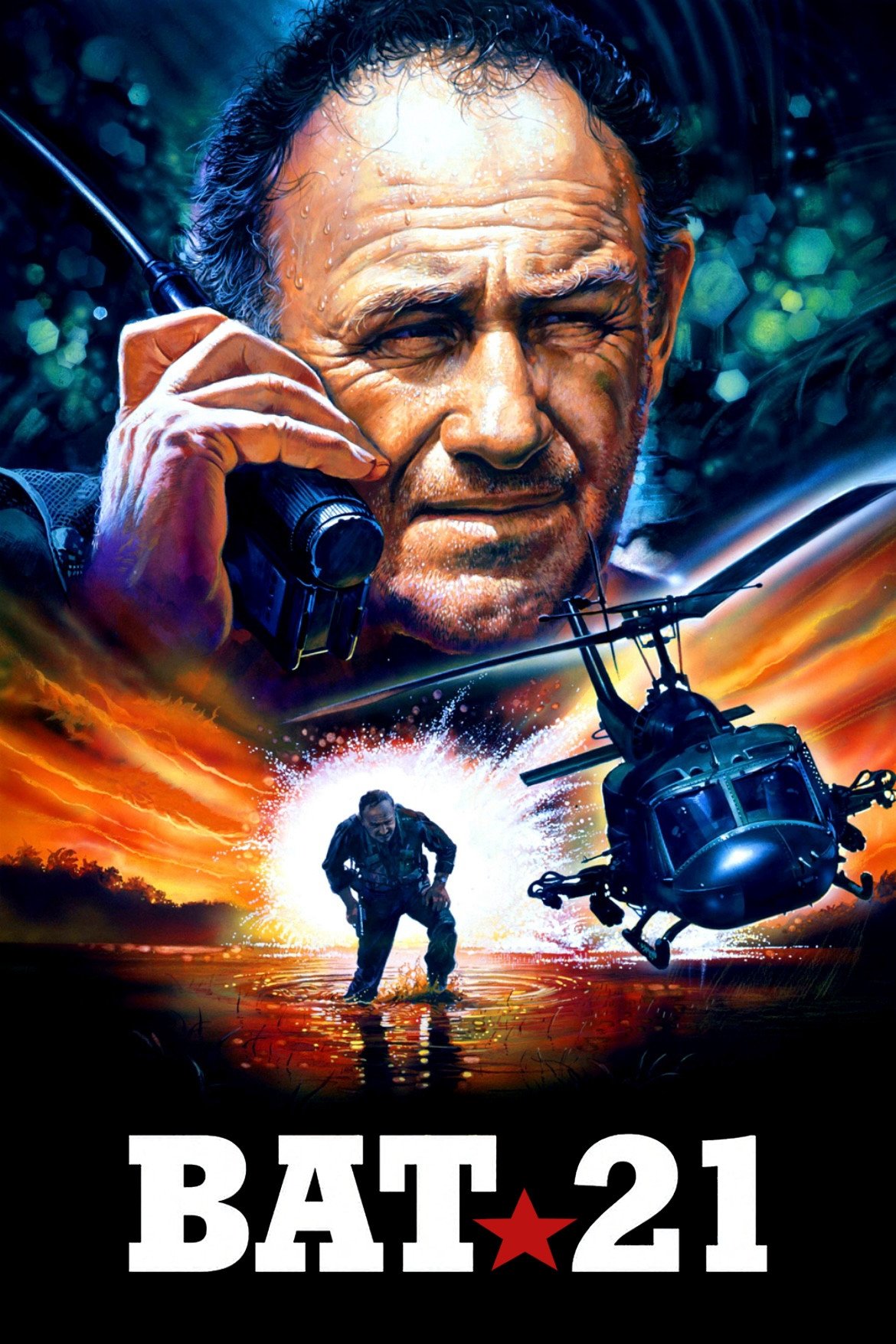
U.S. Navy pilot Lt. Jake Grafton and his bombardier buddy, Lt. Cmdr. Virgil Cole, are two soldiers embedded in the Vietnam War growing frustrated by the military's constraints on their missions. Despite the best efforts of their commanding officer, Cmdr. Frank Camparelli, to re-engage them, this disillusioned pair decide to take the war effort into their own hands with an explosive battle plan that could well get them court-martialed.
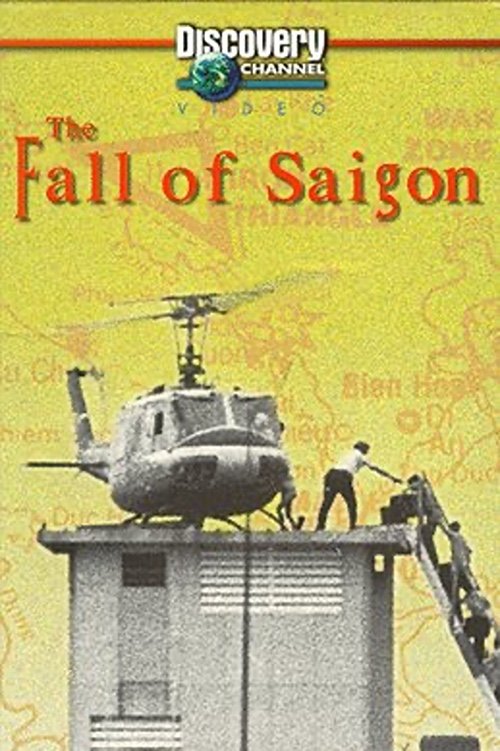
In April 1975 -- despite a ceasefire agreement -- the North Vietnamese communists took Saigon and the world by surprise, mounting an offensive that ousted the South Vietnamese government. This enlightening documentary recounts the last two years of America's military engagement in the country and the U.S. role in Saigon's fall. Interviews with former National Security Adviser Henry Kissinger and North Vietnamese officers provide context.
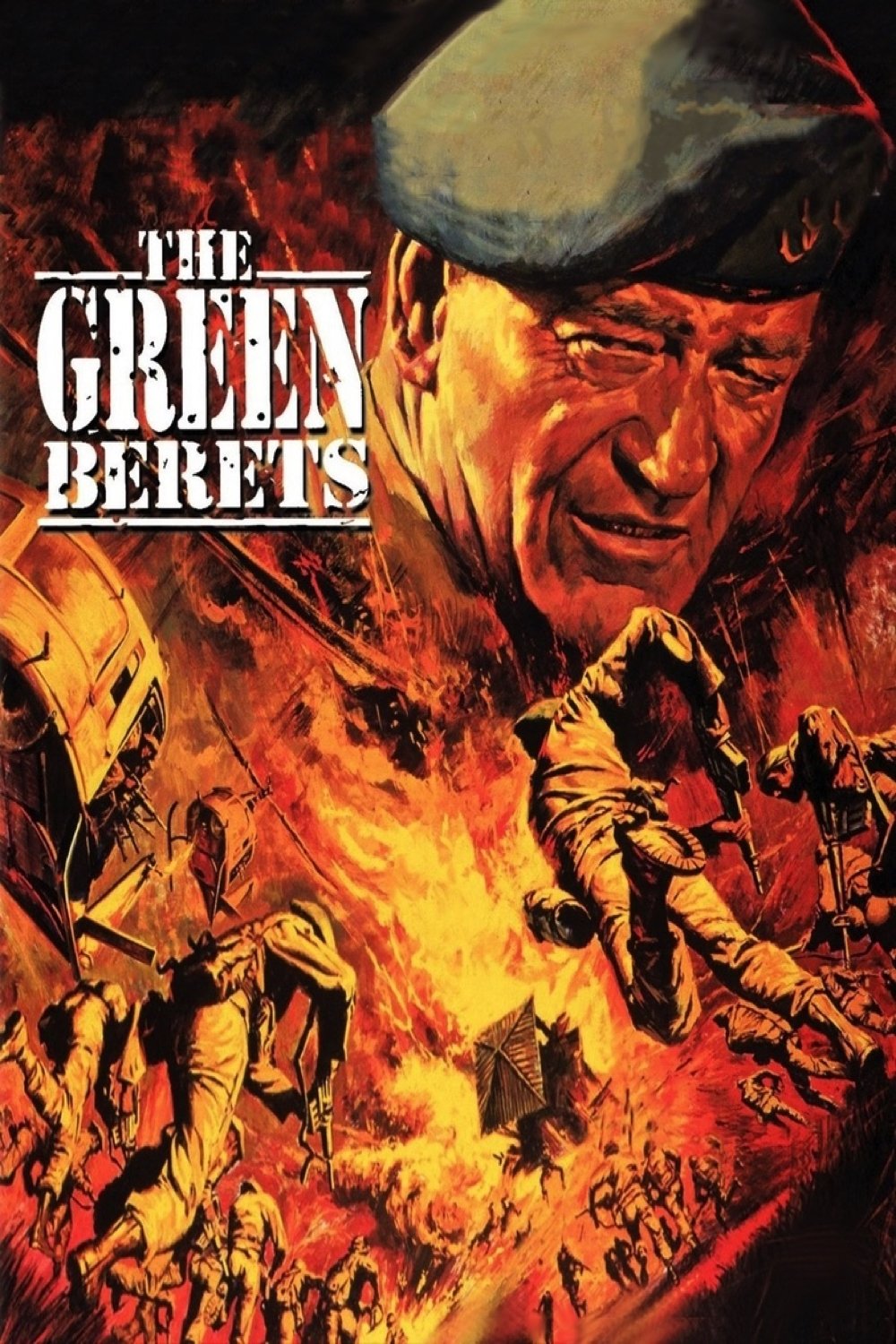
Col. Mike Kirby picks two teams of crack Green Berets for two missions in South Vietnam. The first is to strengthen a camp that is trying to be taken by the enemy. The second is to kidnap a North Vietnamese General.
A documentary about the Cu Chi tunnels in Vietnam during the Vietnam war. The film contains interviews with survivors of the war who inhabited the tunnels, including archival footage, and photographs. The filmmakers visit the tunnels in current day to explore the way so many Viet Cong lived during the war. The documentary features an interview with Robert Biss (American P.O.W. captured in 1966, who was at the "Hanoi Hilton"), and the Viet Cong member who captured him, explaining the events and emotions surrounding the event.
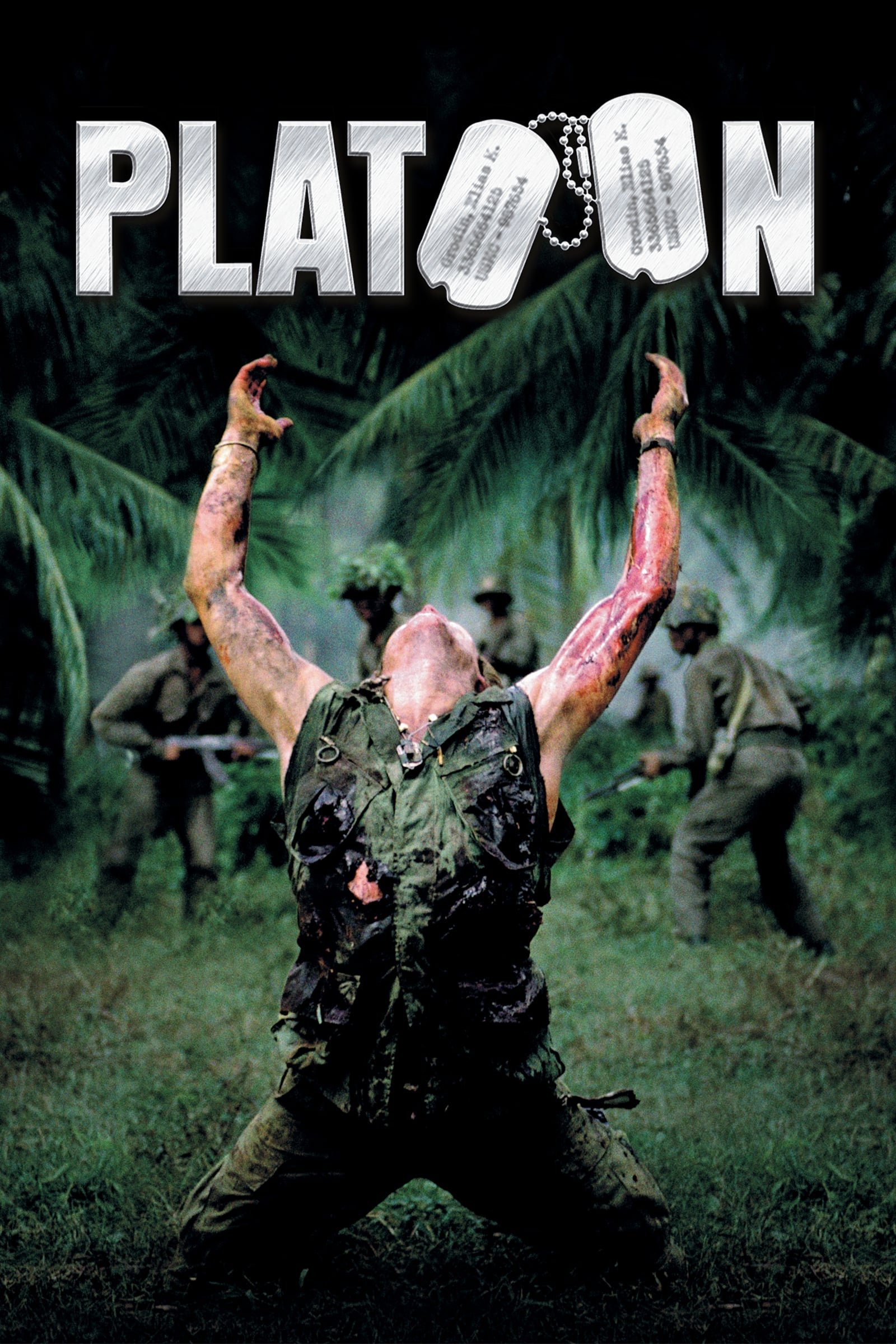
As a young and naive recruit in Vietnam, Chris Taylor faces a moral crisis when confronted with the horrors of war and the duality of man.
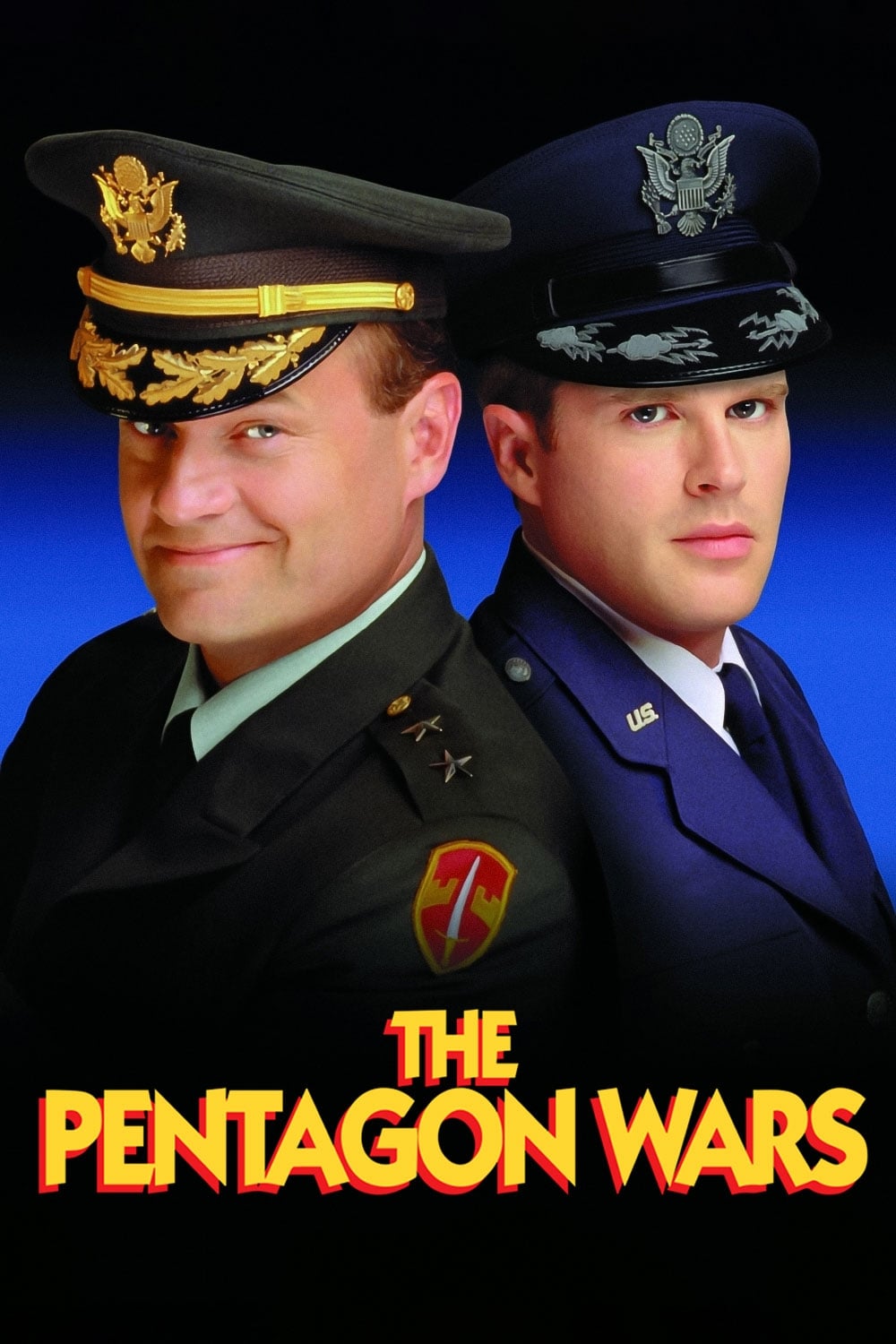
From the director of “Made In America” and “The Money Pit” comes a hilarious look at one of the most expensive blunders in military history. Over 17 years and almost as many billion dollars have gone into devising the BFV (Bradley Fighting Vehicle). There's only one problem. . . it doesn't work. (Spoiler alert: 25 years later ... it does work.)
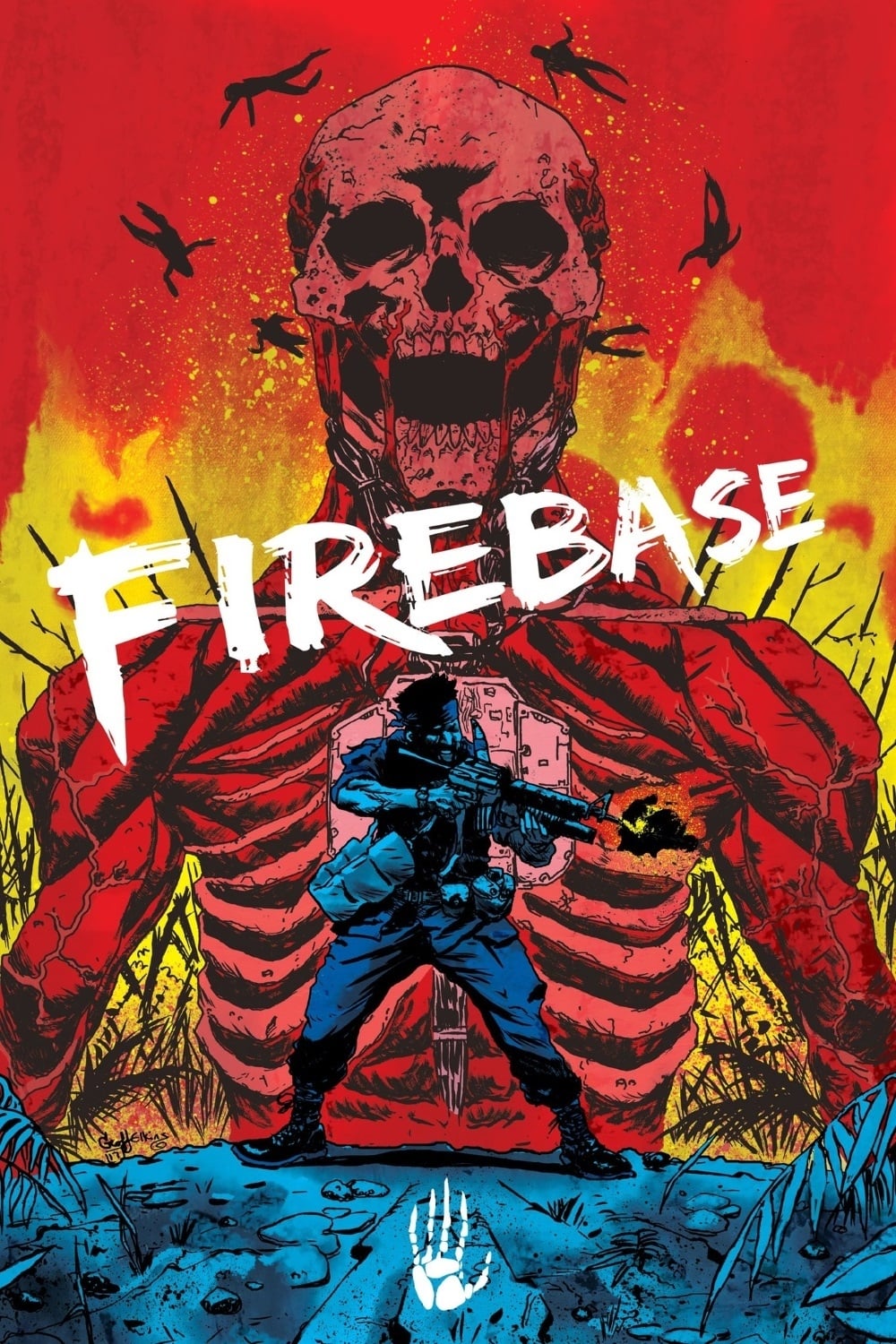
Set during the Vietnam war, Firebase follows American soldier Hines through an ever-deepening web of science fiction madness.
Lt. Col. Iceal "Ham" Hambleton is a weapons countermeasures expert and when his aircraft is shot over enemy territory the Air Force very much wants to get him back. Hambleton knows the area he's in is going to be carpet-bombed but a temporary shortage of helicopters causes a delay. Working with an Air Force reconnaissance pilot, Capt. Bartholomew Clark, he maps out an escape route.
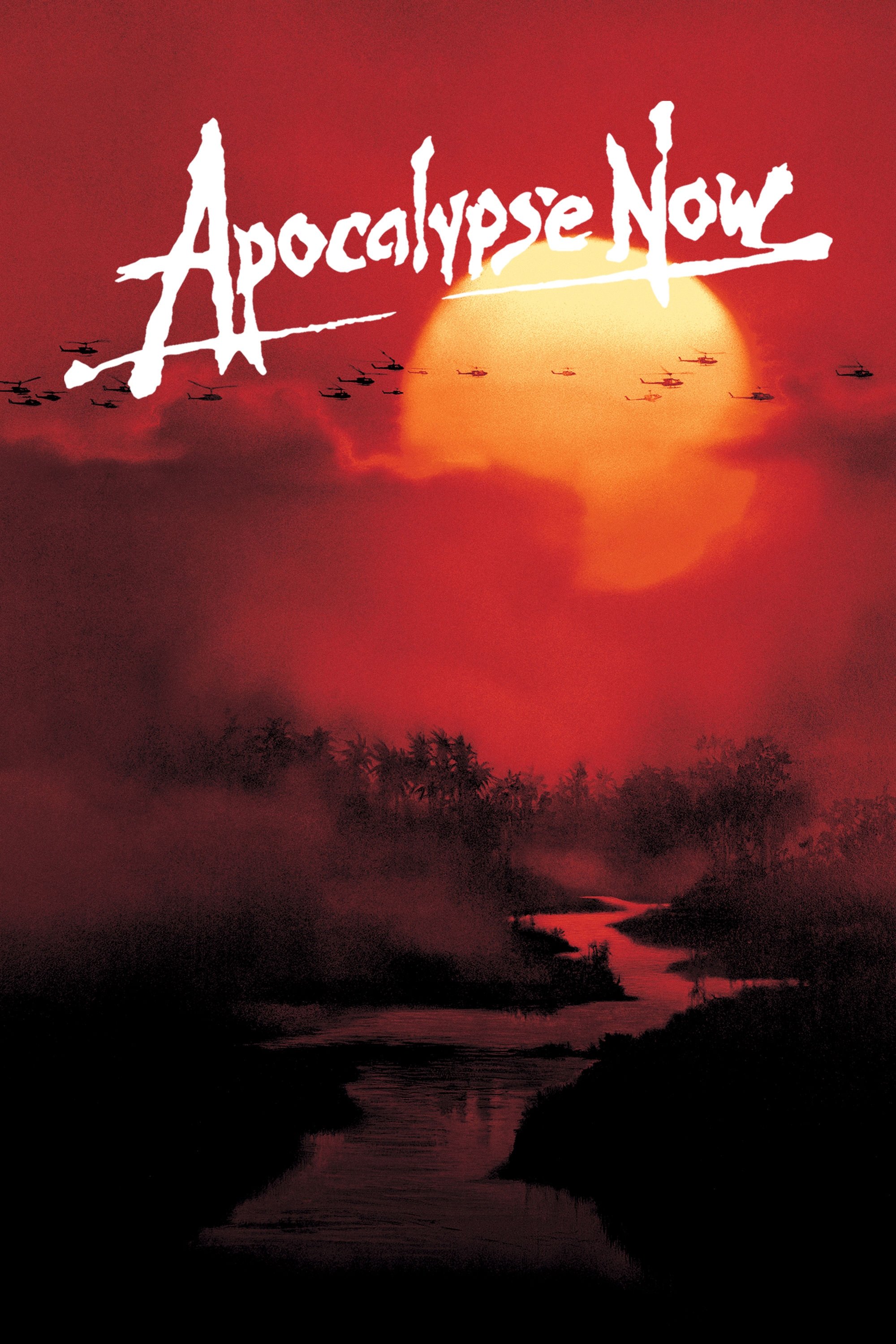
At the height of the Vietnam war, Captain Benjamin Willard is sent on a dangerous mission that, officially, "does not exist, nor will it ever exist." His goal is to locate - and eliminate - a mysterious Green Beret Colonel named Walter Kurtz, who has been leading his personal army on illegal guerrilla missions into enemy territory.
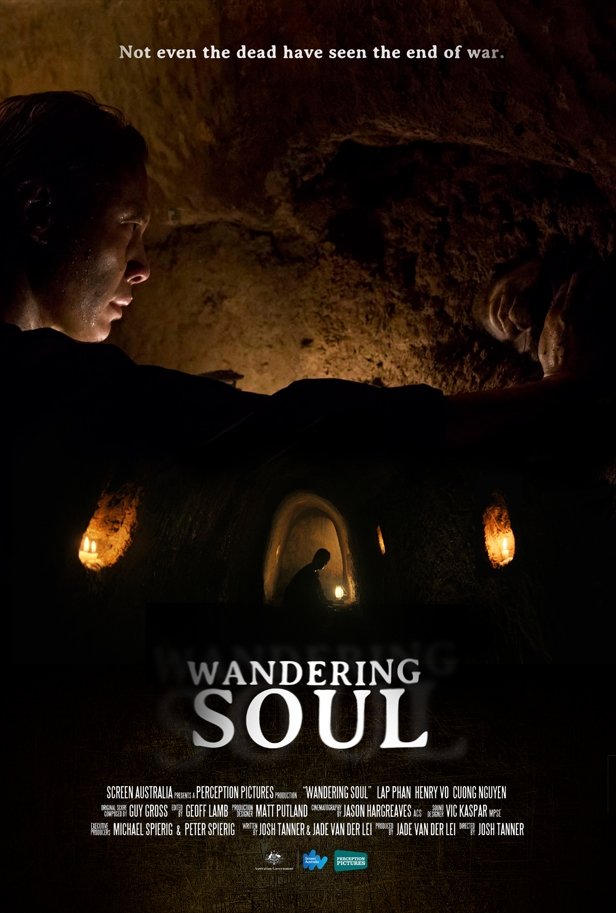
A Viet Cong soldier stationed in the claustrophobic tunnels of Cu Chi during the Vietnam War finds himself haunted by the ghost of a fallen comrade after the burial ceremony is compromised.
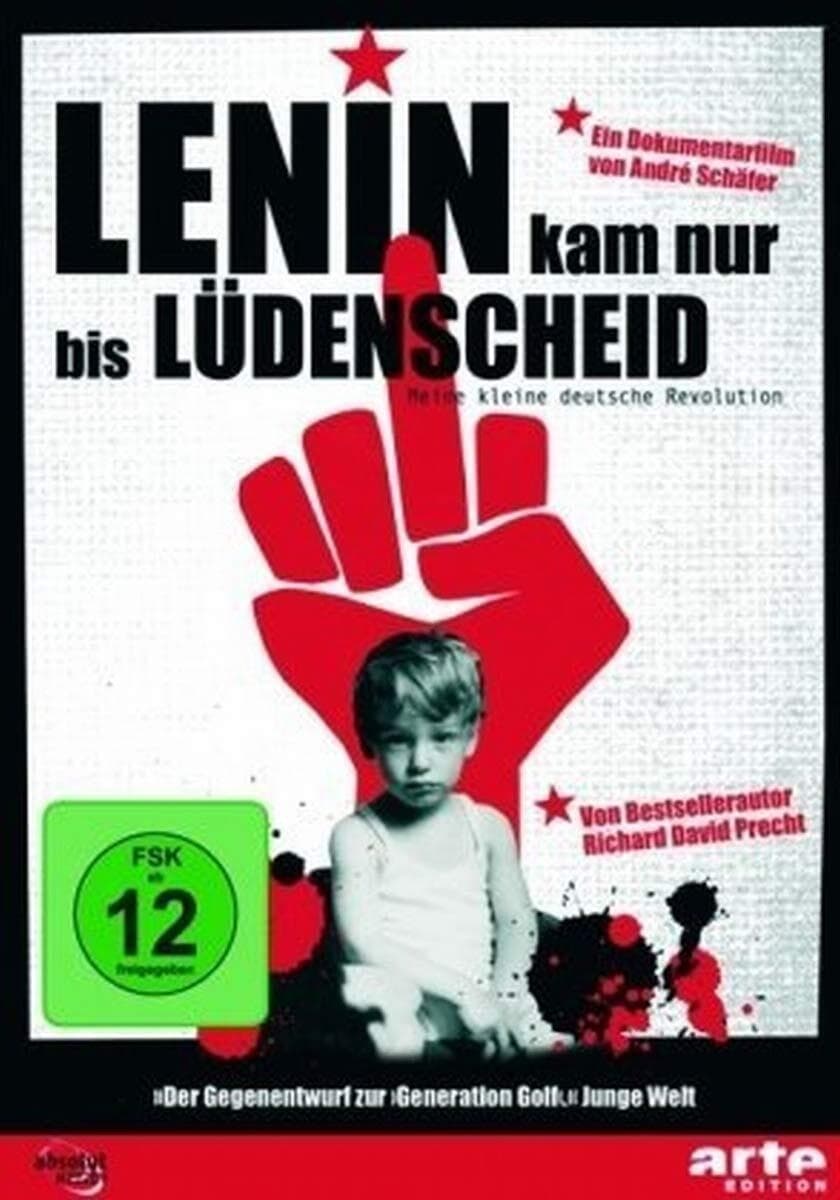
The free, almost naive view from the perspective of a child puts the "68ers" in a new, illuminating light in the anniversary year 2008. The film is a provocative reckoning with the ideological upbringing that seemed so progressive and yet was suffocated by the children's desire to finally grow up. With an ironic eye and a feuilletonistic style, author Richard David Precht and Cologne documentary film director André Schäfer trace a childhood in the West German provinces - and place the major events of those years in completely different, smaller and very private contexts.
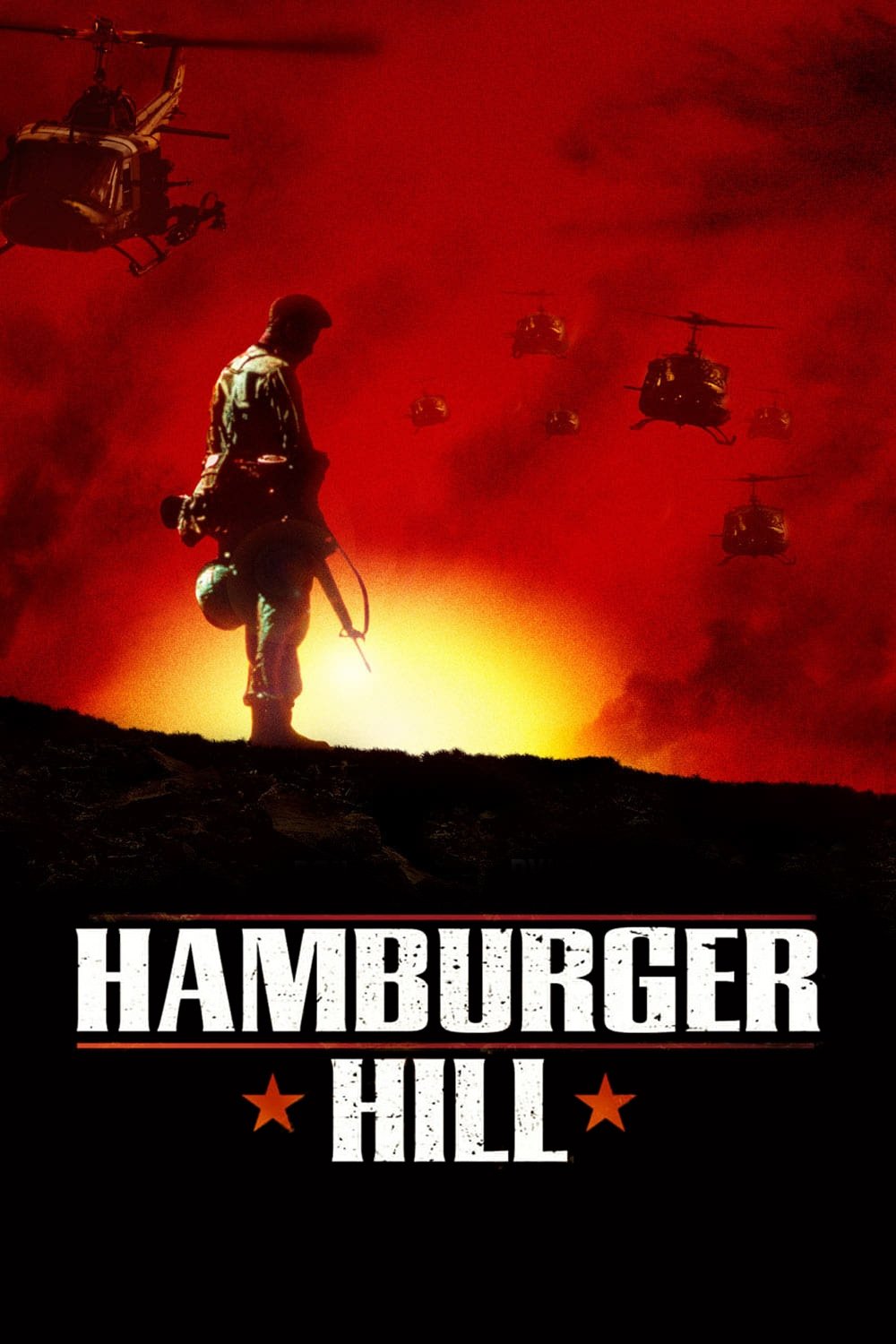
The men of Bravo Company are facing a battle that's all uphill… up Hamburger Hill. Fourteen war-weary soldiers are battling for a mud-covered mound of earth so named because it chews up soldiers like chopped meat. They are fighting for their country, their fellow soldiers and their lives. War is hell, but this is worse. Hamburger Hill tells it the way it was, the way it really was. It's a raw, gritty and totally unrelenting dramatic depiction of one of the fiercest battles of America's bloodiest war. This happened. Hamburger Hill - war at its worst, men at their best.
The year is 1965 and America is at war with North Vietnam. Commanding the air cavalry is Lt. Col. Hal Moore (Gibson), a born leader committed to his troops. His target: the Ia Drang Valley, called "The Valley of Death." As Moore prepares for one of the most violent battles in U.S. history, he delivers a stirring promise to his soldiers and their families: "I will leave no man behind...dead or alive. We will all come home together."
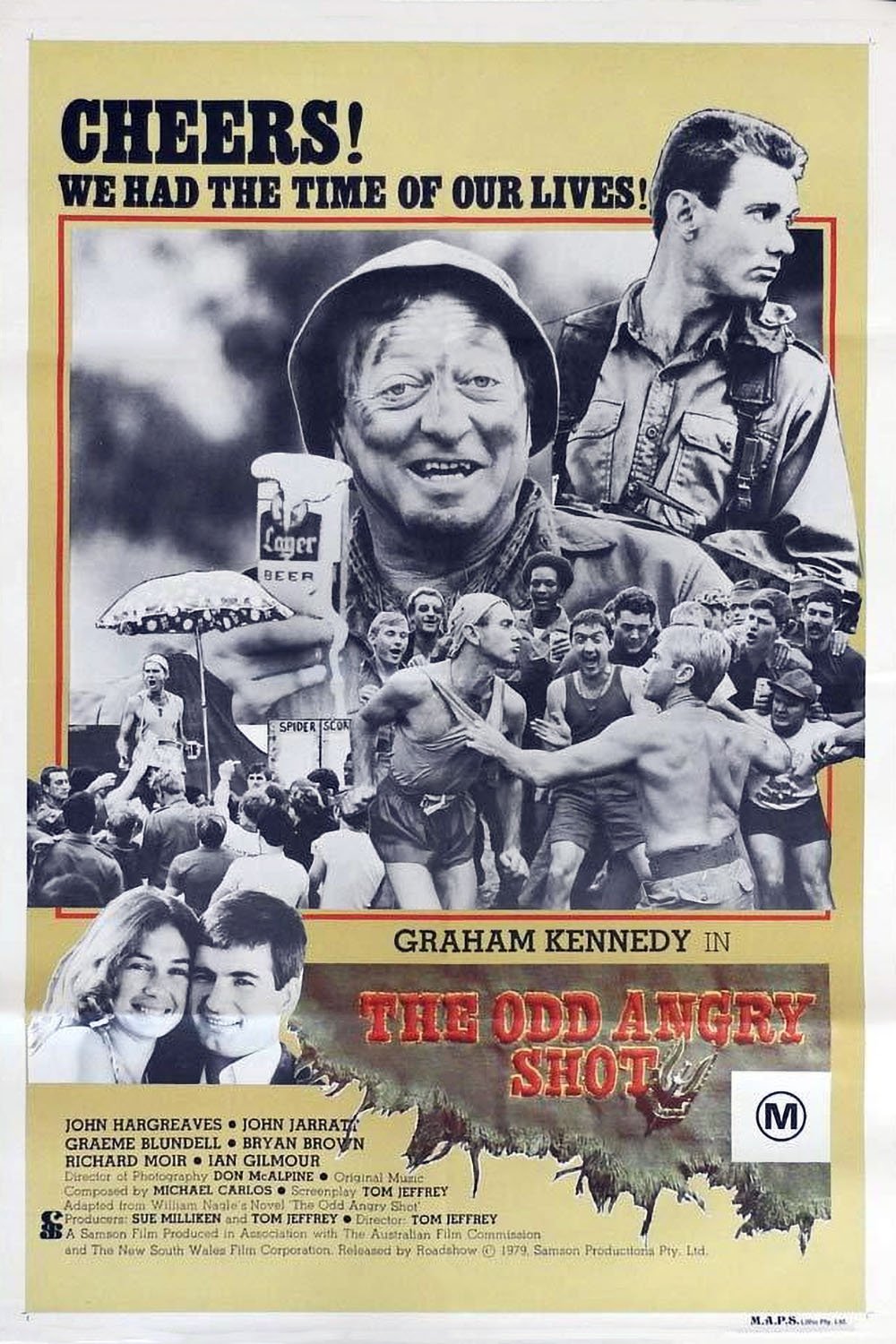
A group of Australian SAS regiment soldiers are deployed to Vietnam around 1967/8 and encounter the realities of war, from the numbing boredom of camp life and long range patrols, raids and ambushes where nothing happens, to the the terror of enduring mortar barrages from an unseen enemy. Men die and are crippled in combat by firefights and booby traps, soldiers kill and capture the enemy, gather intelligence and retake ground only to cede it again whilst battling against the bureaucracy and obstinacy of the conventional military hierarchy. In the end they return to civilization, forever changed by their experiences but glad to return to the life they once knew.
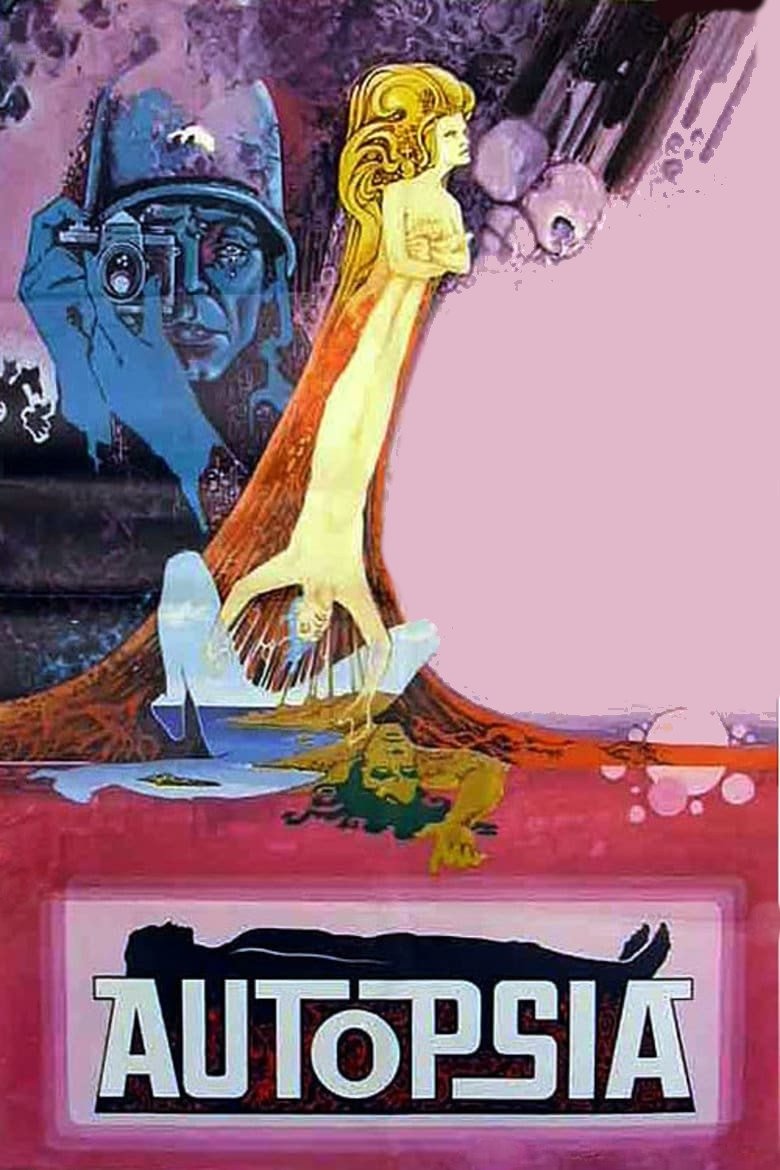
Mondo-style docudrama about a war correspondent who comes back home and has a spiritual crisis about his own mortality. Surreal fantasy sequences are mixed with graphic real autopsy footage.
A group of young boys, drafted for Vietnam get thrown into the deepest parts of the war, being sent go on a top secret mission to destroy the Ho Chi Min Trail. However, halfway through their mission, things turn for the worse as the boys discover the whole operation is a suicide mission orchestrated by one of their own.
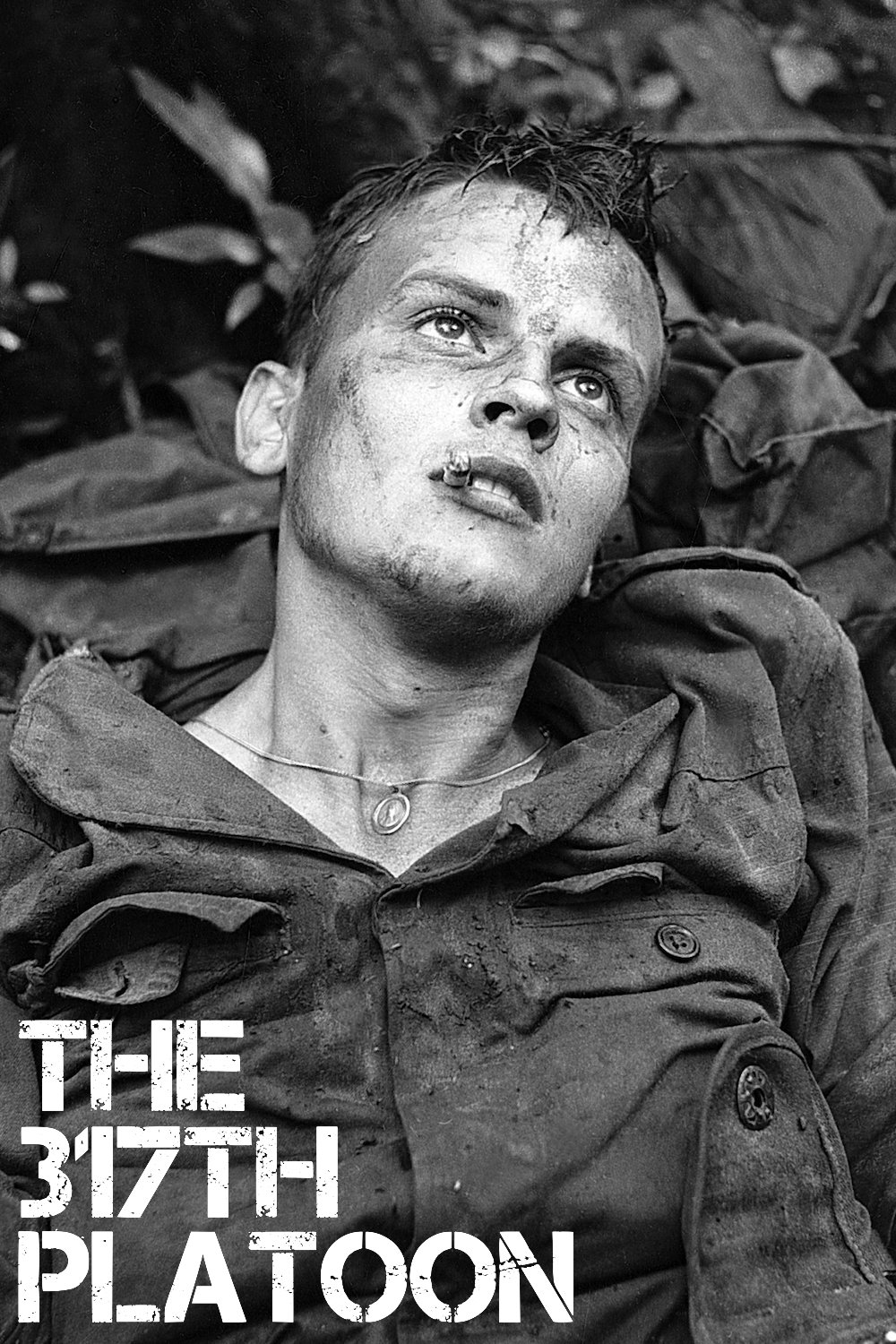
In Laos, 1954, eight days before the french defeat in the Indochina war, the 317th platoon – four french soldiers and 41 laotian combatants – has been ordered to leave its outpost and to retreat for the plains of Diên Biên Phu, where the french army is getting stucked. Led by the inexperienced and idealistic sous-lieutenant Torrens, fresh out of the military academy, and by adjutant Willsdorf, a WWII veteran of the Werhmacht, the group must cross 150 kilometers of jungle. But dripping rainwater, hostile nature, and the Viêt-minh ambushes expose them to constant danger.
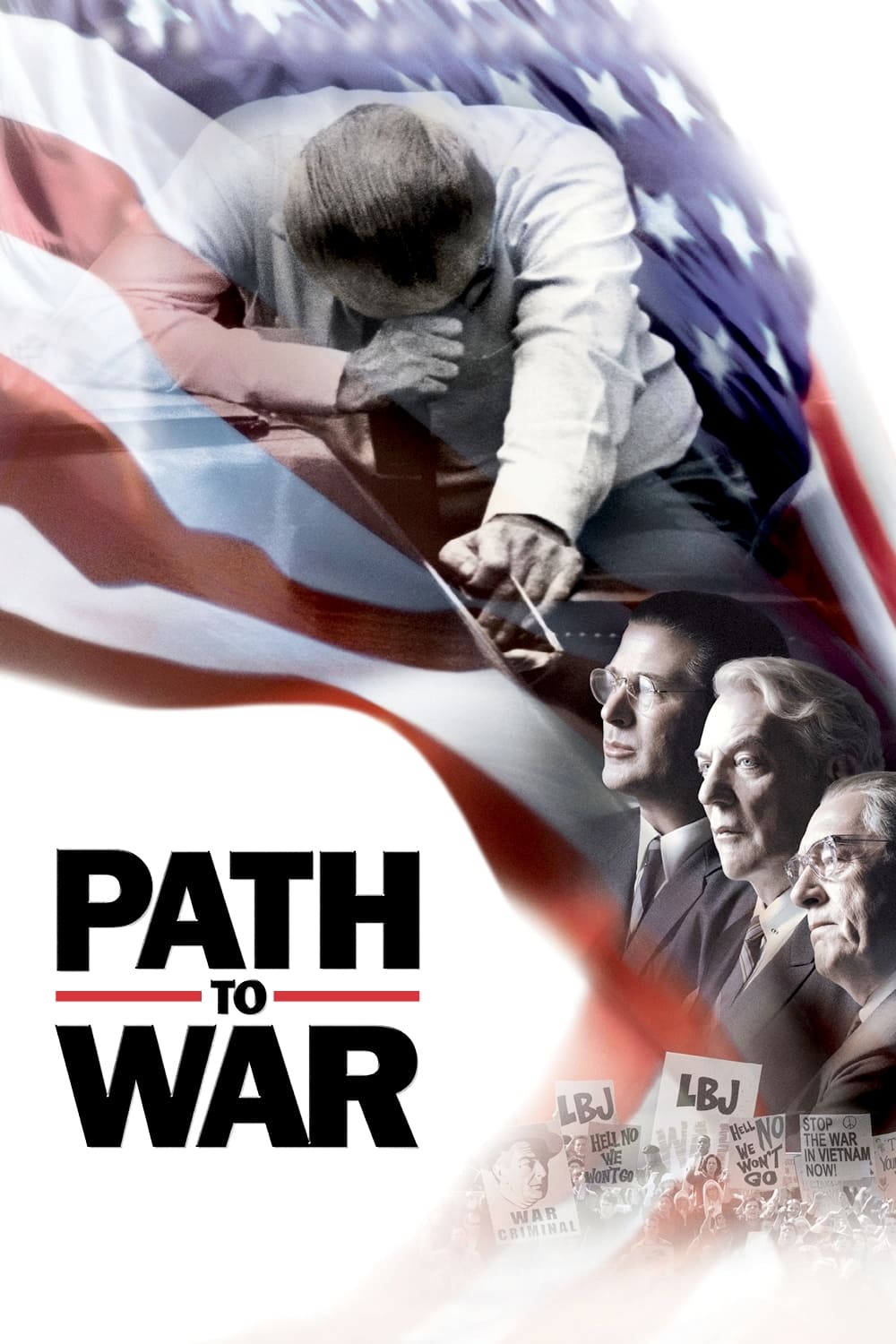
A powerful drama of soaring ambition and shattered dreams that takes a provocative insider's look at the way the USA goes to war—as seen from inside the LBJ White House leading up to and during the Vietnam War.
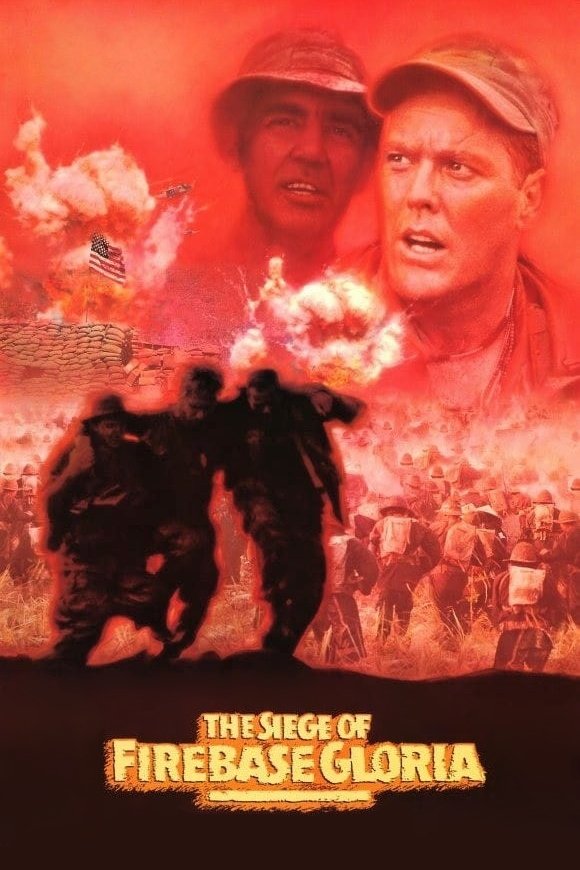
A Marine patrol stops at Firebase Gloria at the start of the Tet Offensive during the Vietnam war. With the firebase attacked, the patrol remains to help defend it.
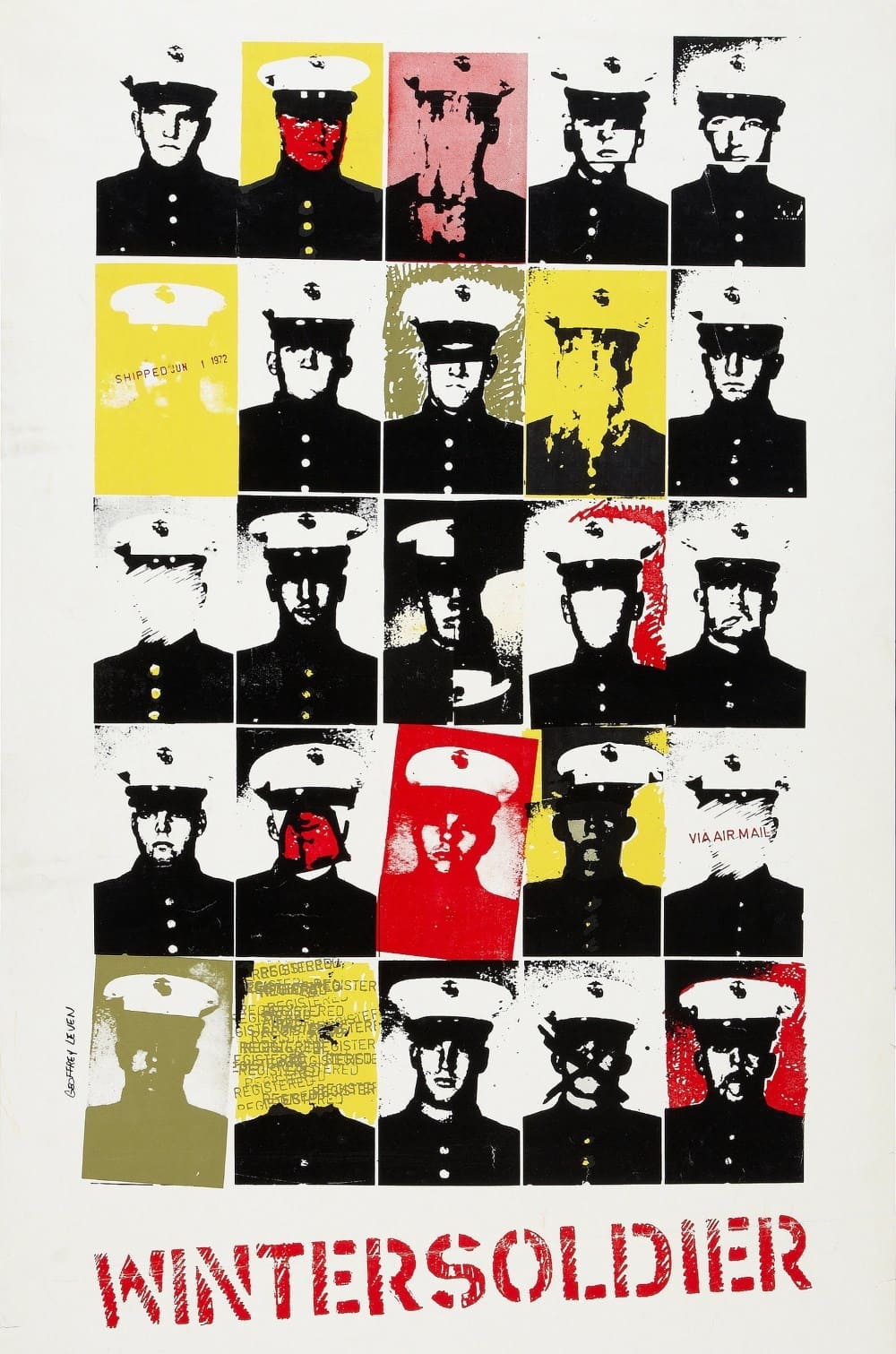
For three days in 1971, former US soldiers who were in Vietnam testify in Detroit about their war experiences. Nearly 30 speak, describing atrocities personally committed or witnessed, telling of inaccurate body counts, and recounting the process of destroying a village.
“The Soviet Story” is a story of an Allied power, which helped the Nazis to fight Jews and which slaughtered its own people on an industrial scale. Assisted by the West, this power triumphed on May 9th, 1945. Its crimes were made taboo, and the complete story of Europe’s most murderous regime has never been told. Until now...
Prelude to War was the first film of Frank Capra's Why We Fight propaganda film series, commissioned by the Pentagon and George C. Marshall. It was made to convince American troops of the necessity of combating the Axis Powers during World War II. This film examines the differences between democratic and fascist states.
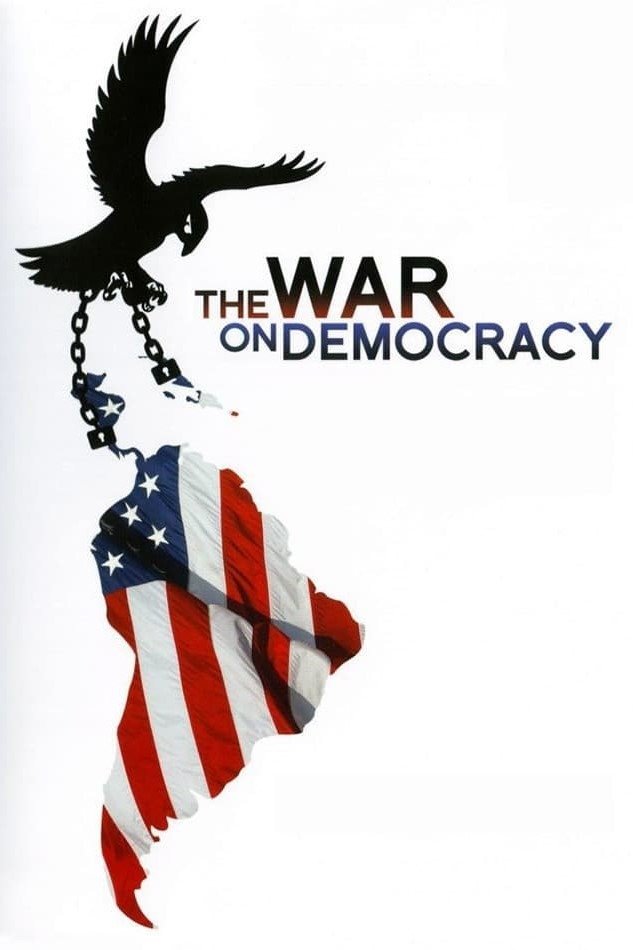
Set both in Latin America and the United States, the film explores the historic and current relationship of Washington with countries such as Venezuela, Bolivia and Chile. Pilger says that the film "...tells a universal story... analysing and revealing, through vivid testimony, the story of great power behind its venerable myths. It allows us to understand the true nature of the so-called "war on terror". According to Pilger, the film’s message is that the greed and power of empire is not invincible and that people power is always the "seed beneath the snow".
During the chaotic final weeks of the Vietnam War, the North Vietnamese Army closes in on Saigon as the panicked South Vietnamese people desperately attempt to escape. On the ground, American soldiers and diplomats confront a moral quandary: whether to obey White House orders to evacuate only U.S. citizens.
Amid the failing counteroffensive, a journalist follows a Ukrainian platoon on their mission to traverse one mile of heavily fortified forest and liberate a strategic village from Russian occupation. But the farther they advance through their destroyed homeland, the more they realize that this war may never end.
When Sgt. First Class Brian Eisch is critically wounded in Afghanistan, it sets him and his sons on a journey of love, loss, redemption and legacy.
A documentary about World War I with never-before-seen footage to commemorate the centennial of Armistice Day, and the end of the war.
"Trinity and Beyond" is an unsettling yet visually fascinating documentary presenting the history of nuclear weapons development and testing between 1945-1963. Narrated by William Shatner and featuring an original score performed by the Moscow Symphony Orchestra, this award-winning documentary reveals previously unreleased and classified government footage from several countries.
Many times during his presidency, Lyndon B. Johnson said that ultimate victory in the Vietnam War depended upon the U.S. military winning the "hearts and minds" of the Vietnamese people. Filmmaker Peter Davis uses Johnson's phrase in an ironic context in this anti-war documentary, filmed and released while the Vietnam War was still under way, juxtaposing interviews with military figures like U.S. Army Chief of Staff William C. Westmoreland with shocking scenes of violence and brutality.
A love letter from a young mother to her daughter, the film tells the story of Waad al-Kateab’s life through five years of the uprising in Aleppo, Syria as she falls in love, gets married and gives birth to Sama, all while cataclysmic conflict rises around her. Her camera captures incredible stories of loss, laughter and survival as Waad wrestles with an impossible choice– whether or not to flee the city to protect her daughter’s life, when leaving means abandoning the struggle for freedom for which she has already sacrificed so much.
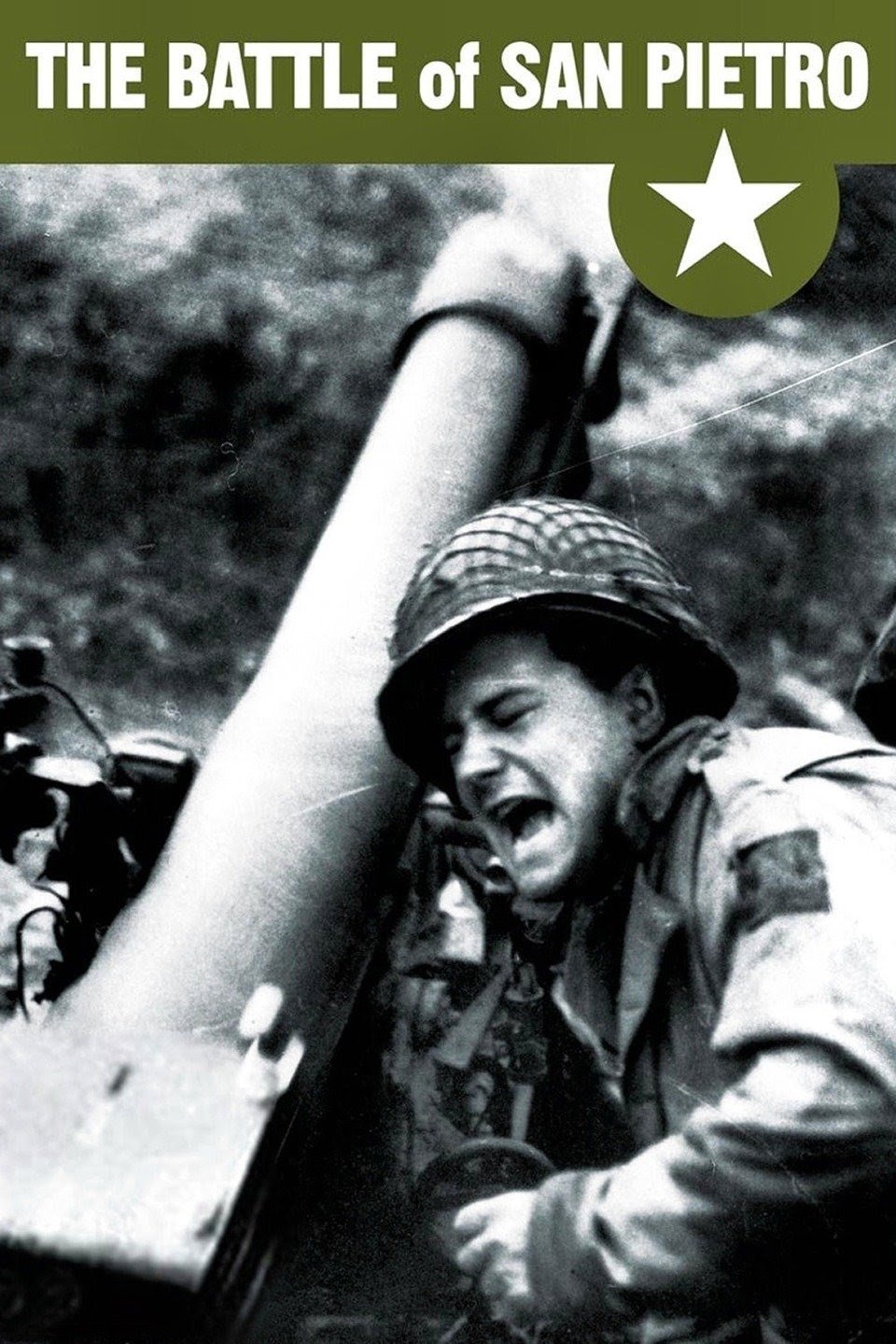
This documentary movie is about the battle of San Pietro, a small village in Italy. Over 1,100 US soldiers were killed while trying to take this location, that blocked the way for the Allied forces from the Germans. Preserved by the Academy Film Archive in 2005.
With unprecedented access, this documentary follows the extraordinary journey of “Raqqa is Being Slaughtered Silently”—a group of anonymous citizen journalists who banded together after their homeland was overtaken by ISIS—as they risk their lives to stand up against one of the greatest evils in the world today.
Meet the real-life airmen who inspired Masters of the Air as they share the harrowing and transformative events of the 100th Bomb Group.
Filmmaker Alain Resnais documents the atrocities behind the walls of Hitler's concentration camps.
An inside look at one of the most anticipated movie sequels ever with James Cameron and cast.
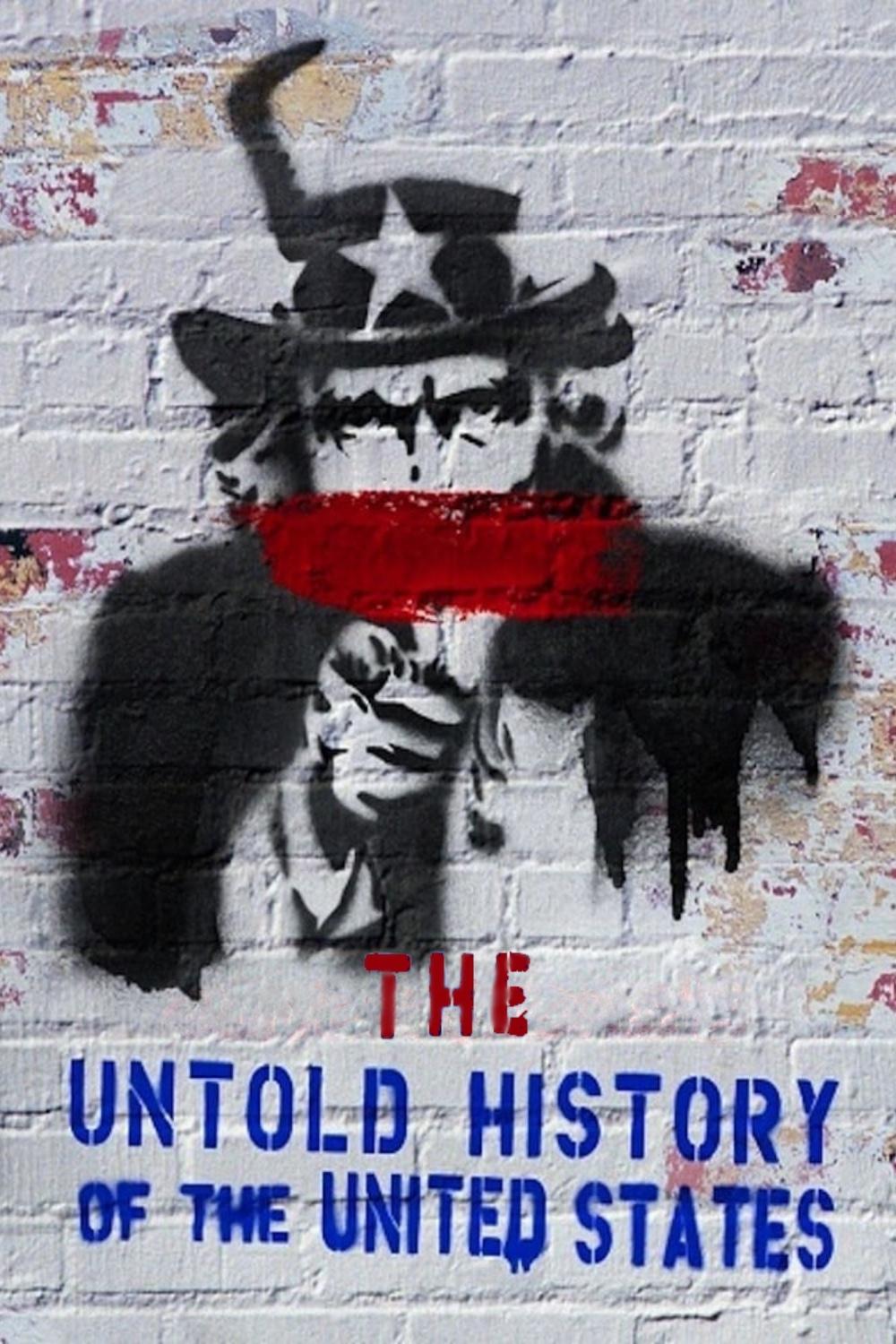
Oliver Stone charts the history of the United States from the Second World War to the present.
When Allied forces liberated the Nazi concentration camps in 1944-45, their terrible discoveries were recorded by army and newsreel cameramen, revealing for the first time the full horror of what had happened. Making use of British, Soviet and American footage, the Ministry of Information’s Sidney Bernstein (later founder of Granada Television) aimed to create a documentary that would provide lasting, undeniable evidence of the Nazis’ unspeakable crimes. He commissioned a wealth of British talent, including editor Stewart McAllister, writer and future cabinet minister Richard Crossman – and, as treatment advisor, his friend Alfred Hitchcock. Yet, despite initial support from the British and US Governments, the film was shelved, and only now, 70 years on, has it been restored and completed by Imperial War Museums under its original title "German Concentration Camps Factual Survey".
As the Russian invasion begins, a team of Ukrainian journalists trapped in the besieged city of Mariupol struggle to continue their work documenting the war's atrocities.
A documentary on the making of the three Godfather films, with interviews and recollections from the film makers and cast. This feature also includes the original screen tests of some of the actors for "The Godfather" film, and some candid moments on the set of "The Godfather: Part III."
The extraordinary story of how Hollywood changed World War II – and how World War II changed Hollywood, through the interwoven experiences of five legendary filmmakers who went to war to serve their country and bring the truth to the American people: John Ford, William Wyler, John Huston, Frank Capra, and George Stevens. Based on Mark Harris’ best-selling book, “Five Came Back: A Story of Hollywood and the Second World War.”