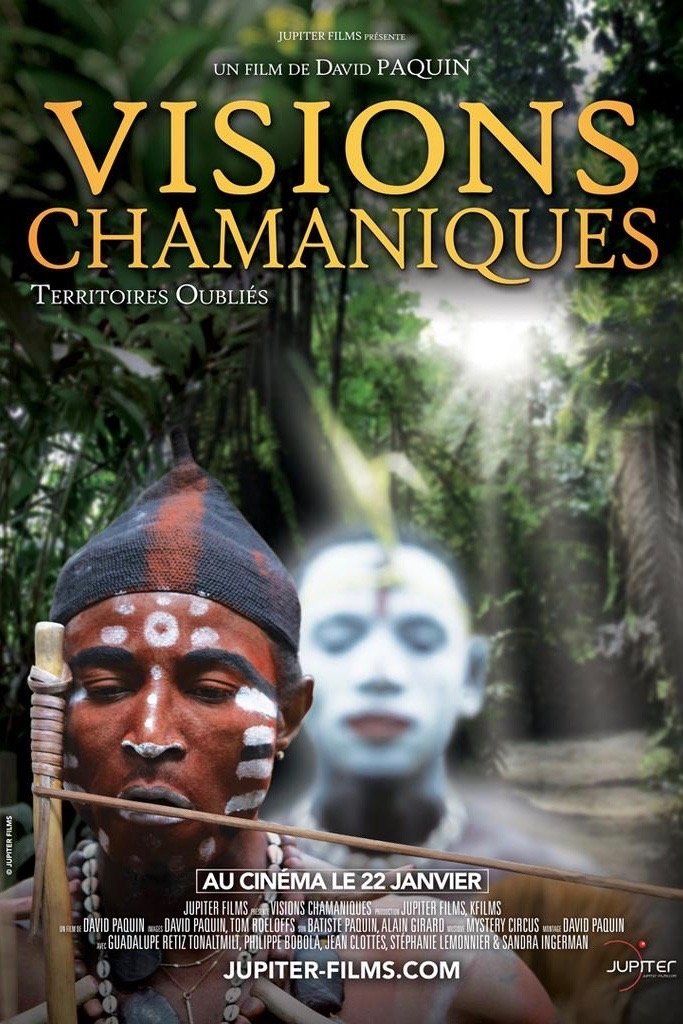
This film is an initiatory journey among the Fangs of Gabon and the Shipibos of Peru. With the sound of traditional instruments like the mogongo (arc in the mouth), the holy harp, and the Icaros, we discover the traditional peoples’ wisdom.

Social & External
The people behind it
Sandra Ingerman
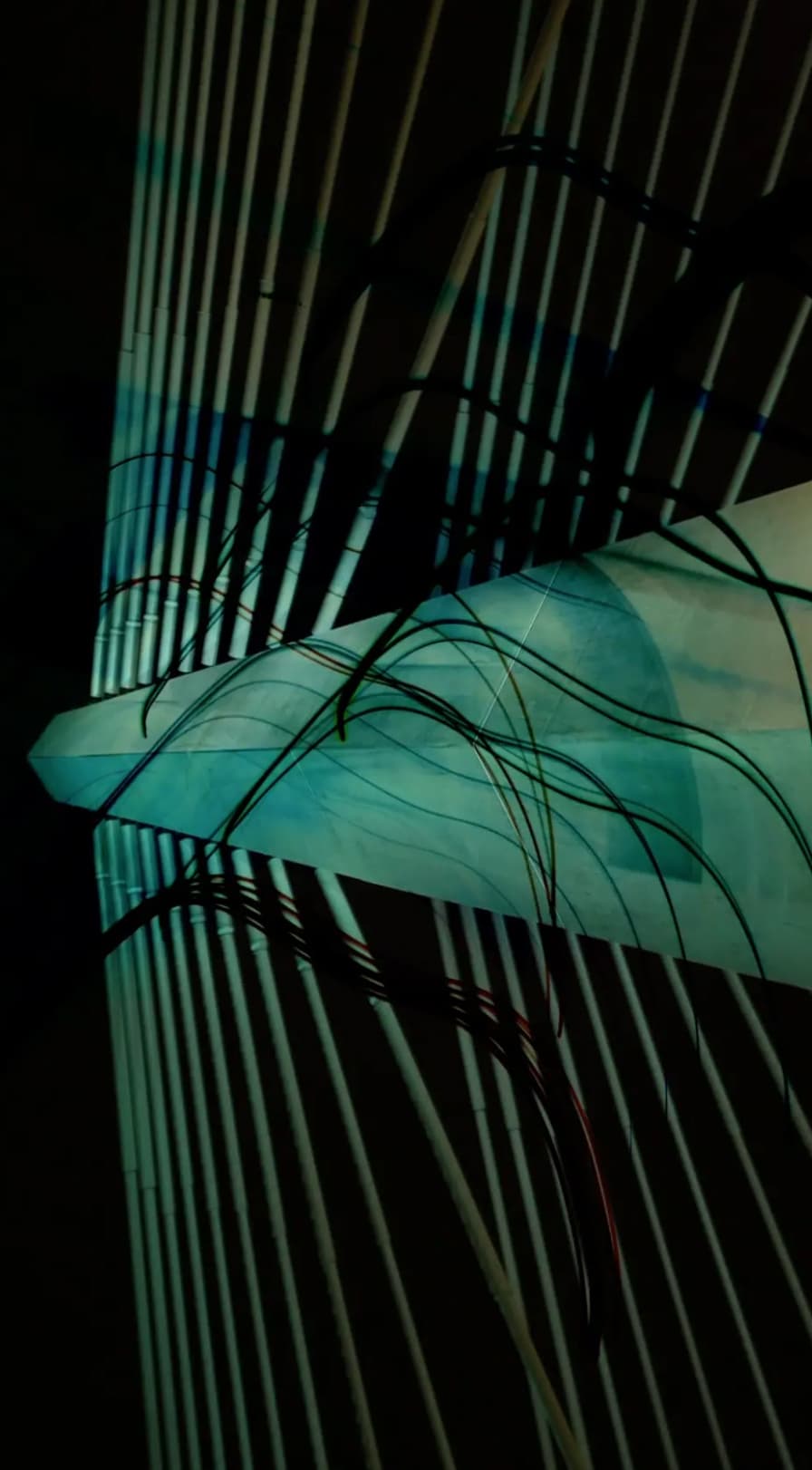
The title of this video, taken from the texts of the architect Kengo Kuma, suggests a way of looking at everything as “interconnected and intertwined” - such as the historical and the present and the tool and the artifact. Images and representations of two structures in the Portland Metropolitan Area that have direct and complicated connections to the Chinookan people who inhabit(ed) the land are woven with audio tapes of one of the last speakers of chinuk wawa, the Chinookan creole. These localities of matter resist their reduction into objects, and call anew for space and time given to wandering as a deliberate act, and the empowerment of shared utility.
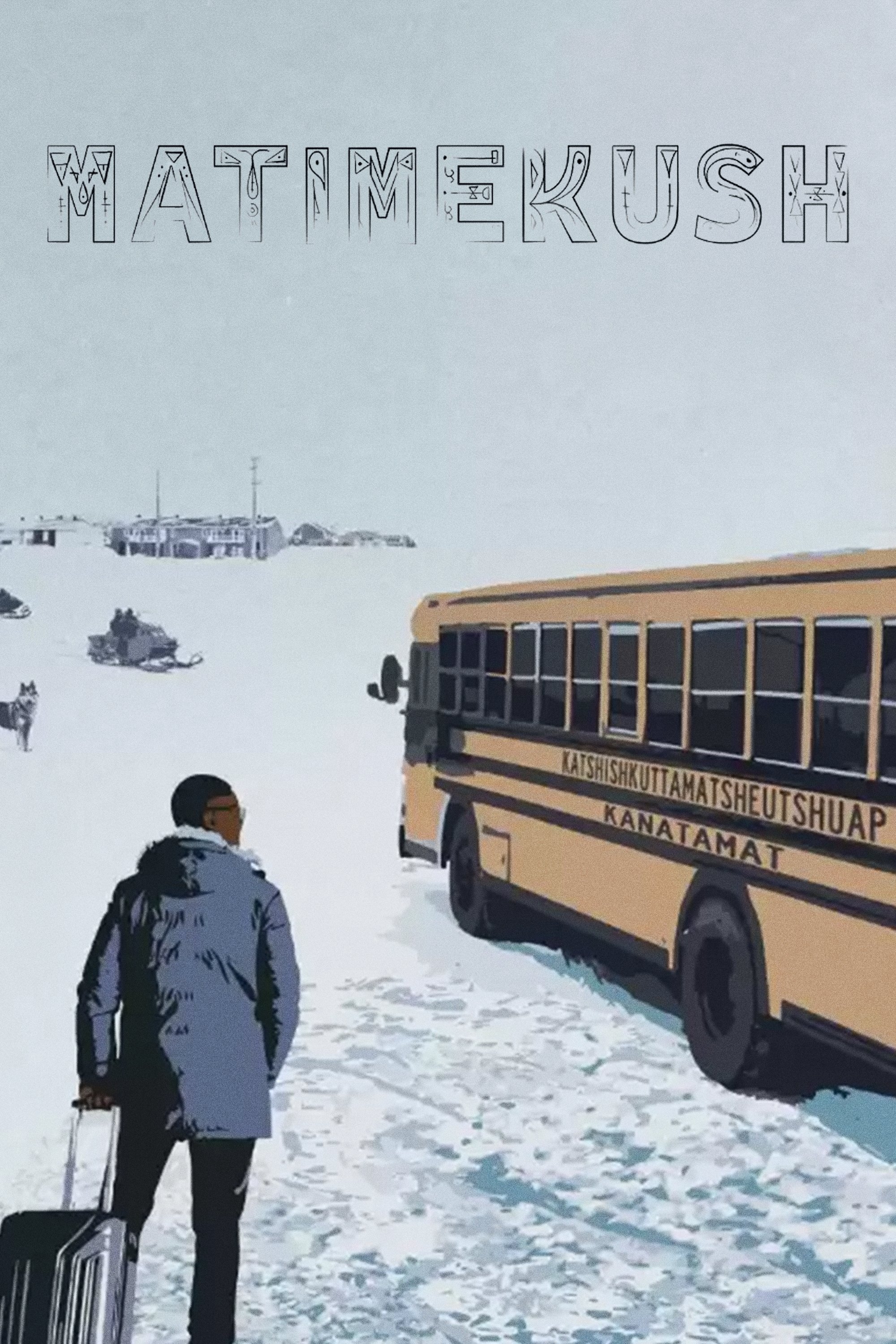
Matimekush is landlocked in the former mining town of Schefferville, 700 km north of Sept-Îles. It was founded in the 1950s, when the Canadian government and Iron Or forced the Innu to settle down. In Canada’s Far North, there is a dire labour shortage. At Kanatamat School, the heart of the community, most of the high school teachers are from Africa.
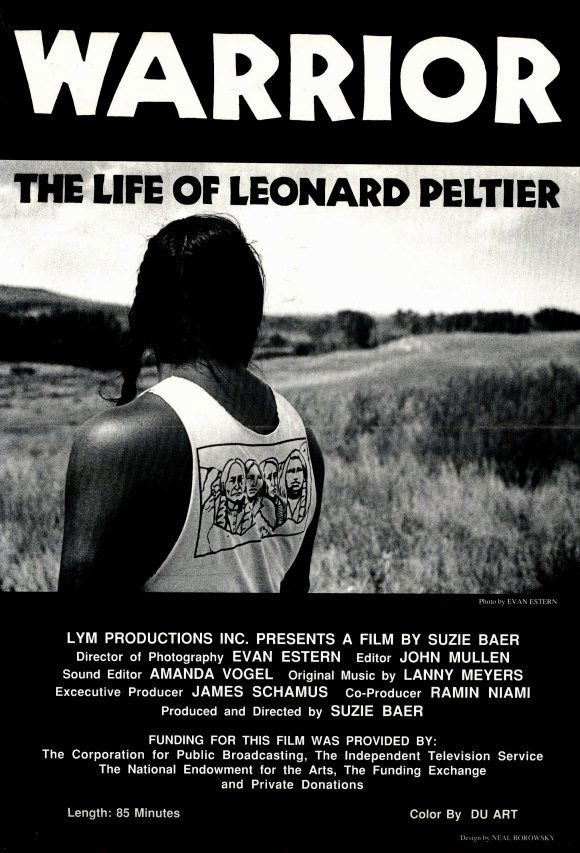
An intimate exploration of the circumstances surrounding the incarceration of Native American activist Leonard Peltier, convicted of murder in 1977, with commentary from those involved, including Peltier himself.
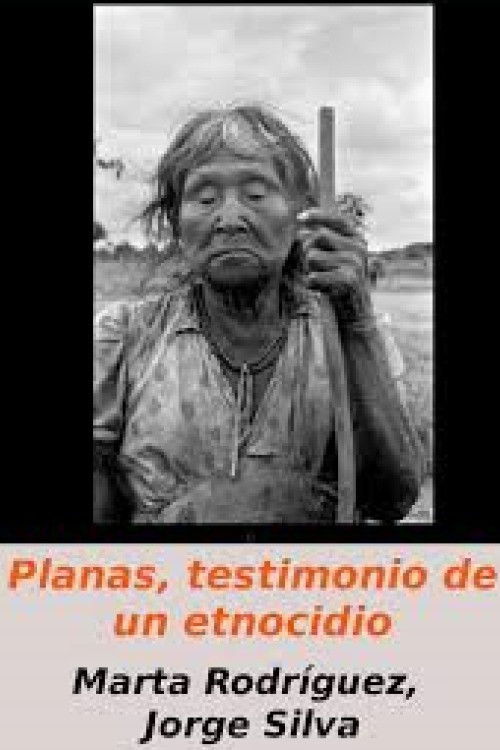
A documentary on the massacre of Planas in the Colombian east plains in 1970. An Indigenous community formed a cooperative to defend their rights from settlers and colonists, but the government organized a military operation to protect the latter and foreign companies.
Documentary about the life of three families living in the city of Boa Vista, north of Brazil. Some of them look for a more intense daily life going to parties, work and dealing with family trouble, others want to get back to the tribe. Personal crises and the search for their own identity are aspects that reveal great relevance.
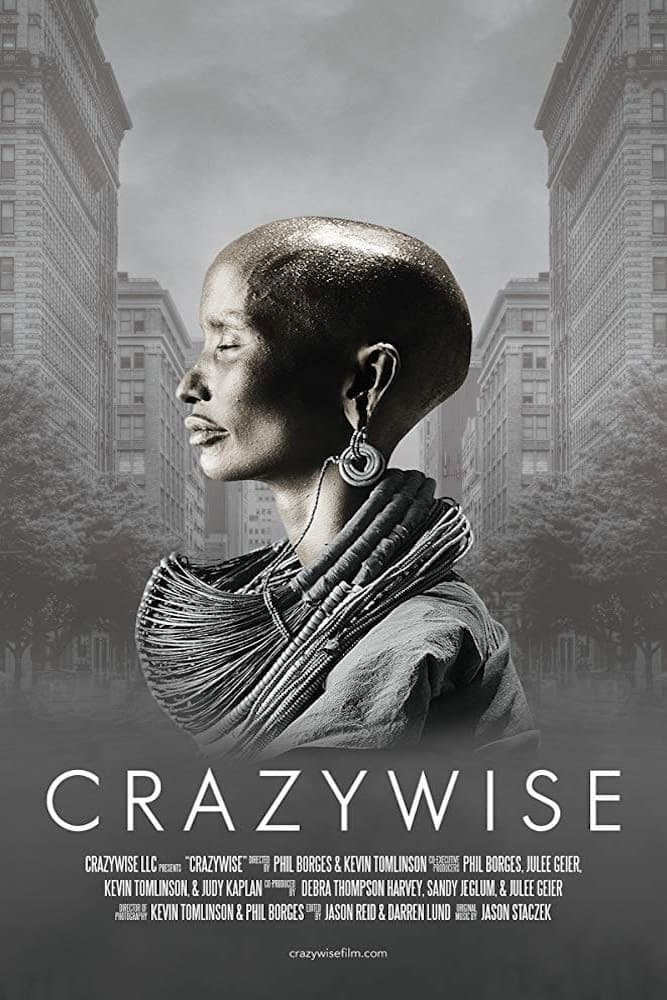
Western culture treats mental disorders primarily through biomedical psychiatry, but filmmakers Phil Borges and Kevin Tomlinson reveal a growing movement of professionals and survivors who are forging alternative treatments that focus on recovery and turning mental “illness” into a positive transformative experience.
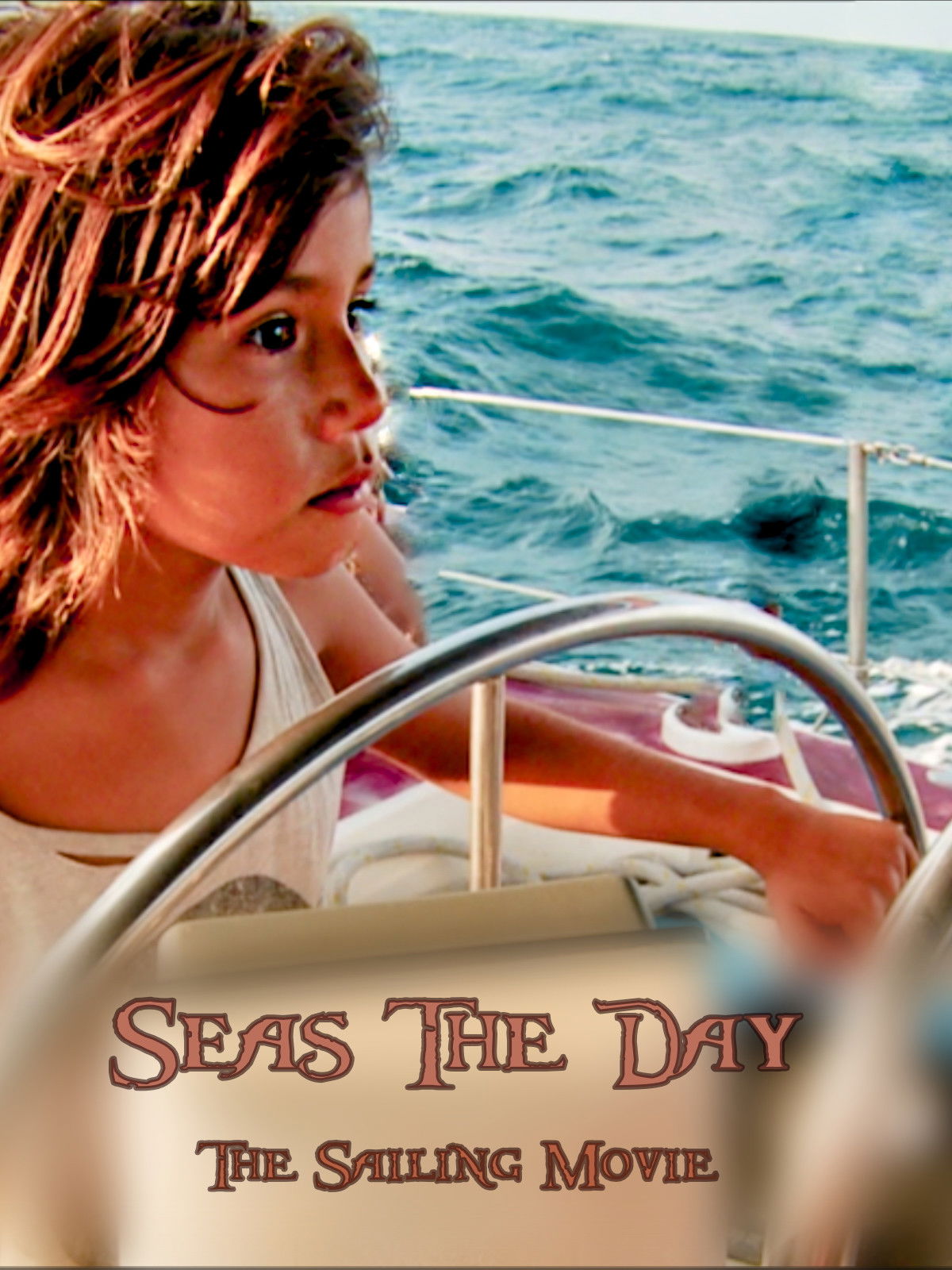
Seas the Day: The Sailing Movie is a genre-defying documentary that blends real-world adventure with deeply human storytelling. It transcends typical sailing documentaries by blending docu-fiction with a narrative inspired by Joseph Campbell’s classic The Hero's Journey. Directed by Ryan Luskin, an anthropologist and teacher, the film follows his family's quest across sixteen countries, learning life skills from diverse cultures.
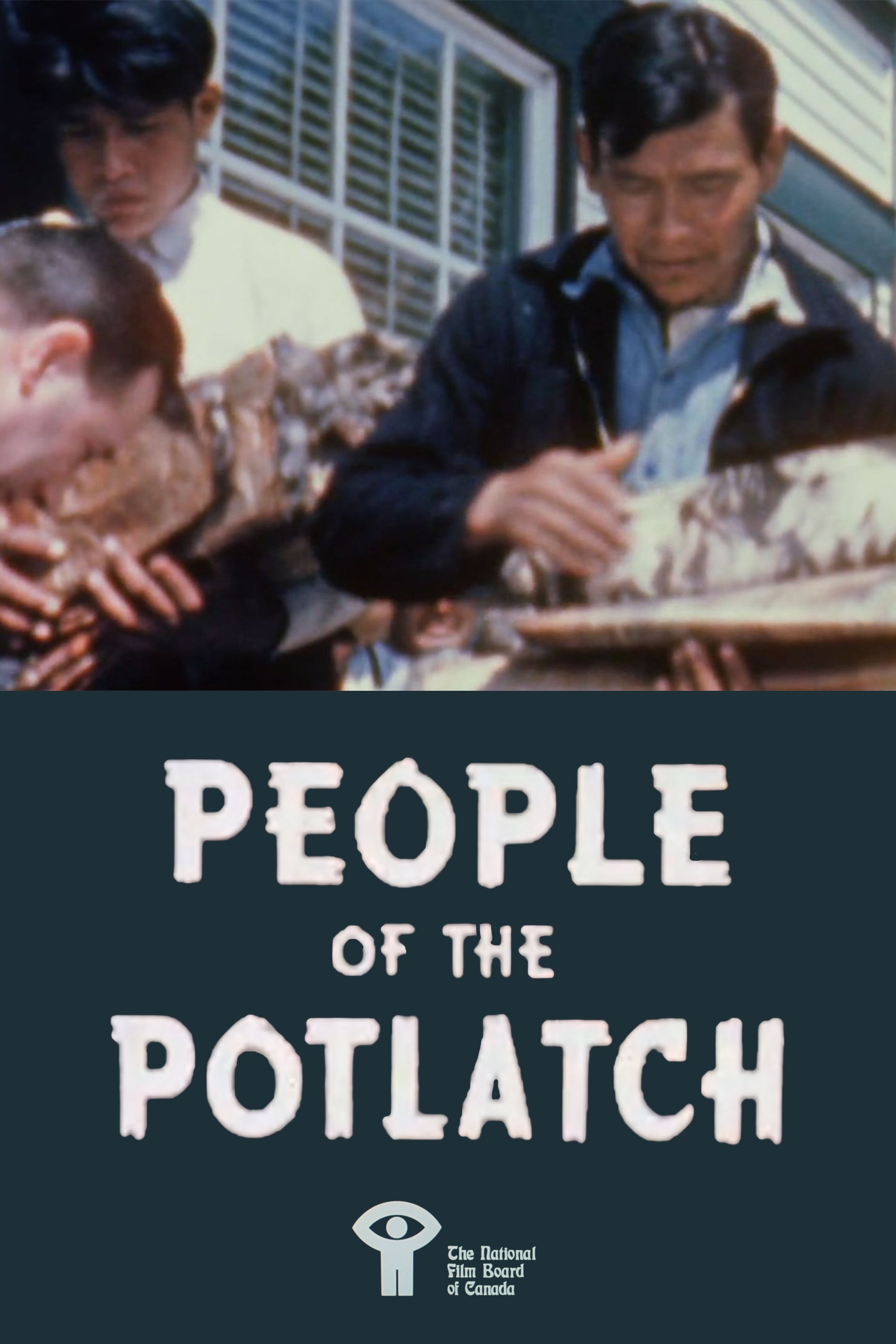
The Indigenous peoples of northern British Columbia still hunt and fish, using a combination of traditional ways and modern equipment and techniques where appropriate. Lumbering and trapping bring them money and goods. Their traditional arts and crafts, however, remain essentially unchanged. This archival film reflects the social and cultural values and beliefs prevalent at the time of production.
A short film highlighting the epidemic of missing indigenous men and women who have gone missing in Bighorn County, Montana. It features several victims' stories and interviews with their families and indigenous activists who are pushing for their cases to be re-examined and solved.
Somebody’s Daughter focuses on higher-profile MMIW cases, some of which were raised during the Senate Committee on Indian Affairs in December 2018. With historical points of reference, the victims’ and their families’ stories are told through the lens of the legal jurisdictional maze and socio-economic bondage that constricts Indian Country.
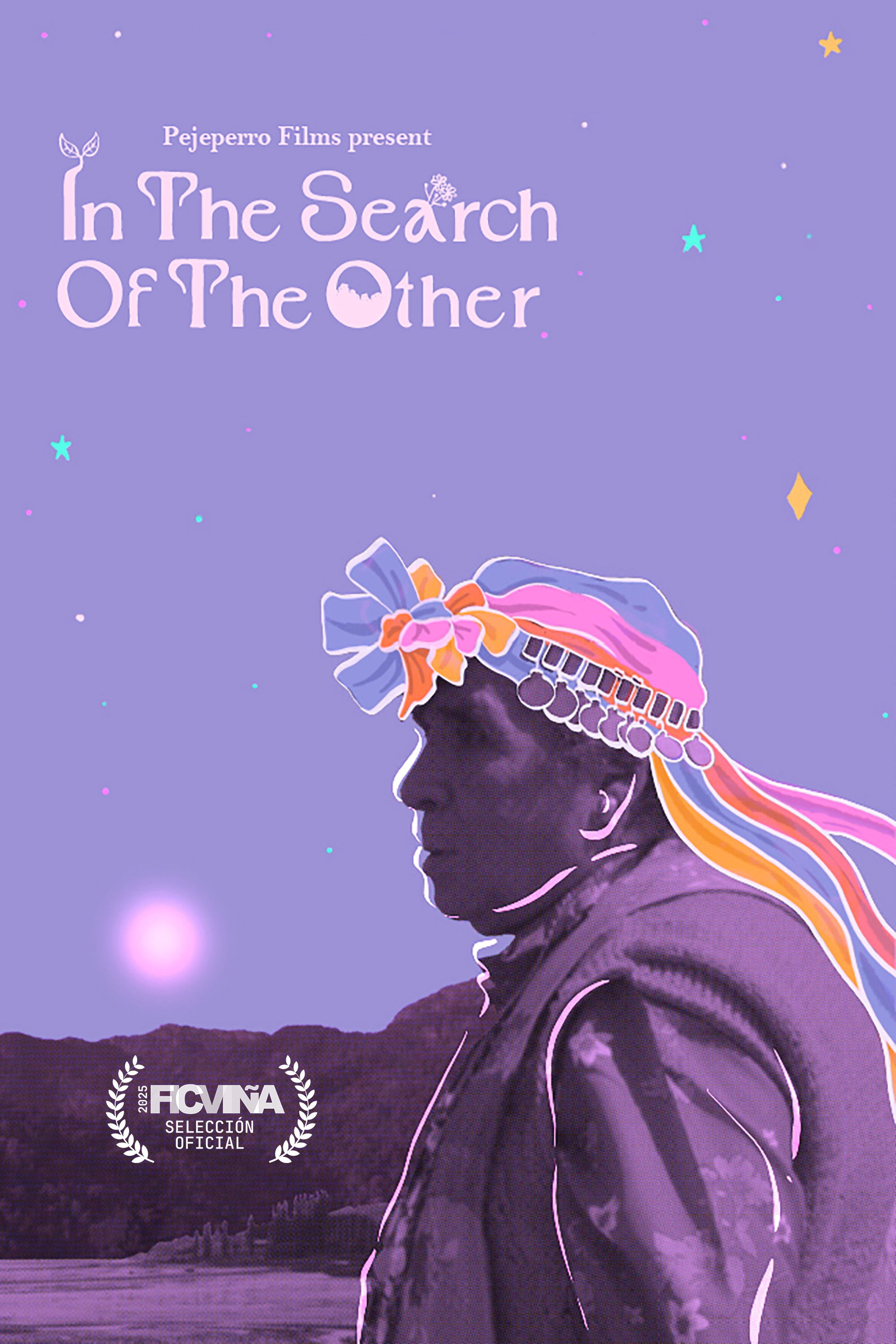
In 1995, the Chilean state made a grave mistake when it detained Marcelina (68), an Indigenous spiritual authority, a machi of the Mapuche people. The police stripped her of her jewelry and traditional clothing and sent her to a men’s prison despite her identifying as a woman. She was unjustly accused of murdering a patient through witchcraft, triggering feelings that led her to leave her community, even after her innocence was proven. Thirty years later, Cons (34) delves into her story—into a world foreign to her—confronting lessons and prejudices she had never known.
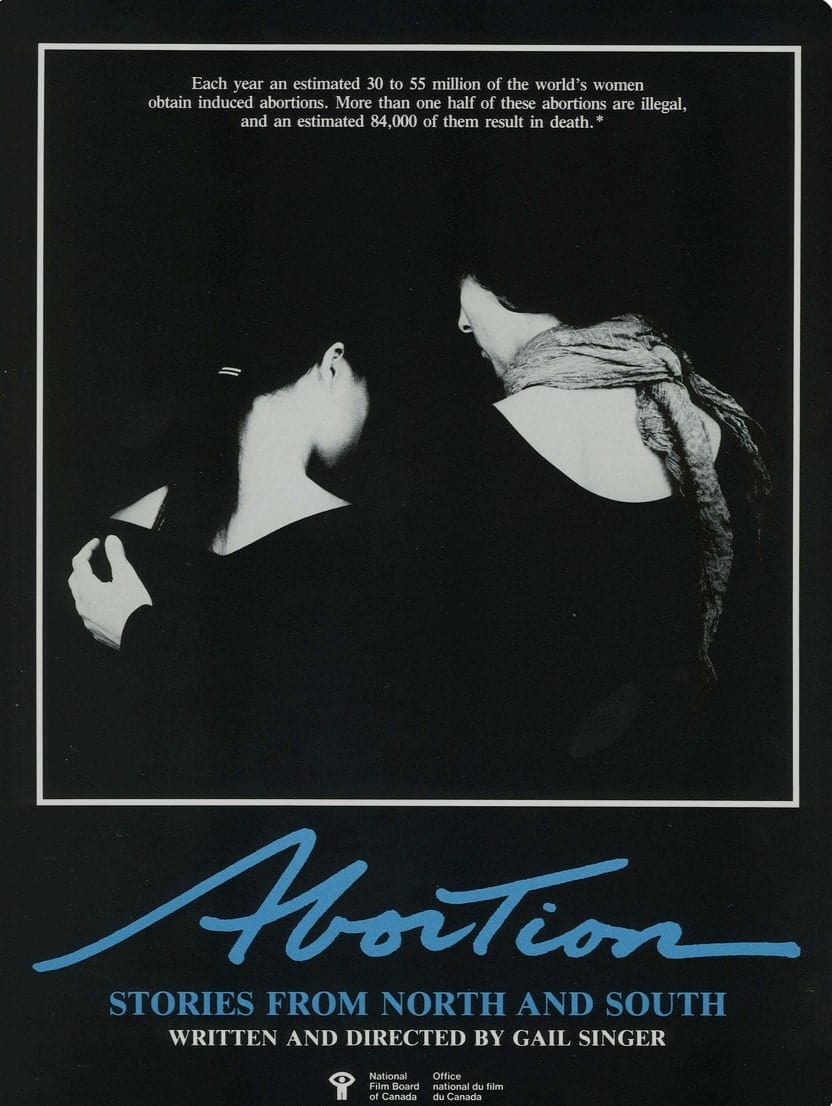
Women have always sought ways to terminate unwanted pregnancies, despite powerful patriarchal structures and systems working against them. This film provides a historical overview of how church, state and the medical establishment have determined policies concerning abortion. From this cross-cultural survey--filmed in Ireland, Japan, Thailand, Peru, Colombia, and Canada--emerges one reality: only a small percentage of the world's women has access to safe, legal operations.

In 1971, graduate student Gloria Orenstein received a call from Surrealist artist Leonora Carrington that sparked a lifelong journey into art, ecofeminism and shamanism. This short film uses art, animation and storytelling to celebrate this wild adventure. Now more than 40 years later, award-winning Dr. Gloria Feman Orenstein is a feminist art critic and pioneer scholar of women in Surrealism and ecofeminism in the arts. Her delightful tale brings alive an often unseen history of women in the arts.
Flora Bear’s youngest granddaughter searches for truth and answers about her Indigenous grandmother’s life.
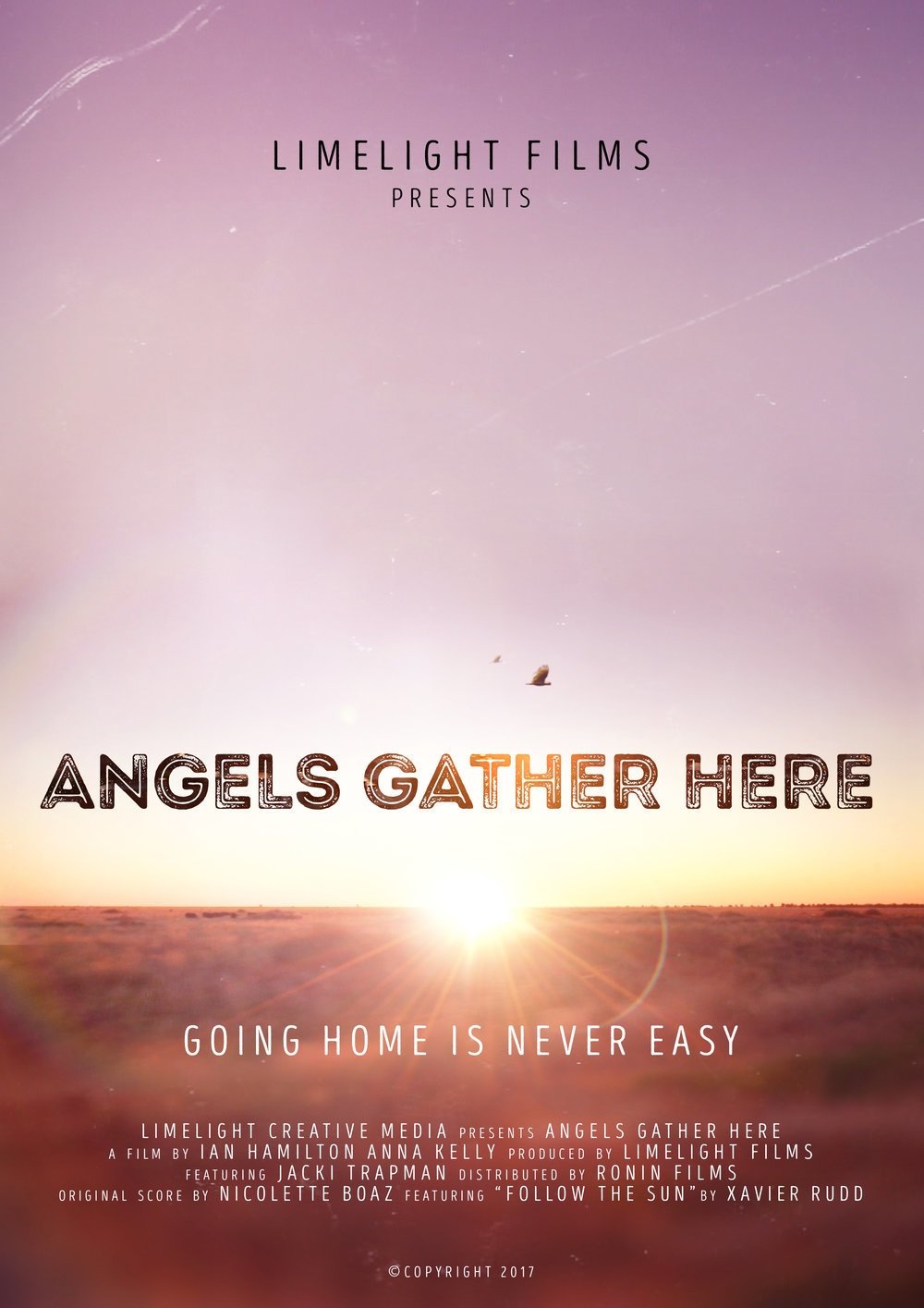
Angels Gather Here’ follows Jacki Trapman’s journey back to her hometown of Brewarrina to celebrate her parents, Bill and Barbara’s 60th Wedding Anniversary. Going home is never easy for Jacki. Amidst the family celebrations she reflects on her life; her story symbolising the strength, dignity and resilience of many Aboriginal people in the face of adversity.
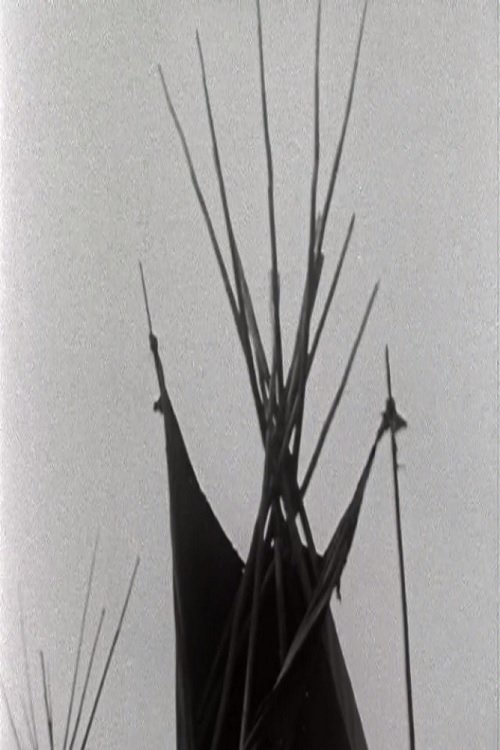
In 1977, Prince Charles was inducted as honorary chief of the Blood Indians on their reserve in southwestern Alberta. The ceremony, conducted in the great Circle of the Sun Dance, commemorated the centennial anniversary of the original signing of Treaty 7 by Queen Victoria.
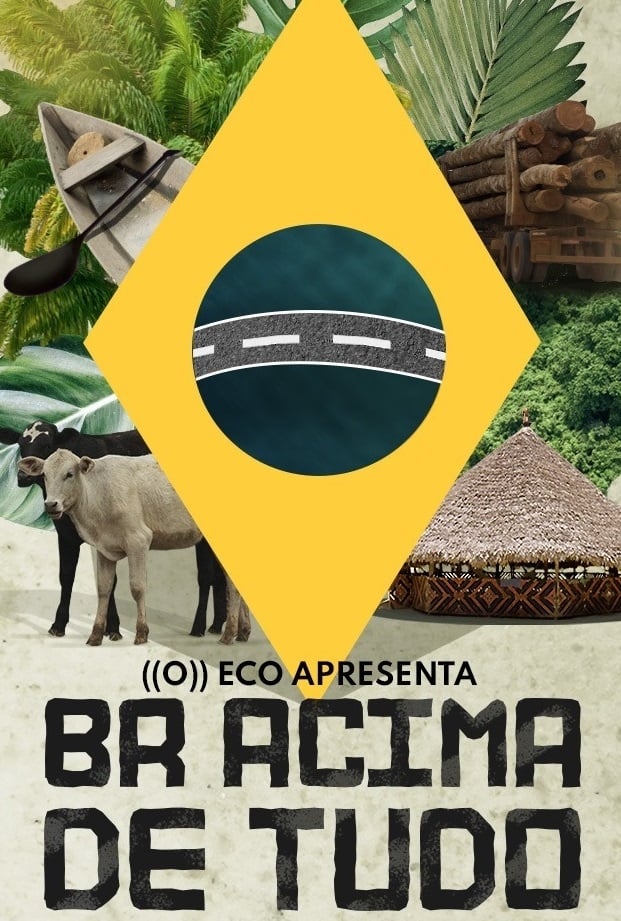
In the north of the state of Pará is the largest block of protected forests in the world; an area of Amazon rainforest the size of the UK and home to a multitude of stories. Indigenous people, ranchers, squatters, quilombolas, businessmen and politicians reflect in their own way the impacts of the possible expansion of the BR-163 into the forest, as far as the border with Suriname. The highway project was created at the time of the military dictatorship, and until today as a shadow over the region. But this is not a movie about a road. It is a film about the abysses that separate those who share the same land.
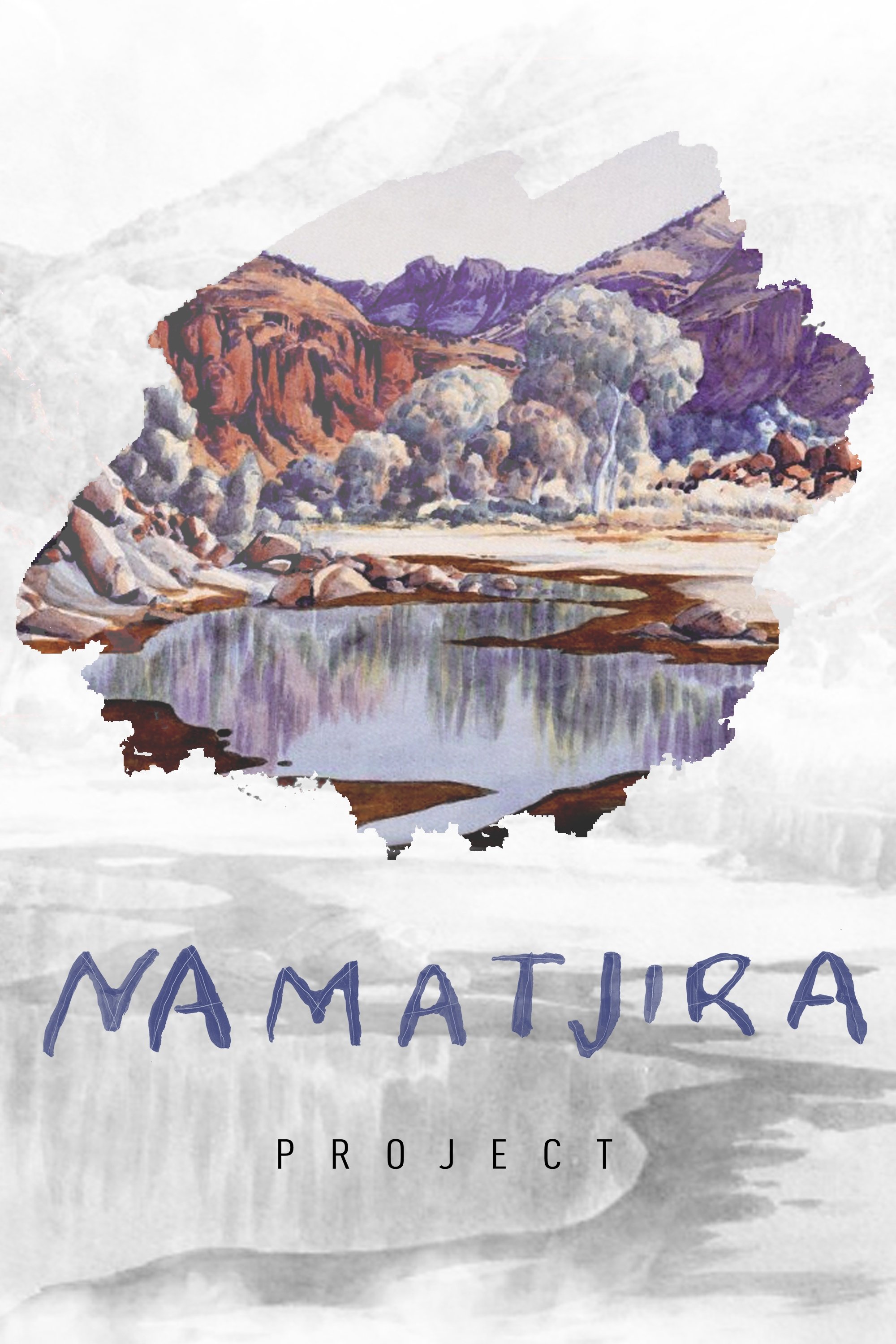
From the remote Australian desert to the opulence of Buckingham Palace - Namatjira Project is the iconic story of the Namatjira family, tracing their quest for justice.
Back from war in Afghanistan, a young British soldier struggling with depression and PTSD finds a second chance in the Amazon rainforest when he meets an American scientist, and together they foster an orphaned baby ocelot.
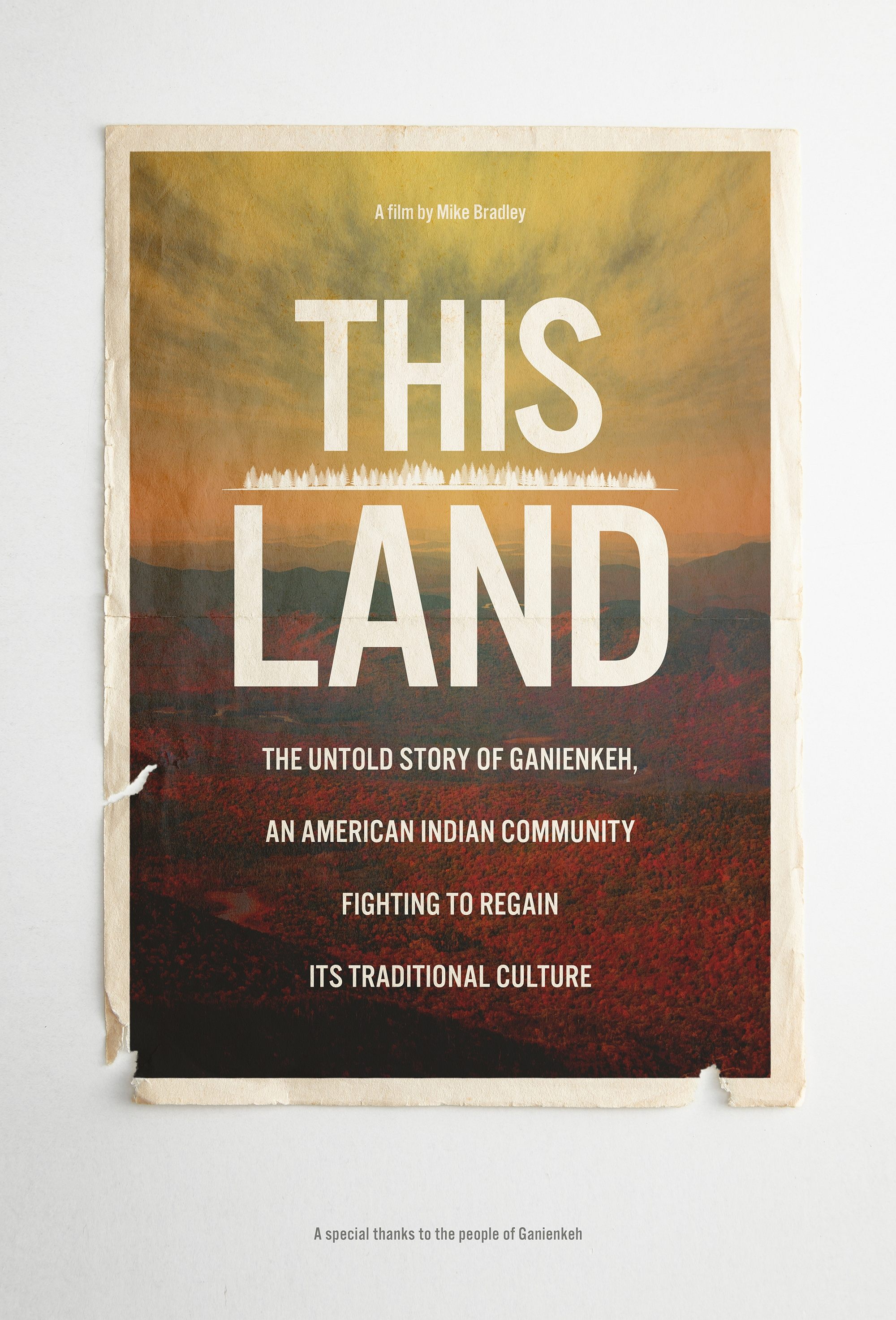
In 1974 a group of Mohawk Indians occupied a defunct girls camp in New York's Adirondack mountains and established a community they called Ganienkeh. Aiming to practice a more traditional lifestyle, and asserting aboriginal title to the land, they stayed for three years, having occasional violent clashes with the local residents. In 1977 they negotiated a (somewhat complicated) land swap with the State, and agreed to move to a permanent home near Plattsburgh, New York, where they remain today. Ganienkeh is one of the only examples of an indigenous people successfully reclaiming land from the United States, but it may not be the last.
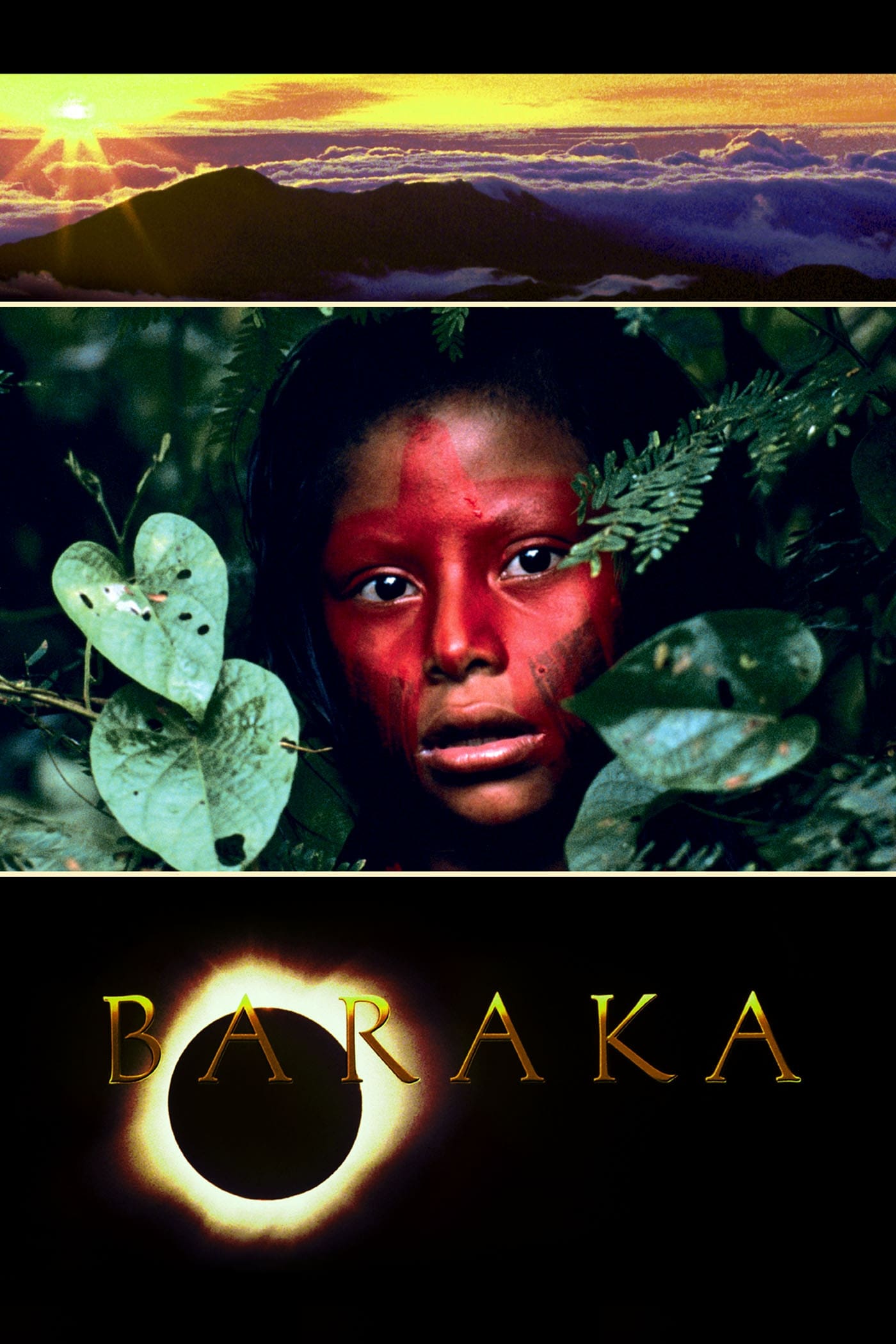
A paralysingly beautiful documentary with a global vision—an odyssey through landscape and time—that attempts to capture the essence of life.
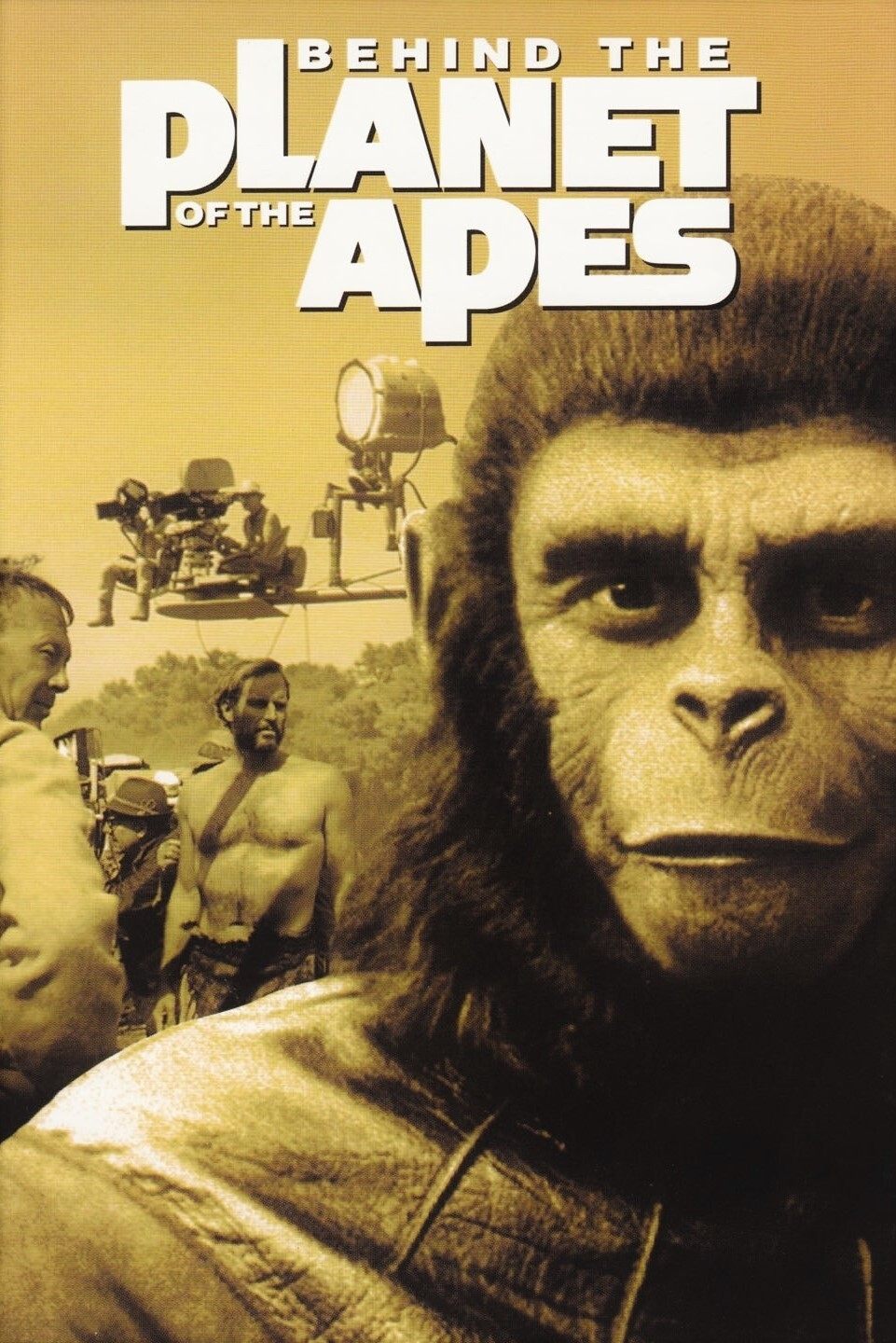
Roddy McDowall takes you, film by film, from production meetings to make-up sessions, then right onto the movie set to see the actual filming of the science fiction masterpiece. The most comprehensive history of Planet of the Apes ever created, this fascinating 127-minute documentary explores one of the most imaginative and influential series in movie history.
A documentary about how a dominant cultural and demographic institution both sustains their traditional activities and adapts to the digital revolution.
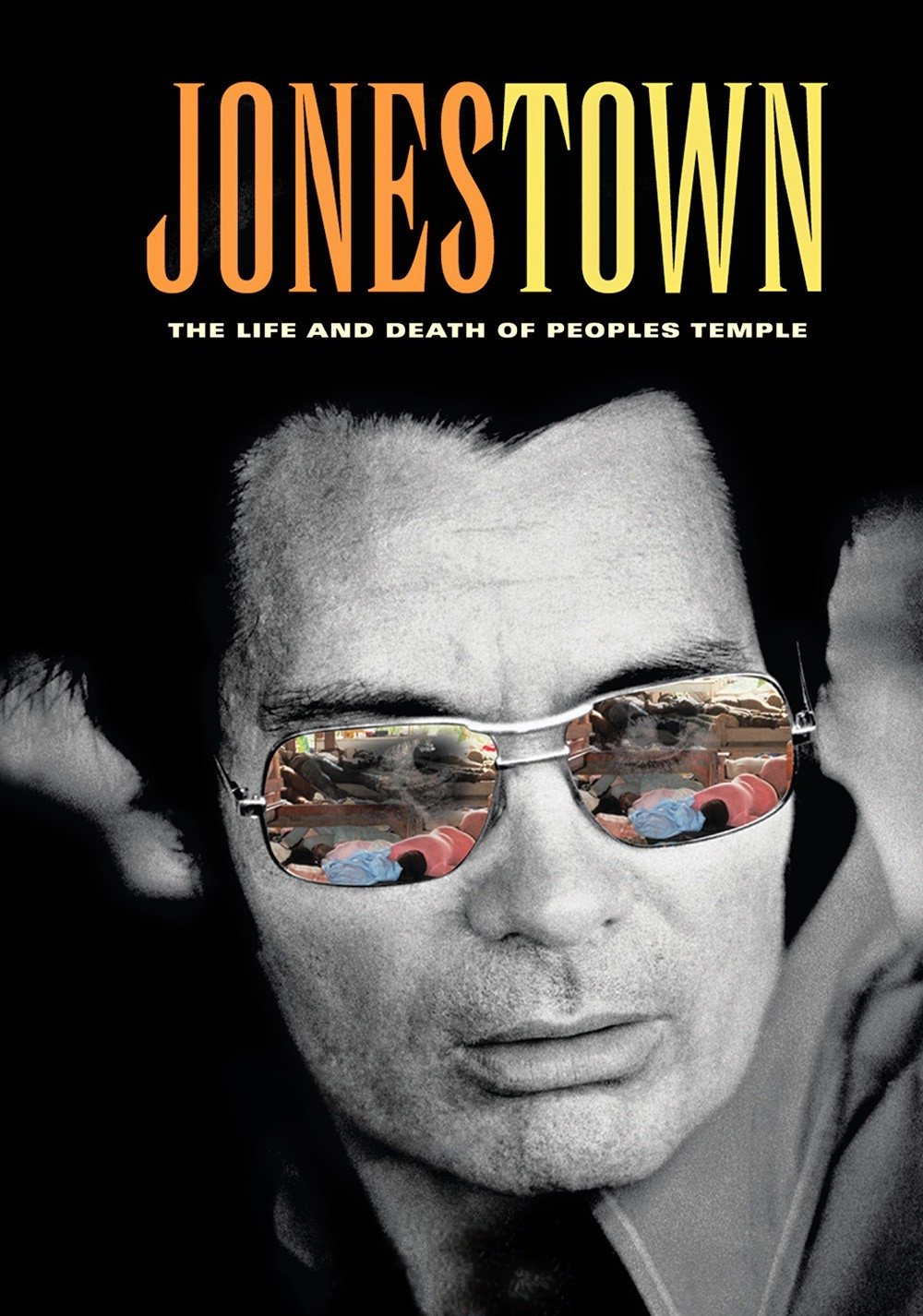
Featuring never-before-seen footage, this documentary delivers a startling new look at the Peoples Temple, headed by preacher Jim Jones who, in 1978, led more than 900 members to Guyana, where he orchestrated a mass suicide via tainted punch.
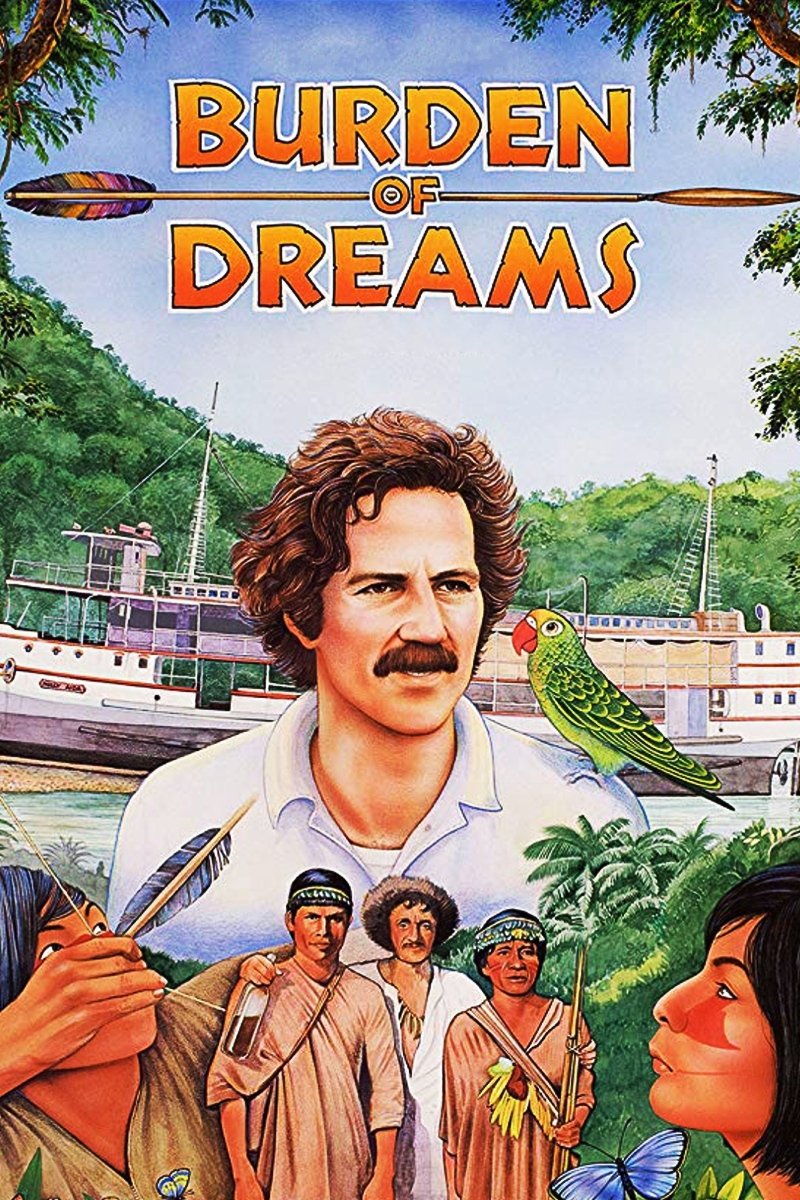
The Amazon rain forest, 1979. The crew of Fitzcarraldo (1982), a film directed by German director Werner Herzog, soon finds itself with problems related to casting, tribal struggles and accidents, among many other setbacks; but nothing compared to dragging a huge steamboat up a mountain, while Herzog embraces the path of a certain madness to make his vision come true.
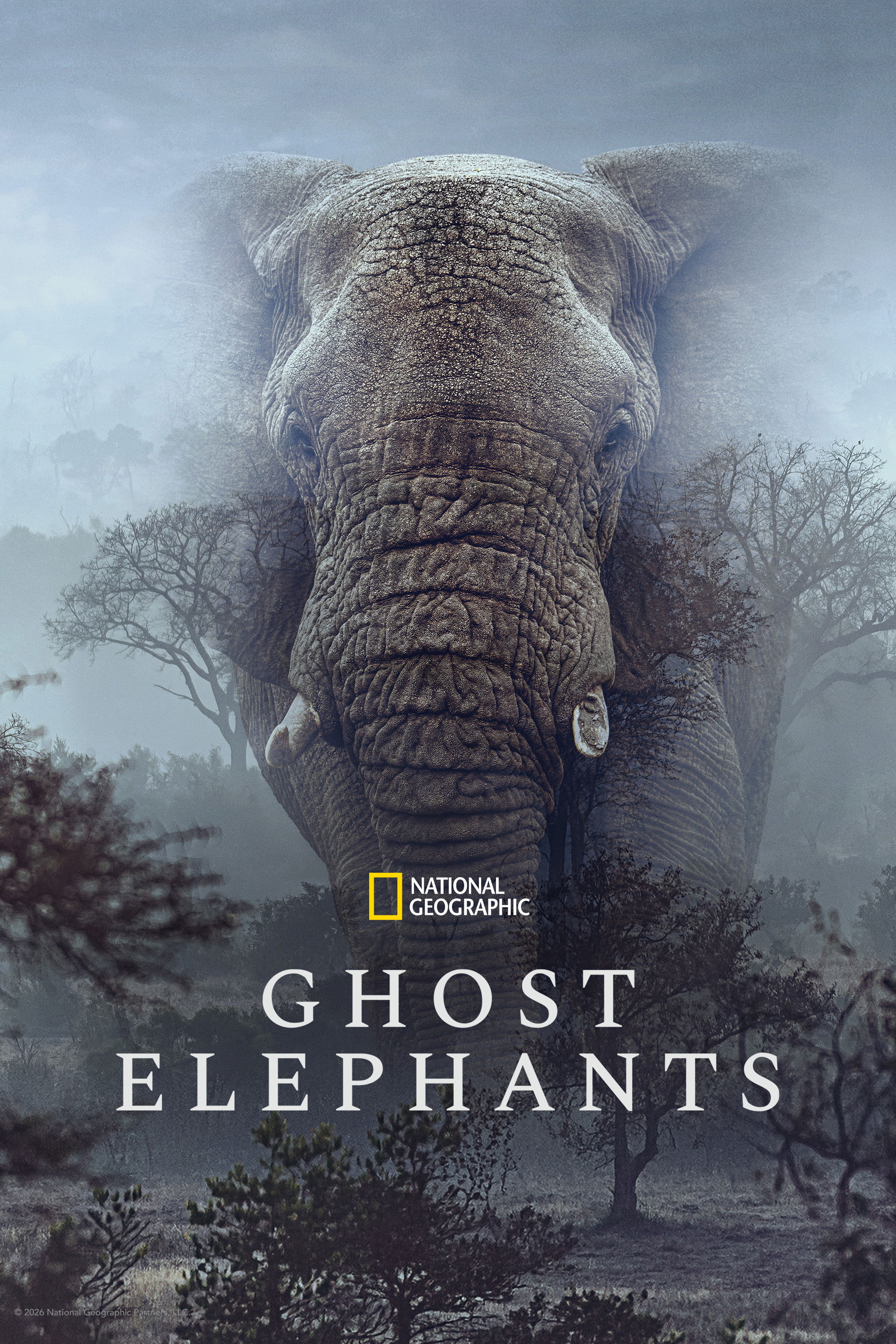
In Angola's mist-shrouded highlands, three KhoiSan master trackers embark on a spiritual quest to rediscover the legendary "ghost elephants" of Lisima, creatures presumed lost but remembered in ancestral trance, ritual, and memory.
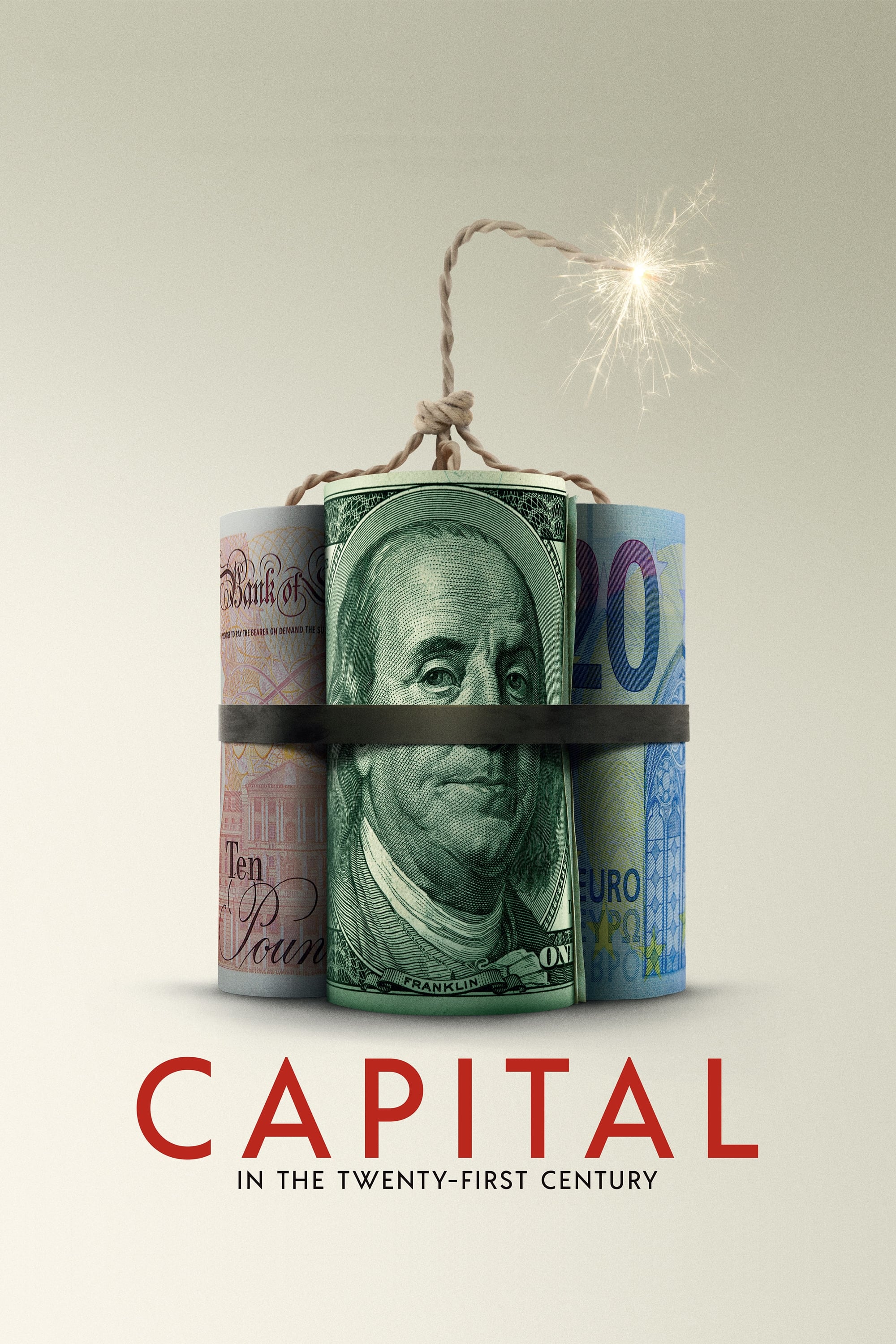
Film adaptation of French economist Thomas Piketty's ground-breaking global bestseller of the same name: an eye-opening journey through wealth and power.
A non-narrated documentary following the lovesome lives of four infants from birth to their first birthday. The babies featured are two from rural areas: Ponijao from Opuwo, Namibia, and Bayar from Bayanchandmani, Mongolia, as well as two from urban areas: Mari from Tokyo, Japan, and Hattie from San Francisco, USA.
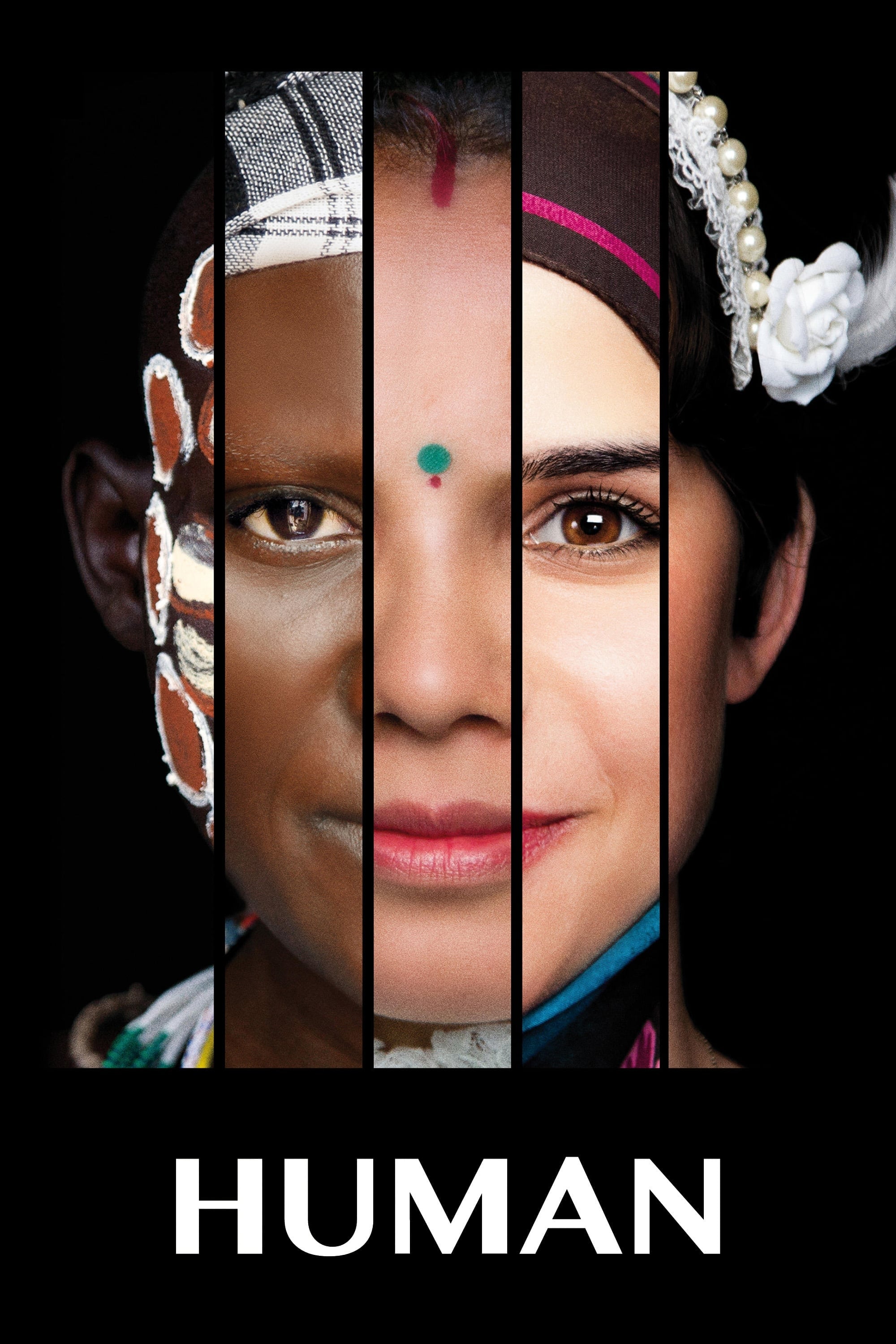
A collection of stories about and images of our world, offering an immersion to the core of what it means to be human. Through these stories full of love and happiness, as well as hatred and violence, it brings us face to face with the Other, making us reflect on our lives. From stories of everyday experiences to accounts of the most unbelievable lives, these poignant encounters share a rare sincerity and underline who we are – our darker side, but also what is most noble in us, and what is universal. Our Earth is shown at its most sublime through never-before-seen aerial images accompanied by soaring music, resulting in an ode to the beauty of the world, providing a moment to draw breath and for introspection. This film is a politically engaged work which allows us to embrace the human condition and to reflect on the meaning of our existence.
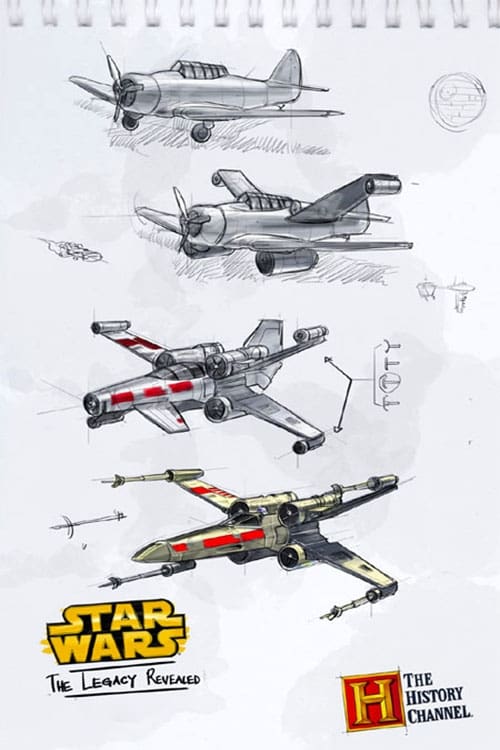
The special focuses on how Star Wars is relevant today and the history that inspired it, and also makes various connections to Greek mythology. It consists of several interviews with well-known politicians, journalists, and critics, along with historical content and clips from all six of the Star Wars movies.
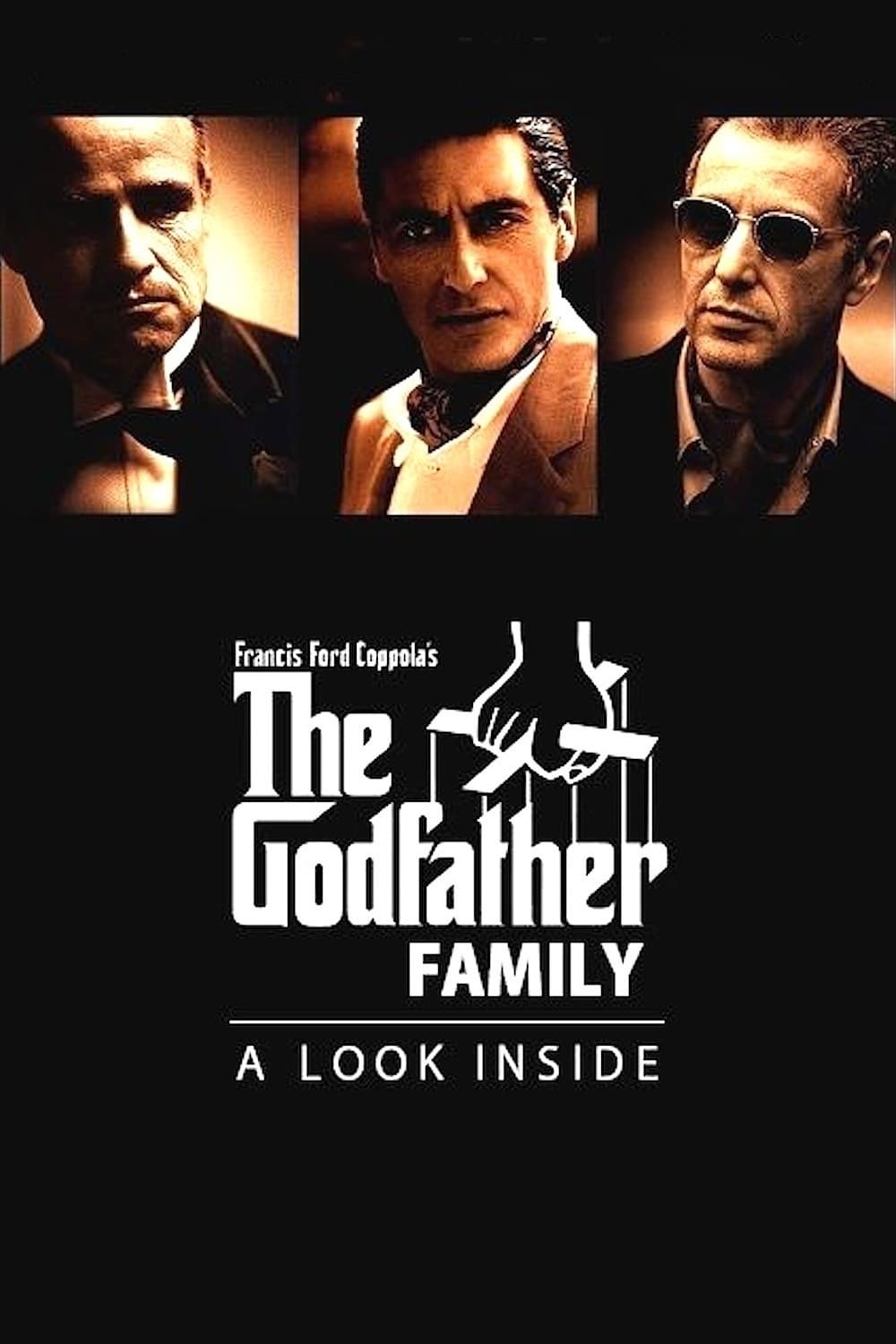
A documentary on the making of the three Godfather films, with interviews and recollections from the film makers and cast. This feature also includes the original screen tests of some of the actors for "The Godfather" film, and some candid moments on the set of "The Godfather: Part III."
A documentary about the making of David Fincher's 2008 film THE CURIOUS CASE OF BENJAMIN BUTTON. Virtually every element in the evolution of the Fincher's film is documented here, from the project's attachment to numerous other directors during the 1990s, to its shoot in 2006 and 2007 in New Orleans, to its complex, CGI-intensive postproduction process.
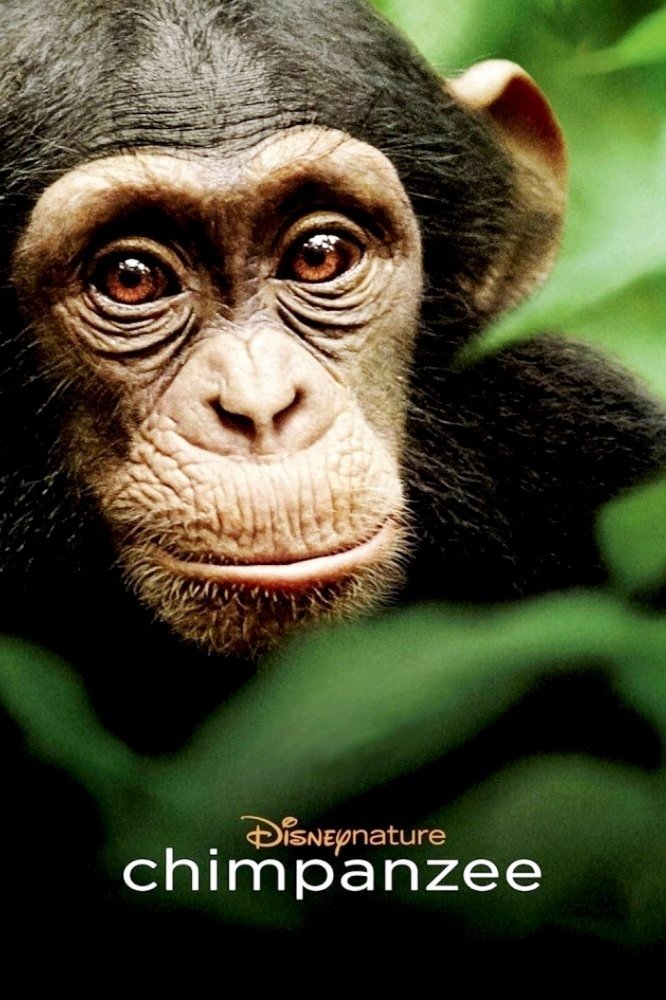
A nature documentary centered on a family of chimps living in the Ivory Coast and Ugandan rain forests. Through Oscar, a little chimpanzee, we discover learning about life in the heart of the African tropical forest and follow his first steps in this world with humor, emotion and anguish. Following a tragedy, he finds himself separated from his mother and left alone to face the hostility of the jungle. Until he is picked up by an older chimpanzee, who will take him under her protection.
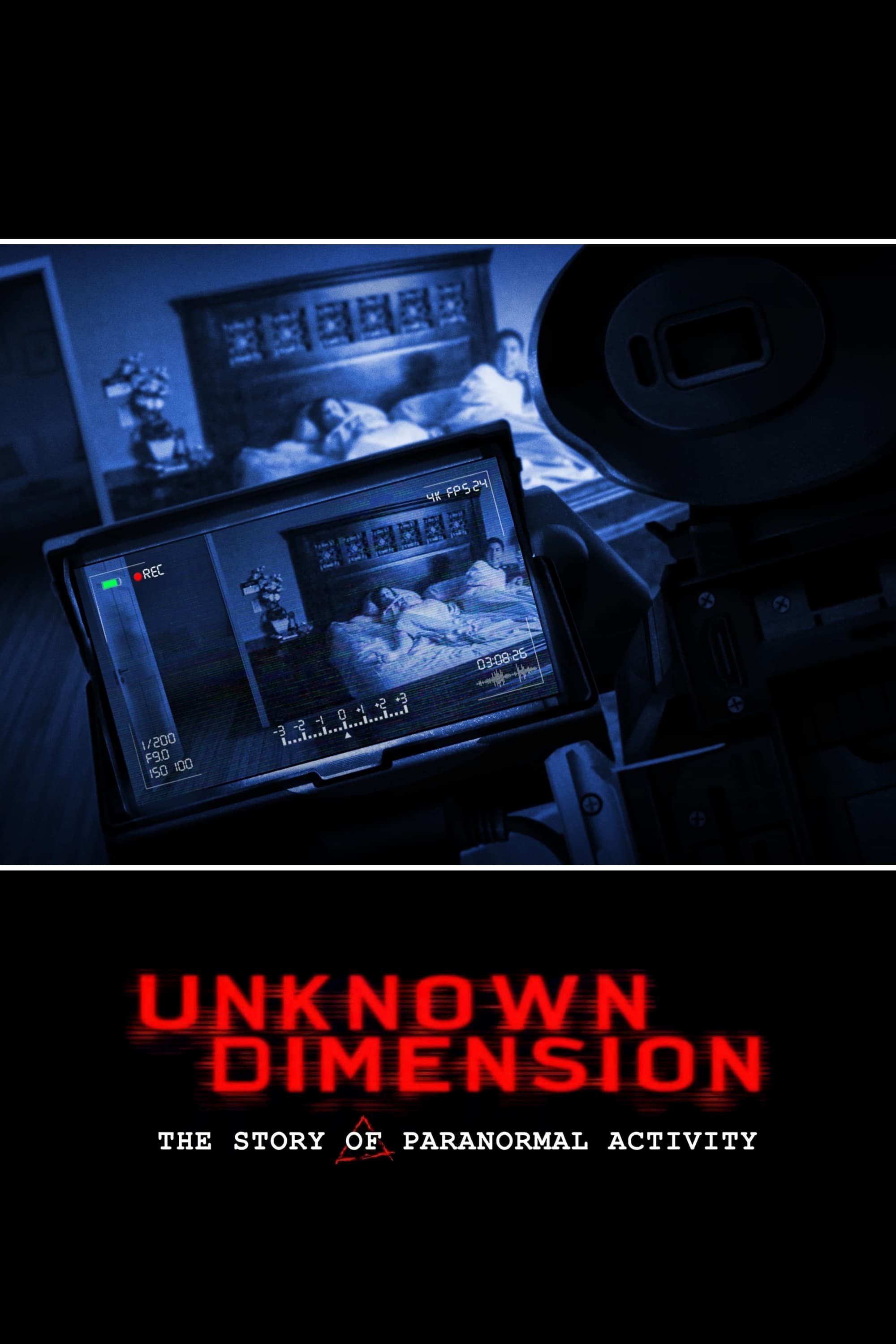
A deep dive into the making of the Paranormal Activity films with first time ever interviews with cast and crew, never-before-seen footage from the movies, and a preview of the seventh installment in the franchise.
Canadian acting legend William Shatner takes viewers inside the creation of Star Trek: The Next Generation, the bold attempt in 1986 to recreate the success of the original television series, in which Shatner played Captain James T. Kirk.
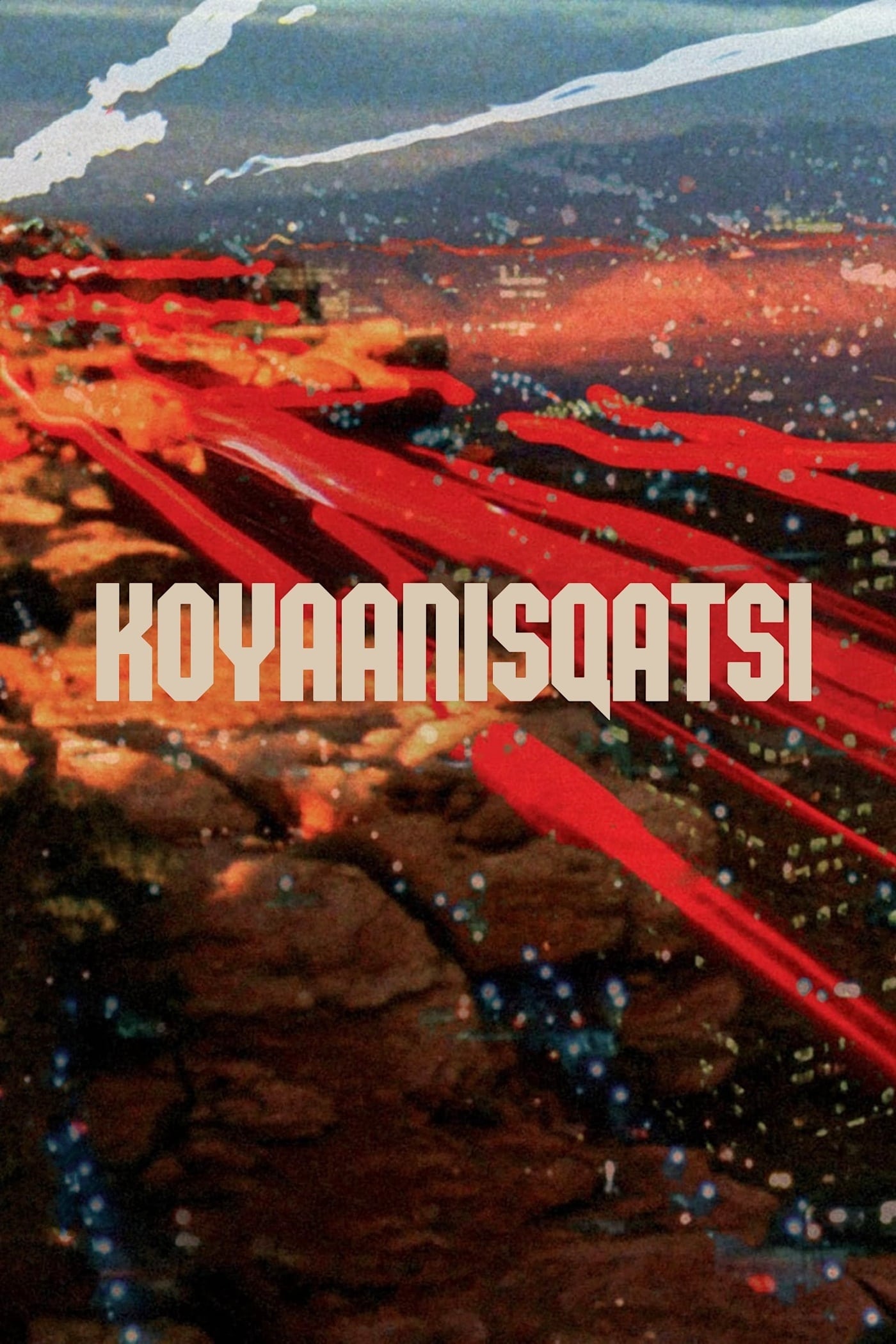
Takes us to locations all around the US and shows us the heavy toll that modern technology is having on humans and the earth. The visual tone poem contains neither dialogue nor a vocalized narration: its tone is set by the juxtaposition of images and the exceptional music by Philip Glass.
A woman narrates the thoughts of a world traveler, meditations on time and memory expressed in words and images from places as far-flung as Japan, Guinea-Bissau, Iceland, and San Francisco.
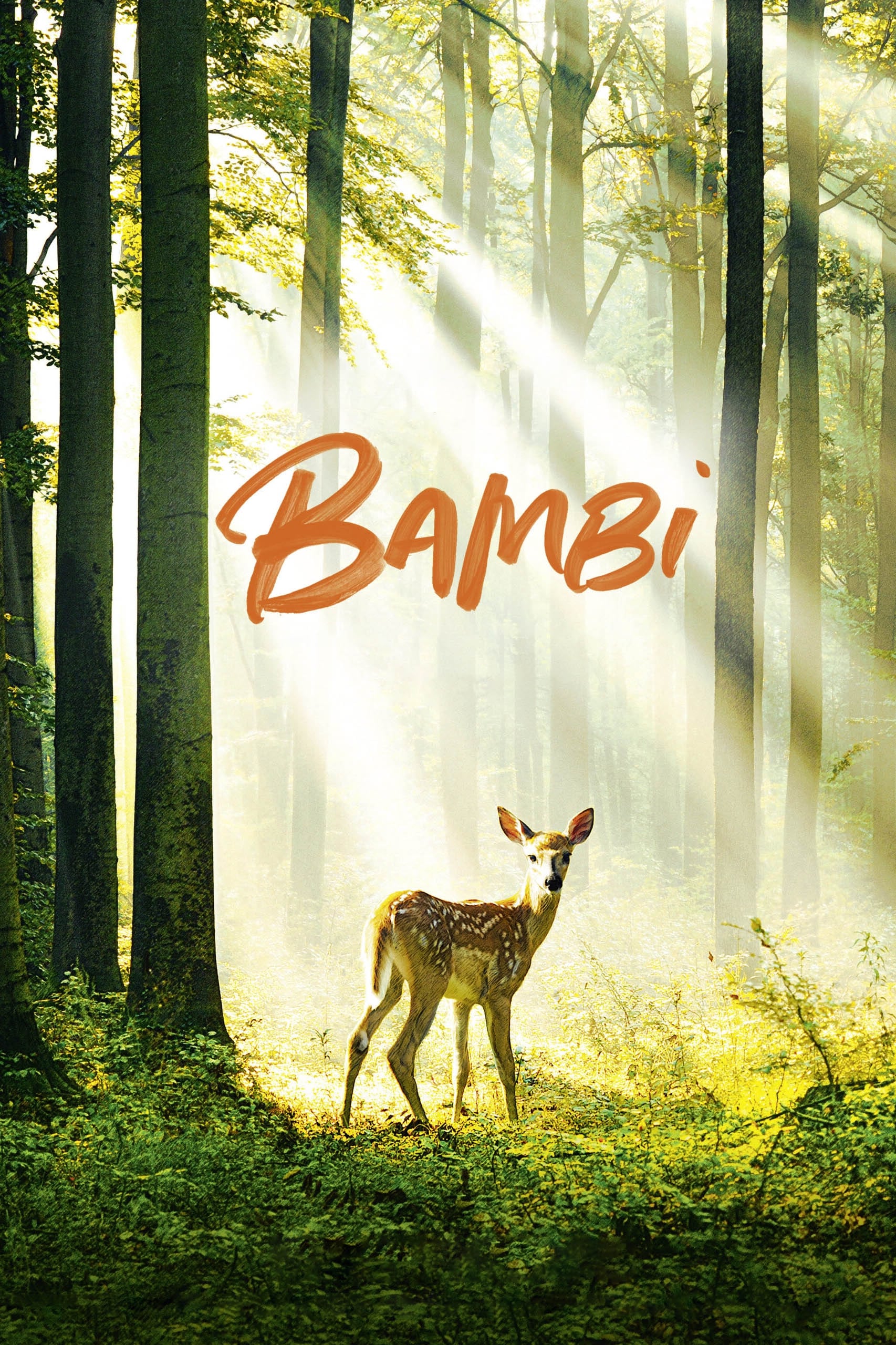
The life of Bambi, a male roe deer, from his birth through childhood, the loss of his mother, the finding of a mate, the lessons he learns from his father, and the experience he gains about the dangers posed by human hunters in the forest.
The film follows adventurer Jeff Johnson as he retraces the epic 1968 journey of his heroes Yvon Chouinard and Doug Tompkins to Patagonia.
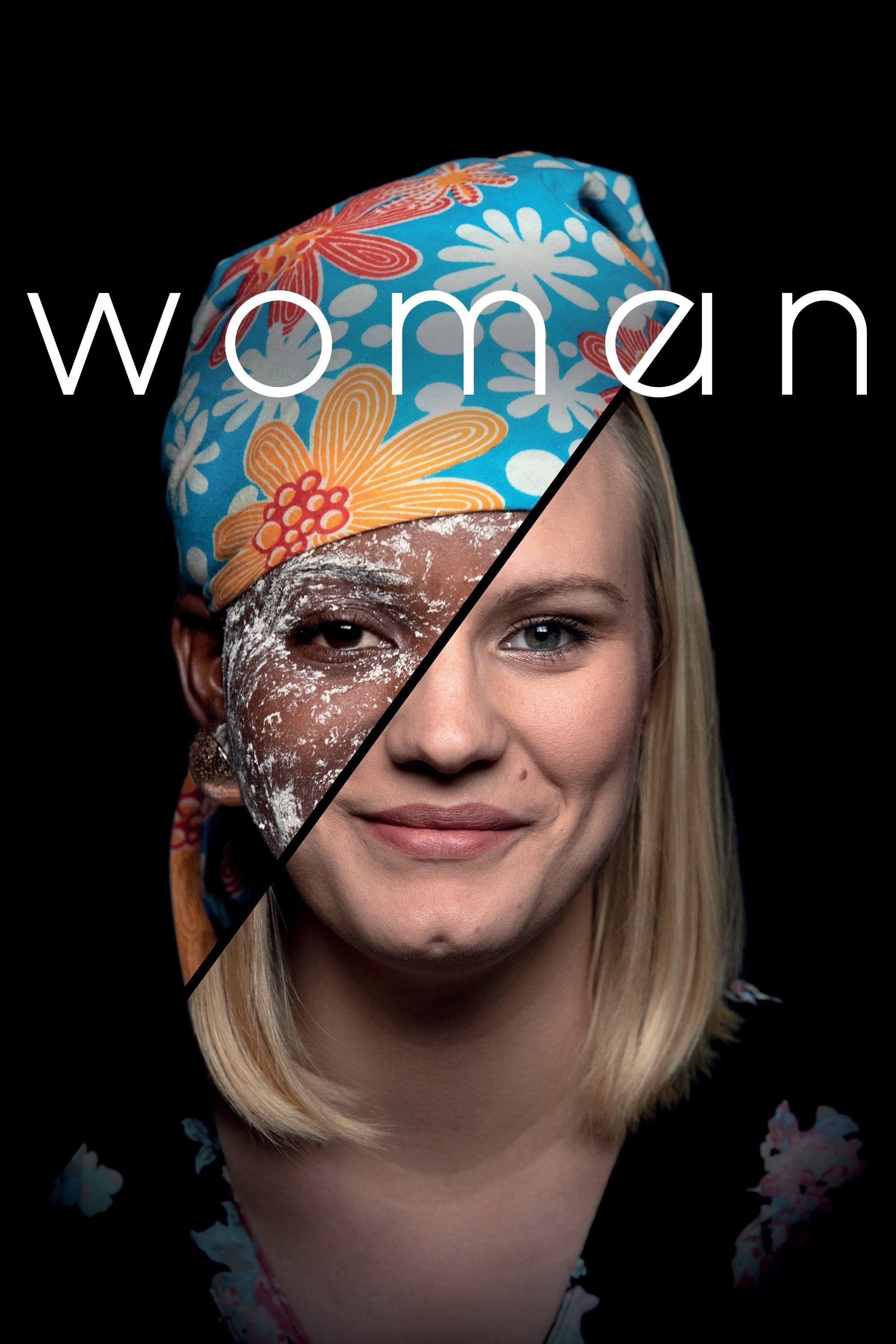
The film is based on interviews with 2,000 women from 50 countries, and covers the status of women all over the world. The topics covered include forced marriages, sexual assault, female genital mutilation, acid attacks, motherhood, sexuality, menstruation, education and the professional success of women.