Social & External
The people behind it
Mišel Matičević
Manfred Brettschneider
Stephan Kampwirth
Lutz Lenarth
Loretta Pflaum
Sigrid
Katrin Bühring
Regine Lehmann
Robert Gwisdek
Lutz als Jugendlicher
Philipp Danne
Manfred als Jugendlicher
Max Mauff
Philip als Jugendlicher
Jannik Büddig
Bernd als Jugendlicher
Arndt Schwering-Sohnrey
Philipp Blaschke
Werner Wölbern
Berg
The movie's plot is based on the true story of a group of young computer hackers from Hannover, Germany. In the late 1980s the orphaned Karl Koch invests his heritage in a flat and a home computer. At first he dials up to bulletin boards to discuss conspiracy theories inspired by his favorite novel, R.A. Wilson's "Illuminatus", but soon he and his friend David start breaking into government and military computers. Pepe, one of Karl's rather criminal acquaintances senses that there is money in computer cracking - he travels to east Berlin and tries to contact the KGB.
18-year-old school boy Helmut falls in love with fellow pupil Britta. He starts working for a Peace movement to get to know Britta. Britta, however, suddenly moves to San Francisco to live with her father and whilst there, finds a new boyfriend. Helmut studies, literature and politics in his home town and have a relationship with another girl from his former school, now studying medicine at the same university but they break up after having an affair with her roommate. Helmut begins a lot of short affairs with different women but still searches for his first girl.
On August 13th, 1961 - the night that the Berlin Wall goes up - three people must make a decision that will change their lives forever.
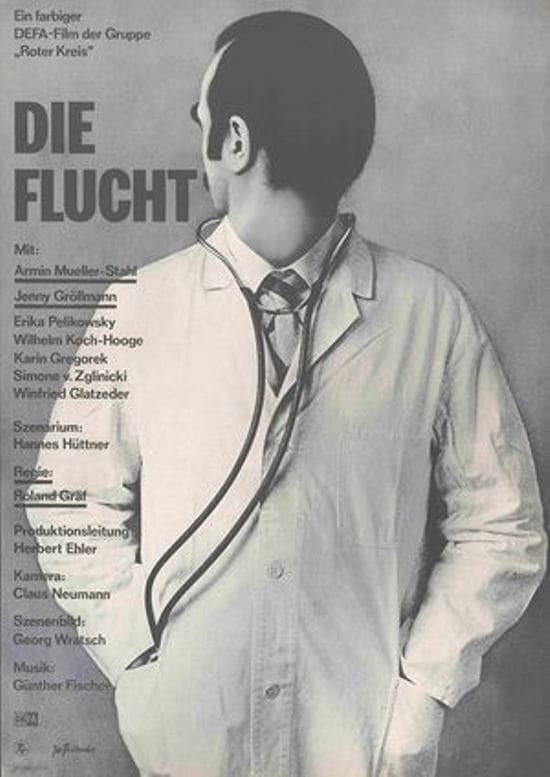
When Dr. Schmith's proposal for international research on infant mortality is rejected, he decides to leave East Germany and strikes a deal with an escape agency that promises him a leading position at a children's hospital in West Germany. But then the decision is reversed: the project is approved and his international colleagues want Dr. Schmith to head the GDR section. Moreover, he falls in love with his new colleague, Katharina. Schmith initially tries to ignore the arrangements he made with the escape agency, but they blackmail him. Things soon turn deadly...
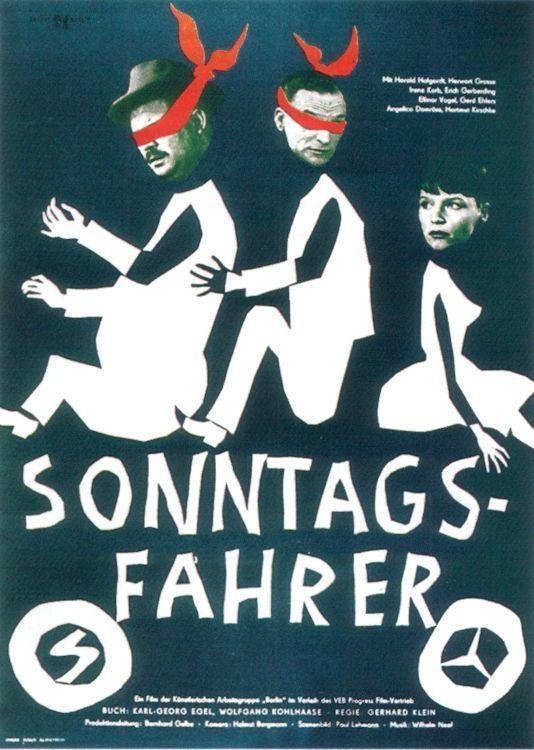
On August 12, 1961, eight people in three cars set off for Berlin from Leipzig. They want to go to the West. The initiator is the philistine Spiessack, who drives the others, who have embarked on the adventure with mixed feelings. It becomes a journey with numerous incidents and panic, which causes the different characters to clash. When they finally arrive in Berlin the next day, they are not allowed to cross the border. The only option is to return. At home, Spiessack is met by a policeman in his living room - with the slogan "We'll be back" written on the wall.
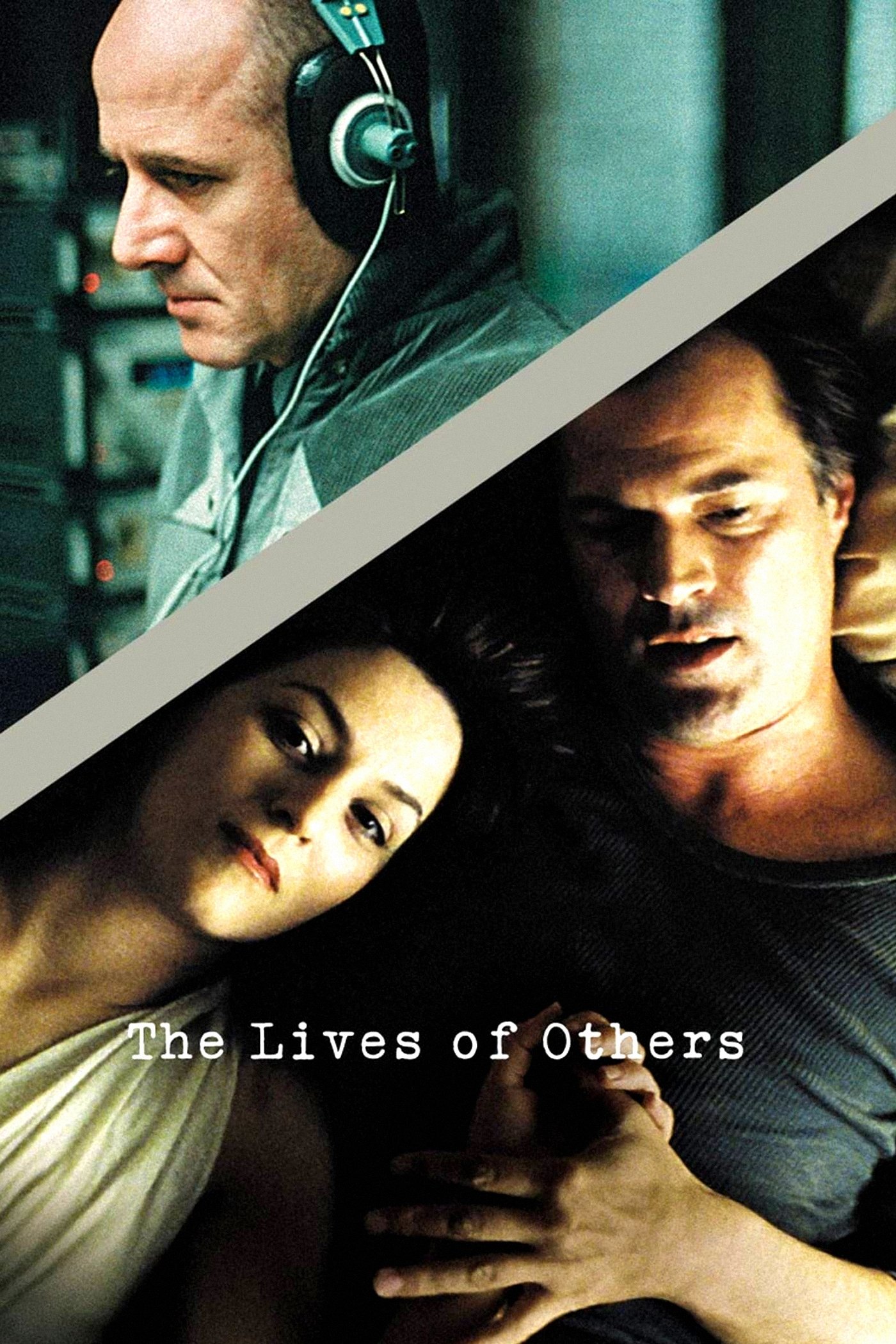
In 1984 East Berlin, dedicated Stasi officer Gerd Wiesler begins spying on a famous playwright and his actress-lover Christa-Maria. Wiesler becomes unexpectedly sympathetic to the couple, and faces conflicting loyalties when his superior takes a liking to Christa-Maria.
Two angels, Damiel and Cassiel, glide through the streets of Berlin, observing the bustling population, providing invisible rays of hope to the distressed but never interacting with them. When Damiel falls in love with lonely trapeze artist Marion, the angel longs to experience life in the physical world, and finds — with some words of wisdom from actor Peter Falk — that it might be possible for him to take human form.
When Martin, a former GDR citizen, is released from jail, he lately becomes confronted with the consequences of the German re-unification.
Alex Kerner's mother was in a coma while the Berlin wall fell. When she wakes up he must try to keep her from learning what happened (as she was an avid communist supporter) to avoid shocking her which could lead to another heart attack.
A quintet of cabbies in five cities and their remarkable fares on the same eventful night.
After the fall of the Berlin Wall, Lena, from East Germany travels to Hollywood. After landing she loses her bag and can't find her hotel. She befriends a cab driver who doesn't believe someone is out to get her.
Ingo Hasselbach, whose parents were Communist Party members in East Germany during his childhood, has lived at both ends of the political seesaw. The question of how people reach a change of heart is a profound one; Hasselbach describes the external forces that led to his founding Germany's first neo-Nazi political party and the internal ones that led him away from it five years later.
Germany 1982: The country is divided into two parts. Nele, coming from West-Germany, travels to East-Germany where she meets Captain, singer of a band. They fall in love with each other, but the regime "takes care" of their relationship, meaning: They can not see each other again. Germany 1990: The country is reunited. Nele starts searching their lost love...
Radical West German terrorist Rita Vogt abandons the revolution and settles in East Germany with a new identity provided by the secret service. She lives in constant fear of having her cover blown.
Flanders, a famous female author, travels in 1989 after the fall of the Berlin wall into the German capital. She is deeply depressed by the events because she saw the communist state as a very good thing that has now ended. In the joy of these days she finds no one to understand her, so she has to travel back to Munich. After meeting several people, known and unknown, it seems as if there will be no way to go.
15-year-old Elfie literally and metaphorically inhabits a no-man’s-land between the two Germanies shortly after the fall of the Berlin Wall. The film deploys a neorealist aesthetic to reinforce the difficulties confronting the girl, and by inference, Germany.
High-school senior Peter considers the adults around him to be hypocritical, self-congratulatory, and immersed in the past. He gets suspended for writing an essay that his teachers consider to be a challenge to the state. Just Don't Think I'll Cry became one of twelve films and film projects-almost an entire year's production-that were banned in 1965-1966 due to their alleged anti-socialist aspects. Although scenes and dialogs were altered and the end was reshot twice, officials condemned this title as "particularly harmful." In 1989, cinematographer Ost restored the original version, and this and most of the other banned films were finally screened in January 1990. Belatedly, they were acclaimed as masterpieces of critical realism.
After the fall of the Berlin Wall, a communist family discovers a bunker full of money soon to be worthless. With the help of their neighbors, they embark on a race against time to enter the capitalist world in style.
Europe 1990, the Berlin wall has just crumbled: Katrine, raised in East Germany, but now living in Norway for the last 20 years, is a “war child”; the result of a love relationship between a Norwegian woman and a German occupation soldier during World War II. She enjoys a happy family life with her mother, her husband, daughter and granddaughter. But when a lawyer asks her and her mother to witness in a trial against the Norwegian state on behalf of the war children, she resists. Gradually, a web of concealments and secrets is unveiled, until Katrine is finally stripped of everything, and her loved ones are forced to take a stand: What carries more weight, the life they have lived together, or the lie it is based on?
Inspired by true events, Olympic swimmer Harry Melchior defects from East Germany in the 1960s and hatches a daring plot to help his sister and others flee East Berlin through a 145-yard underground tunnel.
Two families attempt a daredevil plan to escape the GDR with a homemade hot air balloon, but it crashes just before the border. The Stasi finds traces of this attempt to escape and immediately starts investigations, while the two families are forced to build a new escape balloon. With each passing day the Stasi is closer on their heels – a nerve-wracking race against time begins.
Berlin in June of 1940. While Nazi propaganda celebrates the regime’s victory over France, a kitchen-cum-living room in Prenzlauer Berg is filled with grief. Anna and Otto Quangel’s son has been killed at the front. This working class couple had long believed in the ‘Führer’ and followed him willingly, but now they realise that his promises are nothing but lies and deceit. They begin writing postcards as a form of resistance and in a bid to raise awareness: Stop the war machine! Kill Hitler! Putting their lives at risk, they distribute these cards in the entrances of tenement buildings and in stairwells. But the SS and the Gestapo are soon onto them, and even their neighbours pose a threat.
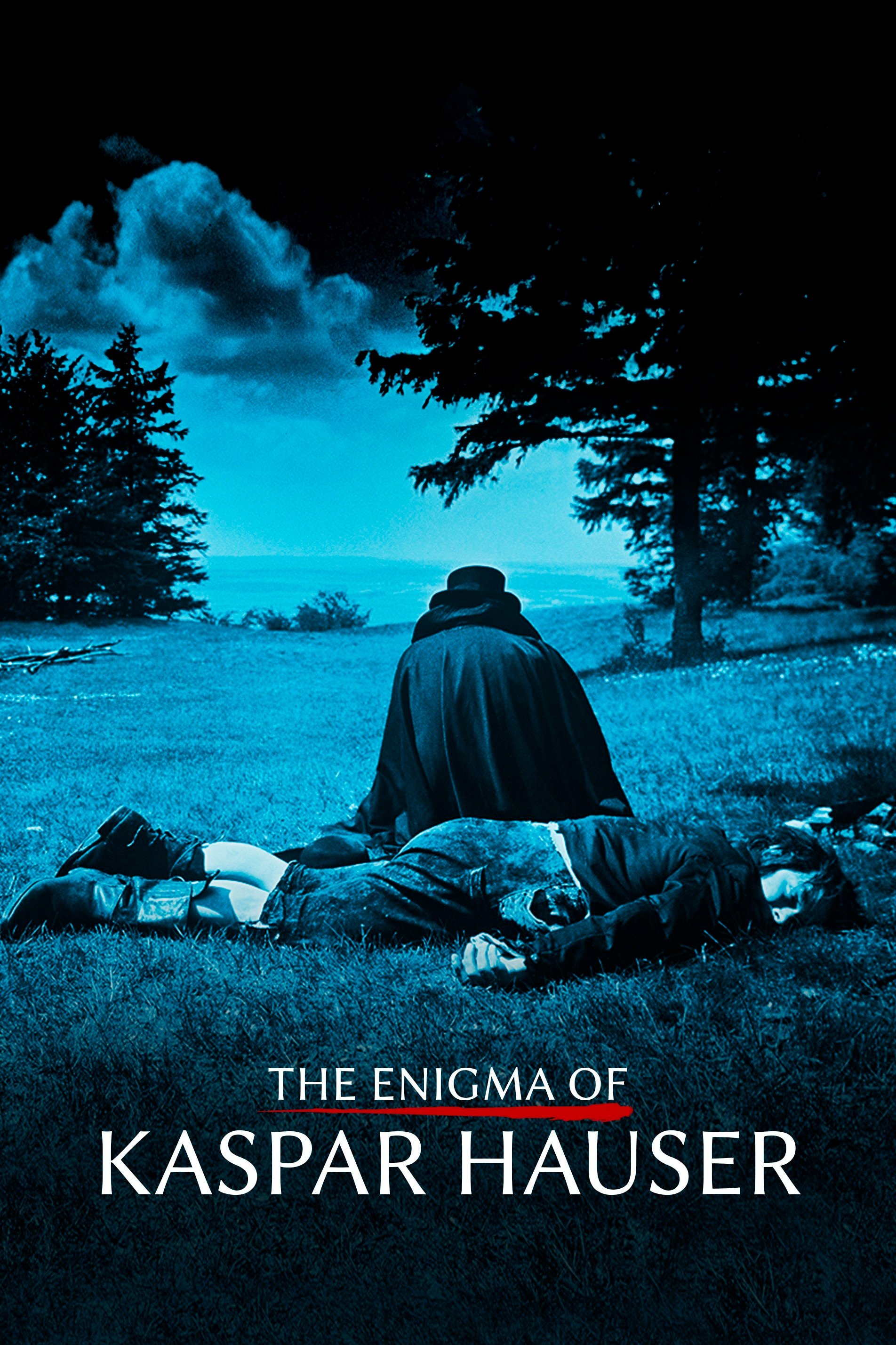
The film follows Kaspar Hauser, who lived the first seventeen years of his life chained in a tiny cellar with only a toy horse to occupy his time, devoid of all human contact except for a man who wears a black overcoat and top hat who feeds him.
Two men want to escape from East Germany (under Communist rule) but they will only go if they can take their families with them. Based on a true story.
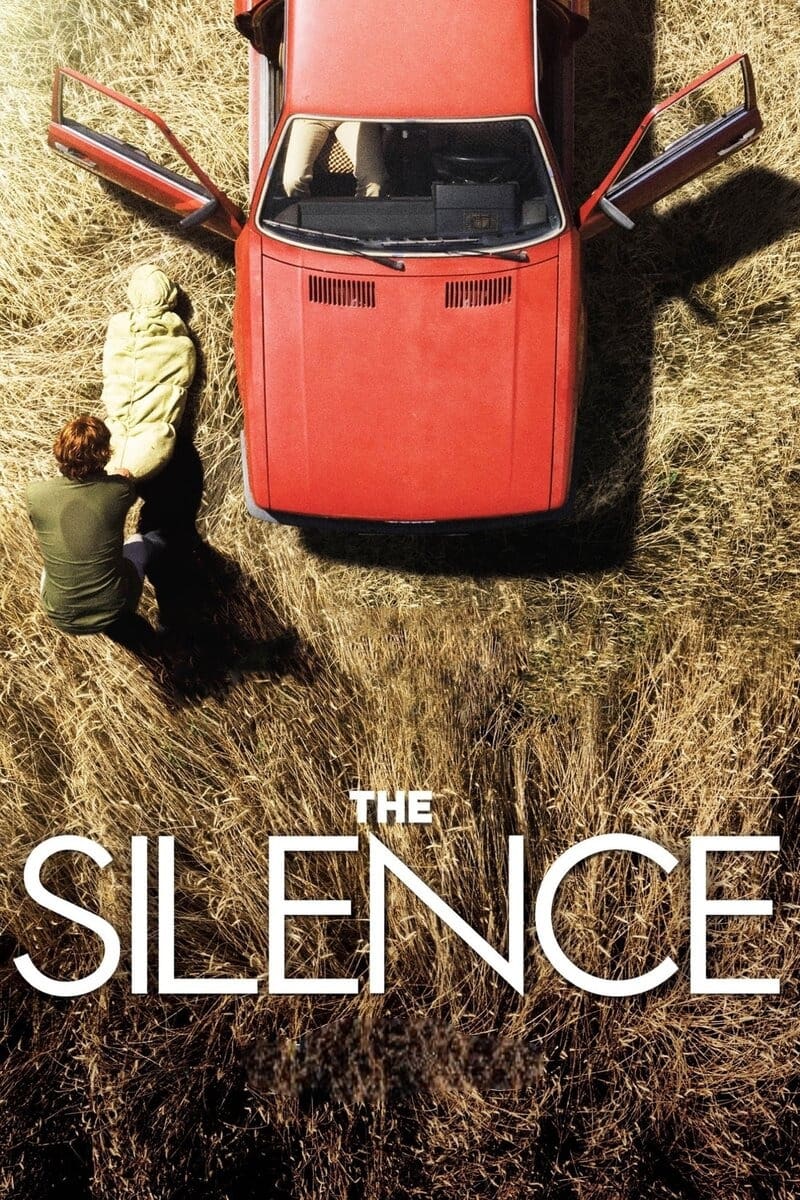
Set in a warm summer in 1990 in former East Germany, it follows a young woman who begins a relationship with a charismatic farmer who is twice her age.
In 1918, a young, disillusioned Adolf Hitler strikes up a friendship with a Jewish art dealer while weighing a life of passion for art vs. talent at politics
In this classic German thriller, Hans Beckert, a serial killer who preys on children, becomes the focus of a massive Berlin police manhunt. Beckert's heinous crimes are so repellant and disruptive to city life that he is even targeted by others in the seedy underworld network. With both cops and criminals in pursuit, the murderer soon realizes that people are on his trail, sending him into a tense, panicked attempt to escape justice.
At the Wannsee Conference on January 20, 1942, senior Nazi officials meet to determine the manner in which the so-called "Final Solution to the Jewish Question" can be best implemented.
Facing eviction in a city her family can no longer afford, a woman plunges into a desperate and increasingly dangerous all-night search to raise $25,000.
Lola receives a phone call from her boyfriend Manni. He lost 100,000 DM in a subway train that belongs to a very bad guy. She has 20 minutes to raise this amount and meet Manni. Otherwise, he will rob a store to get the money. Three different alternatives may happen depending on some minor event along Lola's run.
94-year-old Eleanor Morgenstein tries to rebuild her life after the death of her best friend. As a result, she moves back to New York City after living in Florida for decades.
13-year-old Sinikka vanishes on a hot summer night. Her bicycle is found in the exact place where a girl was killed 23 years ago. The dramatic present forces those involved in the original case to face their past.
In the quiet family town of Suburbicon during the 1950s, the best and worst of humanity is hilariously reflected through the deeds of seemingly ordinary people. When a home invasion turns deadly, a picture-perfect family turns to blackmail, revenge and murder.
A poor, struggling South Carolinian mother and daughter face painful choices with their resolve and pride. Bone, the eldest daughter, and Anney her tired mother, grow both closer and farther apart: Anney sees Glen as her last chance.
When John Halder's latest novel is enlisted by powerful political figures in the Nazi party to push their agenda, his career and social standing instantly advance. But after learning of the Reich's horrific plans for the future and the devastating effects they will have on people close to him, John must decide whether or not to take a stand and risk losing everything.
The story of former Ulster Volunteer Force member Alistair Little. Twenty-five years after Little killed Joe Griffin's brother, the media arrange an auspicious meeting between the two.
After two British Secret Intelligence Service agents are murdered at the hands of a cryptic neo-Nazi group known as Phoenix, the suave agent Quiller is sent to Berlin to investigate.