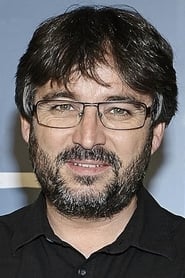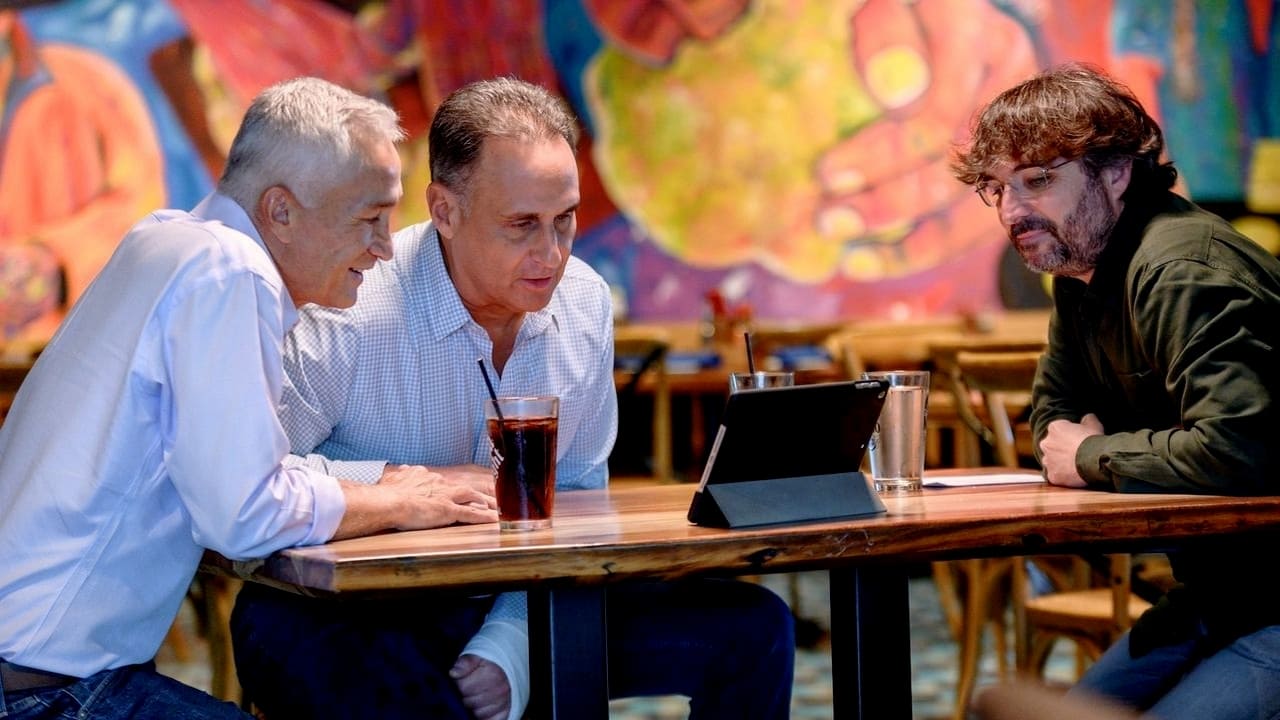

An analysis of the impact on the United States Latino community of immigration policies promoted by President Donald Trump.
Social & External
The people behind it
Jordi Évole
Self - Interviewer
José Díaz-Balart
Self - Journalist
Jorge Ramos Ávalos
Martín Duarte
Self - Mexican Citizen
Jorge M. Pérez
Self - Businessman
Jaqueline Montes
Self - Illegal Immigrant
Art del Cueto
Self - Border Patrolman
Kate del Castillo
Self - Actress
José Andrés Puerta
Self - Chef
Donald Trump
Self - Politician (archive footage)
In the 1980s, young people of North African descent born in France and a priest from the Lyon suburbs organized the "March of the Beurs." Launched on October 15, 1983, by seventeen people from the La Cayolle neighborhood in Marseille following a racist crime, the march concluded two months later—on December 3—on the streets of Paris, with 100,000 participants. This movement demanded equal rights. Was their cry heard?
Is the story of a generation of thieves who achieved their greatest victories in the sixties; their distinctive code of ethics, the various categories of delinquents inhabiting the citys streets, their alliances with high ranking police officials that allowed them to operate, the betrayals that followed, and the price they ended up paying.
Stephen Lawrence was a black London teenager murdered by white racists in 1993. His parents fought to have the crime properly investigated, culminating in a judicial enquiry into the event itself and also the inadequacies of the ensuing investigation by the London Metropolitan Police.
Jesus 'Chuy' Aceves and a dozen living members of his extended family suffer from the very rare condition of congenital hypertrichosis, meaning they were born with excessive hair on their faces and bodies. Due to their appearance, they suffer from discrimination in all areas of their lives: the children are made fun of at school and abandoned by their 'non-hairy' parents, and the adults cannot find work unless they choose to exhibit themselves as freaks in circuses. This moving and visually arresting documentary is a portrait of Chuy and his family members. It examines their day-to-day lives and their struggle to find love, acceptance and employment.
Fracking the System is a political thriller documentary from the front lines of climate justice activism in Colorado. When a fracking mega-site gets moved from a White neighborhood to a BIPOC neighborhood, a concerned mother fights to try and stop it. This is an investigative exposé about the harms of fracking, the lengths to which the government is complacent with industrial pollution, and the nefarious tactics that the oil and gas industry uses to undermine democratic elections.
This documentary accompanies the journey of artists who exalt and celebrate ancestry and the orishas in their work. It also offers a manifesto against one of the biggest problems facing Brazil: religious racism. The feature brings together stories from music, theater, fashion, dance and the visual arts to promote reflection on the power and importance of black representation, art and diversity


Wolves divide and fascinate us. 150 years after they were driven to extinction in Central Europe, they are returning slowly but inexorably. Are they dangerous to humans? Is it possible to coexist? Using Switzerland as a point of departure, where wolves have returned in the very recent past, this documentary sheds light on the wolf situation in Austria, eastern Germany, Poland, Bulgaria, and even Minnesota, where freely roaming packs of wolves are more common sight.
Have you ever been to the bullfights in Tijuana? Larry Wessel's TAUROBOLIUM is not only cinema verite at it's best, Larry Wessel's TAUROBOLIUM is the best documentary on bullfighting ever made!
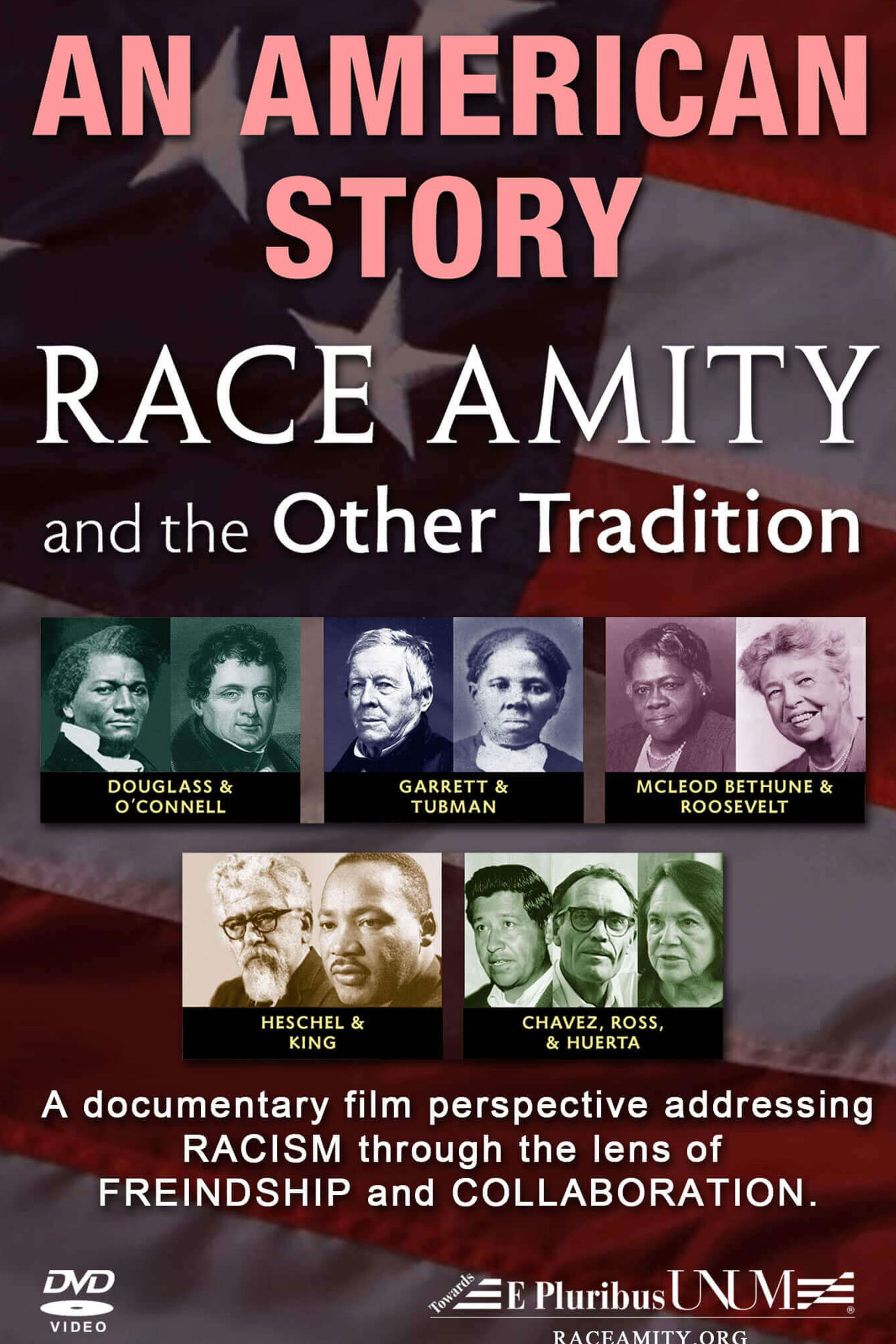
In contrast to the lens that focuses exclusively on the racist traditions that are rooted in America’s social history, the moral counterweight of close, loving, friendship and collaboration, which have always been present in our history, represents “the other tradition.” This “other tradition” is a source of inspiration and presents models of behavior that are instructional and include unknown and uncelebrated legacies to be absorbed and emulated across generations of present day Americans. The documentary discusses the “better in us” a needed collective perspective in the current climate of national disunity across racial, religious, and political lines. This has significant implications for addressing public issues from immigration to health care and the myriad of governmental, educational, business, and religious challenges that we must successfully meet to weave the fabric of unity which is indispensable to survival as a nation.
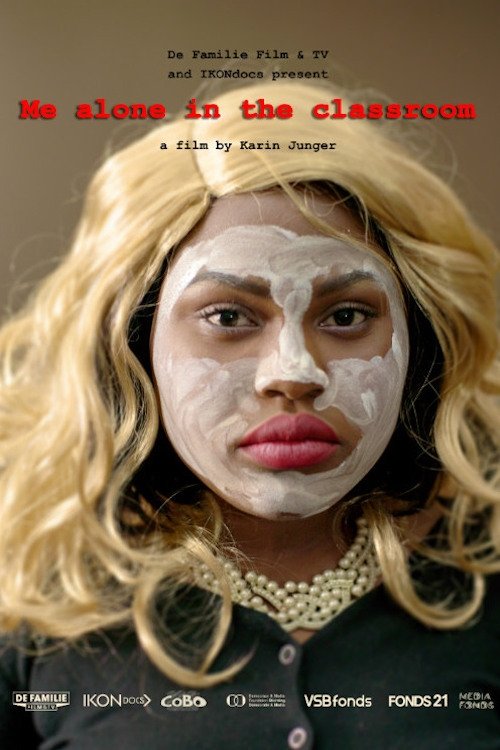
Doing really well on your school assessment tests, but still having the school recommend that you go to preparatory vocational school. Going to a club with friends and having the bouncer keep you out. Having to endure jokes from classmates. These are examples of the sort of casual racism that the children of director Karin Junger and their friends have to face. In Ik alleen in de klas, director Karin Junger, white mother of three darker-skinned children, stands with her family to confront the racism they experience in their daily lives. Twelve adolescents meet at a mansion in France. The group consists of Junger’s children and their friends. All of them come from ethnic minority backgrounds and share a feeling of being excluded from Dutch society. Re-enactment is used to explore painful situations again. In this simple but effective documentary, we can see the impact of subtle and less subtle forms of racism on the lives of young Dutch people.
In April 1999, three Lakeside brothers murdered a Mexican migrant worker by beating him to death. Producer Lee Harvey spent several months talking with Lakesiders--teachers, social workers, longtime residents and teens who are avowed racists--to unearth the reasons why kids would commit this gruesome crime and why it happened in the peaceful, semi- rural town of Lakeside in eastern San Diego county.
The film portraits the stage previous to the outbreak of the Mexican Revolution, from the end of Porfirio Díaz´ government, the social volatility, the ephemeral government of Madero and the presence of the working class in the figures of Villa and Zapata, until the signing if the Constitution of 1917. All of this through moving images, filmed during those events mainly by the Alva brothers, filmmakers of that time. Those images let us perceive the contradictory and shuddered glance of the people of that period.
Pop star Leigh-Anne Pinnock confronts her experience as the only black member of Little Mix, and as a black woman in the music industry. She embarks on her own very personal journey to understand how she can use her platform and privilege to combat the profound racism she sees in society around her.
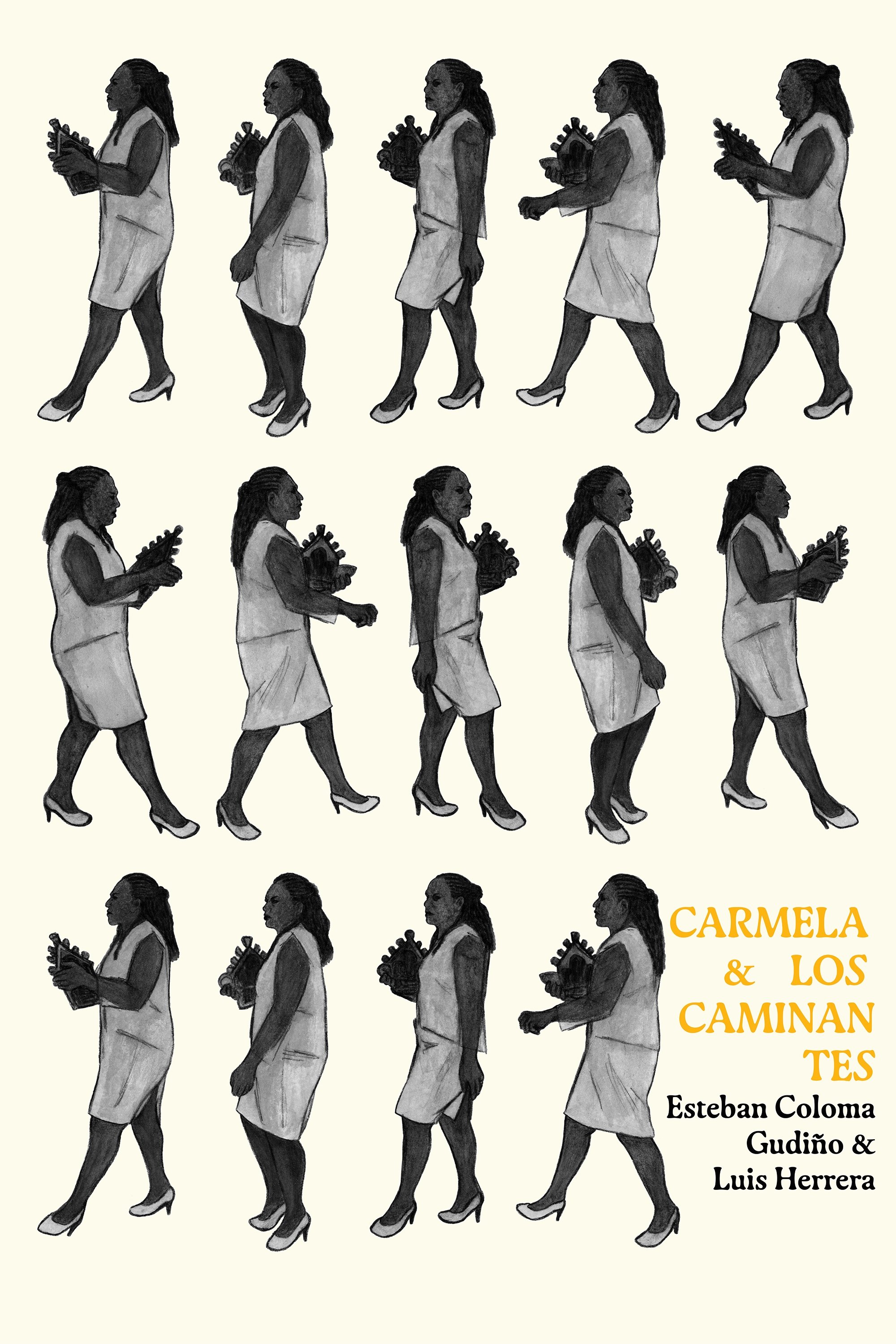
Carmela lives with her husband and eight children near the Ecuadorian-Colombian border. This 56-year-old Afro-Ecuadorian woman opened her home to provide free and temporary shelter for thousands who leave Venezuela on foot, hoping to find better days in other South American countries.
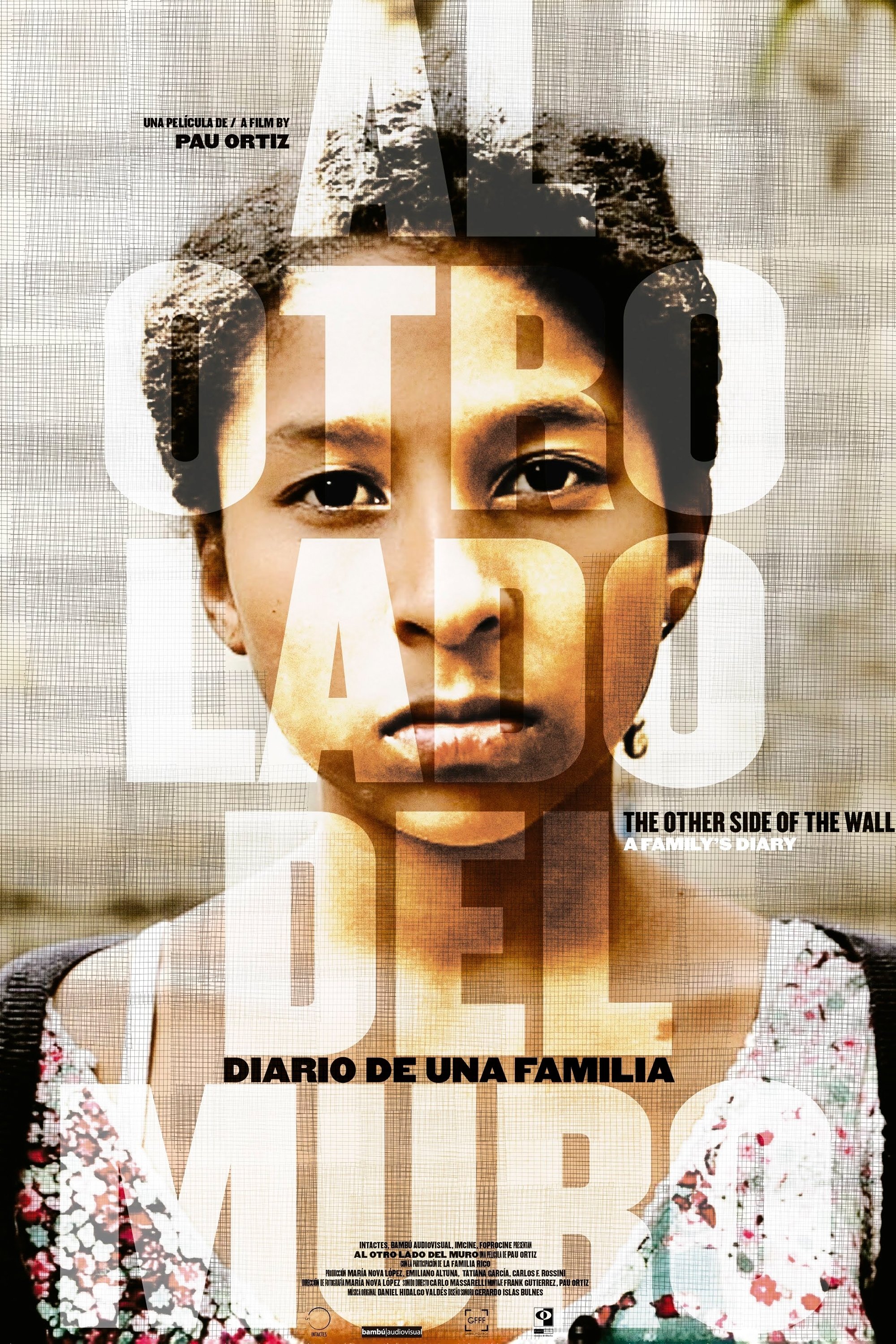
Honduran immigrants living in Mexico, teenage siblings Rocío and Ale must take over care of their two younger siblings after their mother is sentenced to prison on dubious grounds. Tensions grow between the pair as the decision must be made on whether to stay together in Mexico or split the family up to cross into the US to work.
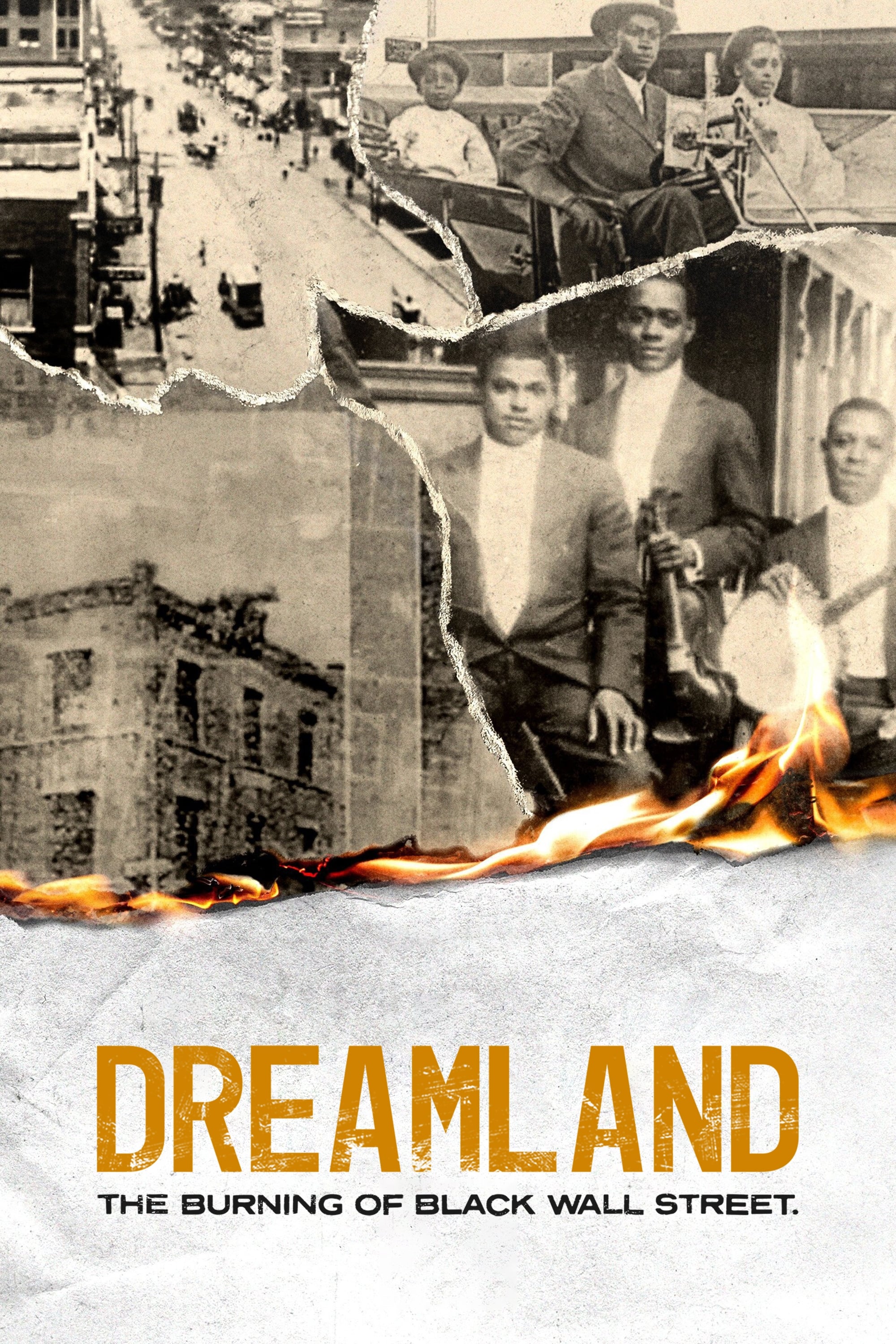
This documentary celebrates the Black cultural renaissance that existed in the Greenwood district of Tulsa, OK, and investigates the 100-year-old race massacre that left an indelible, though hidden stain on American history.
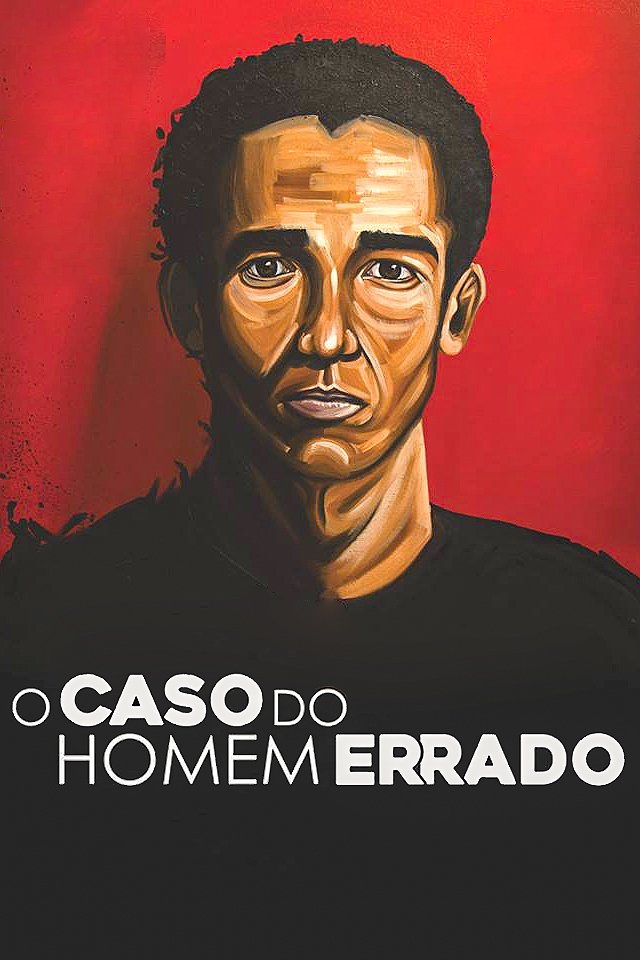
The documentary tells the story of Júlio César, a young Afro-Brazilian who was executed by the Police in the 1980s in Porto Alegre. The crime became notorious when the press published photos of Julius being put alive in the police car and arriving 37 minutes later shot and dead at the hospital.
Driven to maintain social order, policing in the United States has exploded in scope and scale over hundreds of years. Now, American policing embodies one word: power.
OJ: TRIAL OF THE CENTURY, premiered on June 12, 2014 and it chronicles the twists and turns of the OJ Simpson murder trial and allows viewers to relive every moment of the investigation first-hand.
The sculptor and painter Agueda Lozano narrates the first contacts with plastic art that she had in her native Ciudad Cuauhtémoc, Chihuahua; her stay in France and how was her arrival in Europe; her return to Mexico, and her participation in important exhibitions and sculpture projects, among which the definitive insertion sculpture that she inaugurated in the Plaza de México in Paris stands out. Likewise, she talks about her works in the Payment in Kind Collection, about the characters that promoted and inspired her in her career, and about her aesthetic proposals and creation techniques.
Filmmaker Christopher Quinn observes the ordeal of three Sudanese refugees -- Jon Bul Dau, Daniel Abul Pach and Panther Bior -- as they try to come to terms with the horrors they experienced in their homeland, while adjusting to their new lives in the United States.
Police pull over a woman who claims she just gave birth. But the baby — and the blood — aren't hers. Twisted lies unravel in this true-crime documentary.
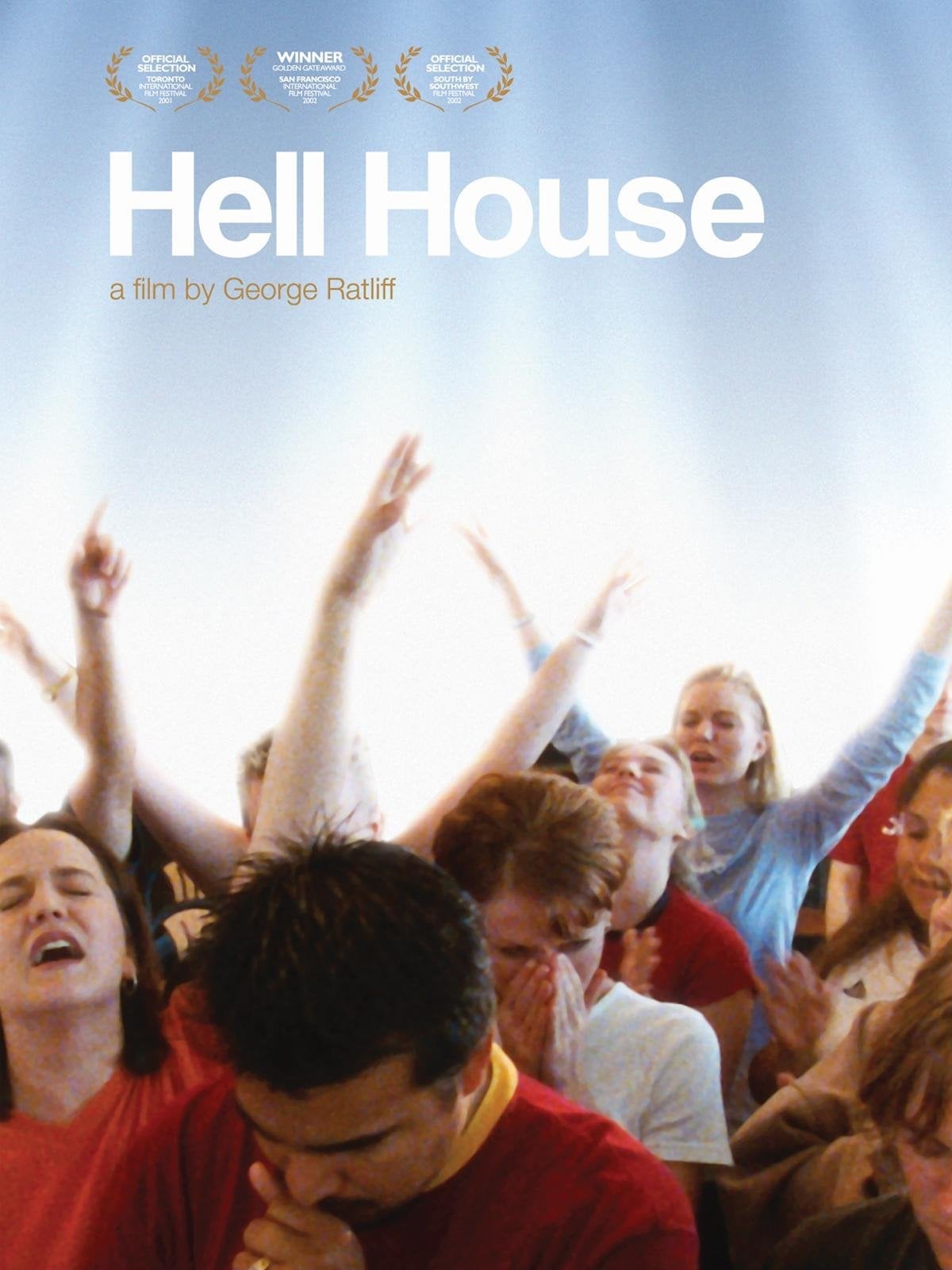
A look at the "Hell House" performed annually in October by the youth members of Trinity Church (Assemblies of God) in Cedar Hill, Texas (a Dallas suburb) — seen by over 10,000 visitors each year.
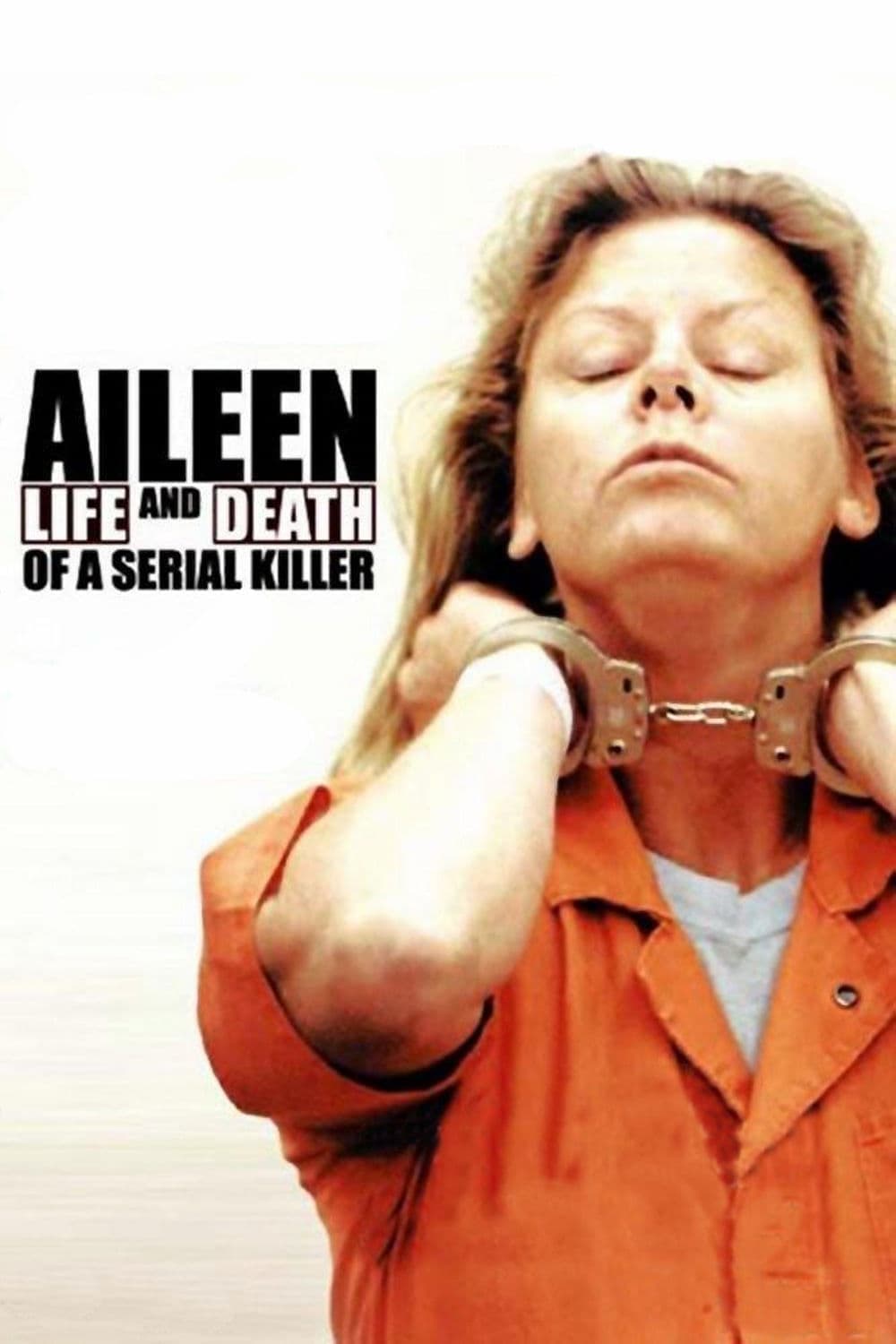
British documentarian Nick Broomfield creates a follow-up piece to his 1992 documentary of the serial killer Aileen Wuornos, a highway prostitute who was convicted of killing six men in Florida between 1989 and 1990. Interviewing an increasingly mentally unstable Wuornos, Broomfield captures the distorted mind of a murderer whom the state of Florida deems of sound mind -- and therefore fit to execute. Throughout the film, Broomfield includes footage of his testimony at Wuornos' trial.
Desperate for a baby and burdened by family and societal expectations, a woman fakes a pregnancy and gets tangled in a crime.
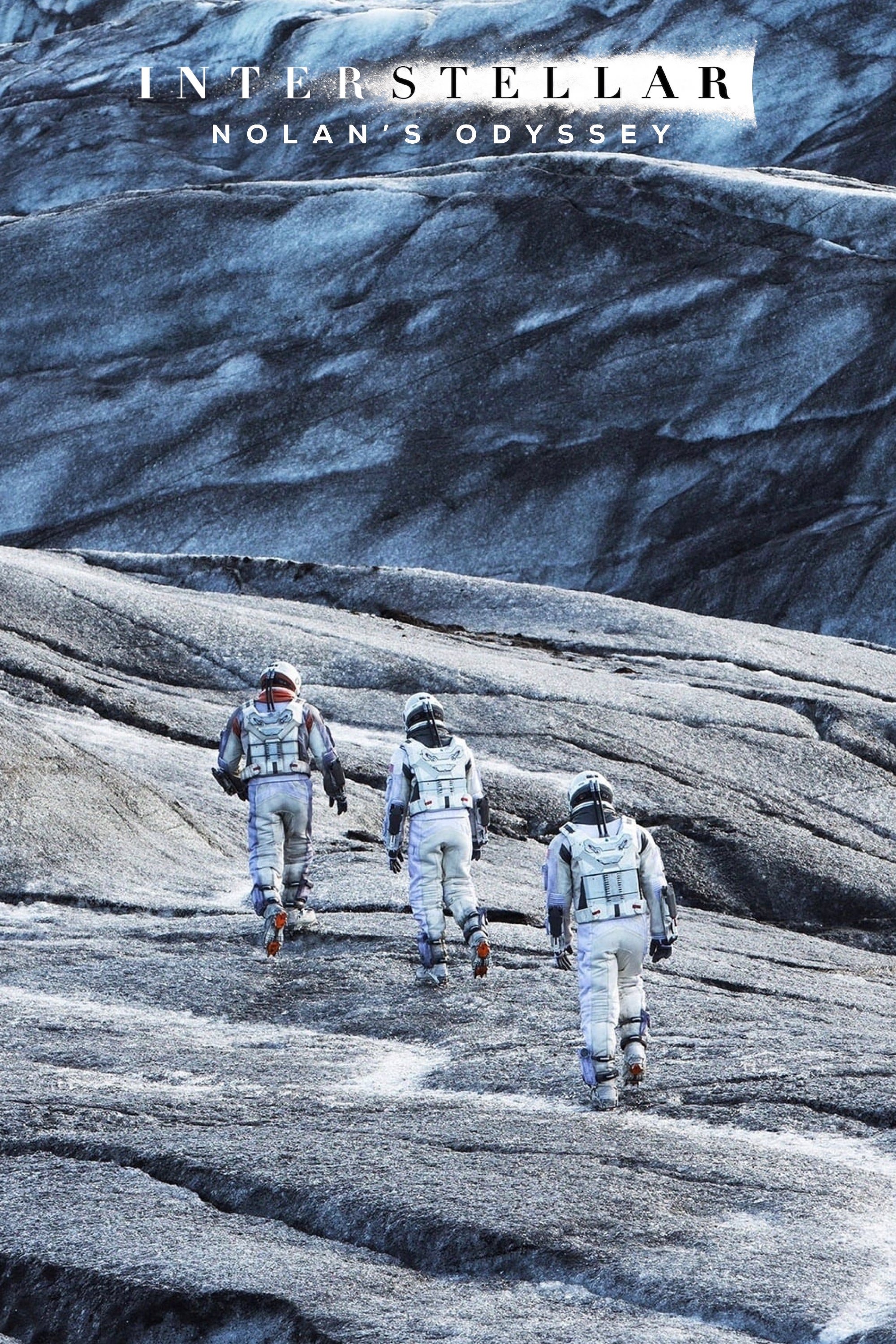
A look behind the lens of Christopher Nolan's space epic.
In the Realms of the Unreal is a documentary about the reclusive Chicago-based artist Henry Darger. Henry Darger was so reclusive that when he died his neighbors were surprised to find a 15,145-page manuscript along with hundreds of paintings depicting The Story of the Vivian Girls, in What is Known as the Realms of the Unreal, of the Glodeco-Angelinnian War Storm, Cased by the Child Slave Rebellion.
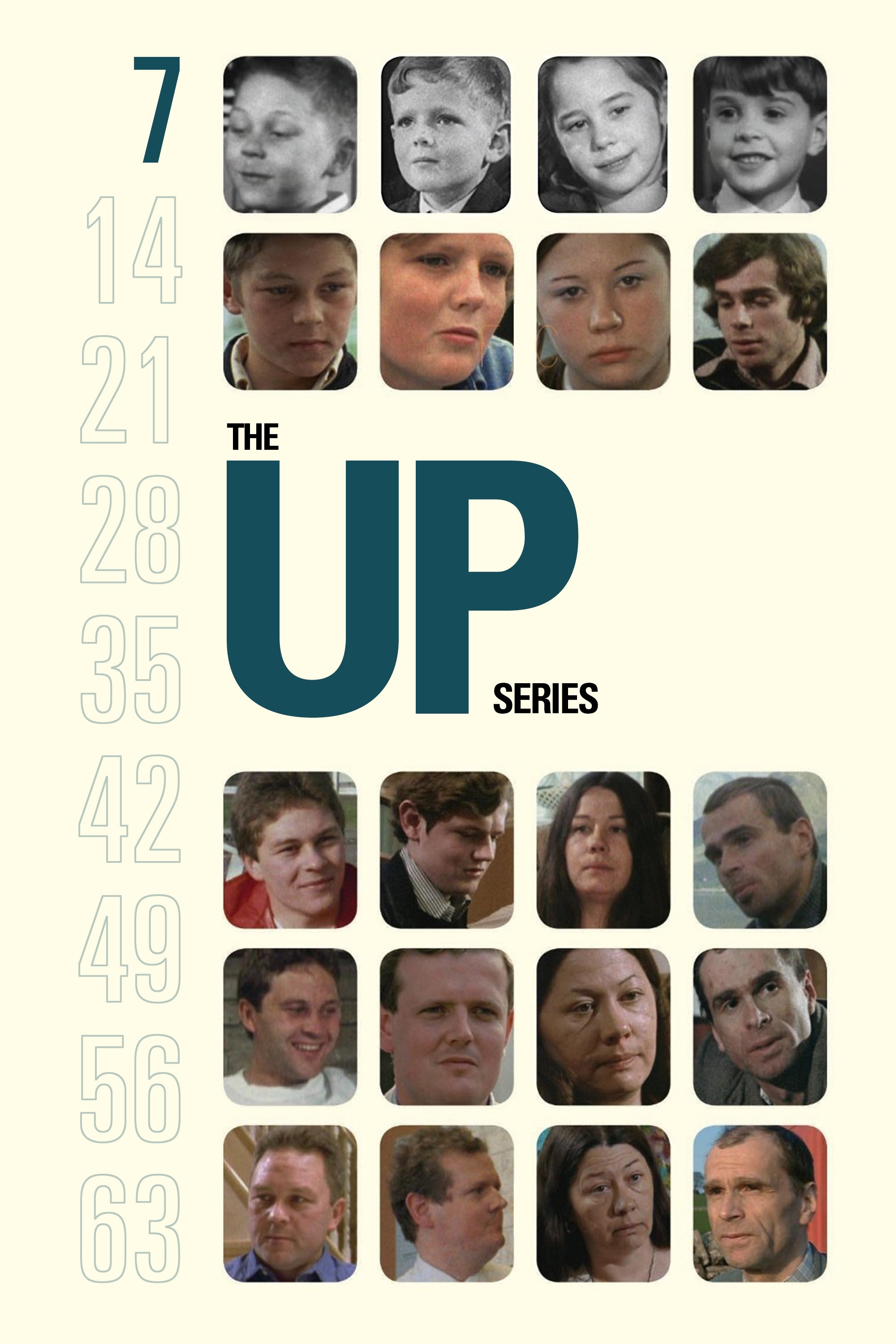
A group of British children aged 7 from widely ranging backgrounds are interviewed about a range of subjects. The filmmakers plan to re-interview them at 7 year intervals to track how their lives and attitudes change as they age.
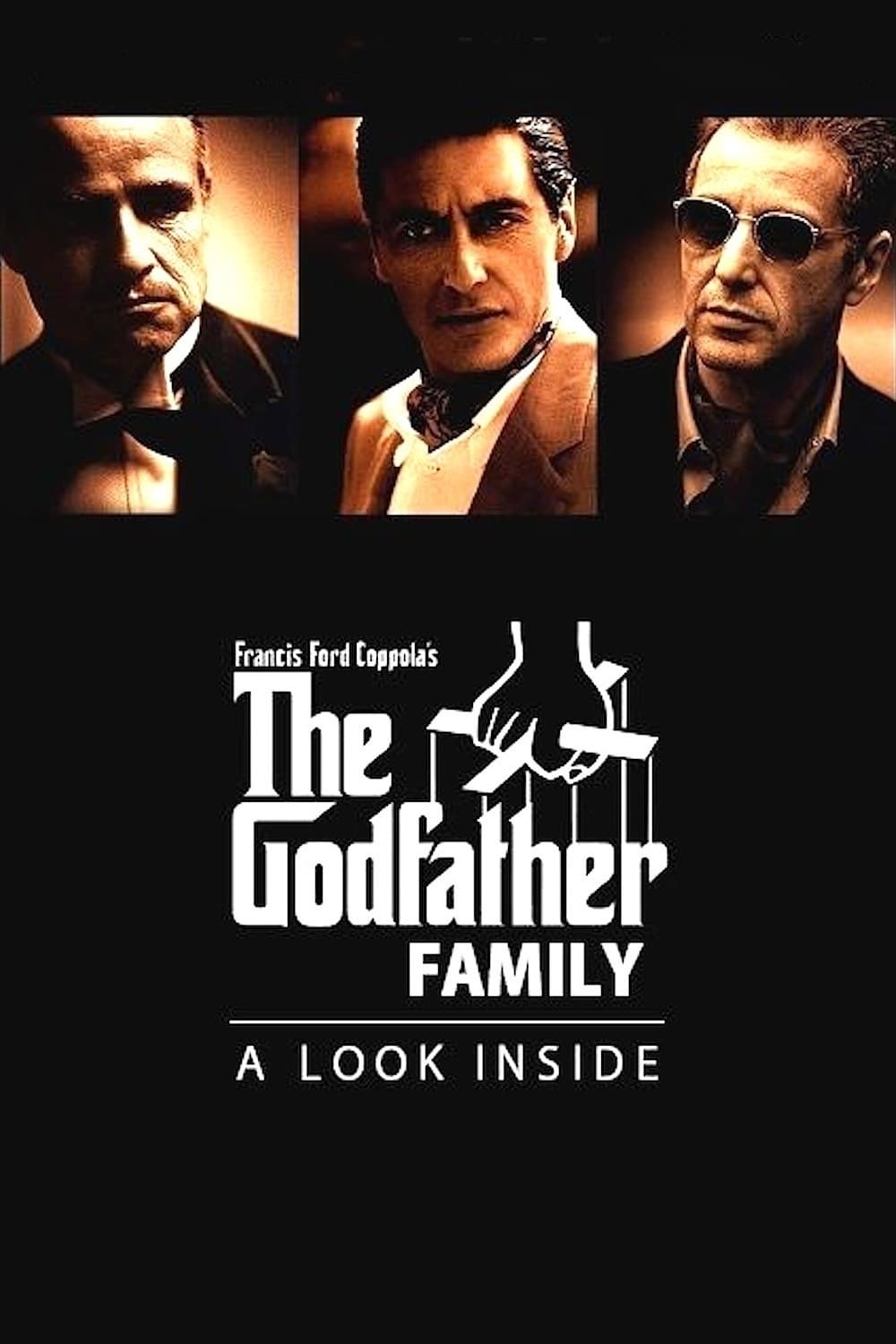
A documentary on the making of the three Godfather films, with interviews and recollections from the film makers and cast. This feature also includes the original screen tests of some of the actors for "The Godfather" film, and some candid moments on the set of "The Godfather: Part III."
“Showrunners” is the first ever feature length documentary film to explore the fascinating world of US television showrunners and the creative forces aligned around them. These are the people responsible for creating, writing and overseeing every element of production on one of the United State’s biggest exports – television drama and comedy series. Often described as the most complex job in the entertainment business, a showrunner is the chief writer / producer on a TV series and, in most instances, the show’s creator. Battling daily between art and commerce, showrunners manage every aspect of a TV show’s development and production: creative, financial and logistical.
Winfrey speaks with Markle about everything from stepping into life as a Royal, marriage, motherhood, her philanthropic work and how she is handling life under intense public pressure. Later, the two are joined by Prince Harry as they speak about their move to the United States and their future hopes and dreams for their expanding family.
A string of threatening emails escalates into a revenge plot involving a newly married US marshal and his ex-girlfriend.
We do not know when and how we will die. Death Row inmates do. Werner Herzog embarks on a dialogue with Death Row inmates, asks questions about life and death and looks deep into these individuals, their stories, their crimes.
Documentary filmmaker Amy Berg investigates the life of 30-year pedophile Father Oliver O'Grady and exposes the corruption inside the Catholic Church that allowed him to abuse countless children. Victims' stories and a disturbing interview with O'Grady offer a view into the troubled mind of the spiritual leader who moved from parish to parish gaining trust ... all the while betraying so many.
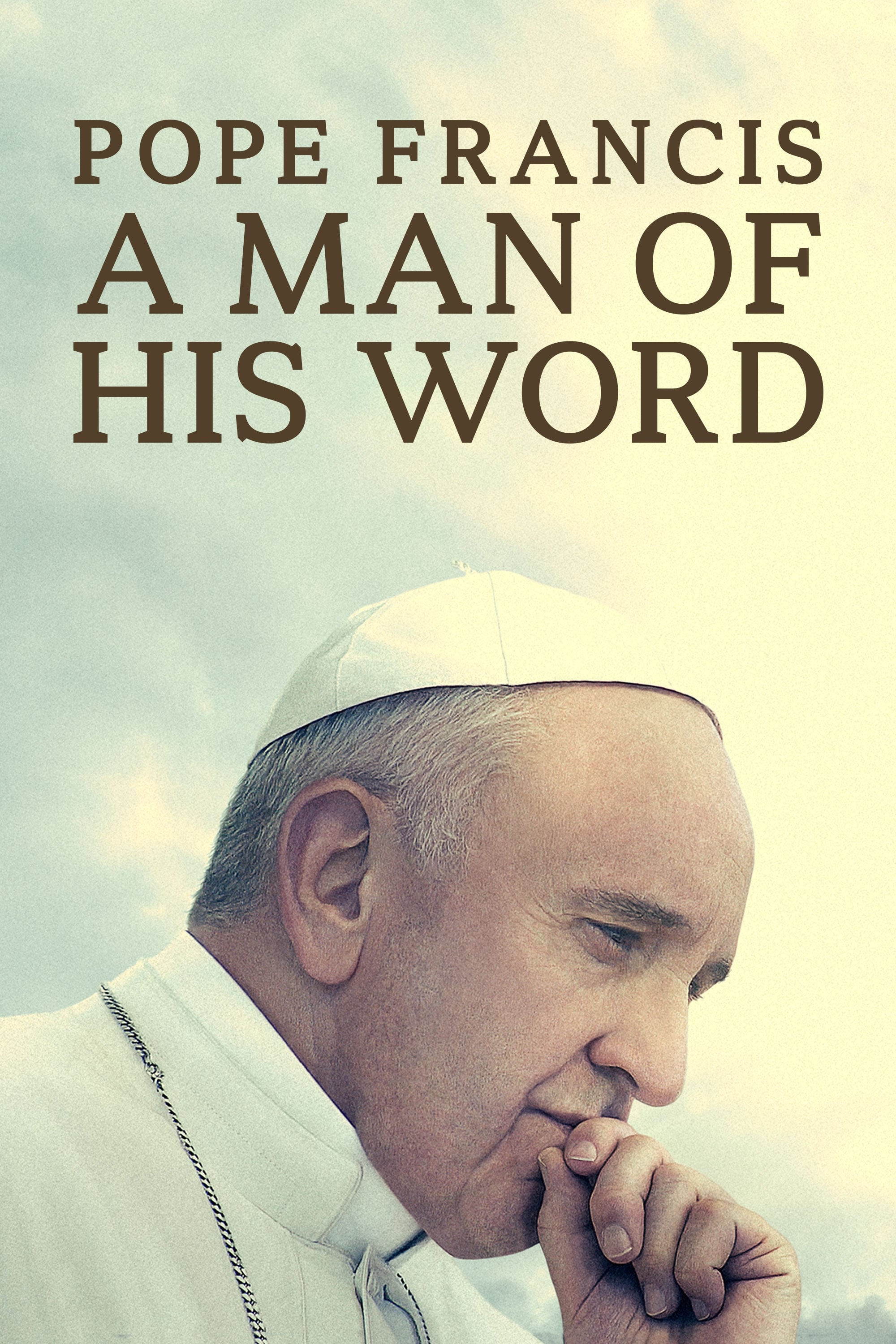
Pope Francis responds to questions from around the world, discussing topics including ecology, immigration, consumerism and social justice.
Al Pacino's deeply-felt rumination on Shakespeare's significance and relevance to the modern world through interviews and an in-depth analysis of "Richard III."
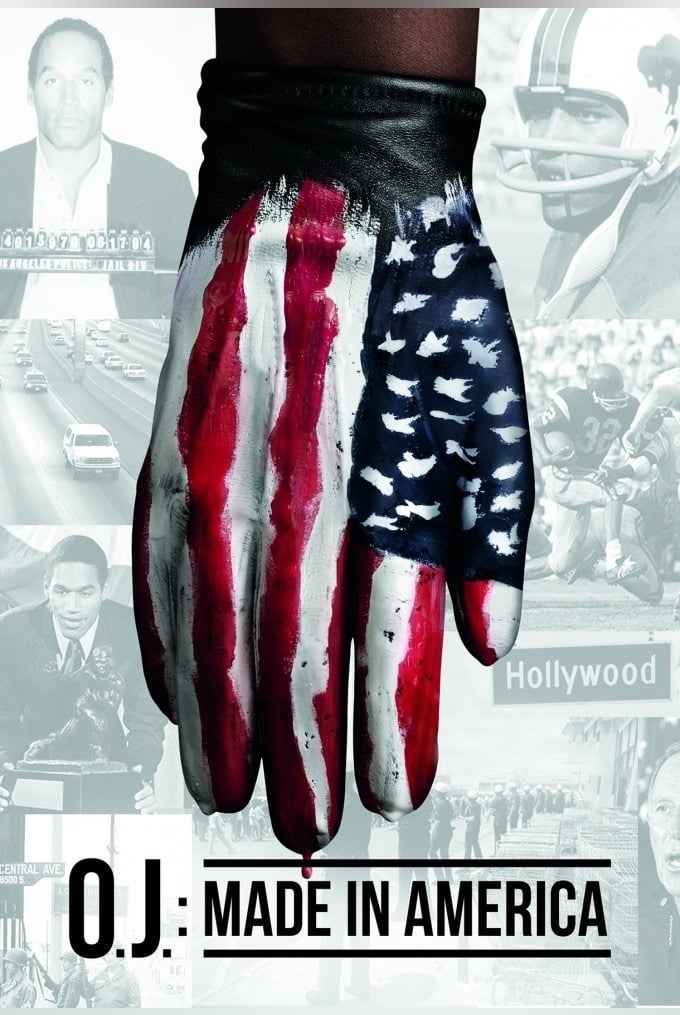
A chronicle of the rise and fall of O.J. Simpson, whose high-profile murder trial exposed the extent of American racial tensions, revealing a fractured and divided nation.
Brilliant, long in-the-works story of the life and art of the world's greatest comedian and the cinema's first genius, Charlie Chaplin. Produced, written and directed by renowned film critic Richard Schickel.
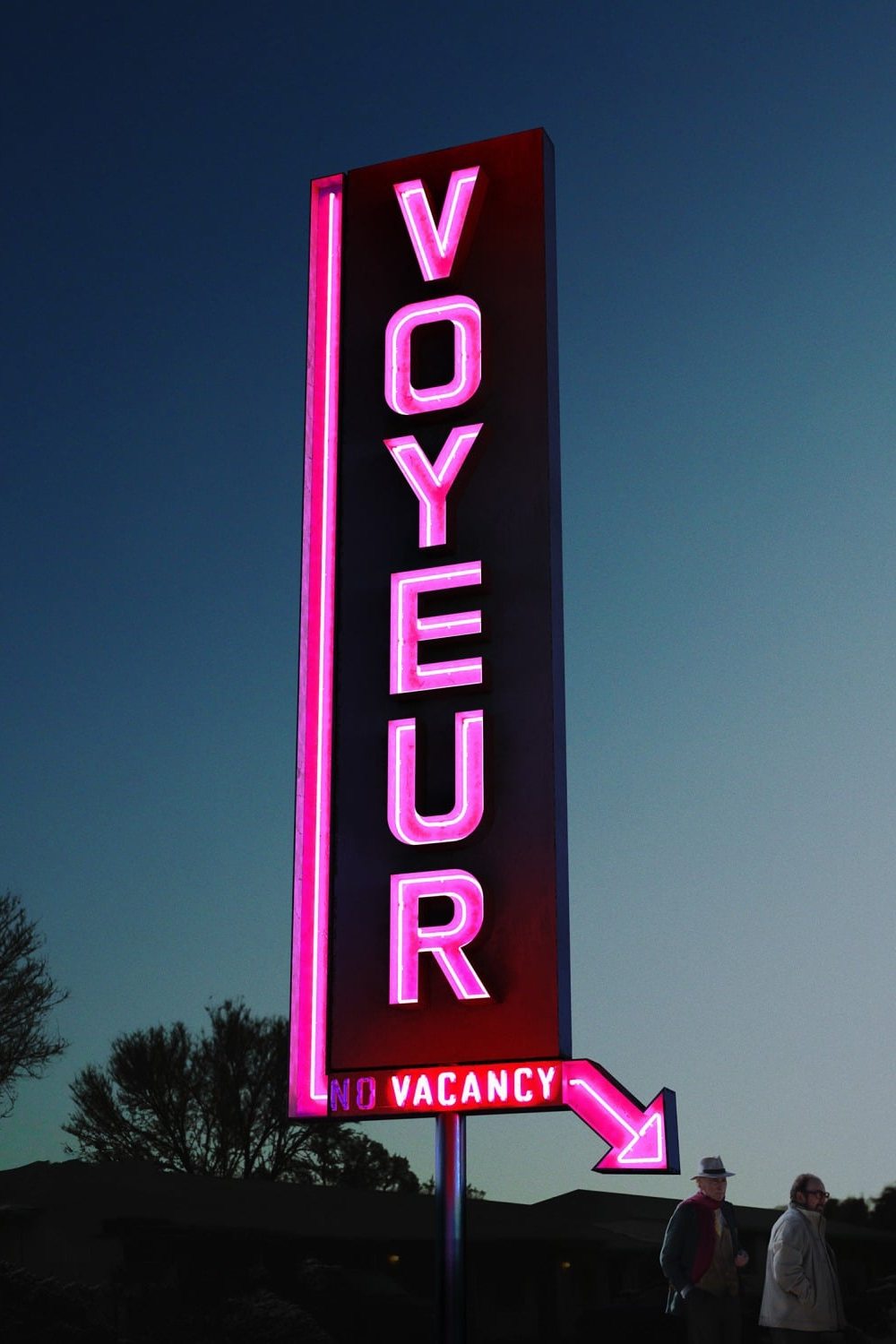
Legendary journalist Gay Talese unmasks a motel owner who spied on his guests for decades. But his bombshell story soon becomes a scandal of its own.
Raised by a man leading a monstrous double life, the daughter of the BTK serial killer shares her chilling story.