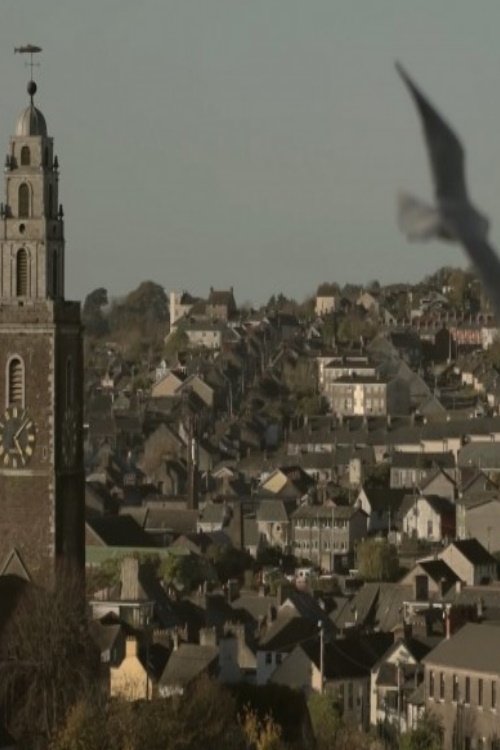
A synaesthetic portrait made between French Polynesia and Brittany, Color-blind follows the restless ghost of Gauguin in excavating the colonial legacy of a post-postcolonial present.

Social & External
The people behind it
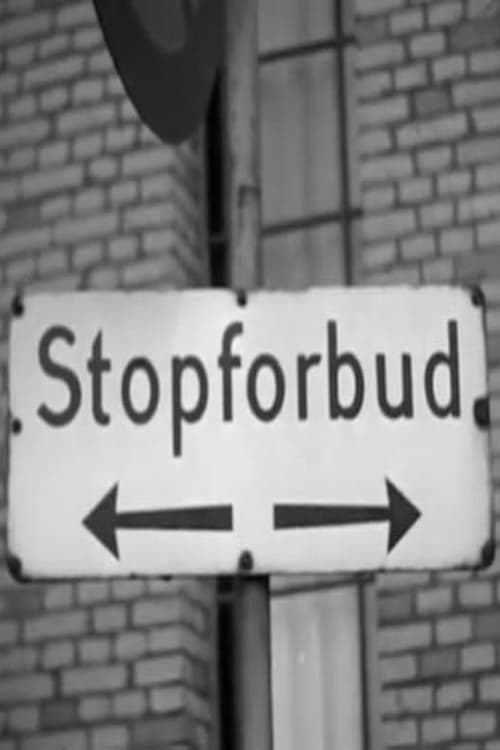
Stop for Bud is Jørgen Leth's first film and the first in his long collaboration with Ole John. […] they wanted to "blow up cinematic conventions and invent cinematic language from scratch". The jazz pianist Bud Powell moves around Copenhagen -- through King's Garden, along the quay at Kalkbrænderihavnen, across a waste dump. […] Bud is alone, accompanied only by his music. […] Image and sound are two different things -- that's Leth's and John's principle. Dexter Gordon, the narrator, tells stories about Powell's famous left hand. In an obituary for Powell, dated 3 August 1966, Leth wrote: "He quite willingly, or better still, unresistingly, mechanically, let himself be directed. The film attempts to depict his strange duality about his surroundings. His touch on the keys was like he was burning his fingers -- that's what it looked like, and that's how it sounded. But outside his playing, and often right in the middle of it, too, he was simply gone, not there."
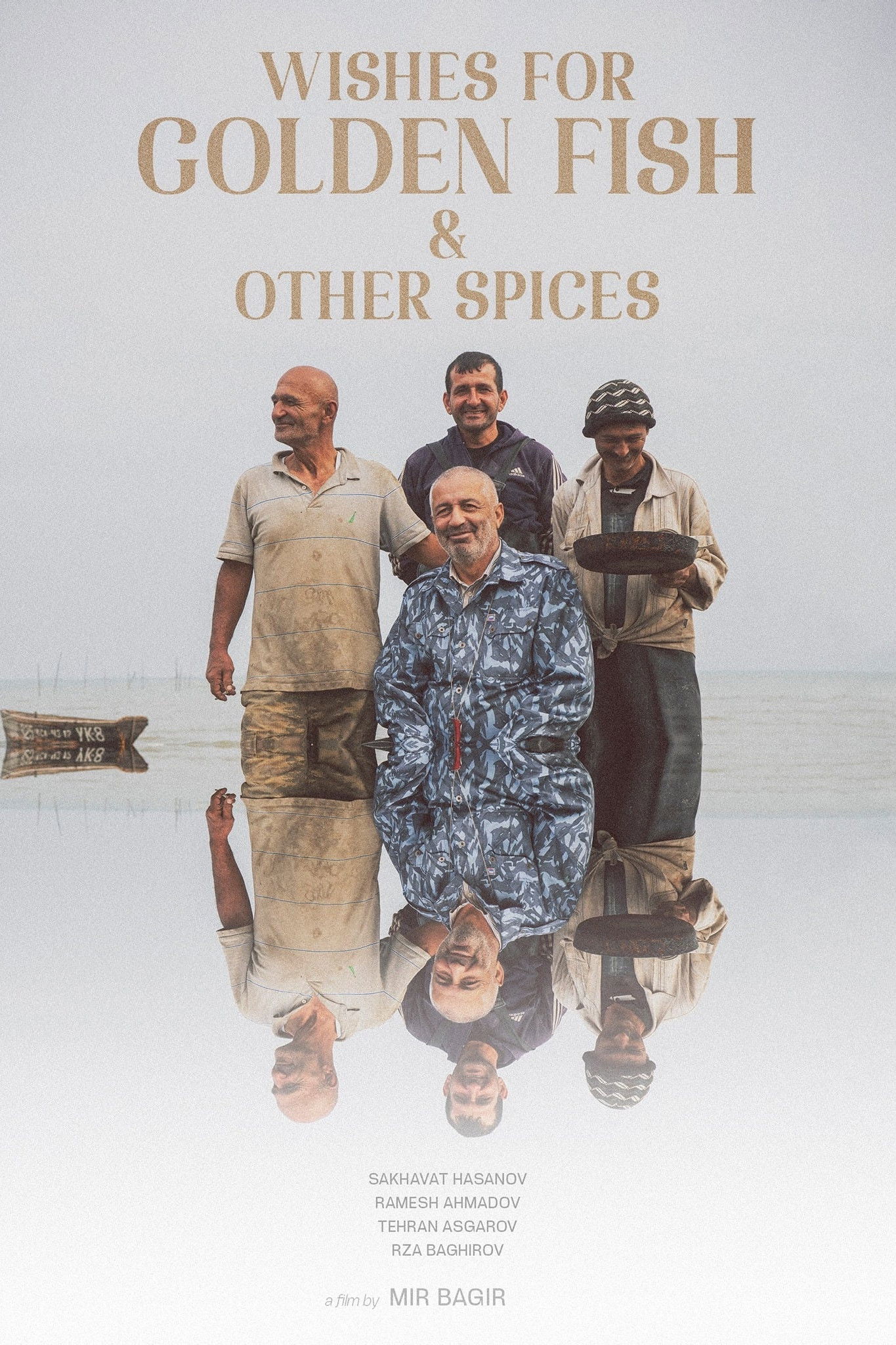
In October, during the tense days of the Nagorno-Karabakh war, the director takes his camera to the village of Ashagi Nuvedi in Lankaran. The film follows the daily lives of fishermen — Sakhavat, Ramesh, Rza and Tehran — living in the shadow of the war. They go out to sea every morning amid news from the front, fearing empty nets, and hoping for a miracle — a goldfish in difficult days.
This 16mm artists film documents the making and design of a wooden community pavillion on Kyrl's Quay, Cork made collaboratively with Meitheal Mara boatbuilders.
A film by Myles O'Reilly documenting some of the beautiful music brought to Cork for the Quiet Lights Folk Festival.
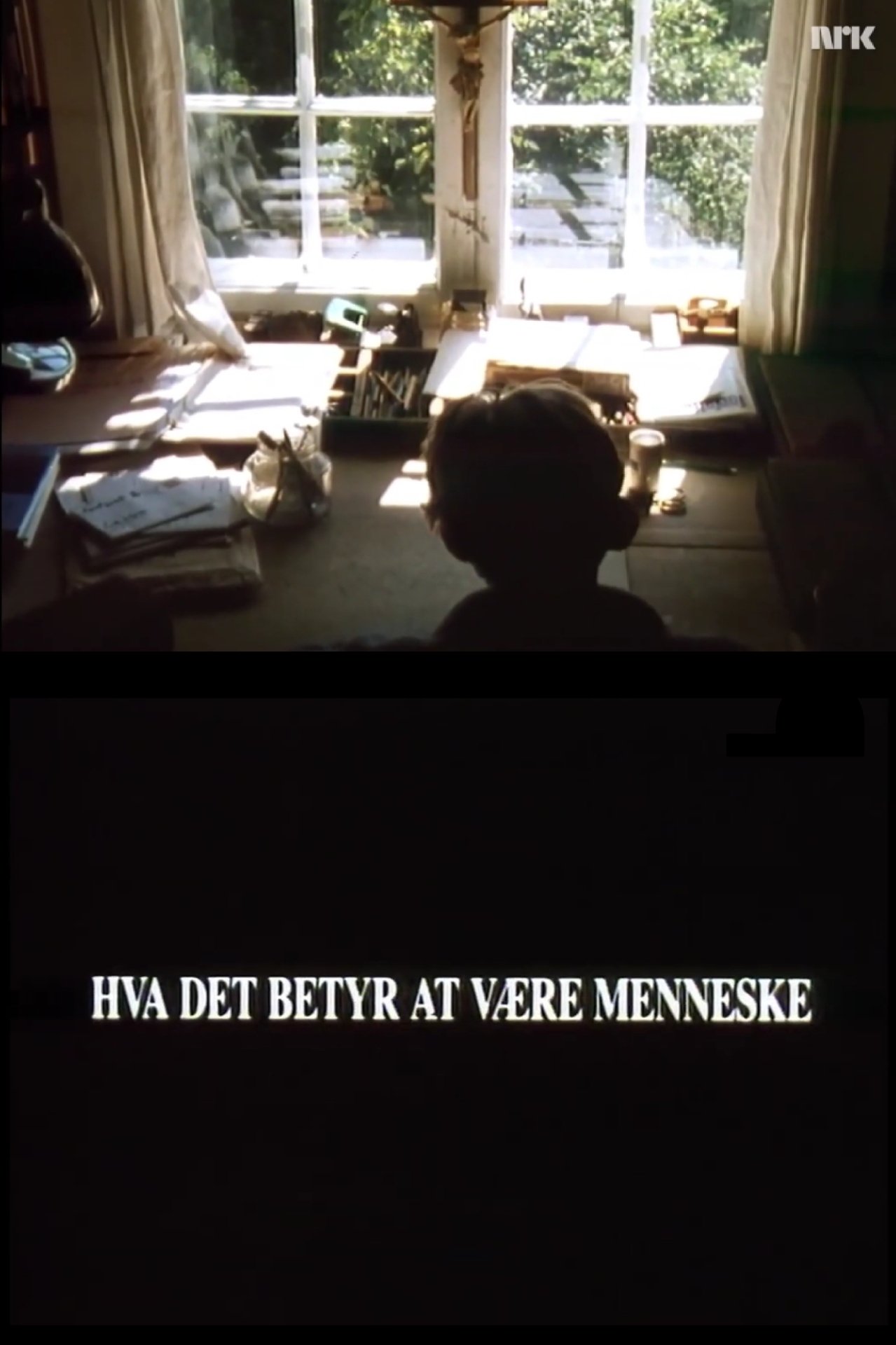
A film that conveys some of Peter Wessel Zapffe’s philosophical ideas.
By land, by air, and by sea, viewers can now experience the struggle that millions of creatures endure in the name of migration as wildlife photographers show just how deeply survival instincts have become ingrained into to the animals of planet Earth. From the monarch butterflies that swarm the highlands of Mexico to the birds who navigate by the stars and the millions of red crabs who make the perilous land journey across Christmas Island, this release offers a look at animal instinct in it's purest form.
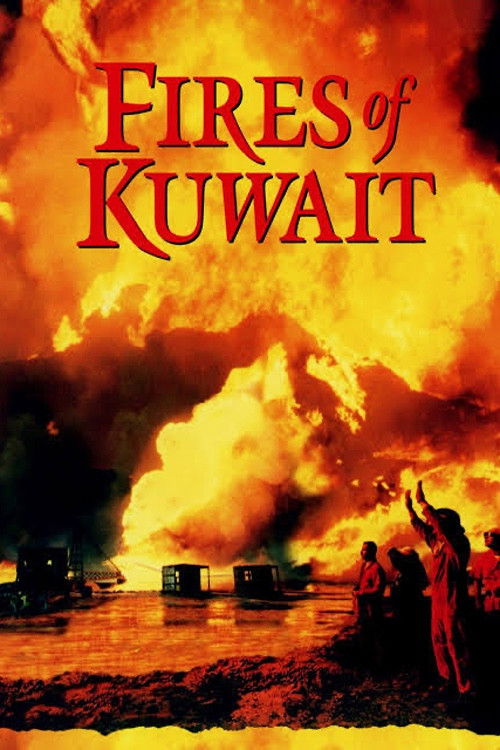
After Saddam Hussein had the Kuwait Oil wells lit up, teams from all over the world fought those fires for months. They had to save the oil resources, as well as reduce air pollution. The different teams developed different techniques of extinguishing the fires. Man's emergency creativity can be seen at it's best.
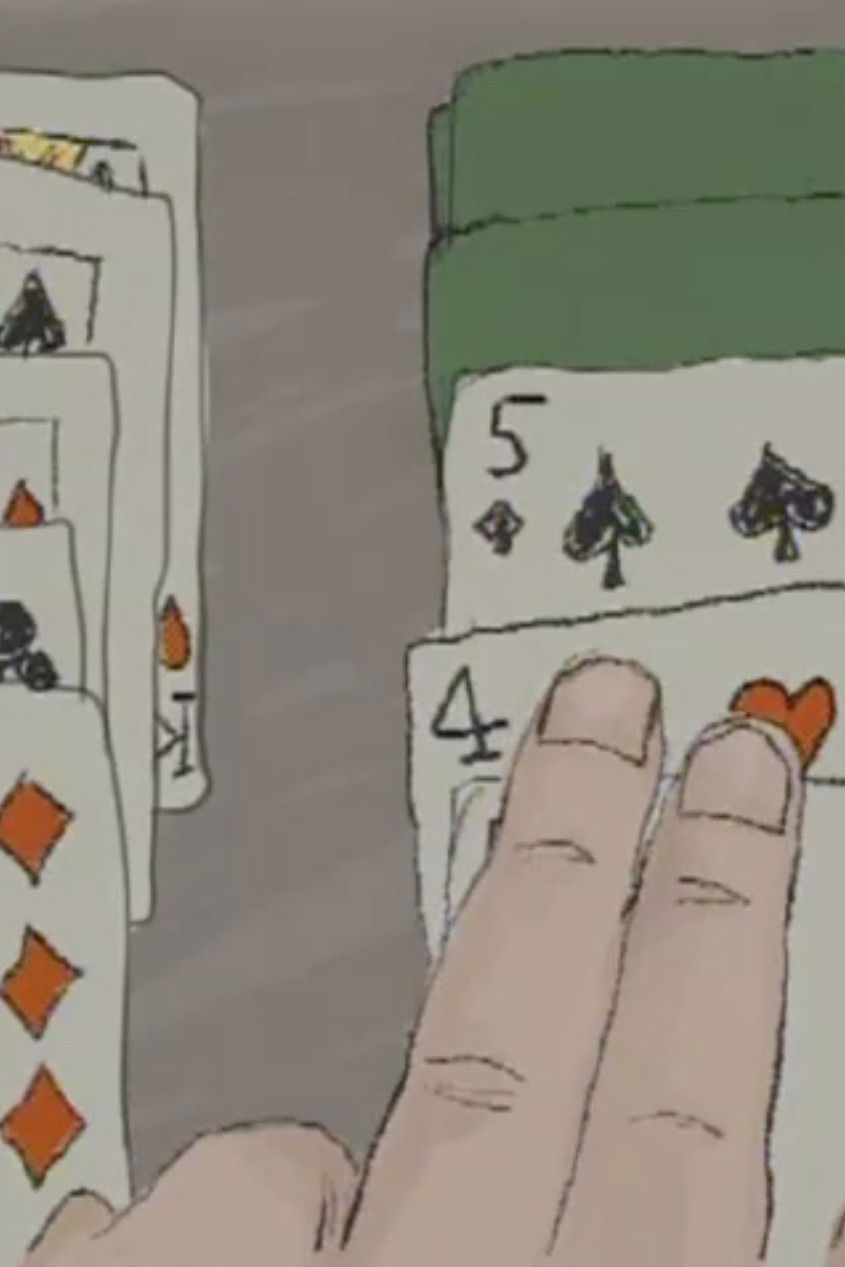
Son and father are driving on the highway. The son keeps asking questions until he finally notices the changes in his father's body. The dialogue in the animation is taken from a recording of a real conversation between the filmmaker and his father.
Paul Fierlinger's unique animation captures five individuals from diverse backgrounds as they describe their bouts with loneliness, its challenges and benefits.
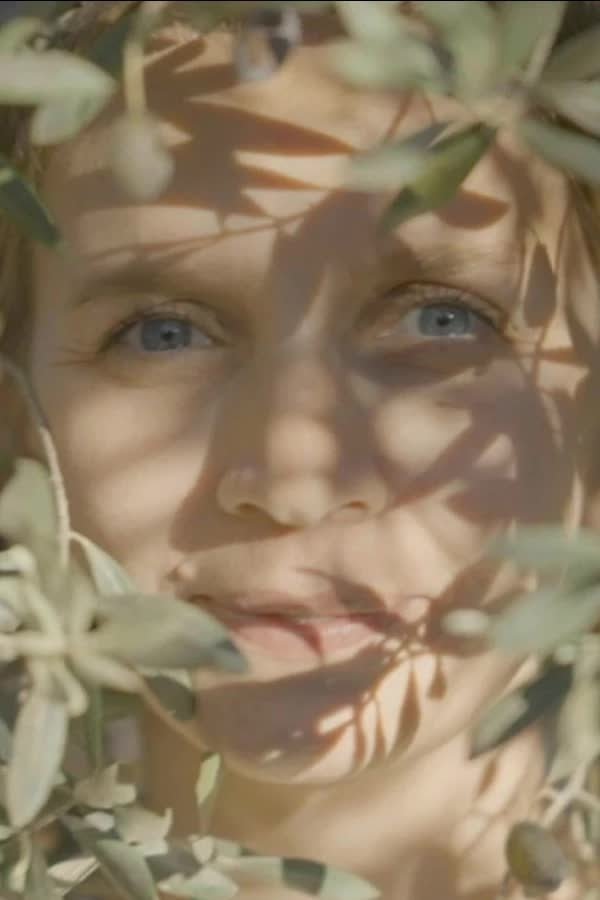
Female farmers describe the olive harvest, their struggles with the soil and climate, and the traditional methods used in olive harvesting for centuries, verbally and physically. They convey their feelings as women who do not give up on agriculture and struggle despite the climatic conditions, and they take the audience around their gardens and introduce their trees.
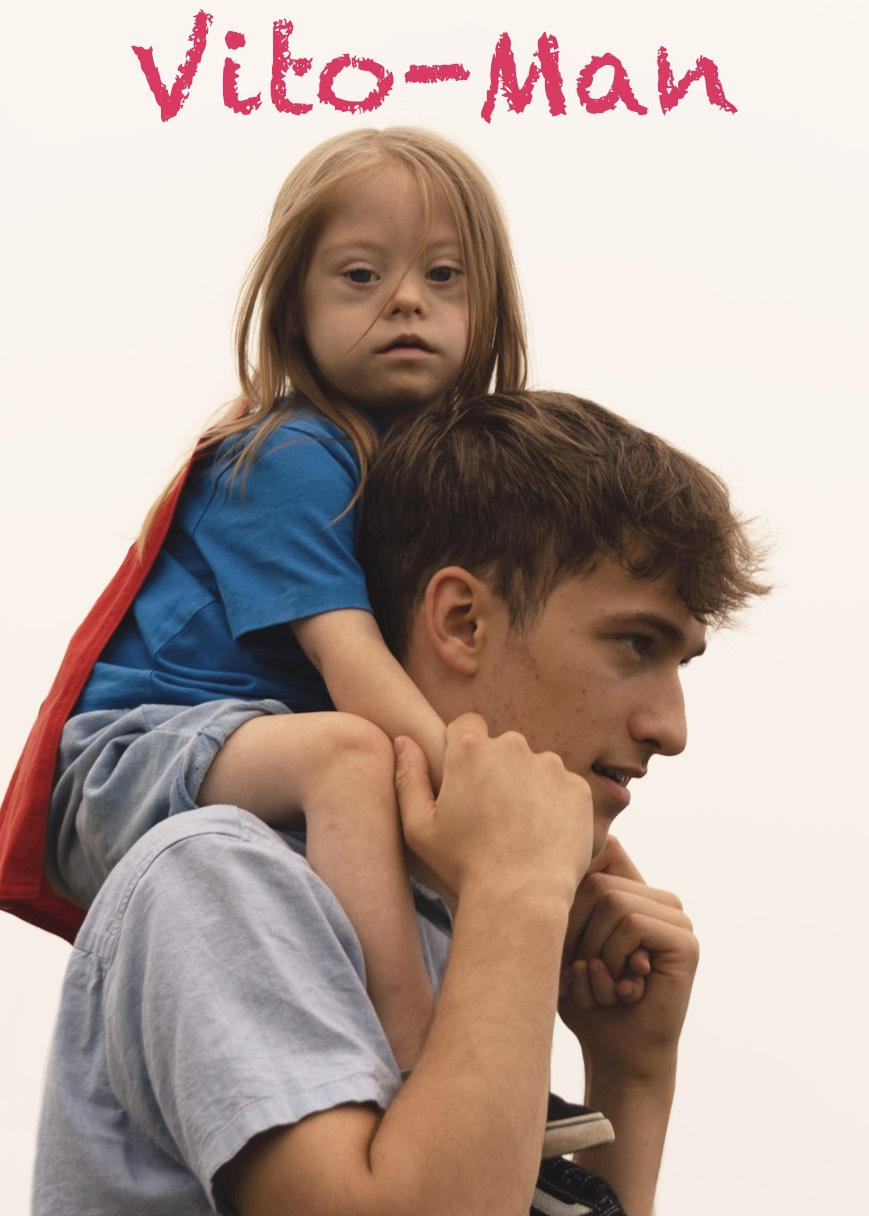
Vito is a sweet little boy with Down syndrome, and this short documentary puts his energetic, jolly personality on full display as he interacts with his loving family. By showing Vito’s dignity and inherent value, Vito-Man tackles the difficult conversation that is the eradication of people with Down syndrome, proving that an extra chromosome should not be a death sentence.
A method soldier boys have for amusing themselves in their leisure moments. New comrades are frequently initiated by the old-fashioned sport of tossing in a blanket. The newly arrived recruit, who is the victim of their sport, enjoys himself, perhaps, less than the other participants.
Pictures taken between France and Mexico running at 8 frames per second.
In this video, Noam Chomsky concentrates on the contemporary institutions and powers which have set limits on human progress and offers us some concrete ways of challenging them; in effect, he presents a vision of a future society. Chomsky's work is directed at developing intellectual self-defense for "ordinary people" who are often isolated in their struggles. States are seen to be violent through such strategies as the near-genocide of aboriginal peoples. Ultimately, Chomsky feels we must move beyond the myths of modern industrial civilization and the privileged elites who dominate mass communication, and instead foster the interests of a truly global community.
This video focuses on the formative influences in Noam Chomsky's life--those factors which enable him to become a politically engaged intellectual. Starting out as a linguist at the Massachusetts Institute of Technology, where his work revolutionized the study of language, Chomsky was radicalized by the 1960s anti-war movement and became a major critic of American policy. We learn about the important Jewish intellectual influences of his family, as well as those defining incidents in his early schooling that made a lasting impression.
This video focuses primarily on the implications of the structure and format of television, especially the consequences of concision, and how these factors can shape the messages of the medium. In addition, other issues, such as how democracies handle dissenters, and how the mainstream media have treated the challenges of Noam Chomsky's media critiques are explored. The media construct reality, and in the conclusion we see the author participating in that very process.
A visual montage portrait of our contemporary world dominated by globalized technology and violence.
A documentary on the expletive's origin, why it offends some people so deeply, and what can be gained from its use.
Alexander McQueen's rags-to-riches story is a modern-day fairy tale, laced with the gothic. Mirroring the savage beauty, boldness and vivacity of his design, this documentary is an intimate revelation of McQueen's own world, both tortured and inspired, which celebrates a radical and mesmerizing genius of profound influence.
Daniel Craig candidly reflects on his 15 year adventure as James Bond. Including never-before-seen archival footage from Casino Royale to the upcoming 25th film No Time To Die, Craig shares his personal memories in conversation with 007 producers, Michael G Wilson and Barbara Broccoli.
Filmmaking icon Agnès Varda, the award-winning director regarded by many as the grandmother of the French new wave, turns the camera on herself with this unique autobiographical documentary. Composed of film excerpts and elaborate dramatic re-creations, Varda's self-portrait recounts the highs and lows of her professional career, the many friendships that affected her life and her longtime marriage to cinematic giant Jacques Demy.
A compilation of over 30 years of private home movie footage shot by Lithuanian-American avant-garde director Jonas Mekas, assembled by Mekas "purely by chance", without concern for chronological order.
In an intimate and joyful story of love in the face of loss, celebrated poets Andrea Gibson and Megan Falley find strength—and unexpected hilarity—in what might be their final year together.
A woman narrates the thoughts of a world traveler, meditations on time and memory expressed in words and images from places as far-flung as Japan, Guinea-Bissau, Iceland, and San Francisco.
SEDUCED AND ABANDONED combines acting legend Alec Baldwin with director James Toback as they lead us on a troublesome and often hilarious journey of raising financing for their next feature film. Moving from director to financier to star actor, the two players provide us with a unique look behind the curtain at the world's biggest and most glamourous film festival, shining a light on the bitter-sweet relationship filmmakers have with Cannes and the film business. Featuring insights from directors Martin Scorsese, 'Bernando Bertolucci' and Roman Polanski; actors Ryan Gosling and Jessica Chastain and a host of film distribution luminaries.
A detailing of the rise to prominence and global sporting superstardom of six supremely talented young Manchester United football players (David Beckham, Nicky Butt, Ryan Giggs, Paul Scholes, Phil and Gary Neville). The film covers the period 1992-1999, culminating in Manchester United's European Cup triumph.
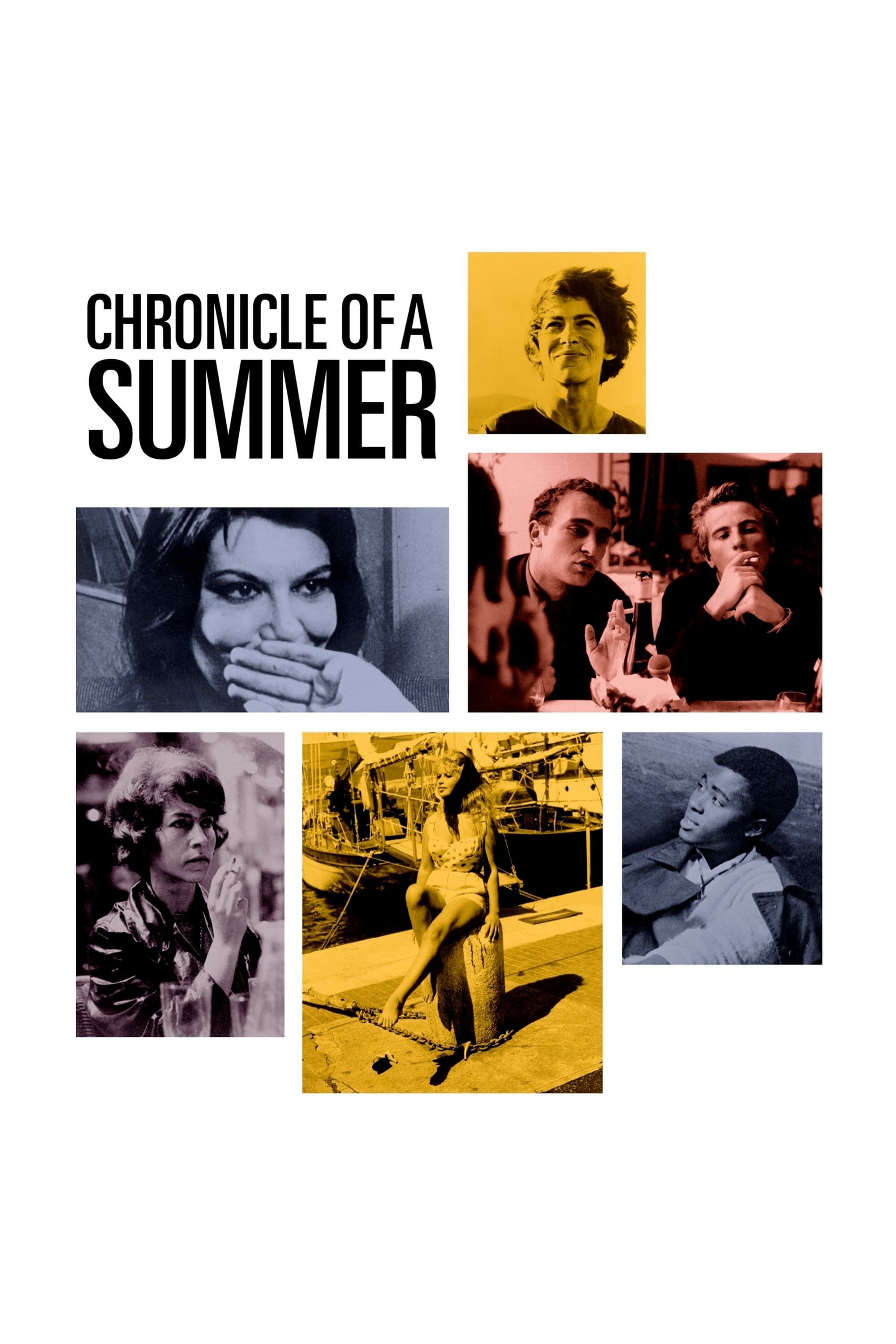
Paris, summer 1960. Anthropologist and filmmaker Jean Rouch and sociologist and film critic Edgar Morin wander through the crowded streets asking passersby how they cope with life's misfortunes.
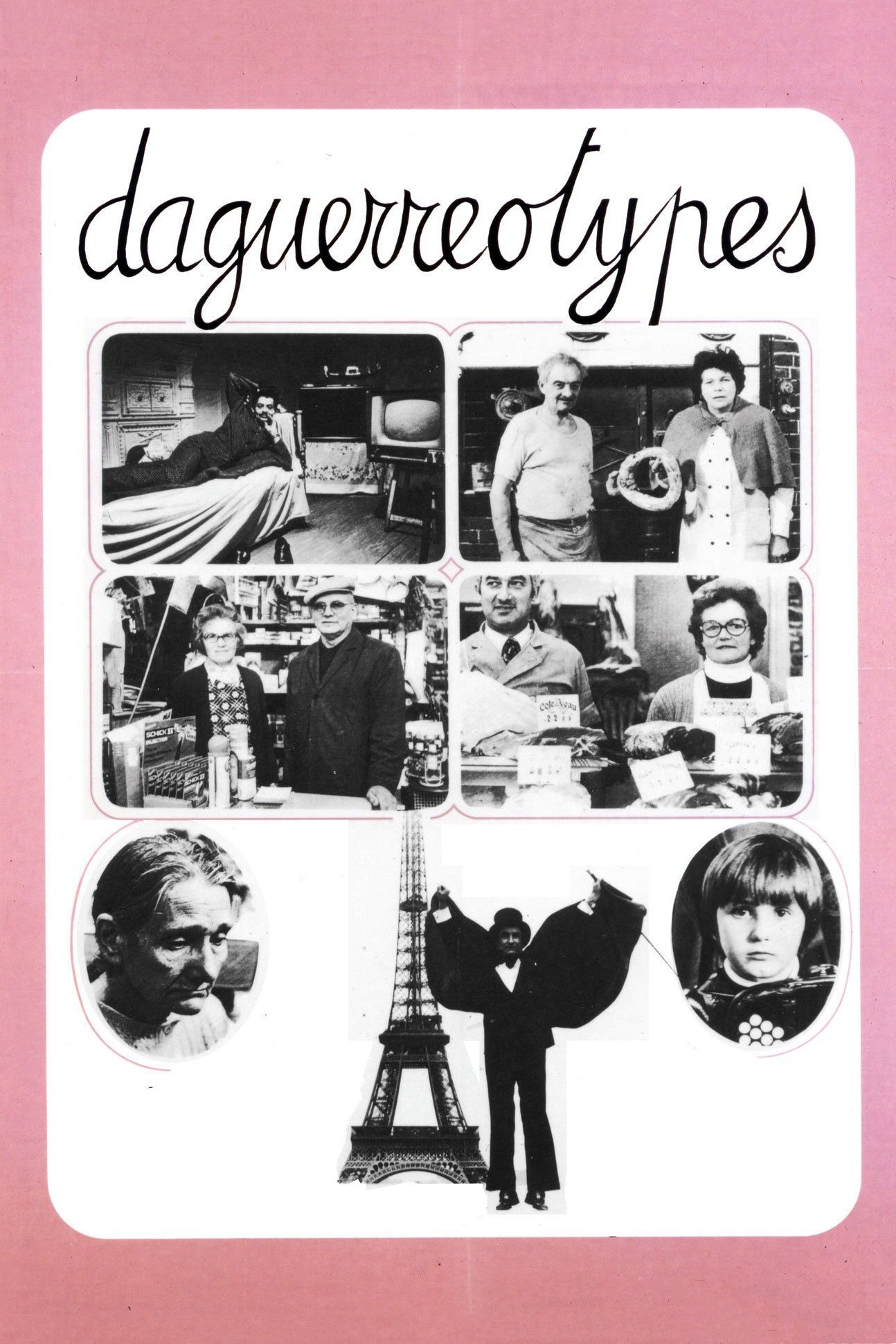
An intimate portrait of the small shops and shopkeepers of the Rue Daguerre in Paris, a picturesque street that has been the filmmaker’s home for more than 50 years.
A documentary about the life and films of director John Ford.
A documentary about how a dominant cultural and demographic institution both sustains their traditional activities and adapts to the digital revolution.
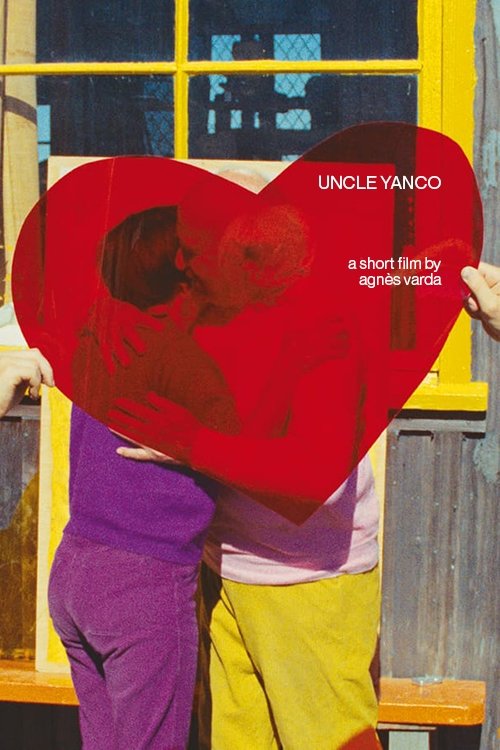
While in San Francisco for the promotion of her last film in October 1967, Agnès Varda, tipped by her friend Tom Luddy, gets to know a relative she had never heard of before, Jean Varda, nicknamed "Yanco". This hitherto unknown uncle lives on a boat in Sausalito, is a painter, has adopted a hippie lifestyle and loves life. The meeting is a very happy one.
Candid interviews of ordinary people on the meaning of happiness, an often amorphous and inarticulable notion that evokes more basic and fundamentally egalitarian ideals of self-betterment, prosperity, tolerance, economic opportunity, and freedom.
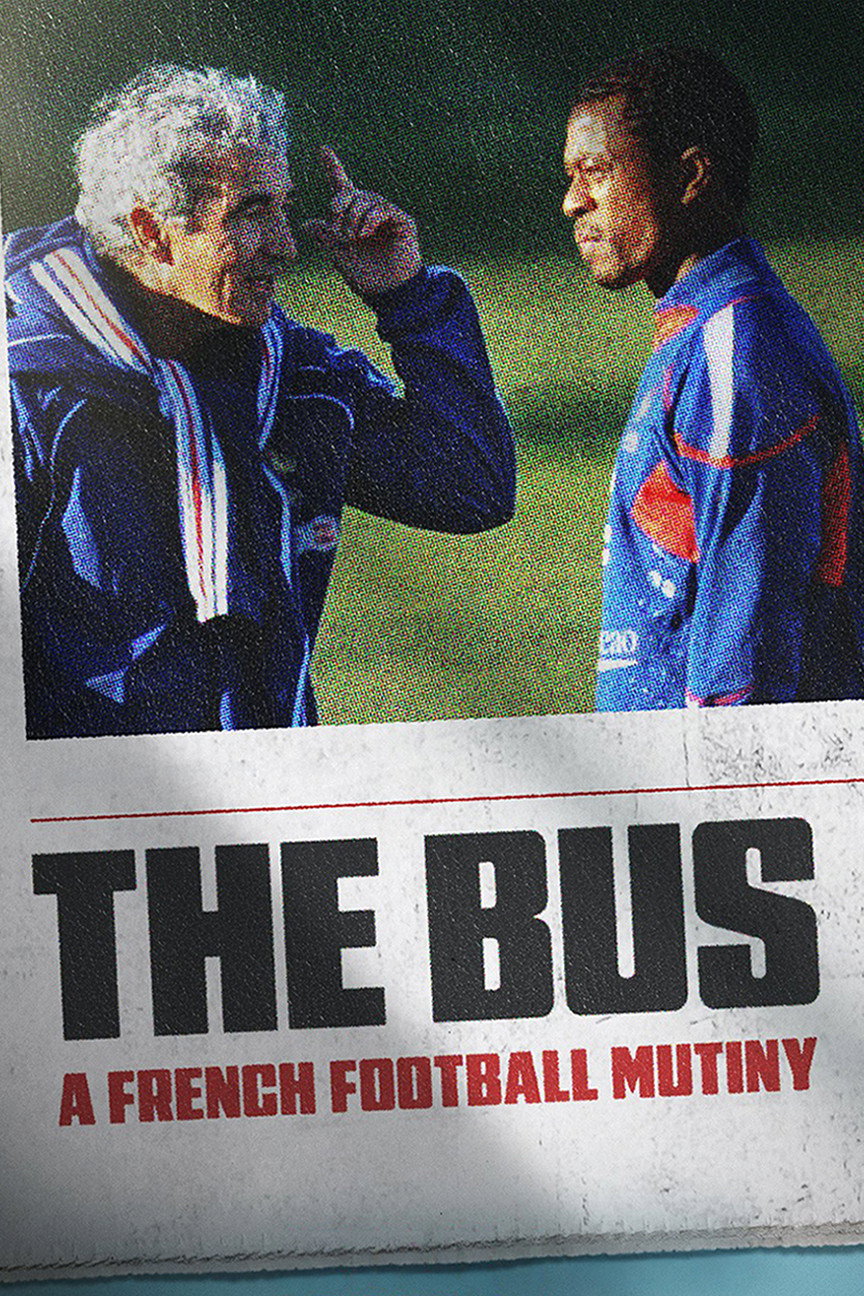
This documentary revisits the French football team's controversial 2010 World Cup and the bus strike that sparked global headlines and national outrage.
When Allied forces liberated the Nazi concentration camps in 1944-45, their terrible discoveries were recorded by army and newsreel cameramen, revealing for the first time the full horror of what had happened. Making use of British, Soviet and American footage, the Ministry of Information’s Sidney Bernstein (later founder of Granada Television) aimed to create a documentary that would provide lasting, undeniable evidence of the Nazis’ unspeakable crimes. He commissioned a wealth of British talent, including editor Stewart McAllister, writer and future cabinet minister Richard Crossman – and, as treatment advisor, his friend Alfred Hitchcock. Yet, despite initial support from the British and US Governments, the film was shelved, and only now, 70 years on, has it been restored and completed by Imperial War Museums under its original title "German Concentration Camps Factual Survey".
A documentary about the making of David Fincher's 2008 film THE CURIOUS CASE OF BENJAMIN BUTTON. Virtually every element in the evolution of the Fincher's film is documented here, from the project's attachment to numerous other directors during the 1990s, to its shoot in 2006 and 2007 in New Orleans, to its complex, CGI-intensive postproduction process.
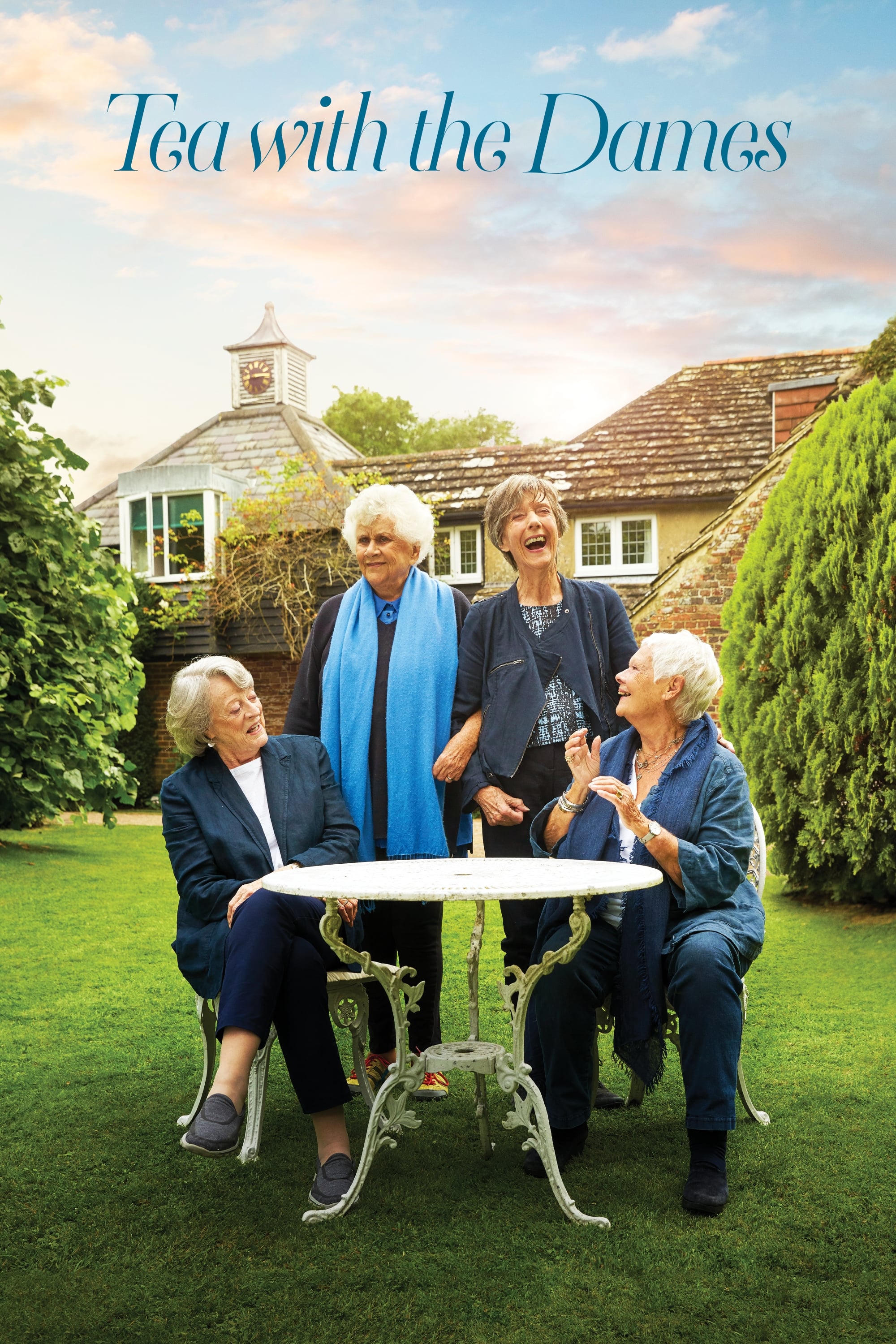
BBC Arena's documentary on the Dames of British Theatre and film featuring Maggie Smith, Eileen Atkins, Judi Dench and Joan Plowright on screen together for the first time as they reminisce over a long summer weekend in a house Joan once shared with Sir Laurence Olivier.