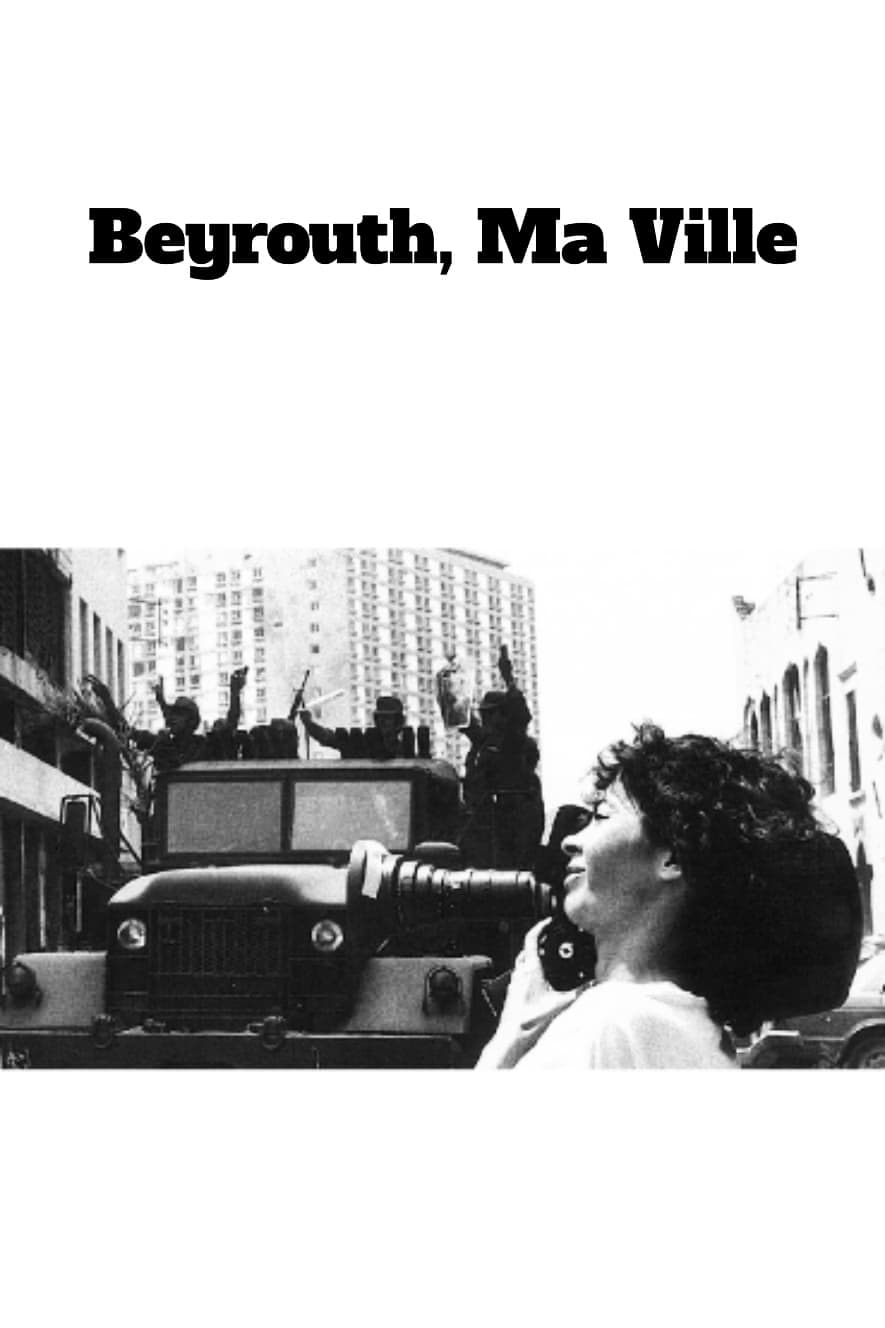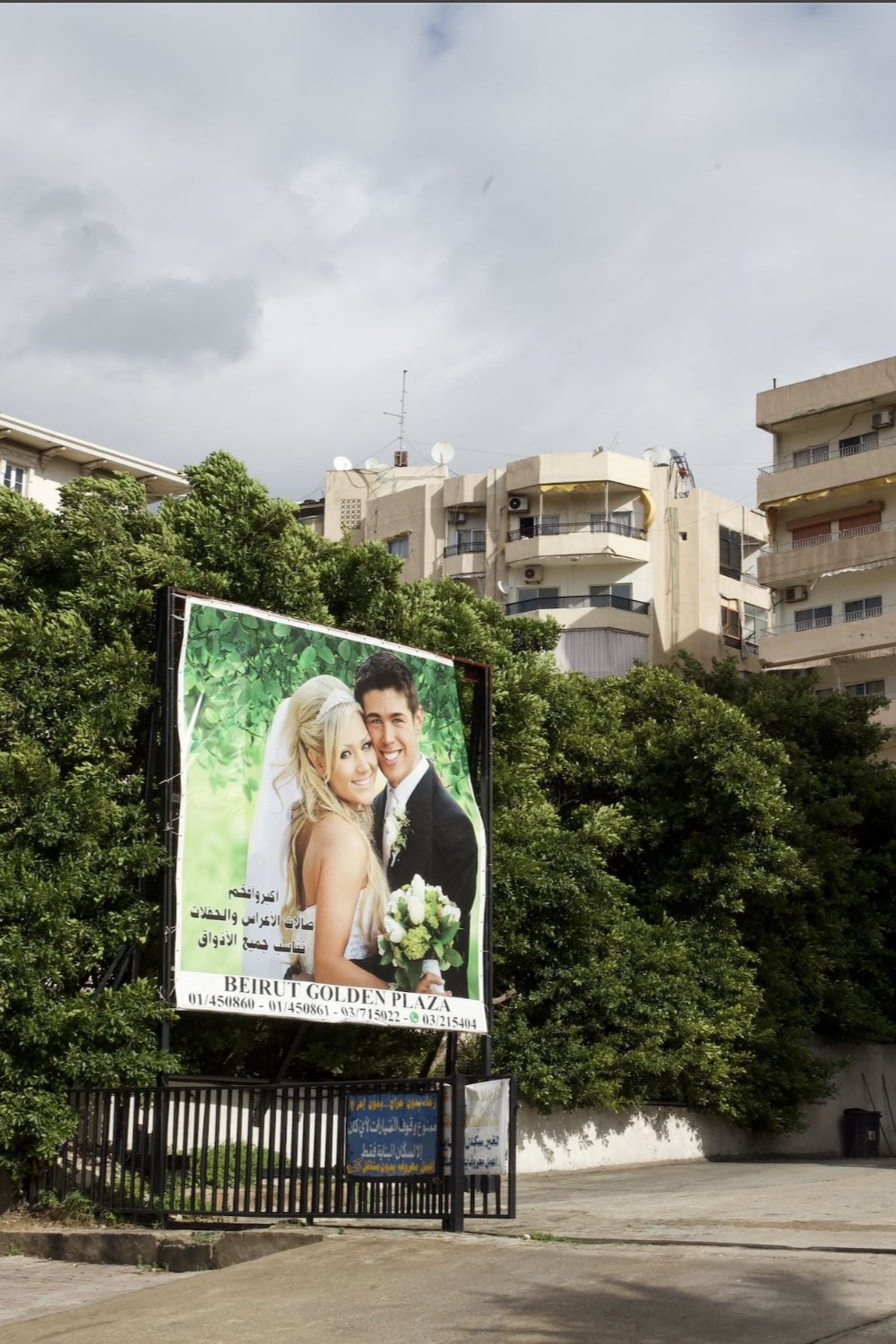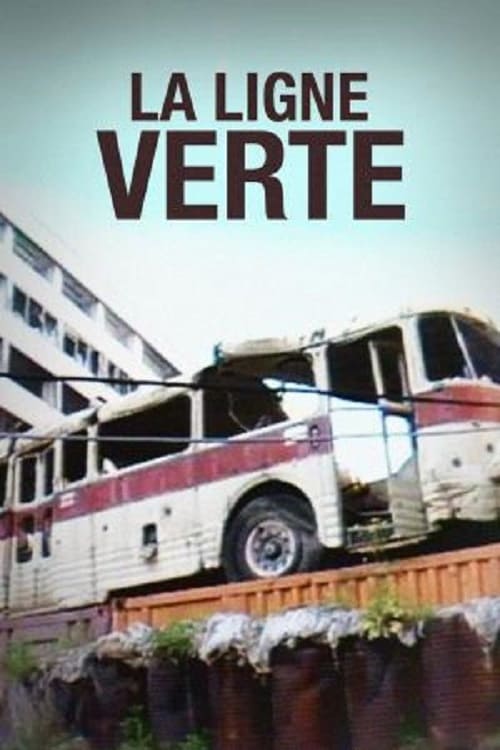
Bahij Hojeij’s documentary studies the infamous Green Line between east and west Beirut during the civil war.
Social & External
The people behind it
As the Syrian war continues to leave entire generations without education, health care, or a state, Lost in Lebanon closely follows four Syrians during their relocation process. The resilience of this Syrian community, which currently makes up one fifth of the population in Lebanon, is astoundingly clear as its members work hard to collaborate, share resources, and advocate for themselves in a new land. With the Syrian conflict continuing to push across borders, lives are becoming increasingly desperate due to the devastating consequences of new visa laws that the Lebanese government has implemented, leaving families at risk of arrest, detention, and deportation. Despite these obstacles, the film encourages us to look beyond the staggering statistics of displaced refugees and focus on the individuals themselves.
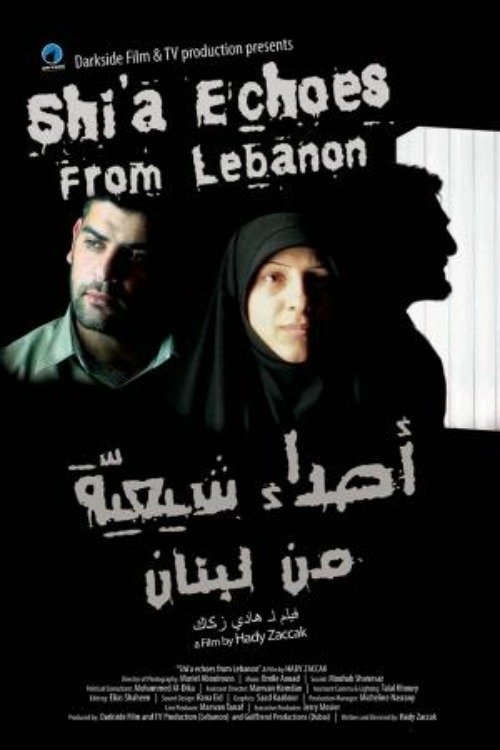
This political documentary by Hady Zaccak delves into the world of Lebanese Shiites through interviews with three Shiite youths, each with a different political and ideological affiliation, in addition to a very valuable interview with late Shiite cleric Sayyed Hani Fahs. The documentary explores the Shiites’ relation to Beirut’s Dahiyeh suburb, a Shiite stronghold, as well as the difference between the political and social perspectives of these youths.
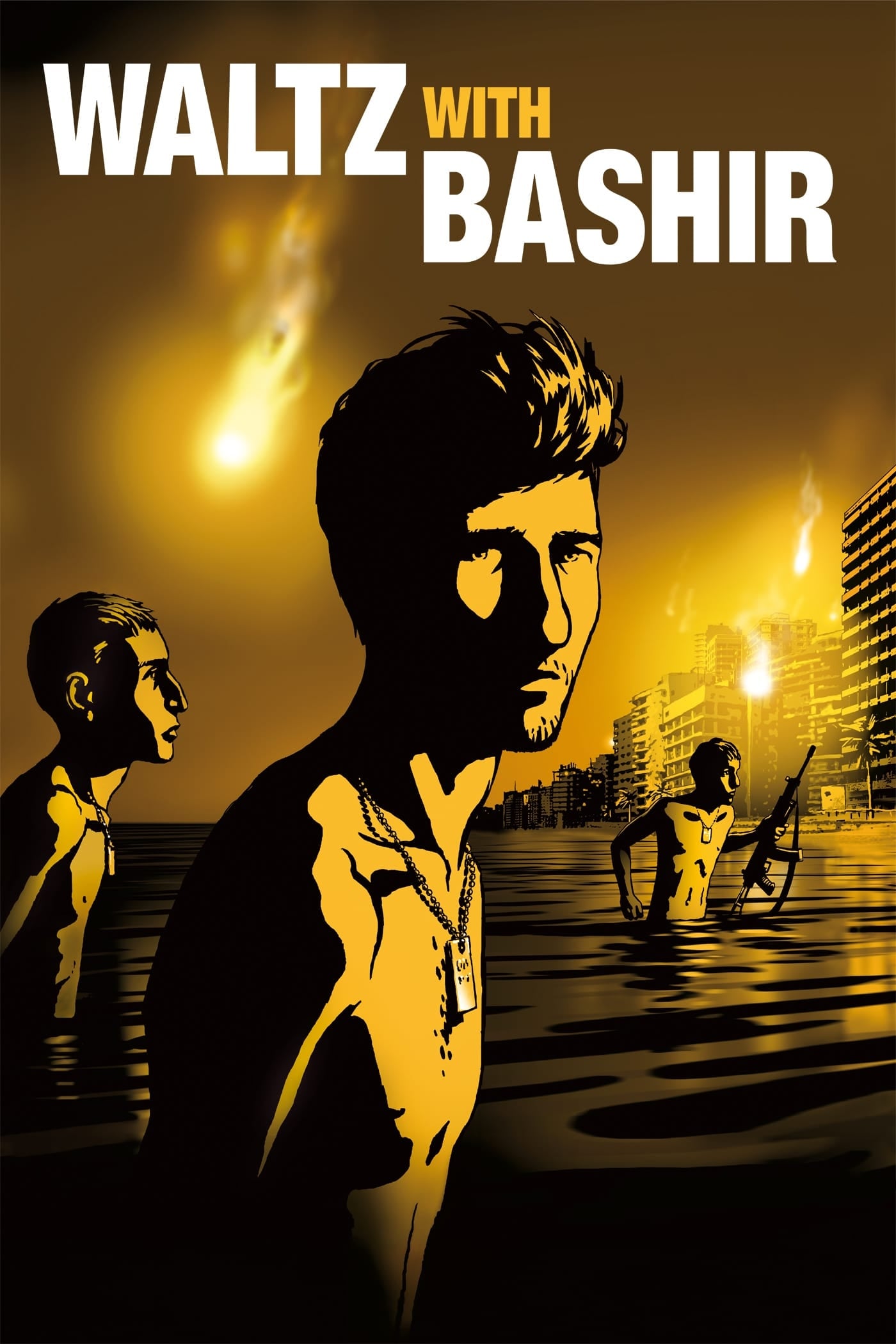
A film director from Israel interviews fellow veterans of the 1982 invasion of Lebanon to reconstruct his own memories of his term of service in that conflict.
"When this last war broke out, I was faraway in Paris. I had but one idea: to return to Beirut as quickly as possible and to begin shooting a film, for historical moments were taking place. This film became indispensible: to film so that history would cease repeating itself and to build up a picture library for future generations. I never understood why so few films were made during the Lebanese Civil War. Apart from the odd film, nothing remains from that time. The war surely merited more attention." (Waël Noureddine)
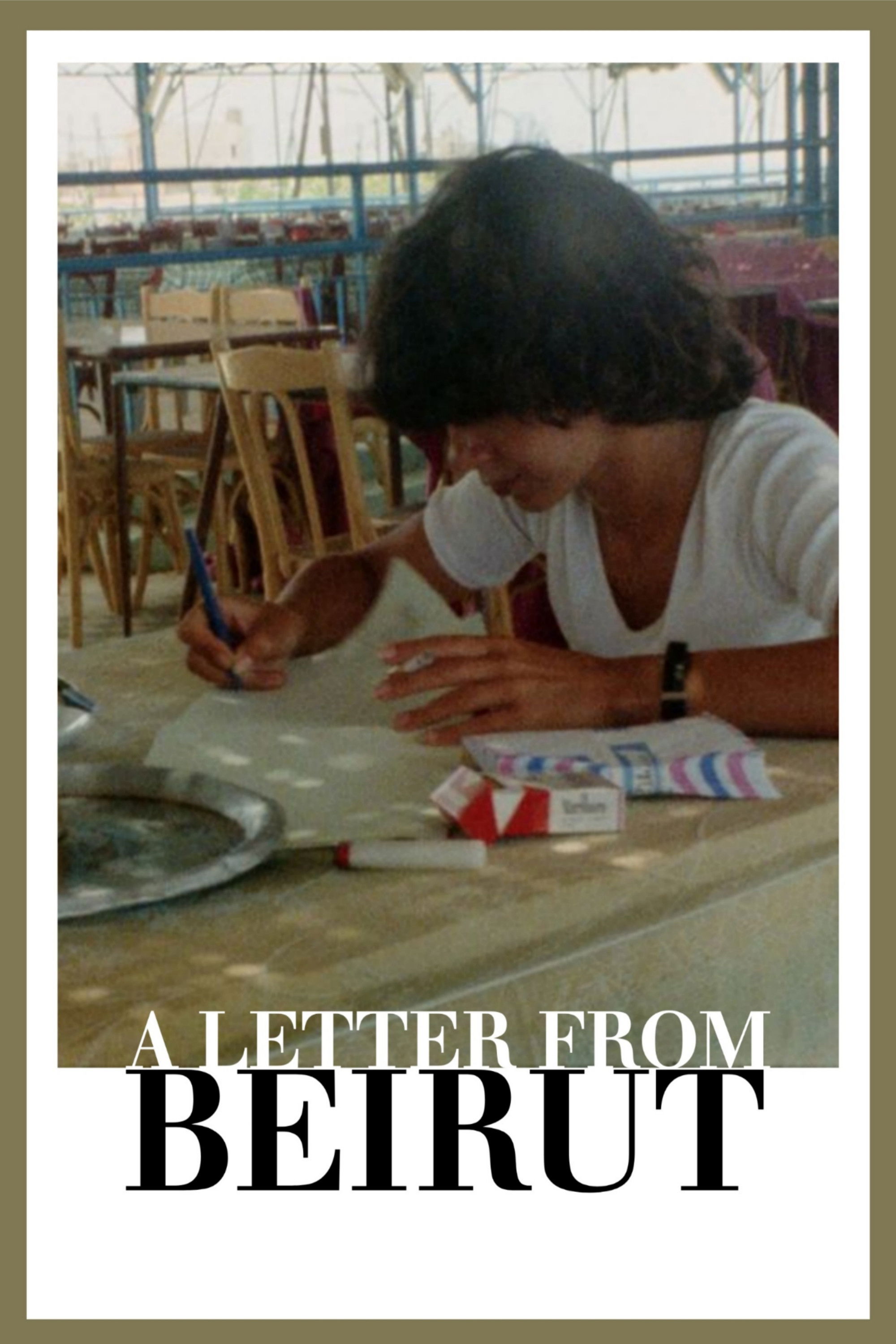
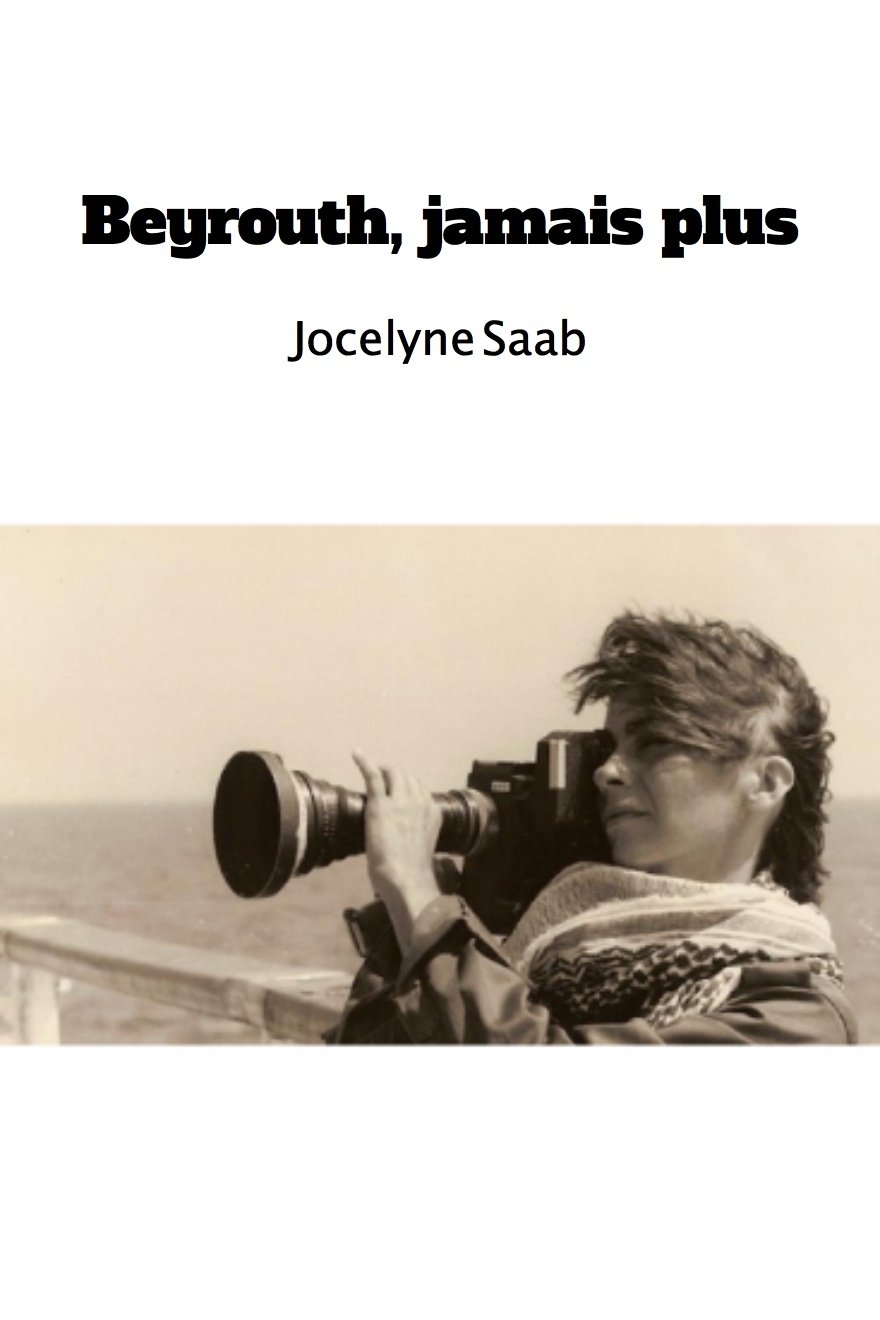
Letter from Beirut documents the filmmaker's return to Beirut during one of the lulls, three years after the outbreak of the civil war, animated by the urge to return. She is confronted by the physical, emotional and psychological ravages of the war, terrified and sorrowful, she cannot find her place in the city. In that quest, she communicates with everyday people, friends, neighbors, people riding the bus across the city's eastern and western flanks. To pace her journeying and dramatic unraveling of the film, Saab borrows the guise of a letter read in a voice-over, written by world-renowned poet Etel Adnan. A rare document from the civil war, Letter from Beirut lays bare and spontaneously how people make sense of their everyday in the midst of chaos, violence, terror and sorrow.

In July 1982, the Israeli army besieged Beirut. Four days earlier, Jocelyne Saab sees her house burn and 150 years of family existence go up in smoke. She then takes refuge in questioning: when did this all begin? How did the Beirut people live the siege? Each place will then become a story and each name a memory.
A Beqaa Valley refugee camp is seen through the eyes of Asma, an 11-year-old Syrian girl.
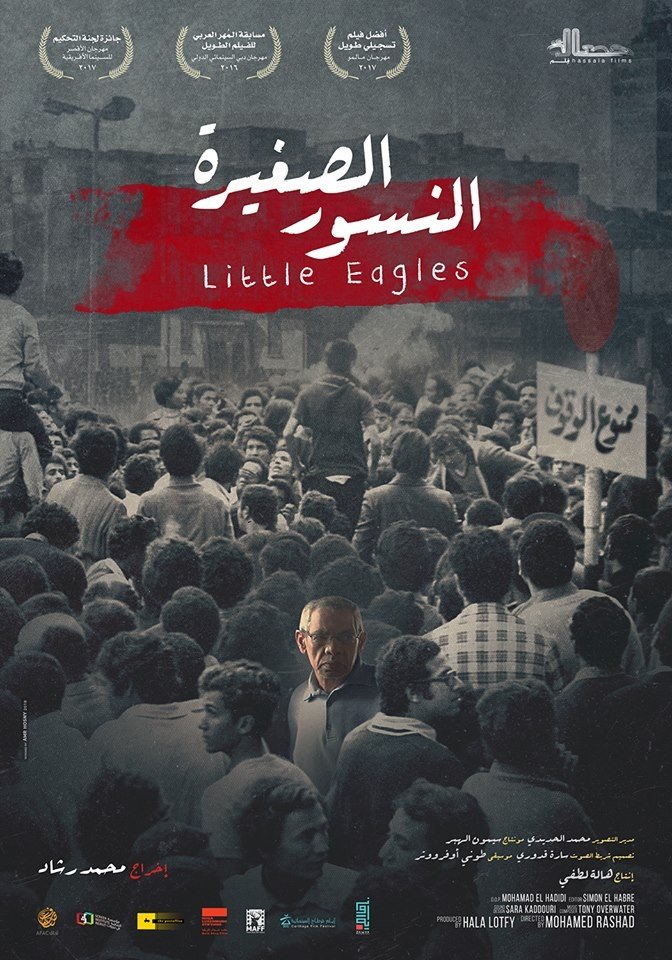
Mohammed, the son of a simple worker, lives in the city of Alexandria with his father and dreams of moving to Cairo to become a filmmaker. In Cairo, Mohammed meets Salma and Bassam and is impressed by their self-confidence. When he discovers that Salma and Bassam’s parents were left-wing activists from the 1970s, he looks for a similar sense of purpose in his own father’s life. As he compares lives, Mohammed the filmmaker discovers answers. More importantly, he is led to new questions that connect the past with the present.
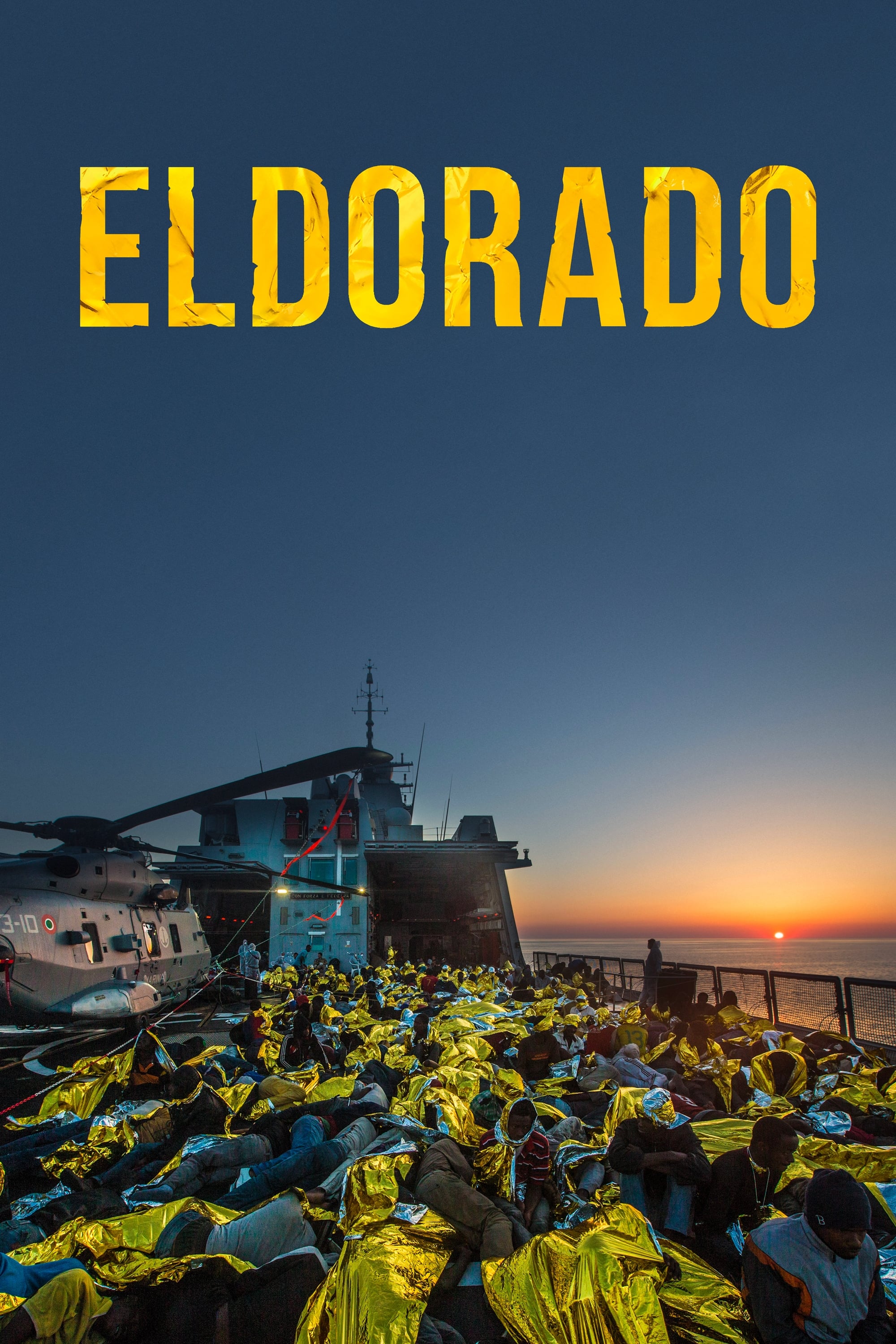
Drawing inspiration from his personal encounter with the Italian refugee child Giovanna during World War II, Markus Imhoof tells how refugees and migrants are treated today: on the Mediterranean Sea, in Lebanon, in Italy, in Germany and in Switzerland.
‘Objects of War’ is a series of testimonials on the Lebanese war. Each person chooses an object, ordinary or unusual, which serves as a starting point for his / her story. These testimonials while helping to create a collective memory, also show the impossibility of telling a single History of this war. Only fragments of this History are recounted here, held as truth by those expressing them. In ‘Objects of War’, the aim is not to reveal a truth but rather to gather and confront many diverse versions and discourses on the subject. ‘Objects of War’ started in 1999 assembling the testimonials of eleven persons. It was first shown in 2000 . It continued in 2003 with ‘Objects of War n°2’, recording seven additional testimonials. This time however, and since then, the recorded material is left unedited, shown in its integrity. The work of collecting and assembling these stories continued with ‘Objects of War n°3 & n°4’ in 2006 and ‘n°5 & 6’ in 2014.
a state that used religion to control the mass. the mass reduced politics to the personal (social and domestic). religious shrines became political. And political figures became the new god. meanwhile, lebanon is collapsing. in this film, we are roaming within the lebanon with three individuals that are living the consequences of a failed state.
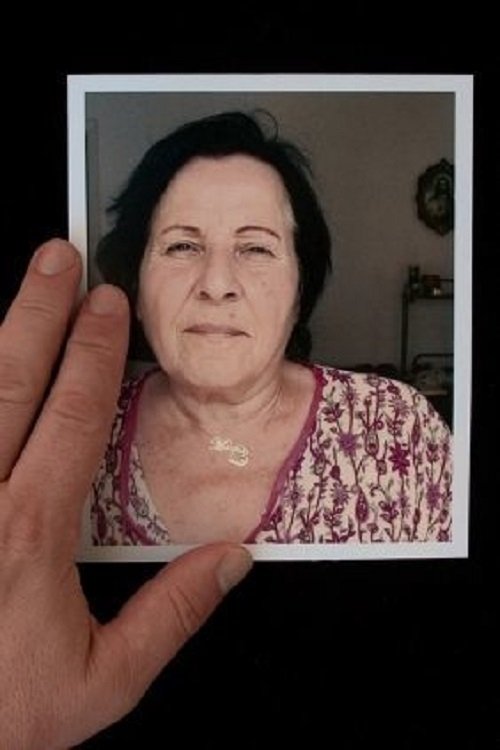
Severely battered from the Beirut Port Explosion on August 4th, Minerva passed away eight days later. Her son Joseph, while still grieving for his loss, sunk into a long and absurd bureaucratic path through the inept system that disowned his mother as a victim of the blast. Minerva is gone. The explosion has snatched her soul, and the city walls have not yet recognized her as a martyr. There is no poster of her smiling face among those of the victims. Their faces are memories that will haunt us for the rest of our lives. Perhaps her son, devastated by her passing, seeks to etch her image into the city's memory. Perhaps he is seeking some confession to the crime. This is a place that casts out its children, whether dead or alive.
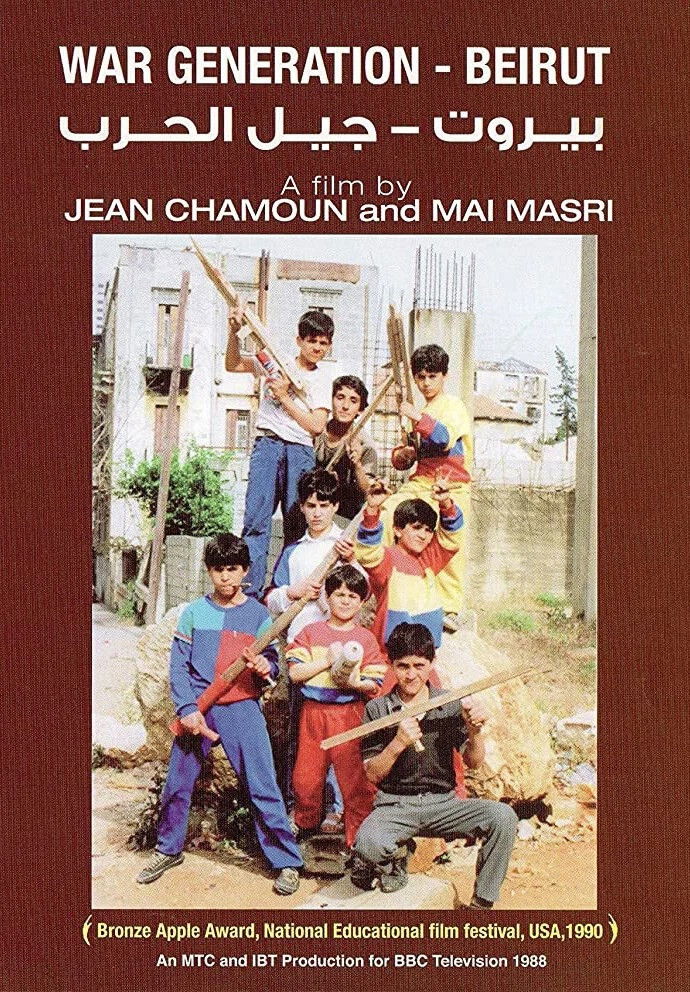
War Generation - Beirut explores the lives, dreams and fears of three generations of young people living in the heart of the civil war in Lebanon. This seminal work from Jean Chamoun and Mai Masri remains one of the most powerful anti-war documents of the period.
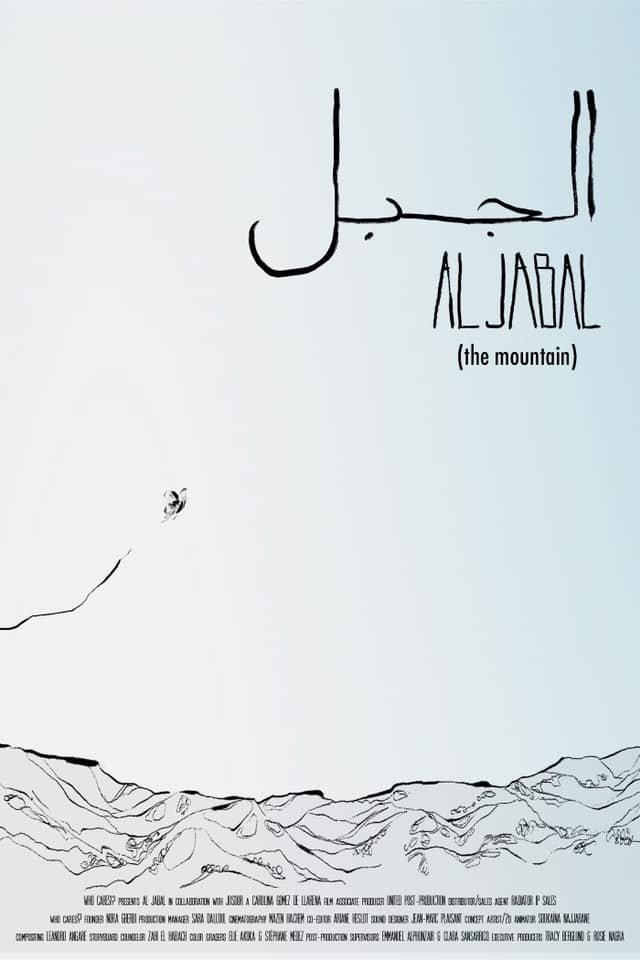
While living in a deserted valley in eastern Lebanon, seven-year-old Rahaf describes the wonders of her past, present and future – without knowing the limits of her own imagination.
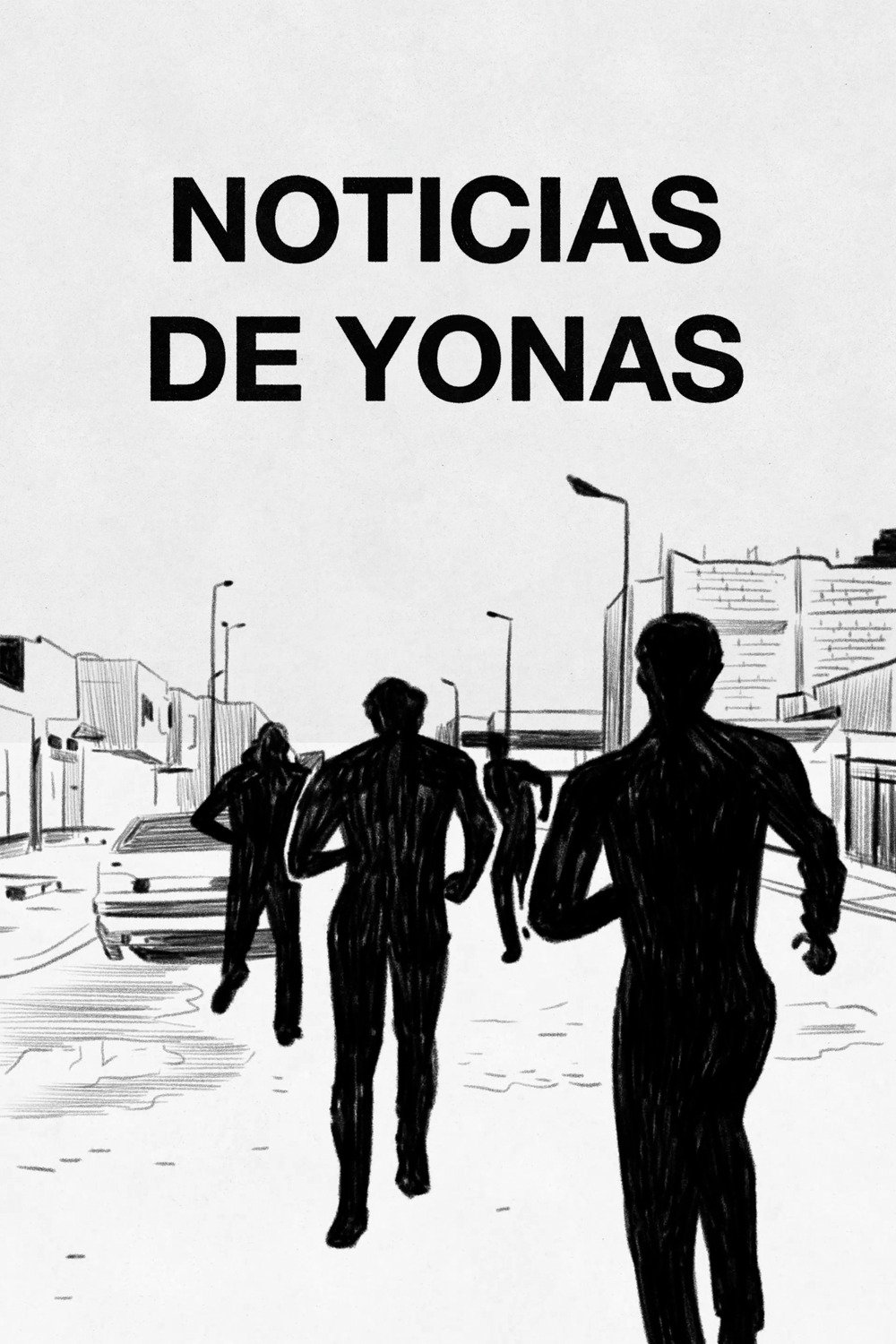
A cell phone was the only thing that kept Yonas, an Eritrean refugee, connected to Jérôme, the French journalist who wanted to tell his story. They met in Libya in 2019, in the abyss of a detention center. Yonas managed to escape and attempted several times to cross the Mediterranean. Like many others who jump from one hell to another, Yonas's only option was to flee forward, and what lay before him was a small boat. Yonas's News chronicles the epic journey in which his life was at stake, summarized in the WhatsApp and voice messages, photos, and videos he was able to exchange with Jérôme. Jérôme Tubiana, journalist, researcher, and member of Doctors Without Borders, has visited Libya five times between 2018 and 2020.
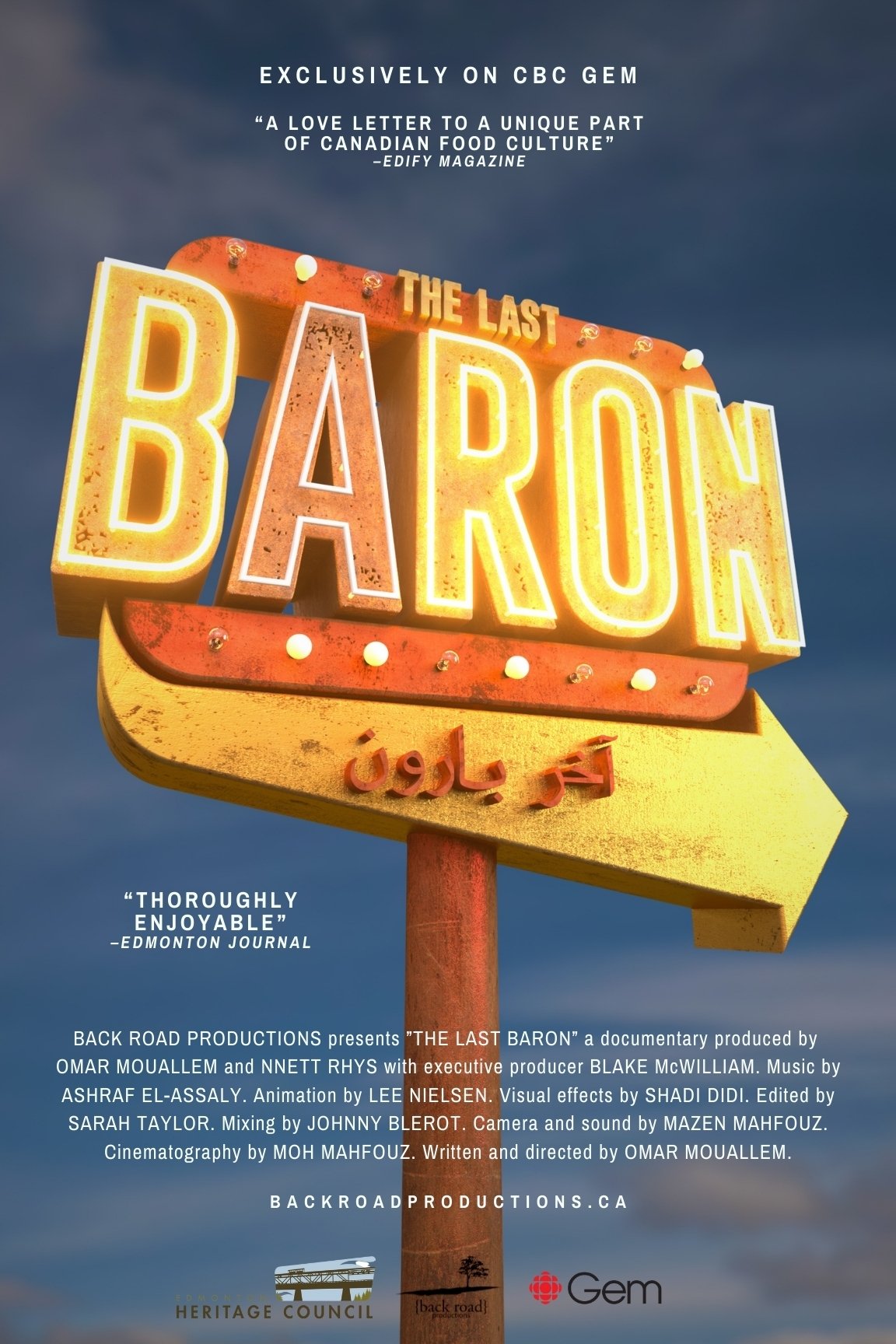
The meaty saga of Burger Baron, a rogue fast-food chain with mysterious origins and a cult following, run by a loose network of fiercely independent Arab Canadian immigrants.
1976 marks the beginning of Beirut’s calvary. With a child’s eyes the filmmaker follows for six months the daily destruction of the city’s walls. Every morning, between 6 and 10am she roams around Beirut while the militia from both sides rest from their night of fighting.
Inhabitants of Beirut talk about their love for the singer Fairuz.
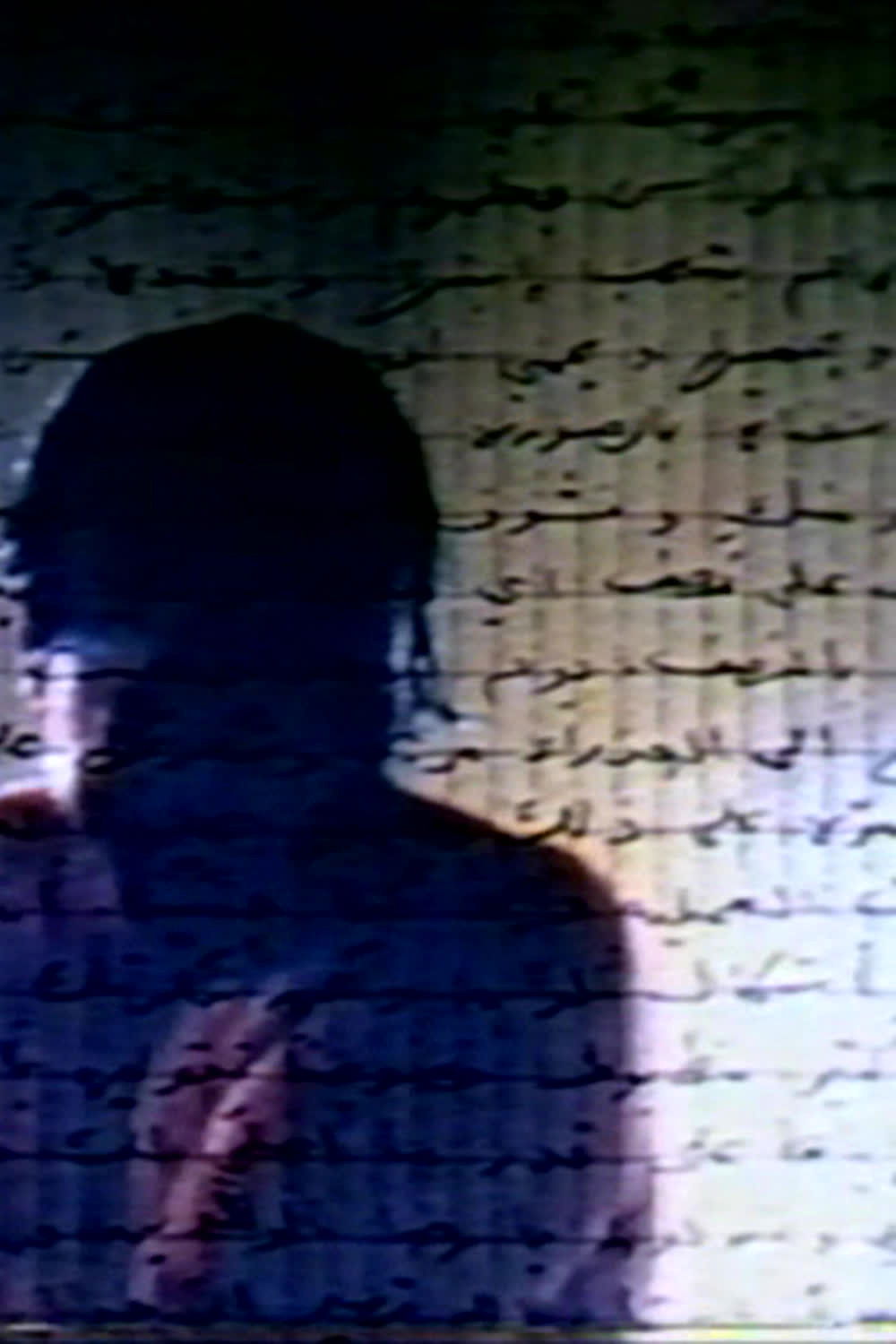
In this video, the artist tries to overcome the effects of distance, and reflects on geography represented in exile due to war, and on the psychological distance represented in each one’s approach to her womanhood. The video beautifully weaves personal images and audio recordings of a very intimate nature, binding the personal with the political. Reading aloud from letters sent by her mother in Beirut, Hatoum creates a visual montage reflecting her feelings of separation and isolation from her Palestinian family. The personal and political are inextricably bound in a narrative that explores personal and family identity against a backdrop of traumatic social rupture, exile and displacement.
Filmed in Tripoli, Lebanon, Concrete Forms of Resistance is a documentary centred upon the city’s abandoned ‘Permanent International Fair’, designed by Brazilian architect Oscar Niemeyer in the mid-1960s. Progress and crisis, labour and capital, material and memory, are reflected through a very intelligent rhyme between image and sound. The touching voice and words of Niemeyer as a call for life, and the beautiful camerawork as a weaving of ghosts in the present landscapes.
In an intimate and joyful story of love in the face of loss, celebrated poets Andrea Gibson and Megan Falley find strength—and unexpected hilarity—in what might be their final year together.
Through deeply personal interviews with her siblings and an examination of the photographs, letters, and belongings left behind, Mariska assembles a new portrait of her mother Jayne Mansfield, an extraordinary and complex woman.
A documentary on the expletive's origin, why it offends some people so deeply, and what can be gained from its use.
A compilation of over 30 years of private home movie footage shot by Lithuanian-American avant-garde director Jonas Mekas, assembled by Mekas "purely by chance", without concern for chronological order.
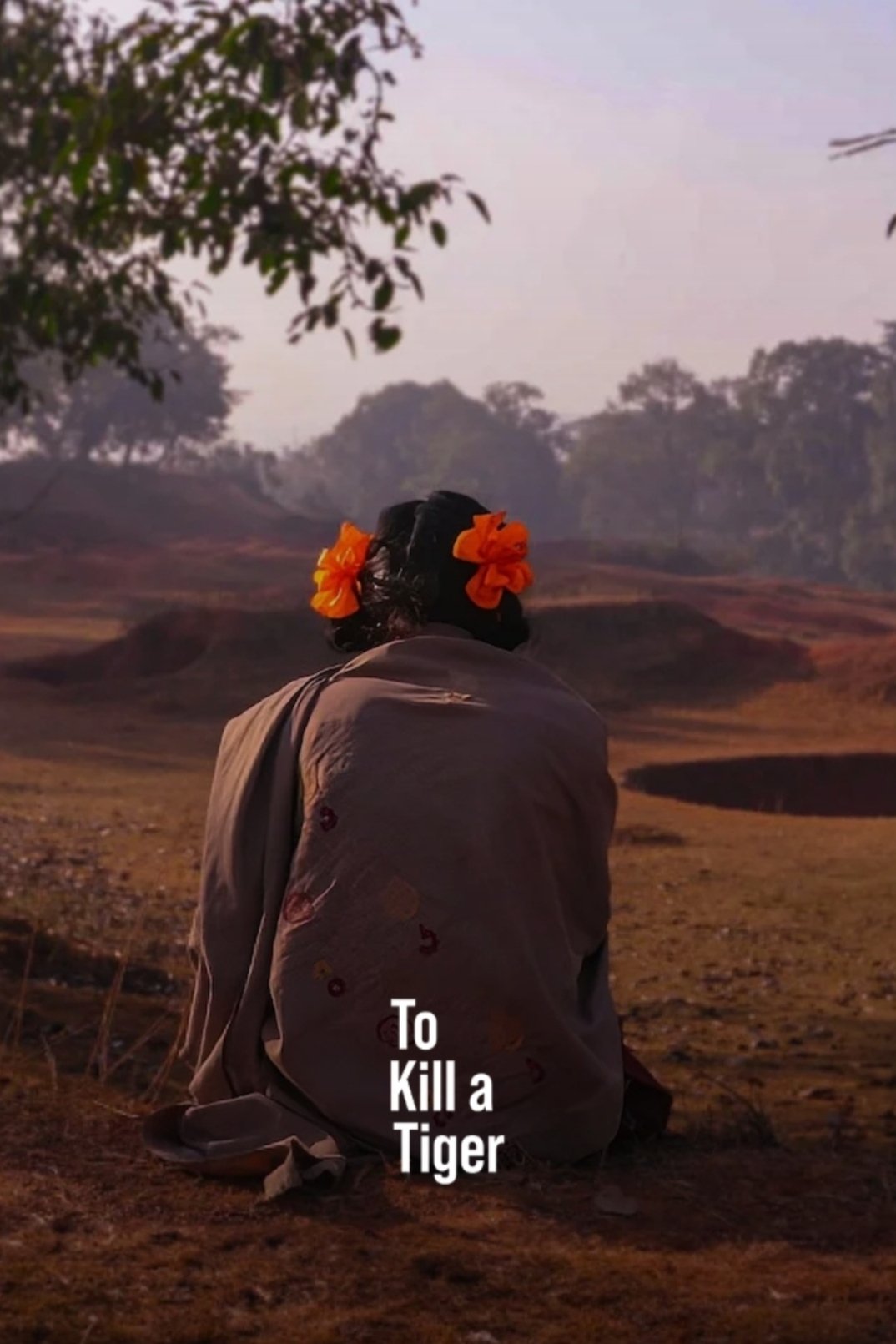
Ranjit, a farmer in India, takes on the fight of his life when he demands justice for his 13-year-old daughter, the victim of a brutal gang rape. His decision to support his daughter is virtually unheard of, and his journey unprecedented.
A documentary detailing the epic Rogues' Gallery of DC Comics from The Joker and Lex Luthor, Sinestro, Darkseid and more, this documentary will explore the Super Villains of DC Comics.
A string of threatening emails escalates into a revenge plot involving a newly married US marshal and his ex-girlfriend.
Experience the events of September 11, 2001 through the eyes of President Bush and his closest advisors as they personally detail the crucial hours and key decisions from that historic day.
A deep dive into the making of the Paranormal Activity films with first time ever interviews with cast and crew, never-before-seen footage from the movies, and a preview of the seventh installment in the franchise.
The life of Bambi, a male roe deer, from his birth through childhood, the loss of his mother, the finding of a mate, the lessons he learns from his father, and the experience he gains about the dangers posed by human hunters in the forest.
A 1993 documentary film about Bruce Lee. The film includes interviews from some of his fellow students and opponents who worked alongside him in his movies.
Amid the failing counteroffensive, a journalist follows a Ukrainian platoon on their mission to traverse one mile of heavily fortified forest and liberate a strategic village from Russian occupation. But the farther they advance through their destroyed homeland, the more they realize that this war may never end.
Brilliant, long in-the-works story of the life and art of the world's greatest comedian and the cinema's first genius, Charlie Chaplin. Produced, written and directed by renowned film critic Richard Schickel.
Daniel Craig candidly reflects on his 15 year adventure as James Bond. Including never-before-seen archival footage from Casino Royale to the upcoming 25th film No Time To Die, Craig shares his personal memories in conversation with 007 producers, Michael G Wilson and Barbara Broccoli.
A love letter from a young mother to her daughter, the film tells the story of Waad al-Kateab’s life through five years of the uprising in Aleppo, Syria as she falls in love, gets married and gives birth to Sama, all while cataclysmic conflict rises around her. Her camera captures incredible stories of loss, laughter and survival as Waad wrestles with an impossible choice– whether or not to flee the city to protect her daughter’s life, when leaving means abandoning the struggle for freedom for which she has already sacrificed so much.
An inside look at one of the most anticipated movie sequels ever with James Cameron and cast.
The Making-of James Cameron's Avatar. It shows interesting parts of the work on the set.
A detailing of the rise to prominence and global sporting superstardom of six supremely talented young Manchester United football players (David Beckham, Nicky Butt, Ryan Giggs, Paul Scholes, Phil and Gary Neville). The film covers the period 1992-1999, culminating in Manchester United's European Cup triumph.
The life and career of an actor, artist, and icon. His own journey through his own camera.
Over 35 years after Bob Lazar's revelations, this documentary exposes secrets of a facility the government still denies. Featuring Lazar's testimony, recreations, and new evidence, it reopens a case that continues to spark global curiosity