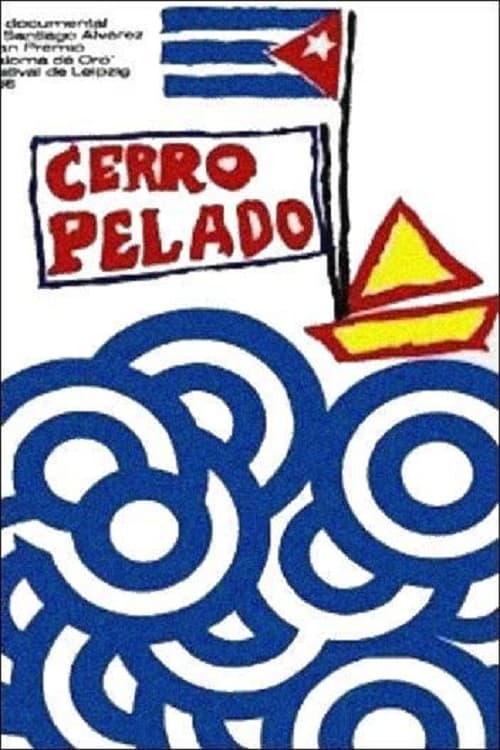
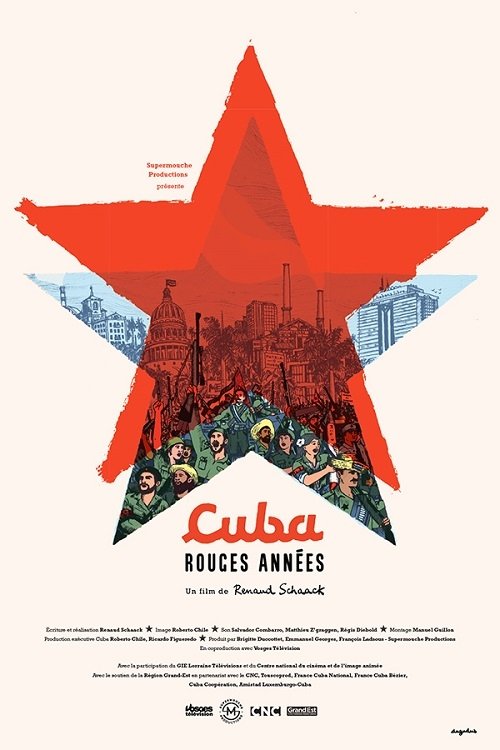
Documentary about the Cuban political turmoil between 1963-1970.
Social & External
The people behind it
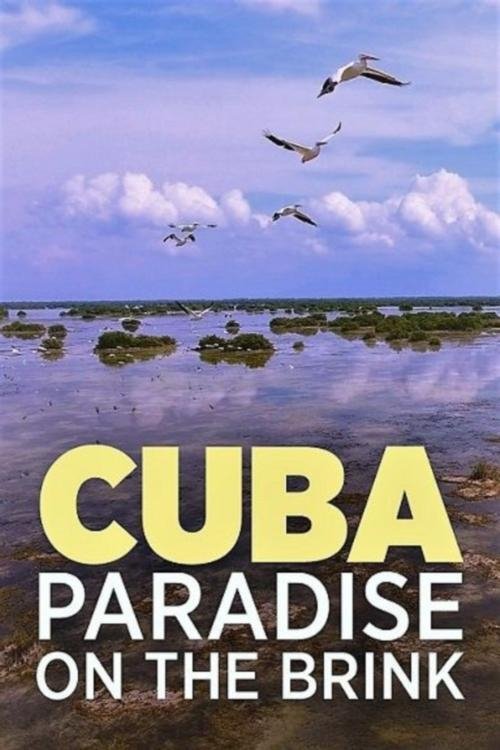
Will Cubans be able to safeguard their heritage of pristine Nature and preserved ecological treasures under this new era, as they are facing the combined pressure of money and tourism? What policies can be implemented to maintain the island’s spectacular wilderness?
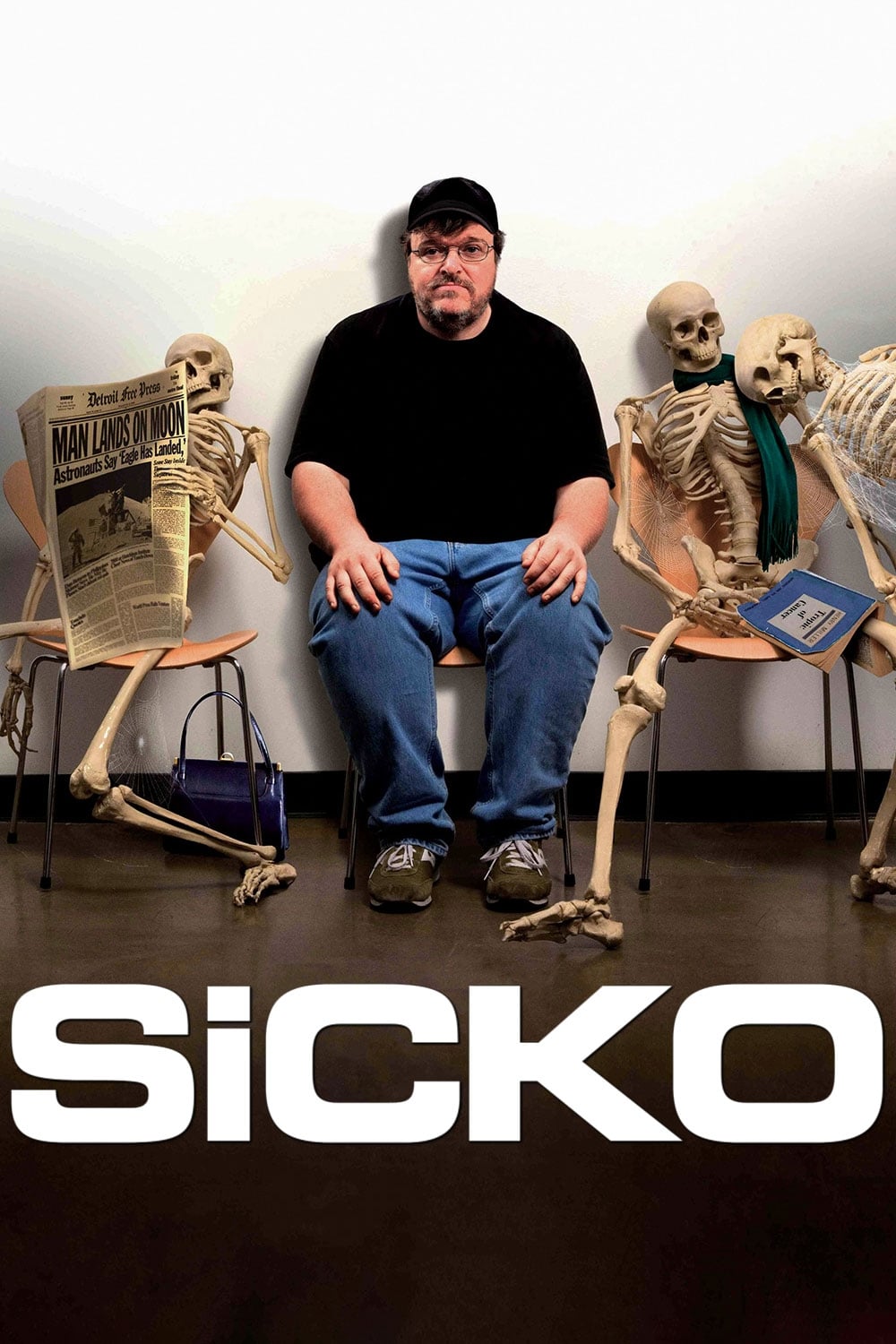
A documentary about the corrupt health care system in The United States whose main goal is to make profit even if it means losing people’s lives. "The more people you deny health insurance, the more money we make" is the business model for health care providers in America.
Documentary about the history of the bateyes, informal settlements surrounding the mills to house workers. Throughout the film, Sara Gómez recovers the political and cultural relevance of black migrants.
The Antonio Maceo Brigade consists of fifty-five children of Cuban families that escaped the revolution and settled down in Miami. To the annoyance of their parents, the children developed pro-Castro ideas. This documentary follows the Brigade on its first visit to Cuba. When they meet family members and embrace old neighbours, childhood memories surface.
Repainting Cuba takes a critical look at communist Cuba, where both the facades and the aging regime were given a coating of colorful paint in connection with the 50 year anniversary of the revolution. Two young Cubans under house arrest talk about being imprisoned for dealing with foreign tourists in a society where gossip and backstabbing is endemic, and where the heavy varnish can’t conceal the cracks.
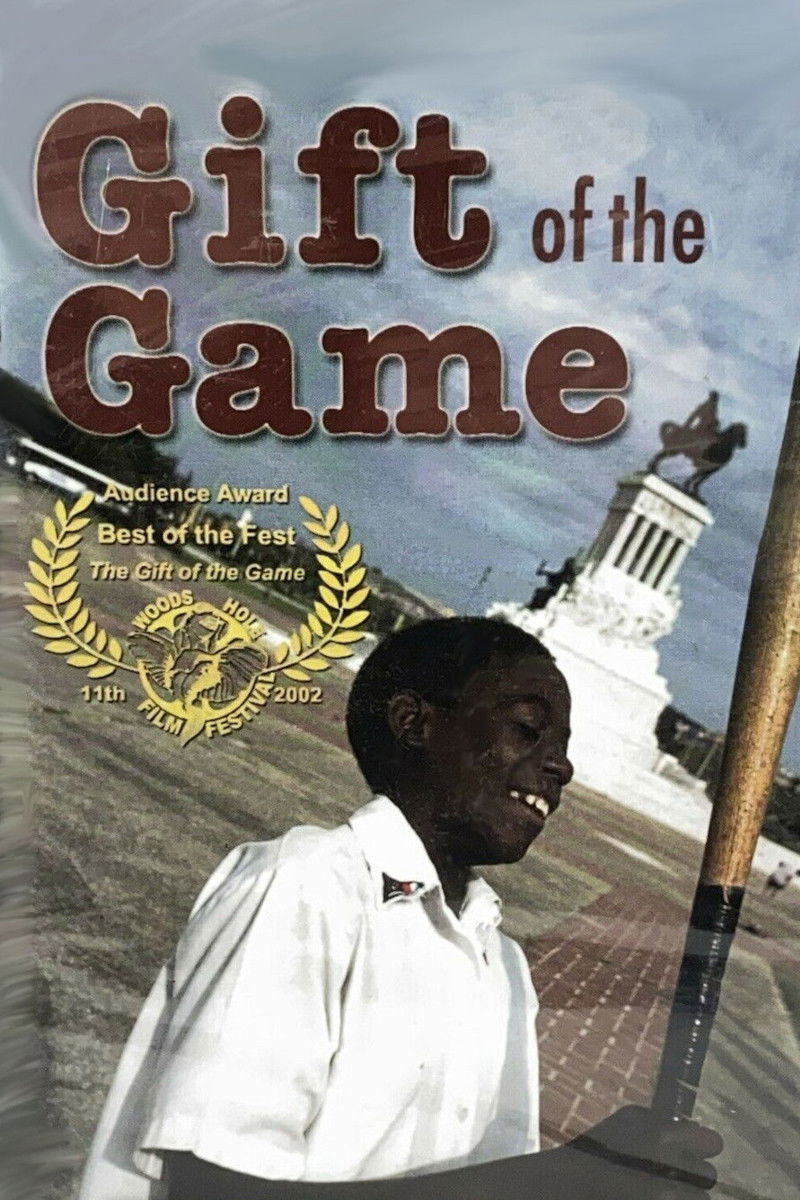
Acclaimed Florida novelist Randy Wayne White travels to Cuba with former pitchers Bill "Spaceman" Lee (Boston Red Sox) and Jon Warden (Detroit Tigers), and a band of baseball enthusiasts to find and revive the children's baseball league founded by American writer Ernest Hemingway in the days before Fidel Castro came to power.
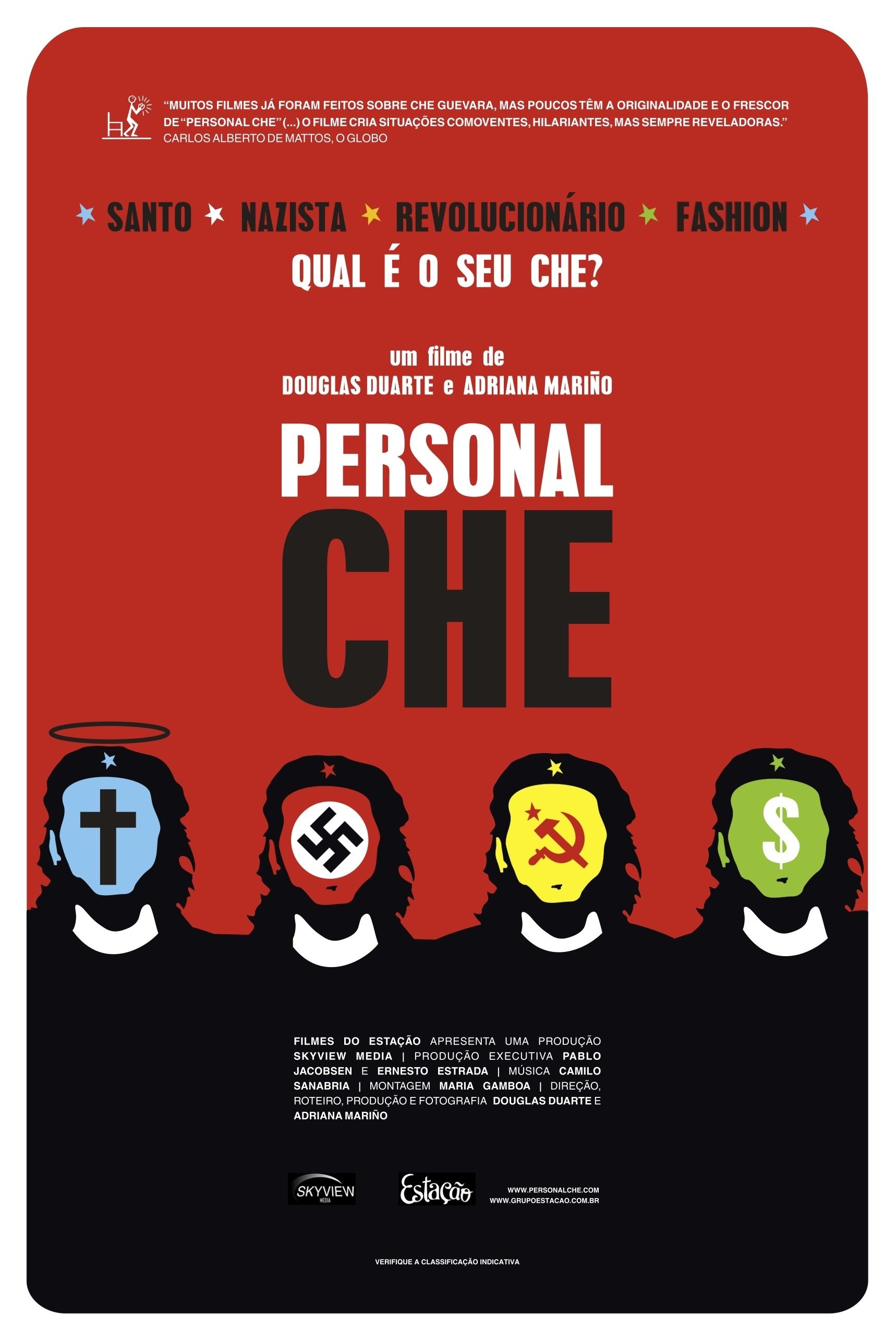
A documentary that explores the myth behind the truth. Different people around the globe reinterpret the legend of Che Guevara at will: from the rebel living in Hong Kong fighting Chinese domination, to the German neonazi preaching revolution and the Castro-hating Cuban. Their testimonies prove that the Argentinian revolutionary's historical impact reverberates still. But like with all legends, each sees what he will, in often contradictory perspectives.
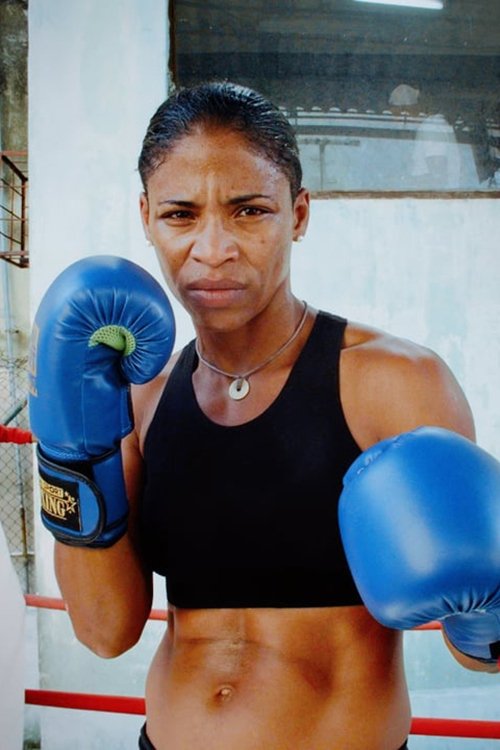
The short film captures the tireless battle of Namibia Flores Rodriguez, the only known female boxer in the Caribbean nation. Training at Havana’s Rafael Trejo arena in defiance of the ban, the athlete undertakes the same unrelenting regime as her male counterparts—running the same circuits, lifting the same truck tires—but without the hope that she might one day represent her country.
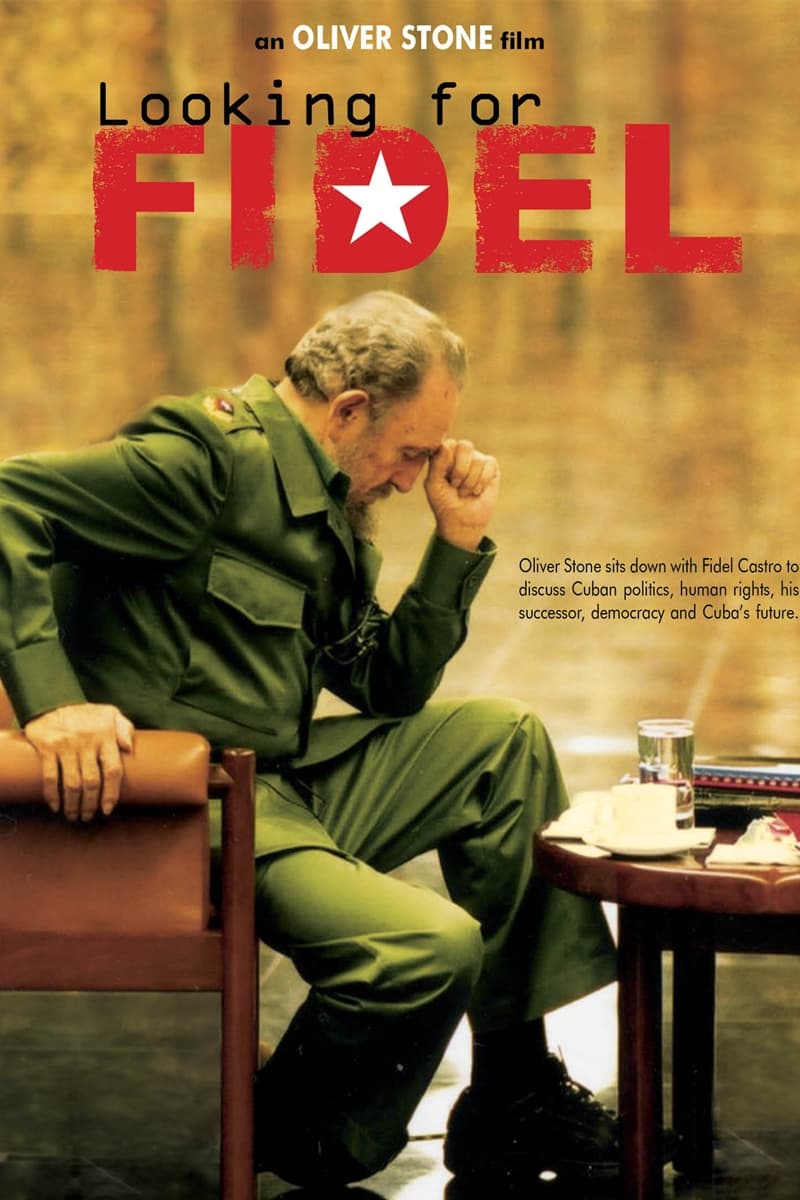
Oliver Stone's second documentary on/interview with Fidel Castro specifically addresses his country's recent crackdown on Cuban dissidents; namely, the execution of three men who hijacked a ferry to the United States.
Documentary about Fidel Castro, covering 40 years of Cuban Revolution. Rare Fidel Castro footage: he appears swimming with a bodyguard, visiting his childhood home and school, playing with his friend Nelson Mandela, meeting kid Elián Gonzalez, and celebrating his birthday with the Buena Vista Social Club group.
Two shocking documentaries where the neighbors of Cuba 111 and the passengers of a taxi traveling on the Malecón speak without fear and say what they think of the government.
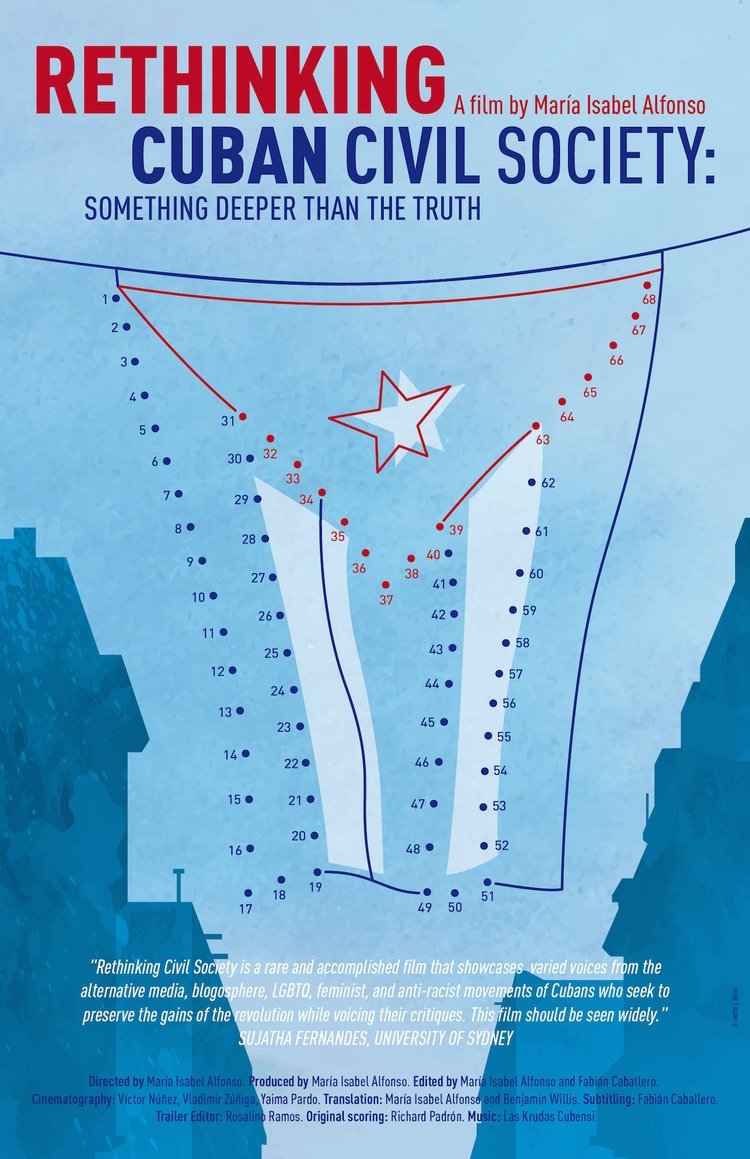
The notion of a Cuban civil society is often misrepresented in the U.S. mainstream media. According to most sources, Cuban civil society is limited to the opposition, which has little impact on the Cuban political scenario. Regardless, yearly, the U.S. government allocates tens of millions of taxpayer money to empower dissidents in the island. By doing so, it overlooks genuine expressions of pluralism, reform and contestation which are shaping the Cuban public sphere, sometimes in autonomous ways, sometimes within State-run institutions. Through in-depth interviews to members of Cuban Civil society, this documentary explores the complexities associated to these processes, following the itinerary of the debate about the concept of civil society generated in Cuba, since the 90s to the present.
Shot in Cuba in 1961, this documentary follows a volunteer militia brigade organized in defense of the Cuban Revolution. Joris Ivens and his crew observe military training, daily life, and collective discipline among civilian volunteers. The film emphasizes popular mobilization as a defining feature of the revolutionary state.
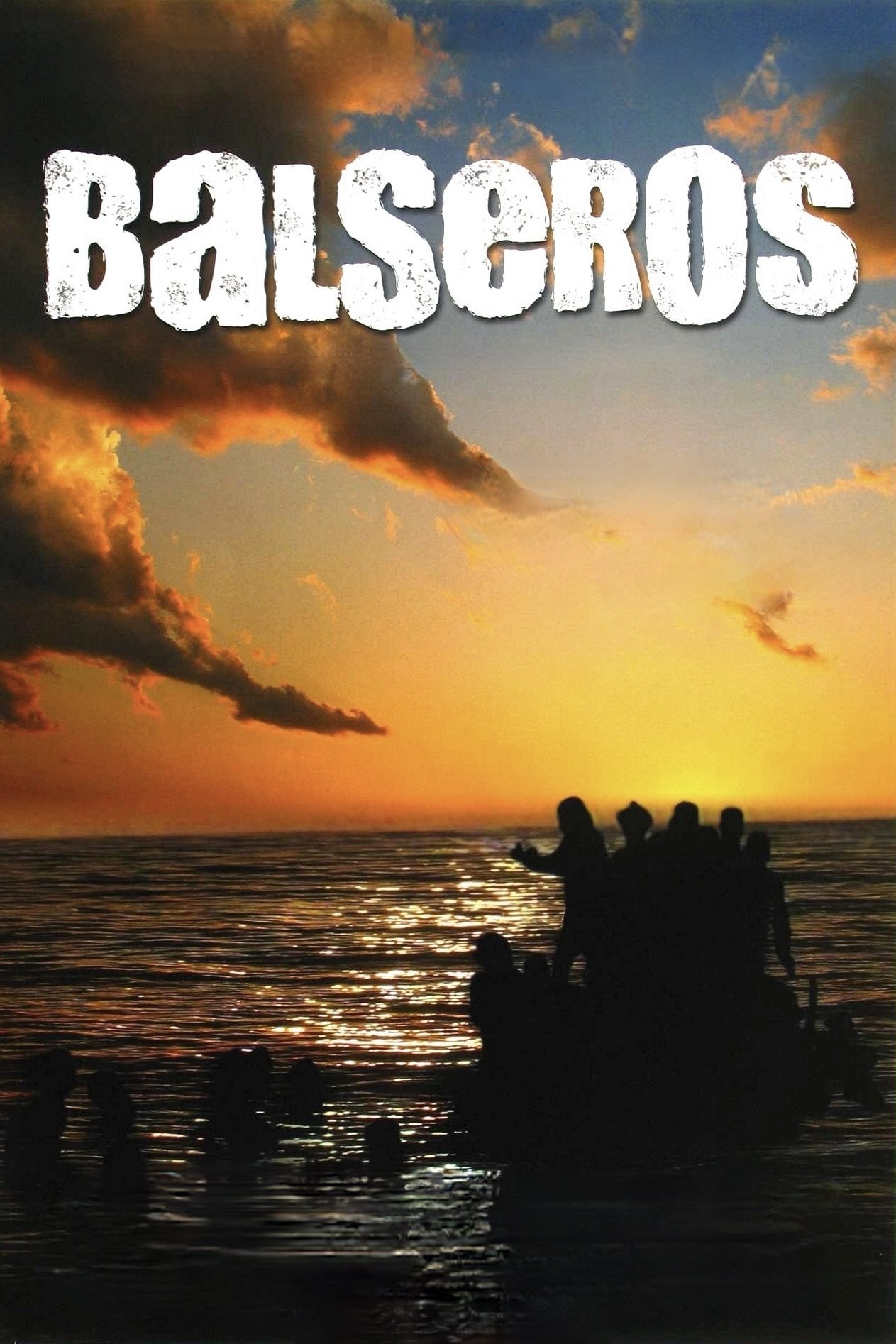
In the summer of 1994, a team of public television reporters filmed and interviewed seven Cubans a few days before their risky venture of setting out to sea in homemade rafts to reach the coast of the United States. Six made it far enough to be picked up at sea by the U.S. Coast Guard. When these balseros (rafters) were finally allowed to go to the United States, the film crew went with them to a string of several cities. Seven years later, the film crew visits them again, to discover that their destiny has been in the United States. Theirs is a true story about some of the authentic survivors of our times, the human adventure of people who are shipwrecked between two worlds.
In a culture where cremation is unusual, cemeteries fill up rapidly. In Latin America and in some other places, to solve the problem, remains are frequently exhumed. In Cuba, two year after interment. Relatives are invited to observe the little ritual. The music of the film is drawn from requiems from different periods. Twelve pieces by seven different composers are quoted. Together, they make up a traditional requiem, although only a few passages from the "dies irae" have been included, and other sections are slightly abbreviated.
Photographer Joe Guerriero sets out to make sense of the U.S. trade embargo of Cuba. Through conversations with people from all walks of life, in and outside of Cuba, he tries to shed light on the political and human sides of this conflict.
A ship of athletes training on the rough seas becomes a symbol of Castro’s Cuba, the games projected on the backdrop of political struggle. This is the story of a ship and of a sports delegation whom the enemy tried to stop from participating in the Tenth Central American and Caribbean Games.
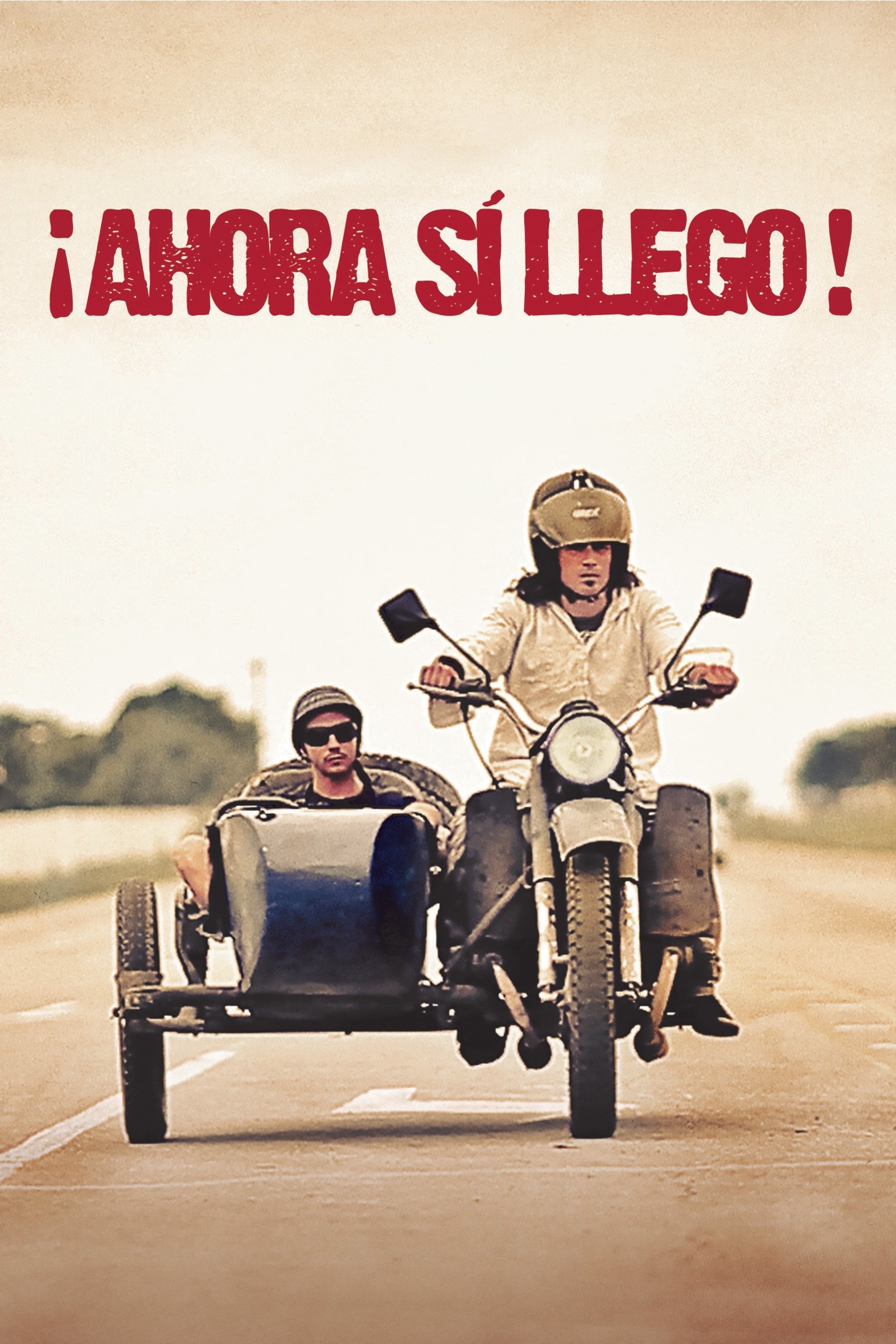
The first Road Movie feature film made by the Italian artist Sanzi together with the Cuban Balboa is inspired by friendship, the island and the motorbike. The two artists used, for the first time in Cuba, the form of the Road Movie--the cinematic genre the plot of which is developed during a trip.
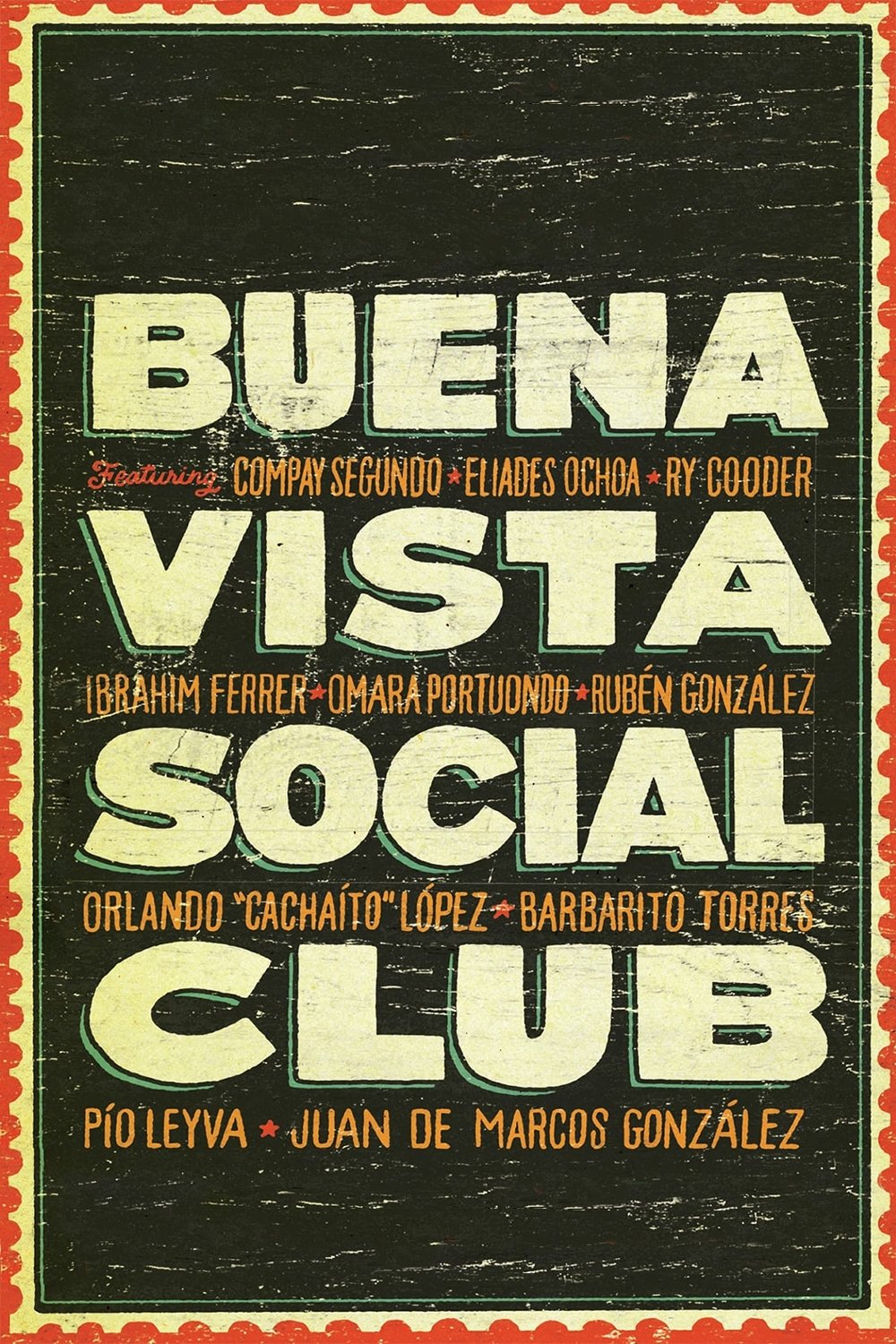
In this fascinating Oscar-nominated documentary, American guitarist Ry Cooder brings together a group of legendary Cuban folk musicians (some in their 90s) to record a Grammy-winning CD in their native city of Havana. The result is a spectacular compilation of concert footage from the group's gigs in Amsterdam and New York City's famed Carnegie Hall, with director Wim Wenders capturing not only the music -- but also the musicians' life stories.
This revealing portrait of Cuba follows the lives of Fidel Castro and three Cuban families affected by his policies over the last four decades.
A documentary on the expletive's origin, why it offends some people so deeply, and what can be gained from its use.
A documentary about how a dominant cultural and demographic institution both sustains their traditional activities and adapts to the digital revolution.
In an intimate and joyful story of love in the face of loss, celebrated poets Andrea Gibson and Megan Falley find strength—and unexpected hilarity—in what might be their final year together.
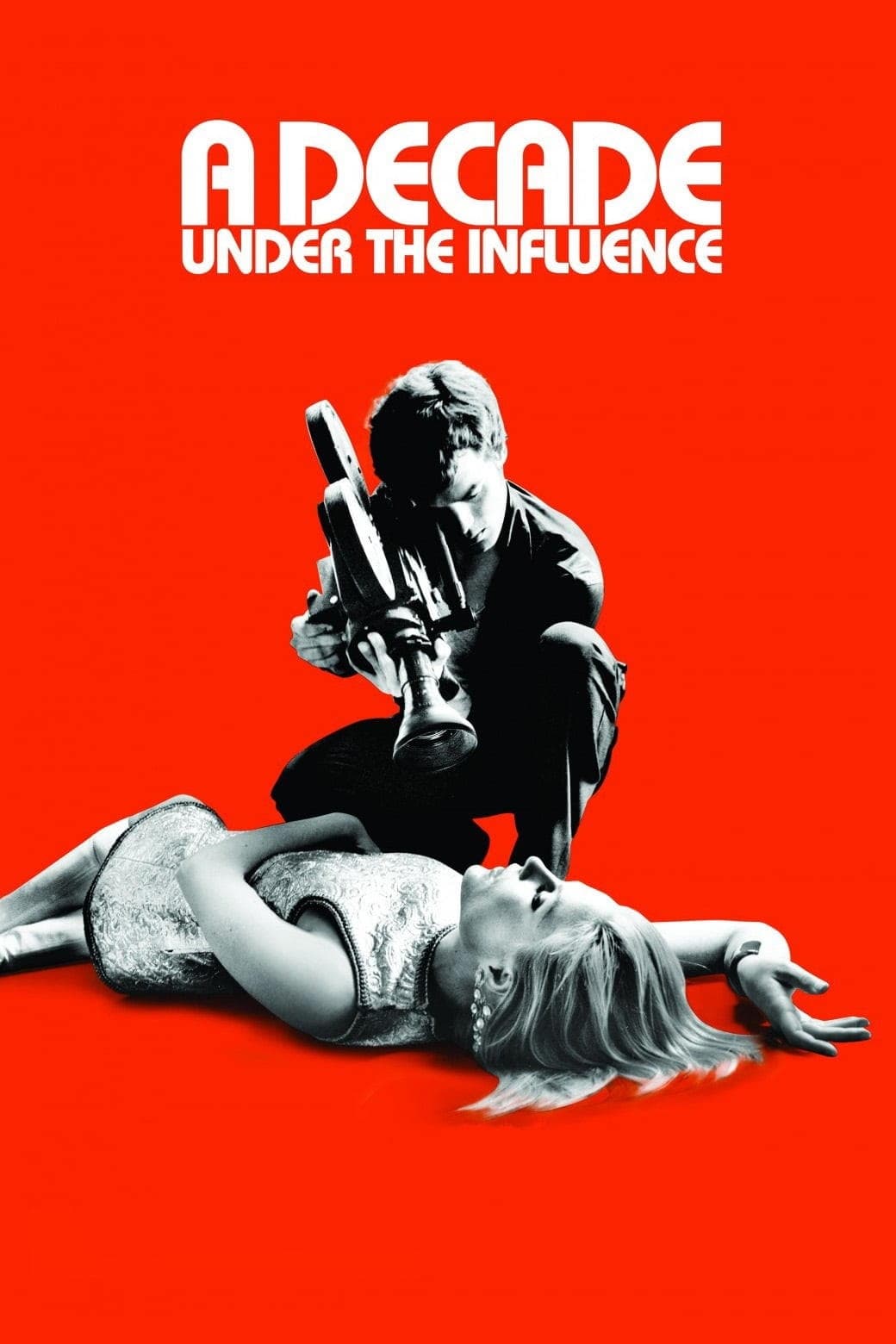
A documentary examining the decade of the 1970s as a turning point in American cinema. Some of today's best filmmakers interview the influential directors of that time.
Director Michael Apted revisits the same group of British-born adults after a 7 year wait. The subjects are interviewed as to the changes that have occurred in their lives during the last seven years.
Through deeply personal interviews with her siblings and an examination of the photographs, letters, and belongings left behind, Mariska assembles a new portrait of her mother Jayne Mansfield, an extraordinary and complex woman.
An inside look at one of the most anticipated movie sequels ever with James Cameron and cast.
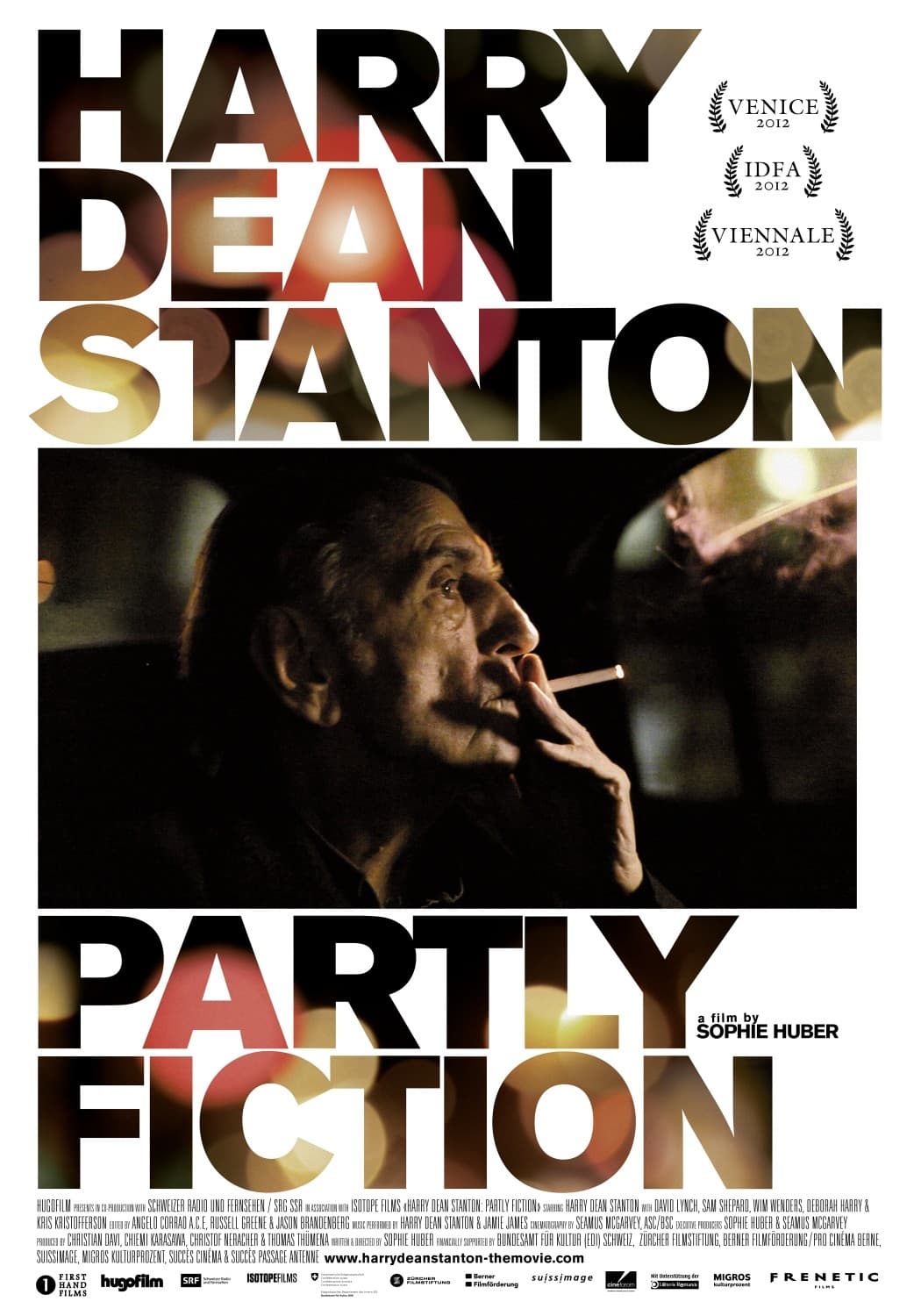
An impressionistic portrait of the iconic actor Harry Dean Stanton comprised of intimate moments, film clips from some of his 250 films and his renditions of American folk songs.
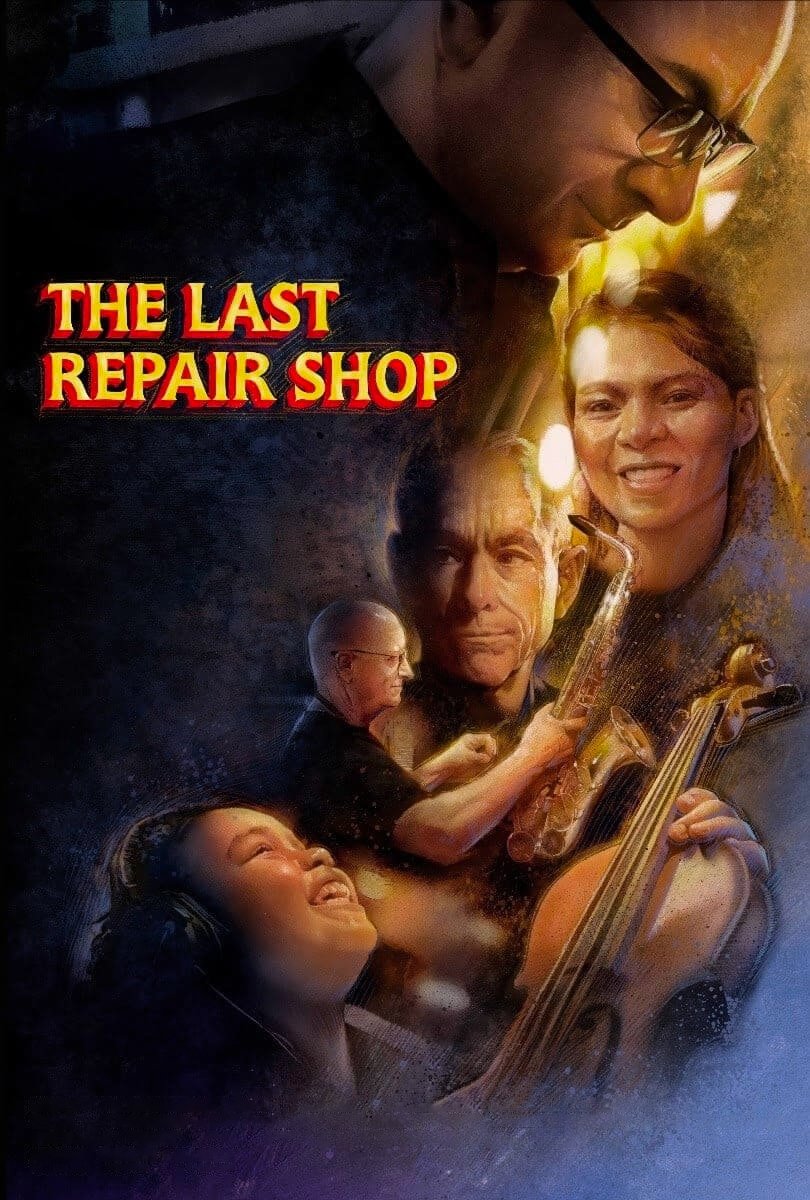
In a warehouse in the heart of Los Angeles, a dwindling handful of devoted craftspeople maintain more than 80,000 student musical instruments, the largest remaining workshop in America of its kind. Meet four unforgettable characters whose broken-and-repaired lives have been dedicated to bringing so much more than music to the schoolchildren of this city.
From the heights of her modeling fame to her tragic death, this documentary reveals Anna Nicole Smith through the eyes of the people closest to her.
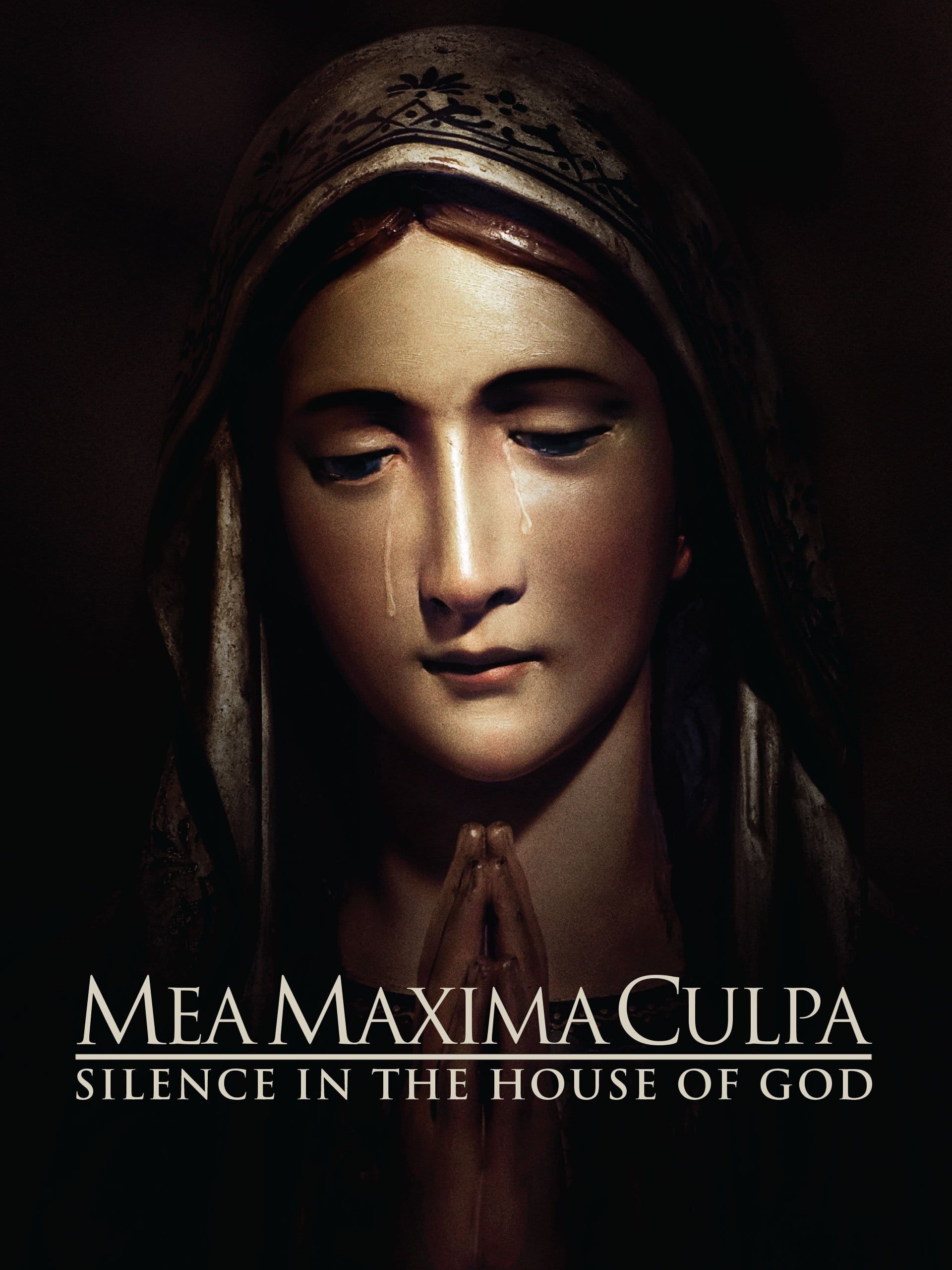
Alex Gibney explores the charged issue of pedophilia in the Catholic Church, following a trail from the first known protest against clerical sexual abuse in the United States and all way to the Vatican.
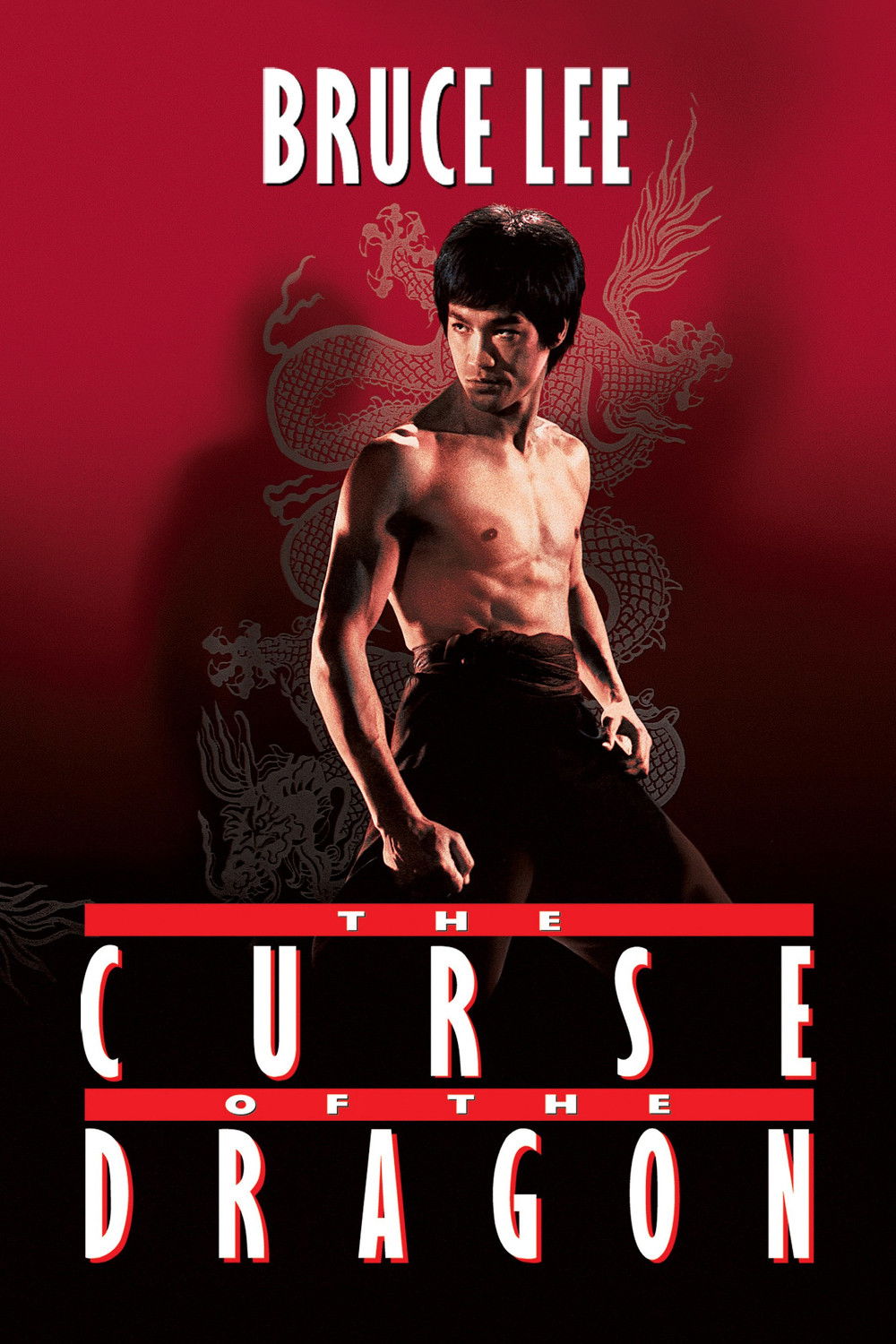
A 1993 documentary film about Bruce Lee. The film includes interviews from some of his fellow students and opponents who worked alongside him in his movies.
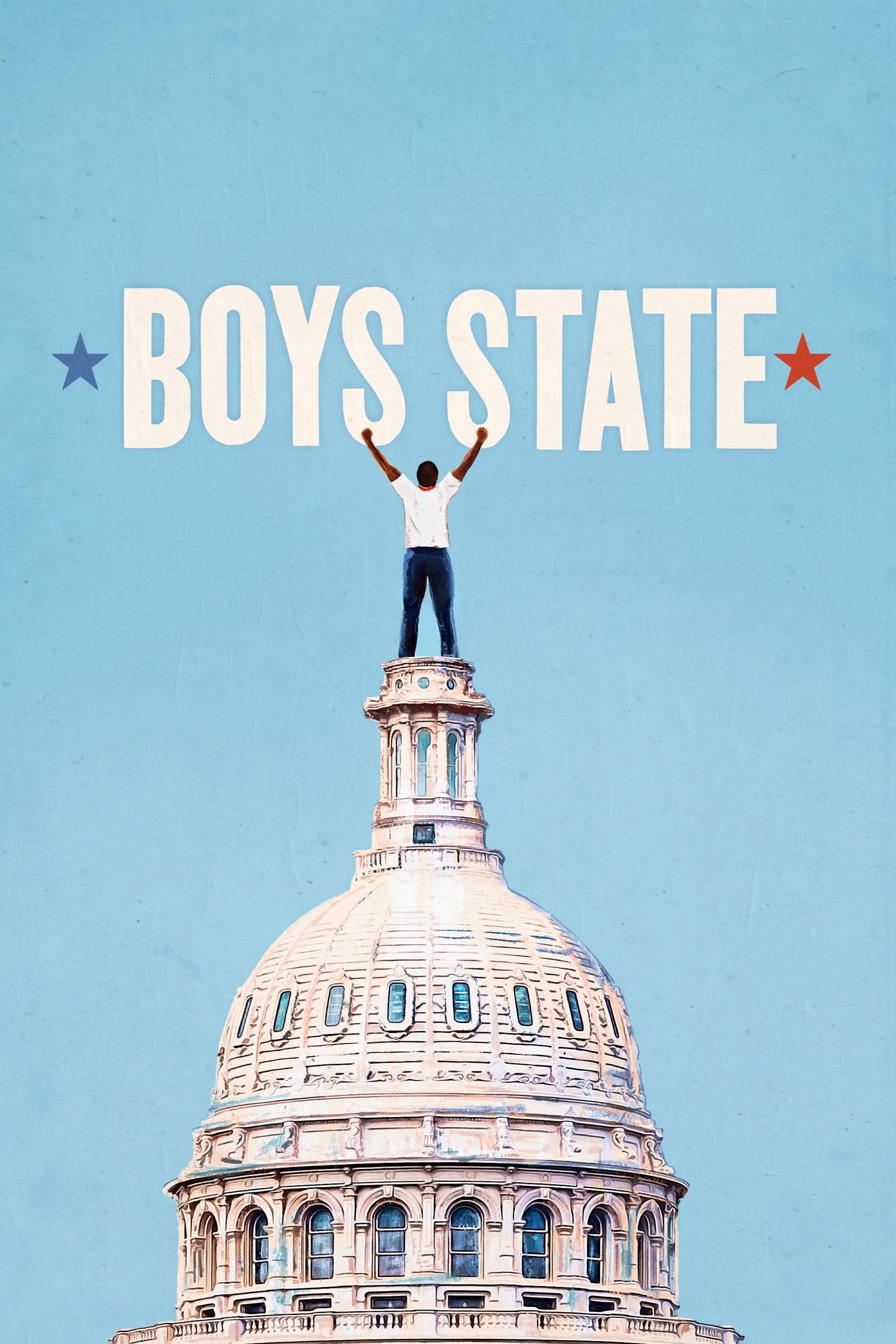
This raucous journey into the heart of democracy captures an unusual rite of passage: 1,100 teenage boys from across Texas coming together to build a representative government from the ground up.
The life and career of an actor, artist, and icon. His own journey through his own camera.
A detailing of the rise to prominence and global sporting superstardom of six supremely talented young Manchester United football players (David Beckham, Nicky Butt, Ryan Giggs, Paul Scholes, Phil and Gary Neville). The film covers the period 1992-1999, culminating in Manchester United's European Cup triumph.
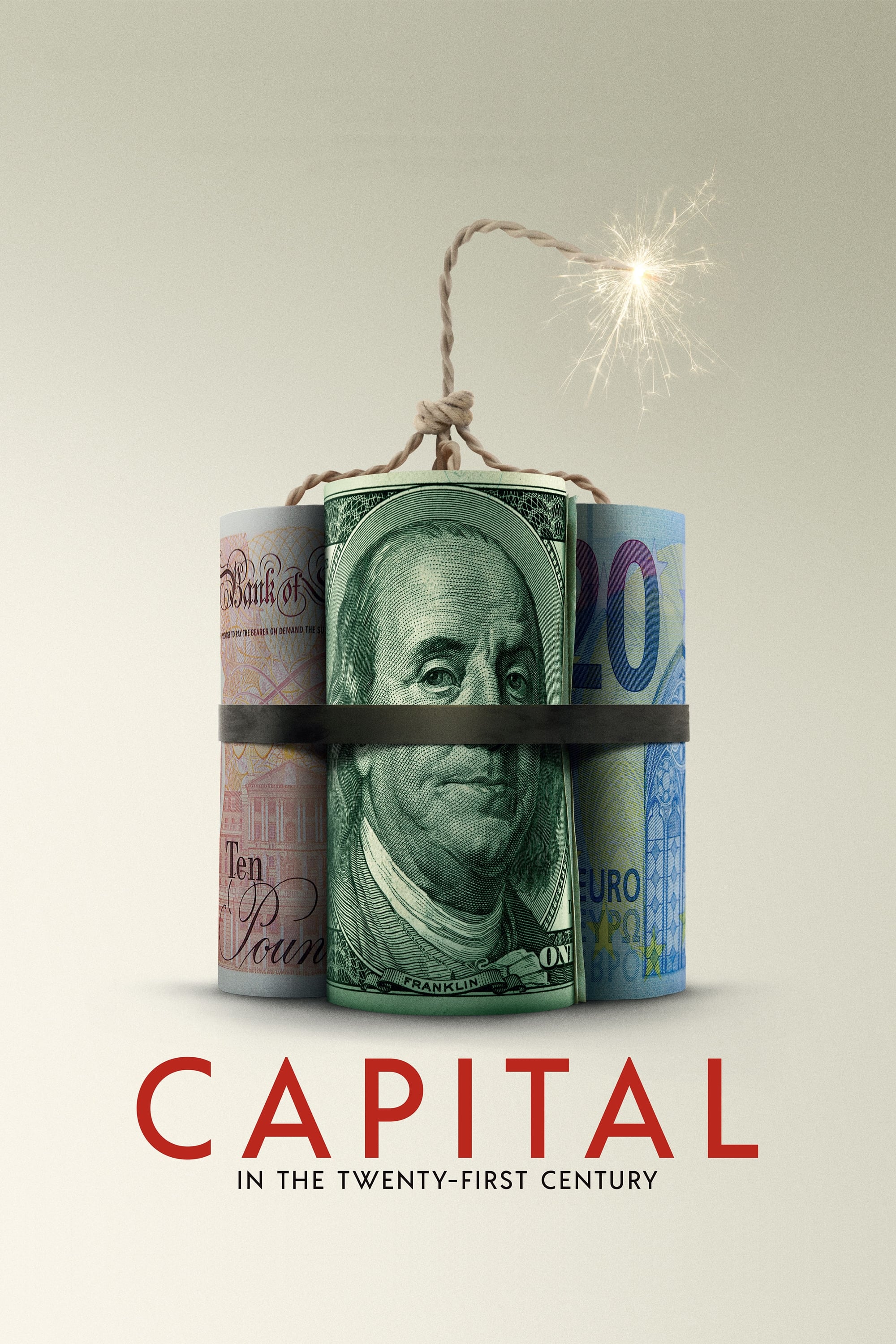
Film adaptation of French economist Thomas Piketty's ground-breaking global bestseller of the same name: an eye-opening journey through wealth and power.
A documentary about the making of David Fincher's 2008 film THE CURIOUS CASE OF BENJAMIN BUTTON. Virtually every element in the evolution of the Fincher's film is documented here, from the project's attachment to numerous other directors during the 1990s, to its shoot in 2006 and 2007 in New Orleans, to its complex, CGI-intensive postproduction process.