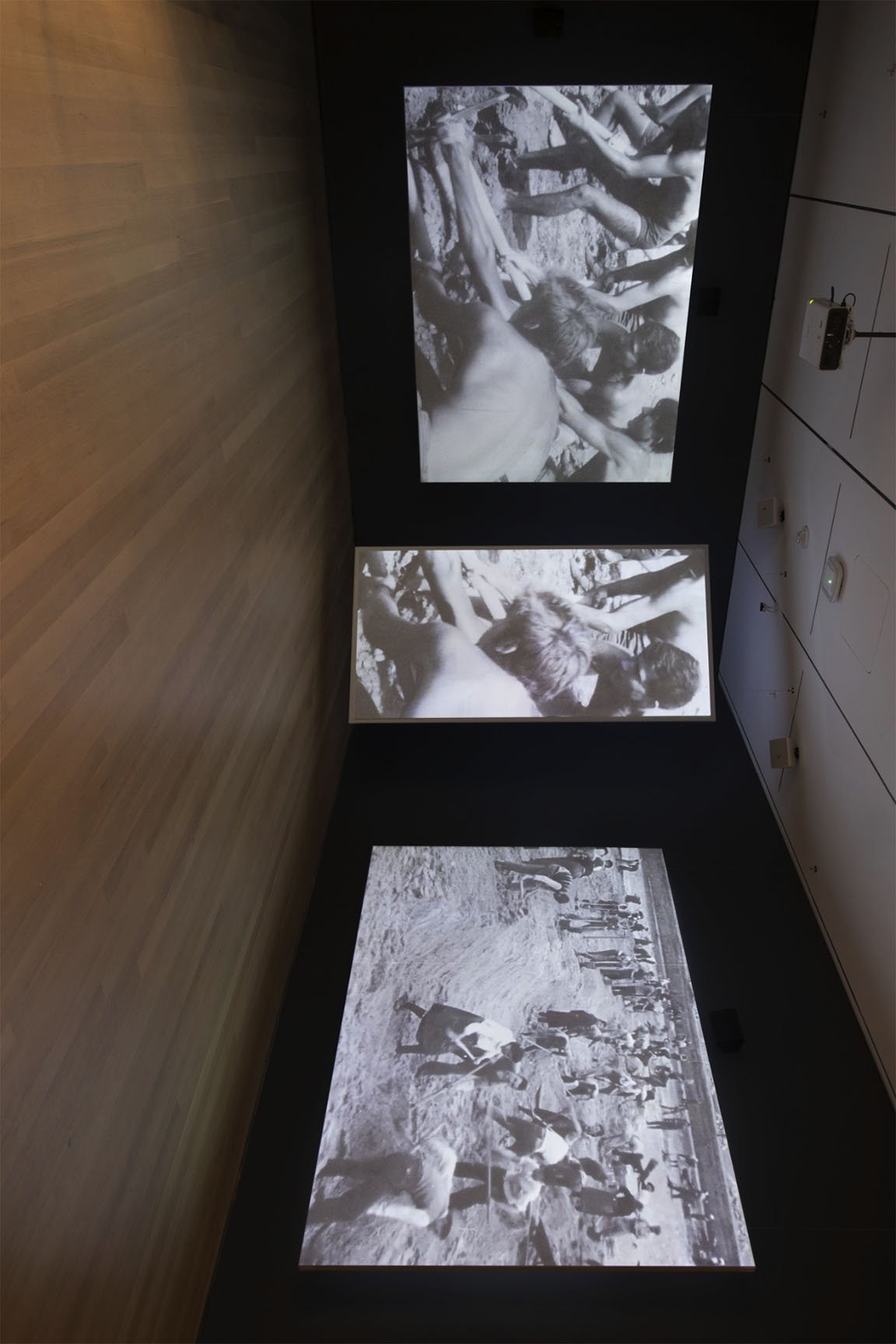
Three-channel video (black and white and color, three-channel sound) commissioned by the Museum of Modern Art, New York, for the entrance to exhibition "Toward a Concrete Utopia: Architecture in Yugoslavia, 1948–1980".
Social & External

The people behind it
Brazilian short film, directed by Julia Murat.
The decision to move to Holland doesn't sound like a wise idea. Why move to a country that could be flooded at any moment? For the last 25 years, the political climate has shifted. The public debate on migration has become harsher, more heated, and polarized. What would have been considered right-wing xenophobia back then, is now considered mainstream. Populists simplify complex realities into good and evil, victims and perpetrators: ‘us’ versus ‘them’. Their rhetoric often consists of dehumanizing words and metaphors. One of these is ‘water’. In reality, water is not an immediate threat to the average Dutch person; but it is a huge threat to the thousands trying to reach the Netherlands. People trying to survive the Mediterranean Sea in rubber boats. Trying to survive winter on the Aegean coast in primitive tents. To them, water really is deadly.
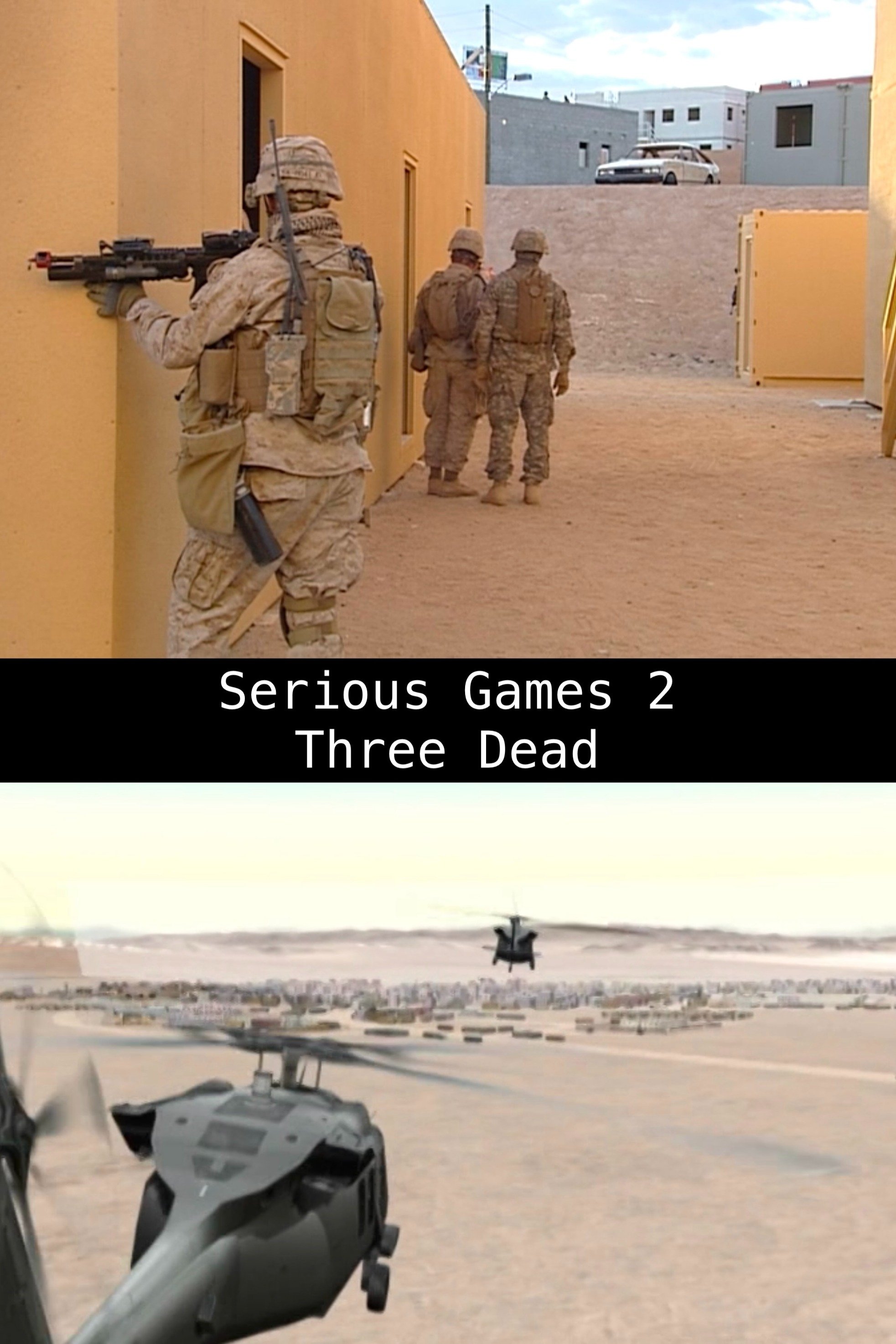
An exploration of how the U.S. military employs video game technology to train troops for war. Three Dead depicts a military exercise within a mock Iraqi town built on the outskirts of Twentynine Palms, California, blurring the line between computer simulation and reality.
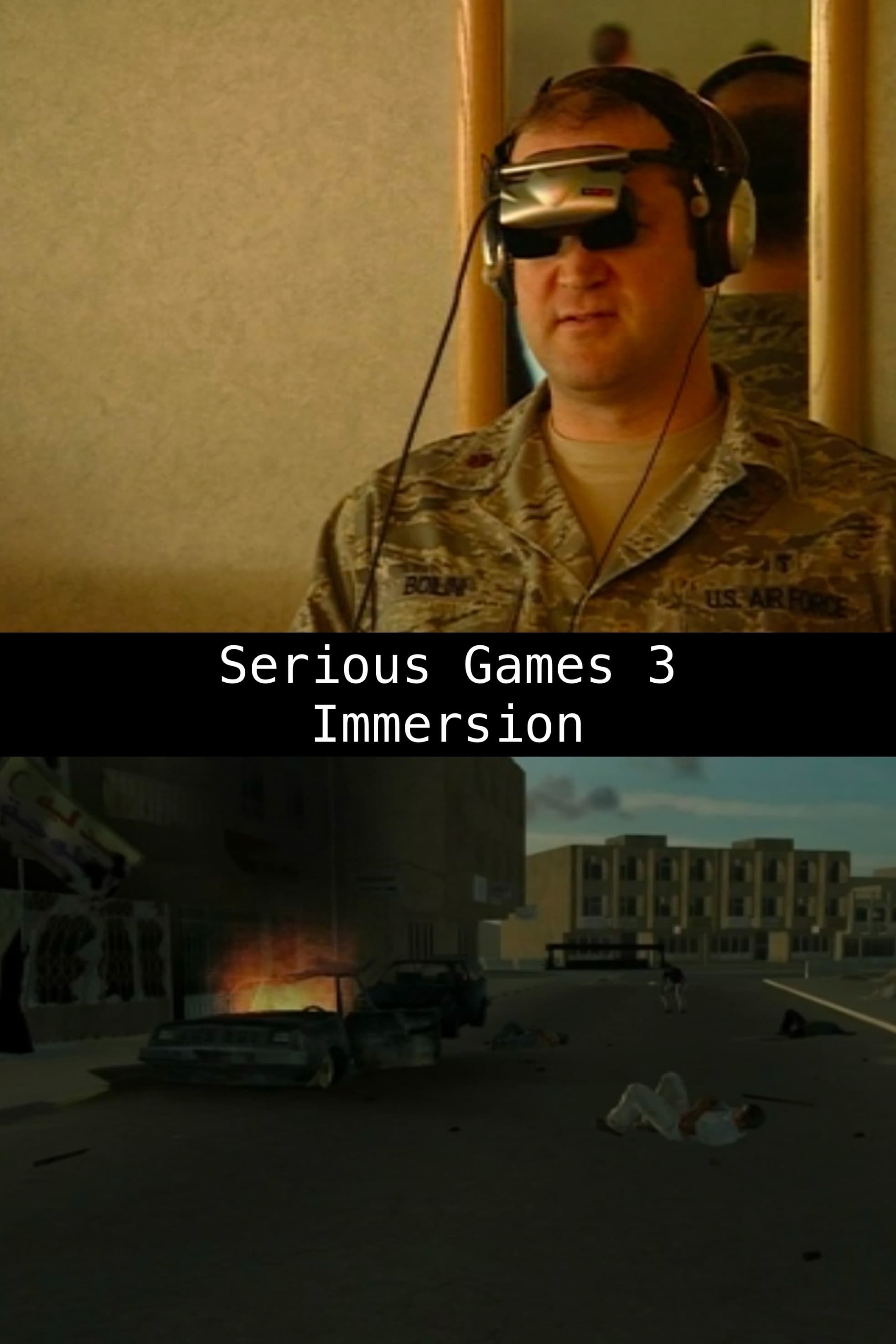
An exploration of how the U.S. military employs video game technology to train troops for war. In Immersion, Farocki presents footage of a role-playing exercise in which military psychologists demonstrate how to use the PTSD program on their colleagues, who describe traumatic wartime experiences. On a second channel, their descriptions play out as virtual renderings.
An exploration of how the U.S. military employs video game technology to train troops for war. Filmed at the United States Marine Corps Air Ground Combat Center, Watson is Down pairs footage of soldiers at computers engaging in combat-simulation training with scenes from the video games.
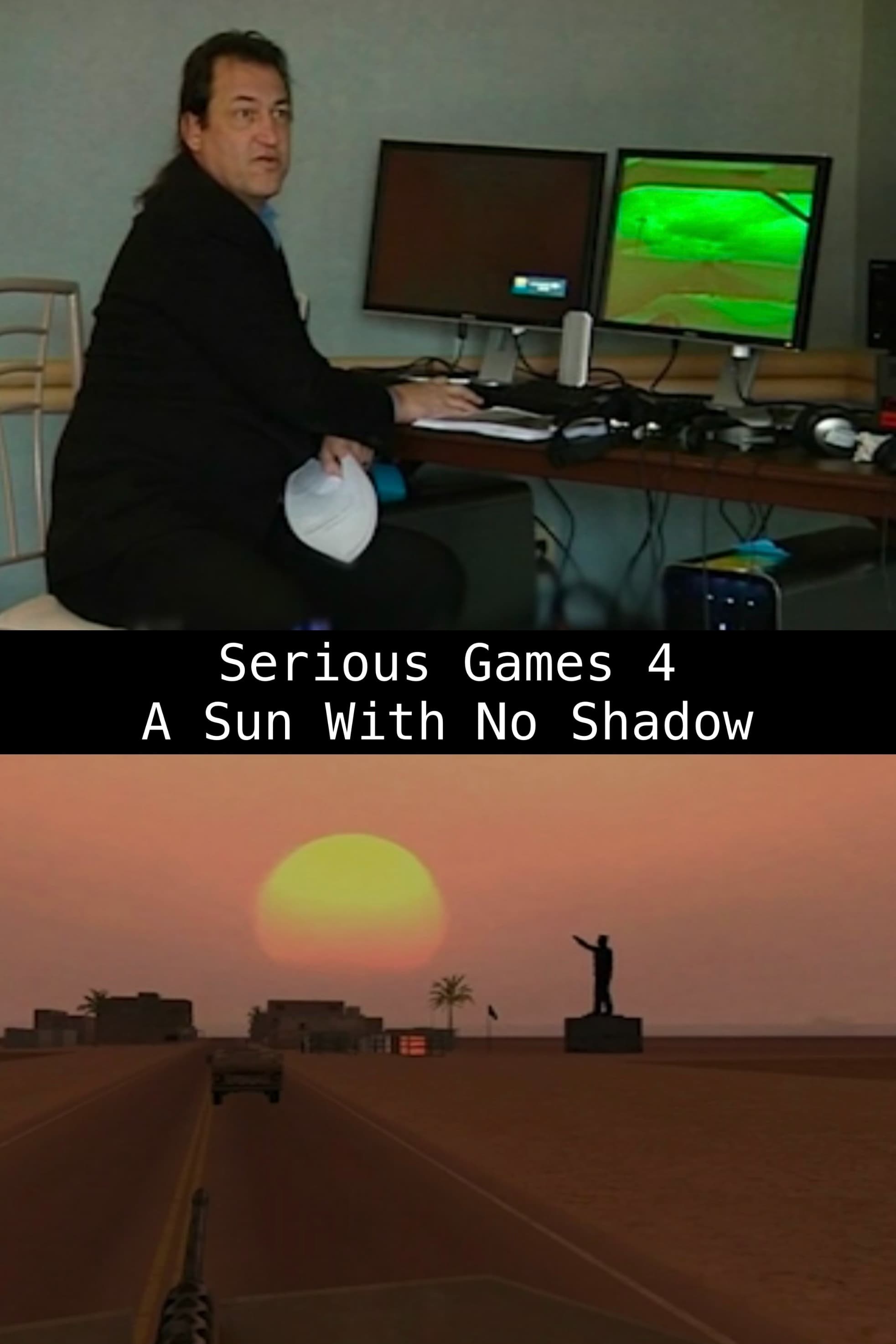
An exploration of how the U.S. military employs video game technology to train troops for war. In A Sun With No Shadow, Farocki calls attention to the subtle differences between the simulations for combat training and PTSD. With the former, the sun can be programmed to cast shadows in the virtual combat zones, while the latter, less expensive technology does not offer this feature.
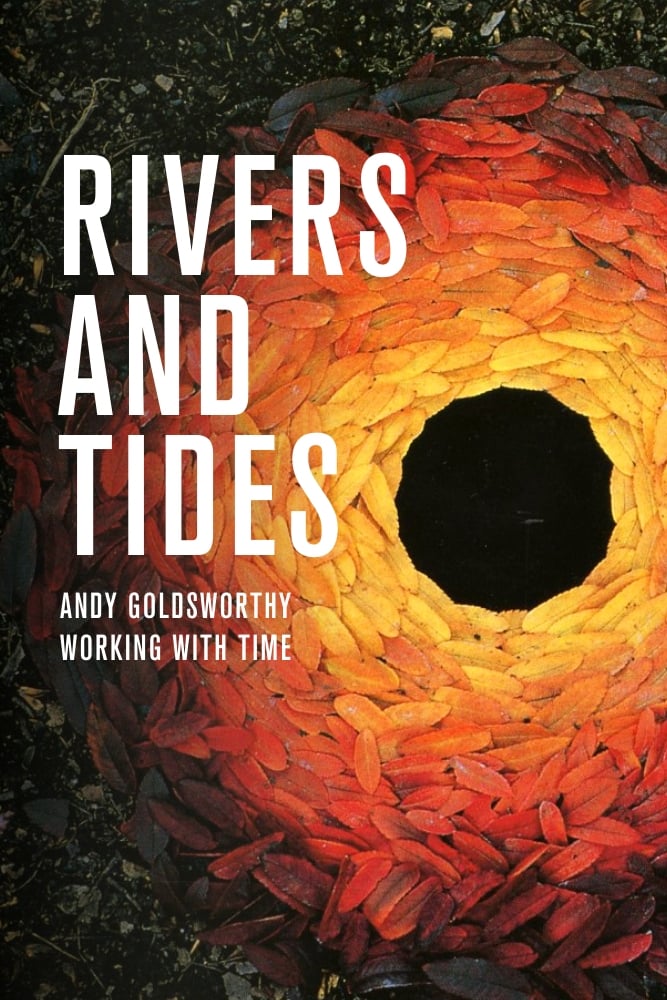
Portrait of Andy Goldsworthy, an artist whose specialty is ephemeral sculptures made from elements of nature.
Wang’s work investigates the ways in which sound and listening can play pivotal roles in shaping social space. For Music While We Work, Wang assembled a group of retired workers from a Taiwanese sugar refinery in the small industrial town of her childhood. She and her collaborator, the political activist and composer Chen Bo-Wei (Taiwanese, born 1971), led a series of recording workshops for the retirees and their spouses. They then returned to the factory, where Wang asked them to “paint a world composed by their listening.”
Ilya Kabakov is considered one of the most important contemporary artists worldwide. Born and raised in the Ukraine in the period between Stalin and Gorbatschow he left the country in the 80s. In his Installations and his numerous paintings Kabakov creates a world of its own, which leaves the heaviness of socialist and post-socialist life far behind. The film links Ilya Kabakovs artistic spaces with insights into Russian everyday life, which itself sometimes appears like an installation by the artist.
Video installation by UMMMI.
Based on an installation by Alberto vev
This three-channel video installation by James Benning shows three scenes from David Wark Griffith’s The Birth of a Nation (1915). The two-minute-long screen arrangement of imperceptibly moving images alludes to the beginning of racism. The three screens each show a solider in the American Civil War, black slaves picking cotton in the field, and imposing KKK.
By becoming aware of an idea that is new to us, we talk about it all the time. And beyond that, all the subjects that we approach, we approach them through this new prism. We are going as far as proselytism - essentially to convince ourselves. We repeat the same words, slightly reformulated, until we are convinced. It is a way of swallowing our conditioning to this idea, while hinting that we are already sure. In politics or in love. We repeat ourselves. We repeat ourselves. We repeat ourselves.
Past and present life in the anarchistic "free city" of Christiania, in Copenhagen, Denmark. In Sandra of the Tuliphouse or How to Live in Free State, Christiania is approached at face-value, as a self-described laboratory of freedom, an environment that provides an almost unparalleled opportunity to unravel a very particular history of markedly contrasting power relations and vivid social forces. Borrowing from the usually disparate practices of cultural geography and fictional narrative, the project is constructed as a visual, spatial, and aural investigation of the site. The situation at Christiania in 2001 is compared with its distant past as a military base, its more recent utopian regeneration, and its possible future.
Commissioned for the Irish representation at the 55th Venice Biennale in 2013, The Enclave is an immersive, six-screen video art installation by Irish contemporary artist Richard Mosse. Partly inspired by Joseph Conrad’s modernist literary masterpiece Heart of Darkness, the visceral and moving work was filmed in the Democratic Republic of Congo using 16mm colour infra-red film, which captures otherwise invisible parts of the spectrum. The resulting imagery in Mosse’s work is hallucinatory and dream-like with the usual greens of jungle and forest replaced by shimmering violet. The Enclave depicts a complicated, strife-ridden place in a way that reflects its complexity, using a strategy of beauty and transfixion to combat the wider invisibility of a conflict that has claimed so many.
This experimental "film" consists of an empty room with a bare lightbulb, and windows covered with a translucent material, for a duration of 24 hours. It is not necessary for visitors to stay for the entire duration - they can come and go as they please. Created by Anthony McCall, it is based on the architectural framing of time and light. It came at the end of a series of works in which McCall was stripping back cinema to its absolute minimum - light, time, and human experience/perception.
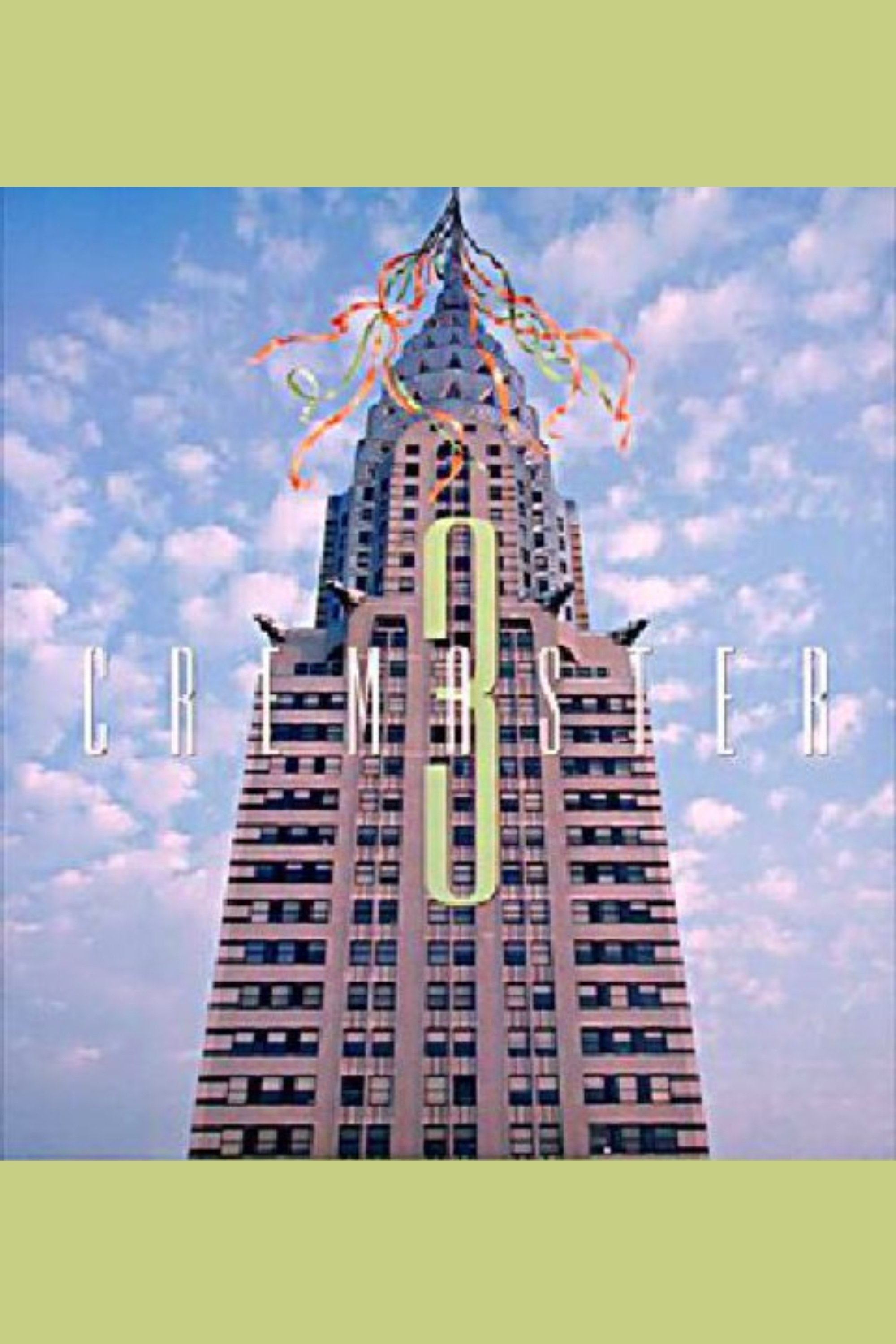
CREMASTER 3 is set in New York City and narrates the construction of the Chrysler Building, which is in itself a character - host to inner, antagonistic forces at play for access to the process of (spiritual) transcendence. These factions find form in the struggle between Hiram Abiff or the Architect...
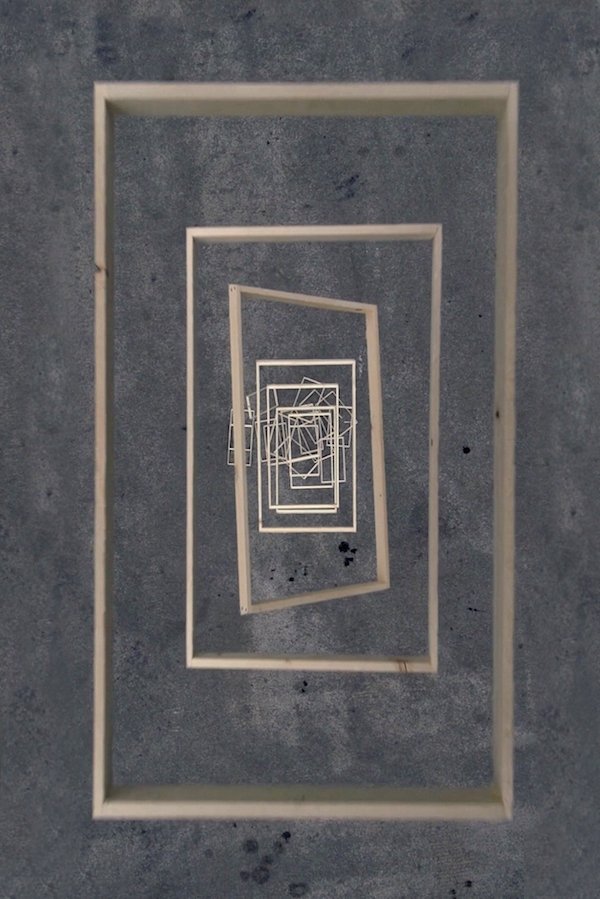
Falling Frames is the first fragment of a series in which Langkamp explores the framing and visualization of three-dimensional perspective through the two-dimensional medium of video, both technically as well as conceptually. To record the work, a special device was built that's attached to a tall industrial crane, which contains a stack of wooden picture frames that can be released from a height of ten to fifteen meters. The camera is placed right in the center of the action and captures the frames' movement while they fall down. The slow motion recording of 240 still frames per second allows us to experience every millimeter of movement to the very detail. While the frames get smaller and smaller in perspective as they move further away from our view, they are immediately followed by the next frame and the next one, until they've all reached the floor and found a place to rest.
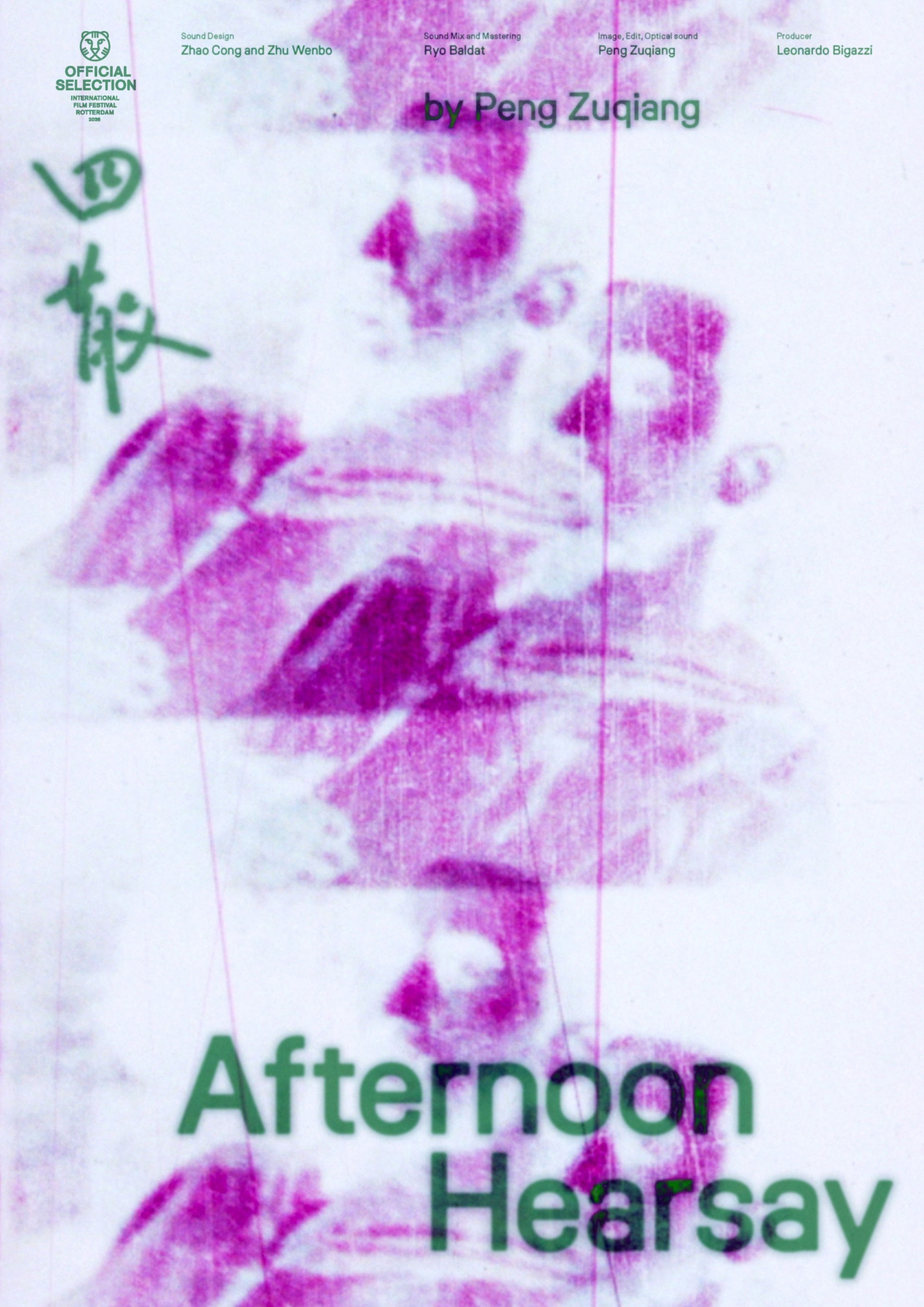
8.75mm is a celluloid format unique to China, one which no camera was made for. The film reimagines this camera-less medium through photogrammed archival prints, folding images and sounds of resistance into cinematic histories and opening the format to new narratives.
REkOGNIZE is a three-channel video installation and a meditation on photography, memory, and movement. Artist and Academy Award-nominated cinematographer Bradford Young (Selma, Arrival) finds inspiration in Pittsburgh’s Hill District neighborhood, a site of the early 20th-century Great Migration. During this time, millions of African Americans moved from the rural southern United States to cities in the north and west. The Hill District saw a flourishing of culture during these years and was a site of artistic development for luminaries such as August Wilson, Charles “Teenie” Harris, Errol Garner, and many others. REkOGNIZE takes its visual cues from the Pittsburgh landscape, especially the city’s tunnels, which serve not only as literal entry points into the city, but also as metaphors for this movement of people and culture.
The life and career of an actor, artist, and icon. His own journey through his own camera.
Through deeply personal interviews with her siblings and an examination of the photographs, letters, and belongings left behind, Mariska assembles a new portrait of her mother Jayne Mansfield, an extraordinary and complex woman.
An inside look at one of the most anticipated movie sequels ever with James Cameron and cast.
A visual montage portrait of our contemporary world dominated by globalized technology and violence.
Musician and performance artist Laurie Anderson reflects on the deaths of her husband Lou Reed, her mother and her beloved dog.
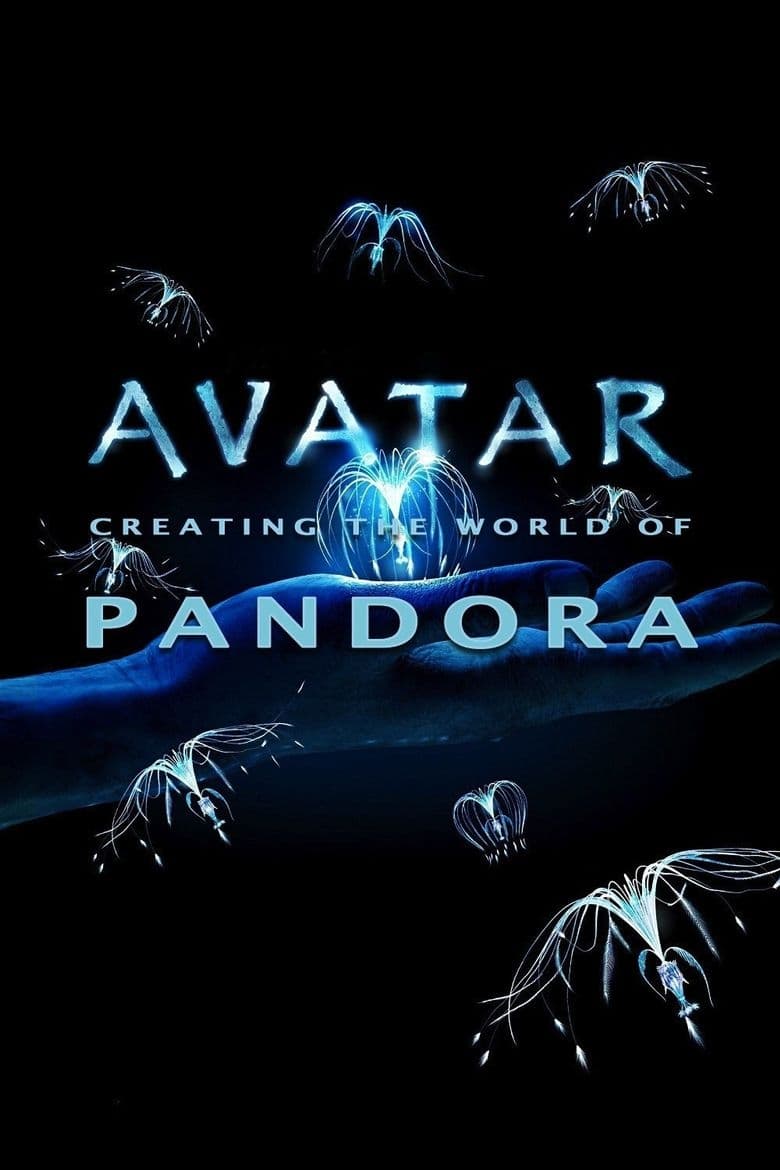
The Making-of James Cameron's Avatar. It shows interesting parts of the work on the set.
A detailing of the rise to prominence and global sporting superstardom of six supremely talented young Manchester United football players (David Beckham, Nicky Butt, Ryan Giggs, Paul Scholes, Phil and Gary Neville). The film covers the period 1992-1999, culminating in Manchester United's European Cup triumph.
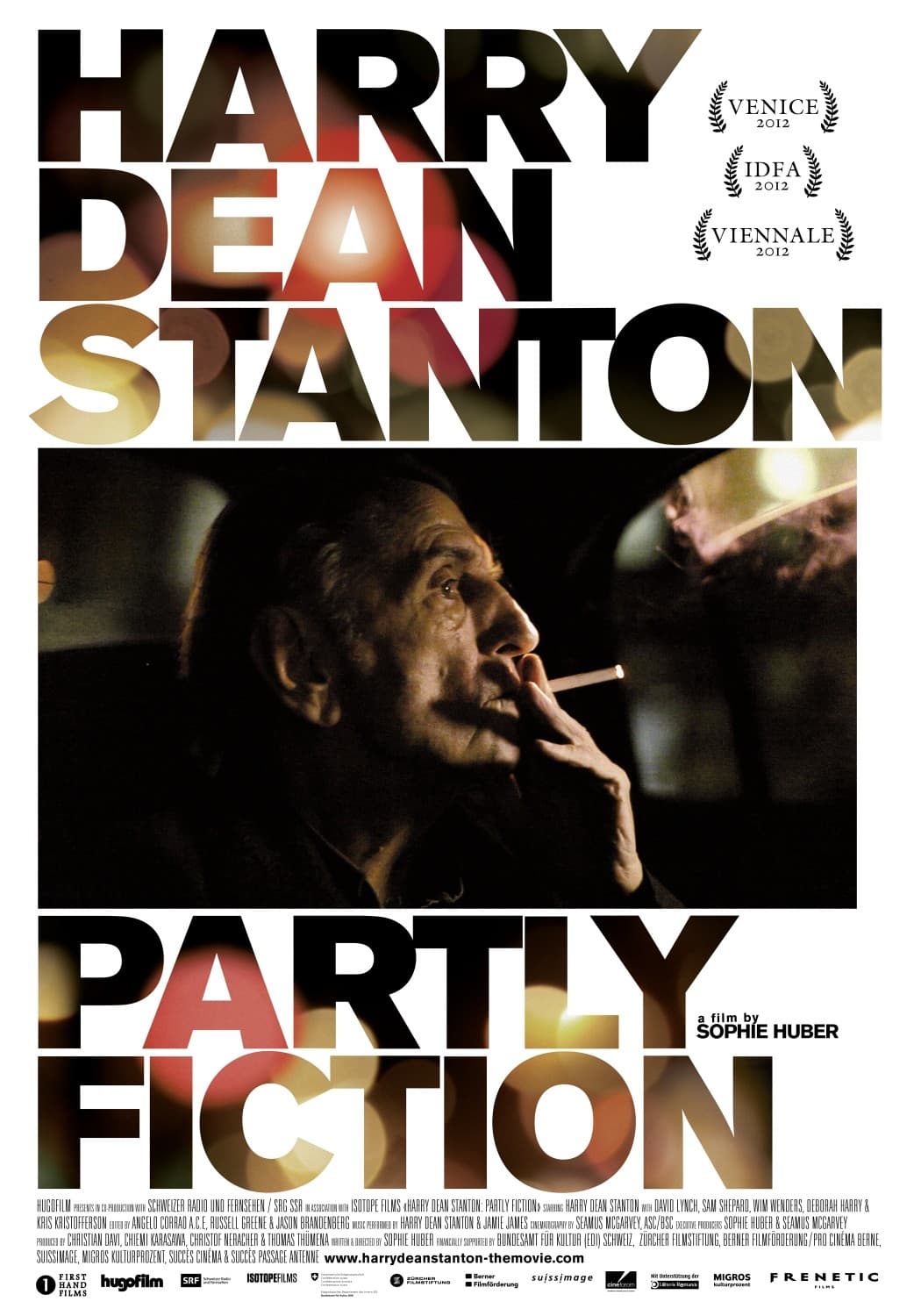
An impressionistic portrait of the iconic actor Harry Dean Stanton comprised of intimate moments, film clips from some of his 250 films and his renditions of American folk songs.
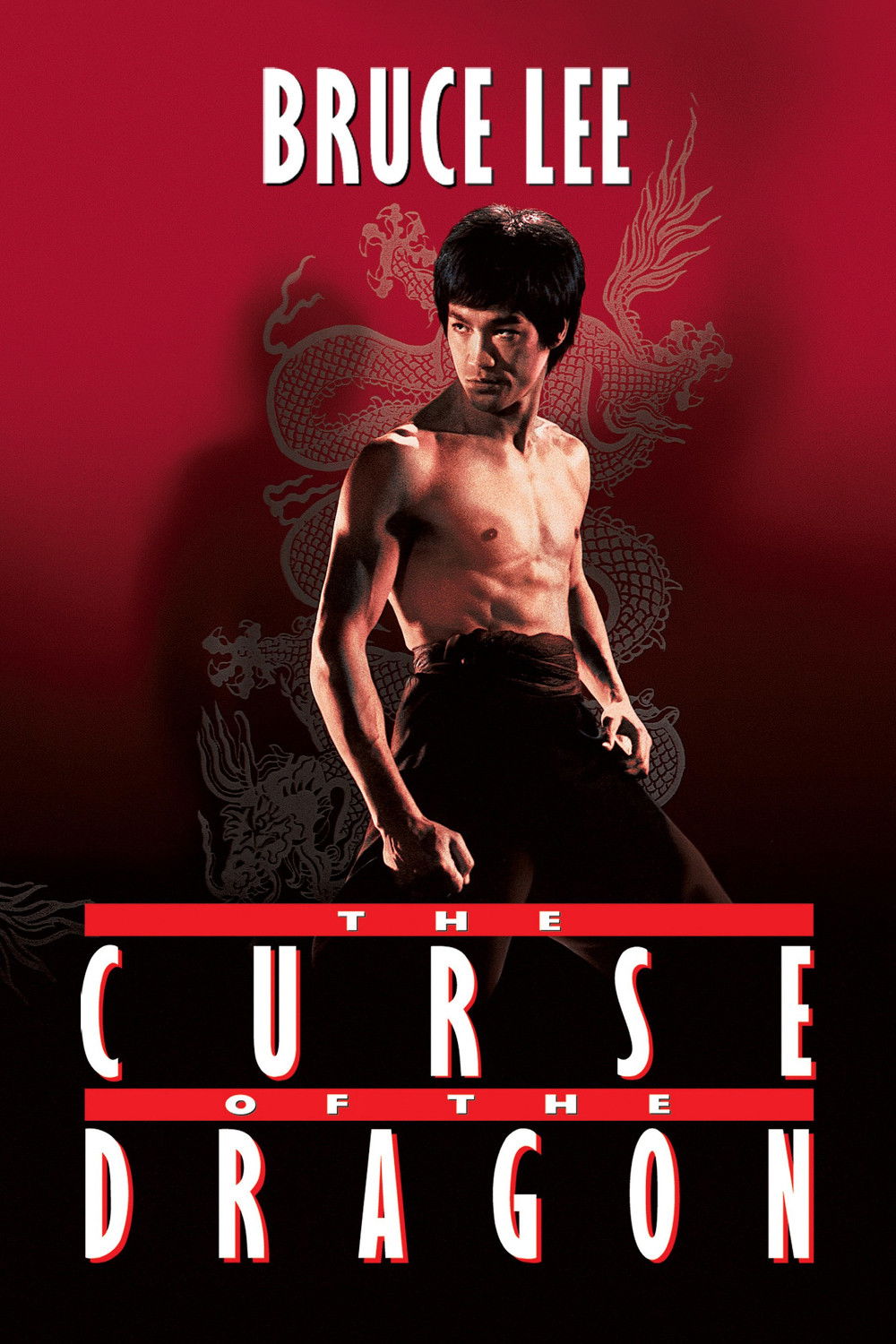
A 1993 documentary film about Bruce Lee. The film includes interviews from some of his fellow students and opponents who worked alongside him in his movies.
“Showrunners” is the first ever feature length documentary film to explore the fascinating world of US television showrunners and the creative forces aligned around them. These are the people responsible for creating, writing and overseeing every element of production on one of the United State’s biggest exports – television drama and comedy series. Often described as the most complex job in the entertainment business, a showrunner is the chief writer / producer on a TV series and, in most instances, the show’s creator. Battling daily between art and commerce, showrunners manage every aspect of a TV show’s development and production: creative, financial and logistical.
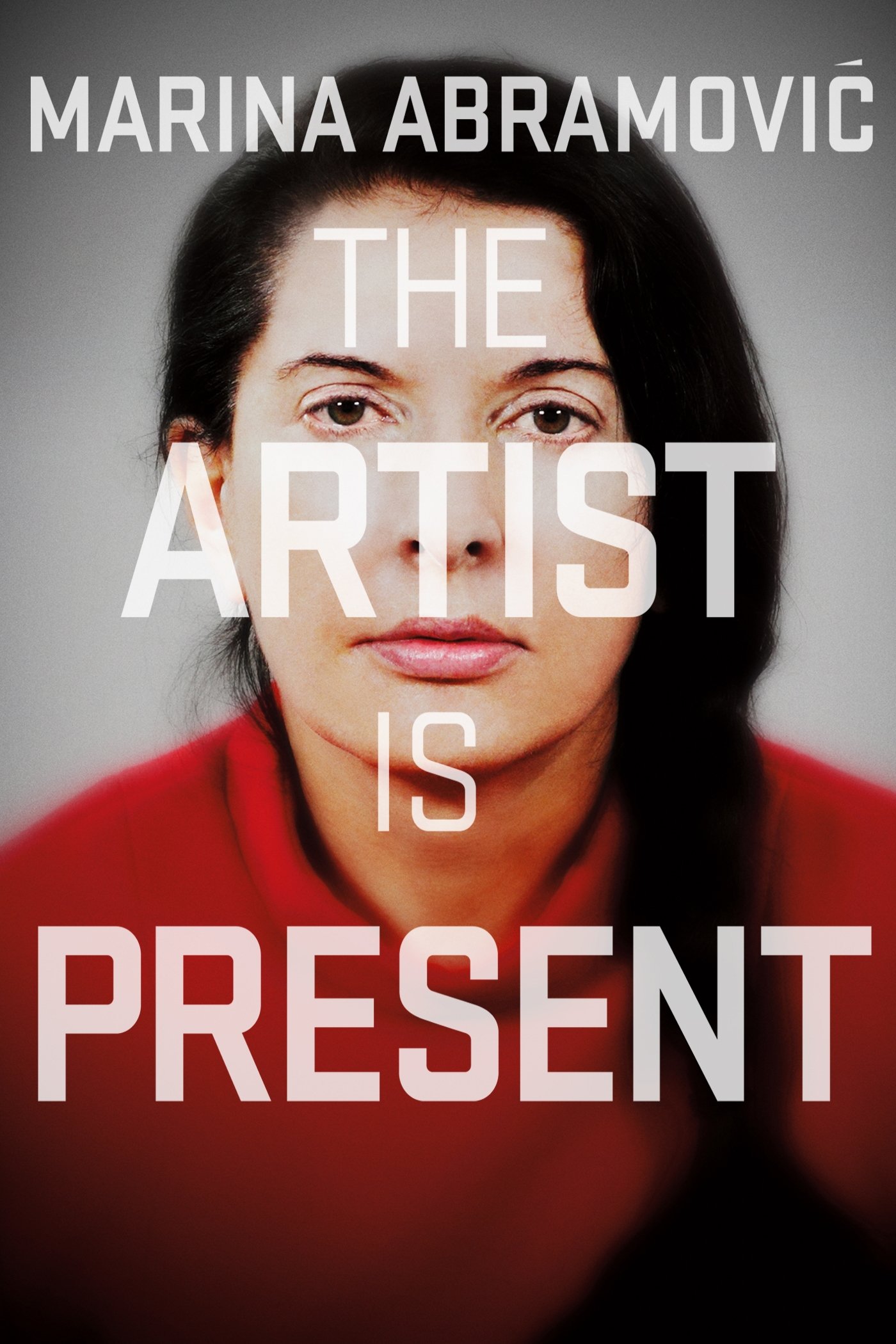
Performance artist Marina Abramovic prepares for a major retrospective of her work at the Museum of Modern Art in New York.
In an intimate and joyful story of love in the face of loss, celebrated poets Andrea Gibson and Megan Falley find strength—and unexpected hilarity—in what might be their final year together.
Go behind the scenes with stars, puppeteers and creators as they bring Jim Henson's magical world of Thra back to life in a sweeping fantasy series.
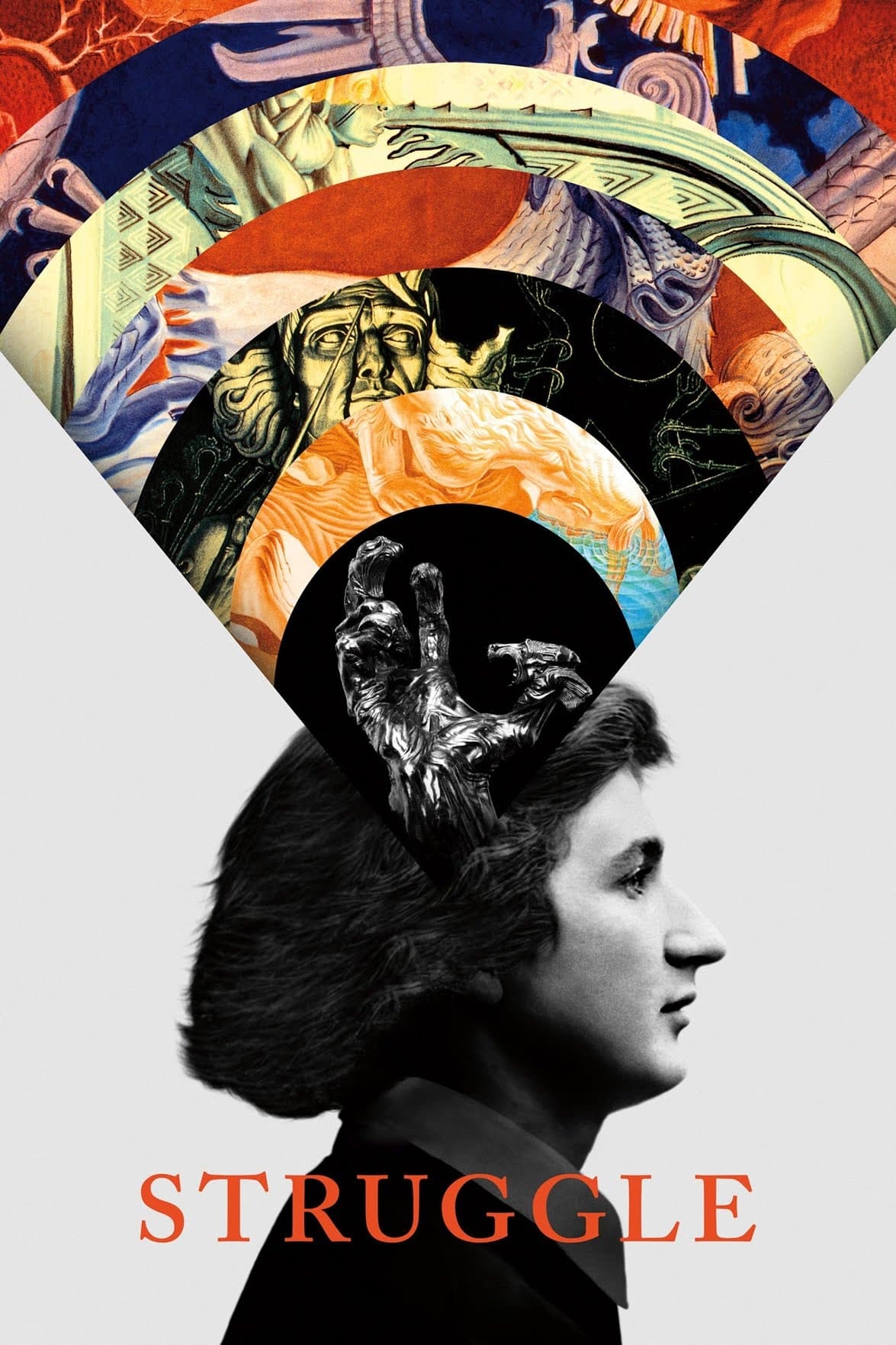
Artists in LA discover the work of forgotten Polish sculptor Stanislav Szukalski, a mad genius whose true story unfolds chapter by astounding chapter.
In the Realms of the Unreal is a documentary about the reclusive Chicago-based artist Henry Darger. Henry Darger was so reclusive that when he died his neighbors were surprised to find a 15,145-page manuscript along with hundreds of paintings depicting The Story of the Vivian Girls, in What is Known as the Realms of the Unreal, of the Glodeco-Angelinnian War Storm, Cased by the Child Slave Rebellion.
Using the book 'Fragments', which collects Marilyn Monroe's poems, notes and letters, and with participation from the Arthur Miller and Truman Capote estates who have contributed more material, each of the actresses will embody the legend at various stages in her life.
Director Michael Apted revisits the same group of British-born adults after a 7 year wait. The subjects are interviewed as to the changes that have occurred in their lives during the last seven years.
Al Pacino's deeply-felt rumination on Shakespeare's significance and relevance to the modern world through interviews and an in-depth analysis of "Richard III."
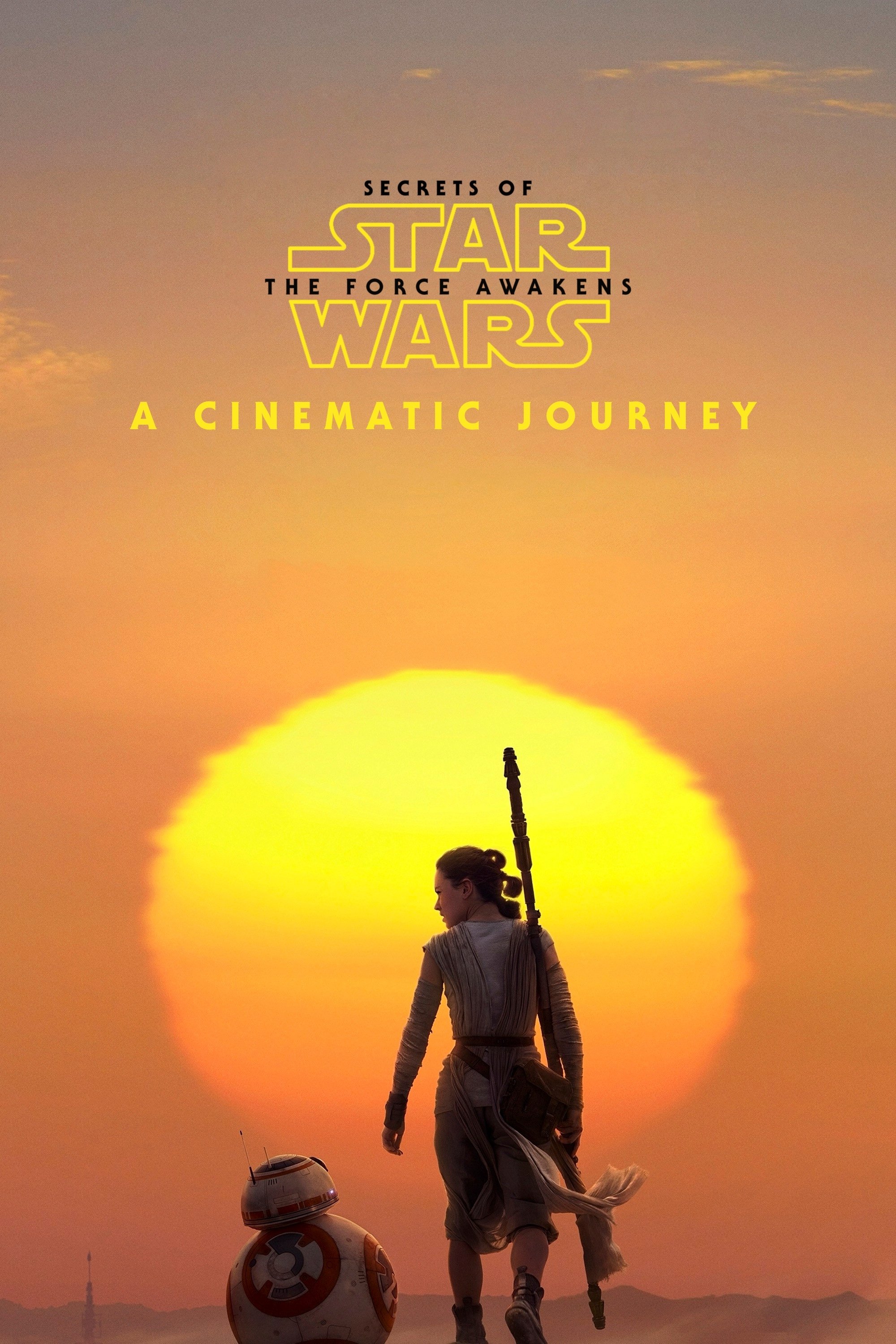
An inside look at the making of the movie Star Wars: Episode VII - The Force Awakens (2015), featuring footage and exclusive interviews with the actors and filmmakers.
An inside look into the creation of Universal Studio's Diagon Alley attraction.