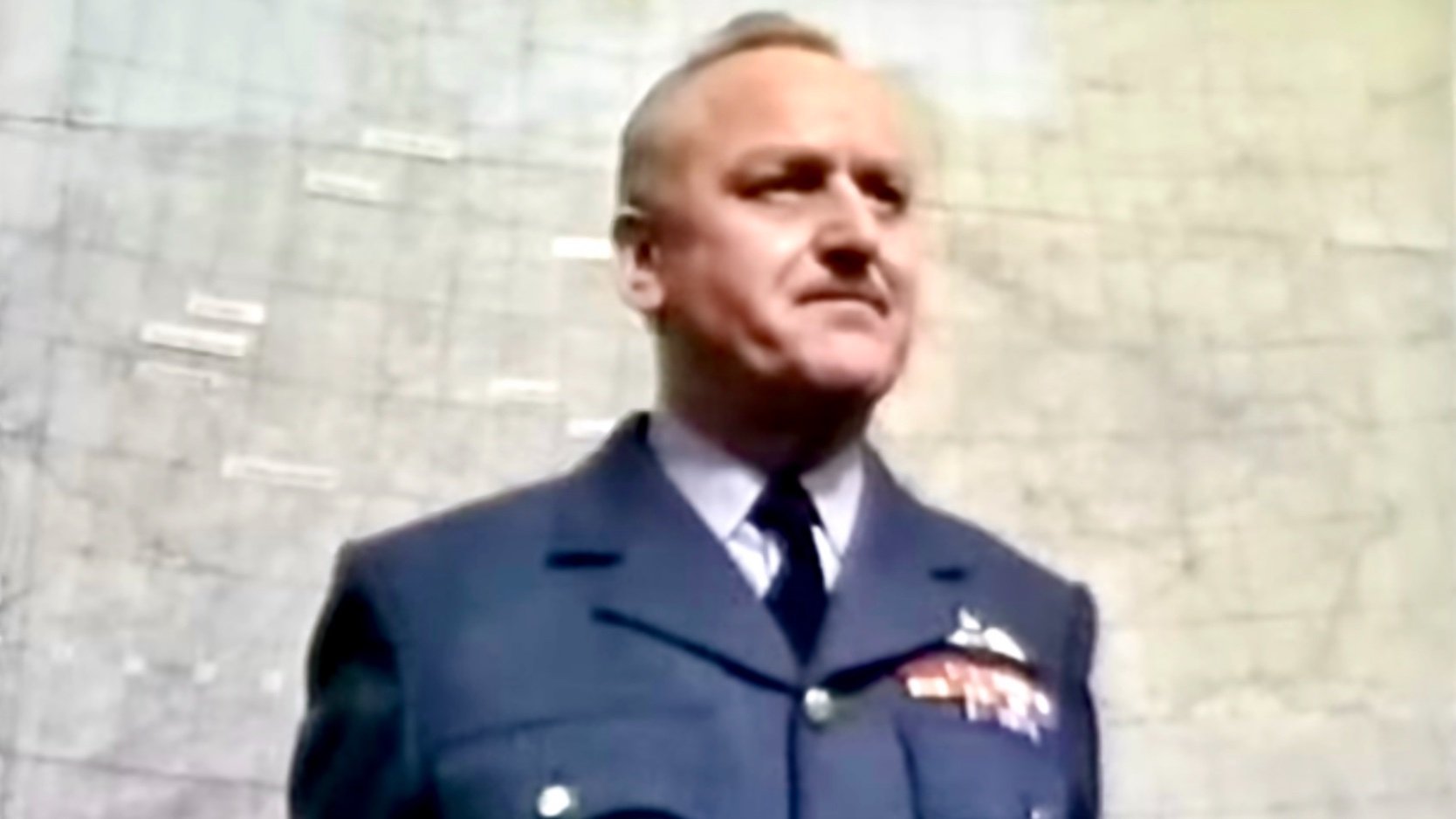
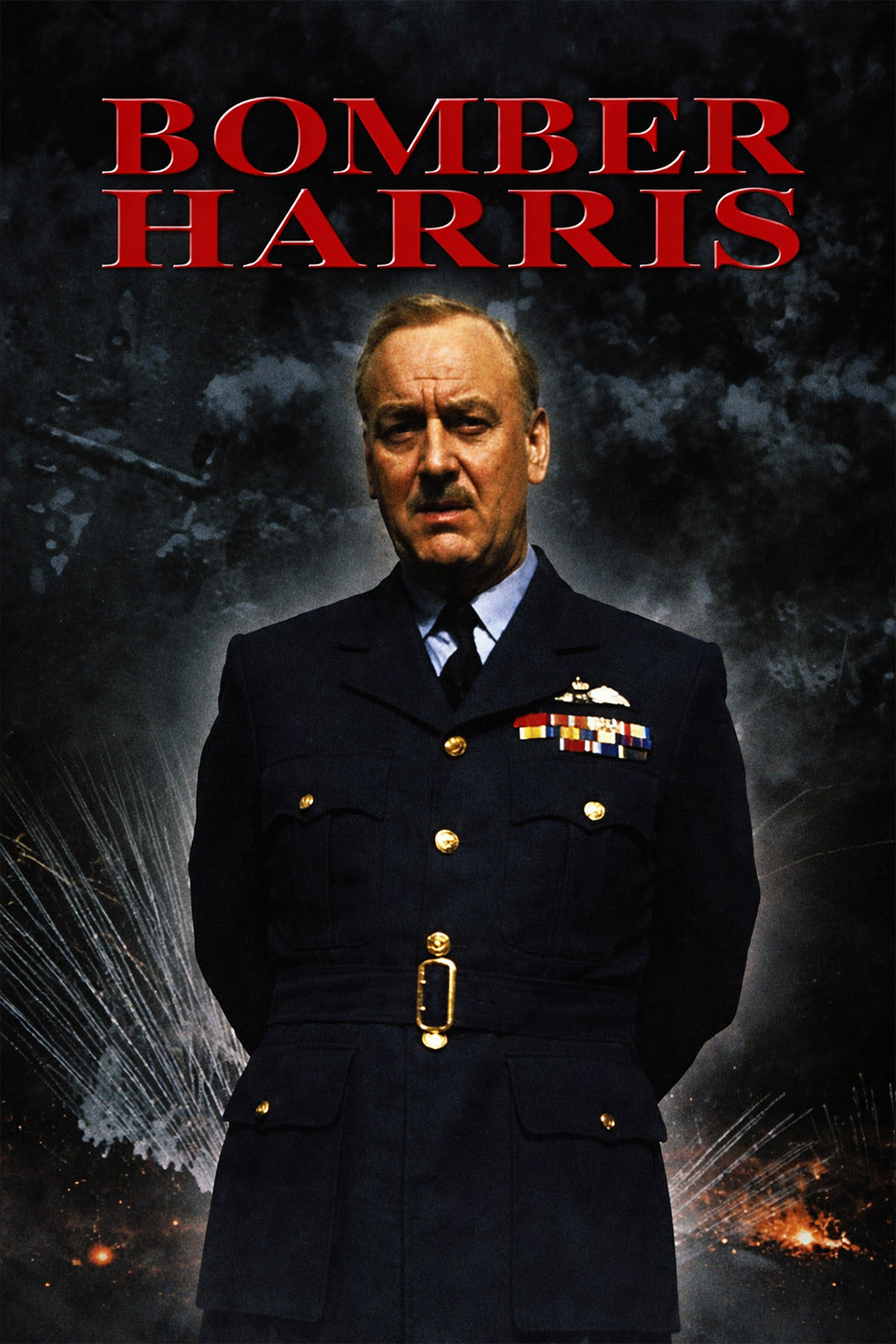
Biography of Arthur Harris (aka "Bomber Harris") of RAF Bomber Command, during WW2 - in particular his strategy of heavy bomber "Millenium Raids" on German cities.
Social & External
The people behind it
John Thaw
Sir Arthur 'Bomber' Harris
Robert Hardy
Winston Churchill
Frederick Treves
Sir Charles Portal
Bernard Kay
A.M. Sir Robert Saundby
Sophie Thompson
Jillie Harris
Phil Brown
Lord Beaverbrook
David Healy
Lt. Gen. Ira Eaker USAAF
John Nettleton
Wing Commander Harry Weldon
David Quilter
Principal Medical Officer
William Kerwin
Fred Walsh
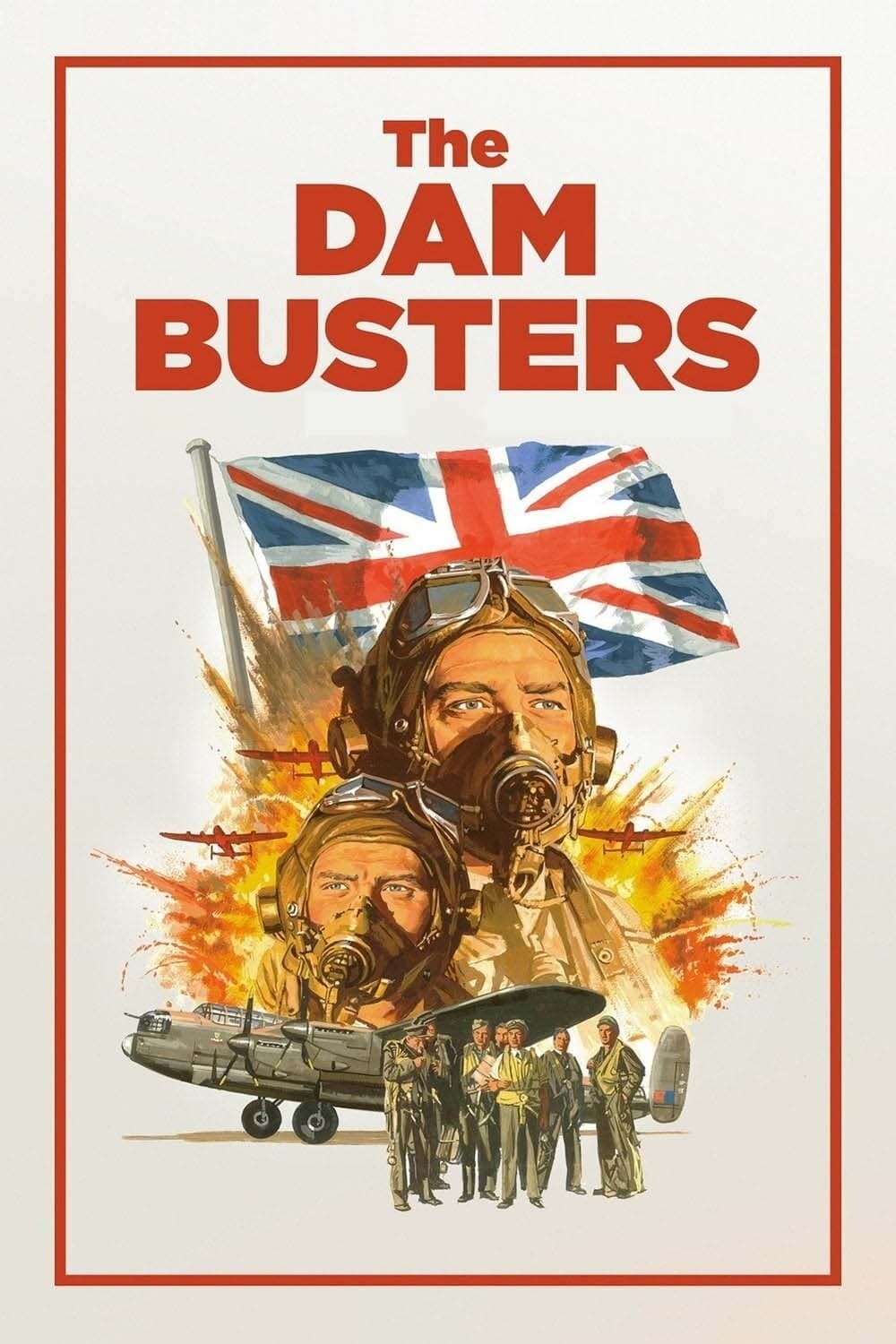
The story of the conception of a new British weapon for smashing the German dams in the Ruhr industrial complex and the execution of the raid by 617 Squadron 'The Dam Busters'.
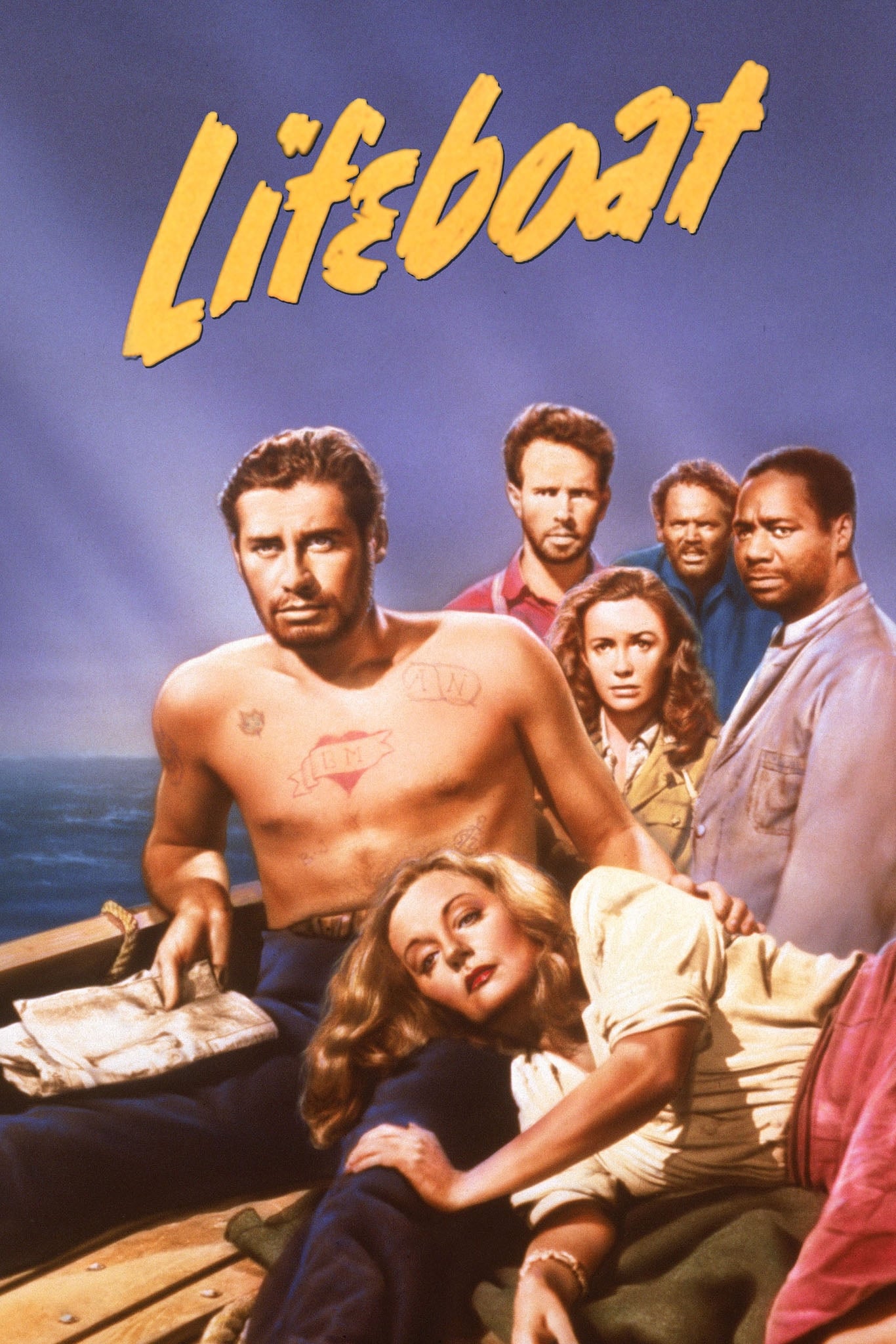
During World War II, a small group of survivors is stranded in a lifeboat together after the ship they were traveling on is destroyed by a German U-boat.
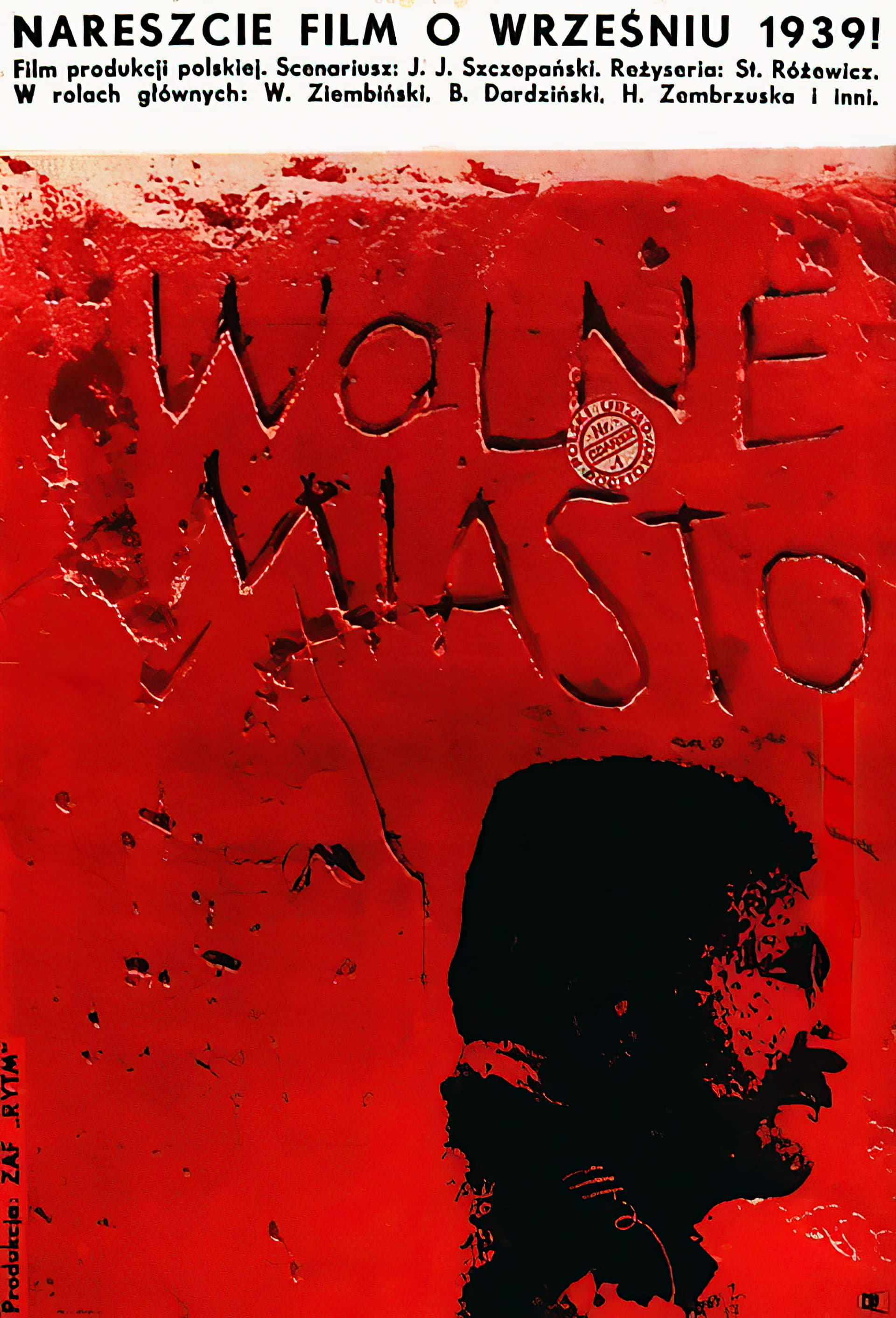
The heroic struggle of Polish post office workers in Gdańsk on the first day of World War II.
Writer/Director Kaneto Shindô recounts his time spent in the Japanese Navy in WWII. He tells about the harsh training, grueling conditions, and tragic losses which are reenacted in black & white sequences.
LETTERS, a dramatic historical fiction written by Mrs. Evelyn Merritt in 2010, tells the story of U.S. soldiers and their loved ones through their correspondence beginning with the Civil War and ending with the War in Iraq. Sahuarita High School students adapted the Readers’ Theatre play into a movie, reasoning the student actors would be kept safe from Covid-19 by filming them individually, and afterward the footage could be reassembled into a screenplay following the original dialogue.
In the winter of 1944, the Allied Armies stand ready to invade Germany at the coming of a New Year. To prevent it, Hitler orders an all-out offensive to re-take French territory and capture the major port city of Antwerp.
On September 1st, 1939, Nazi Germany invades Poland, unleashing World War II. On September 17th, the Soviet Red Army crosses the border. The Polish army, unable to fight on two fronts, is defeated. Thousands of Polish men, both military and government officials, are captured by the invaders. Their fate will only be known several years later.
The background to, events of and consequences of the Battle of Mers-El-Kebir on 3 July 1940. In that battle, Royal Navy ships fired on the French Fleet in order to prevent it from falling into German hands. A French battleship was sunk and several other ships damaged. Nearly 1,300 French sailors were killed.
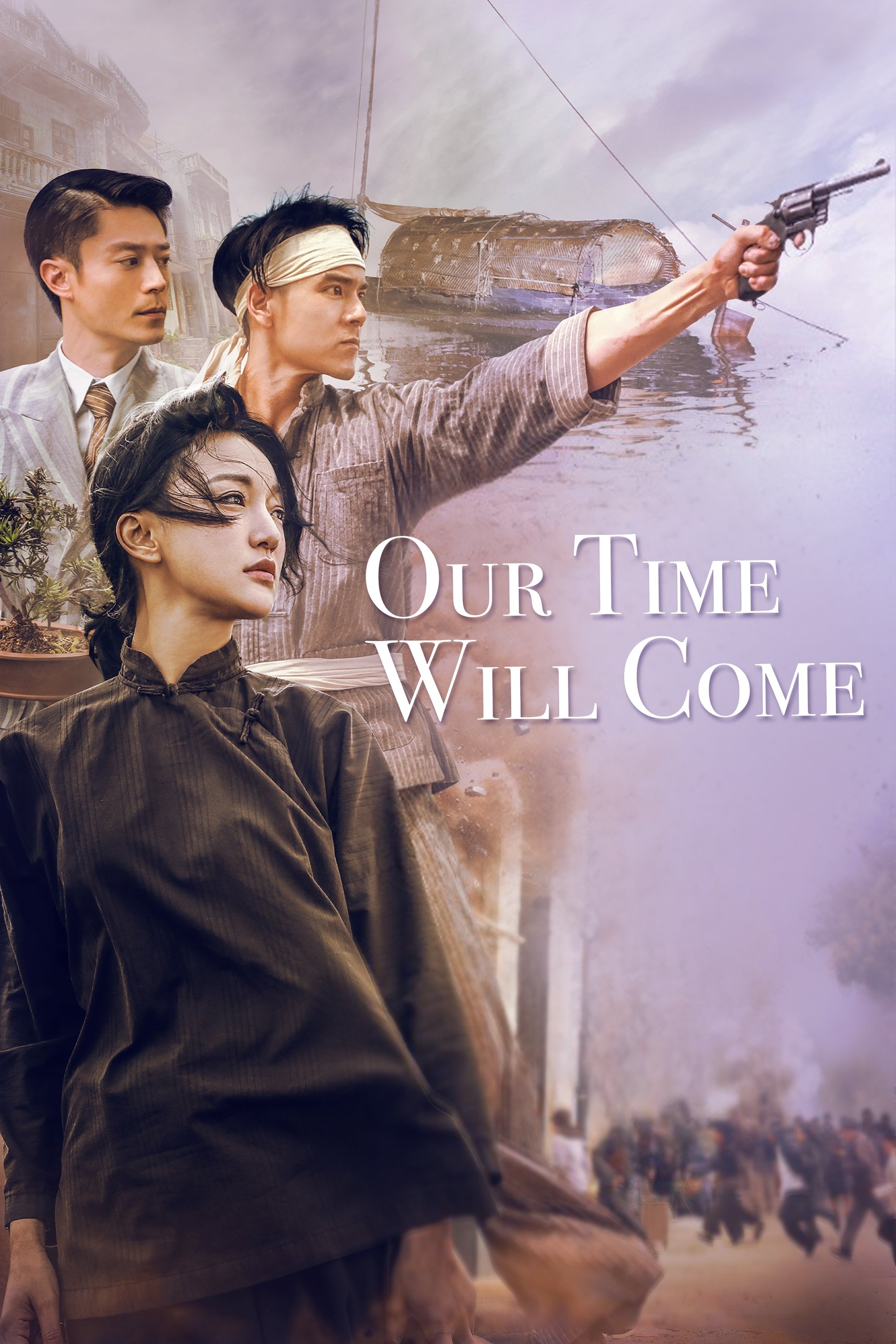
In Japanese-occupied Hong Kong, a school teacher and her would-be-fiancé link up with Chinese guerrilla fighters, forging their own path to freedom.
Based on a true story, during World War II, four Jewish brothers escape their Nazi-occupied homeland of West Belarus in Poland and join the Soviet partisans to combat the Nazis. The brothers begin the rescue of roughly 1,200 Jews still trapped in the ghettos of Poland.
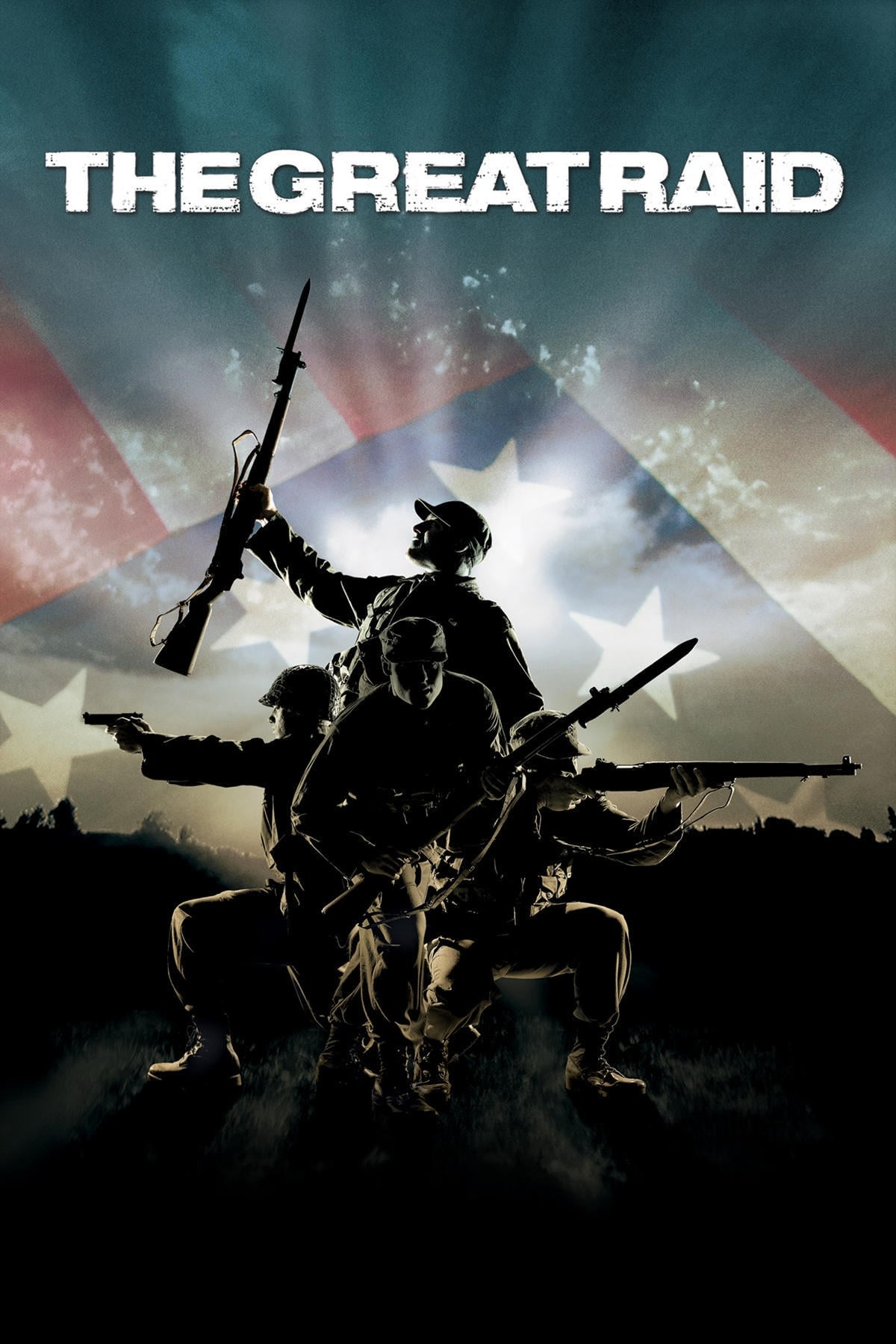
As World War II rages, the elite Sixth Ranger Battalion is given a mission of heroic proportions: push 30 miles behind enemy lines and liberate over 500 American prisoners of war.
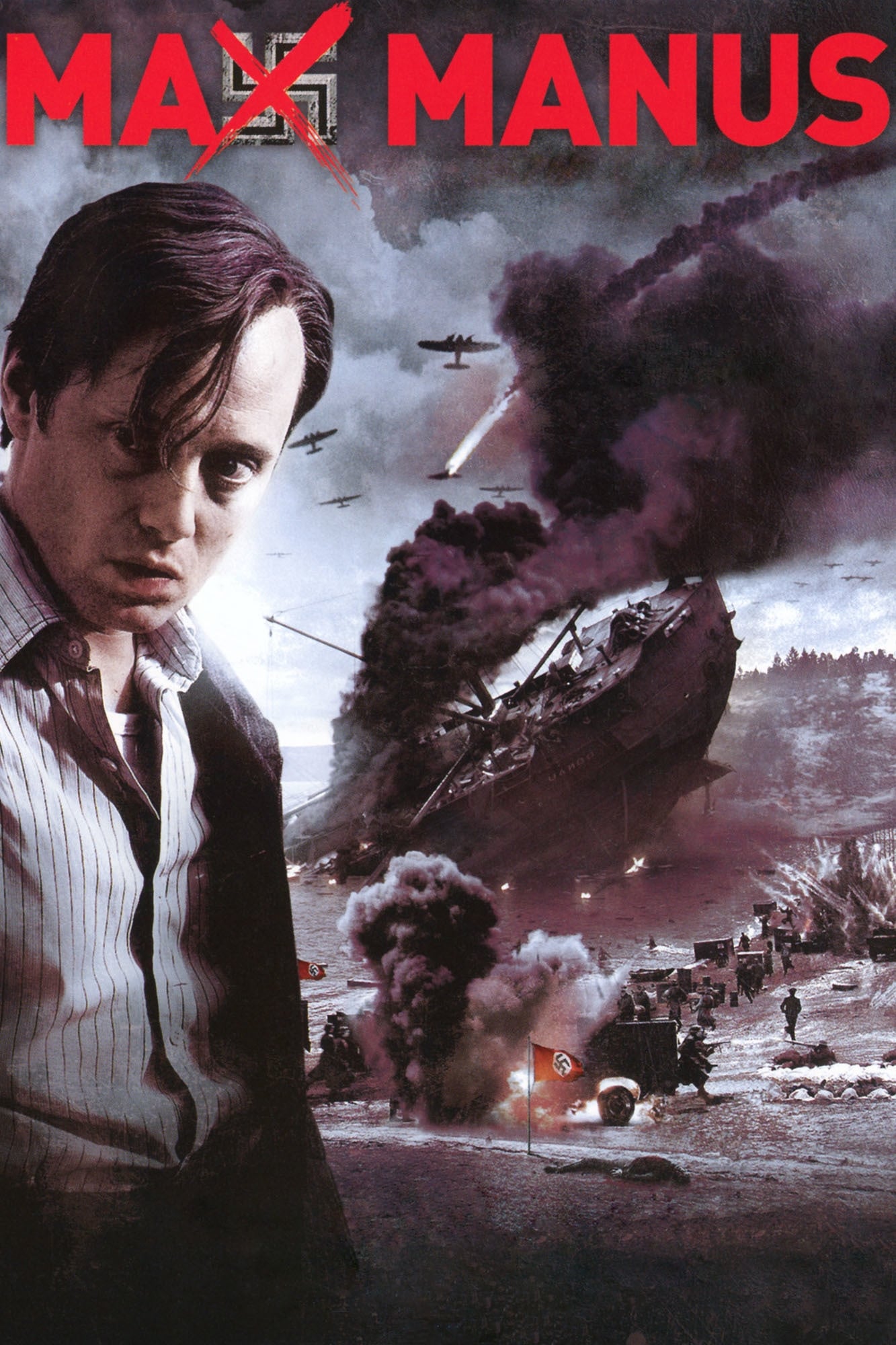
Max Manus is a Norwegian 2008 biographic war film based on the real events of the life of resistance fighter Max Manus (1914–96), after his contribution in the Winter War against the Soviet Union. The story follows Manus through the outbreak of World War II in Norway until peacetime in 1945.
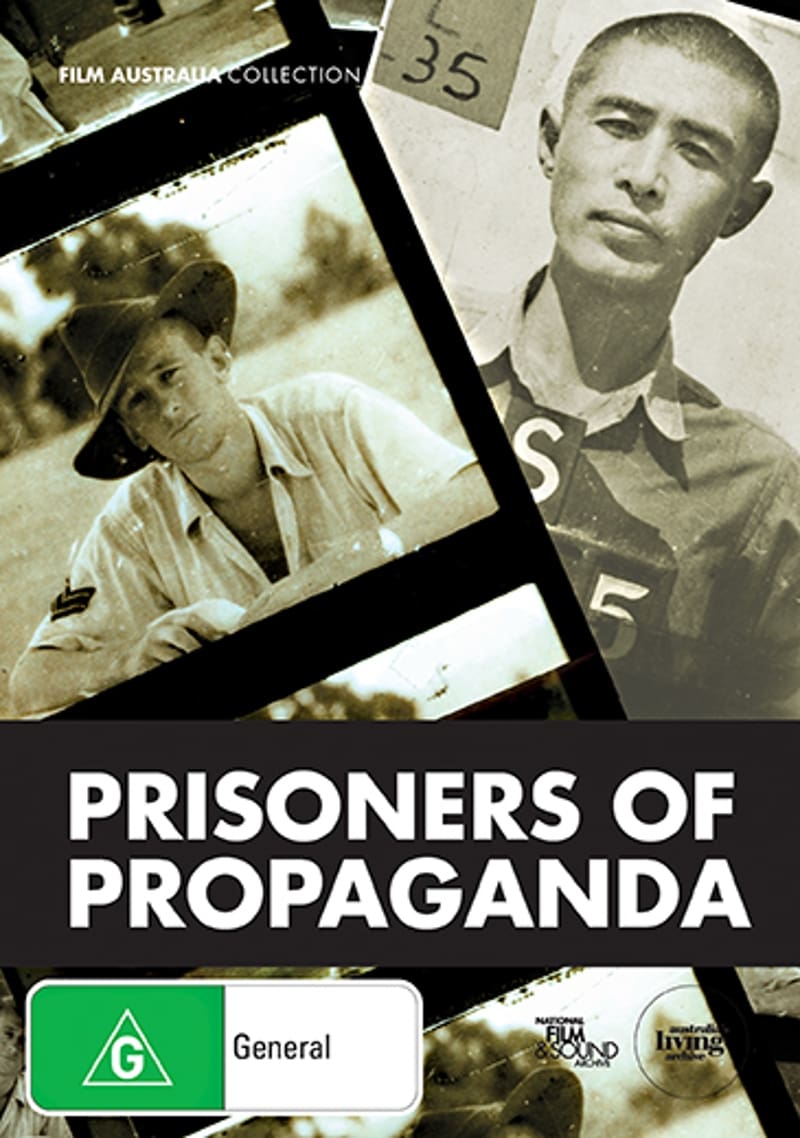
In 1943, the Imperial Japanese Secret Service made a film called Calling Australia! to show the "exemplary conditions" under which prisoners of war were kept, and to "soften up" the Australian public for the anticipated occupation of their country by Japanese forces. Prisoners of Propaganda tells why the film was made, and how it came to be forgotten.
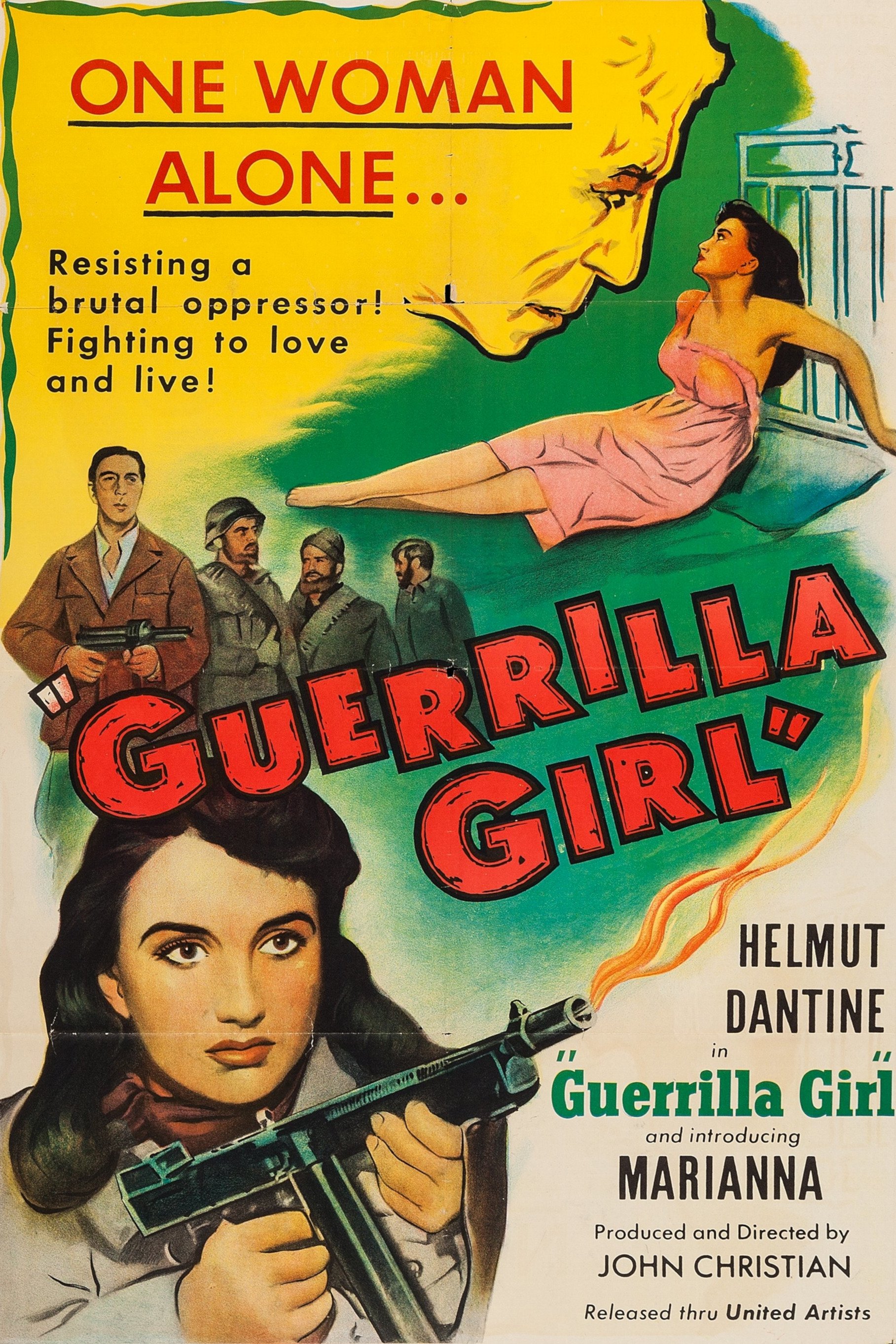
During World War II, Helmut Dantine specialized in playing villainous Nazis in Hollywood melodramas. He offers a compelling performance in a variation of these earlier roles in this suspense filled and politically loaded tale of intrigue. The story opens in German-occupied Athens during the darkest hours of the war. Civilians are not allowed on the streets after dark.
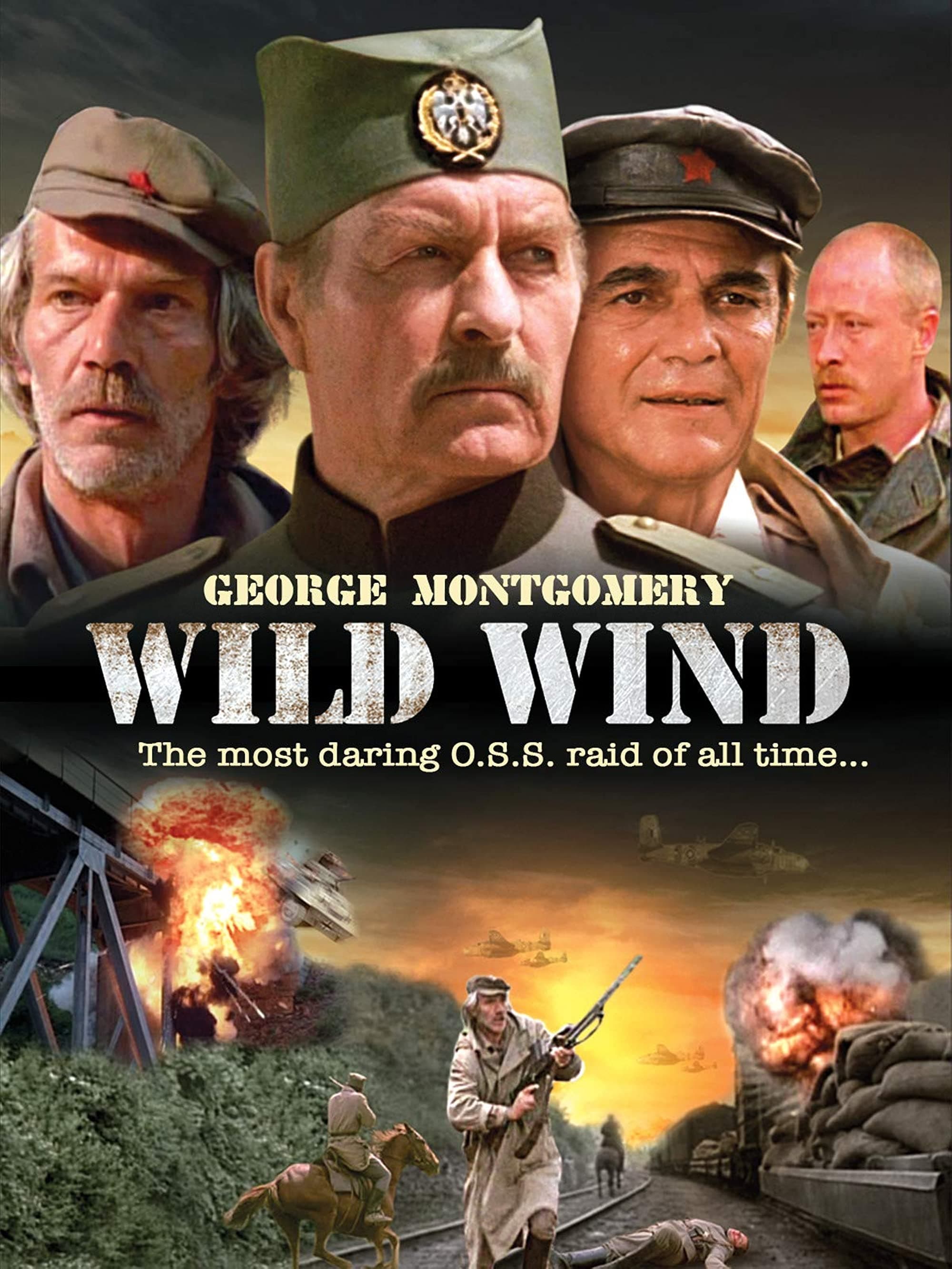
August 1943, Europe. The tentacles of the German octopus have begun to recoil. As the Nazis retreat, their concern focuses on the supply of oil from the refineries of Romania. Without the flow of "black gold", Germany's doom is sealed. Armadas of American bombers from bases in North Africa have begun to assault Pioesti - and there is another threat from the Partisans across the border of Yugoslavia. Against the tableau of spectacular events, the dramatic story of WILD WIND unfolds.
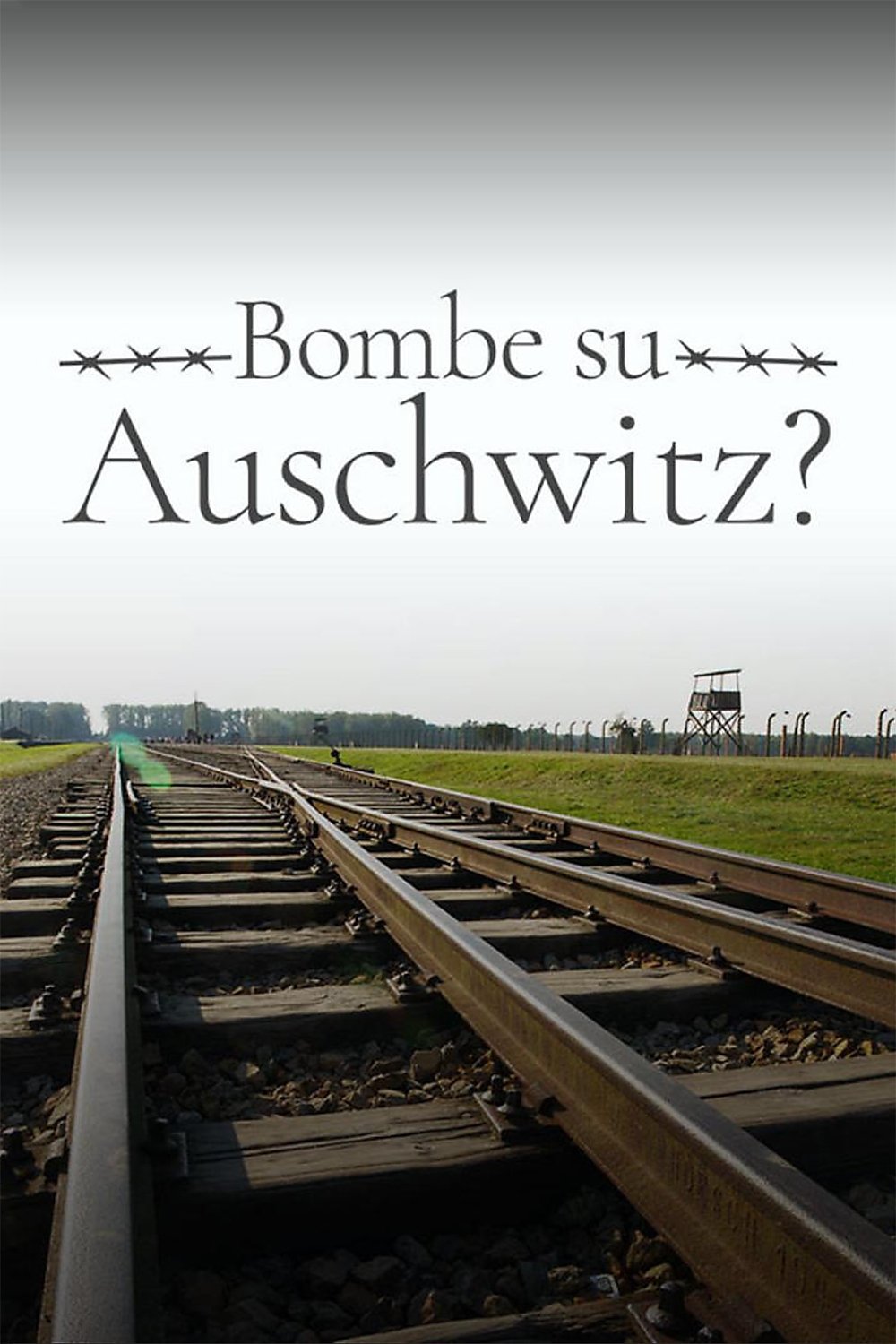
In 1944, two prisoners miraculously escaped from Auschwitz. They told the world of the horror of the Holocaust and raised one of the greatest moral questions of the 20th century.
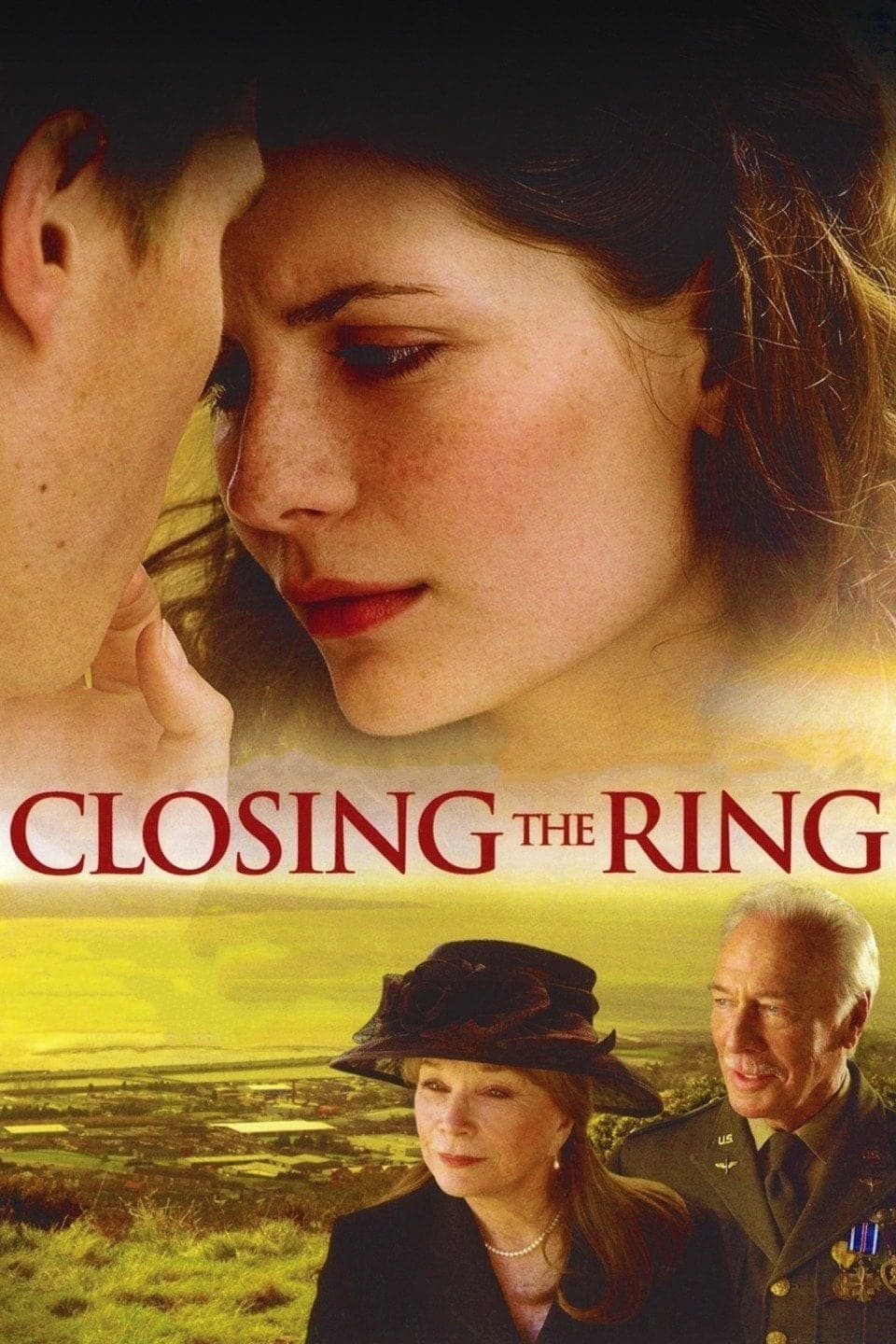
During the 1940s, a group of young men go off to war, leaving behind Ethel Ann, who is in love with one of them, Teddy. In modern-day Belfast, a man named Jimmy endeavors to return a ring found in the wreckage of a crashed plane. He travels to Michigan, where the grown Ethel Ann, who married another man after Teddy was killed in battle, now lives. Ethel Ann must decide whether to go with Jimmy to meet the soldier who last saw Teddy alive.
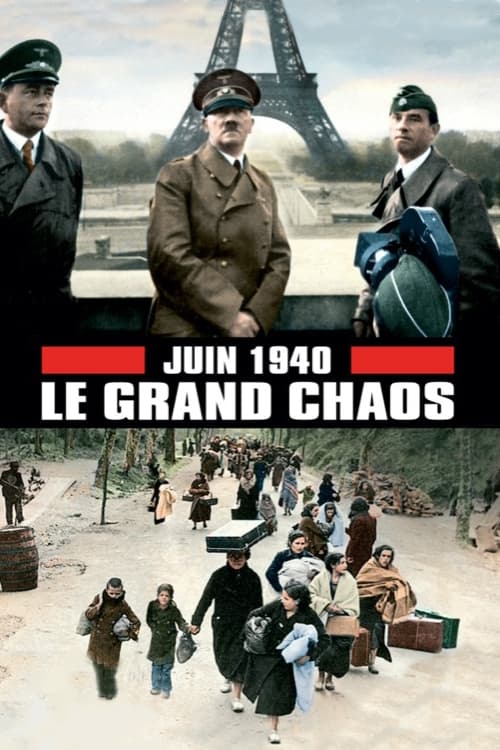
From May 10, 1940, France is living one of the worst tragedies of it history. In a few weeks, the country folds, and then collapsed in facing the attack of the Nazi Germany. On June 1940, each day is a tragedy. For the first time, thanks to historic revelations, and to numerous never seen before images and documents and reenacted situations of the time, this film recounts the incredible stories of those men and women trapped in the torment of this great chaos.
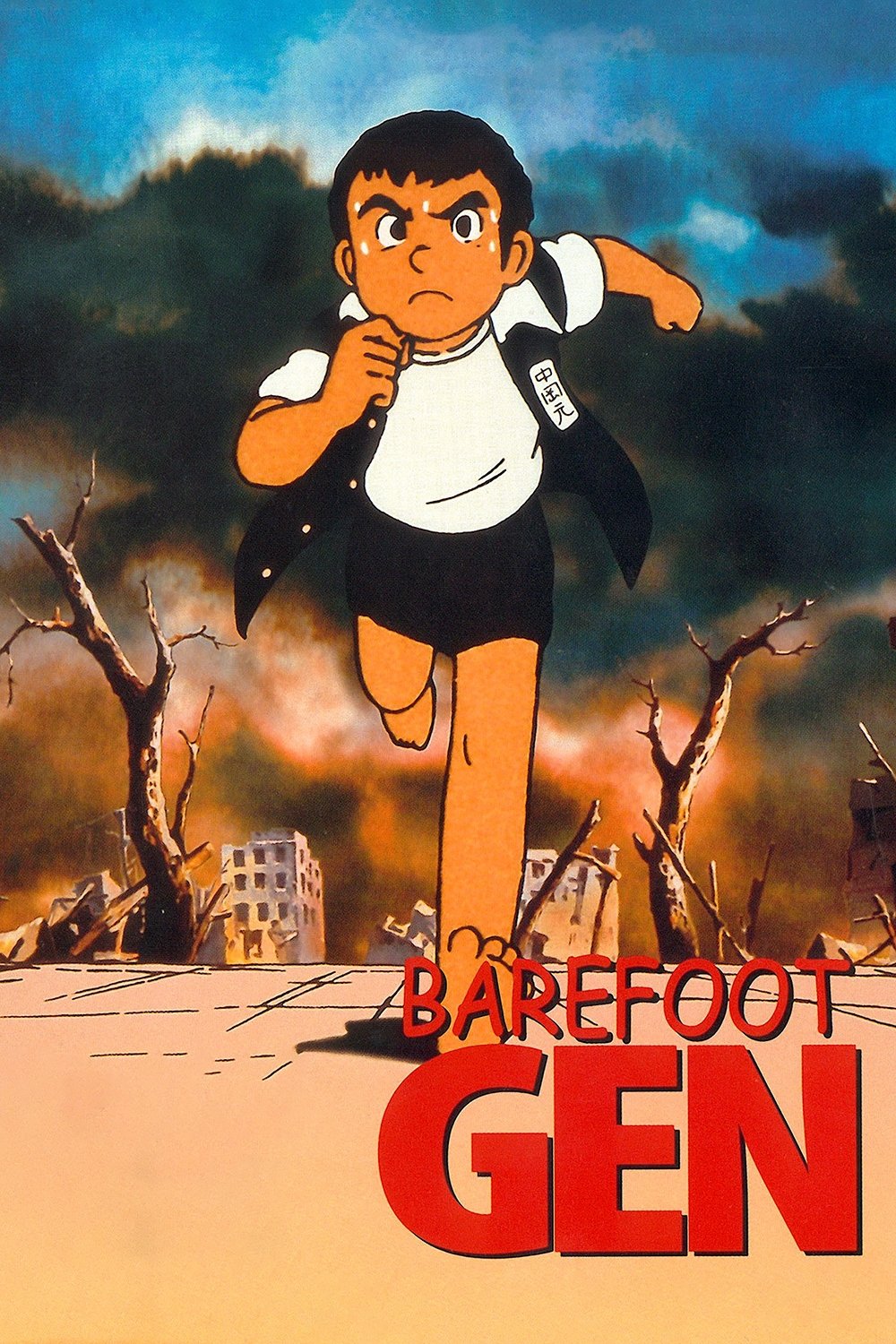
A story about the effect of the atomic bombing of Hiroshima on a boy's life and the lives of the Japanese people.
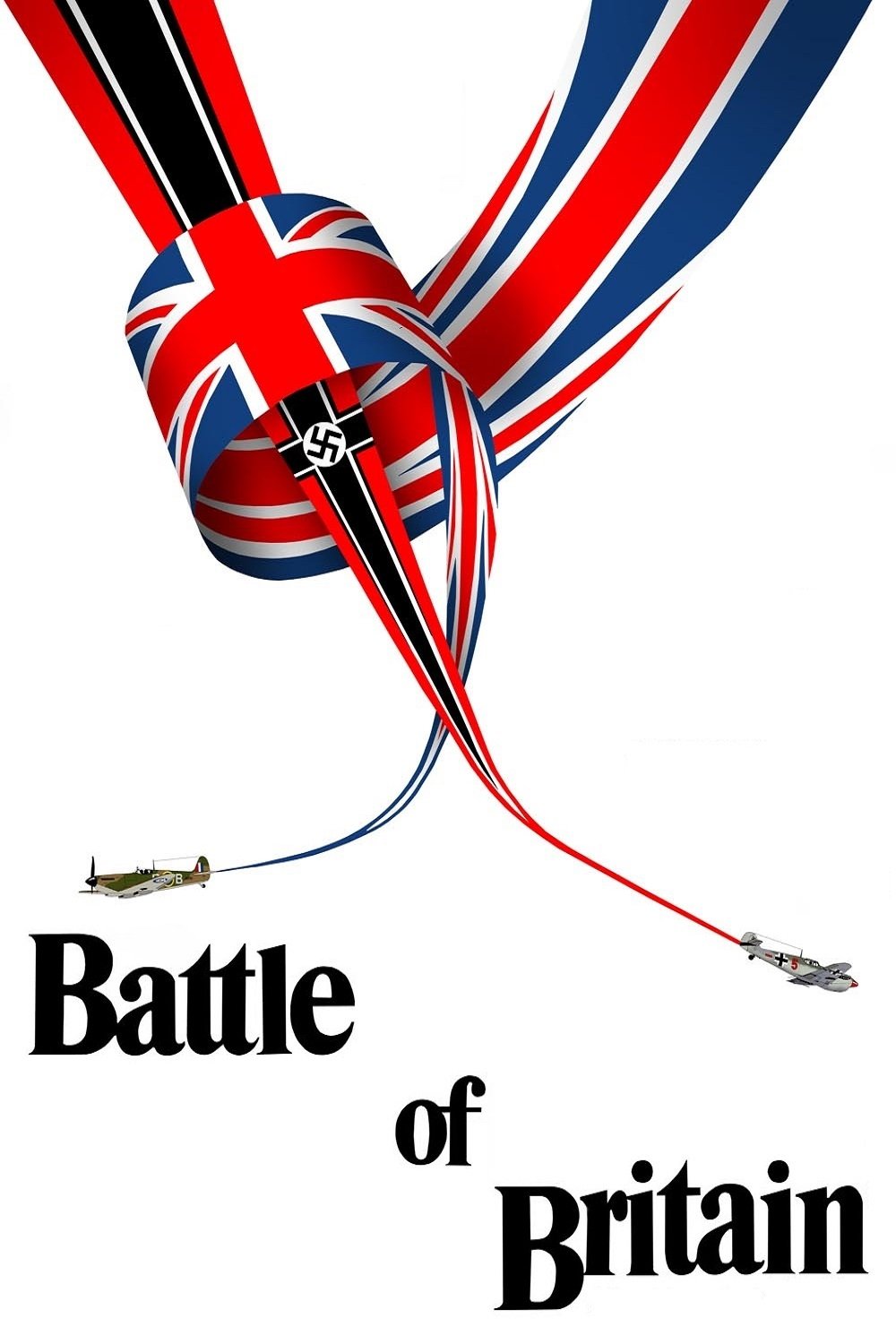
In 1940, the Royal Air Force fights a desperate battle against the might of the Luftwaffe for control of the skies over Britain, thus preventing an attempted Nazi invasion.
During the harrows of WWII, Jo, a young shepherd along with the help of the widow Horcada, helps to smuggle Jewish children across the border from southern France into Spain.
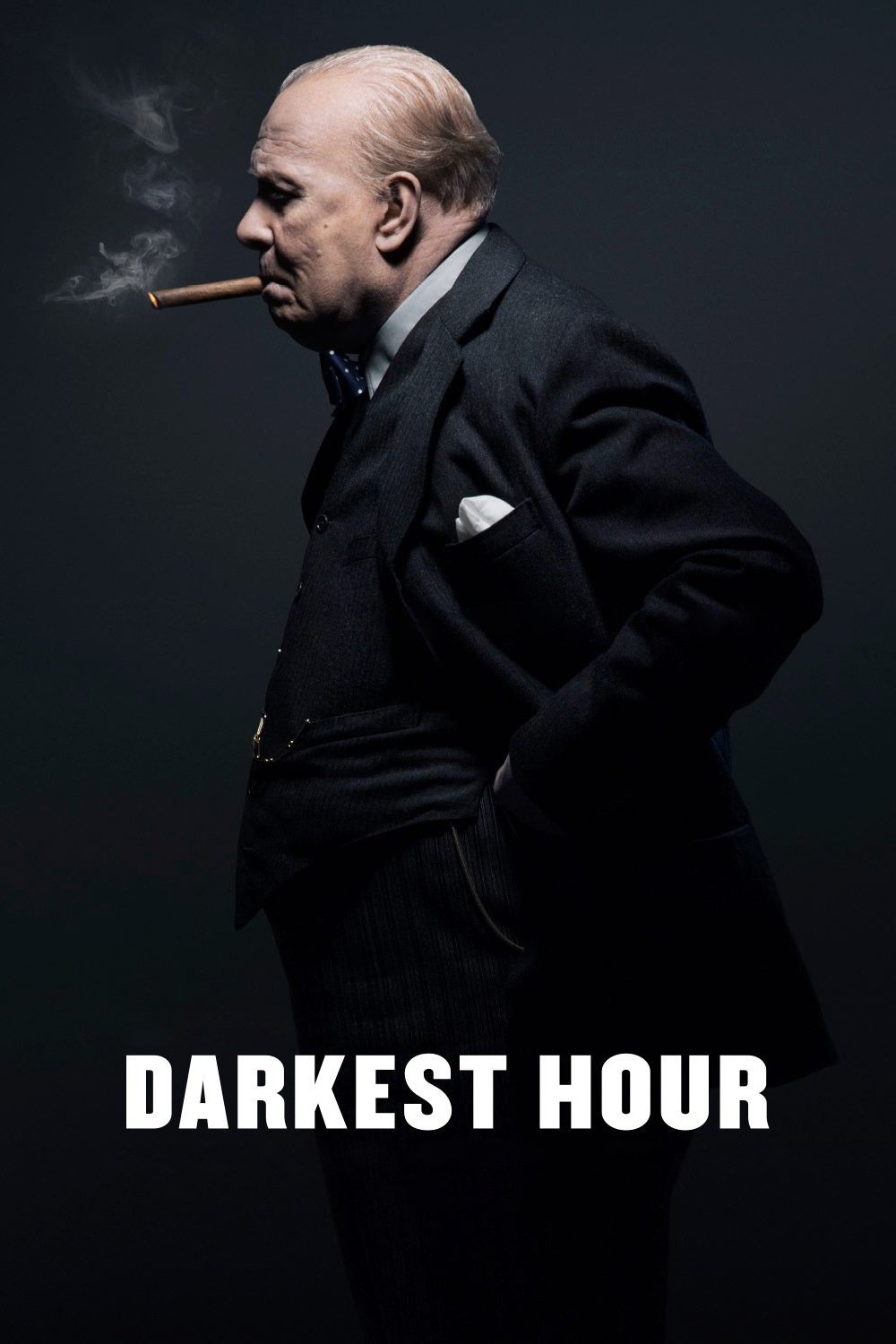
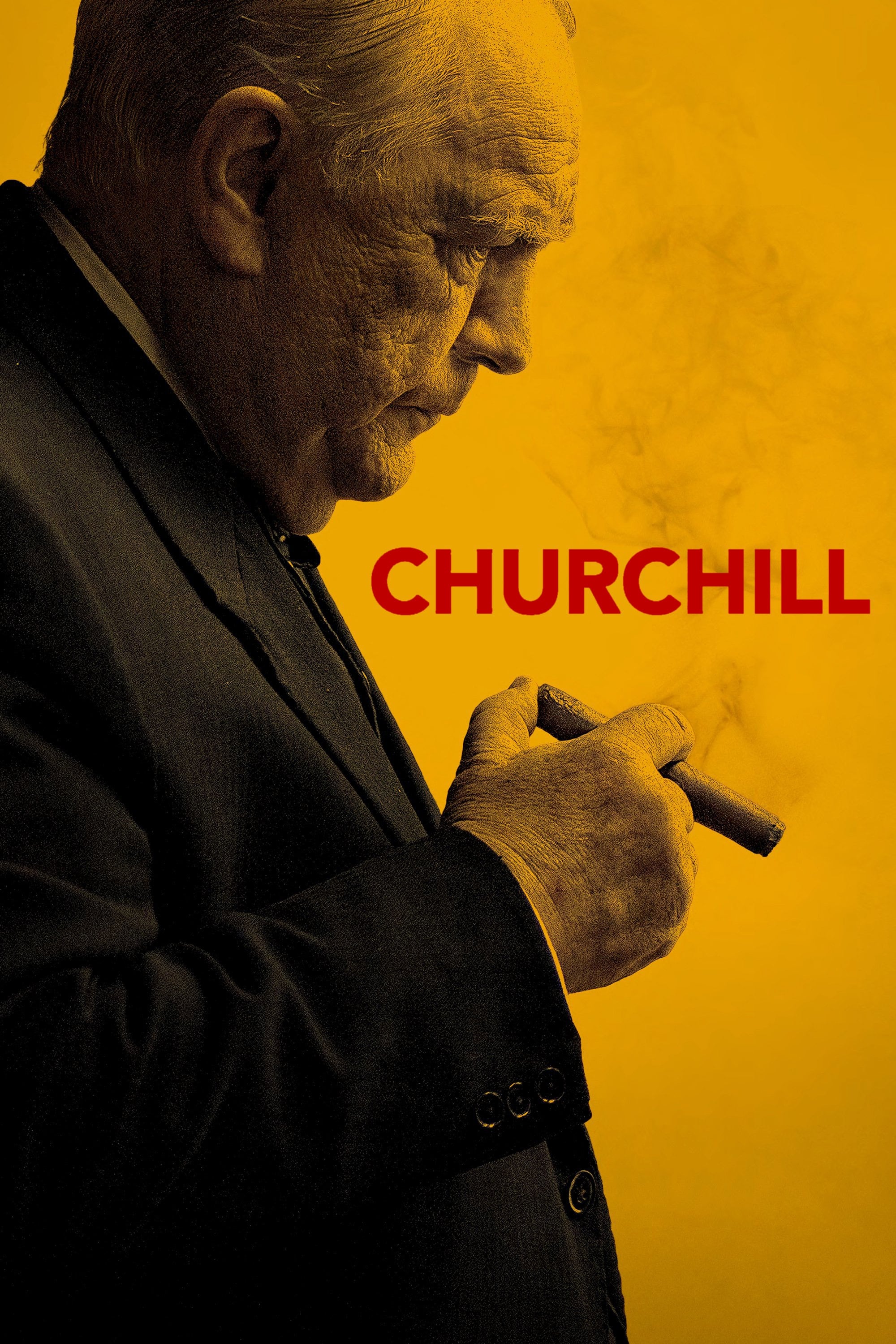
In May 1940, the fate of World War II hangs on Winston Churchill, who must decide whether to negotiate with Adolf Hitler or fight on knowing that it could mean the end of the British Empire.
Members of the U.S. Army's 101st Airborne Division are fighting for their country amidst the rugged terrain of Bastogne, Belgium, in December 1944. Holley and his American compatriots have already seen one of their own, Roderigues, perish under enemy fire. The men try to rebuff another series of Nazi attacks, but what they really need is a change in the weather. Without clear skies, they'll never get the air support they need.
During World War II, a young man is called up and, with an increasing sense of foreboding, undertakes his army training ready for D-Day, June 6th, 1944.
In 1915 France, Major Brand commands the 39th Squadron of the Royal Flying Corps. The young airmen go up in bullet-riddled "crates" and the casualty rate is appalling, but Brand can't make the "brass hats" at headquarters see reason. Insubordinate air ace Captain Courtney is another thorn in Brand's side...but finds the smile wiped from his face when he rises to command the squadron himself. Everyone keeps a stiff upper lip.
A team of allied saboteurs are assigned an impossible mission: infiltrate an impregnable Nazi-held island and destroy the two enormous long-range field guns that prevent the rescue of 2,000 trapped British soldiers.
When Norwegian resistance leader Lieutenant Erik Bergman reports the location of a German V-2 rocket fuel plant, the Royal Air Force's 633 Squadron is assigned the mission to destroy it. The plant is in a seemingly-impregnable location beneath an overhanging cliff at the end of a long, narrow fjord lined with anti-aircraft guns. The only way to destroy the plant is by collapsing the cliff on top of it.
During World War I, a group of British miners are recruited to tunnel underneath no man's land and set bombs from below the German front in hopes of breaking the deadly stalemate of the Battle of Messines.
When the Great War breaks out, brothers Roy and Monte Rutledge, each attending Oxford University, enlist with the Royal Flying Corps.
Jim Gordon commands a unit of the famed Flying Tigers, the American Volunteer Group which fought the Japanese in China before America's entry into World War II. Gordon must send his outnumbered band of fighter pilots out against overwhelming odds while juggling the disparate personalities and problems of his fellow flyers.
In September 1942, the German Afrika Korps under Rommel have successfully pushed the Allies back into Egypt. A counter-attack is planned, for which the fuel dumps at Tobruk are a critical impediment. In order to aid the attack, a group of British commandos and German Jews make their way undercover through 800 miles of desert, to destroy the fuel dumps starving the Germans of fuel.
A young pilot in the German air force of 1918, disliked as lower-class and unchivalrous, tries ambitiously to earn the medal offered for 20 kills.
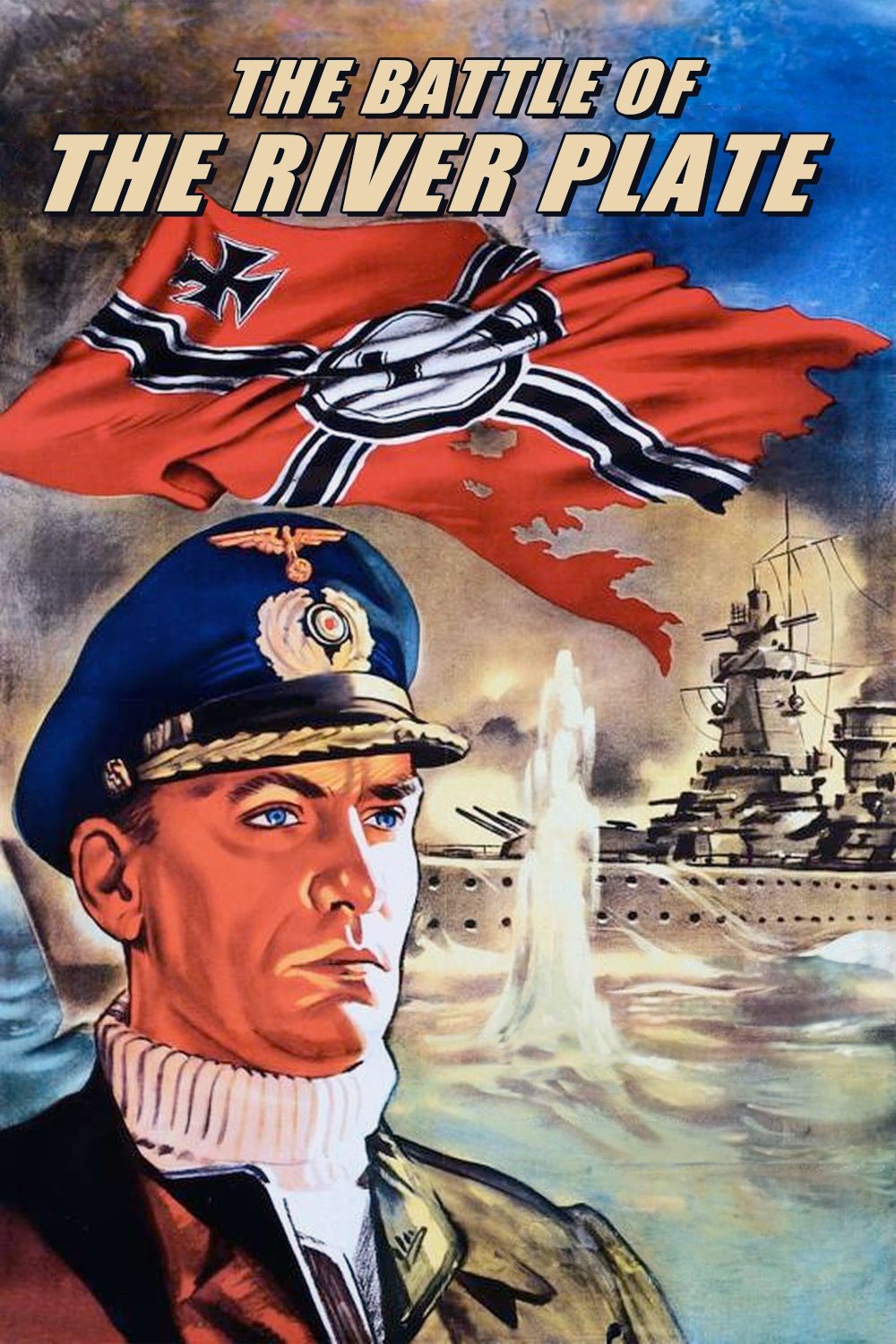
In the early years of the World War II, the Royal Navy is fighting a desperate battle to keep the Atlantic convoy routes open to supply the British Isles, facing the great danger posed by the many German warships, such as the Admiral Graf Spee, which are scouring the ocean for cargo ships to sink.
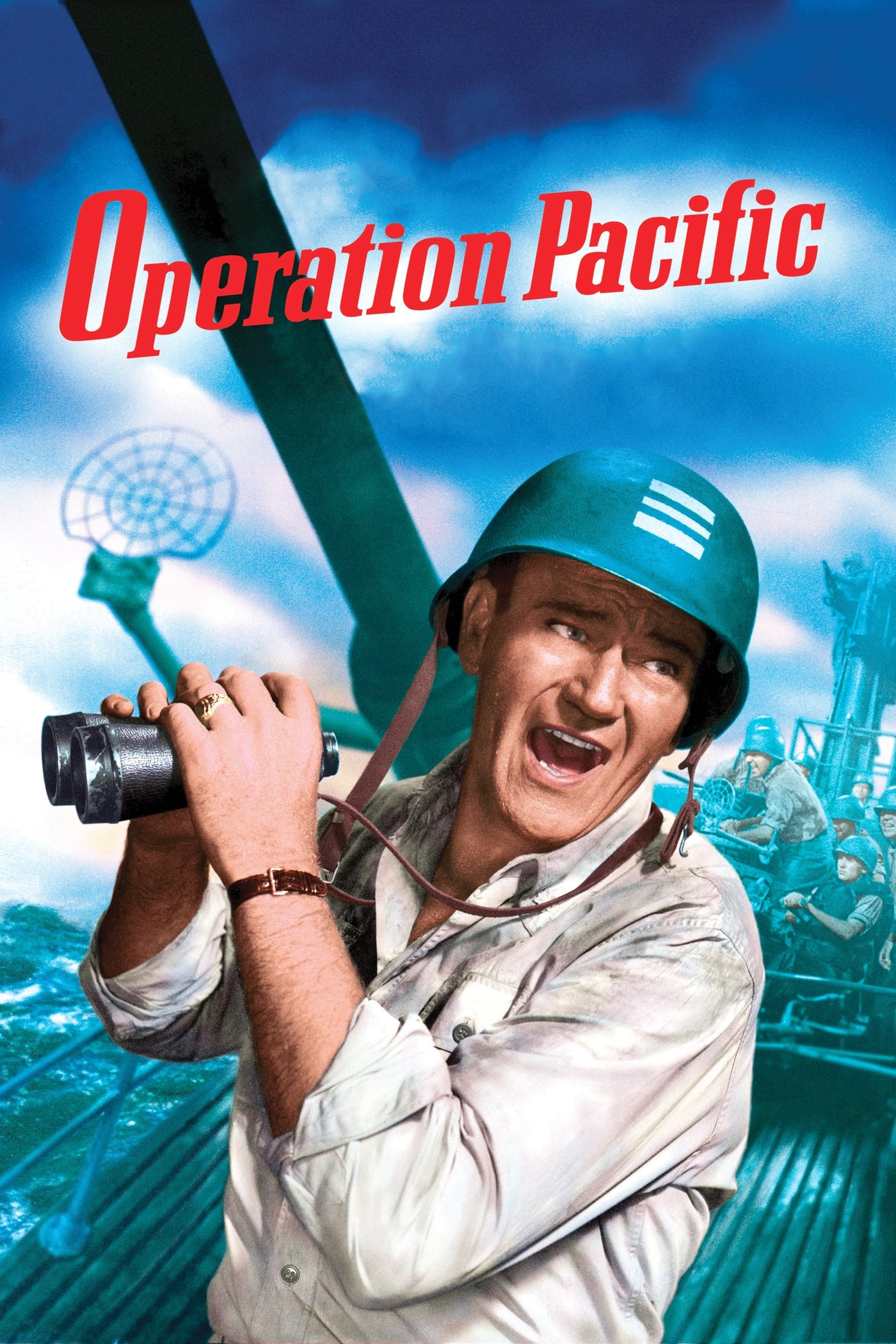
During WWII, Duke E. Gifford is second in command of the USS Thunderfish, a submarine which is firing off torpedoes that either explode too early or never explode at all. It's a dilemma that he'll eventually take up personally. Even more personal is his quest to win back his ex-wife, a nurse; but he'll have to win her back from a navy flier who also happens to be his commander's little brother.
A WWII veteran escapes his care home in Northern Ireland and embarks on an arduous but inspirational journey to France to attend the 75th anniversary of the D-Day landings, finding the courage to face the ghosts of his past.
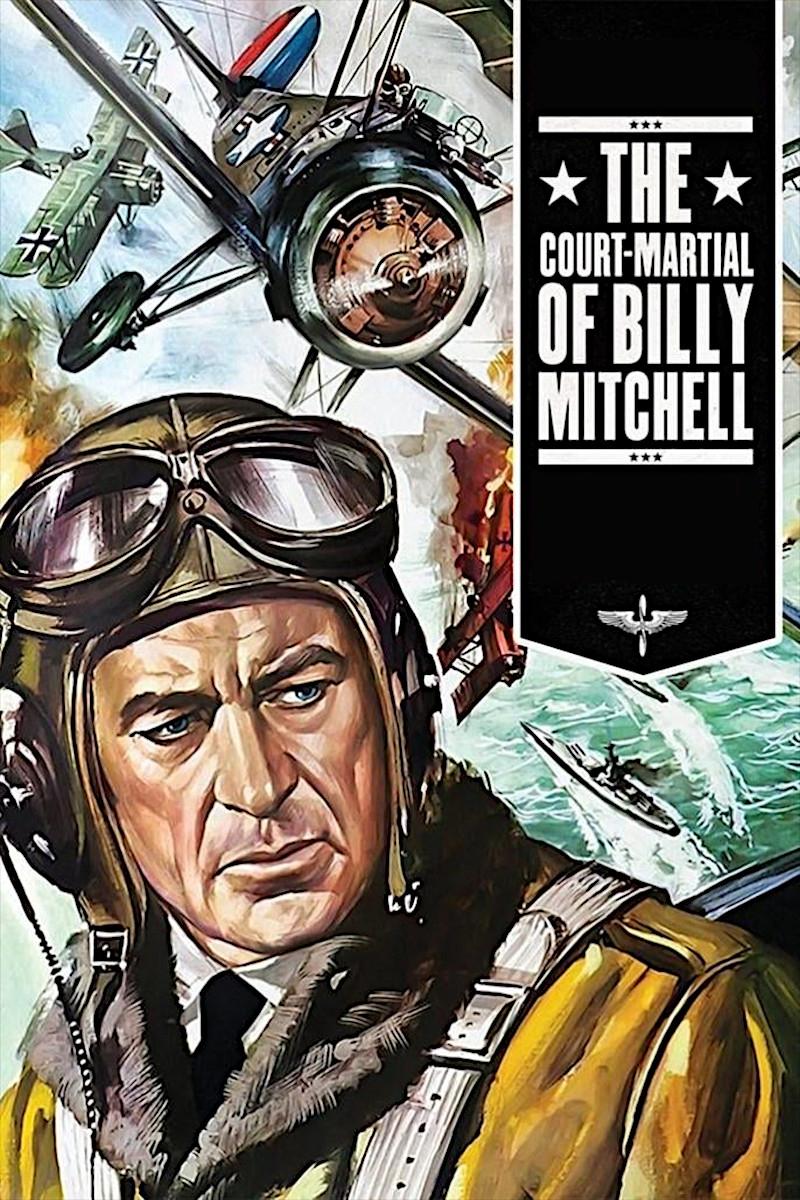
A dramatization of the American general and his court martial for publically complaining about High Command's dismissal and neglect of the aerial fighting forces.
A ticking-clock thriller following Winston Churchill in the 24 hours before D-Day.