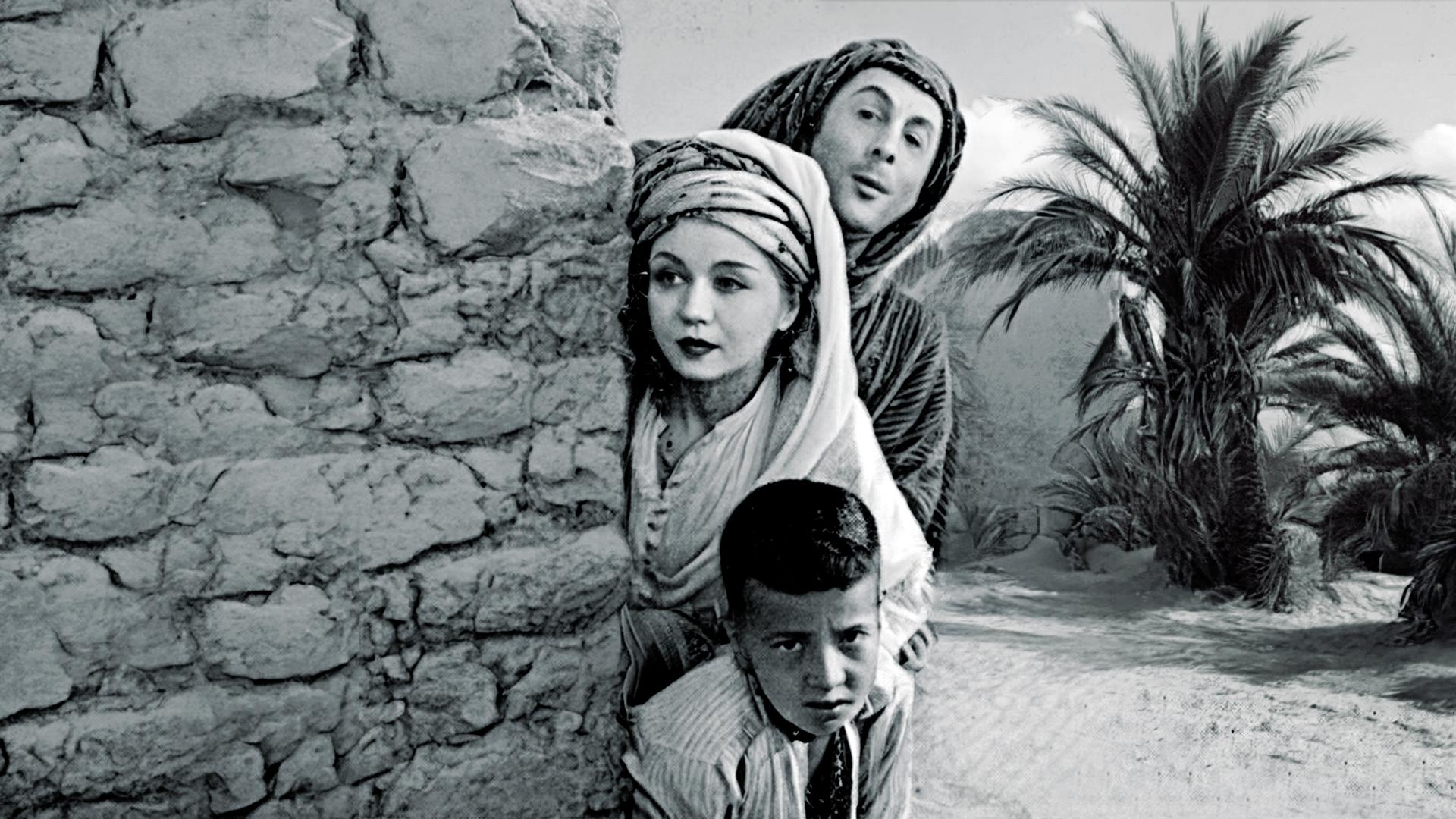
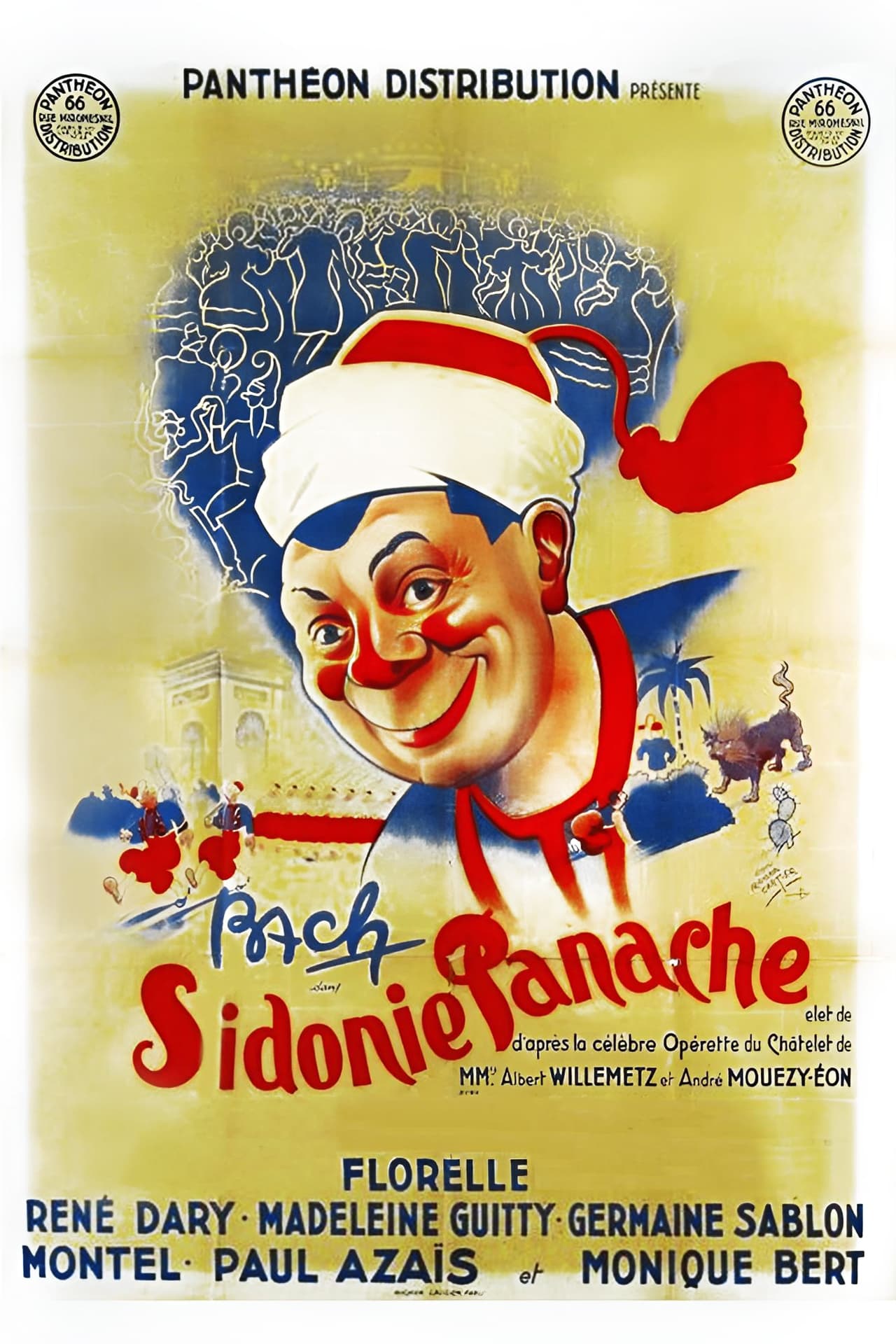
In 1842, during the conquest of Algeria Sidonie Panache disguised as a Soave runs away with her lover who is doing his military service there.
Social & External
The people behind it
Florelle
Sidonie Panache
Antonin Artaud
L'émir Abd-el-Kader
Paul Azaïs
Chabichou
Jean-Louis Allibert
Le duc d'Aumale
Tahar Hannache
Un Cheikh
Madeleine Guitty
René Dary
Guy Favières
Pierre Feuillère
Alexandre Mihalesco
Salomon
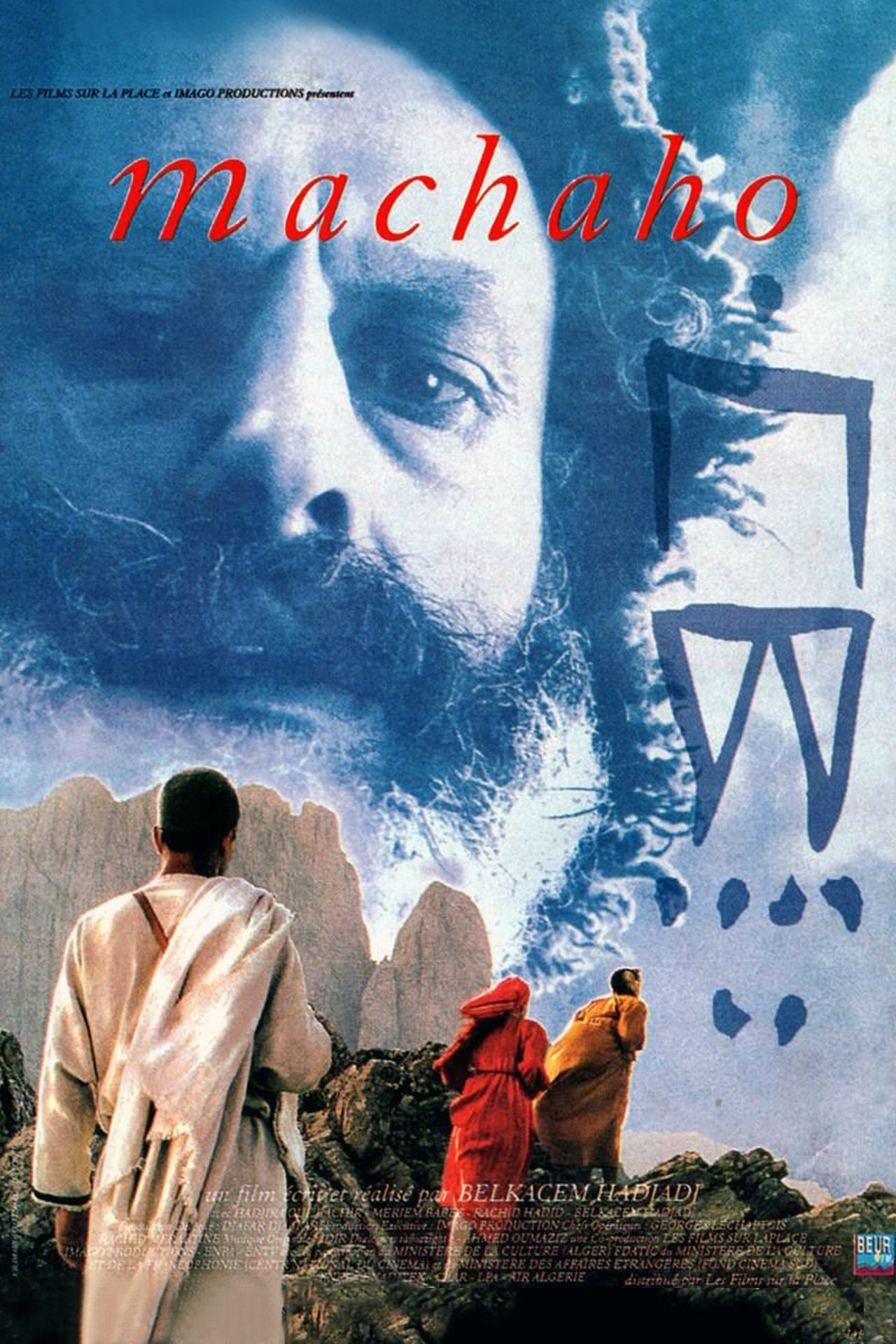
In Kabylie, rude mountain region in the north of Algeria. Arezki finds the young Larbi exhausted, buried under the snow. He takes him in and nurses him until he's recovered. The host seduces Arezki's daughter. She is pregnant. This is an unsupportable shame to the father of the female sinner. Arezki claims vengeance. He leaves his house and takes the oath not to come back before having killed Larbi who betrayed him under his own roof.
In Algiers in 1993, while the civil war is starting, Mrs Osmane's tenants have to endure her bad temper. Her husband left her and the fear to lose her respectability haunt her. The former member of the Resistance during the Independence War persists in controlling the slightest moves of the households rather than struggle against her own frustrations. Learning her daughter is in love, the possibility of finding herself alone will push her to the limit: The symbolical Mrs Osmane "harem" is about to collapse.
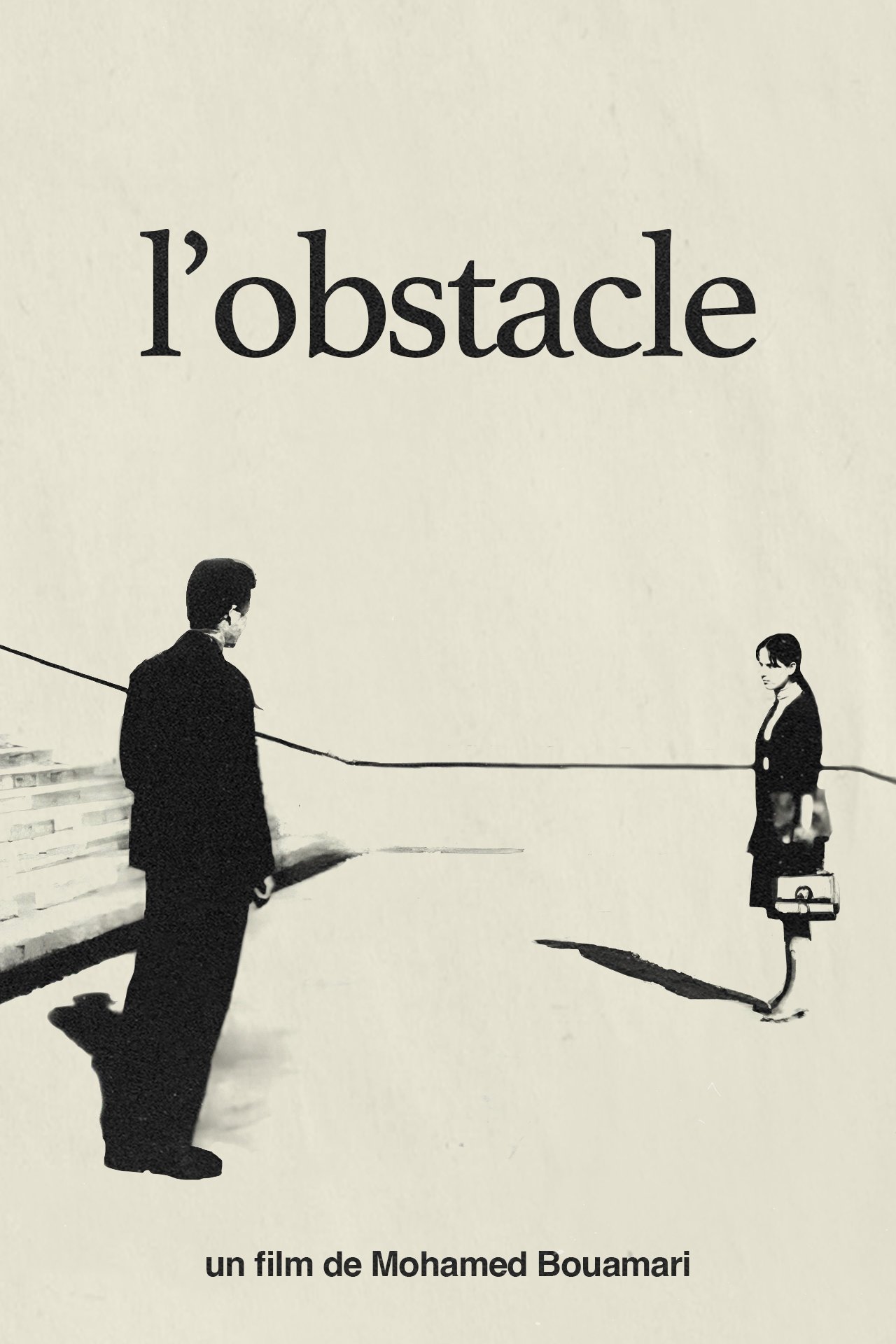
Algerian youth of the 1960s, straddling traditional South Mediterranean and Western culture and the desire for emancipation of younger generations to find true love.
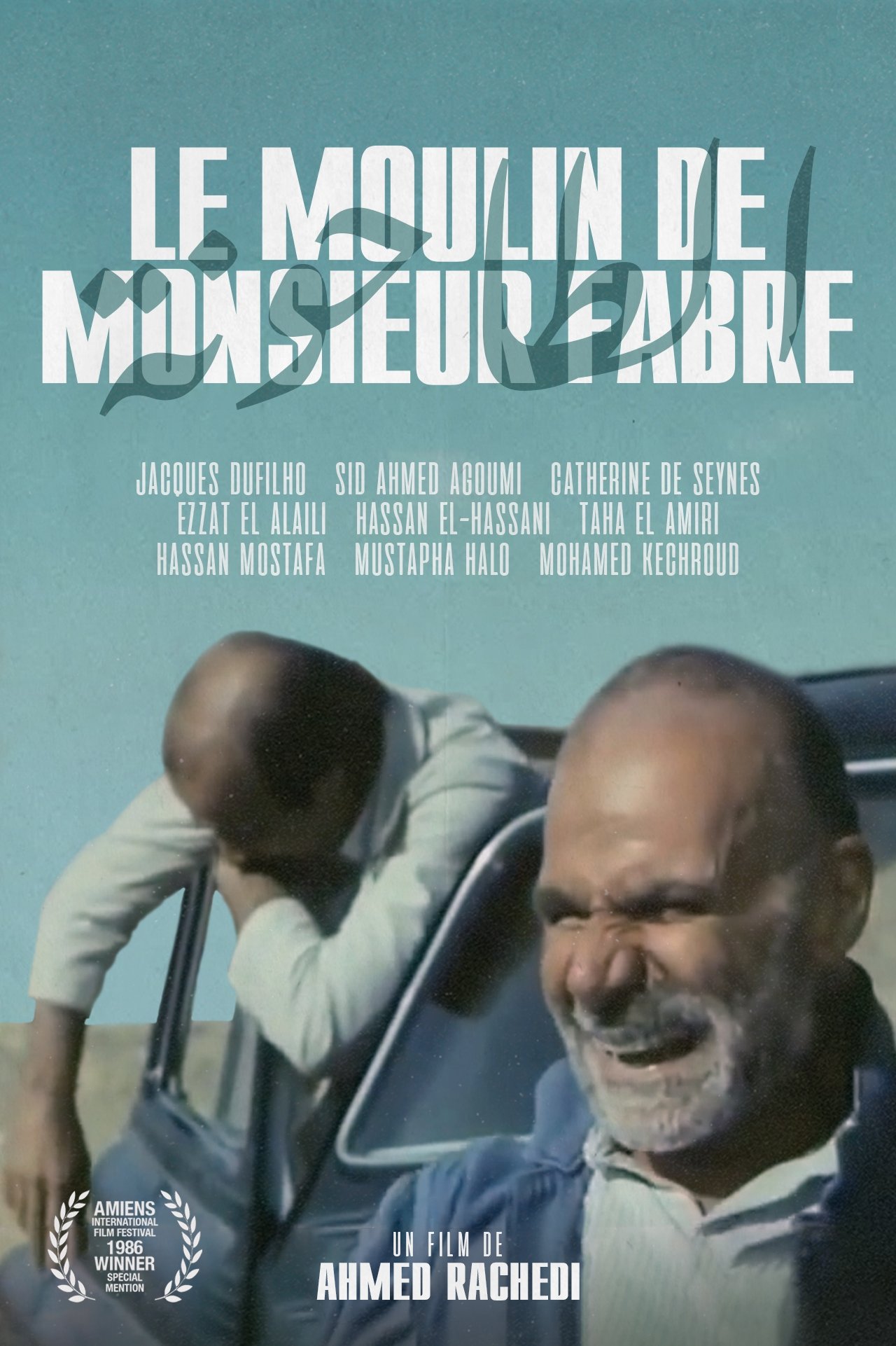
The story of the post-independence nationalization of the mill of Monsieur Fabre, an old man attached to the land of Algeria where he was born. In this small town in eastern Algeria, there was nothing else to nationalize and they were actively preparing for the arrival of high dignitaries who would elevate the mill to the rank of an industrial flour mill even though it was threatened with ruin. The comedy gets worse when the football player from the local team withdraws for love, the officials' visit is canceled and Mr. Fabre returns.
27 years after 1962, Antoine returns to Algiers...
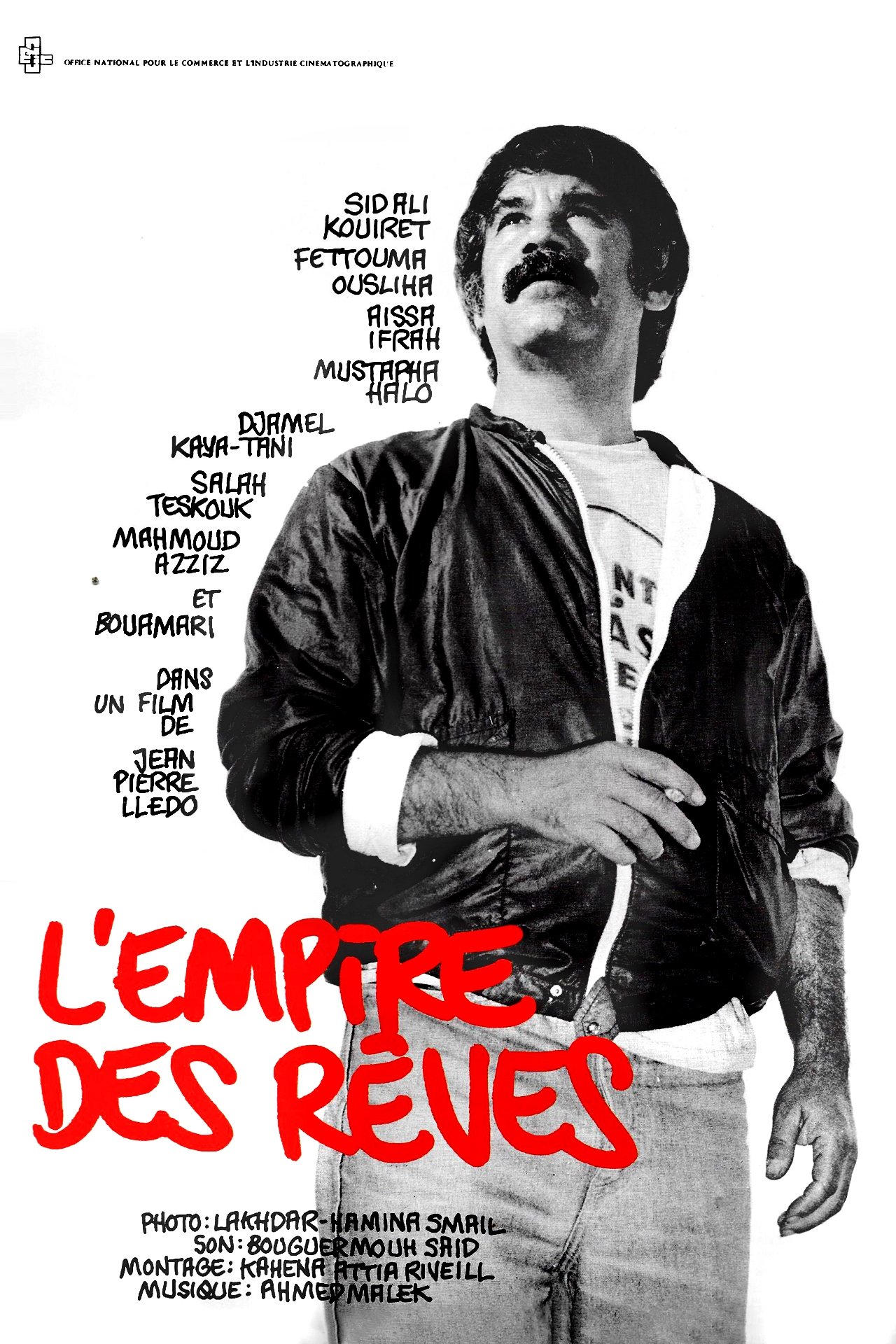
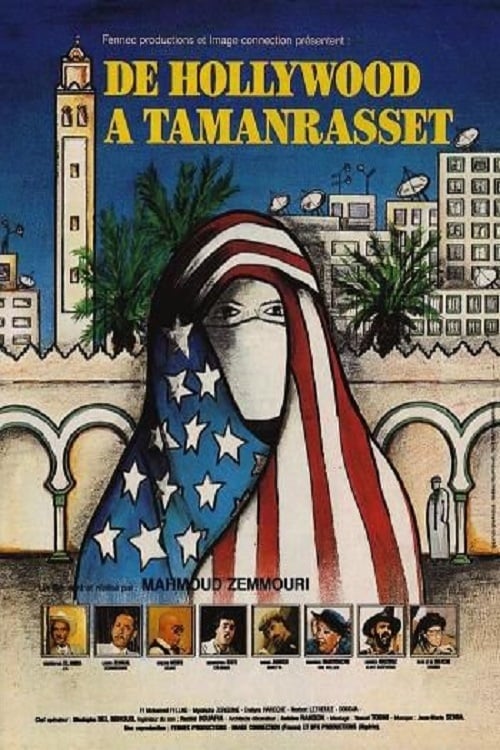
A stubborn director who wants to rediscover the Algiers of his childhood comes up against the “Hollywood” fantasies of his characters, non-professionals all hoping to be able to become “someone else”, at least for the duration of a film… Mise en abyme for a journey into megalomania…
Mounir Mekbek lives with his family in a small village in the heart of the Algerian countryside. Very proud and sure of himself, he has only one dream- to finally be appreciated by his fellow villagers. Screwing up his carefully maintained image is his headstrong, narcoleptic sister Rym who falls asleep anywhere and whom the village is convinced will end up a spinster. One evening, Mounir returns from town drunk and announces that he's found a suitor for his sister. The fake story snowballs and snowballs until the suitor morphs into a rich, blonde Australian. The village begins preparing for the wedding in earnest - but without a bridegroom in sight.
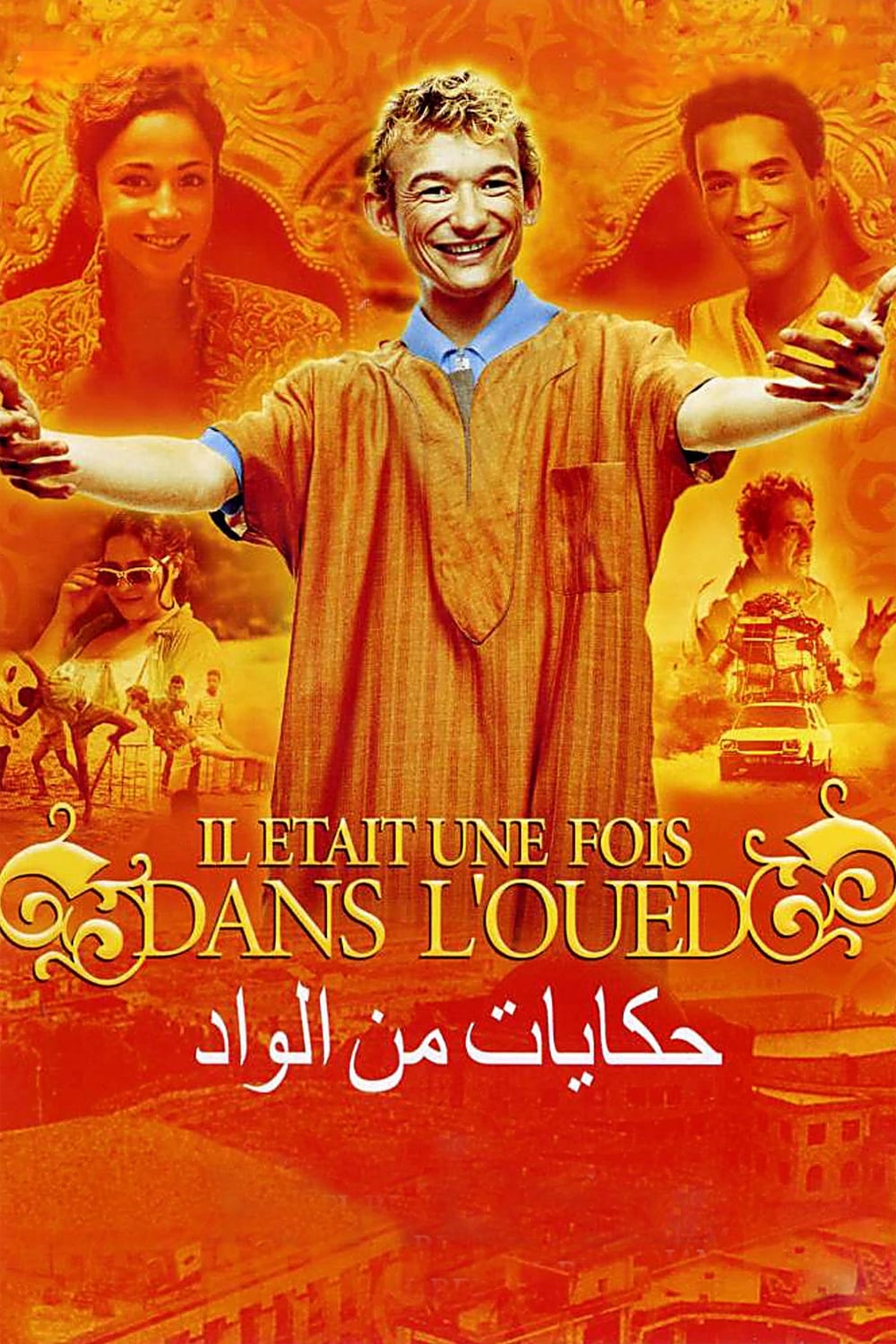
In 1988, Johnny Leclerc, the son of a Norman mother and an Alsatian father, lives in a suburban housing estate with his friends. He behaves like a Muslim, observes Ramadan and wears a djelaba. He's even convinced that his name is Abdelbachir and that he was born in a small village in the bled. When his friend Yacine gets into trouble with a local kaid and decides to return to Algeria for the vacations, he smuggles himself into the Sabri family's luggage to fulfill his dream and finally get to know his "roots". As soon as he arrived on the Algerian coast, Johnny felt right at home. But Yacine is opposed to his father, who wants to arrange his marriage.
Le match France - Algérie vient chambouler le train-train de Brahim et Mouloud. Cet évènement va diviser les deux amis : Brahim revendique son identité algérienne, Mouloud fustige son refus de la France, pays qui les a vu grandir.
Rabie is a kid from Sétif in 1980, trying to collect money to buy a wheelchair for his paralyzid sister Sassia, so she can get out of the house.
While trying by all means to stay out of the bloody turmoil caused by the Battle of Algiers, Hassan, an honest and naive family man, is wrongfully accused of terrorism by the French colonial army in "Hassan Terro." After escaping in "The Escape of Hassan Terro," Hassan is forced to join the resistance in "Hassan Terro in the Maquis."
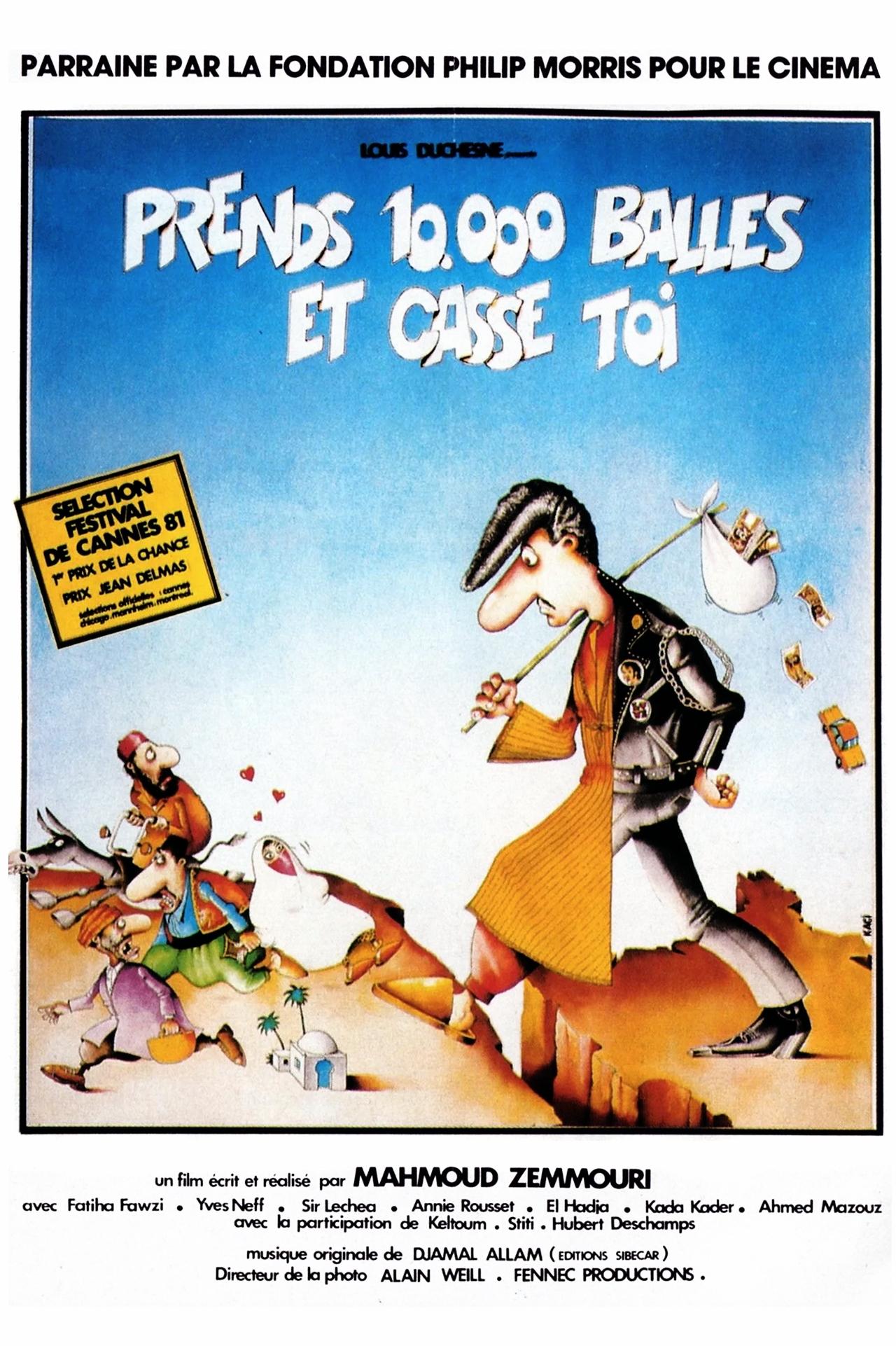
In 1980, Lionel Stoléru—France’s Secretary of State for Migrant Workers—introduced a "repatriation grant" of 10,000 francs (known as the "Stoléru million"), paid to immigrants who agreed to return permanently to their countries of origin. One Algerian family decided to leave France. Upon arriving in the small rural town of Boufarik, Algeria, in a brand-new Peugeot 404, they caused a scandal. Their liberated ways drew the villagers' ire, and the two children knew nothing about Algeria or local customs. The film was selected for the Cannes Film Festival in 1981, and in 1982, it won the Critics' Prize at the Chamrousse International Comedy Film Festival.
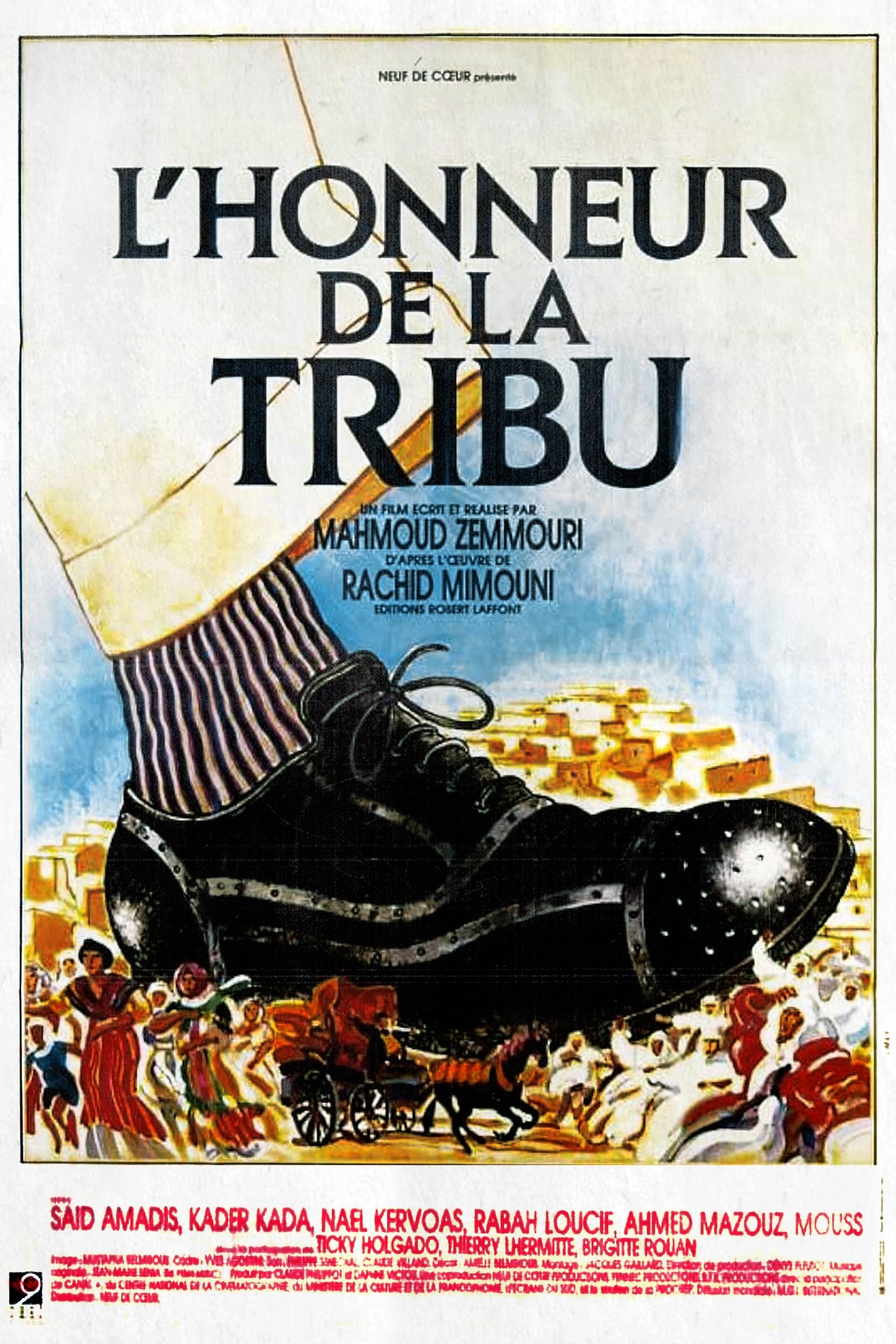
Like every year in Zitouna, a bear handler passes by. With his creature, he comes to challenge the small community. And like every year, it is Slimane El Mabrouk who defends the honor of the tribe. But this time, he dies, leaving two orphans, Omar and Ourida. Robbed of their inheritance, the children will grow up alone. The years pass, the French army settles in, and with it, the war. Mysteriously, one day, after the murder of a French legionnaire, Omar disappears into the bush, while his sister dies in childbirth. Omar will return to the village, much later, once independence has been acquired, as a representative of power and with this enigmatic formula: "You must know that the Revolution has not forgotten you". Personal revenge? Sincere desire to bring progress and modernity? ... The inhabitants of Zitouna, upset in their ancestral way of life, will not be long in having an answer to their questions.
The film dialectically explores the phenomena of family alliances in urban and rural areas, technocracy, and the Algerian landed bourgeoisie. The film was completed but apparently never distributed by the ONCIC.
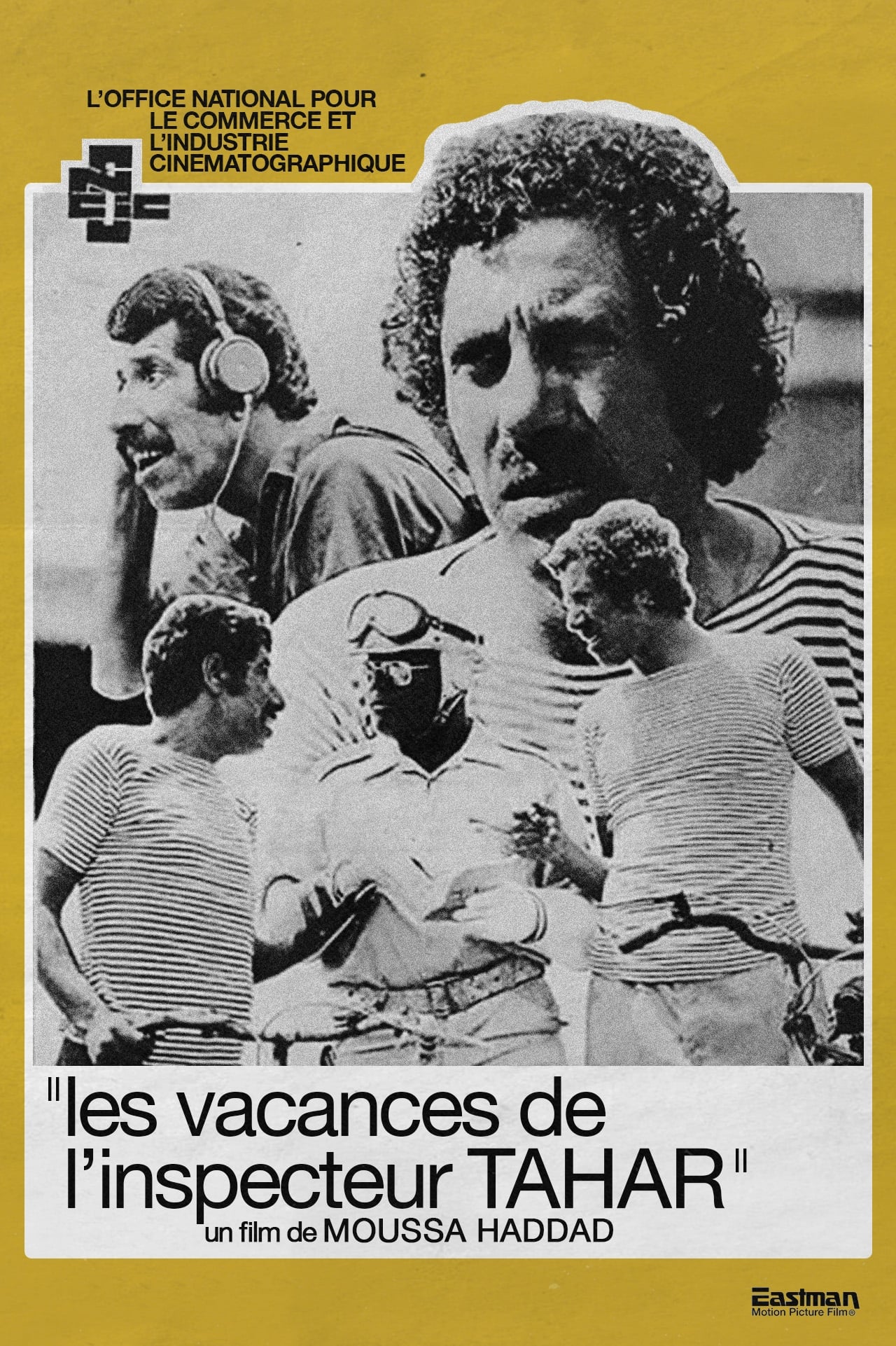
Inspector Tahar and his apprentice are invited by Mama Traki, a popular Tunisian heroine, to spend their vacation in Tunis. Before leaving Algiers, they stop at a tourist complex where a murder has just been committed. The investigation full of surprises and twists and turns will take them to Tunis where they will find Ommi Traki and his family...
Originally commissioned by the city of Algiers to promote tourism, Mohamed Zinet’s Tahia ya Didou blends documentary with fiction to create a poetic, acerbic and rapturous portrait of the director’s native city. The camera travels freely, through the port, market, streets and cafés, capturing everyday people, some of whom recur frequently enough to seem like protagonists. The nominal plotline follows a French tourist couple’s leisurely visit to the city, the man having previously served in the army during the Algerian war. As they walk around, his comments betray his mindset’s racist colonial prejudices, while his wife reiterates asinine clichés. Their unhurried wandering is interrupted when he comes across a blind man and realises that he tortured him during his army service. The film is punctuated with punchy sequences that show a poet named Momo delivering verse as an elegy for Algiers.
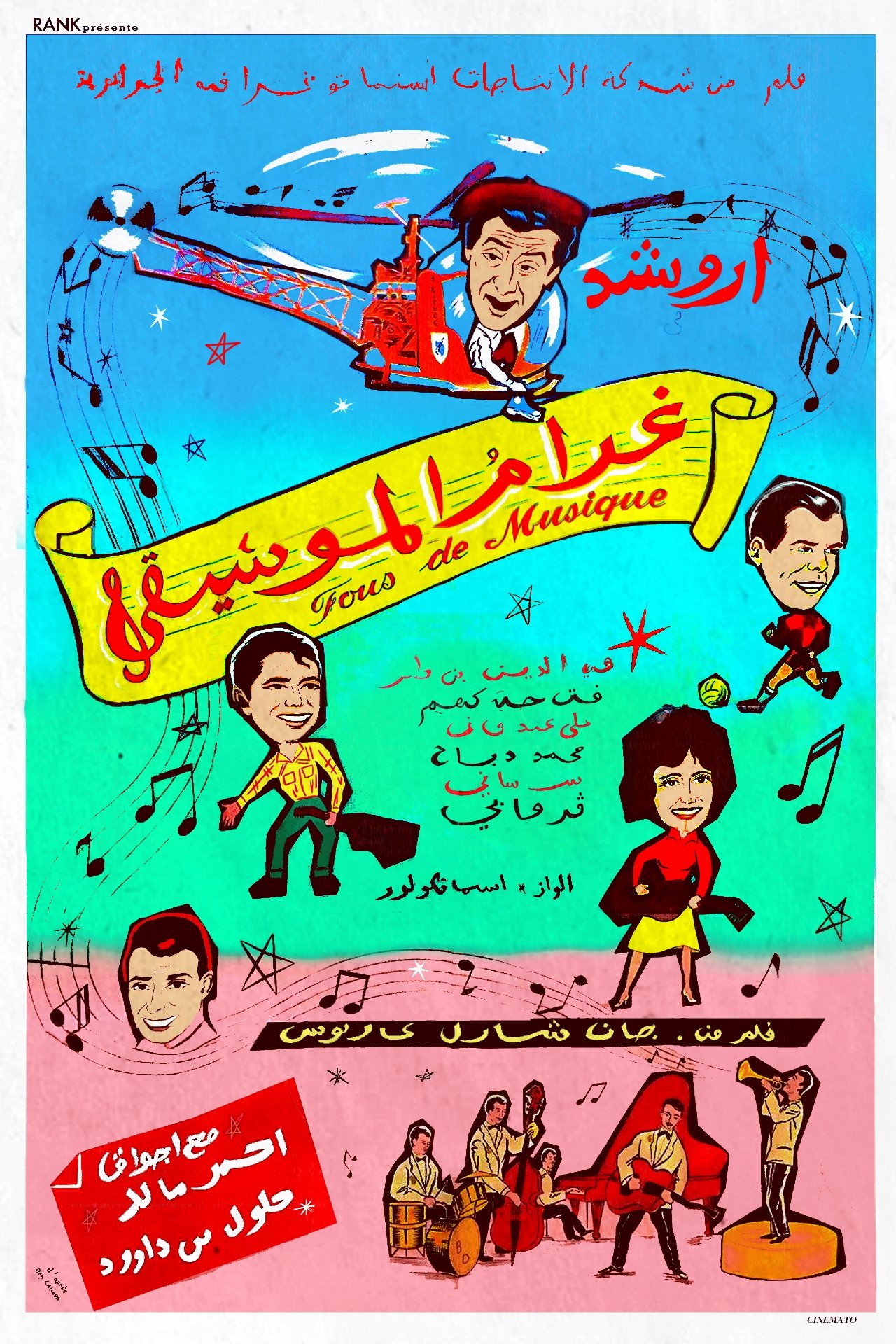
Fous de Musique by Jean-Charles Carlus (1957) is a musical comedy featuring Rouiched, Mahieddine Bentir and the famous Bendaoud orchestra. Shot during the Algerian War, the film was not released until after independence and was probably shown in Paris in cinemas intended for immigrant workers around 1967. Sources: Archives Numériques du Cinéma Algérien
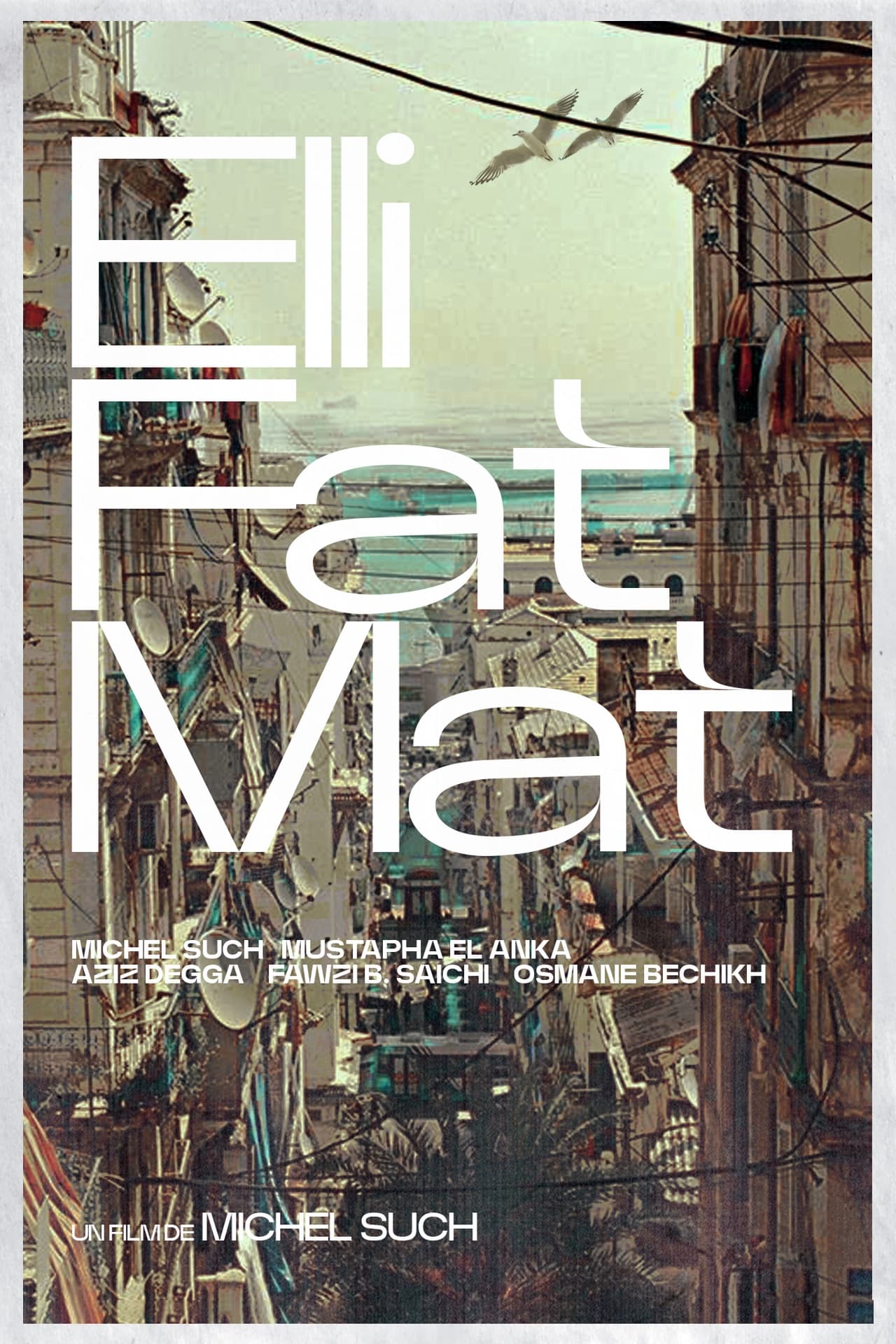
On the outskirts of Algiers, Algeria. the arrival of the satellite dishes governs the lives of the inhabitants. Dissatisfied with their lives, they think of themselves as the heroes of American soap opera and movies, so JR, Sue Ellen, Rambo, Kojak, Spock and others take possession of bodies and minds, with many typical American culture elements. These heroes mix in a beautiful funny mess, with tradition and modernism, Islam and television, reality and fiction.
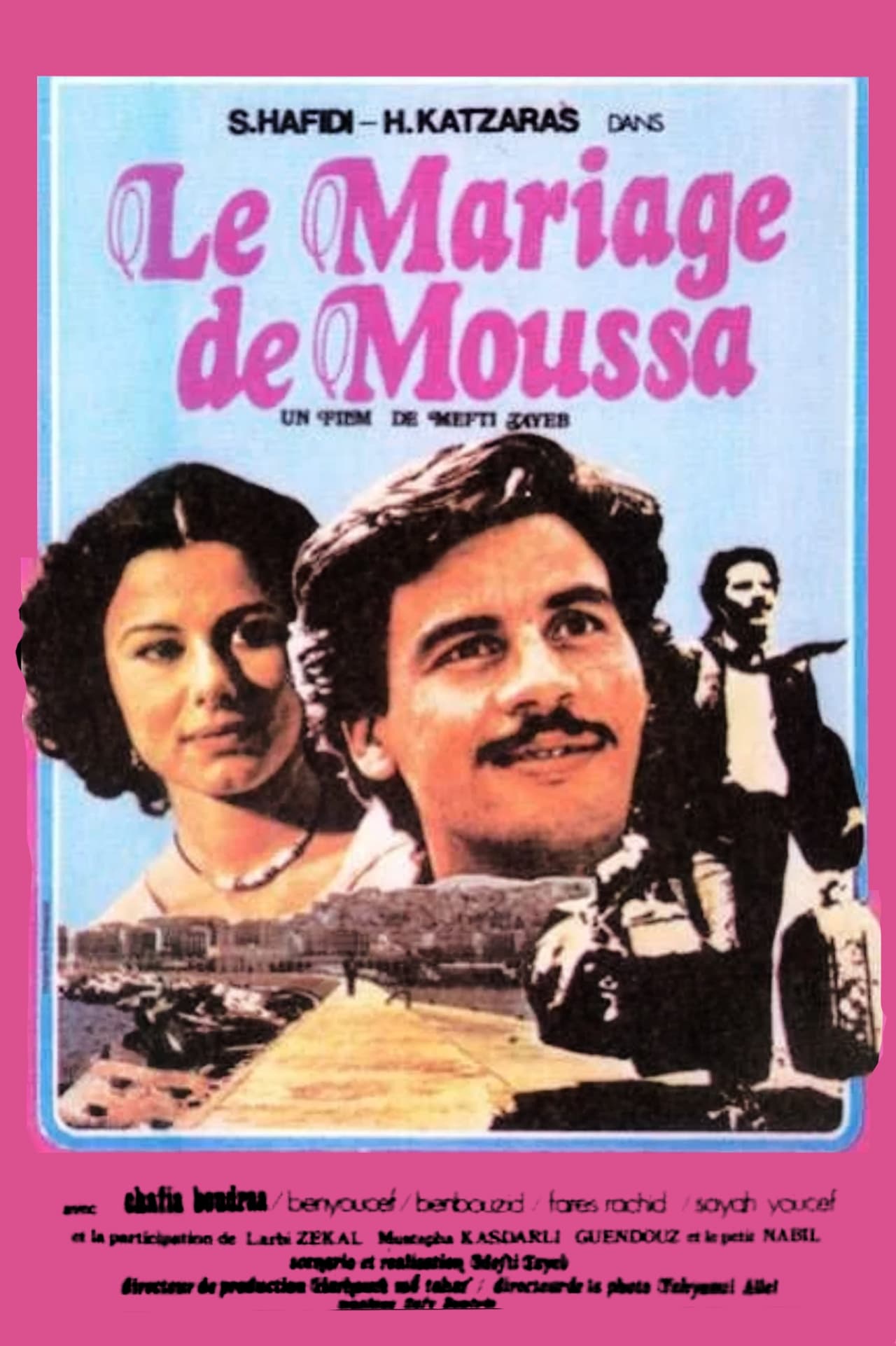
Moussa, a young Franco-Algerian, returns to Algeria, but adapting to life in his country of origin proves difficult. Just as he is about to leave for France, he is called up for military service, which suits him fine because he is secretly in love with the beautiful Nacira.
38-year-old Alice has everything to become the next editor-in-chief of Rebelle magazine except for her uptight image. But when the young and charming Balthazar, barely 20, crosses Alice's path, she realizes that he holds the key to her promotion.
Adrien, 40 years old and totally immature, is dumped by Maude, 35 years old, eager to finally found a family. In an attempt to regain the love of his life, Adrien decides to move into the future ex-married apartment: a nursery home - The beginning, an improbable educational experience.
The third part of Seventh Company adventures.
France, 1809. Captain Neuville is called to the front, leaving his future bride heartbroken. Her sister decides to write letters on his behalf to cheer her up.
Paris, in the early 1960s. Jean-Louis Joubert is a serious but uptight stockbroker, married to Suzanne, a starchy class-conscious woman and father of two arrogant teenage boys, currently in a boarding school. The affluent man lives a steady yet boring life. At least until, due to fortuitous circumstances, Maria, the charming new maid at the service of Jean-Louis' family, makes him discover the servants' quarter on the sixth floor of the luxury building he owns and lives in. There live a crowd of lively Spanish maids who will help Jean-Louis to open to a new civilization and a new approach of life. In their company - and more precisely in the company of beautiful Maria - Jean-Louis will gradually become another man, a better man.
A modern retelling of Shakespeare's classic comedy about two pairs of lovers with different takes on romance and a way with words.
François Marsault, a war veteran, makes the most of his retirement alongside his wife Annie. Authoritarian and ruthless, François rules his family with an iron fist — but when he discovers that his esteemed wife cheated on him 40 years ago, he files for divorce and confronts her former lover, who lives in the French Riviera.
Two years have passed. After missing their separation, the Leroy seem perfectly successful in their divorce. But the appearance of two new lovers in the life of Vincent and Florence will set fire to the powders. The match between the former spouses resumes.
Jobless loner Eddie Vuibert gets a lucky break when a rich Jewish entrepreneur mistakes him for a Jew and gives him a sweet job in the Parisian fashion district.
After thirteen years in Germany, Fernand is coming back to his wife and his restaurant. But since his disparition, his wife as made her life with a norman chef, sympathetic but a specialist of butter's cooking when Fernand cook only with oil!
A young cobra and his scorpion best friend go on a journey across the Sahara desert to save a new-found love.
Gulley Jimson is a boorish aging artist recently released from prison. A swindler in search of his next art project, he hunkers down in the penthouse of would-be patrons the Beeders while they go on an extended vacation; he paints a mural on their wall, pawns their valuables and, along with the sculptor Abel, inadvertently smashes a large hole in their floor. Jimson's next project is an even larger wall in an abandoned church.
The story of a big party during which Jacques Tati brings together audience members, performers, clowns, children, and himself.
Ousmane Diakité and François Monge are two cops with very different styles, backgrounds and careers. The unlikely pair are reunited once again for a new investigation that takes them across France. What seemed to be a simple drug deal turns out to be a much bigger criminal case wrapped in danger and unexpected comedy.
Angèle, a thirty-something from Ivory Coast, always cope thanks to the gift of gab and audacity. To escape from a bunch of dangerous criminals, she becomes a nanny in the uptown Paris, hired by Hélène, the single mom of eight years old Arthur. Discovering the work conditions of her colleagues, she decides to stand up for their rights, thanks to a young lawyer who will quickly fall for her.
Michel works there manically solving people's problems over the phone. He is about to tie the knot with his girl friend Isabelle, an airline hostess. She flies all over the world, he hates to leave the office. A series of madcap mishaps involving theft or injury (as you would expect in his line of work) ensues after Michel promises Isabelle nothing will delay their marriage and she promises in turn that she's done flying. Once this unlikely promise is made, it becomes premise and both are forced into escalating white lies to maintain the appearance of keeping their word. Their predicament mounts as Isabelle is forced to do a few more flights, while Michel is compelled to travel to New York, Tunisia, and finally Hong Kong, where they are finally reunited in the throes of a contrived and hilarious drug deal involving a 747, water taxi chases, and martial arts.
Vladimir and Hector, two secret agents opposed in every way, are trying to recover a top secret material stolen by unknown intruders.
Babou seems to be able to shrug off anything. Real jobs, husbands, responsibilities, who needs them? But when she finds out that her own daughter is too ashamed of her to invite her to her wedding, she decides to make some changes.
When college friends reunite after 15 years over the Christmas holidays, they discover just how easy it is for long-forgotten rivalries and romances to be reignited.
Xixo is back again. This time, his children accidentally stow away on a fast-moving poachers' truck, unable to get off, and Xixo sets out to rescue them. Along the way, he encounters a couple of soldiers trying to capture each other and a pilot and passenger of a small plane, who are each having a few problems of their own.