Al Levin examines the system which functions to keep the working class in the United States oppressed.
Social & External
The people behind it
Al Levin
Narrator
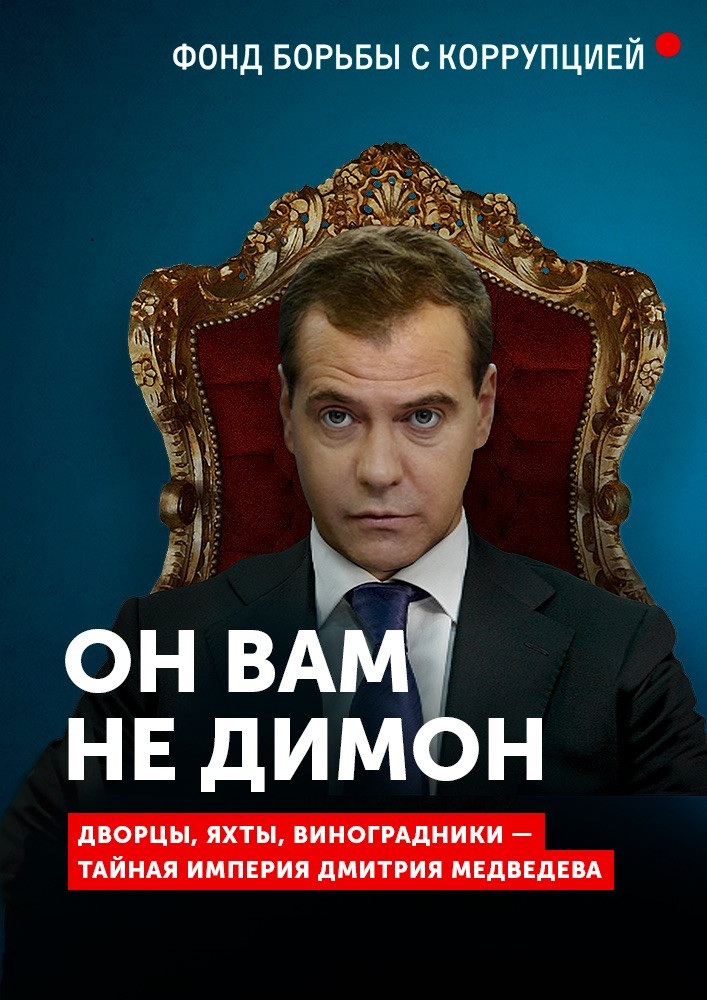
Don't Call Him Dimon is a 2017 Russian documentary film about the corrupt affairs of Prime Minister of Russia Dmitry Medvedev. According to the film, Dmitry Medvedev has stolen property estimated to be worth about $1.2 billion.
This documentary investigates the financial fraud of persons close to the Prosecutor General of the Russian Federation Yuri Chaika.
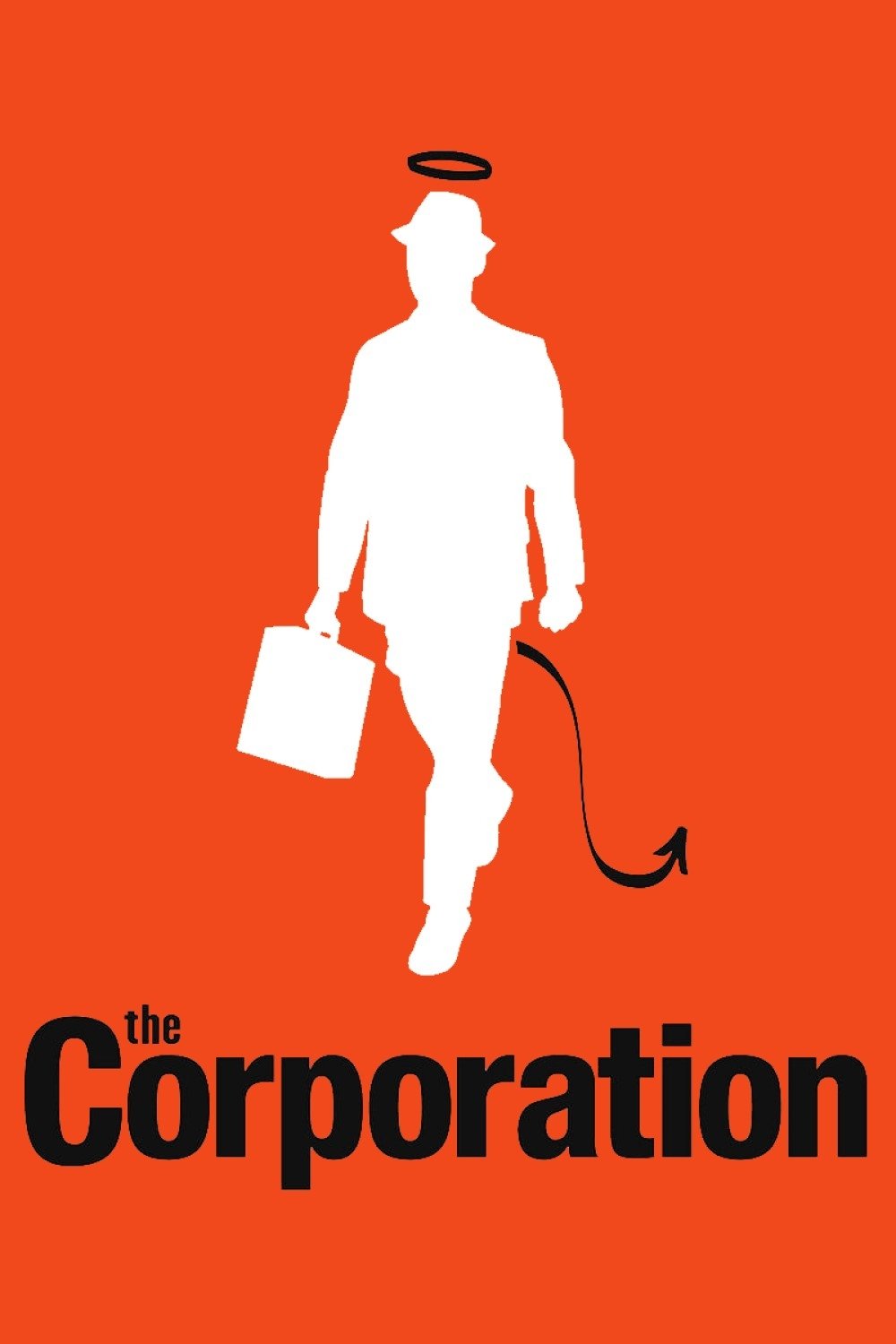
Since the late 18th century American legal decision that the business corporation organizational model is legally a person, it has become a dominant economic, political and social force around the globe. This film takes an in-depth psychological examination of the organization model through various case studies. What the study illustrates is that in the its behaviour, this type of "person" typically acts like a dangerously destructive psychopath without conscience. Furthermore, we see the profound threat this psychopath has for our world and our future, but also how the people with courage, intelligence and determination can do to stop it.
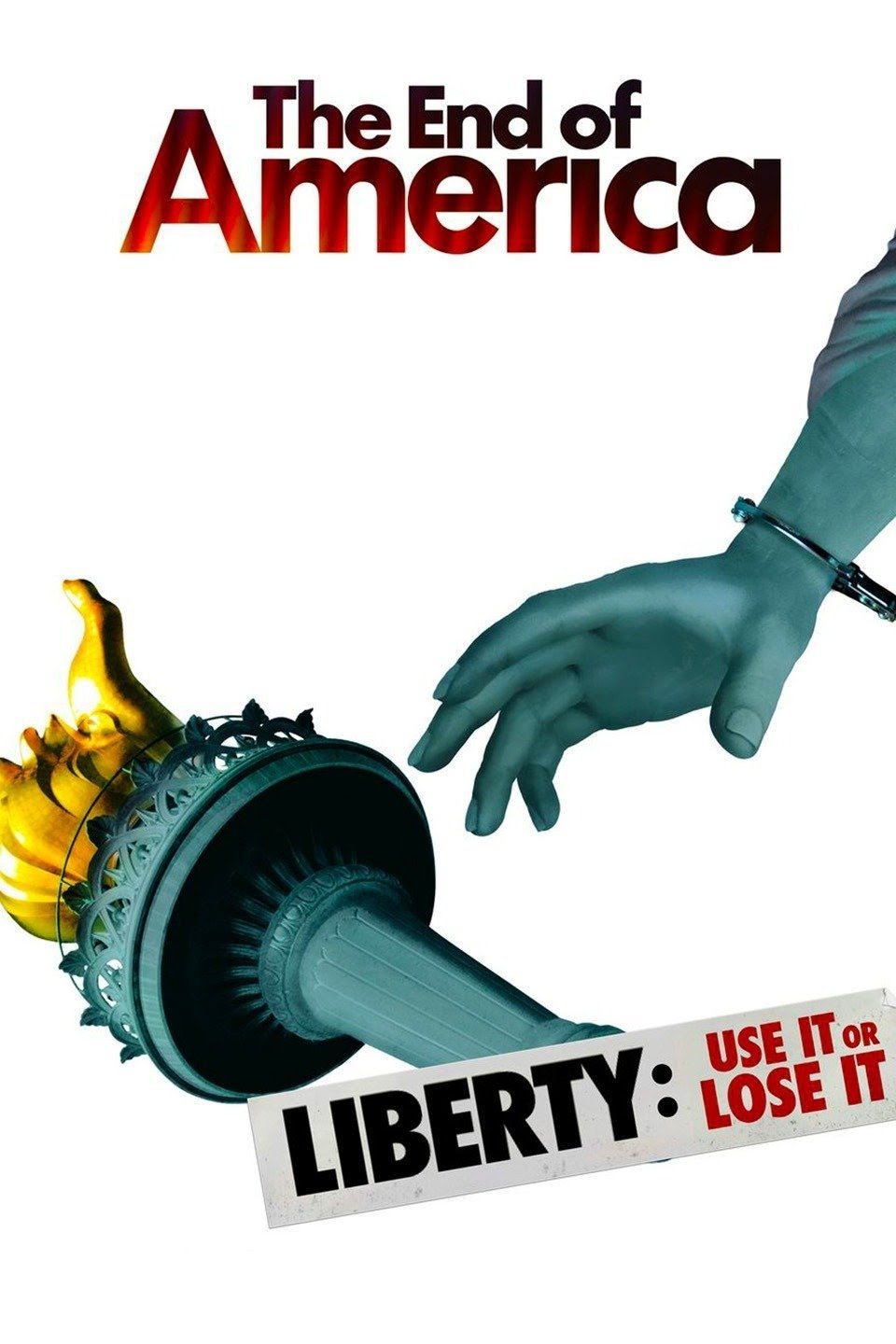
Based on her book of the same name, Naomi Wolf presents controversial evidence that America has begun a frightening descent into dictatorship and fascism. American democracy, as we know it, is under attack. By examining the chilling parallels between the current state of our nation and the ascent of dictators and fascism in other once-free societies, Wolf urges viewers to open their eyes to the horrors that lie ahead. From the increased use of paramilitary groups to the construction of secret prisons and the targeted suspension of the rule of law, the warning signs are all there for people to wake up and finally take notice.
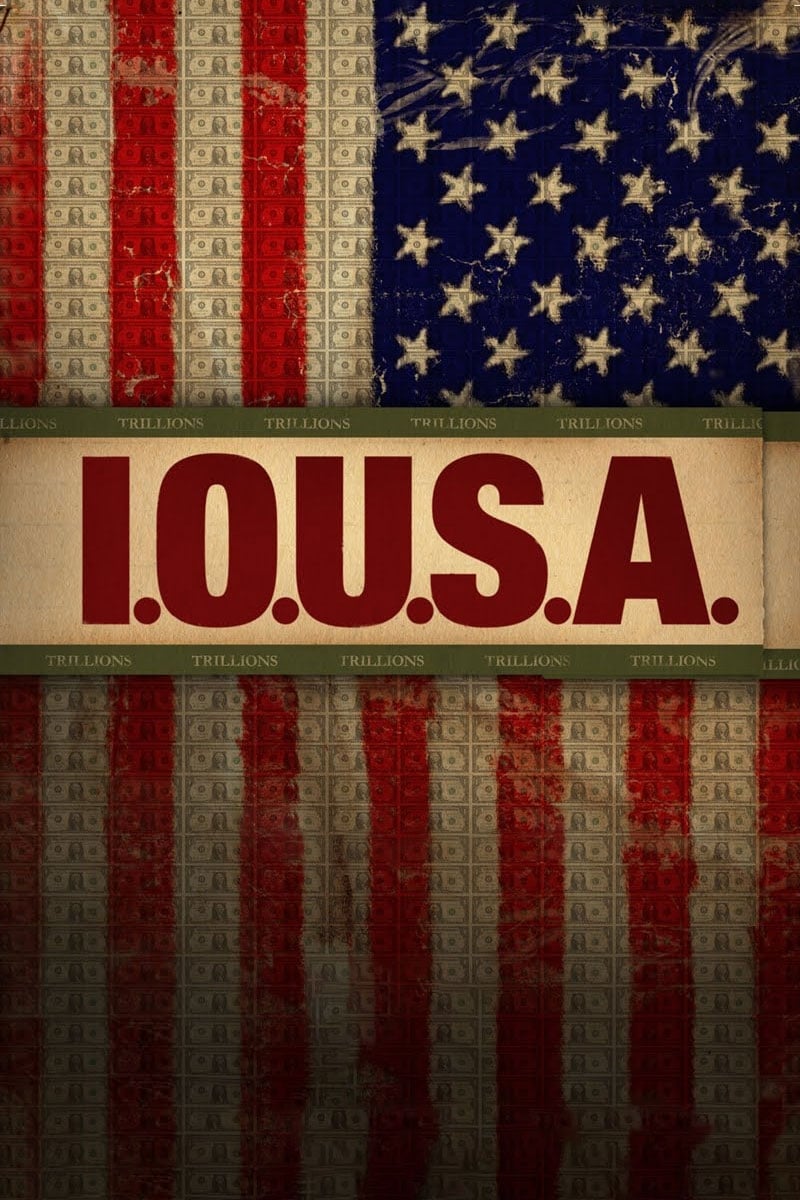
With the country's debt growing out of control, Americans by and large are unaware of the looming financial crisis. This documentary examines several of the ways America can get its economy back on the right track. In addition to looking at the federal deficit and trade deficit, the film also closely explores the challenges of funding national entitlement programs such as Social Security, Medicare and Medicaid.
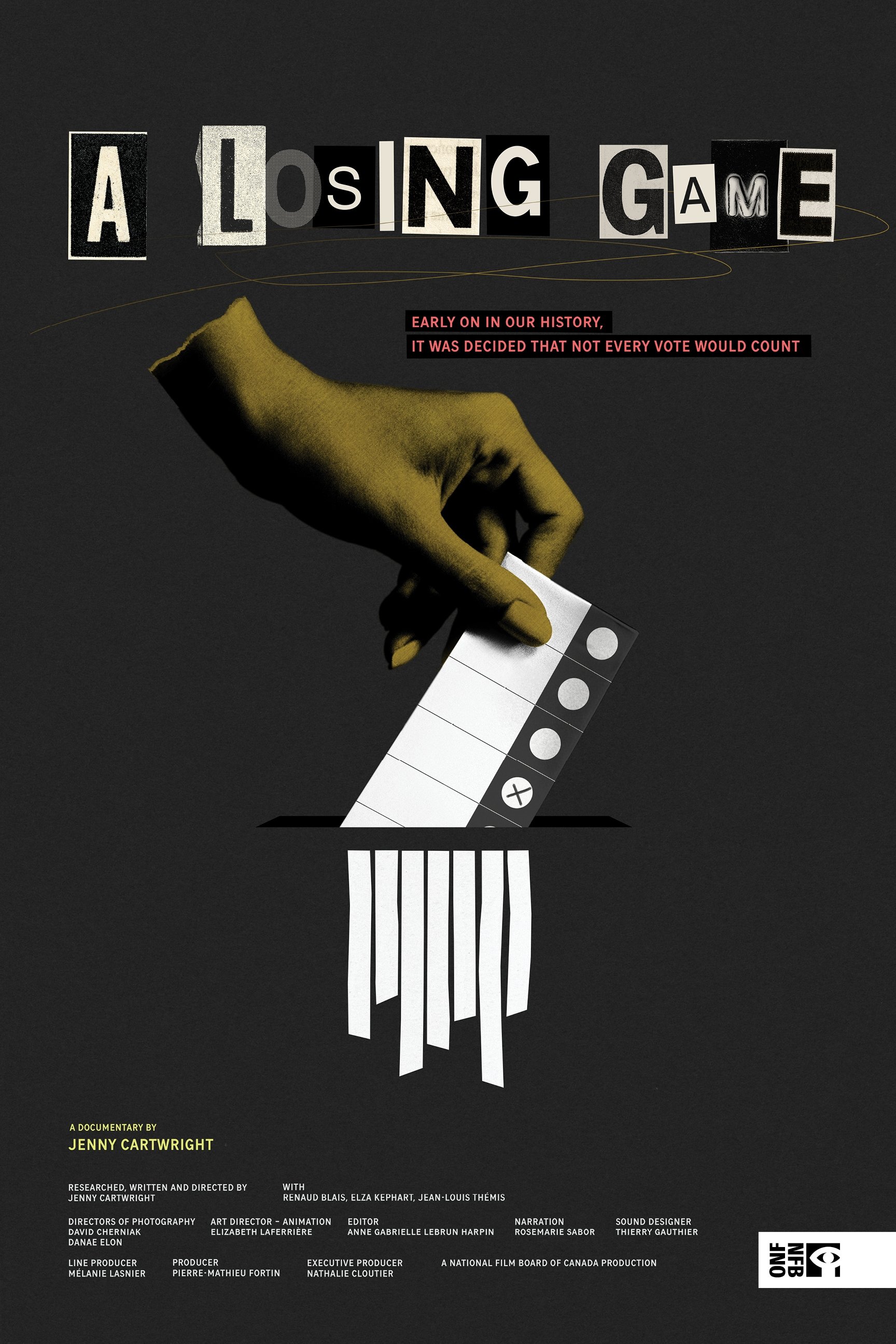
A Losing Game follows three people who ran for office in the 2022 Quebec provincial election, casting a critical eye on its electoral system and the many ways in which it is dysfunctional.
Donald Trump's daughter Ivanka has been appointed to an official role within the White House, but what does she believe in and how much political clout does she actually have?
This documentary film includes never-before-seen footage and exclusive interviews to tell the story of Charity Hospital, from its roots to its controversial closing in the wake of Hurricane Katrina. From the firsthand accounts of healthcare providers and hospital employees who withstood the storm inside the hospital, to interviews with key players involved in the closing of Charity and the opening of New Orleans’ newest hospital, “Big Charity” shares the untold, true story around its closure and sheds new light on the sacrifices made for the sake of progress.
The Hundred Squares: "No more delays," the cry of citizens echoes from the lives of those barely holding out against discrimination and hatred. Struggling with diverse identities in their daily lives, citizens reflect on the meaning of "discrimination" through their own experiences and testimonies. They question and reflect on what is needed to eliminate it and speak out before the camera. The Blooming Equalities: discrimination law that has been on hold for 20 years. A lawyer, a researcher, a religious figure, a writer, and an activist stand in the square again after a year, and, in this time of rampant right-wing extremism and hate, they speak of an anti-discrimination law as "the right answer to ending the insurrection, the last line of defense for human dignity, a current that can no longer be held back, a square that cannot at all harm families, churches, and the nation, and a place where the voices of the less fortunate can be heard."
Ep1. The Martyr and the Left: Under the Yoon Suk-yeol administration, construction workers were branded as “construction gangsters,” forced to endure a period of hardship. Ep2. Purple Ribbon: Wearing purple jackets and holding purple light sticks, the families of the victims of the October 29 Itaewon Disaster stand out on the street. Ep3. Dream, Breath: “I” keep waking up from dreams of being chased, a recurring cycle that haunts me day after day. Ep4. Breaking the Silence: Chai-han, who once said their dream was to become a human-rights activist, gradually grows distant from that dream after entering university. Ep5. Dancing Volunteer: After the December 3 martial law was declared, Park Pyeong-hwa felt compelled to return to the square. Ep6. Beyound the Impeachment: We interviewed a diverse group of people who came to the square after the December 3 uprising.
Follows the waves of literary, political, and cultural history as charted by the The New York Review of Books, America’s leading journal of ideas for over 50 years. Provocative, idiosyncratic and incendiary, the film weaves rarely seen archival material, contributor interviews, excerpts from writings by such icons as James Baldwin, Gore Vidal, and Joan Didion along with original verité footage filmed in the Review’s West Village offices.

In suburban Buenos Aires, thirty unemployed ceramics workers walk into their idle factory, roll out sleeping mats and refuse to leave. All they want is to re-start the silent machines. But this simple act - the take - has the power to turn the globalization debate on its head. Armed only with slingshots and an abiding faith in shop-floor democracy, the workers face off against the bosses, bankers and a whole system that sees their beloved factories as nothing more than scrap metal for sale.
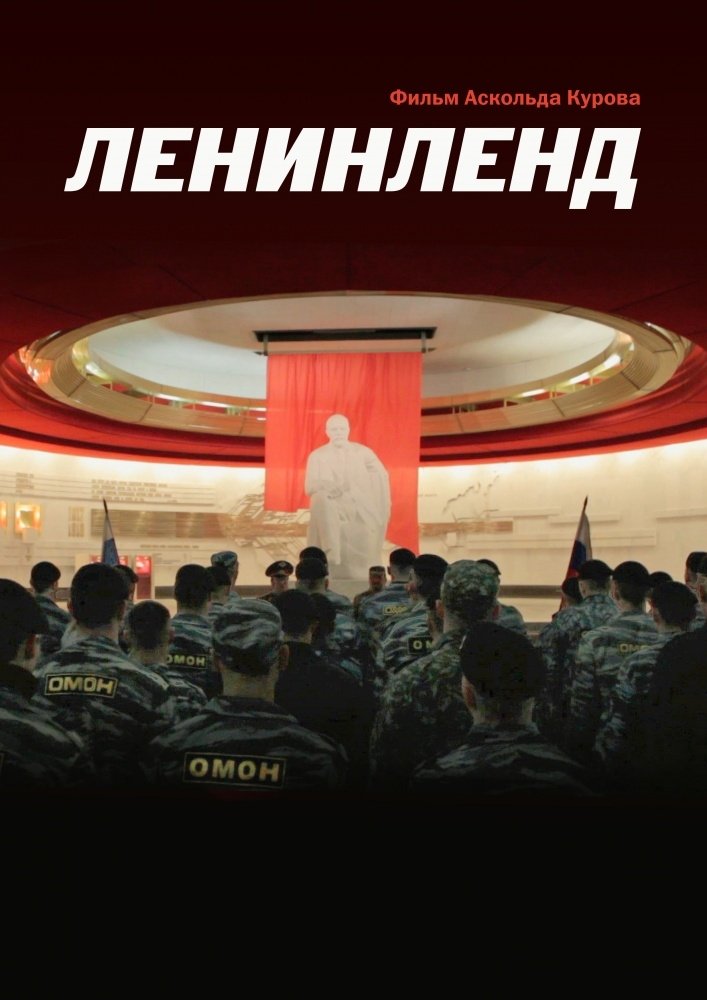
At the peak of Perestroika, in 1987, in the village of Gorki, where Lenin spent his last years, after a long construction, the last and most grandiose museum of the Leader was opened. Soon after the opening, the ideology changed, and the flow of pilgrims gradually dried up. Despite this, the museum still works and the management is looking for ways to attract visitors. Faithful to the Lenin keepers of the museum as they can resist the onset of commercialization. The film tells about the modern life of this amazing museum-reserve and its employees.
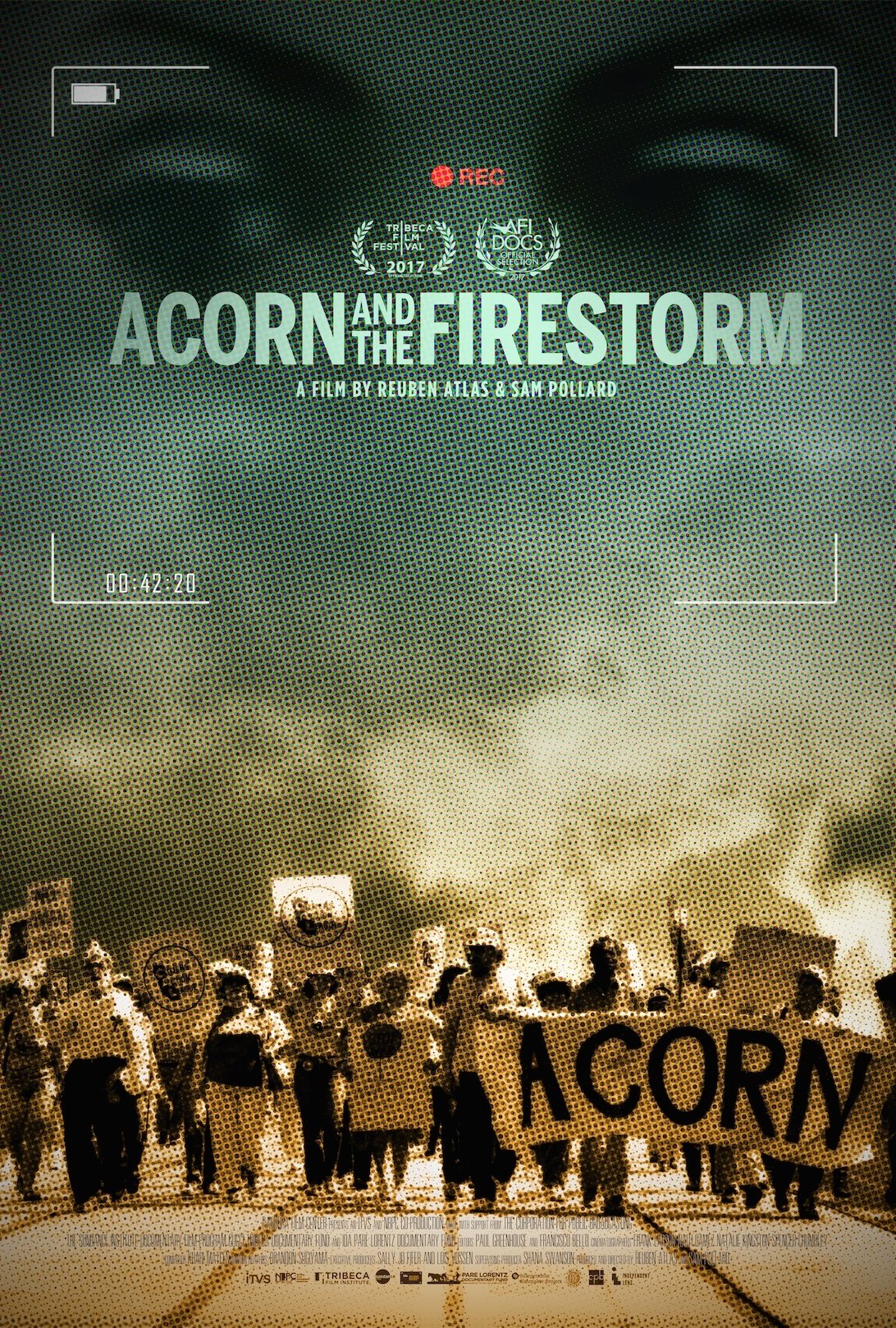
For 40 years, the community-organizing group ACORN advocated for America’s poorest communities, while its detractors accused it of promoting the worst of liberal policies. Riding high on the momentum of Barack Obama’s presidential victory in 2008, ACORN was at its political zenith when a hidden-camera video sparked a national scandal and brought it crashing down. The story involves voter fraud, a fake prostitute, and the rise of Breitbart.com.
Edward de Bono literally sketches out the future in a 90 minute lecture filmed in Copenhagen. He explains 2040 as seen by someone frozen cryogenically in 1997.
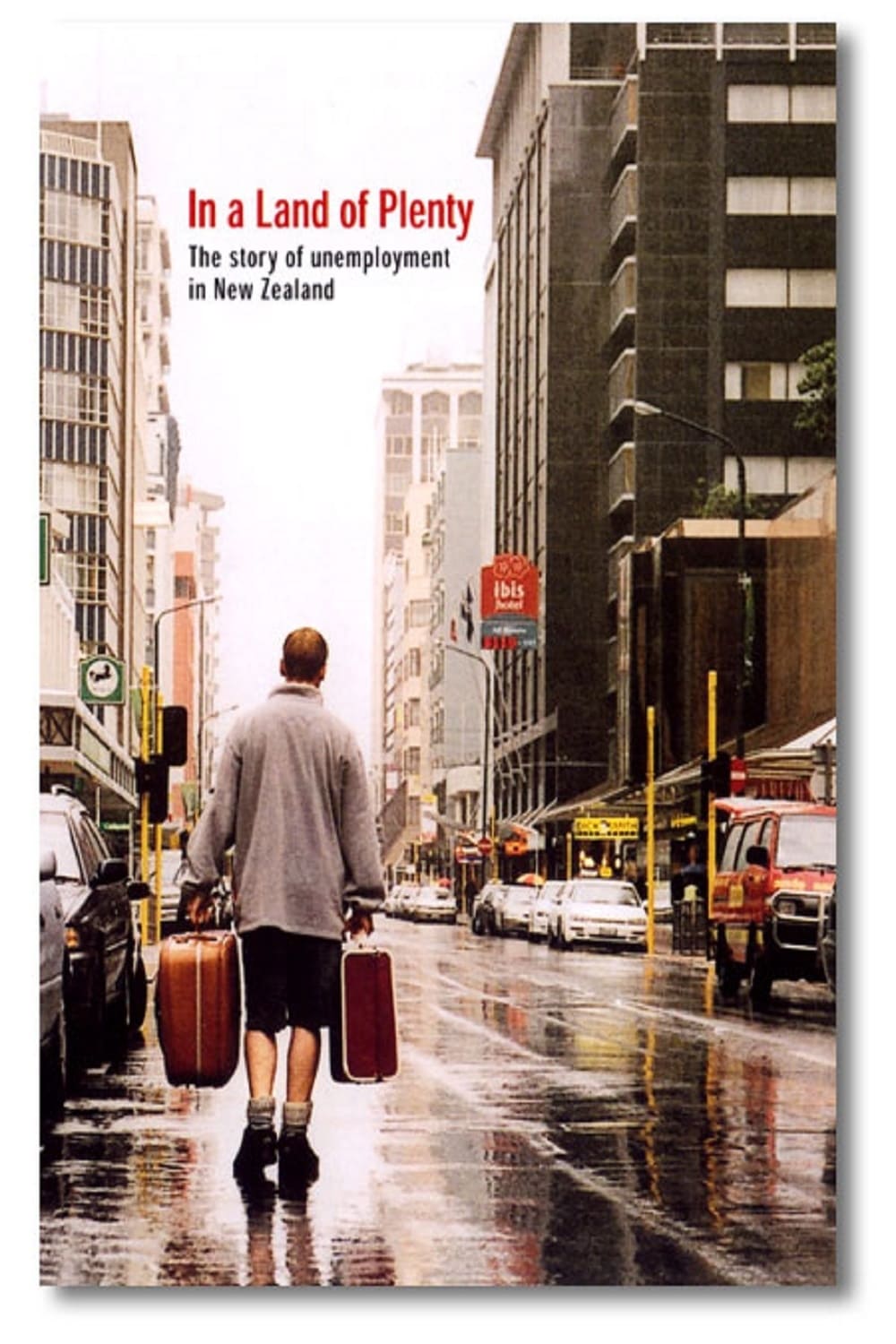
The story of unemployment in New Zealand and In A Land of Plenty is an exploration of just that; it takes as its starting point the consensus from The Depression onwards that Godzone economic policy should focus on achieving full employment, and explores how this was radically shifted by the 1984 Labour government. Director Alister Barry's perspective is clear, as he trains a humanist lens on ‘Rogernomics' to argue for the policy's negative effects on society, as a new poverty-stricken underclass developed.
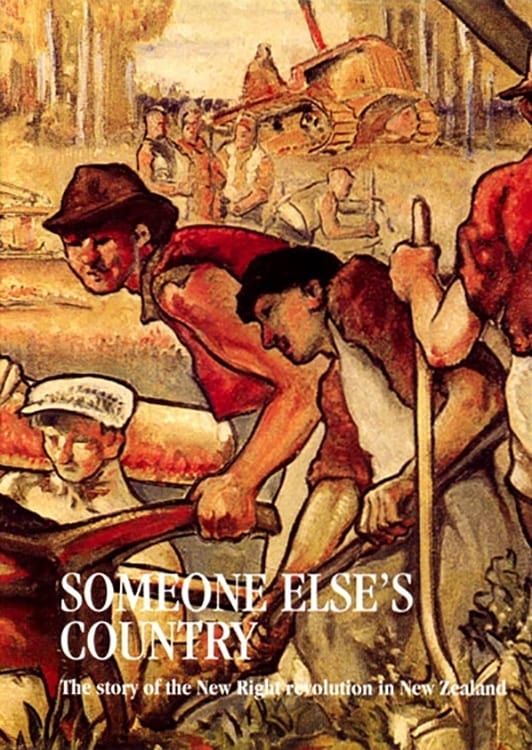
Someone Else’s Country looks critically at the radical economic changes implemented by the 1984 Labour Government - where privatisation of state assets was part of a wider agenda that sought to remake New Zealand as a model free market state. The trickle-down ‘Rogernomics’ rhetoric warned of no gain without pain, and here the theory is counterpointed by the social effects (redundant workers, Post Office closures). Made by Alister Barry in 1996 when the effects were raw, the film draws extensively on archive footage and interviews with key “witnesses to history”.
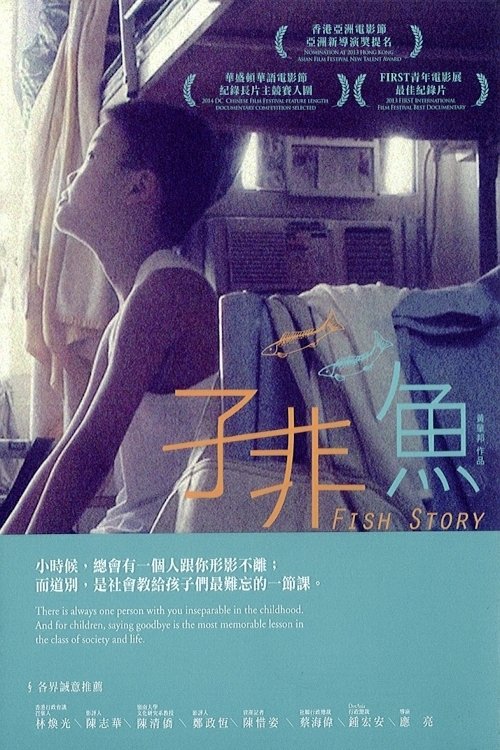
J and Jacky are good friends who attend the same school. J is from a single-parent family, and will be taken care by Jacky’s family whenever his mother has to return to Mainland to renew her visa; such kind of story is not an isolated case. These families have been uprooted for a “better future” in Hong Kong, but is this “future” that the children really long to have? A Chinese saying: “How does one understand the joy of fish, if one is not a fish?” Will the adults really understand what the children want?
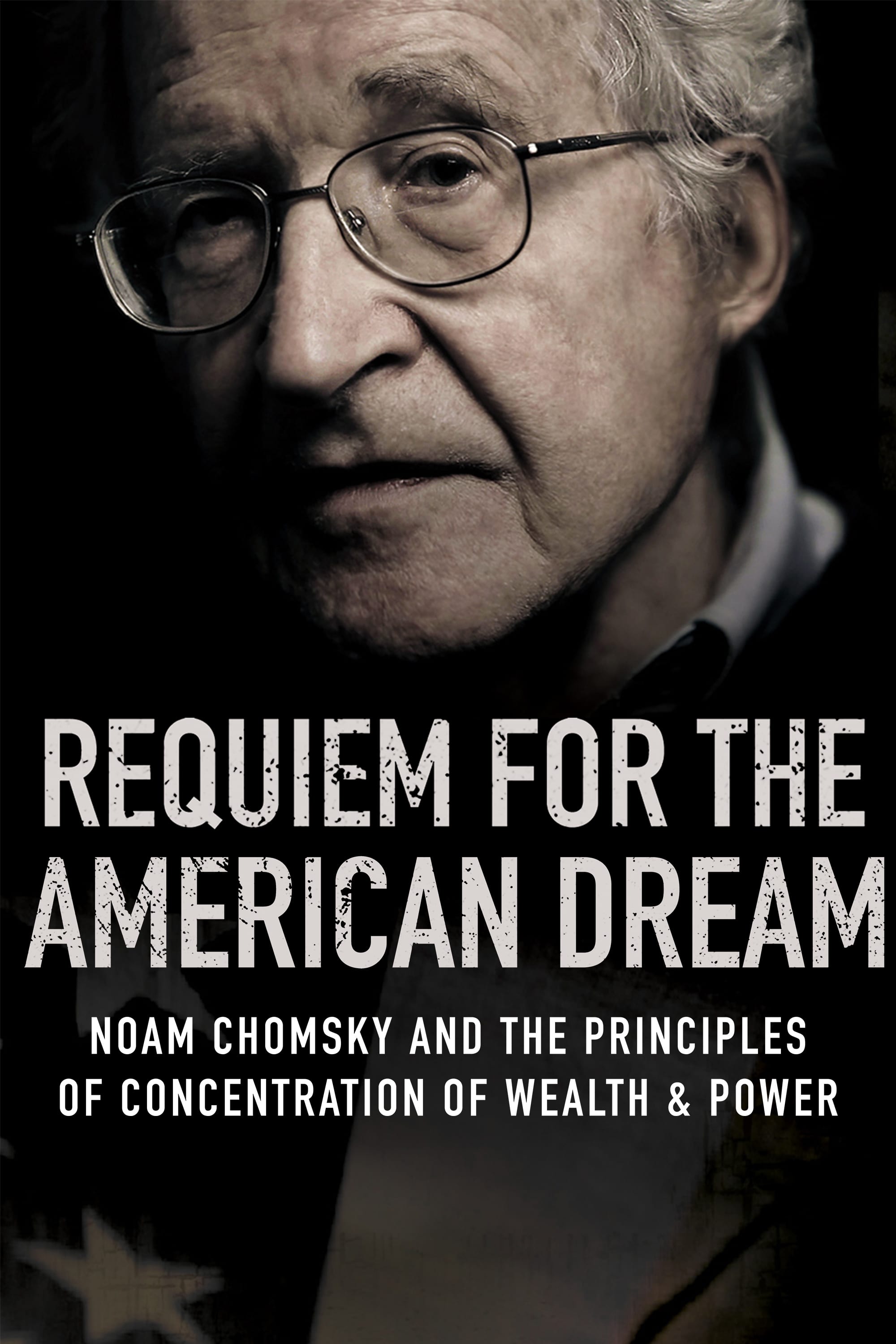
Through interviews filmed over four years, Noam Chomsky unpacks the principles that have brought us to the crossroads of historically unprecedented inequality – tracing a half-century of policies designed to favor the most wealthy at the expense of the majority – while also looking back on his own life of activism and political participation. He provides penetrating insight into what may well be the lasting legacy of our time – the death of the middle class, and swan song of functioning democracy.
Based on Reich's 2010 book Aftershock: The Next Economy and America's Future, the film examines widening income inequality in the United States. U.S. Labor Secretary Robert Reich tries to raise awareness of the country's widening economic gap. He publicly argued about the issue for decades, and producing a film of his viewpoints was a "final frontier" for him. In addition to being a social issue documentary, Inequality for All is also partially a biopic regarding Reich's early life and his time as Secretary of Labor under Bill Clinton's presidency. Warren Buffett and Nick Hanauer, two entrepreneurs and investors in the top 1%, are interviewed in the film, supporting Reich's belief in an economy that benefits all citizens, including those of the middle and lower classes.
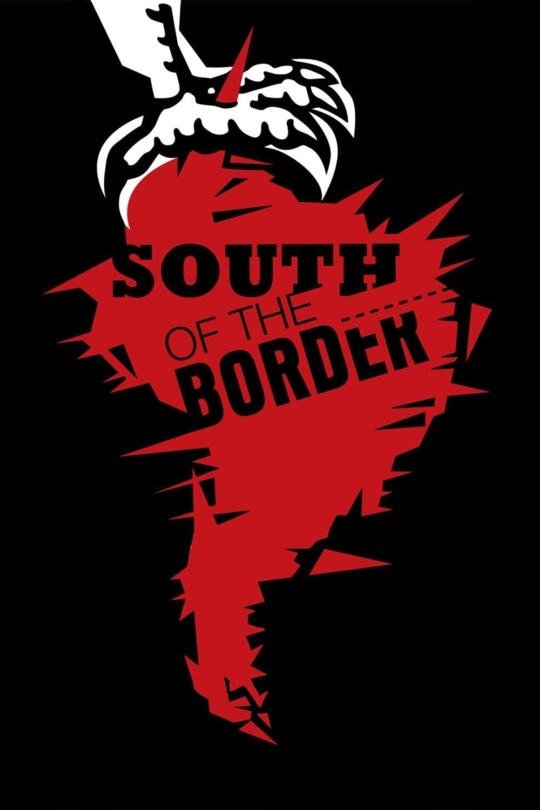
A road trip across five countries to explore the social and political movements as well as the mainstream media's misperception of South America while interviewing seven of its elected presidents.
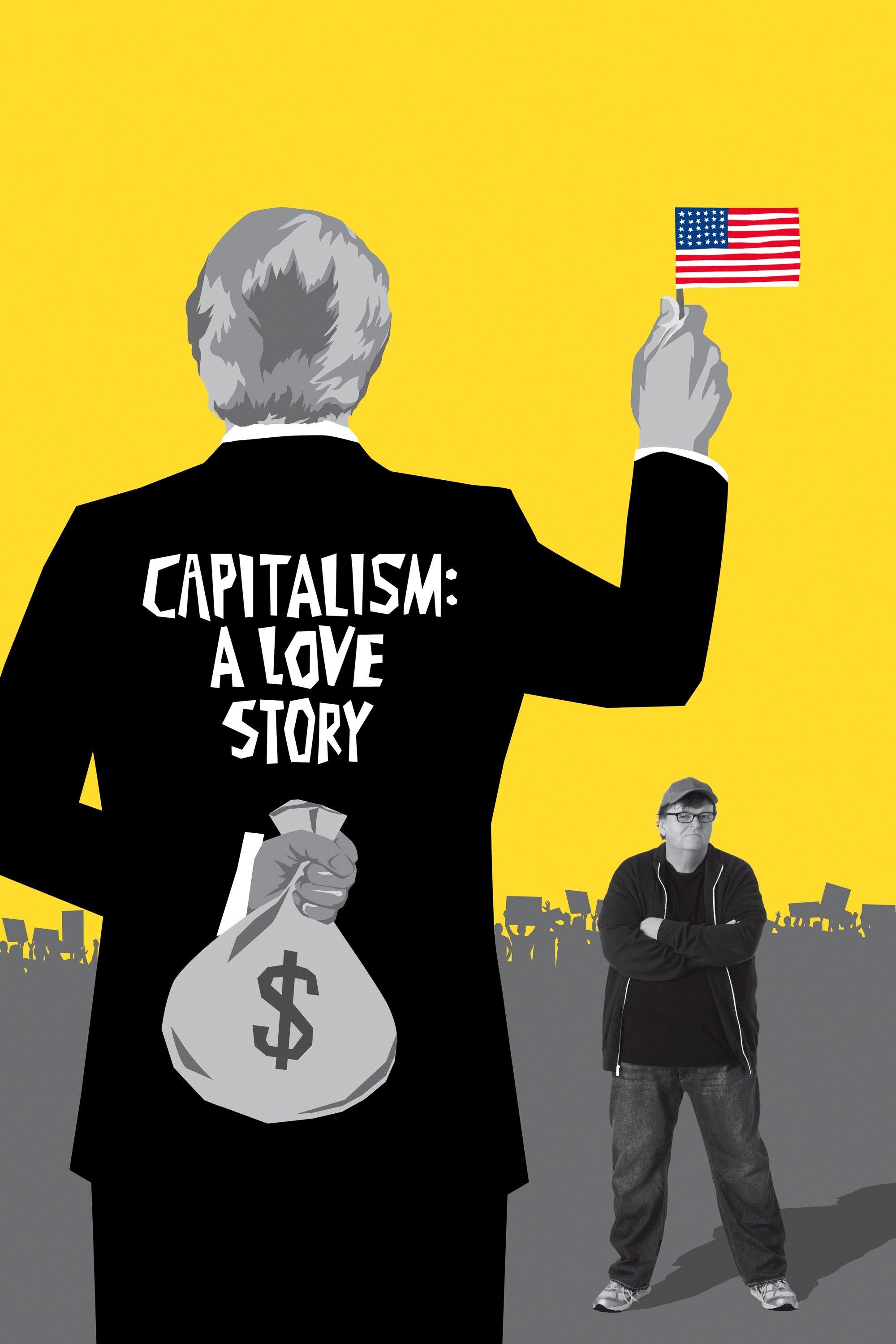
Michael Moore comes home to the issue he's been examining throughout his career: the disastrous impact of corporate dominance on the everyday lives of Americans (and by default, the rest of the world).
Ranjit, a farmer in India, takes on the fight of his life when he demands justice for his 13-year-old daughter, the victim of a brutal gang rape. His decision to support his daughter is virtually unheard of, and his journey unprecedented.
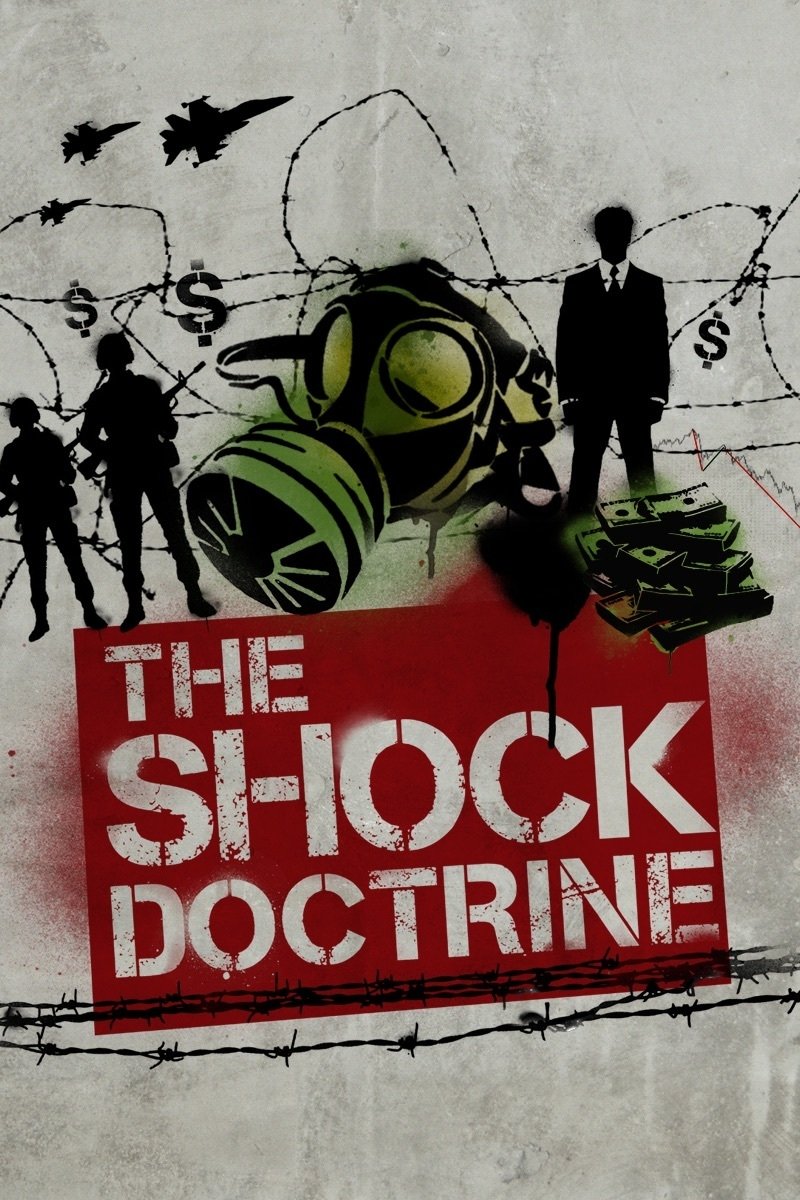
An investigation of "disaster capitalism", based on Naomi Klein's proposition that neo-liberal capitalism feeds on natural disasters, war and terror to establish its dominance.
A 1993 documentary film about Bruce Lee. The film includes interviews from some of his fellow students and opponents who worked alongside him in his movies.
Musician and performance artist Laurie Anderson reflects on the deaths of her husband Lou Reed, her mother and her beloved dog.
A string of threatening emails escalates into a revenge plot involving a newly married US marshal and his ex-girlfriend.
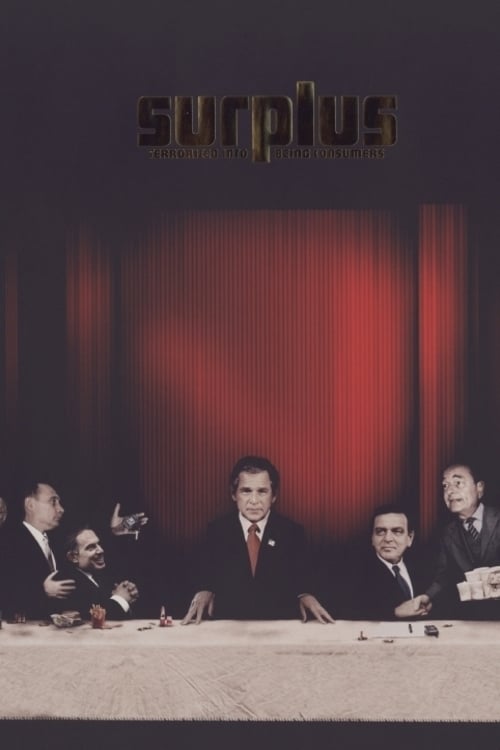
Swedish documentary film on consumerism and globalization, created by director Erik Gandini and editor Johan Söderberg. It looks at the arguments for capitalism and technology, such as greater efficiency, more time and less work, and argues that these are not being fulfilled, and they never will be. The film leans towards anarcho-primitivist ideology and argues for "a simple and fulfilling life".
With a first-person look at the notorious Crips and Bloods, this film examines the conditions that have lead to decades of devastating gang violence among young African Americans growing up in South Los Angeles.
After the high-profile killing of Damilola Taylor, Cornelius' family move out of London. But when they discover their new town is run by racists, Cornelius takes a drastic step to survive.
A documentary detailing the epic Rogues' Gallery of DC Comics from The Joker and Lex Luthor, Sinestro, Darkseid and more, this documentary will explore the Super Villains of DC Comics.
In the Realms of the Unreal is a documentary about the reclusive Chicago-based artist Henry Darger. Henry Darger was so reclusive that when he died his neighbors were surprised to find a 15,145-page manuscript along with hundreds of paintings depicting The Story of the Vivian Girls, in What is Known as the Realms of the Unreal, of the Glodeco-Angelinnian War Storm, Cased by the Child Slave Rebellion.
Over seven decades, actor and activist George Takei journeyed from a World War II internment camp to the helm of the Starship Enterprise, and then to the daily news feeds of five million Facebook fans. Join George and his husband, Brad, on a wacky and profound trek for life, liberty, and love.
A look at the origins, history and conspiracies behind the "Majestic 12", a clandestine group of military and corporate figureheads charged with reverse-engineering extraterrestrial technology.
Film adaptation of French economist Thomas Piketty's ground-breaking global bestseller of the same name: an eye-opening journey through wealth and power.
Ahead of the release of upcoming fantasy film ‘Black Adam’, sit down with Dwayne Johnson as he discusses his starring role as the eponymous superhero.
An inside look at one of the most anticipated movie sequels ever with James Cameron and cast.
In post-industrial Ohio, a Chinese billionaire opens a new factory in the husk of an abandoned General Motors plant, hiring two thousand blue-collar Americans. Early days of hope and optimism give way to setbacks as high-tech China clashes with working-class America.