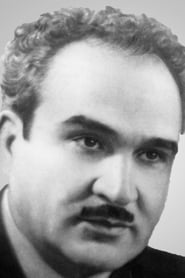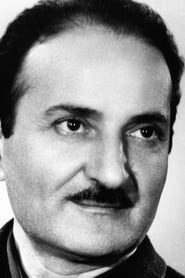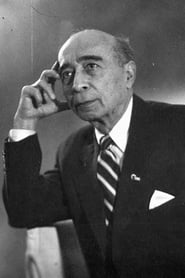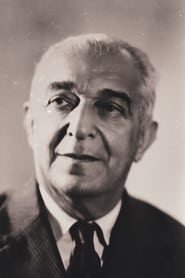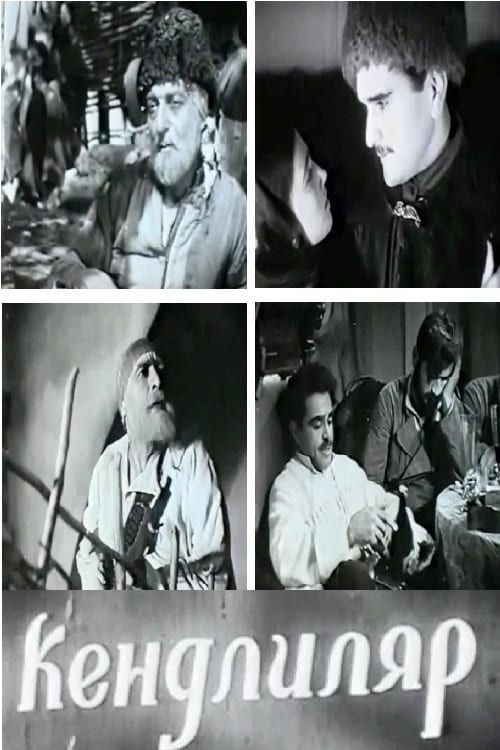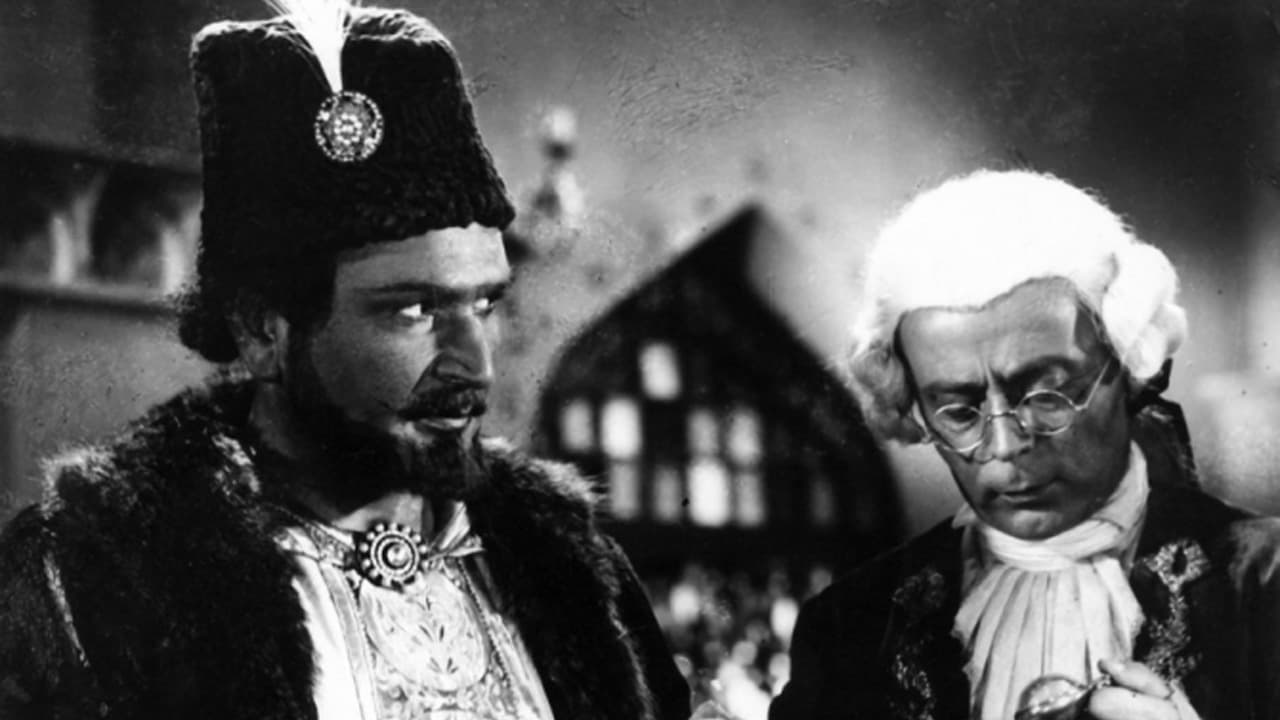
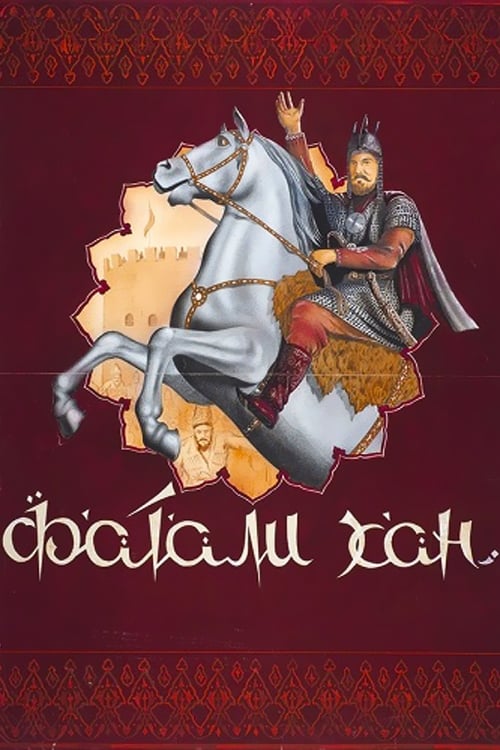
A historical film about the struggle in the 18th century of the young ruler of the Kuban Khanate, Fatali Khan, who sought to unite the scattered khanates into a single Azerbaijani state.

Social & External
The people behind it
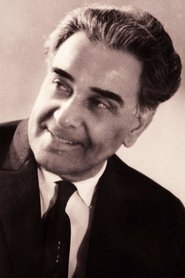
Alasgar Alakbarov
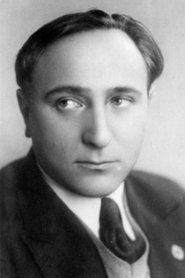
Fatali Khan
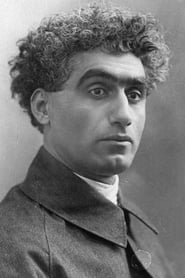
Ismail Efendiyev
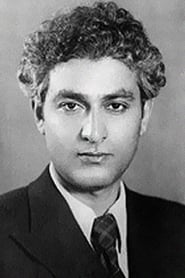
Amir Hamza
Leyla Badirbayli
Tuti Bika
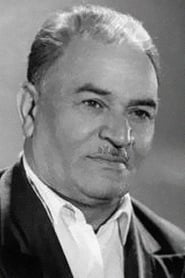
Eli Gurbanov
Samandar
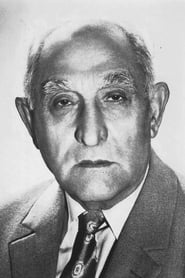
Mustafa Mardanov
Shirin
Najiba Malikova
Khadija
Mohsun Sanani
Malikmammad Khan
Sidgi Ruhulla
Rza bey
Alekper Melikov
Huseyn Khan
Rza Takhmasib
Aghasi khan
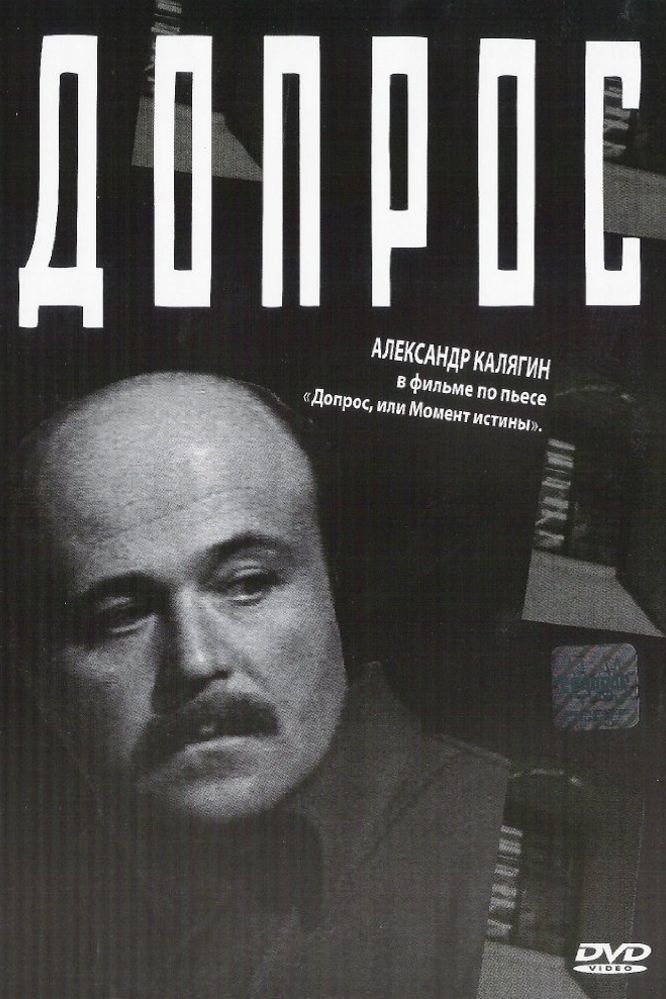
The investigator Seyfi Ganiyev runs the case of an illegal mercery shop's head Murad Abiyev, who confessed in embezzlement of one million rubles from public funds. Abiyev is also accused of the murder of an underage girls that occurred in Riga shortly after Abiyev saw her. He denies his guilt, but does not name the perpetrators though he knows them, despite the fact that he is facing the death penalty. The investigator understands that some high-ranking officials stand behind Abiyev, but he has no proof. Ganiyev seeks to obtain from the prisoner the whole truth to bring the criminals to justice.
War breaks out in the Caucasus. 75-year-old Maria loses her son in the war. She and her daughter-in-law Sofia have been living in the Caucasus for 12 years. When famine strikes, they want to move to Russia. The women decide that they must go to Moscow. Maria takes her little dog and Sofia her small suitcase, gets on the train and sets off. In the next compartment, photojournalist Alexander is also traveling. Sofia and Alexander love each other. Maria realizes at one of the stations near Volgograd that she cannot live without the Caucasus. She writes a letter to Sofia and leaves the train with her dog...
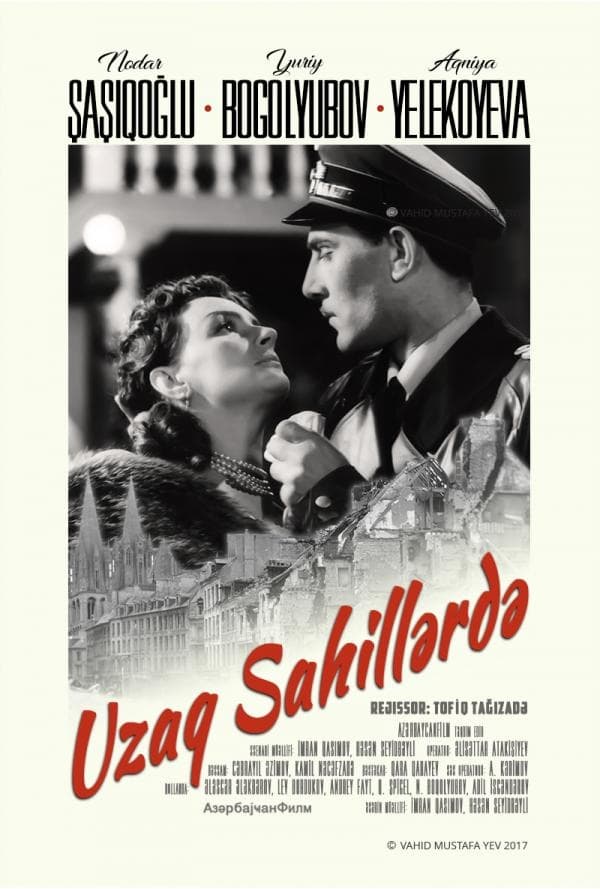
The film portrays the life of the legendary Azerbaijani guerrilla of the Second World War Mehdi Huseynzadeh, who fought the Nazi forces in the present-day Italy and Slovenia, hence the film's name On distant shores referring to the Adriatic Sea.
While looking for a job, a group of people end up in a private residence where they are forced to become dogs.
The film is about famous Chechen ballet and folk dancer Mahmud Essembayev's life.
Matteo Falcone is an Azerbaijani short drama film based on Prosper Merimée's like-named story from 1829. Matteo Falcone is a successful Corsican, who lives with his wife Giuseppa and 10-year-old son Fortunato. One day he leaves home with Giuseppa, leaving Fortunato alone.
In a Azerbaijan, in the beginning of this century, the first films made in the history of cinema are shown.The characters meet each other in a room. Three characters who will witness the linking up of their destinies through their common love for this new captivating art.
This Azerbaijani romantic drama depicts the love affair between Zaur, a man from an affluent family, and Tahmina, a divorced woman doing her best to survive in a conservative society.
Psychological drama about a university dean who leads a double life.
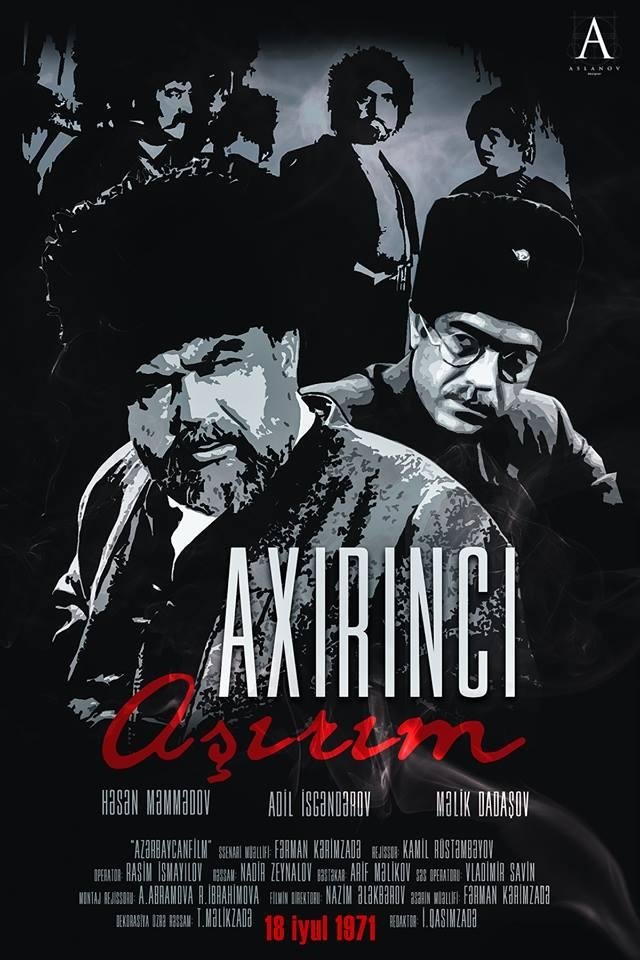
Based on a novel by Farman Karimzade, the movie shows the life in an Azerbaijani village under the Soviet rule in 1930s. Here two former "beys" (land owners) are opposing each other. One is loyal to the ideology of the past and can't reconcile himself to the new power, to second rejects the past and accepts the power of the Bolsheviks, believing that it will establish justice.
Film exposes the corruption and the decadence of the late Soviet bureaucracy in Azerbaijan SSR through the eyes of a naive Azerbaijani adult man, Hatem.
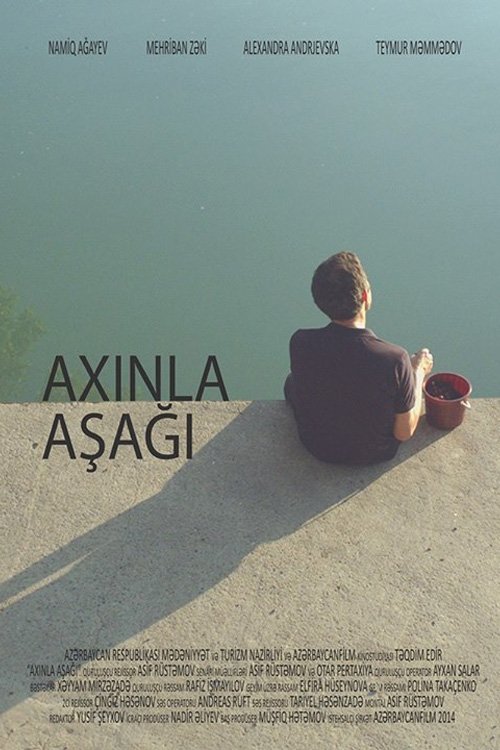
Young Ruslan rows for a team coached by his father Ali, who places many demands upon his son and is continually dissatisfied by his performance. But when tragedy strikes, his father is overcome with emotions he doesn’t know how to deal with. Debut director Asif Rustamov treats the heavy topic with remarkable subtlety and discretion, emphasizing the characters’ carefully elaborated psychology.
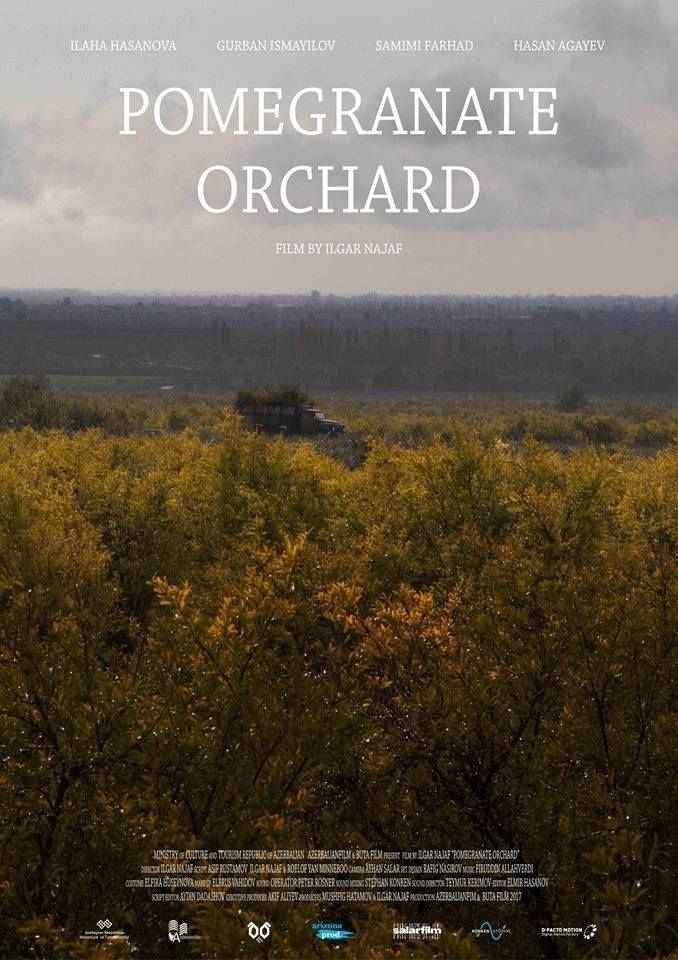
Inspired by Anton Chekhov's The Cherry Orchard, the film follows a prodigal son who returns after 12 years. His reappearance at the family home in rural Azerbaijan significantly alters their way of life.
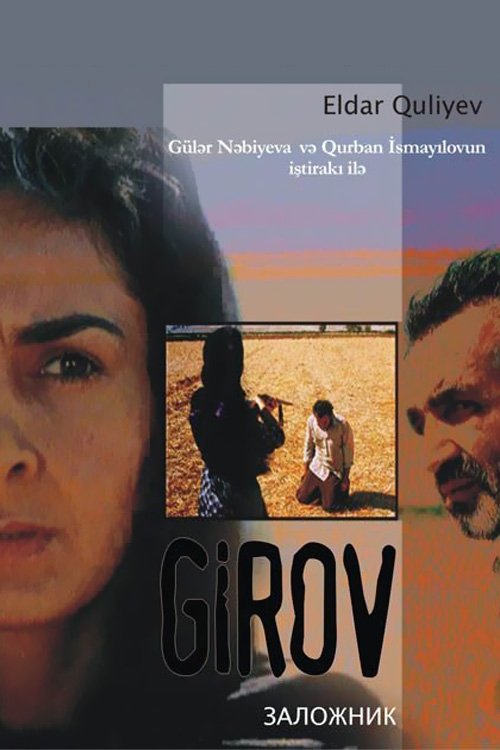
During the late 1980s and early 1990s the Armenian minority in Nagorono-Karabakh attempted to break away from Azerbaijan, one of the former Soviet republics. Overnight these former neighbors became enemies, and simple village folk were suddenly made hostages in a complex power game. One of the Azerbaijani villages right on the border is home to the family of the peasant farmer Kerim, who has just been captured by the Armenians. The village council decides to take an Armenian in order to arrange a hostage exchange. They imprison the wounded man in the barn next to Kerim's house, where his wife and three children desperately await the husband's return. The captive from the other side of the border finds himself in exactly the same situation - he, too, has three children, he finds it hard to scrape a living together, he has never done anything to harm anyone and, like Kerim, he just wants to go back home. But life in Karabakh is far more complex now. Blood calls for blood.
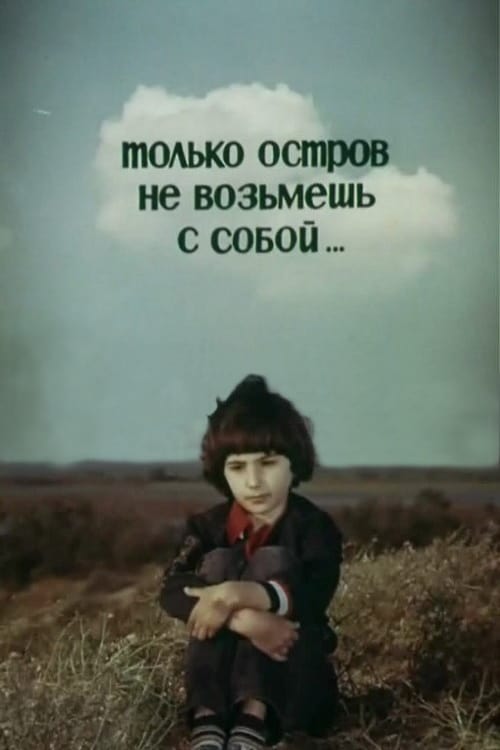
A young girl is trying to save an island which is endangered by nearby construction.
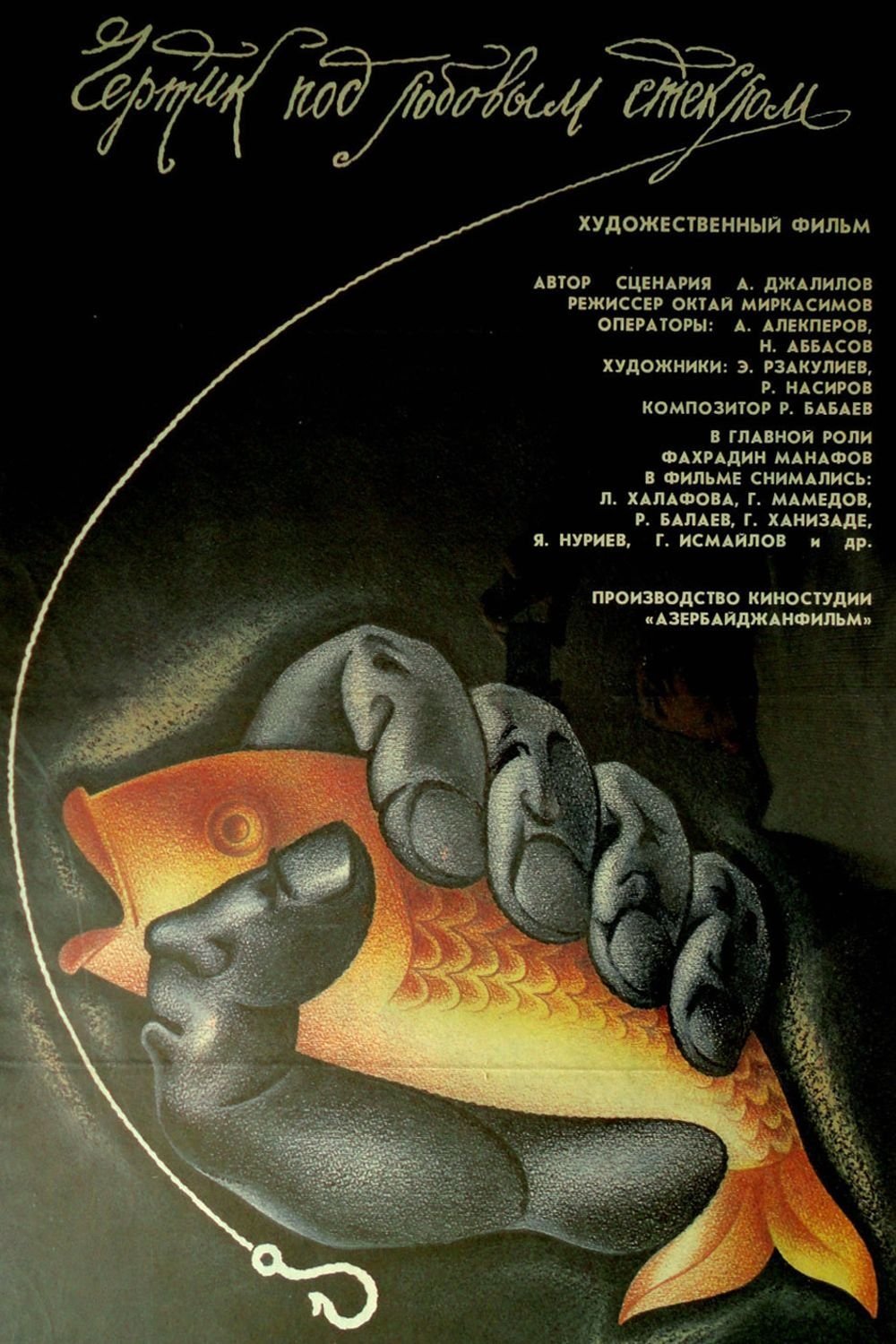
A journalist is investigating a group of poachers who are illegally selling the huge amounts of fish
In Soviet Azerbaijan, a divorced Armenian couple fights over the custody of their daughter, Ashen. Stolen from one parent to another, Ashen's guardians are tragically killed in the bloody war surrounding them. Will the arrival of a new savior finally bring Ashen freedom? Official selection of the Global Lens Collection presented by the Global Film Initiative.
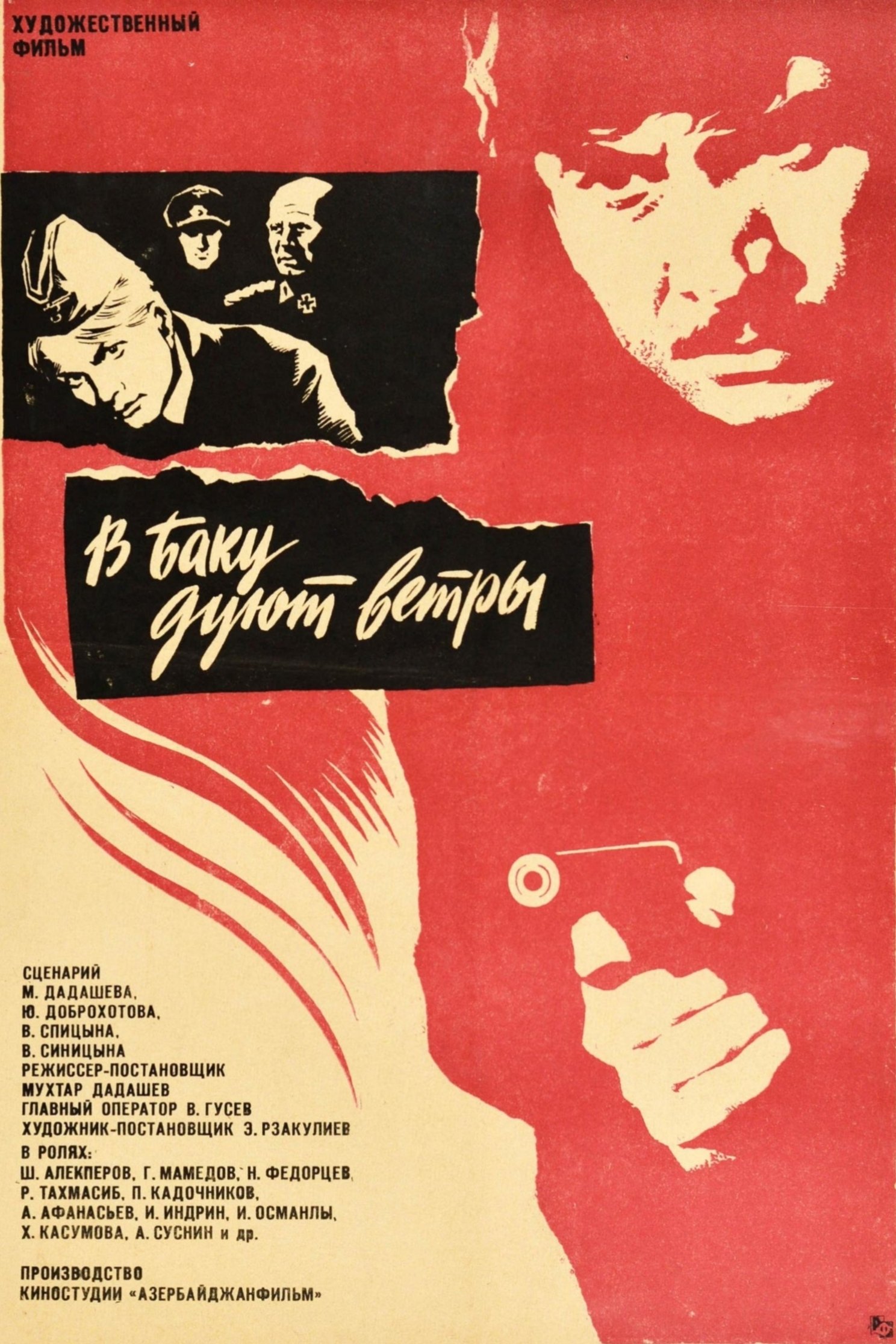
Summer 1942. Nazi troops storm the Caucasus. They are rushing to get their hands on Baku oil. An Abwehr special group called "Wartburg" has settled in the Nalchik area. In Baku, German spy Ziegel (Pavel Kadochnikov) heads to the oil fields from Maykop under the name of Soviet engineer Kashtanov. Tankers carrying gasoline begin to explode in the Caspian Sea. Soviet counterintelligence agent "Khazri" infiltrates "Wartburg"...
A historical revolutionary film depicting the struggle of peasants and the Baku proletariat against landowners and Musavatists in 1919.
Murad, a young man, lives by the old ethical norms that are still valid in the suburbs of his city. He had promised Tofig, his childhood friend, to give him his sister as a wife, but Tofig is in love with another girl. He forgets the promise and takes the girl home. Murad is offended. According to the code of honor, he must take revenge. One of the first films ever produced in the Soviet Union to challenge the sociopolitical establishment.
A WWII veteran escapes his care home in Northern Ireland and embarks on an arduous but inspirational journey to France to attend the 75th anniversary of the D-Day landings, finding the courage to face the ghosts of his past.
Fr. Hugh O'Flaherty is a Vatican official in 1943-45 who has been hiding downed pilots, escaped prisoners of war, and Italian resistance families. His activities become so large that the Nazis decide to assassinate him the next time he leaves the Vatican.
When Andrew Briggman — a young soldier in the US Army during the invasion of Afghanistan — witnesses the murderous behavior of fellow soldiers, under the direction of a malevolent Sergeant, he faces a moral dilemma. His increasingly-violent platoon becomes suspicious that someone in their ranks has turned on them, and Andrew begins to fear for his safety. A fictionalized dramatization based on a true story.
At the turn of the 19th century, Pugilism was the sport of kings and a gifted young boxer fought his way to becoming champion of England.
A chronicle of the Cristeros War (1926-1929), which was touched off by a rebellion against the Mexican government's attempt to secularize the country.
During the harrows of WWII, Jo, a young shepherd along with the help of the widow Horcada, helps to smuggle Jewish children across the border from southern France into Spain.
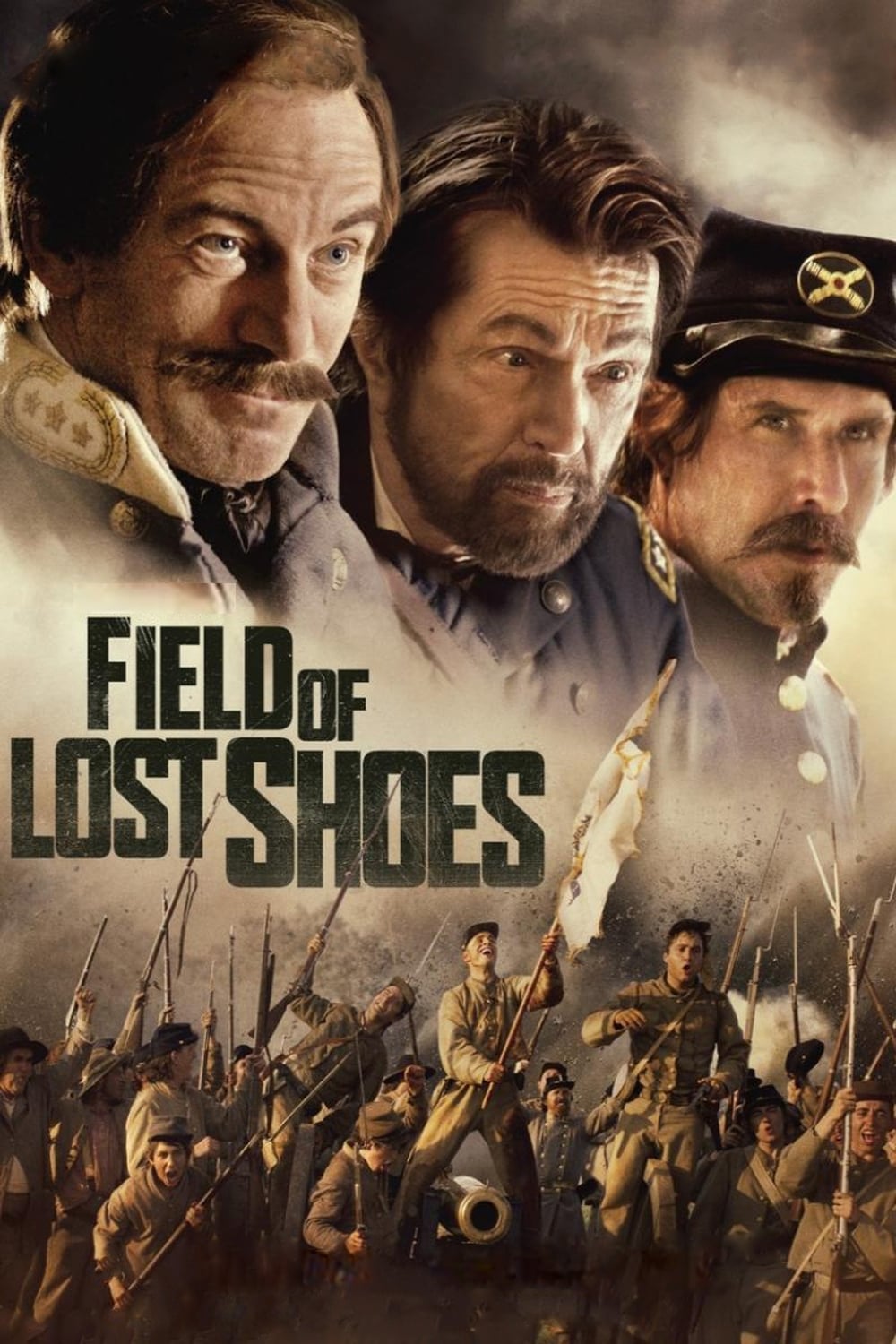
A group of teenage cadets sheltered from war at the Virginia Military Institute must confront the horrors of an adult world when they are called upon to defend the Shenandoah Valley.
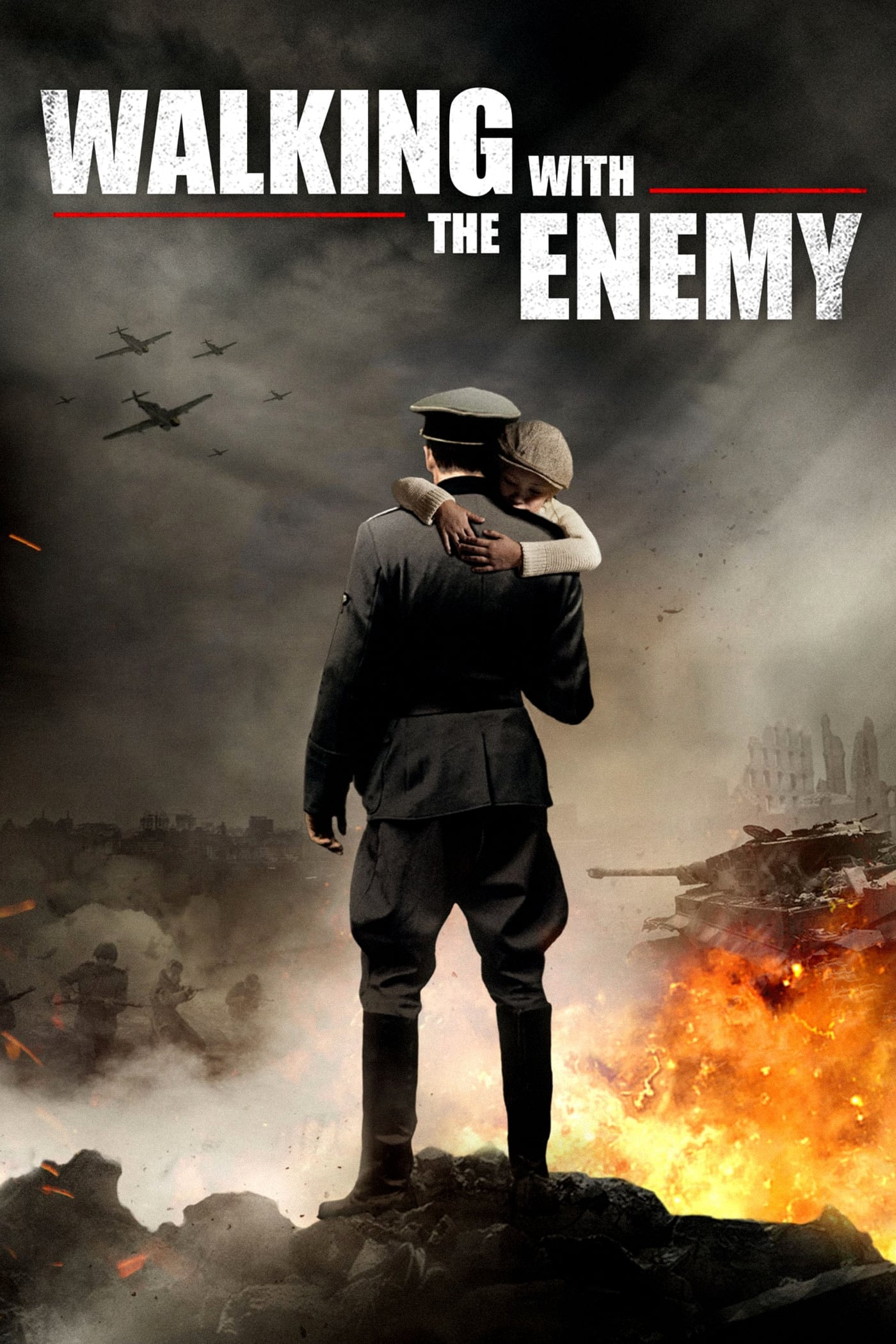
Regent Horthy is the leader of Hungary and a German ally, but his favorable standing with Hitler changes as the war comes to an end. Forced to cede Hungary’s power or else witness the execution of his son, Regent Horthy gives up control of his country to the Nazis, who quickly move Hungarians to ghettos and death camps, with no hope in sight. But the despair changes when a young man named Elek emerges. Separated from his family during the relocations and aided by the woman he loves , Elek defies the enemy by becoming one of them. In a race against time, disguised as a Nazi Officer he embarks on a mission to save his family and thousands of his countrymen.
The adventures of the Lafayette Escadrille, young Americans who volunteered for the French military before the U.S. entered World War I, and became the country's first fighter pilots.
In the winter of 1944, the Allied Armies stand ready to invade Germany at the coming of a New Year. To prevent it, Hitler orders an all-out offensive to re-take French territory and capture the major port city of Antwerp.
During World War II, a young man is called up and, with an increasing sense of foreboding, undertakes his army training ready for D-Day, June 6th, 1944.
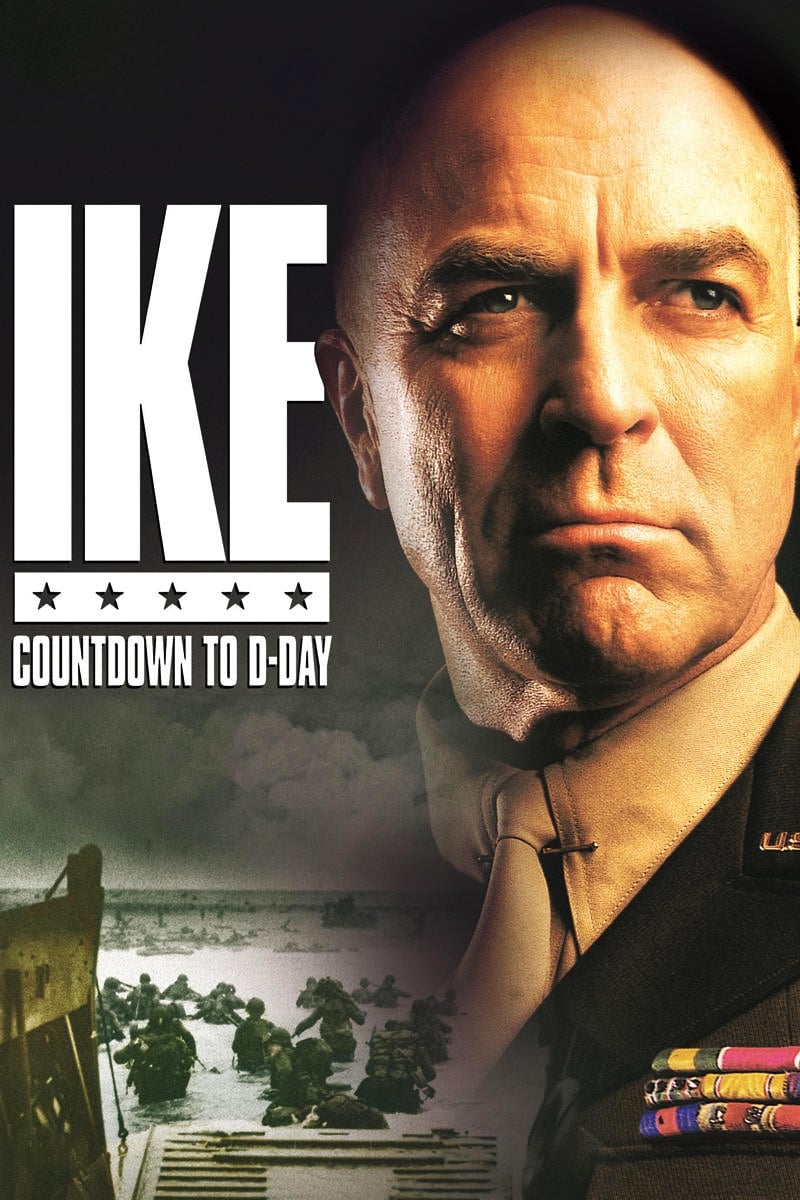
The story of the senior-level preparations for the D-Day invasion on June 6, 1944 from the time of Dwight D. Eisenhower's appointment as the Supreme Allied Commander in Europe, to the establishment of the beachhead in Normandy.
In September 1942, the German Afrika Korps under Rommel have successfully pushed the Allies back into Egypt. A counter-attack is planned, for which the fuel dumps at Tobruk are a critical impediment. In order to aid the attack, a group of British commandos and German Jews make their way undercover through 800 miles of desert, to destroy the fuel dumps starving the Germans of fuel.
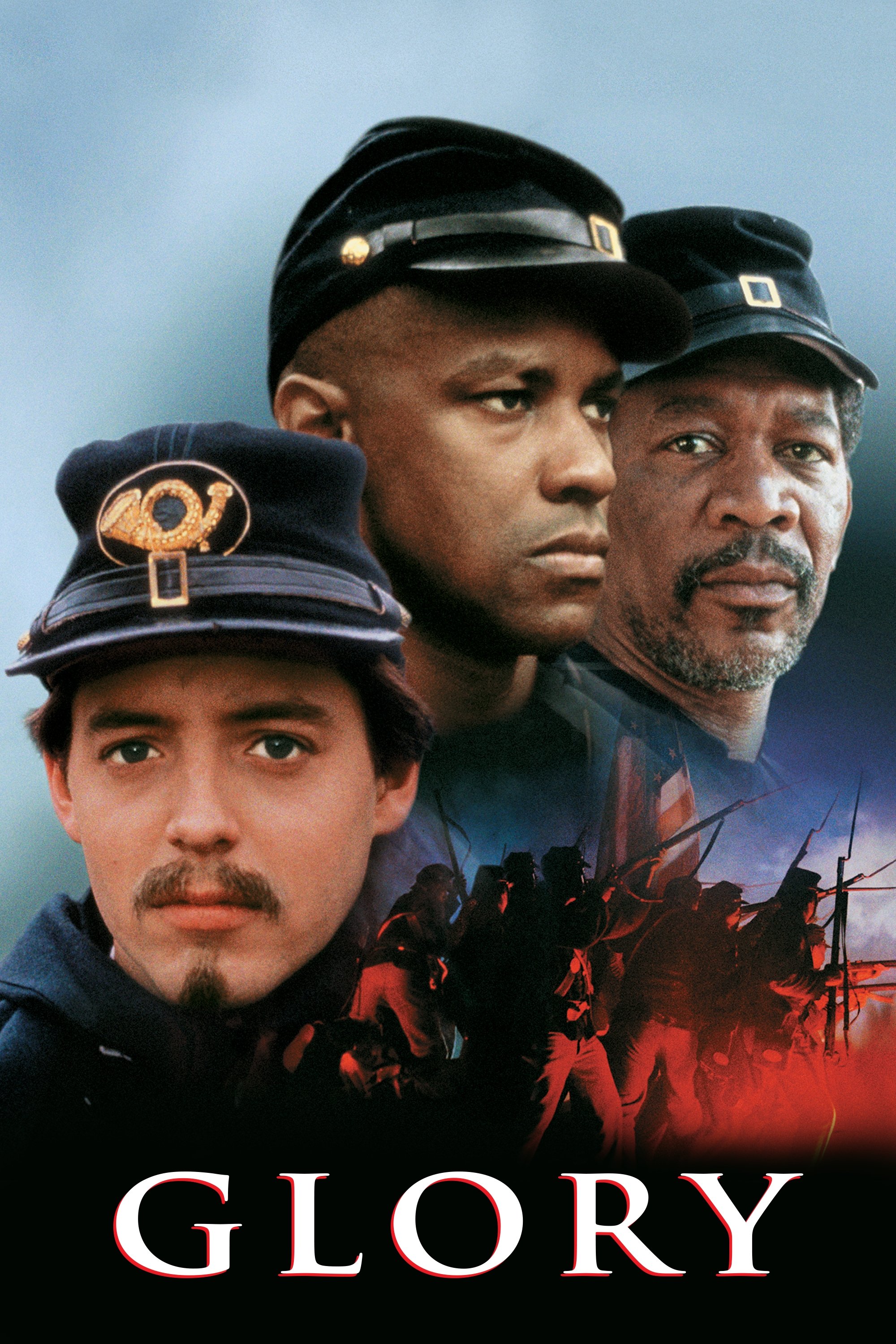
Robert Gould Shaw leads the US Civil War's first all-black volunteer company, fighting prejudices of both his own Union army and the Confederates.
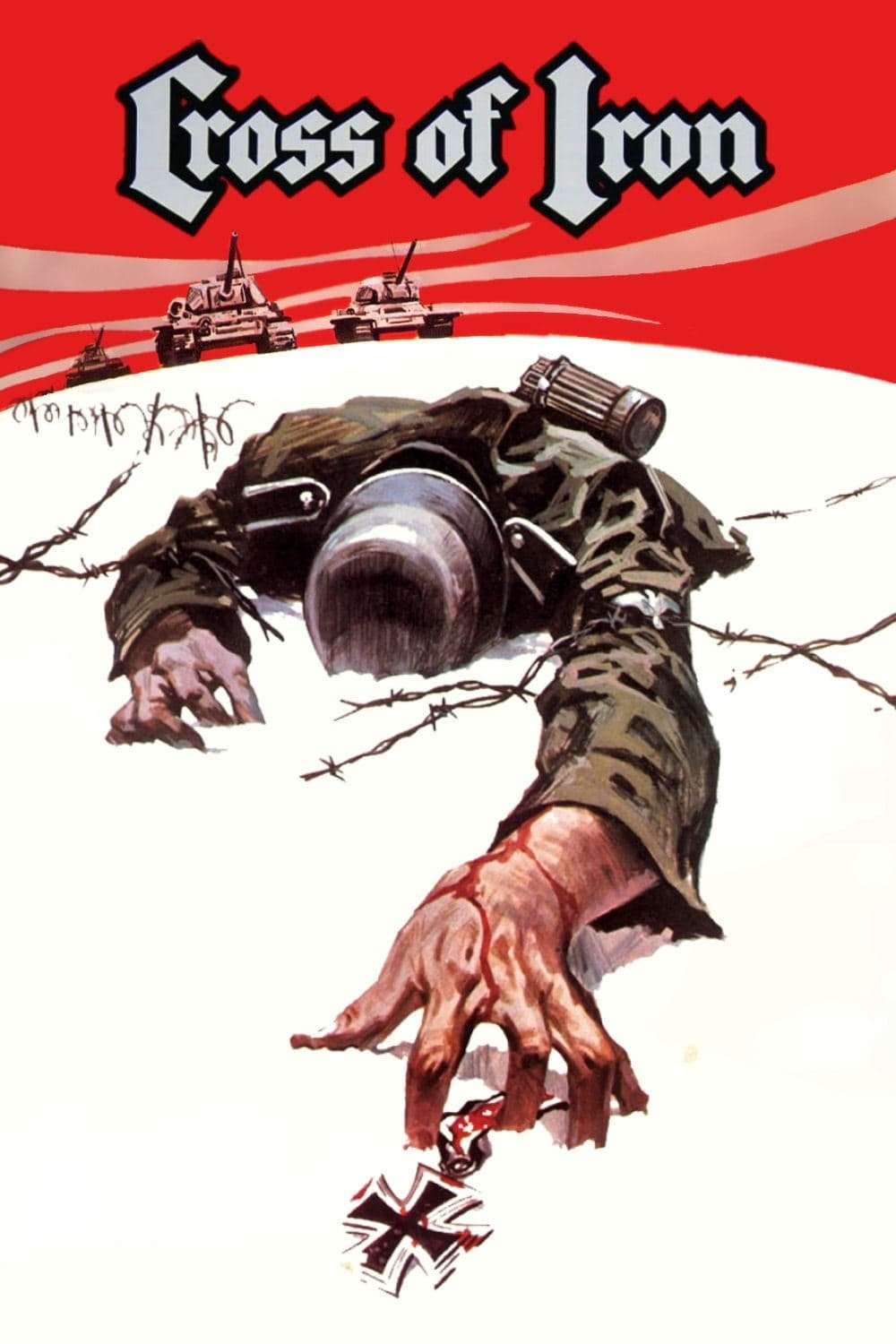
It is 1943, and the German army—ravaged and demoralised—is hastily retreating from the Russian front. In the midst of the madness, conflict brews between the aristocratic yet ultimately pusillanimous Captain Stransky and the courageous Corporal Steiner. Stransky is the only man who believes that the Third Reich is still vastly superior to the Russian army. However, within his pompous persona lies a quivering coward who longs for the Iron Cross so that he can return to Berlin a hero. Steiner, on the other hand is cynical, defiantly non-conformist and more concerned with the safety of his own men rather than the horde of military decorations offered to him by his superiors.
In 1879, during the Anglo-Zulu War, man-of-the-people Lt. Chard and snooty Lt. Bromhead are in charge of defending the isolated and vastly outnumbered Natal outpost of Rorke's Drift from tribal hordes.
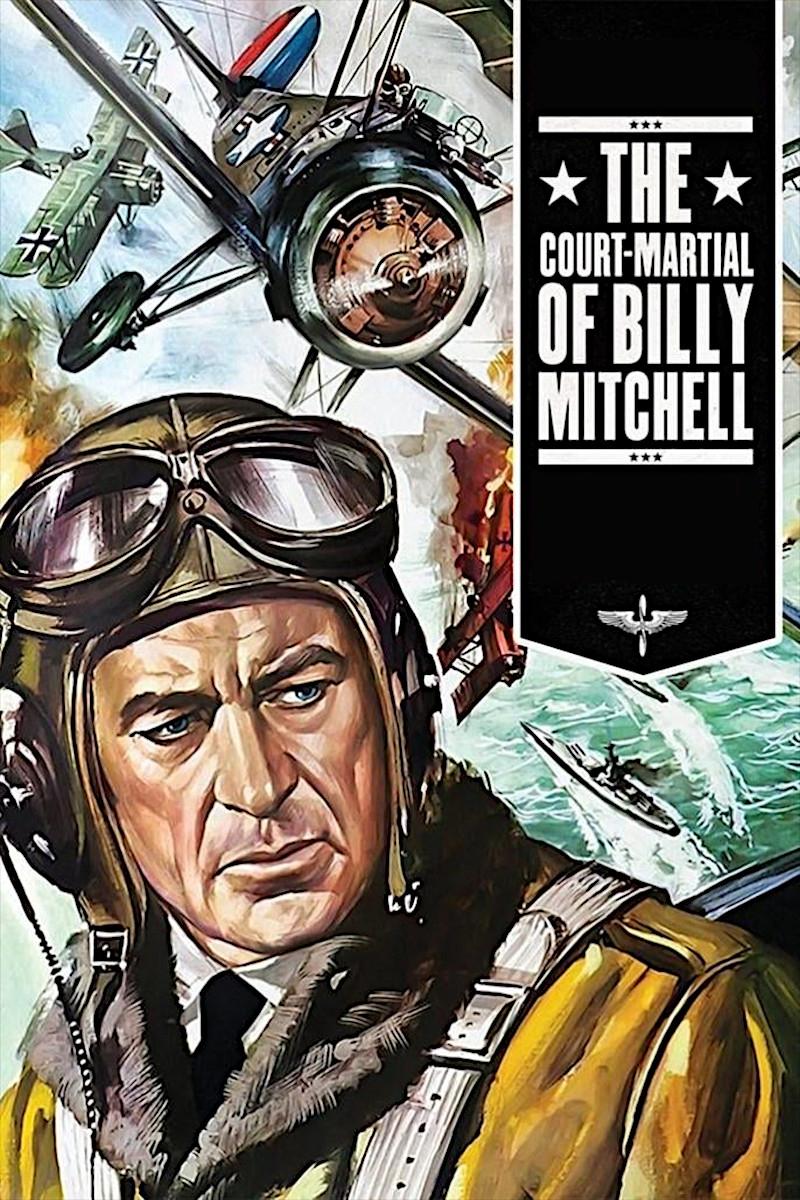
A dramatization of the American general and his court martial for publically complaining about High Command's dismissal and neglect of the aerial fighting forces.
During World War I, a group of British miners are recruited to tunnel underneath no man's land and set bombs from below the German front in hopes of breaking the deadly stalemate of the Battle of Messines.
The true story of Australia's cat-and-mouse underground mine warfare—one of the most misunderstood, misrepresented and mystifying conflicts of WW I. It was secret struggle BENEATH the Western Front that combined daring engineering, technology and science. Few on the surface knew of the brave, claustrophobic and sometimes barbaric work of these tunnellers.
Based on the true story of Oberleutnant Franz von Werra, the only German prisoner of war captured in Britain to escape back to Germany during the Second World War.