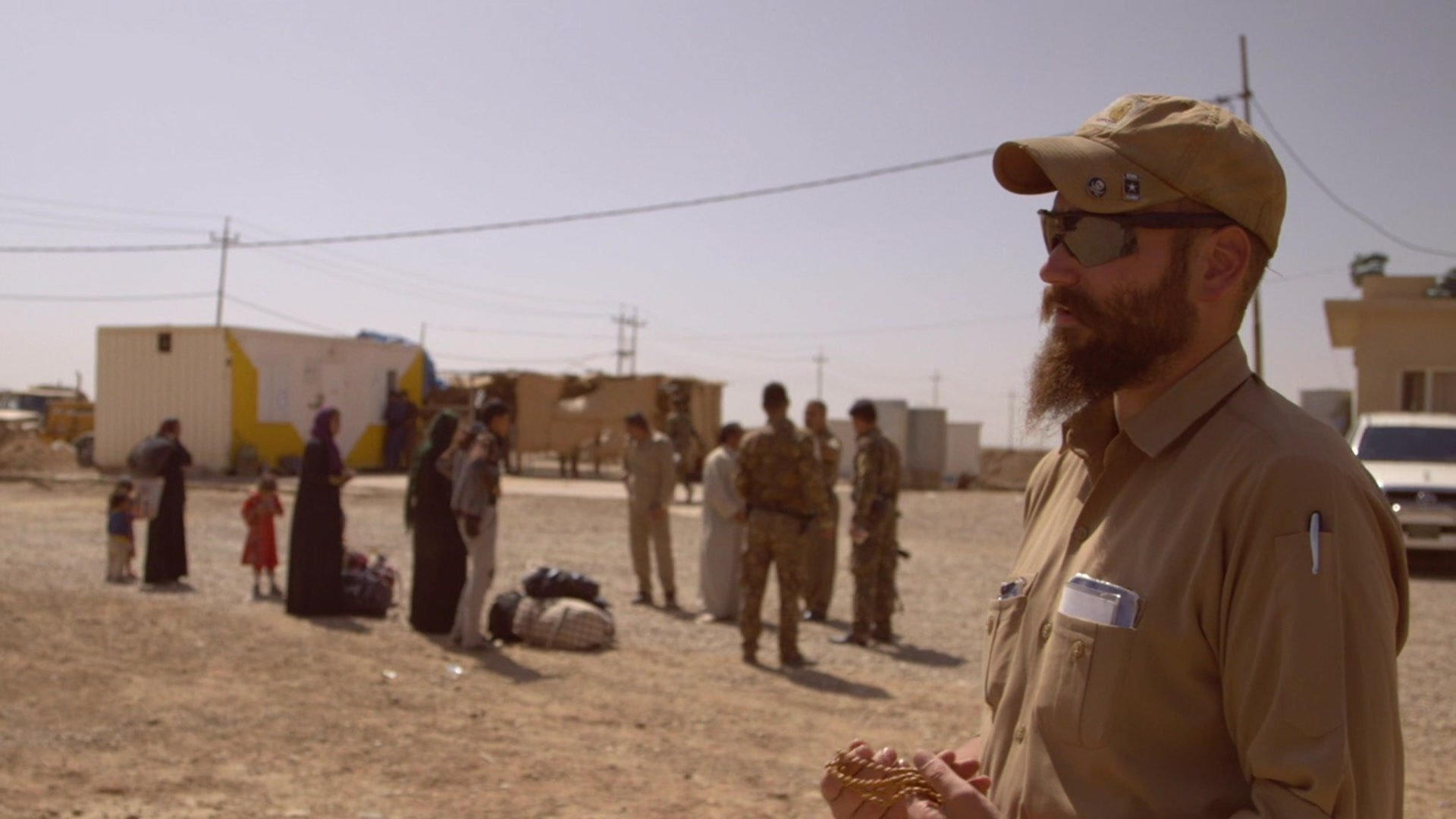
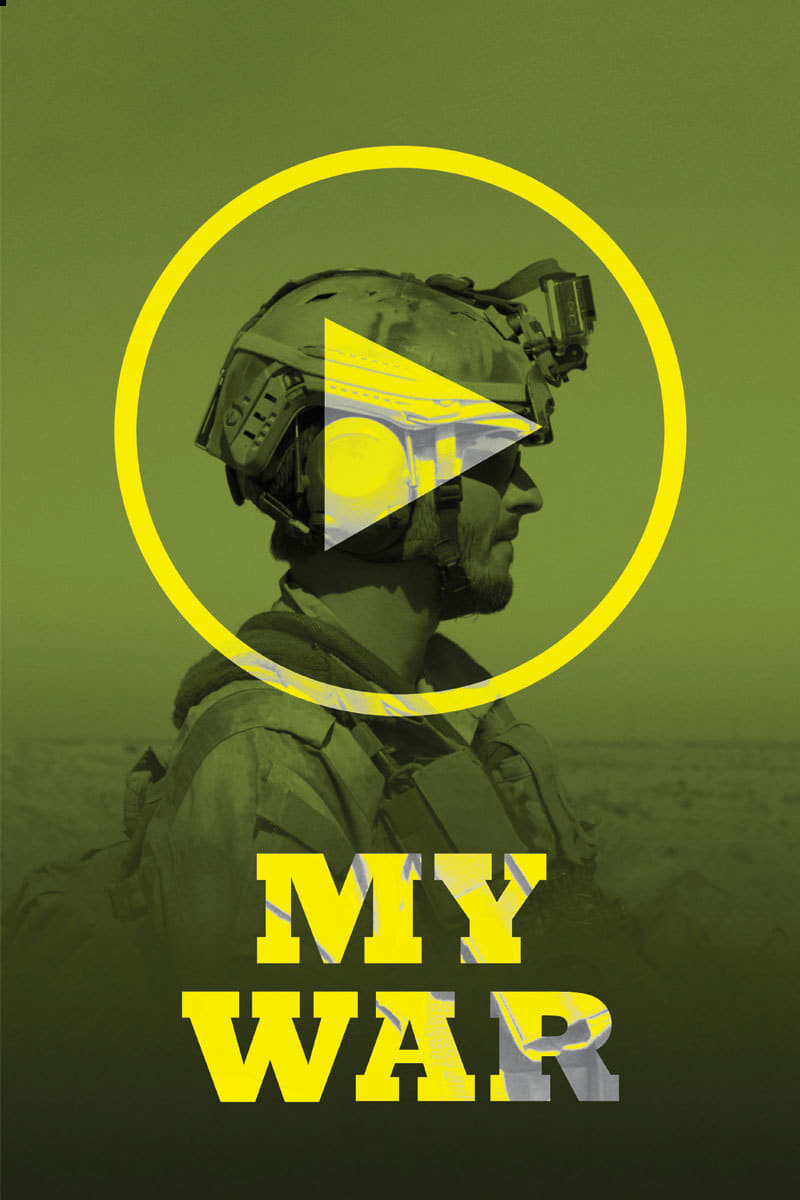
A disturbing portrait of four Western volunteers who risk their lives to fight ISIS alongside Kurdish forces. The feature documentary 'My War' probes the complex motives behind the need to take up arms on someone else’s behalf.

Stream
Rent
Social & External
The people behind it
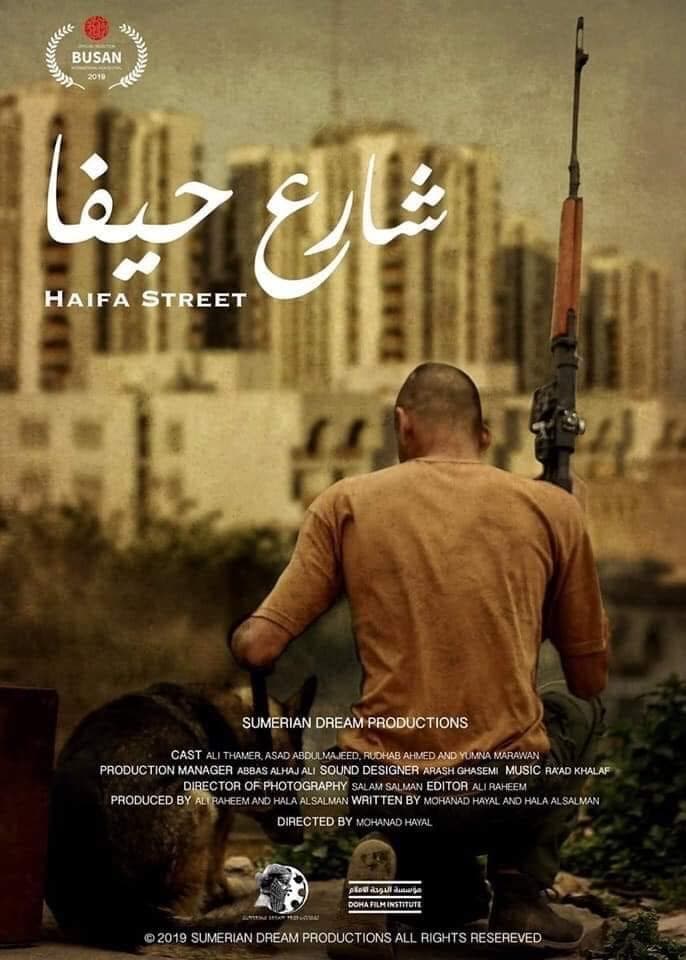
2006, Baghdad is ravaged by sectarian violence. Haifa Street is the epicenter of the conflict. Ahmed gets dropped off there by a taxi on his way to his beloved Suad's home to ask for her hand for marriage, he gets shot by Salam, a sniper who's living his own personal hell on a rooftop above.
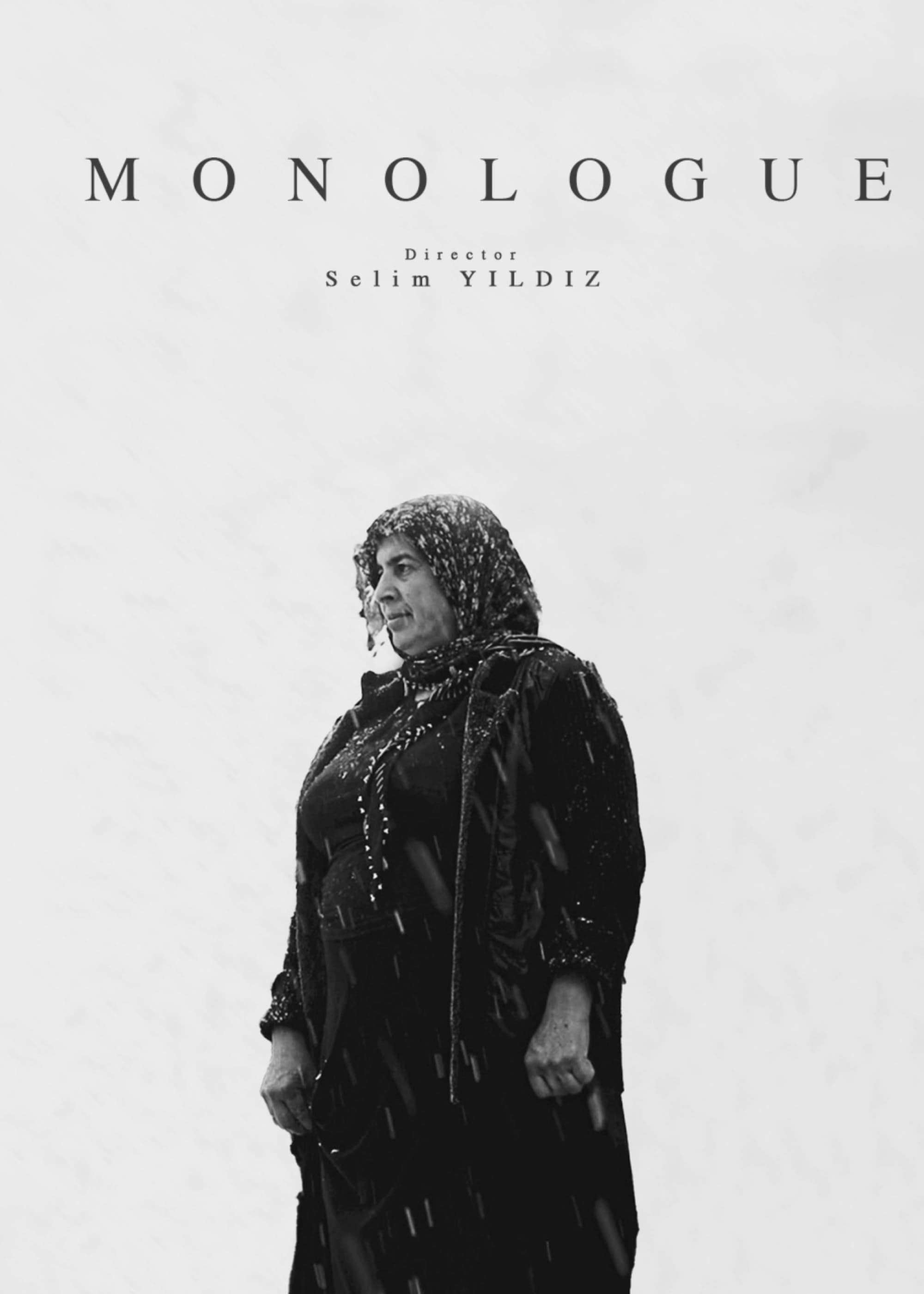
Sivan Encü, a young Kurdish man, provided for his family by "smuggling" through the Turkish-Iraqi border. When he was murdered in the 2011 Robozik (Roboski) Massacre, the responsibility of family's welfare was taken over by his younger brother Sinan, who lost his life in an unfortunate accident. This is the story of their grief-stricken mother Heyam and her resilience. Alongside Heyam's struggle, the film brings the voices of Robozik elders and notables to the forefront, who have experienced first-hand the social, political and economic dimensions of smuggling, which has been the backbone of survival for the locals for many generations.
Documentary following a team of technicians in Italy as they reconstruct a number of historic Middle Eastern artifacts that were vandalized at the hands of Islamic State.
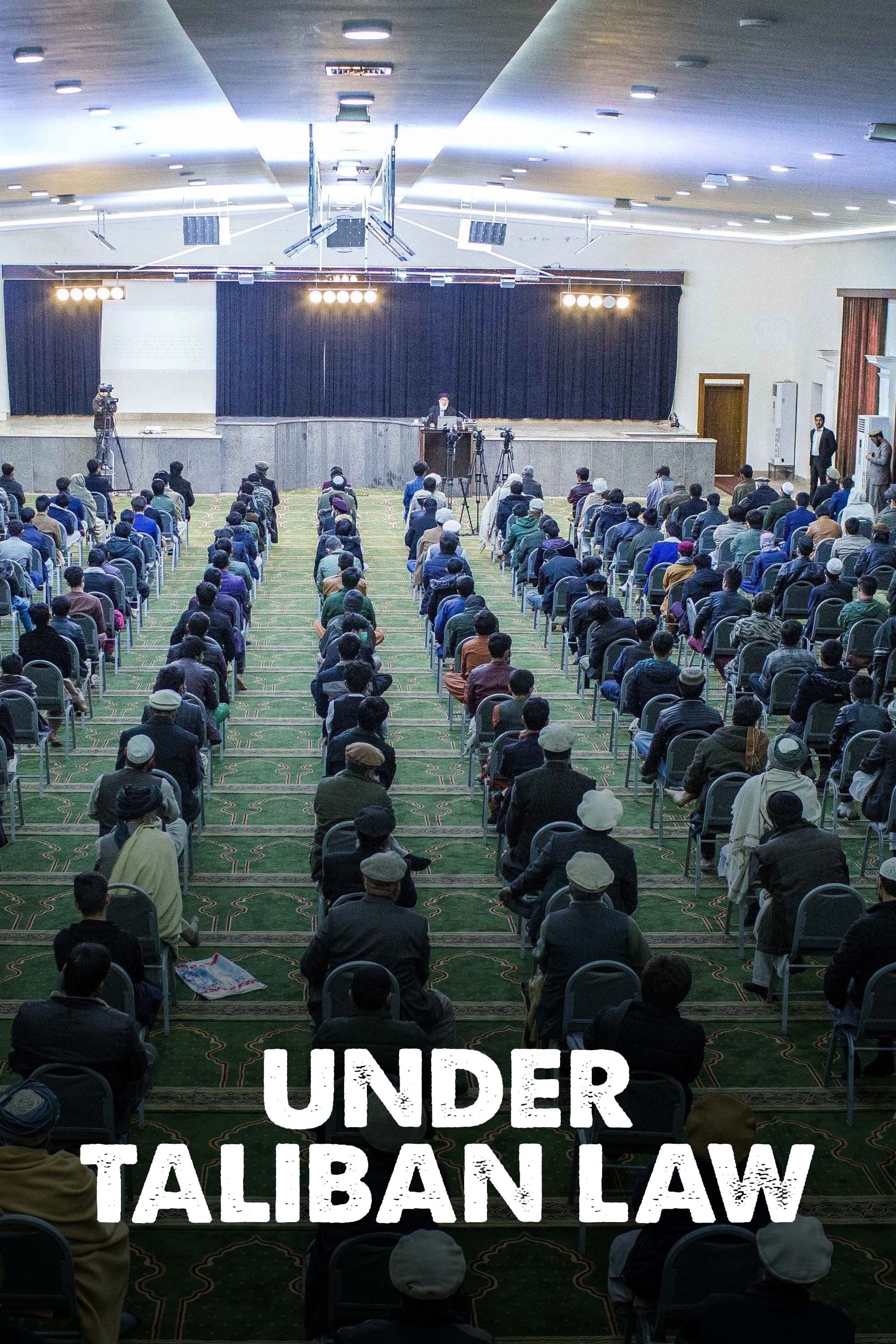
On August 15, 2021, Afghanistan descends into chaos. In one day, the completion of the withdrawal of Western forces precipitated the debacle of the regime in place: the army vanished, the leaders fled and the Taliban took Kabul without a fight. The great Central Asian country opens a new chapter in its tragic history, twenty years after the "war on terror" launched by George W. Bush in response to the attacks of September 11, 2001. The undisputed masters of 40 million trapped Afghans, the "students of religion" are back and are savoring their revenge by posing as the United States' victors. Their program will surprise no one: to restore the Islamic emirate and set up the "true" sharia, i.e. a perfect world, with divine commandments applied to the letter as in the time of the prophet.
Untold stories from the frontlines of the 'Deterring Aggression' battle. This documentary chronicles the ten decisive days preceding the operation, casting light on a political milestone that catalyzed the liberation of Syrian lands and signaled the dawn of a new era of hope.
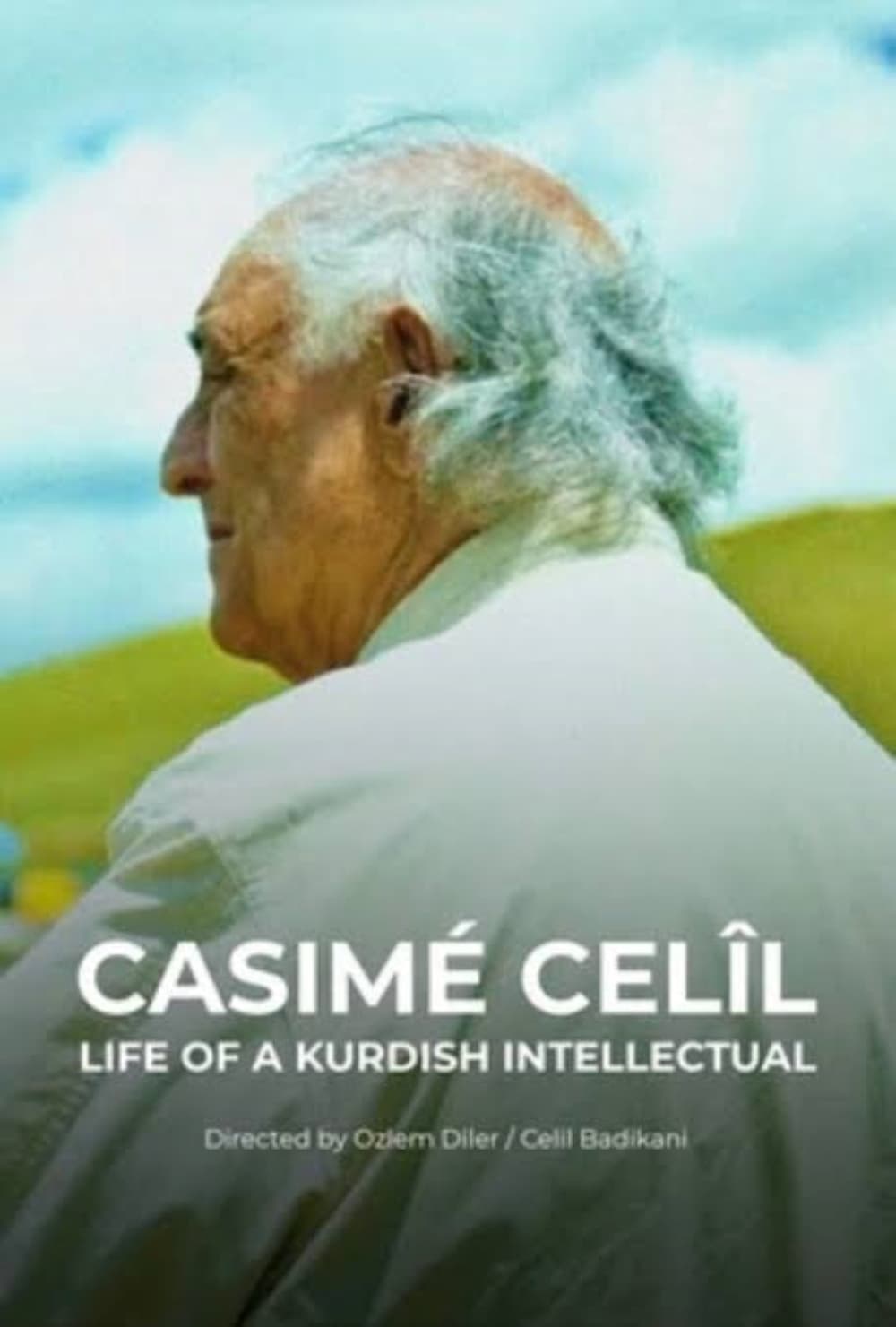
Casimê Celîl was born into a Yezidi Kurdish family in 1908, in a village called Kızılkule, located in Digor, Kars. The village and family life, which he longed to remember throughout his life, ends with the massacre they endured in 1918. During his long road to Erivan, Armenia, he lost all his family members. Left all alone, Casim was placed into an orphanage and was forced to change his name. To remember who he was and where he came from, every morning he repeated the mantra “Navê min Casim e, Ez kurê Celîlim, Ez ji gundê Qizilquleyê Dîgorê me, Ez Kurdim, Kurdê Êzîdî me”, which translates to: “My name is Casim, I am the son of Celîl, I come from the village of Kızılkule in Digor, I am a Kurd, and I am Yezidi”. He clings to every piece of his culture he can find, reads, and saves whatever Kurdish literature or art he comes across. As the year’s pass, Casim finds himself with an impressive collection of Kurdish culture and history.
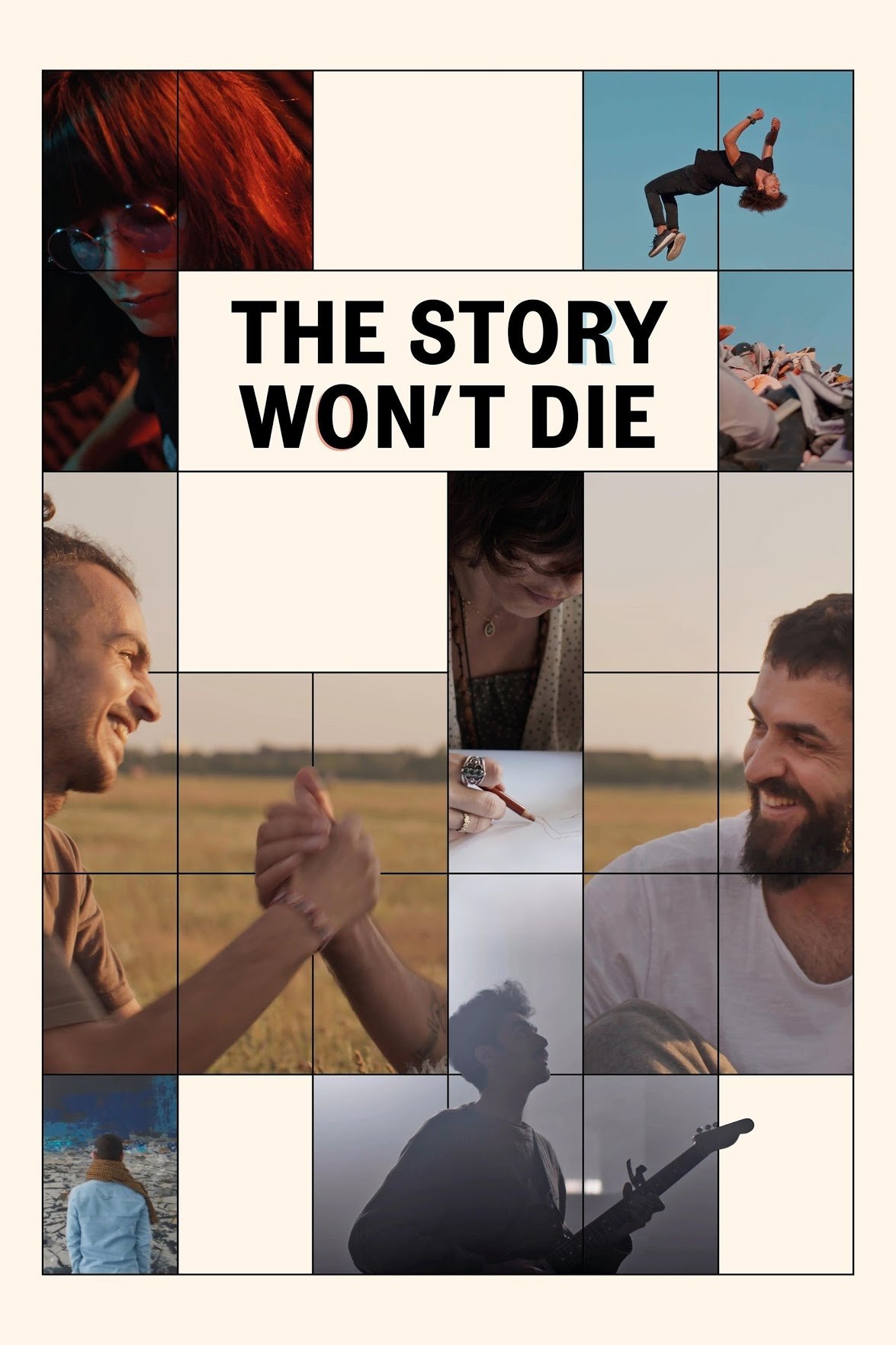
THE STORY WON’T DIE, from Award-winning filmmaker David Henry Gerson, is an inspiring, timely look at a young generation of Syrian artists who use their work to protest and process what is currently the world’s largest and longest ongoing displacement of people since WWII. The film is produced by Sundance Award-winner Odessa Rae (Navalny). Rapper Abu Hajar, together with other creative personalities of the Syrian uprising, a post-Rock musician (Anas Maghrebi), members of the first all-female Syrian rock band (Bahila Hijazi + Lynn Mayya), break-dancer (Bboy Shadow), choreographer (Medhat Aldaabal), and visual artists (Tammam Azzam, Omar Imam + Diala Brisly), use their art to rise in revolution and endure in exile in this new documentary reflecting on a battle for peace, justice and freedom of expression. It is an uplifting and humanizing look at what it means to be a refugee in today’s world and offers inspiring and hopeful vantages on a creative response to the chaos of war.
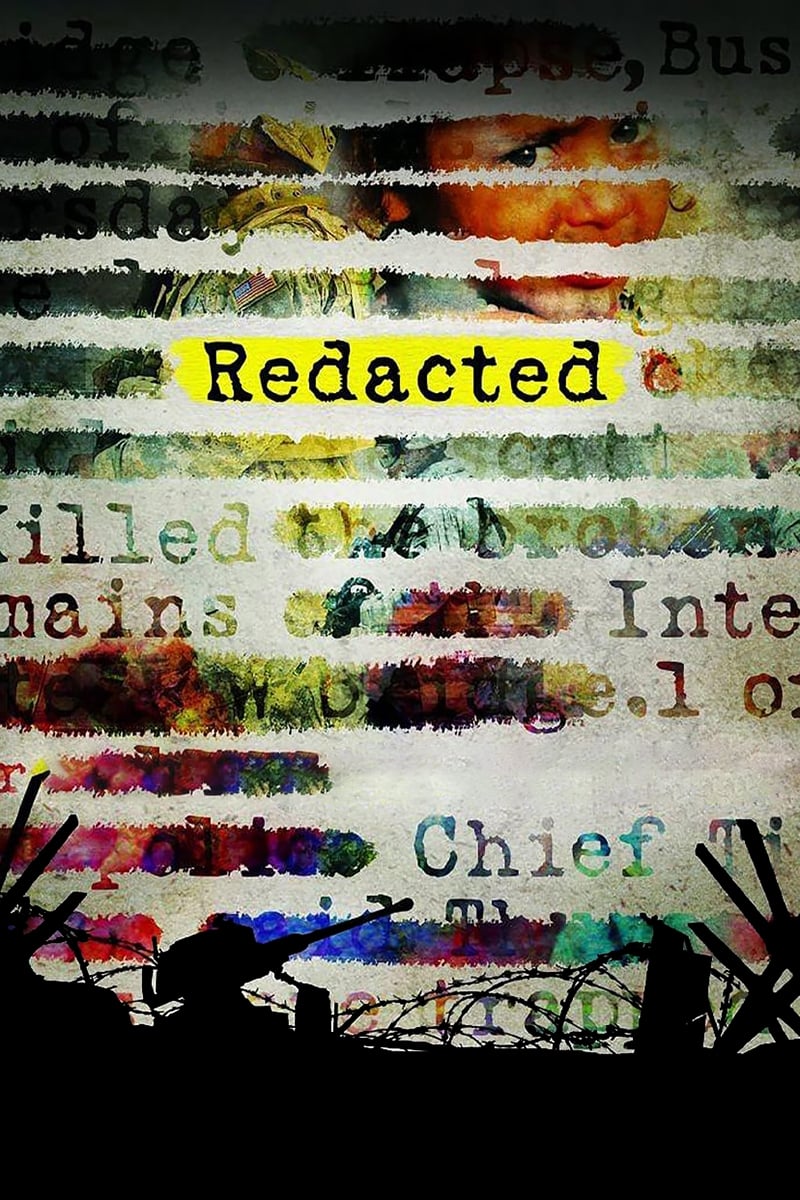
A fictional documentary discusses the effects the Iraq war has had on soldiers and local people through interviews with members of an American military unit, the media, and local Iraqis.
A documentary on Rojava/North-East Syria and the social change there.
In the privacy of her own home, a Syrian woman shares her thoughts and feelings, talking about her existence, and her desire to be open about her sexuality in a conservative society.
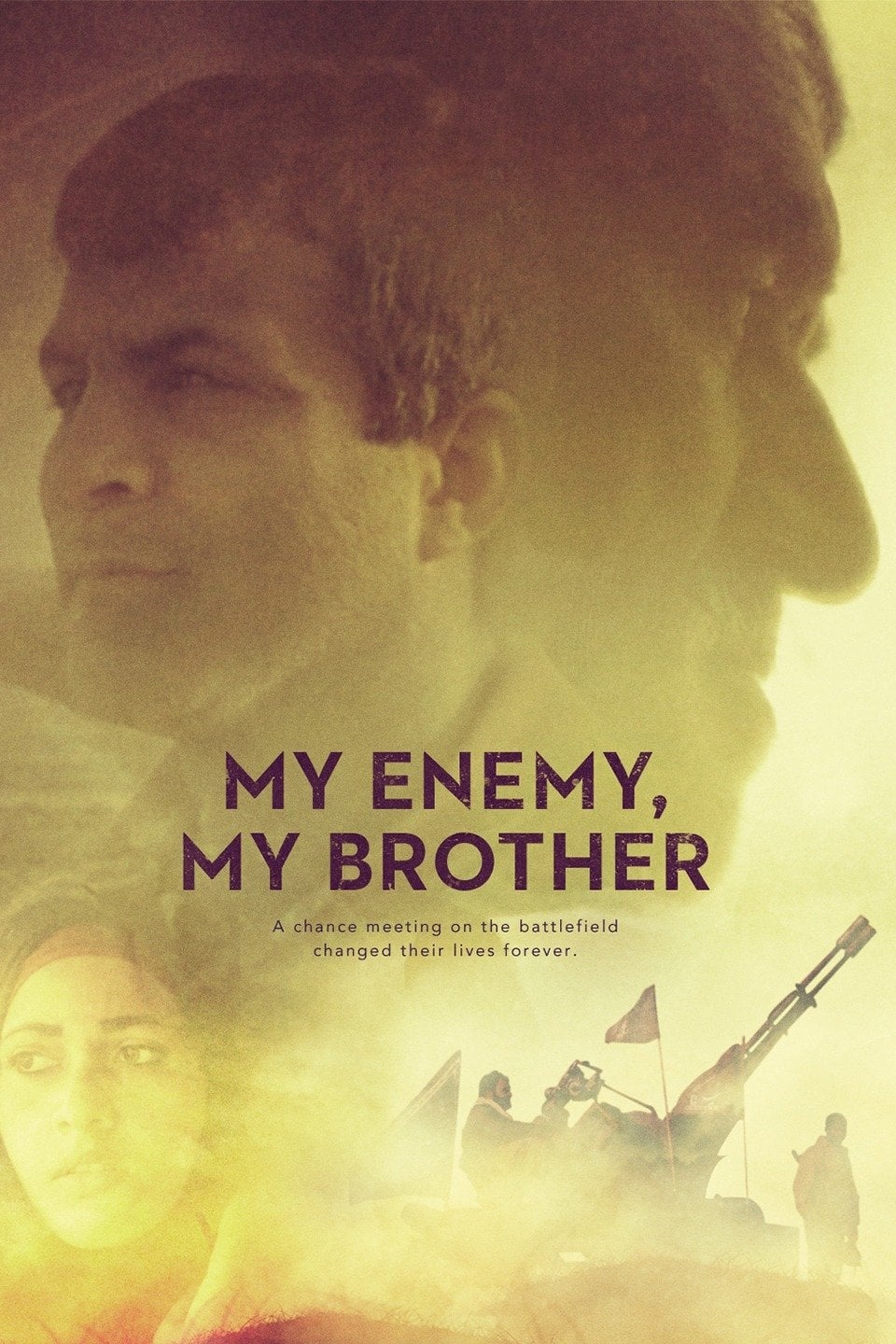
The eight-year Iran-Iraq War was one of the most brutal conflicts to devastate the region in the 20th century. Zahed was 13 years old when he enrolled in the Iranian army. Najah was 18 when he was conscripted into the Iraqi army, and he fought against Zahed in the Battle of Khorramshahr. Fast forward 25 years, a chance encounter in Vancouver between these two former enemies turns into a deep and mutually supportive friendship. Expanded from the 2015 short film by the same name.
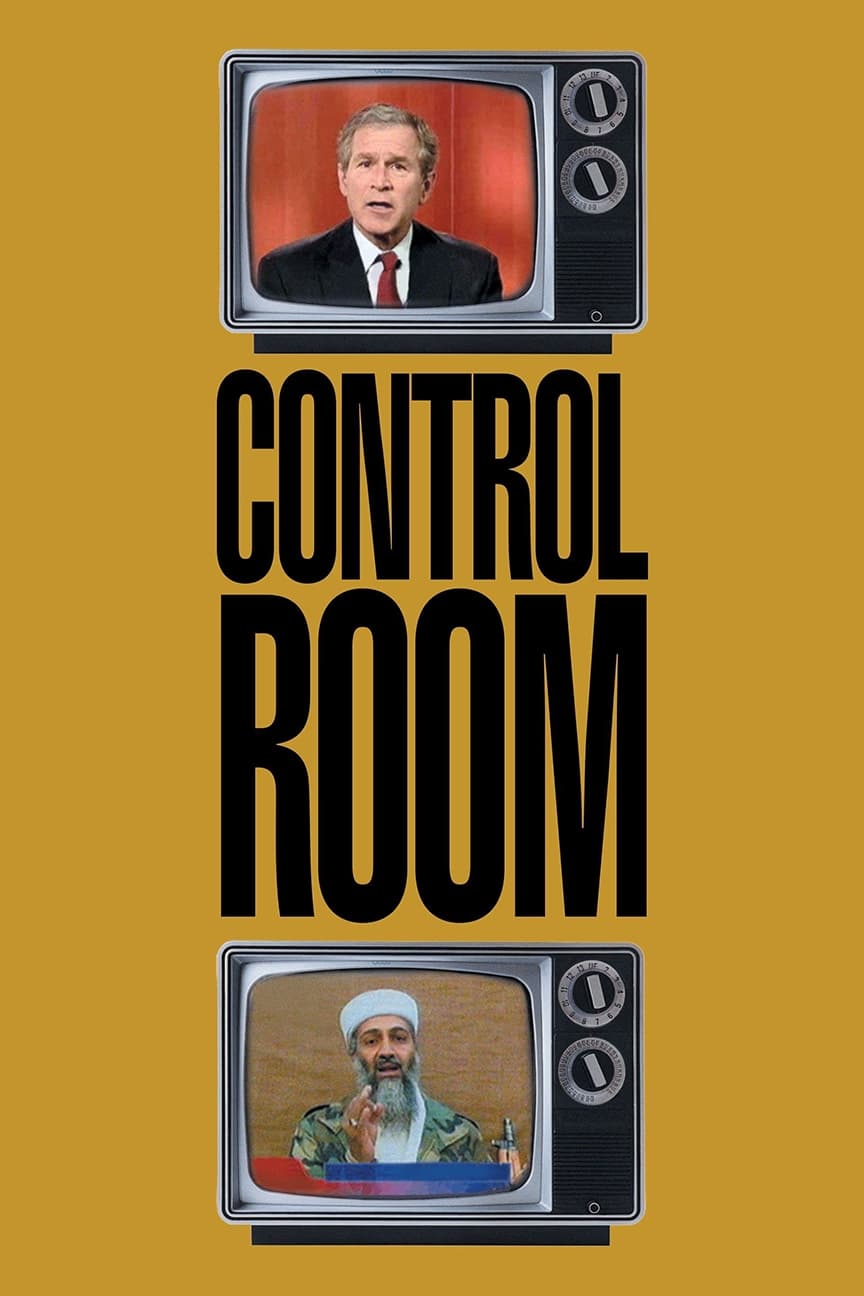
A chronicle which provides a rare window into the international perception of the Iraq War, courtesy of Al Jazeera, the Arab world's most popular news outlet. Roundly criticized by Cabinet members and Pentagon officials for reporting with a pro-Iraqi bias, and strongly condemned for frequently airing civilian causalities as well as footage of American POWs, the station has revealed (and continues to show the world) everything about the Iraq War that the Bush administration did not want it to see.
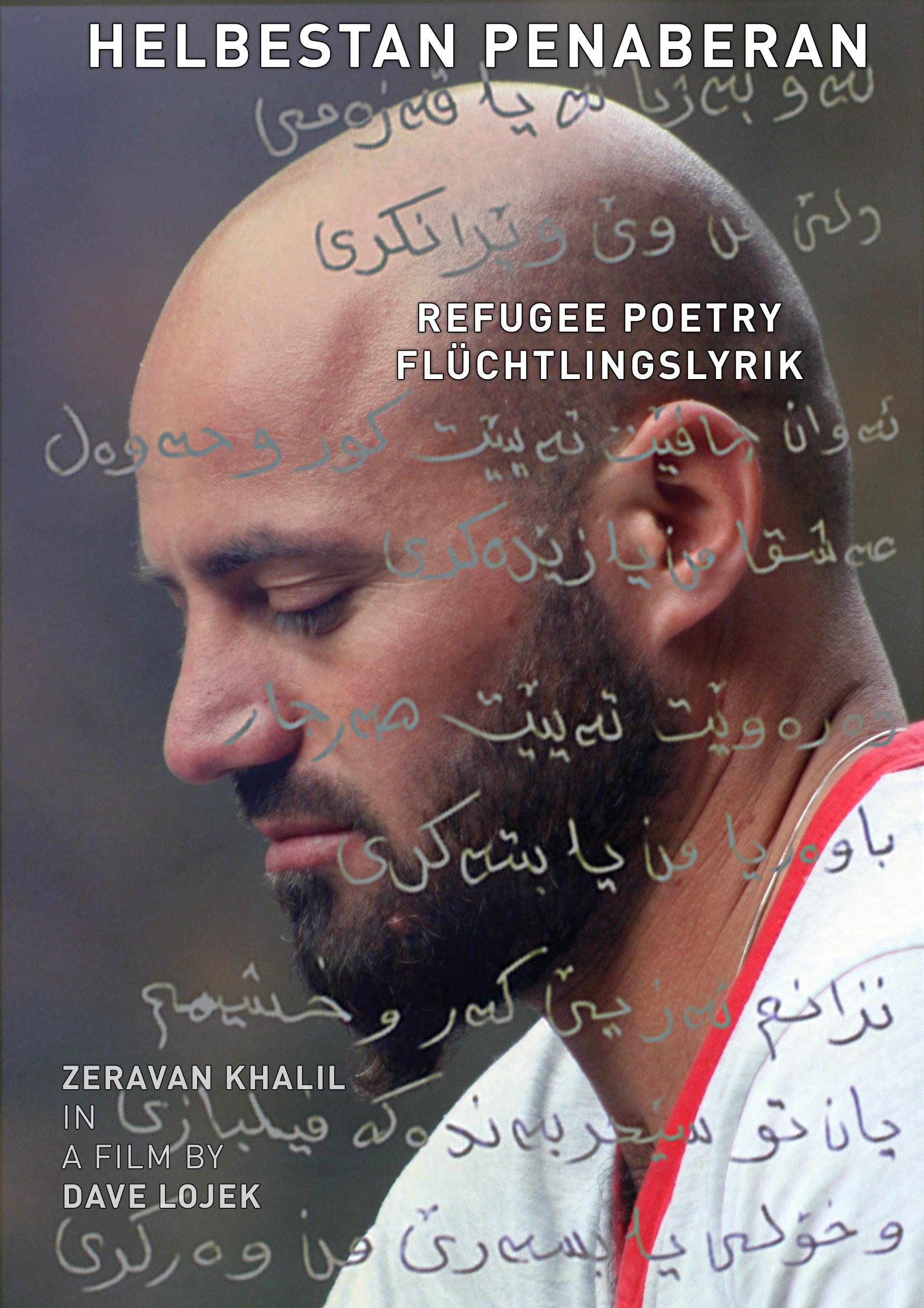
The Kurdish Iraqi poet and actor Zeravan Khalil travels with his dog through an Alpine gorge after fleeing from IS war and genocide. As he remembers the abomination, he writes a poem with the title “You drive me mad” in Kurmanji Kurdish. In his home country, Yazidic Kurds are forbidden to work in his profession. Then he eats his apple and wanders through Europe’s middle with more hope.
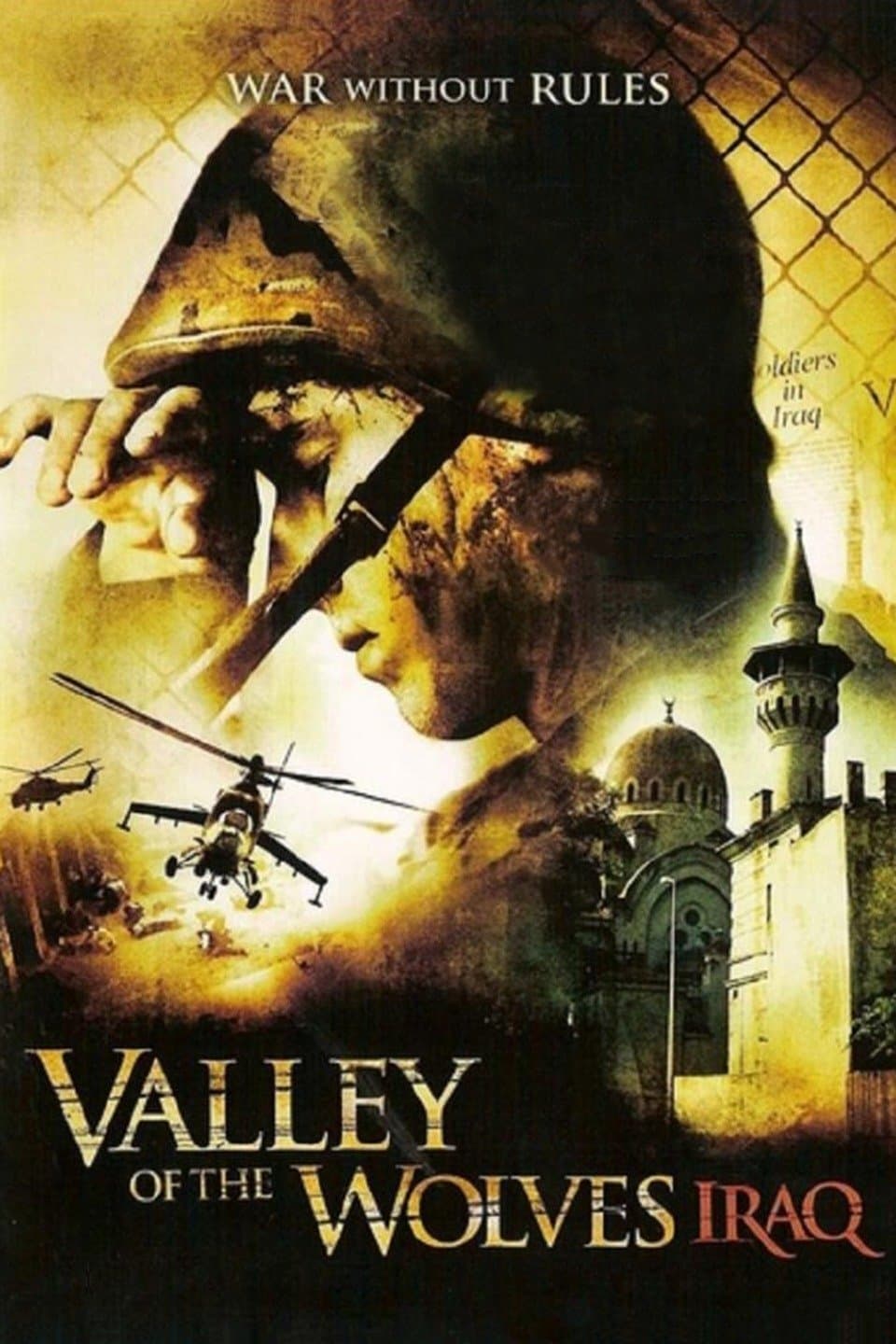
The film covers through fiction real-life events like the occupation of Iraq, the execution of Daniel Pearl, the Hood event and the Abu Ghraib torture scandal.
Shot by a reported “1,001 Syrians” according to the filmmakers, SILVERED WATER, SYRIA SELF-PORTRAIT impressionistically documents the destruction and atrocities of the civil war through a combination of eye-witness accounts shot on mobile phones and posted to the internet, and footage shot by Bedirxan during the siege of Homs. Bedirxan, an elementary school teacher in Homs, had contacted Mohammed online to ask him what he would film, if he was there. Mohammed, working in forced exile in Paris, is tormented by feelings of cowardice as he witnesses the horrors from afar, and the self-reflexive film also chronicles how he is haunted in his dreams by a Syrian boy once shot to death for snatching his camera on the street.
During the Iraq War, a Sergeant recently assigned to an army bomb squad is put at odds with his squad mates due to his maverick way of handling his work.
Morgan Spurlock tours the Middle East to discuss the war on terror with Arabic people.
During the U.S.-led occupation of Baghdad in 2003, Chief Warrant Officer Roy Miller and his team of Army inspectors are dispatched to find weapons of mass destruction believed to be stockpiled in the Iraqi desert. Rocketing from one booby-trapped and treacherous site to the next, the men search for deadly chemical agents but stumble instead upon an elaborate cover-up that threatens to invert the purpose of their mission.
Iran, January 16th, 1979. Shah Mohammad Reza Pahlavi flees after being overthrown. Ayatollah Khomeini returns to Tehran and proclaims the Islamic Republic on April 1st, 1979. In the same year, Saddam Hussein seizes power in Iraq and, after several border skirmishes, attacks Iran on September 22nd, 1980, initiating a cruel war that will last eight years. Since its outbreak, correspondent Saeid Sadeghi documented it from its beginning to its bitter end.
A love letter from a young mother to her daughter, the film tells the story of Waad al-Kateab’s life through five years of the uprising in Aleppo, Syria as she falls in love, gets married and gives birth to Sama, all while cataclysmic conflict rises around her. Her camera captures incredible stories of loss, laughter and survival as Waad wrestles with an impossible choice– whether or not to flee the city to protect her daughter’s life, when leaving means abandoning the struggle for freedom for which she has already sacrificed so much.
As the Russian invasion begins, a team of Ukrainian journalists trapped in the besieged city of Mariupol struggle to continue their work documenting the war's atrocities.
Virunga in the Democratic Republic of the Congo is Africa’s oldest national park, a UNESCO world heritage site, and a contested ground among insurgencies seeking to topple the government that see untold profits in the land. Among this ongoing power struggle, Virunga also happens to be the last natural habitat for the critically endangered mountain gorilla. The only thing standing in the way of the forces closing in around the gorillas: a handful of passionate park rangers and journalists fighting to secure the park’s borders and expose the corruption of its enemies. Filled with shocking footage, and anchored by the surprisingly deep and gentle characters of the gorillas themselves, Virunga is a galvanizing call to action around an ongoing political and environmental crisis in the Congo.
An Iraqi journalist joins an army of uneasy allies and unforgettable characters in the epic battle to liberate the city of Mosul from the Islamic State.
With unprecedented access, this documentary follows the extraordinary journey of “Raqqa is Being Slaughtered Silently”—a group of anonymous citizen journalists who banded together after their homeland was overtaken by ISIS—as they risk their lives to stand up against one of the greatest evils in the world today.
Set both in Latin America and the United States, the film explores the historic and current relationship of Washington with countries such as Venezuela, Bolivia and Chile. Pilger says that the film "...tells a universal story... analysing and revealing, through vivid testimony, the story of great power behind its venerable myths. It allows us to understand the true nature of the so-called "war on terror". According to Pilger, the film’s message is that the greed and power of empire is not invincible and that people power is always the "seed beneath the snow".
When Sgt. First Class Brian Eisch is critically wounded in Afghanistan, it sets him and his sons on a journey of love, loss, redemption and legacy.
A documentary about World War I with never-before-seen footage to commemorate the centennial of Armistice Day, and the end of the war.
The life and career of one of comedy's most inimitable modern voices, Mr. Gilbert Gottfried.
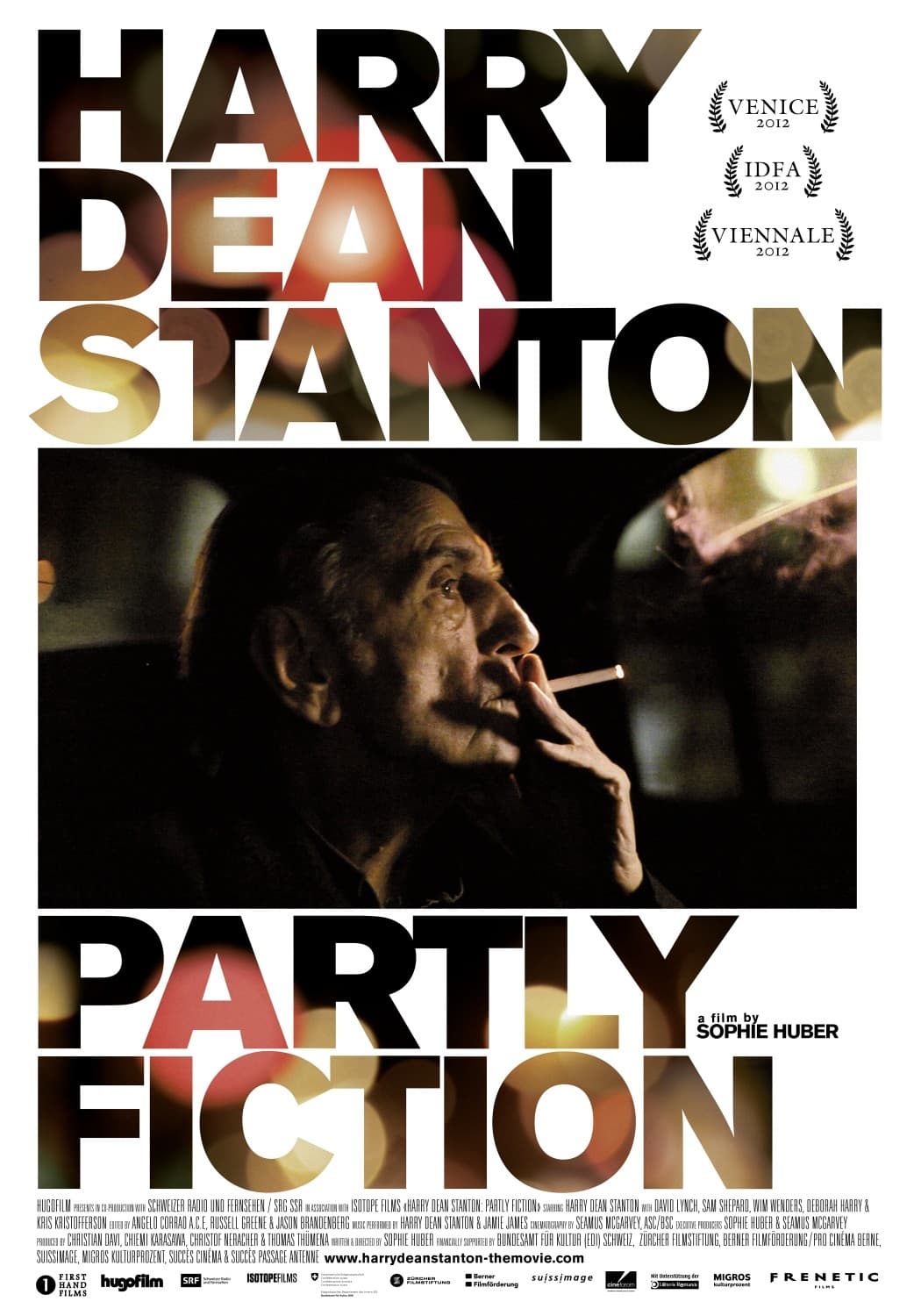
An impressionistic portrait of the iconic actor Harry Dean Stanton comprised of intimate moments, film clips from some of his 250 films and his renditions of American folk songs.
When Allied forces liberated the Nazi concentration camps in 1944-45, their terrible discoveries were recorded by army and newsreel cameramen, revealing for the first time the full horror of what had happened. Making use of British, Soviet and American footage, the Ministry of Information’s Sidney Bernstein (later founder of Granada Television) aimed to create a documentary that would provide lasting, undeniable evidence of the Nazis’ unspeakable crimes. He commissioned a wealth of British talent, including editor Stewart McAllister, writer and future cabinet minister Richard Crossman – and, as treatment advisor, his friend Alfred Hitchcock. Yet, despite initial support from the British and US Governments, the film was shelved, and only now, 70 years on, has it been restored and completed by Imperial War Museums under its original title "German Concentration Camps Factual Survey".
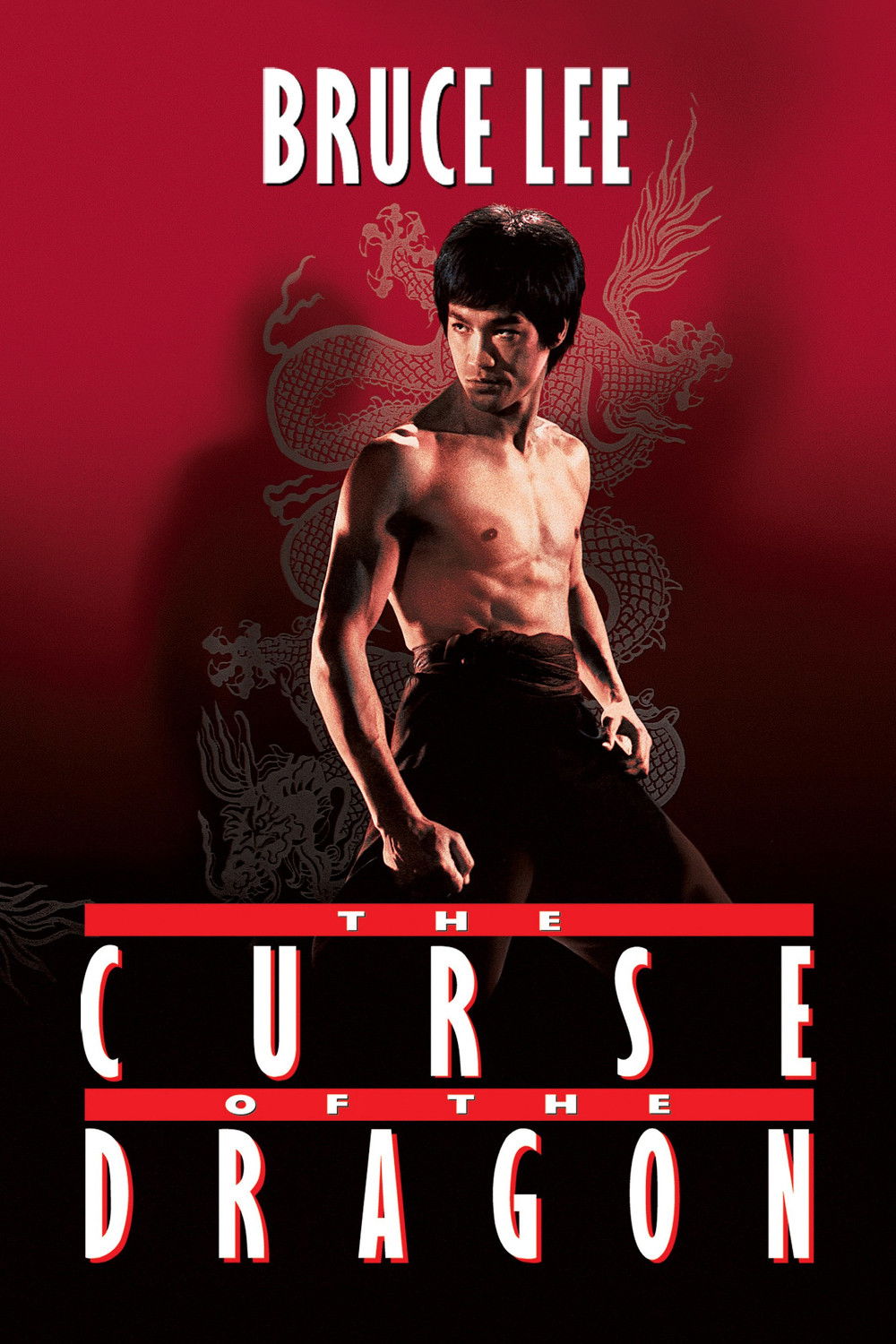
A 1993 documentary film about Bruce Lee. The film includes interviews from some of his fellow students and opponents who worked alongside him in his movies.
In an intimate and joyful story of love in the face of loss, celebrated poets Andrea Gibson and Megan Falley find strength—and unexpected hilarity—in what might be their final year together.
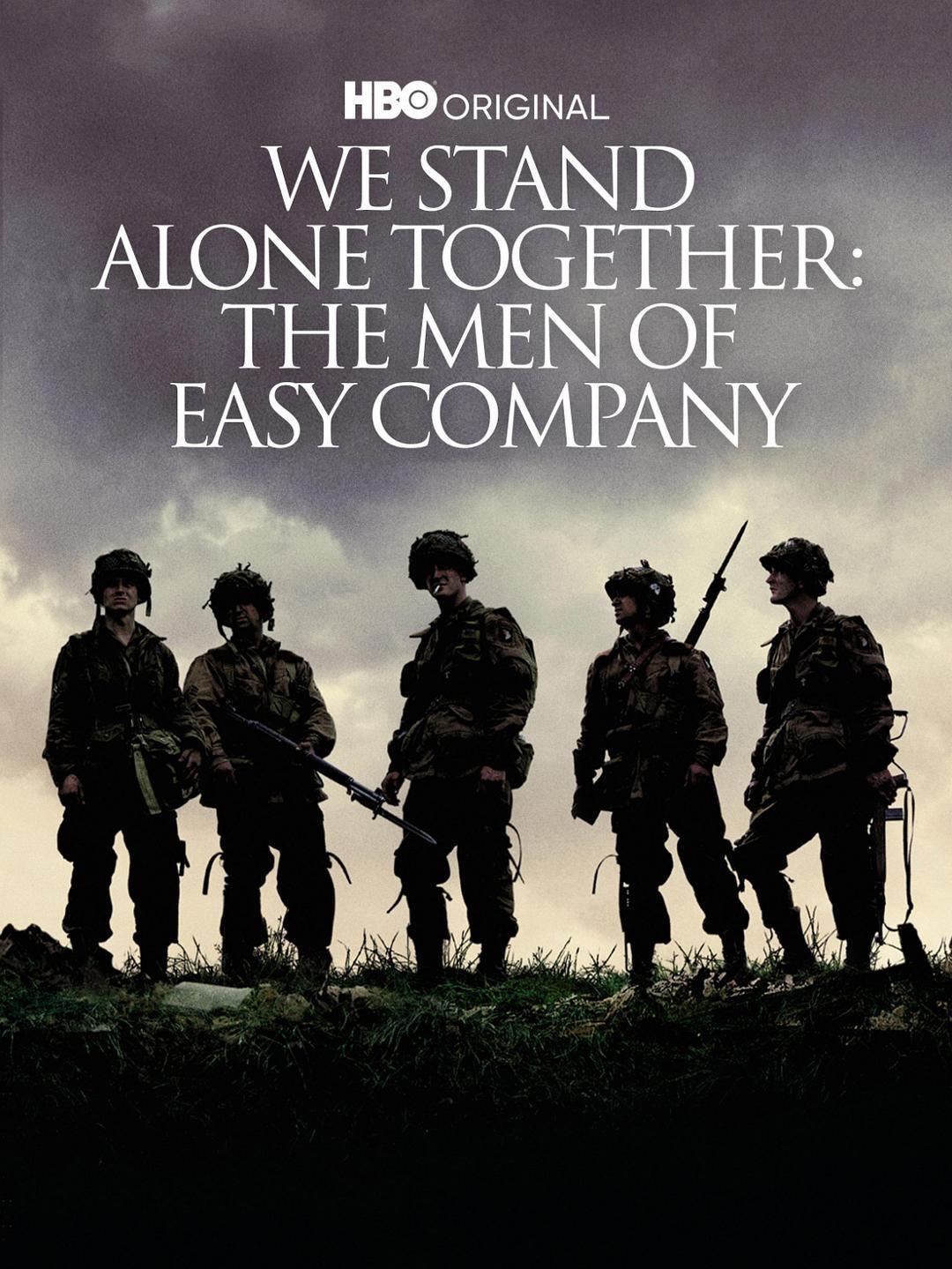
Over a period of two years, Mark Cowen and his crew travelled to thirty U.S. states and ten European cities, to interview the veterans of Easy Company. The stories told by the veterans themselves, create a history of the Second World War from the point of view of this heroic company of men, made famous in the mini-series Band of Brothers.
A string of threatening emails escalates into a revenge plot involving a newly married US marshal and his ex-girlfriend.
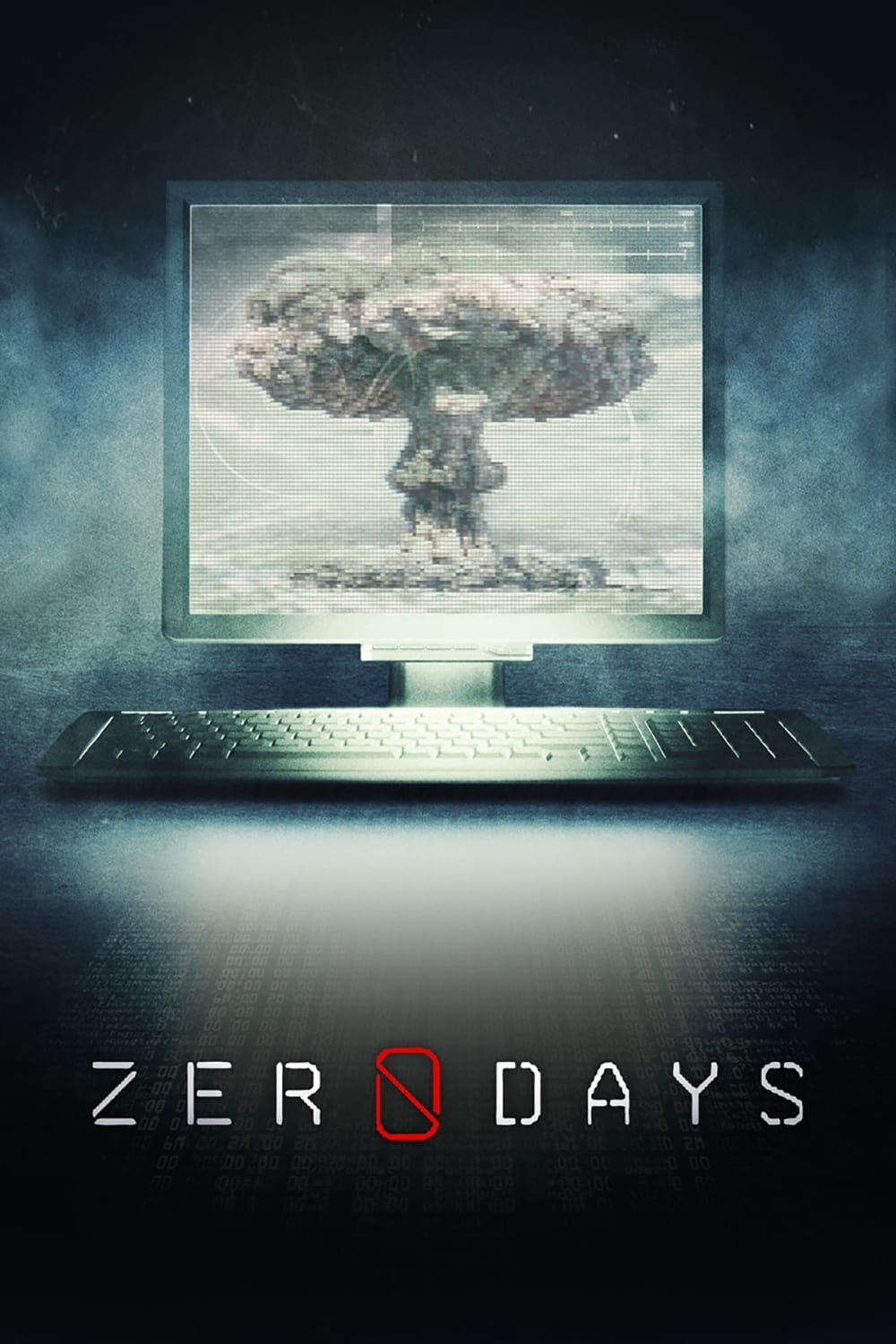
Alex Gibney explores the phenomenon of Stuxnet, a self-replicating computer virus discovered in 2010 by international IT experts. Evidently commissioned by the US and Israeli governments, this malware was designed to specifically sabotage Iran’s nuclear programme. However, the complex computer worm ended up not only infecting its intended target but also spreading uncontrollably.
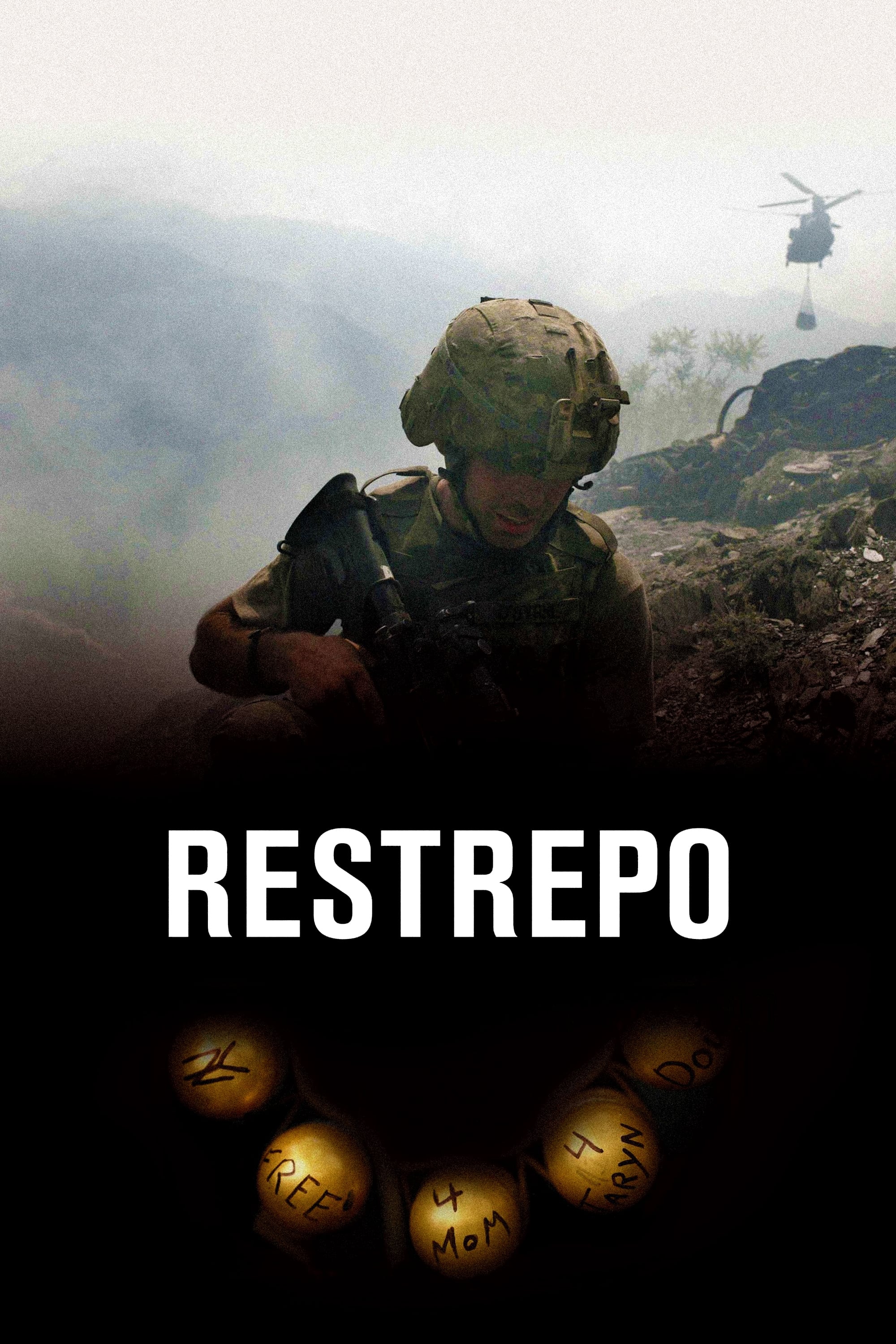
Directors Hetherington and Junger spend a year with the 2nd Battalion of the United States Army located in one of Afghanistan's most dangerous valleys. The documentary provides insight and empathy on how to win the battle through hard work, deadly gunfights and mutual friendships while the unit must push back the Taliban.
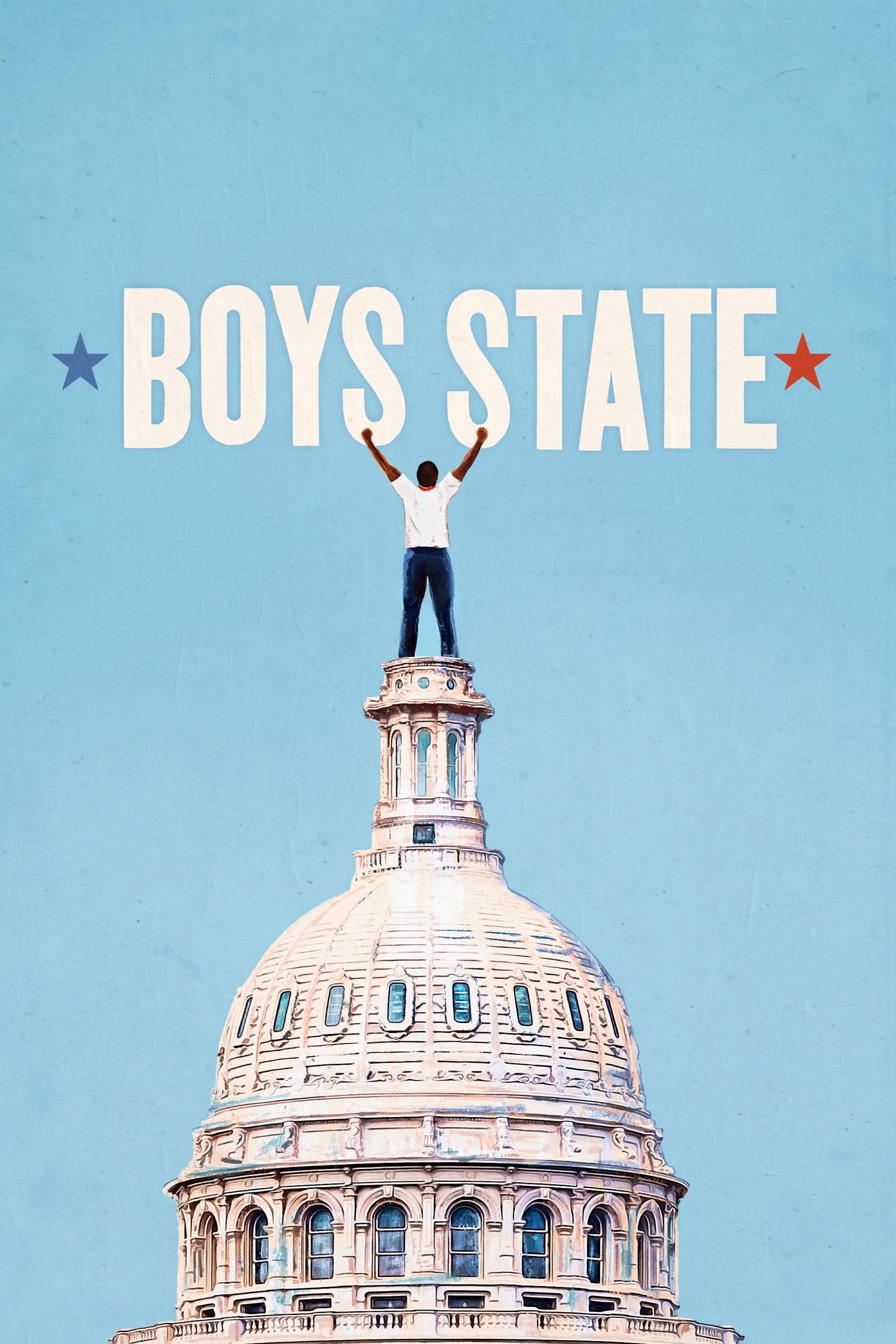
This raucous journey into the heart of democracy captures an unusual rite of passage: 1,100 teenage boys from across Texas coming together to build a representative government from the ground up.
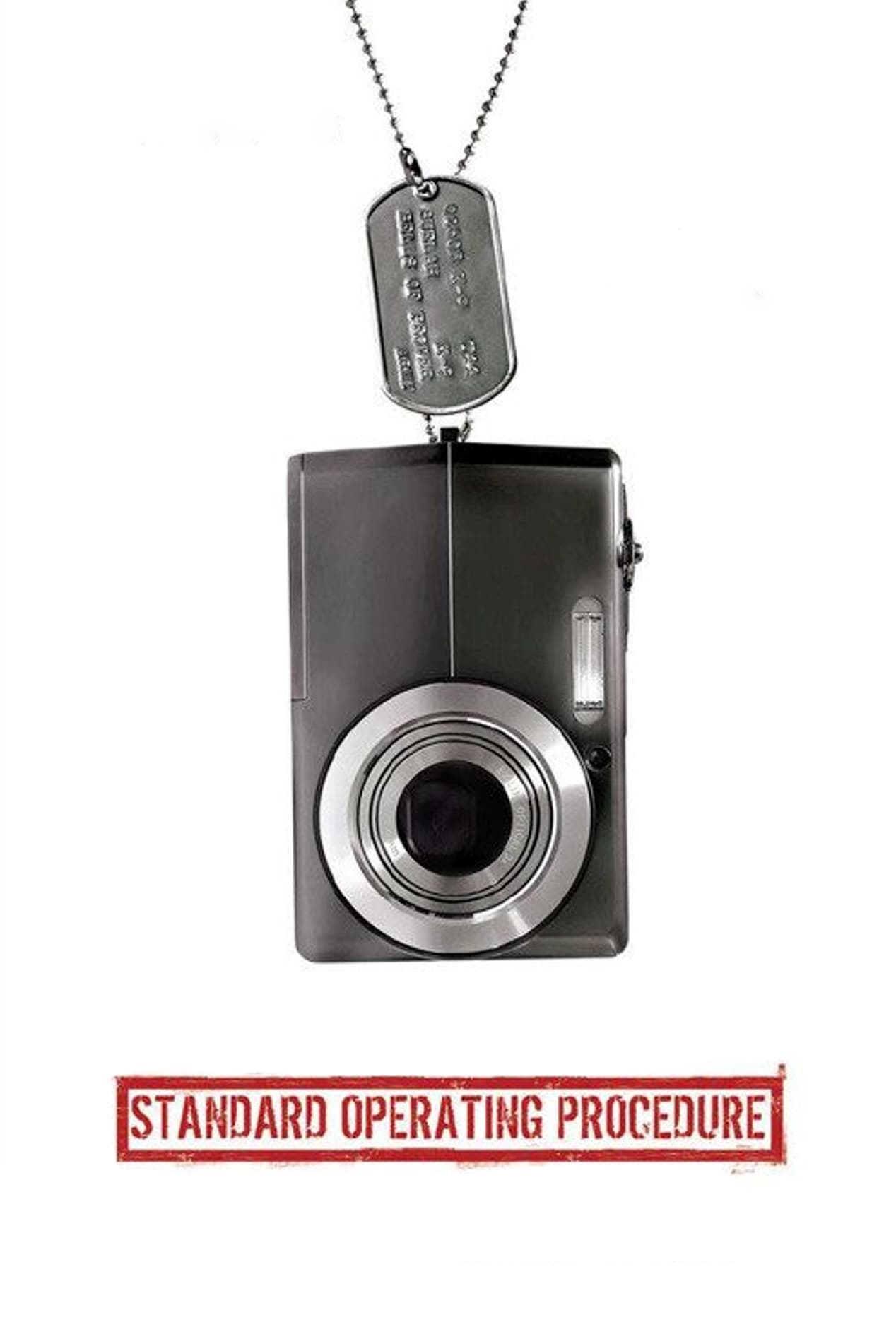
Investigating the infamous Abu Ghraib scandal, Errol Morris interviews American guards and Iraqi prisoners who were at the military jail before images of prisoner torture emerged in 2004. One female guard, who posed alongside fallen Iraqis in notorious images, tells Morris that her crimes were inspired by her love for another soldier, and another explains why she took photographs of her fellow troops. In the process, Morris suggests that the scandal resulted from systemic flaws in the military.