Social & External
The people behind it
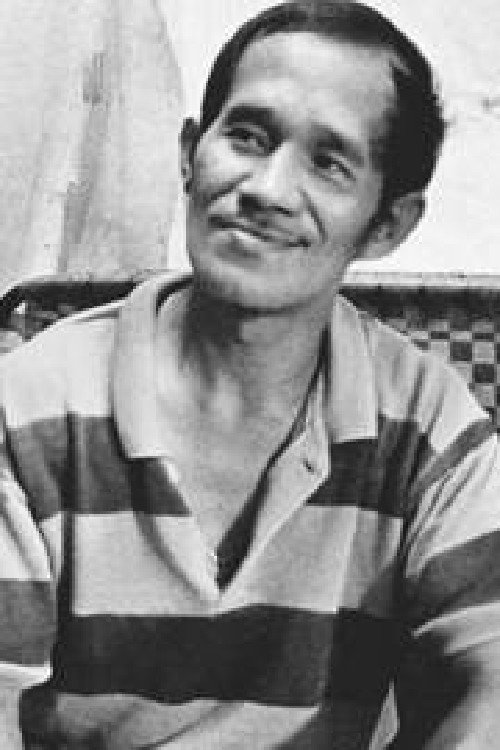
Riles is a documentary about the life of a riles resident, Eddie, in a squatter area along the railroad tracks within the downtrodden section of Balic-balik, Manila.
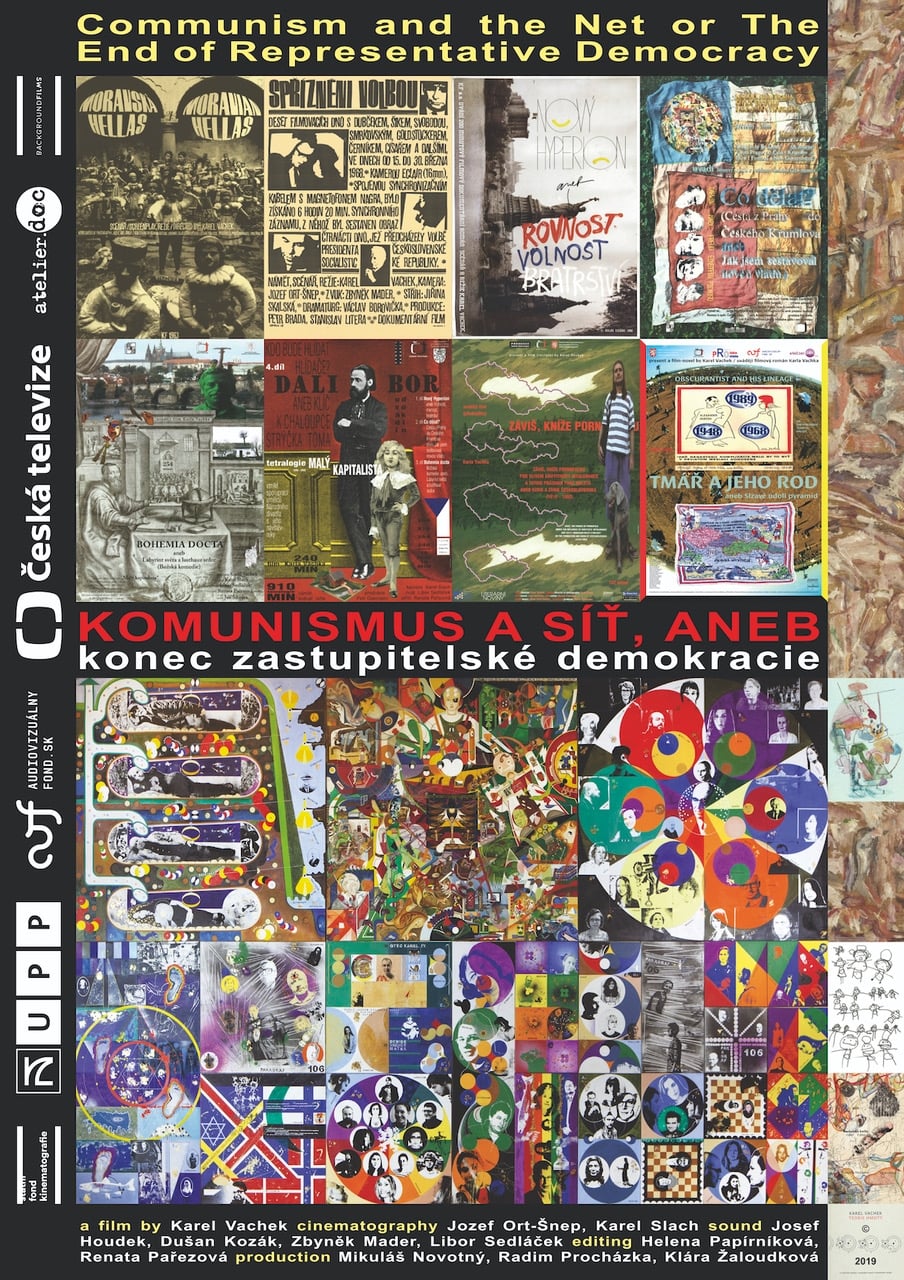
The six-hour essay in four parts examines the history of regimes and revolutions, leaders and martyrs, from a philosophical perspective. The collage of personal memories, staged scenes and archives of collective memory compares the Prague Spring to the Velvet Revolution and shows the exposure, conflict, crisis, and catharsis of the post-communist society. Democracy can be saved through creative laughter, dissolving the untouchability and hypertrophic egos of the representatives of state institutions. The Internet frees the society from representatives of the non-functional connecting link that prevents direct communication between citizens and institutions of power. “I can see you until I spot you. Once I spot you, I cannot see you anymore.” K. Vachek
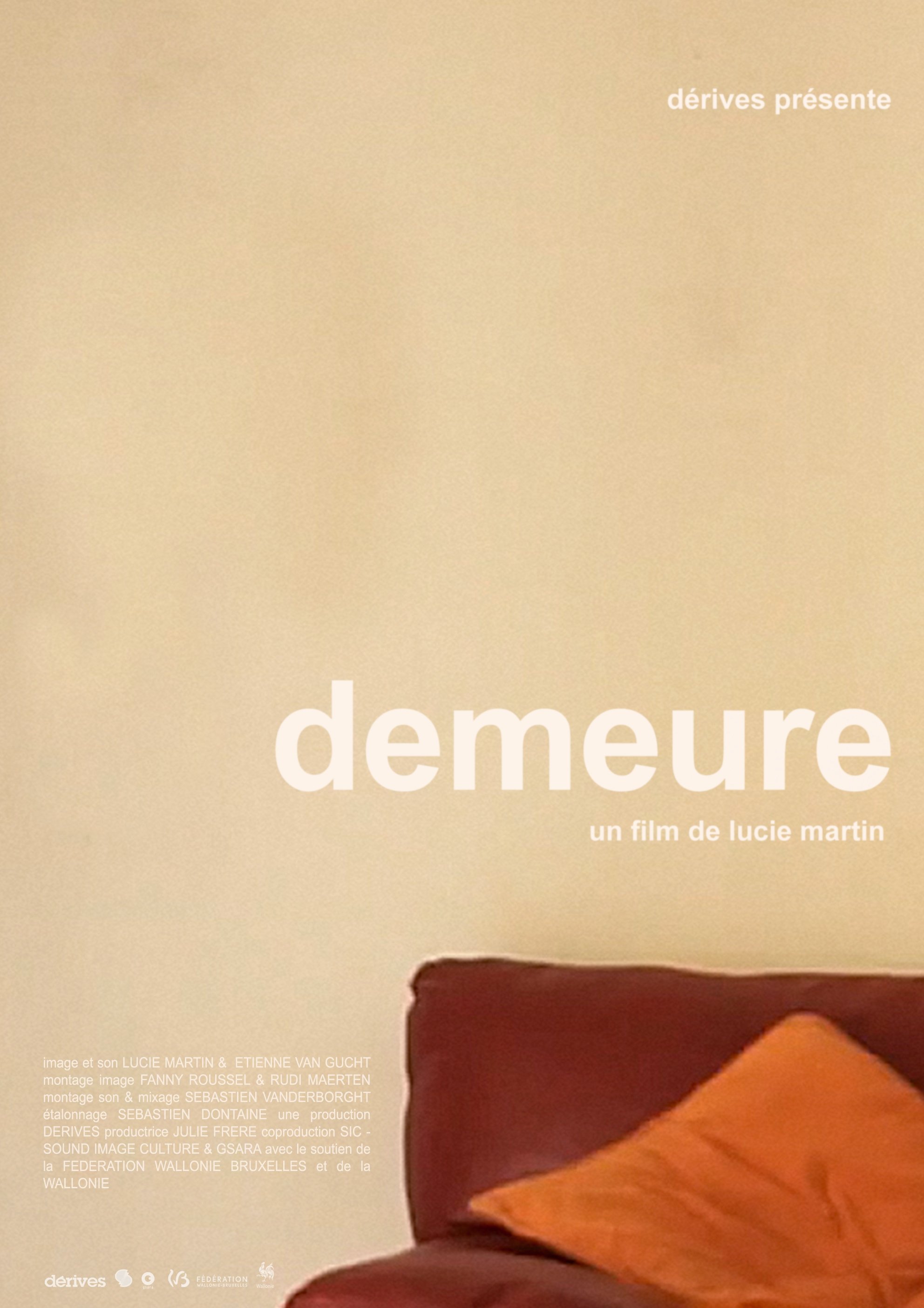
Documentary about what makes a house a home.
Wolves divide and fascinate us. 150 years after they were driven to extinction in Central Europe, they are returning slowly but inexorably. Are they dangerous to humans? Is it possible to coexist? Using Switzerland as a point of departure, where wolves have returned in the very recent past, this documentary sheds light on the wolf situation in Austria, eastern Germany, Poland, Bulgaria, and even Minnesota, where freely roaming packs of wolves are more common sight.
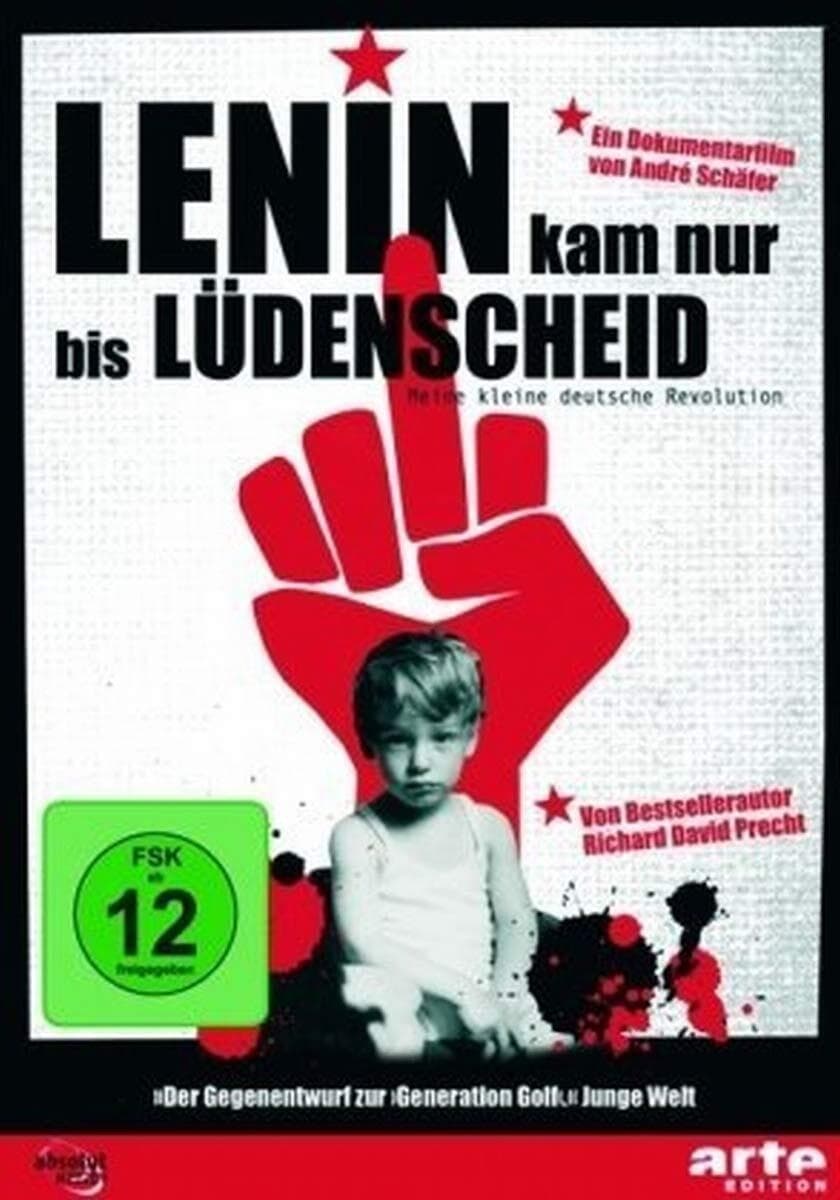
The free, almost naive view from the perspective of a child puts the "68ers" in a new, illuminating light in the anniversary year 2008. The film is a provocative reckoning with the ideological upbringing that seemed so progressive and yet was suffocated by the children's desire to finally grow up. With an ironic eye and a feuilletonistic style, author Richard David Precht and Cologne documentary film director André Schäfer trace a childhood in the West German provinces - and place the major events of those years in completely different, smaller and very private contexts.
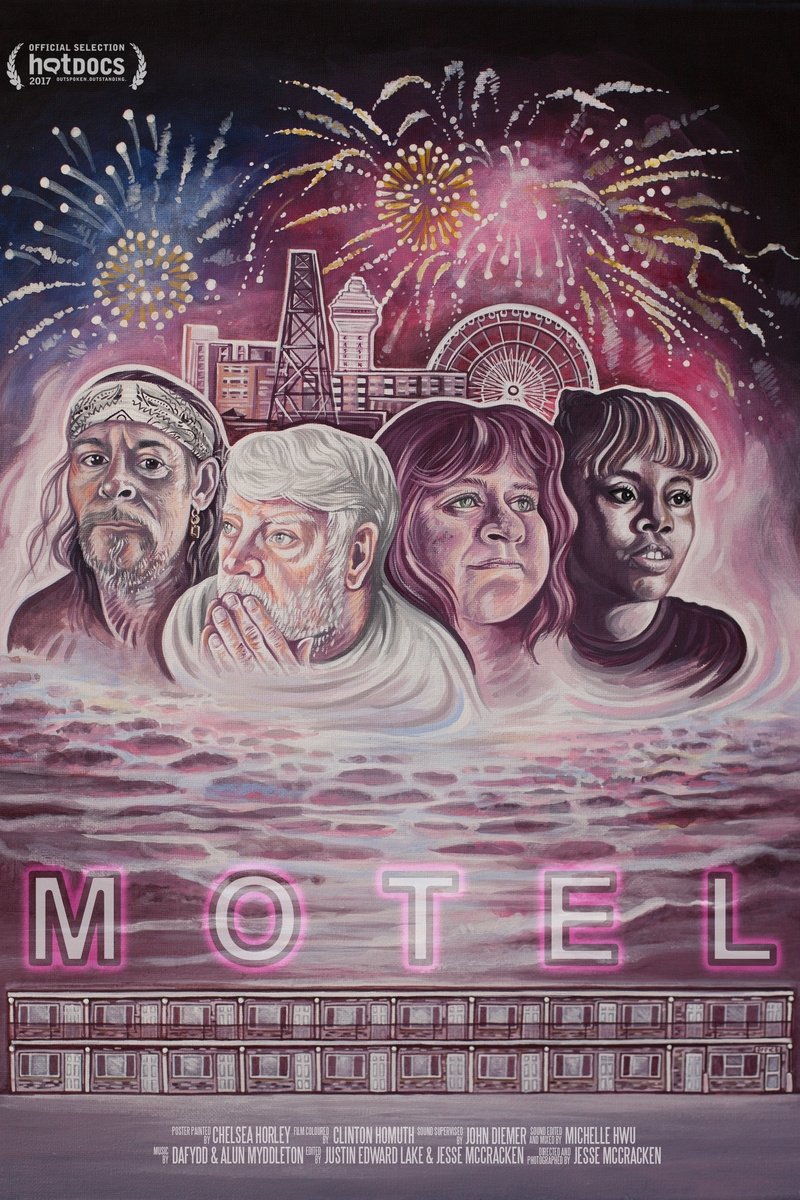
As Niagara Falls transformed from honeymoon capital of the world to Las Vegas North, corporate hotel chains and casinos cast a long shadow over the independent motels that once populated the town. The Continental survived the transition by converting its rooms into affordable housing units, becoming a home for those with few places to go. The night manager, Brian, once a freelance photographer who survived the horrors of war in Vietnam, shares his duties with his colleague Linda. Together they manage both the Continental and the individual struggles of its tenants, providing more than a roof over the heads of those who live under their supervision. Bringing a fresh focus to one of the most photographed places on Earth, director and cinematographer Jesse McCracken develops an intimate and caring portrait of the residents of this modest micro-community set against the backdrop of neon-lit tourist attractions.
Jesus Was a Commie presents modern society with questions and leads the audience on a dialectical journey. The film challenges the viewer to seek their own answers and personal truths.
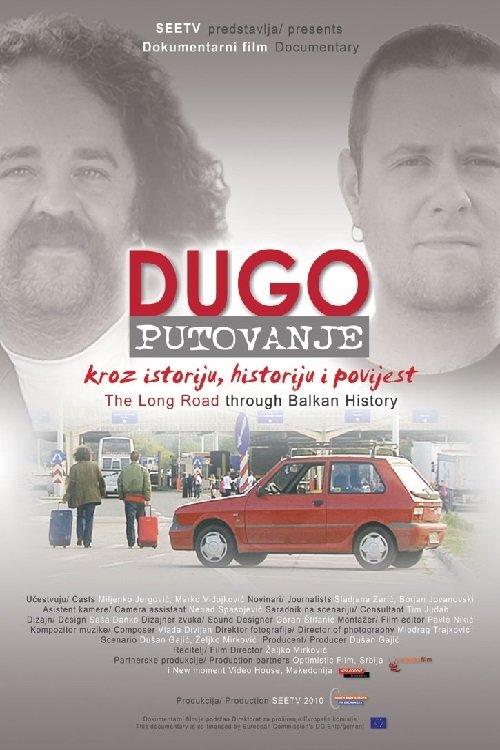
Bosnian Croat writer Miljenko Jergović and Serbian writer Marko Vidojković replace one another by the steering wheel of Yugo, a symbol of their common past while driving on the Brotherhood and Unity Highway that stretched across five of six republics of Yugoslavia.
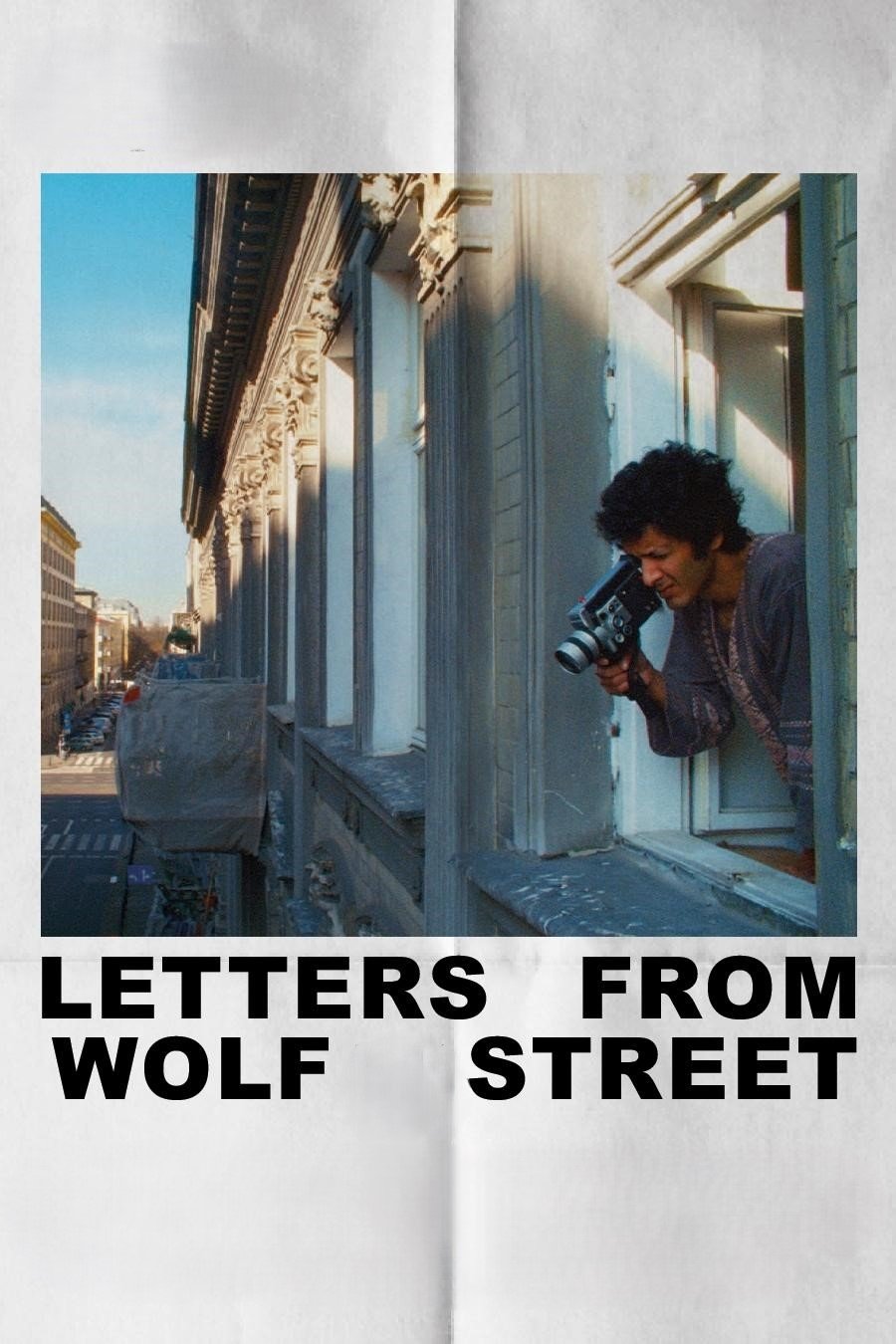
A street in downtown Warsaw transforms into a kaleidoscopic portrait of Polish society. Behind the viewfinder is an Indian immigrant, who seeks to overcome the boundaries between himself and an anxiety-ridden country.
This movie shows Biebrza Valley's wildlife during the four seasons of the year. Spectacular wildlife images, exceptional sounds of nature and specially composed music make this poetic story about the lives of rare European animals come to life. Is Biebrza the European Amazon river?
An exploration —manipulated and staged— of life in Las Hurdes, in the province of Cáceres, in Extremadura, Spain, as it was in 1932. Insalubrity, misery and lack of opportunities provoke the emigration of young people and the solitude of those who remain in the desolation of one of the poorest and least developed Spanish regions at that time.
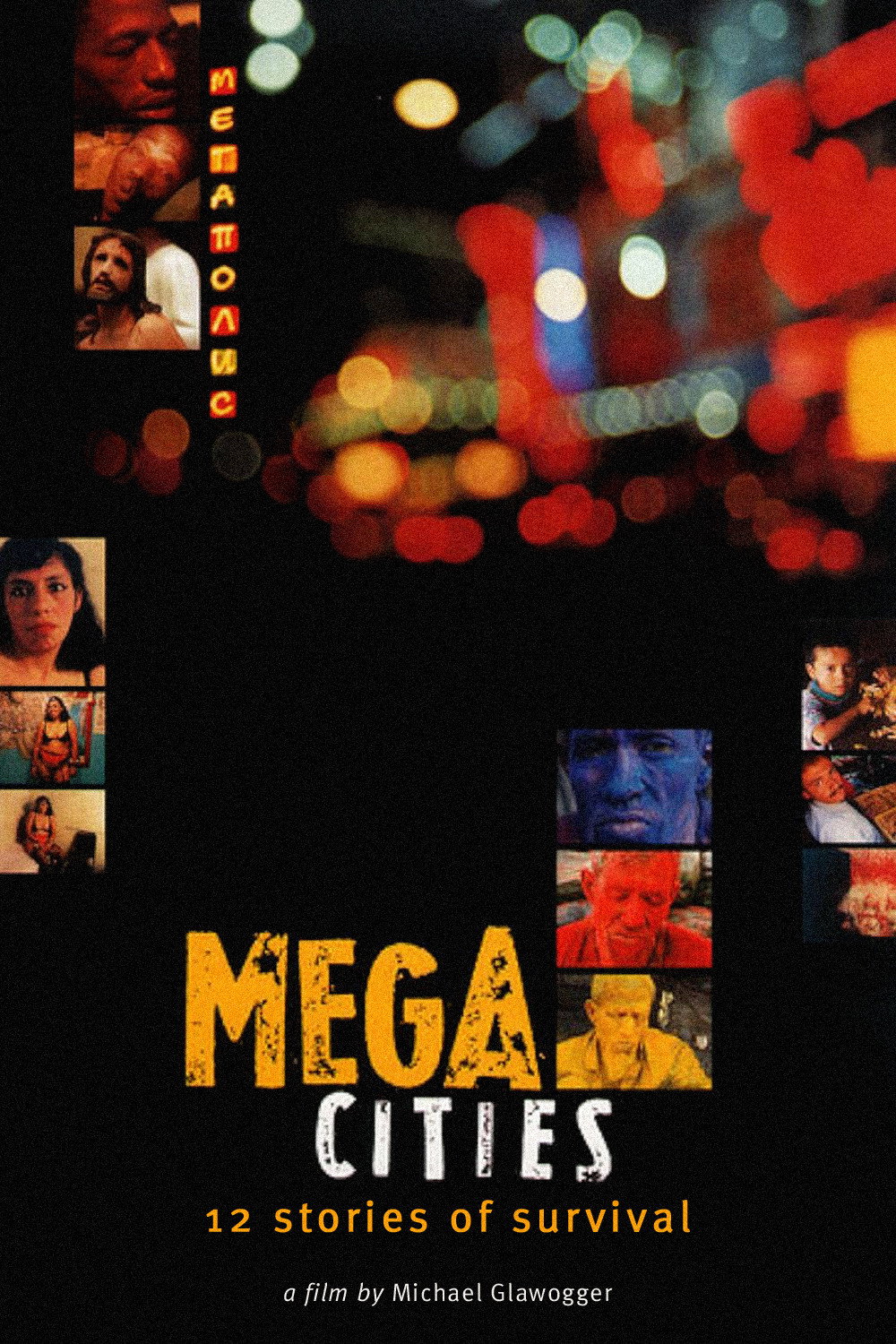
Megacities is a documentary about the slums of four different metropolitan cities.
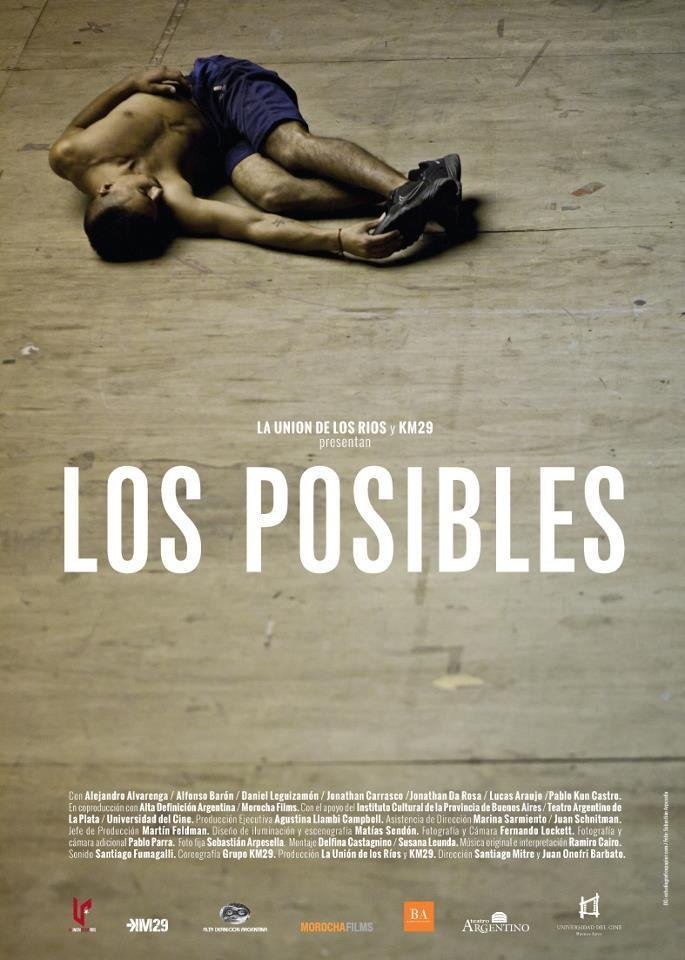
Santiago Mitre co-directs his first movement following The Student together with choreographer Onofri Barbato. Although it would have been more accurate to say “his first film-story-adventure-movie-great movie following The Student”, the word movement fits perfectly in Los posibles, the most overwhelmingly kinetic work Argentine cinema has delivered in many, many years. The film deals with the adaptation of a dance show directed by Onofri together with a group of teenagers who came to Casa La Salle, a center of social integration located in González Catán, trying to find some refuge from hardship. Already entitled Los posibles, the piece opened in the La Plata Tacec and was later staged in the AB Hall of the San Martín Cultural Center. Now, it dazzles audiences out of a film screen, with extraordinary muscles and a huge heart: Los posibles is a rhapsody of roughen bodies and torn emotions. Precise and exciting, it’s our own delayed, necessary, and incandescent West Side Story.
After the waning of the protests in Sanrizuka, Ogawa Pro started questioning the future of the collective and looking for other subjects to film. Following the method developed in the previous films, the filmmakers moved to the slum of Kotobuchi in the port city of Yokohama, where more than 6000 people were struggling to get by without any means of survival, exposed to industrial accidents and diseases. The result is one of the most moving films produced by the collective, a series of beautifully filmed portraits, voicing the silenced stories and songs of a group of people living in this community. Credit: ICA London
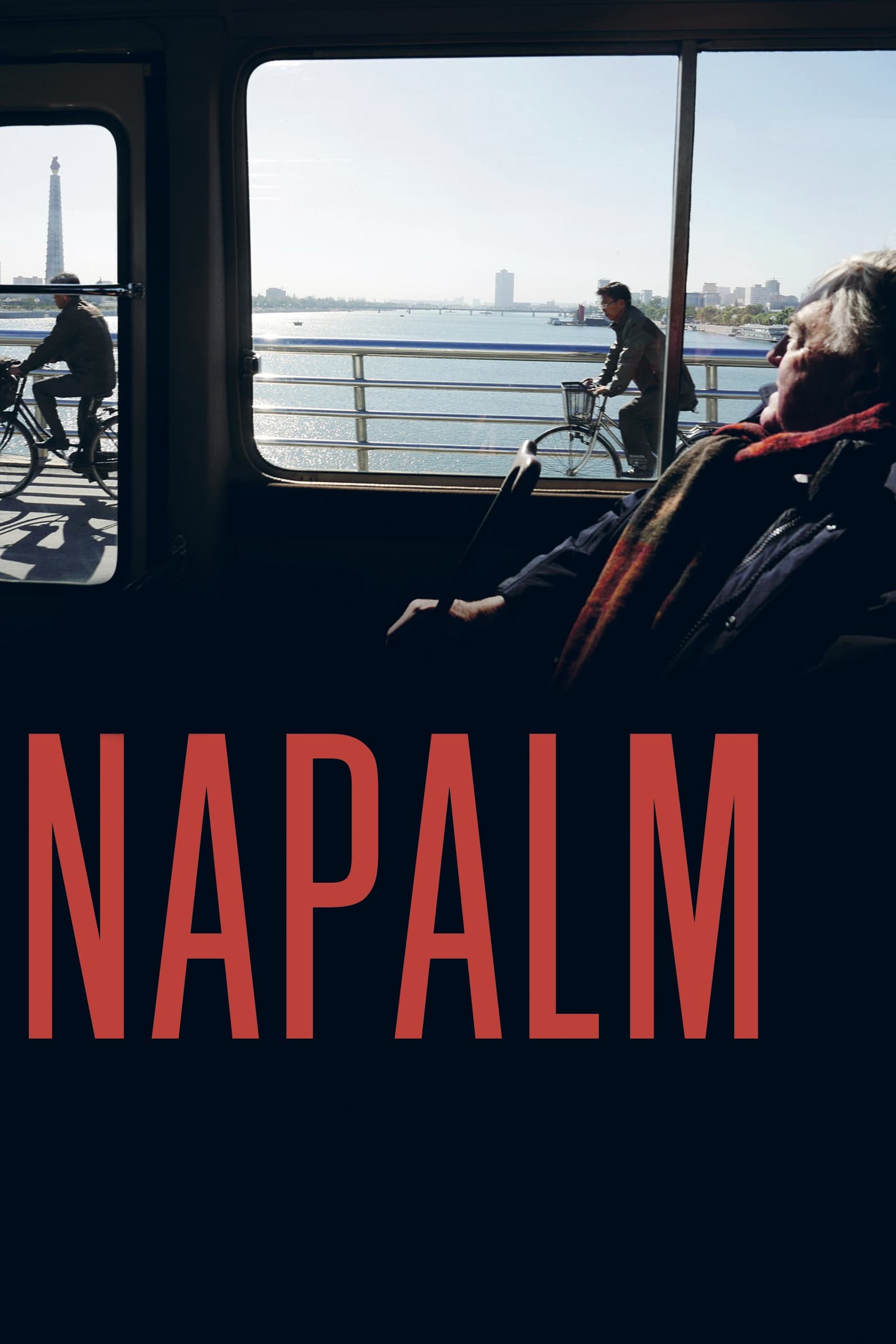
Napalm is the story of the breathtaking and brief encounter, in 1958, between a French member of the first Western European delegation officially invited to North Korea after the devastating Korean war and a nurse working for the Korean Red Cross hospital, in Pyongyang, capital of the Democratic People’s Republic of Korea.
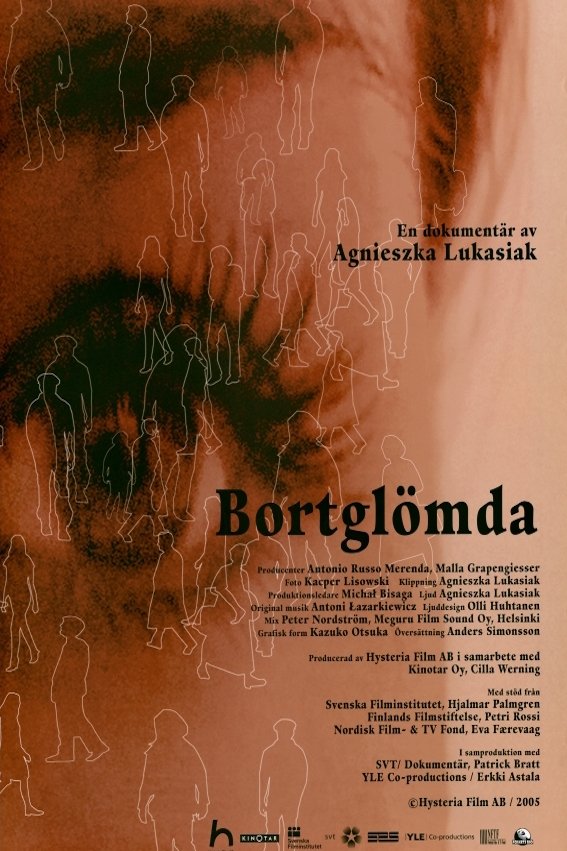
Four lucid grandmothers tell their story forgotten by history: the militancy and resistance of the young women of the leftist youth against the dictatorship of Marcos Pérez Jiménez.
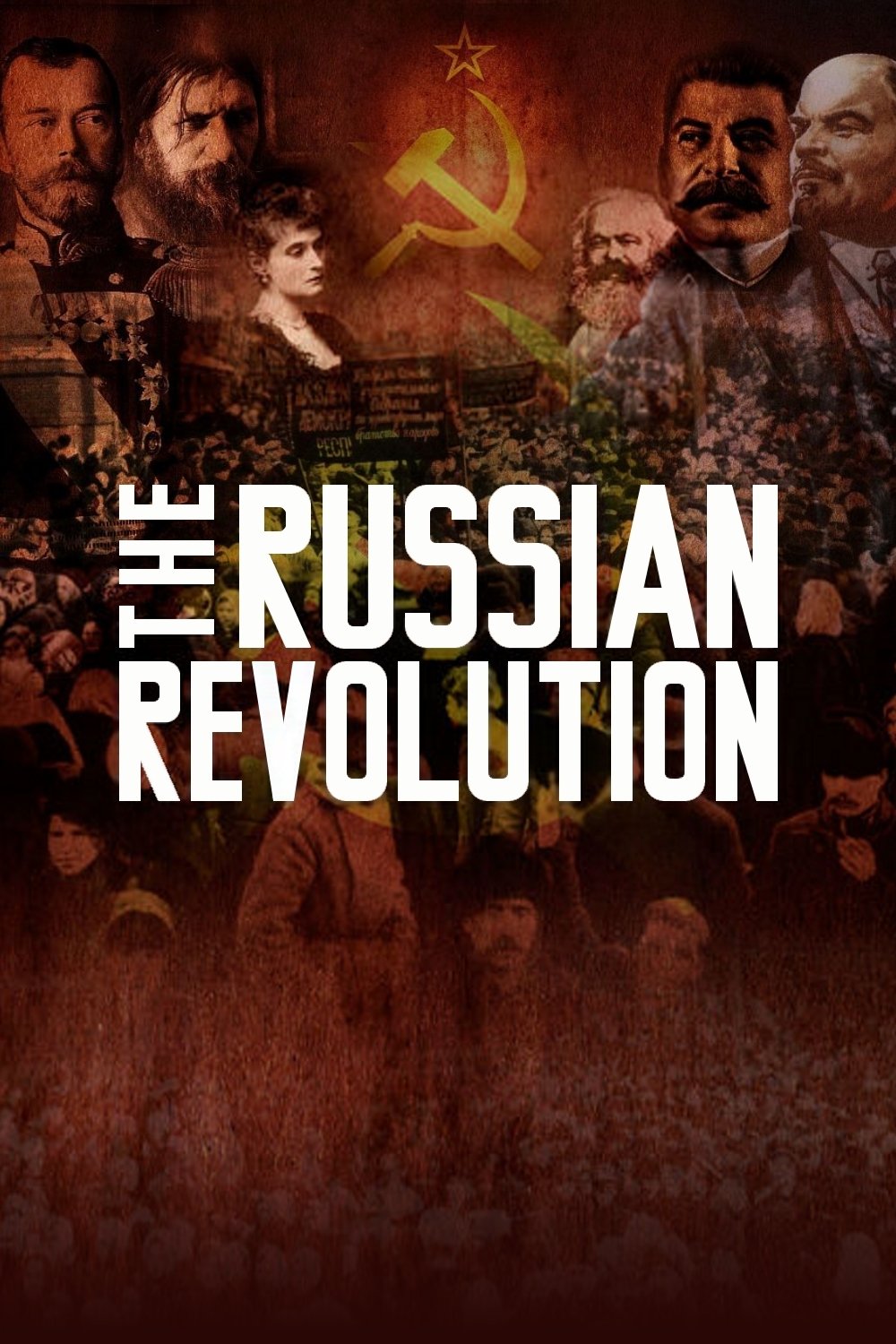
Starting in 1881 this film shows the personal battle between Lenin's Ulyanov family and the royal Romanovs that eventually led to the Russian revolution.
An innovative and charismatic influencer is suddenly exiled from her community of creative partners and colleagues when she states an opinion that she did not know was “unacceptable” in their eyes.
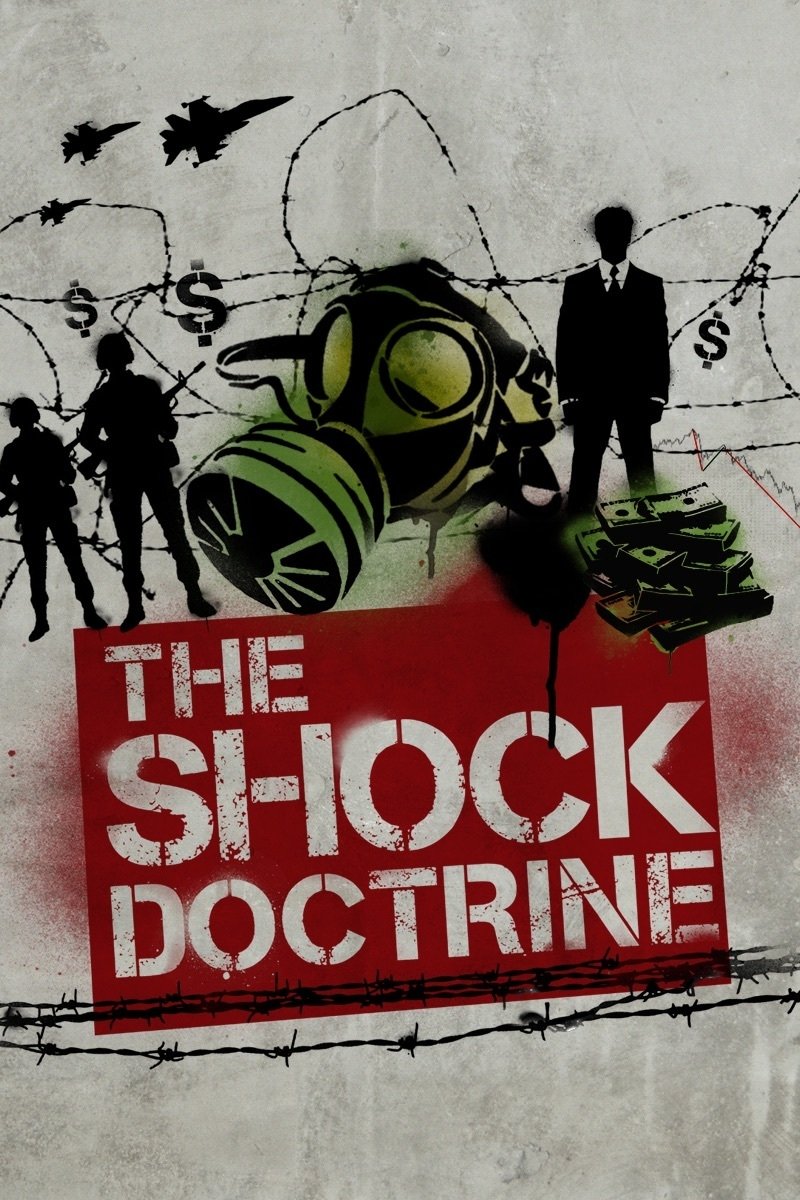
An investigation of "disaster capitalism", based on Naomi Klein's proposition that neo-liberal capitalism feeds on natural disasters, war and terror to establish its dominance.
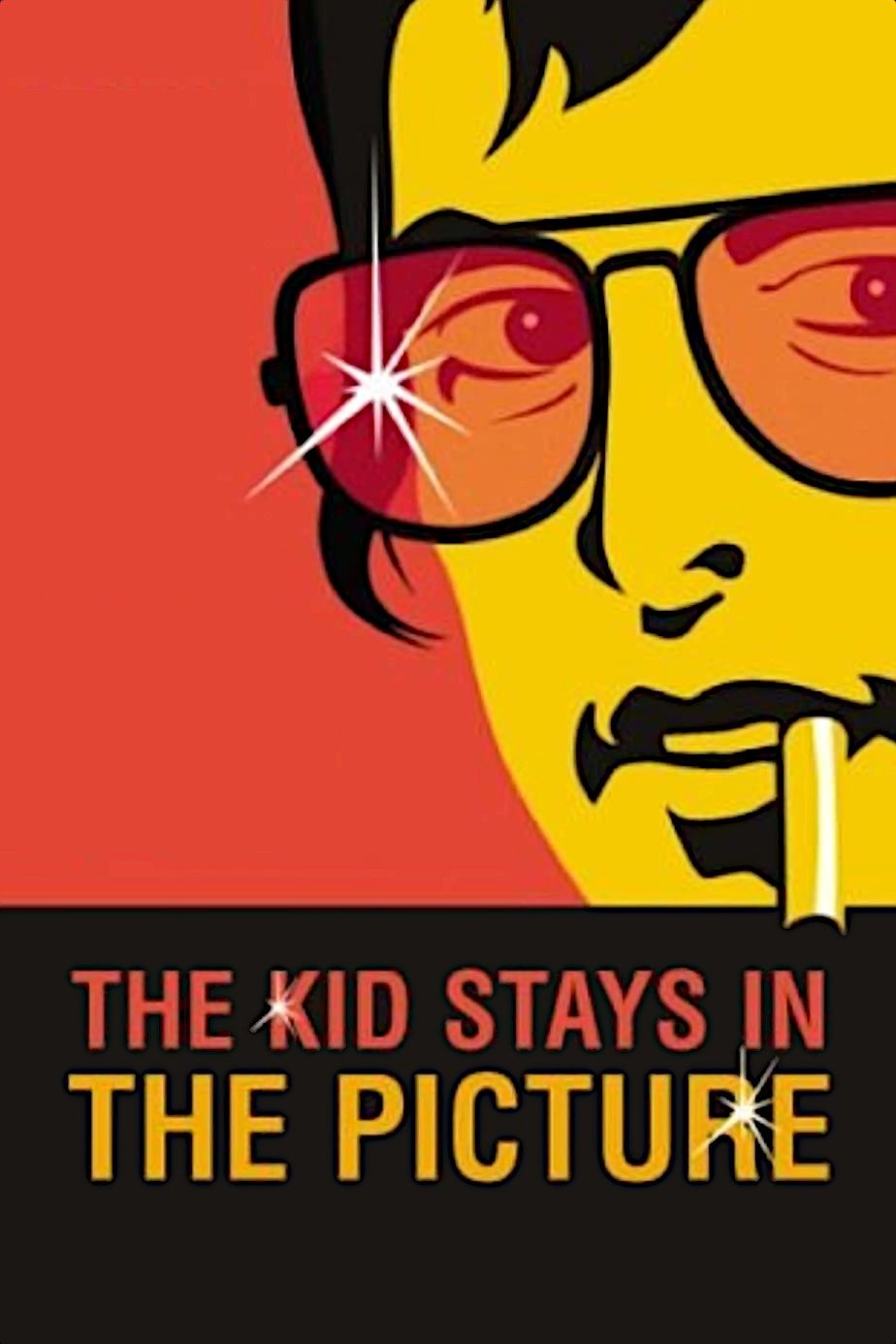
Documentary about legendary Paramount producer Robert Evans, based on his famous 1994 autobiography.
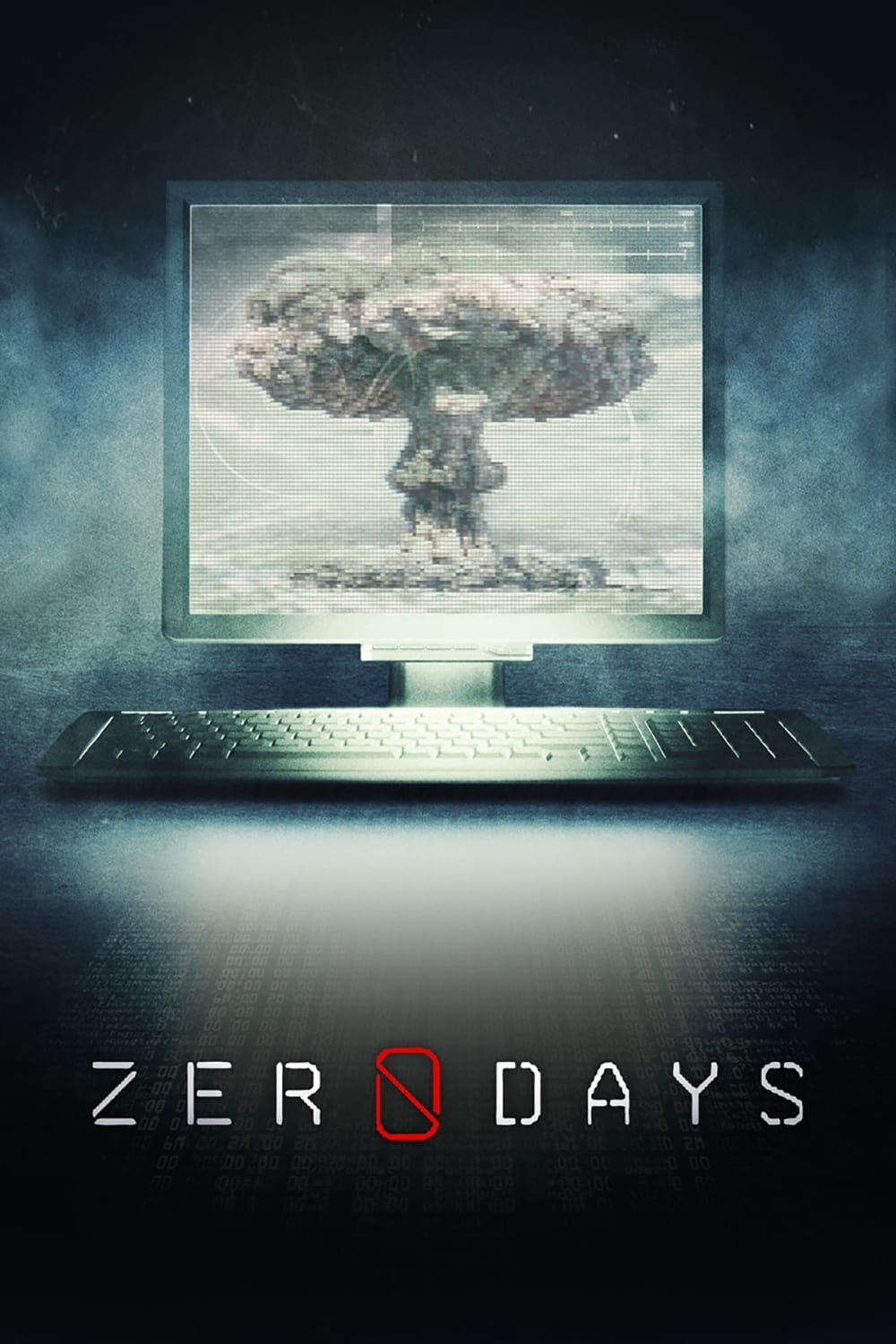
Alex Gibney explores the phenomenon of Stuxnet, a self-replicating computer virus discovered in 2010 by international IT experts. Evidently commissioned by the US and Israeli governments, this malware was designed to specifically sabotage Iran’s nuclear programme. However, the complex computer worm ended up not only infecting its intended target but also spreading uncontrollably.
When Allied forces liberated the Nazi concentration camps in 1944-45, their terrible discoveries were recorded by army and newsreel cameramen, revealing for the first time the full horror of what had happened. Making use of British, Soviet and American footage, the Ministry of Information’s Sidney Bernstein (later founder of Granada Television) aimed to create a documentary that would provide lasting, undeniable evidence of the Nazis’ unspeakable crimes. He commissioned a wealth of British talent, including editor Stewart McAllister, writer and future cabinet minister Richard Crossman – and, as treatment advisor, his friend Alfred Hitchcock. Yet, despite initial support from the British and US Governments, the film was shelved, and only now, 70 years on, has it been restored and completed by Imperial War Museums under its original title "German Concentration Camps Factual Survey".
A subjective documentary that explores various theories about hidden meanings in Stanley Kubrick's classic film The Shining. Five very different points of view are illuminated through voice over, film clips, animation and dramatic reenactments.
An exploration of the heavy metal scene in Los Angeles, with particular emphasis on glam metal. It features concert footage and interviews of legendary heavy metal and hard rock bands and artists such as Aerosmith, Alice Cooper, Kiss, Megadeth, Motörhead, Ozzy Osbourne and W.A.S.P..
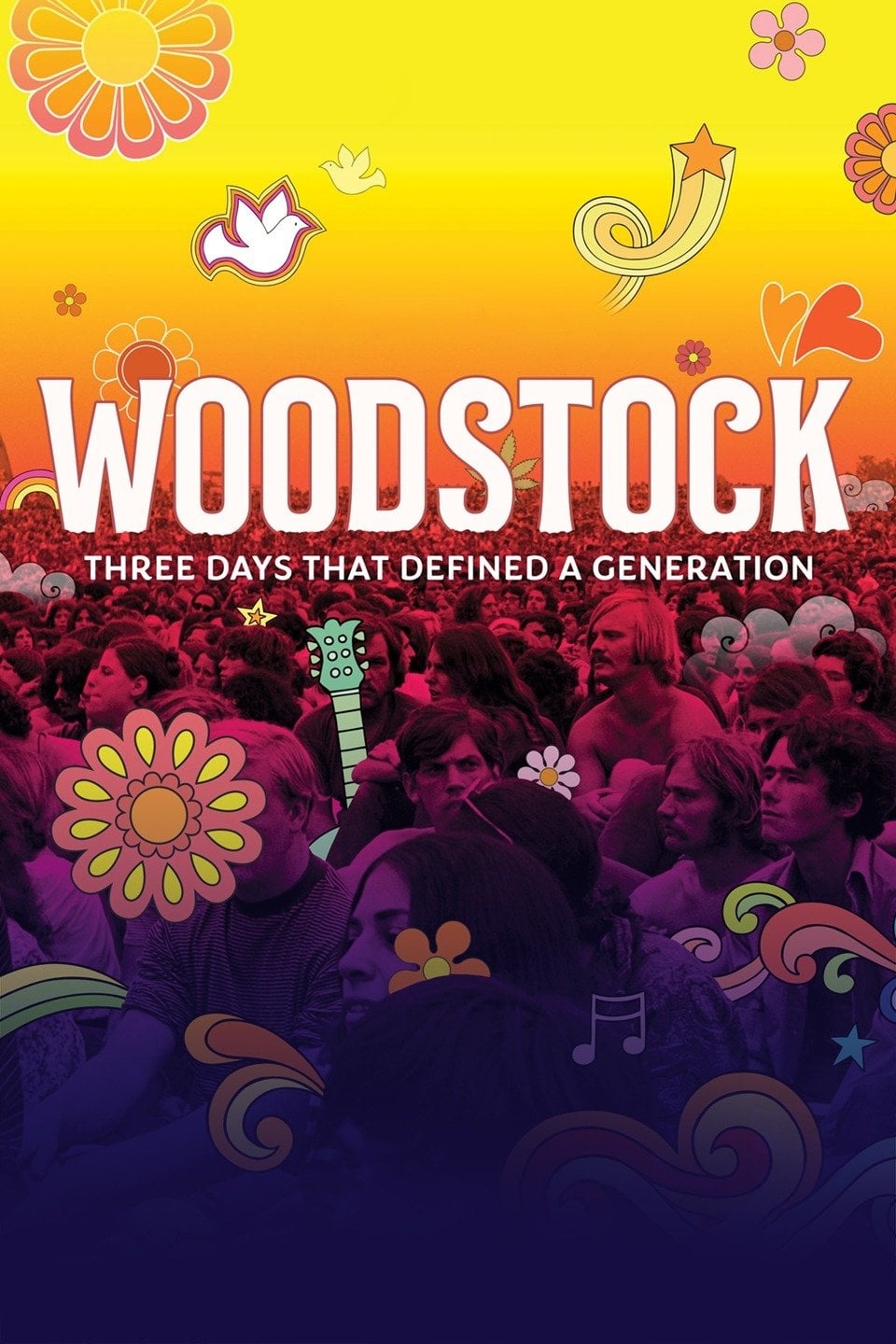
50 years after the legendary fest, Barak Goodman’s electric retelling of Woodstock, from the point of view of those who were on the ground, evokes the freedom, passion, community, and joy the three-day music festival created.
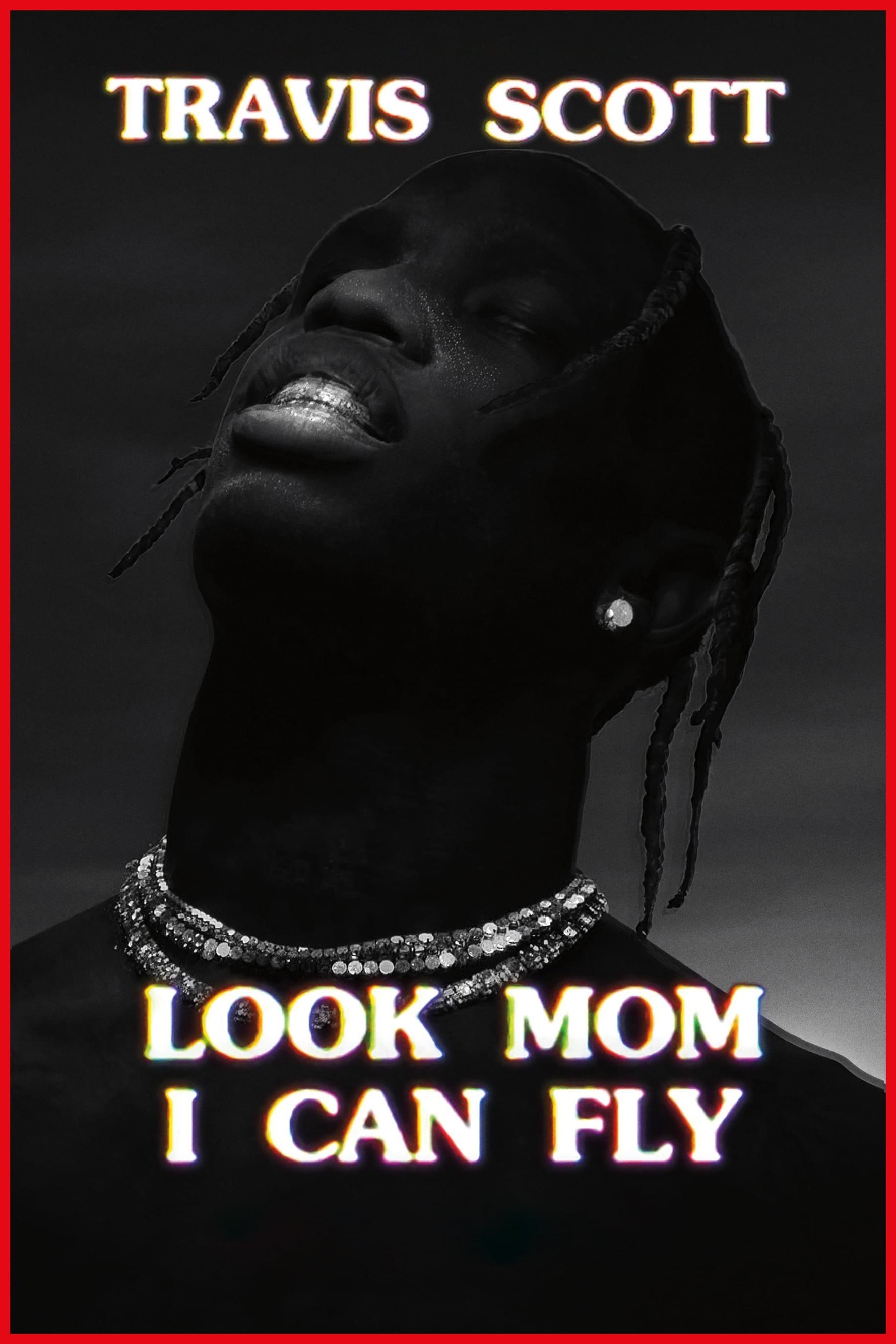
While crafting his Grammy-nominated album "Astroworld," Travis Scott juggles controversy, fatherhood and career highs in this intimate documentary.
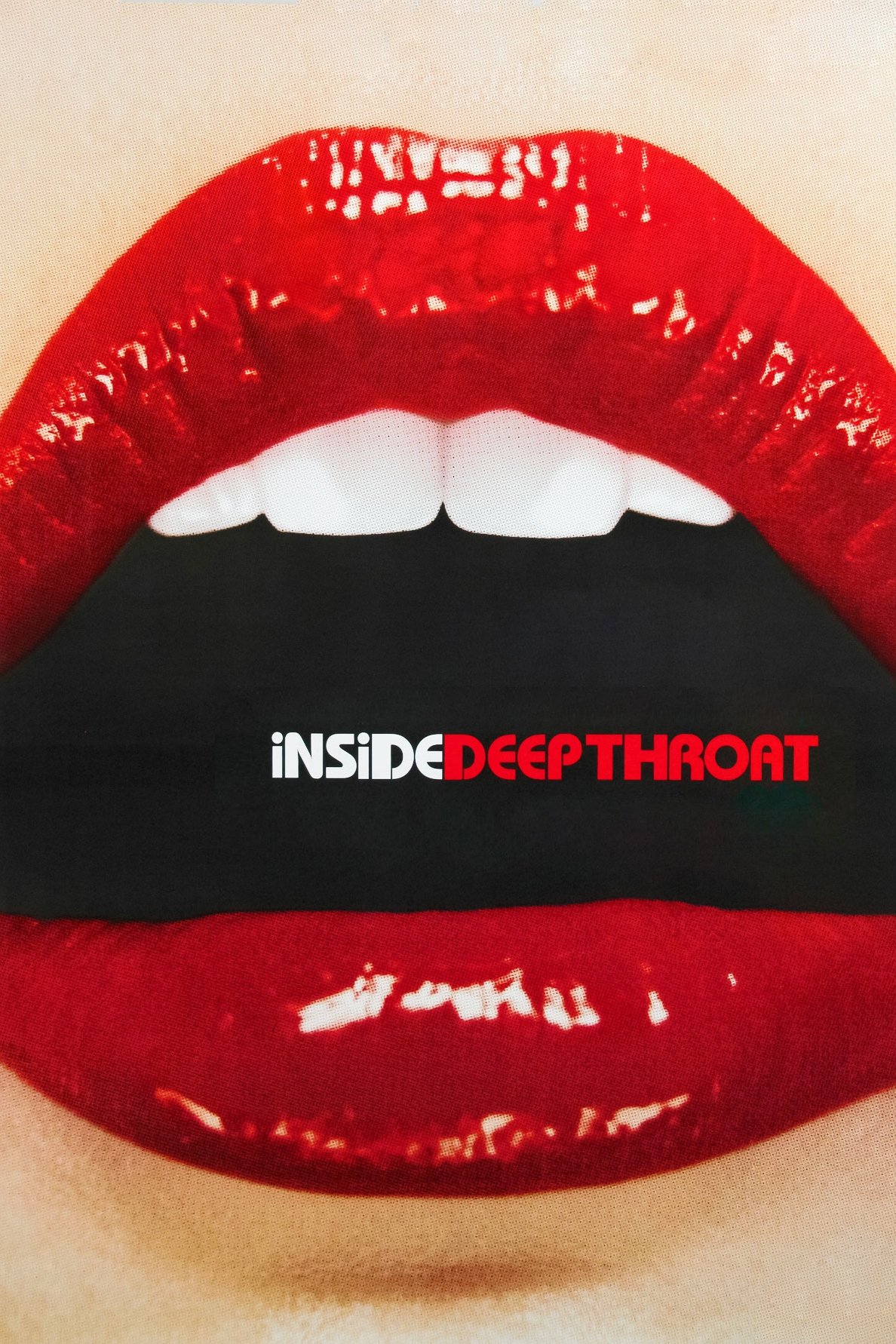
In 1972, a seemingly typical shoestring budget pornographic film was made in a Florida hotel: "Deep Throat," starring Linda Lovelace. This film would surpass the wildest expectation of everyone involved to become one of the most successful independent films of all time. It caught the public imagination which met the spirit of the times, even as the self-appointed guardians of public morality struggled to suppress it, and created, for a brief moment, a possible future where sexuality in film had a bold artistic potential. This film covers the story of the making of this controversial film, its stunning success, its hysterical opposition along with its dark side of mob influence and allegations of the on set mistreatment of the film's star.
A love letter from a young mother to her daughter, the film tells the story of Waad al-Kateab’s life through five years of the uprising in Aleppo, Syria as she falls in love, gets married and gives birth to Sama, all while cataclysmic conflict rises around her. Her camera captures incredible stories of loss, laughter and survival as Waad wrestles with an impossible choice– whether or not to flee the city to protect her daughter’s life, when leaving means abandoning the struggle for freedom for which she has already sacrificed so much.
Ten of Muhammad Ali's former rivals pay tribute to the three-time world heavyweight champion.
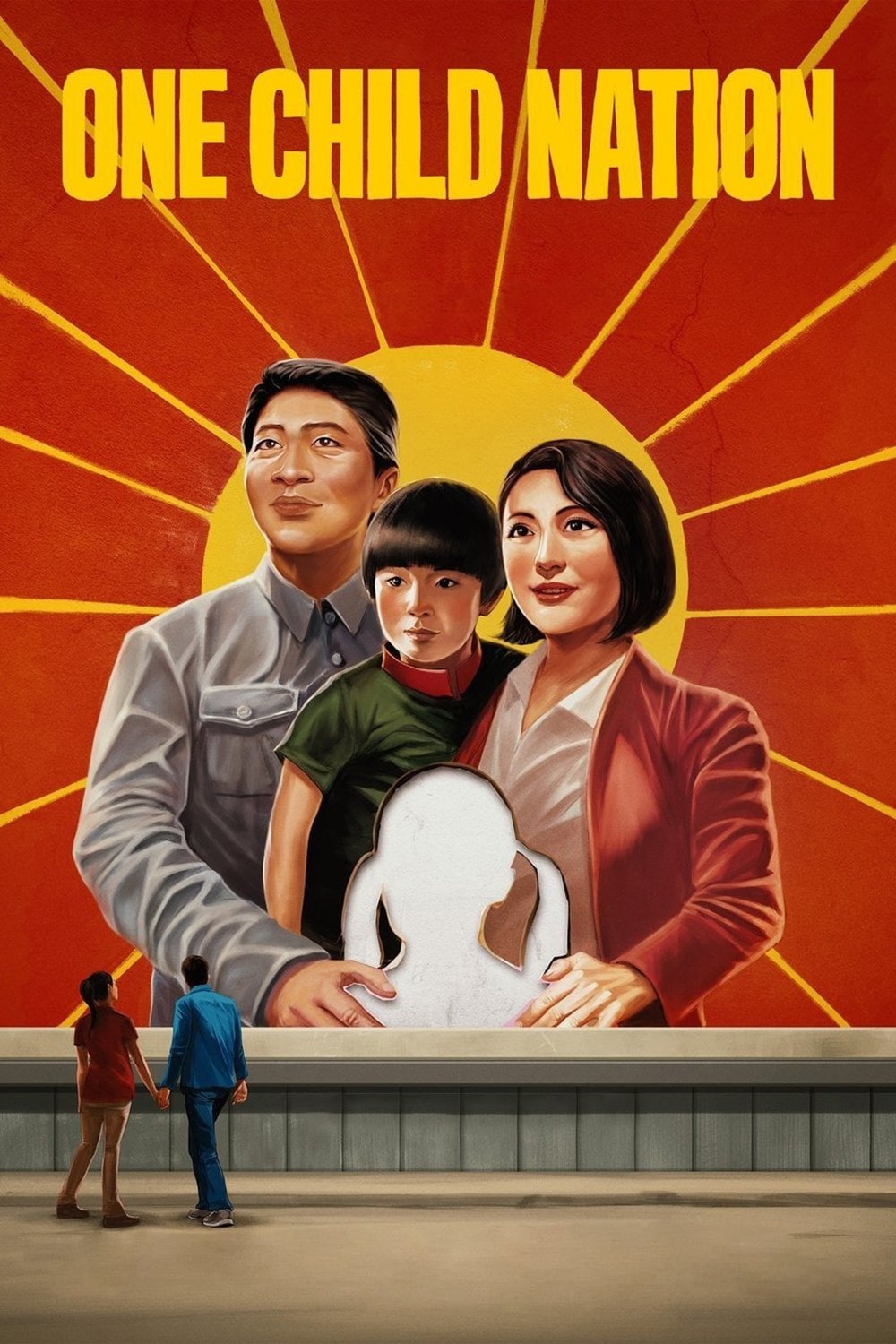
Through interviews with both victims and instigators, Nanfu Wang, a first-time mother, breaks open decades of silence on a vast, unprecedented social experiment that shaped — and destroyed — countless lives in China.
This searing investigative work shadows a group of activists risking unimaginable peril to confront the ongoing anti-LGBTQ program raging in the repressive and closed Russian republic. Unfettered access and a remarkable approach to protecting anonymity exposes this under-reported atrocity–and an extraordinary group of people confronting evil.
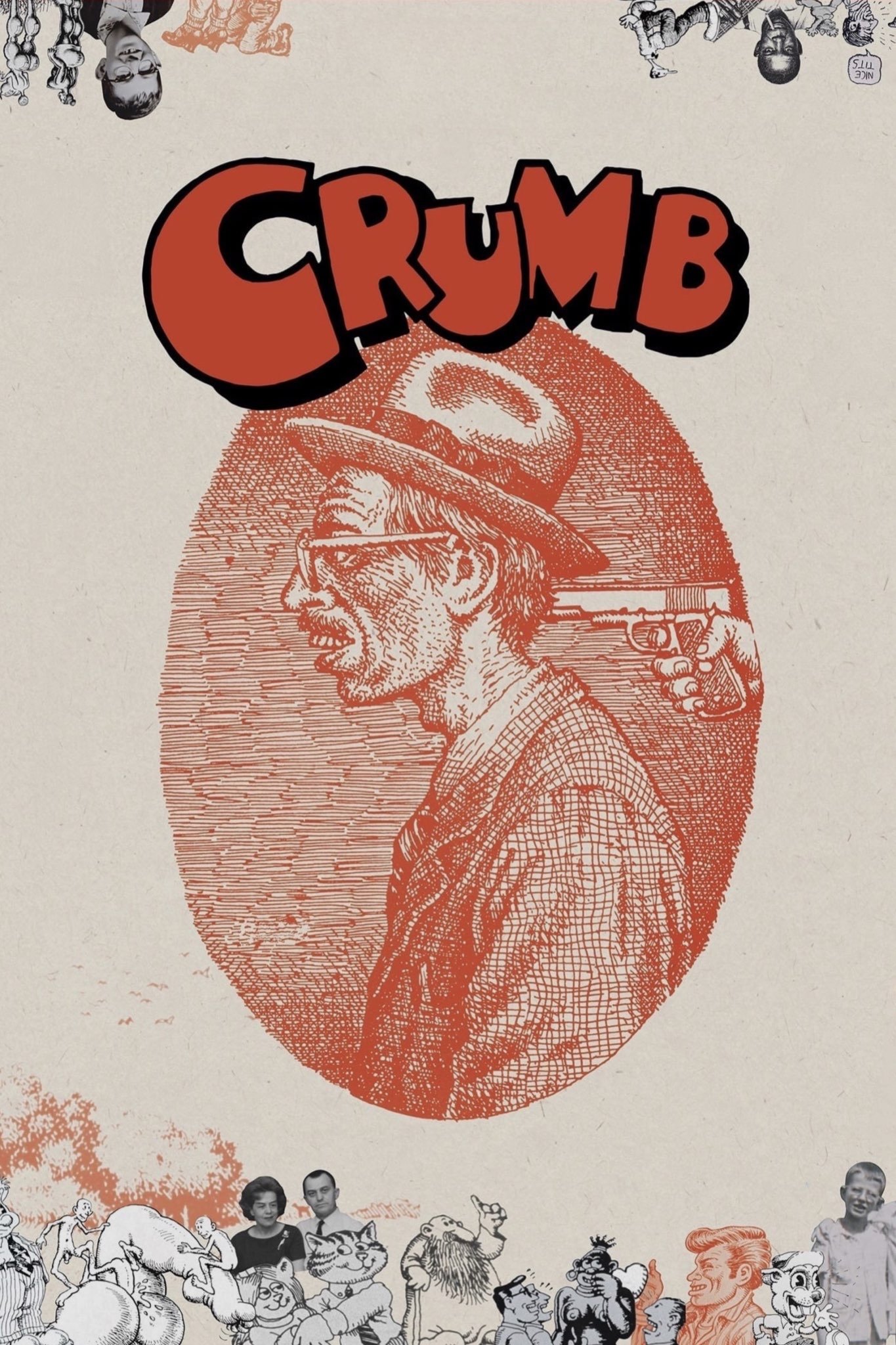
This movie chronicles the life and times of R. Crumb. Robert Crumb is the cartoonist/artist who drew Keep On Truckin', Fritz the Cat, and played a major pioneering role in the genesis of underground comix. Through interviews with his mother, two brothers, wife, ex-wife and ex-girlfriends, as well as selections from his vast quantity of graphic art, we are treated to a darkly comic ride through one man's subconscious mind.
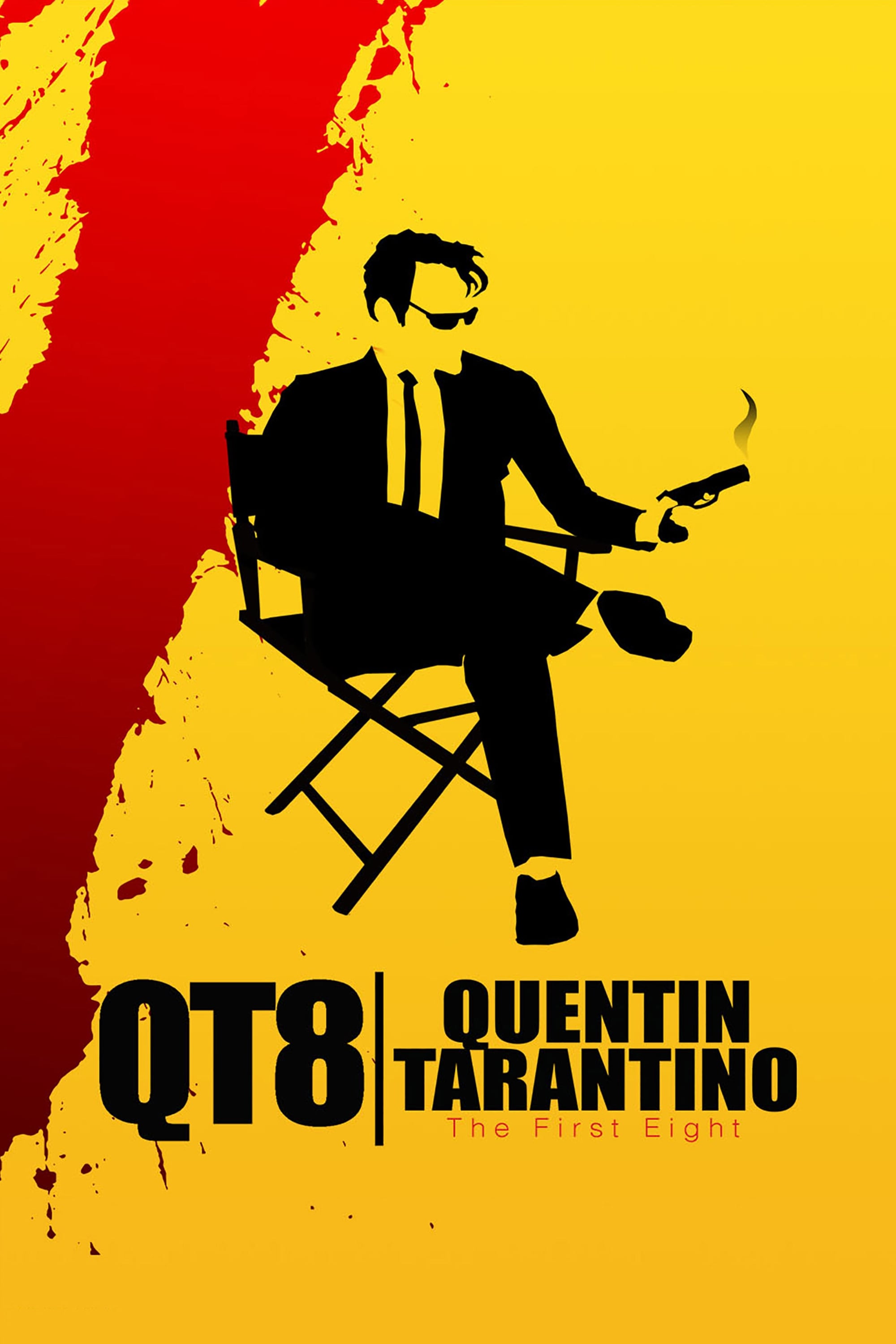
A detailed account of the life and artistic career of legendary filmmaker Quentin Tarantino, from his early days as a video club manager to the scandalous fall in disgrace of producer Harvey Weinstein. A story about how to shoot eight great movies and become an icon of modern pop culture.
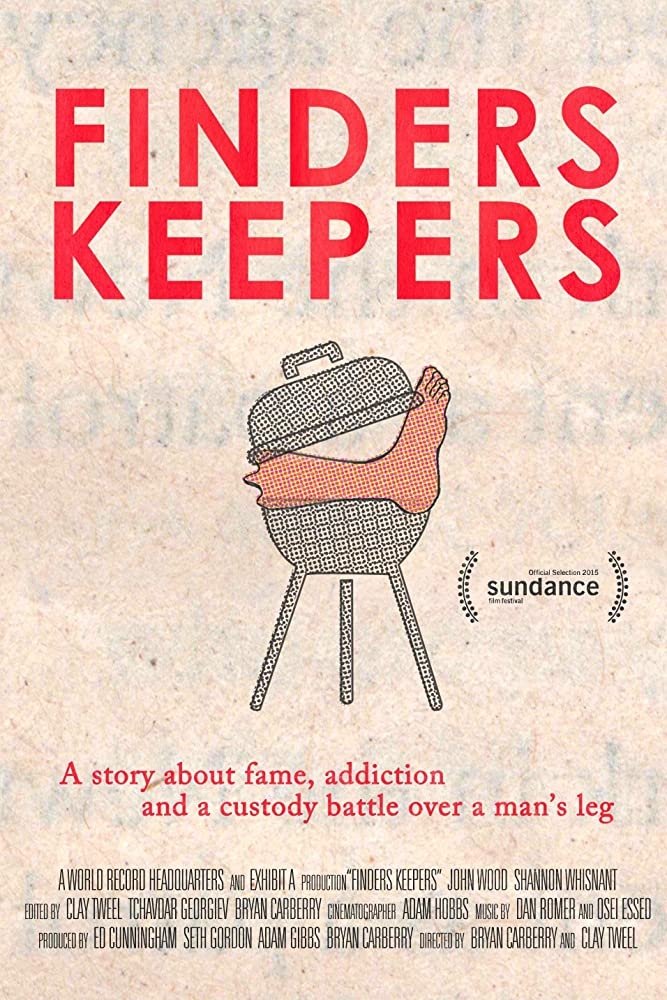
In this documentary, recovering addict and amputee John Wood finds himself in a stranger-than-fiction battle to reclaim his mummified leg from Southern entrepreneur Shannon Whisnant, who found it in a grill he bought at an auction and believes it therefore to be his rightful property.
An intimate, behind-the-scenes look at how an anonymous chef became a world-renowned cultural icon. This unflinching look at Anthony Bourdain reverberates with his presence, in his own voice and in the way he indelibly impacted the world around him.
A portrait of the man behind the greatest fraud in sporting history. Lance Armstrong enriched himself by cheating his fans, his sport and the truth. But the former friends whose lives and careers he destroyed would finally bring him down.
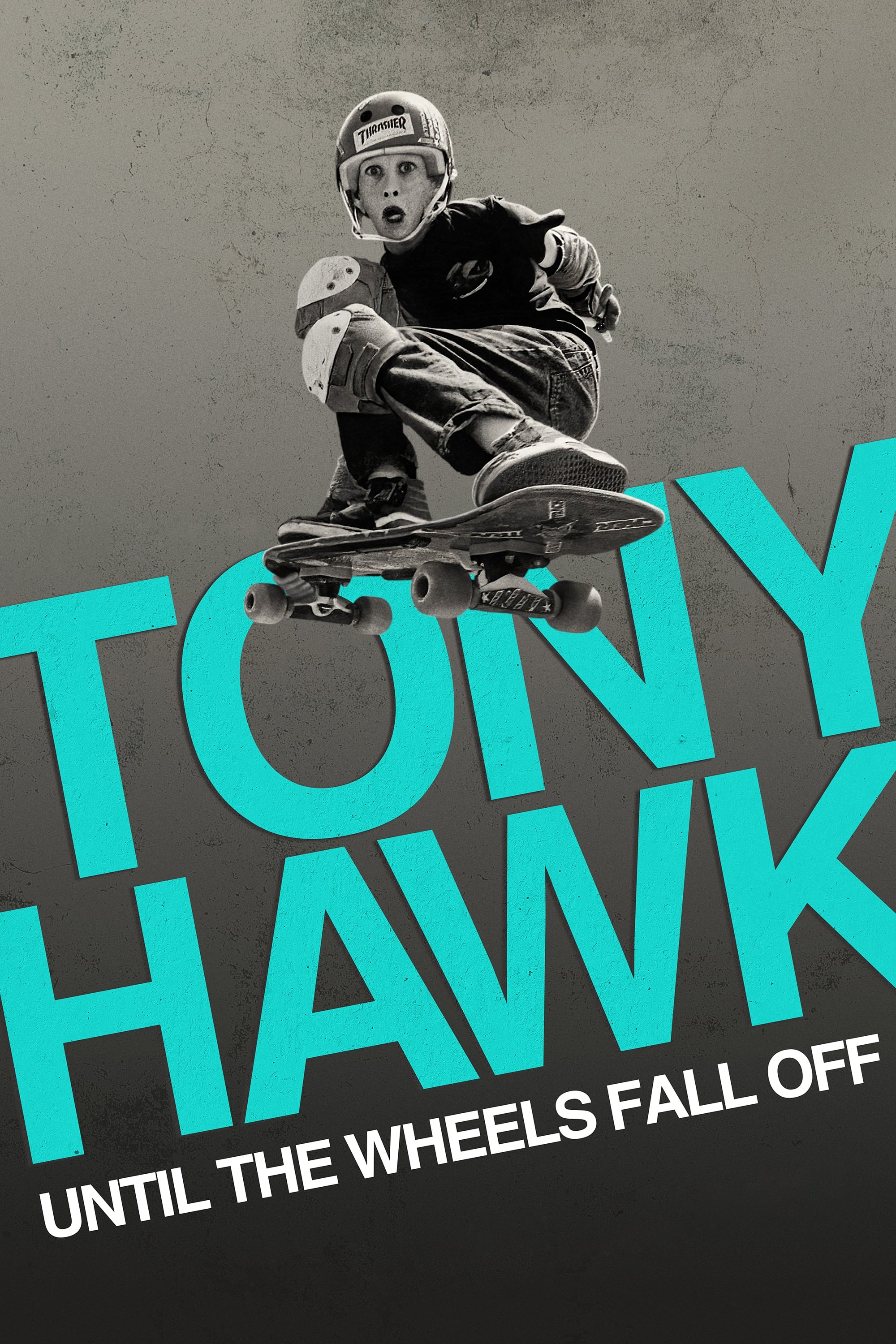
A wide-ranging, definitive look at Hawk’s life and iconic career, and his relationship with the sport with which he’s been synonymous for decades, featuring unprecedented access, never-before-seen footage, and interviews with Hawk and prominent figures in the sport including Stacy Peralta, Rodney Mullen, Mike McGill, Lance Mountain, Steve Caballero, Neil Blender, Andy MacDonald, Duane Peters, Sean Mortimer, and Christian Hosoi.
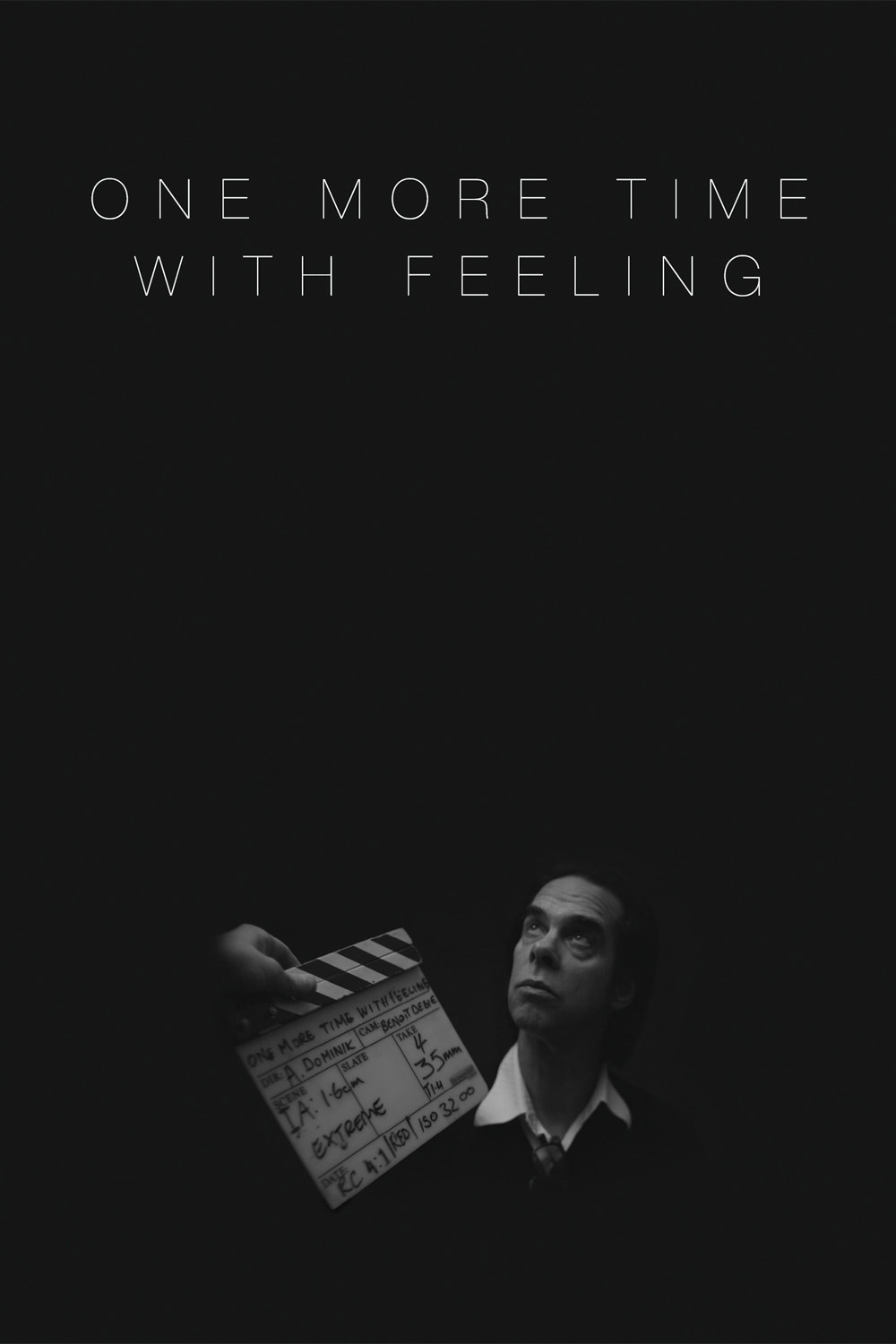
Andrew Dominik's One More Time With Feeling is a remarkable black and white documentary which chronicles the creation of Nick Cave & The Bad Seeds' album Skeleton Tree. Originally a performance based concept, the film evolved into something much more significant as Dominik delved into the tragic backdrop of the writing and recording of the album. The result is stark, fragile and raw, and a true testament to an artist trying to find his way through the darkness. It documents the writing, recording and performing of Nick Cave & the Bad Seeds’ sixteenth studio album, Skeleton Tree.