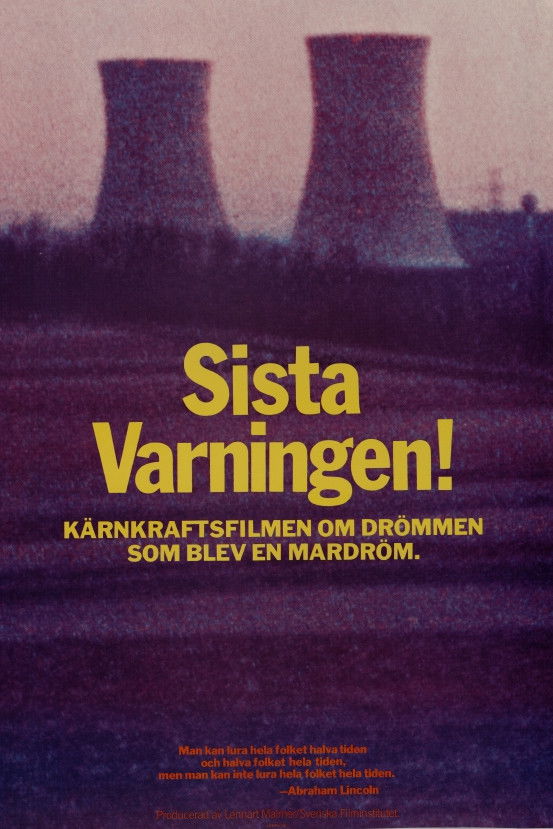
About the question of whether we should proceed in developing and using nuclear power and the breakdown at Three Mile Island, Harrisburg, Pennsylvania, in March 28, 1979.
Social & External
The people behind it
Hans Alfredson
Writer/ comedian
Gösta Bohman
Conservative politician
Dale Bridenbaugh
Tage Danielsson
Writer/comedian
Ramsey Clark
Minster of Justice
Helen Caldicott
Professor of Radiology
John Gofman
Professor of Nuclear Chemistry
Henry Kendall
Professor of Atomic Physics at MIT
Olof Palme
Social democrate
A new uranium mill -- the first in the U.S. in 30 years -- would re-connect the economically devastated rural mining community of Naturita, Colorado, to its proud history supplying the material for the first atomic bomb. Some view it as a greener energy source freeing America from its dependence on foreign oil, while others worry about the severe health and environmental consequences of the last uranium boom.
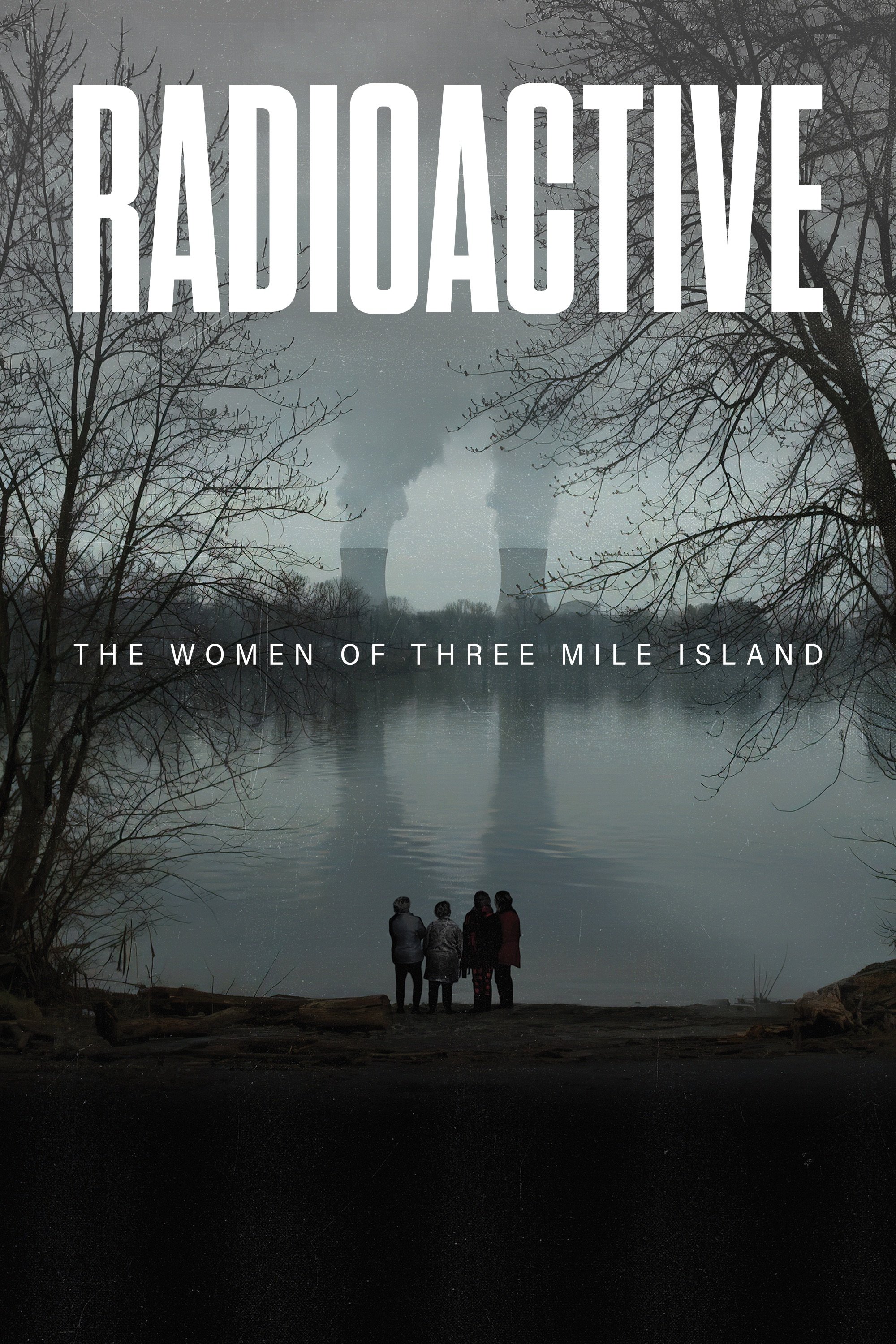
In this thrilling documentary, indomitable women fight back against the nuclear industry to expose one of the biggest cover-ups in US history: the 1979 Three Mile Island meltdown and its aftermath. The film reveals the never-before-told stories of four intrepid homemakers who take their case all the way to the Supreme Court, and a young female journalist who's caught in the radioactive crossfire.
Since the first film was made explaining the power of the atom, nuclear technology has made great advances. This film is an up-to-date account of the many areas of nuclear research and recent developments in Canada. It was filmed at the long-functioning atomic reactors at Chalk River and Rolphton, and at the latest and largest atomic power station at Pickering, as well as at laboratories across the land where experimentation is carried out in both pure and applied nuclear science. Produced for the NFB by Crawley Films Ltd. for Atomic Energy of Canada Limited.
An outstanding factor in the efficiency of the CANDU reactor employed in Canadian nuclear power stations is that its construction allows for refuelling while the plant remains in operation, with no necessity for periodic shut-downs. Filmed at the Pickering, Ontario, station, this film clearly illustrates the processes and the advantages of this Canadian feature. Cutaway models and animated drawings are used in the demonstration.
A comprehensive treatment of technical and engineering aspects of Canada's first large nuclear electric power plant at Douglas Point, Ontario. The film shows the design, machining and assembly of component parts, and the special properties of the materials that went into the construction, as well as some of the exhaustive tests that were made before the station went "on power." Produced for the NFB by Crawley Films Ltd. for Atomic Energy of Canada Limited.
An account of the building and bringing into operation of Canada's pioneer nuclear power plant - the Nuclear Power Demonstration Station (NPD), built in northern Ontario as a prototype for larger plants. The film explains the principle of nuclear fission. Produced by Crawley Films Ltd. for Atomic Energy of Canada Limited, Ontario Hydro and Canadian General Electric Company Limited.
The success of this first full-scale nuclear power station on the shores of Lake Huron has shown the way for the economic large-scale production of electricity from uranium. This film describes the plant at Douglas Point, Ontario, and the process by which the uranium atom is split, employing heavy water with a special property, deuterium, giving the name CANDU (Canada Deuterium Uranium) to the Canadian system of atomic energy production. Produced for the NFB by Crawley Films Ltd. for Atomic Energy of Canada Limited.
East of Toronto on the shore of Lake Ontario, is the Pickering Generating Station, one of the world's largest nuclear power stations. Here it is used to explain how a nuclear power station works, showing the fuel bundles, calandria, fuelling machines, boilers, control room, turbine-generator and spent fuel bay. Part of the multimedia kit The Energy Crisis?. Produced by the NFB for Energy, Mines and Resources Canada.
Nuclear power plants are not exactly sold on the same scale as wheat, but that they can be manufactured as an exportable commodity is well illustrated in this film. For those familiar with nuclear power generation, and even for the lay audience, this is a lucid exposition of how a nuclear power plant is put together. The film shows the machining and assembly of principal components, and the "on power" operation of the Canadian plant at Pickering, Ontario. Produced by the NFB for Atomic Energy of Canada Limited.
Filmed at the Pickering, Ontario, nuclear power plant, showing also the earlier Douglas Point station and Québec's new Gentilly plant, this film offers audiences a clear illustration of how an atomic reactor produces electricity. Special features of the Canadian (CANDU) (Canada Deuterium Uranium) system are explained: on-power refueling; the use of natural uranium; the use of heavy water as moderator. CANDU is recognized internationally as a leader in man's search for new sources of energy. Produced for the NFB by Crawley Films Ltd. for Atomic Energy of Canada Limited.
A two-part study of nuclear power with Larry Henderson, skilled observer, analyst and commentator on public affairs as guide. Part 1 shows civilian applications outside Canada. Part 2 shows the history of atomic energy development in Canada, from the outset of World War II to the installations at Chalk River.
This film shows the exacting procedures used during the 1970 replacement of the calandria in the NRX nuclear reactor at Chalk River. Produced by the NFB for Atomic Energy of Canada Ltd.
A new system devised by Canadians whereby the dryout process in fuel bundles for a nuclear reactor can be completely checked, thereby preventing uneconomical burnup. Produced by the NFB for Atomic Energy of Canada.
A look at what has been happening of late in Canada's nuclear laboratories where new uses of atomic energy are being pioneered. The film shows the earlier reactors at Chalk River and the reactions that take place between heavy water and natural uranium. Here, too, is seen the production of radioactive isotopes for use in medicine, agriculture, industry. At the Douglas Point prototype power station, the film explains how nuclear energy makes electricity. A film for science student or layman. Produced by Crawley Films Ltd. for Atomic Energy of Canada Limited.
The focus of this film is on Canada's nuclear research centre at Chalk River, Ontario. Key to atomic progress are the radioactive isotopes. The insertion and handling of these isotopes in the deadly interior of the reactor are shown in detail. Also shown are the applications of radioactive isotopes in various fields of endeavor, particularly medicine, agriculture, and manufacturing industries. Co-produced by the NFB and Crawley Films Ltd. with the assistance of Atomic Energy of Canada Limited.
The Canadian program for nuclear fuel waste management is explained through interviews with people working inside and outside the nuclear industry and by a visit to the Whiteshell Nuclear Research Establishment, where a long-range used-fuel disposal program is being developed. Revised version from the film Nuclear Fuel Waste Management (106C 0179 542). Produced for the NFB by Crawley Films Ltd. for Atomic Energy Canada, Whiteshell Nuclear Research Establishment.
An account of the mining and refining of uranium showing how the development of energy from uranium is providing much of the world’s current needs. The film looks at the manufacturing of the uranium fuel used in CANDU lead reactors and explains the fission process, the fueling of reactors and the management of radioactive waste.
Dr. Helen Caldicott is the most prominent anti-nuclear activist in the world. She's been featured on CNN, 60 Minutes, CBC and Democracy Now. In the 80s, Helen Caldicott campaigned against nuclear weapons testing in the pacific (still responsible today for the majority of tritium we're exposed to), and against the notion of a winnable nuclear war. She was nominated for a Nobel Peace Prize for her efforts. She has always made inaccurate statements regarding civilian nuclear power. But, since the Fukushima-Diachii radiation release has caused (and is projected to cause) zero fatalities... http://www.unis.unvienna.org/unis/en/... ...her tone has changed when speaking to supporters. This has not been acknowledged by prime-time media, as they continue to use her as a source. Any person or media outlet should check Caldicott's history of statements (on any subject) against a domain expert before using her as a source.
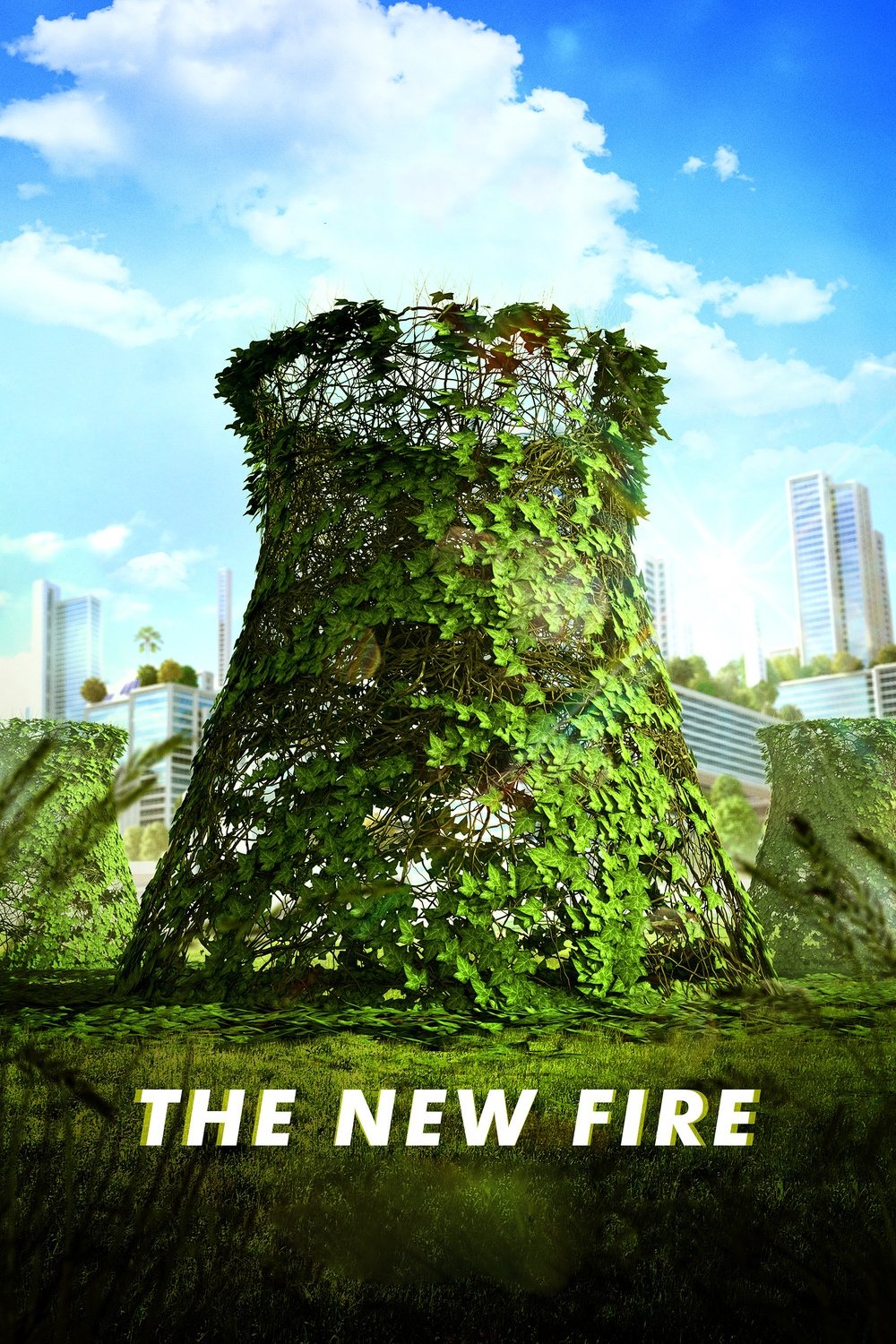
As the effects of climate change become more and more apparent, a new generation of nuclear engineers is on the rise, hoping to help solve this greatest environmental challenge humanity has ever faced. THE NEW FIRE is a documentary by Emmy-winning director David Schumacher, which provides a timely perspective on addressing climate change and global development. Nuclear energy has been vilified in much of the environmental community, yet the next-generation reactors currently in development may actually be the key to avoiding climate catastrophe
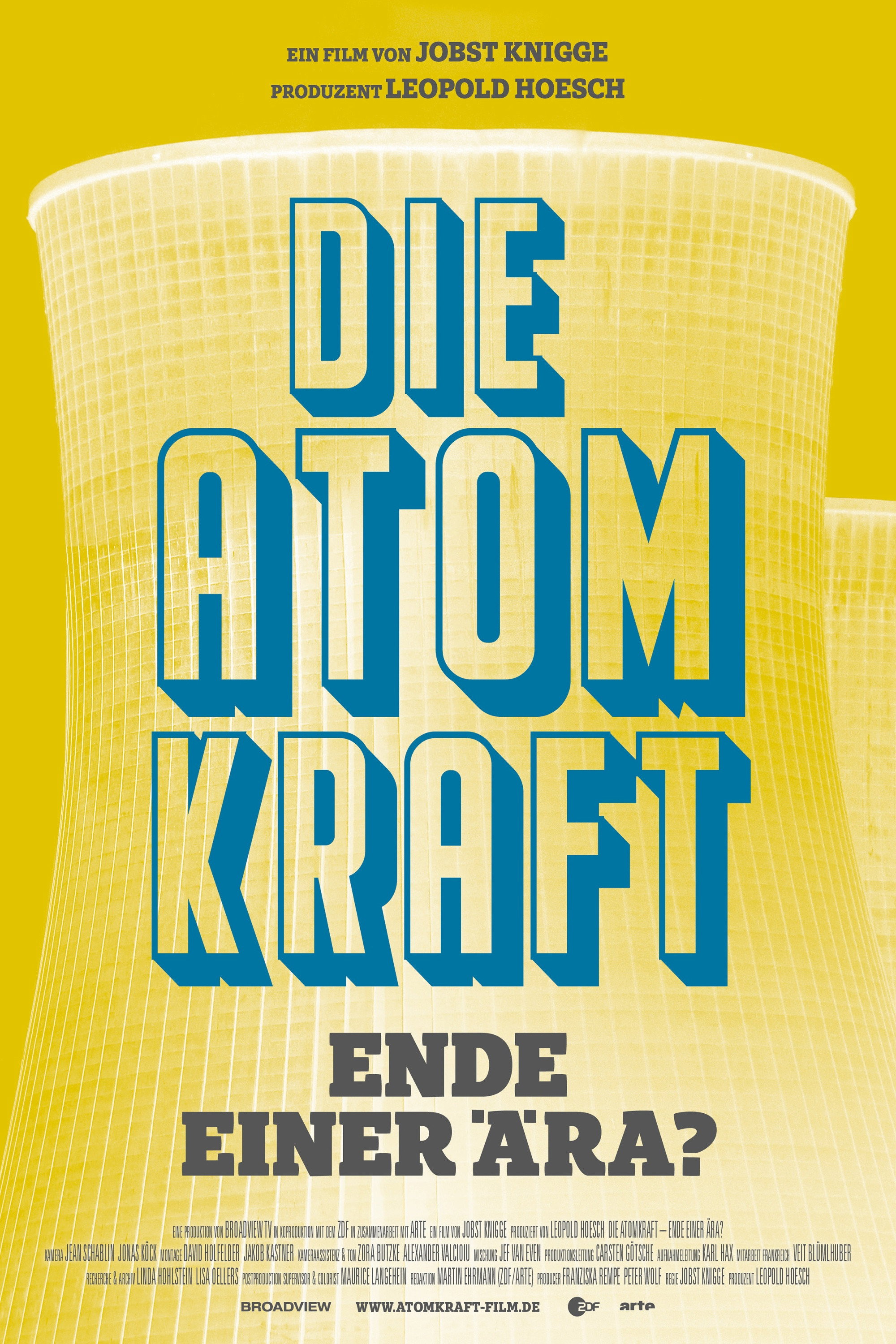
Nuclear has always been a controversial energy source. While Germany is phasing out its nuclear power plants, France is building a new generation of nuclear reactors to keep the lights on. A look at the nuclear debate over the last few decades and what the future holds for atomic energy.
Through deeply personal interviews with her siblings and an examination of the photographs, letters, and belongings left behind, Mariska assembles a new portrait of her mother Jayne Mansfield, an extraordinary and complex woman.
Director Michael Apted revisits the same group of British-born adults after a 7 year wait. The subjects are interviewed as to the changes that have occurred in their lives during the last seven years.
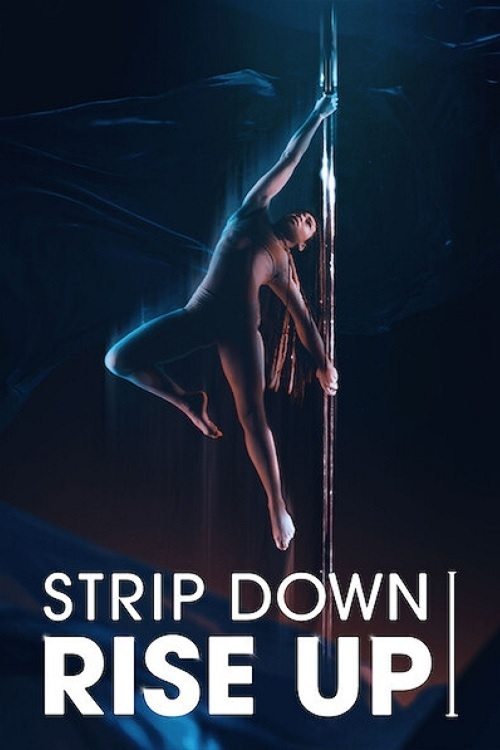
The feature documentary follows women of all walks of life, all ages and ethnic backgrounds, as they shed trauma, body image shame, sexual abuse and other issues locked in their bodies, and embark on a journey to reclaim themselves. The film also gives a rare window into the world of Pole artistry and expression.
In an intimate and joyful story of love in the face of loss, celebrated poets Andrea Gibson and Megan Falley find strength—and unexpected hilarity—in what might be their final year together.
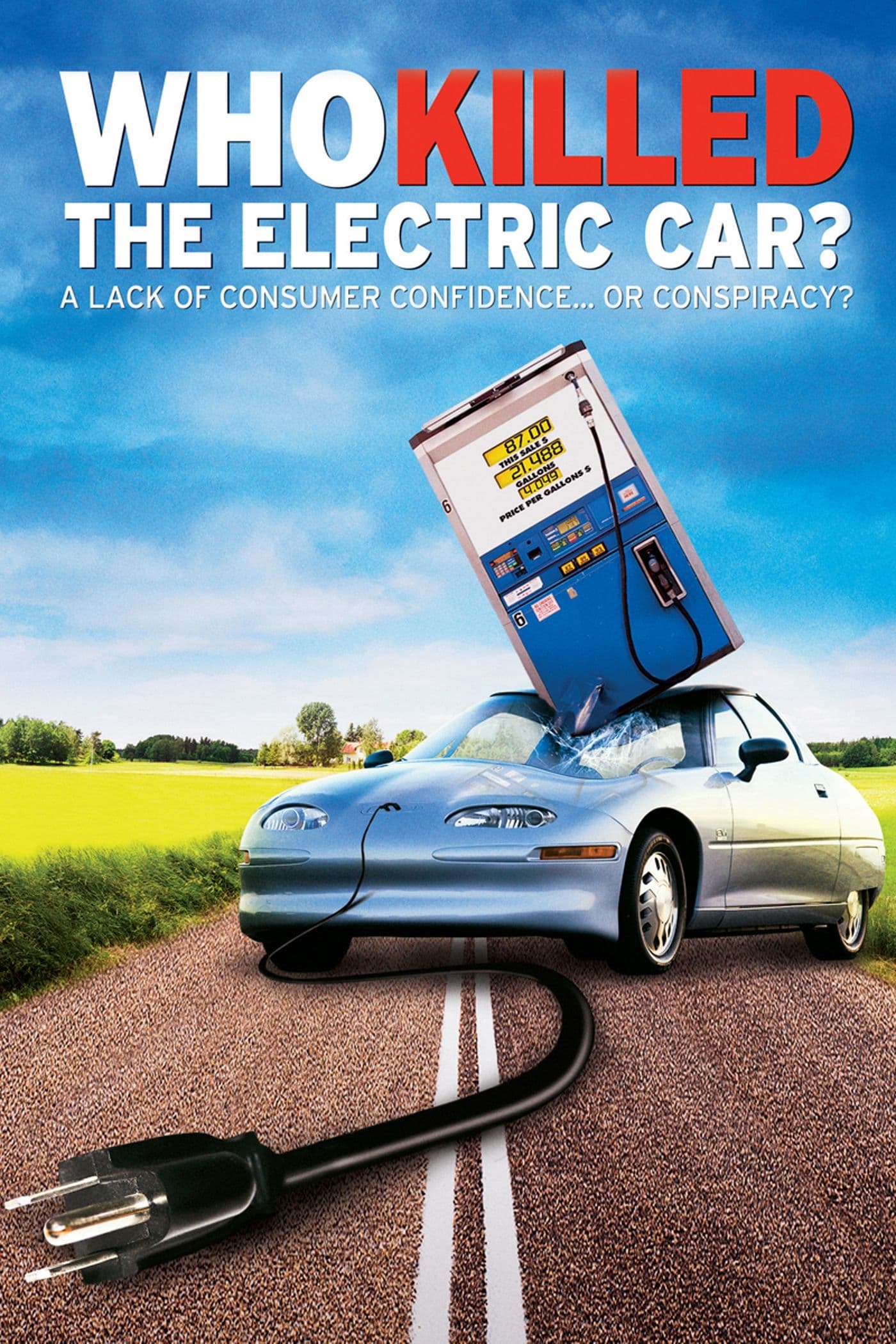
In 1996, electric cars began to appear on roads all over California. They were quiet and fast, produced no exhaust, and ran without gasoline... Ten years later, these cars were destroyed.
A documentary on the expletive's origin, why it offends some people so deeply, and what can be gained from its use.
The definitive documentary on the history of nudity in feature films from the early silent days to the present, studying the changes in morality that led to the use of nudity in films while emphasizing the political, sociological and artistic changes that shaped that history. Skin will also study the gender inequality in presenting nude images in motion pictures and will follow the revolution that has created nude gender equality in feature films today.
A documentary examining the decade of the 1970s as a turning point in American cinema. Some of today's best filmmakers interview the influential directors of that time.
This raucous journey into the heart of democracy captures an unusual rite of passage: 1,100 teenage boys from across Texas coming together to build a representative government from the ground up.
A look at the origins, history and conspiracies behind the "Majestic 12", a clandestine group of military and corporate figureheads charged with reverse-engineering extraterrestrial technology.
A 1993 documentary film about Bruce Lee. The film includes interviews from some of his fellow students and opponents who worked alongside him in his movies.
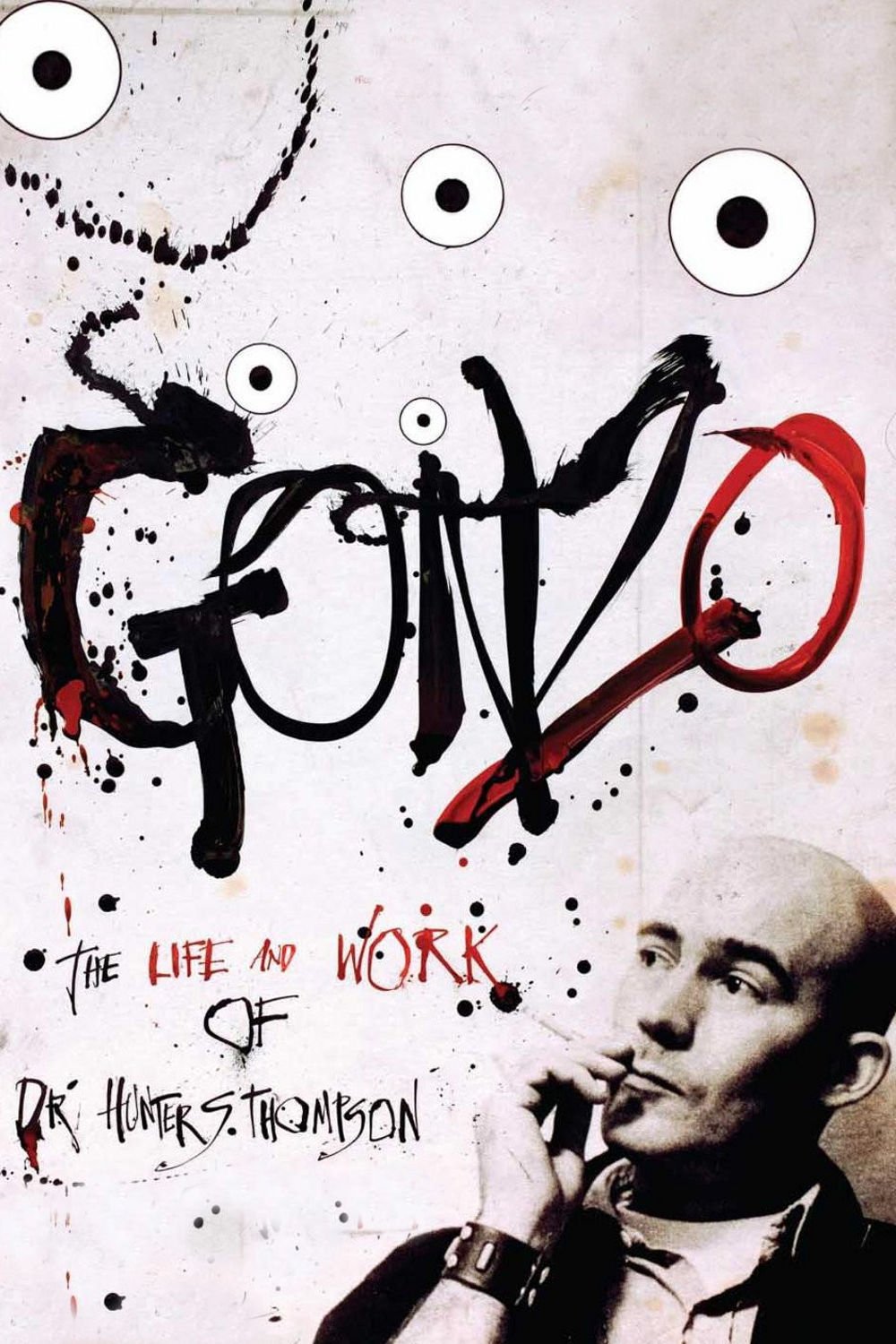
Fueled by a raging libido, Wild Turkey, and superhuman doses of drugs, Thompson was a true "free lance, " goring sacred cows with impunity, hilarity, and a steel-eyed conviction for writing wrongs. Focusing on the good doctor's heyday, 1965 to 1975, the film includes clips of never-before-seen (nor heard) home movies, audiotapes, and passages from unpublished manuscripts.
Musician and performance artist Laurie Anderson reflects on the deaths of her husband Lou Reed, her mother and her beloved dog.
A glimpse into the raw and simple power of nature through encounters with farm animals: the eponymous Gunda, a mother pig; two cows, and a one-legged chicken.
"Trinity and Beyond" is an unsettling yet visually fascinating documentary presenting the history of nuclear weapons development and testing between 1945-1963. Narrated by William Shatner and featuring an original score performed by the Moscow Symphony Orchestra, this award-winning documentary reveals previously unreleased and classified government footage from several countries.
This revealing documentary honors the legendary Sidney Poitier—iconic actor, filmmaker, and civil rights activist. Featuring interviews with Denzel Washington, Spike Lee, Halle Berry, and more.
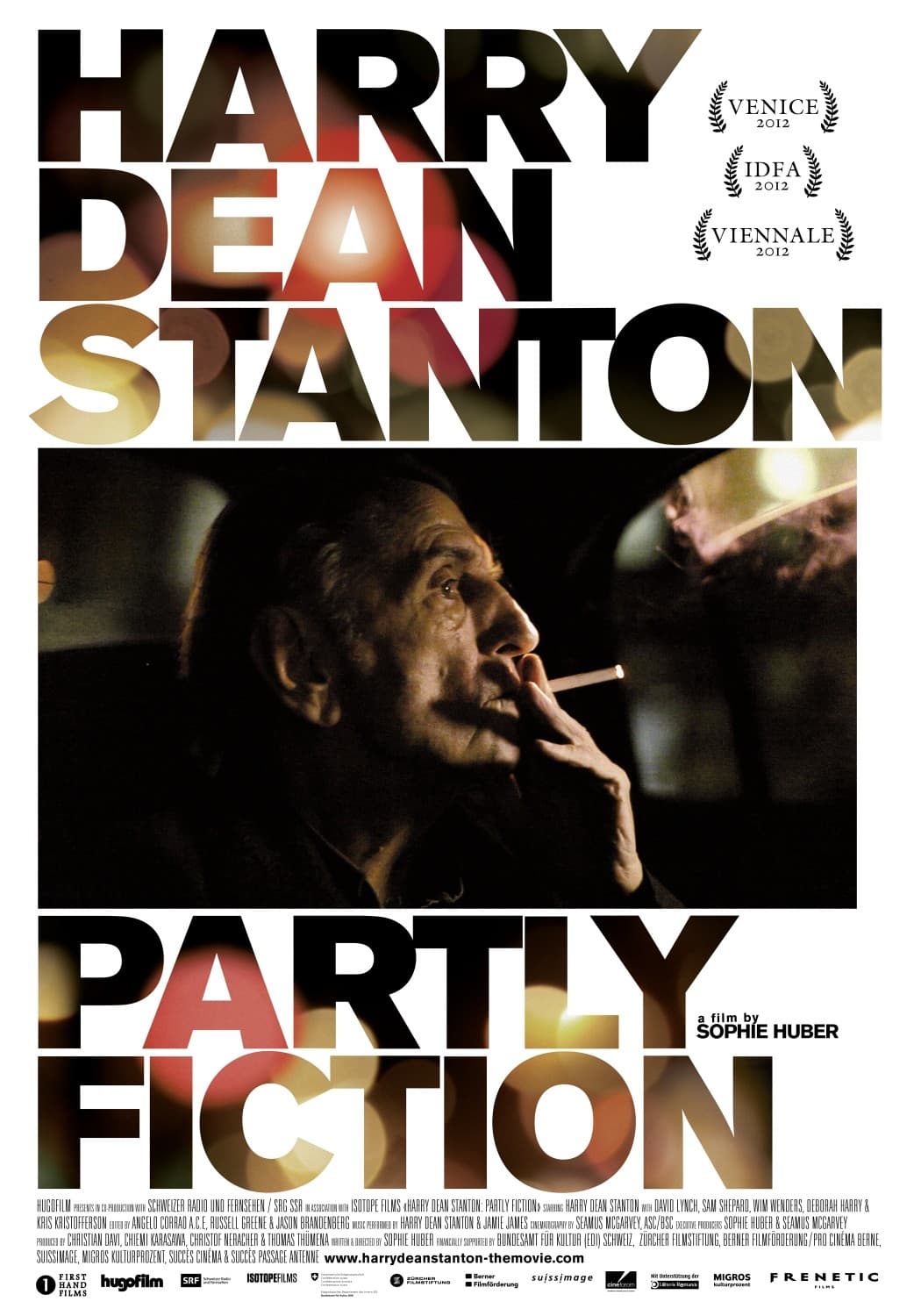
An impressionistic portrait of the iconic actor Harry Dean Stanton comprised of intimate moments, film clips from some of his 250 films and his renditions of American folk songs.
Unravel the case of Utah therapist Jodi Hildebrandt, whose child abuse arrest with parenting YouTuber Ruby Franke exposed a twisted tale of manipulation.
From the heights of her modeling fame to her tragic death, this documentary reveals Anna Nicole Smith through the eyes of the people closest to her.
A compilation of over 30 years of private home movie footage shot by Lithuanian-American avant-garde director Jonas Mekas, assembled by Mekas "purely by chance", without concern for chronological order.