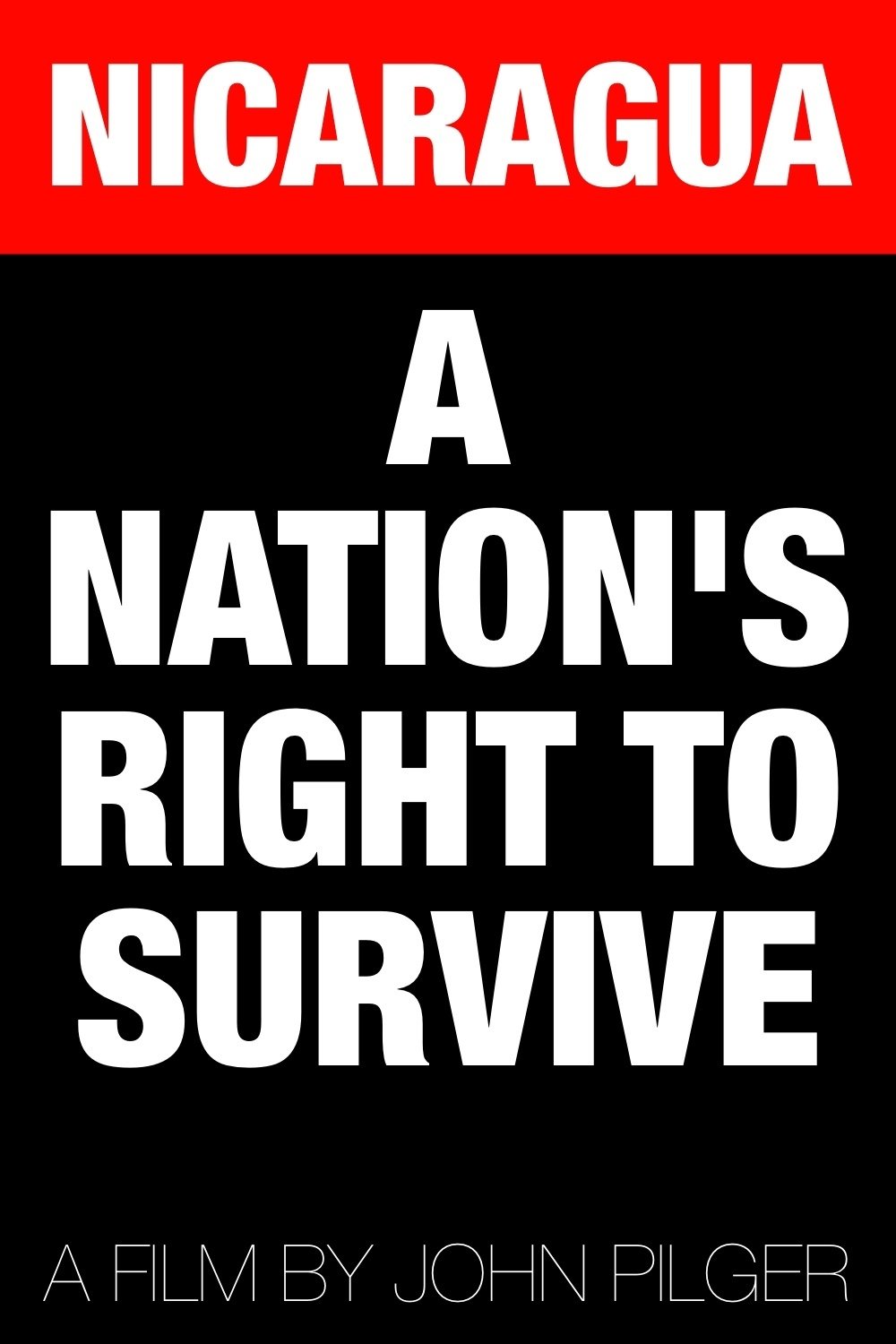
How can a country survive when its jungle borders hold 4000 hostile troops?
Social & External
The people behind it
John Pilger
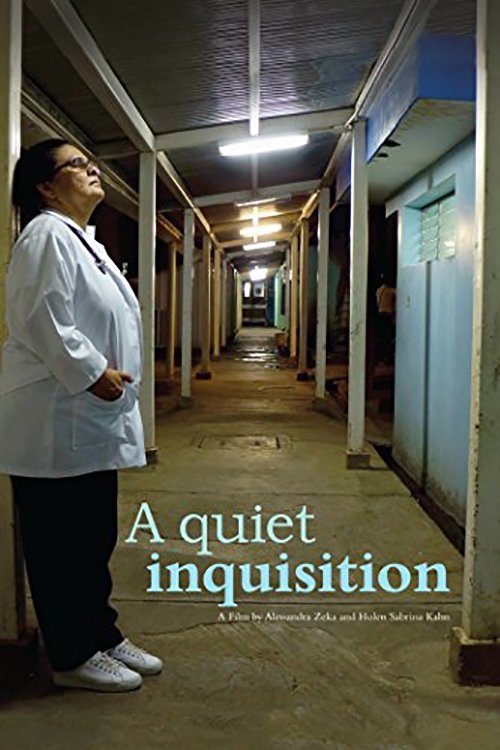
At a public hospital in Nicaragua, Ob/Gyn Dr. Carla Cerrato must choose between following a law that bans all abortions and endangers her patients or taking a risk and providing the care that she knows can save a woman's life. In 2007, Dr. Cerrato’s daily routine took a detour. The newly elected government of Daniel Ortega, a former Marxist revolutionary who converted to Catholicism to win votes, overturned a 130-year-old law protecting therapeutic abortion. The new law entirely prohibits abortion, even in cases of rape, incest, or when a woman’s life is at stake. As Carla and her colleagues navigate this dangerous dilemma, the impact of this law emerges—illuminating the tangible reality of prohibition against the backdrop of a political, religious, and historically complex national identity. The emotional core of the story—the experiences and situations of the young women and girls who are seeking care—illustrate the ethical implications of one doctor's response.
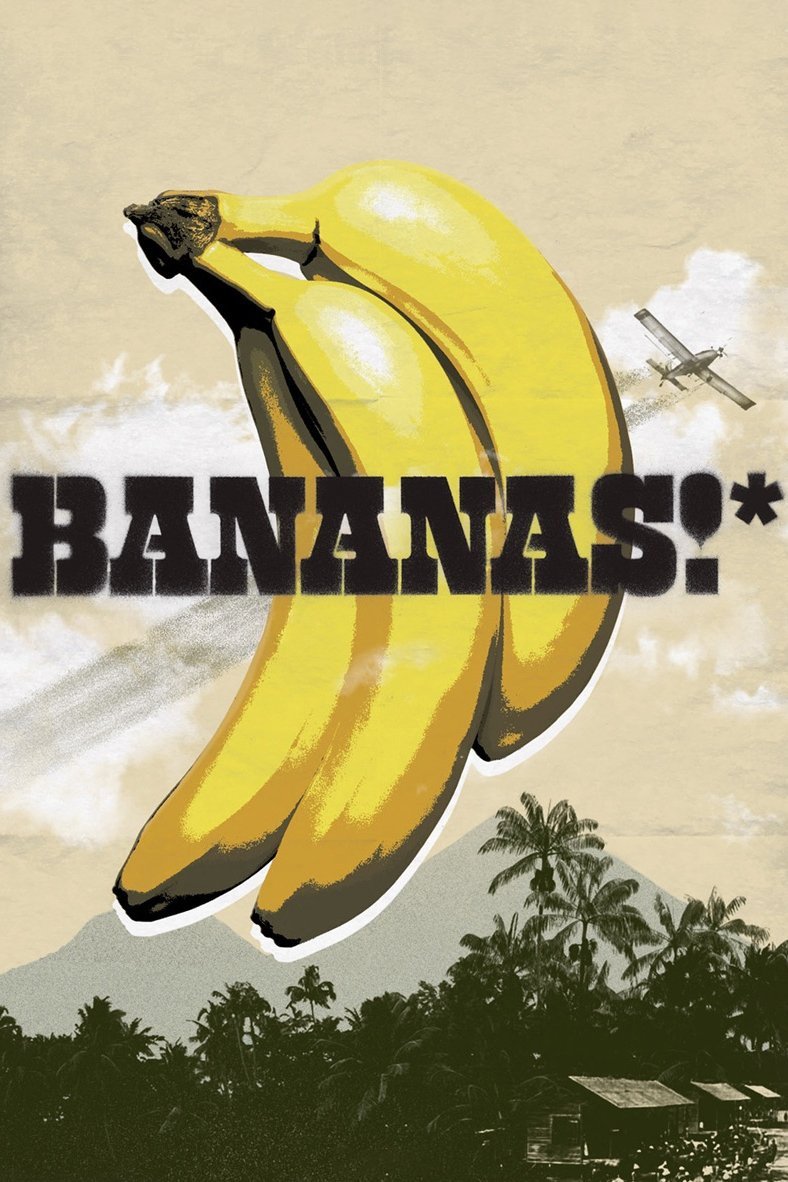
Juan “Accidentes” Dominguez is on his biggest case ever. On behalf of twelve Nicaraguan banana workers he is tackling Dole Food in a ground-breaking legal battle for their use of a banned pesticide that was known by the company to cause sterility. Can he beat the giant, or will the corporation get away with it?
American resort developers bear down on the wild west coast of Nicaragua, hoping to build the next tourist paradise. With lax labour and environmental regulations, some of the developers take full advantage of the situation, and the local fishermen start accusing them of exploitation and land thievery. Unexpectedly, in the midst of this conflict, firebrand Daniel Ortega and the Sandinistas sweep back into government, boldly empowering the local fishermen. The tables turn viciously on the American developers, who get much more than they bargained for. But when the local fishermen, corrupted by new found power, begin acting in the same manner as the American developers, questions are posed about human nature, morality, and ethics on a much larger scale.
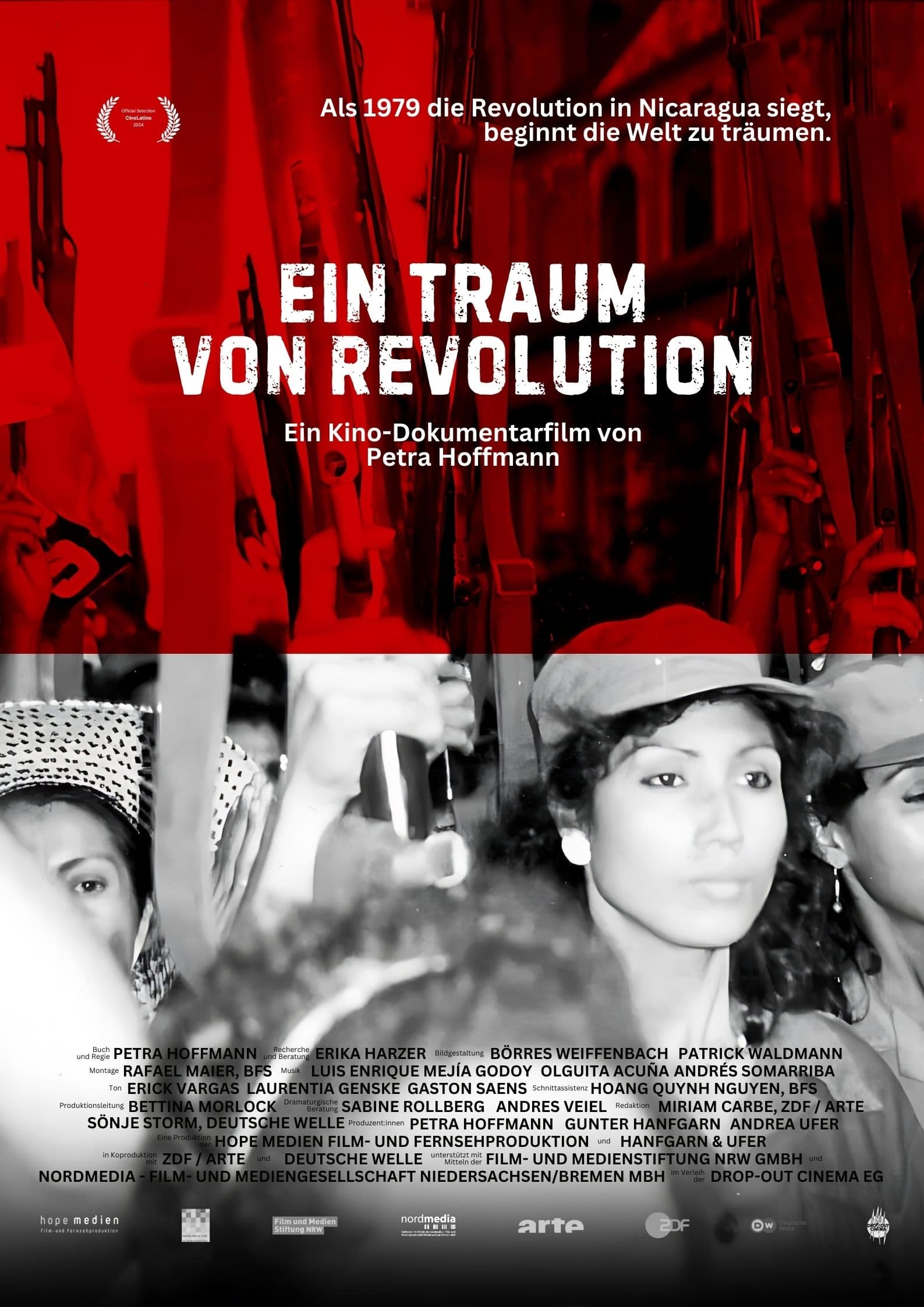
When the revolution in Nicaragua won its victory nearly 40 years ago, the world began to dream. A young generation was taking the reins in a country of grand utopias. From West Germany alone, 15,000 “brigadists” travelled to help rebuild the war-torn country: liberals, greens, unionists, social democrats, leftists and church representatives harvested coffee and cotton, built schools, kindergartens and hospital wards. No movement has mobilised so many people. What became of the hopes and dreams of the revolutionaries and their supporters?
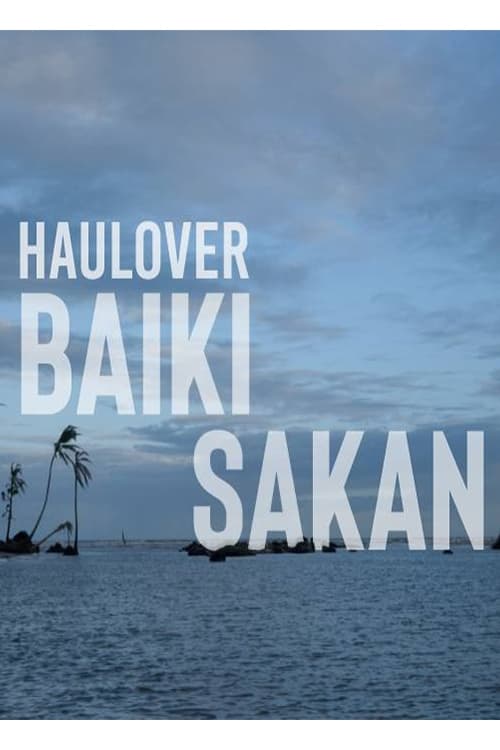
Halouver is a small community in the Northern Caribbean of Nicaragua. In November of 2020, two hurricanes divided the village in two and destroyed its infrastructure. Now, its villagers must decide between coming back and rebuilding their homes from the rubbles in spite of the risks that conveys or starting their lives somewhere else, leaving behind their lives in front of the sea. This documentary was made by Hora Cero.
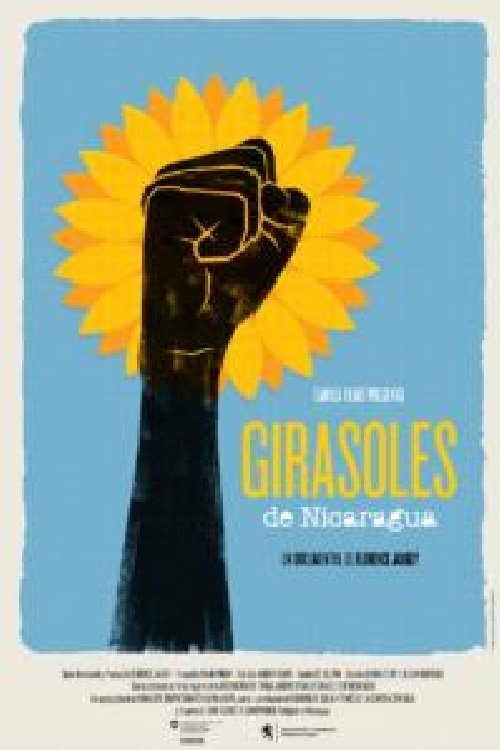
Sixteen female sex workers have been named judicial aides by Nicaragua’s Supreme Court to facilitate the resolution of conflicts that come up in their work. It is the first time in the world that sex workers have had access to this function. The film accompanies some of these women in their mediation work and in the actions they promote through their association, Girasoles (Sunflowers) of Nicaragua, to gain recognition and regulations for autonomous sex work.
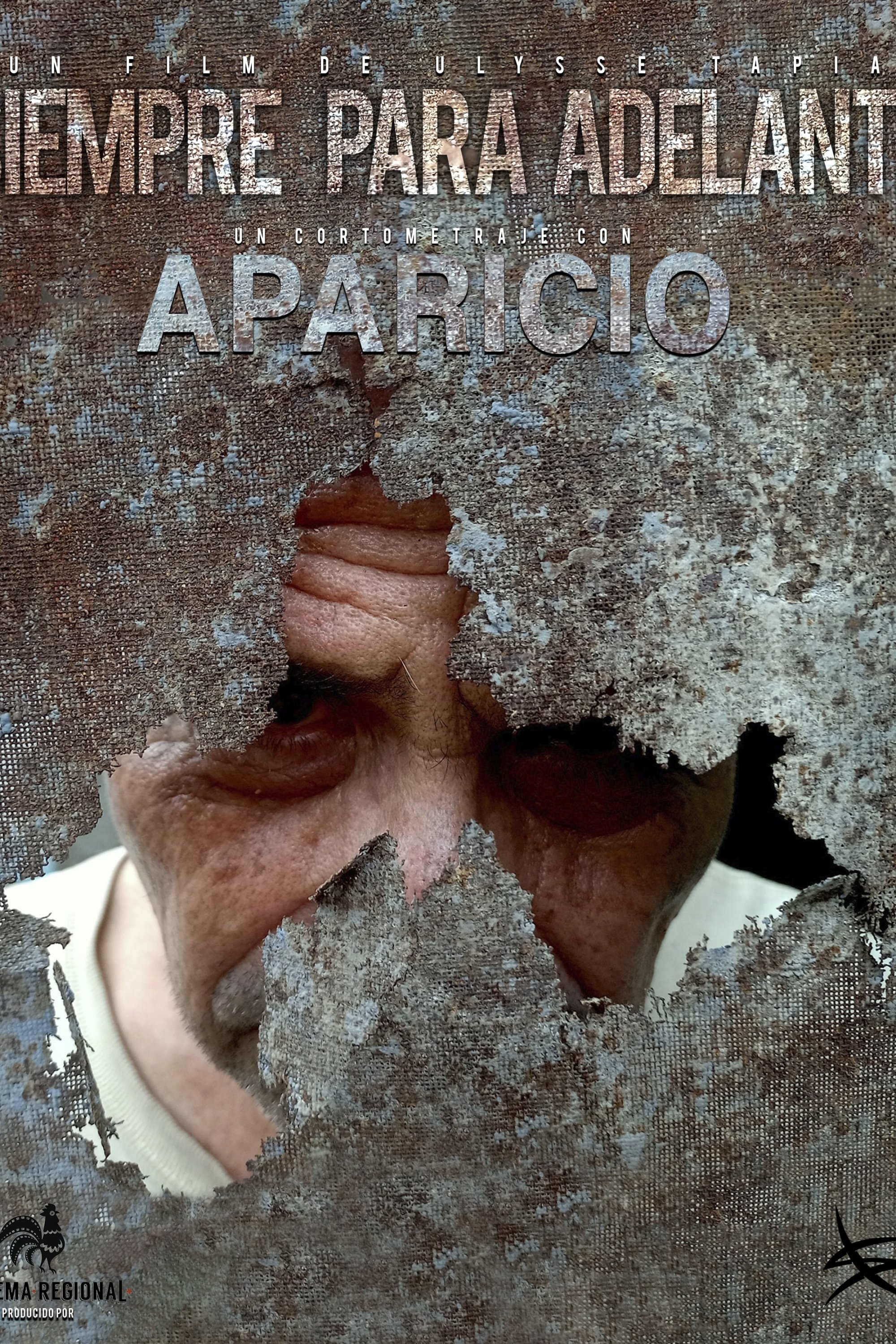
Plastic artist Aparicio Arthola talks with his student about the catarsis in his creative process, the loss, death and uncertainty of art life in Nicaragua
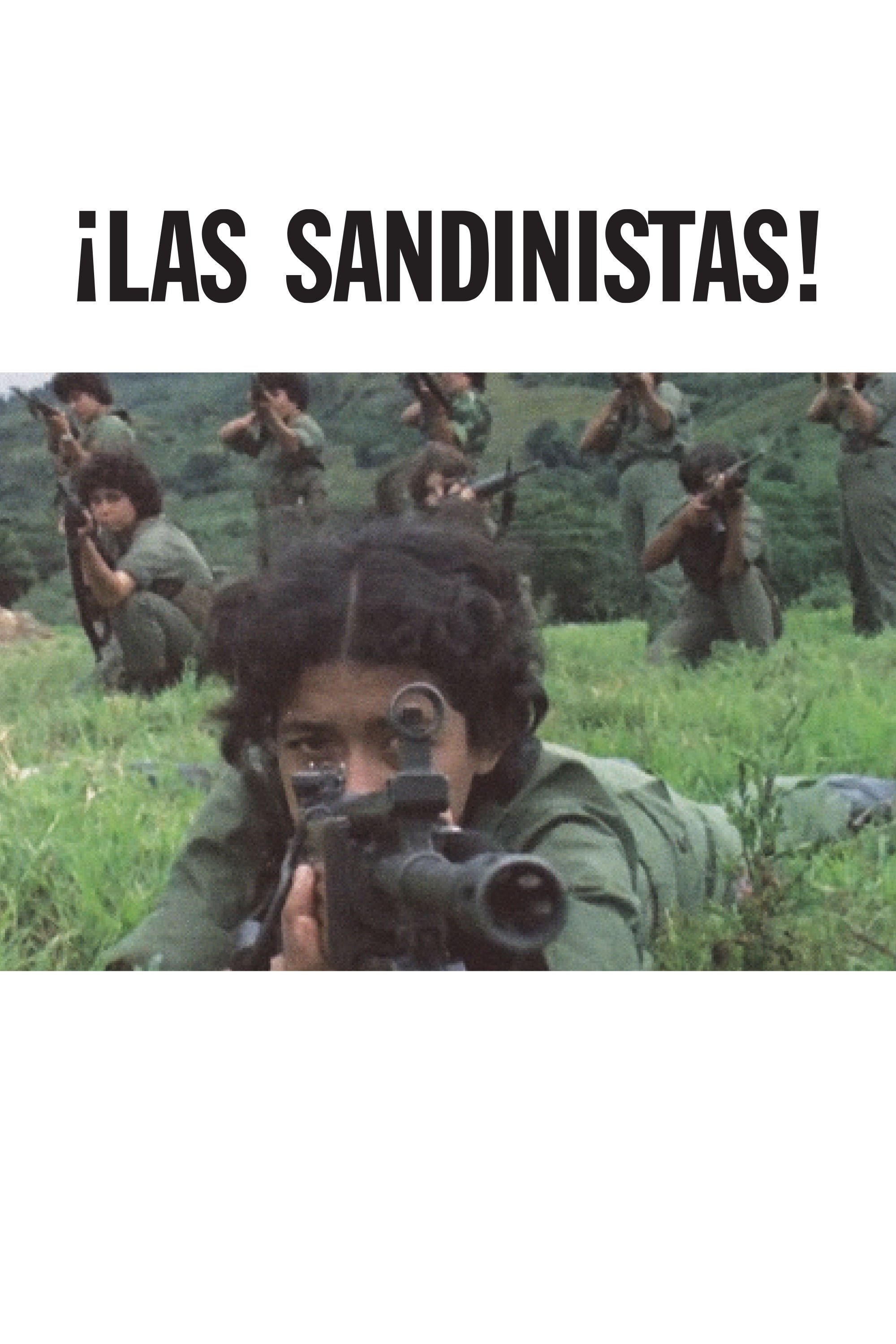
¡Las Sandinistas! uncovers the disappearing stories of women who shattered barriers to lead combat and social reform during Nicaragua’s 1979 Sandinista Revolution, and who continue to lead Nicaragua’s current struggle for democracy and equality.
A documentary about Monimbo, a town in Nicaragua.
A short documentary, inspired by Eduardo Galeano: a short trip in rhythms, sounds and atmospheres in a cuban cigar factory in Estelí, Nicaragua.
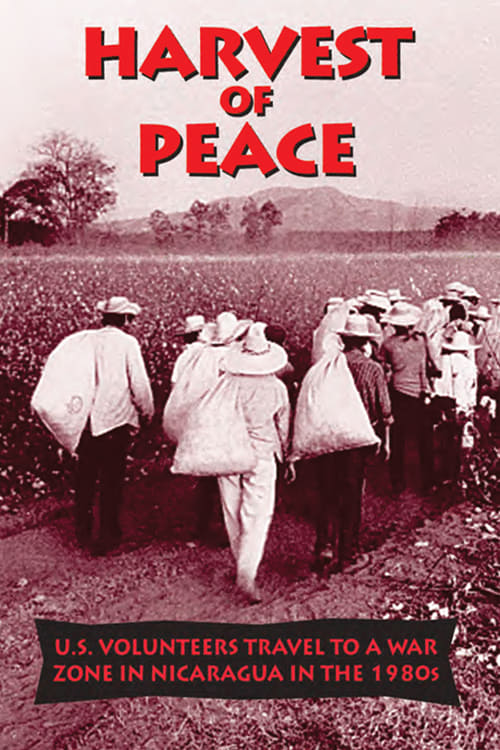
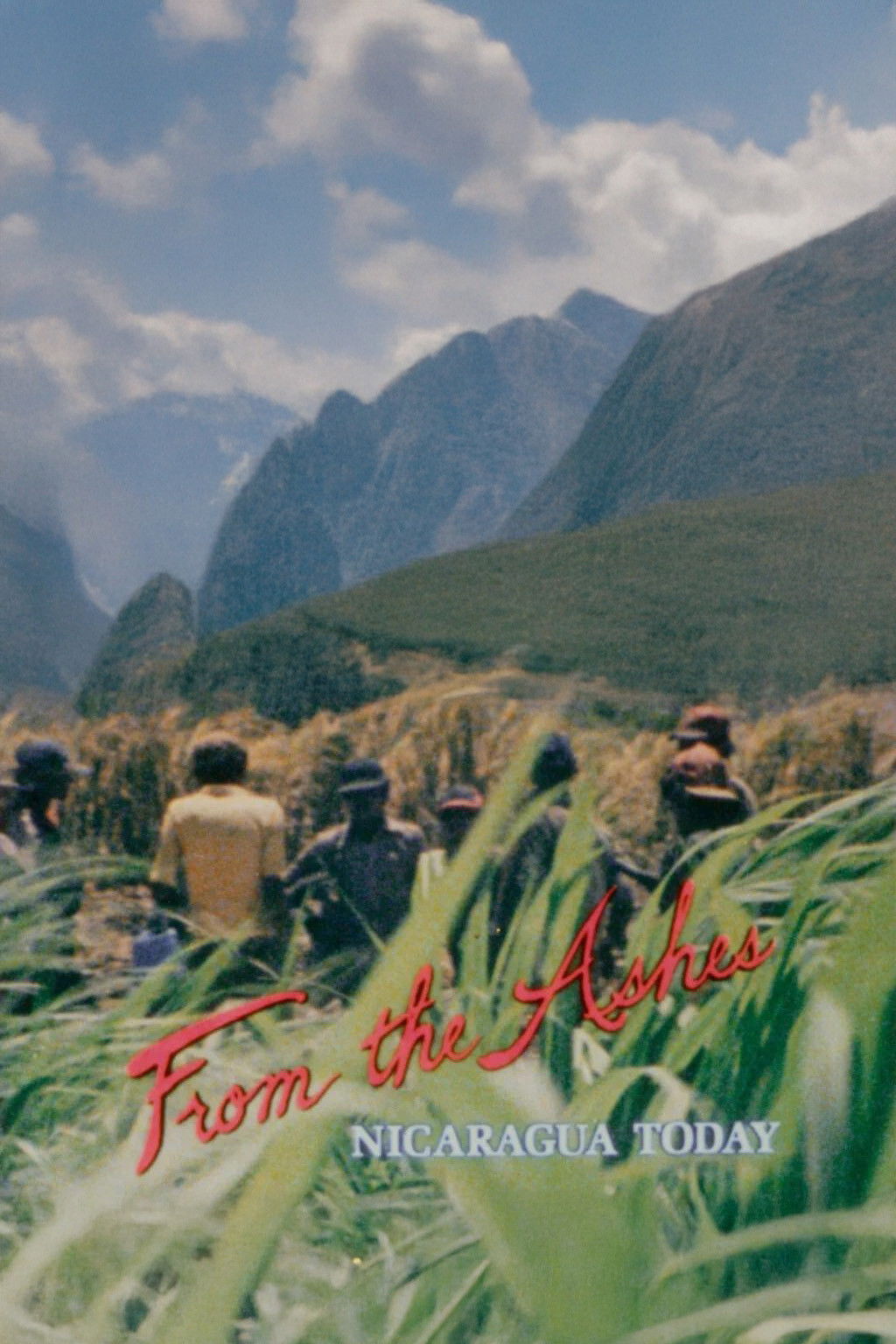
Portrait of a group of 150 U.S. citizens who spent two weeks participating in the cotton harvest in a remote village in Nicaragua, seeing for themselves the impact of the U.S.-backed Contra war.
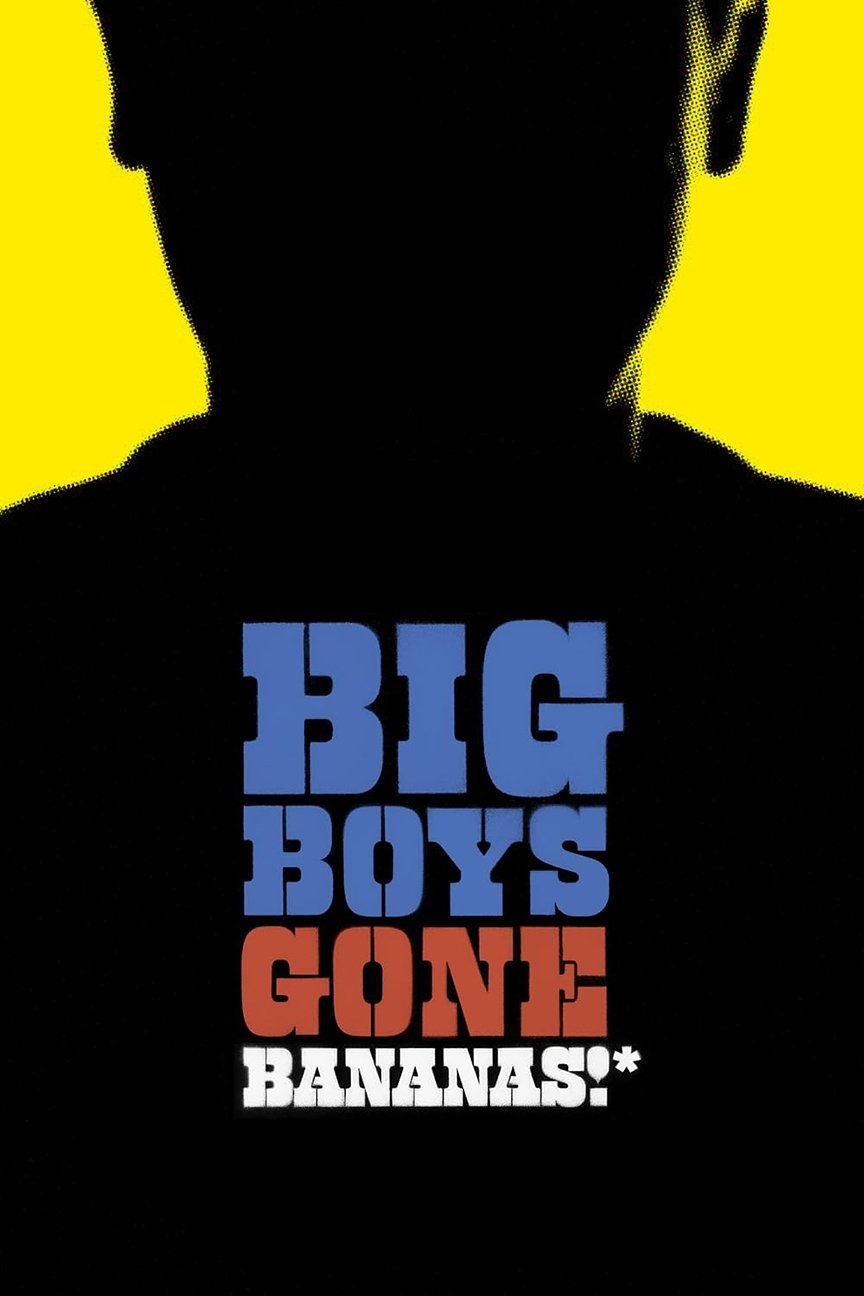
The conflict between Dole Food Company and Swedish filmmaker Fredrik Gertten unfolds dramatically in the documentary "BIG BOYS GONE BANANAS!" as the corporation attempts to suppress Gertten's earlier film, "BANANAS!"—chronicling Nicaraguan workers' lawsuit against Dole. Initially selected for the 2009 Los Angeles Film Festival, "BANANAS!" was abruptly removed from competition, followed by a negative article in the Los Angeles Business Journal and legal threats from Dole's attorneys. Gertten captures this saga of corporate intimidation, media manipulation, and legal challenges in his documentary, showcasing the struggles documentary filmmakers face and highlighting the threat to freedom of speech posed by powerful corporations protecting their reputations.
The film is about aftermaths and reckonings. Revisiting material for his earlier 4-part series, Karlin returns to Nicaragua to examine the history of the Sandinista government, consider its achievements, and assess the prospects for democracy following its defeat in the general election of 1990.
Composed of stills by renowned Magnum photographer Susan Meiselas taken in 1978 and 1979 during the overthrow of the fifty-year dictatorship of the Somoza family. Written in the form of a letter from Meiselas to Karlin, it is a ruminative and often profound exploration of the ethics of witnessing, the responsibilities of war photography and the politics of the still image.
Shot in 1983–84 and focusing on the work of the Historical Institute, this film witnesses how Nicaraguans are recovering their history, the memory of Sandino’s struggle, to transform their sense of identity.
Through the eyes of journalists and photographers working at Barricada, the official publication of the FSLN, the film observes the problems of putting socialism into practice, with reports on the war, the economy, the prison system and the political process leading up to the 1984 elections.
A portrait of a remote area in the rural north of Nicaragua facing difficulties with the revolutionary process. It follows Marlon Stuart, the regional FSLN political organiser, at the time of the 1984 elections.
Solentime (2020), directed by Carlos Henríquez Consalvi and Camilo Henríquez, revisits the memory of poet-priest Ernesto Cardenal and the Christian community he founded in the Solentiname archipelago, where art, faith, and revolutionary consciousness converged. The film reconstructs a failed 1973 documentary project, when a young Consalvi traveled from Venezuela to film Cardenal with a 16mm Bolex, only to discover the footage was ruined. Nearly five decades later, during the COVID-19 lockdown and after Cardenal’s death, father and son assemble photographs, archival images, and sound to evoke that encounter and the fragile persistence of memory, turning loss, decay, and time into the material of the film itself.
In this documentary portrait of post-revolutionary Nicaragua, director Helena Solberg follows the Chavarría family while examining the broader social and political changes following the 1979 overthrow of the Somoza dictatorship. Interweaving personal testimony with archival footage of U.S. intervention, revolutionary struggle, and national reform efforts, the film reflects on the hopes and tensions shaping the country’s future.
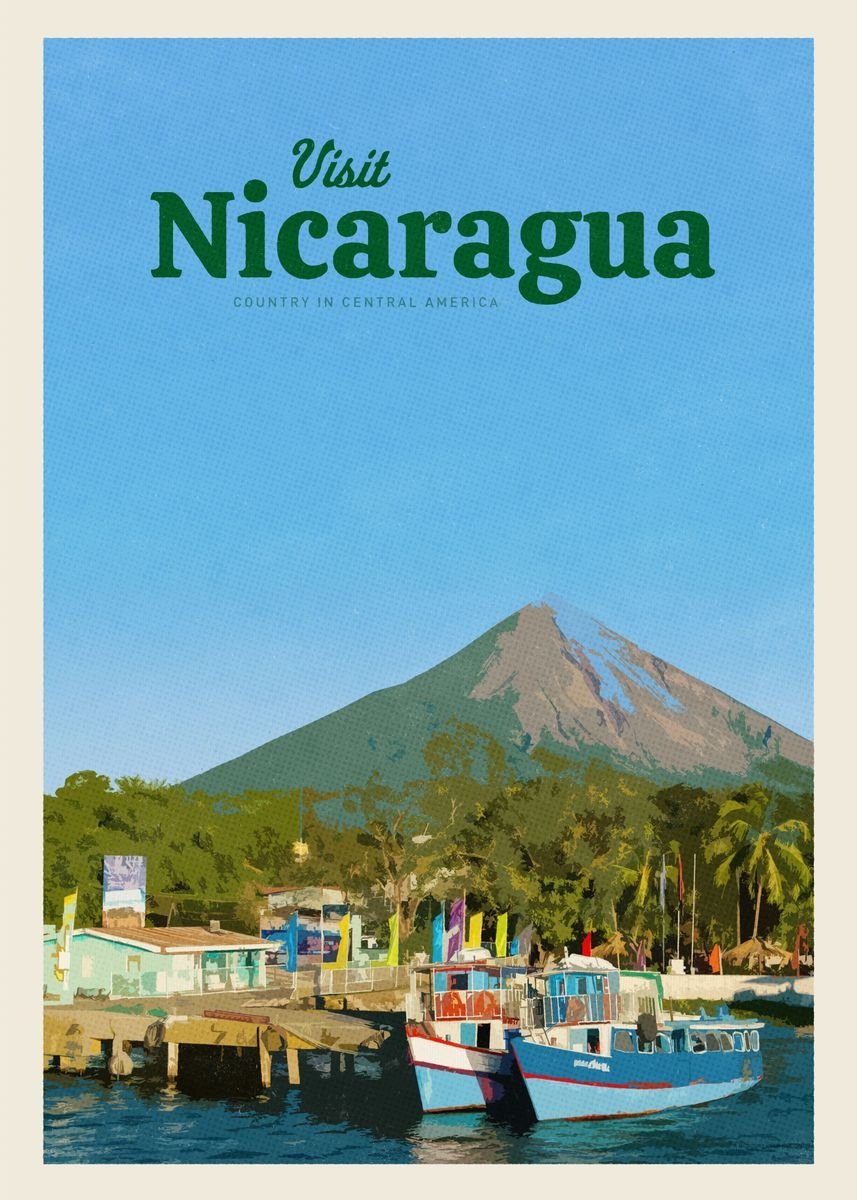
Nicaragua land of lakes and volcanoes and this video will show you the most touristic places in Nicaragua, among them stand out the city of Leon, El Canyon de Somoto, Chinandega, Granda, Masaya, among others. Music: Nicaragua Mia - The Best Of Tino Lopez Guerra.
A documentary about how a dominant cultural and demographic institution both sustains their traditional activities and adapts to the digital revolution.
Through deeply personal interviews with her siblings and an examination of the photographs, letters, and belongings left behind, Mariska assembles a new portrait of her mother Jayne Mansfield, an extraordinary and complex woman.
In an intimate and joyful story of love in the face of loss, celebrated poets Andrea Gibson and Megan Falley find strength—and unexpected hilarity—in what might be their final year together.
The Making-of James Cameron's Avatar. It shows interesting parts of the work on the set.
Ranjit, a farmer in India, takes on the fight of his life when he demands justice for his 13-year-old daughter, the victim of a brutal gang rape. His decision to support his daughter is virtually unheard of, and his journey unprecedented.
A string of threatening emails escalates into a revenge plot involving a newly married US marshal and his ex-girlfriend.
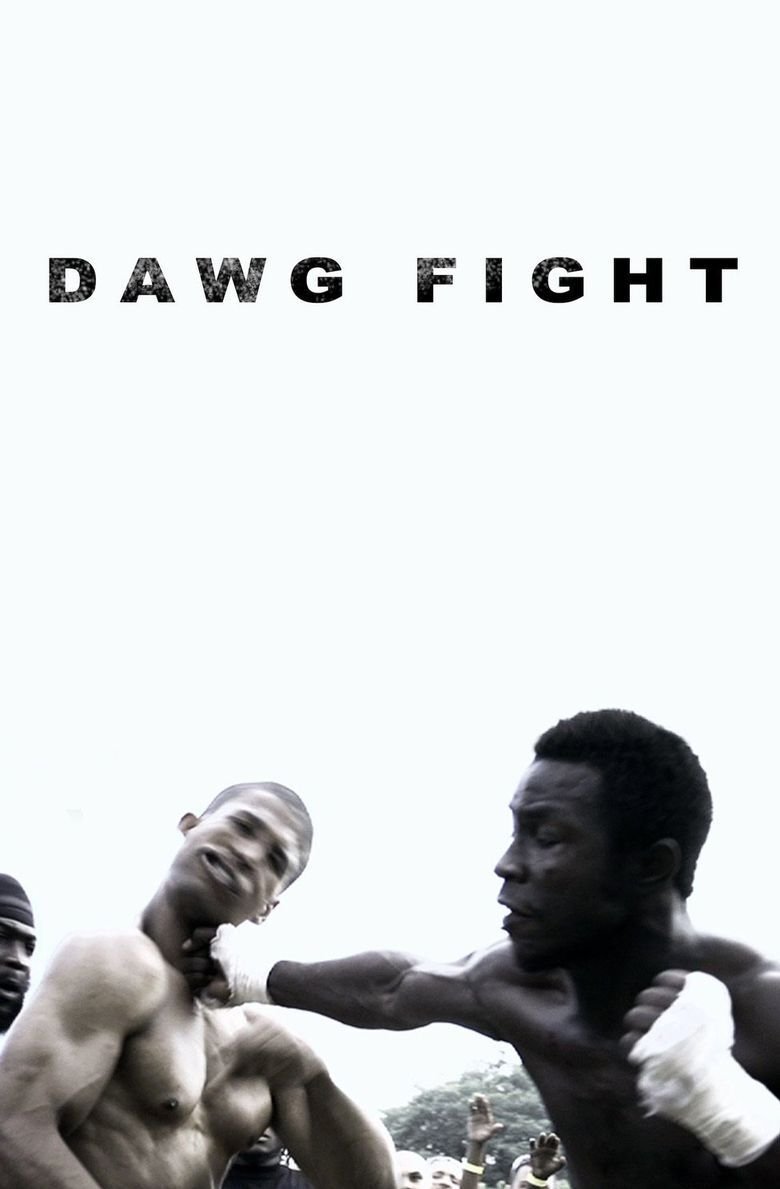
In a crime-plagued neighborhood near Miami, brutal, bare-knuckled backyard fights give young men a chance to earn money -- and self-respect.
A 1993 documentary film about Bruce Lee. The film includes interviews from some of his fellow students and opponents who worked alongside him in his movies.
A behind the scenes look into George Romero's groundbreaking horror classic Night of the Living Dead.
A documentary on the expletive's origin, why it offends some people so deeply, and what can be gained from its use.
An inside look at one of the most anticipated movie sequels ever with James Cameron and cast.
An impressionistic portrait of the iconic actor Harry Dean Stanton comprised of intimate moments, film clips from some of his 250 films and his renditions of American folk songs.
A visual montage portrait of our contemporary world dominated by globalized technology and violence.
Brilliant, long in-the-works story of the life and art of the world's greatest comedian and the cinema's first genius, Charlie Chaplin. Produced, written and directed by renowned film critic Richard Schickel.
Go behind the scenes with stars, puppeteers and creators as they bring Jim Henson's magical world of Thra back to life in a sweeping fantasy series.
From the heights of her modeling fame to her tragic death, this documentary reveals Anna Nicole Smith through the eyes of the people closest to her.
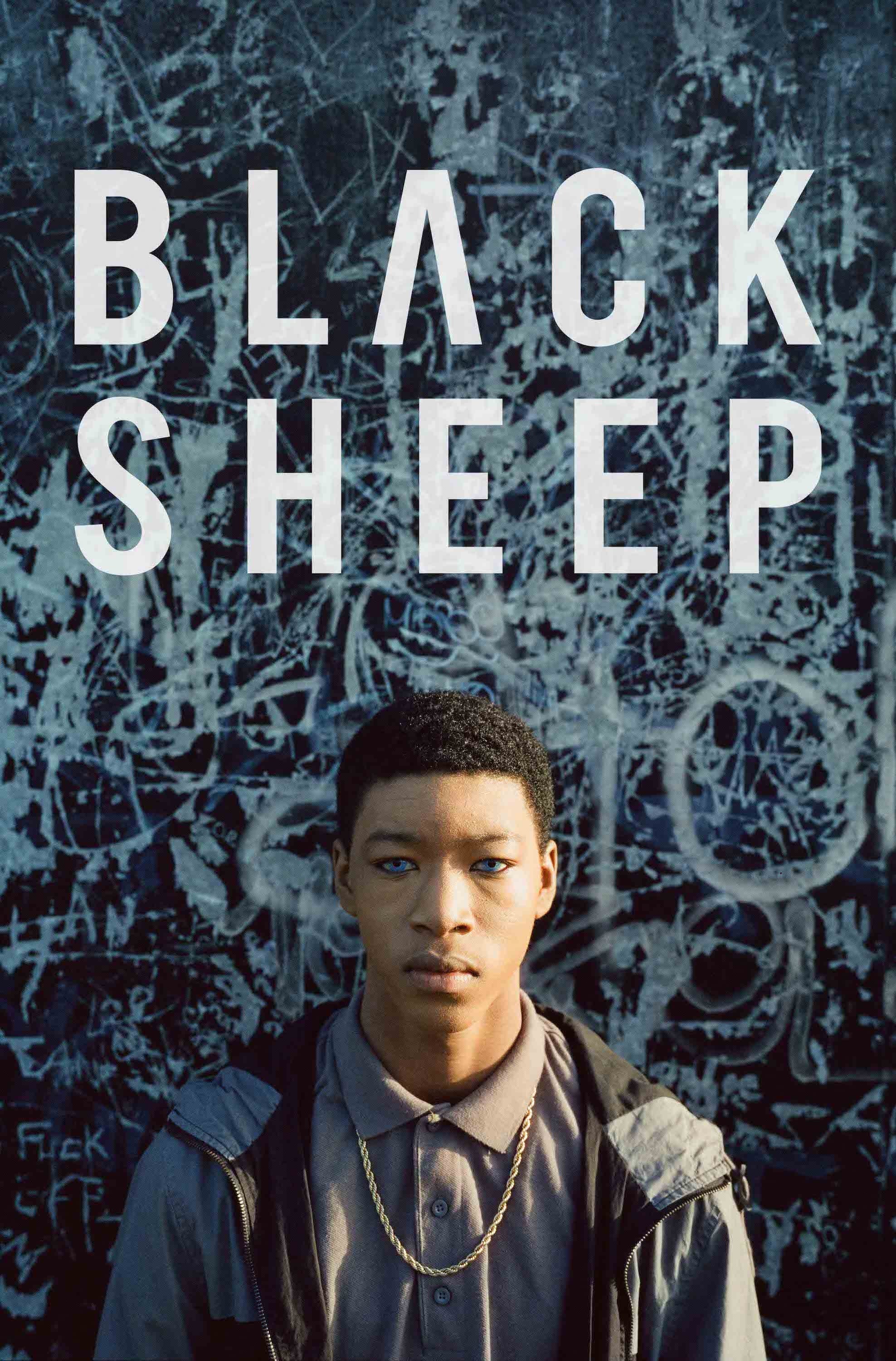
After the high-profile killing of Damilola Taylor, Cornelius' family move out of London. But when they discover their new town is run by racists, Cornelius takes a drastic step to survive.
Join the likes of Jeremy Renner, Hailee Steinfeld, Florence Pugh, and Vincent D’Onofrio as they reveal how Marvel Studios’ “Hawkeye” was conceived and created. Witness firsthand what it took to pull off the show’s pulse-pounding action set pieces, and discover how iconic characters from the pages of Marvel Comics such as Kate Bishop were adapted and brought to life for the six-episode series.
Using the book 'Fragments', which collects Marilyn Monroe's poems, notes and letters, and with participation from the Arthur Miller and Truman Capote estates who have contributed more material, each of the actresses will embody the legend at various stages in her life.
A detailing of the rise to prominence and global sporting superstardom of six supremely talented young Manchester United football players (David Beckham, Nicky Butt, Ryan Giggs, Paul Scholes, Phil and Gary Neville). The film covers the period 1992-1999, culminating in Manchester United's European Cup triumph.