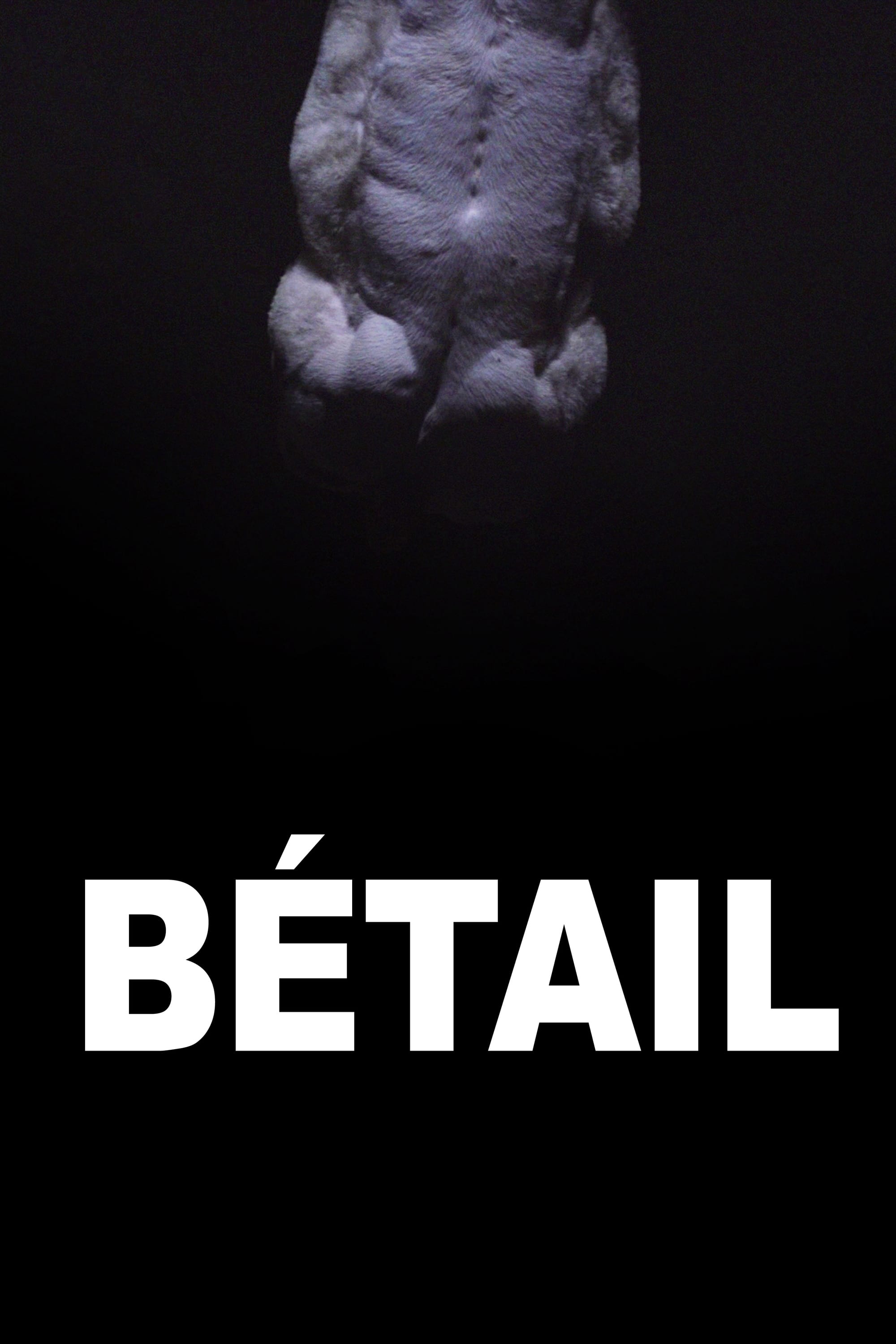
"Here's to the ones who dream... of sheep"
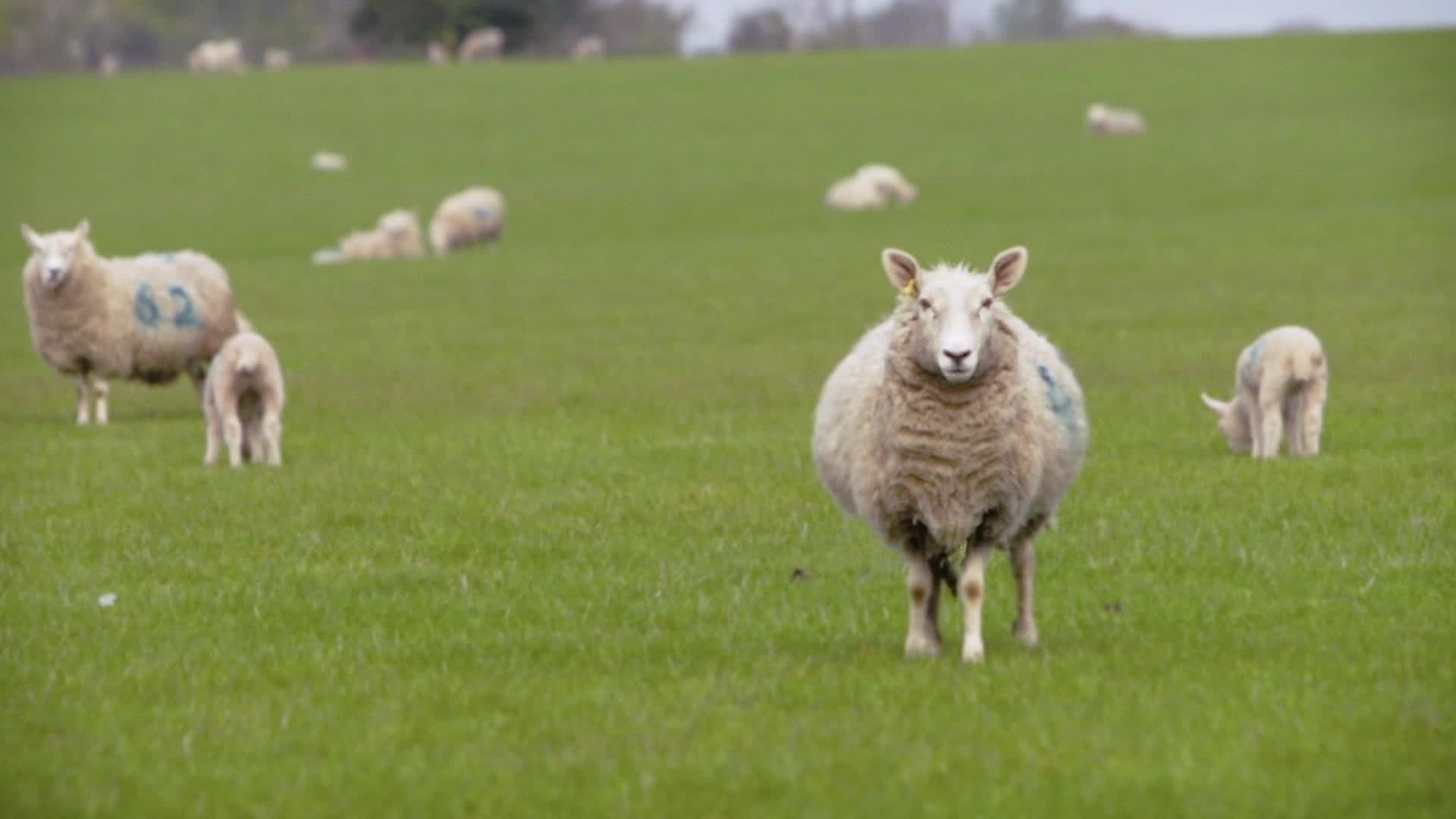
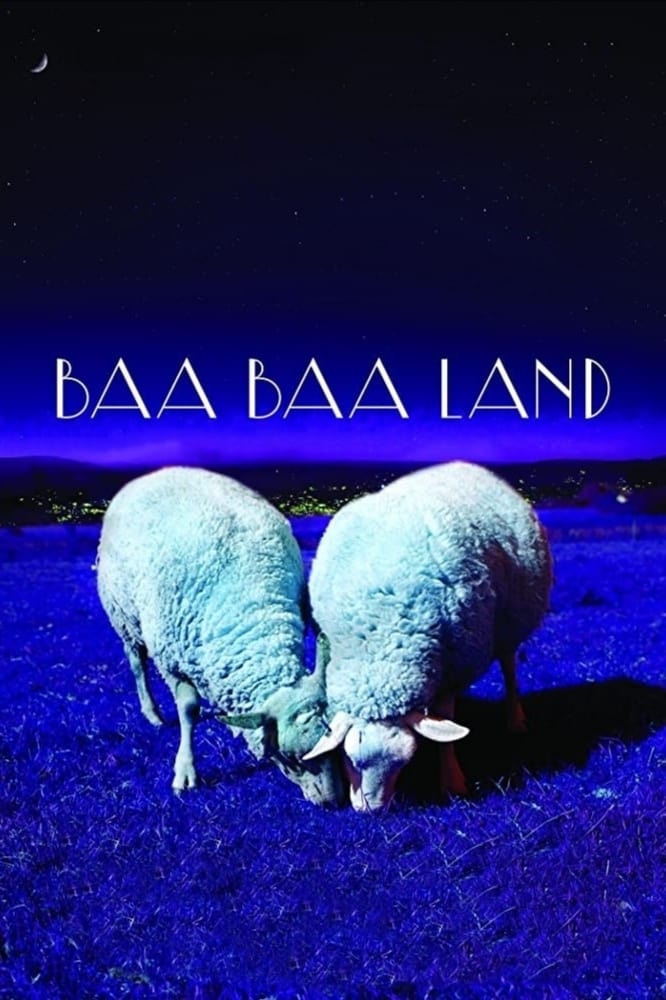
An eight-hour contemplative epic, entirely starring sheep.
Social & External
The people behind it
"Like a Dream That Vanishes" continues Sternberg’s work in film both thematically and formally: the ephemerality of life echoed in the temporal nature of film, as the stuff of life echoed on the energy, life-force in rhythmic light pulses (Your life is like a candle burning). Imageless emulsion is inter-cut with brief shots of natural elements and mise-en-scene of the stages of human life: a little boy runs and falls; teens hang out together at night smoking; sun shines through tree branches; men pace, waiting; flashes of lightning; an elderly man speaks philosophically about miracles.
A look at the various modes of transportation made for the Expo '86 World Fair in Vancouver, Canada.
"Adrift" is shot on the arctic island of Spitzbergen and in Norway. It combines time-lapse photography with stop-motion animation of the landscape. Through camera-angles and framing the film gradually dislocates the viewer from a stable base where one loses the sense of scale and grounding.
Rich Peppiatt delivers a satirical dissection of the newspaper trade by turning the tables on unscrupulous editors. Through a series of mischievous stunts and interviews with heavyweights of journalism, comedy & politics, Peppiatt hilariously exposes the hypocrisy at the heart of modern journalism.
An experimental documentary about the intertwining of bodies and lives in a cattle ranch in Les Avins, Belgium, with cattle of the breed Blanc Bleu Belge, known for its fascinating musculature.
White Sands is a 3 screen projection 16mm film installation which reflects on the visible and invisible manifestations of the nuclear fuel chain on the land, air, water and people of New Mexico.
If Not is a meditation on love, inspired by If Not, Winter by Sappho, translated by Anne Carson. Filmed in Ephesus and Brooklyn.
Dear features the interior world of two teenage Chinese girls in New York City, whose diary entries reveal their concerns related to growing up as immigrants amidst the ever-gentrifying landscape of Chinatown.
Burford met Breer in February 1992 and filmed his actions. Breer manipulates some of his mutoscopes: he leafs through some cards of his film in the making, Sparkill Ave! A dome-shaped sculpture slowly moves across the space.
As technology accelerates, our species' collective imagination of the future grows ever more kaleidoscopic. We are all haunted by temporal distortion, perhaps no more than when we attempt to remember what the future looked like to our younger selves. As the mist of time devours our memories, the future recedes; each of us burdened by the gaping mouth of entropy. Yet, emerging technology provides a glimmer of hope; transhumanism promises a future free from mortality, disease and pain. Does our salvation lie in digital simulacra? We're here to sell you the answer to that question, for the low, low price of four hundred and seventy seconds.
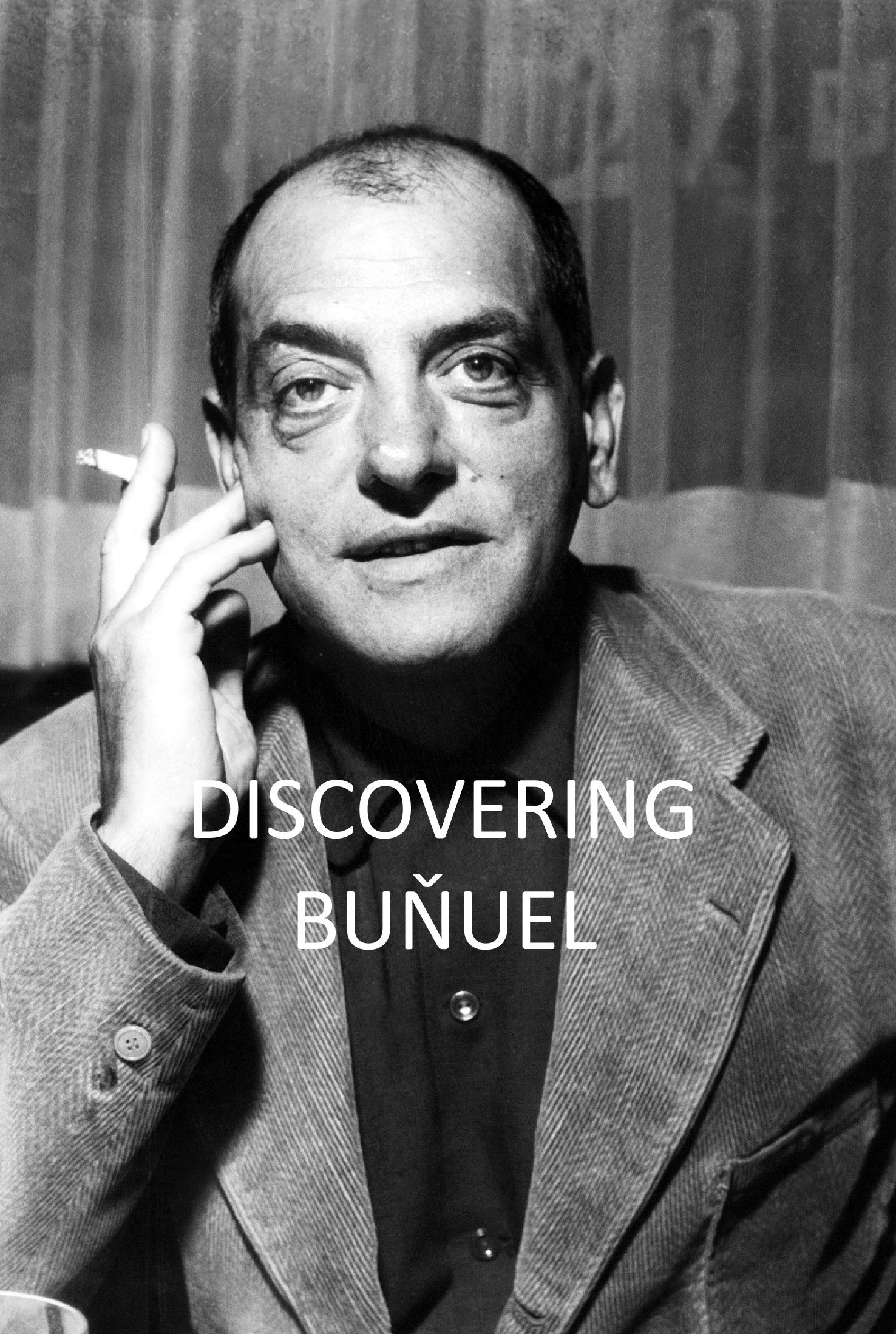
Luis Bunuel, the father of cinematic Surrealism, made his film debut with 'Un Chien Andalou' in 1929 working closely with Salvador Dali. Considered one of the finest and controversial filmmakers with, 'L’Age d’Or' (1930), attacking the church and the middle classes. He won many awards including Best Director at Cannes for 'Los Olvidados' (1950), and the coveted Palme d’Or for 'Viridiana' (1961), which had been banned in his native Spain. His career moved to France with 'The Diary of a Chambermaid' with major stars such as Jeanne Moreau and Catherine Deneuve.
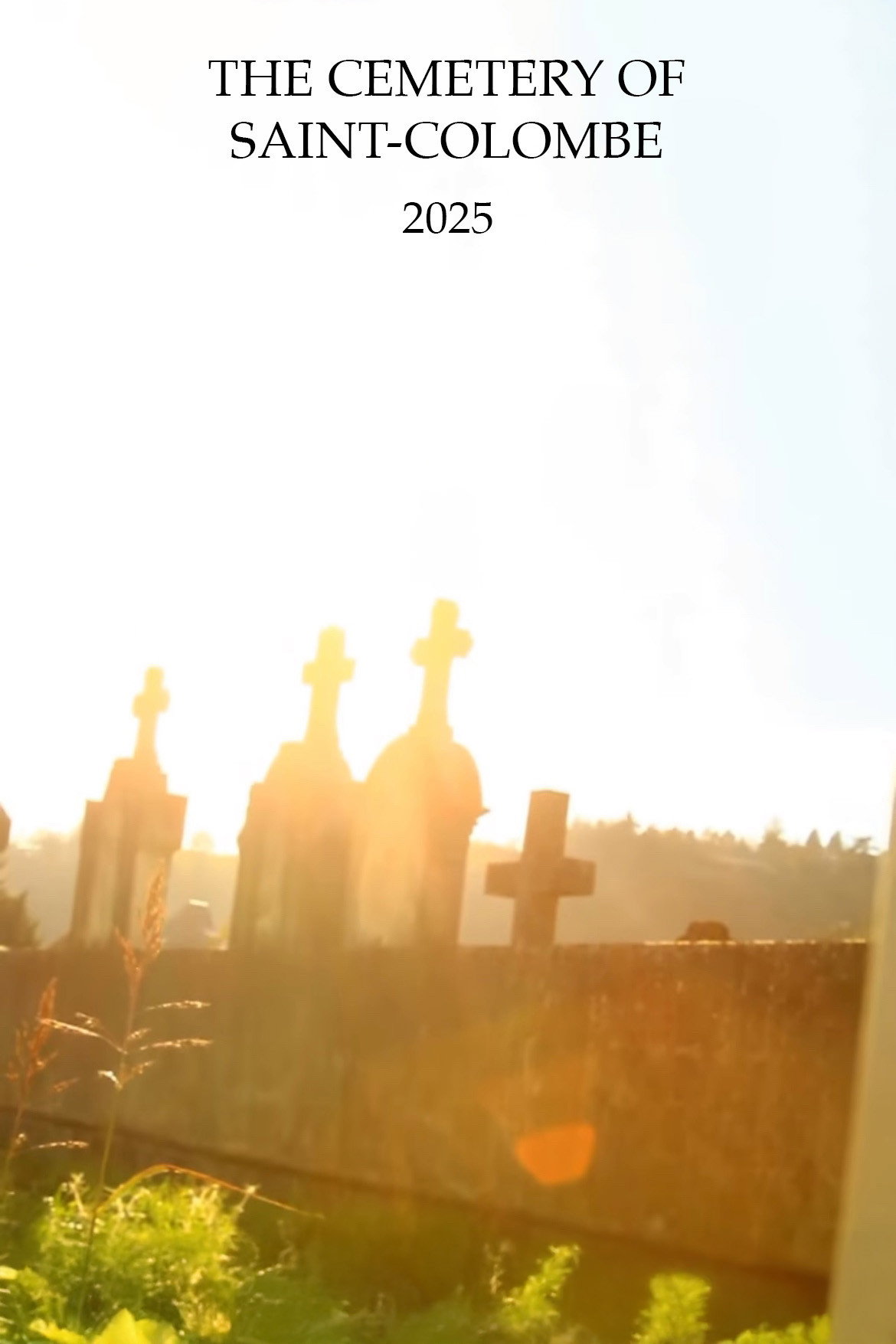
A small exploration in the cemetery from the township of Sainte-Colombe throught a focus into the light, graveyards, flaggings and funerary plaques.
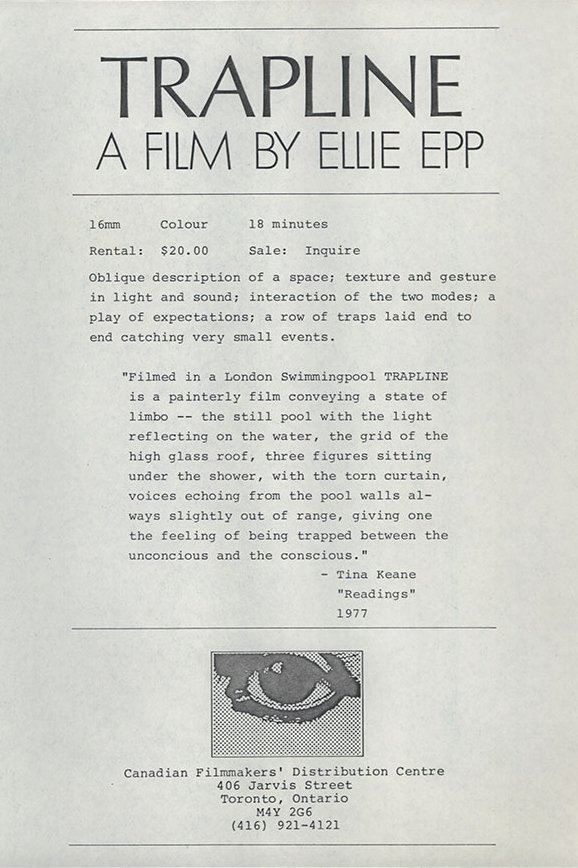
Ellie Epp’s 12-shot study of a soon-to-be-demolished public bath in London, which “maps another way out of structural film toward a cinema of delicate implication".
Combining high definition and Super 8 footage, Lampedusa is composed of interwoven narratives based on a series of real events. In 1831, a volcanic island suddenly erupted from the sea a few kilometers off the southern coast of Sicily. An international dispute ensued, as a number of European powers laid claim to this newfound “land”. The island receded below sea level six months later, leaving only a rocky ledge under the sea…
The rare short film presents a curious dialogue between filmmaker Julio Bressane and actor Grande Otelo, where, in a mixture of decorated and improvised text, we discover a little manifesto to the Brazilian experimental cinema. Also called "Belair's last film," Chinese Viola reveals the first partnership between photographer Walter Carvalho and Bressane.
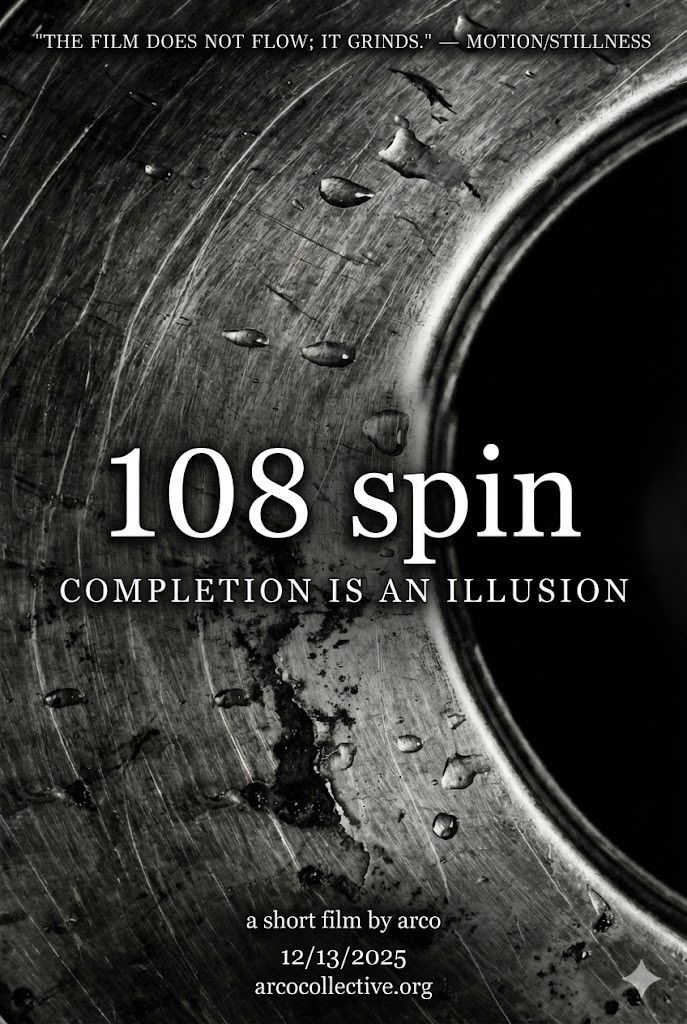
A kinetic prayer and structuralist intervention. Shot entirely on an iPhone 11 in a desolate Midwest laundromat, 108 spin documents the mechanics of impermanence. The film shifts from heavy turbulence to suspended repetition—not as a path to completion, but as a study of the loop itself. Featuring a layered soundscape, the work asks the viewer to stare into the rotation until the noise becomes a mantra.
El proyecto del Pitufo Enrique is a document about the existence of a mysterious goblin from the province of Catamarca. During the filming of the movie there were some tragic incidents, such as the disappearance of six people or the violent deaths of another three. Some of these incidents were registered on video but couldn't see the light because of the ongoing legal battle between the director and the victim's families opposing its screening. On the contrary, Elvira Serio director of the movie, thinks that what is on the tape could be of great help shedding some light over all the mysteries around this thread. She hopes that her work can serve as a warning as well to all the residents and tourists who often visit that place.
Experimental 8mm film.
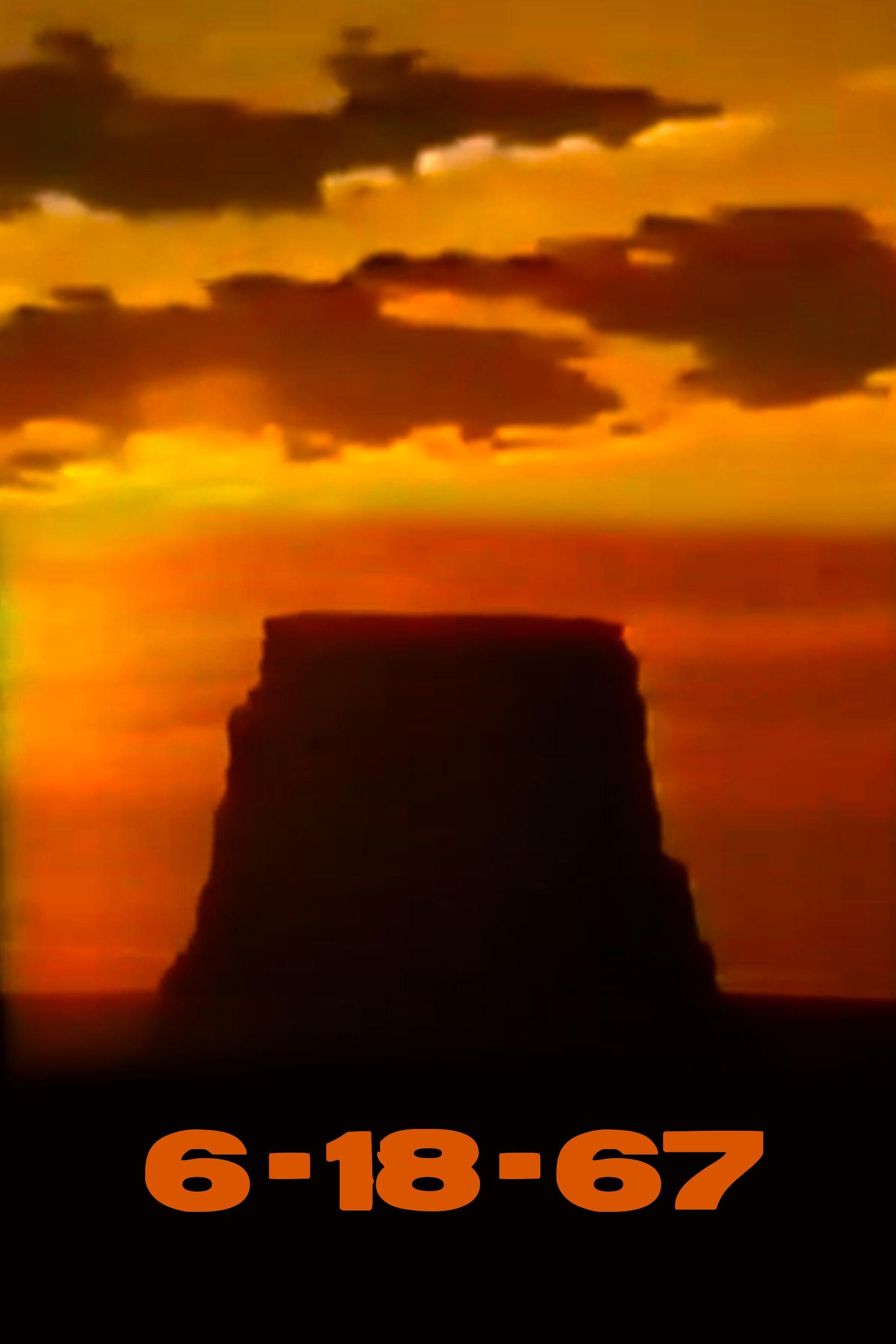
Filmed during the production of the Columbia Pictures western "Mackenna’s Gold," this short work presents a non-narrative visual study of the Arizona desert. Rather than documenting the film set itself, "6-18-67" assembles landscape images, time-lapse photography, and ambient sound into an abstract record of place and duration.
Live Aid was held on 13 July 1985, simultaneously in Wembley Stadium in London, England, and the John F. Kennedy Stadium in Philadelphia, United States. It was one of the largest scale satellite link-ups and television broadcasts of all time: watched live by an estimated global audience of 1.9 billion, across 150 nations. "It's twelve noon in London, seven AM in Philadelphia, and around the world it's time for Live Aid...!"
A presentation of a case for a needed transition out of the current socioeconomic monetary paradigm which governs the entire world society. This subject matter will transcend the issues of cultural relativism and traditional ideology and move to relate the core, empirical 'life ground' attributes of human and social survival, extrapolating those immutable natural laws into a new sustainable social paradigm called a 'Resource-Based Economy'.
Oliver Stone charts the history of the United States from the Second World War to the present.
A chronicle of Bob Dylan's strange evolution between 1961 and 1966 from folk singer to protest singer to "voice of a generation" to rock star.
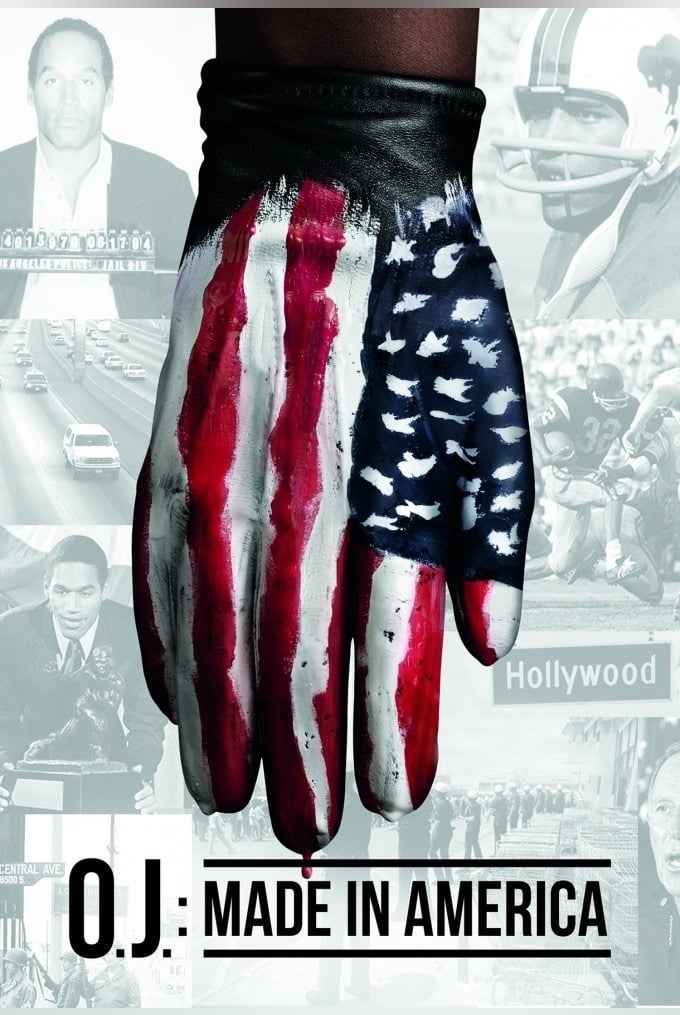
A chronicle of the rise and fall of O.J. Simpson, whose high-profile murder trial exposed the extent of American racial tensions, revealing a fractured and divided nation.
An intense portrait of the iconic filmmaker, writer, actor, comedian and musician Woody Allen: his life, family and friends; his writing and directing habits, and his relationship with performers.
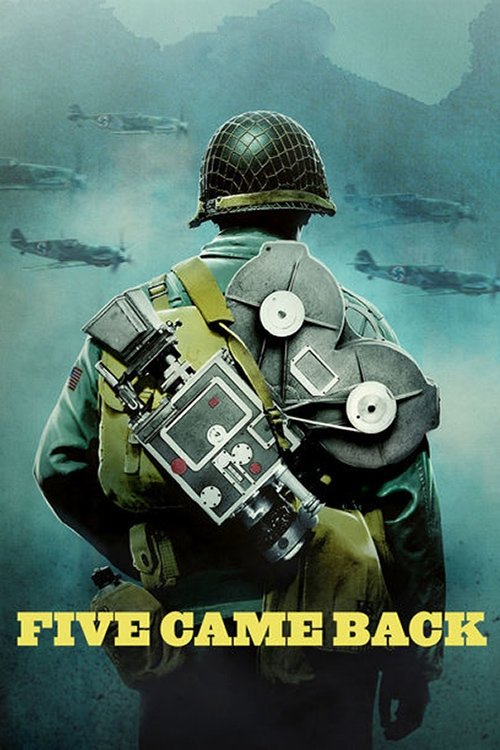
The extraordinary story of how Hollywood changed World War II – and how World War II changed Hollywood, through the interwoven experiences of five legendary filmmakers who went to war to serve their country and bring the truth to the American people: John Ford, William Wyler, John Huston, Frank Capra, and George Stevens. Based on Mark Harris’ best-selling book, “Five Came Back: A Story of Hollywood and the Second World War.”
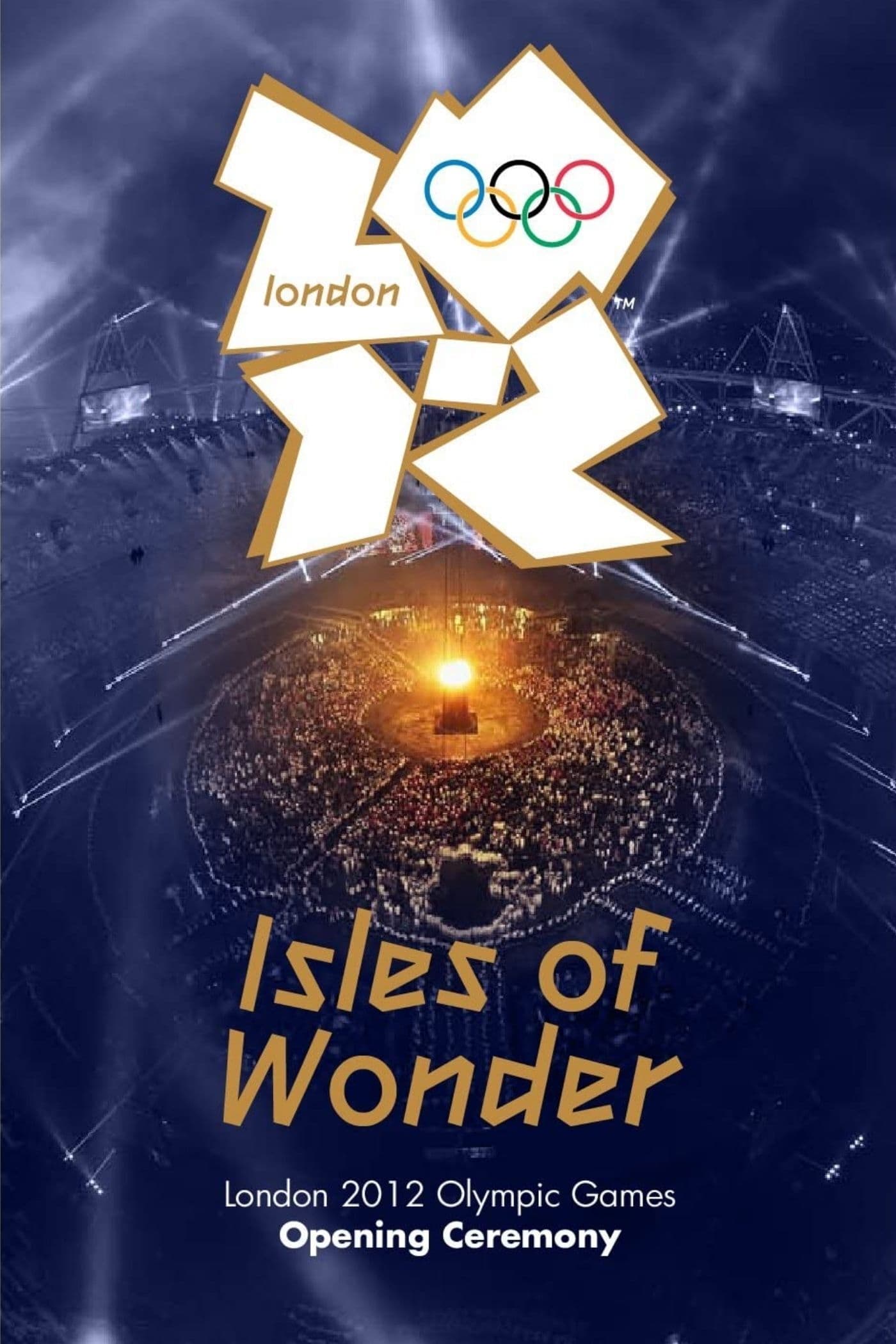
The London 2012 Olympic Games Opening Ceremony took place at 9pm on 27 July 2012. Titled 'Isles of Wonder', the Ceremony welcomed the finest athletes from more than 200 nations for the start of the London 2012 Olympic Games, marking an historic third time the capital has hosted the world’s biggest and most important sporting event. The Opening Ceremony reflected the key themes and priorities of the London 2012 Games, based on sport, inspiration, youth and urban transformation. It was a Ceremony 'for everyone' and celebrated contributions the UK has made to the world through innovation and revolution, as well as the creativity and exuberance of British people.